Everest Finally Gave Up A Secret
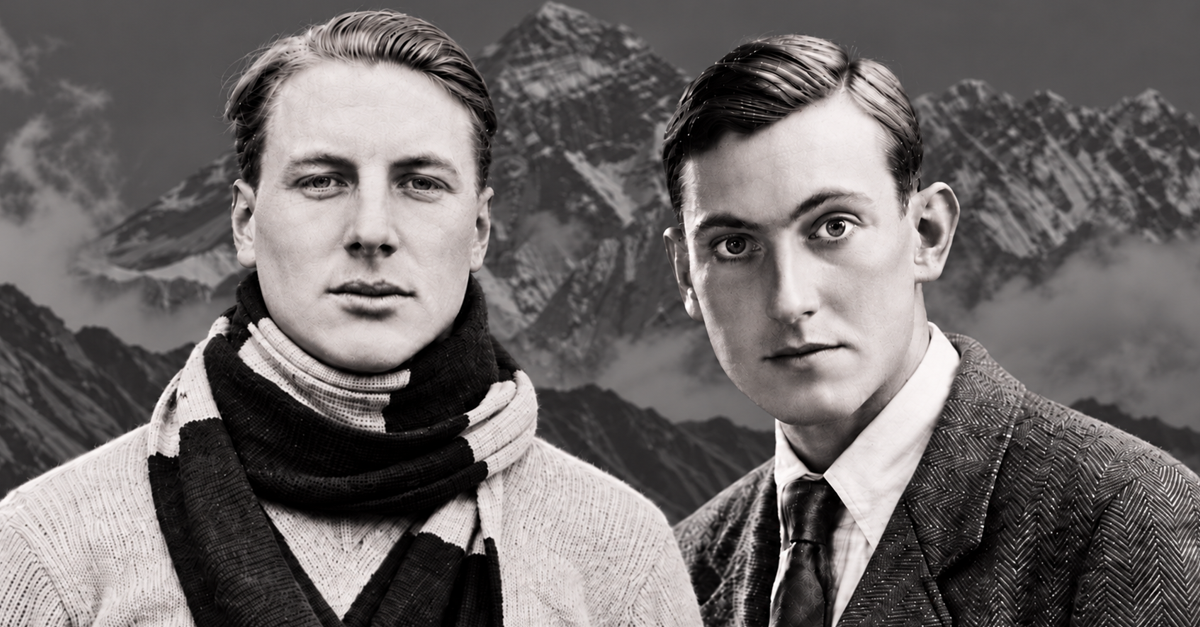
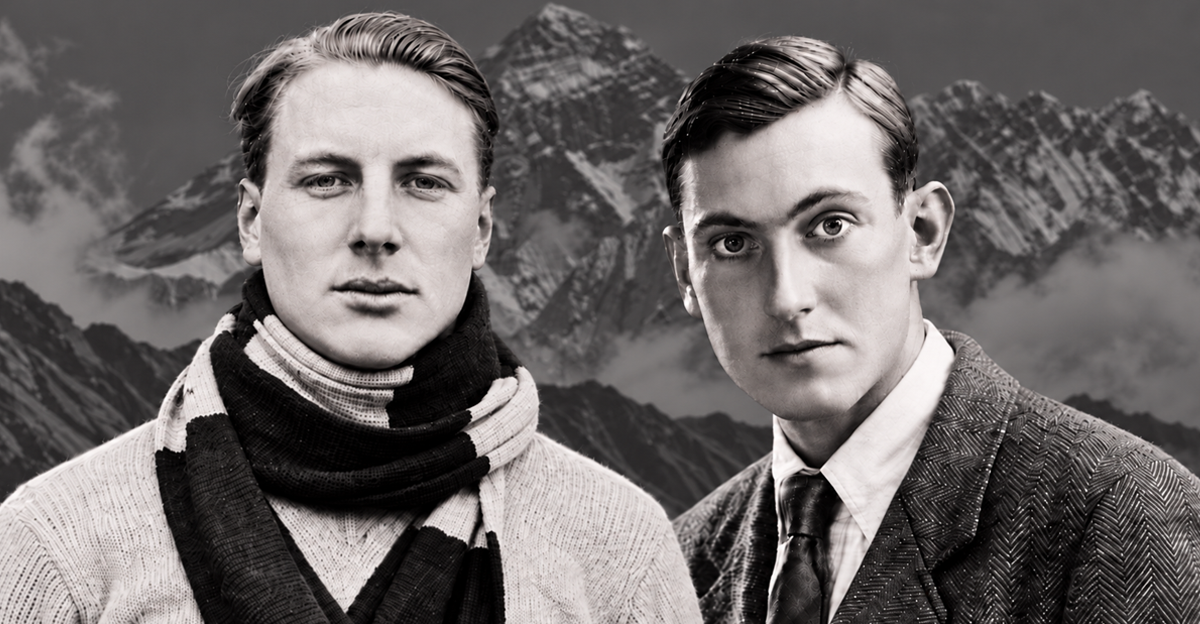
George Mallory and Sandy Irvine vanished on Mount Everest in 1924, leaving behind a mystery that haunted explorers for generations. A century later, something astonishing emerged from the ice: an old leather boot containing human remains. But it was the name stitched inside that sent shockwaves through the mountaineering world. Had Everest finally revealed a clue that could rewrite climbing history?
 Unknown photographer, Wikimedia Commons
Something Was Sticking Out Of The Ice
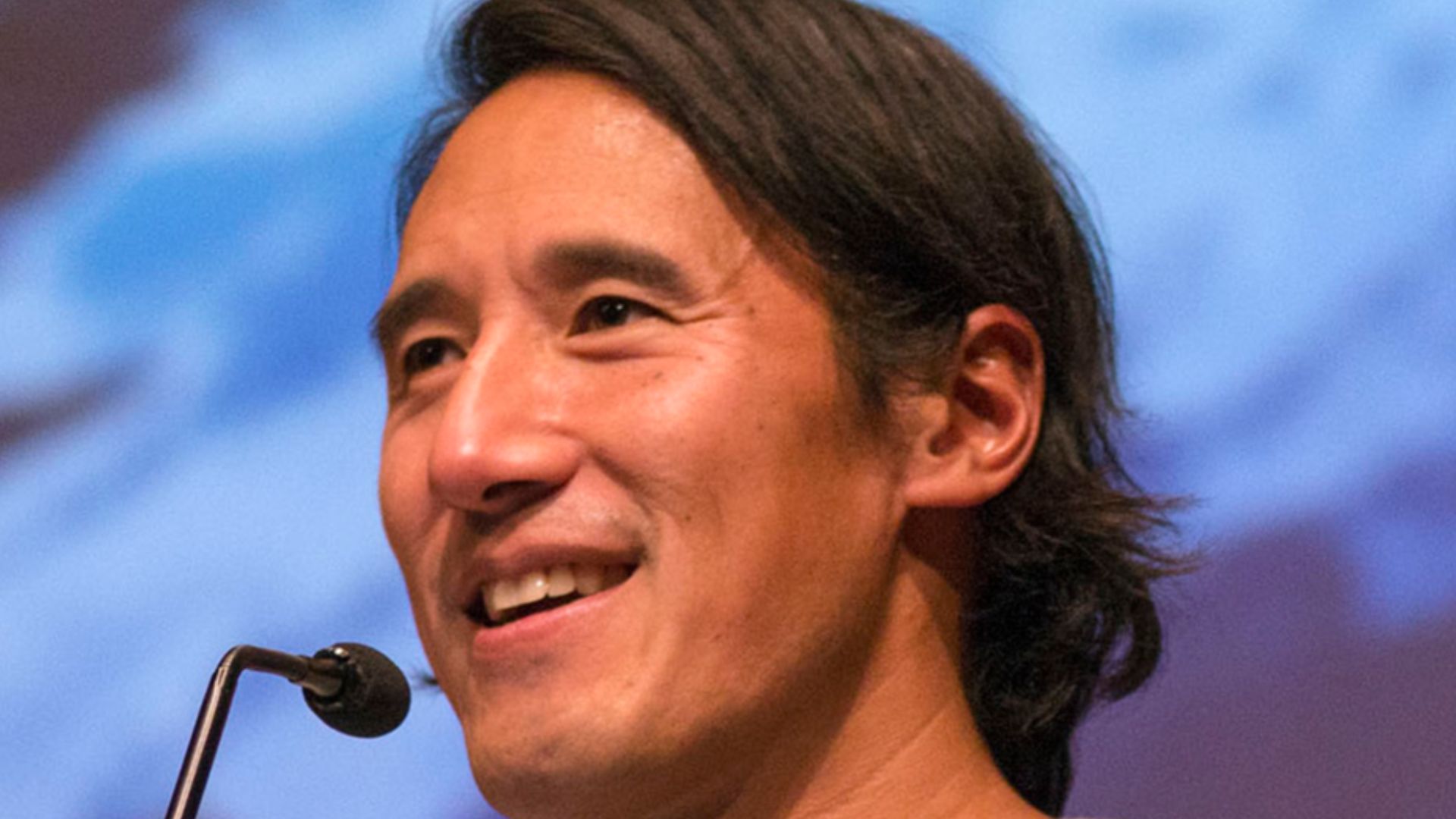
In September 2024, filmmaker Jimmy Chin was exploring Everest's Central Rongbuk Glacier with climbers Erich Roepke and Mark Fisher. The National Geographic team was filming a documentary when they spotted something unusual emerging from the ice. It was an old leather climbing boot, and its appearance suggested it had been there for decades.
 University of Michigan School for Environment and Sustainability, Wikimedia Commons
The Boot Held A Disturbing Surprise
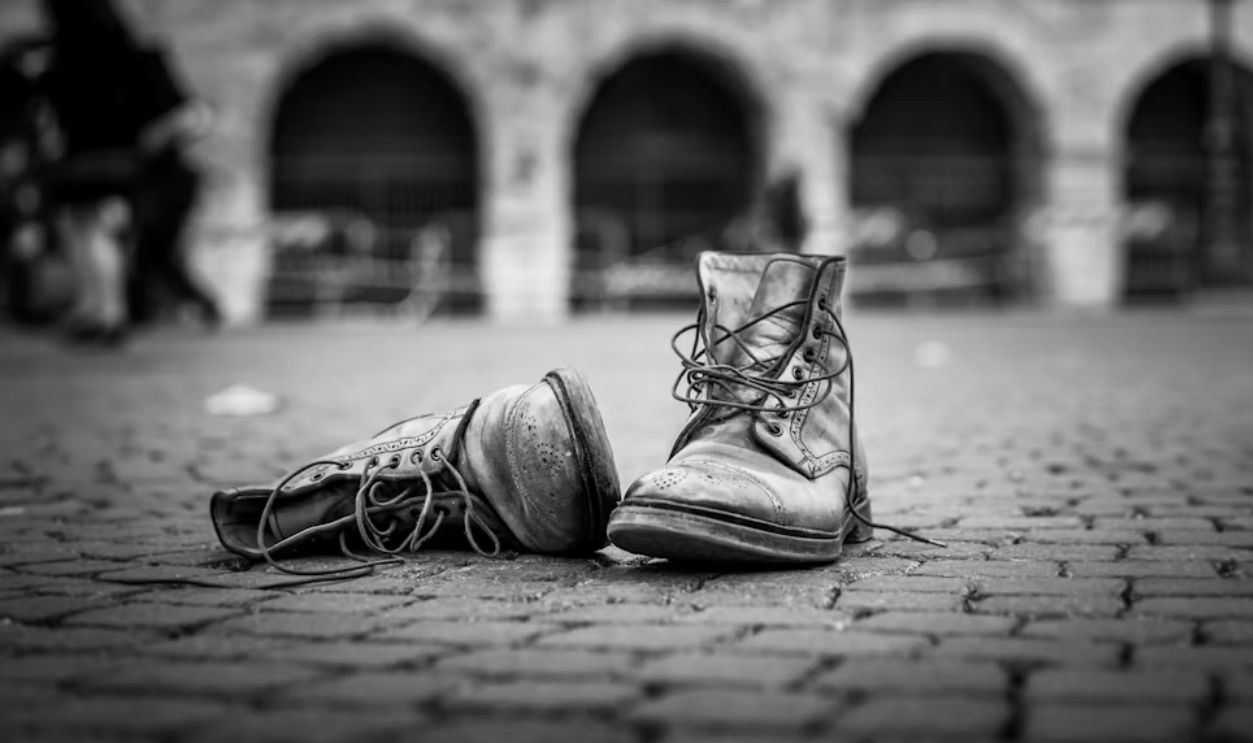
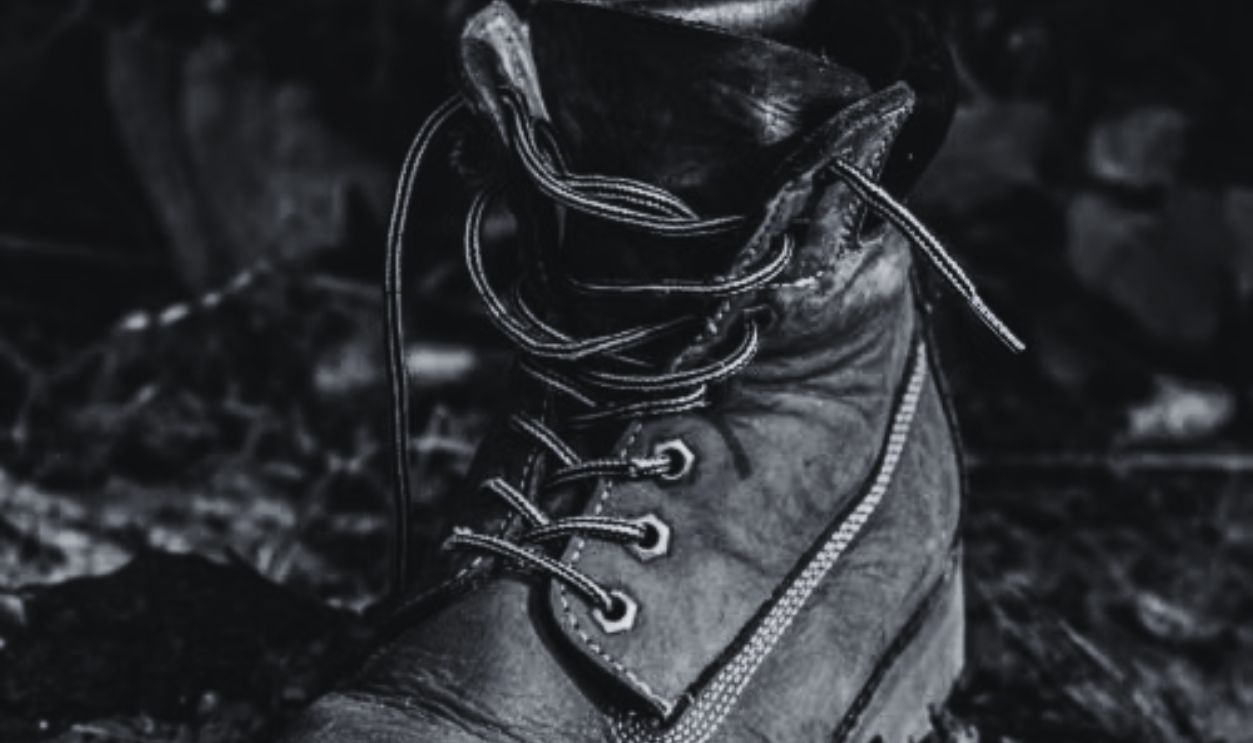
The boot's cracked leather and metal-studded sole belonged to an earlier era of mountaineering. But when the team examined it more closely, they discovered something extraordinary inside. A human foot was still enclosed in the boot, preserved by the mountain's freezing conditions.
Then They Saw The Name
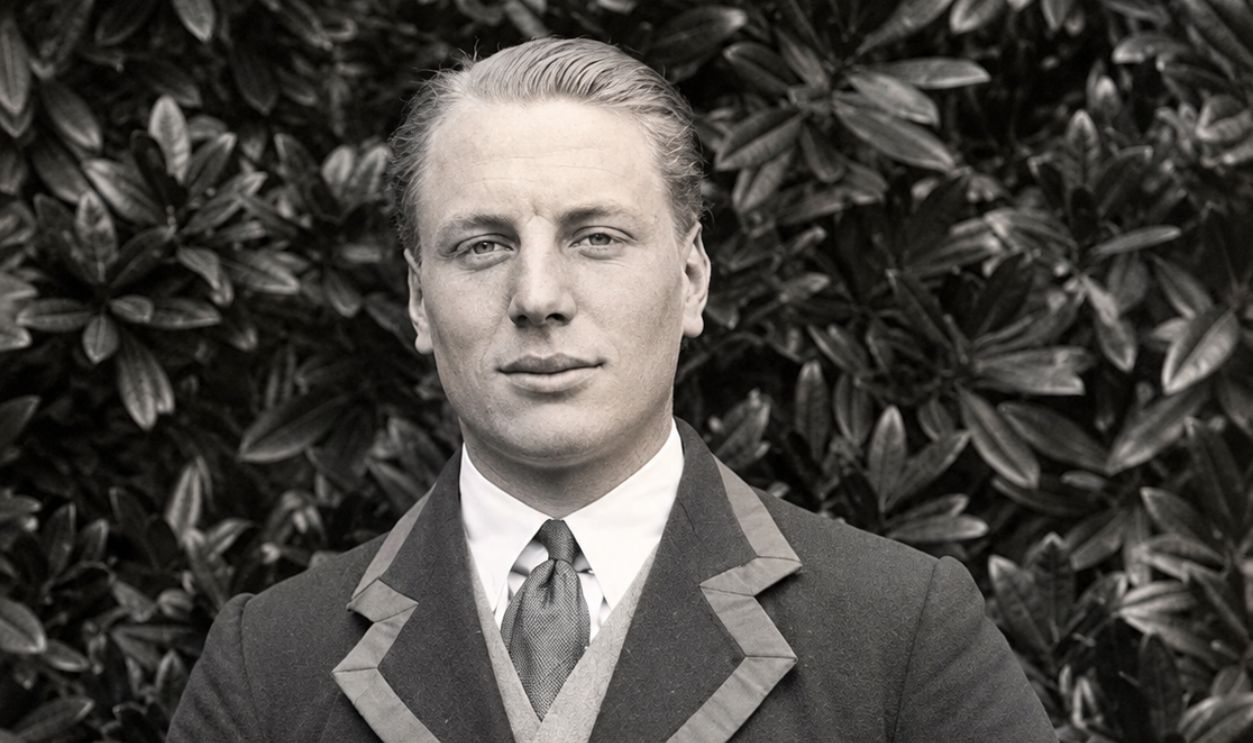
Inside the boot was a sock bearing a red label stitched with the words "A.C. IRVINE." The name belonged to Andrew Comyn Irvine, a British mountaineer who vanished on Everest in 1924. For a century, nobody had found confirmed remains belonging to him, making this discovery a potentially historic breakthrough.
 Christina Broom, Wikimedia Commons, Enhanced
The Mystery Began A Century Earlier
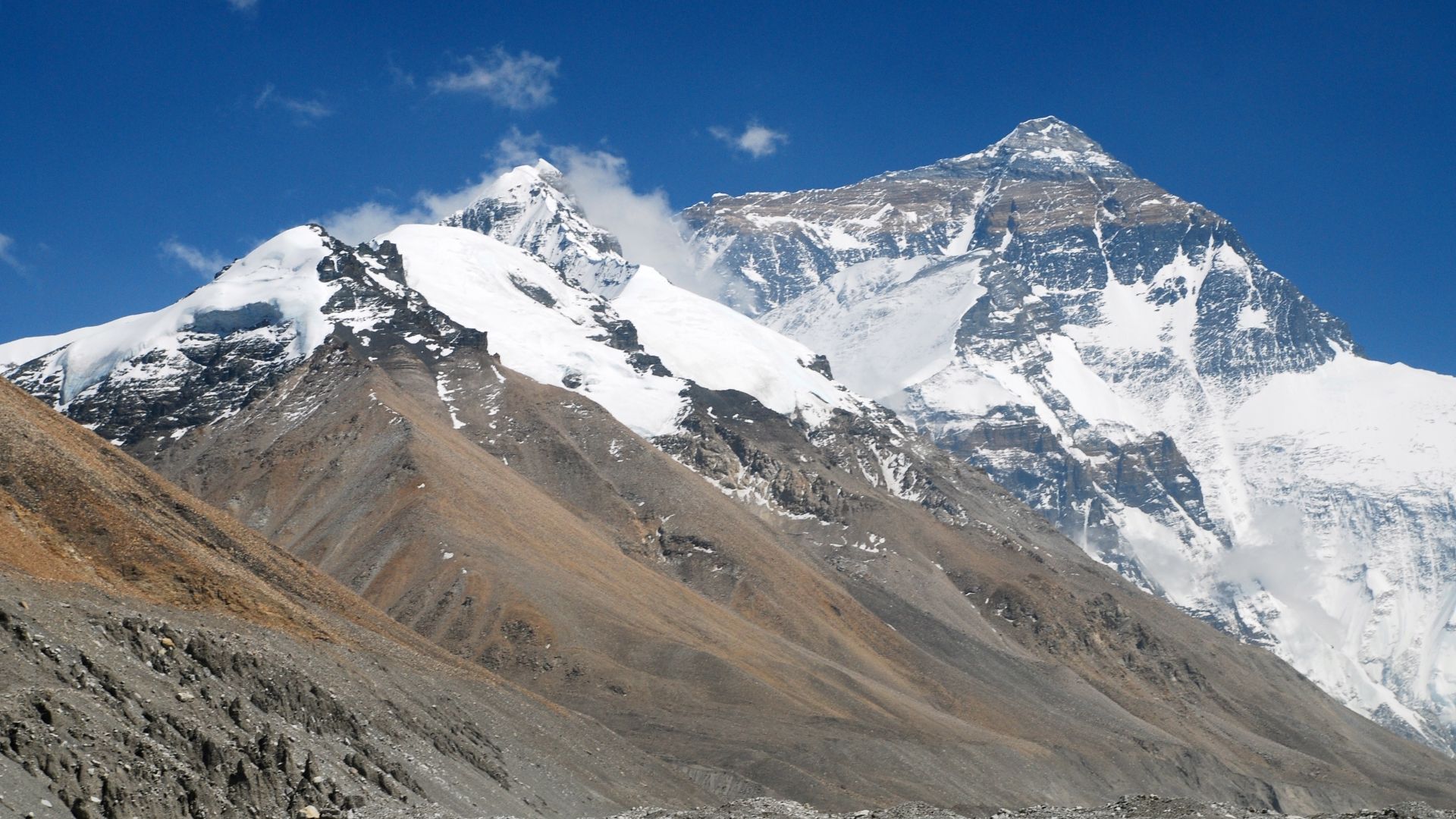
In the early 1920s, Everest remained one of exploration's greatest unconquered challenges. British expeditions surveyed the mountain in 1921 and attempted to reach its summit in 1922. When another team arrived in 1924, two men would become central to one of mountaineering's most enduring mysteries.
 Gunther Hagleitner, Wikimedia Commons
George Mallory Was A Climbing Legend
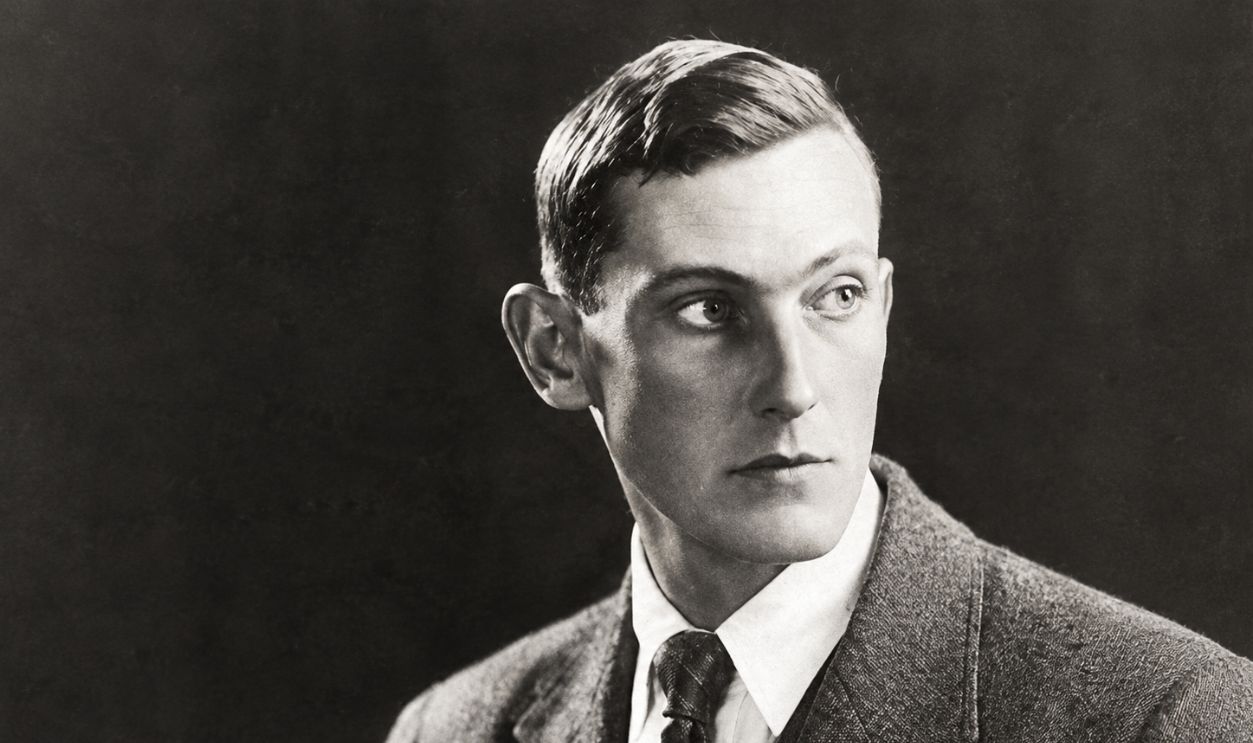
George Mallory had participated in both earlier British Everest expeditions and was among the era's most accomplished mountaineers. He famously explained his desire to climb Everest with the words "Because it's there." At 37, Mallory returned in 1924 determined to make another attempt on the world's highest summit.
 Zp at cs.wikipedia, Wikimedia Commons, Enhanced
His Partner Was Just 22
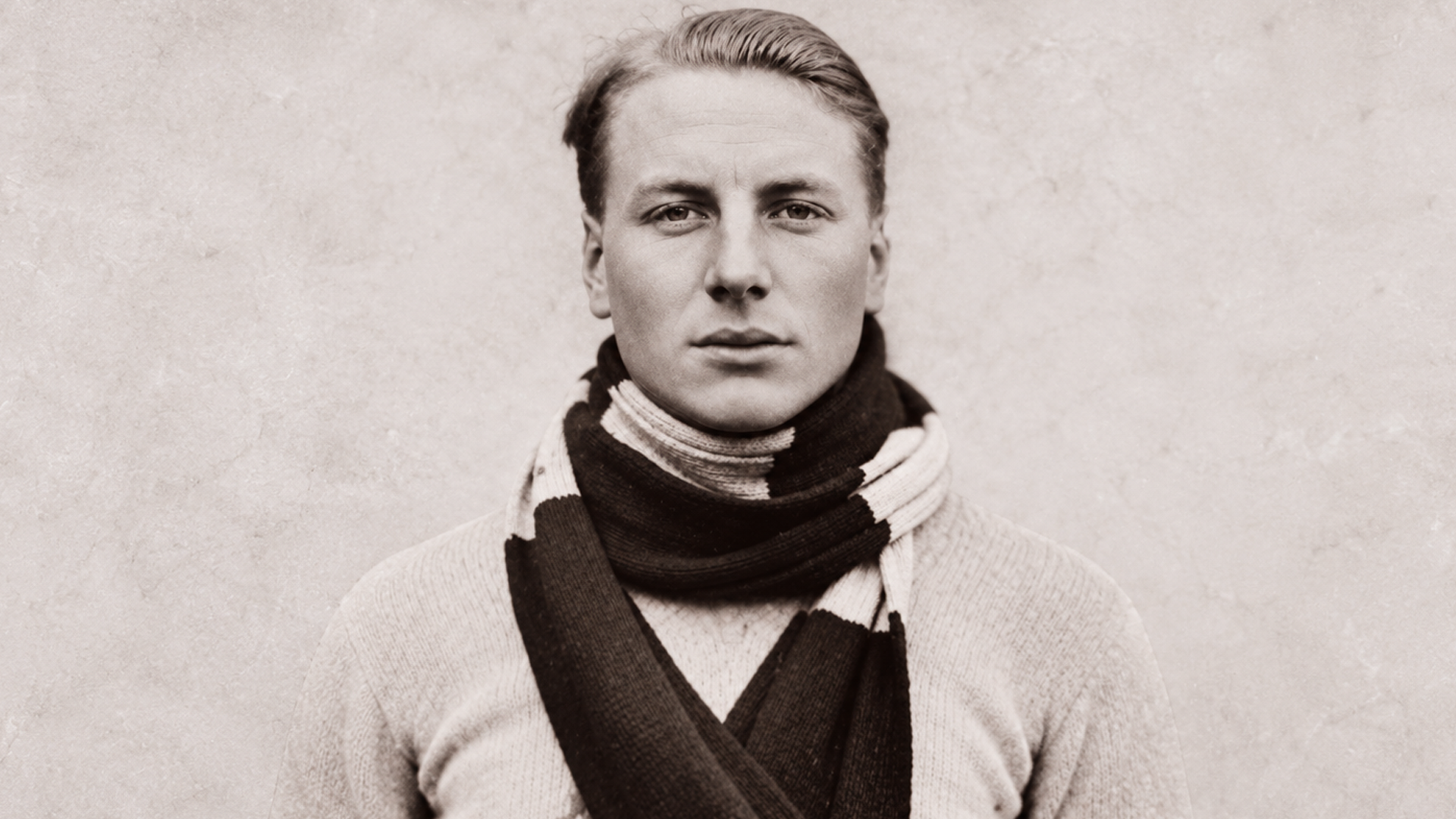
Andrew "Sandy" Irvine was the expedition's youngest member and an Oxford student with limited high-altitude climbing experience. However, he was an exceptional athlete, talented rower, and gifted engineer. Although less experienced than the other climbers, his unusual combination of strength and technical ability made him a valuable teammate.
 Unknown photographer, Wikimedia Commons
Irvine Could Fix Almost Anything
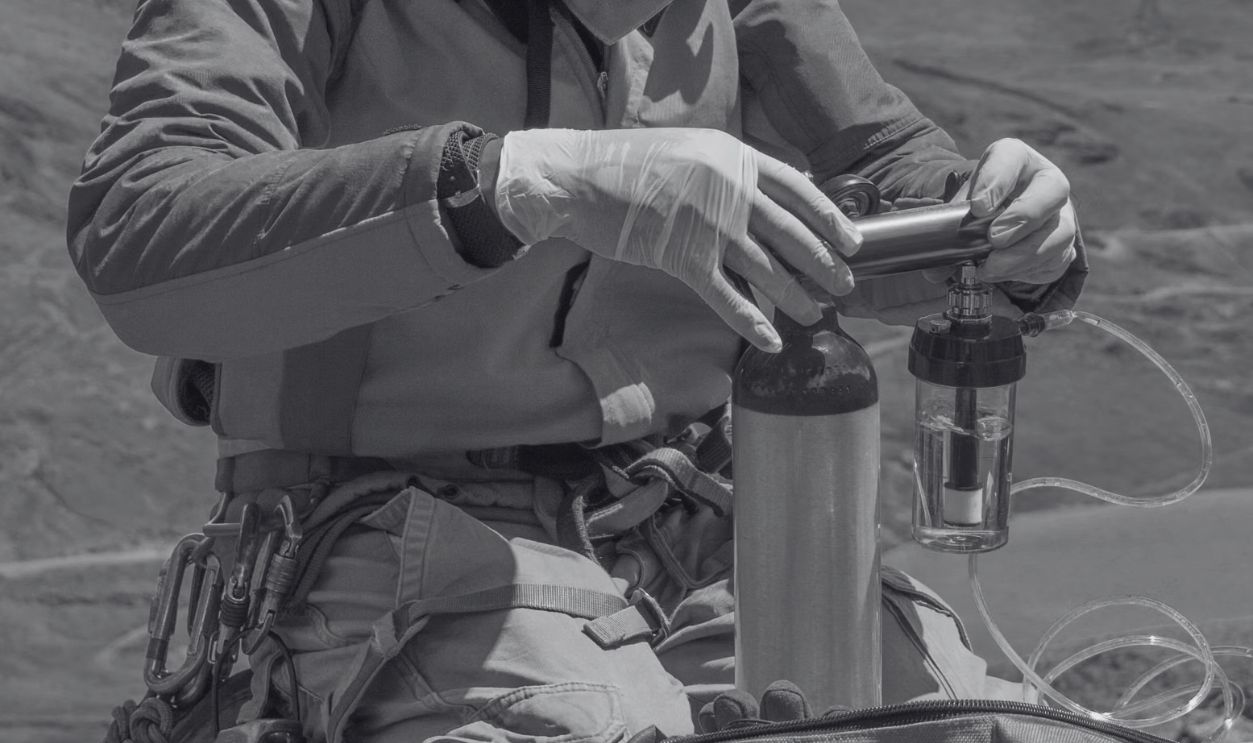
Everest's early oxygen systems were complicated, unreliable, and difficult to manage at extreme altitudes. Irvine became the expedition's oxygen specialist, improving equipment and helping maintain its performance. His mechanical skills and physical endurance helped convince Mallory to choose him as his partner for the final summit attempt.
Their Equipment Seems Almost Unbelievable Today
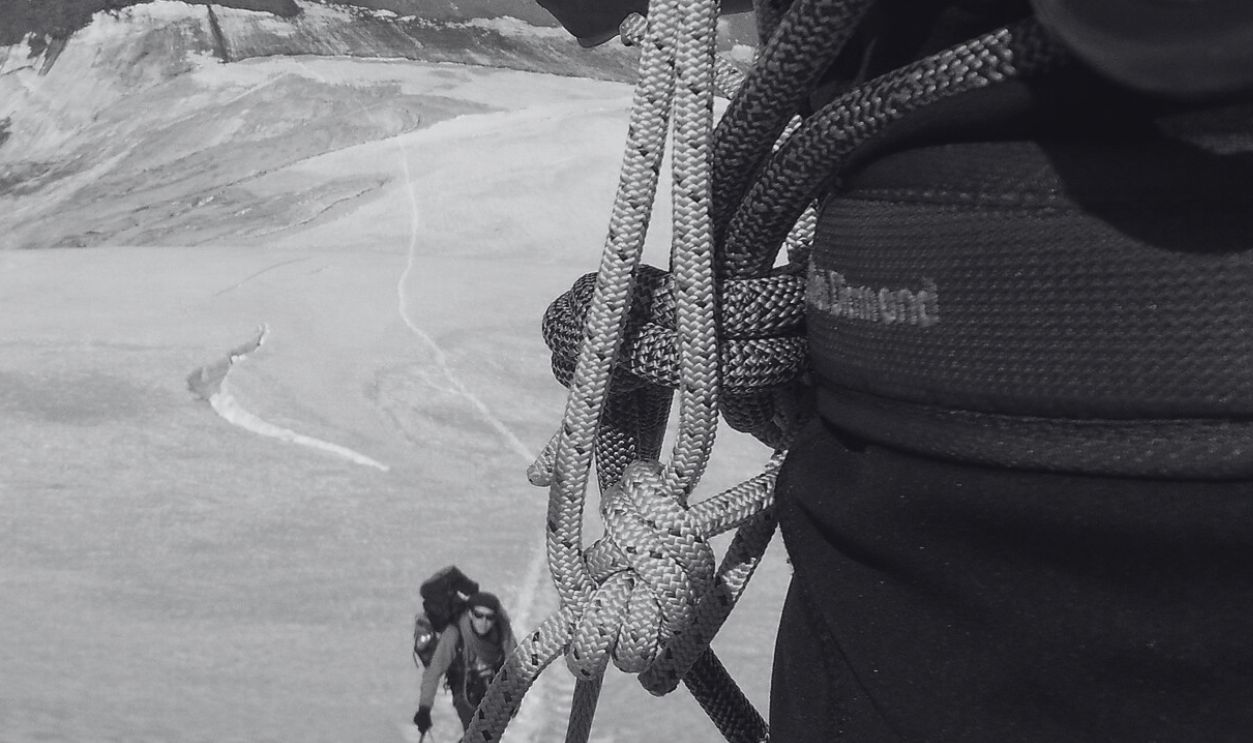
In 1924, Everest climbers wore layers of wool and gabardine instead of modern insulated suits. Their leather boots had metal studs, their ropes were made from natural fibers, and their oxygen systems were cumbersome. Even reaching the mountain required weeks of travel, making the expedition a remarkable undertaking before the climbing began.
 Prissantenbar, Wikimedia Commons
Their Final Climb Began On June 8
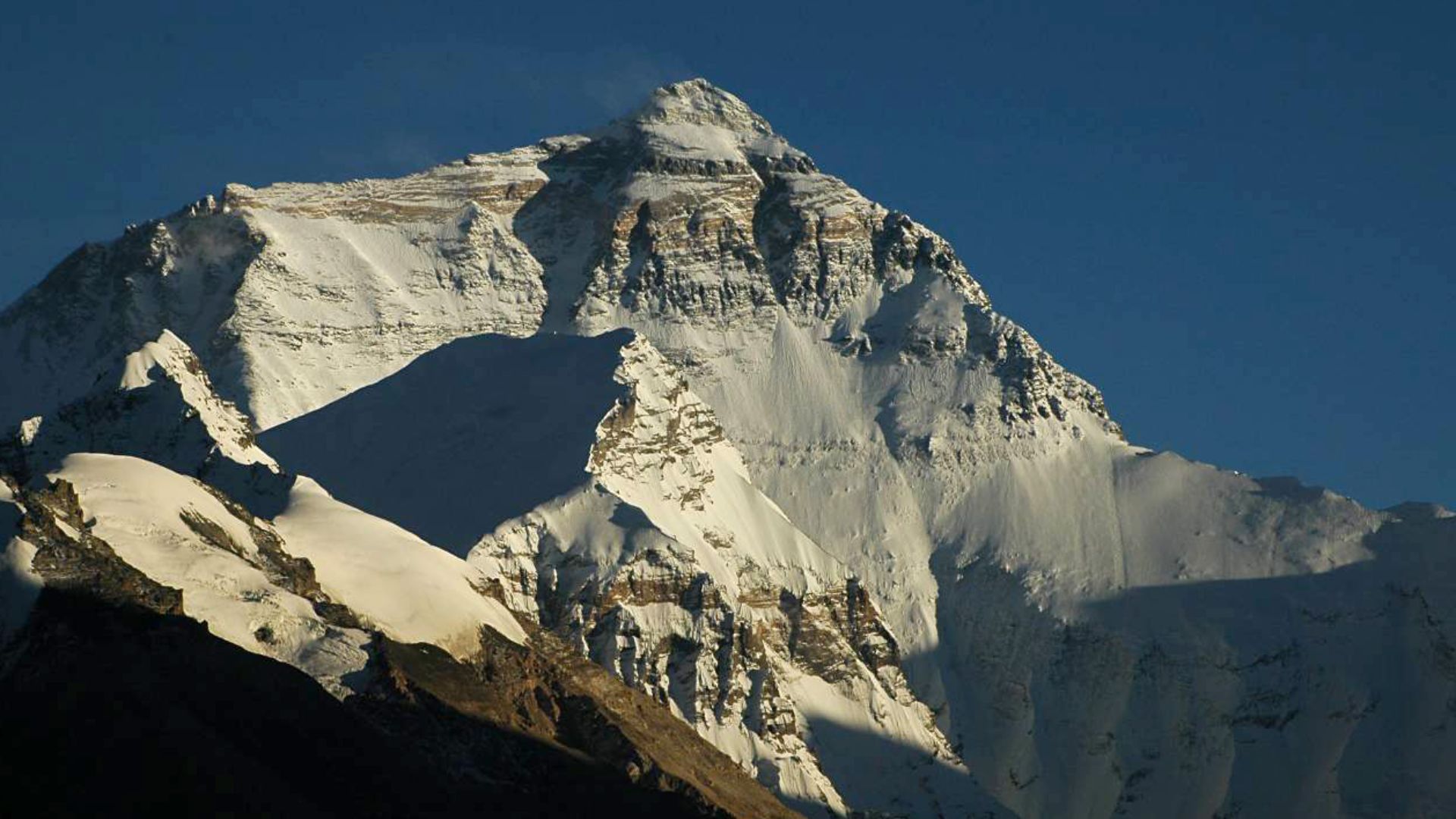
On June 8, 1924, Mallory and Irvine left their high camp on Everest's northern side. They planned to follow the Northeast Ridge toward the summit using supplemental oxygen. The weather initially appeared promising, but clouds soon complicated efforts to watch their progress.
 Carsten.nebel, Wikimedia Commons
Someone Spotted Them High Above
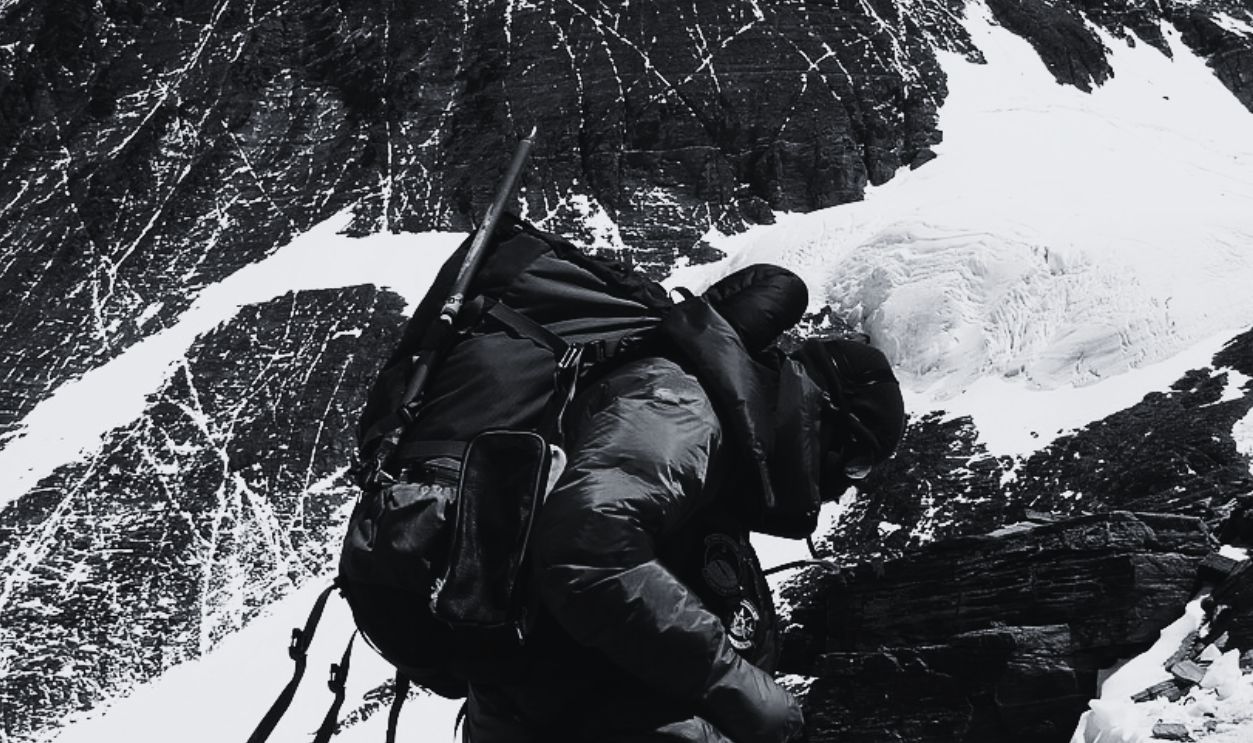
Later that day, expedition member Noel Odell briefly spotted two figures moving upward through a break in the clouds. He believed they were Mallory and Irvine negotiating a rocky obstacle high on the ridge. His sighting, at approximately 12:50 p.m., became the last confirmed glimpse of the two climbers alive.
But Nobody Agreed On What He Saw
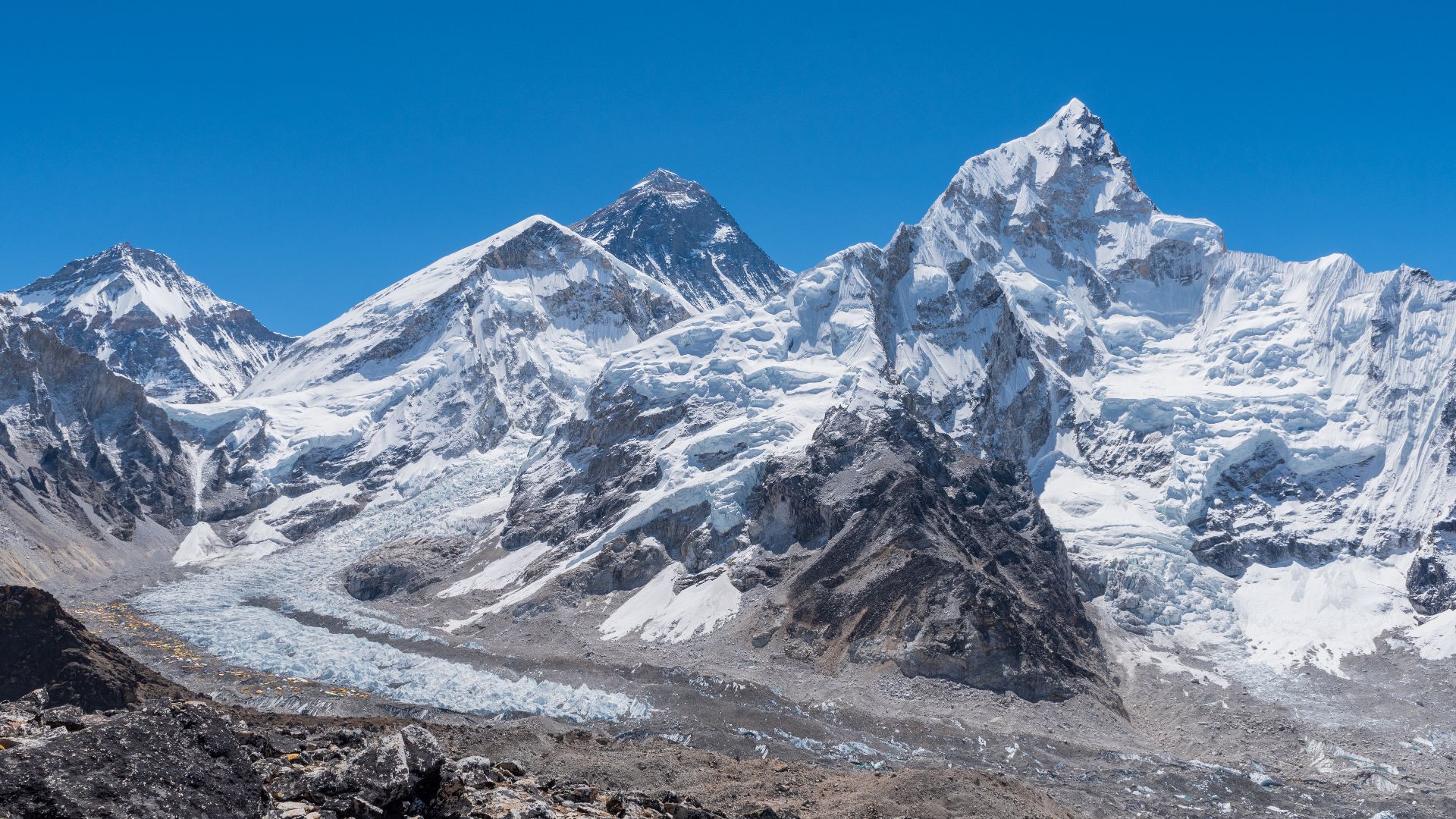
Odell's observation sparked decades of debate about exactly where the climbers had reached. Everest's Northeast Ridge contains several steep rocky obstacles, and identifying the correct one changes how close the pair might have been to the summit. The clouds closed in before Odell could follow their progress, leaving their final route uncertain.
Then The Mountain Went Silent
Mallory and Irvine never returned to camp, and their teammates eventually realized something had gone terribly wrong. Odell searched for signs of the missing men but found nothing that revealed their fate. The expedition left Everest without knowing whether the climbers had reached the summit or fallen during their ascent.
History Recorded A Different First
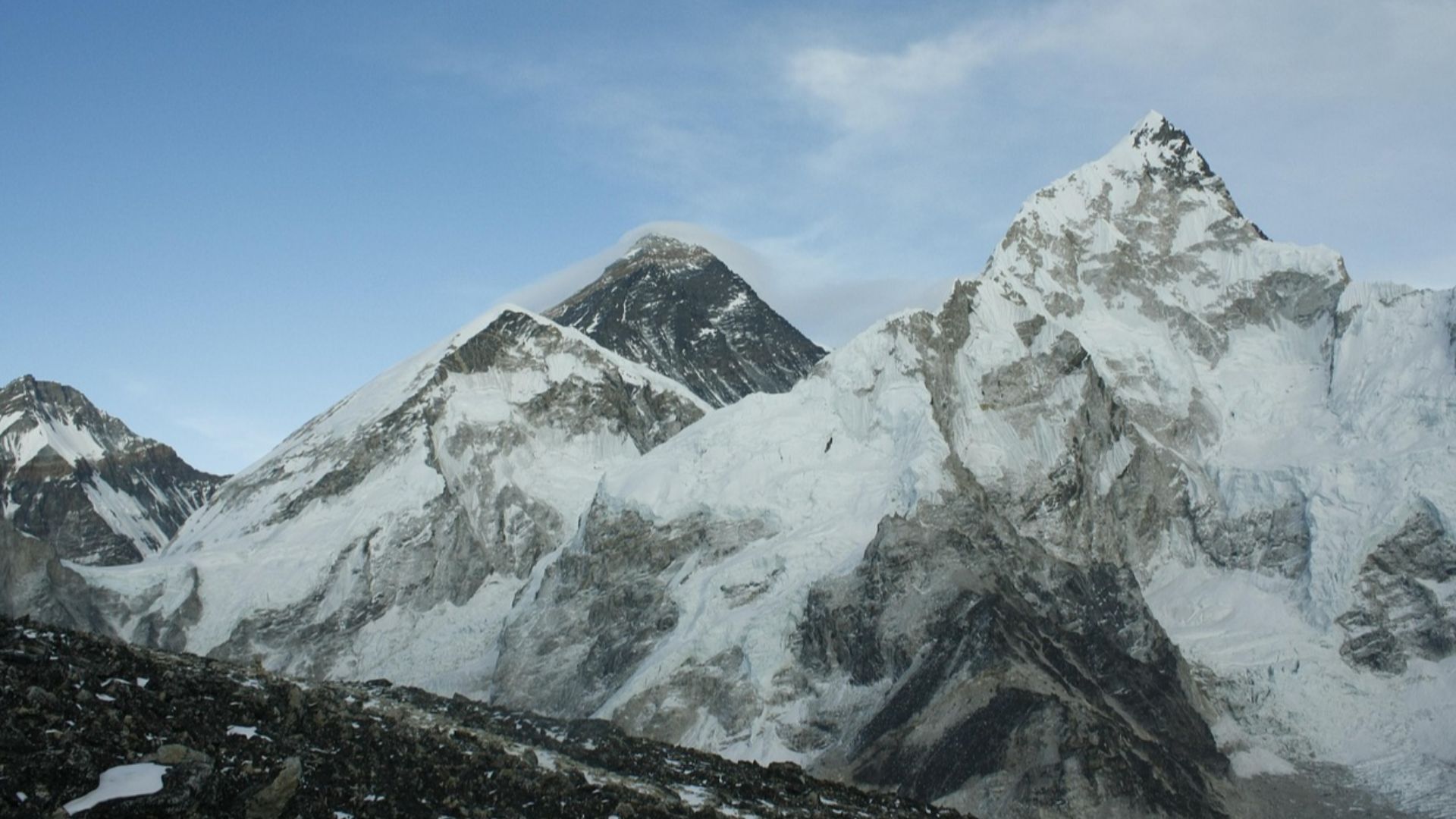
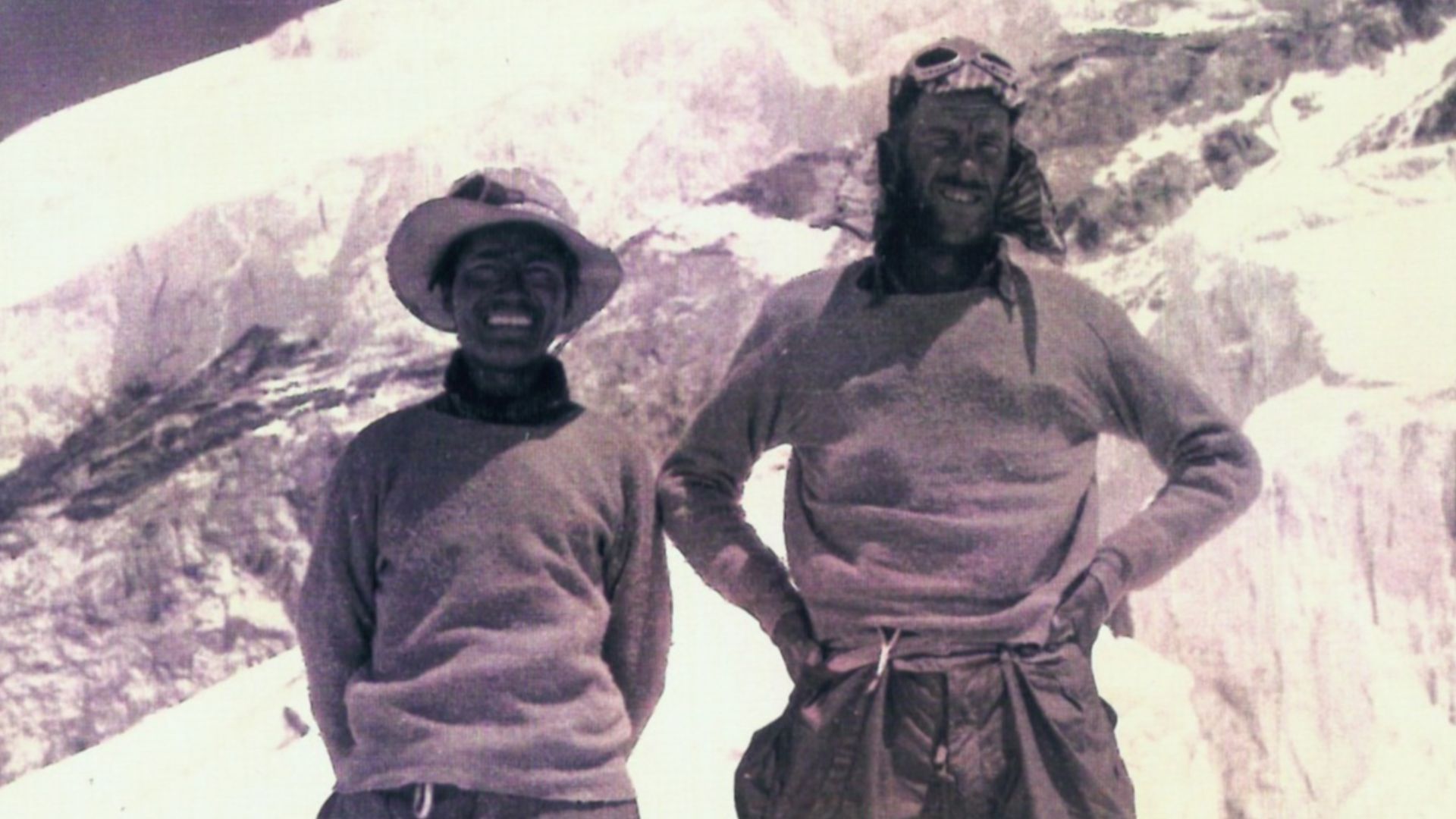
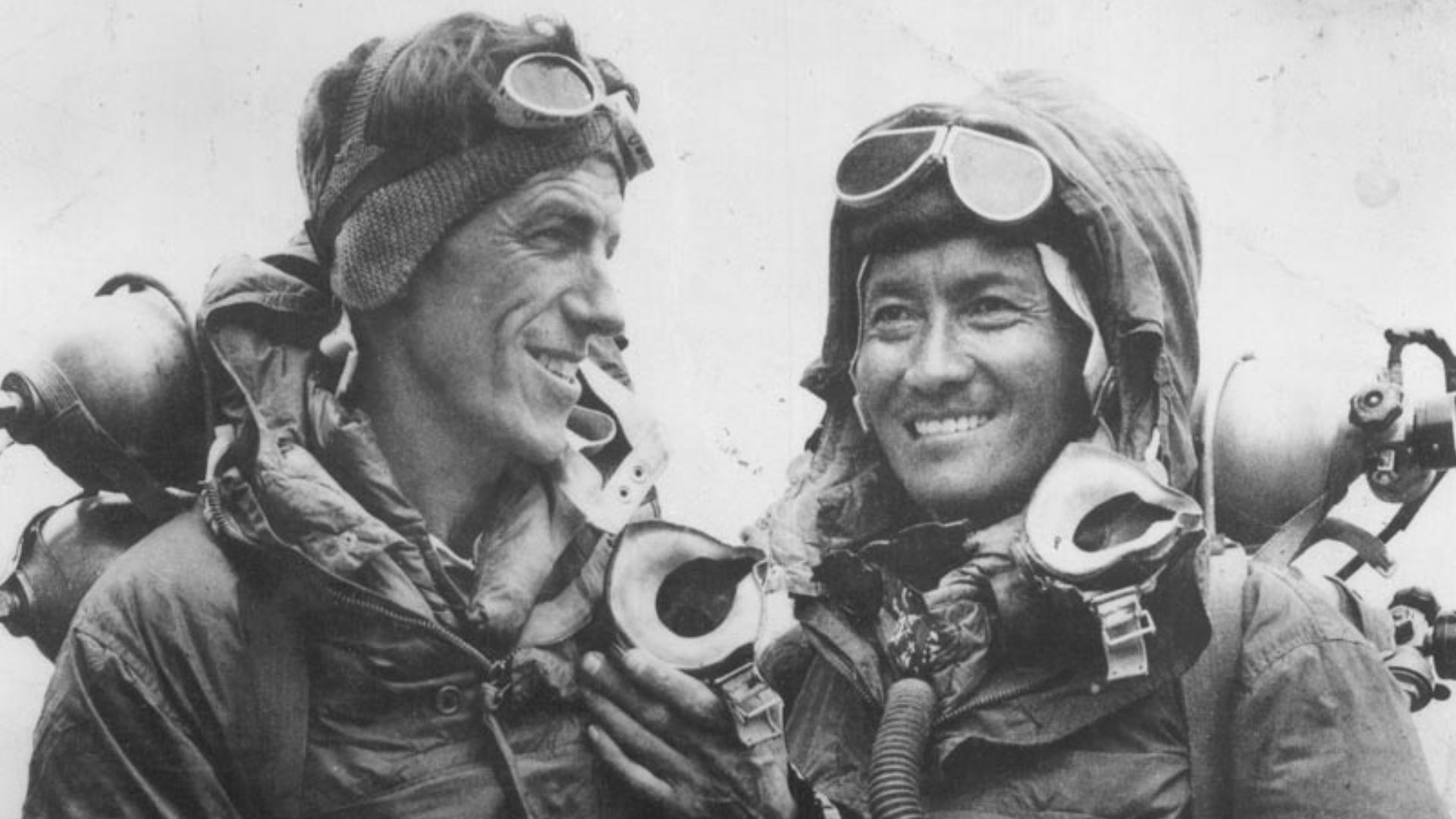
On May 29, 1953, Edmund Hillary and Tenzing Norgay became the first climbers confirmed to have reached Everest's summit. Their achievement made international headlines and established a landmark in mountaineering history. Yet the possibility remained that Mallory and Irvine had accomplished the same feat nearly 29 years earlier.
The First Real Clue Appeared In 1933
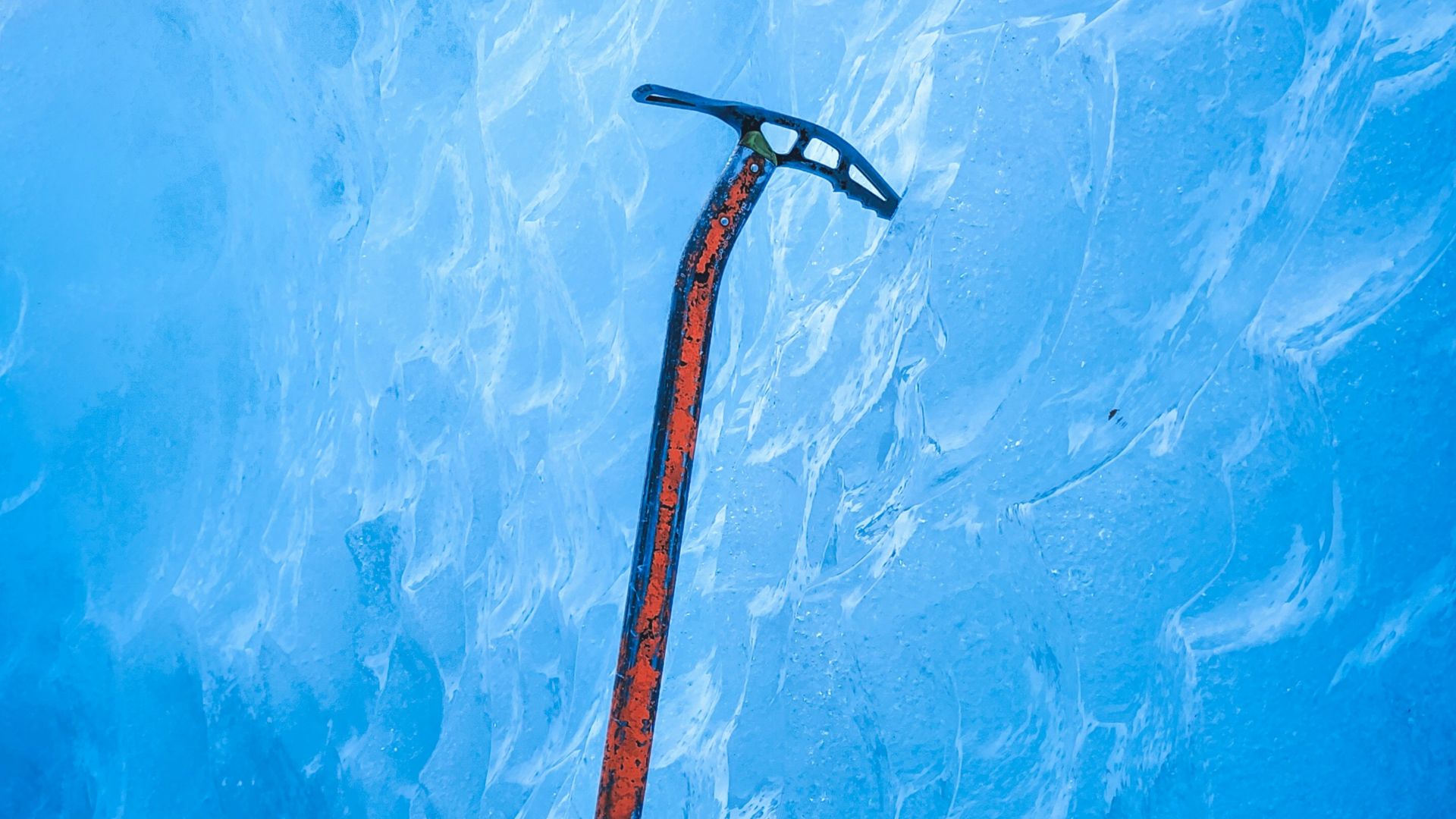
Nine years after the disappearance, another British expedition discovered an ice axe high on Everest's Northeast Ridge. It was identified as belonging to Irvine, providing a rare physical clue to the missing climbers' movements. But its location could not establish whether Irvine had dropped it during the ascent or lost it in an accident.
A Mysterious Body Was Reported In 1975
Decades later, reports emerged that a Chinese climber had seen a body wearing old-fashioned climbing clothes on Everest's northern slopes in 1975. Some researchers wondered whether it belonged to Mallory or Irvine, although the account was never conclusively verified. The report eventually helped guide a major search expedition in 1999.
 National Cancer Institute, Unsplash
They Finally Found Mallory
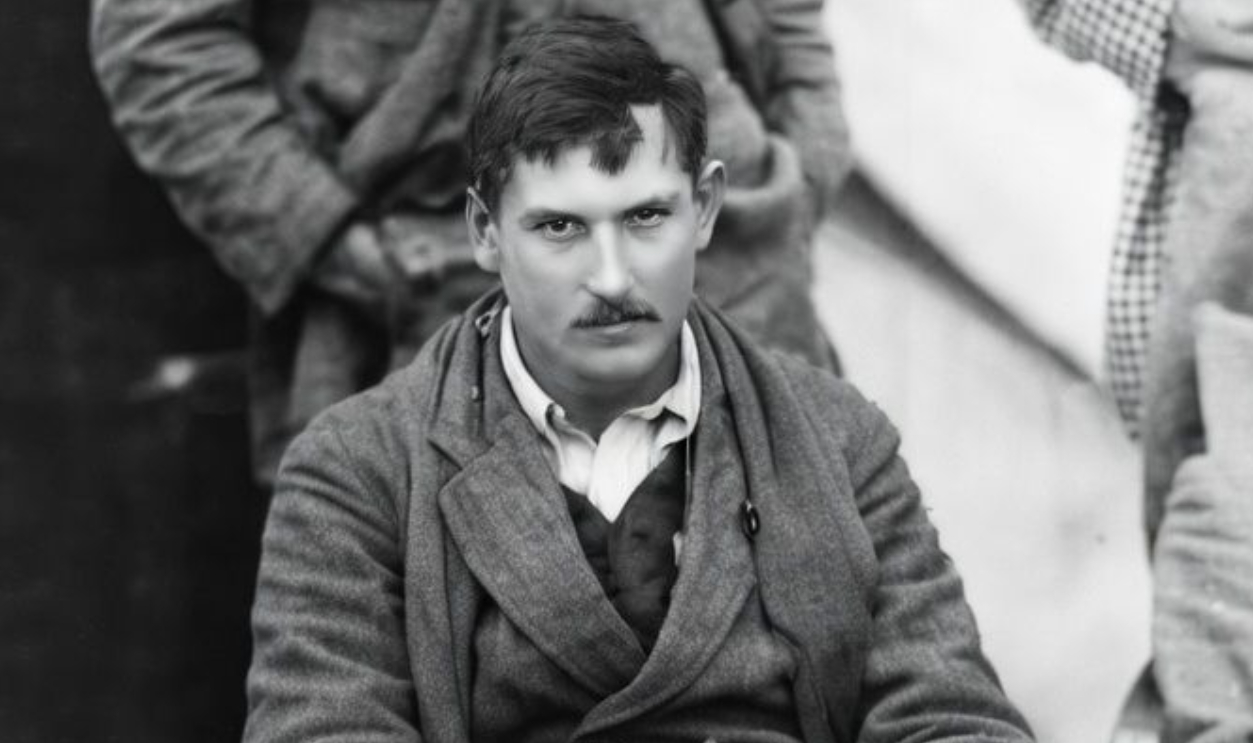
In 1999, American climber Conrad Anker located a body high on Everest's northern slopes. At first, the expedition thought it might be Irvine, but identifying details revealed it was George Mallory. After 75 years, investigators could finally examine evidence of what happened to one of the missing mountaineers.
 Yellowstone National Park from Yellowstone NP, USA, Wikimedia Commons
His Injuries Revealed A Terrible Fall
Mallory's right leg was badly broken, and deep rope marks circled his waist. Investigators suspected he had fallen while connected to Irvine by a climbing rope. The position of his uninjured leg also suggested he might have survived the initial fall briefly, although his exact final moments remain unknown.
 Fairfax Media Archives, Getty Images
Two Clues Raised More Questions
Investigators found Mallory's snow goggles tucked inside a pocket, raising the possibility that he had been descending after dark. However, a photograph of his wife, Ruth, which he reportedly planned to leave at the summit, was nowhere to be found. Neither clue proved he had reached the top, but both fueled speculation about his final climb.
Everyone Wanted To Find A Camera
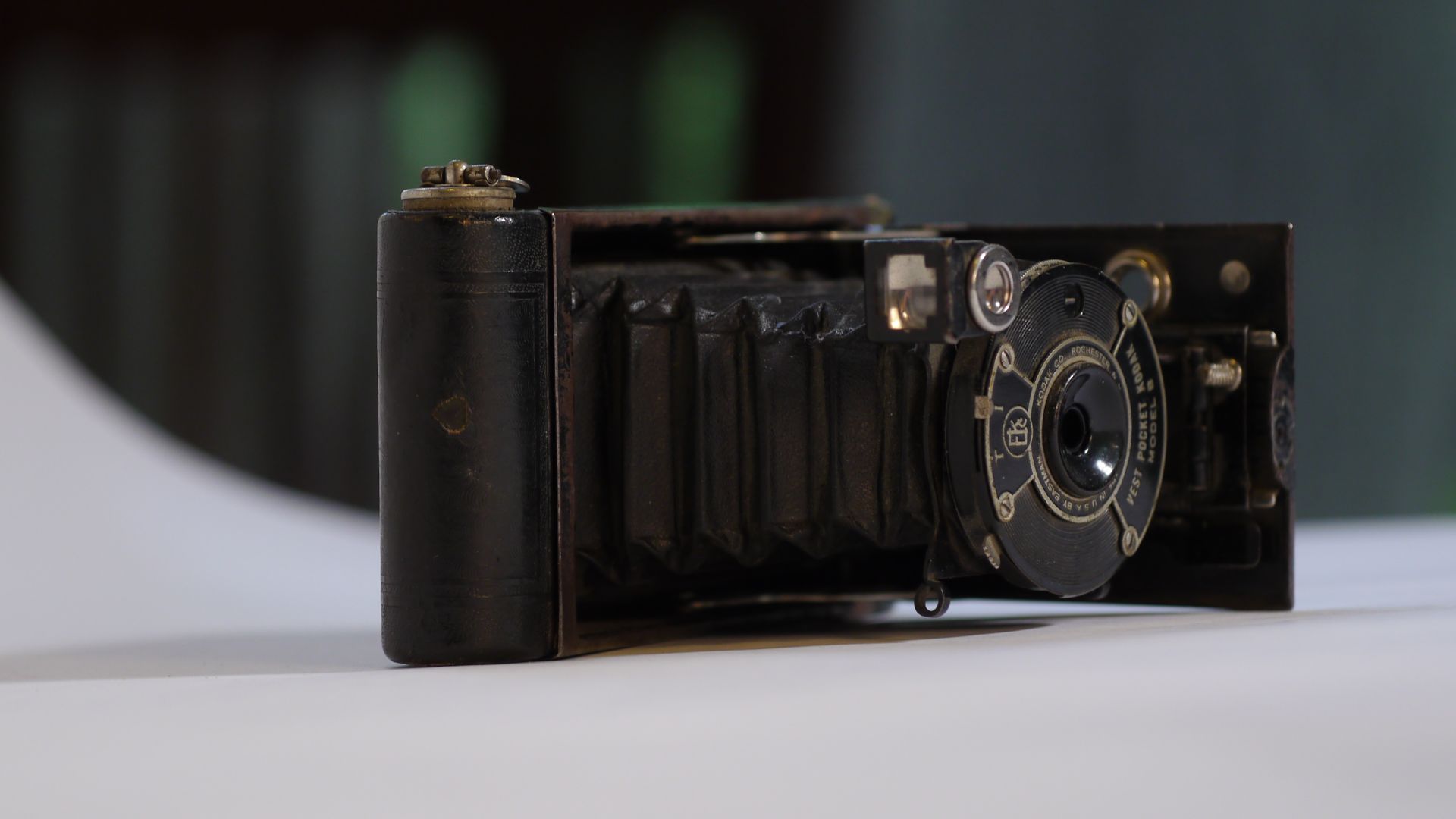
Investigators had another reason to search for Irvine: a missing Kodak Vest Pocket camera believed to have accompanied the climbers. Expedition member Howard Somervell had lent a camera to Mallory, while Irvine was also an accomplished photographer. If either man photographed the summit, surviving film might provide extraordinary evidence of their achievement.
Climbers Tried Recreating The Journey
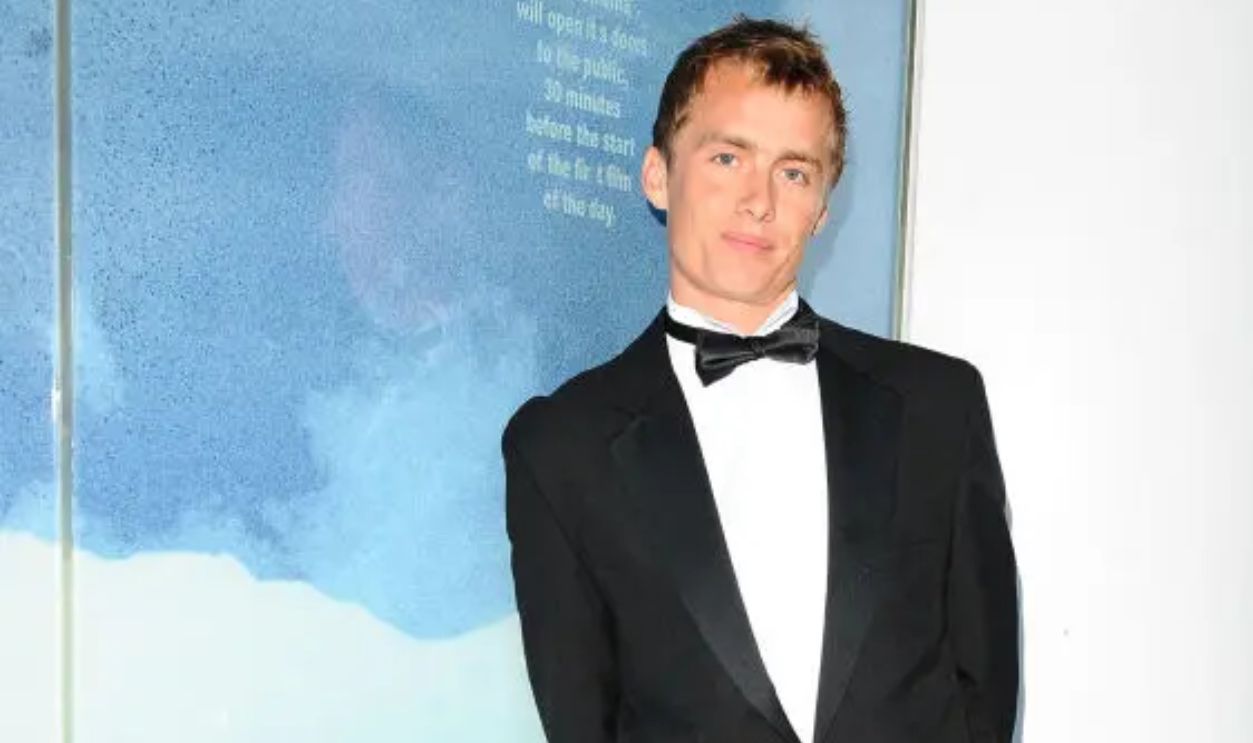
In 2007, Conrad Anker and British climber Leo Houlding tested replicas of the clothing and equipment used in 1924. They wore layers of wool and gabardine but found that climbing in old-fashioned leather boots posed serious risks. The experiment demonstrated how difficult the original ascent would have been, particularly around Everest's steep Second Step.
 Ian West - PA Images, Getty Images
The Search Continued In 2019
In 2019, climber and author Mark Synnott led another National Geographic expedition searching for Irvine. The team used historical research and drones to investigate possible locations, including dangerous terrain high on Everest. Despite their efforts, they found no trace of the missing mountaineer or his camera.
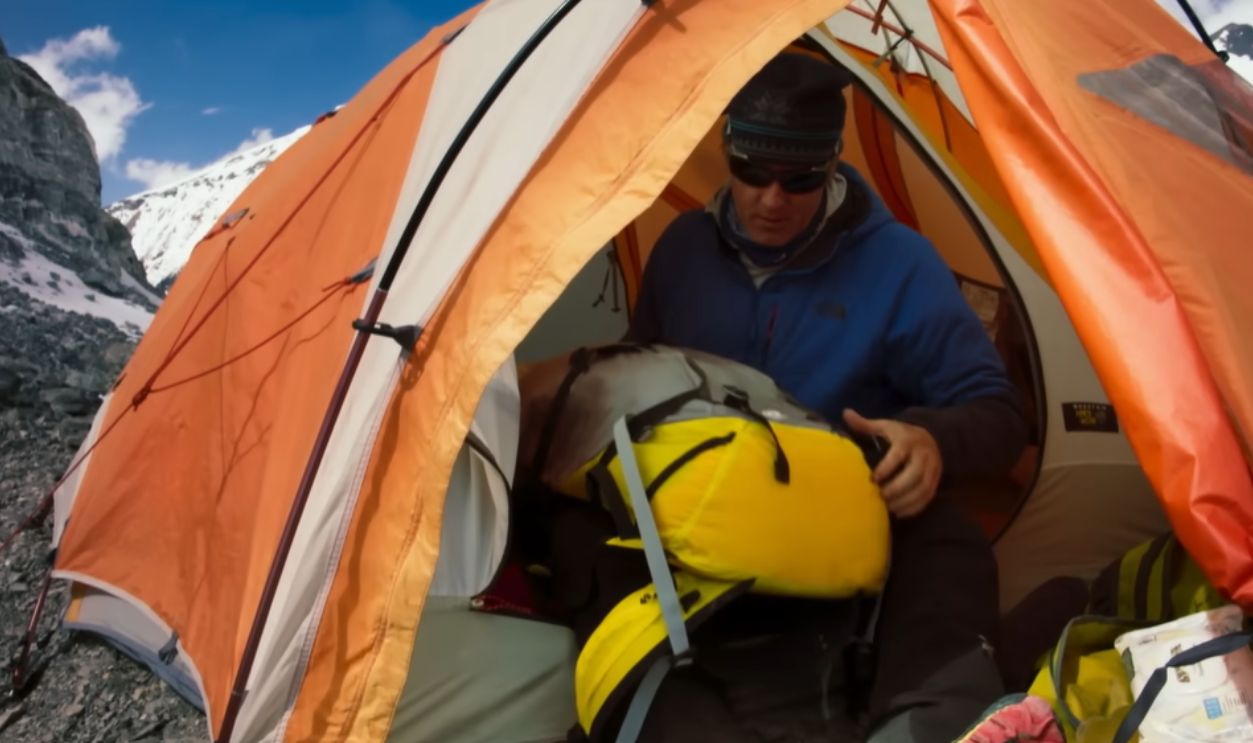 Screenshot from Lost on Everest, National Geographic TV (2020)
Then A 1933 Artifact Appeared
During their September 2024 expedition, Jimmy Chin's team discovered an old oxygen cylinder marked with the year 1933. The date matched the British expedition that had previously recovered Irvine's ice axe. Finding the cylinder on the glacier suggested that other objects lost high on Everest might have traveled down the mountain.
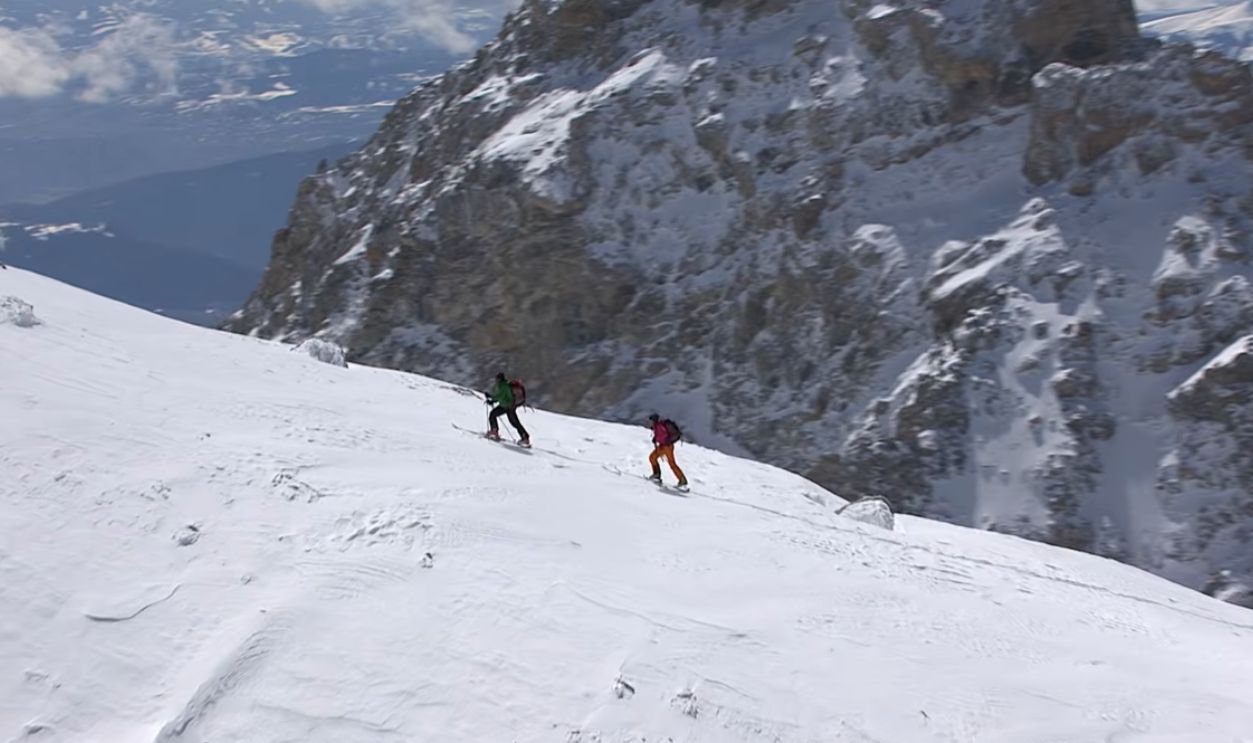 Screenshot from Edge of the Unknown with Jimmy Chin, National Geographic Channel (2022)
That Discovery Changed Their Search
Chin and his companions began examining the glacier more carefully, wondering whether Irvine's remains might be nearby. They searched around folds and crevasses in the ice, looking for anything unusual. Several days later, Erich Roepke spotted the leather boot that would bring the century-old mystery back into the headlines.

The Boot Had Only Recently Emerged
Chin believed the boot had been exposed by melting ice shortly before the team discovered it. He estimated it might have been visible for only about a week, although the timing could not be confirmed. After potentially spending decades buried inside the glacier, the boot had appeared at just the right moment.
Irvine's Family Received An Extraordinary Call
One of Chin's first calls was to Irvine's great-niece, Julie Summers, who had written a biography of the missing climber. Summers told the BBC that the family had largely abandoned hope of finding any trace of him. The discovery was deeply emotional, offering a tangible connection to a relative who had disappeared a century earlier.
Scientists Still Needed To Confirm The Identity
Although the name stitched into the sock strongly suggested Irvine's identity, investigators collected a DNA sample for confirmation. Family members also volunteered comparison samples, while the team transferred the remains to the China-Tibet Mountaineering Association after obtaining permission to remove them. A conclusive DNA identification has not been established in the published sources reviewed, so the discovery remains described as remains believed to belong to Irvine.
The Glacier Could Hold More Answers
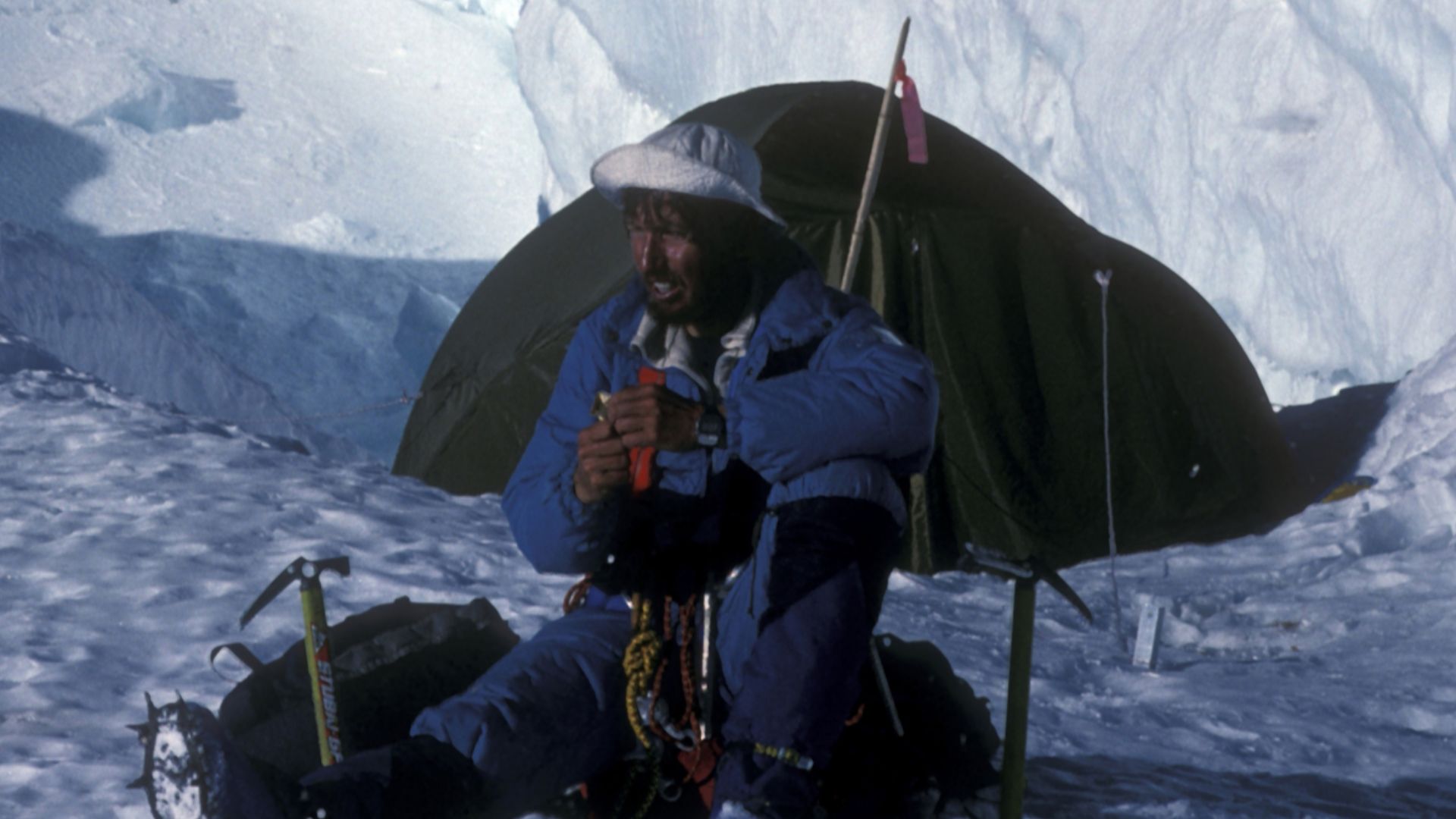
The discovery suggests that at least some of Irvine's remains reached the Central Rongbuk Glacier, possibly through avalanches and moving ice. Chin believes the location could help narrow future searches, although it does not reveal where Irvine originally fell. Even the missing camera might offer limited answers, since Royal Geographical Society photography expert Jamie Owen has warned that decades of freezing and glacier movement could have destroyed its film.
 Matthias Kuhle, Wikimedia Commons
Everest's Greatest Mystery Remains
A century after Mallory and Irvine disappeared, a single boot has provided the strongest physical clue yet to the younger climber's fate. But the discovery cannot establish whether the pair reached the summit before disaster struck, and other missing artifacts might still lie somewhere in the ice. For now, Hillary and Norgay remain the first confirmed climbers to reach Everest's summit, while one tantalizing question survives: did two men get there almost 29 years earlier?
 Jamling Tenzing Norgay, Wikimedia Commons
You May Also Like: