He Seemed To Have A Normal Life
Chris McCandless was a bright college graduate from a comfortable American family, with the kind of future that seemed wide open. Then, at 22, he gave away thousands of dollars, cut contact with his family, and disappeared onto the road under a new name. Two years later, hunters found him passed away inside an abandoned bus deep in the Alaskan wilderness. How did his life change so completely, and what actually happened during the final months that turned his strange journey into the story of the film Into the Wild?
 The Call of the Wild (2007), Terra Incognita Productions
His Childhood Was More Complicated Than It Looked
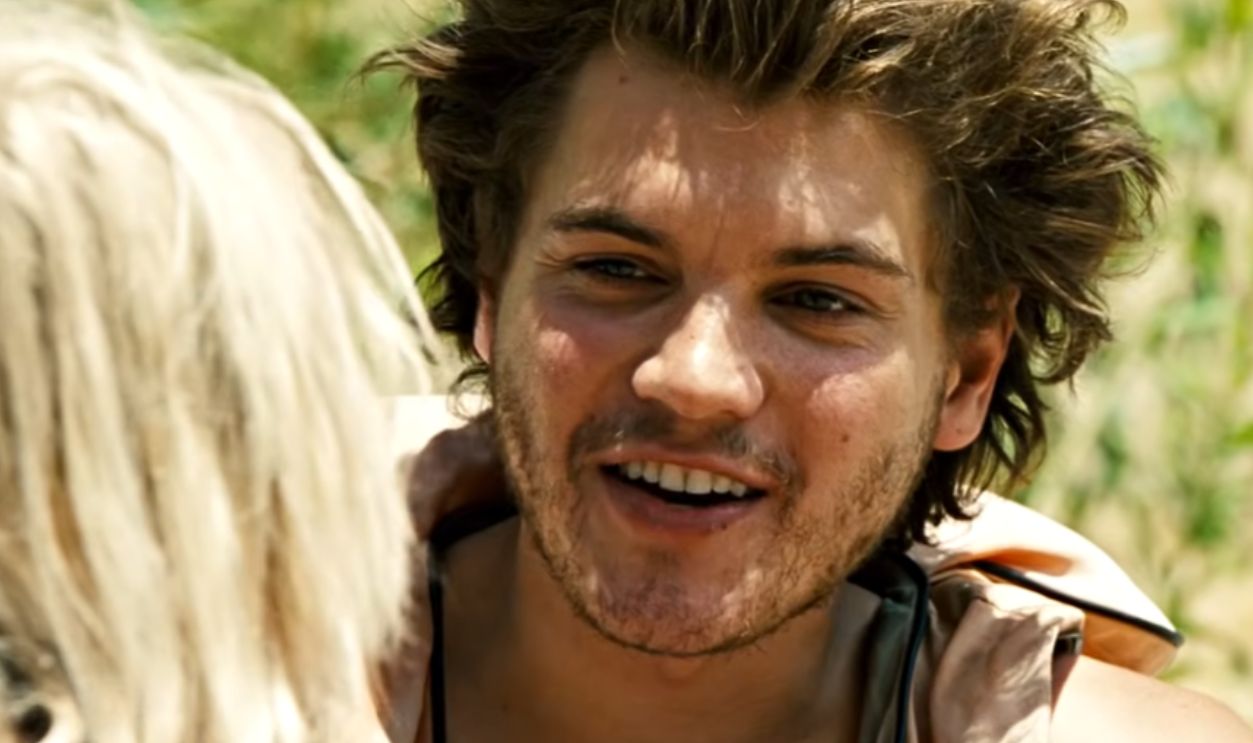
Christopher Johnson McCandless was born in California in 1968 and later grew up with his family in Virginia. To people outside the home, he could seem like a bright, athletic, idealistic kid who enjoyed running and did well in school. His sister Carine later described a much more troubled family environment, including serious conflict between their parents, allegations their parents disputed. Those tensions would become increasingly important as Chris grew older.
 Screenshot from Into the Wild, Paramount (2007)
Then He Learned A Family Secret
After high school, McCandless learned that his father Walt had maintained a relationship with his first wife while building a new family with Chris's mother, Billie. Walt also had another child with his first wife after Chris and Carine had been born. According to accounts of McCandless's life, the discovery badly damaged the already strained relationship between father and son. Instead of confronting his parents openly, Chris increasingly began imagining a clean break.
He Was Hardly A Directionless Student
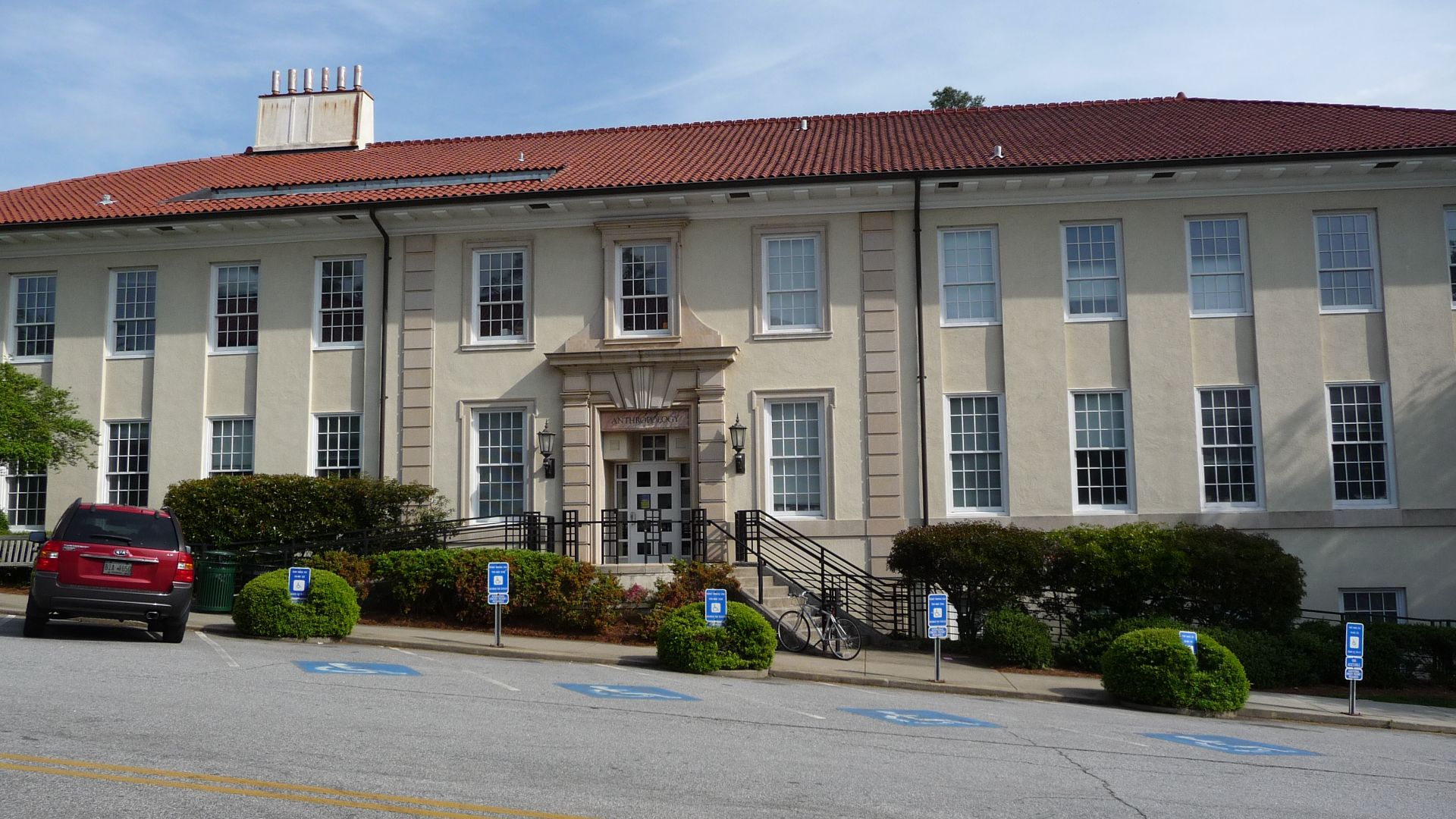
McCandless enrolled at Emory University in Atlanta and proved academically successful. He studied history and anthropology and graduated in 1990, which makes the next chapter of his life more surprising than the familiar image of a reckless drifter might suggest. This was not someone who simply failed to find a conventional path after school. He deliberately chose to walk away from one.
 Daniel Mayer, Wikimedia Commons
He Gave Away His Savings
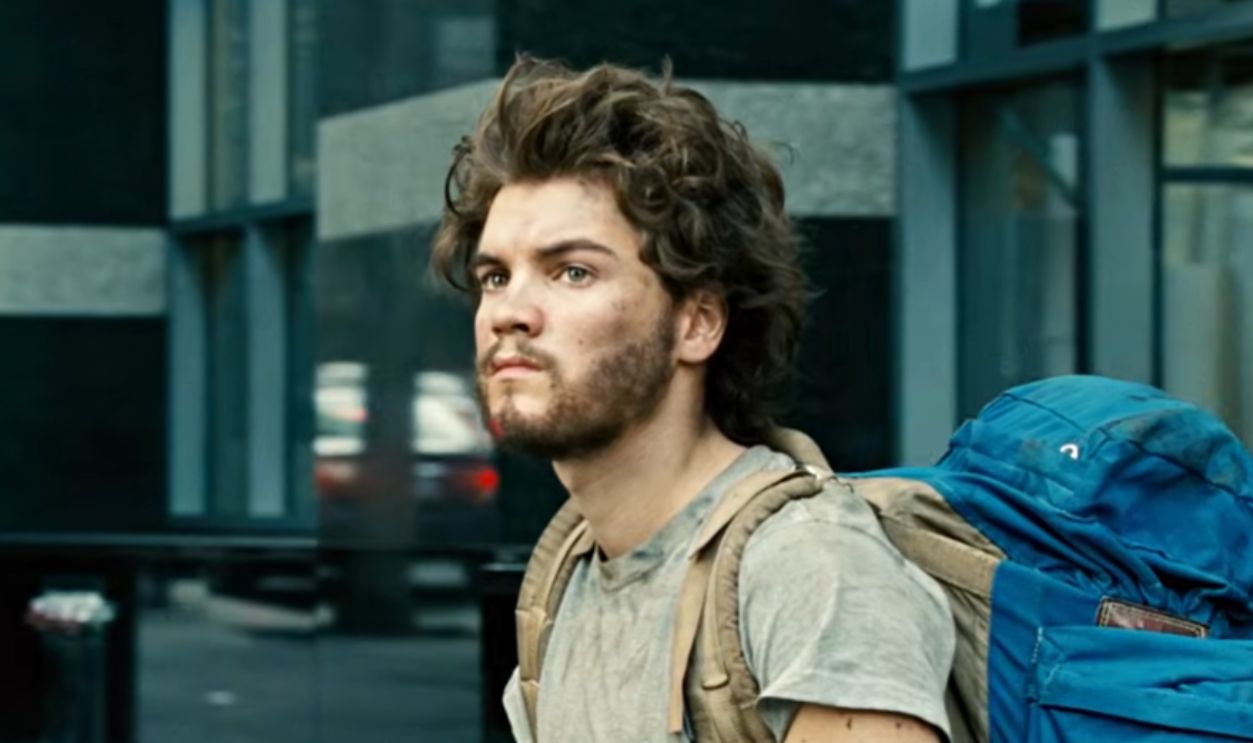
After graduation, McCandless donated roughly $24,000 remaining in his college fund to Oxfam America. He then left without telling his family where he was going and gradually cut off contact with them. Friends and relatives would spend long stretches not knowing whether he was safe or even where in North America he might be. For McCandless, however, disappearing seems to have been part of the point.
 Screenshot from Into the Wild, Paramount (2007)
Chris McCandless Became Alexander Supertramp
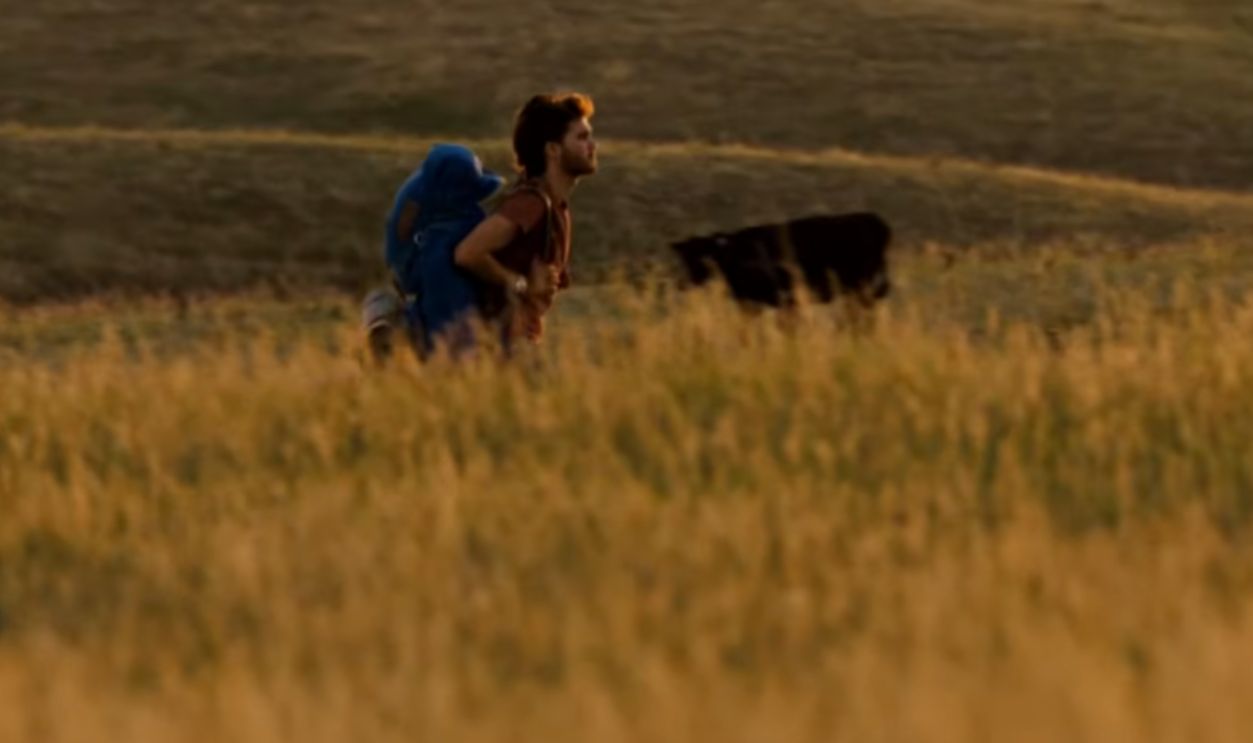
On the road, McCandless began calling himself "Alexander Supertramp," or simply Alex. For roughly two years he hitchhiked, rode freight trains, camped, worked temporary jobs, and traveled throughout the American West and beyond. Books by writers such as Henry David Thoreau, Leo Tolstoy, and Jack London accompanied him and shaped the language he used to describe freedom and self-reliance. Yet his version of freedom was about to become considerably less romantic.
 Screenshot from Into the Wild, Paramount (2007)
He Even Walked Away From His Car
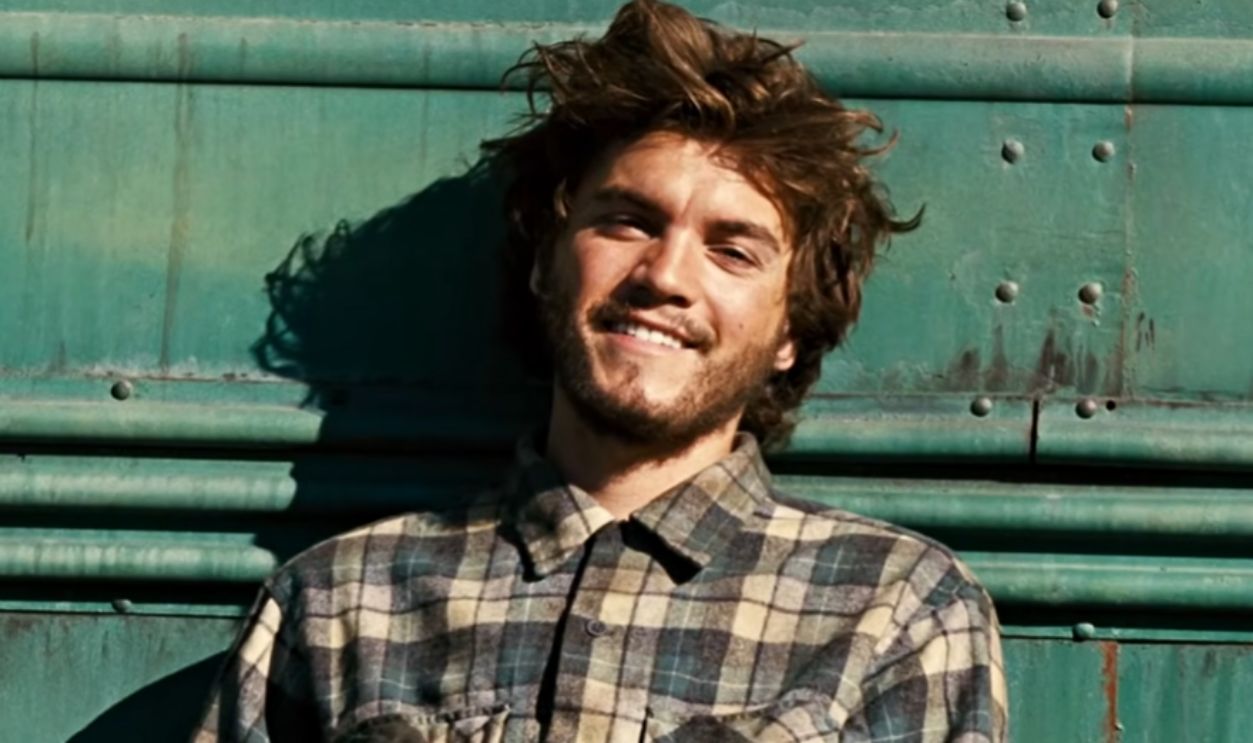
During his early travels, McCandless's car became stranded after a flash flood in the desert. Rather than recover it, he abandoned the vehicle, removed its plates, and continued traveling largely by foot and hitchhiking. His surviving writings and the accounts of people who met him show someone increasingly committed to living with very little. The fewer ties he had to ordinary life, the happier he seemed to be.
 Screenshot from Into the Wild, Paramount (2007)
The Road Became His Home
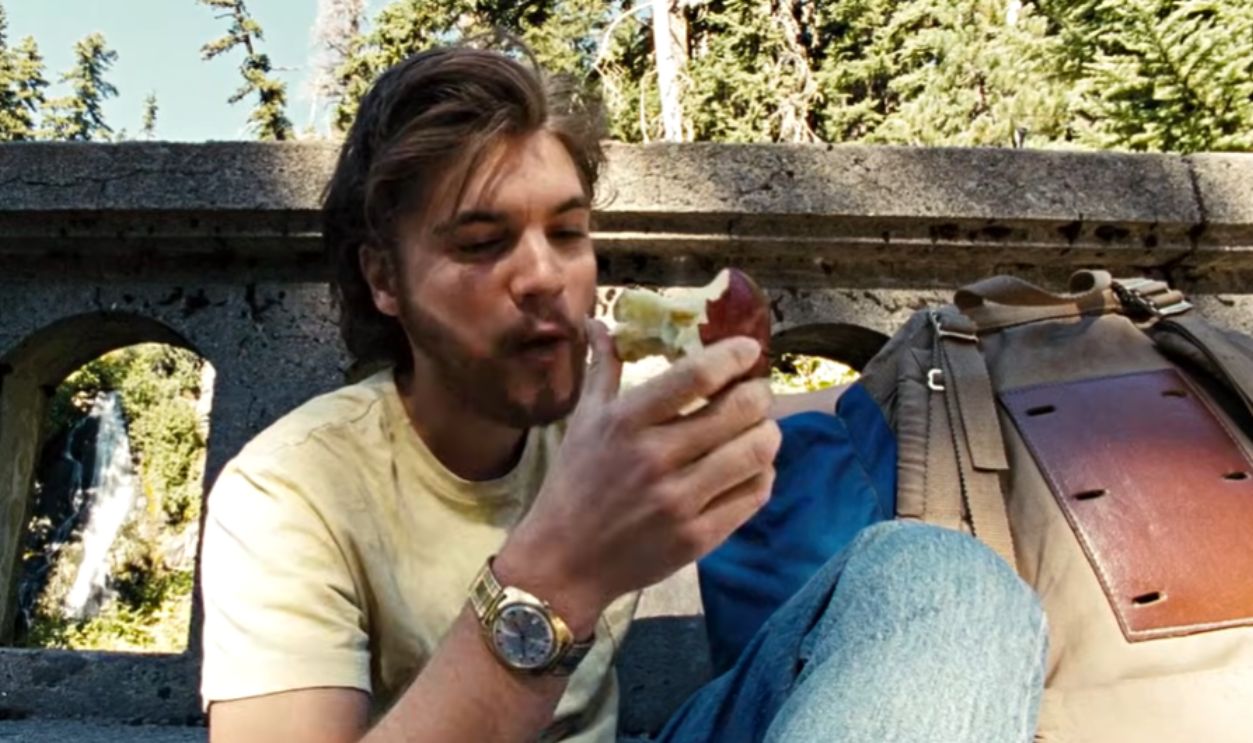
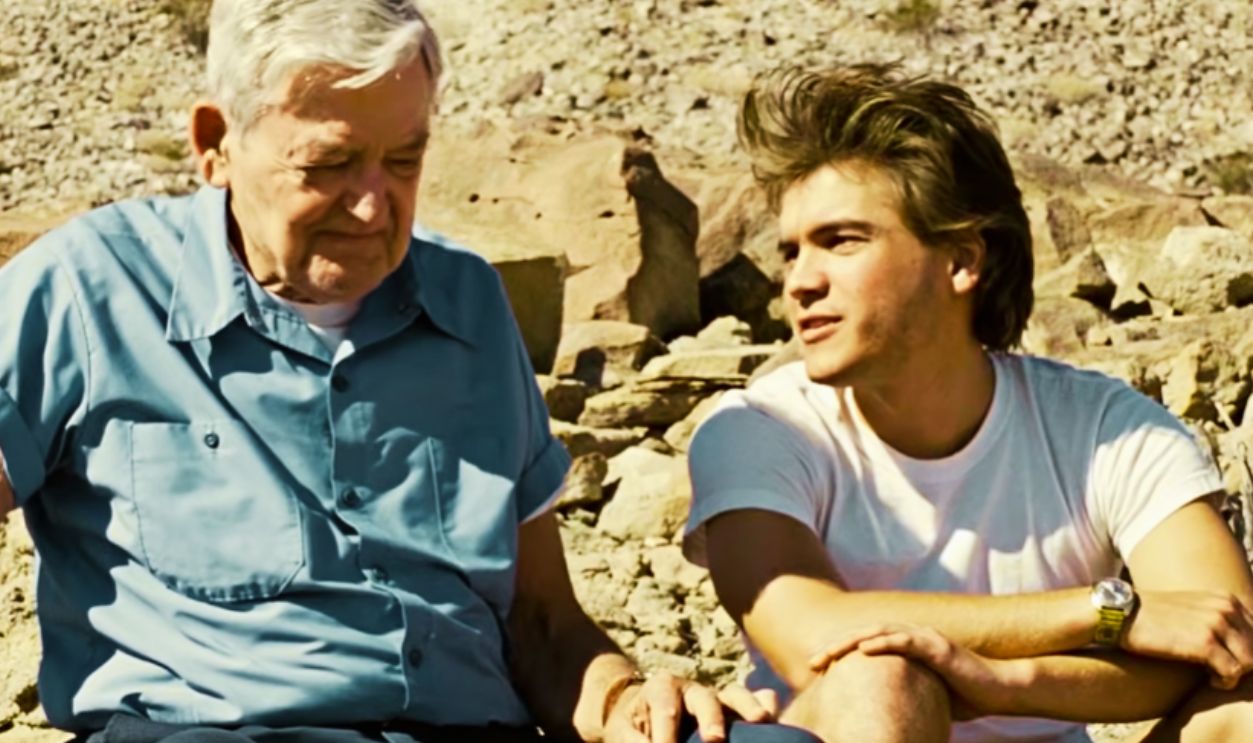
McCandless wandered through places including Arizona, California, South Dakota, Oregon, Utah, Washington, and Mexico. He periodically took jobs when he needed money, then left when he had enough to keep moving. Despite his fierce independence, he also formed genuine friendships with several people along the way. One of the most important was a South Dakota grain-elevator operator named Wayne Westerberg.
 Screenshot from Into the Wild, Paramount (2007)
He Wasn't Always The Lonely Figure From The Movie
Westerberg employed McCandless and remembered him fondly long after his death. Photographs from this period show McCandless working and socializing with people in Carthage, South Dakota, rather than simply avoiding all human contact. Other travelers also remembered the intense young wanderer who appeared, connected with people, then abruptly moved on. Eventually, though, one destination began to matter more than all the others.
 Screenshot from Into the Wild, Paramount (2007)
Alaska Became The Big Dream
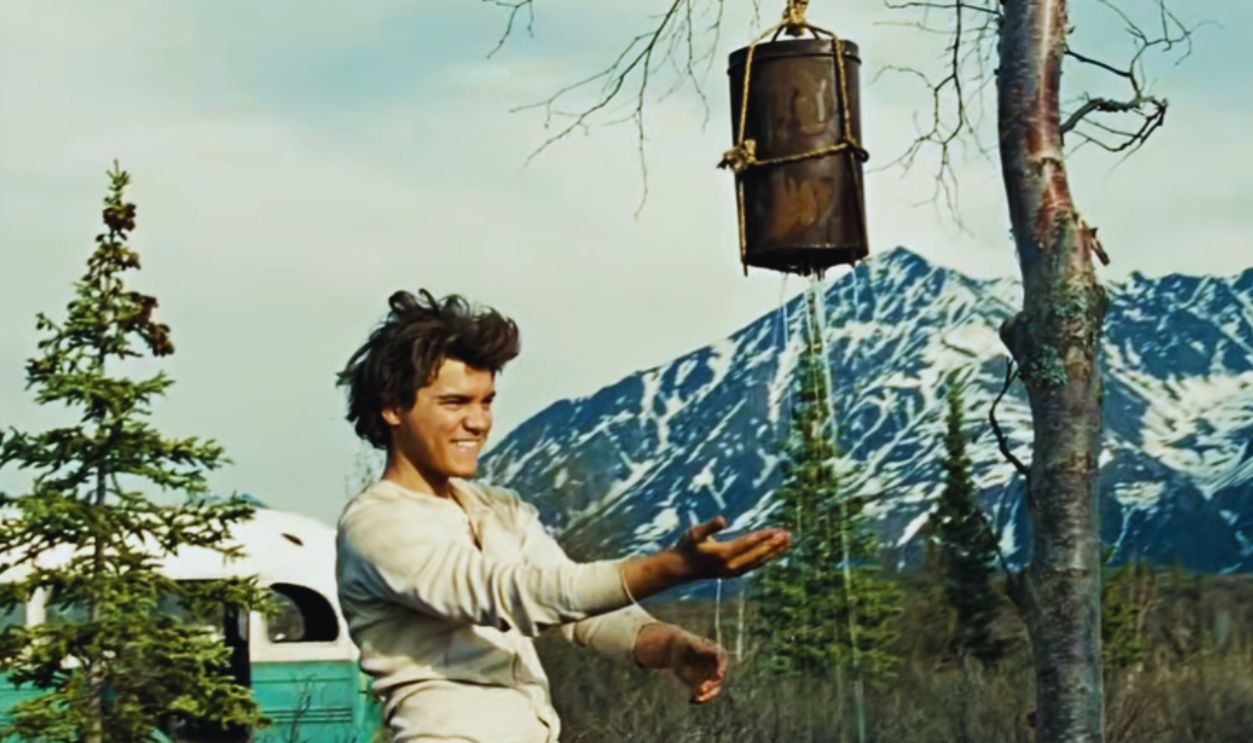
By 1992, McCandless wanted to attempt what he saw as a major test of self-reliance in Alaska. He traveled north from South Dakota and reached Fairbanks that April. From there, he planned to enter the wilderness along the Stampede Trail and live largely from whatever he could hunt or gather. One of the last people to see him before he disappeared immediately realized there was a problem.
 Screenshot from Into the Wild, Paramount (2007)
Jim Gallien Tried To Warn Him
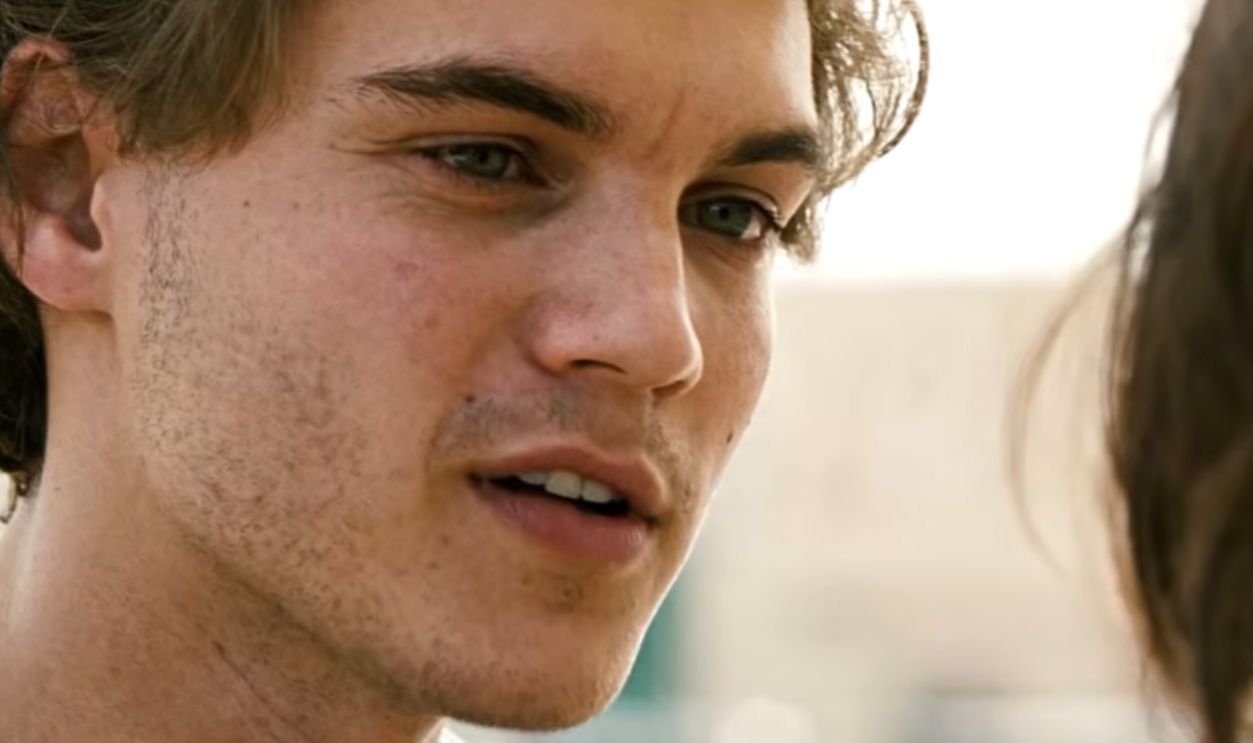
Electrician Jim Gallien picked McCandless up near Fairbanks and agreed to drive him toward the Stampede Trail. During the ride, Gallien became increasingly worried about the young man's limited supplies and preparation. He tried to persuade "Alex" to reconsider and reportedly offered additional help. McCandless would not abandon the plan.
 Screenshot from Into the Wild, Paramount (2007)
His Supplies Were Alarmingly Light
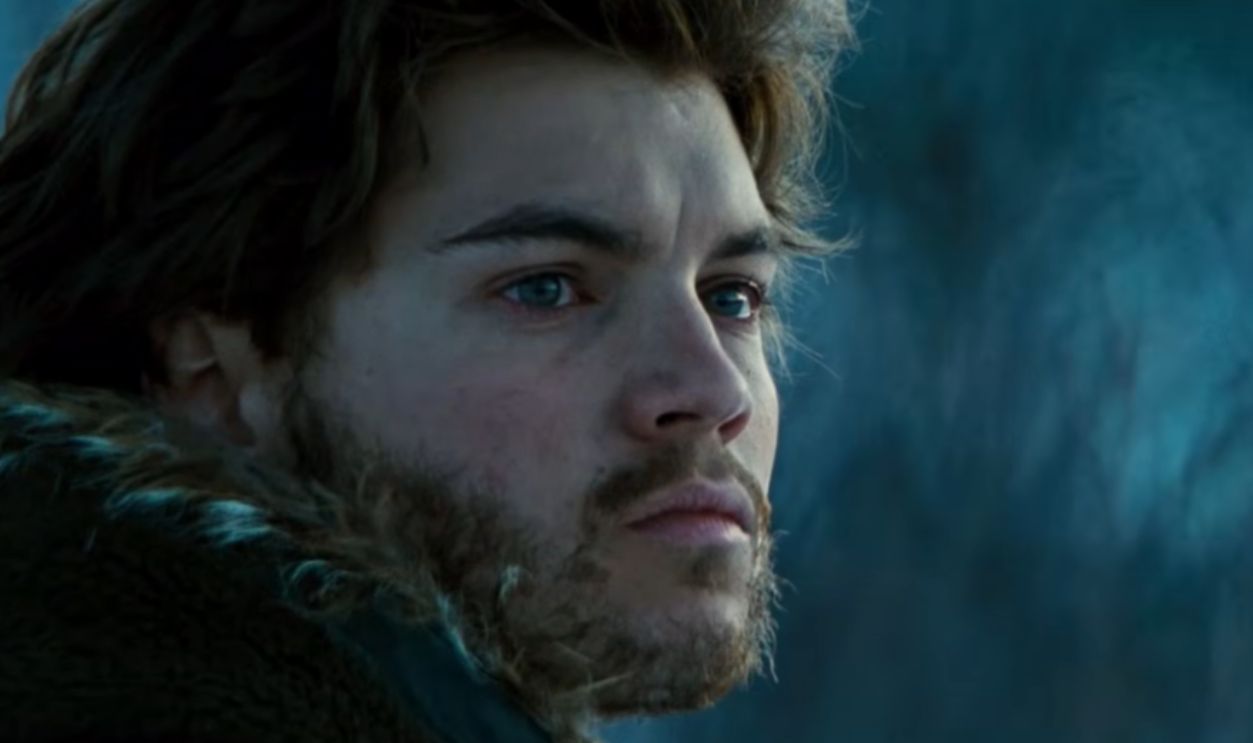
McCandless carried basic camping equipment, books about edible plants, a rifle, and only a modest amount of food. Gallien ultimately gave him additional items, including waterproof boots and some food, before dropping him off. McCandless entered the Stampede Trail on April 28, 1992. From that point forward, there would be nobody around to tell him when he had pushed too far.
 Screenshot from Into the Wild, Paramount (2007)
Then He Found Bus 142
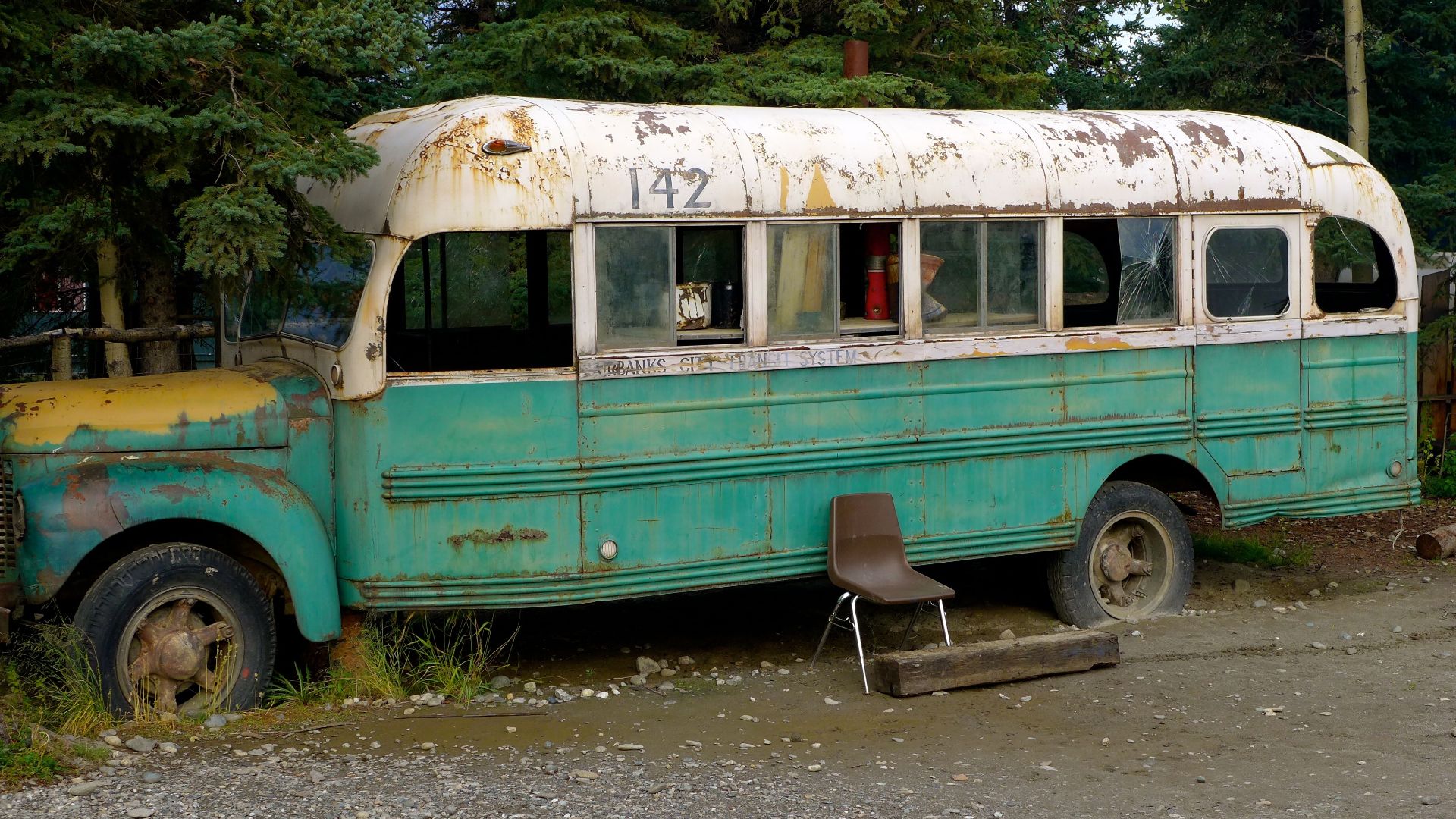
Several days into the wilderness, McCandless discovered an old Fairbanks city bus that had been left along the trail years earlier. Bus 142 contained a stove and beds and had long been used as a makeshift shelter by hunters and other backcountry travelers. For McCandless, it was an extraordinary stroke of luck. Instead of sleeping in a tent every night, he suddenly had something resembling a cabin.
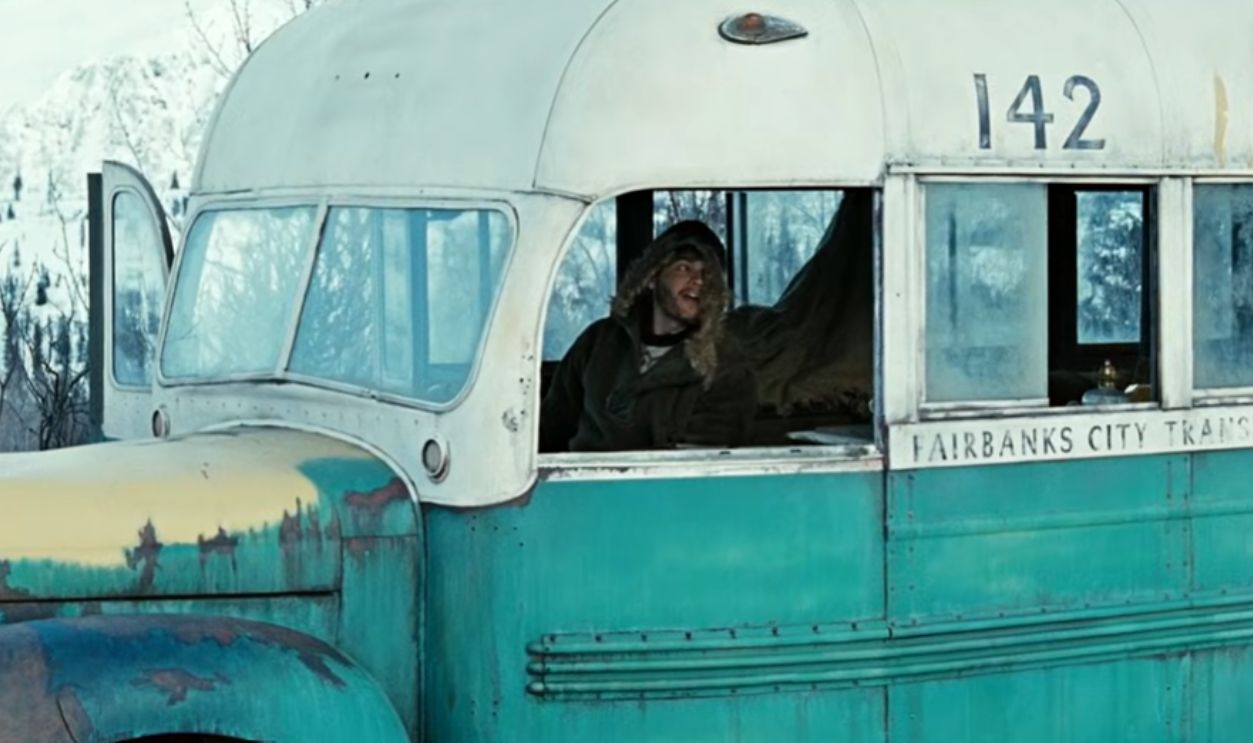 Screenshot from Into the Wild, Paramount (2007)
For A While, His Experiment Worked
McCandless hunted small animals and birds, gathered plants, and documented his days through photographs and brief journal entries. The images recovered later show that he was capable of feeding himself for a meaningful stretch of time. This is an important part of the story because he did not simply arrive in Alaska and immediately collapse. For weeks, life around the bus seemed surprisingly close to the adventure he had imagined.
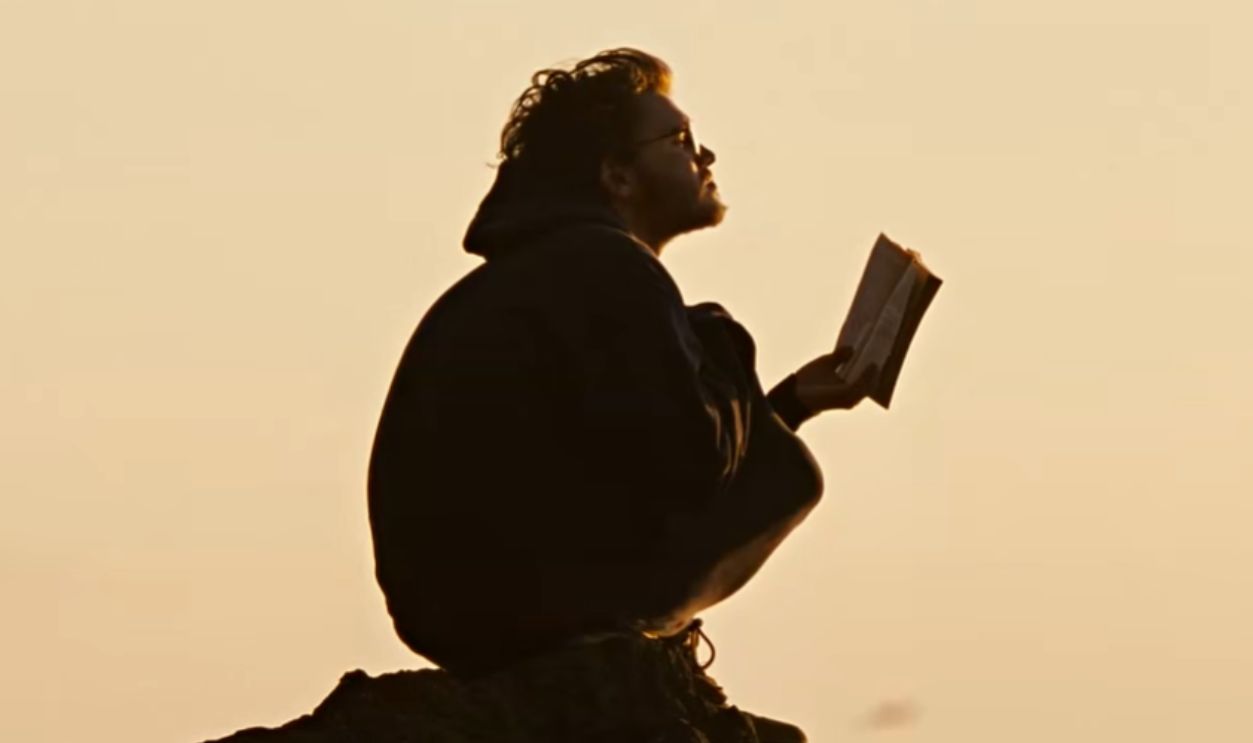 Screenshot from Into the Wild, Paramount (2007)
The Moose Became A Painful Failure
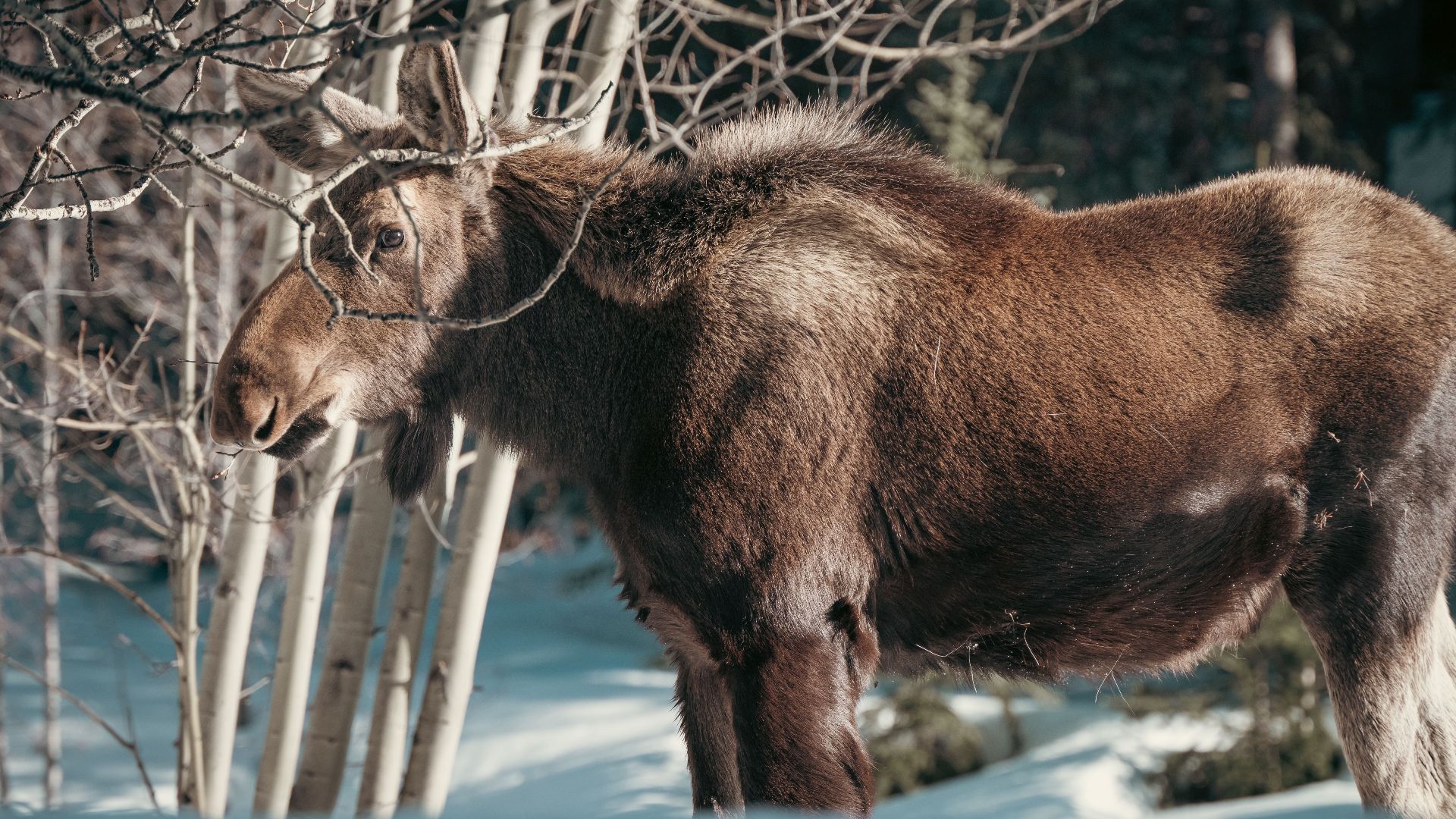
In June, McCandless killed a moose, which should have provided an enormous amount of food. He struggled to preserve the meat before it spoiled, however, and losing so much of it deeply frustrated him. His journal reflected the failure as something much larger than a ruined meal. In an environment where every calorie mattered, the consequences were practical too.
Eventually, He Decided To Go Home
By early July, McCandless had apparently decided his Alaskan experiment was finished. His writings suggest he was no longer determined to remain indefinitely isolated from society. He packed his belongings and started back toward the highway, retracing the same route he had taken in spring. Then he reached the Teklanika River and discovered that the trail he remembered was effectively gone.
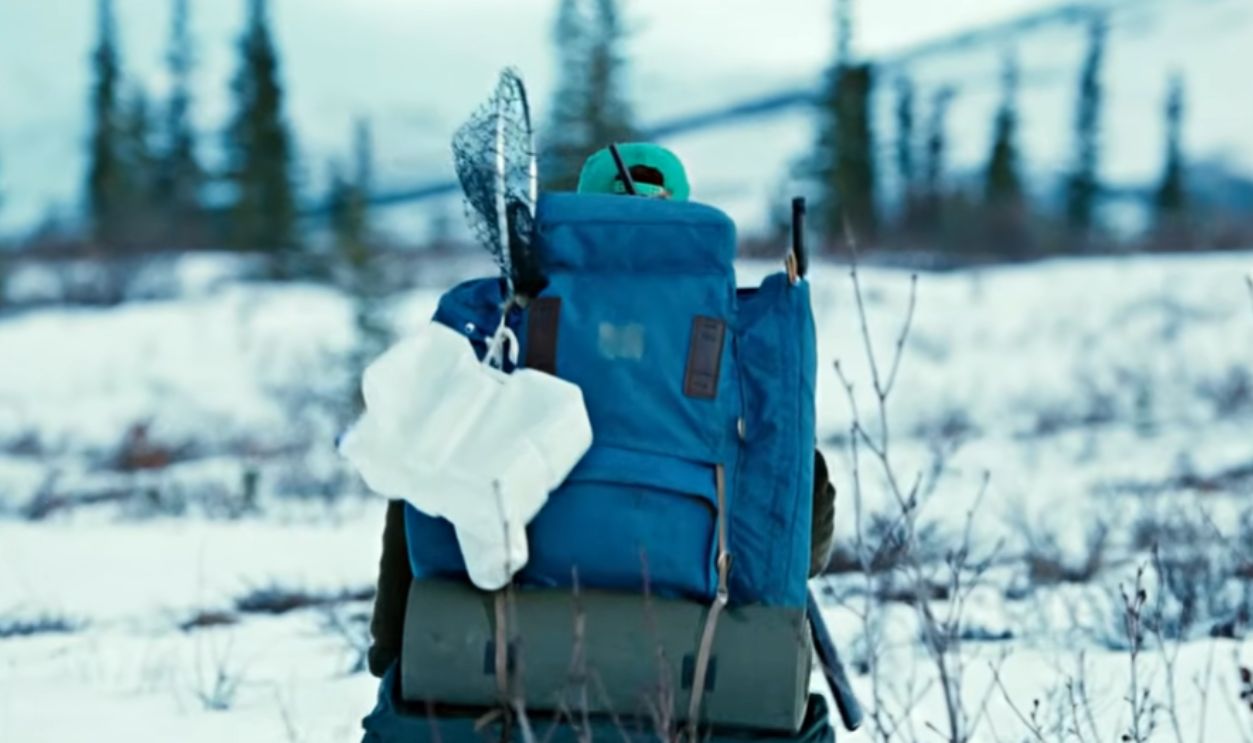 Screenshot from Into the Wild, Paramount (2007)
The River Had Become A Monster
McCandless had crossed the Teklanika while traveling into the wilderness in spring. By July, snowmelt and glacial runoff had transformed it into a much deeper, faster, and more dangerous river. Attempting to cross on foot could easily have killed him. McCandless turned around and headed back toward Bus 142.
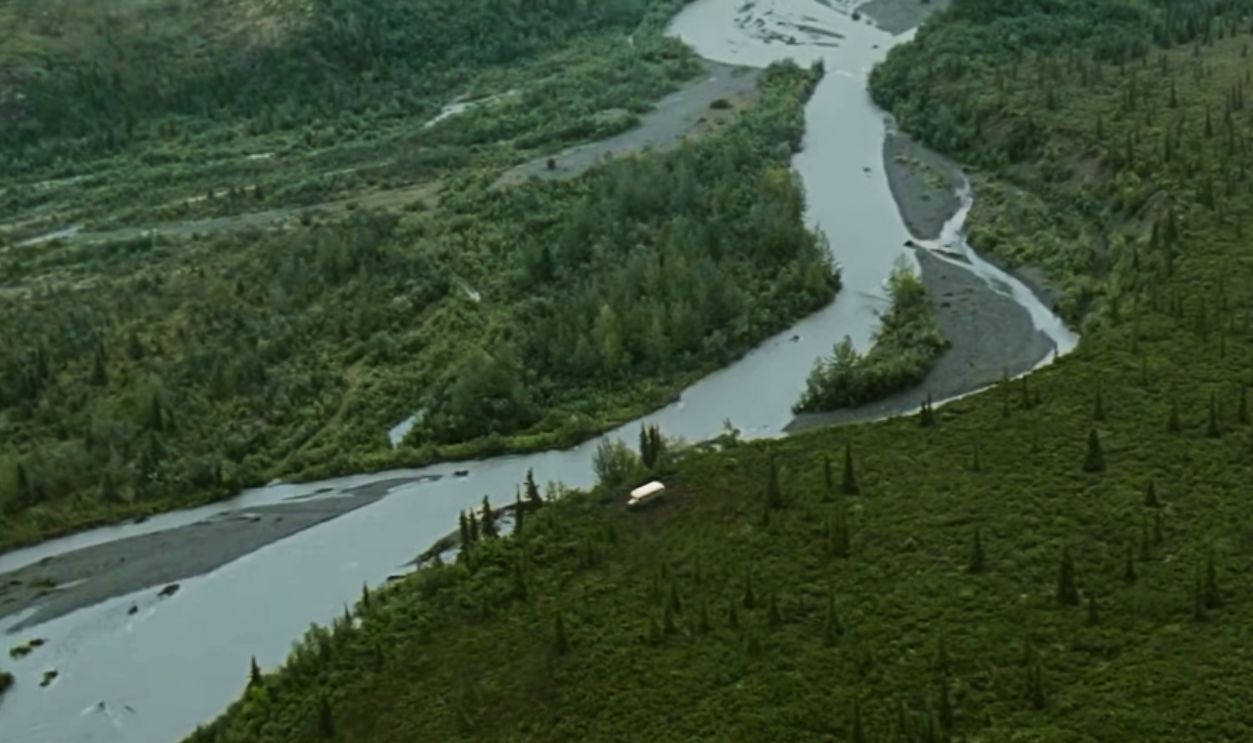 Screenshot from Into the Wild, Paramount (2007)
There Was A Way Across
This is one of the cruelest details in the entire story. Roughly half a mile from the crossing was a cable tram that could be used to get across the river, and detailed maps would have revealed features in the surrounding area that McCandless apparently did not know existed. The tram was not visible from where the trail met the river. He was devastatingly close to a possible route out without knowing it.
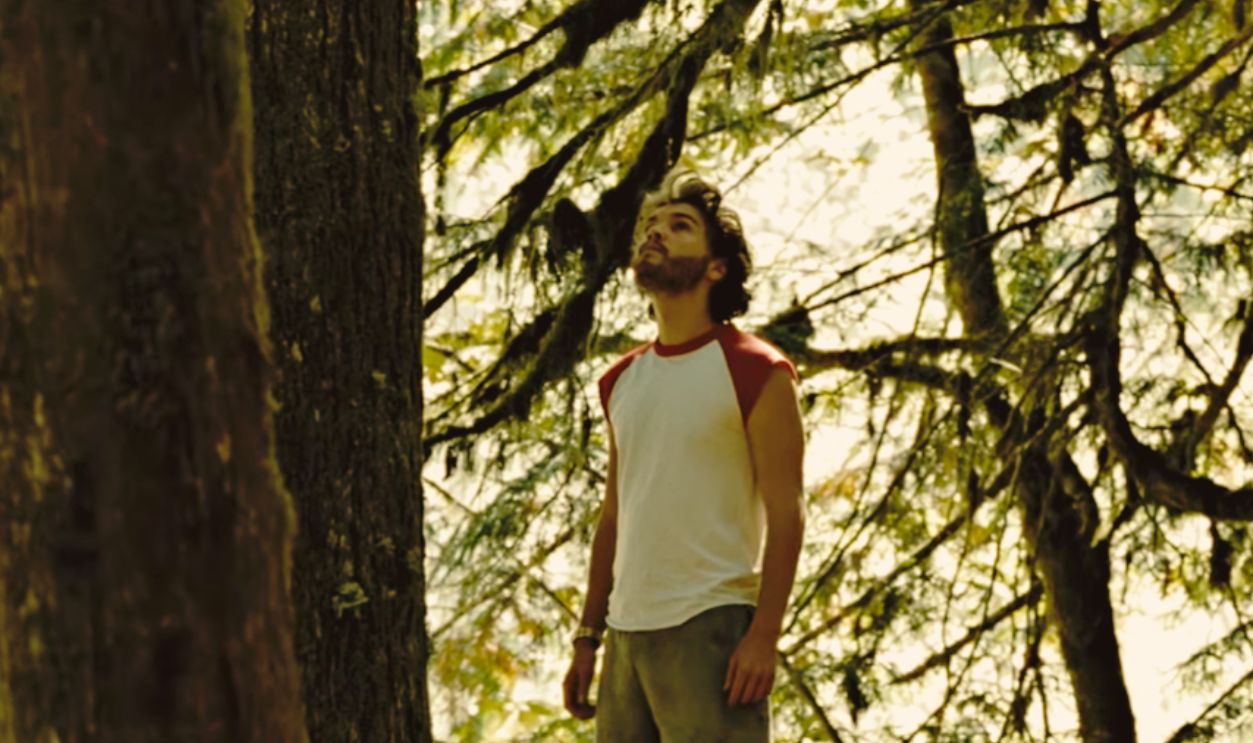 Screenshot from Into the Wild, Paramount (2007)
So He Returned To The Bus
Unable to cross the Teklanika, McCandless returned to Bus 142 and resumed trying to survive. But his physical condition was already deteriorating after months on a diet that frequently failed to replace the energy he was burning. Photographs show him becoming progressively thinner. His situation had changed from voluntary isolation into something far more dangerous.
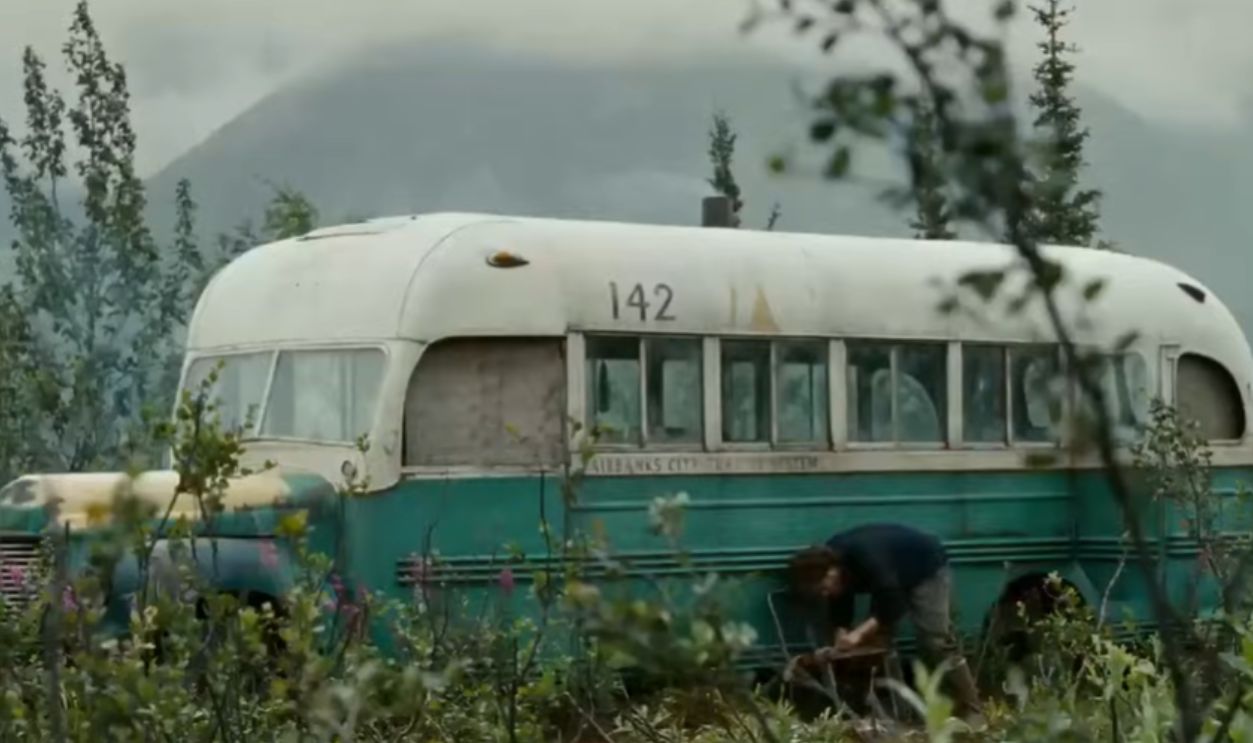 Screenshot from Into the Wild, Paramount (2007)
Starvation Was Closing In
McCandless lived largely on small game, roots, mushrooms, berries, and other wild foods during his months in Alaska. Whatever he managed to find, it was not enough to stop a massive calorie deficit from developing. The autopsy later found that his body weighed only 67 pounds and had essentially no discernible subcutaneous fat. Even before considering any possible poisoning, he was severely malnourished.
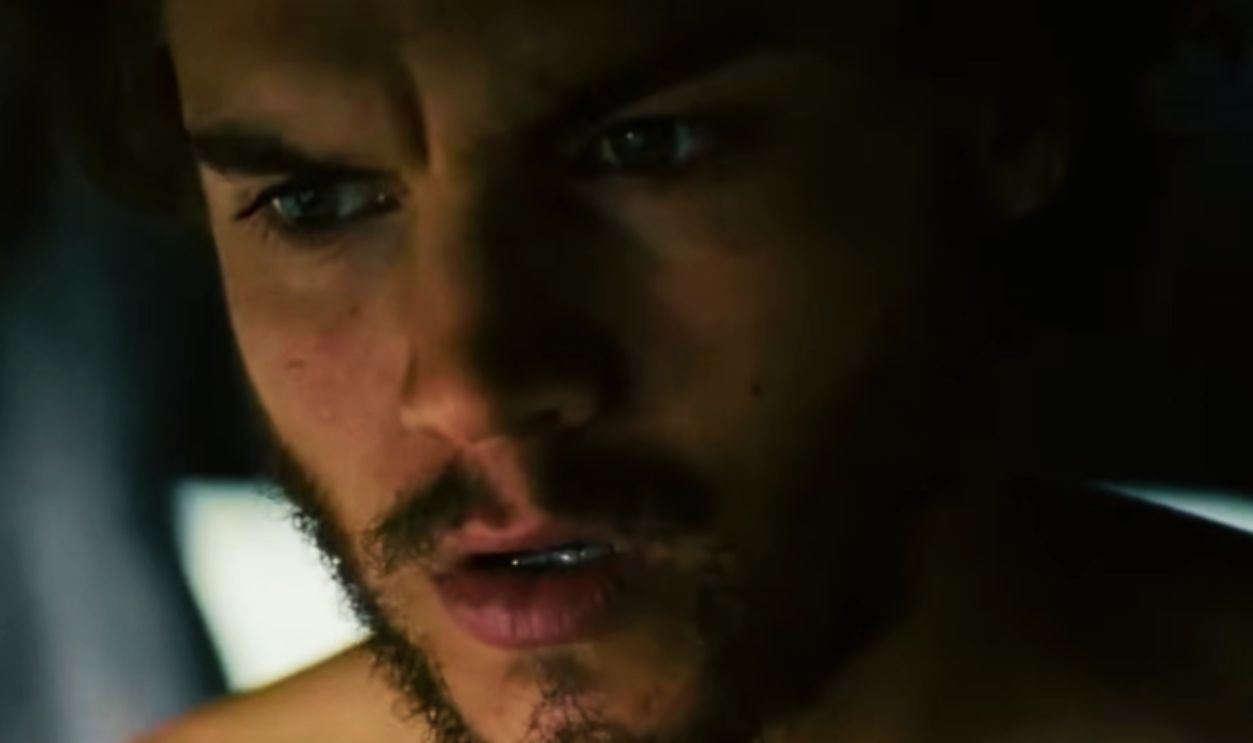 Screenshot from Into the Wild, Paramount (2007)
Then Came The Potato Seeds
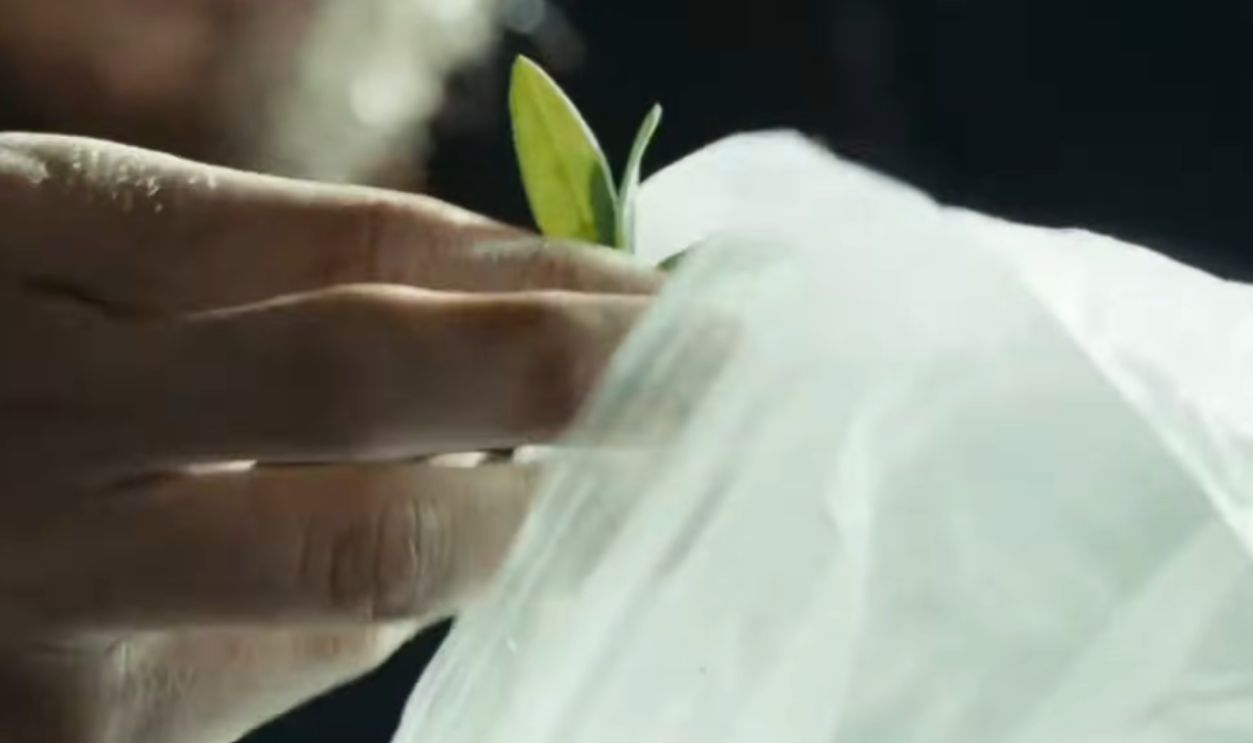
In June and July, McCandless began eating parts of Hedysarum alpinum, commonly known as wild potato or Eskimo potato. On July 30, he wrote that he was extremely weak, blamed potato seeds, said he had great difficulty standing, and described himself as starving and in serious danger. That single diary entry has fueled decades of arguments about precisely what pushed him past the point of recovery. And the debate is still more complicated than the movie makes it appear.
 Screenshot from Into the Wild, Paramount (2007)
His Final Journal Entries Became Sparse
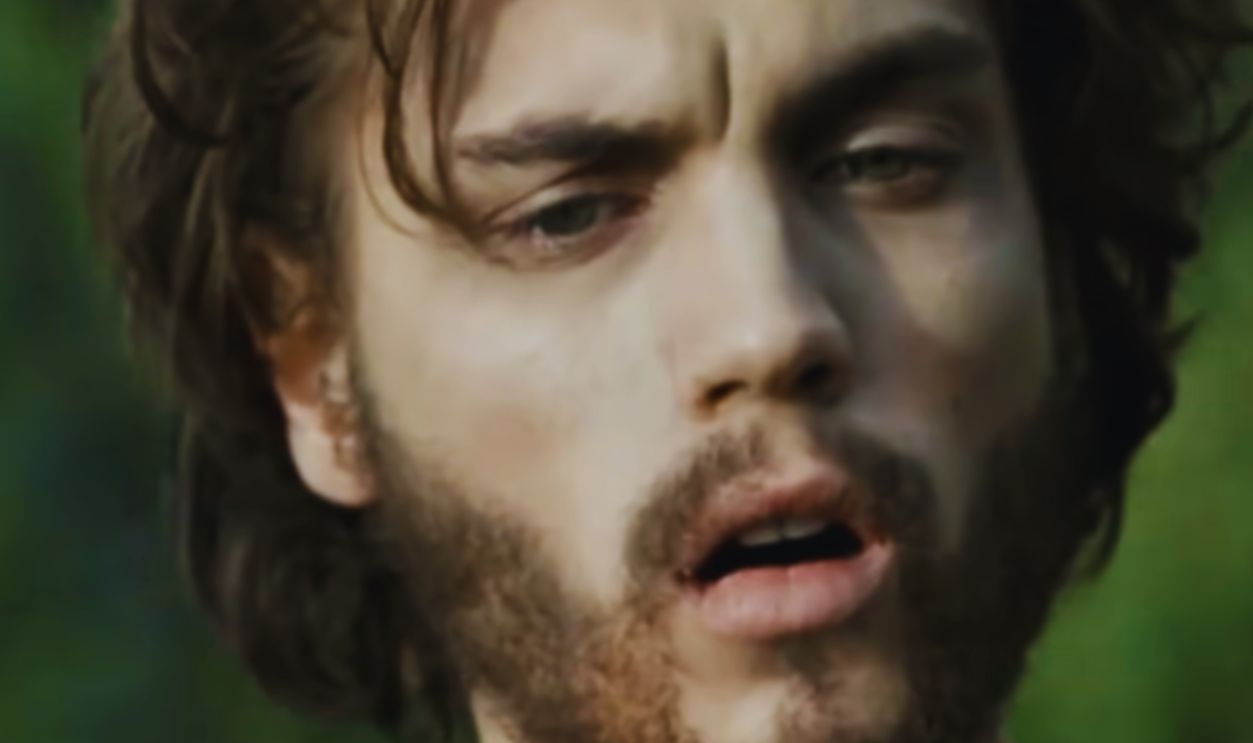
As McCandless weakened, his journal became increasingly minimal. Long descriptions gave way to short observations and marks indicating passing days. At some point in August, he also left an SOS message asking any visitor to remain at the bus because he was injured, extremely weak, and close to death. Nobody arrived in time.
 Screenshot from Into the Wild, Paramount (2007)
He Left One Last Goodbye
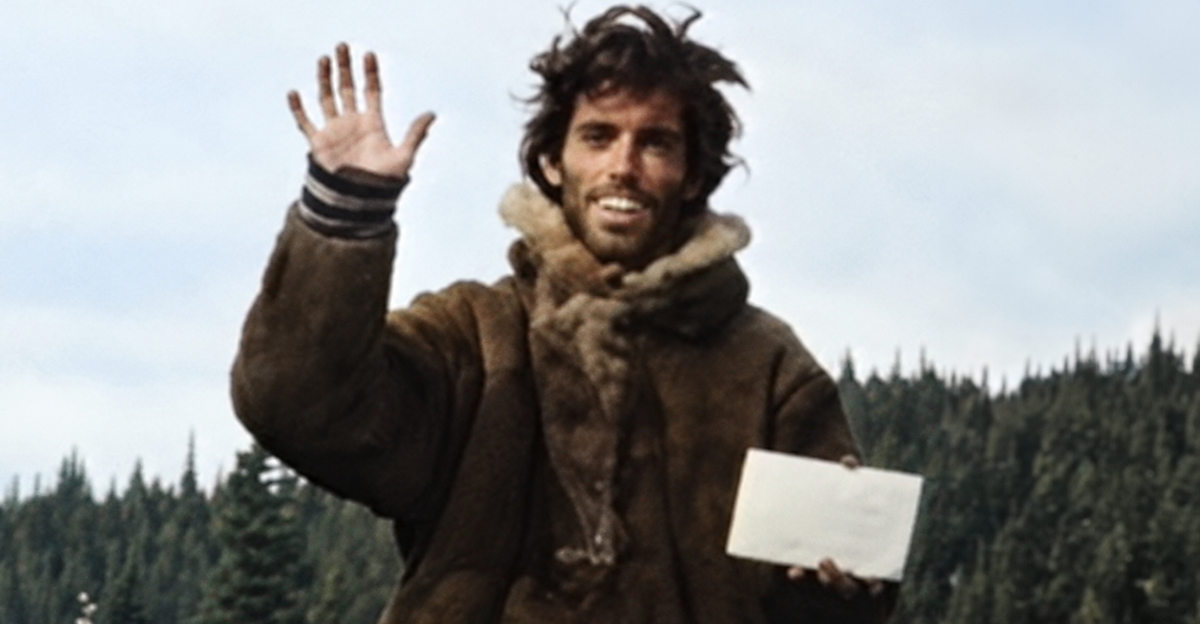
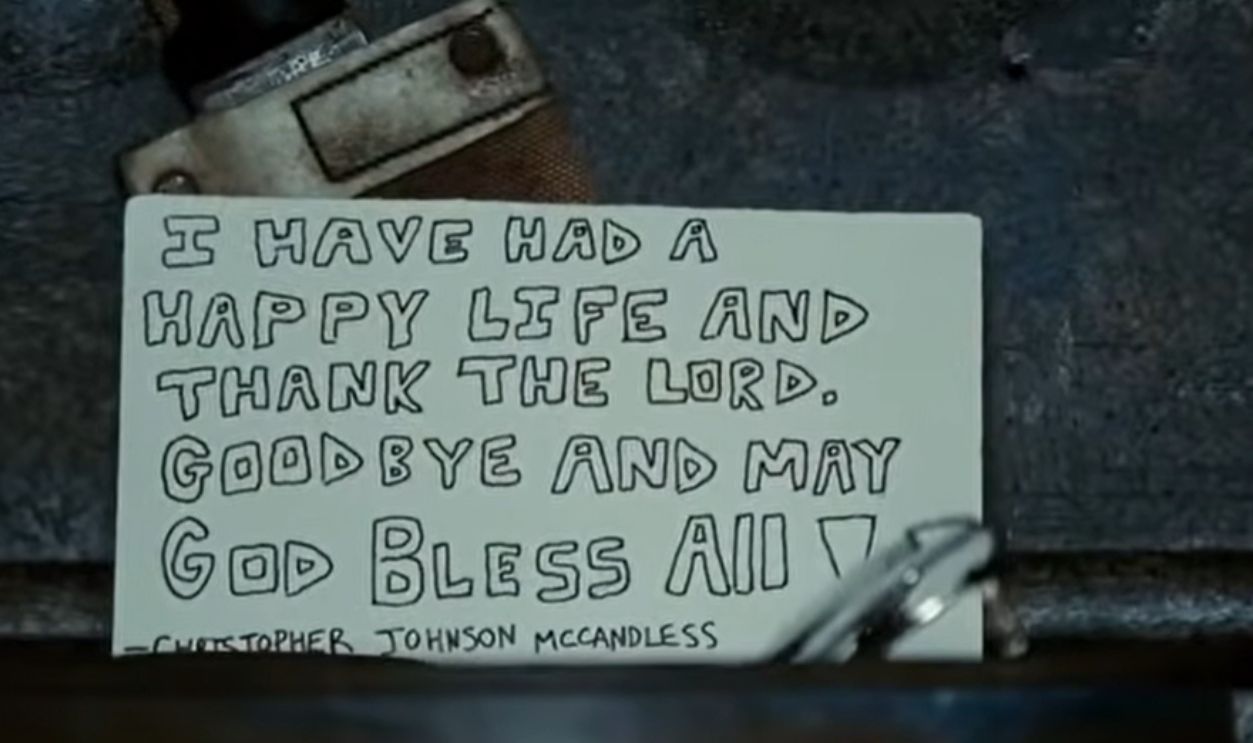
Among McCandless's photographs was an extraordinary final self-portrait. Gaunt but smiling, he stood outside the bus holding a handwritten farewell in which he said he had lived a happy life, thanked God, and said goodbye. Whatever fear or suffering preceded that image, it does not read like the message of someone who had entered Alaska intending to die. Soon afterward, his journal stopped completely.
 Screenshot from Into the Wild, Paramount (2007)
Hunters Finally Reached The Bus
On September 6, 1992, hunters arrived at Bus 142 and noticed a terrible odor. Inside, they found McCandless's decomposed body in a sleeping bag. His diary suggested that he had probably died about 19 days earlier, placing his death around August 18. What remained unclear was exactly what had killed him.
 Madeleine Deaton, Wikimedia Commons
The Official Answer Was Starvation
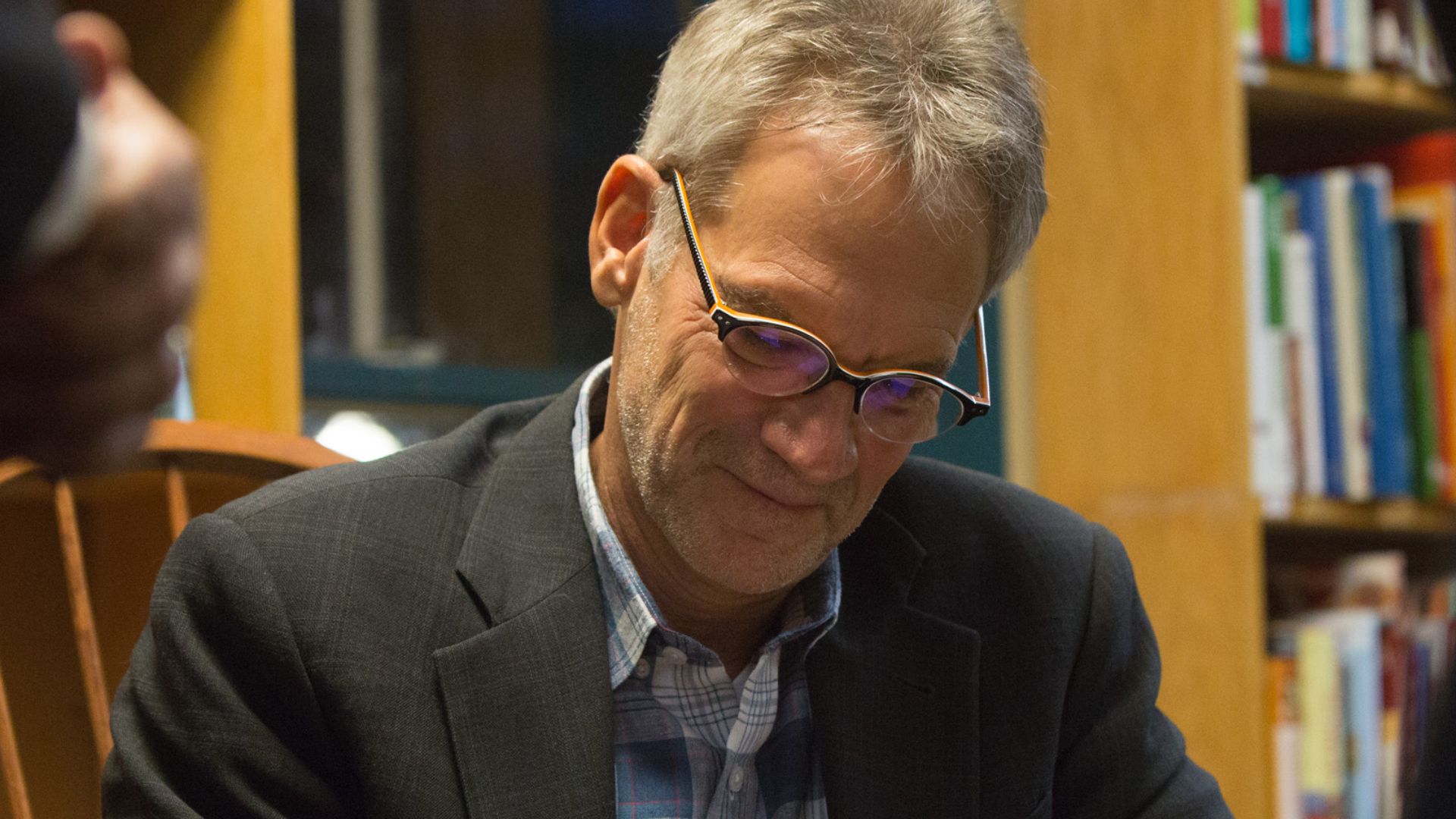
An autopsy found no obvious traumatic cause of death and listed starvation as the probable cause. McCandless had entered the wilderness weighing far more than he did when his body was recovered. The extraordinary loss of body mass alone showed that severe malnutrition played a central role. But author Jon Krakauer, who helped turn McCandless's story into Into the Wild, suspected there might have been another factor.
 Governor Tom Wolf, Wikimedia Commons
The Poisoning Theory Kept Changing
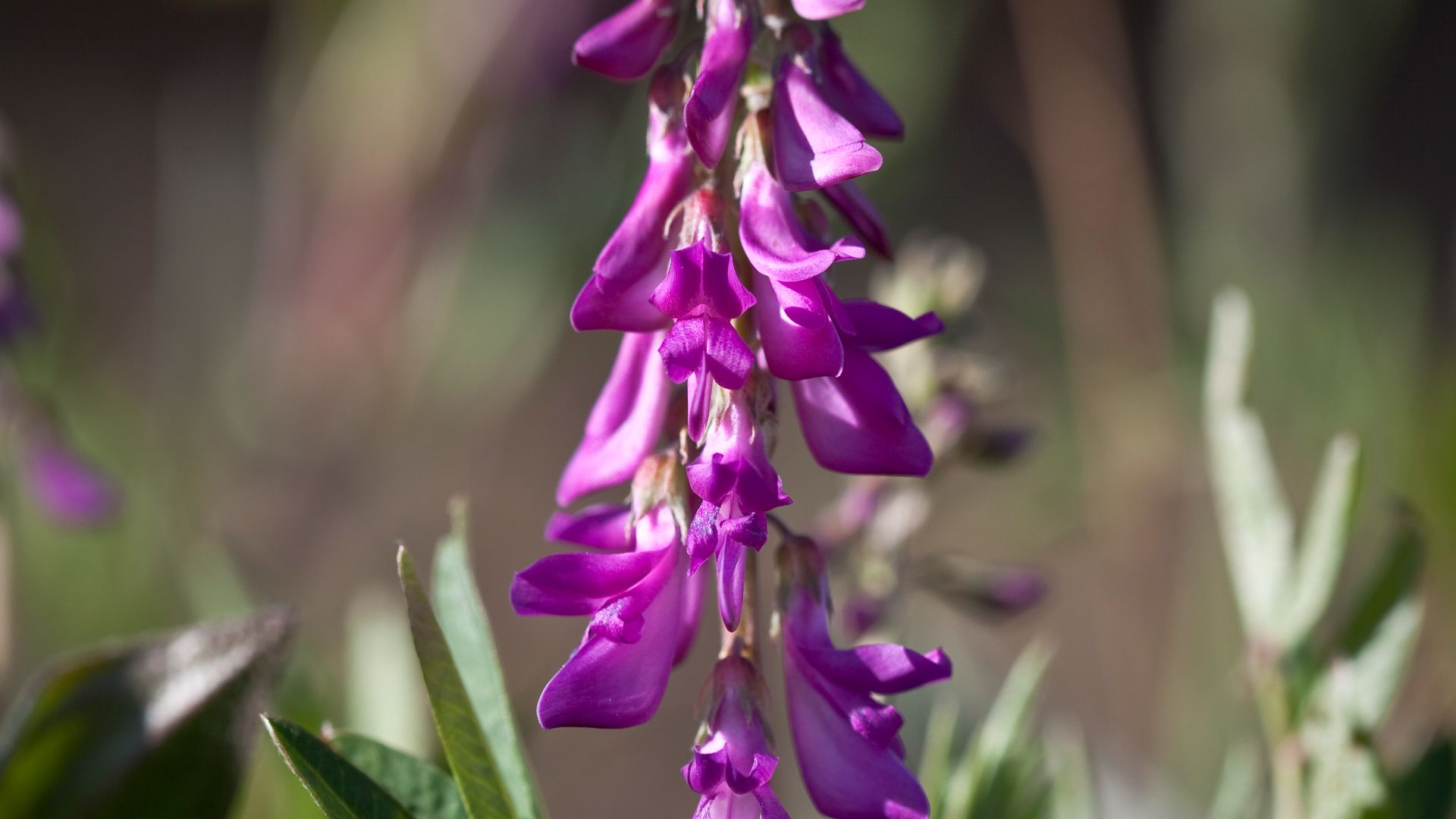
Krakauer initially explored the possibility that McCandless had accidentally poisoned himself with a plant he mistook for something edible. Later analysis shifted attention specifically toward compounds contained in Hedysarum alpinum seeds. The theory was controversial, partly because the plant had generally been regarded as edible. Years of further testing produced something much more interesting than the simple "he ate a poisonous plant" version of the story.
 NPS / Jacob W. Frank: Denali National Park and Preserve, Wikimedia Commons
Scientists Did Find A Potentially Harmful Compound
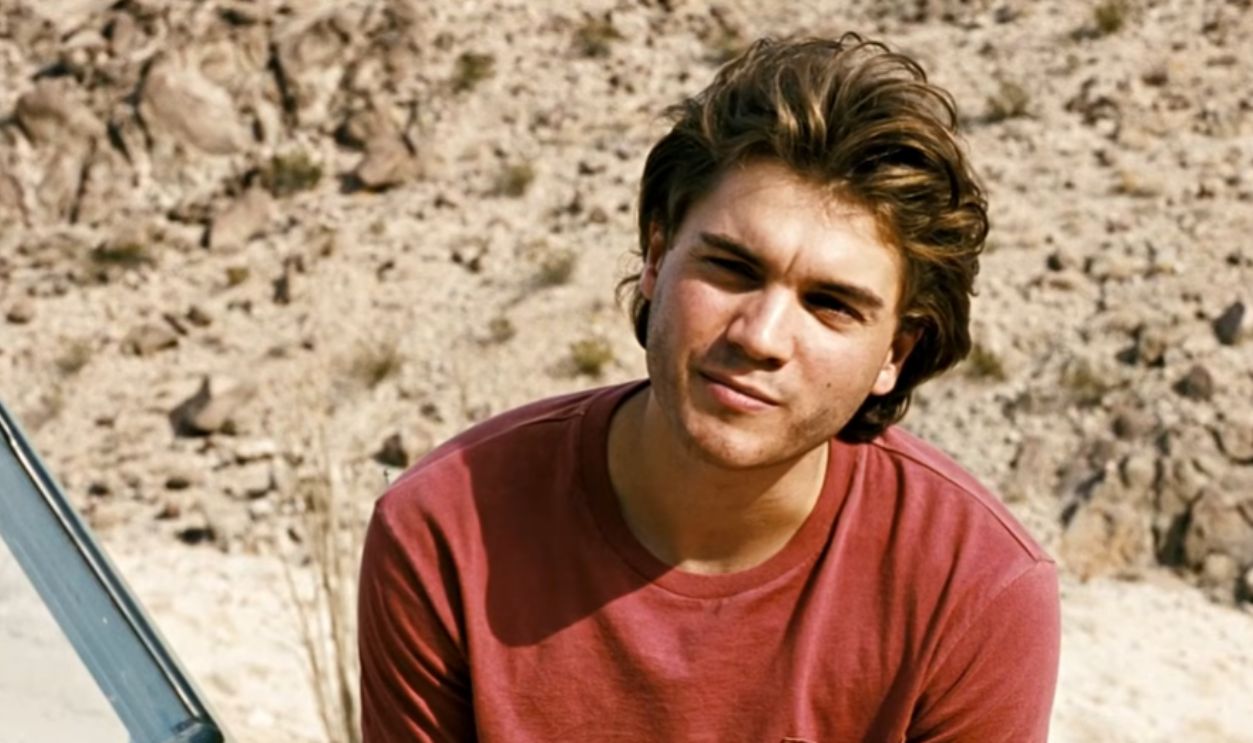
A 2015 paper published in Wilderness & Environmental Medicine confirmed that the seeds contain significant quantities of L-canavanine, an amino acid that can be harmful under some circumstances. The researchers concluded that seed consumption was highly likely to have contributed to McCandless's death. That does not erase the autopsy finding of starvation or prove a single neat cause. A cautious interpretation is that severe malnutrition was certain, while seed consumption may have further weakened an already starving man.
 Screenshot from Into the Wild, Paramount (2007)
His Story Became Bigger Than His Life
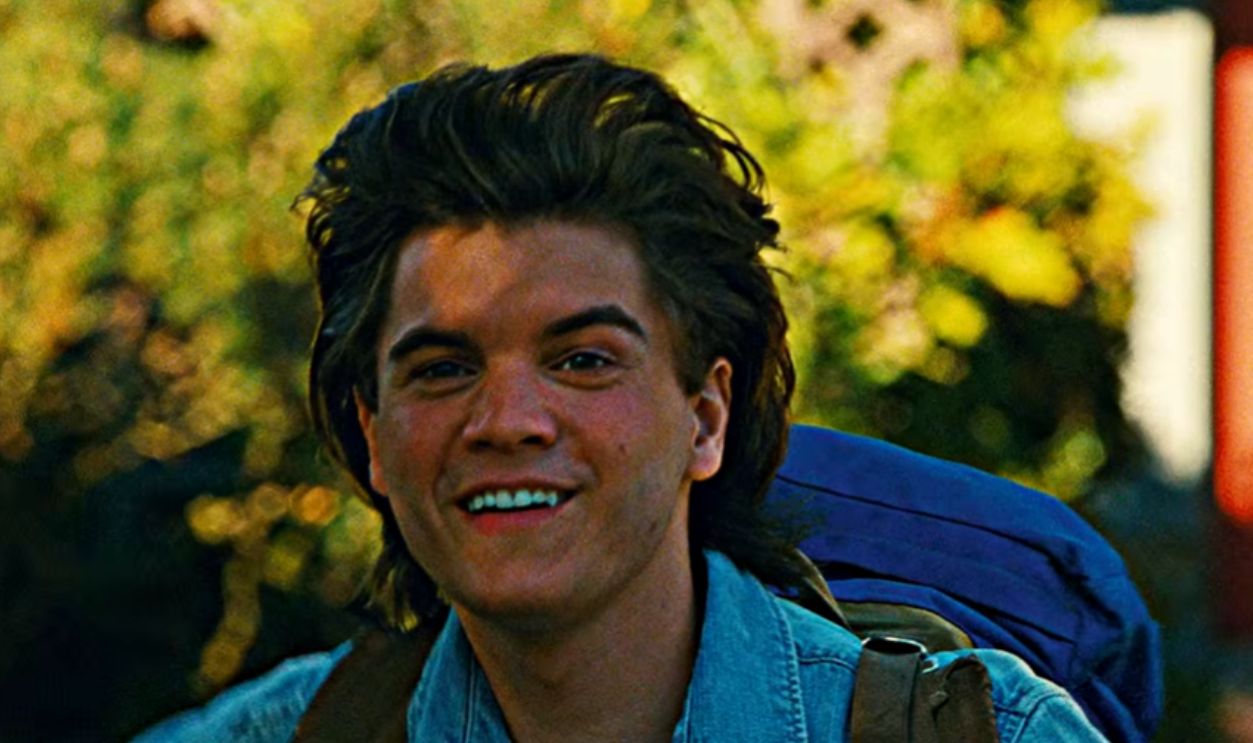
Jon Krakauer first wrote about McCandless soon after his death, later expanding the story into the 1996 book Into the Wild. Sean Penn's 2007 film adaptation introduced an even larger audience to the young traveler and turned Bus 142 into an international symbol. Admirers saw McCandless as someone who rejected materialism and tried to live authentically. Critics saw the same facts and reached a dramatically different conclusion.
 Screenshot from Into the Wild, Paramount (2007)
Alaska Never Agreed About Him
McCandless has long provoked unusually strong reactions, especially among people familiar with the Alaskan backcountry. Some readers admire his willingness to test himself and reject a conventional life, while critics point to his limited equipment, lack of detailed maps, and avoidable mistakes. Both views partly explain why the story refuses to disappear. It is an adventure tale in which the hero and cautionary example can be the same person.
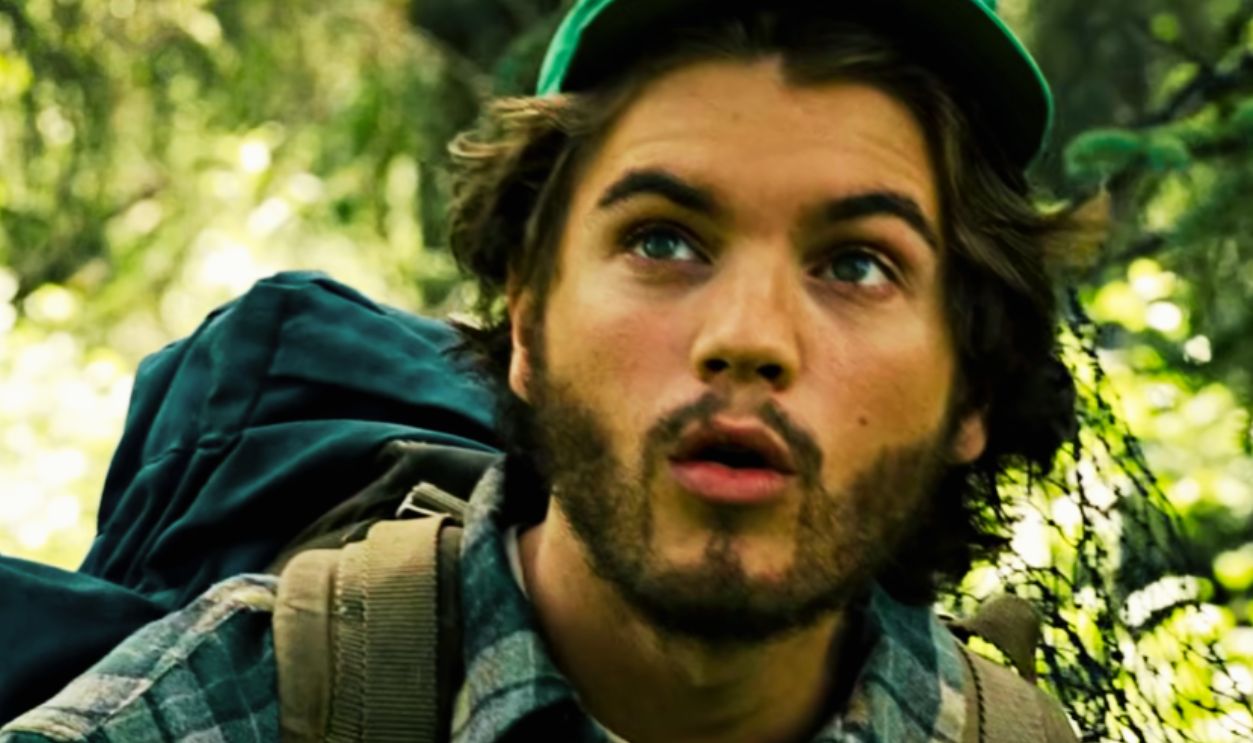 Screenshot from Into the Wild, Paramount (2007)
The Bus Became Dangerous Too
After the book and movie became famous, travelers began making pilgrimages along the Stampede Trail to reach Bus 142. The journey proved dangerous enough that hikers repeatedly required rescues, and people died attempting to cross the Teklanika River. The same natural barrier that helped trap McCandless was now endangering people trying to follow him. Eventually, Alaska decided the bus itself had to go.
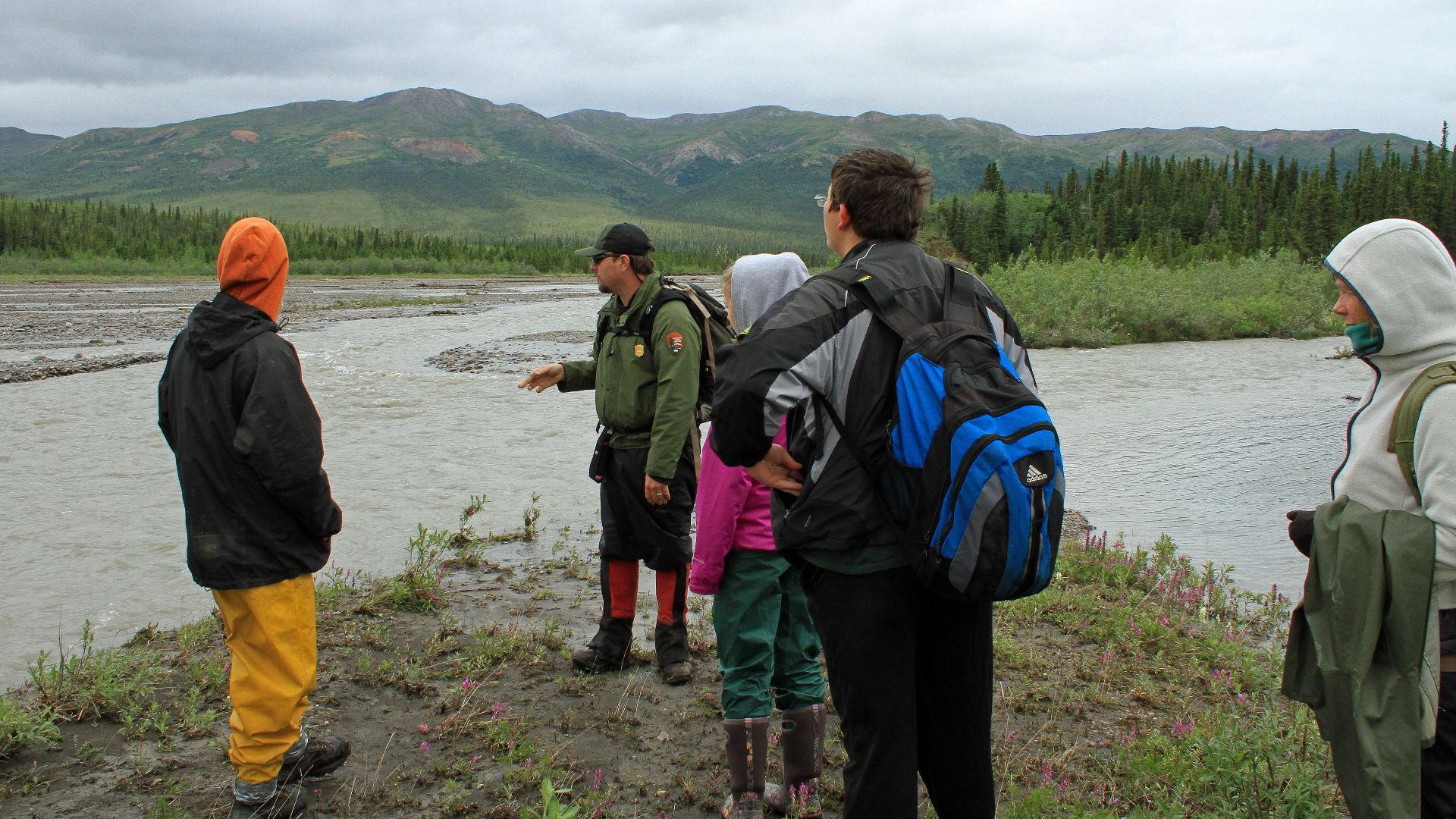 Denali National Park and Preserve, Wikimedia Commons
Alaska Finally Removed Bus 142
In June 2020, the Alaska Department of Natural Resources, assisted by the Alaska Army National Guard, removed Bus 142 from the wilderness. It was later transferred to the University of Alaska Museum of the North, which began conserving it for a future public exhibit. As of summer 2026, the complete bus was not yet on exhibition, although the museum was displaying McCandless-related artifacts while raising money for the planned outdoor installation. Even three decades later, the story is still evolving.
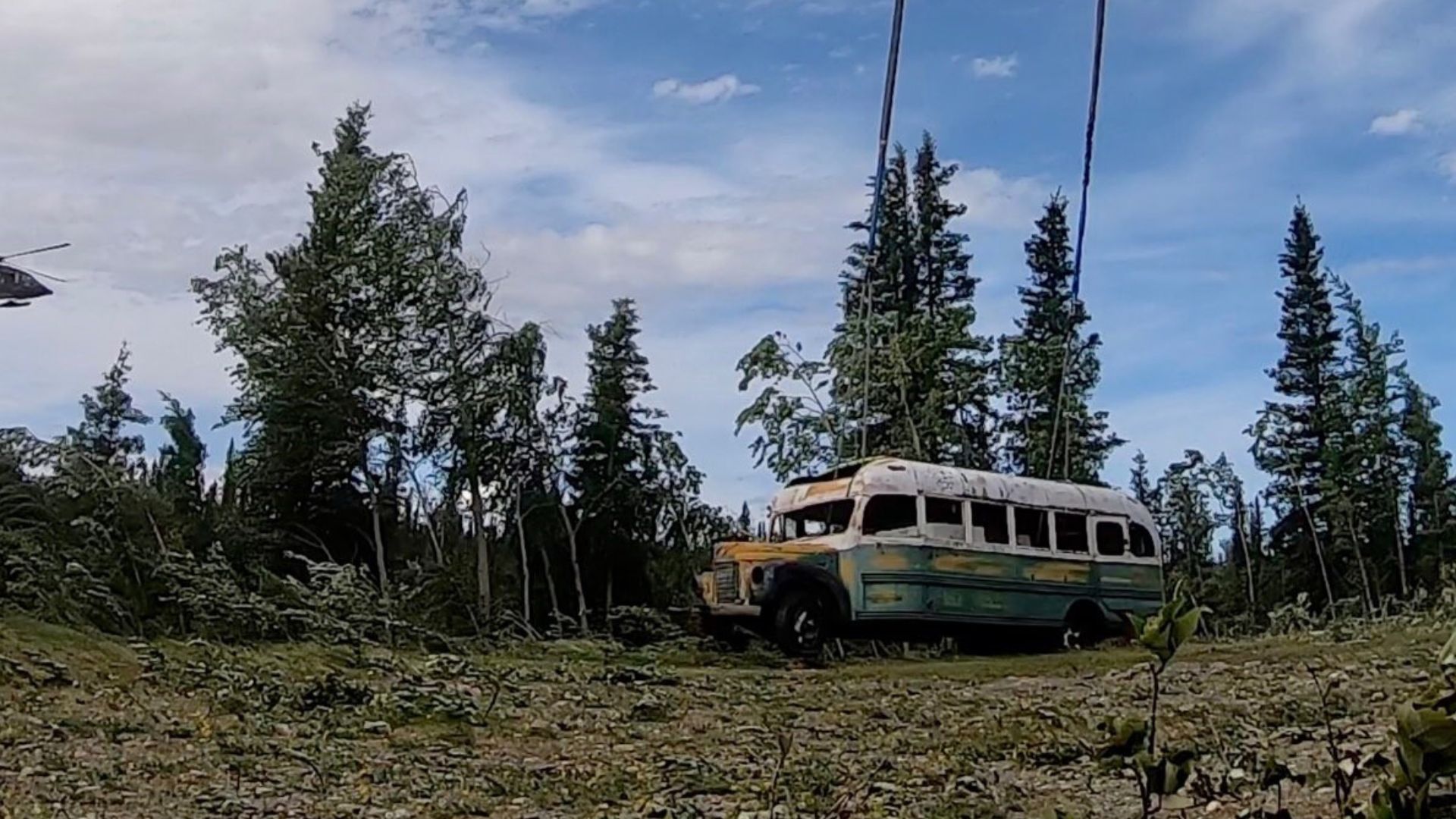 Alaska National Guard Public Affairs, Wikimedia Commons
So What Actually Happened To Chris McCandless?
McCandless entered Alaska voluntarily, survived there for months, then tried to leave and found the Teklanika River dangerously swollen. He returned to Bus 142, became catastrophically malnourished, and may have been further weakened by compounds in wild potato seeds before dying around August 18, 1992. His death involved bad preparation, a brutal environment, terrible timing, and possibly a biological complication that nobody understood at the time. That messy combination may be the reason Into the Wild still fascinates people more than a simple story about either a reckless fool or a fearless adventurer ever could.
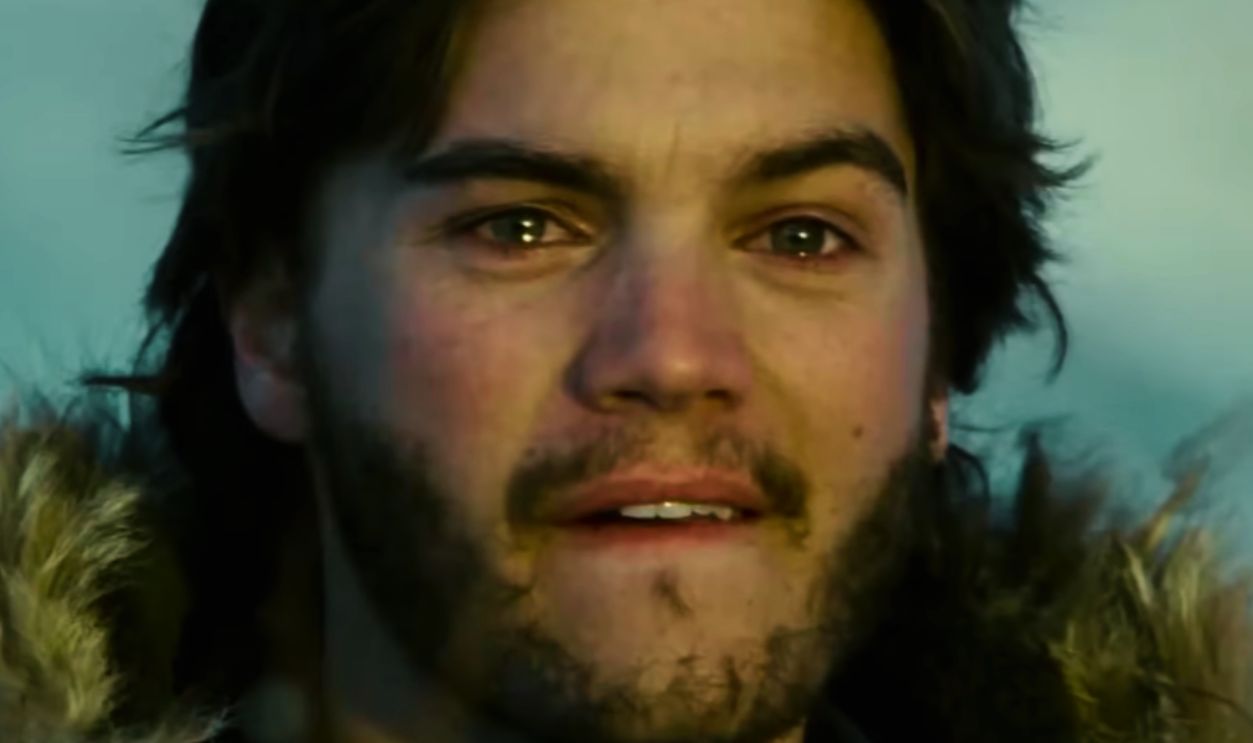 Screenshot from Into the Wild, Paramount (2007)
You May Also Like: