A Lost World Beneath The Mountains
Northern British Columbia isn't exactly famous for its dinosaur fossils. But that might be about to change. Researchers exploring a remote mountain wilderness have uncovered more than 90 ancient specimens, revealing a surprisingly diverse dinosaur population that lived roughly 68 million years ago. And scientists suspect there's plenty more to find.
A Remarkable Discovery In The Wilderness
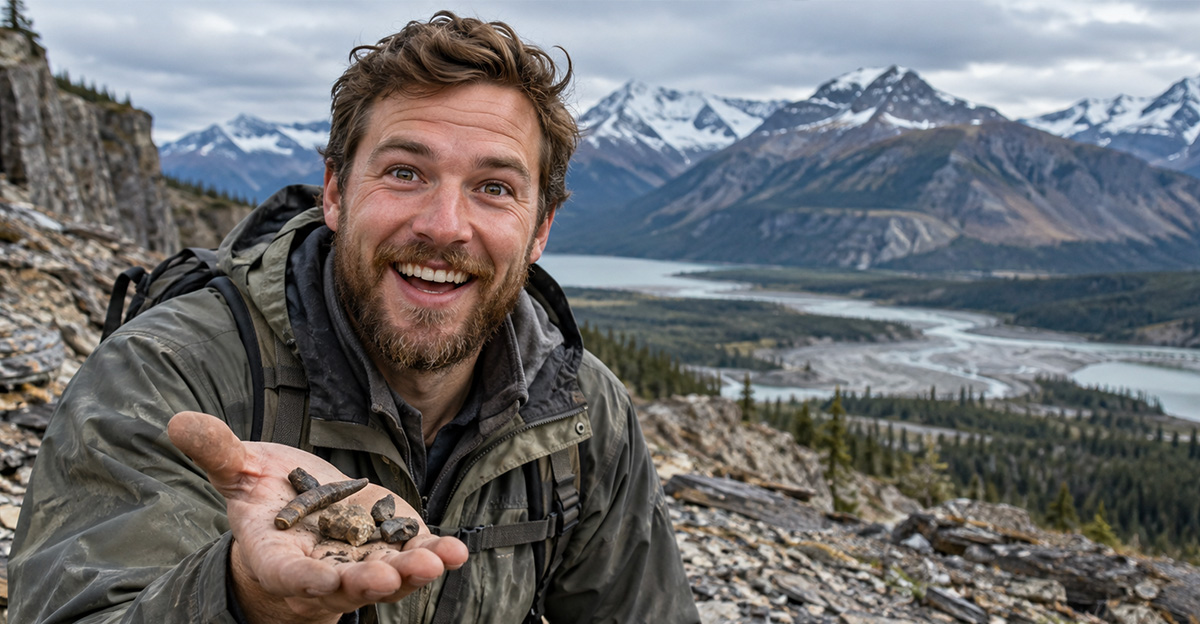
The fossils were collected during a July 2024 expedition to Spatsizi Plateau Wilderness Provincial Park. Researchers from the Royal BC Museum and other institutions spent ten days exploring the rugged landscape. Their discoveries included teeth, bones, and fragments belonging to several different kinds of dinosaurs.
 Qyd, Gemini1980, Wikimedia Commons
The Serengeti Of The North
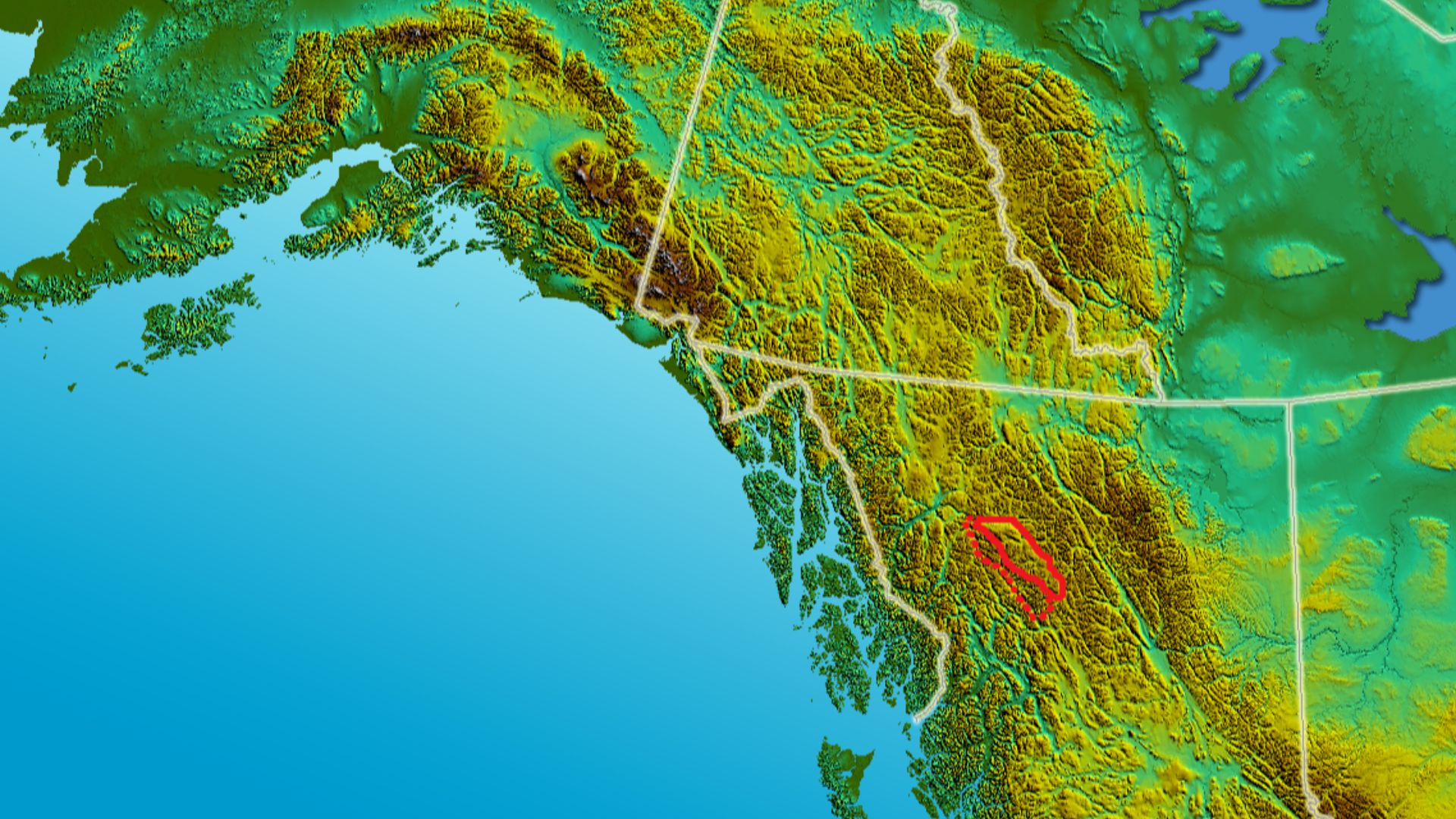
Spatsizi Plateau Wilderness Park covers nearly 700,000 hectares of northern British Columbia. Today, it's home to grizzly bears, wolves, caribou, and mountain goats. Its wildlife has earned it the nickname "Serengeti of the North." Apparently, the region was pretty lively millions of years before any of those animals appeared.
 Stanley Larson Welsh and J. Keith Rigby (Brigham Young University), Wikimedia Commons
Getting There Wasn't Easy
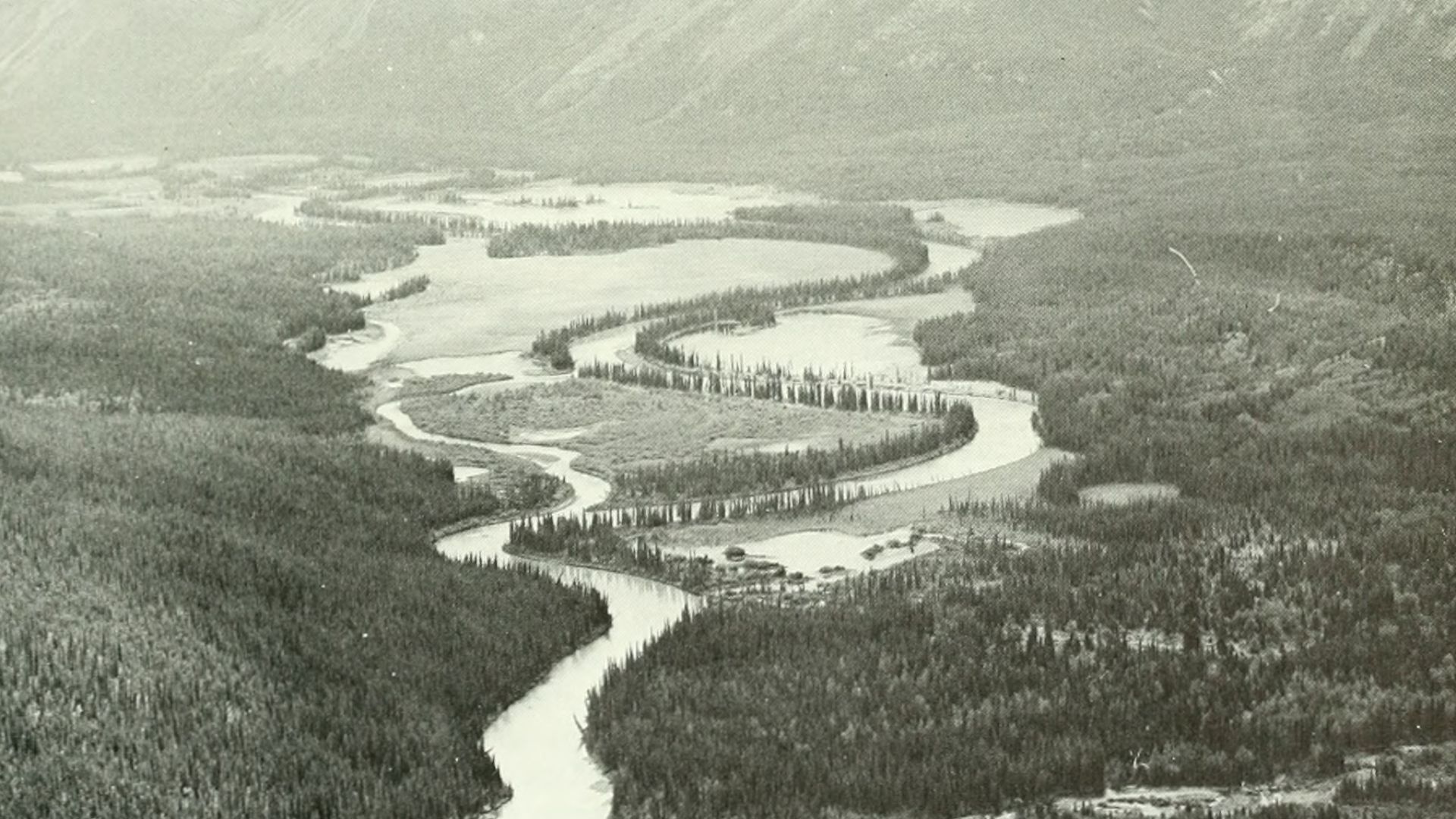
Spatsizi isn't the sort of place you visit on a casual afternoon hike. Much of the park is accessible only by aircraft, horseback, or lengthy wilderness travel. Researchers had to haul their equipment across difficult terrain, knowing that even a promising-looking rock might contain absolutely nothing.
 Brian Huntington, Wikimedia Commons
Years Of Searching Finally Paid Off
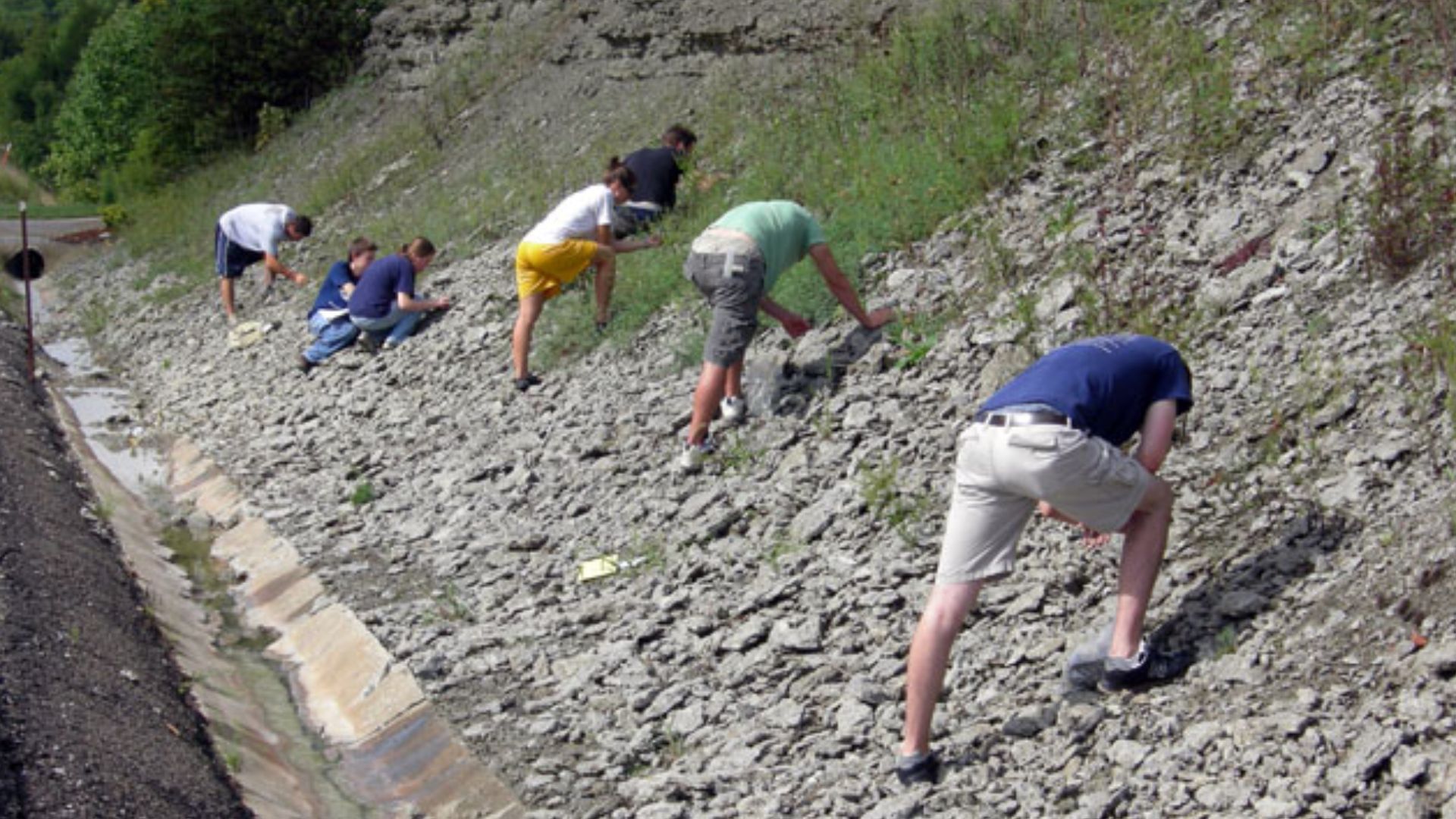
Scientists had explored the area during earlier expeditions in 2019 and 2022, but fossils were difficult to find. The 2022 trip produced around 15 bones. Then came the 2024 expedition, when researchers encountered a much richer deposit. Suddenly, the search was producing far more than anyone had previously collected.
 Wilson44691 at English Wikipedia, Wikimedia Commons
A Mountain Covered In Clues
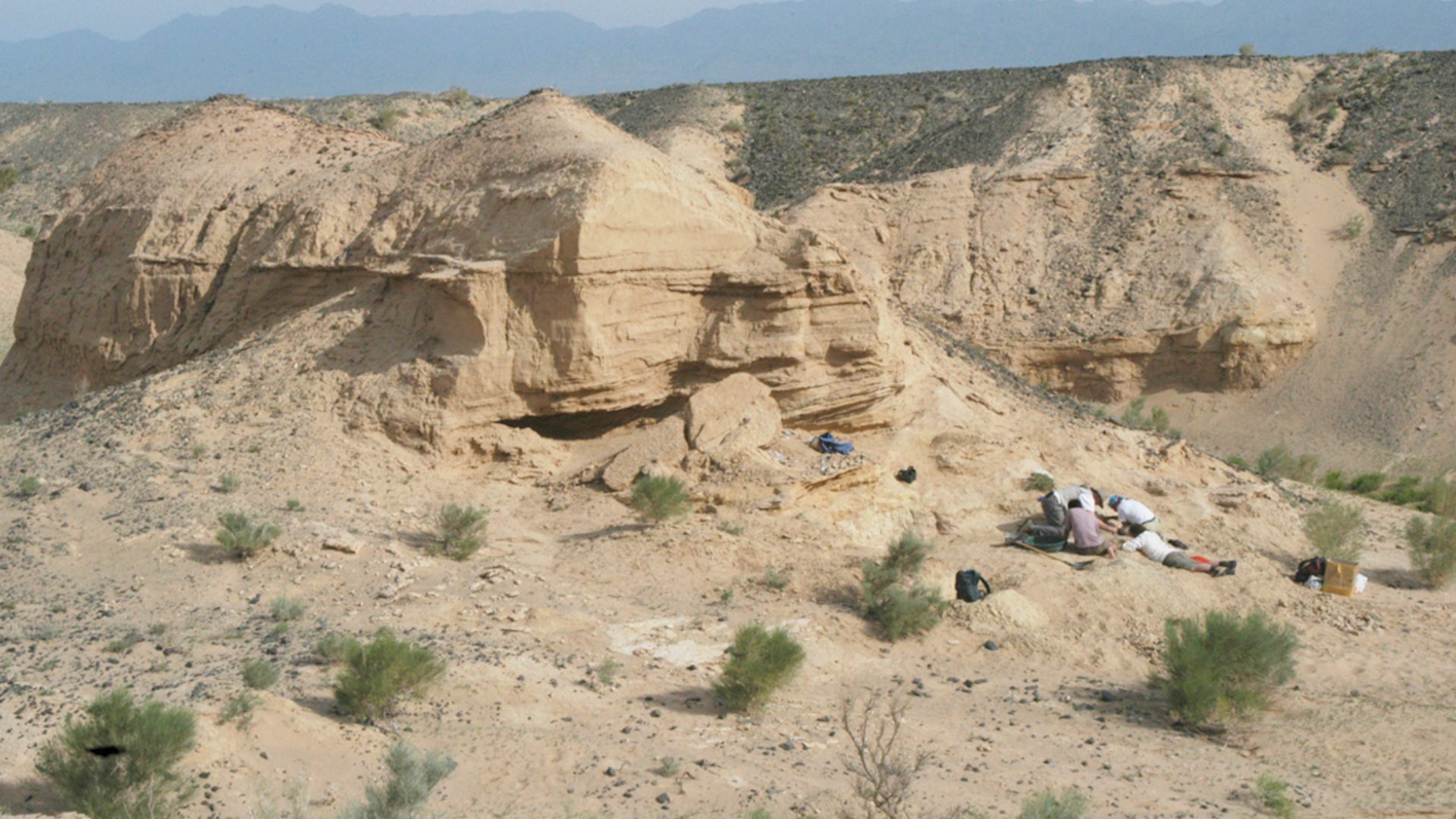
The breakthrough came in a sandy area high in the mountains. Researchers began noticing small pieces of fossilized bone scattered across the ground. One discovery led to another, and before long, the team realized they'd found something special. This wasn't just an isolated dinosaur bone.
Welcome To Cloud City
The researchers nicknamed their discovery site "Cloud City," thanks to the clouds that regularly surrounded the mountain. It's a fitting name for such an unusual place. During three visits to the site, scientists collected dozens of fossils, turning an otherwise ordinary mountainside into an important paleontological location.
More Than 90 Fossils Were Collected
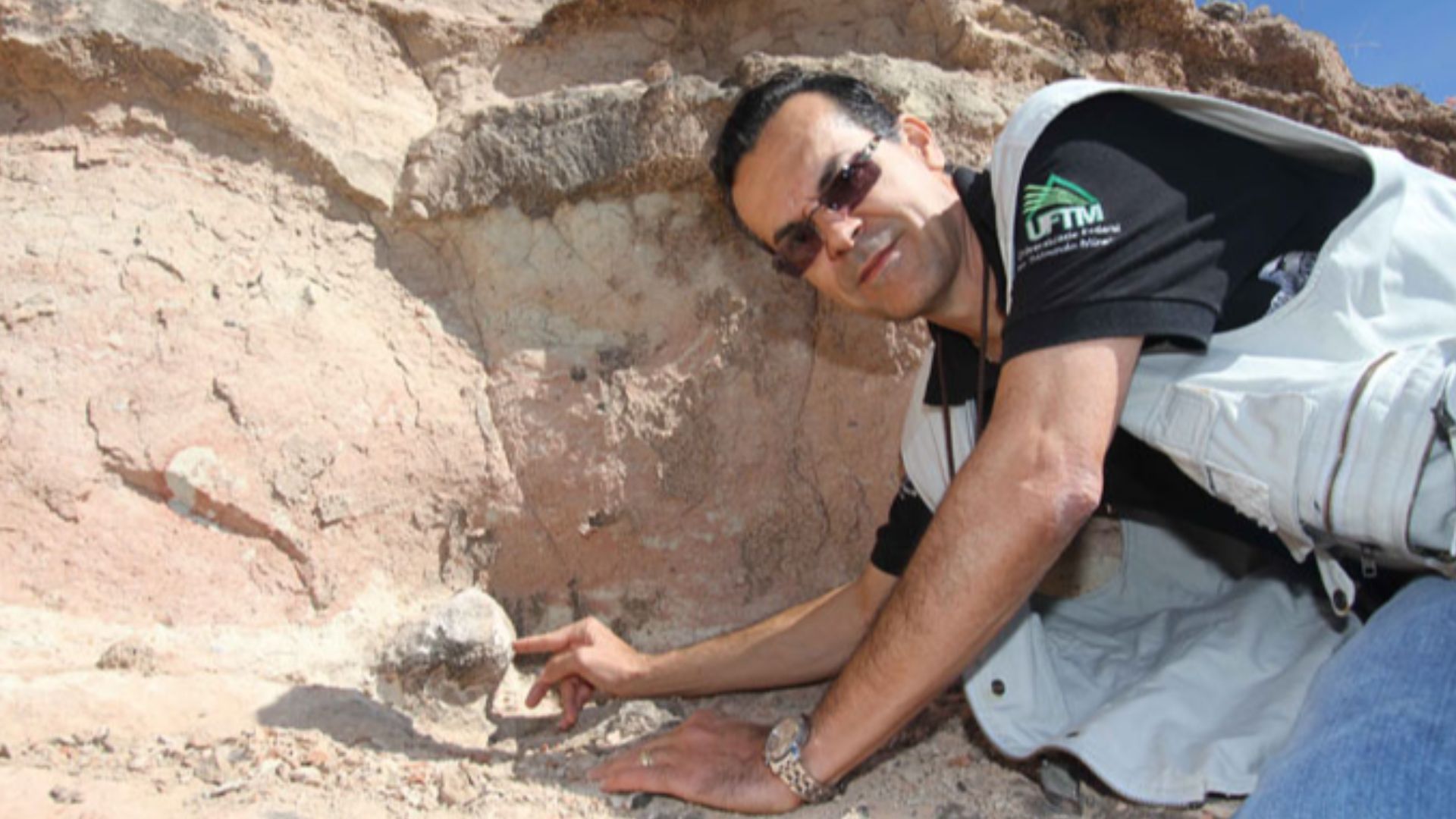
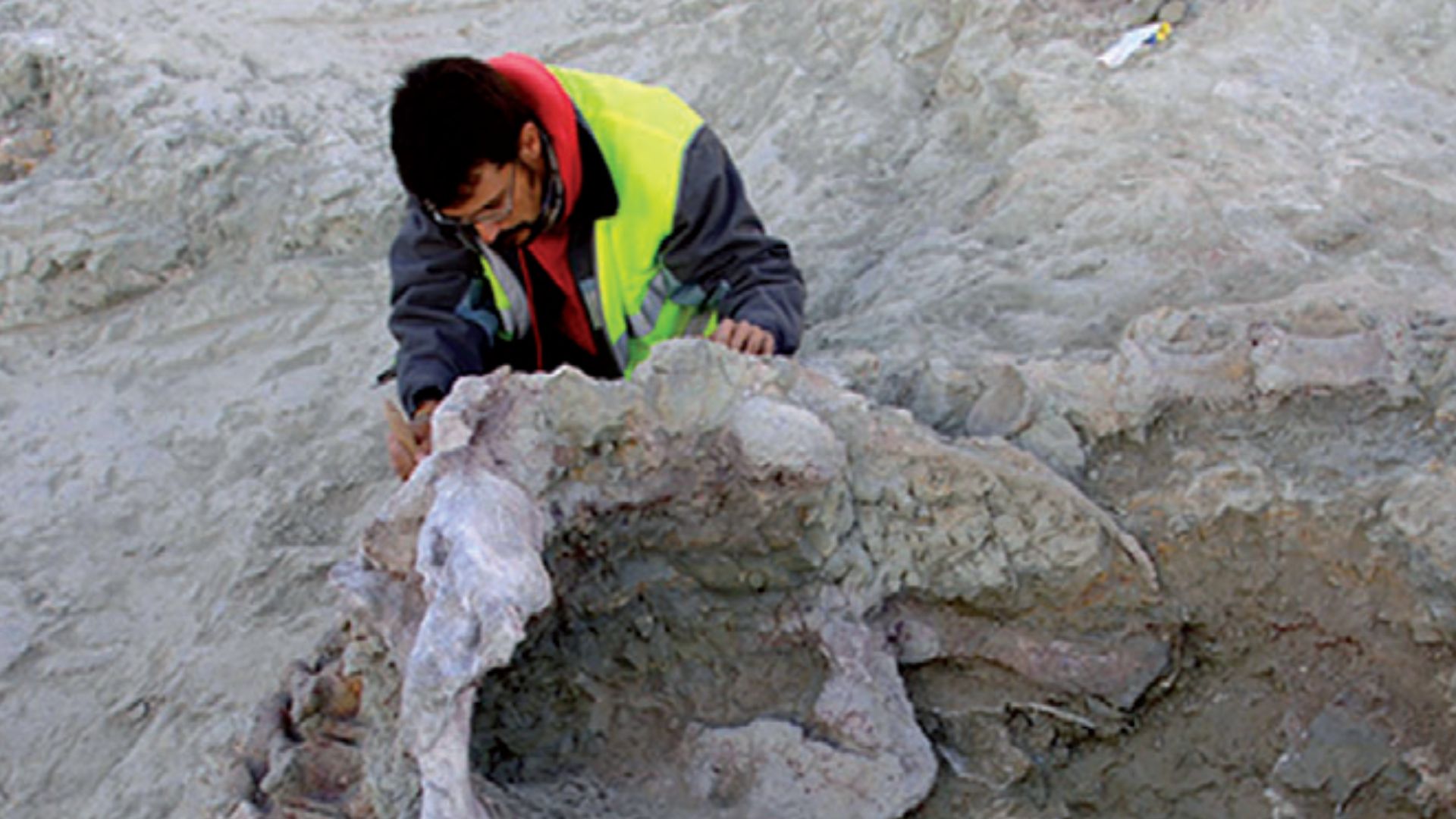
By the expedition's end, the team had recovered more than 90 fossil specimens, along with additional bone fragments and geological samples. That's a considerable collection for a region where dinosaur remains have historically been difficult to locate. Better yet, the fossils represented several different groups of dinosaurs.
Some Belonged To Fearsome Predators
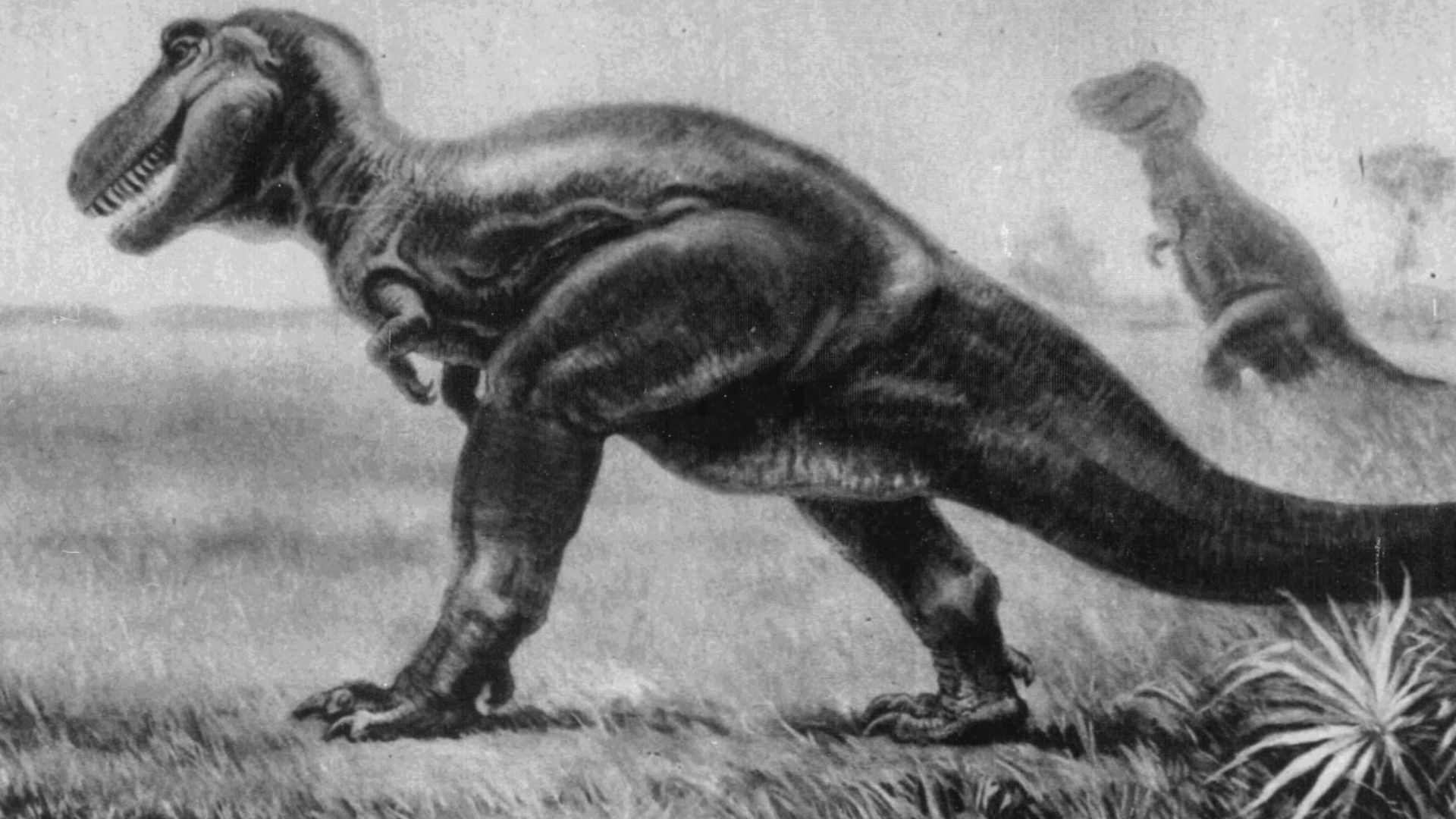
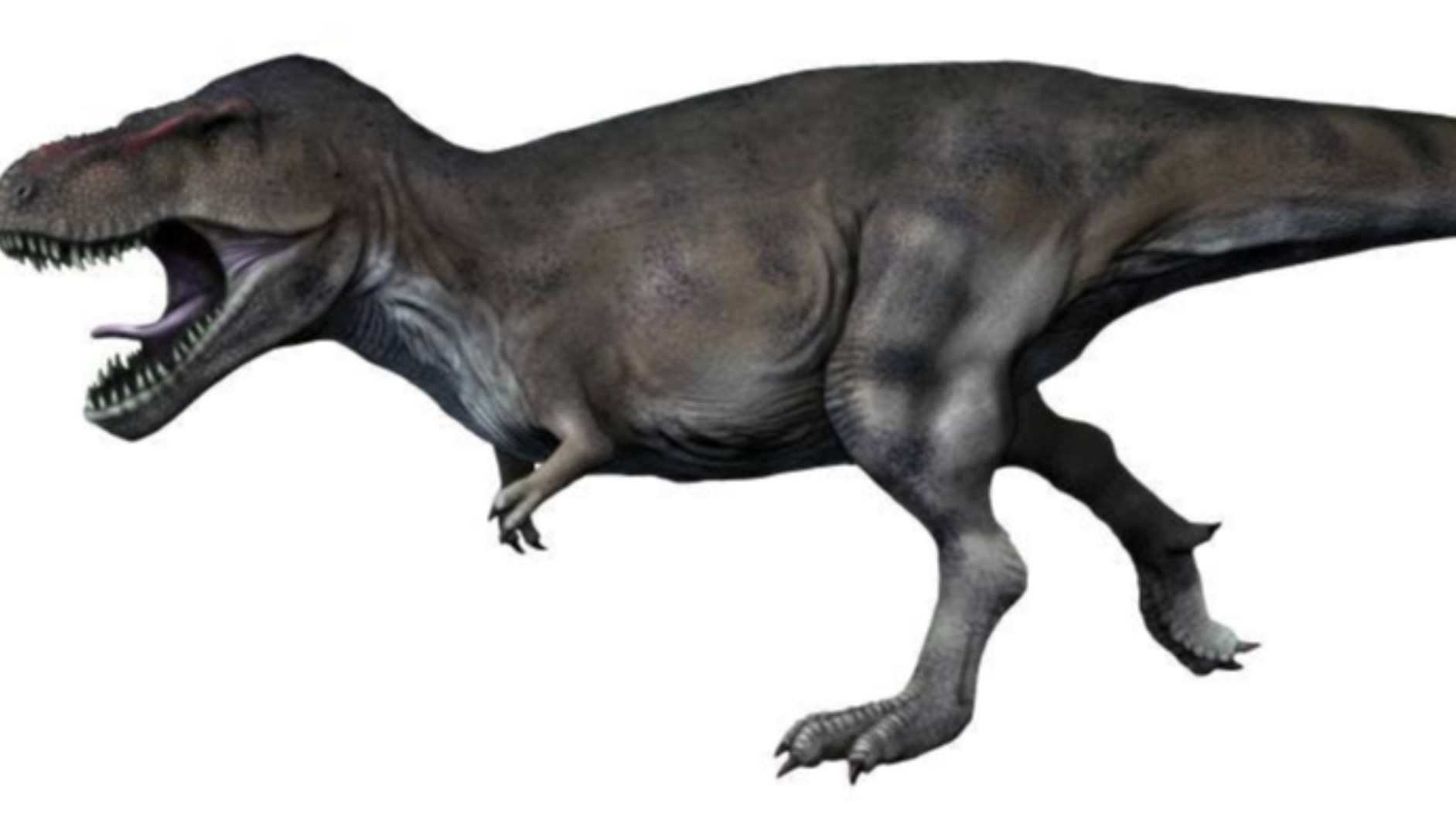
Among the finds were teeth from relatives of Tyrannosaurus rex. These sharp-toothed predators would have been among the meat-eaters roaming the ancient landscape. Scientists haven't determined exactly which tyrannosaur species left the teeth behind, but their presence shows that large carnivorous dinosaurs inhabited this part of Canada.
 Charles Robert Knight, Wikimedia Commons
But Was T. Rex Actually Here?
Not necessarily. Tyrannosaurs were a large family of related dinosaurs, and T. rex was just one member. Finding a tyrannosaur tooth doesn't automatically mean the famous predator lived in the area. Identifying the actual species will require more research and, hopefully, additional fossils.
 Nobu Tamura, Wikimedia Commons
There Were Horned Dinosaurs, Too
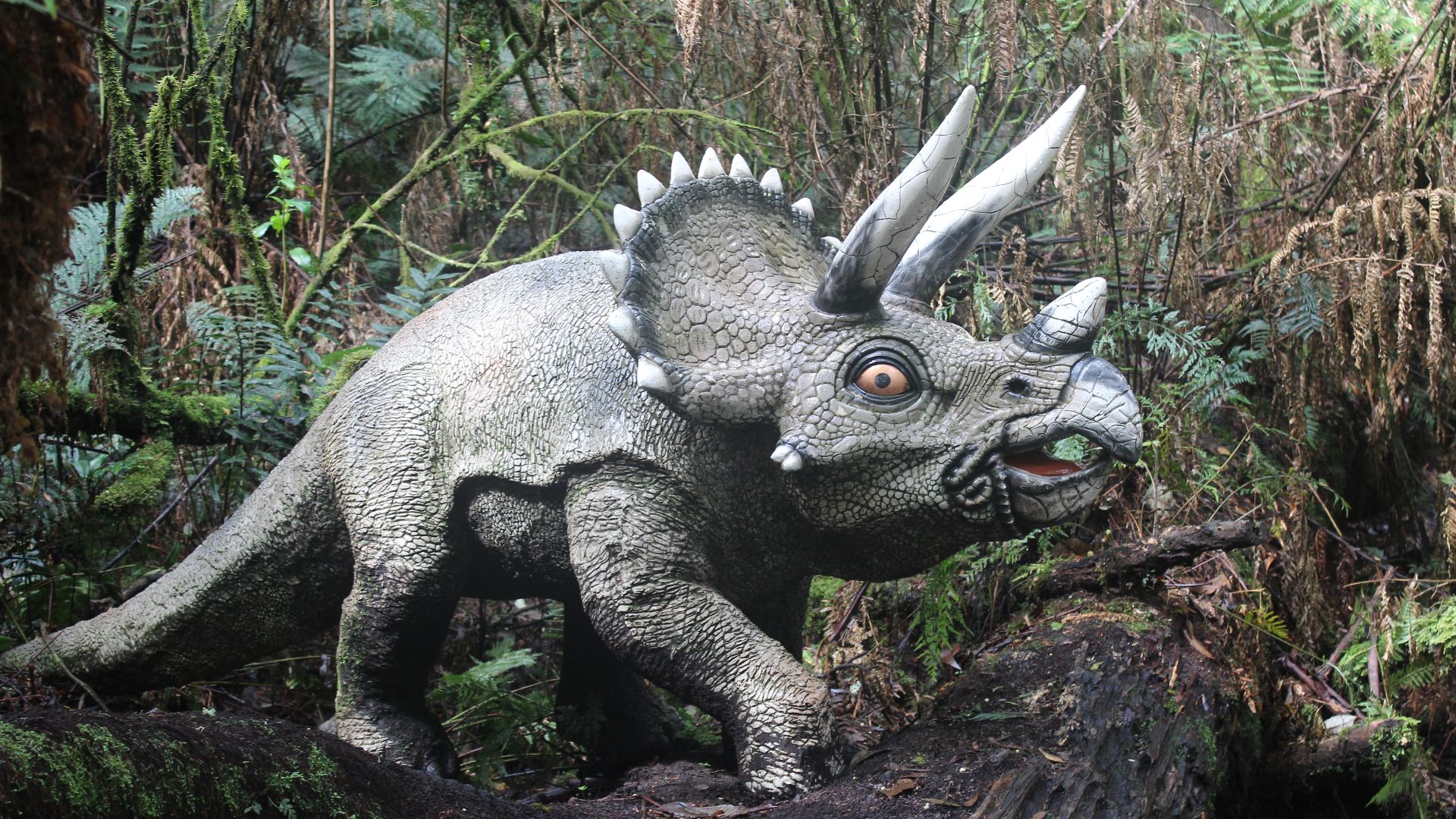
The researchers also discovered teeth from relatives of Triceratops. These plant-eating dinosaurs belonged to the ceratopsian family, famous for their distinctive skulls and, in many species, impressive horns. The fossils suggest that horned dinosaurs shared this prehistoric environment with some rather intimidating predators.
Duck-Billed Dinosaurs Were Around
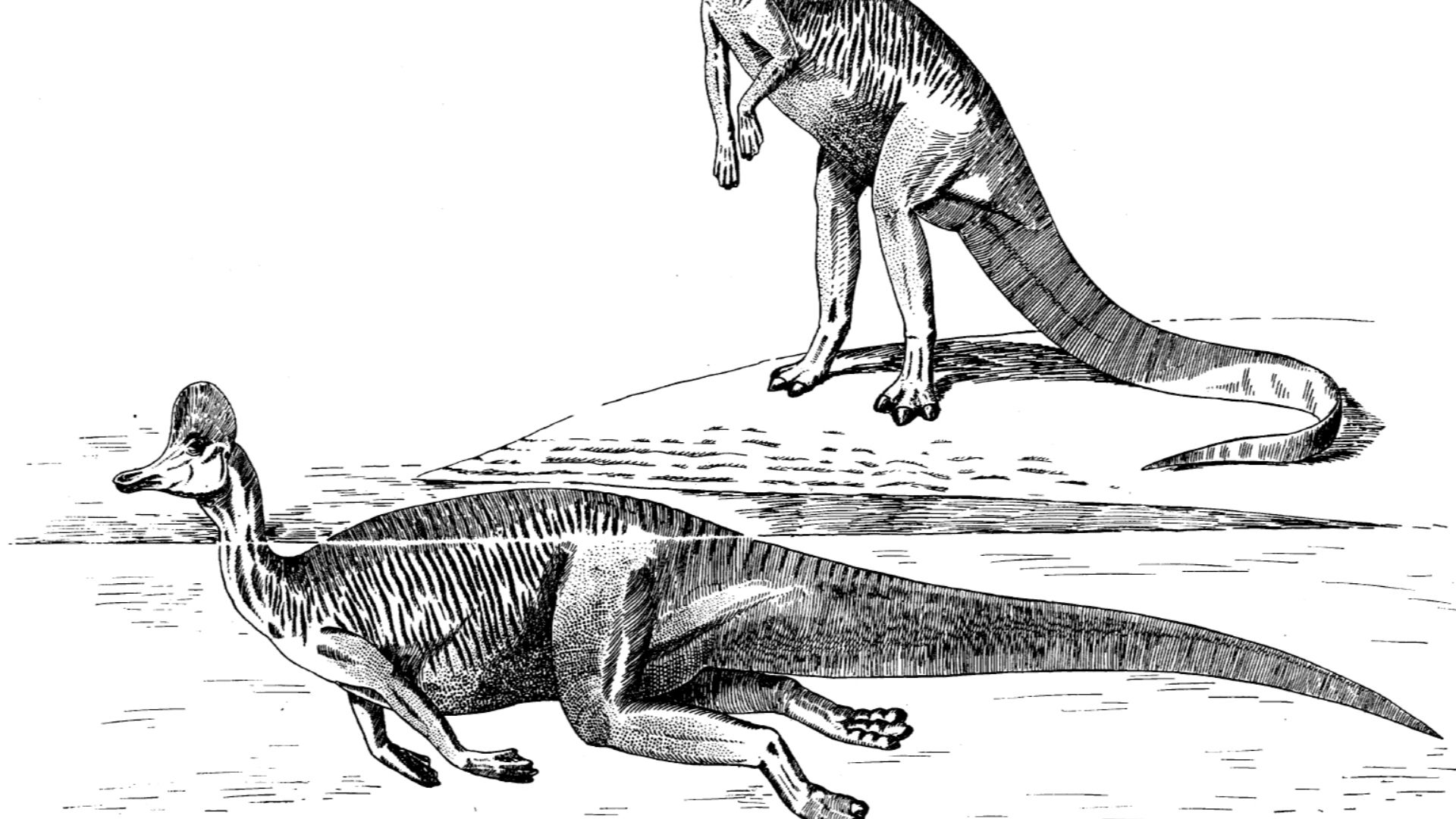
Evidence of duck-billed dinosaurs added another piece to the puzzle. Known as hadrosaurs, these large herbivores were common in many Late Cretaceous ecosystems. Their specialized teeth helped them process tough vegetation. The British Columbia discoveries suggest they were also part of this ancient mountain community.
 Richard Beckert, Wikimedia Commons
One Smaller Predator Stood Out
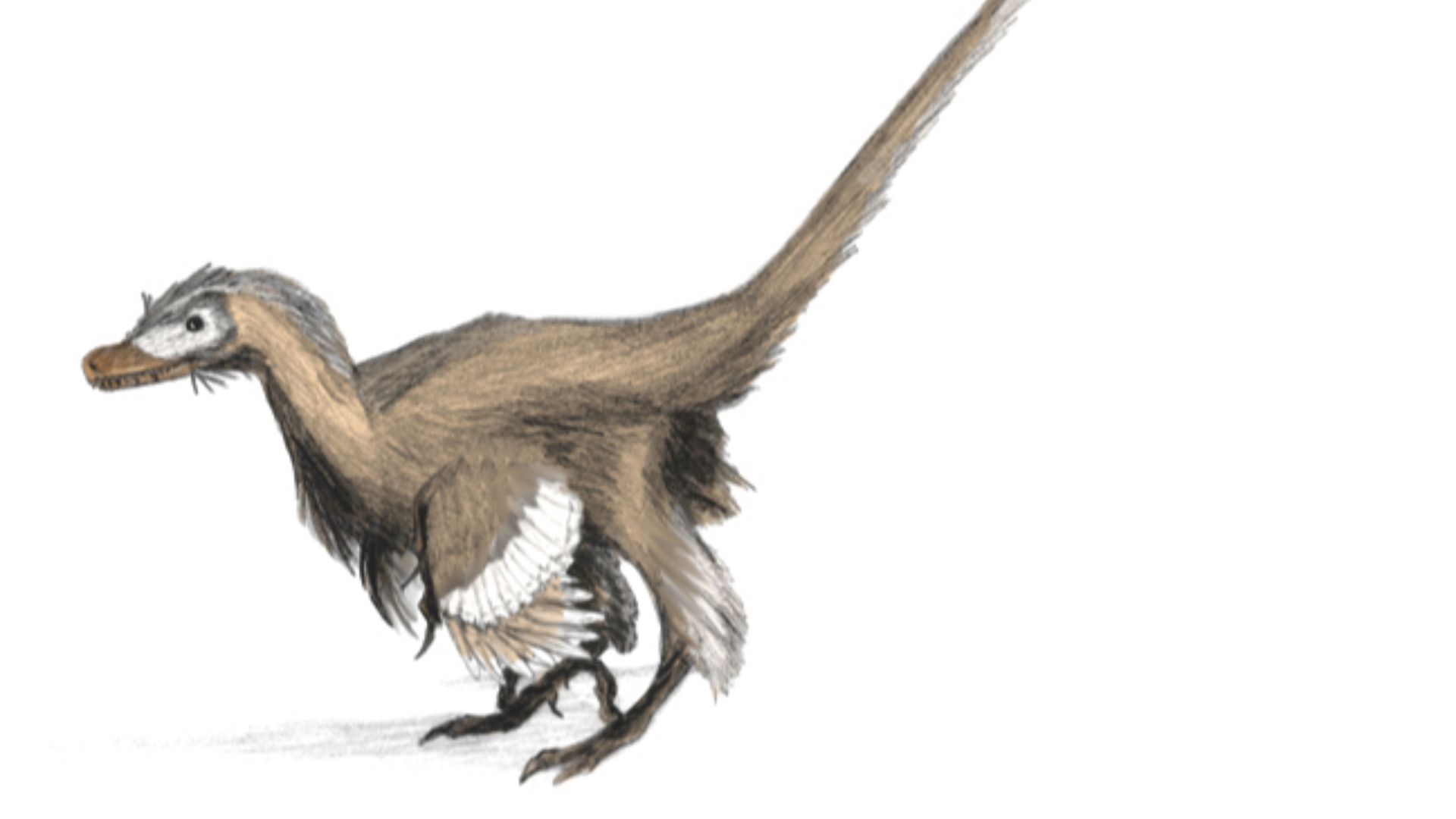
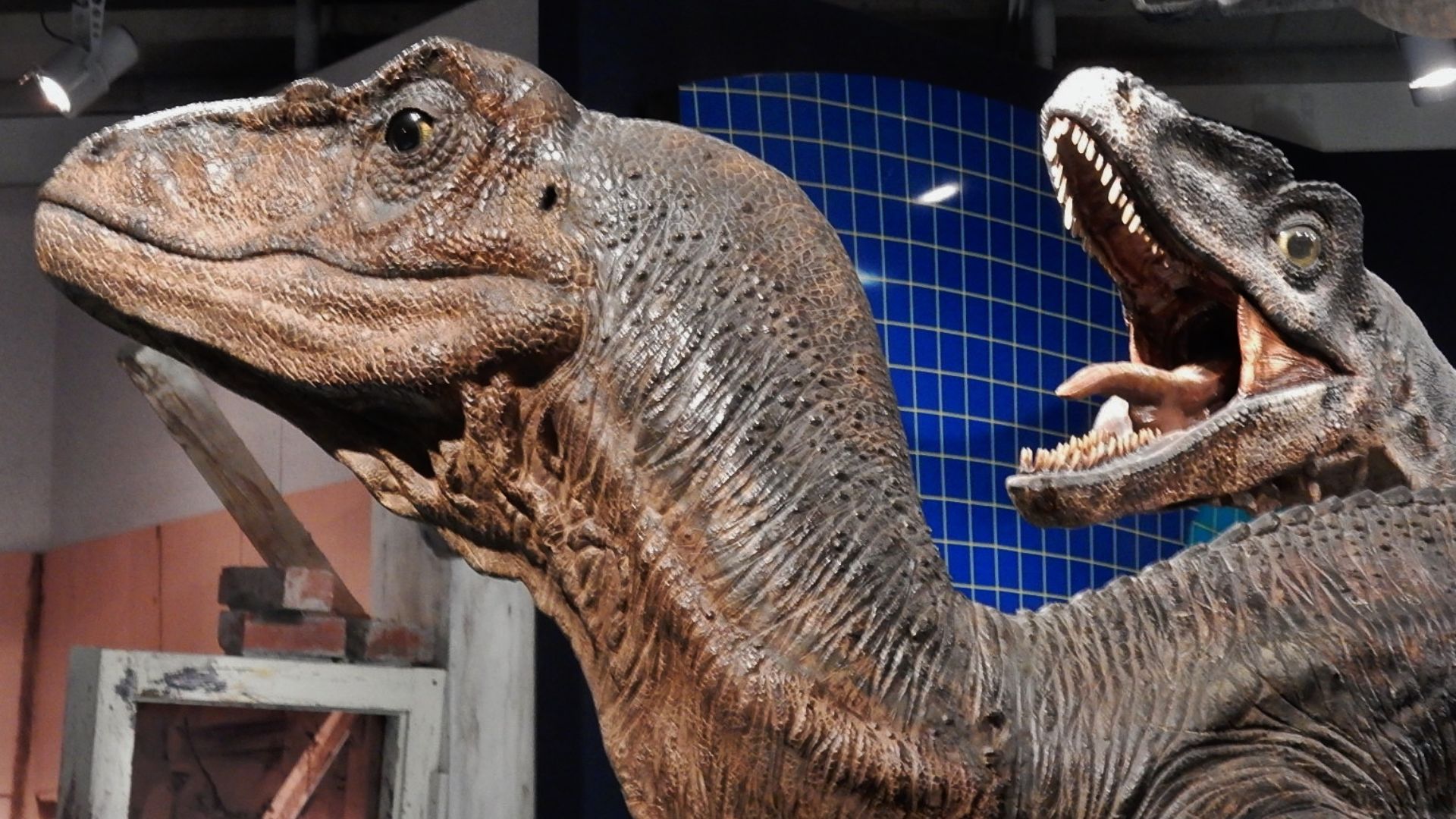
Not every dinosaur roaming the region was enormous. Researchers also found foot bones from a smaller meat-eating dinosaur, possibly related to the group that included Velociraptor. These remains could prove particularly useful because smaller dinosaur fossils are often much harder to find than those of larger animals.
 Matt Martyniuk, Wikimedia Commons
Small Bones Can Reveal Big Secrets
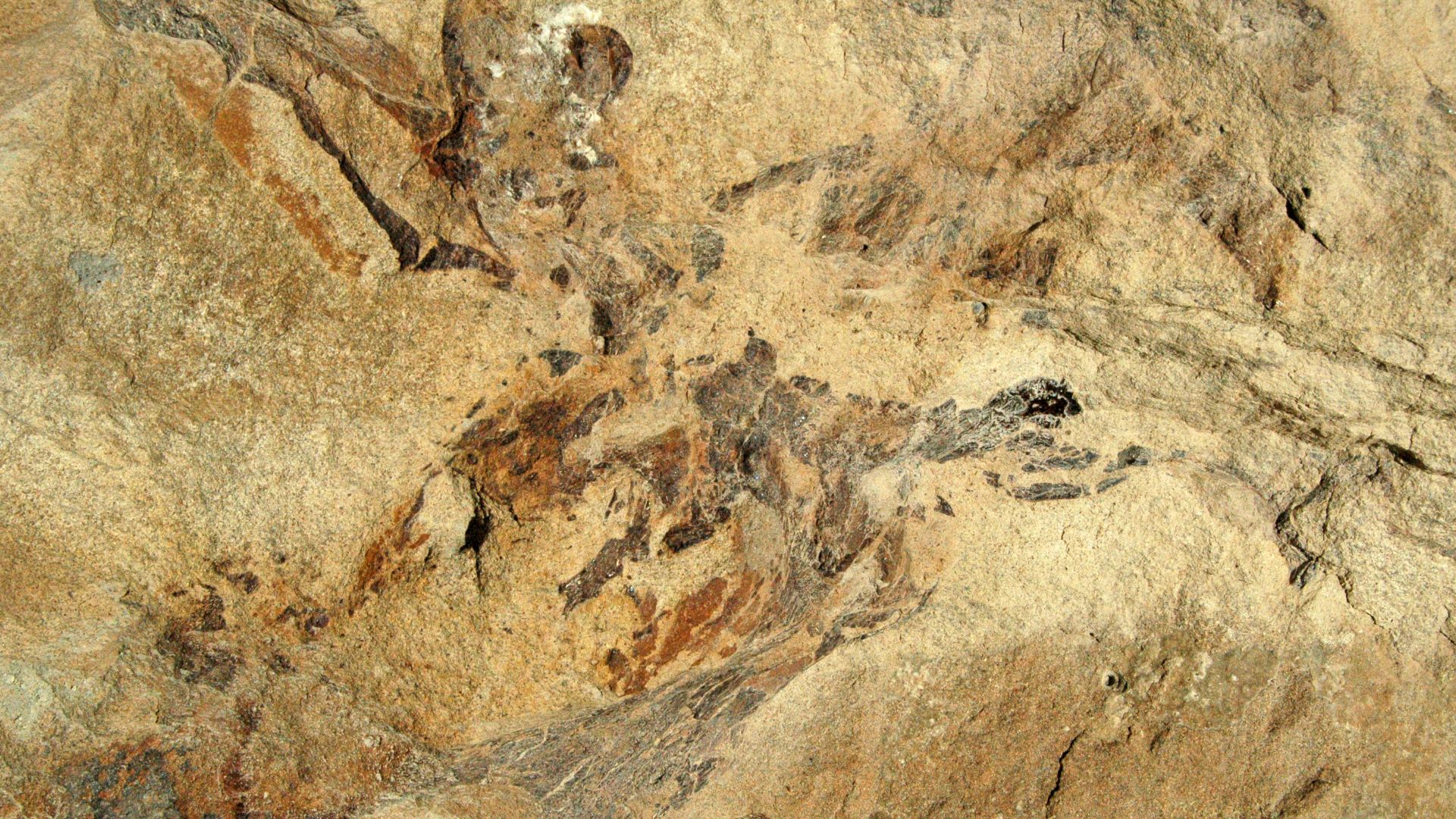
Tiny dinosaur bones are easily broken, scattered, or overlooked. That's why finding recognizable foot bones is such a valuable discovery. Their shape can reveal important clues about an animal's identity and movement. Researchers hope detailed comparisons will help establish which small predator once walked through this landscape.
 James St. John, Wikimedia Commons
Could There Be An Unknown Species?
That's certainly possible. Paleontologist Dr. Victoria Arbour has suggested that some specimens could belong to dinosaurs not previously identified by science. But there's a lot of work ahead before anyone can make that claim. Each fossil needs careful preparation and comparison with other known dinosaur remains.
British Columbia Already Had A Dinosaur First
The province has surprised paleontologists before. In the 1970s, a geologist discovered dinosaur bones in northern British Columbia's Sustut Basin. Those remains sat in scientific collections for decades before researchers recognized their importance. Eventually, they helped establish an entirely new dinosaur species.
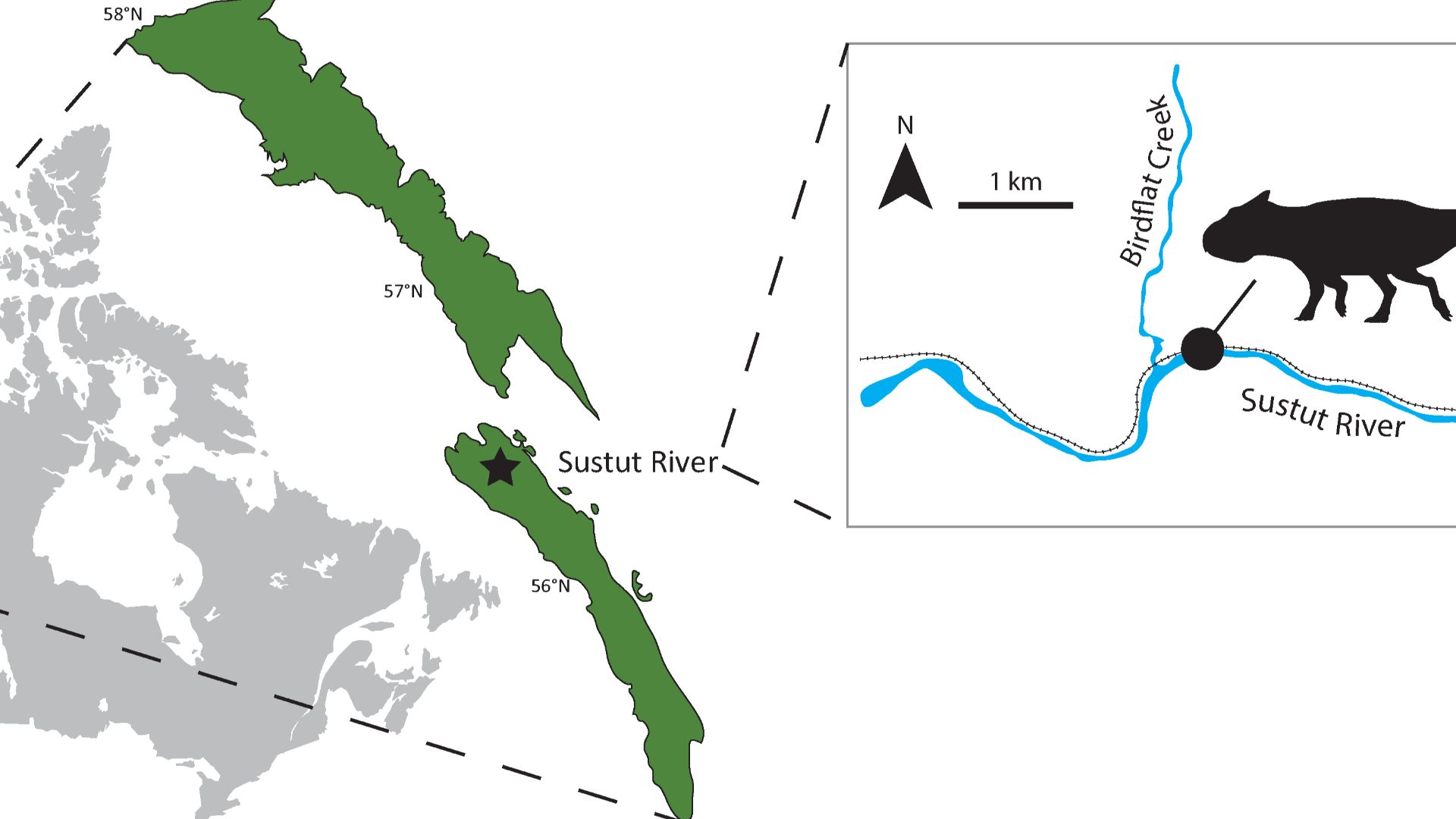 Victoria M. Arbour & David C. Evans, Wikimedia Commons
Meet Ferrisaurus Sustutensis
In 2019, scientists formally named that dinosaur Ferrisaurus sustutensis. Nicknamed "Buster," it was a relatively small, hornless relative of Triceratops. It became the first dinosaur species scientifically named from fossils discovered in British Columbia, proving that the province had more prehistoric history to uncover.
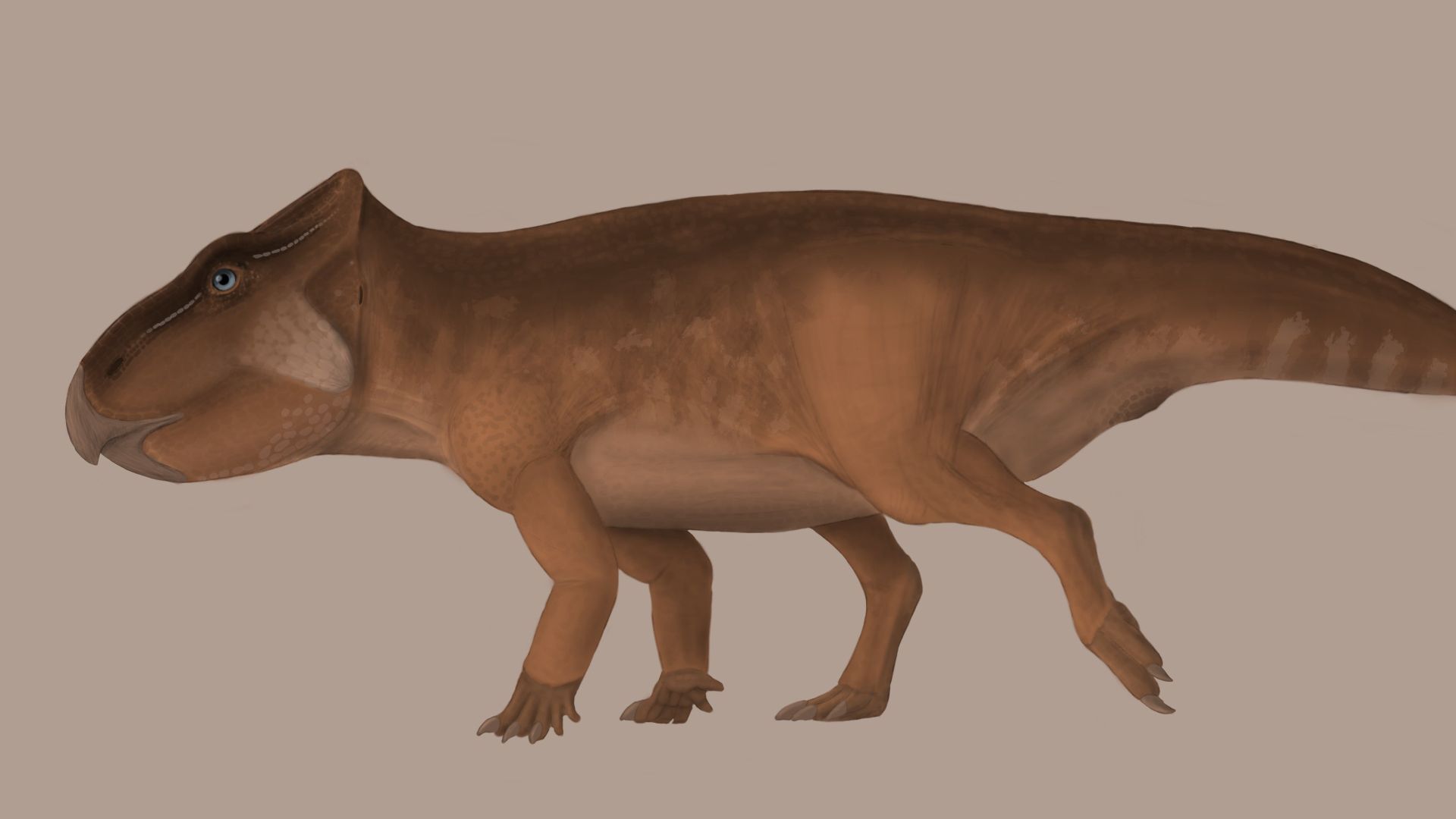 Titanichamster, Wikimedia Commons
Buster Wasn't Alone After All
For years, Ferrisaurus was the only dinosaur species formally identified from the Sustut Basin. The latest discoveries suggest a far more crowded prehistoric neighborhood. Predators, horned dinosaurs, and duck-billed herbivores all left evidence behind, offering scientists a much broader picture of life in the region.
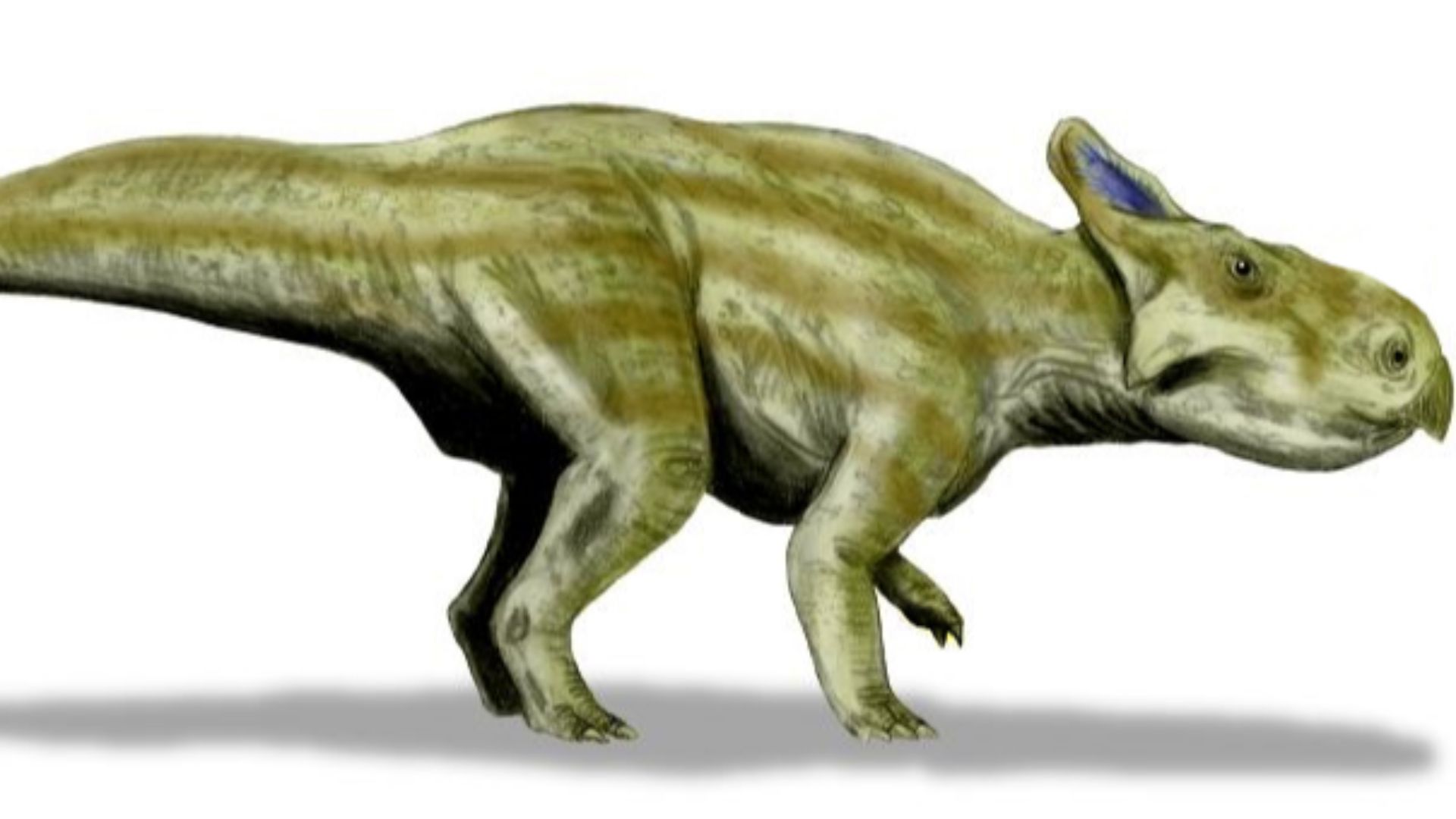 Nobu Tamura (http://spinops.blogspot.com), Wikimedia Commons
British Columbia Looked Very Different
Around 68 million years ago, this landscape bore little resemblance to today's wilderness. Ancient forests covered parts of the region, with rivers and ponds providing freshwater. Conifers, ferns, and flowering plants grew in the surrounding environment, offering plenty of food for hungry plant-eating dinosaurs.
!['Fort Rupert, Beaver Harbour, Vancouver's Island, July 23rd 1851' [Canada].](https://www.factinate.com/storage/app/media/splashtravels/2026/10/15/1792069556b54d4b6d5a50238722183e1e8eb0b0c4900c9a2d.jpg) Admiral Edward Gennys Fanshawe (27 November 1814 – 21 October 1906)., Wikimedia Commons
Admiral Edward Gennys Fanshawe (27 November 1814 – 21 October 1906)., Wikimedia Commons
Dinosaurs Living In The Mountains?
That's one reason these fossils are so interesting. Many famous Canadian dinosaur discoveries come from Alberta's ancient lowland environments. The British Columbia specimens offer a look at dinosaurs associated with a different landscape. Researchers can now investigate how dinosaur communities varied across western North America.
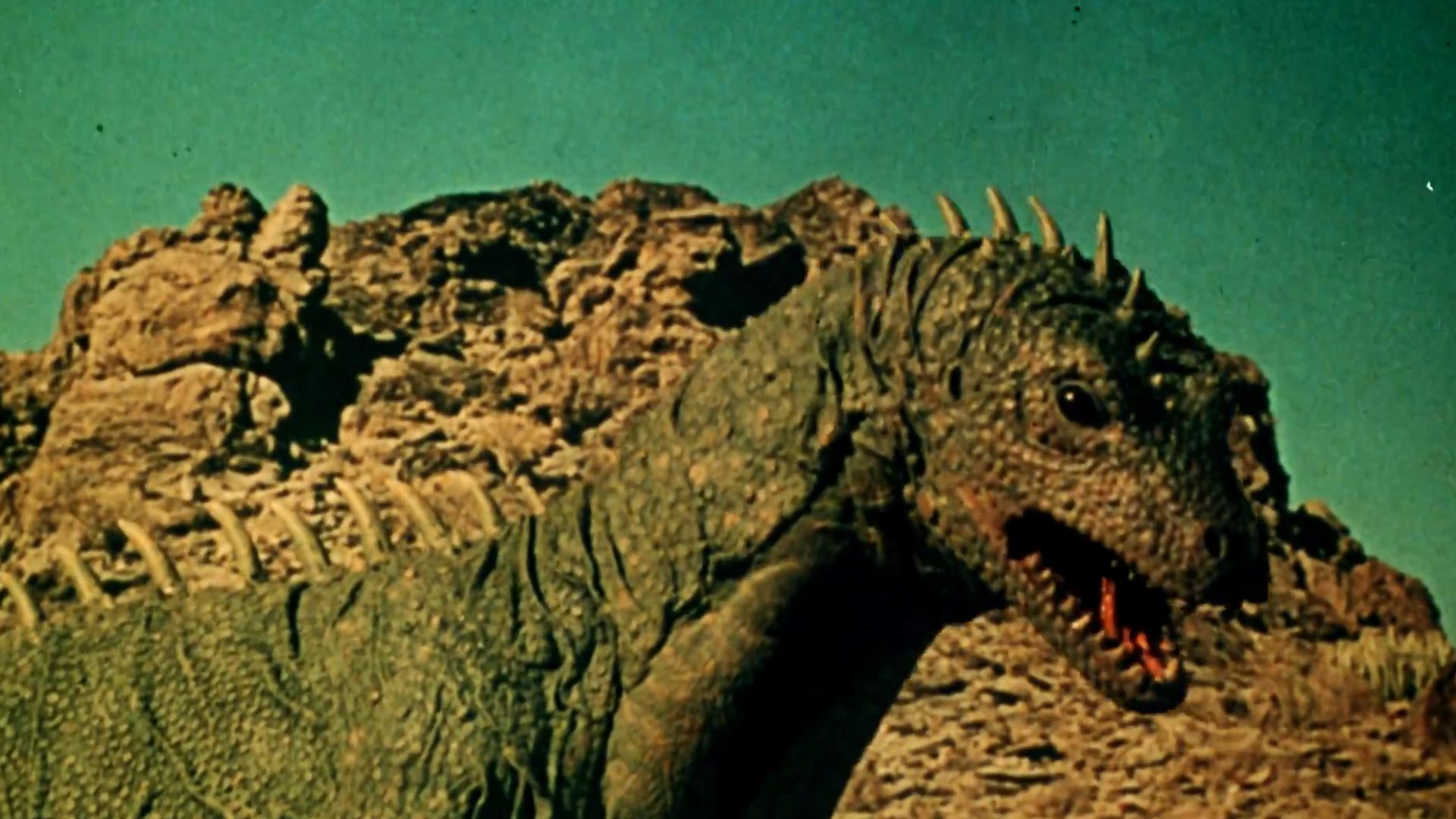 Blazing Trailers, Wikimedia Commons
An Ancient Food Chain Emerges
The fossils suggest an ecosystem with several levels of animal life. Large herbivores fed on vegetation, while smaller dinosaurs occupied their own niches. Meat- eating dinosaurs hunted or scavenged nearby. Scientists can't reconstruct every interaction, but the discoveries suggest a thriving prehistoric community rather than a handful of isolated animals.
 Michael Coghlan from Adelaide, Australia, Wikimedia Commons
Even The Rocks Have A Story
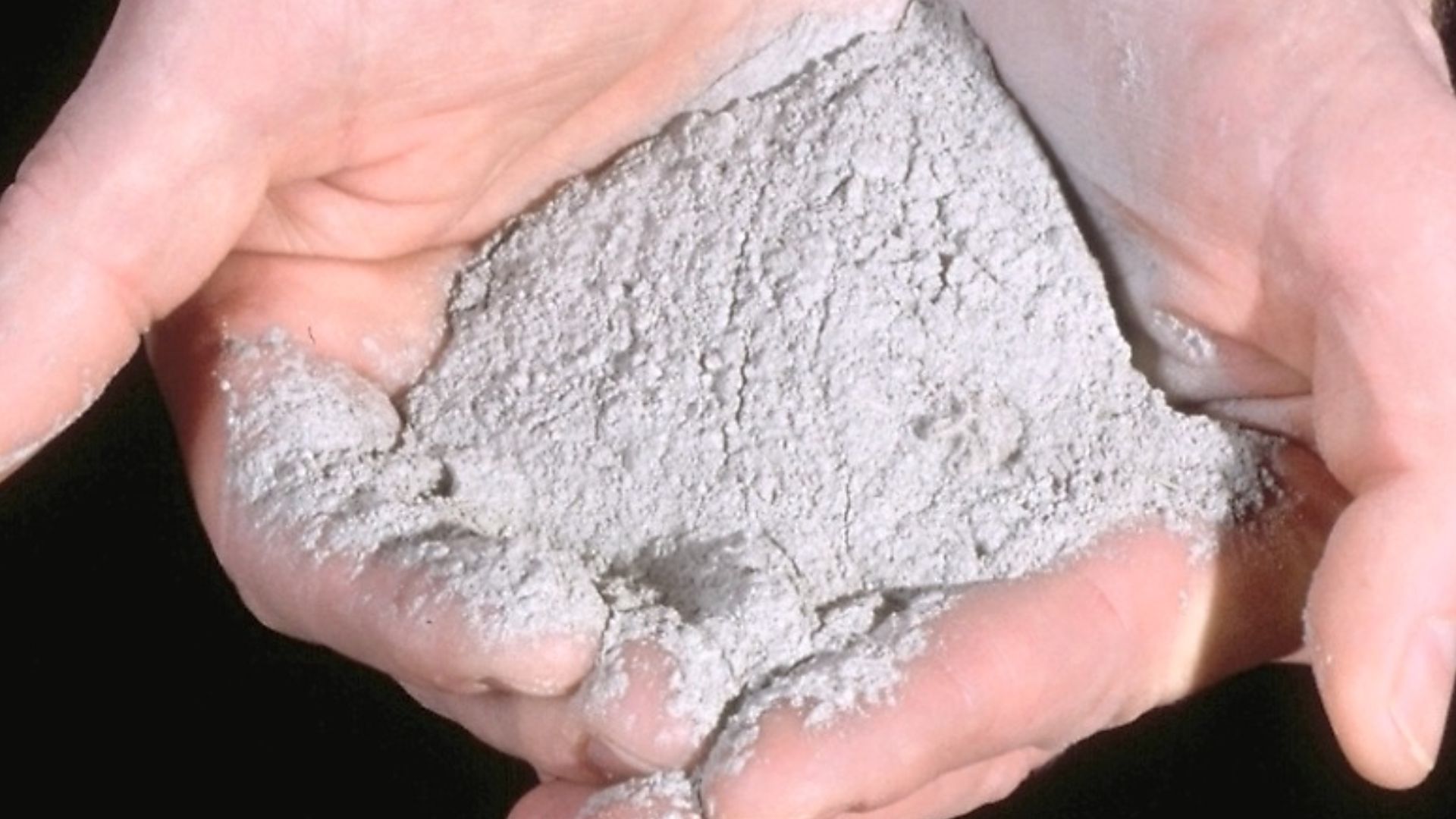
Researchers also identified a layer of volcanic ash near the fossil deposits. That's potentially important because minerals in volcanic material can sometimes be dated precisely. If scientists can establish the ash's age, they'll have a better idea of when these dinosaurs lived and how their world changed.
 David E. Wieprecht, Wikimedia Commons
Bringing Fossils Home Is Only The Beginning
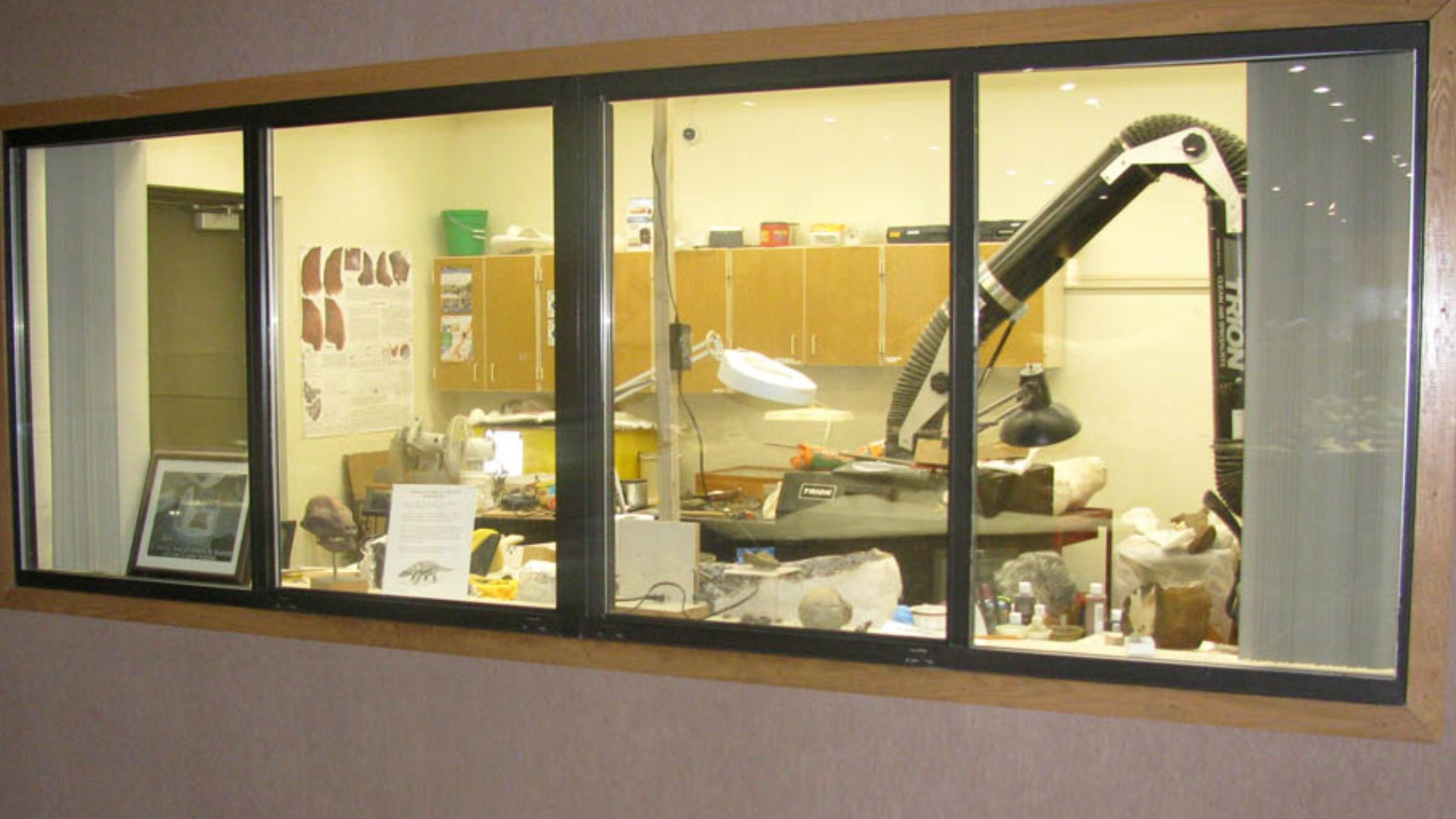
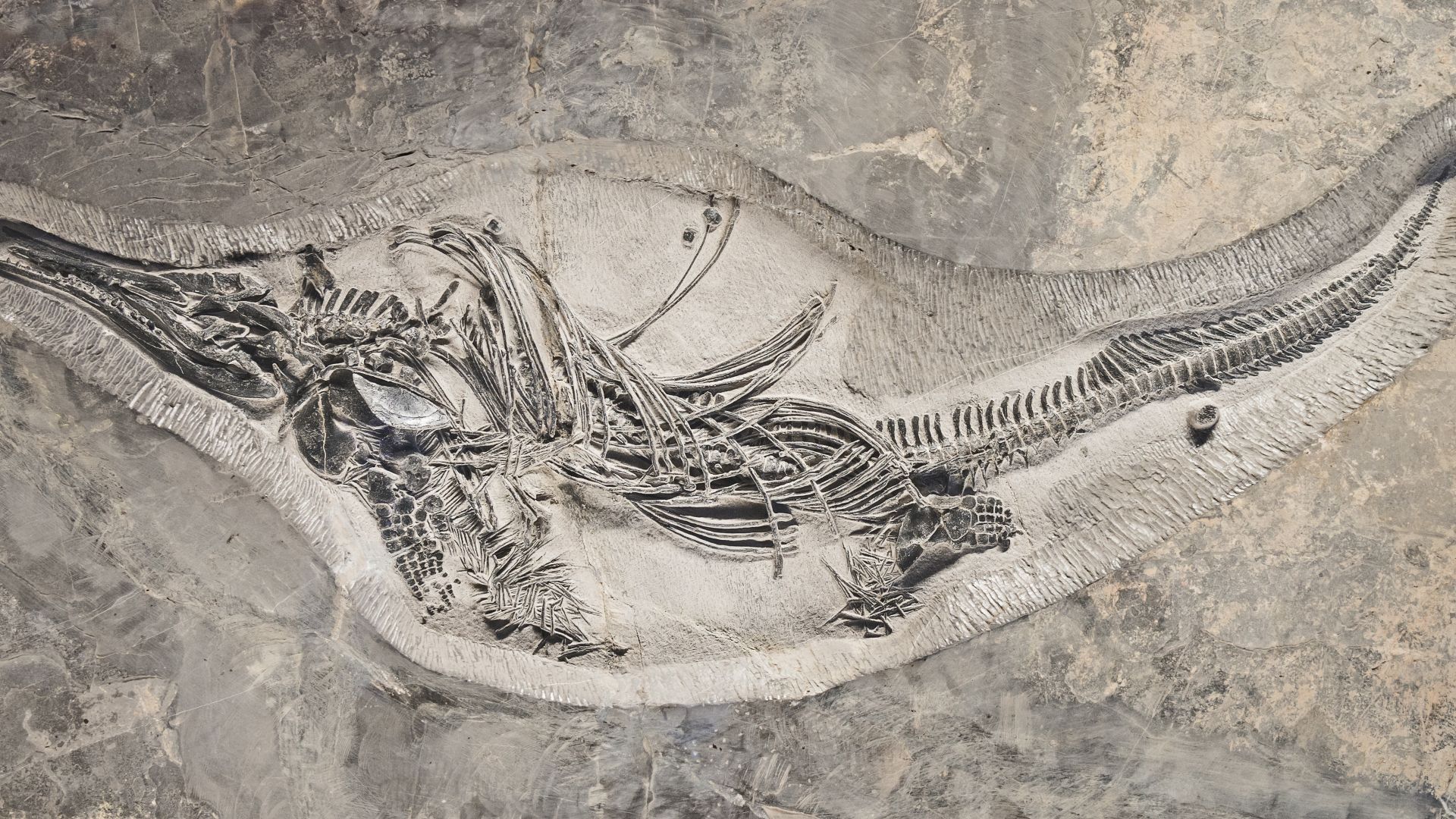
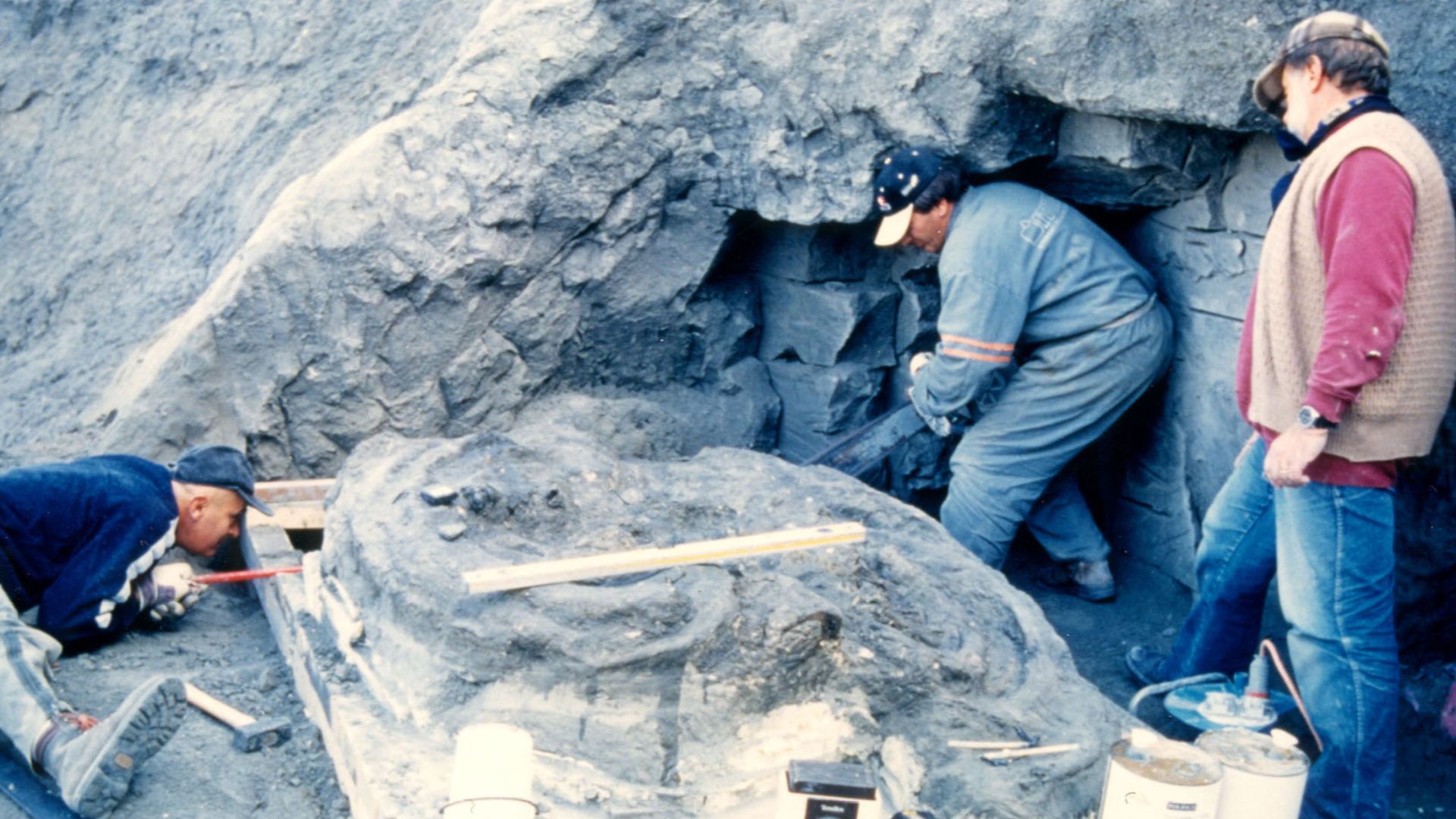
Finding dinosaur bones is exciting, but preparing them takes patience. Some specimens remain embedded in hard rock, requiring careful work with specialized tools. Removing too much material could damage valuable details. It's painstaking work, but those details may eventually help researchers identify the animals more accurately.
 Didier Descouens, Wikimedia Commons
The Tahltan Nation's Connection
The fossils were discovered on the traditional and unceded territory of the Tahltan Nation. Researchers carried out their work with the Nation's permission and the necessary provincial authorizations. Protecting these discoveries matters, especially in a wilderness where significant fossils could otherwise be damaged or lost.
 Musei Civici di Reggio Emilia, Wikimedia Commons
Scientists Still Have Plenty To Figure Out
Several important questions remain unanswered. Which exact dinosaur species inhabited the region? Were they also living elsewhere in North America? Could some have been unique to this environment? Researchers hope that studying the fossils, alongside future discoveries, will help answer those questions.
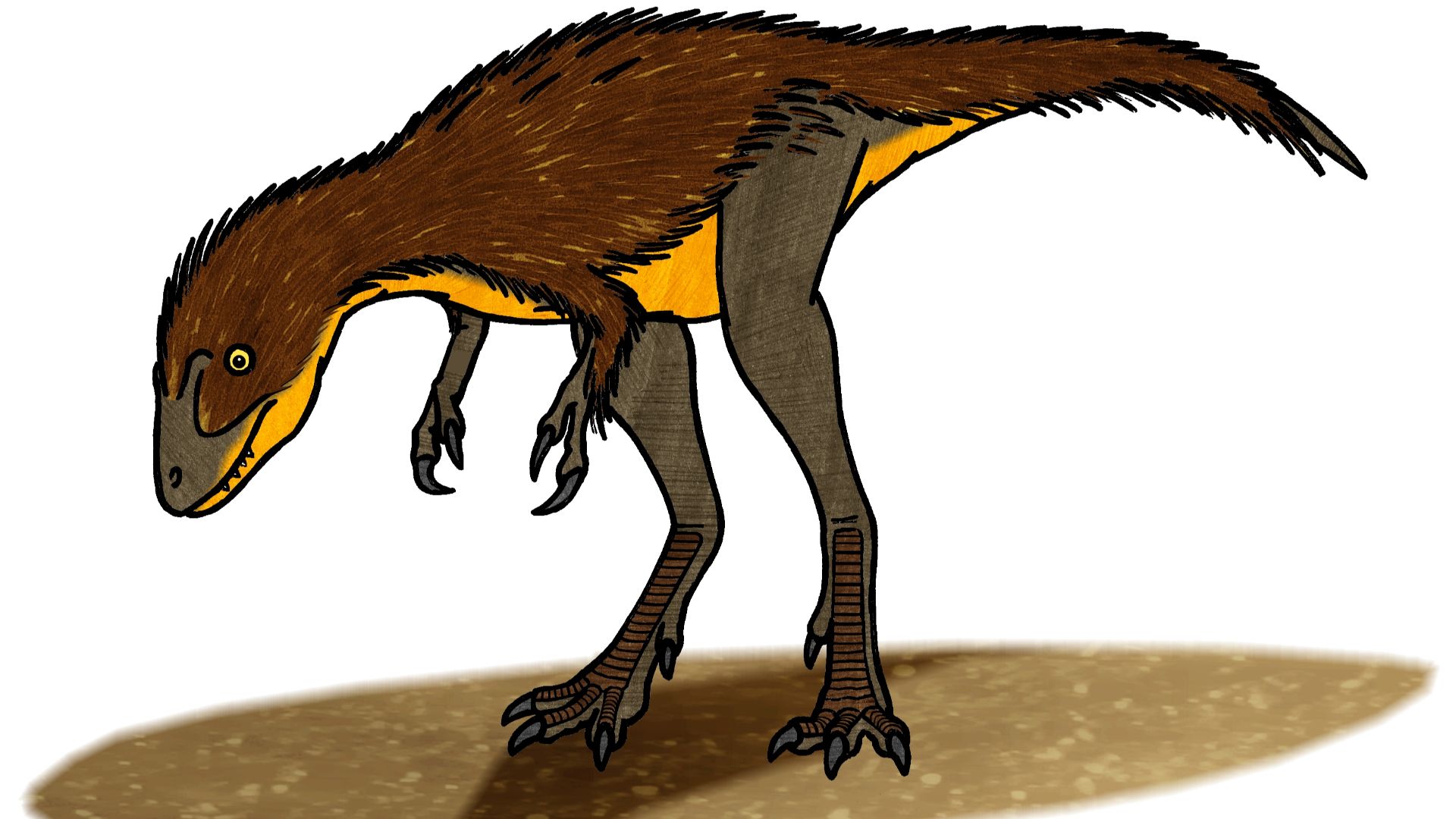
The Museum Will Preserve The Discoveries
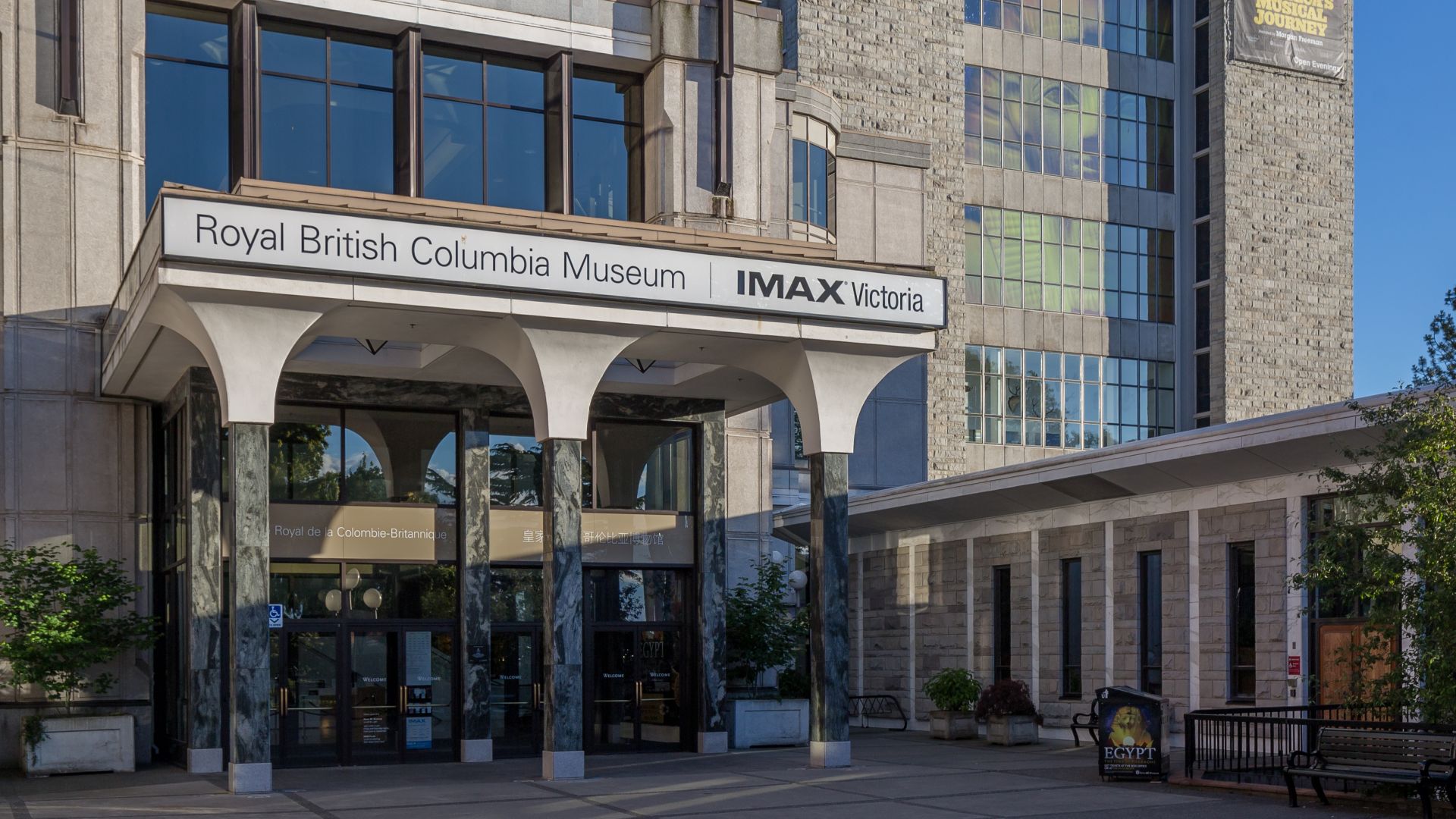
The specimens are held in the Royal BC Museum's scientific collections, where they can be cleaned, examined, and preserved. Researchers may spend years studying material collected during just a few days in the field. Future examinations could reveal details that weren't obvious when the bones were first discovered.
 Michal Klajban, Wikimedia Commons
What Else Is Waiting Out There?
More than 90 fossils have already changed what researchers know about northern British Columbia's prehistoric past. And Cloud City has only begun revealing its secrets. With so much wilderness still unexplored, scientists have good reason to return. The next discovery could be an entirely new dinosaur.
![A Tyrannosaurus rex and his chick out in the Maastrichtian woods of Hell Creek. Both are based on Scott Hartman’s skeletal reconstructions. [1][2]](https://www.factinate.com/storage/app/media/splashtravels/2026/10/15/1792070655d13c6b8b8fd8ec5929eb9e1c6c4b23623dfc525d.jpg)
You May Also Like: