An Unexpected Discovery In France
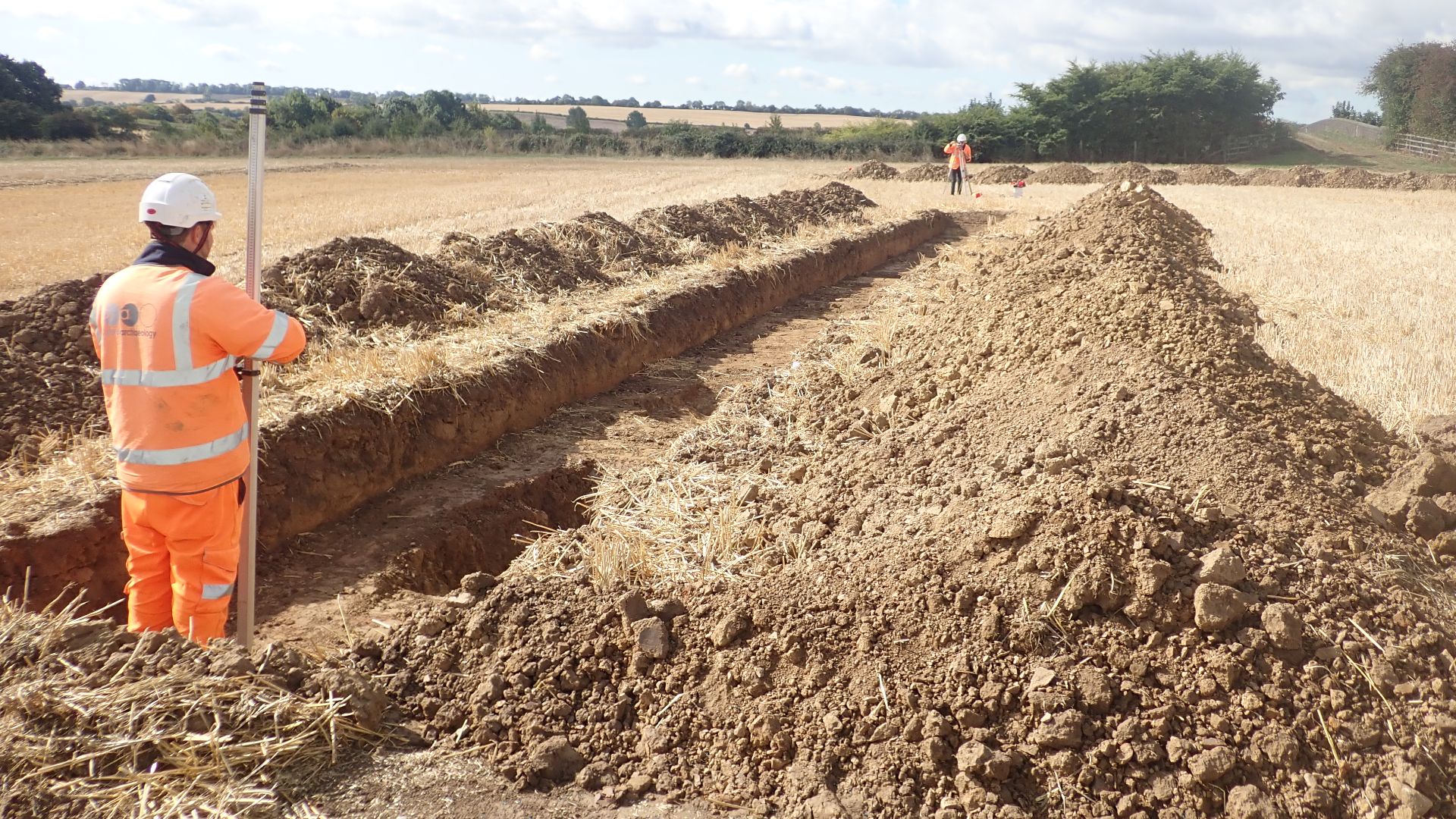
The remarkable discovery happened near Villedieu-sur-Indre, a small community in central France. Archaeologists from France's National Institute for Preventive Archaeological Research (Inrap) were investigating the area ahead of a road construction project. They expected ordinary archaeological remains, but what they found was anything but ordinary.
A Mass Grave With A Dark Secret
In 2024, archaeologists digging in central France uncovered something extraordinary: the remains of 28 horses buried around 2,000 years ago. Their bodies had been arranged with surprising care, suggesting something unusual had happened. Now, researchers believe the discovery could reveal a forgotten chapter of Rome's bloody conquest of Gaul.
 LP B, Oxford Archaeology, Wikimedia Commons
The Site Had A Much Younger History
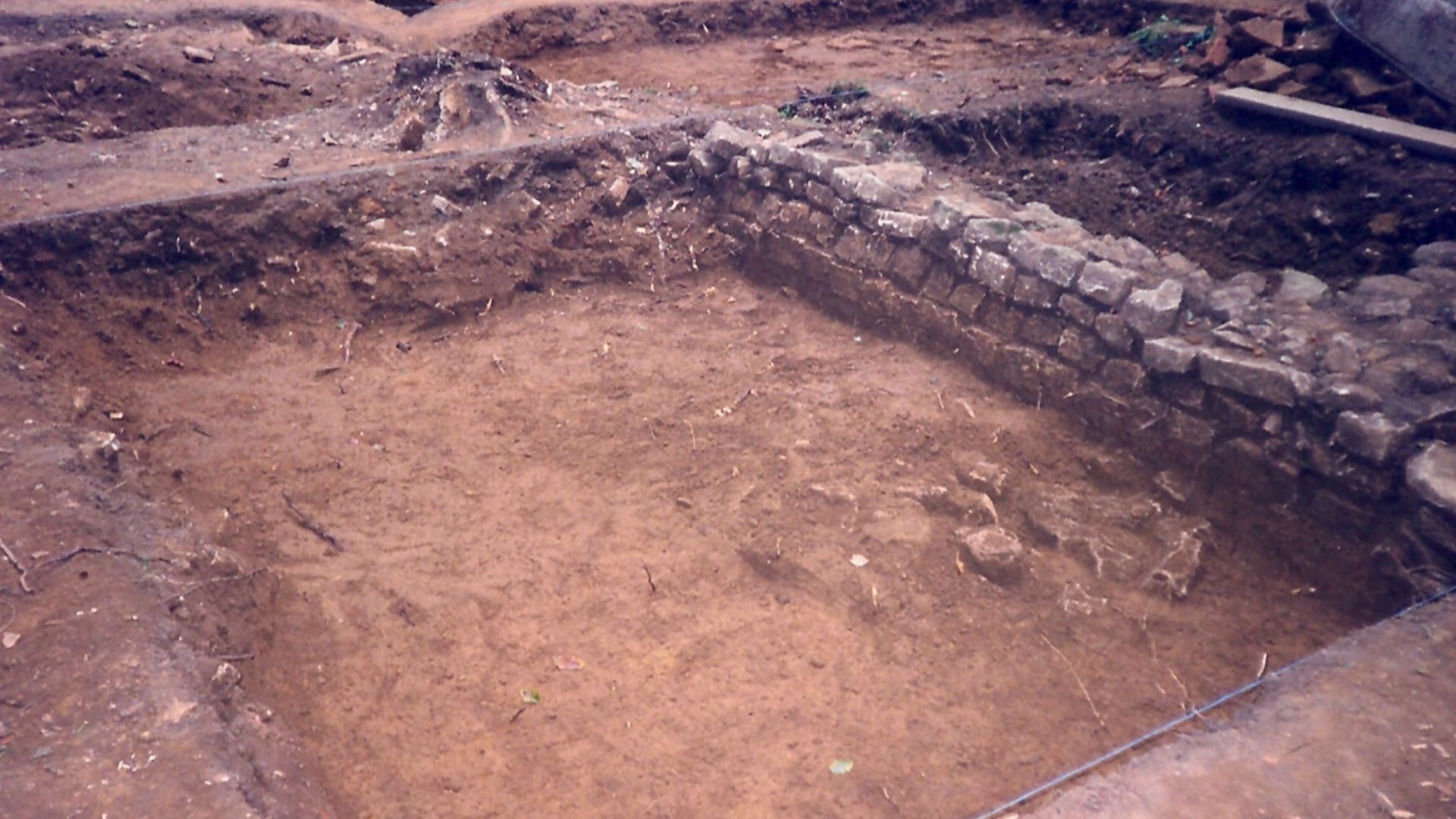
Initially, the excavation focused on a settlement dating to the fifth and sixth centuries AD. Researchers uncovered buildings, ditches, pits, and an ancient roadway. These discoveries offered glimpses of life during the early Middle Ages. However, something considerably older was waiting beneath the ground.
Something Much Older Was Hiding Underground
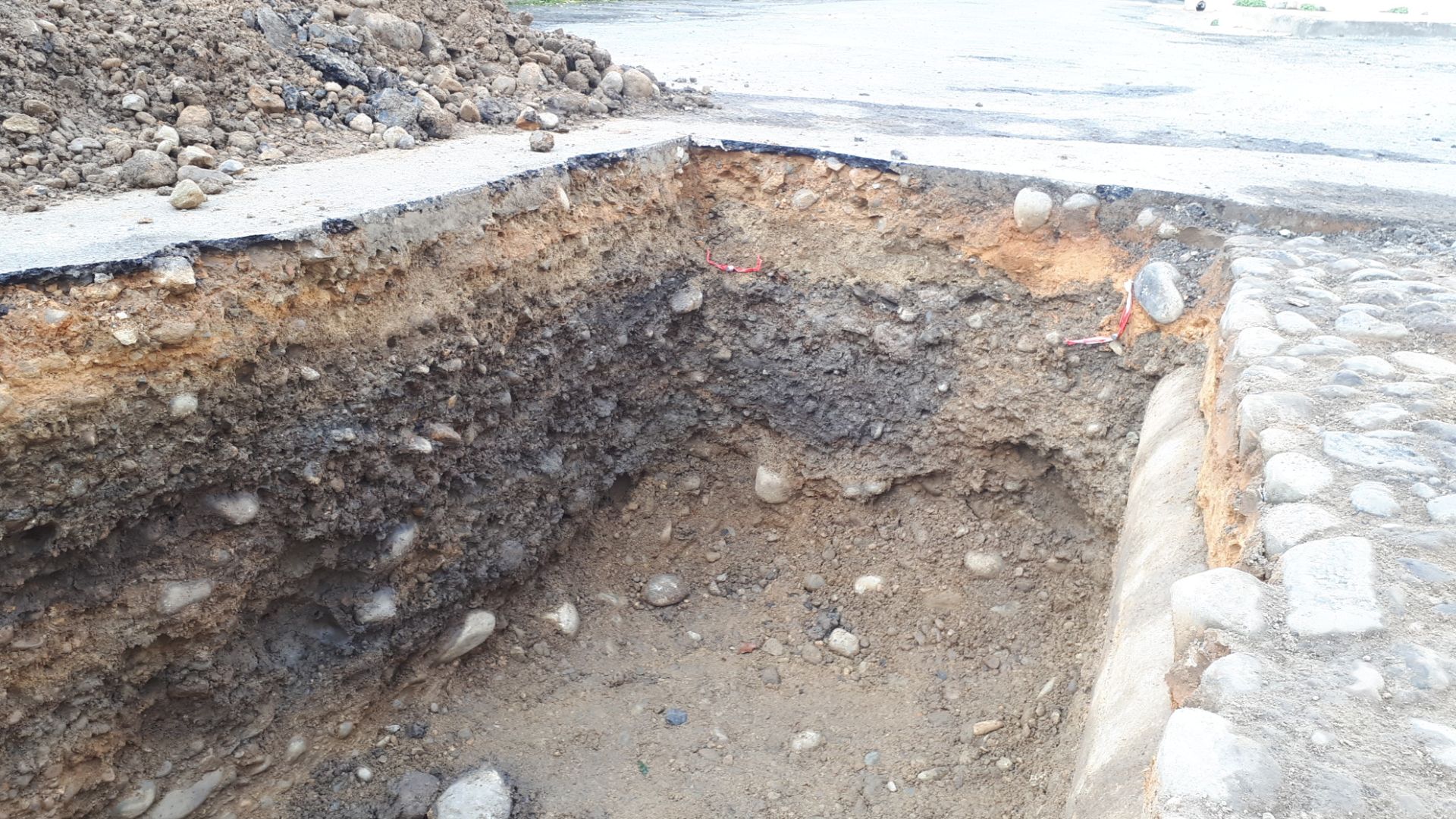
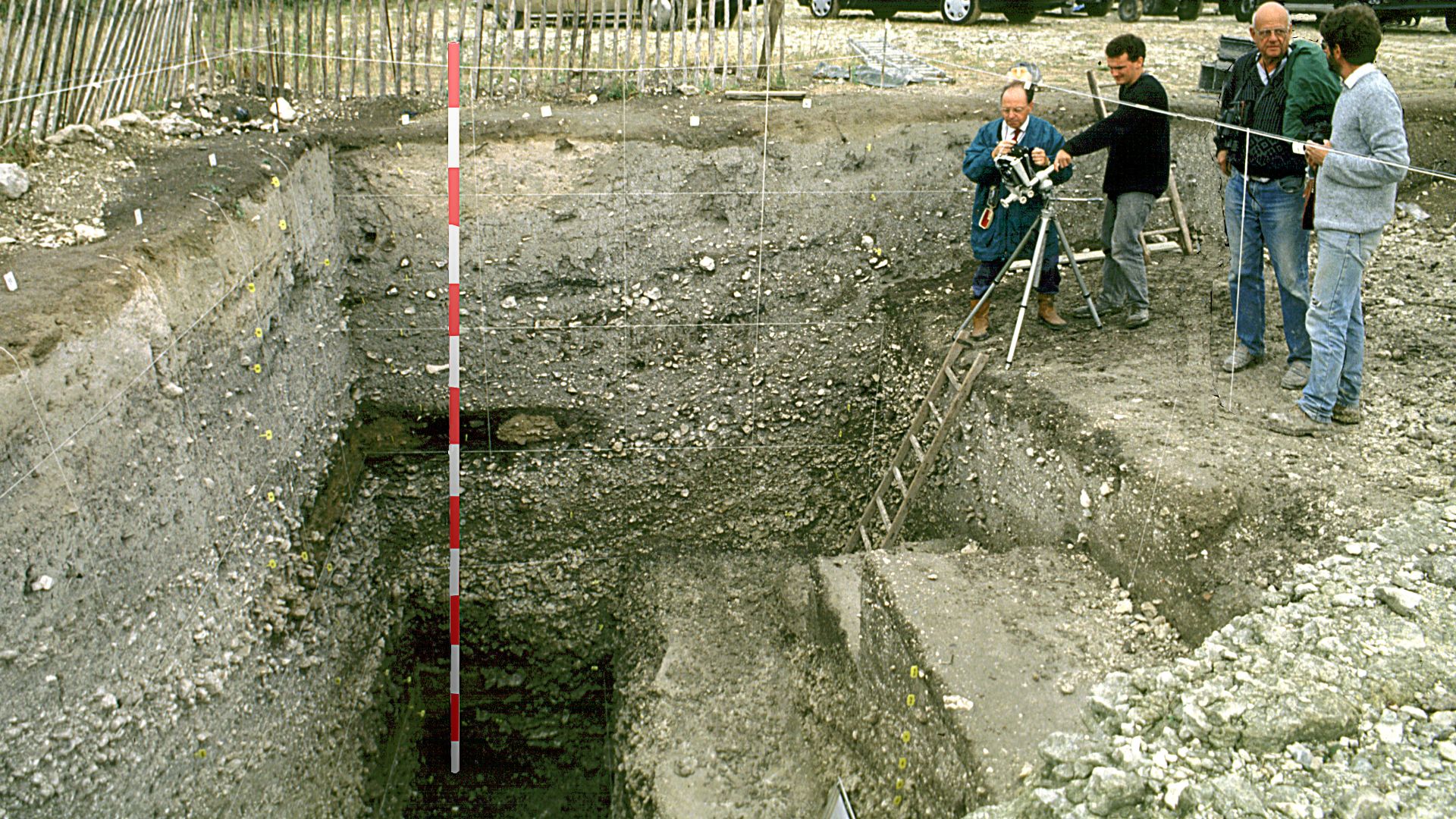
While examining the approximately 3.2-acre excavation site, archaeologists discovered several unusual pits containing animal bones. Radiocarbon dating placed the remains between 100 BC and AD 100, centuries before the medieval settlement. Suddenly, the investigation had taken an unexpected turn toward the final days of independent Gaul.
 Jacques DASSIÉ, Wikimedia Commons
Nine Graves And One Enormous Mystery
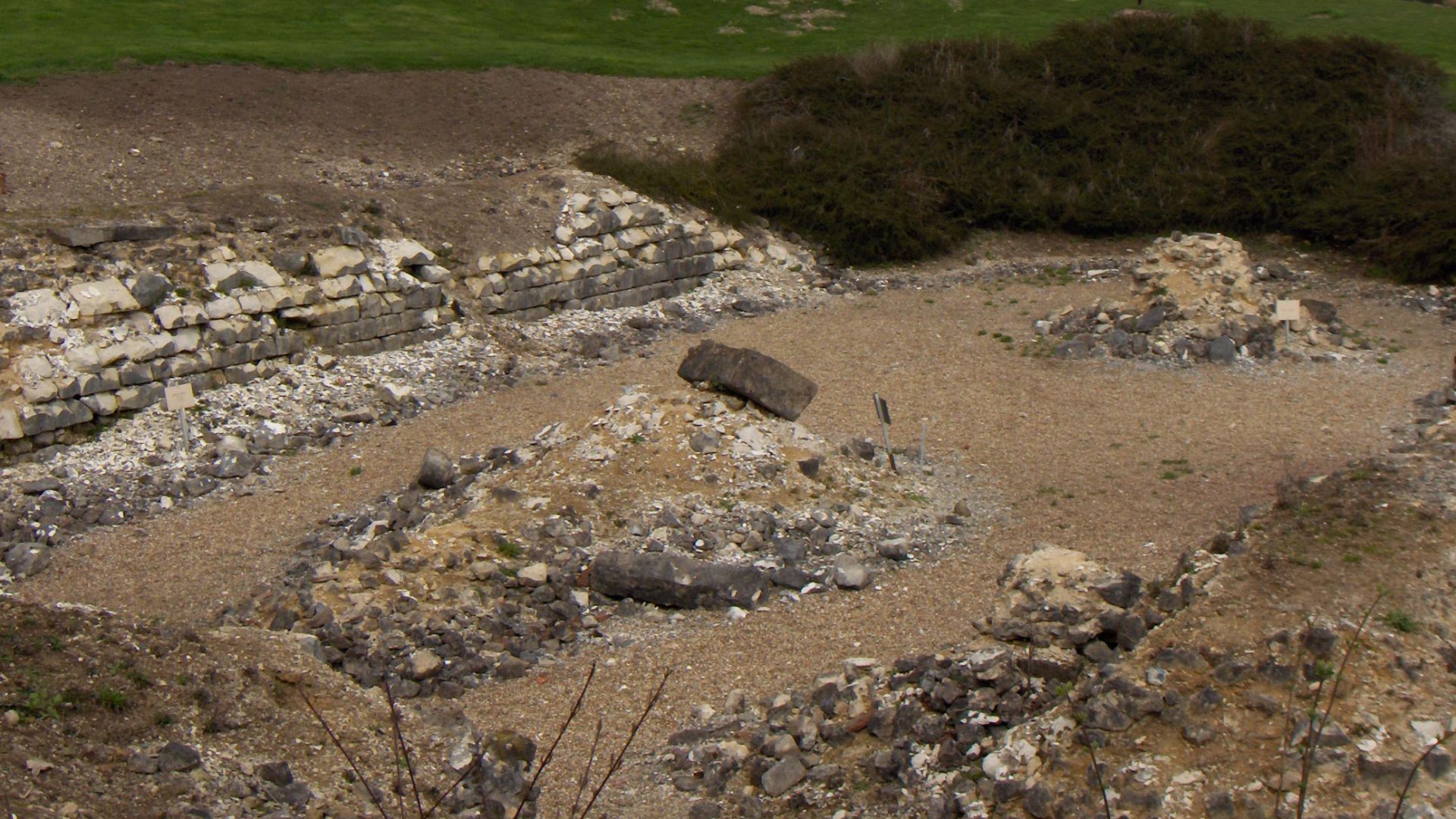
Altogether, the team identified nine pits containing horse remains. Although only two had been completely excavated when the discovery was announced, exposed bones revealed at least 28 horses. Finding so many animals buried together was already unusual. Their arrangement, however, was what really caught the archaeologists' attention.
The First Grave Contained 10 Horses
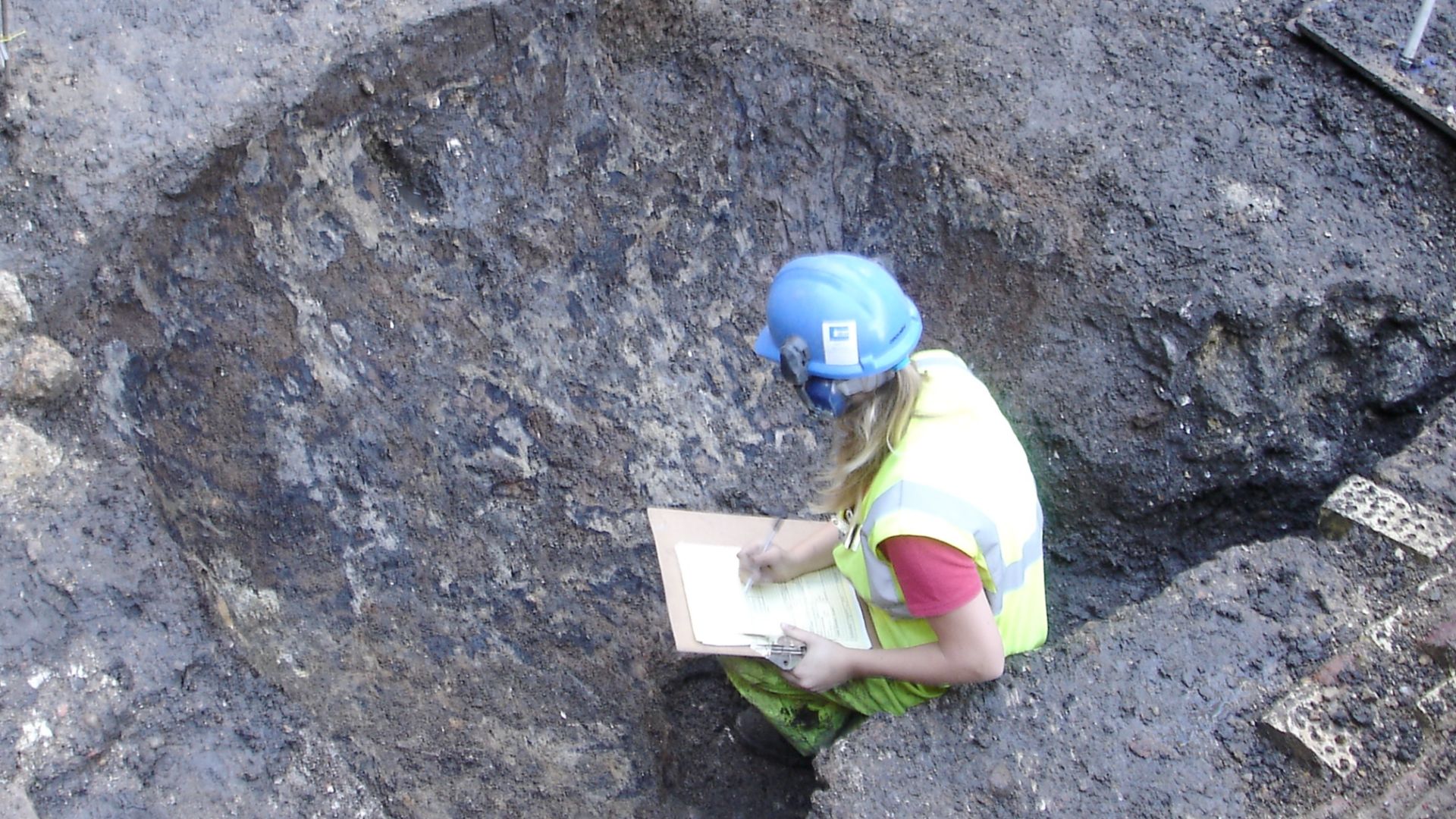
The largest fully excavated pit contained 10 complete horse skeletons. Rather than being scattered randomly, the animals had been carefully positioned together. Their remains suggested deliberate handling, raising an uncomfortable question: why would someone bury so many valuable animals in such an organized fashion?
The Horses Were Arranged In Rows
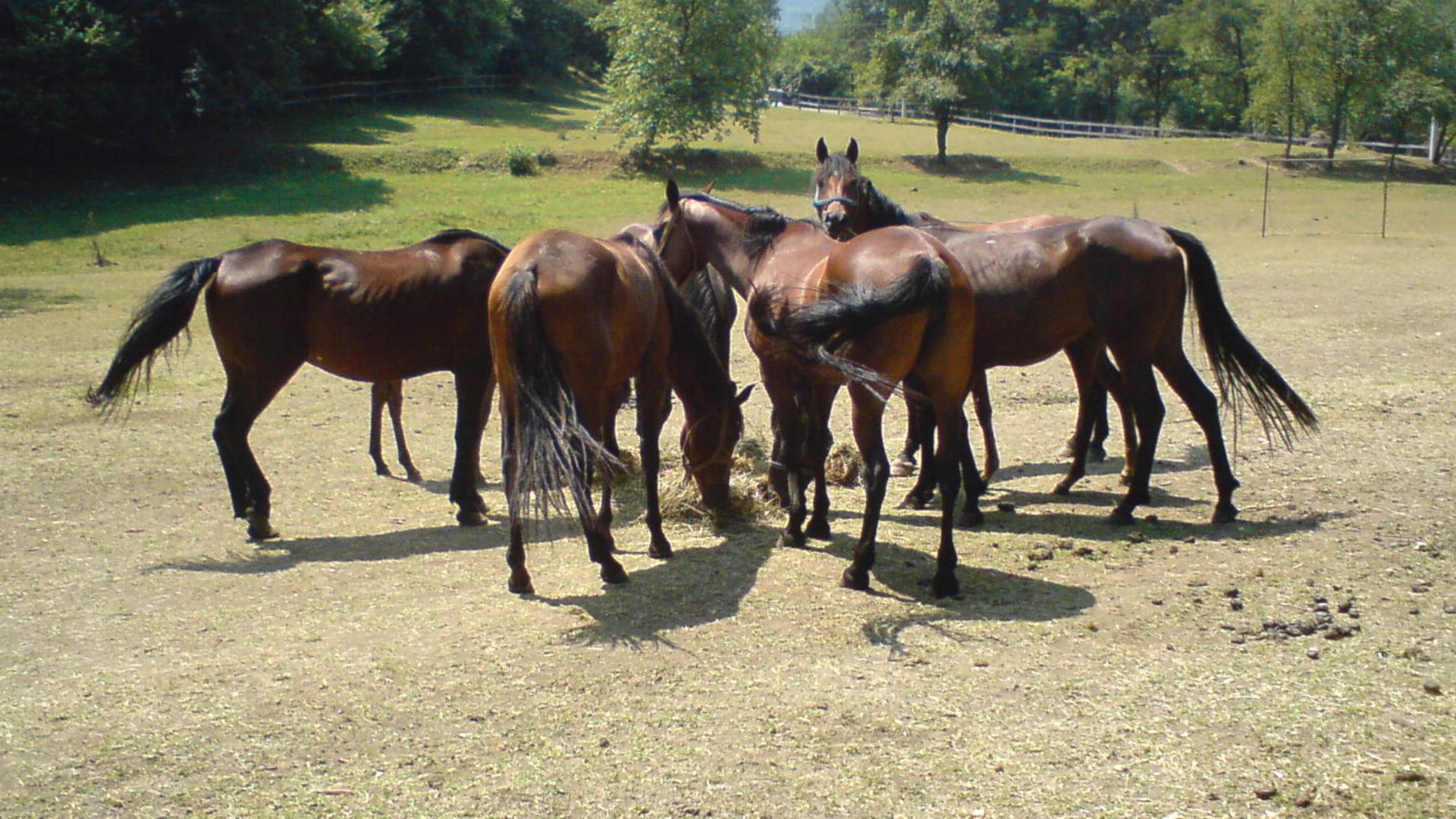
Closer examination revealed that the 10 horses had been placed in two rows, arranged across two levels. Their bodies fitted remarkably neatly inside the burial pit. This wasn't a simple case of disposing of unwanted carcasses. Whoever buried these animals had clearly taken time to arrange them.
Every Horse Faced The Same Direction
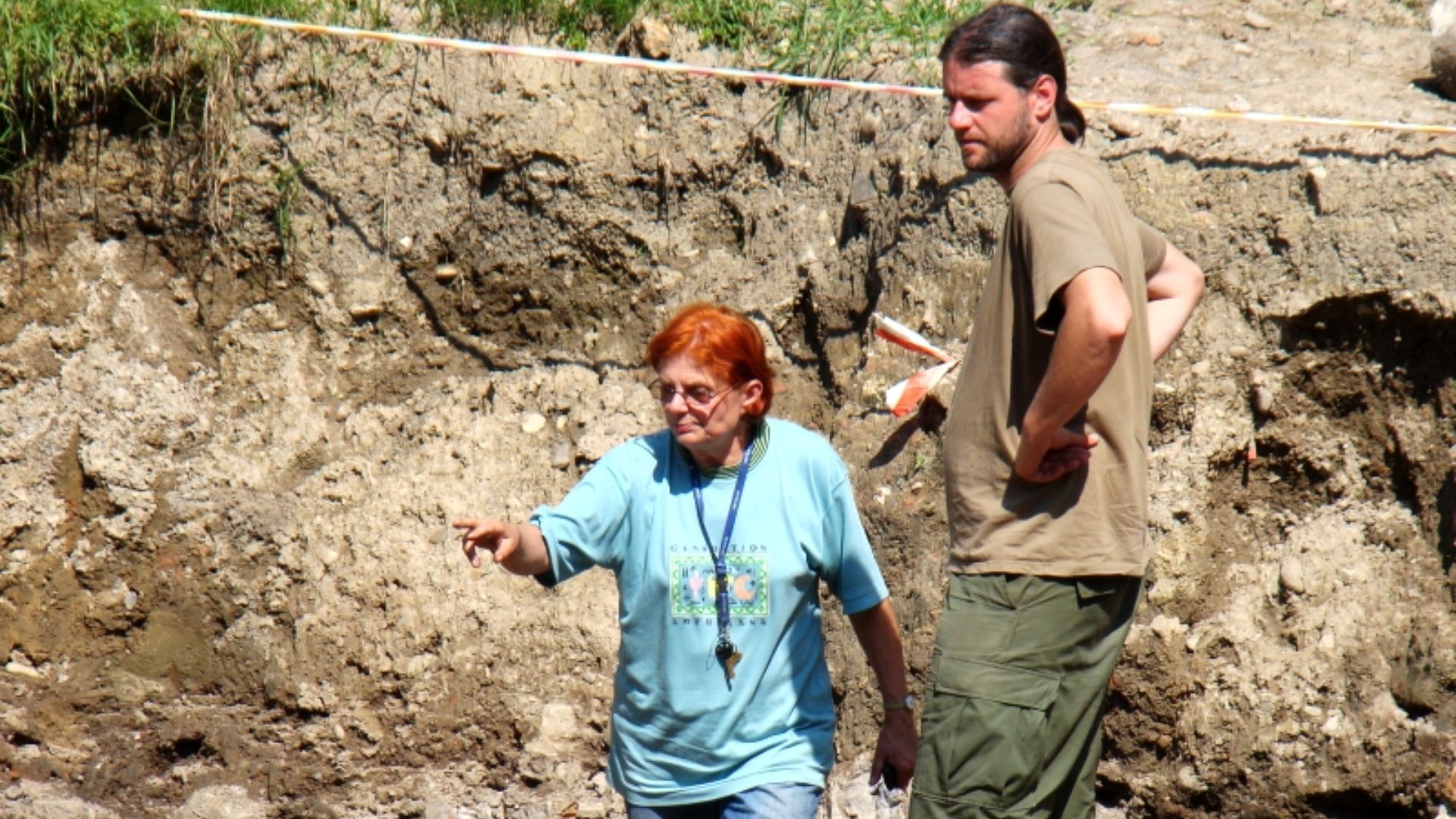
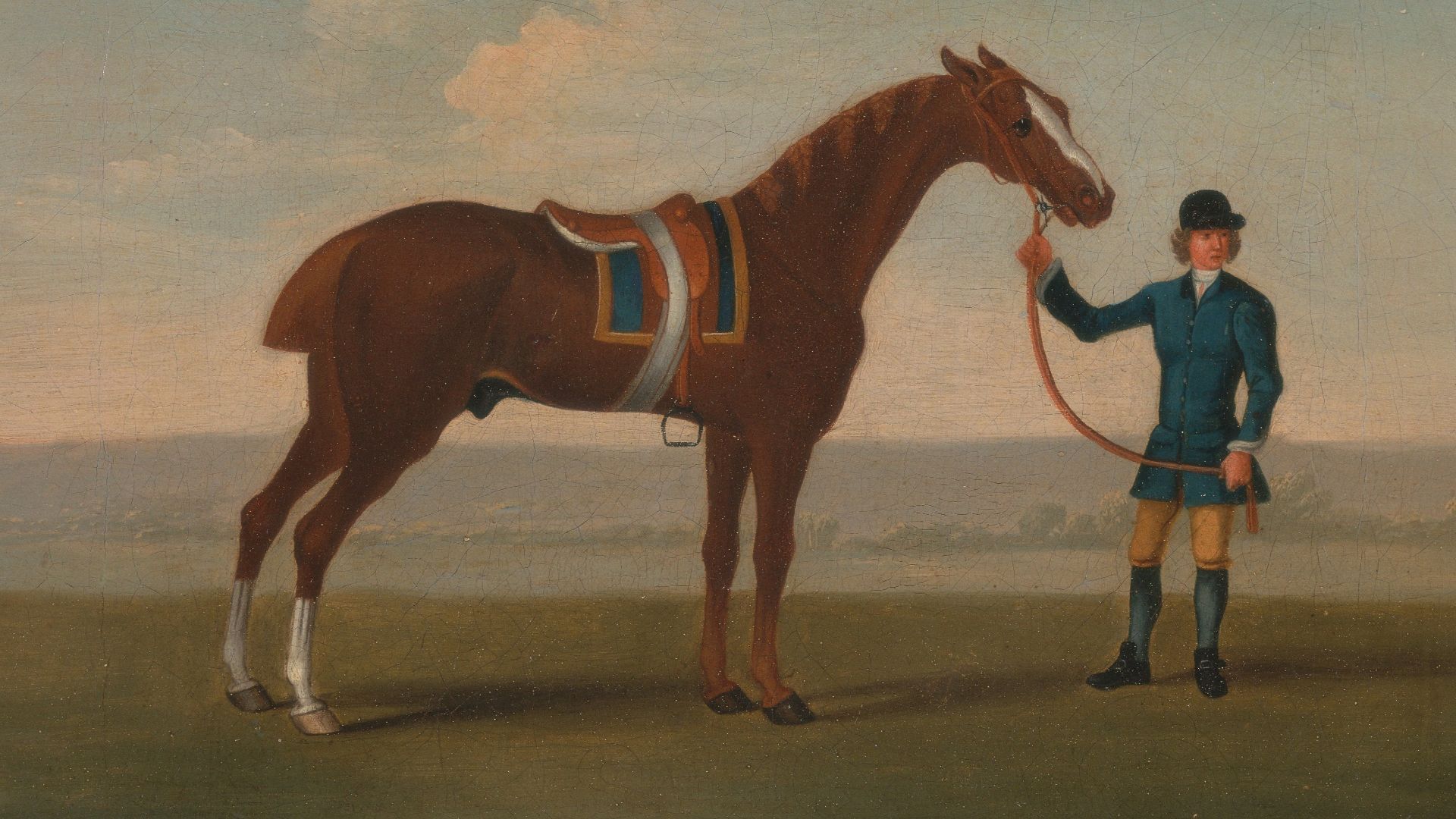
The arrangement became even stranger when researchers examined the skeletons' positions. Every horse had been laid on its right side, with its head pointing south. Such consistency suggested deliberate planning. Whether the positioning reflected religious beliefs, military customs, or something else remains a mystery.
 James Seymour, Wikimedia Commons
They Were Buried Shortly After Death
The skeletons offered another important clue. Their bones remained connected in ways suggesting the animals had been buried very soon after dying. In the first pit, the horses also appeared to have been buried simultaneously. Whatever happened, the burial was apparently organized without much delay.
 John Edwin Noble, Wikimedia Commons
These Weren't Just Any Horses
One detail particularly intrigued the archaeological team: all the identified horses were male. Not a single mare appeared among the remains described in the initial findings. That was a striking discovery, especially considering how many animals were involved. Could someone have deliberately selected these particular horses?
 John Edwin Noble, Wikimedia Commons
All The Animals Were Adults
The horses weren't just males; they were also mature animals. Researchers determined that they were more than four years old, meaning they had reached an age when they could perform demanding work. Their similar ages and suggested they may have belonged to a carefully selected group.
 Alexander Paischeff, Wikimedia Commons
They Were Surprisingly Small
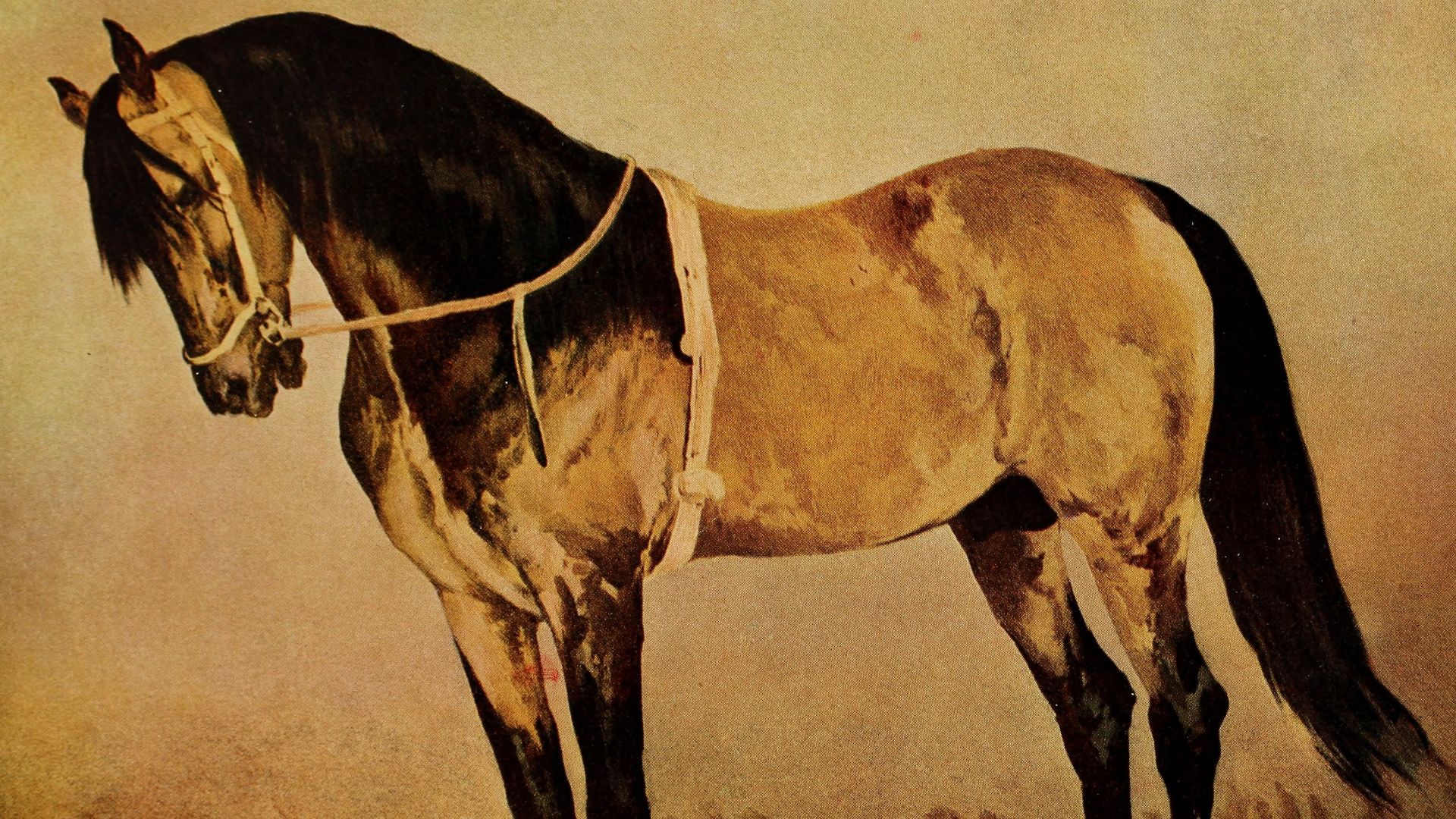
These ancient horses were considerably smaller than many modern breeds, measuring approximately four feet tall at the shoulder. However, their size was typical of horses living in Gaul during the period. Despite their relatively small stature, such animals could have served as mounts for warriors and riders.
 Internet Archive Book Images, Wikimedia Commons
Another Grave Held Two More Horses
The second fully excavated pit contained two horses with characteristics matching those found in the larger grave. They were also adult males, carefully positioned for burial. Meanwhile, additional pits contained further remains, gradually bringing the number of identified horses to 28. But horses weren't the only animals discovered.
 Friedrich Tellberg, Wikimedia Commons
Two Dogs Were Buried Nearby
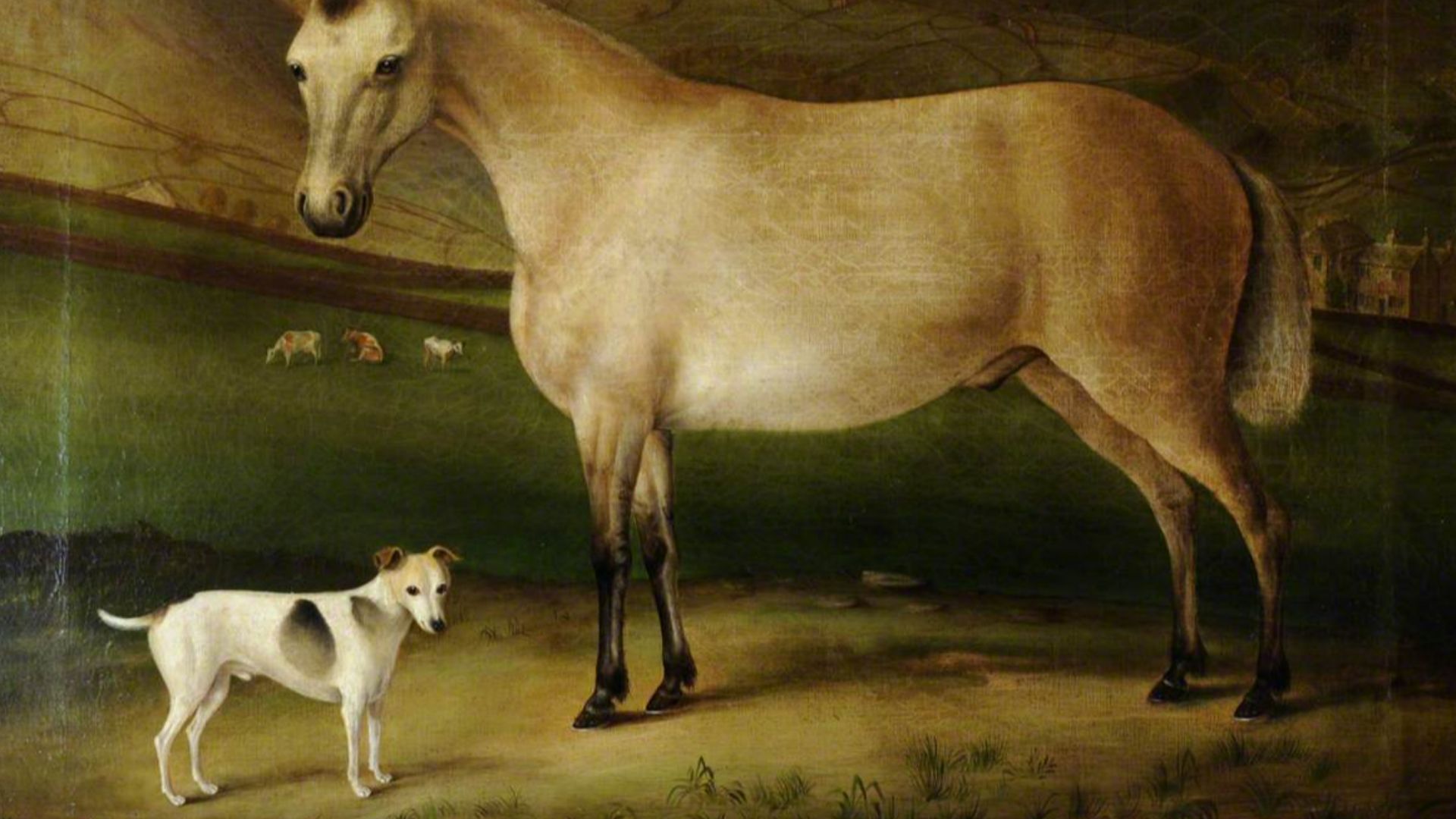
Between the excavated horse pits, archaeologists uncovered another unusual burial containing two adult dogs. Both had been carefully positioned on their left sides, with their heads facing west. Their presence introduced another mystery. Were the dogs companions, working animals, or participants in some forgotten ceremony?
Could An Epidemic Explain Their Deaths?
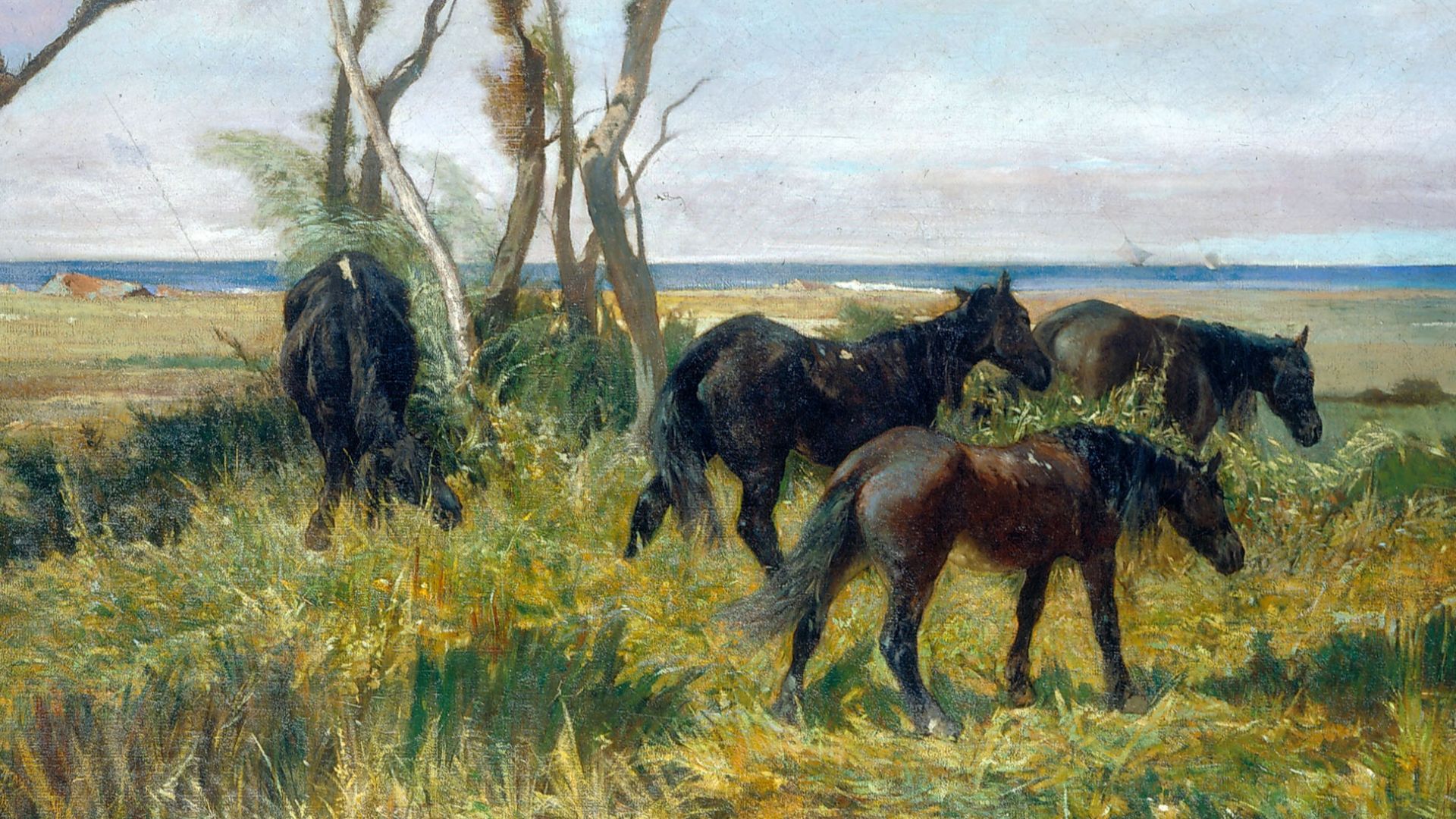
Naturally, researchers considered whether disease had killed the animals. However, the absence of mares and younger horses made a widespread epidemic an unlikely explanation. An indiscriminate outbreak would generally be expected to affect a broader range of animals. That left archaeologists considering more unsettling possibilities.
 Giovanni Fattori, Wikimedia Commons
Someone May Have Chosen These Animals
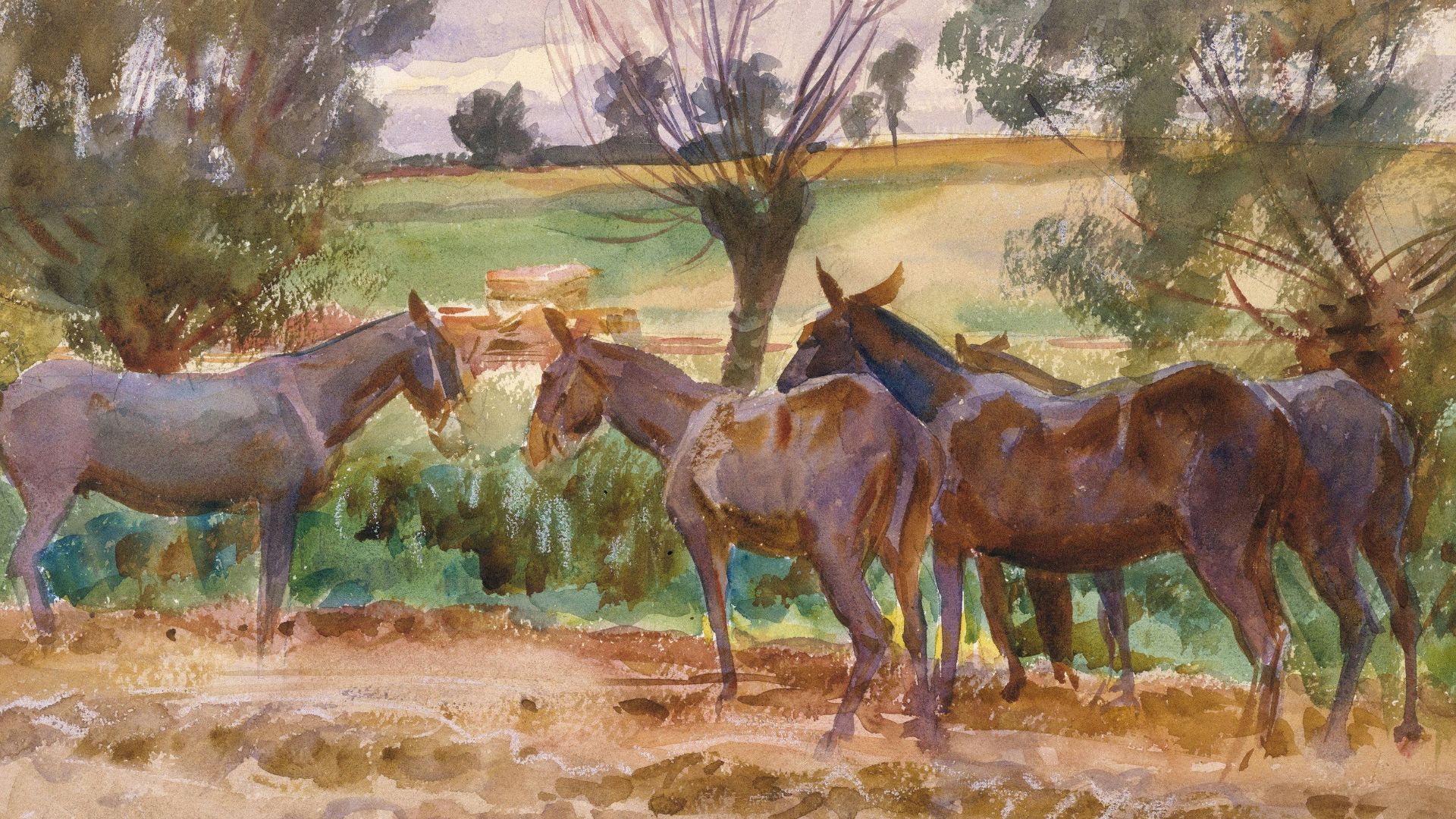
The matching characteristics of the horses suggested a common purpose. Perhaps they belonged to a military unit, or perhaps they had been selected for a ceremony. Researchers couldn't determine what killed them, but the careful burial arrangements raised the possibility that their deaths were connected.
 The Metropolitan Museum of Art, Unsplash
Losing 28 Horses Was No Small Matter
In ancient Gaul, horses represented valuable resources. They required considerable care and could be useful for transportation, warfare, and demonstrating status. Losing 28 mature males would have been a significant sacrifice for any community. Whatever happened must have been important enough to justify such a loss.
The Shadow Of Julius Caesar
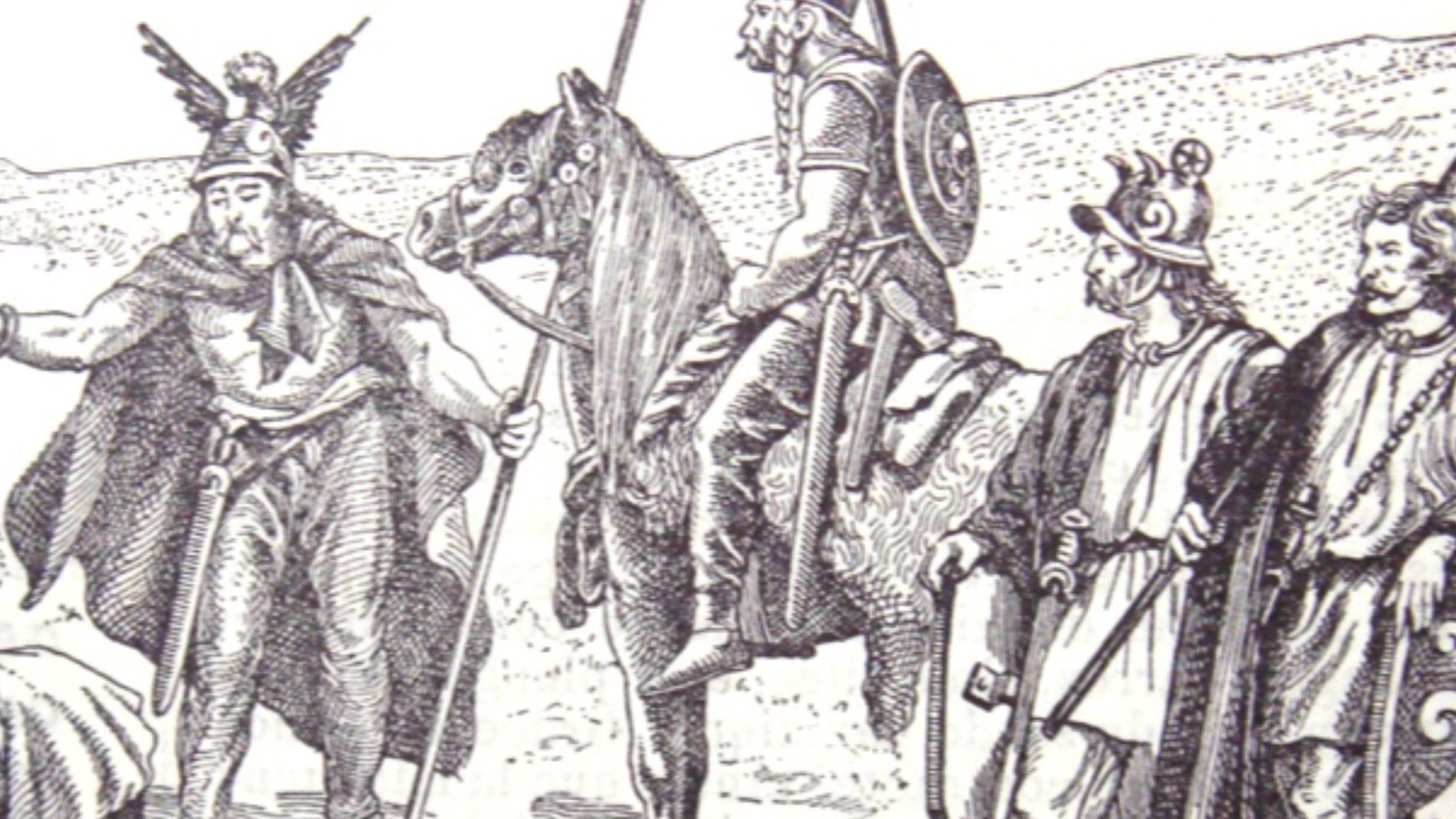
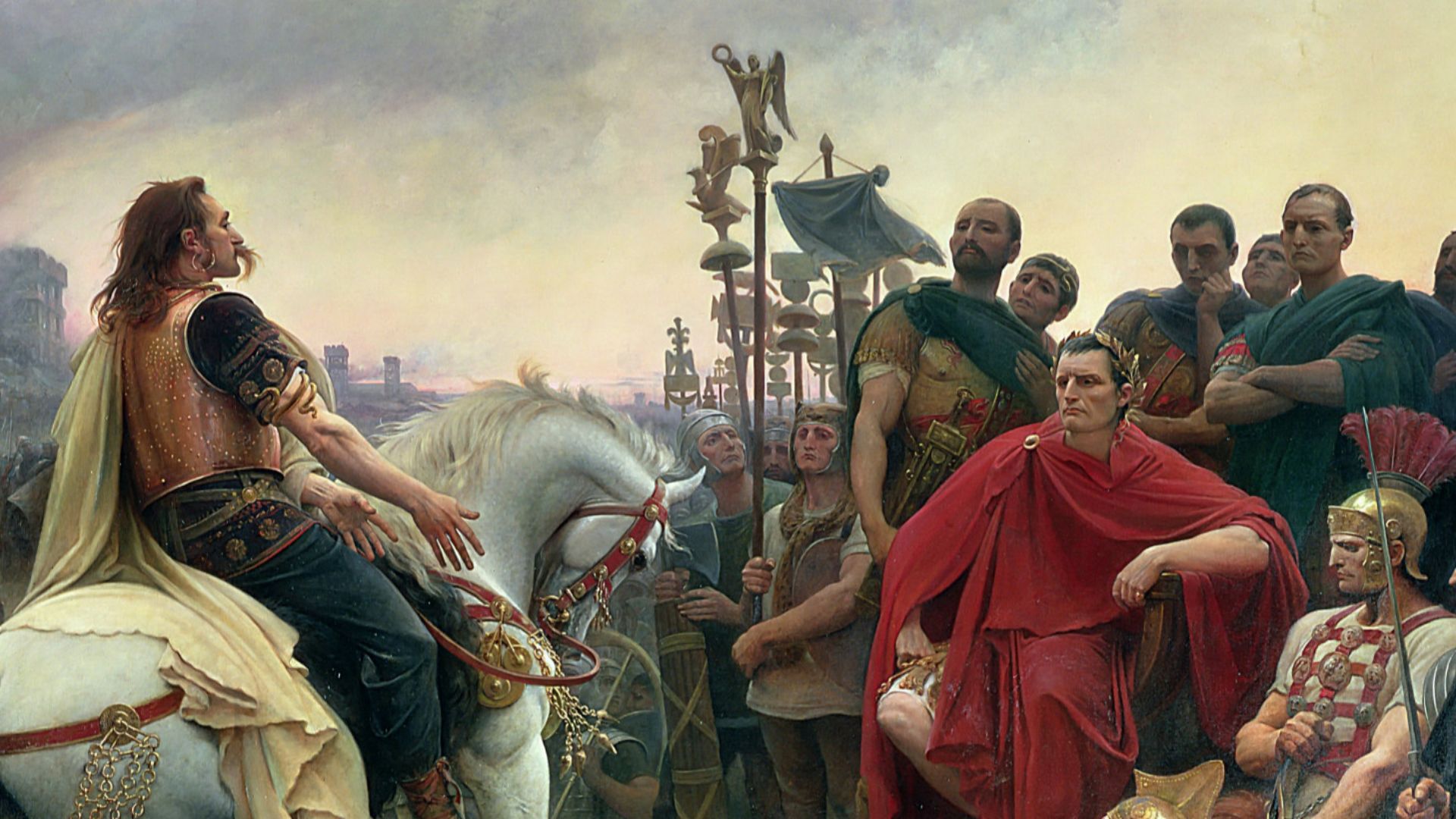
The discovery becomes particularly intriguing when placed against the history of Julius Caesar. Between 58 and 50 BC, Caesar led Roman campaigns across Gaul, bringing much of the region under Roman control. The horse burials could date to this turbulent period, although their precise age remains uncertain.
 Lionel Royer, Wikimedia Commons
A Fortified Settlement Was Nearby
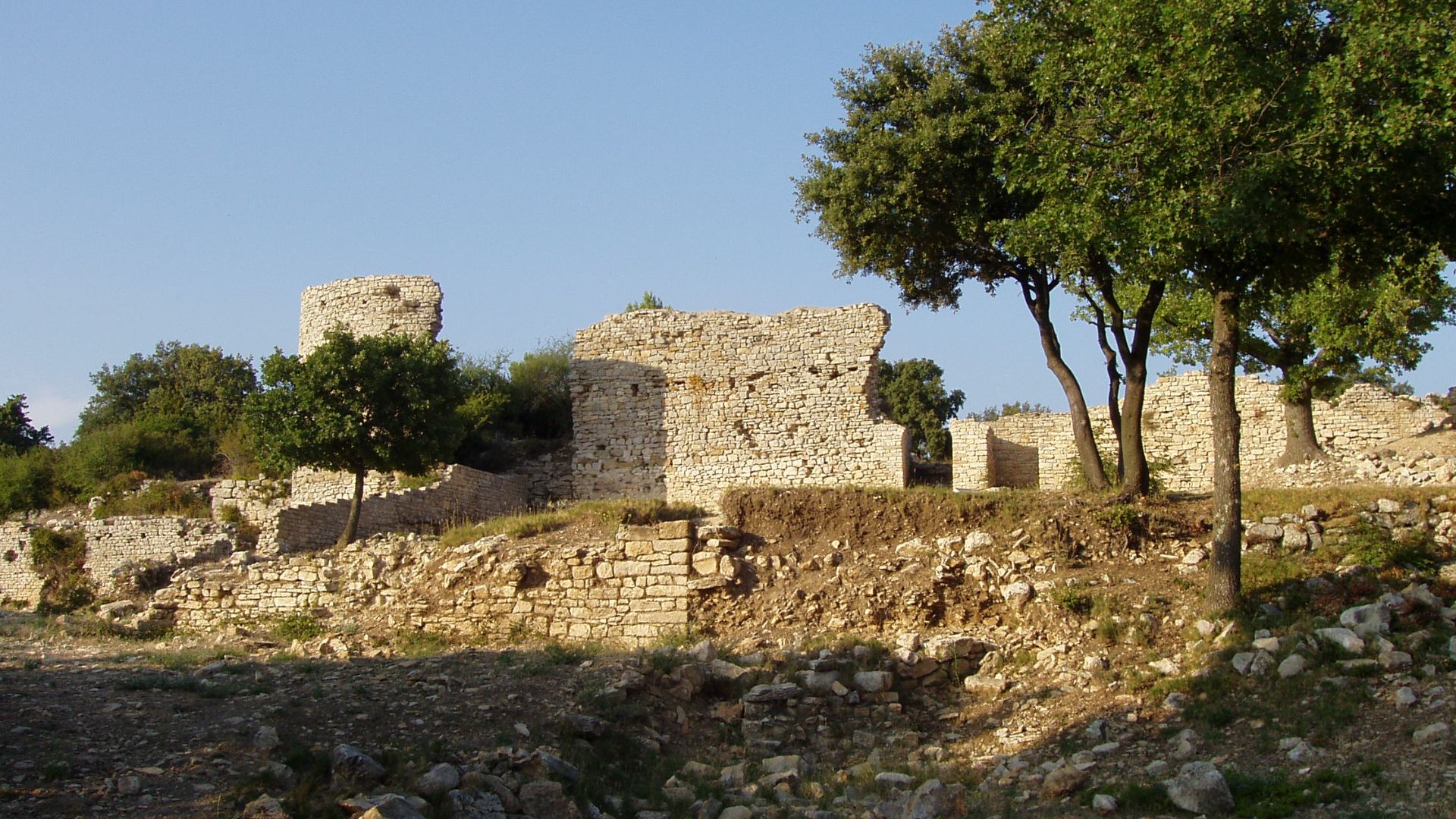
Just a few hundred meters from the burial site stood an ancient Gallic fortified settlement known as the Camp de César. Such fortified hilltop communities, called oppida, were important centers of Gallic life. Its proximity to the graves provided researchers with another potentially significant piece of the puzzle.
 Fifistorien, Wikimedia Commons
Roman Weapons Provided Another Clue
Archaeologists had previously identified Roman sling ammunition at the nearby fortified settlement. These projectiles suggest Roman military activity and possibly an ancient confrontation. Could the horses have died during a clash between Roman forces and local Gallic warriors? The evidence makes the possibility intriguing, but doesn't establish a connection.
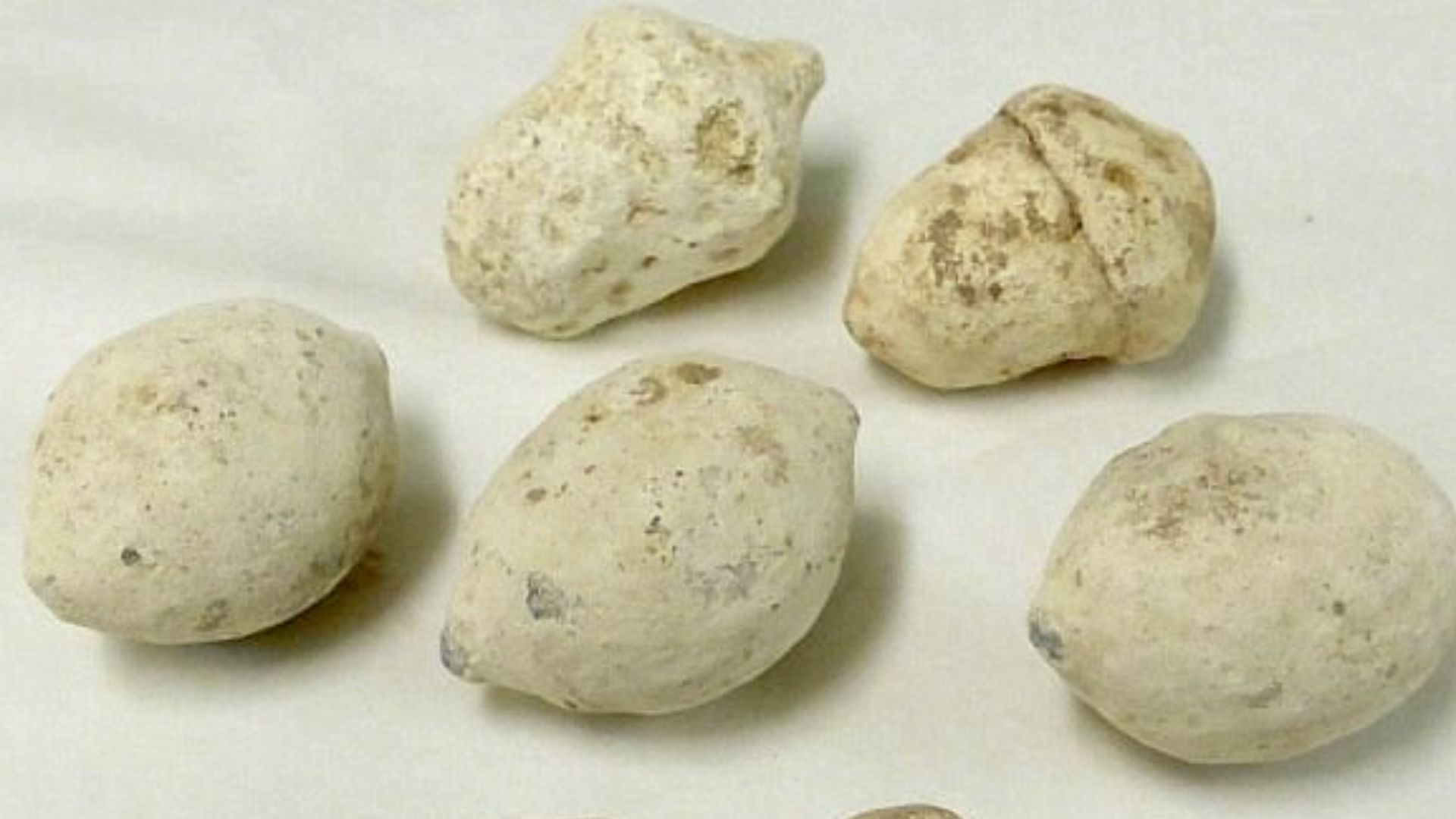 Trimontium Museum, Wikimedia Commons
Could This Be A Forgotten Battle?
Researchers have suggested the burials might be connected to fighting during Rome's conquest of Gaul, perhaps involving the local Bituriges people. Some Roman military encounters in the region remain poorly documented. If the horses were battle casualties, their graves could preserve evidence of a conflict otherwise lost to history.
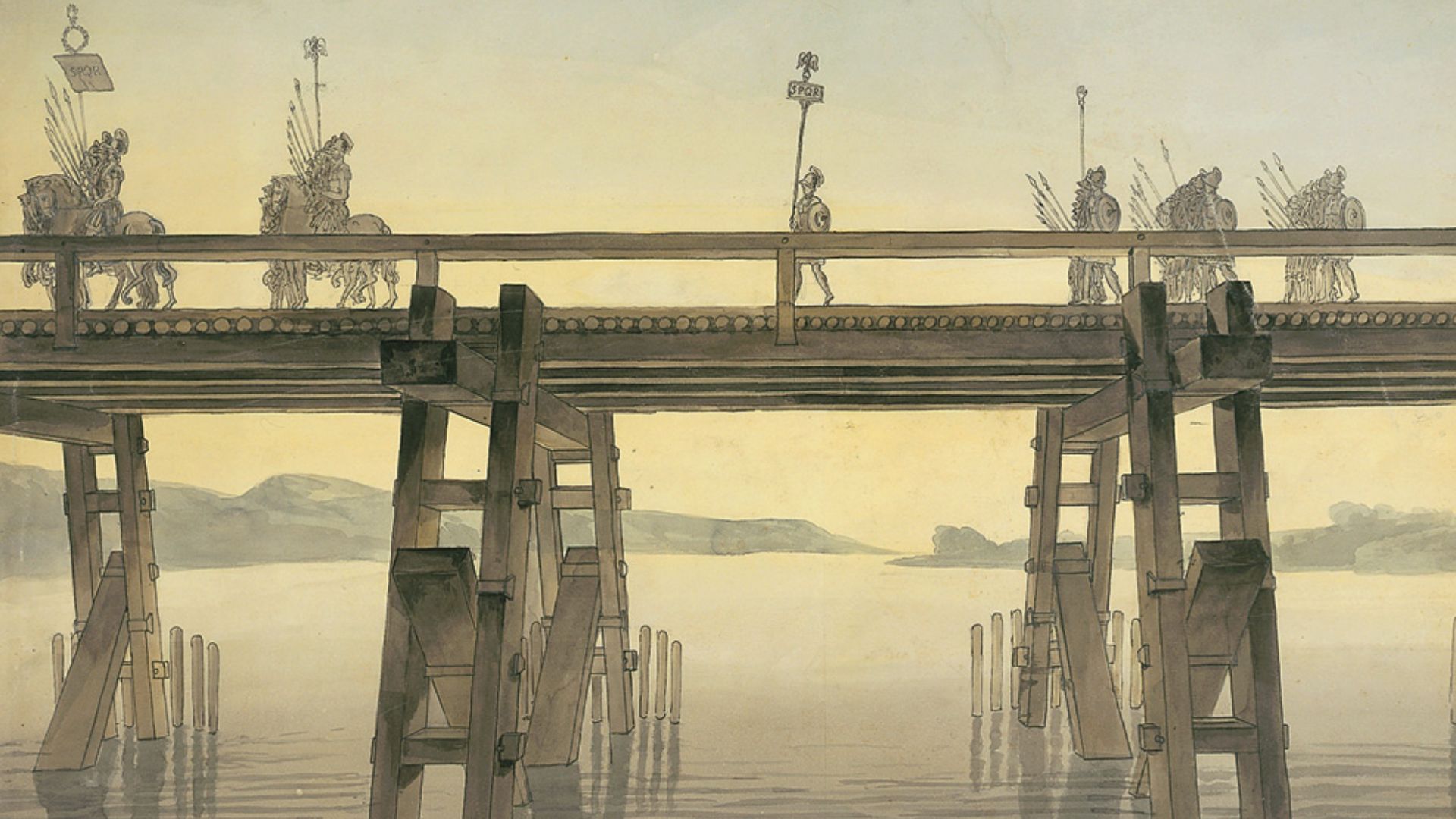 Lo Scaligero, Wikimedia Commons
Another Ancient Grave Offers A Clue
The French archaeologists had encountered something similar before. At Gondole, near Gergovie, researchers discovered a remarkable grave containing eight human riders alongside their horses. The burial raised questions about warfare, loyalty, and ancient funerary customs. Its similarities to Villedieu-sur-Indre were difficult to ignore.
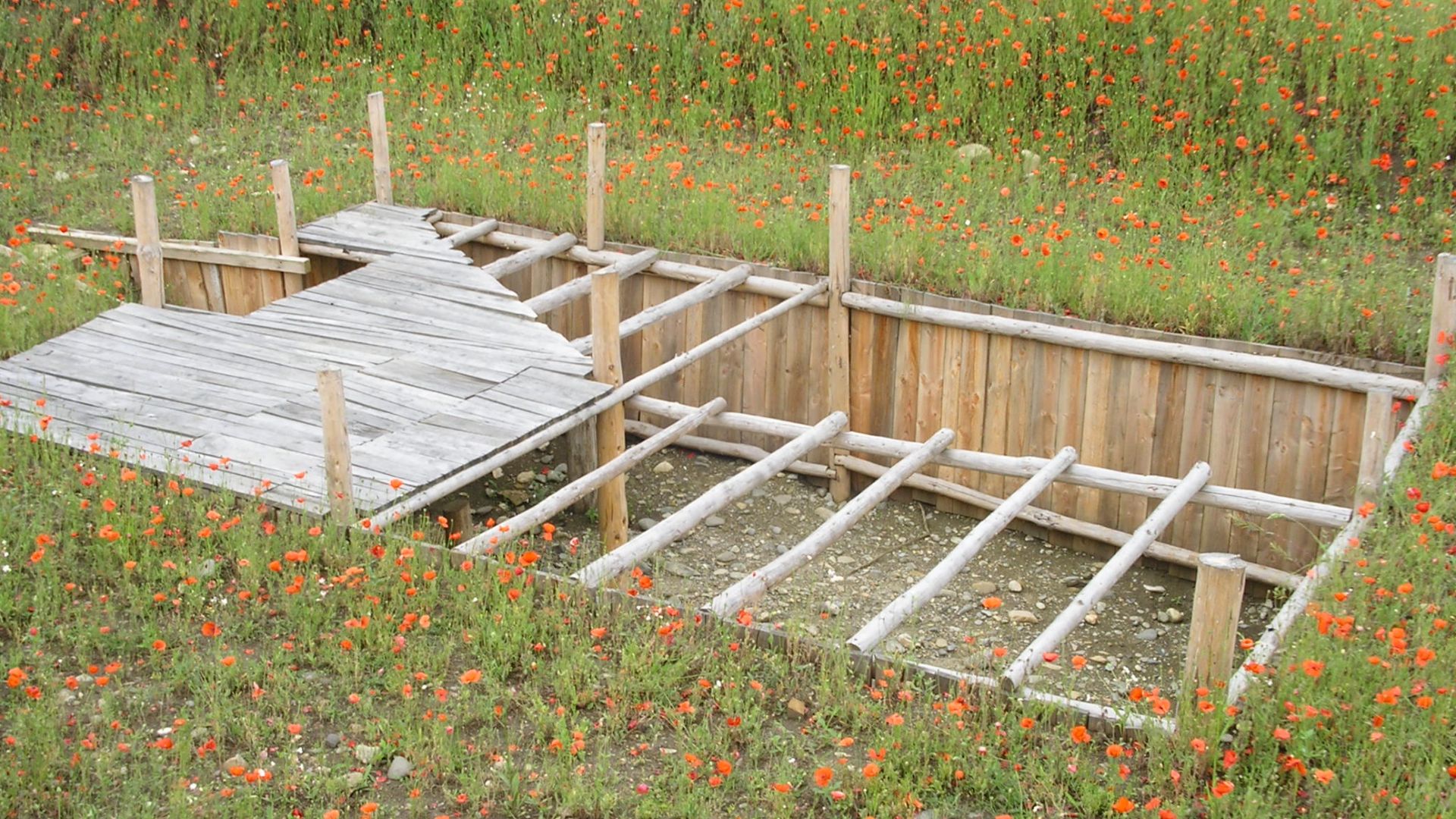 Frank Auvergne, Wikimedia Commons
An Even Larger Horse Burial
Another site, known as L'Enfer, produced an equally astonishing discovery: 53 horses buried in five pits. Like the graves at Villedieu-sur-Indre, these remains were found near a Gallic fortified settlement. The similarities suggest that such unusual animal burials may have been part of a wider practice.
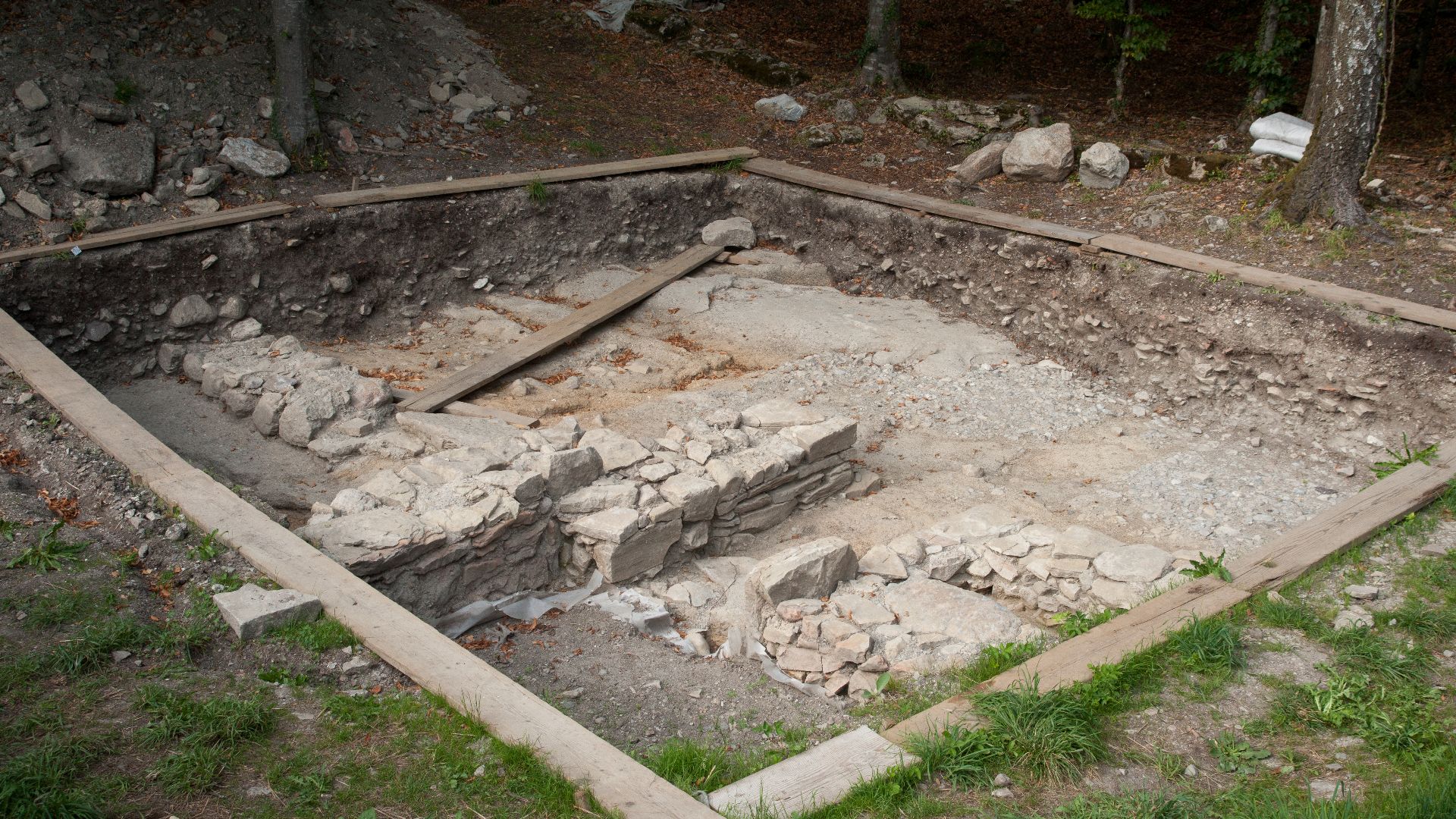 Ludovic Péron, Wikimedia Commons
What If The Horses Were Sacrificed?
Another possibility is that the animals were deliberately killed during a religious or ceremonial ritual. Horses could hold considerable symbolic importance in ancient societies. Sacrificing so many mature animals would have represented an enormous offering. However, researchers have yet to establish whether ritual killing actually occurred at this site.
The Missing Grave Goods Make Things Stranger
Despite the elaborate arrangements, the horse graves contained no accompanying artifacts or offerings. Archaeologists found no objects that clearly explained the animals' deaths or the purpose of the burials. The absence of grave goods makes interpreting the site particularly difficult, leaving researchers dependent on the skeletons themselves.
Modern Science May Solve The Mystery
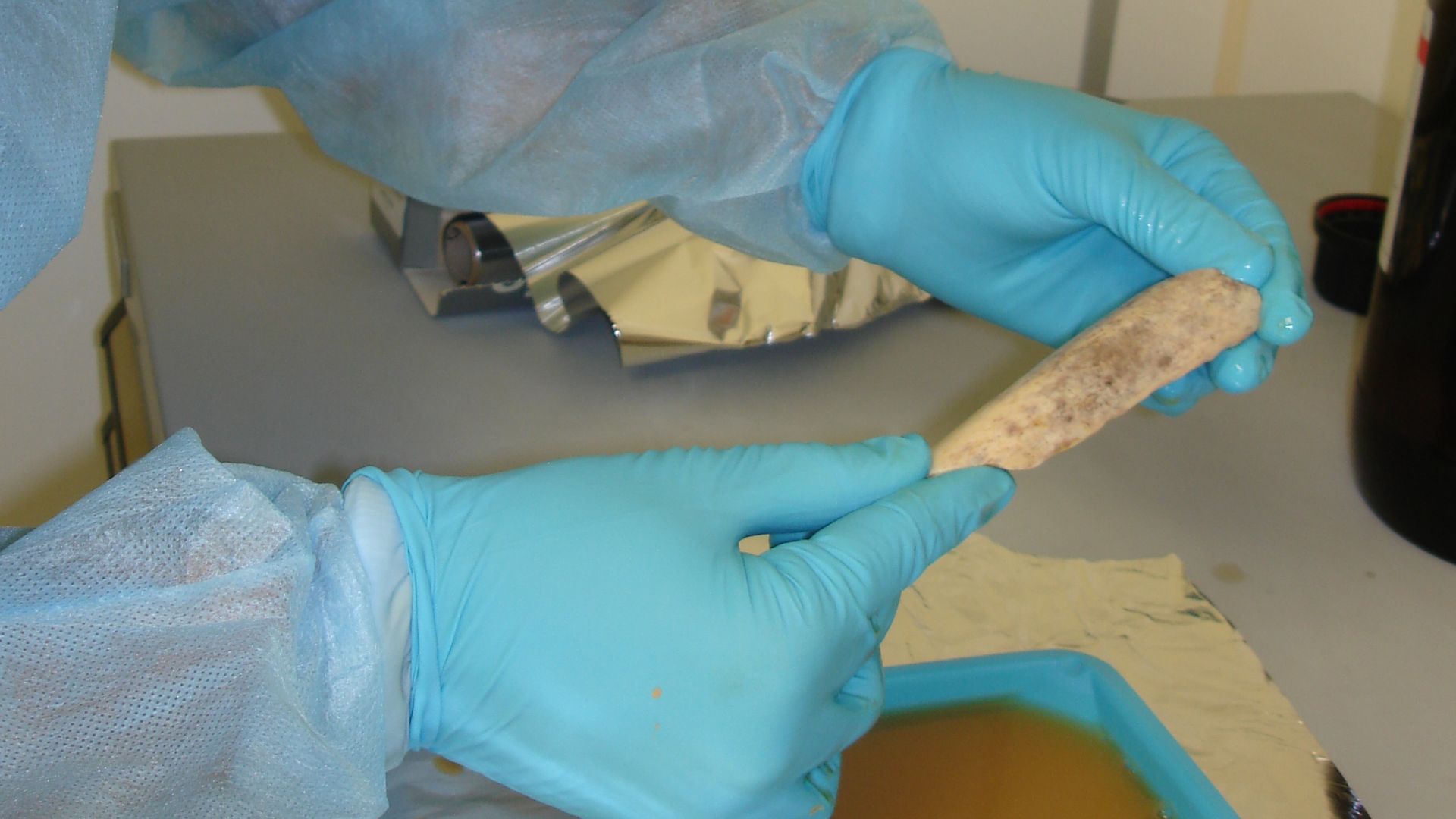
Researchers collected DNA and sediment samples, hoping scientific analysis would reveal more about the horses. Genetic studies could help establish their ancestry, while isotope analysis might uncover their origins, diet, and possibly the season of death. Such evidence could eventually help distinguish between competing explanations.
 Max Planck Institute for Evolutionary Anthropology, Wikimedia Commons
A Forgotten Chapter Of History?
For now, the 28 horses remain silent witnesses to a mysterious event in ancient France. Their careful burial suggests they mattered greatly to whoever placed them underground. Whether they died in battle, during a ritual, or under entirely different circumstances, the discovery offers a fascinating glimpse into a turbulent and poorly understood period of European history.
You May Also Like:
American Cities Baby Boomers Vacationed In During The 1970s—But Millennials Never Visit Anymore