Samantha Henman articles

A Black man in a grey suit sits in the back seat of a car. He looks down and has his hand on his forehead as if he is exhausted or stressed. The image is taken from inside the car

Why More Companies May Start Tracking The Stress Of Business Travel

Business travel has traditionally been measured in fairly straightforward terms. Companies track airfare, hotel expenses, travel budgets, and whether a trip produces worthwhile business results. But an increasingly important question is entering the conversation: What does all that traveling actually cost the employee? As organizations pay closer attention to workplace mental health, the stress associated with business travel could become another factor they monitor.
October 26, 2026 Samantha Henman
Tired executive resting at home after work sitting on a couch and taking off shoes

Should Business Travelers Get Extra Days Off After Long International Trips?

You have just spent a week traveling internationally for work, attending meetings, entertaining clients, and trying to sleep in an unfamiliar time zone. After navigating airports, long flights, and the journey home, you finally walk through your front door on Sunday evening. Unfortunately, your employer expects you back at your desk bright and early Monday morning. It raises an increasingly important workplace question: Should employees receive additional time off to recover from demanding international business trips?
October 19, 2026 Samantha Henman
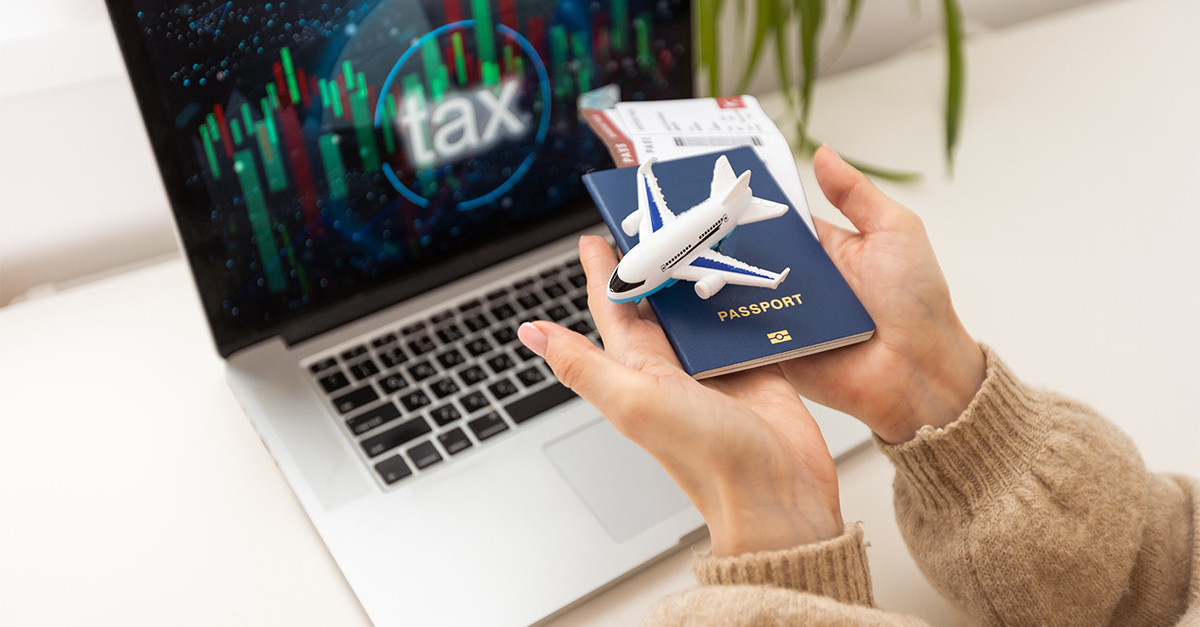
International business and strategy concept. Laptop with toy plane

The Hidden Tax Problems Of Working While Traveling Internationally

Working from another country can feel surprisingly ordinary. You land, connect to hotel Wi-Fi, open your laptop, and continue doing the same job you were doing at home. From a tax perspective, however, the location where you physically perform that work can matter. Many countries reserve the right to tax employment income connected with duties performed inside their borders, even when the employee works for a foreign company and continues receiving a paycheck from home.
October 19, 2026 Samantha Henman
Close up of hotel guest paying with credit card at reception desk.

Should You Use Your Personal Credit Card For Company Travel?

You're booking a flight for an upcoming business trip when your employer asks you to put the ticket on your personal credit card. It sounds simple enough, especially if you're collecting travel points or working toward a credit card reward. But paying for company travel with your own money introduces financial risks that aren't always obvious until the reimbursement process begins.
October 13, 2026 Samantha Henman
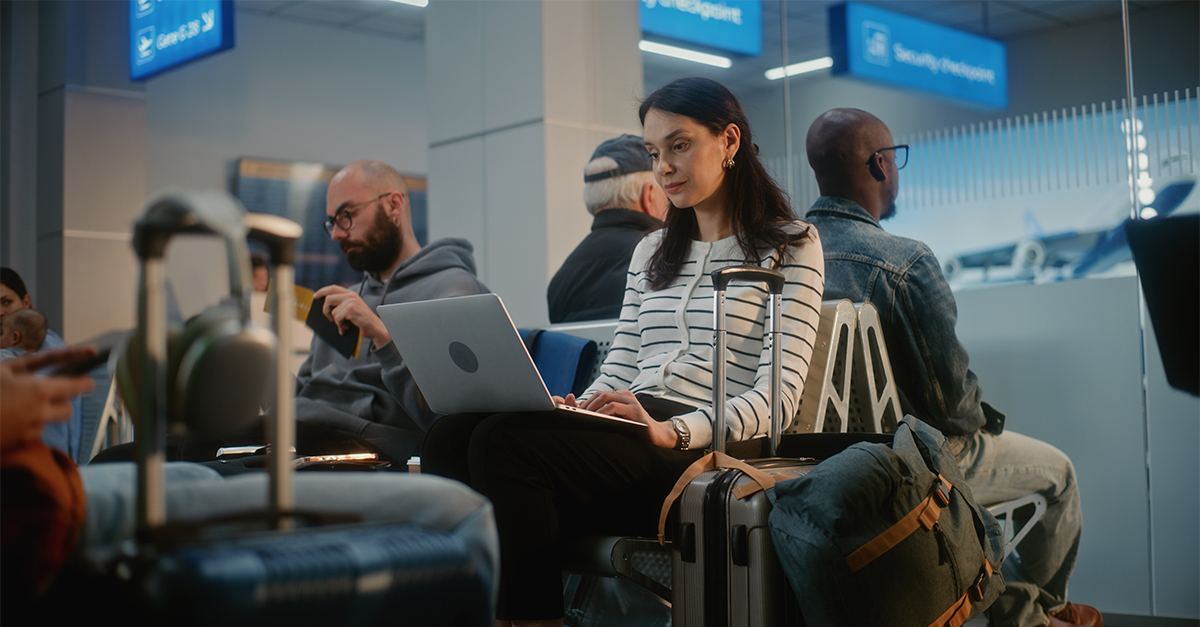
Crowded International Airport Terminal: Adult Woman Working on Laptop, Having Online Video Call. Diverse People Sitting in Departure Lounge of Airline Hub, Waiting for Flight, Using Digital Devices.

Your Company Wants You To Travel For Work. What Should It Actually Pay For?

Your boss wants you at a conference in Chicago next month. The flights are expensive, the hotel is even worse, and you are already wondering whether you'll be paying for airport taxis, meals, and a dozen other expenses. Your company says it will cover the trip, but what does that actually mean?
October 13, 2026 Samantha Henman
Business travelers with luggage interacting with a hotel employee in a modern lobby, discussing their stay and check-in process

Why Some Companies Are Trading Frequent Trips For Bigger Team Gatherings

For years, corporate travel was built around frequency. Employees flew out for client meetings, office visits, project check-ins, training sessions, and quick conversations that supposedly worked better face to face. That model has not disappeared, but a different pattern is becoming more visible. Some companies are questioning whether a steady stream of short trips delivers as much value as fewer, larger gatherings that bring multiple people and objectives together at once.
October 5, 2026 Samantha Henman
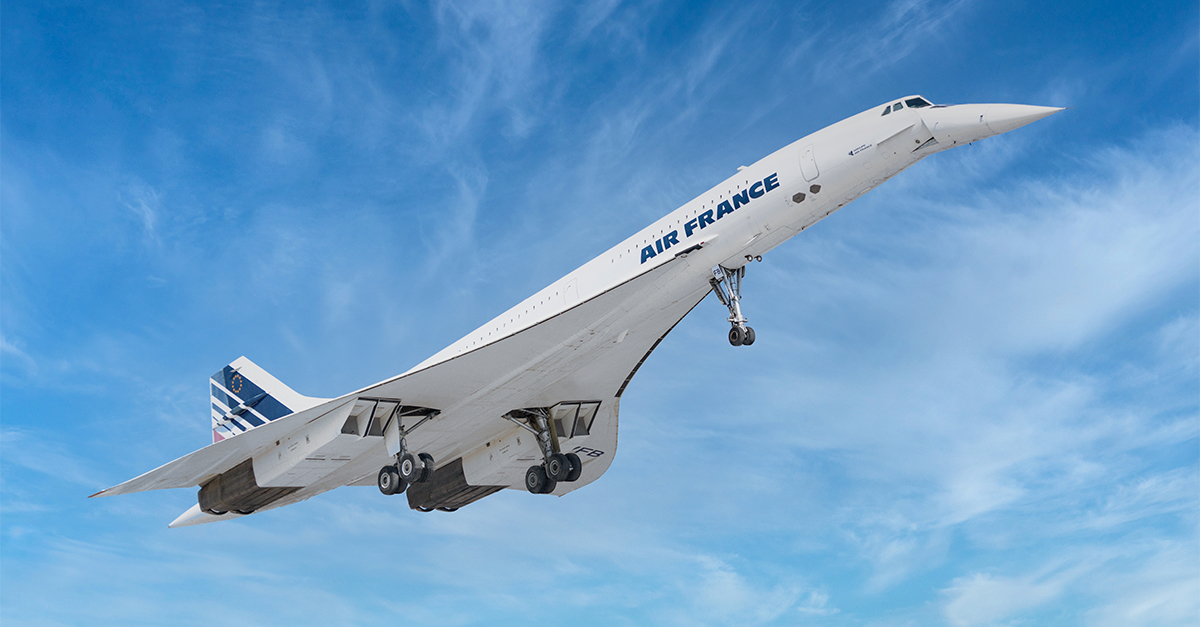
CONCORDE supersonic airplane takeoff picture. 01-09-2024, Sinsheim, Germany

What Could Supersonic Flight Mean For The Future Of Business Travel?

For decades, supersonic passenger travel has occupied an odd place between aviation history and science fiction. Concorde proved that an airliner could cross the Atlantic in less than four hours, but the aircraft disappeared from commercial service in 2003 after years of high operating costs, expensive fares, and a limited market. Now, a combination of new aircraft development, successful supersonic test flights, and changing U.S. regulations has made the possibility of high-speed commercial travel harder to dismiss. For business travelers, the biggest potential change is straightforward: journeys that consume most of a day could eventually consume only a few hours.

September 28, 2026 Samantha Henman


✕