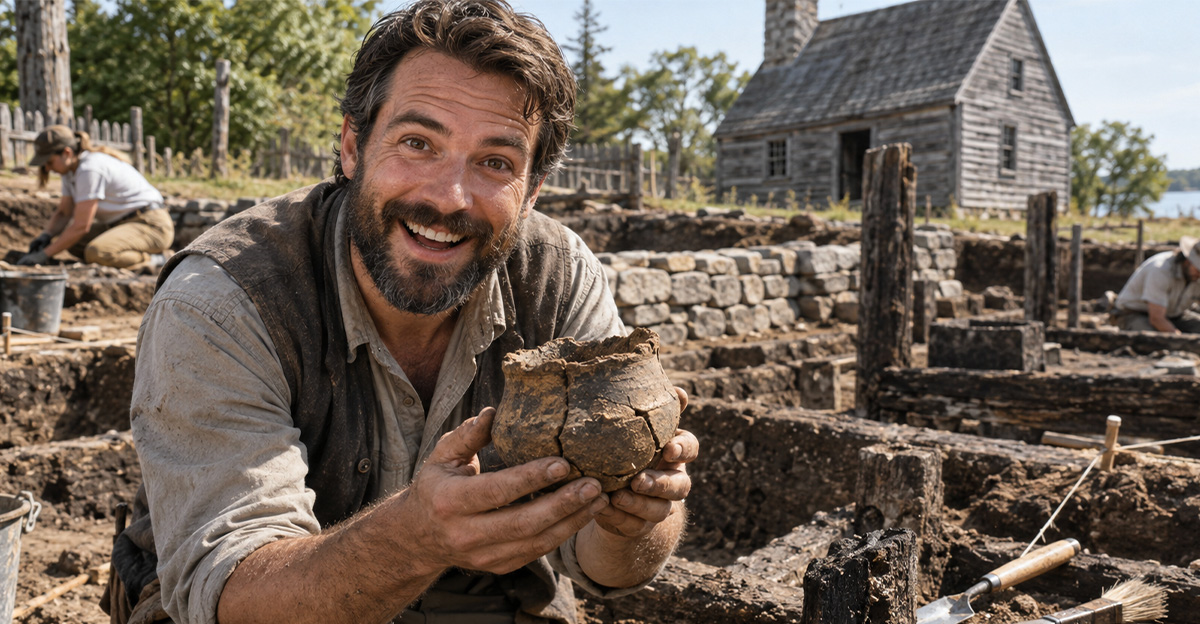
A Remarkable Discovery Beneath Massachusetts Soil
What was life really like for English settlers in Massachusetts during the 1600s? Archaeologists investigating a centuries-old Cape Cod homestead have uncovered fascinating clues. From expensive building materials to mysterious fragments of glass, these discoveries reveal a surprisingly complicated story of wealth, religion, survival, and everyday life in colonial America.
A Forgotten Homestead On Cape Cod
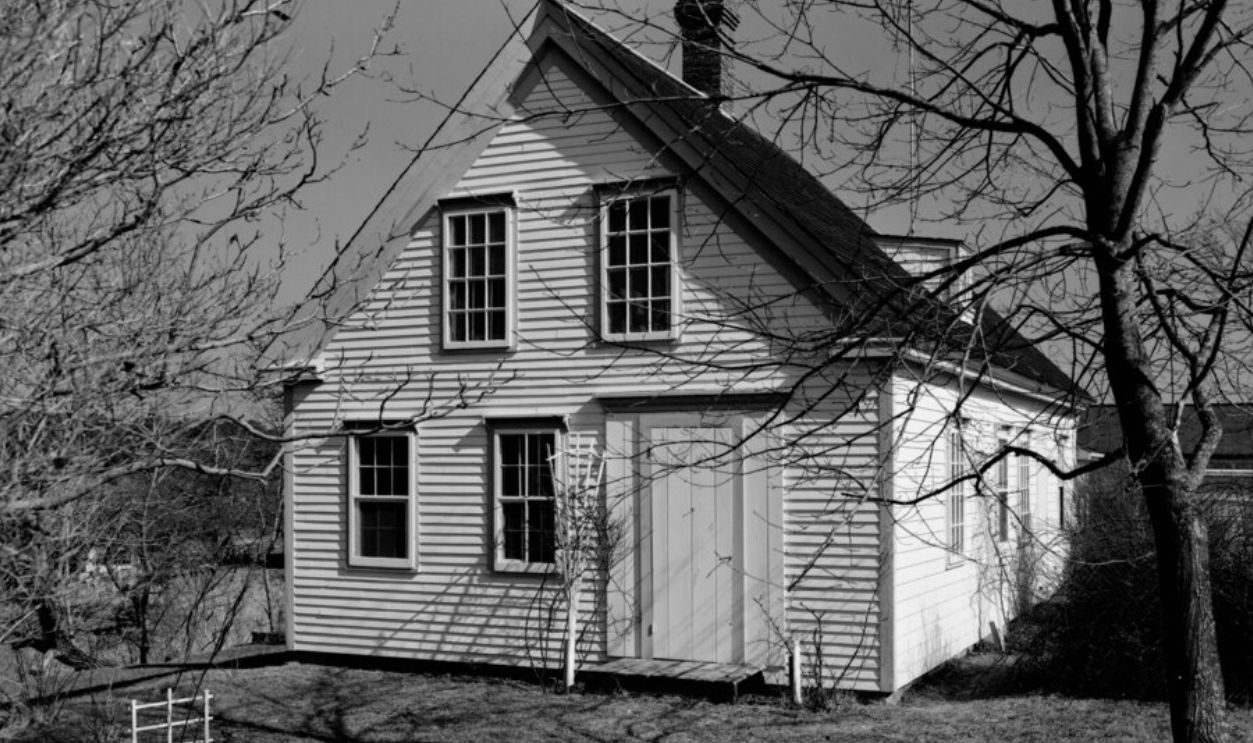
The discoveries came from the former home of John Doane in Eastham, Massachusetts. Archaeologists excavated the property in 2019 and 2022, uncovering artifacts dating to the 17th century. Although the original house disappeared long ago, its buried remains offered researchers an opportunity to investigate one of the region's earliest English colonial settlements.
 Colin Pyle , Wikimedia Commons
Meet The Man Behind The Artifacts
John Doane wasn't an ordinary settler. Arriving in Plymouth Colony sometime between 1628 and 1632, he eventually became an important figure in the developing community. He served in several public positions, including constable, highway surveyor, selectman, and church deacon. His prominence made the archaeological discoveries particularly intriguing.
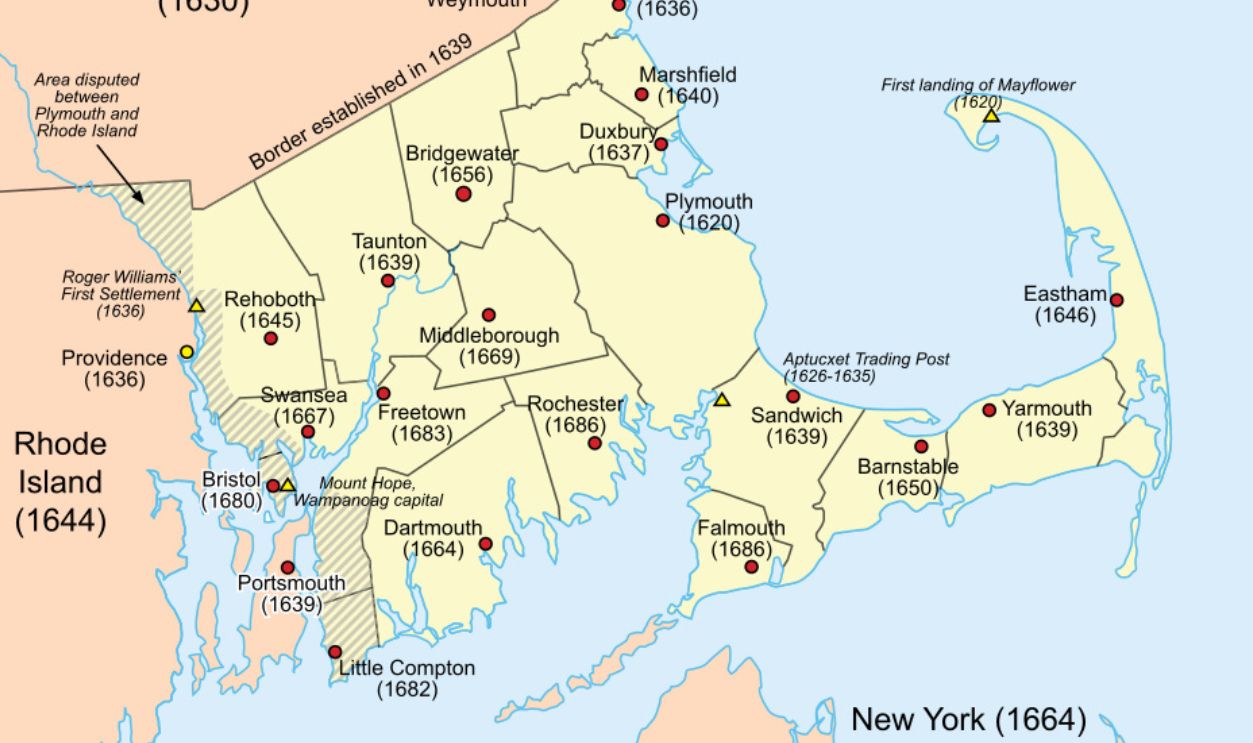 Hoodinski, CC BY-SA 3.0, Wikimedia Commons
One Of The First Families In Eastham
Doane belonged to a group of seven English families who established a permanent settlement in what became Eastham during the 1640s. The newcomers arrived in territory already inhabited by the Nauset people. Their settlement became part of the expanding Plymouth Colony, bringing European farming practices, religious traditions, and new demands on the landscape.
 George Henry Boughton, Wikimedia Commons, Enhanced
Archaeologists Return To The Past
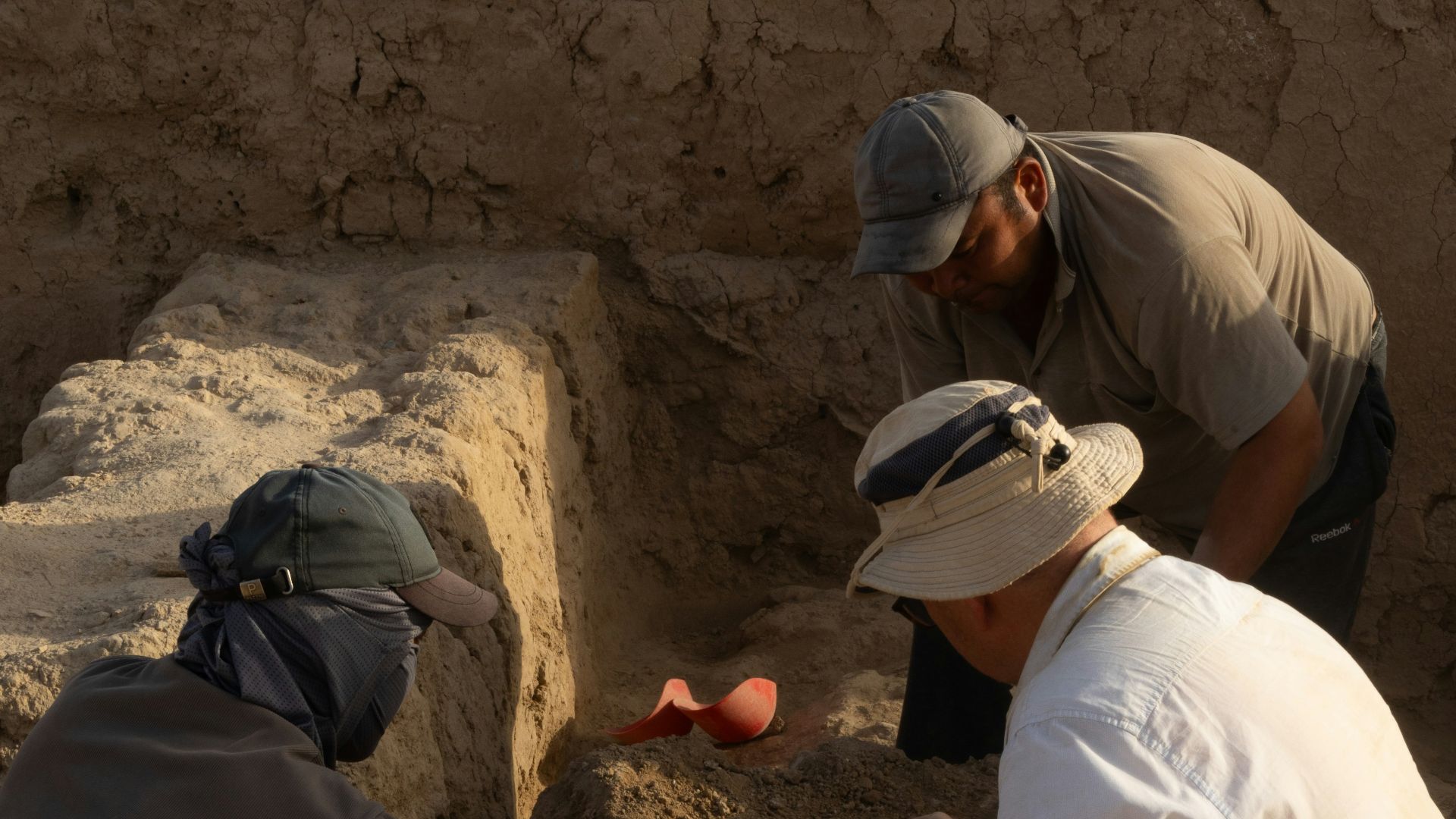
Leading the investigation was John Chenoweth, an anthropologist from the University of Michigan-Dearborn. Working with students and colleagues, he studied the remains of Doane's former homestead. Earlier investigations had already established the site's historical importance, but the newer excavations provided valuable evidence about the family's possessions, domestic arrangements, and activities.
 Aleksander Stypczynski, Unsplash
The Treasure Was Actually Trash
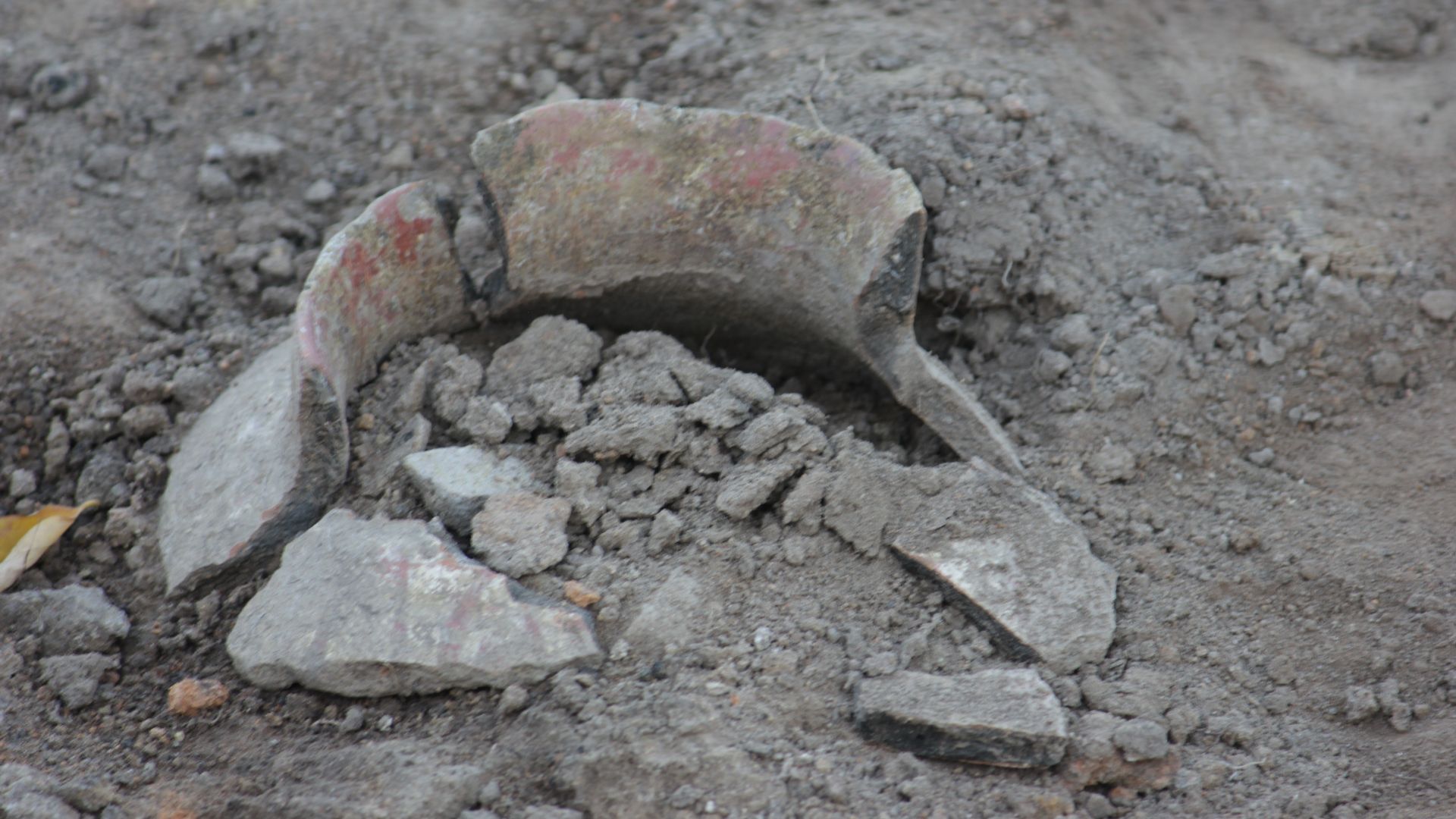
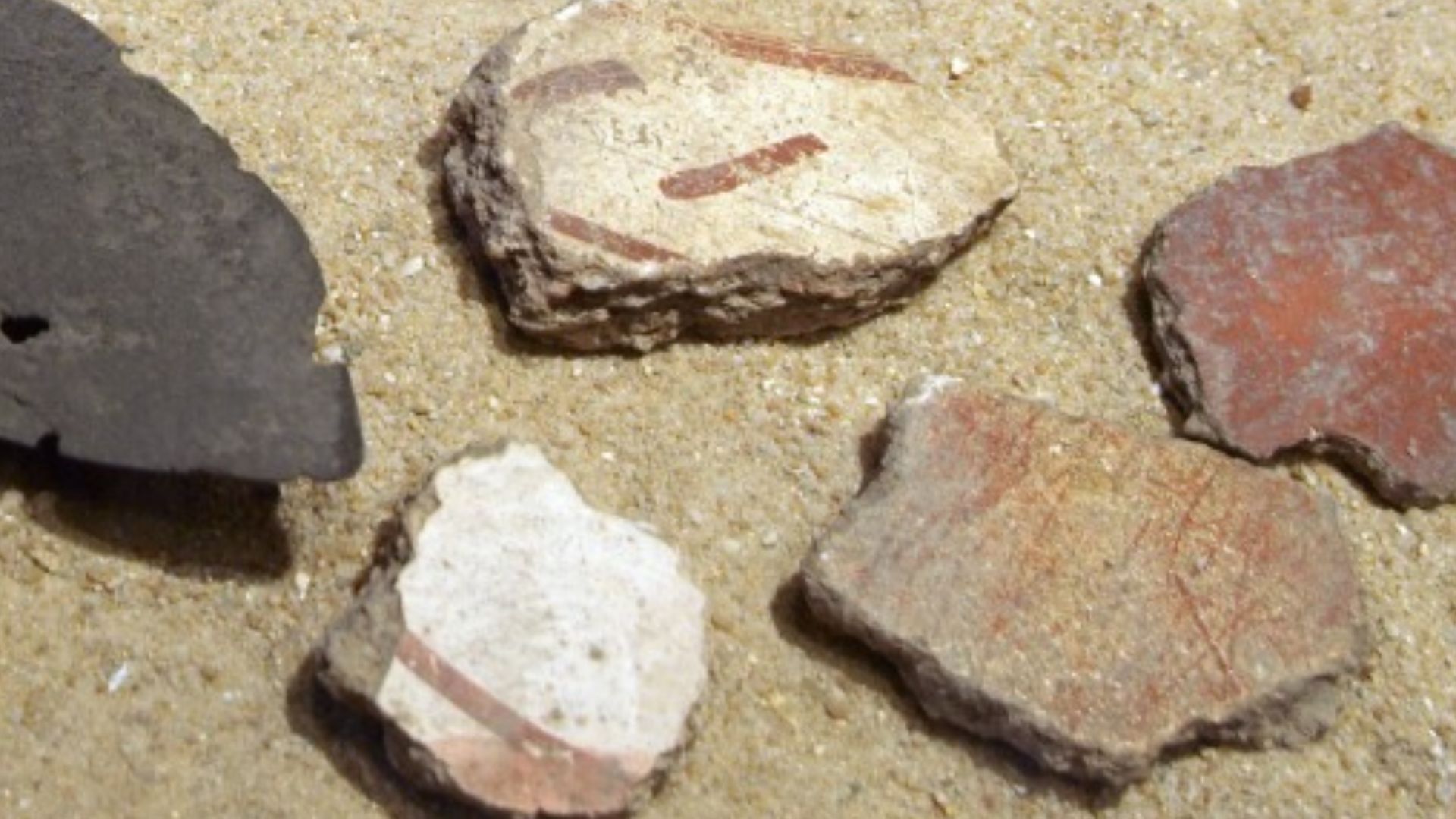
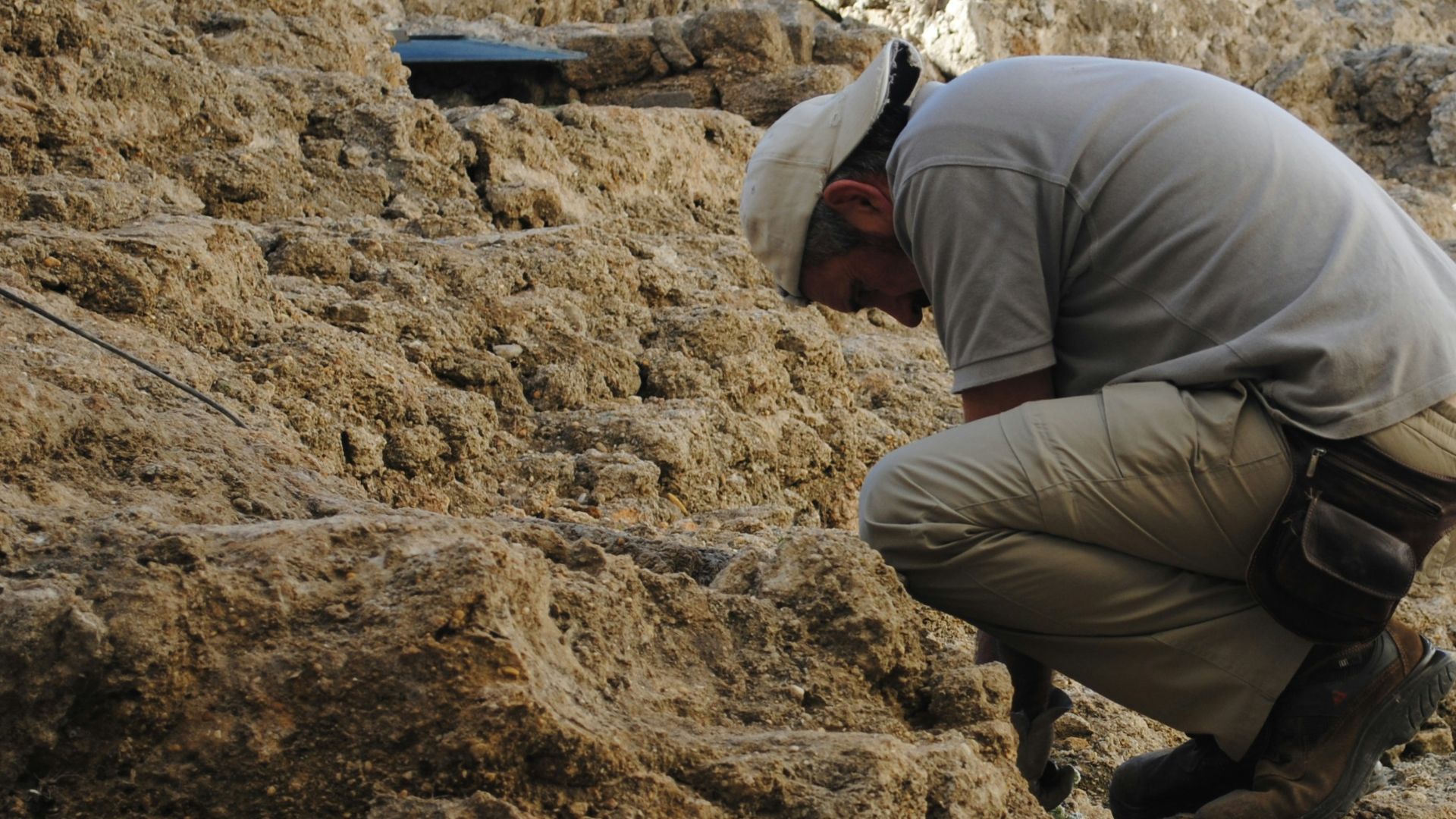
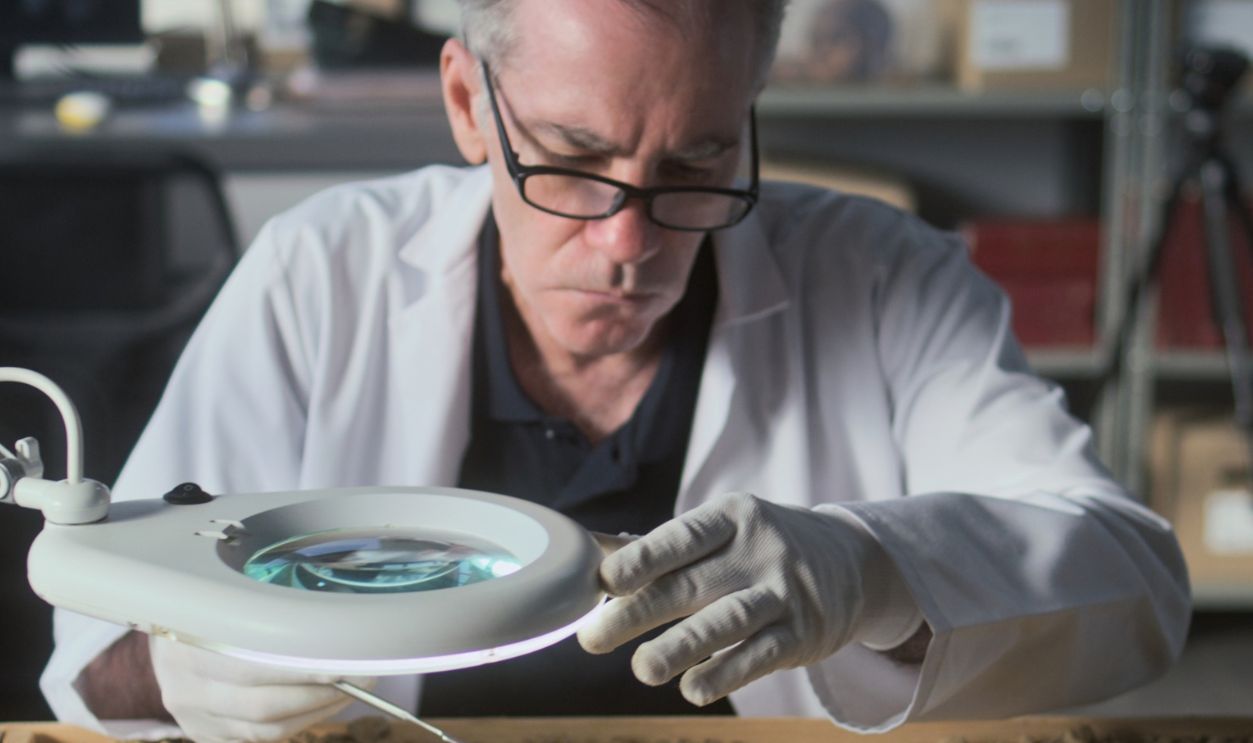
Forget glittering treasure chests and buried gold. Much of the archaeological evidence consisted of discarded materials that 17th-century residents probably considered worthless. Broken bricks, pottery fragments, animal bones, and pieces of glass became valuable clues. Researchers could use these ordinary objects to reconstruct aspects of life that written historical records had overlooked.
 Edal Anton Leftwerov, Wikimedia Commons
Thousands Of Brick Fragments Revealed Something Surprising
Among the most revealing discoveries were thousands of brick fragments, representing at least 150 bricks. These weren't necessarily ordinary building materials in colonial Cape Cod. Bricks could be expensive and difficult to obtain, meaning their presence suggested Doane's house was considerably more substantial than many early settler dwellings.
 User:Bullenwächter, Wikimedia Commons
A House Built To Impress
Researchers believe the bricks probably formed parts of the home's chimney, hearth, cellar, and foundations. Many early colonial houses were relatively simple wooden structures, so Doane's substantial building features would have made an impression. His home apparently represented more than basic shelter. It may also have advertised his standing within the community.
The Windows Were Another Luxury
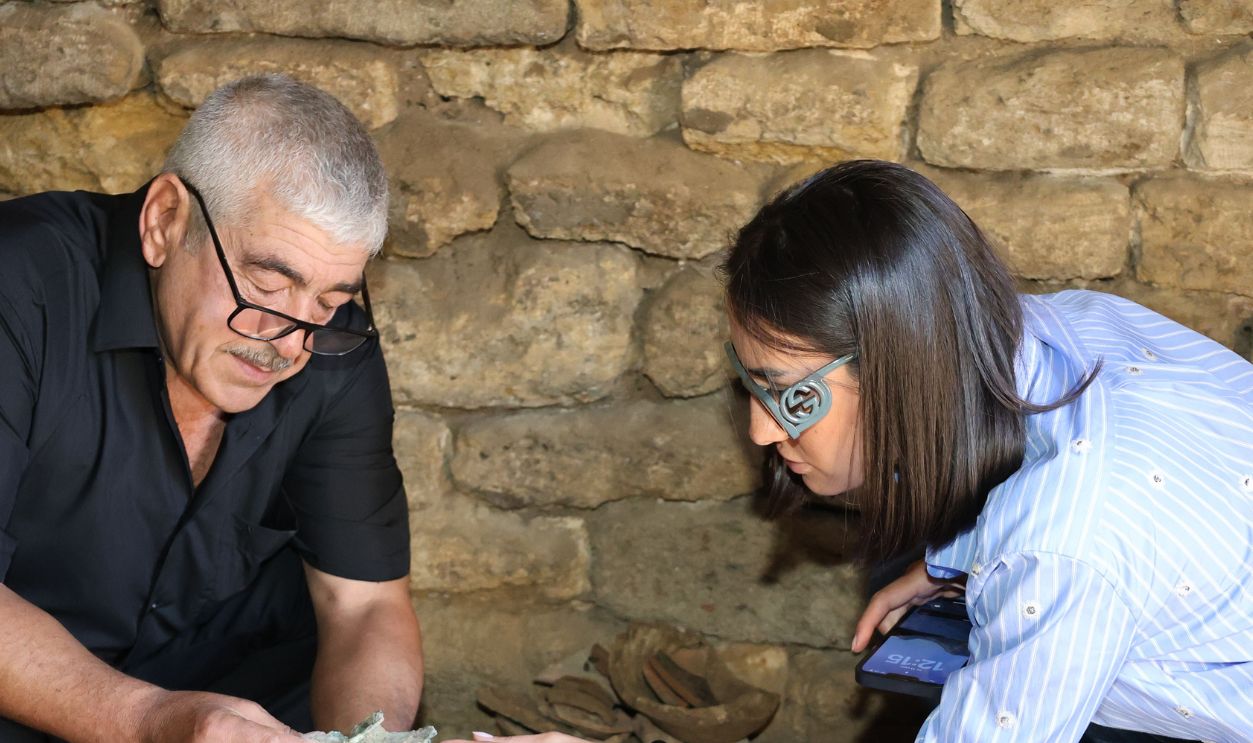
Even more surprising were fragments of flat window glass and X-shaped lead pieces used to hold panes together. Glass windows were expensive luxuries in 17th-century New England. Much of the material had to travel across the Atlantic, making it fragile, costly, and difficult to replace when broken.
 Chudilovski ph, Wikimedia Commons
A Sign Of Wealth In Colonial America
Today, glass windows are hardly worth mentioning when describing a house. In Doane's time, however, they could be impressive status symbols. Their presence suggests that he invested heavily in his home's appearance and comfort. Archaeologists now had evidence that this supposedly modest colonial household possessed some surprisingly expensive features.
 See page for author, Wikimedia Commons
Religion Shaped Everyday Decisions
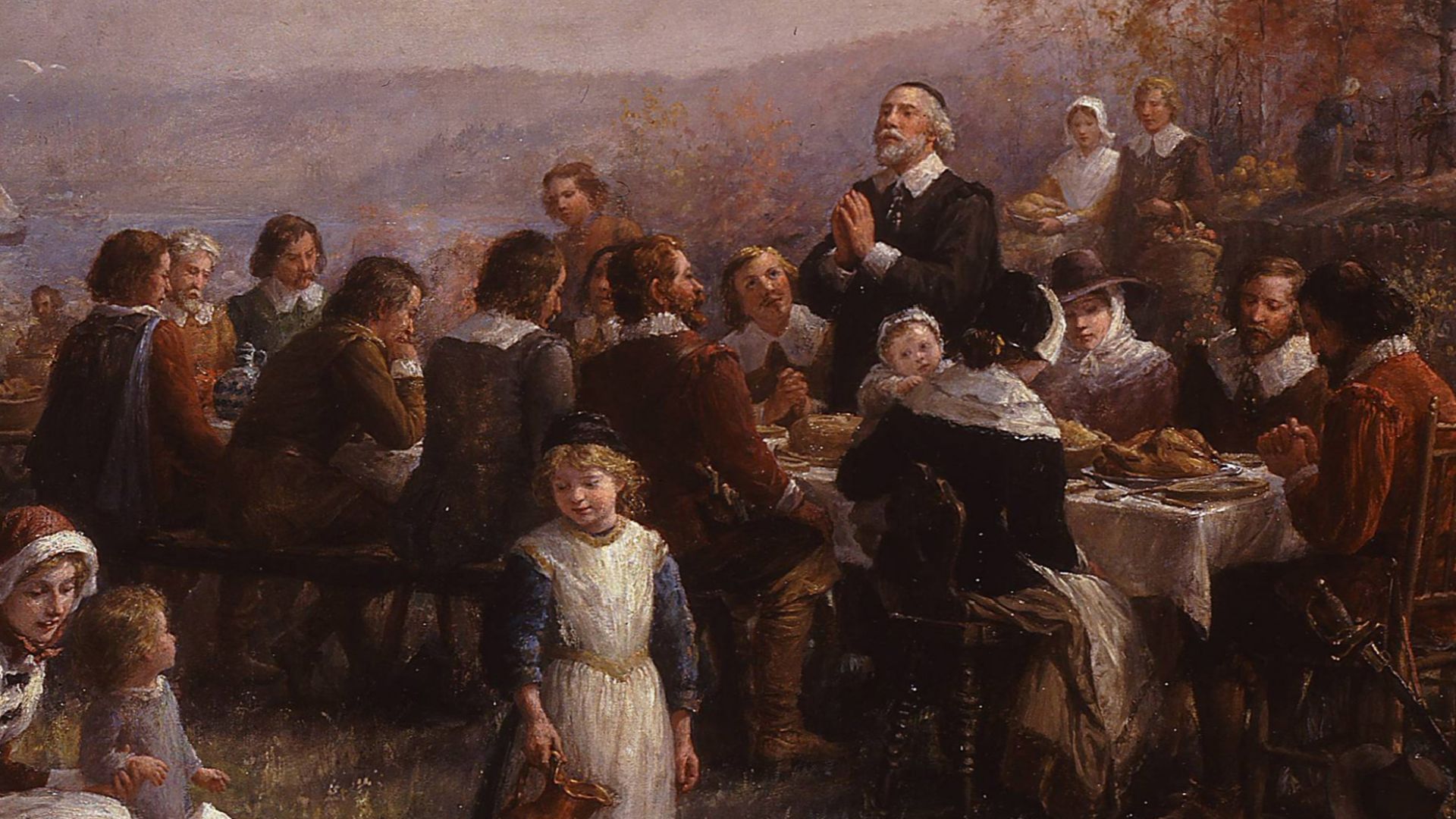
Doane was a respected religious figure, and his beliefs likely influenced how he lived. Plymouth Colony's Separatist community emphasized religious discipline and moral conduct. Yet material success could also be interpreted through a religious lens. A well-built home might communicate both financial security and the owner's place within a supposedly godly society.
 Jennie Augusta Brownscombe, Wikimedia Commons
Some Bricks Held A Strange Mystery
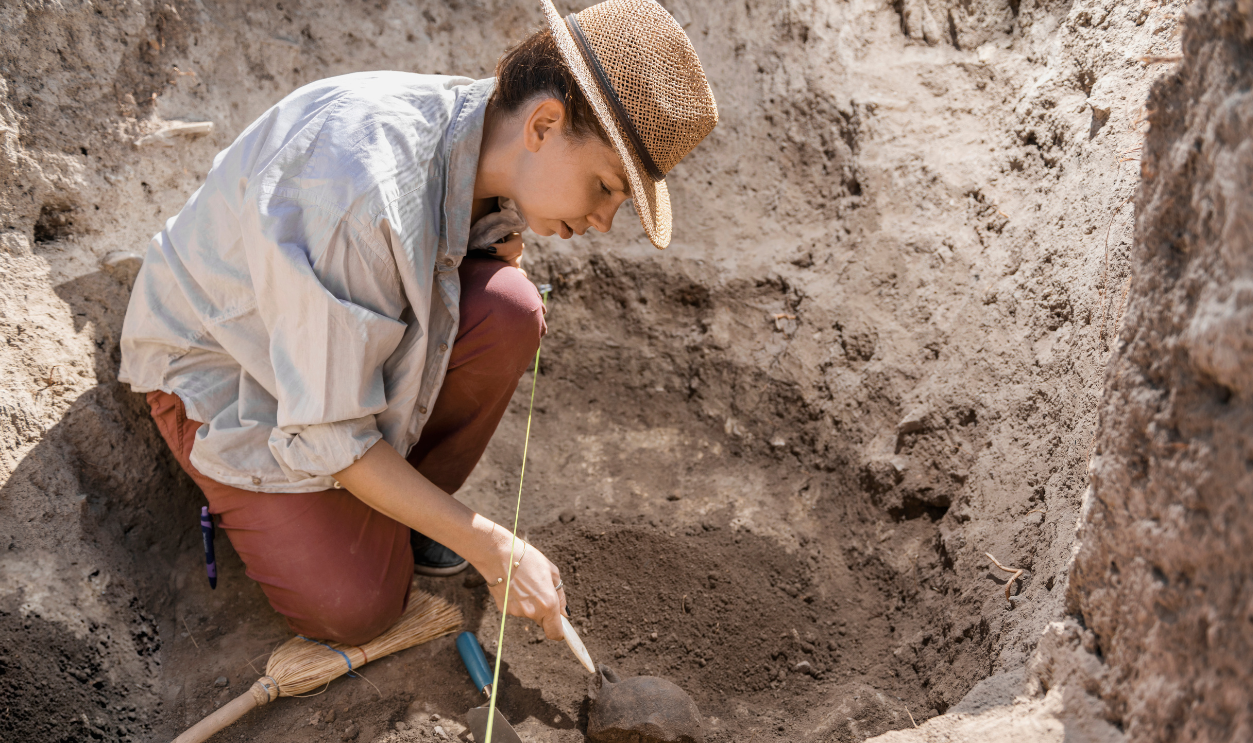
Researchers also uncovered darkened, or vitrified, bricks. These unusually hard-fired building materials were associated with high-quality construction. However, Chenoweth proposed another possibility: they might have carried protective meaning. Similar beliefs elsewhere in colonial New England linked certain materials and concealed objects with protection against supernatural threats.
Were The Settlers Afraid Of Witches?
Although Doane was deeply religious, archaeologists have considered whether his household might also have embraced supernatural protection. Colonial New Englanders sometimes placed objects inside buildings to ward off supposed evil influences. The idea that Doane's bricks served this purpose remains speculative, but it raises fascinating questions about everyday beliefs.
Religious Devotion And Superstition Coexisted
To modern readers, the combination might seem contradictory. Yet religious faith and fear of supernatural dangers frequently existed together in early modern societies. Some New England households concealed shoes, bottles, or other objects inside buildings. Archaeologists have documented such practices elsewhere, although no equivalent protective objects were definitively identified at Doane's homestead.
 Robert W. Weir (photograph courtesy Architect of the Capitol), Wikimedia Commons
An Expensive House With Few Possessions
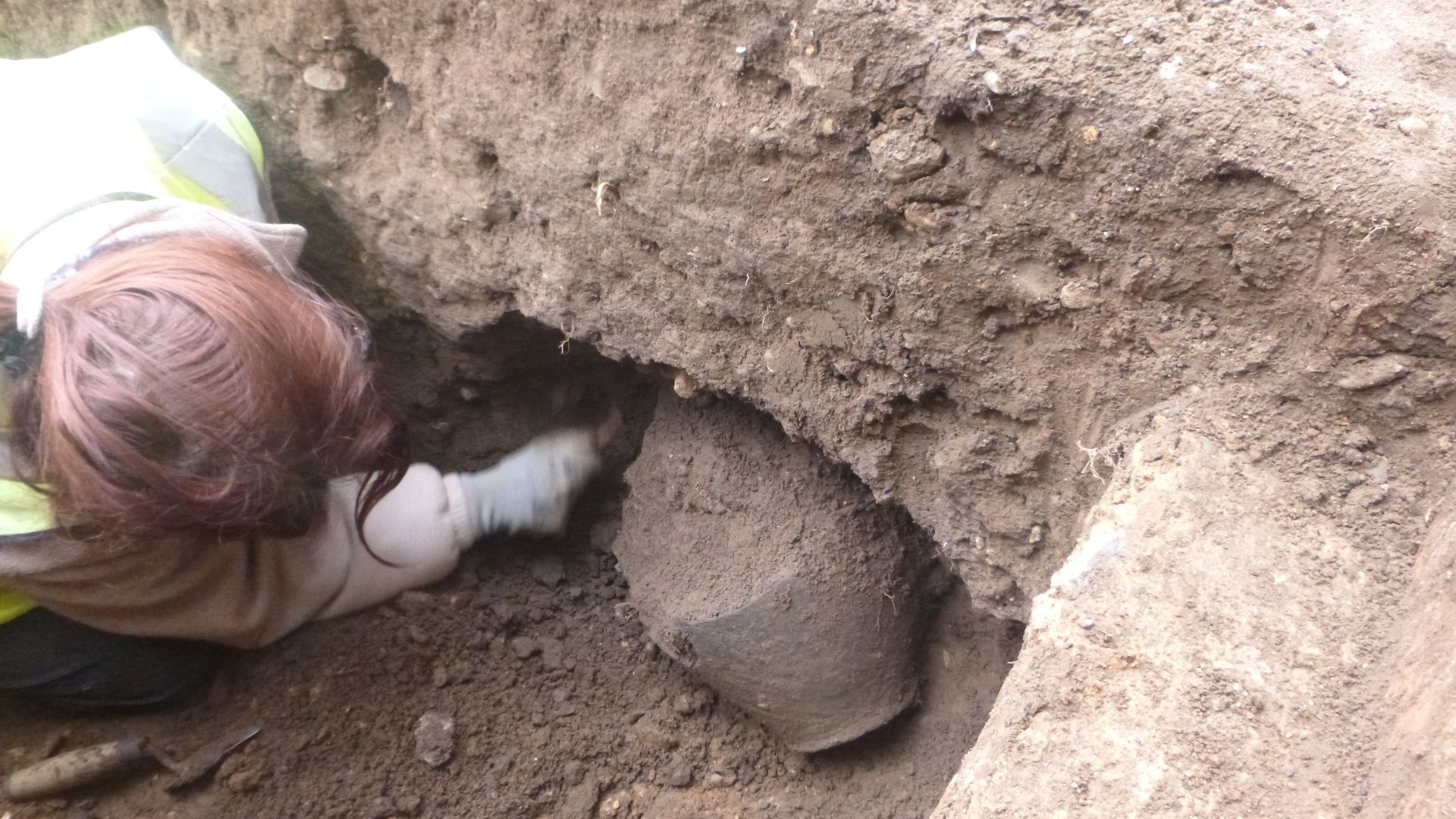
Here's where the story becomes especially interesting. Despite the costly construction materials, archaeologists found relatively little household pottery. English ceramics were particularly scarce. The discoveries suggest that Doane's impressive house did not necessarily contain an equally impressive collection of possessions. Colonial prosperity, it seems, could be more complicated than appearances suggested.
 Tabitha Lawrence, Colchester Archaeological Trust, Wikimedia Commons
His Will Added Another Puzzle
Historical records deepen the mystery. When Doane died in 1686, aged approximately 94, his recorded estate was valued at only slightly more than £10. That was surprisingly modest considering the impressive building materials discovered at his former home. Researchers have explored whether possessions were transferred, removed, or reused before the property was abandoned.

Life On The Edge Of Settlement
Doane's homestead stood overlooking Nauset Bay, which served as an important transportation route. European settlements in this part of Cape Cod were widely scattered, with neighboring houses sometimes separated by considerable distances. Acquiring manufactured goods could therefore be challenging, making local repairs, reuse, and practical resourcefulness essential features of daily life.

Strange Fragments Suggested Early Industry
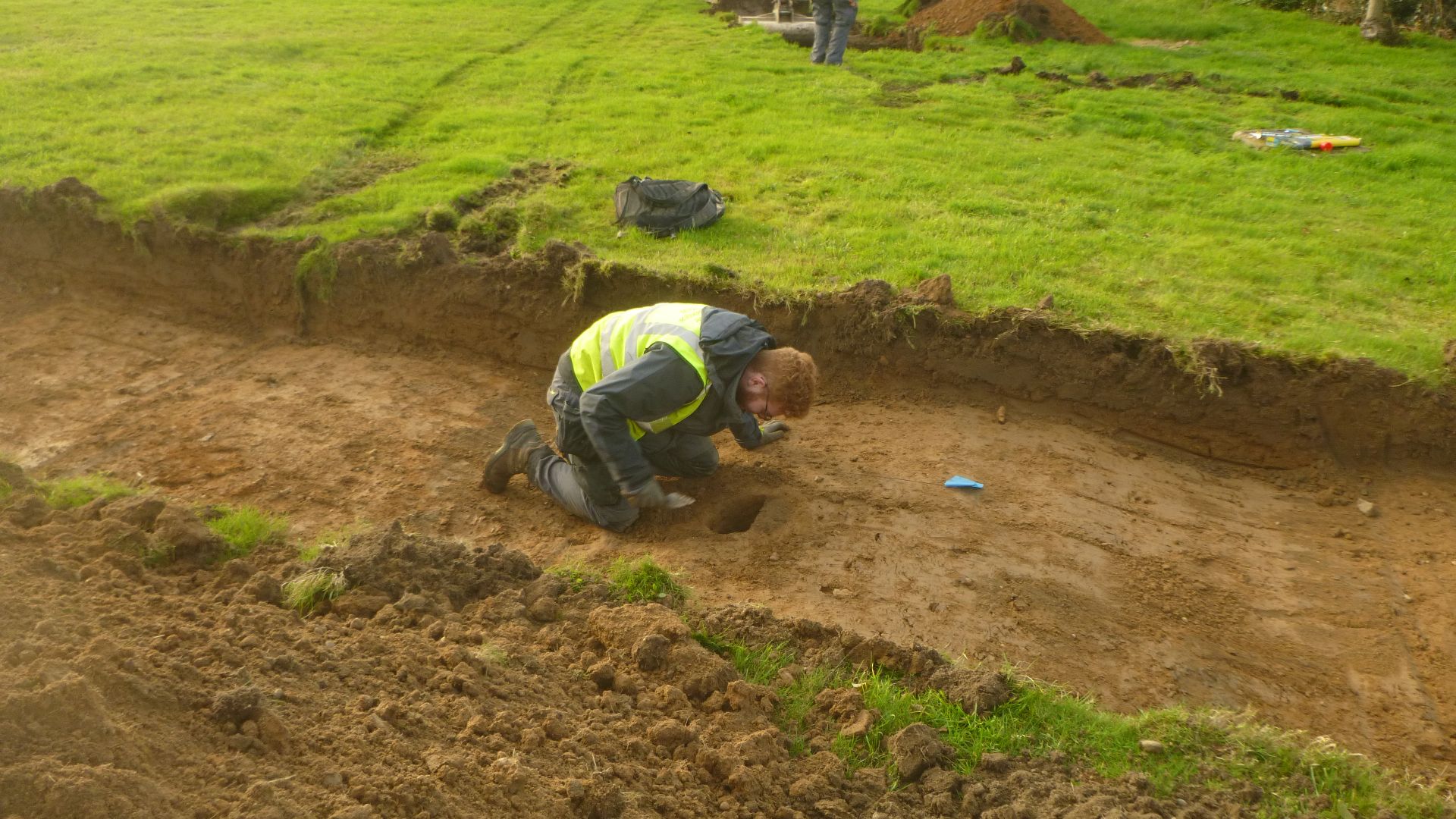
The excavation produced another intriguing collection: iron slag and pieces of poorly formed, melted glass. These materials suggest that someone at the homestead may have experimented with metalworking or glass production. Such activities would have required considerable effort, especially in a community where specialized equipment and skilled workers were not always readily available.
 Robin Mathieson, Colchester Archaeological Trust, Wikimedia Commons
Making Things Instead Of Buying Them
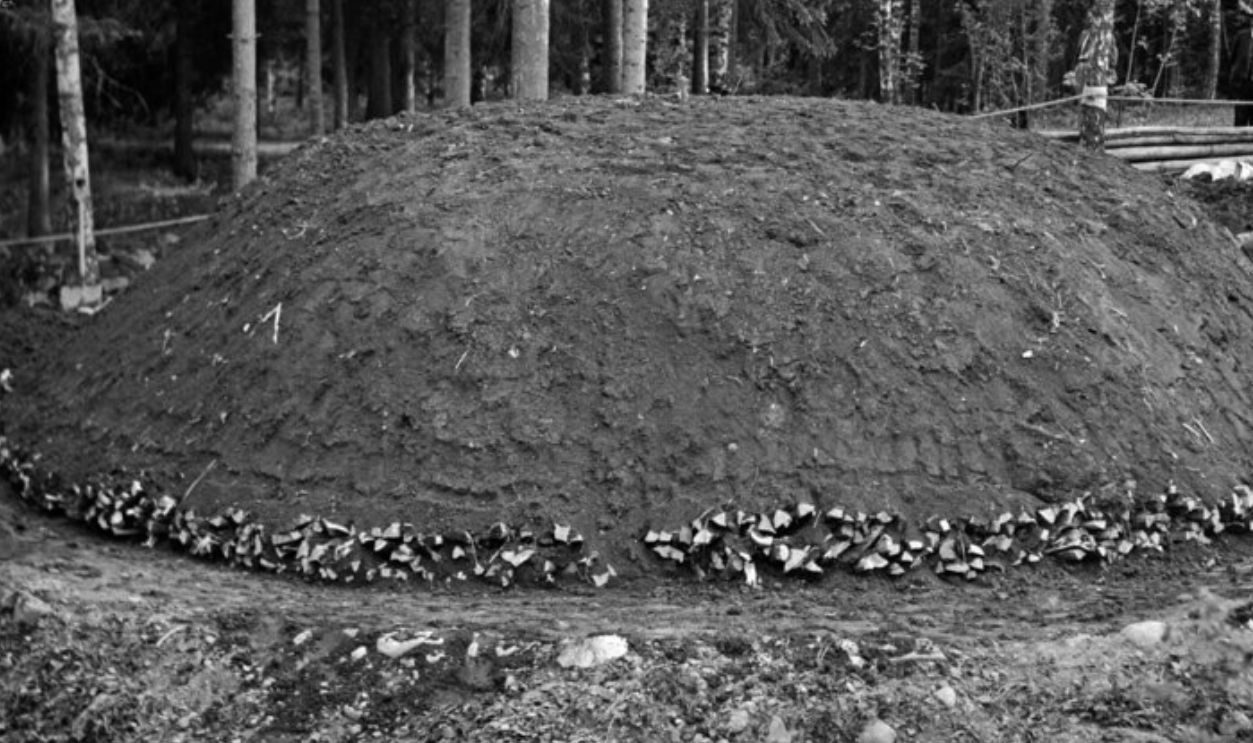
Chenoweth suggested that the unusual materials might reflect efforts to manufacture or repair useful items locally. Historical records also identify a pine-tar kiln associated with Doane's property. Together, these clues suggest a household interested in more than farming alone, perhaps experimenting with ways to meet practical needs in an isolated colonial settlement.
 Hugo Sundström, CC BY 4.0, Wikimedia Commons
The Landscape Was Changing Dramatically
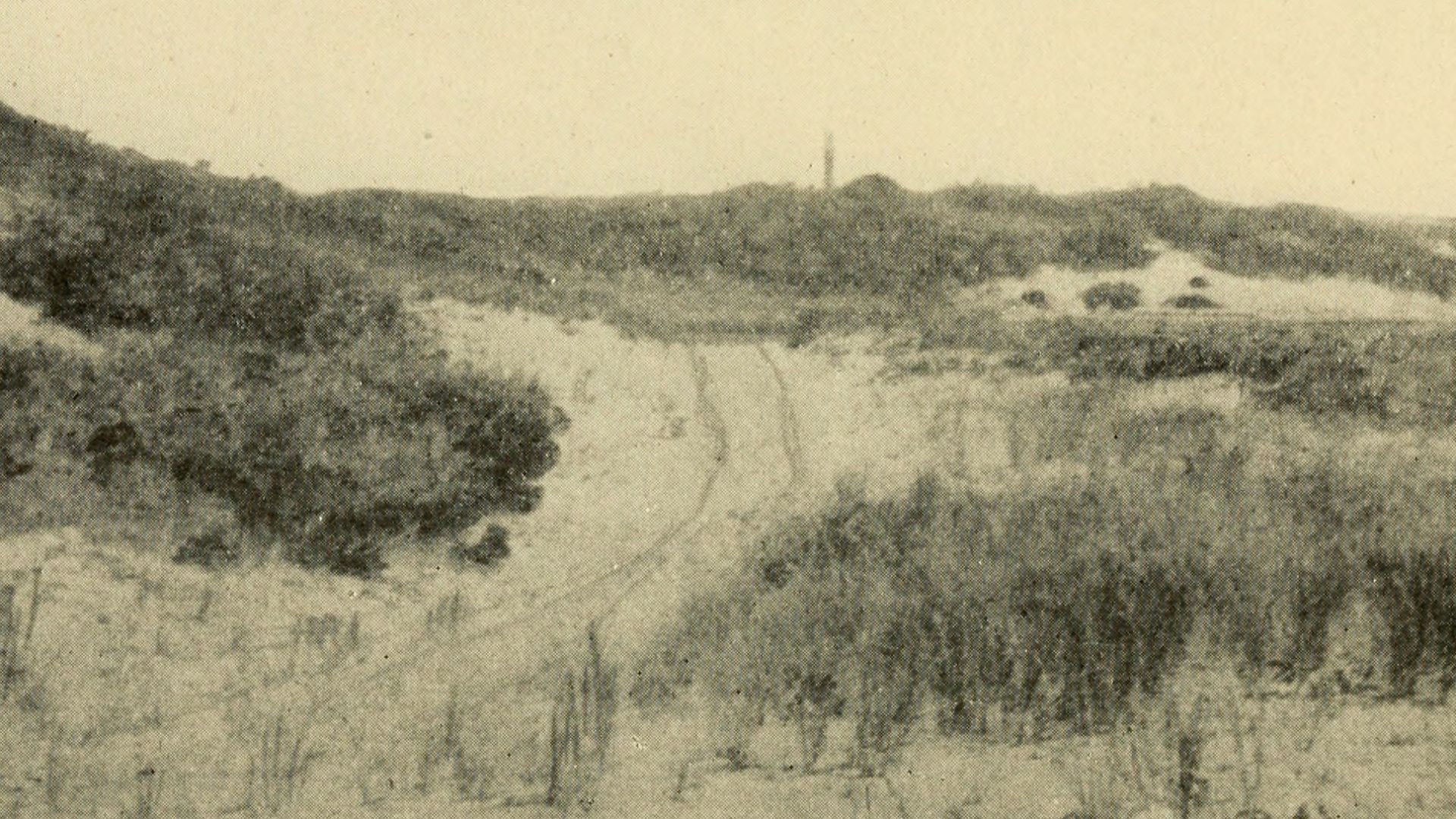
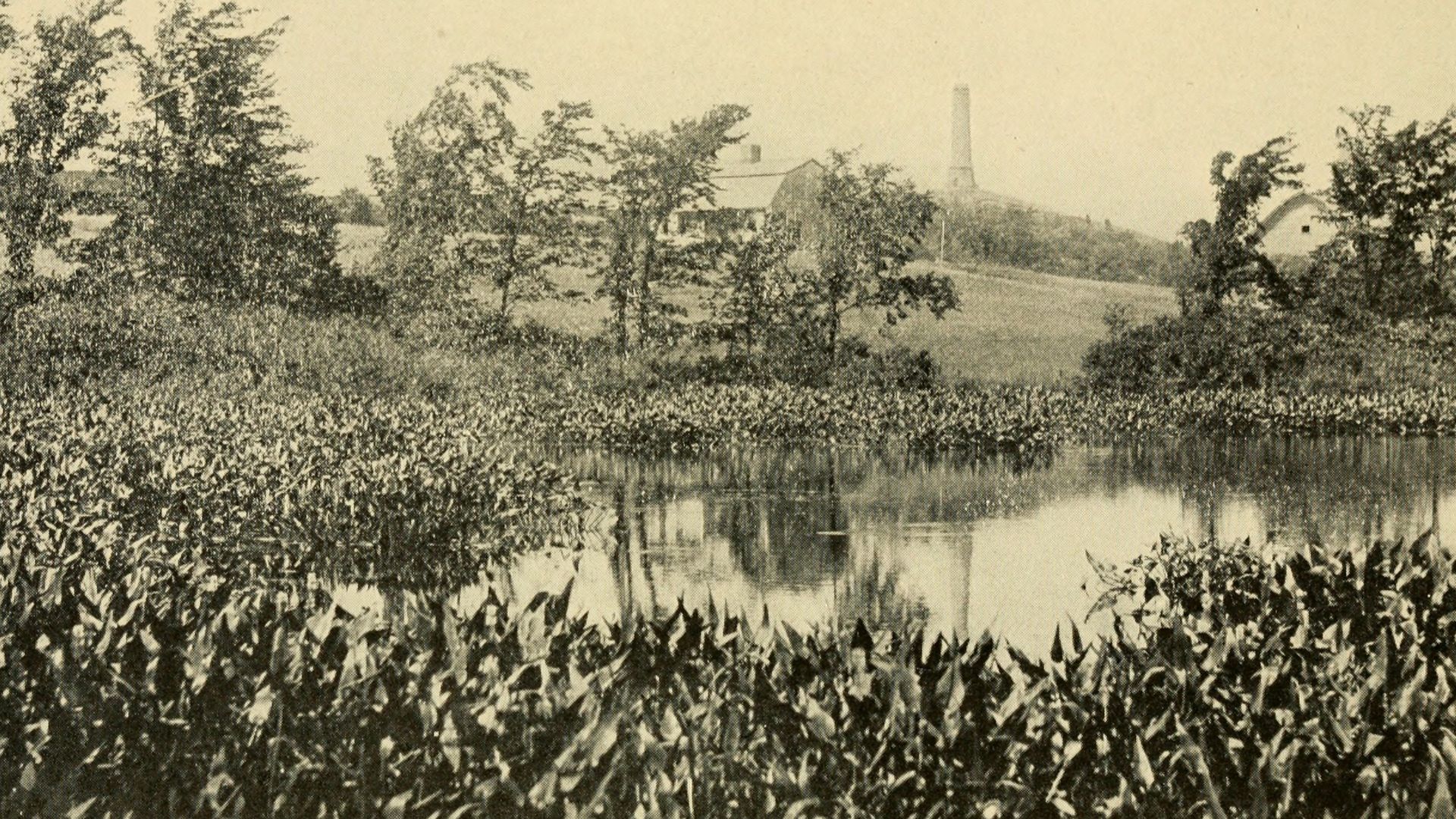
The investigation also examined environmental changes associated with English settlement. Cape Cod's landscape looked different during the 1600s, with more extensive woodlands and fertile soils. European settlers cleared land for farming and construction. Over time, deforestation and changing agricultural practices contributed to soil erosion and declining farmland quality.
 Brigham, Albert Perry, 1855-1932, Wikimedia Commons
The Nauset Had Been There Long Before
Importantly, the region wasn't an untouched wilderness when English families arrived. Indigenous Nauset communities had occupied and managed the landscape for generations. Their knowledge of local resources and environments long predated European settlement. Understanding the Doane property therefore also requires recognizing how colonization altered existing Indigenous relationships with the land.
 Internet Archive Book Images, Wikimedia Commons
The Animal Bones Told Another Story
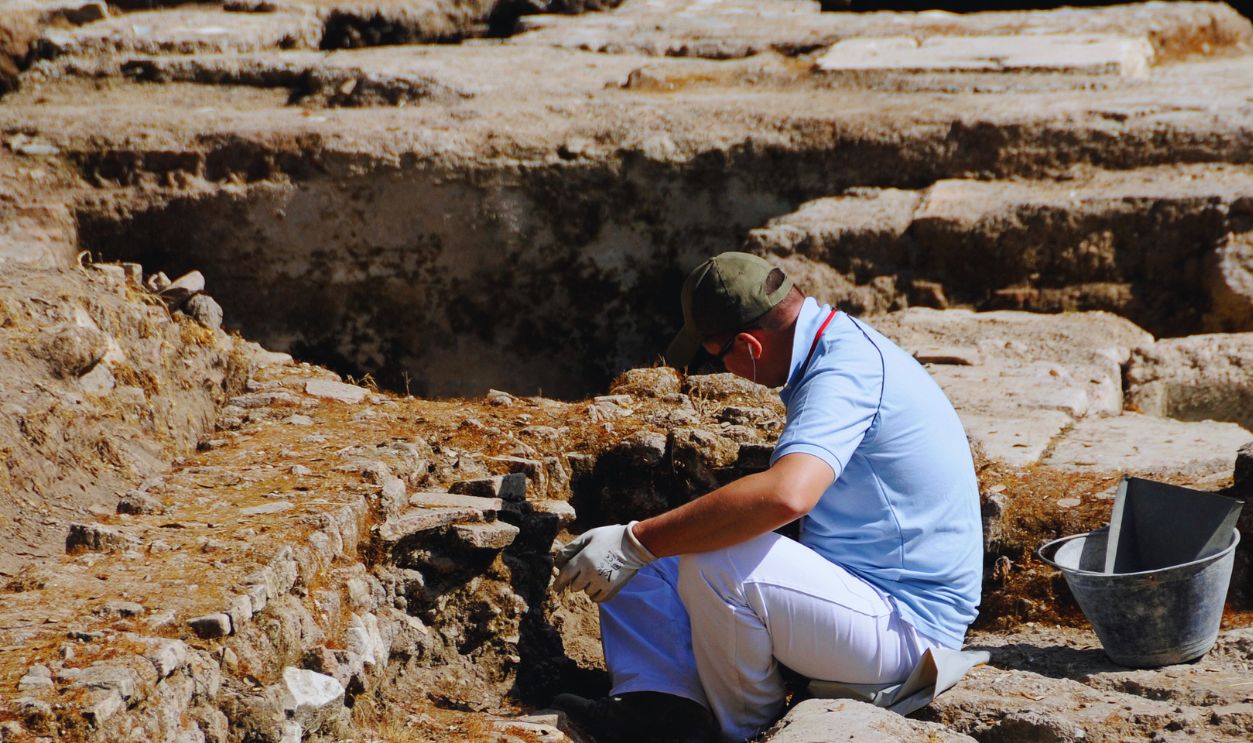
During the excavation, researchers discovered animal bones, including a cow femur showing evidence of marrow extraction. Such remains reveal how settlers processed and consumed food. Bones can offer insights into butchering, dietary habits, and resource use, although an individual example cannot establish whether an entire household experienced serious food shortages.
 Son of Groucho from Scotland, Wikimedia Commons
Why Did The Family Leave So Little Behind?
Toward the end of Doane's life, his daughter Abigail lived with him. After inheriting the property, she married and relocated to Connecticut. Researchers suspect that useful possessions and possibly parts of the building were removed or salvaged. This would help explain why relatively few household goods survived underground despite the property's impressive construction.
 YAKOBCHUK VIACHESLAV, Shutterstock
The Discoveries Changed Our Understanding
The findings, published in archaeological research in 2024 and explored further in 2026, challenge simplistic pictures of early colonial life. Doane's household combined expensive architecture with relatively modest surviving possessions, strong religious commitments, and possible industrial experimentation. Each discovery adds another layer to the story of English settlement and its effects on Cape Cod.
 Frame Stock Footage, Shutterstock
A Window Into A Complicated Colonial World
More than 350 years after settlers occupied the property, ordinary fragments of brick, glass, pottery, and bone are revealing extraordinary details. They tell a story of ambition, faith, practical ingenuity, environmental change, and colonial expansion. The greatest discovery wasn't a single precious artifact, but a clearer understanding of how people actually lived.
You May Also Like:
Wilderness Survival Stories That Changed How Millions Of Travelers Think About Risk
Vacation Expenses People Forget To Budget For Until They're Already On The Trip
Regional American Foods That Tourists Always Say They Hate—At First