America's Strangest Foods Might Actually Be Its Best
Americans have a remarkable talent for taking perfectly ordinary ingredients and combining them in ways that make visitors question everything they know about food. From noodles covered in chili to desserts made with ingredients that sound completely wrong together, regional American cuisine can be a little intimidating.
But here's the funny part. Some of the dishes that look the least appealing turn out to be surprisingly delicious.
Here are 30 regional American specialties that might make tourists hesitate before taking their first bite. And yes, some of them are much better than their names suggest.
#30. Fry Sauce — Utah
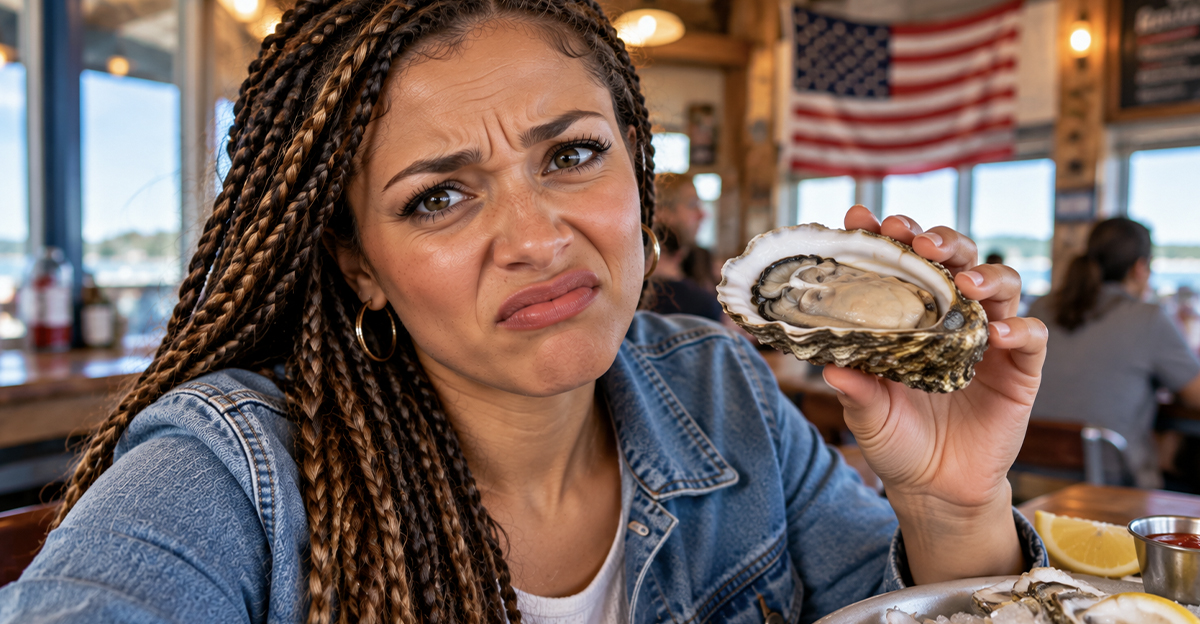
Utah residents have been mixing ketchup and mayonnaise for generations, and they take the resulting pink sauce surprisingly seriously. Visitors sometimes wonder why anyone would bother combining two condiments that already work perfectly well separately.
Then they dip a French fry into it. Suddenly, regular ketchup starts looking a little lonely. Some versions include pickle juice, garlic or other seasonings, making the combination considerably more interesting than it first appears.
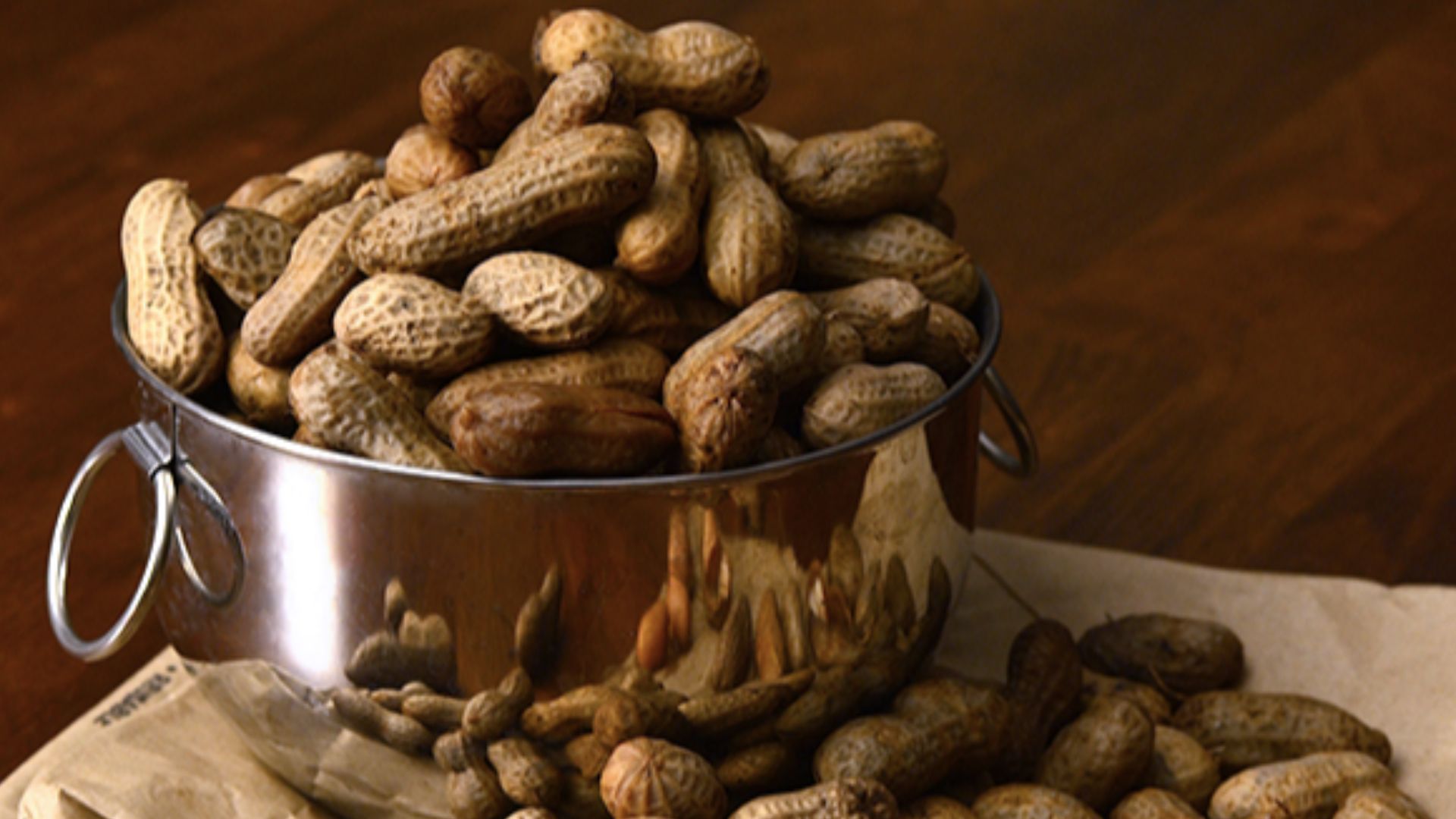
#29. Boiled Peanuts — Georgia
Most tourists expect peanuts to be crunchy. Georgia has other ideas. Across the South, fresh or raw peanuts are boiled in salted water until their shells and contents become soft.
The texture can be a shock, especially if you're expecting something from a baseball stadium. But once visitors get past the squishy surprise, the salty, earthy flavor can become strangely addictive. They're practically a Southern road-trip tradition.
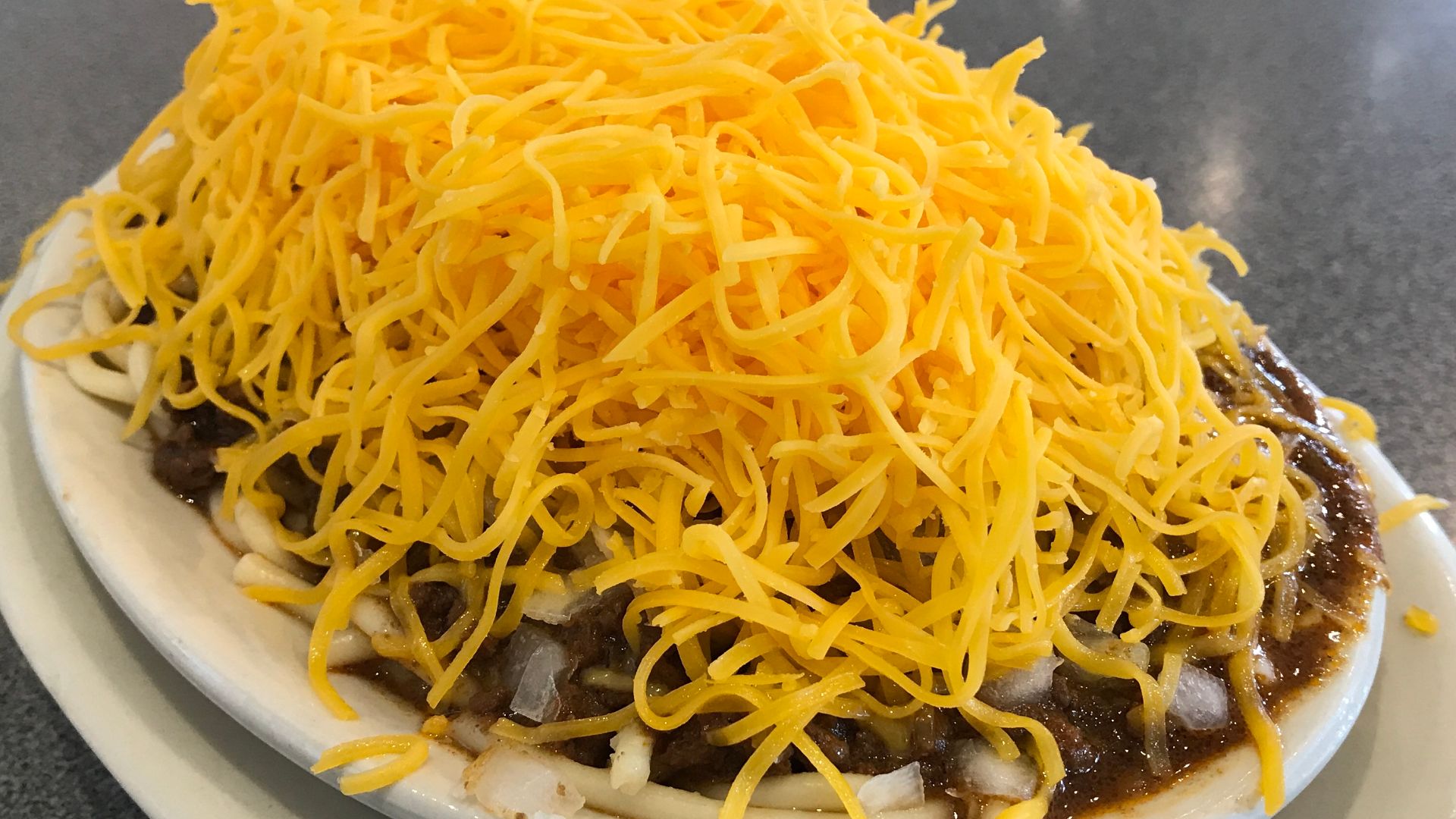
#28. Cincinnati Chili — Ohio
Imagine ordering chili and receiving a plate of spaghetti covered in a thin, heavily spiced meat sauce. Now imagine discovering that cinnamon and other warm spices might be involved.
Welcome to Cincinnati. The city's famous chili is commonly served over spaghetti, sometimes buried beneath shredded cheddar cheese. Locals even have a system of ordering it by the number of toppings. Tourists may question the entire arrangement until they realize it works surprisingly well.
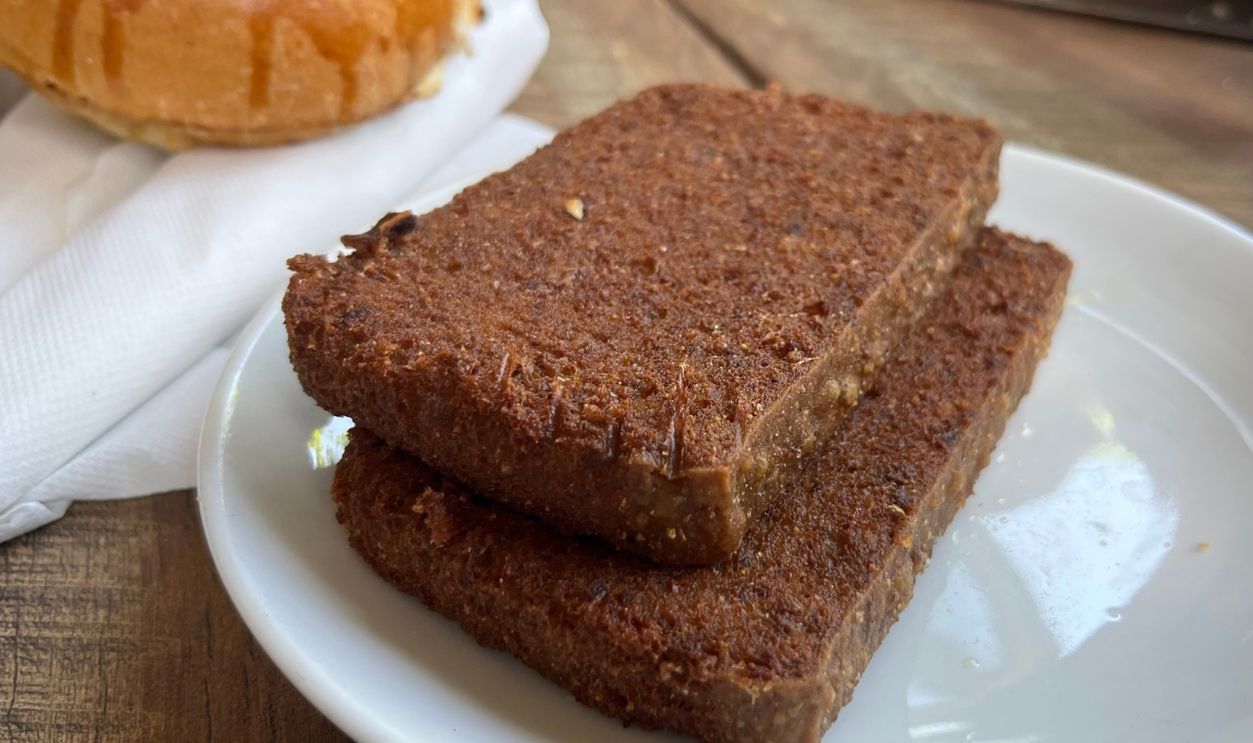
#27. Scrapple — Pennsylvania
Pennsylvania's scrapple doesn't exactly win people over with its name. Traditionally made from pork trimmings, broth and grain, the mixture is formed into a loaf, sliced and fried.
That description can send first-time visitors straight toward the pancakes. But properly cooked scrapple develops a crispy exterior and a soft, savory center. Add eggs and toast, and suddenly this old-fashioned Pennsylvania Dutch breakfast starts making a lot more sense.
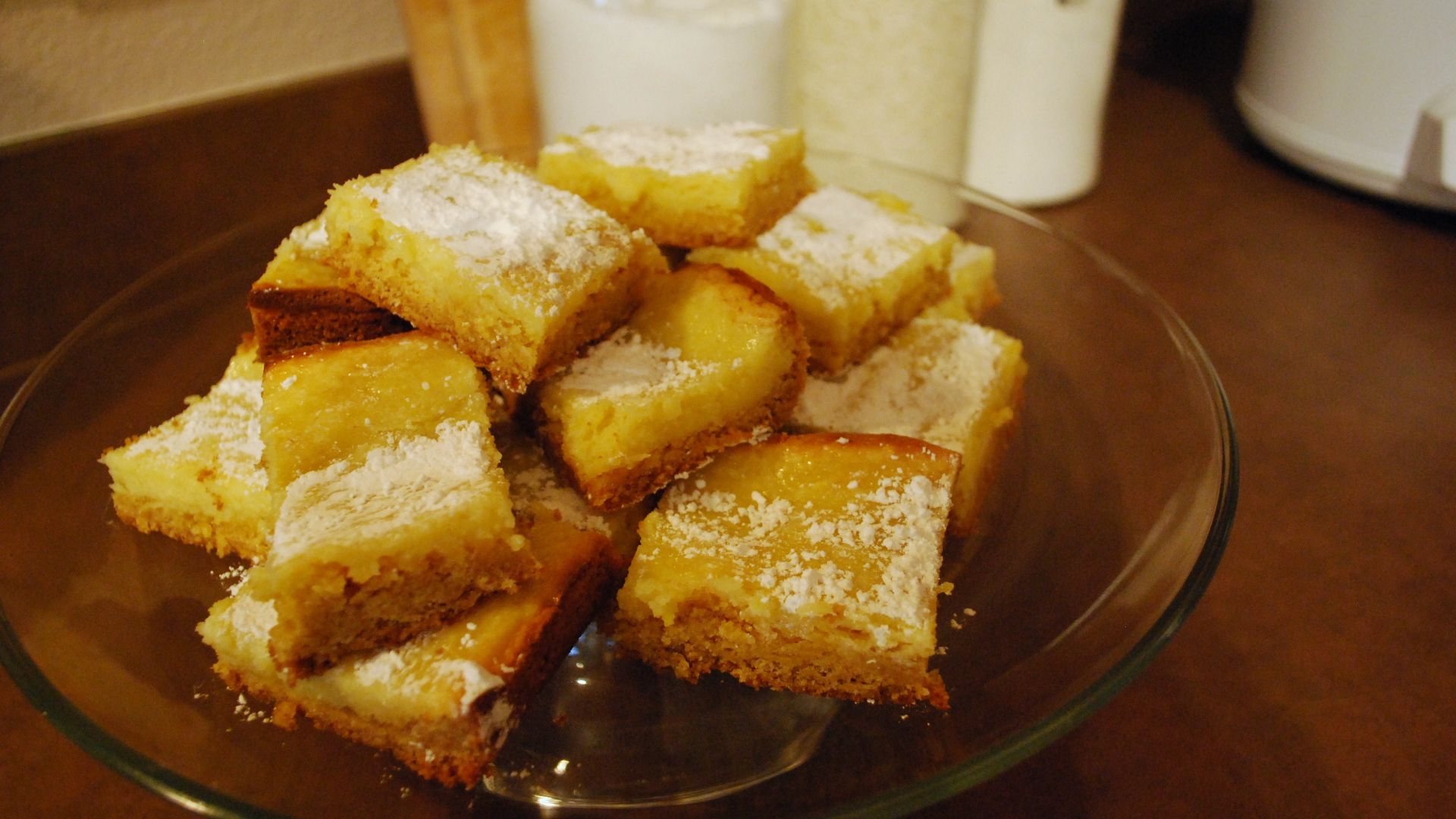
#26. Gooey Butter Cake — Missouri
St. Louis has a dessert that looks suspiciously like someone forgot to finish baking it. Gooey butter cake features a dense, buttery base topped with a rich, soft layer that remains delightfully sticky.
Tourists unfamiliar with it sometimes wonder whether the center is supposed to look that way. It absolutely is. After one bite, most people stop asking questions and start wondering whether ordering a second piece would be excessive.
#25. Pickle Roll-Ups — Minnesota
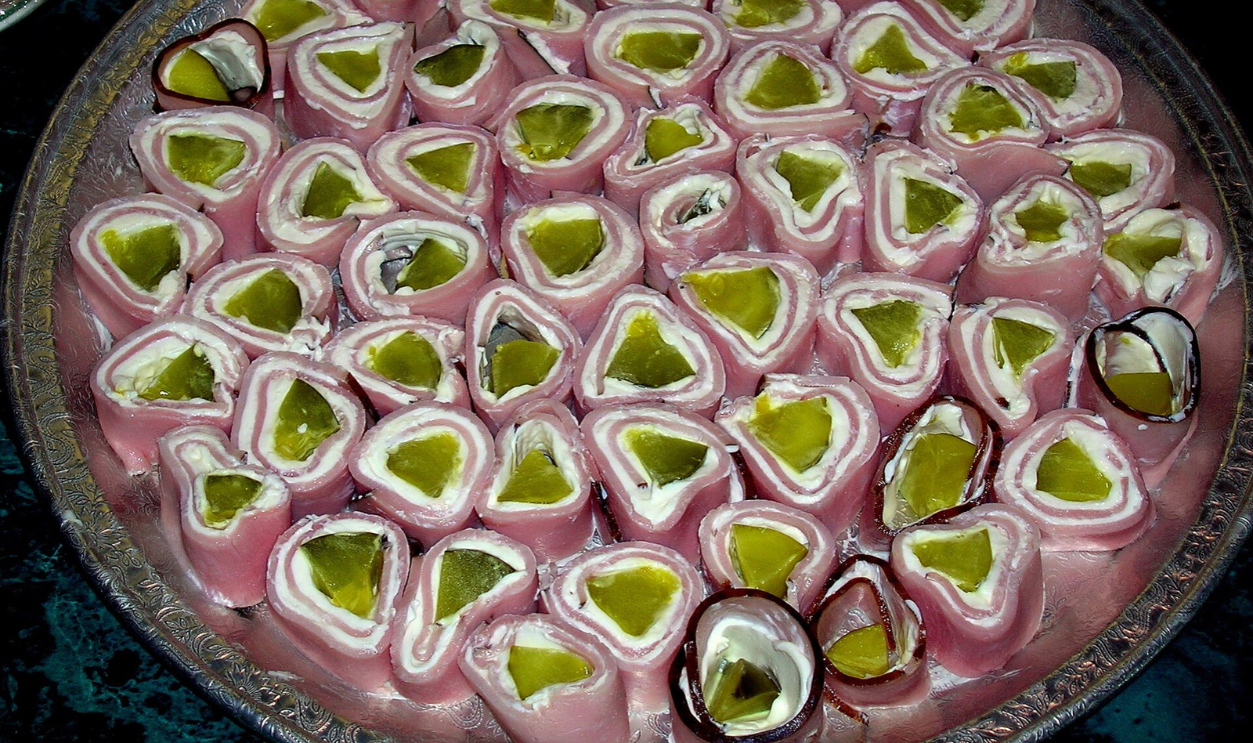
Minnesota's pickle roll-ups sound like something invented by a person staring into an almost-empty refrigerator. A pickle gets wrapped in cream cheese and deli meat, often ham, before being sliced into bite-sized pieces.
The combination seems ridiculous until you try it. The salty meat, creamy cheese and crunchy pickle work together remarkably well. They're sometimes called Minnesota sushi, although sushi enthusiasts may have several objections.
#24. Chitlins — The American South
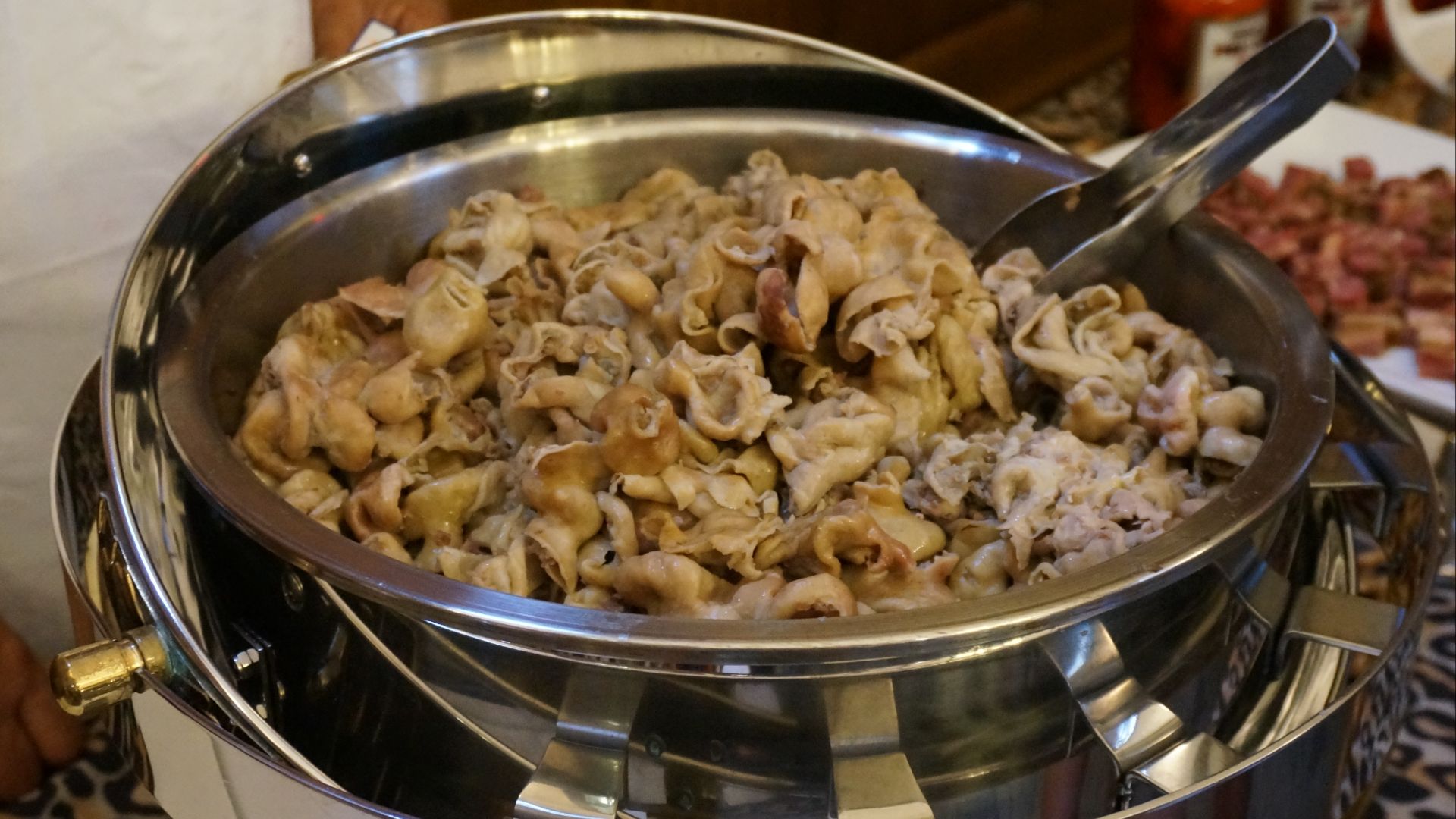
Chitlins, also called chitterlings, are made from cleaned and cooked pig intestines. They're deeply connected to Southern food traditions, particularly African American cooking, but their preparation can surprise visitors unfamiliar with the dish.
The aroma during cooking can be particularly challenging for newcomers. However, careful preparation and generous seasoning produce a rich, distinctive flavor that longtime fans appreciate. This is definitely one of those foods where knowing the cook makes a difference.
 Humanities Writ Large, Wikimedia Commons
#23. Tater Tot Hotdish — Minnesota
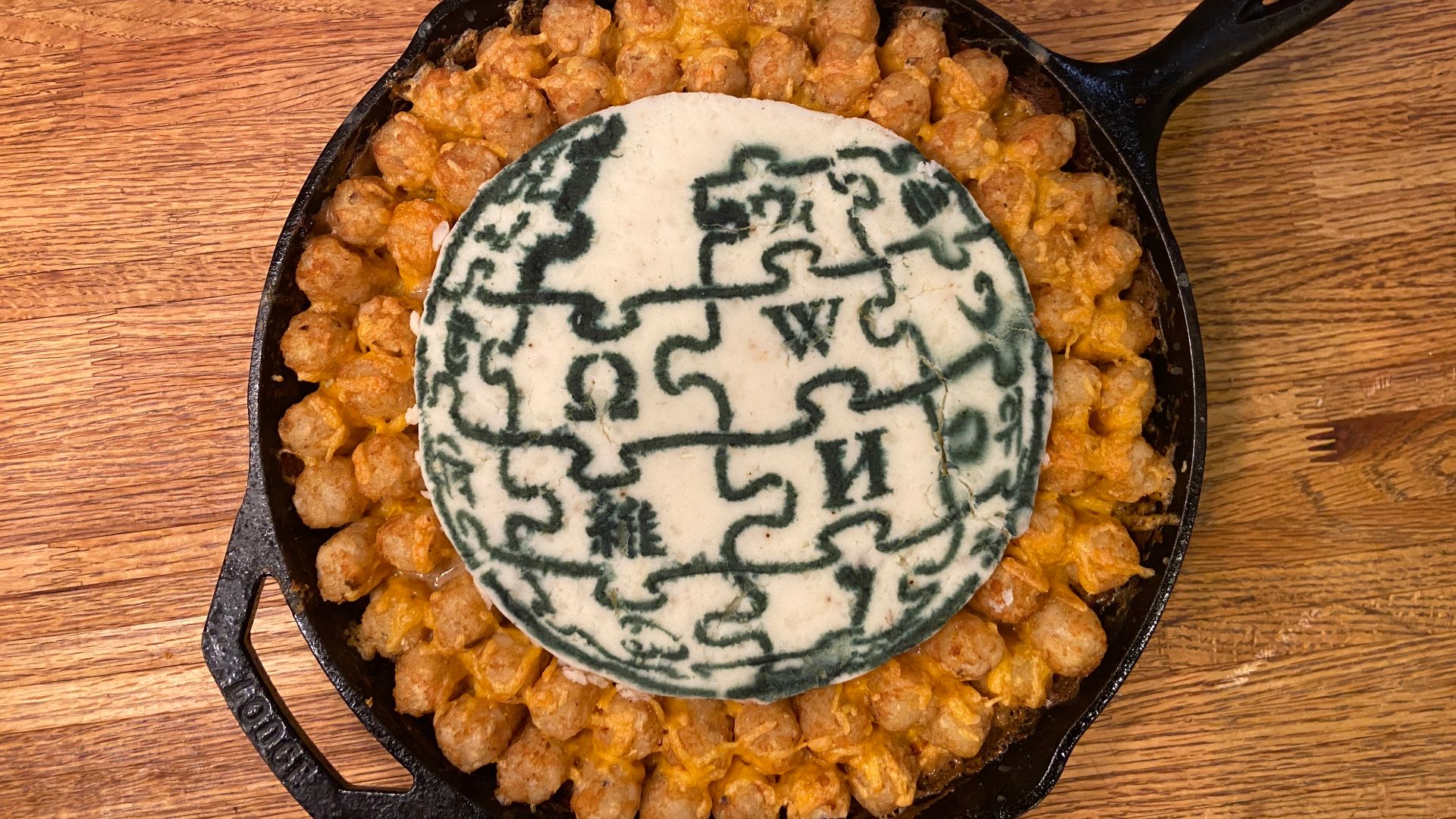
Minnesota has a talent for turning simple ingredients into extremely comforting casseroles. Tater Tot hotdish typically combines ground beef, vegetables, condensed soup and a crispy layer of Tater Tots.
Visitors sometimes dismiss it as something assembled from whatever happened to be left in the freezer. That's not entirely unfair, but it's also part of the charm. One serving can make a cold Minnesota evening considerably more tolerable.
#22. Fried Green Tomatoes — The South
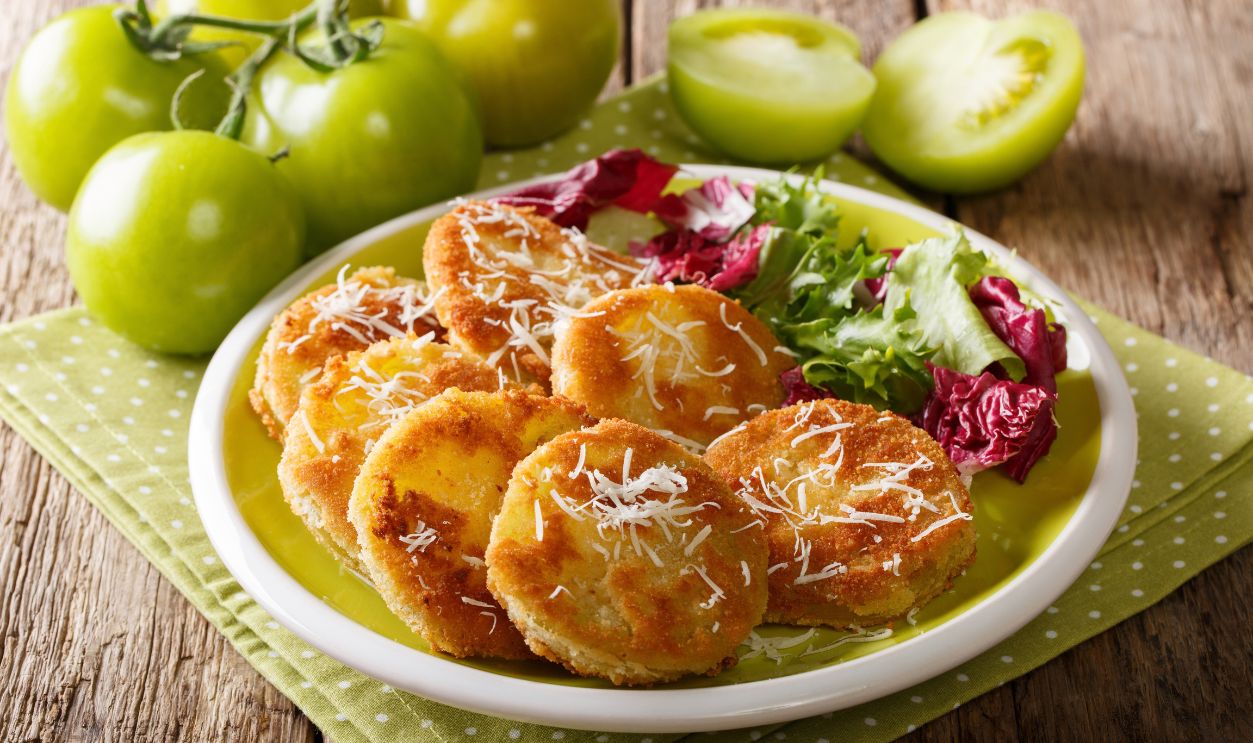
Tourists sometimes assume green tomatoes are simply tomatoes that haven't finished ripening. Why would anyone deliberately eat those?
Southern cooks have a very good answer. Sliced green tomatoes are coated in cornmeal or another seasoned breading and fried until golden. Their tart flavor contrasts beautifully with the crispy coating. Add a dipping sauce, and suddenly waiting for tomatoes to ripen seems completely unnecessary.
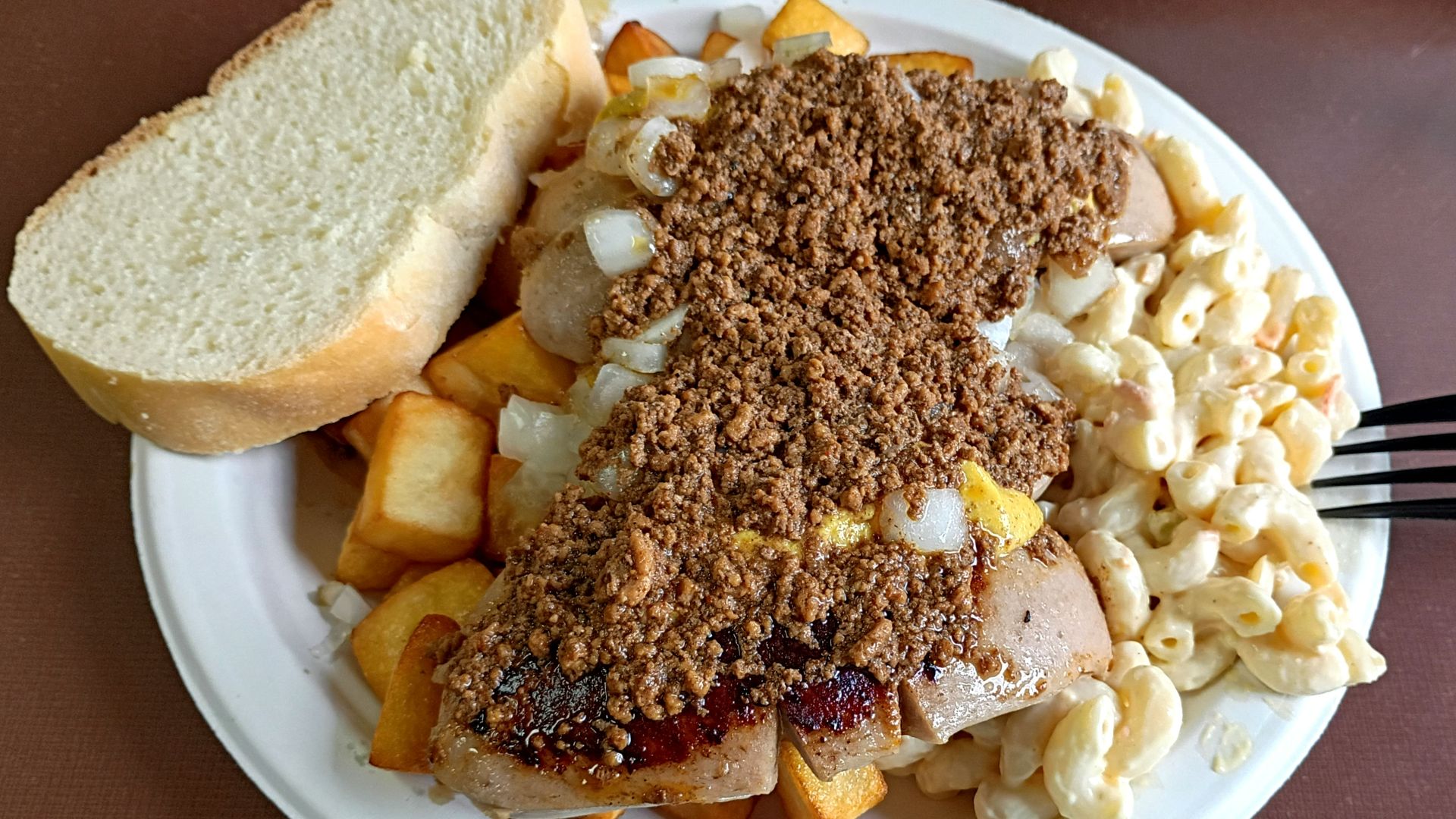
#21. Garbage Plate — Rochester, New York
Rochester's famous Garbage Plate might have the least appetizing name in American dining. Fortunately, the actual food is considerably more appealing.
A typical plate combines items such as hamburgers or hot dogs with home fries, macaroni salad and a spicy meat sauce. Everything arrives together in one gloriously chaotic arrangement. Tourists may wonder whether the kitchen accidentally dropped several meals onto the same plate, but Rochester residents know better.
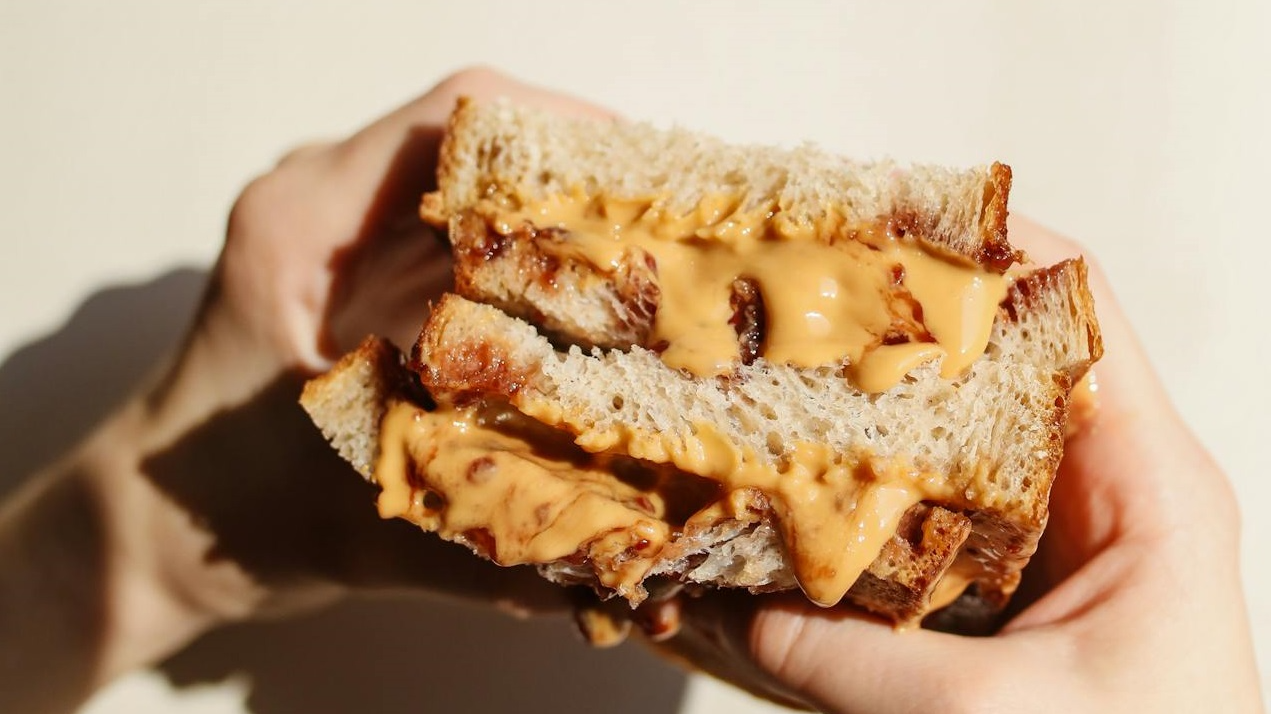
#20. Peanut Butter And Mayonnaise Sandwich — The South
Peanut butter and jelly make perfect sense together. Peanut butter and mayonnaise sound like two ingredients that should never meet.
Yet this old-fashioned sandwich has appeared in Southern American kitchens for generations. The mayonnaise adds tanginess and moisture to the rich peanut butter, creating a combination that's less bizarre than it sounds. Some versions include banana or lettuce, just in case the original wasn't confusing enough.
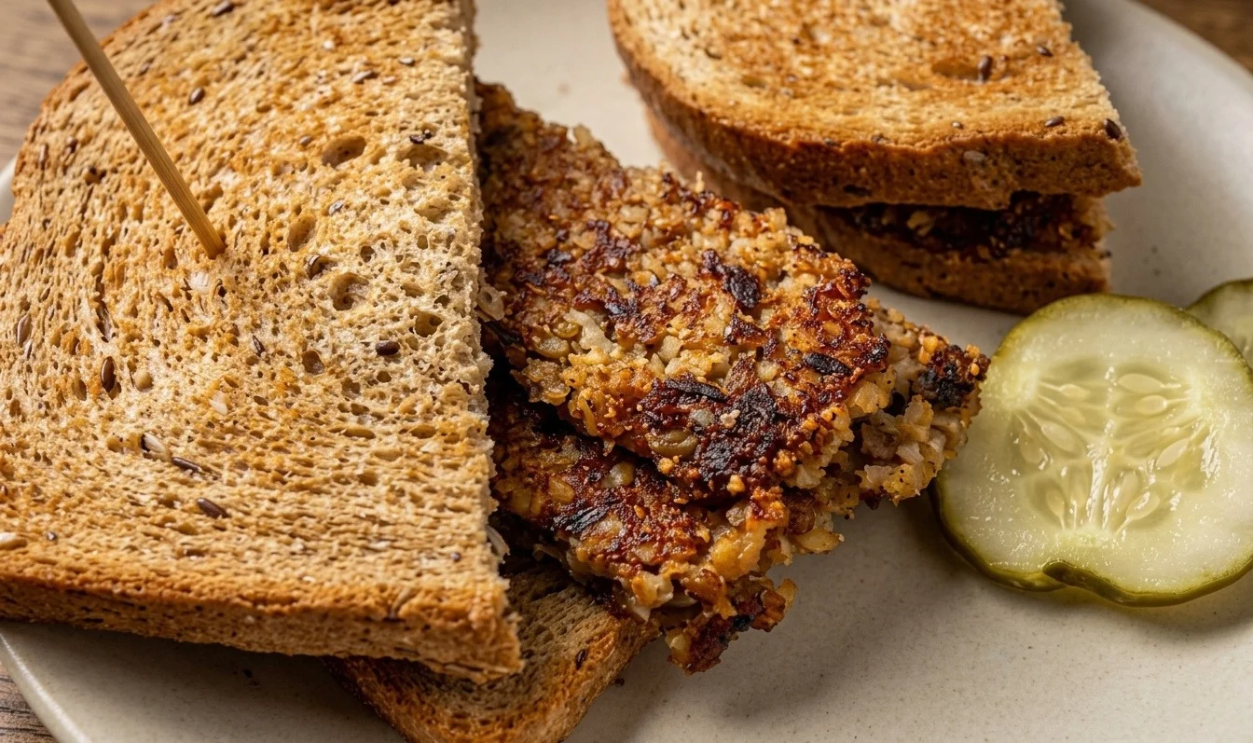
#19. Goetta — Cincinnati, Ohio
Cincinnati has another regional specialty that outsiders often struggle to understand. Goetta combines meat, steel-cut oats and seasonings into a mixture that can be sliced and fried.
Its German-American roots go back generations, and locals treat it as a beloved breakfast staple. Visitors sometimes assume it's just unusual sausage. But the crispy exterior and hearty, slightly chewy interior give goetta a character entirely its own.
 David Berkowitz, Wikimedia Commons, Modified
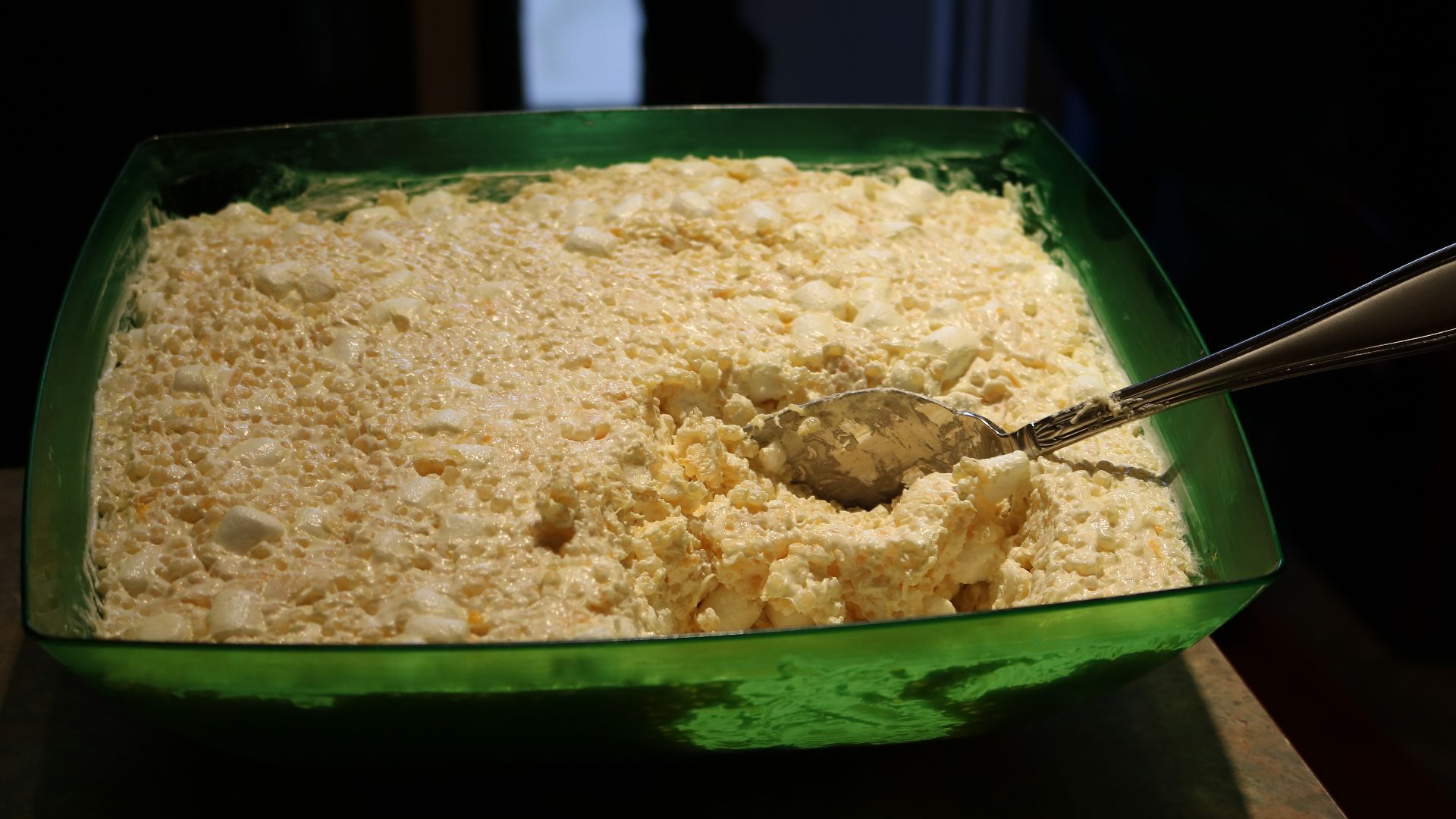
#18. Frog Eye Salad — Utah
Before anyone panics, frog eye salad contains absolutely no frog eyes. The name comes from tiny pasta pieces that supposedly resemble them.
This sweet dish typically combines small pasta, pineapple, whipped topping and other ingredients. Tourists expecting a vegetable salad may be deeply confused when dessert arrives instead. But in parts of the Mountain West, this unusual combination has long been a favorite at family gatherings.
 Jeffrey Beall, Wikimedia Commons
#17. Pimento Cheese — The South
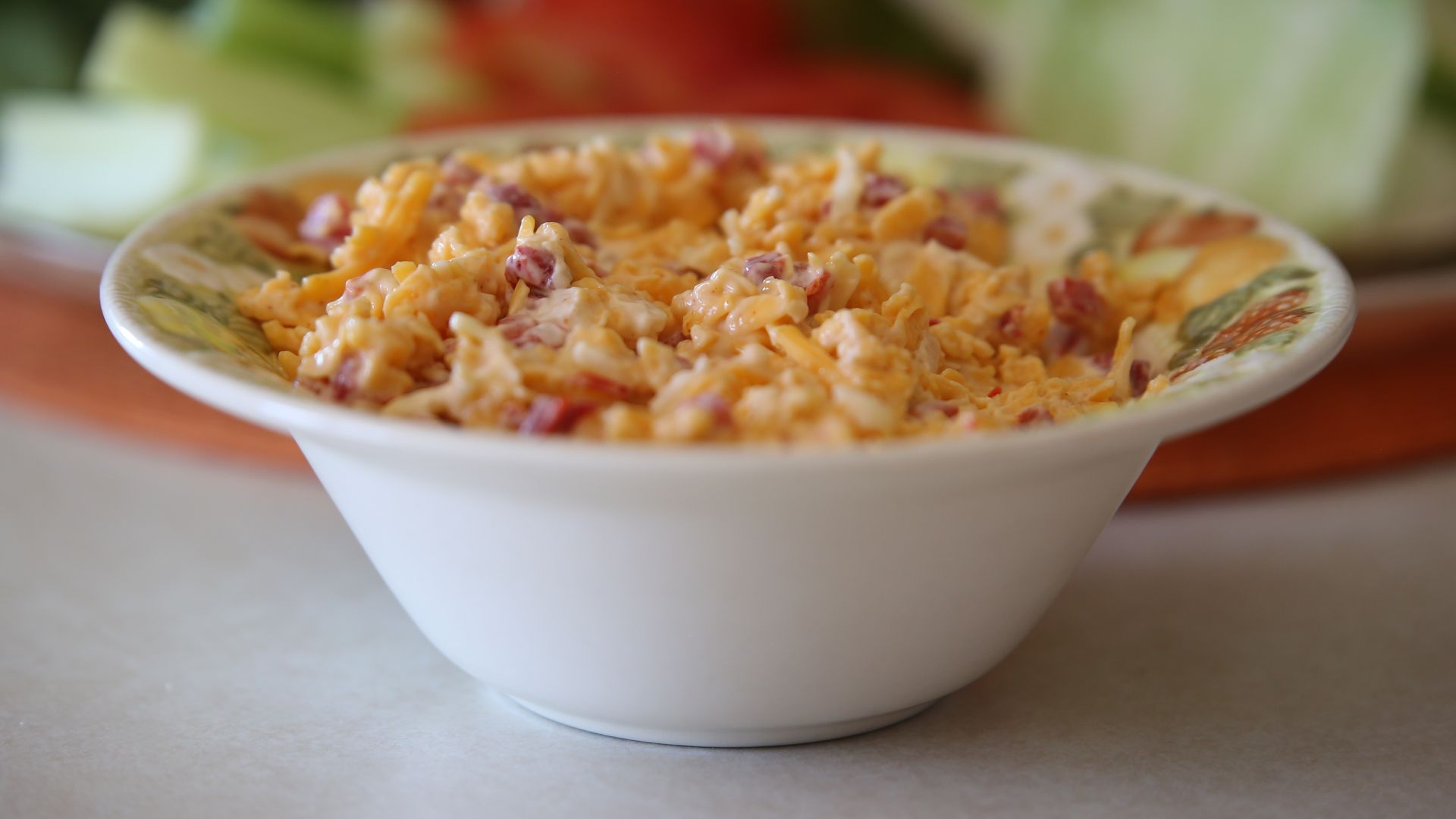
To outsiders, pimento cheese can look like someone mixed shredded cheddar with mayonnaise and decided to call it a meal.
Across the South, however, this creamy spread is practically an institution. Made with cheese, mayonnaise and pimentos, it's served in sandwiches, on crackers or alongside vegetables. Its rich, tangy flavor has earned it a devoted following. Visitors who initially question the texture often end up asking for the recipe.
 Carol VanHook, Wikimedia Commons
#16. Rocky Mountain Oysters — Colorado And Montana
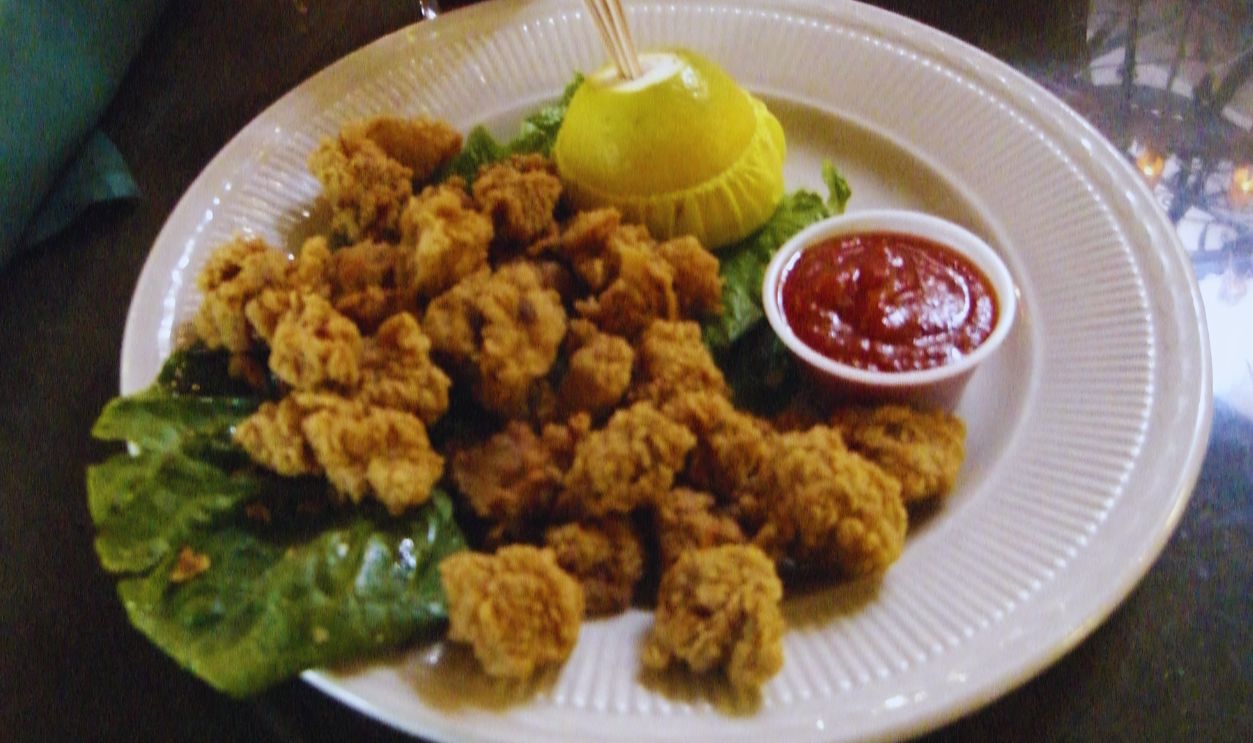
Here's a useful travel tip: Rocky Mountain oysters are not seafood. They're typically bull testicles that have been cleaned, sliced, breaded and fried.
The name alone has surprised countless newcomers at Western restaurants and festivals. Once visitors discover what they're actually eating, reactions can be entertaining. But the finished dish is generally mild and crispy, especially when served with a flavorful dipping sauce.
 Vincent Diamante from Los Angeles, CA, USA, Wikimedia Commons
#15. Frito Pie — New Mexico And Texas
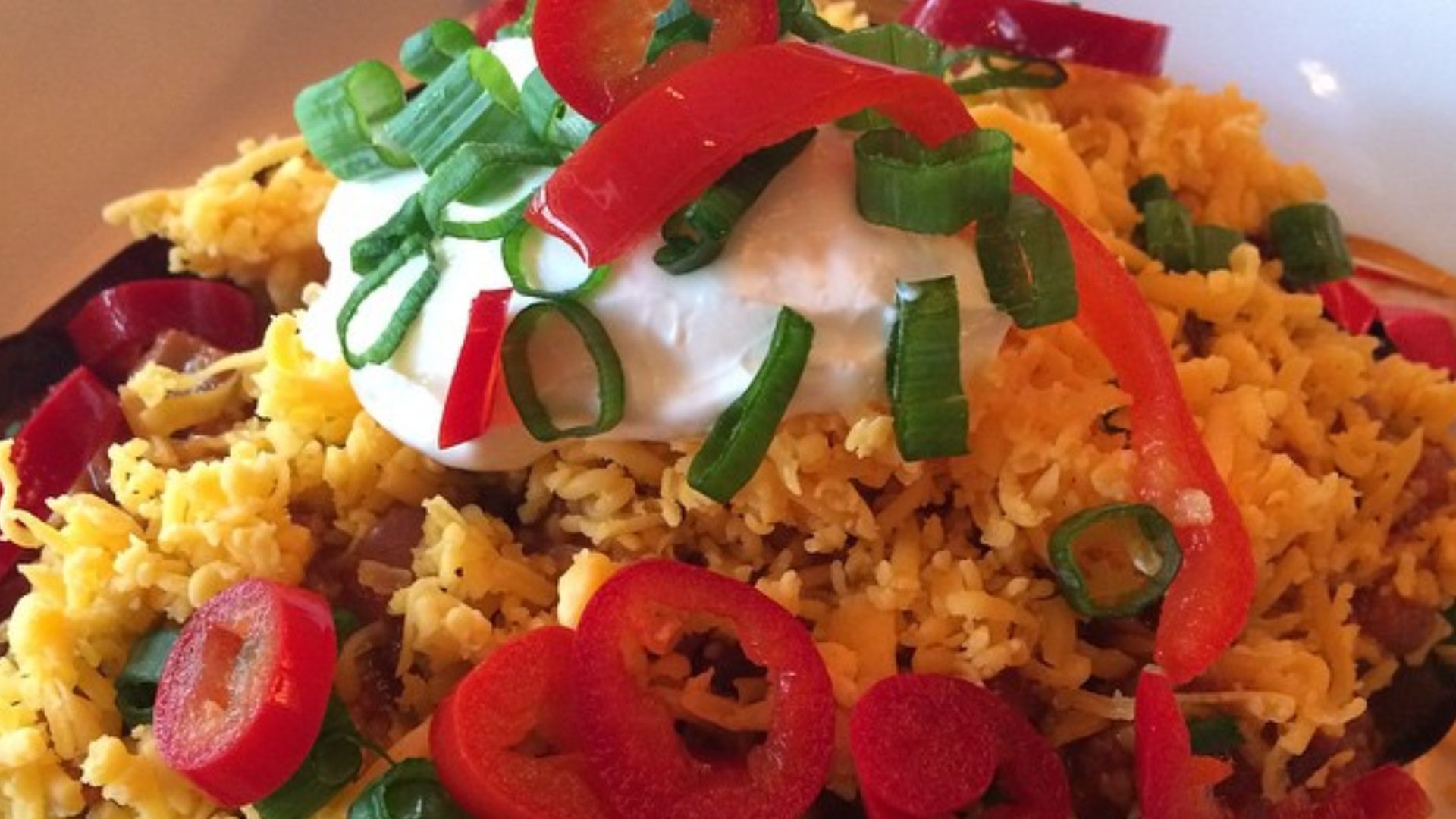
Some regional dishes look like elaborate culinary creations. Frito pie looks like someone poured dinner directly into a bag of chips.
The basic combination involves corn chips topped with chili, cheese and other ingredients. In some versions, everything is served right inside the opened chip bag. Tourists may question the presentation, but the crunchy chips and savory toppings make an undeniably satisfying combination.
 Arnold Gatilao from Oakland, CA, USA, Wikimedia Commons
#14. Livermush — North Carolina
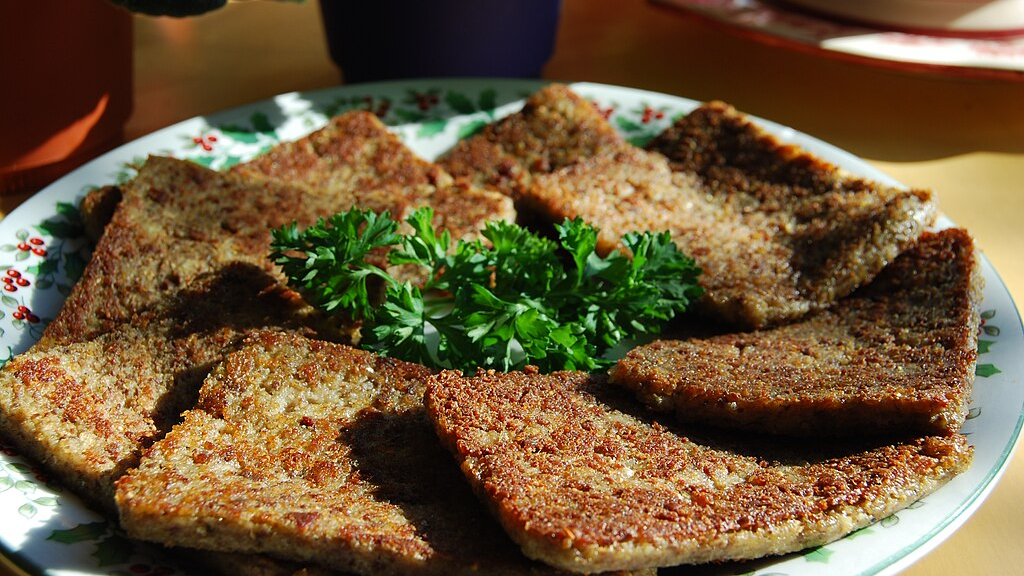
Western North Carolina has a breakfast specialty that doesn't exactly sound like a marketing success. Livermush is made with pork liver, other pork ingredients, cornmeal and seasonings.
The mixture is formed into a loaf, sliced and fried until crispy. Visitors unfamiliar with liver-based foods may hesitate, but locals appreciate its rich flavor and satisfying texture. Served inside a biscuit, it's a regional breakfast tradition worth understanding before judging.
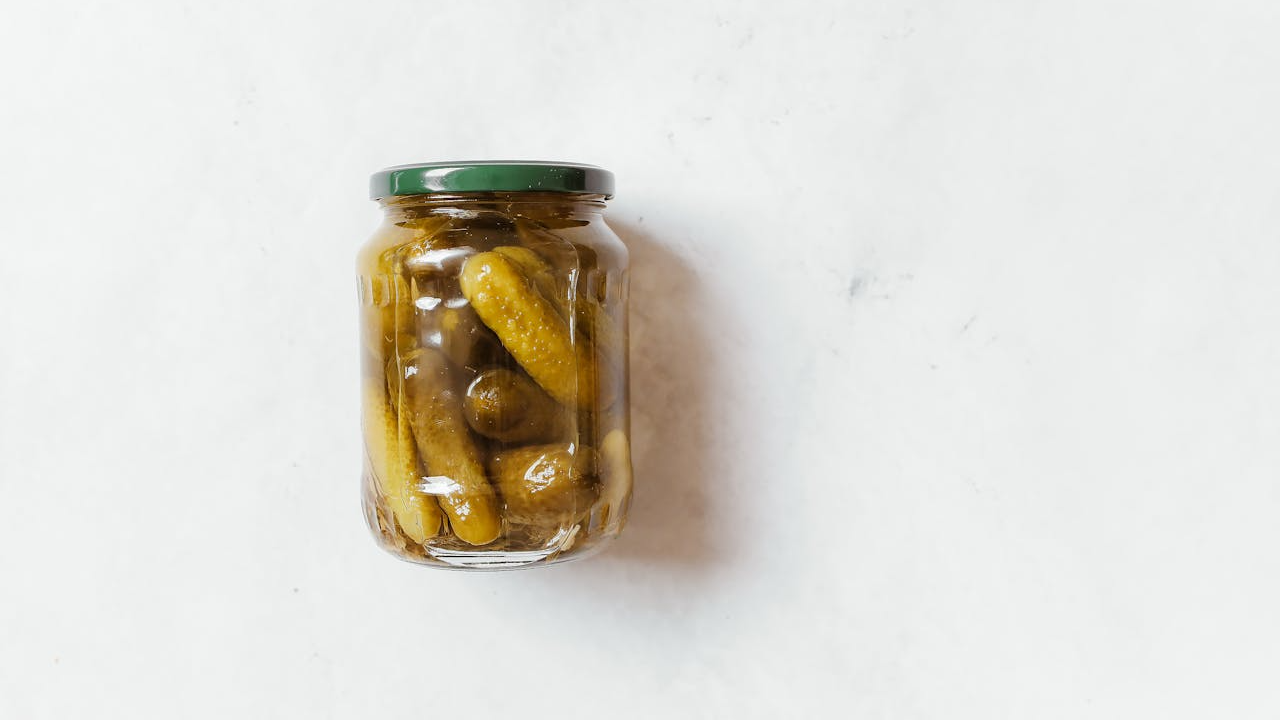
#13. Kool-Aid Pickles — Mississippi
Mississippi's Kool-Aid pickles, sometimes called koolickles, are exactly what they sound like. Pickles are soaked in a sweet, colorful drink mixture until they absorb the flavor.
The result is a combination of sour, salty and sweet that can seem completely unreasonable. Their bright colors don't exactly help convince skeptical visitors. But for people who enjoy bold contrasts, these pickles deliver a surprisingly entertaining snack.
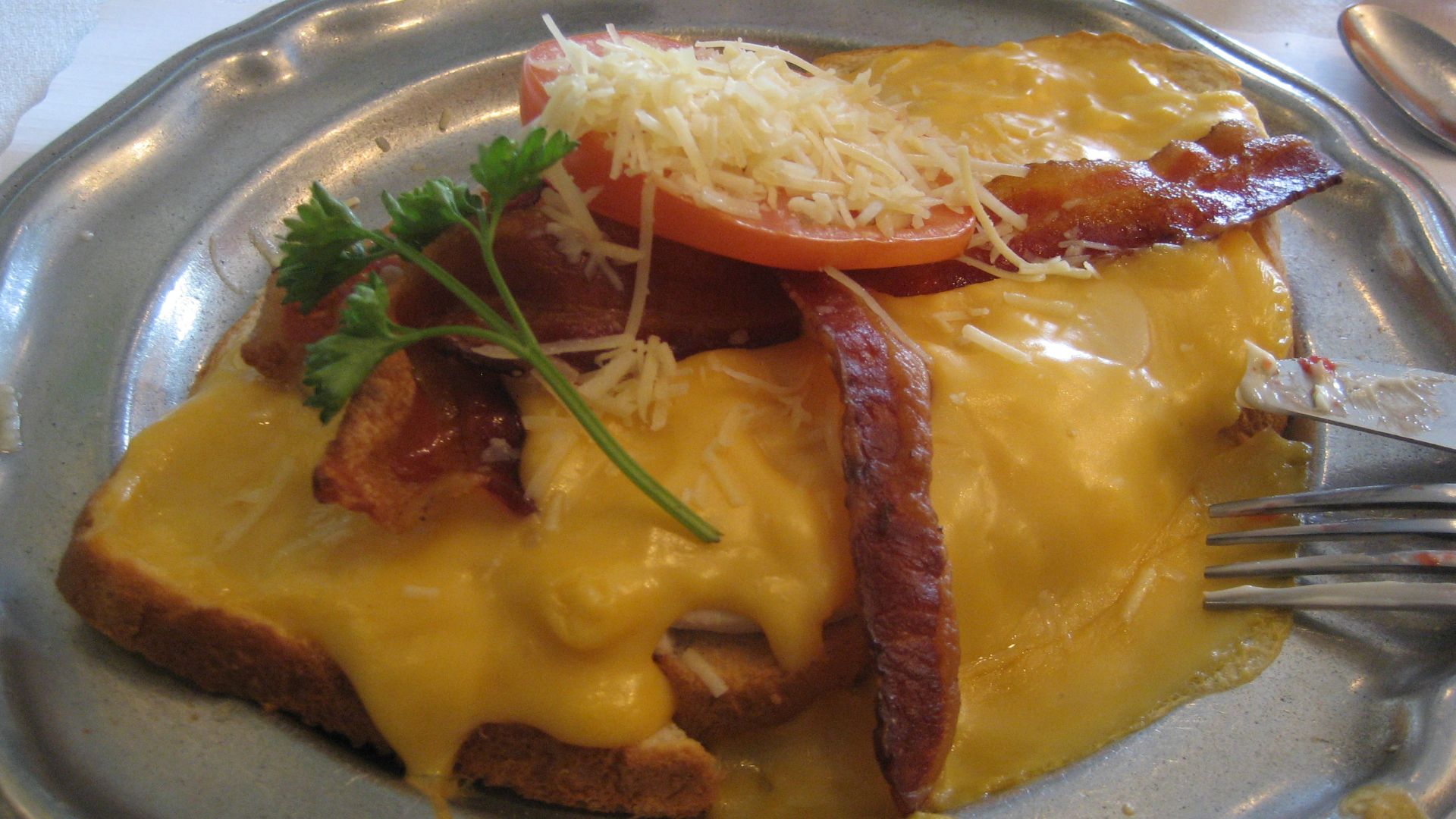
#12. Hot Brown — Kentucky
Louisville's famous Hot Brown looks like someone decided an ordinary turkey sandwich wasn't nearly complicated enough.
Created at the Brown Hotel in the 1920s, this open-faced dish traditionally combines turkey, toast, bacon and a rich cheese sauce before being browned. It's indulgent, messy and definitely not something you casually eat while driving. Visitors may question the enormous amount of sauce until they taste it.
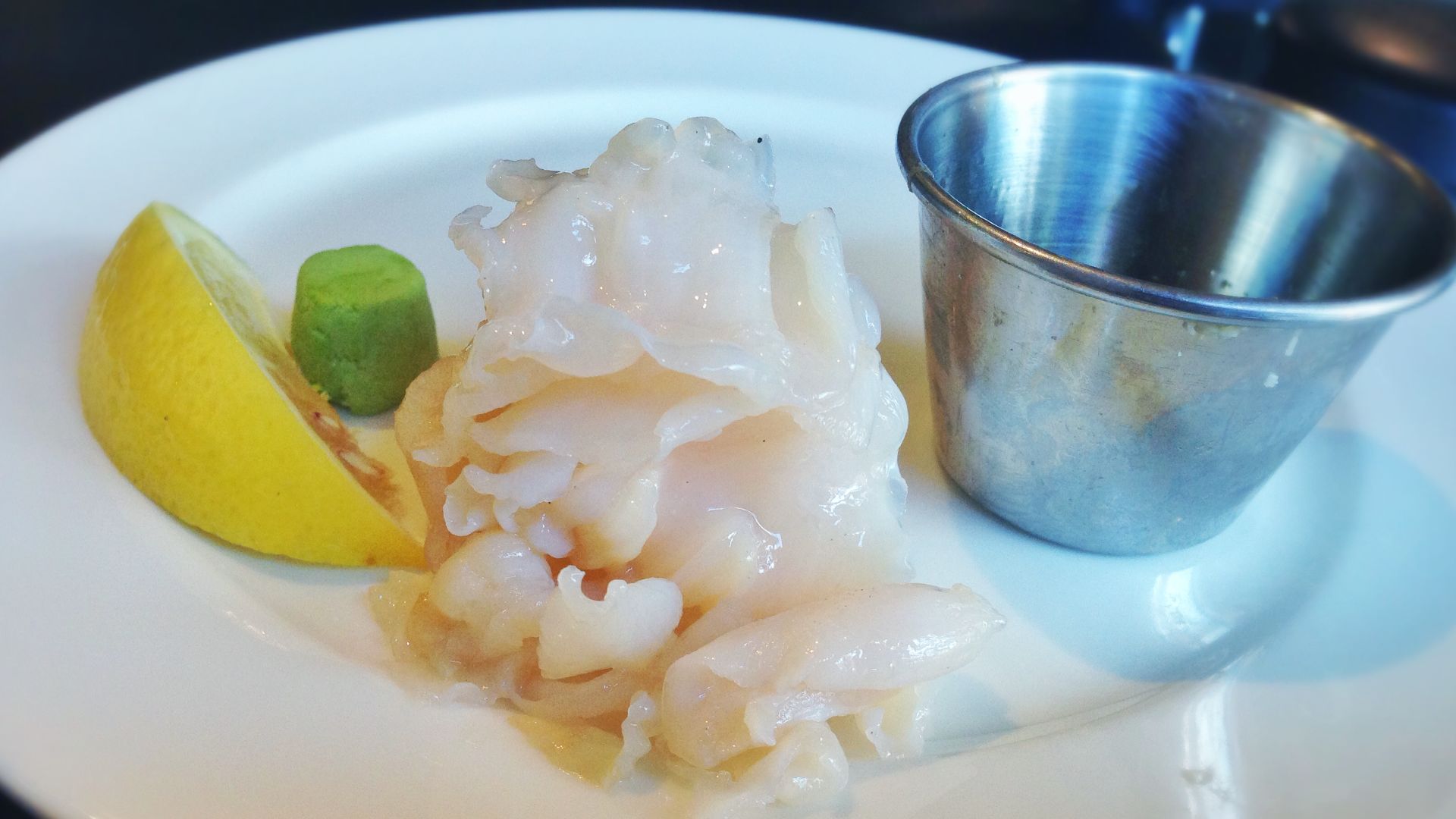
#11. Geoduck — Washington
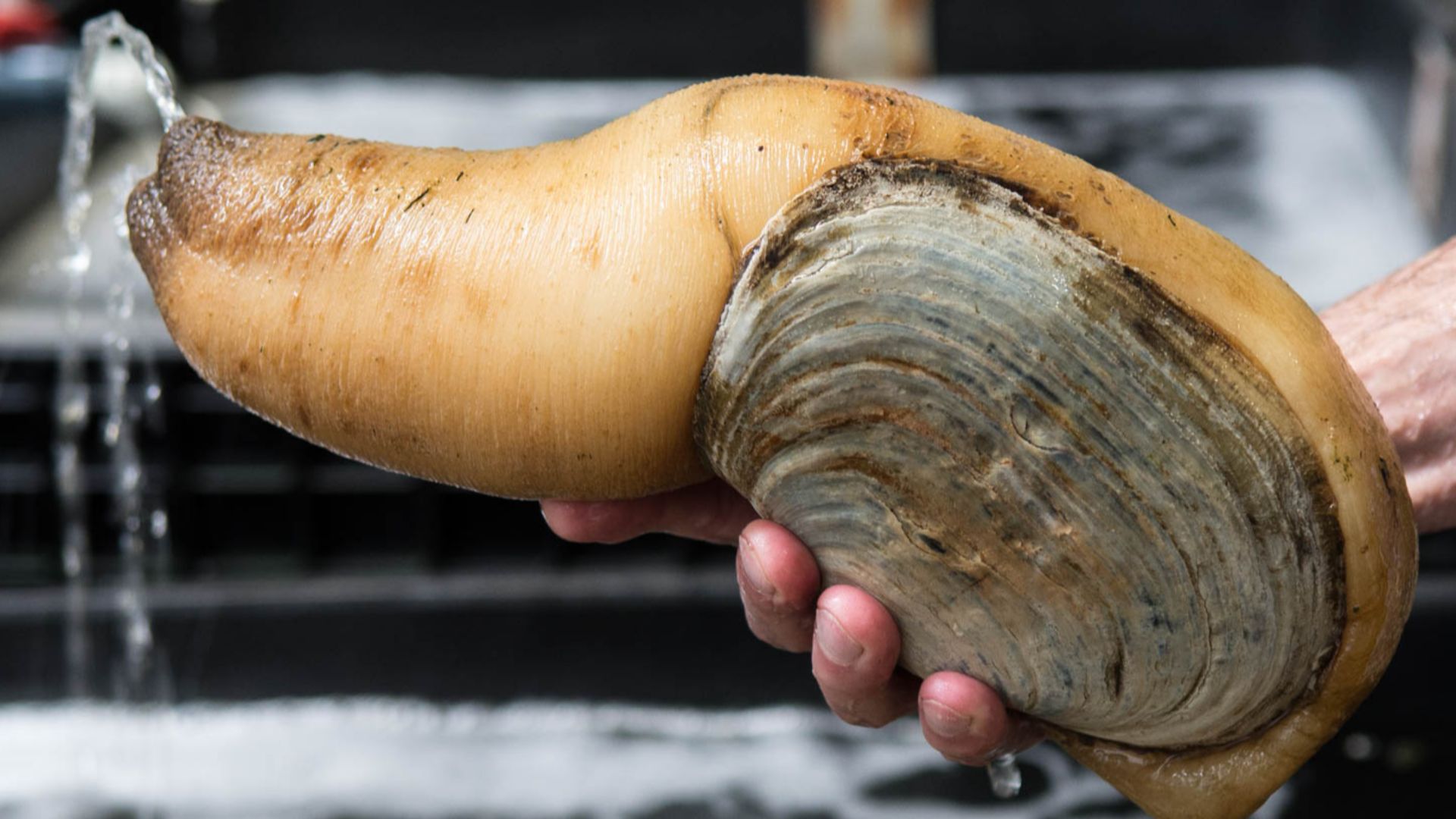
The Pacific Northwest has a giant clam that regularly makes first-time visitors stop and stare. The geoduck, pronounced roughly "gooey-duck," has an enormous neck extending far beyond its shell.
Its appearance can be startling, but geoduck is prized for its sweet flavor and firm, crunchy texture. It's often served raw in thin slices or cooked in seafood dishes. For adventurous tourists, getting past the unusual appearance is the biggest challenge.
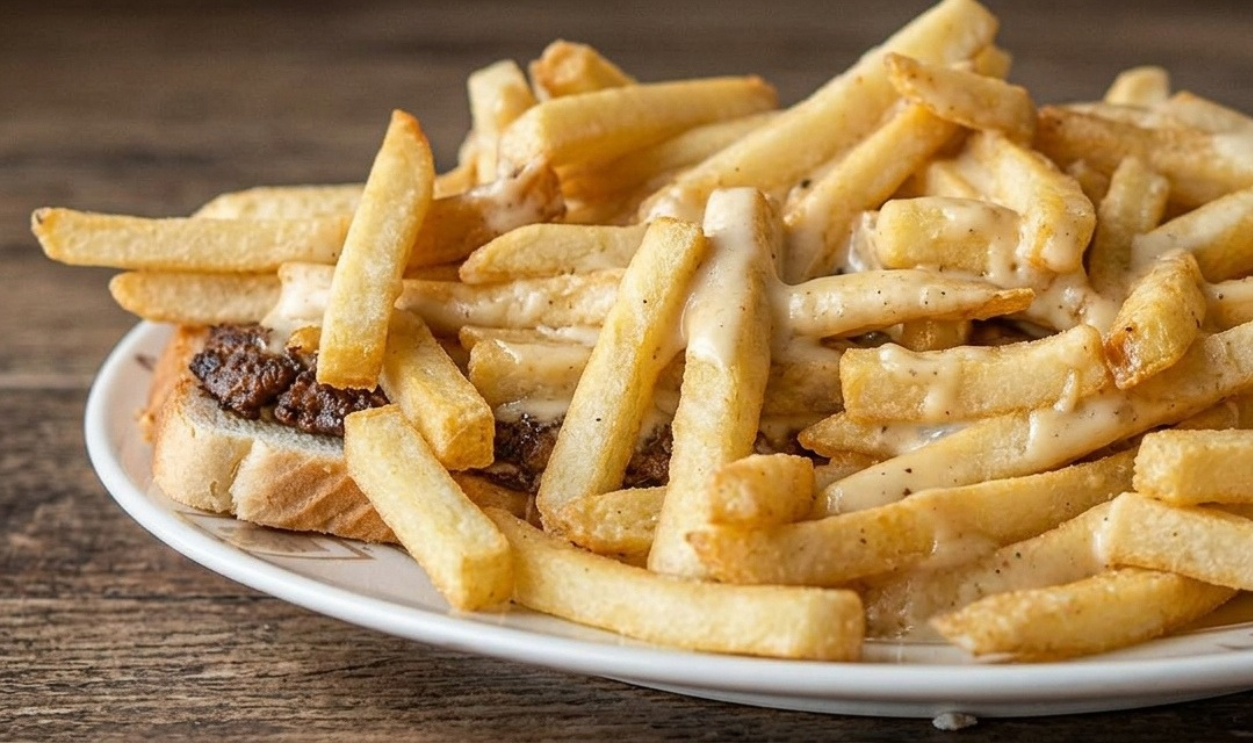
#10. Horseshoe Sandwich — Illinois
Springfield, Illinois, apparently decided that regular sandwiches weren't ambitious enough. The horseshoe sandwich begins with thick toast topped with meat, French fries and a generous amount of cheese sauce.
The finished dish looks more like a small construction project than lunch. It's usually eaten with a fork because attempting to pick it up would be a serious mistake. Once visitors accept that this sandwich requires utensils, the appeal becomes obvious.
 Dirtmound, Wikimedia Commons, Modified
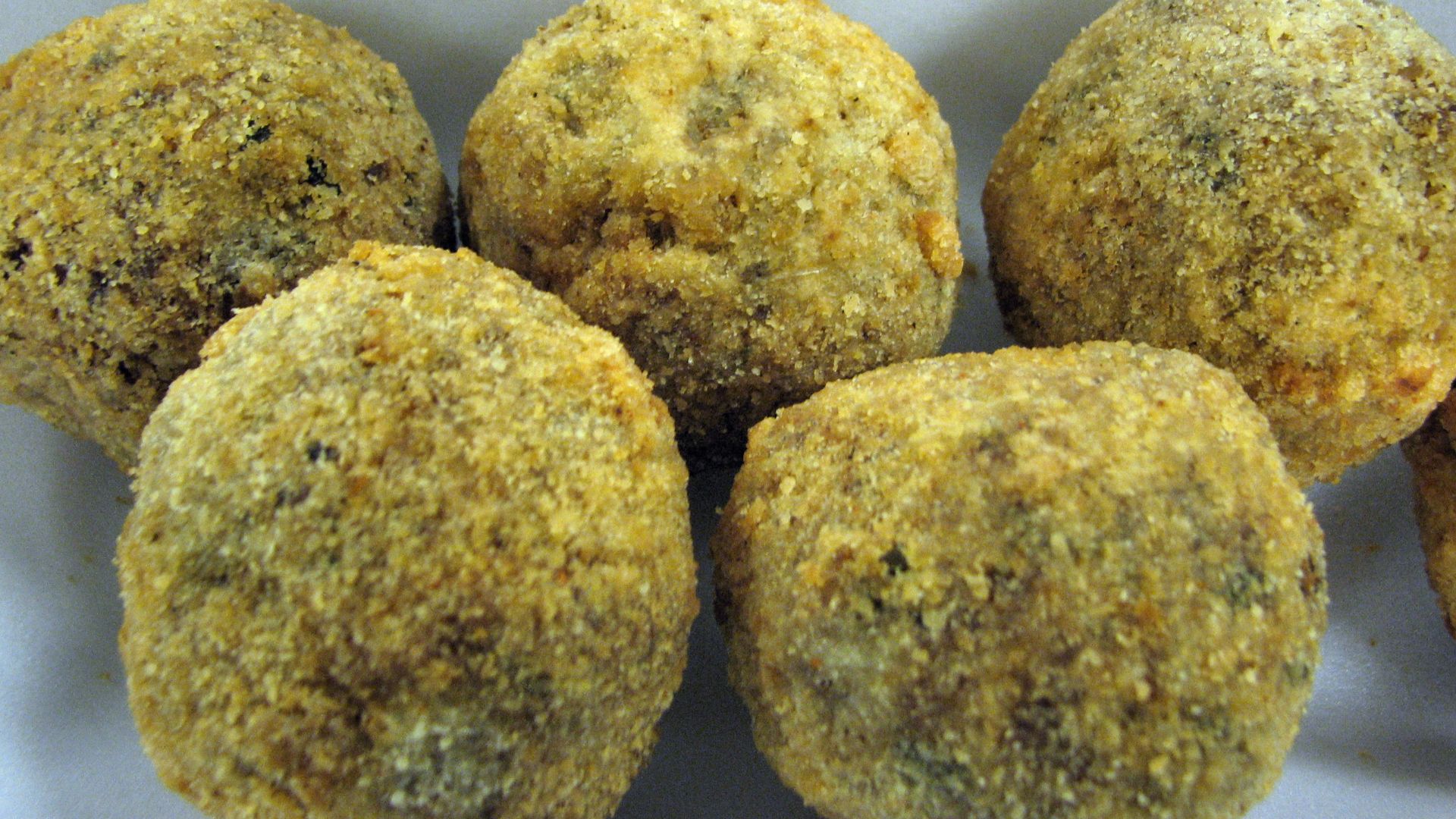
#9. Boudin — Louisiana
Louisiana's boudin can confuse visitors who expect sausage to contain mostly meat. Traditional Cajun boudin commonly combines pork, rice, onions and seasonings inside a casing.
The soft filling gives it a texture quite different from ordinary smoked sausage. Tourists sometimes hesitate after hearing the ingredients, but the combination is deeply flavorful. In Louisiana, boudin is serious business, and locals often have strong opinions about where to buy the best version.
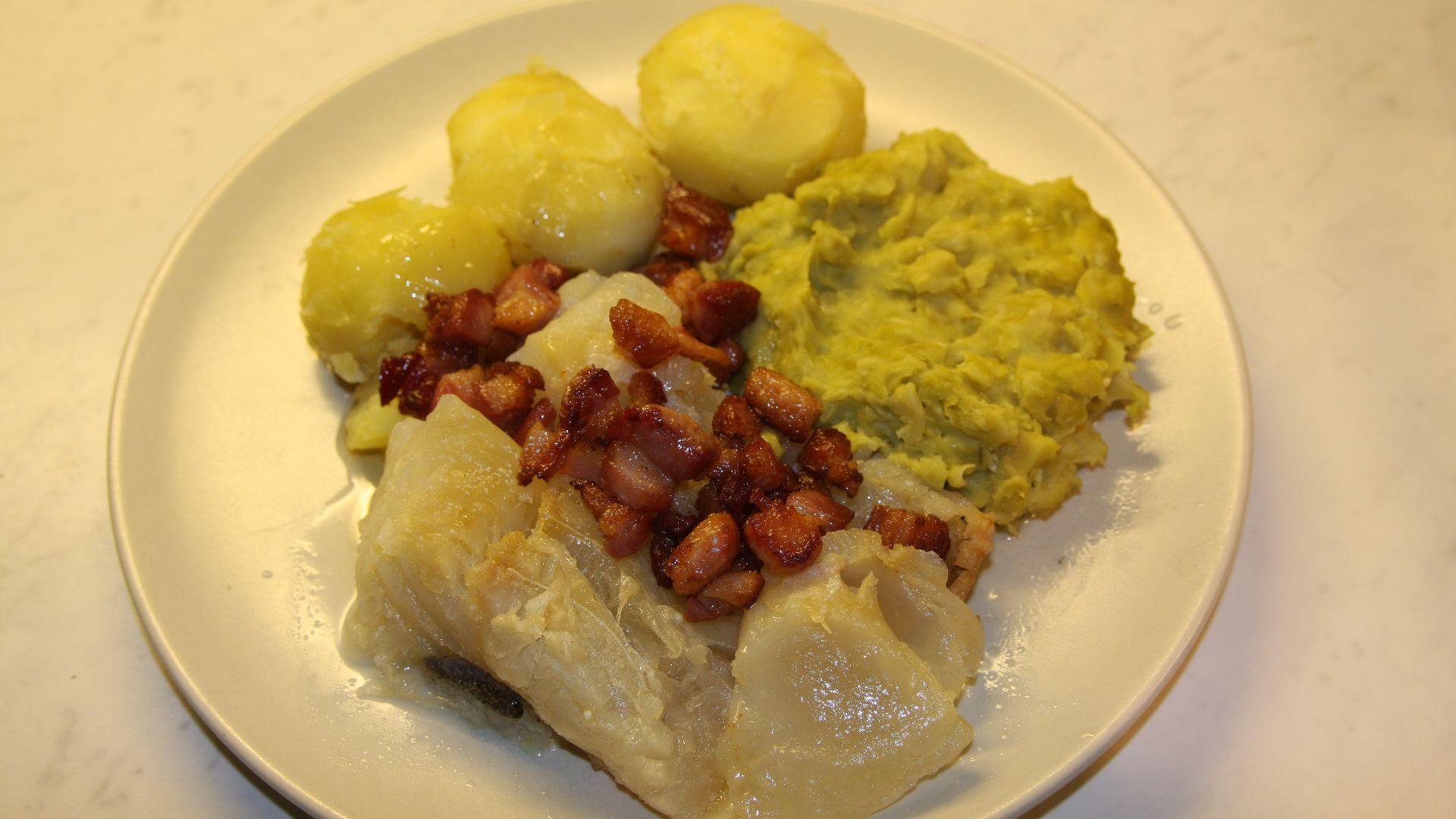
#8. Lutefisk — Minnesota
Lutefisk is one of the most famous Scandinavian-American foods associated with Minnesota and the Upper Midwest. It's made from dried fish that undergoes a traditional rehydration process involving lye before being thoroughly rinsed and cooked.
The finished texture can be gelatinous, which doesn't always inspire confidence in first-time diners. Still, the dish remains an important part of many Scandinavian-American holiday traditions. Butter, potatoes and family nostalgia certainly help.
 Jarvin Jarle Vines, Wikimedia Commons
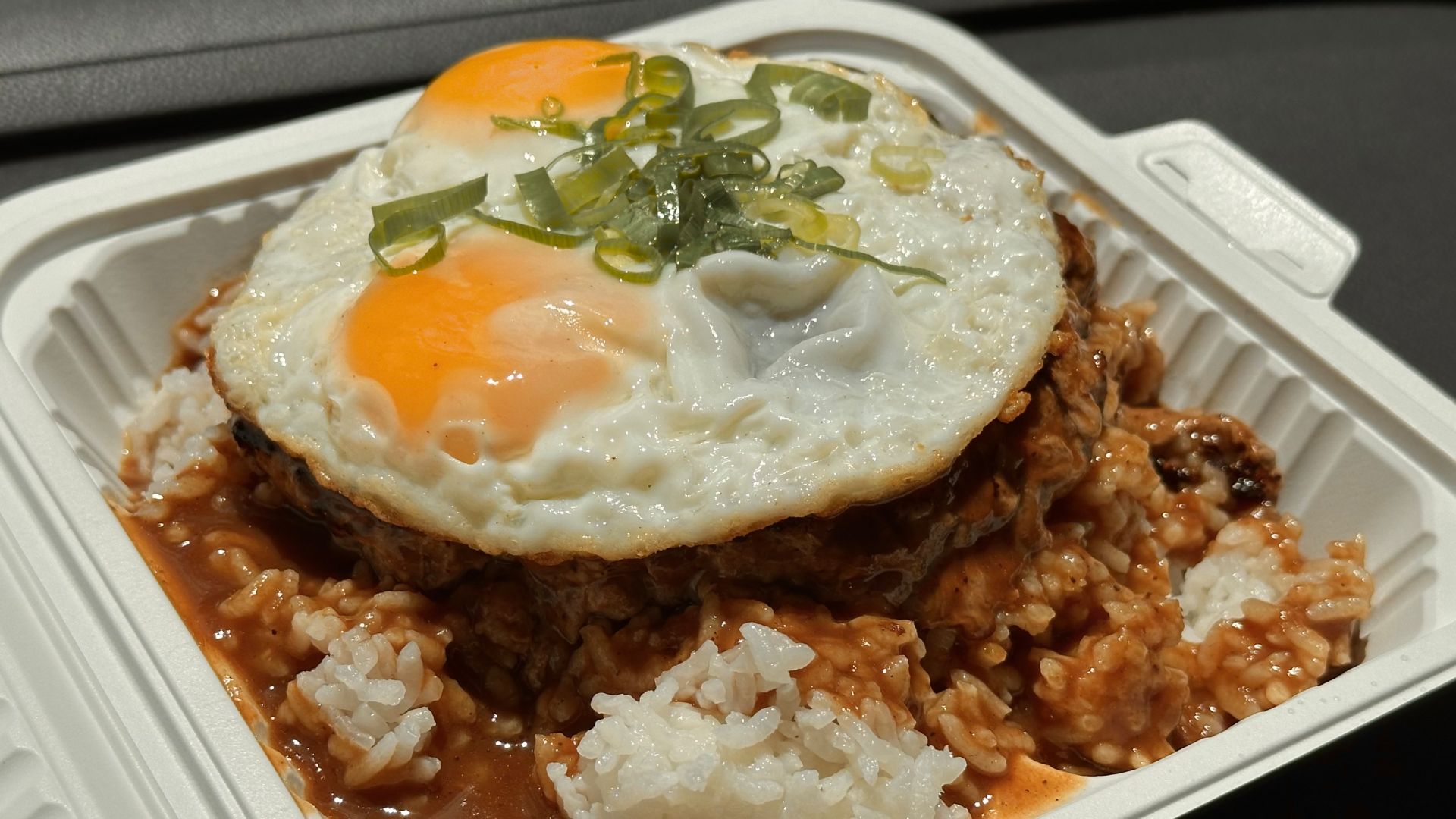
#7. Loco Moco — Hawaii
Hawaii's loco moco sounds straightforward until you see the complete arrangement. A traditional version places a hamburger patty over rice, adds a fried egg and covers everything with brown gravy.
Visitors expecting a light tropical breakfast may be surprised by the sheer heartiness of the dish. But the combination of rice, savory beef, rich gravy and runny egg works beautifully. It's comfort food with absolutely no interest in being delicate.
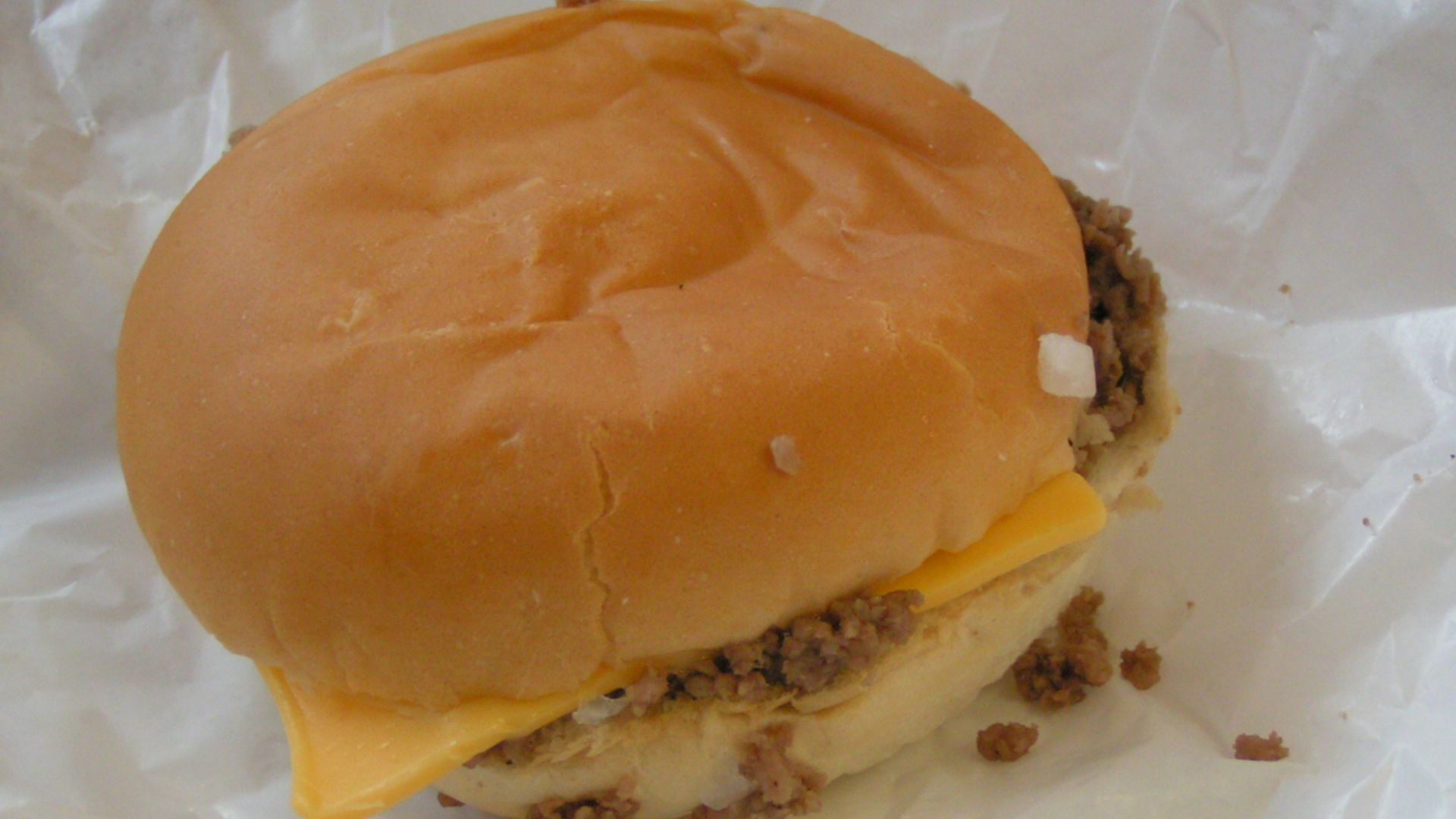
#6. Loose Meat Sandwich — Iowa
Imagine ordering a hamburger and discovering that someone forgot to form the meat into a patty. That's essentially the first impression of Iowa's famous loose meat sandwich.
Seasoned ground beef is served loose inside a hamburger bun, often with pickles, onions and mustard. It can be messy, and tourists sometimes wonder why anyone would choose this over a regular burger. The answer becomes clearer after a few bites.
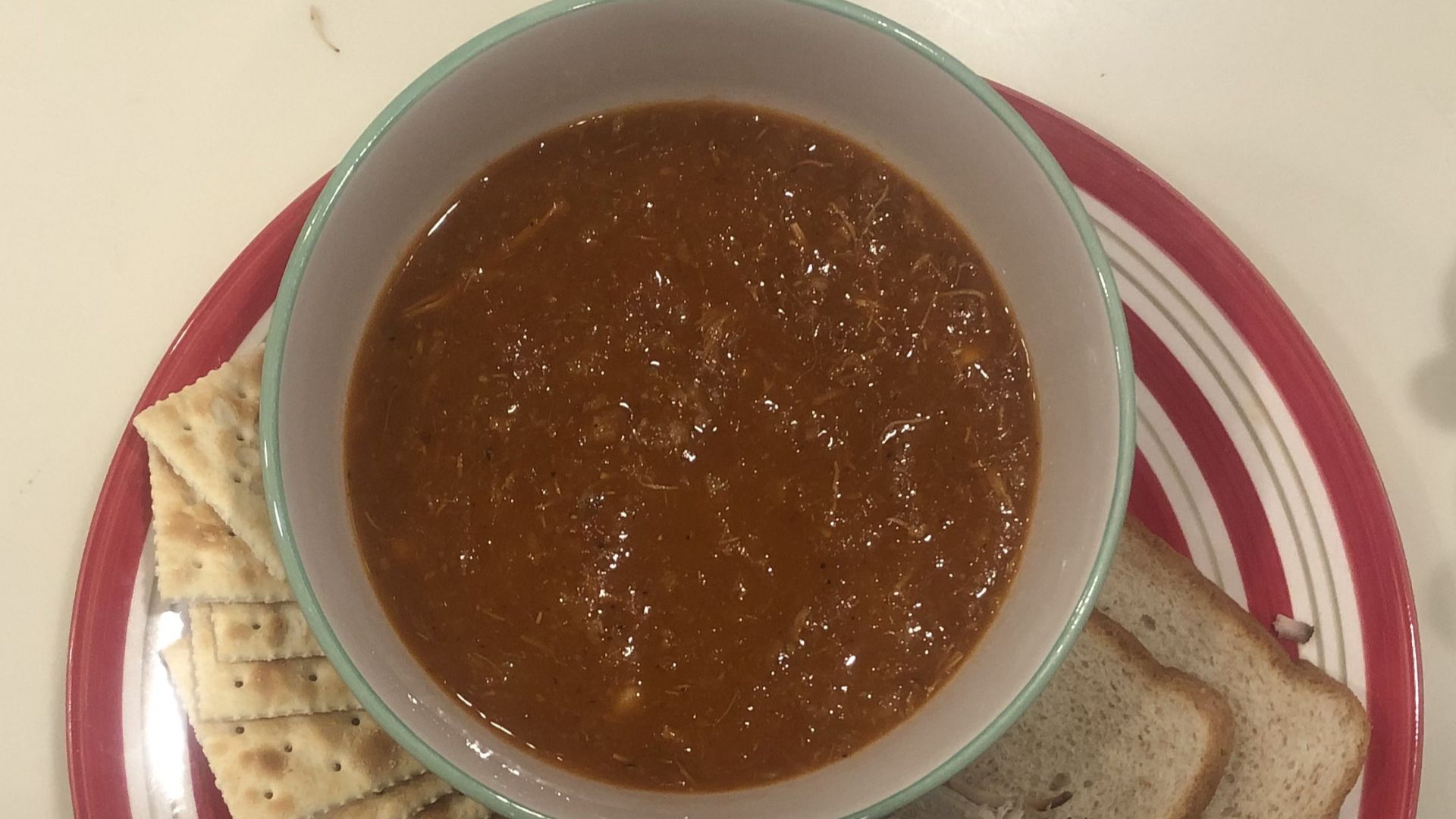
#5. Burgoo — Kentucky
Kentucky's burgoo is a thick, hearty stew traditionally associated with large gatherings, festivals and communal cooking.
Recipes vary widely, but modern versions often combine meats such as beef, pork or chicken with vegetables and seasonings. Historically, some recipes used wild game. Visitors may be confused by the name and the long ingredient list, but the slow-cooked result is rich, comforting and deeply connected to Kentucky food culture.
 Emicho's Avenger, Wikimedia Commons
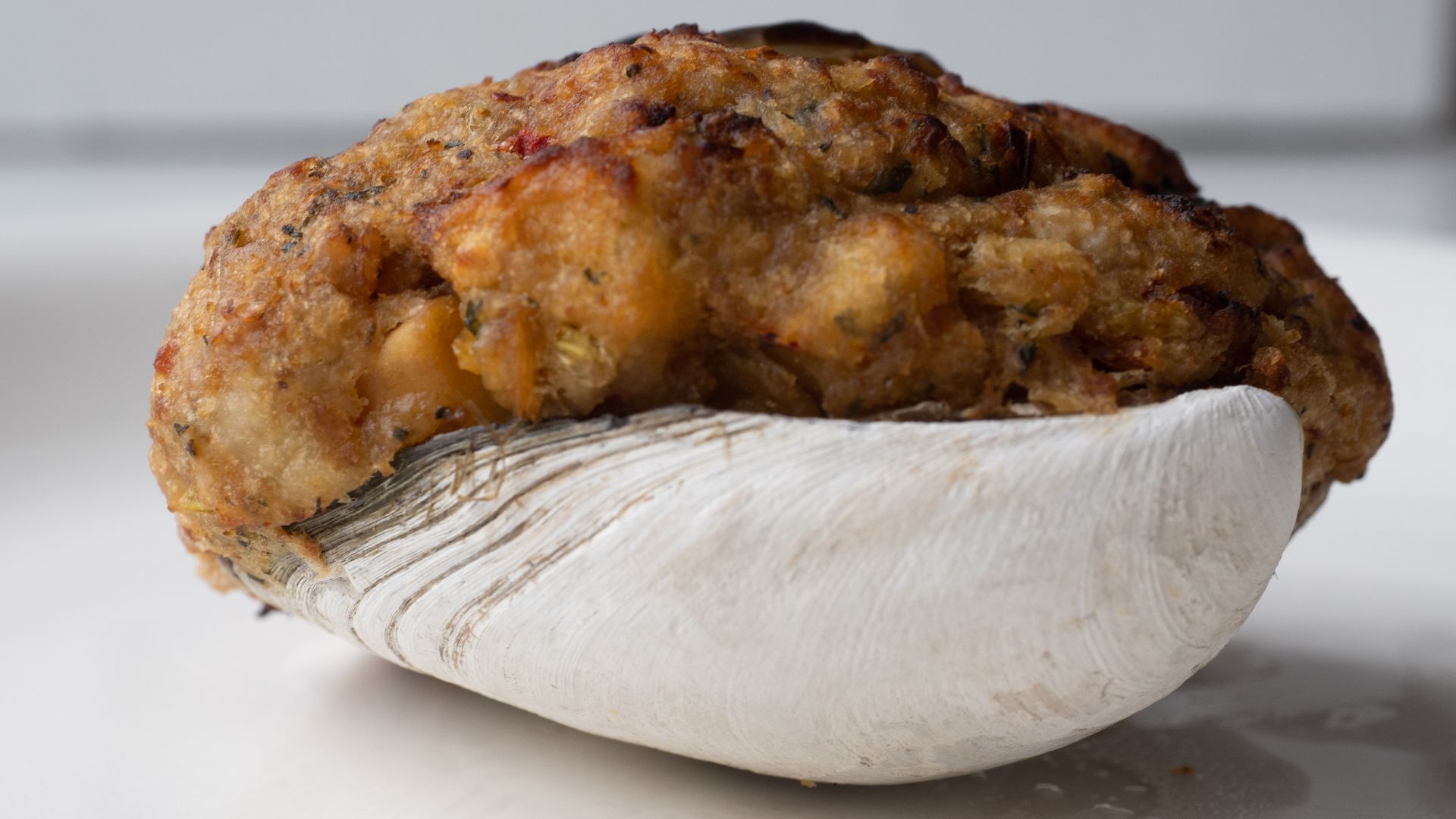
#4. Stuffies — Rhode Island
Rhode Island's stuffed quahogs, affectionately called stuffies, can look intimidating if you've never encountered an enormous clam shell filled with seasoned stuffing.
The dish typically combines chopped clam meat, breadcrumbs, vegetables and seasonings before being baked inside the shell. Some recipes include sausage or spicy peppers. Tourists who aren't enthusiastic about clams may hesitate, but the savory stuffing makes this New England specialty surprisingly approachable.
 ajay_suresh, Wikimedia Commons
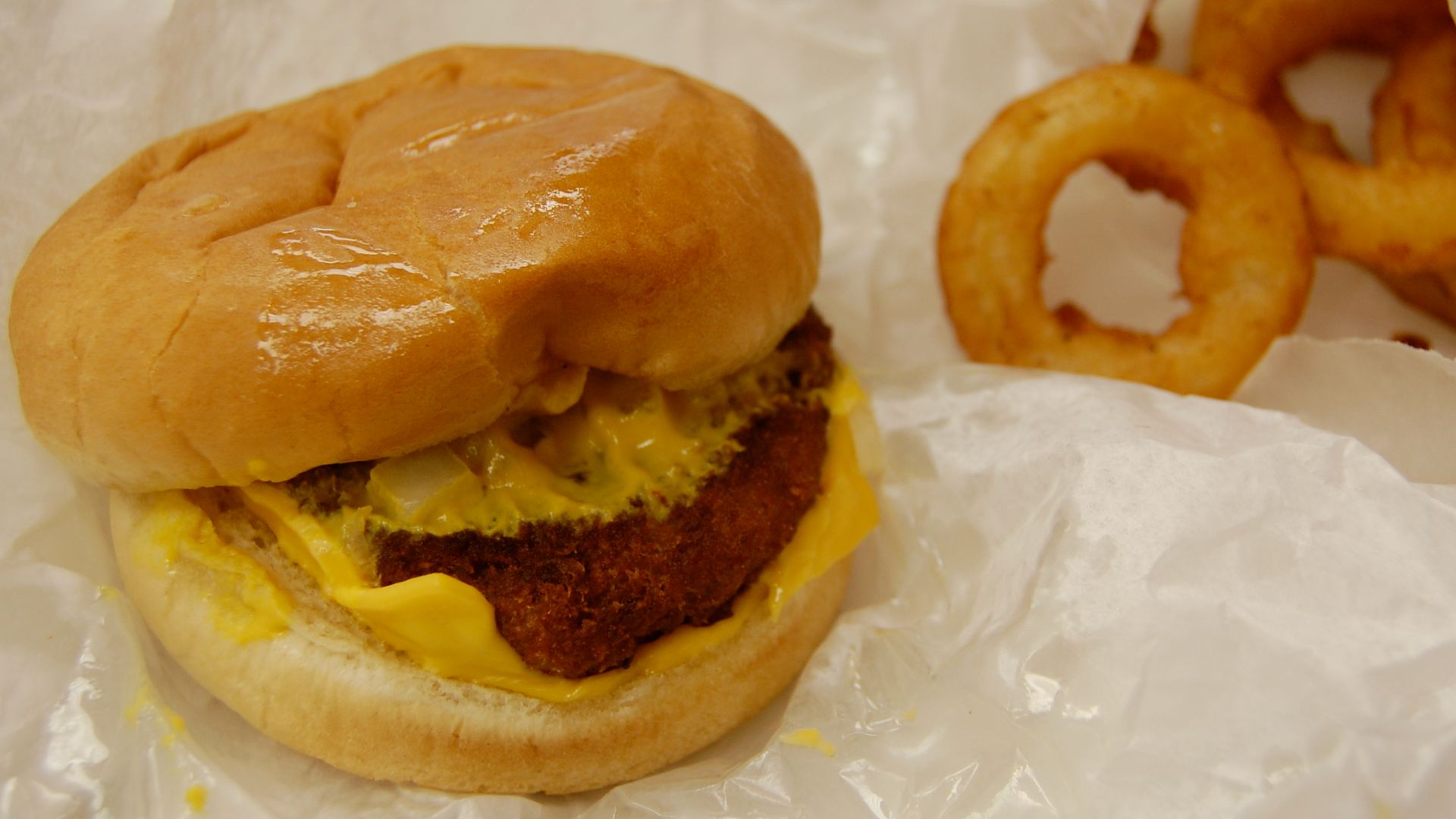
#3. Slugburger — Mississippi
Despite its unfortunate name, Mississippi's slugburger contains absolutely no slugs. That's probably the first thing restaurant owners should mention to tourists.
Associated particularly with Corinth, this regional burger traditionally uses a meat mixture extended with ingredients such as flour or other fillers before being fried. It's commonly served with mustard, pickles and onions. The crispy patty has developed a loyal following, proving that terrible names don't necessarily mean terrible food.
 Southern Foodways Alliance, Wikimedia Commons
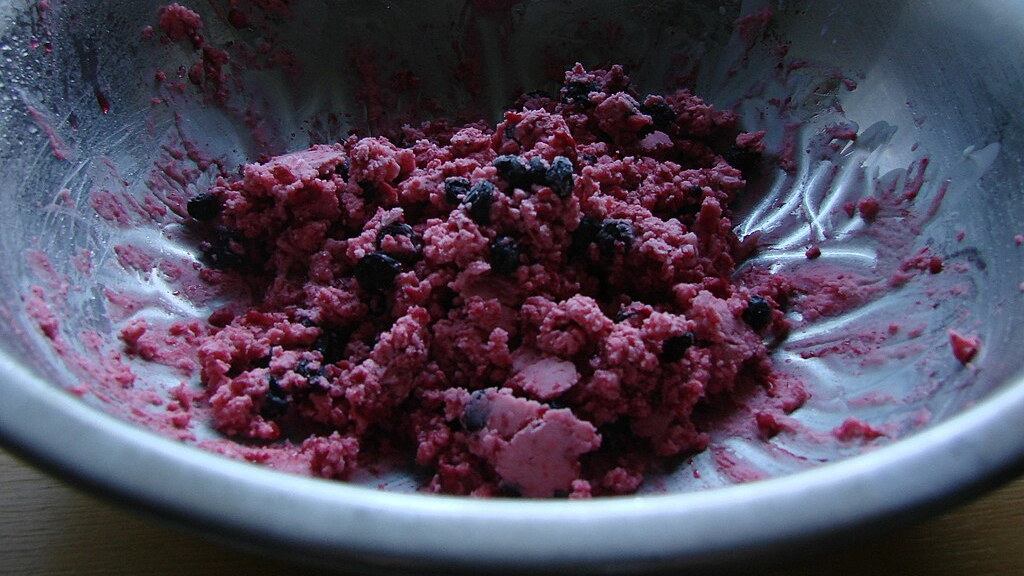
#2. Akutaq — Alaska
Alaska Native food traditions include akutaq, sometimes called Eskimo ice cream, although that English nickname doesn't fully capture the dish's cultural history.
Traditional versions combine whipped animal fat or oil with ingredients such as berries, and recipes vary among communities. Some contemporary versions use vegetable shortening. Visitors expecting dairy-based ice cream may be surprised, but akutaq is an important traditional food with flavors and textures entirely different from conventional frozen desserts.
 Matyáš Havel, CC BY-SA 3.0, Wikimedia Commons
#1. The Muffuletta — Louisiana
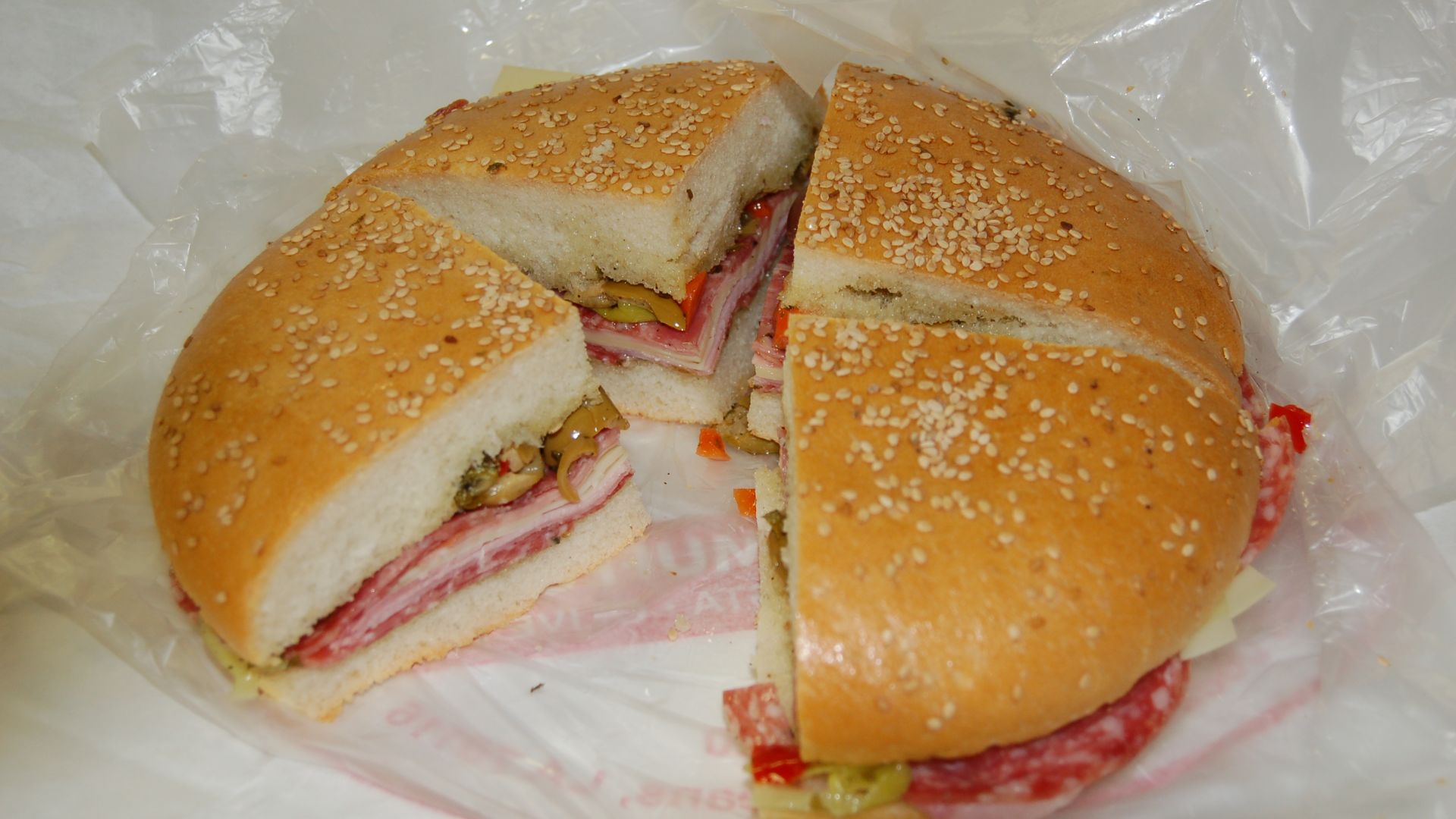
New Orleans has plenty of foods that confuse first-time visitors, but the muffuletta deserves special recognition. At first glance, it looks like an enormous sandwich stuffed with cold cuts, cheese and something resembling a chopped pickle mixture.
That mixture is actually olive salad, typically made with olives, pickled vegetables, oil and seasonings. For tourists who dislike olives, the sandwich can sound like a terrible idea. But the salty, tangy filling balances the rich meats and cheeses beautifully.
And then there's the size. A traditional muffuletta can be enormous, making it one of those regional specialties that visitors remember long after their trip. Sometimes the food that sounds the strangest ends up being the one you wish you could take home.
Sometimes The Weirdest Foods Make The Best Memories
America's regional food traditions aren't always interested in looking sophisticated. Some were born from necessity, others from immigrant traditions, and a few seem to exist simply because somebody once had a very unusual idea.
But that's what makes exploring American food so entertaining. You might arrive convinced that boiled peanuts, strange sandwiches or spaghetti covered in chili sound ridiculous, only to discover a new favorite.
And really, isn't that half the fun of traveling?
So, which of these regional American foods have you tried, and which one would you absolutely refuse to eat?
 Gunnhilduur, Wikimedia Commons
You May Also Like:
California Hidden Gems That Even The Residents Don’t Know About
Every State’s Must-Visit Ice Cream Parlor
The Best Coffee Shop In Every State