The Trip Does Not Have To Look Dangerous
Some wilderness disasters began with extreme expeditions. Others began with an ordinary hike, a flight, or a traveler making one small decision that seemed harmless. That is what makes these survival stories useful. They show that risk is rarely one dramatic moment.
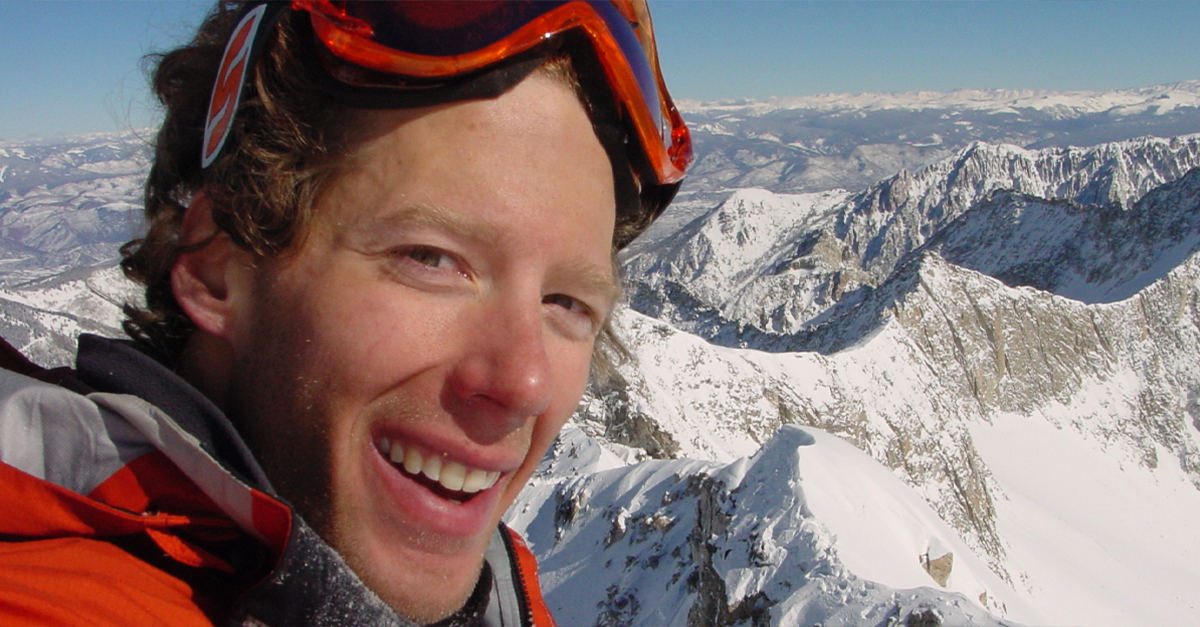
 Aron Ralston, CC BY-SA 3.0, Wikimedia Commons, Modified
Aron Ralston Broke One Of His Own Rules
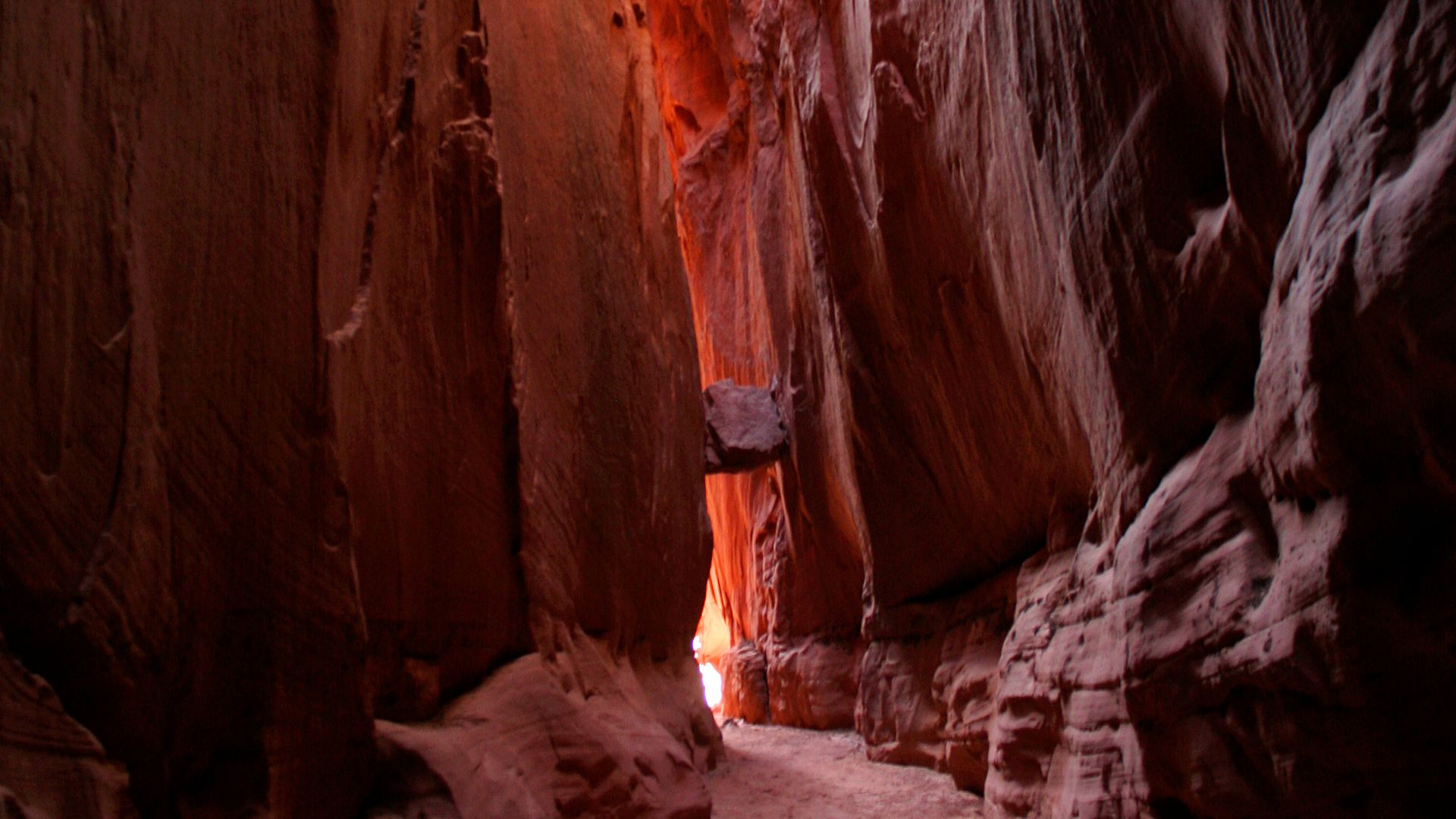
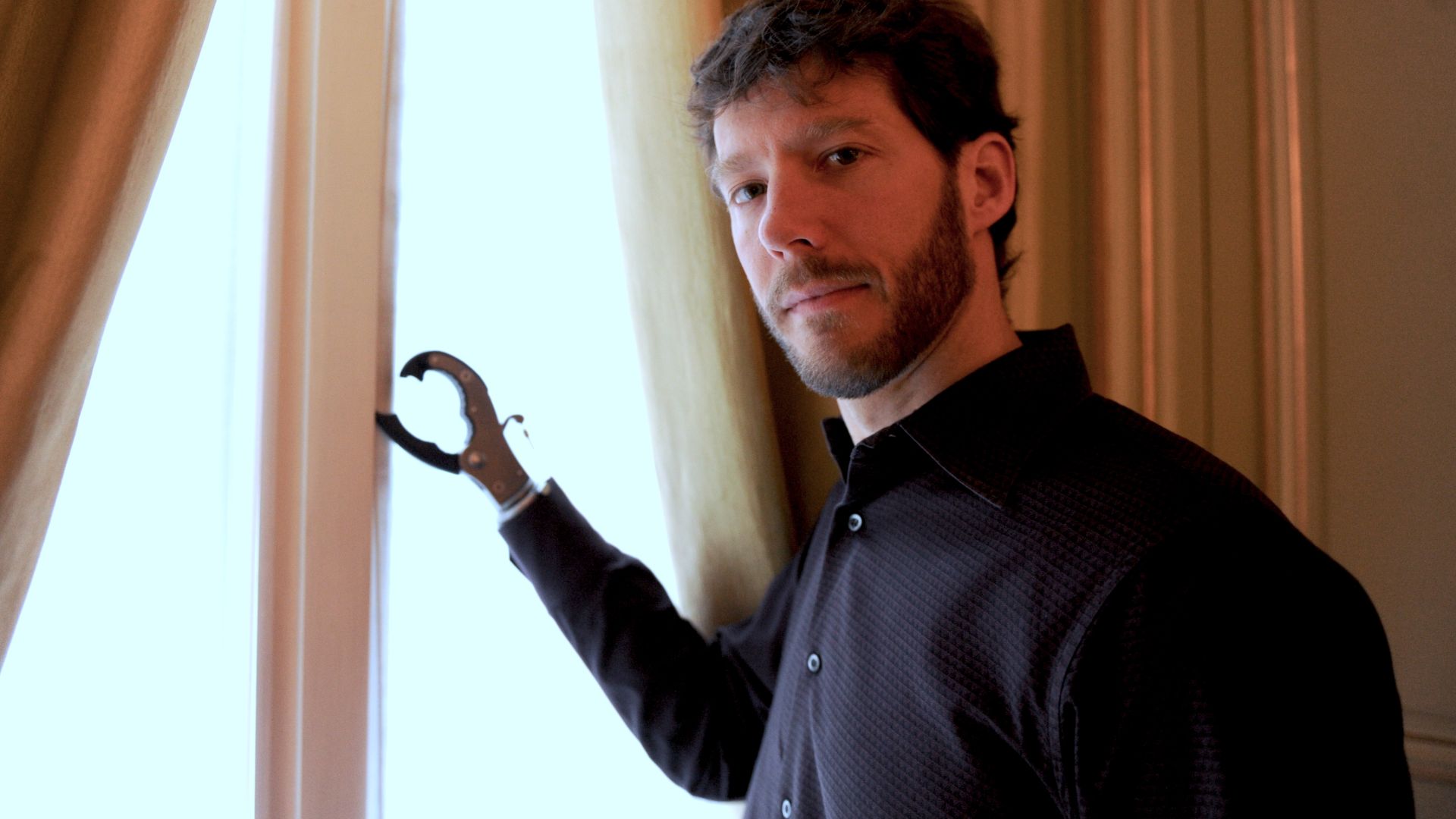
In 2003, experienced climber Aron Ralston entered Utah’s remote Bluejohn Canyon alone. A roughly 800-pound boulder shifted and frighteningly pinned his right arm. He remained trapped for days before amputating it with a multitool and escaping. One detail mattered enormously: nobody knew where he had gone.
 Michael Grindstaff, Wikimedia Commons
Experience Could Not Replace A Trip Plan
Ralston knew the backcountry well, which makes his story more instructive, not less. Search-and-rescue officials later emphasized that simply leaving his route with someone could have transformed the emergency. The National Park Service now specifically recommends giving a trusted contact your route and expected return time.
 Nicolas Richoffer, Wikimedia Commons
Juliane Koepcke Survived A Fall Into The Amazon
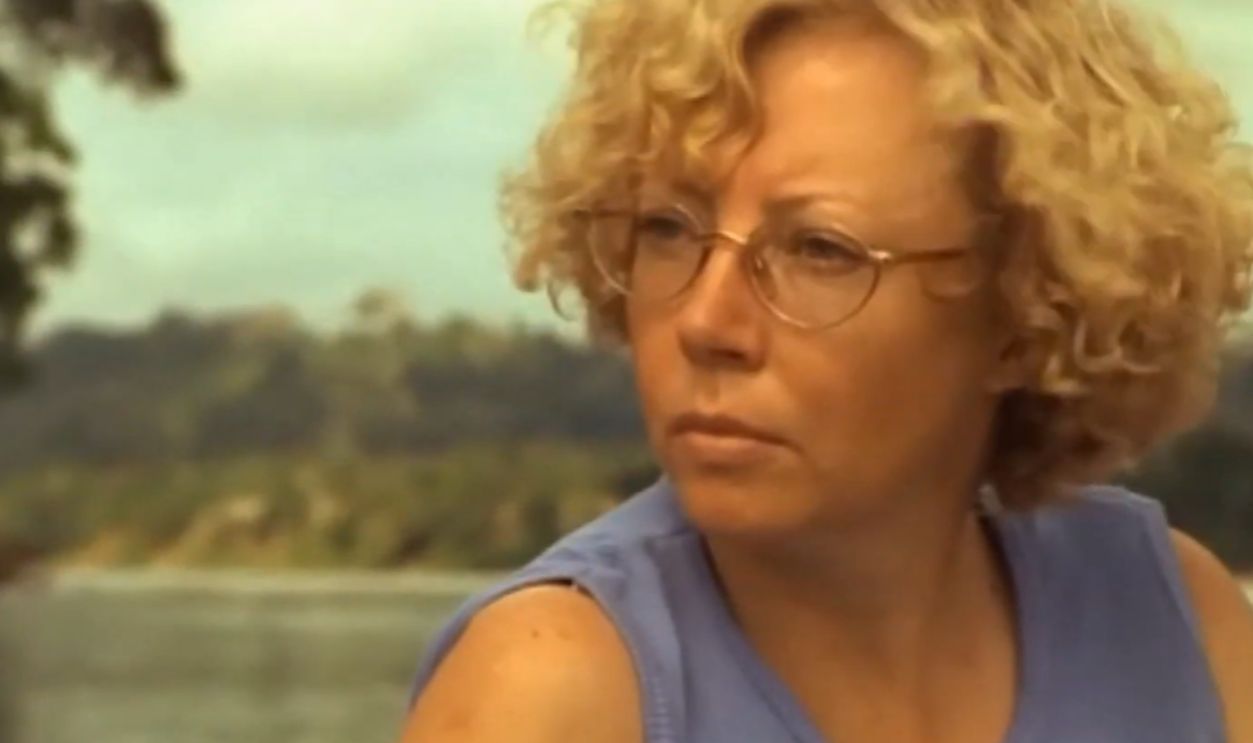
On Christmas Eve 1971, 17-year-old Juliane Koepcke survived the breakup of LANSA Flight 508 over Peru and fell into the rainforest still strapped to her seat. Injured and alone, she then spent 11 days making her way through the Amazon before reaching people who could help her.
 Screenshot from Wings of Hope, Werner Herzog Filmproduktion (1998)
What She Knew Mattered More Than What She Carried
Koepcke had grown up around the rainforest because her parents were scientists. She knew that following moving water could eventually lead toward larger waterways and people. Her survival is a reminder that destination knowledge is not trivia. Understanding terrain can become far more valuable than expensive gear when plans collapse.
 ERNESTO BENAVIDES, Getty Images
The Andes Survivors Learned Rescue Might Not Come
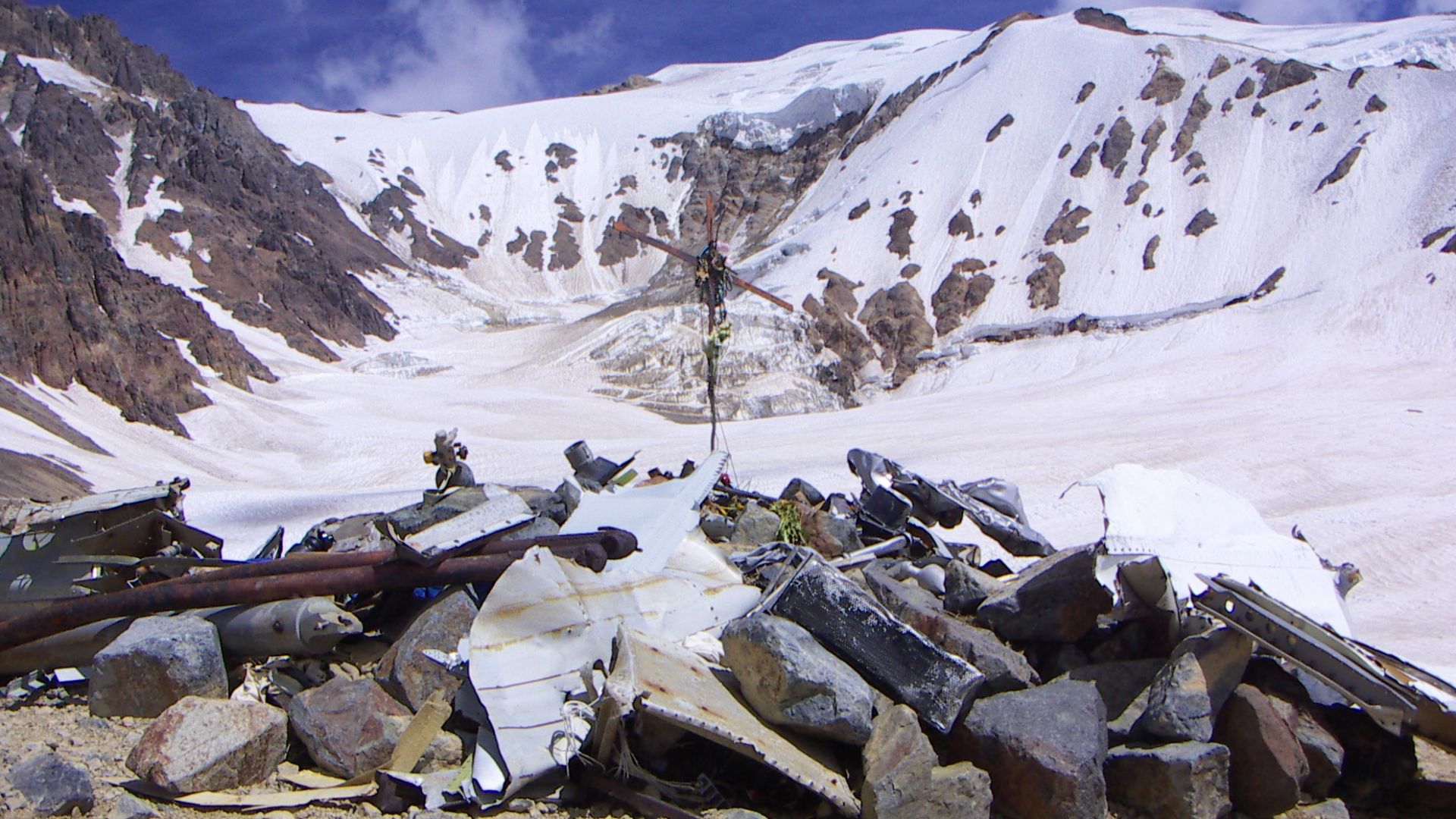
Uruguayan Air Force Flight 571 crashed high in the Andes in October 1972 with 45 people aboard. 16 ultimately survived after 72 days amid freezing temperatures, starvation, injuries, and an avalanche. At one point, they learned by radio that the official search for them had been suspended.
They Eventually Had To Become Their Own Rescue Team
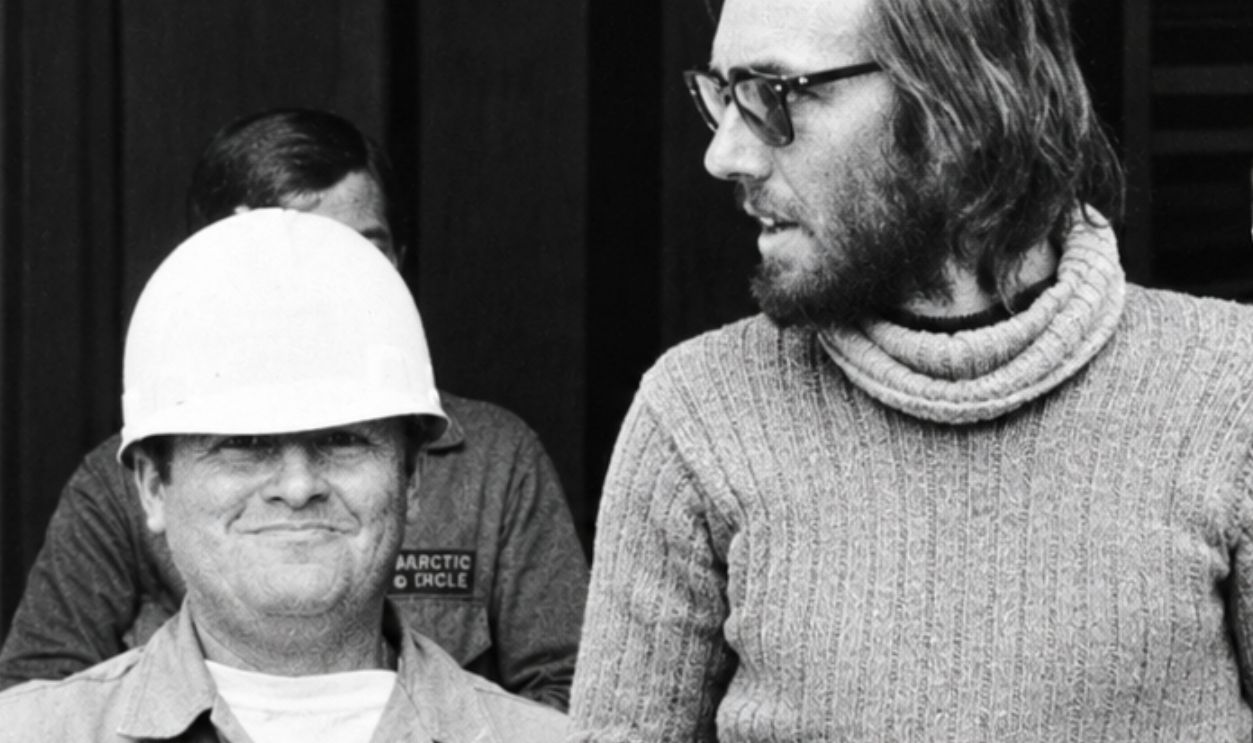
Nando Parrado, Roberto Canessa, and Antonio Vizintín eventually set out seeking help. Vizintín turned back after three days so the other two could continue with the limited supplies, and Parrado and Canessa ultimately reached help. The group’s survival depended on improvisation, resource conservation, and difficult collective decisions.
 Bettmann, Getty Images, Enhanced
Mauro Prosperi Was Winning Until The Desert Changed
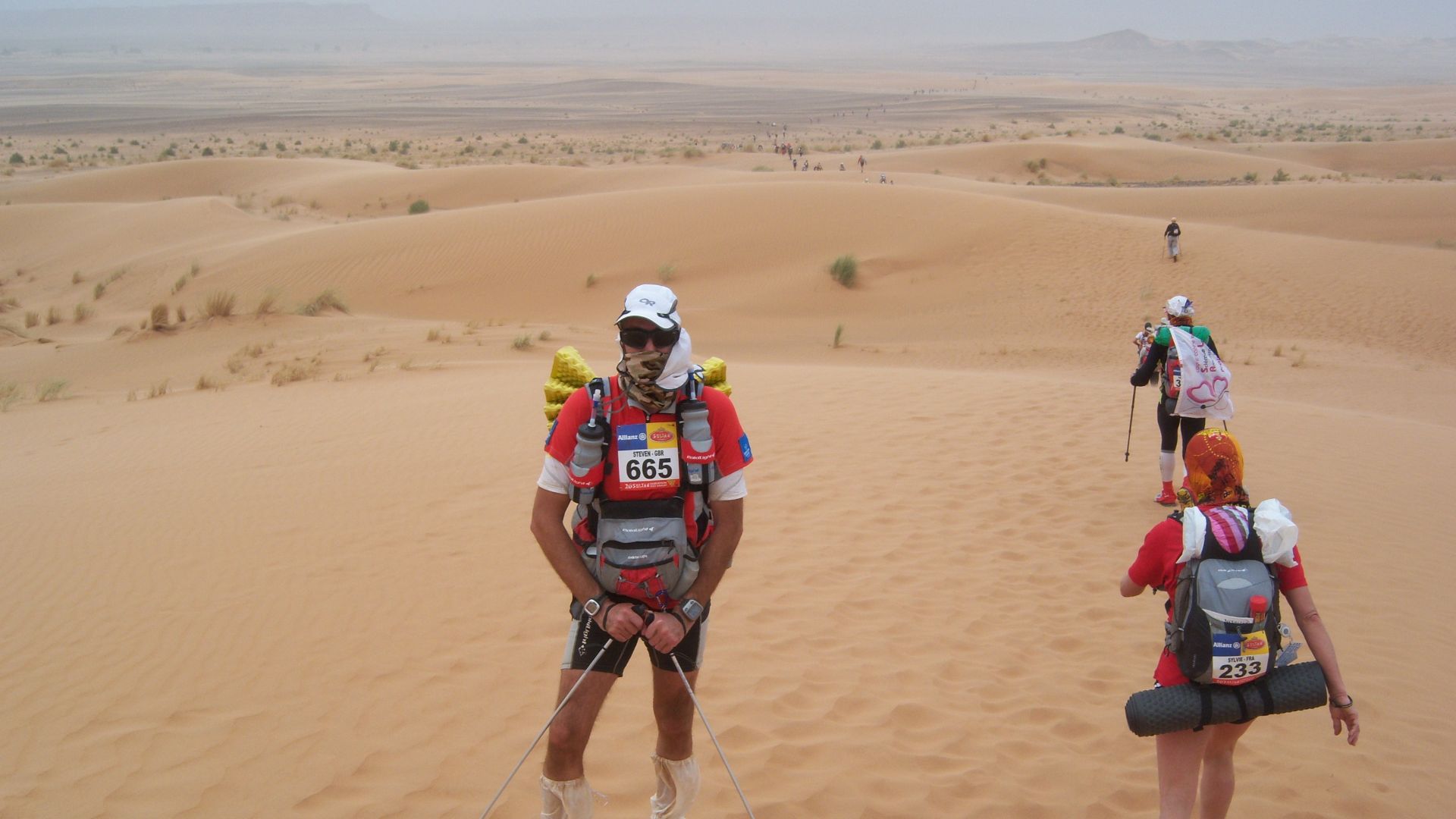
During the 1994 Marathon des Sables, former pentathlete Mauro Prosperi was running strongly when a violent sandstorm erased his visual references and sent him off course. He remained lost in the Sahara for roughly nine and a half days, surviving extreme dehydration before eventually reaching people in Algeria.
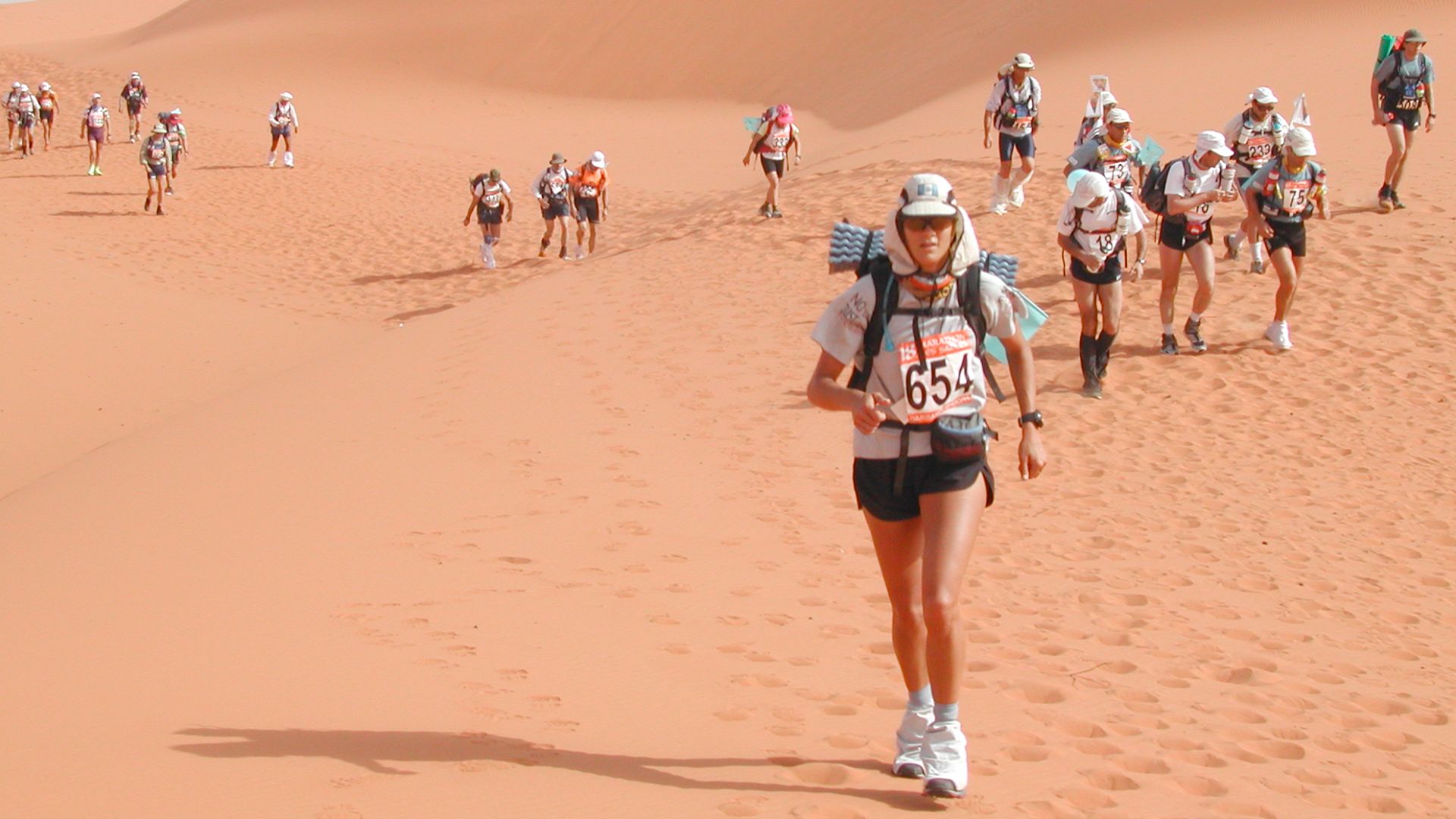
Goal Fixation Can Become Its Own Hazard
One revealing part of Prosperi’s account is that he initially remained mentally focused on the race. Only later did he fully shift from athlete to survivor. Travelers can make the same mistake in smaller ways: reaching the summit, finishing the trail, or sticking to an itinerary can feel important right up until turning back becomes the safer achievement.
Amanda Eller Left Her Phone And Water Behind
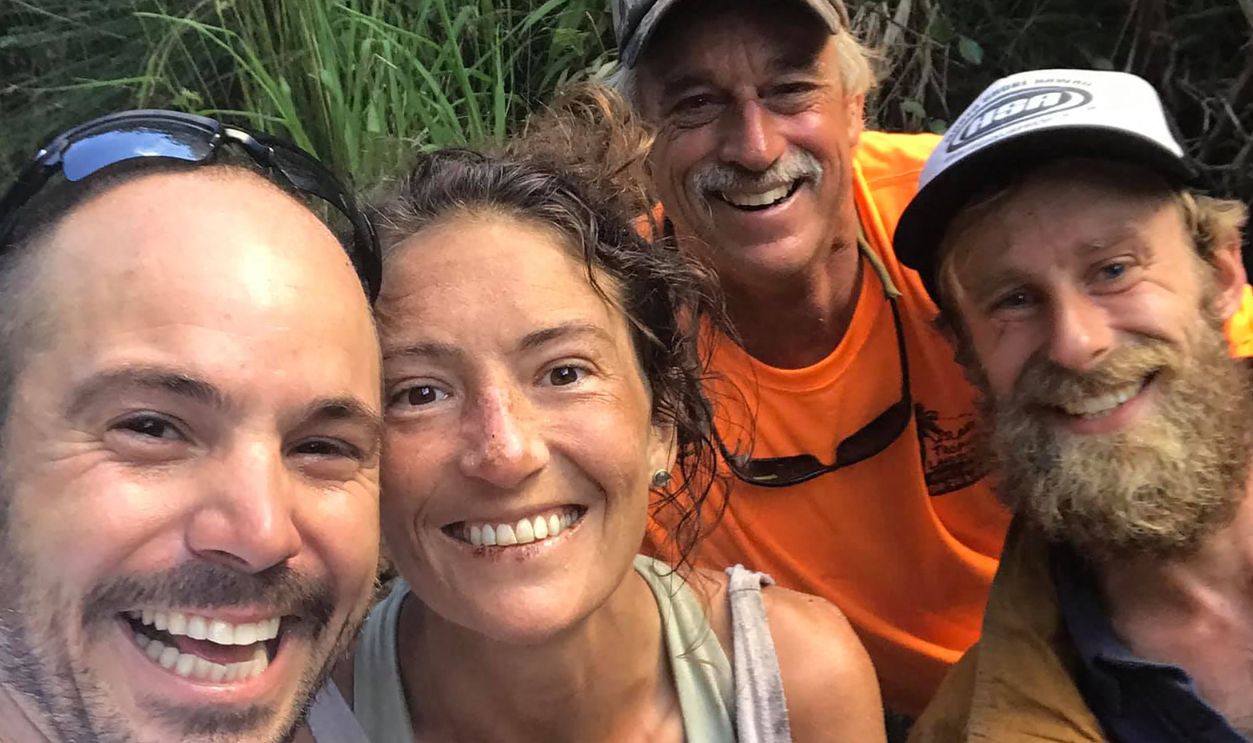
In 2019, Amanda Eller entered Maui’s Makawao Forest Reserve for what she expected to be a short outing. She left her phone and water behind, became disoriented, and later suffered a leg injury. She survived more than two weeks before searchers in a helicopter finally spotted her near a ravine.
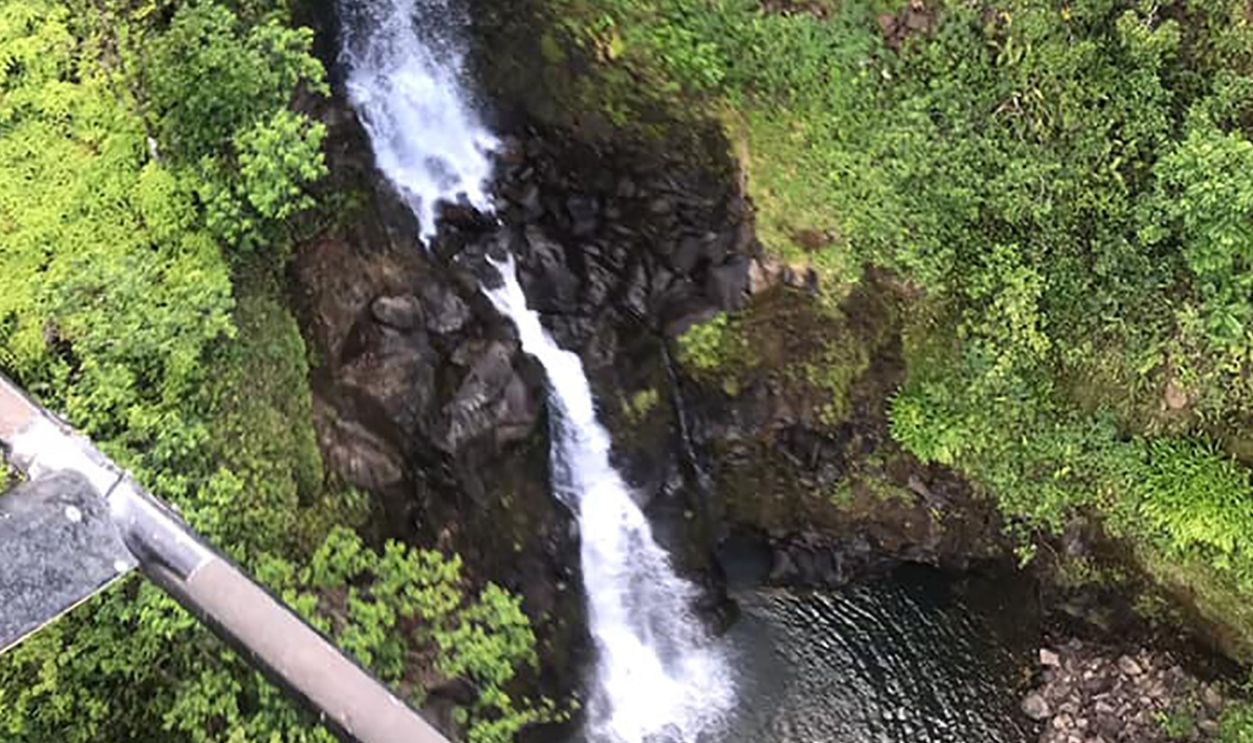 JAVIER CANTELLOPS, Getty Images
Short Hikes Deserve Real Preparation Too
Eller’s ordeal is a useful counterweight to stories about Everest or Antarctica. The outing did not look extreme when it began. That is precisely why carrying basic supplies on an easy excursion matters. The National Park Service recommends the Ten Essentials even for outdoor trips that are expected to remain straightforward.
 JAVIER CANTELLOPS, Getty Images
Robert Bogucki Chose Isolation On Purpose
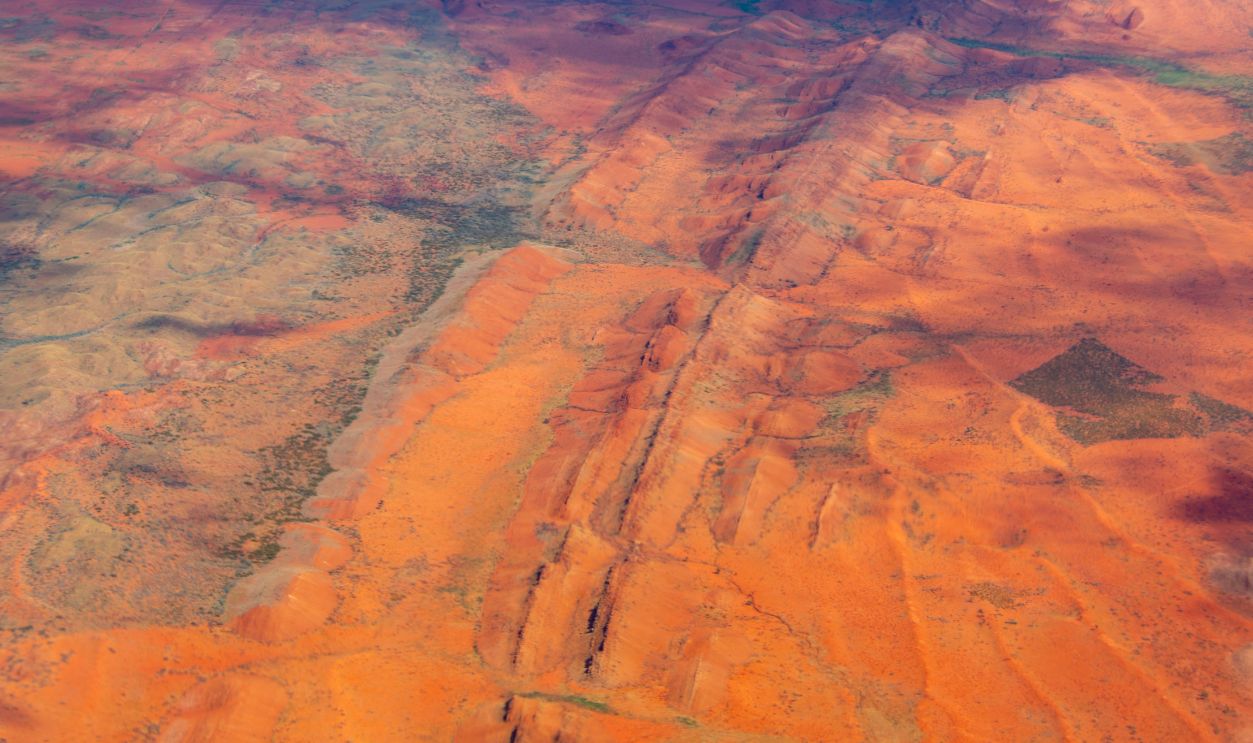
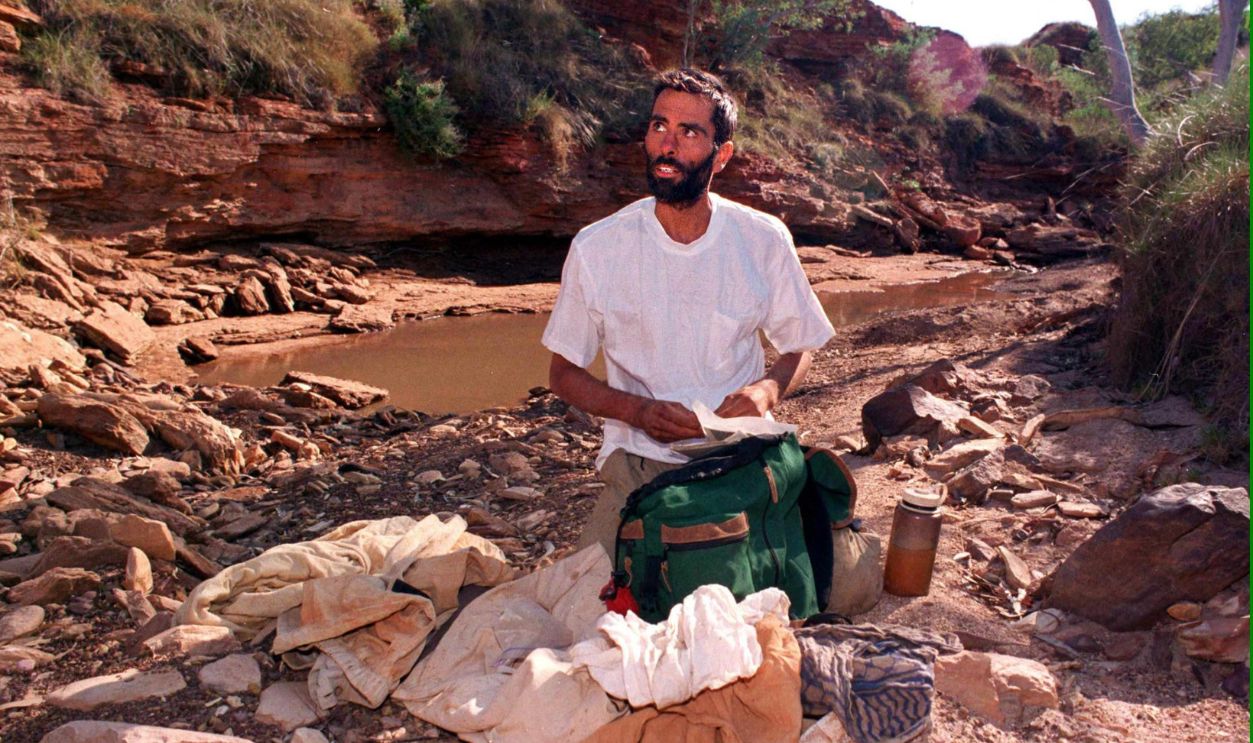
In 1999, Alaskan firefighter Robert Bogucki entered Western Australia’s Great Sandy Desert on what he described as a spiritual journey. Searchers eventually found his abandoned bicycle and began looking for him. He survived alone for roughly six weeks before being located alive after an extraordinary search effort.
Remoteness Changes The Meaning Of A Small Mistake
Bogucki’s survival should not be treated as evidence that extreme isolation is manageable. His case shows the opposite. Once you deliberately travel far from roads, communications, and reliable water, ordinary setbacks become much harder to correct. Distance is not just scenery. It is part of the risk calculation.
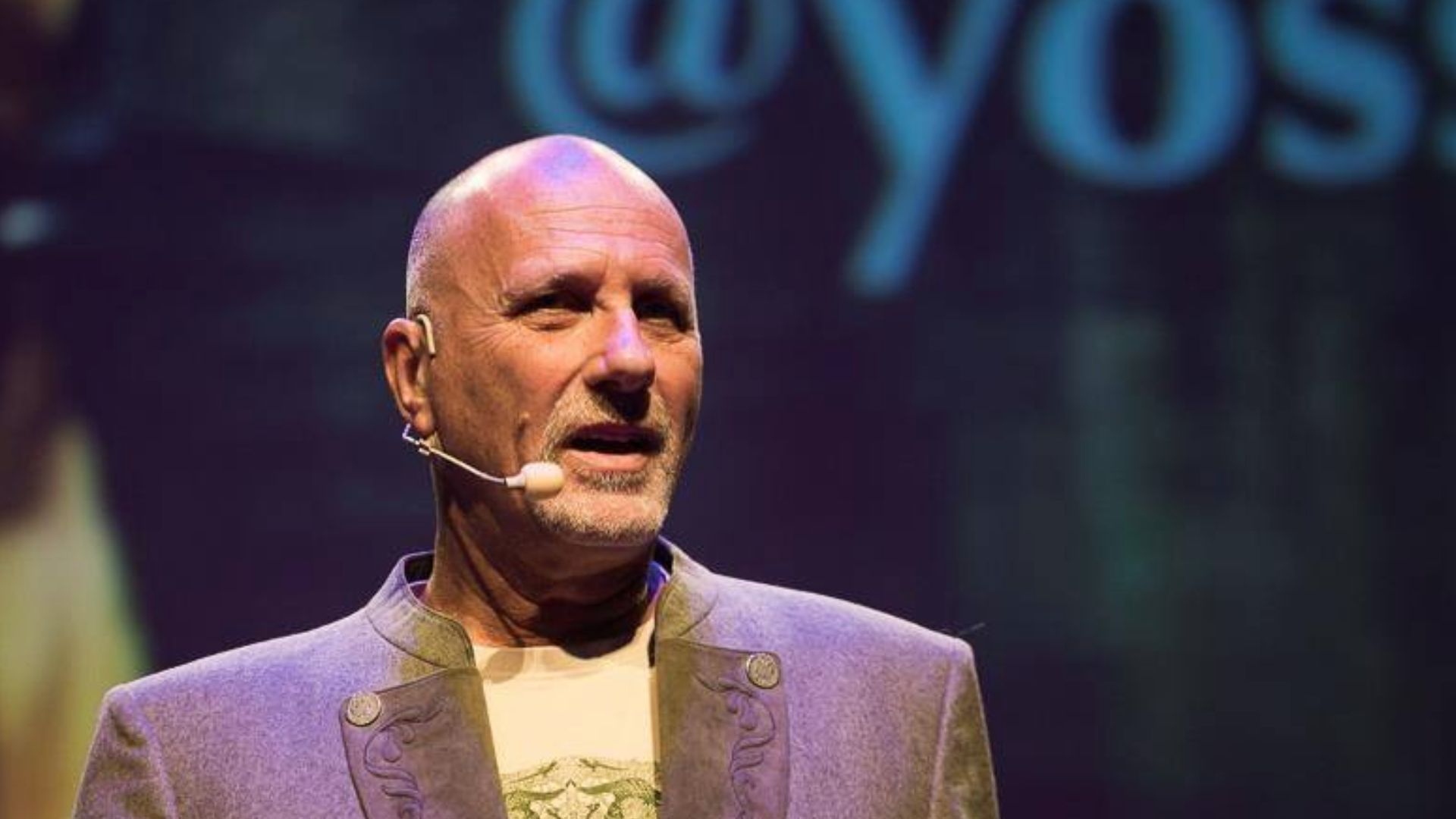
Yossi Ghinsberg Trusted A Stranger Who Claimed To Know The Amazon
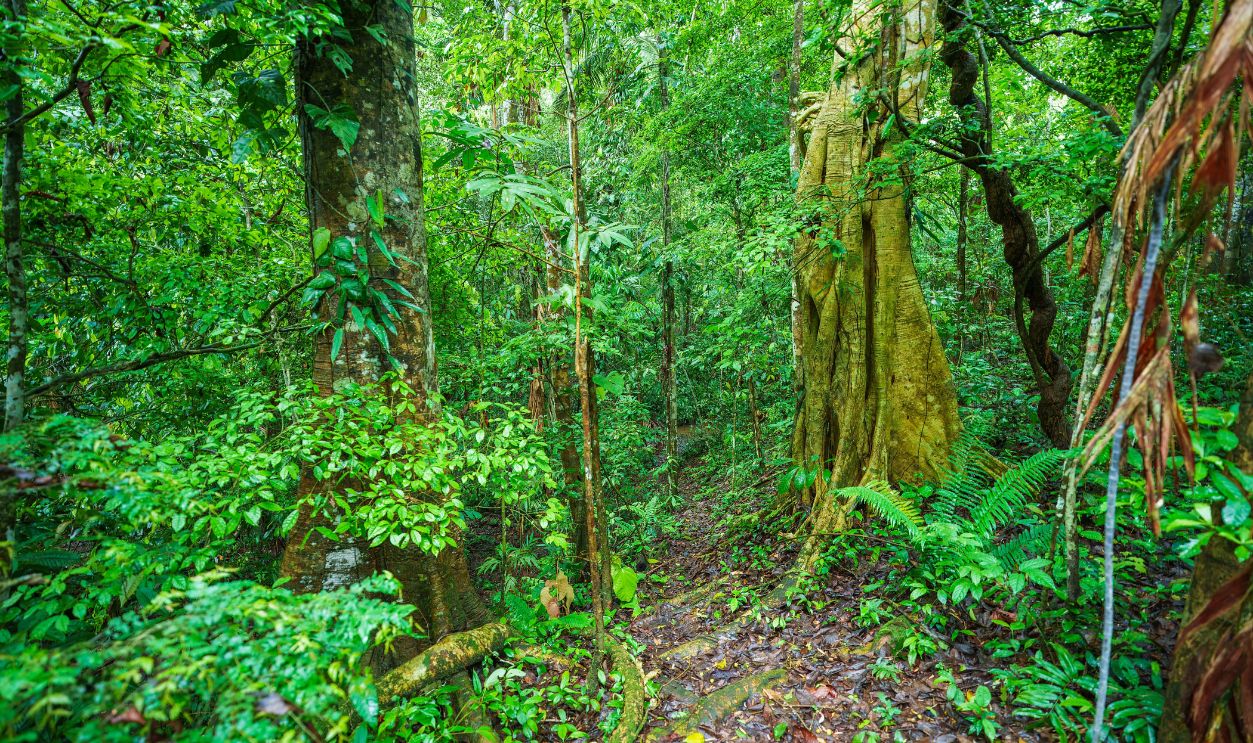
In 1981, 22-year-old Yossi Ghinsberg joined several travelers on an expedition into Bolivia’s Amazon after meeting Karl Ruprechter, an Austrian who claimed extensive knowledge of the region and promised access to remote areas and gold sites. The group eventually split, and Ghinsberg spent about three weeks alone after a rafting accident.
Who You Trust Can Be Survival Equipment
Ghinsberg’s story is often remembered for what happened after he became lost, but the decisions made before entering the jungle matter just as much. A confident stranger is not the same thing as a verified guide. For travelers booking remote excursions, credentials, local reputation, route planning, and emergency procedures deserve serious scrutiny.
 Archedmaid, Wikimedia Commons, Modified
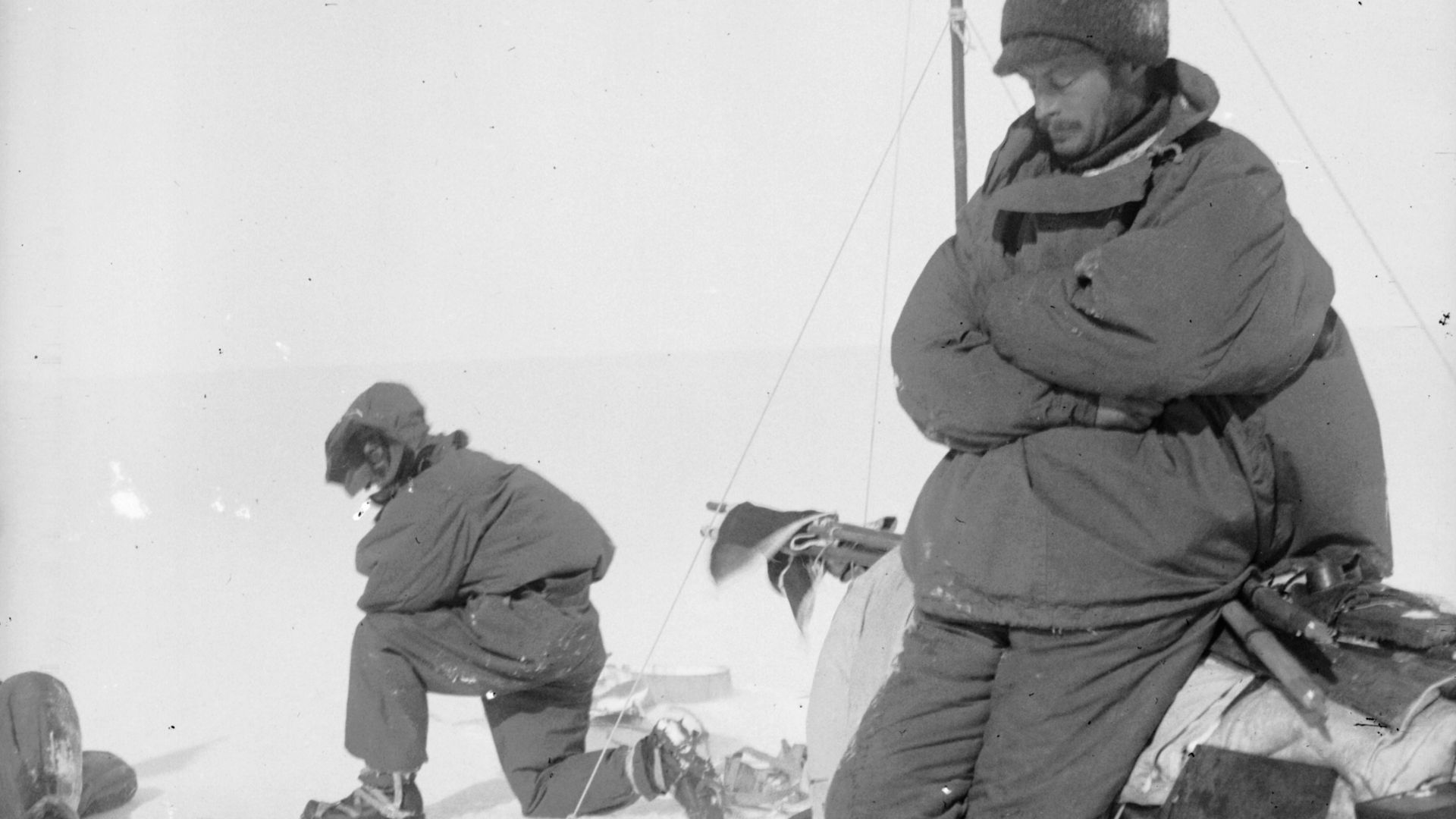
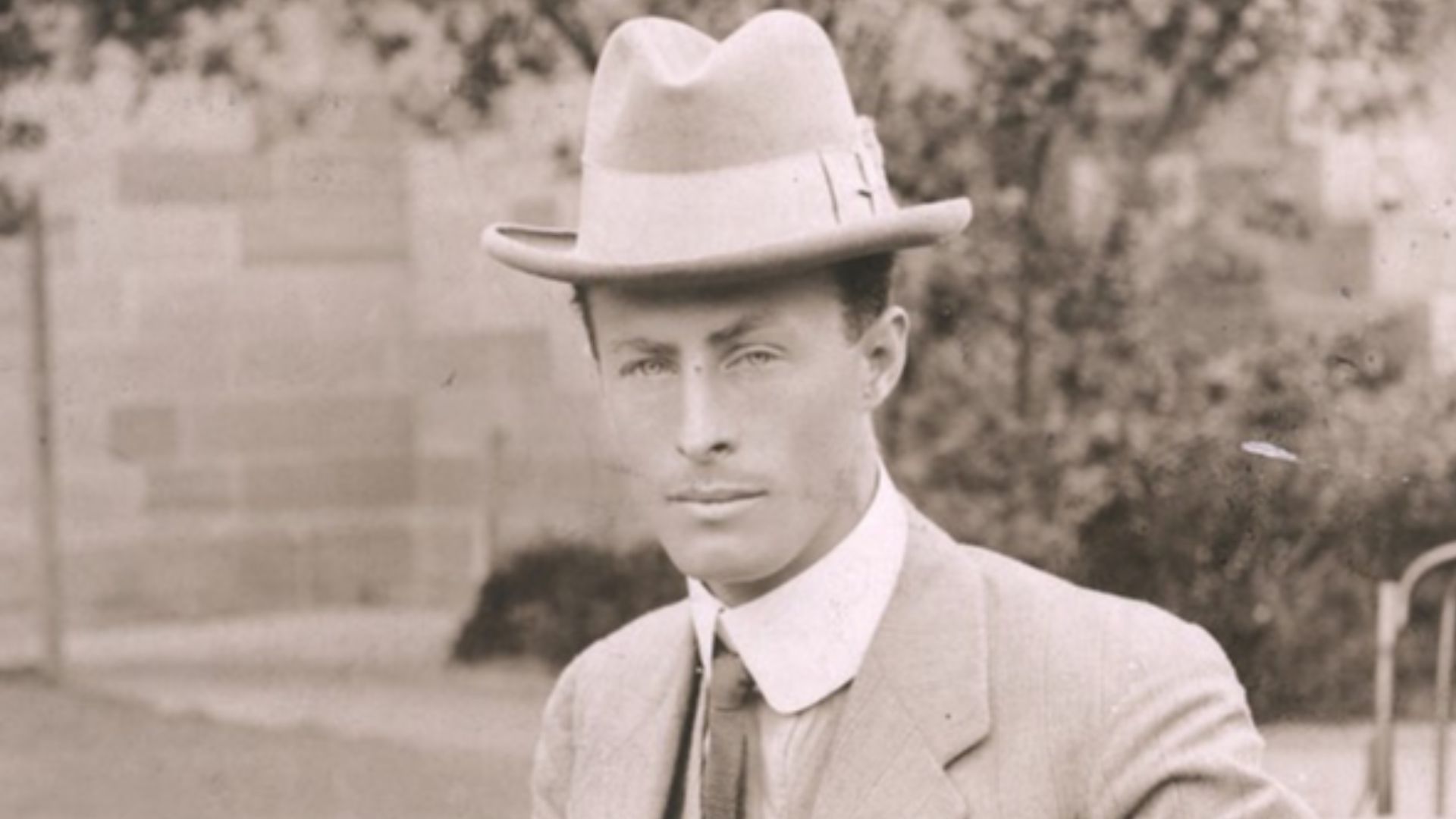
Douglas Mawson Lost More Than A Companion In One Crevasse
During the Australasian Antarctic Expedition, Belgrave Ninnis fell into a crevasse in December 1912. His sledge also carried much of the party’s food, equipment, and other essential supplies. Xavier Mertz later died during the return journey, leaving Douglas Mawson to struggle alone toward base.
 Xavier Mertz, Wikimedia Commons
Never Put Every Critical Resource In One Place
Mawson’s ordeal offers a planning lesson that remains relevant well beyond polar exploration. When vital equipment is concentrated in one backpack, vehicle, phone, canoe, or piece of luggage, losing that single item can create several emergencies at once. Redundancy feels excessive until the primary system disappears.
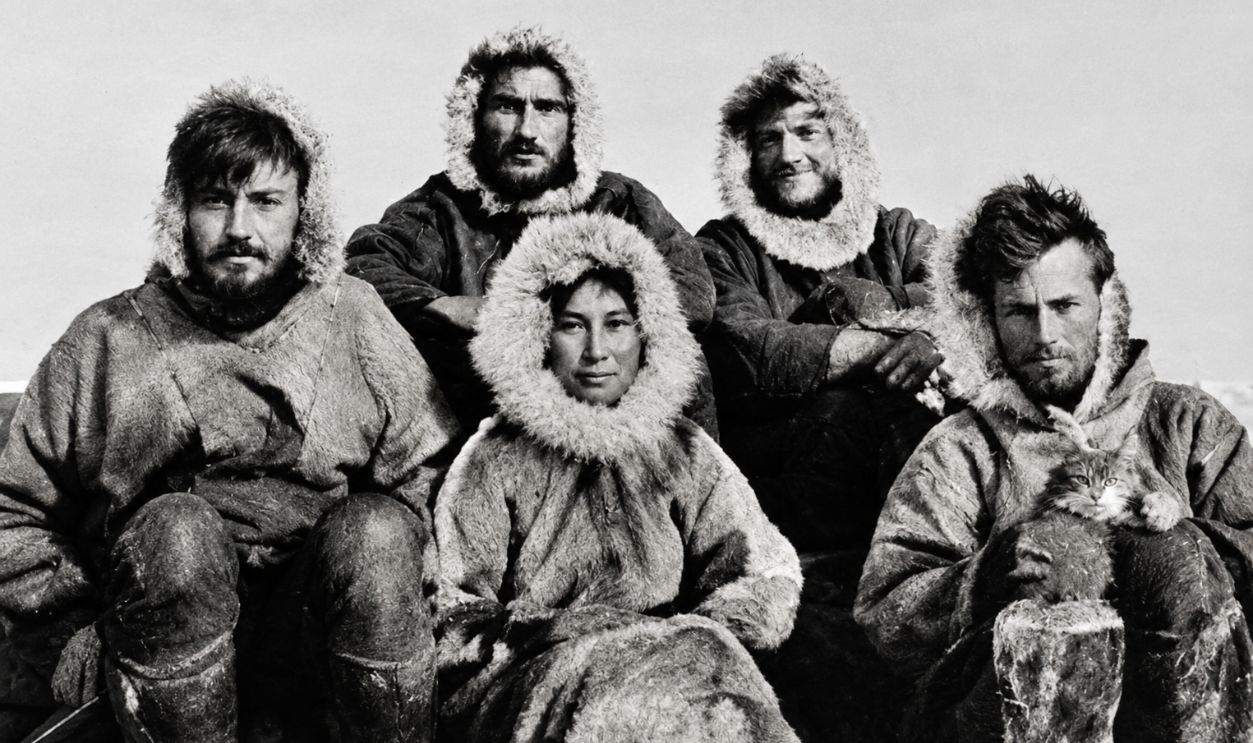
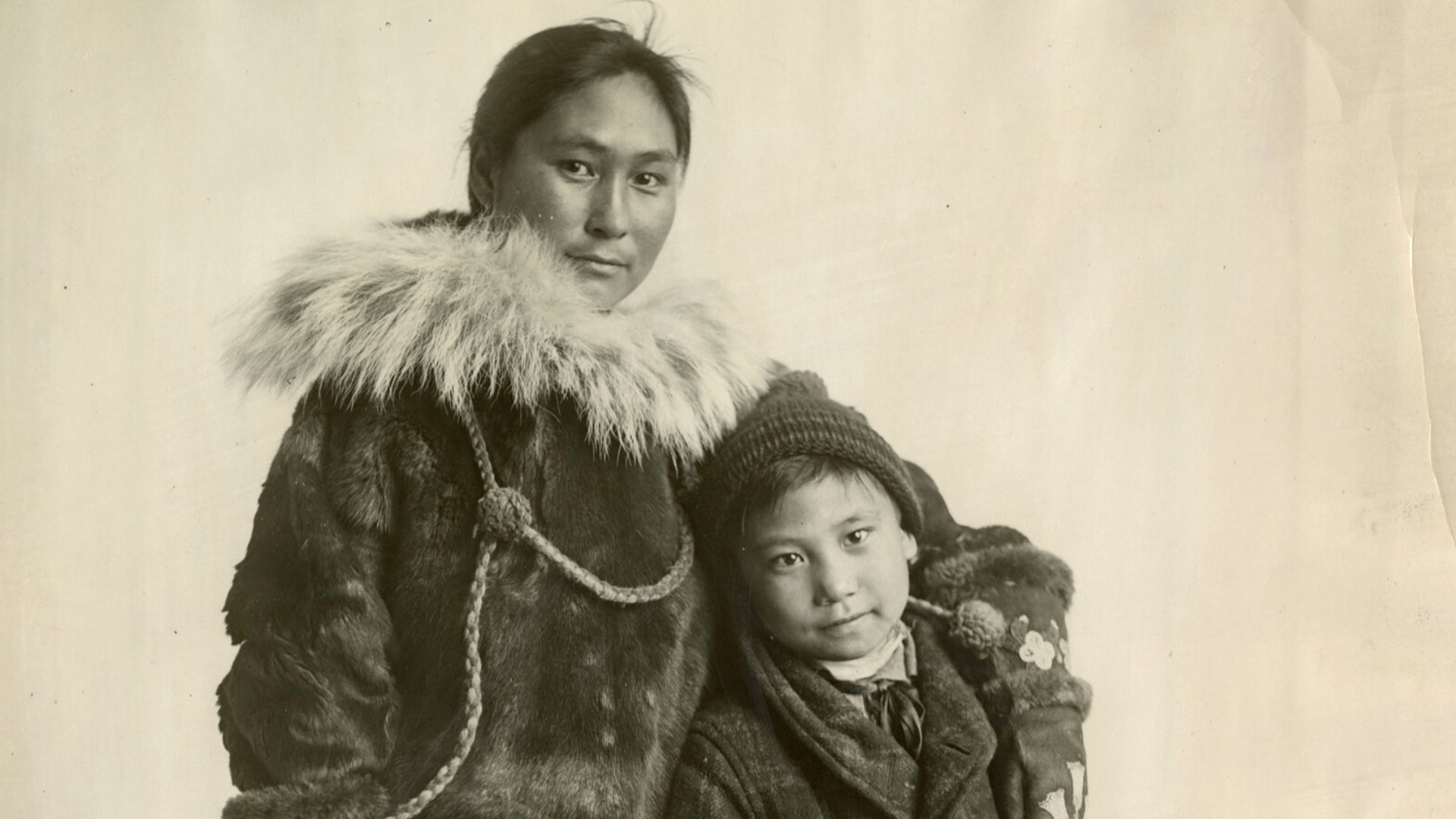
Ada Blackjack Was Supposed To Be The Seamstress
Ada Blackjack joined a 1921 expedition to Wrangel Island primarily to sew and cook for four male explorers. When resupply failed, three men left seeking help and never returned. The remaining expedition member perished, leaving Blackjack alone in the Arctic until a rescue vessel finally reached the island in August 1923.
 Internet Archive, Wikimedia Commons, Enhanced
The Least Experienced Person May Have To Take Over
Blackjack learned to hunt and protect herself in circumstances for which she had never expected to be responsible. Her story exposes a flaw in relying completely on the “expert” in a group. Everyone traveling remotely benefits from knowing the basics of navigation, communication, first aid, shelter, and emergency procedures.
Joe Simpson Reached The Summit Before Everything Went Wrong
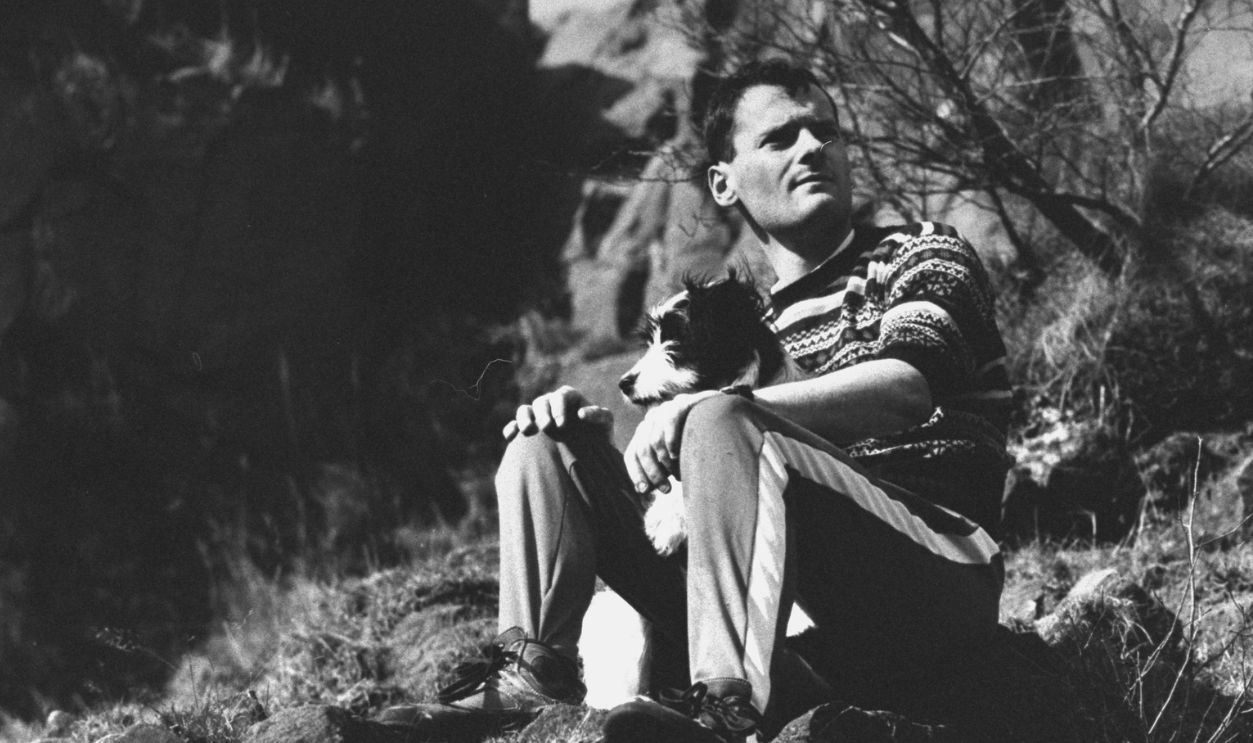
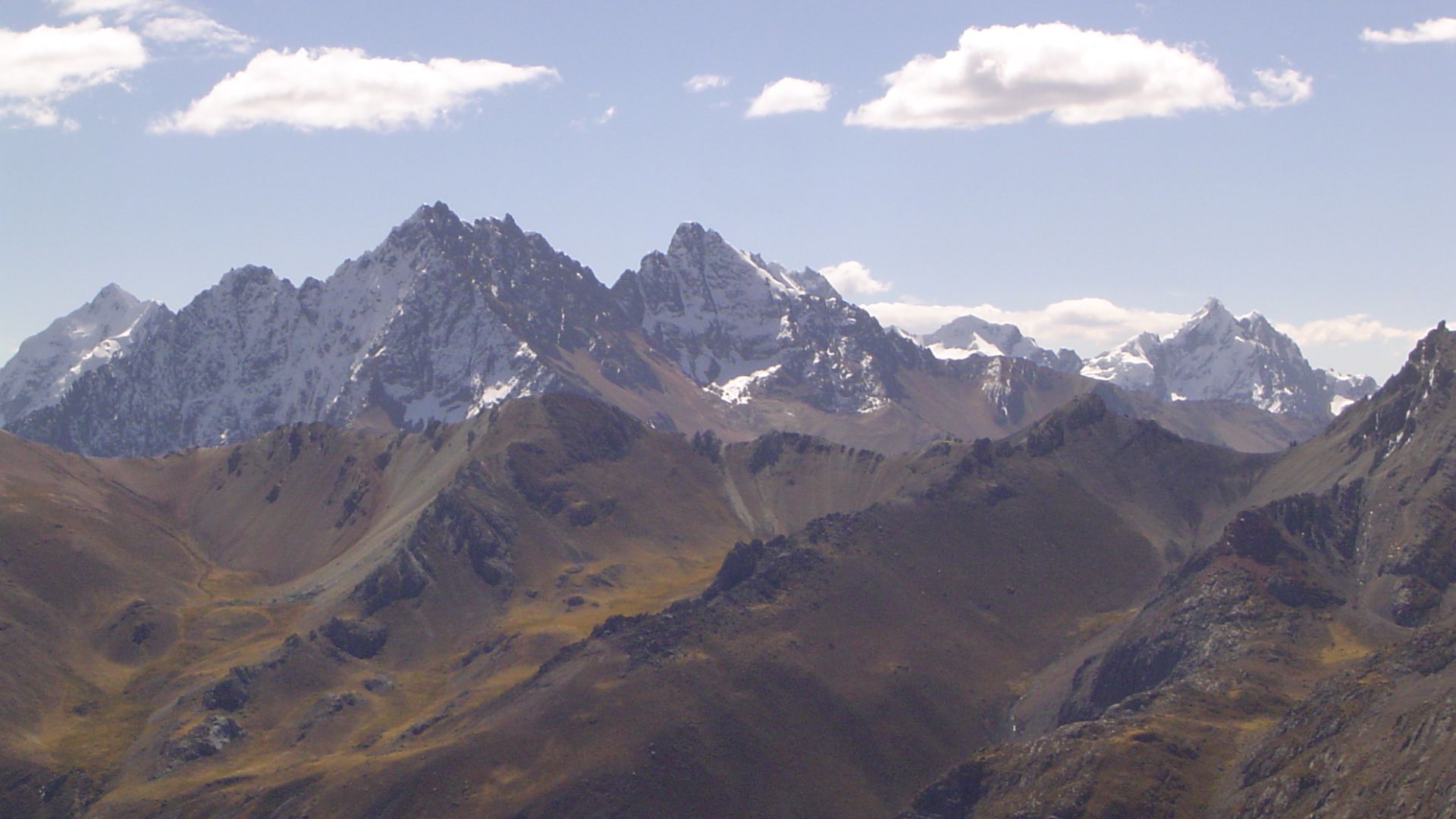
In 1985, Joe Simpson and Simon Yates successfully climbed the previously unclimbed west face of Peru’s Siula Grande. The catastrophe came afterward. Simpson badly broke his leg during the descent, and a desperate attempt by Yates to lower him eventually left Simpson hanging beyond an unseen drop.
Reaching The Summit Did Not Mean They Were Safe
Yates ultimately cut the rope when he was in danger of being pulled from his own position. Simpson survived the resulting fall into a crevasse and somehow made his way back to camp. The story demolishes a common mental trap: reaching the summit, viewpoint, or turnaround destination does not mean the dangerous part is finished.
Survival Stories Can Give Travelers The Wrong Message
There is a seductive way to read every case here: extraordinary people overcame extraordinary odds, therefore determination can solve anything. That is not the safest takeaway. Survivors are the people available to tell the story. Preparation matters precisely because wilderness emergencies do not always produce miraculous endings.
Small Precautions Have An Outsized Payoff
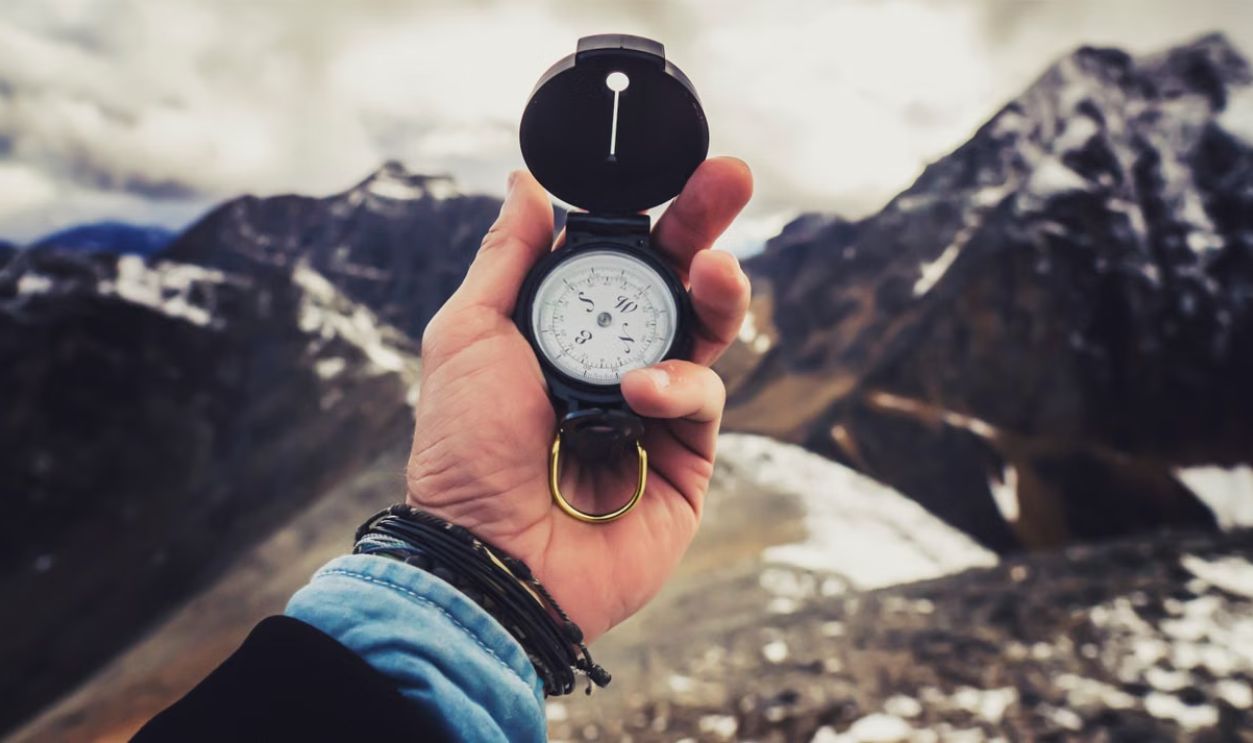
The practical lessons are surprisingly ordinary: tell someone your route, carry navigation and emergency supplies, check weather, verify guides, keep critical resources redundant, know when to turn around, and never assume a phone guarantees rescue. Several of those lessons closely match current National Park Service guidance, including leaving a trip plan, checking conditions, carrying essential supplies, knowing when to turn around, and never assuming a cellphone will guarantee rescue.
Risk Should Change Your Planning, Not Ruin The Adventure
None of these stories argues that travelers should stay home. The wilderness is worth exploring precisely because it is not completely controlled. The smarter response is to respect how quickly conditions can change. Good preparation does not remove adventure. It gives you more options when the trip stops following the plan.
 veerasak Piyawatanakul, Pexels
You May Also Like:
Ordinary Household Objects With Surprisingly Dark Origins
The Most Chilling Answers Scientists Have Given To The Fermi Paradox