A Remarkable Discovery Beneath An Israeli City
Archaeologists digging in Kafr Qasim, Israel, have uncovered something extraordinary: a sprawling, 1,600-year-old estate filled with colorful mosaics and fascinating clues about an ancient community. Announced in September 2025, the discovery is offering a remarkable glimpse into Samaritan life during the Byzantine era, when religion, agriculture, and wealth shaped everyday existence.
An Unexpected Find During Construction
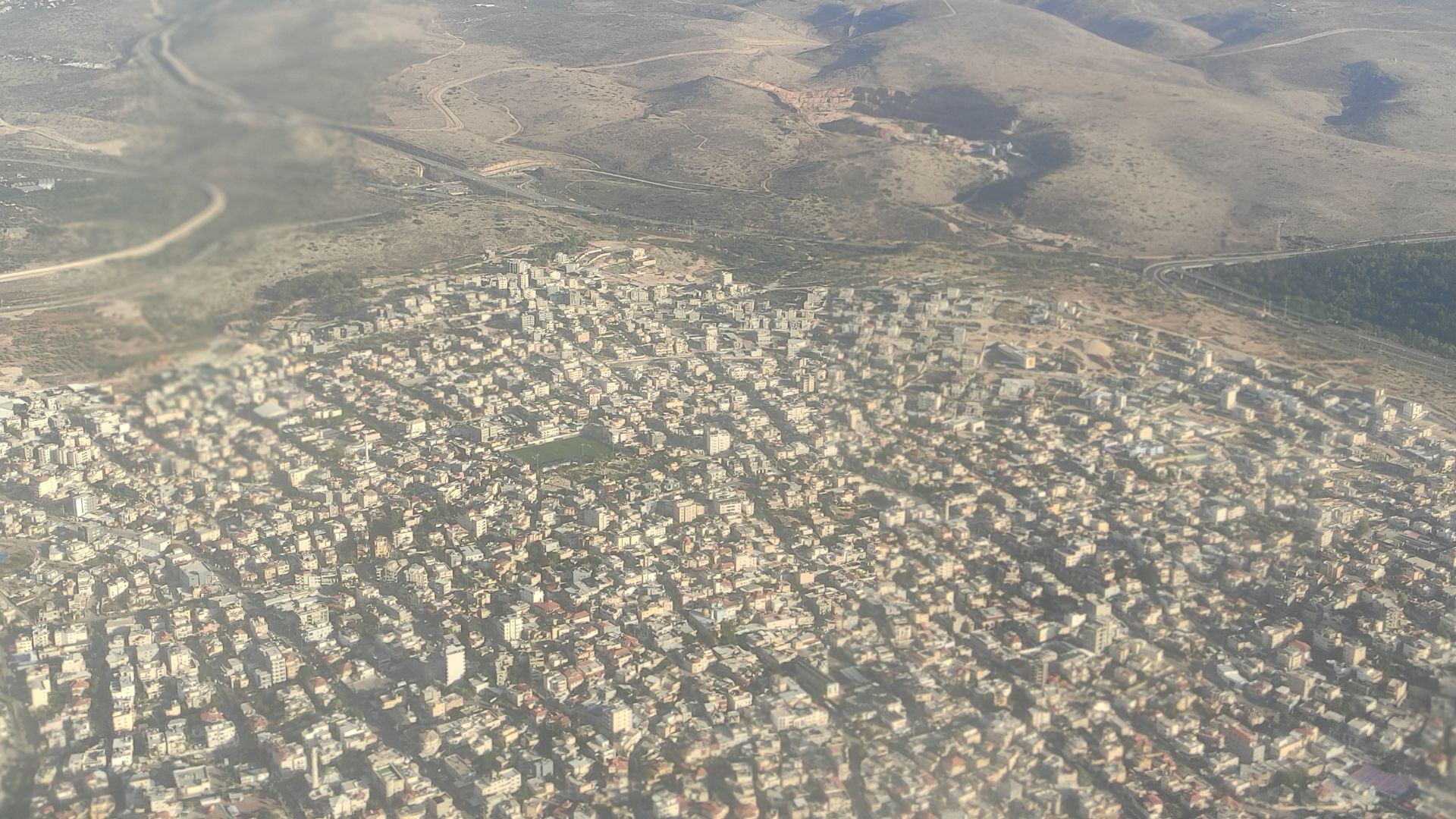
The discovery happened ahead of plans to build a new neighborhood in Kafr Qasim, a city in central Israel. Archaeologists from the Israel Antiquities Authority were investigating the land before construction began. What initially appeared to be ordinary ancient remains soon revealed itself as something much more significant.
 Nizzan Cohen, Wikimedia Commons
A Villa Hidden For Centuries
Beneath layers of accumulated earth, researchers uncovered the remains of an extensive agricultural estate dating back to the fourth century CE. The property included impressive buildings, elaborate mosaic floors, and facilities connected to farming and religious practices. Together, these discoveries suggest that its original inhabitants enjoyed considerable prosperity.
 Carole Raddato from FRANKFURT, Germany, Wikimedia Commons
The Ancient Community Behind The Villa
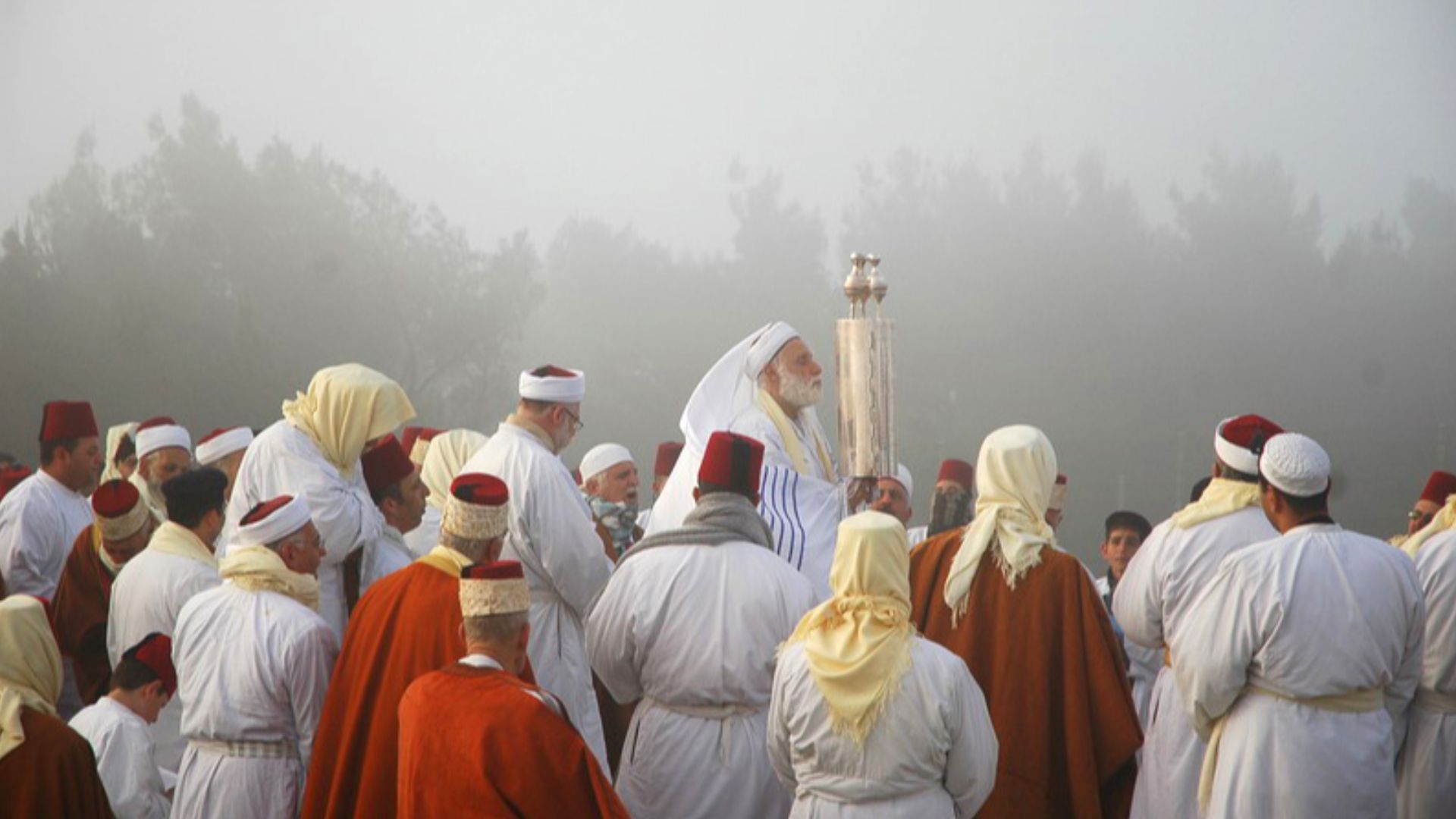
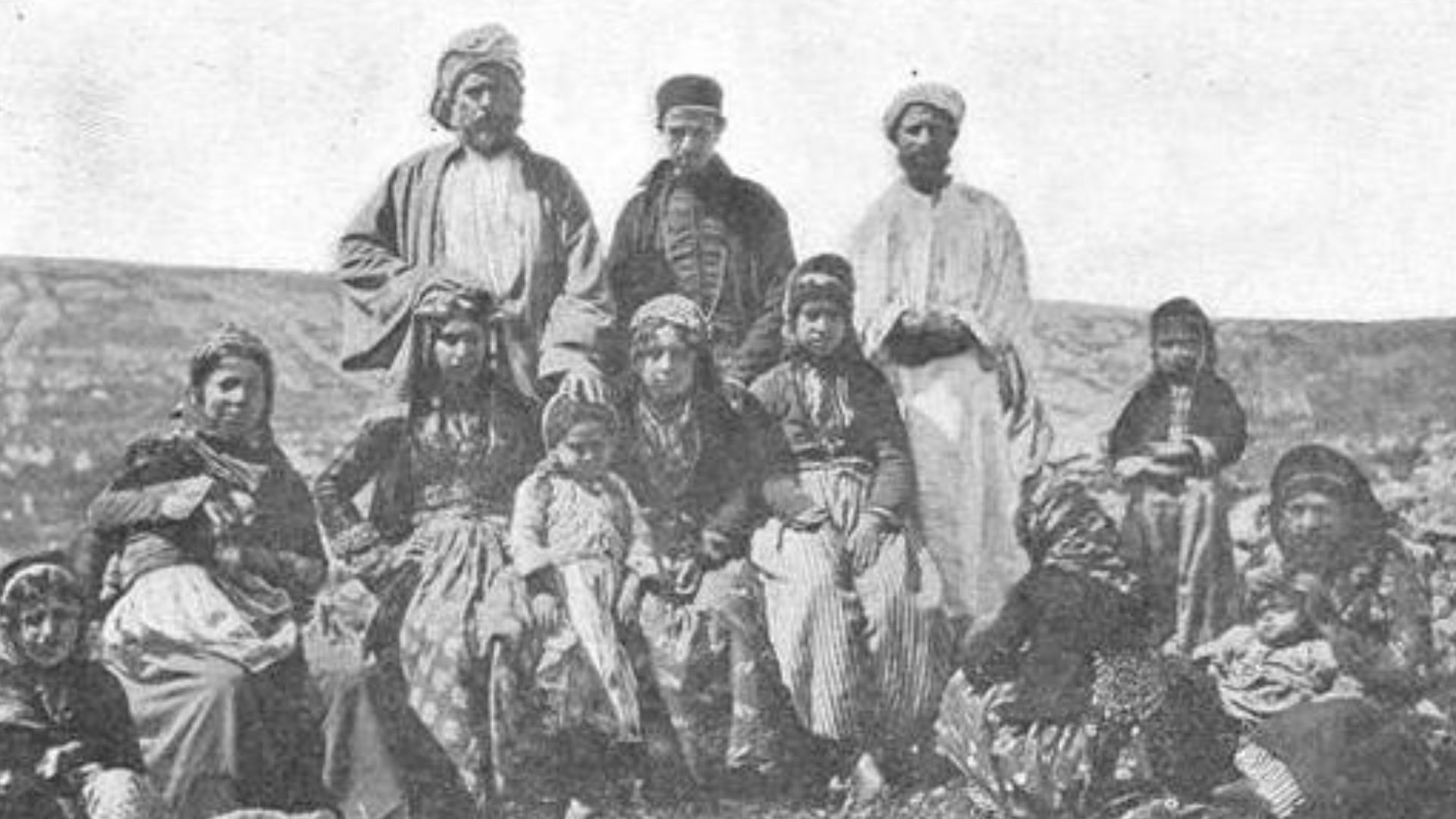
The estate belonged to a settlement associated with the Samaritans, an ancient religious community with deep roots in the region. Samaritans trace their ancestry to the Israelites and follow their own version of the Torah. Although their traditions share similarities with Judaism, they maintain a distinct religious identity.
 Edkaprov (Edward Kaprov)., Wikimedia Commons
A Settlement With A Long History
Archaeologists believe the settlement remained active between the fourth and seventh centuries CE, spanning roughly 300 years. This was a period of enormous religious and political change in the region. The estate's remains offer valuable evidence of how Samaritan families lived through those centuries.
 John D. Whiting, Wikimedia Commons
The Mosaics Immediately Stole The Show
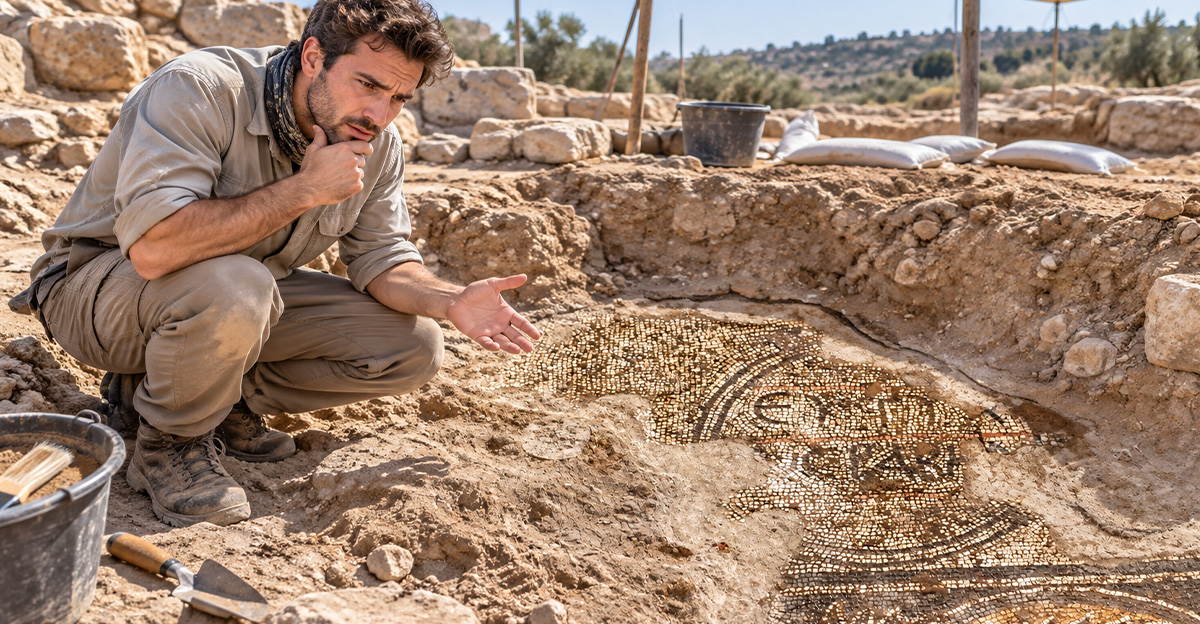
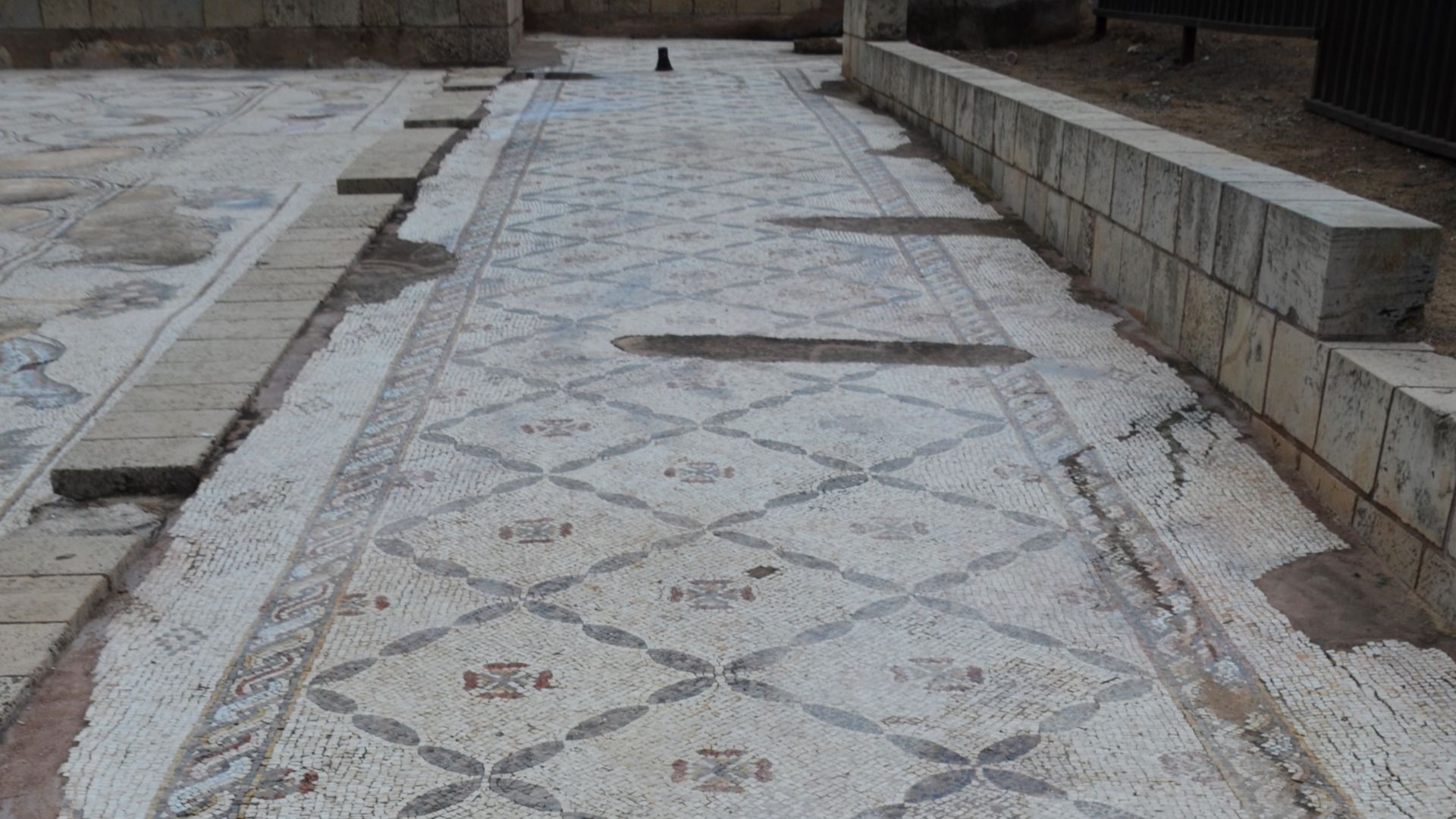
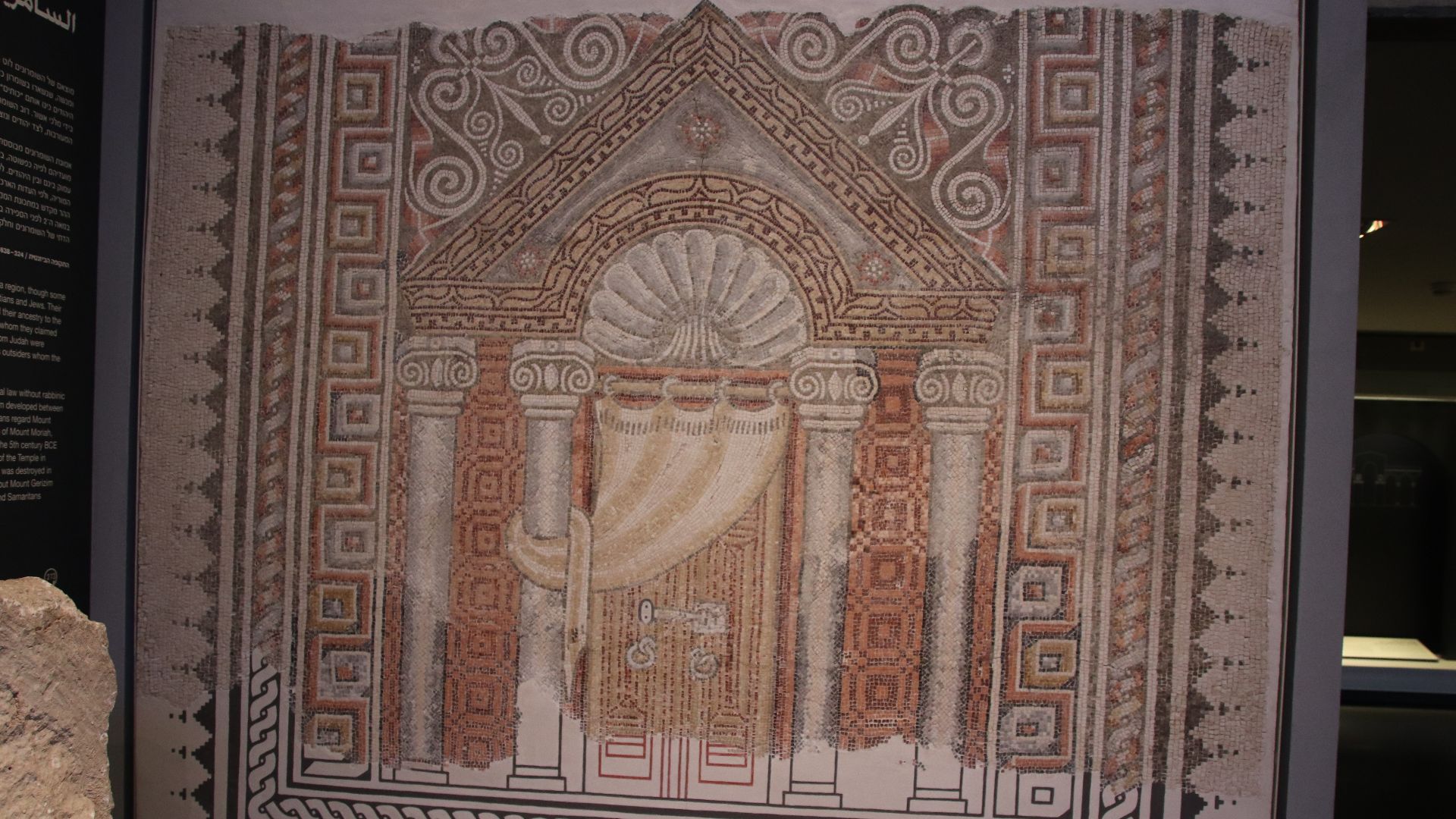
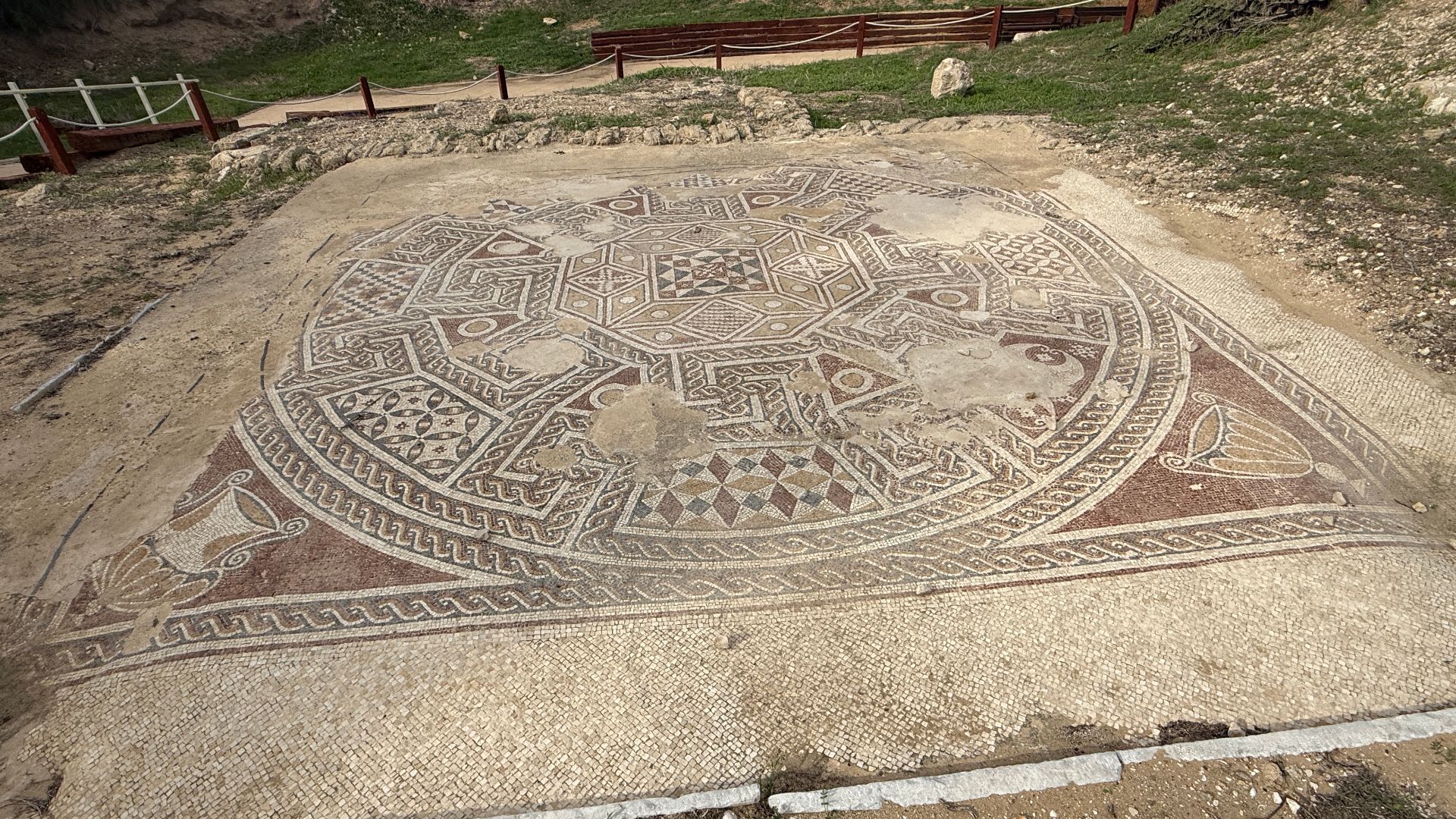
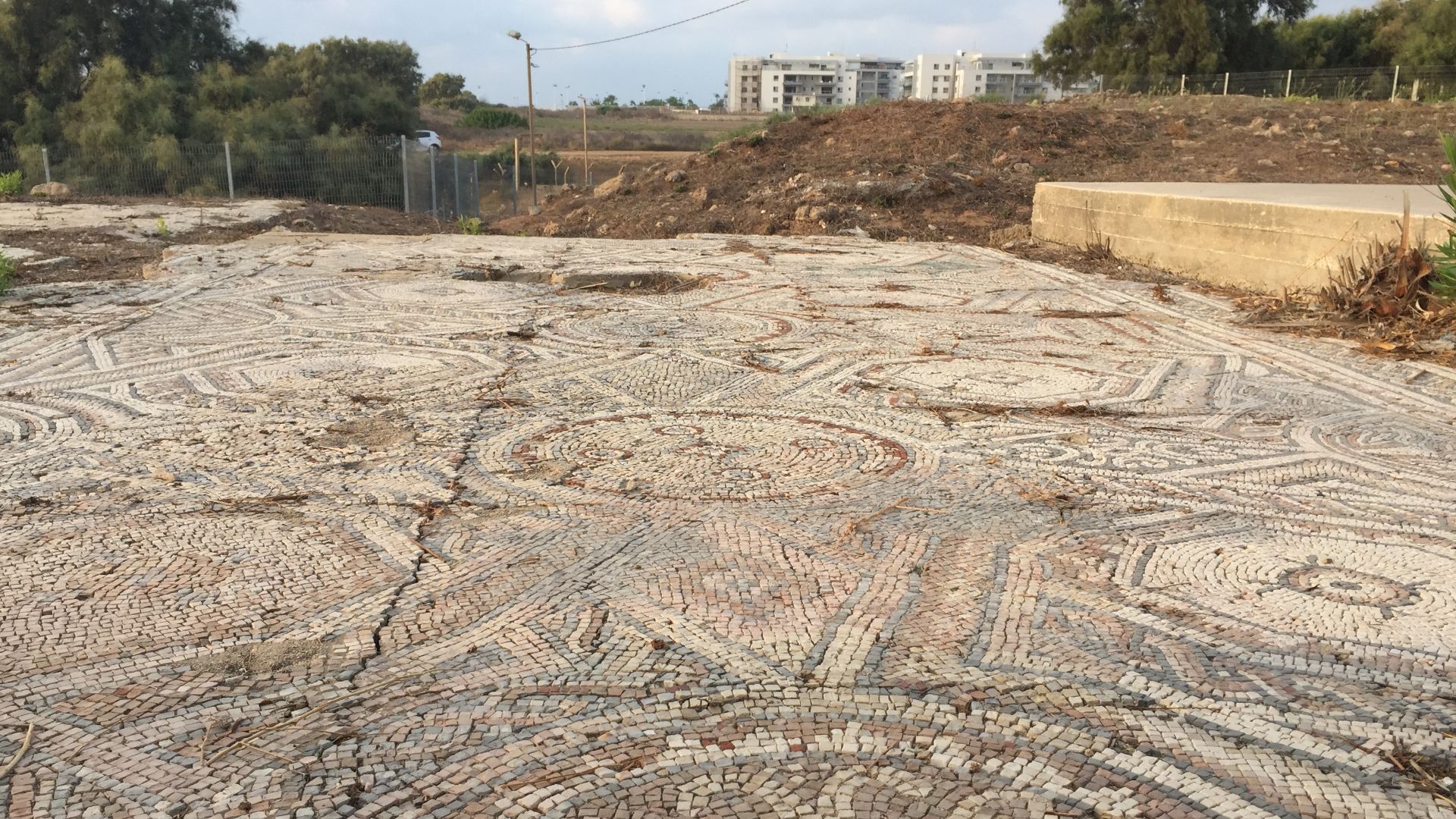
Among the most spectacular discoveries were beautifully preserved mosaic floors decorating the estate's buildings. Thousands of tiny colored stones formed elaborate arrangements that would have impressed visitors centuries ago. Their craftsmanship suggests that the original owners had both the money and the desire to create an elegant living environment.
 Gary Todd from Xinzheng, China, Wikimedia Commons
A Floor Filled With Ancient Artwork
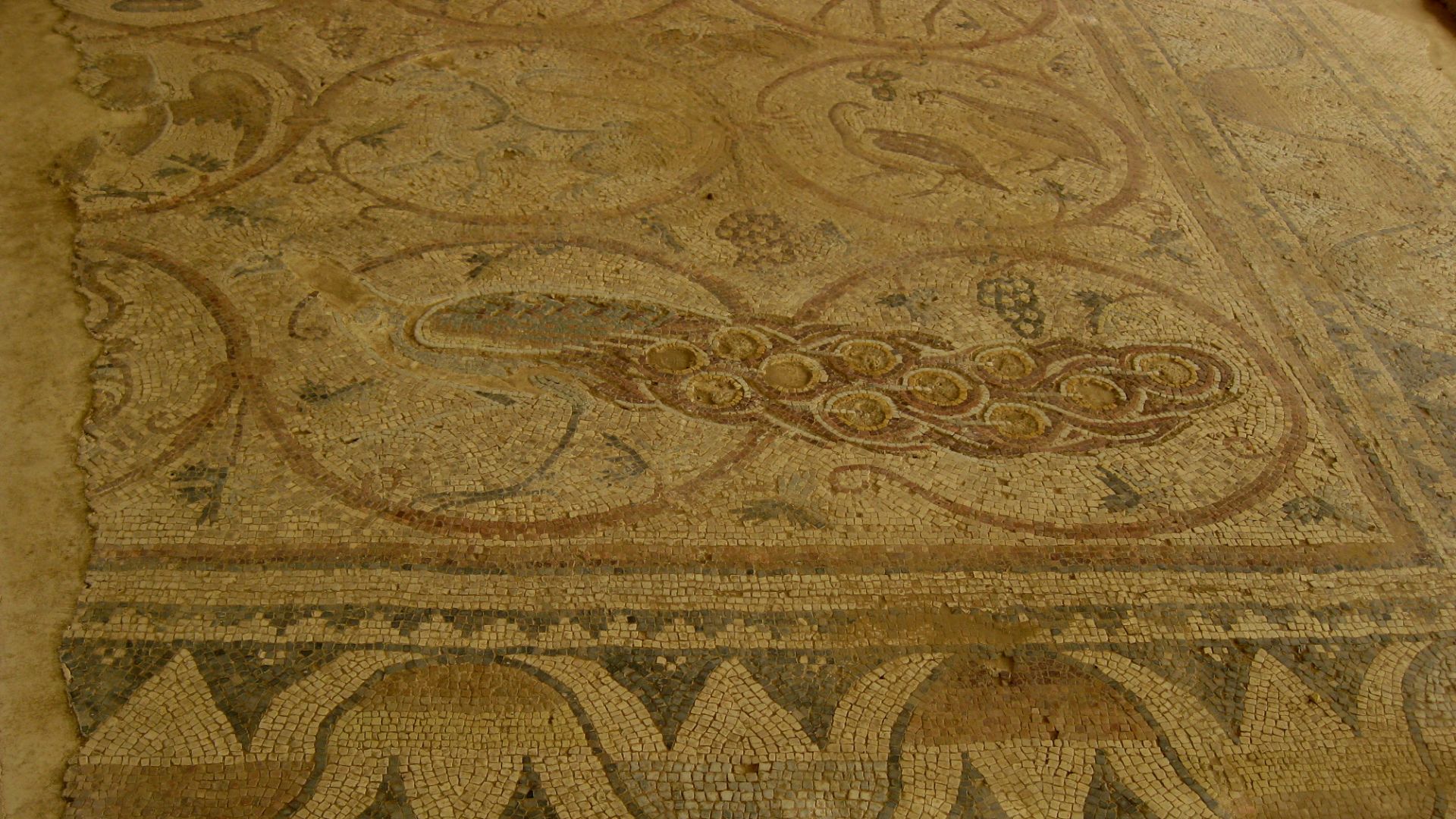
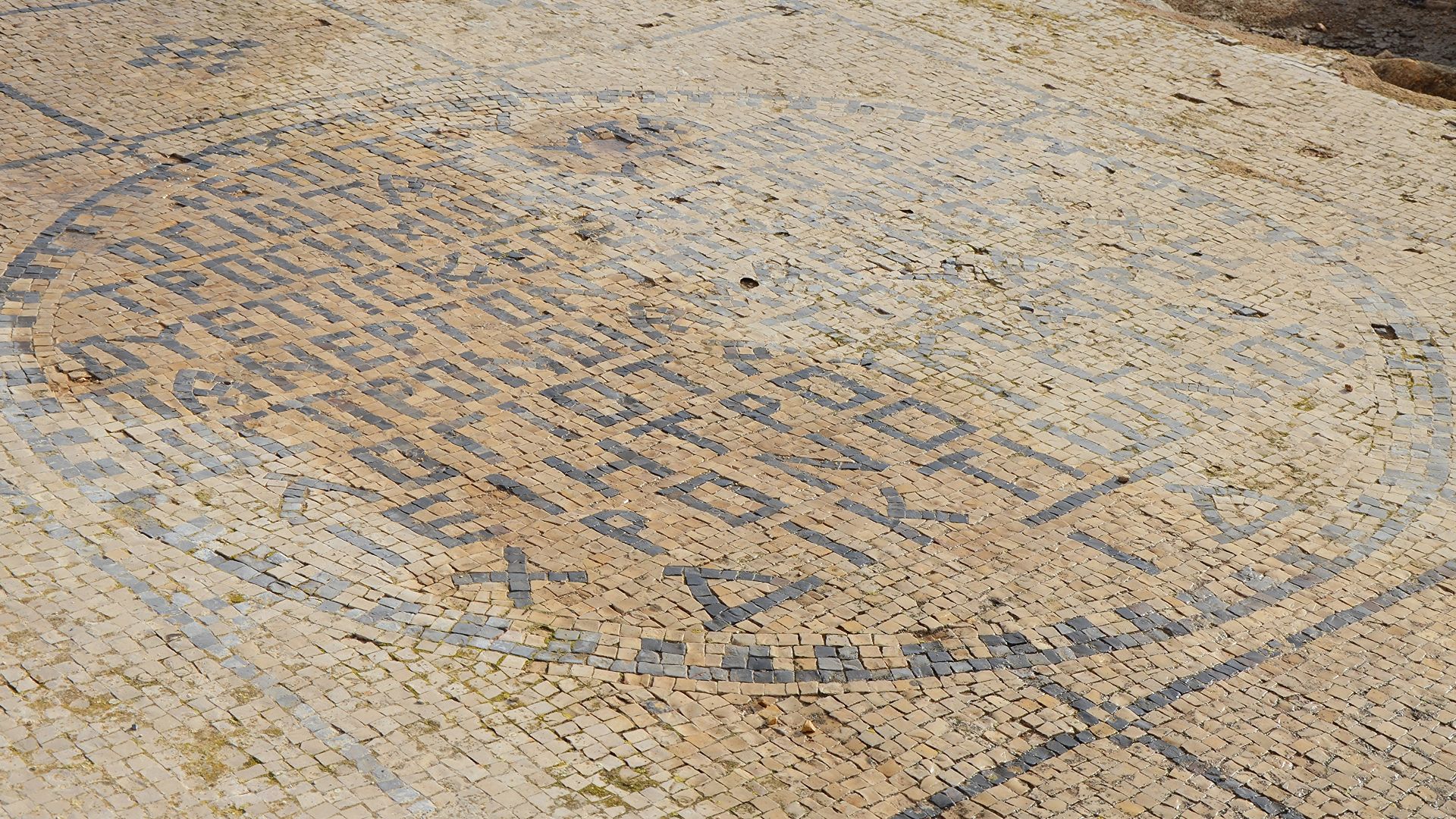
One particularly impressive mosaic features a central medallion surrounded by detailed geometric patterns and decorative leaves. Its carefully arranged designs demonstrate the skill of the artisans who created it. Even after approximately 1,600 years underground, the artwork retains enough detail to reveal its original beauty.
The Decorations Contained An Unexpected Surprise
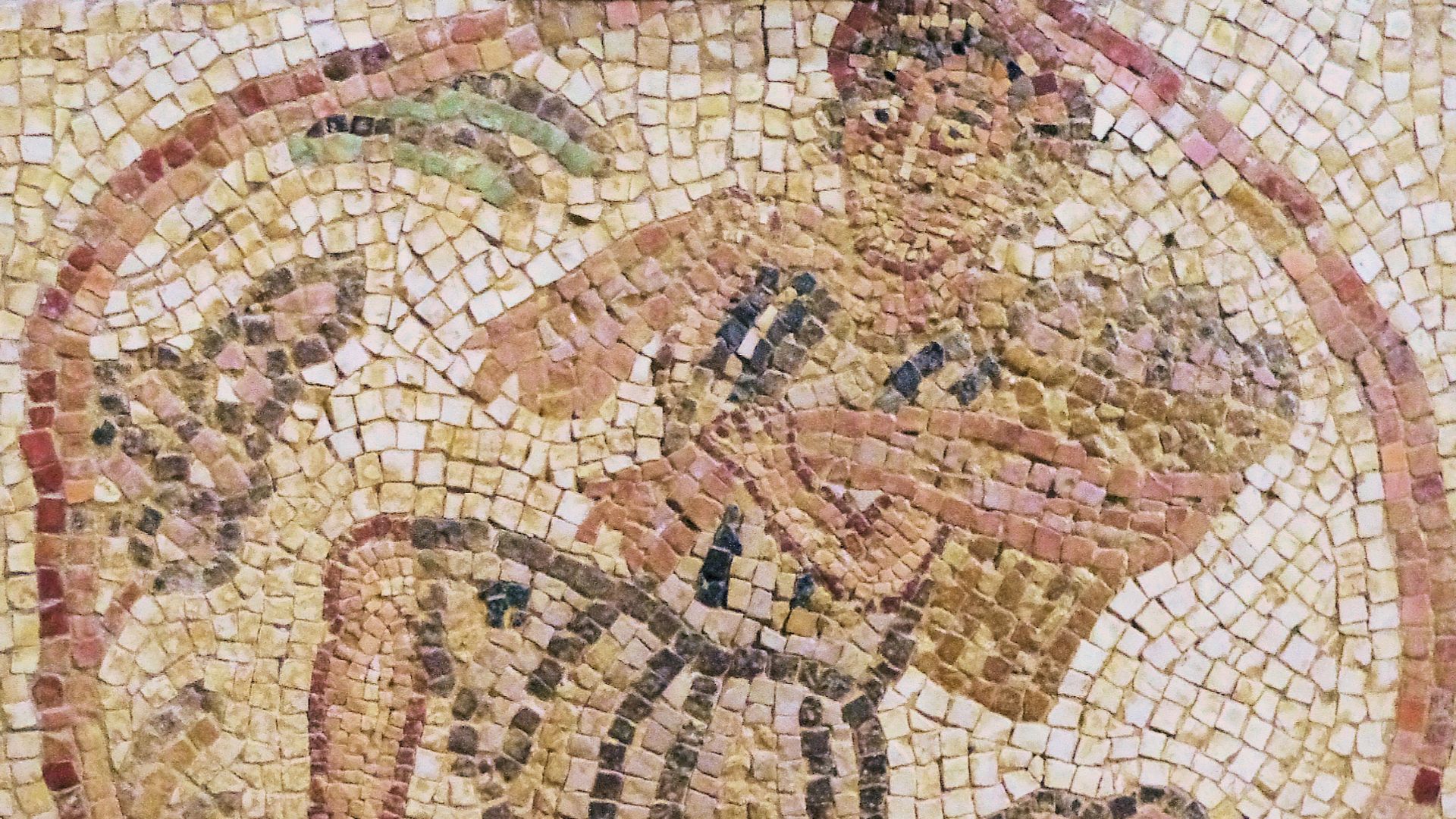
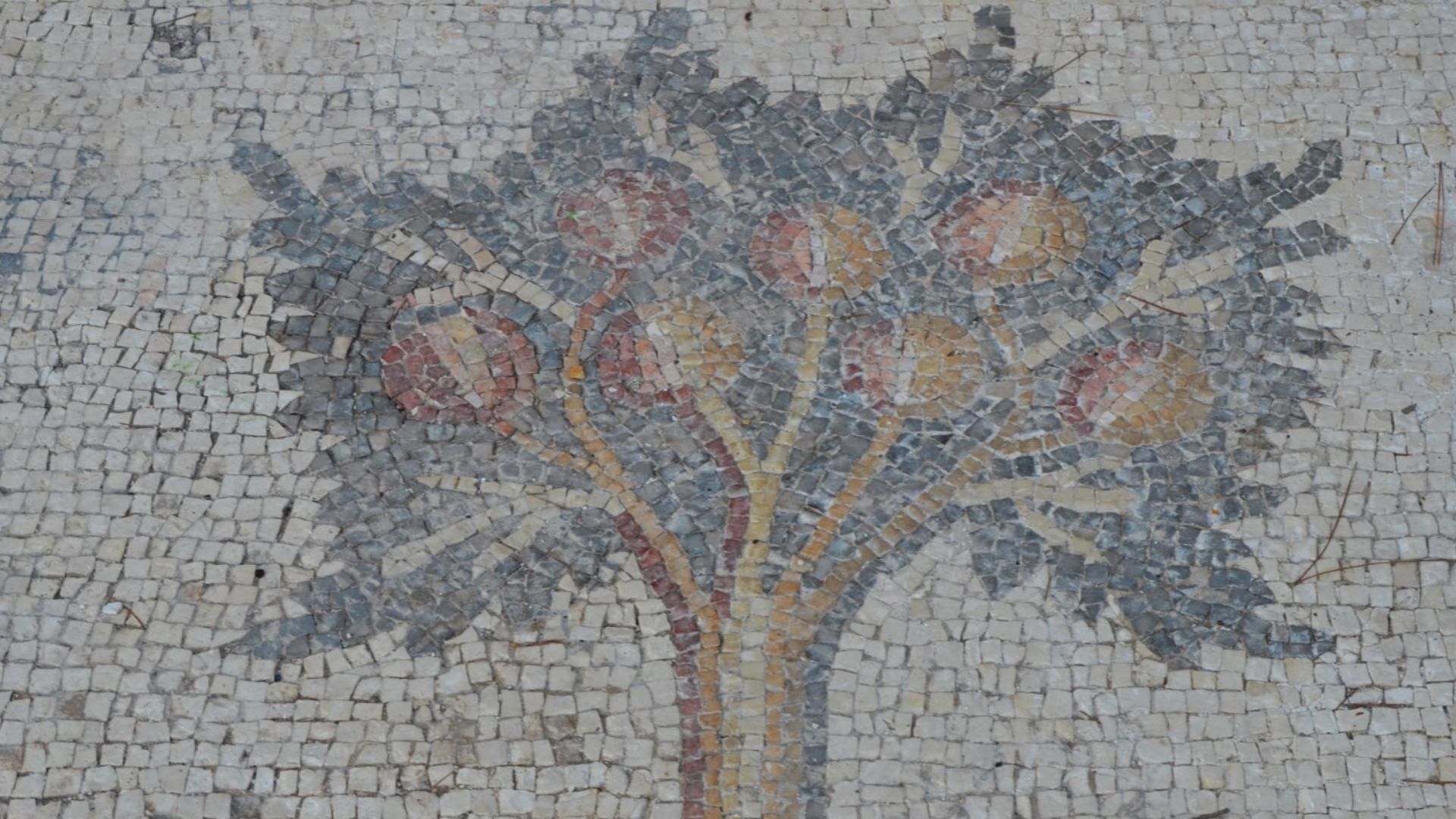
Look closely at the mosaic, and something rather unusual appears. Alongside its geometric patterns are recognizable fruits and vegetables, including grapes, dates, and watermelons. Archaeologists also identified artichokes and asparagus, making this ancient floor a surprisingly interesting window into the agricultural world of its inhabitants.
 Ken & Nyetta, Wikimedia Commons
Why Those Vegetables Actually Matter
The produce depicted in the mosaic may seem like simple decoration, but it offers clues about the importance of agriculture to the community. The images celebrate the abundance of the land and potentially the estate's prosperity. However, they don't establish that every illustrated crop was grown on the property itself.
 Carole Raddato from FRANKFURT, Germany, Wikimedia Commons
A Mysterious Message Welcomed Visitors
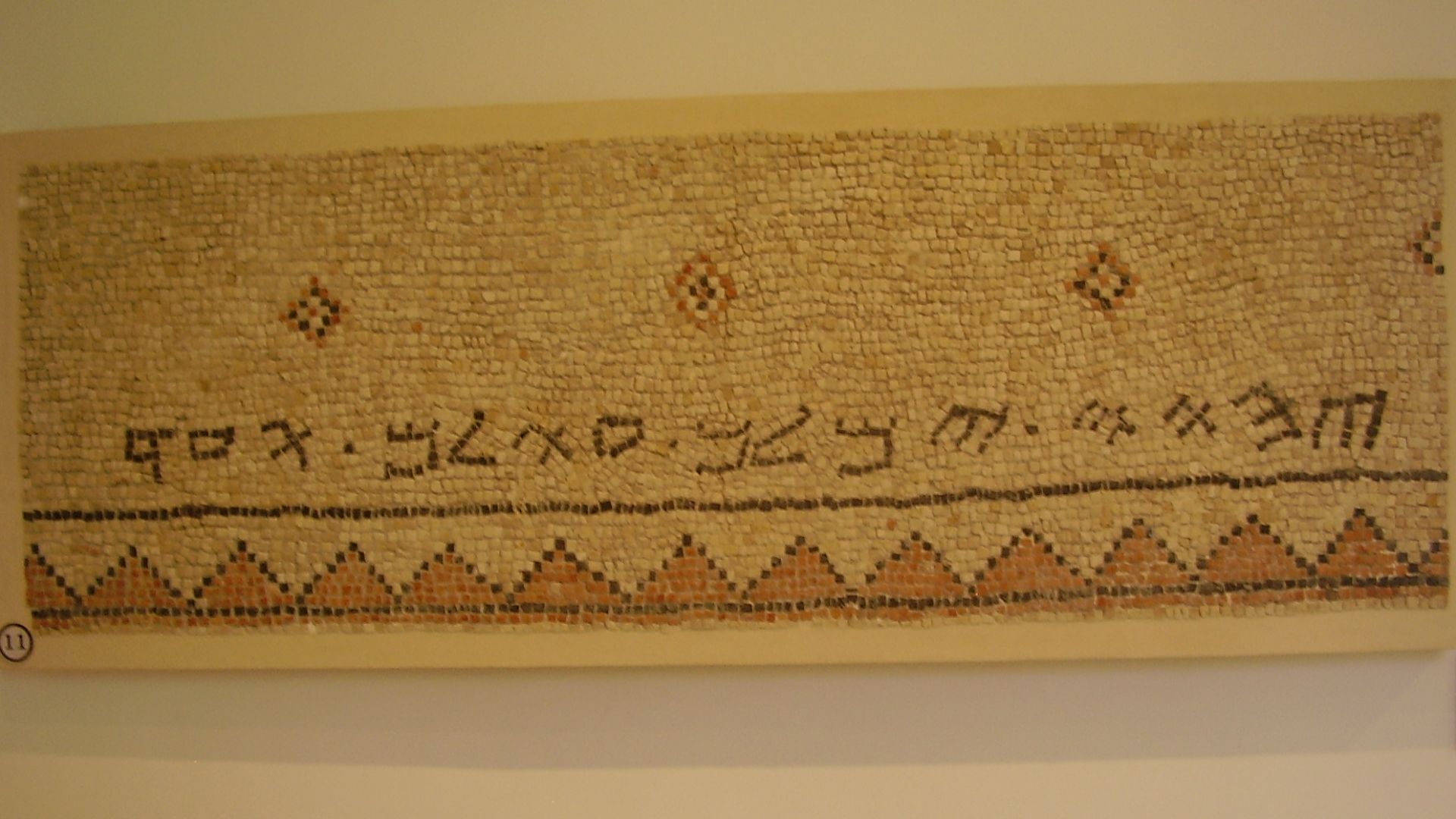
Near the entrance to one decorated room, archaeologists discovered a partially preserved Greek inscription. It contains a congratulatory greeting, interpreted in initial reports as wishing the owner good fortune. Although portions of the inscription are missing, researchers believe the surviving name was one commonly used among ancient Samaritans.
 Carole Raddato, Wikimedia Commons
The Language Raised New Questions
The Greek inscription was particularly intriguing because Samaritans traditionally used Aramaic in many of their writings. Its presence suggests that the estate's inhabitants may have participated in the wider Greek-speaking culture of the Byzantine world. The discovery highlights how ancient communities could maintain distinctive traditions while interacting with neighboring societies.
 Dr. Avishai Teicher, Wikimedia Commons
A Clue Hidden In The Artwork
Researchers noticed another interesting feature: the surviving decorative mosaics avoided images of people and animals. Instead, the artists relied on geometric arrangements and plants. This preference matches religious artistic traditions associated with the Samaritans, providing another important clue to the identity of the estate's inhabitants.
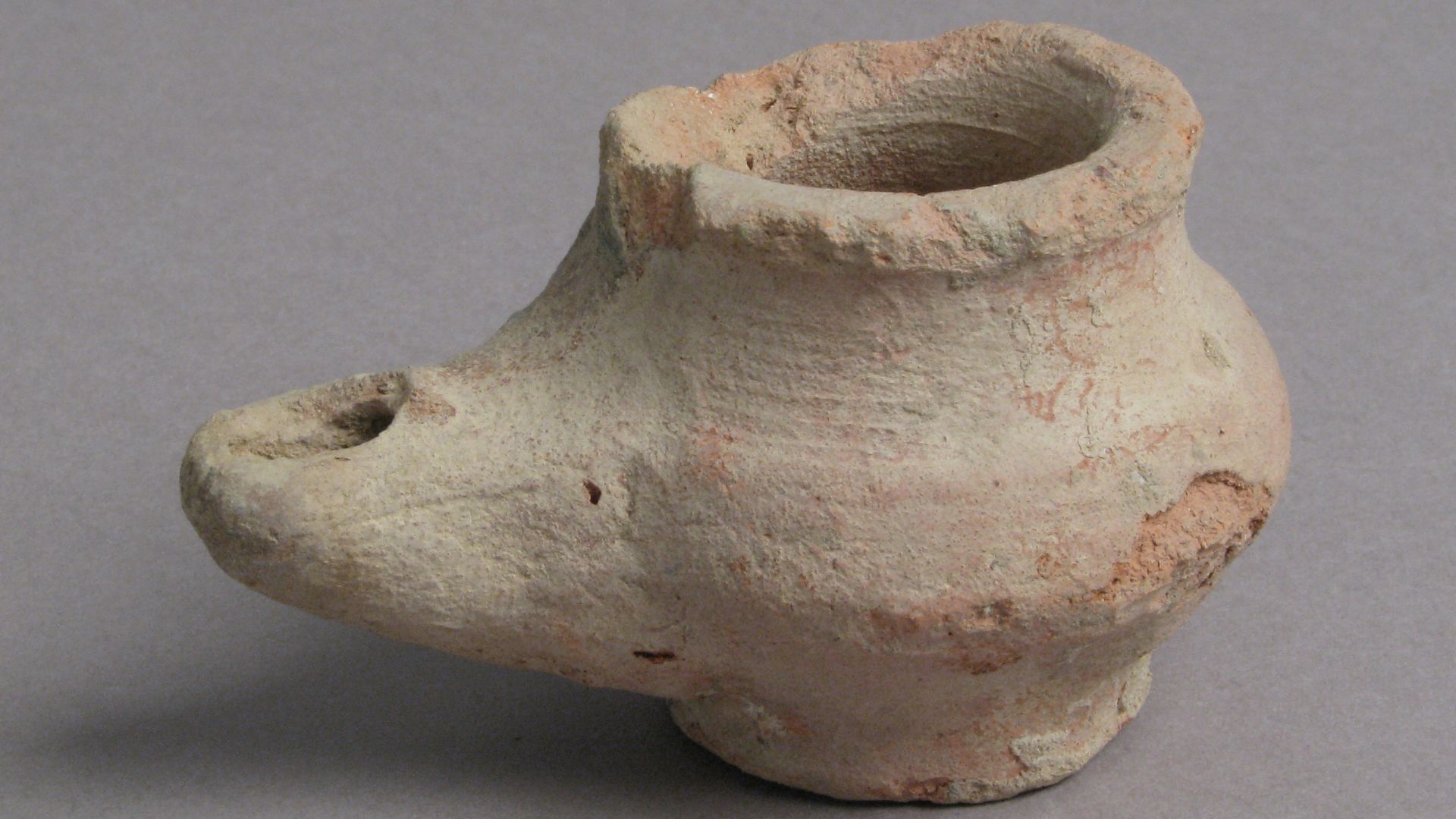
The Oil Lamps Provided More Evidence
Archaeologists recovered numerous distinctive oil lamps from the site. These lamps featured geometric decorations and characteristic handles associated with Samaritan craftsmanship. Because such objects were used in everyday life, they provide particularly useful evidence of the community's identity beyond what the estate's impressive buildings alone can reveal.
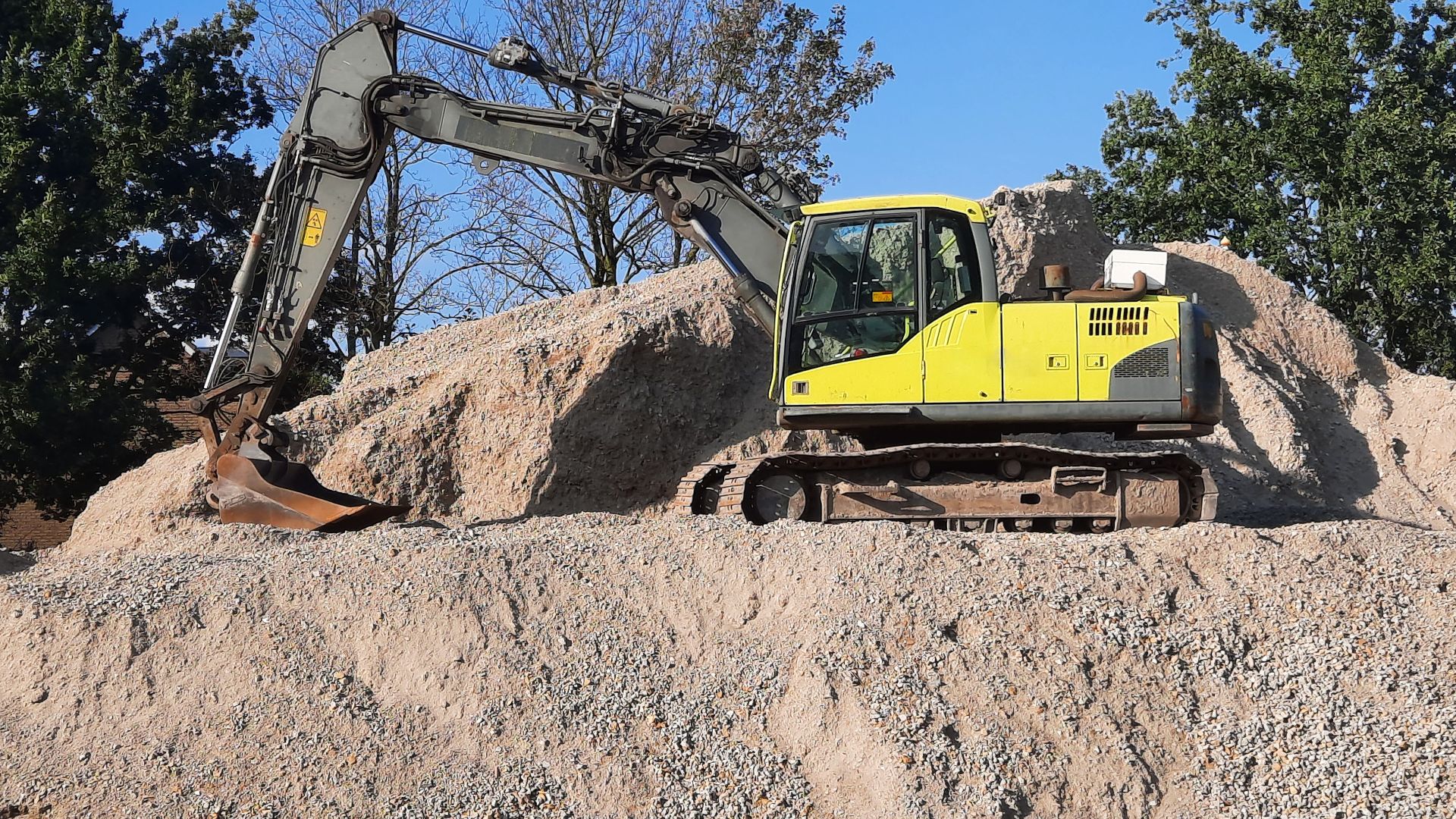
The Estate Was More Than A Beautiful Home
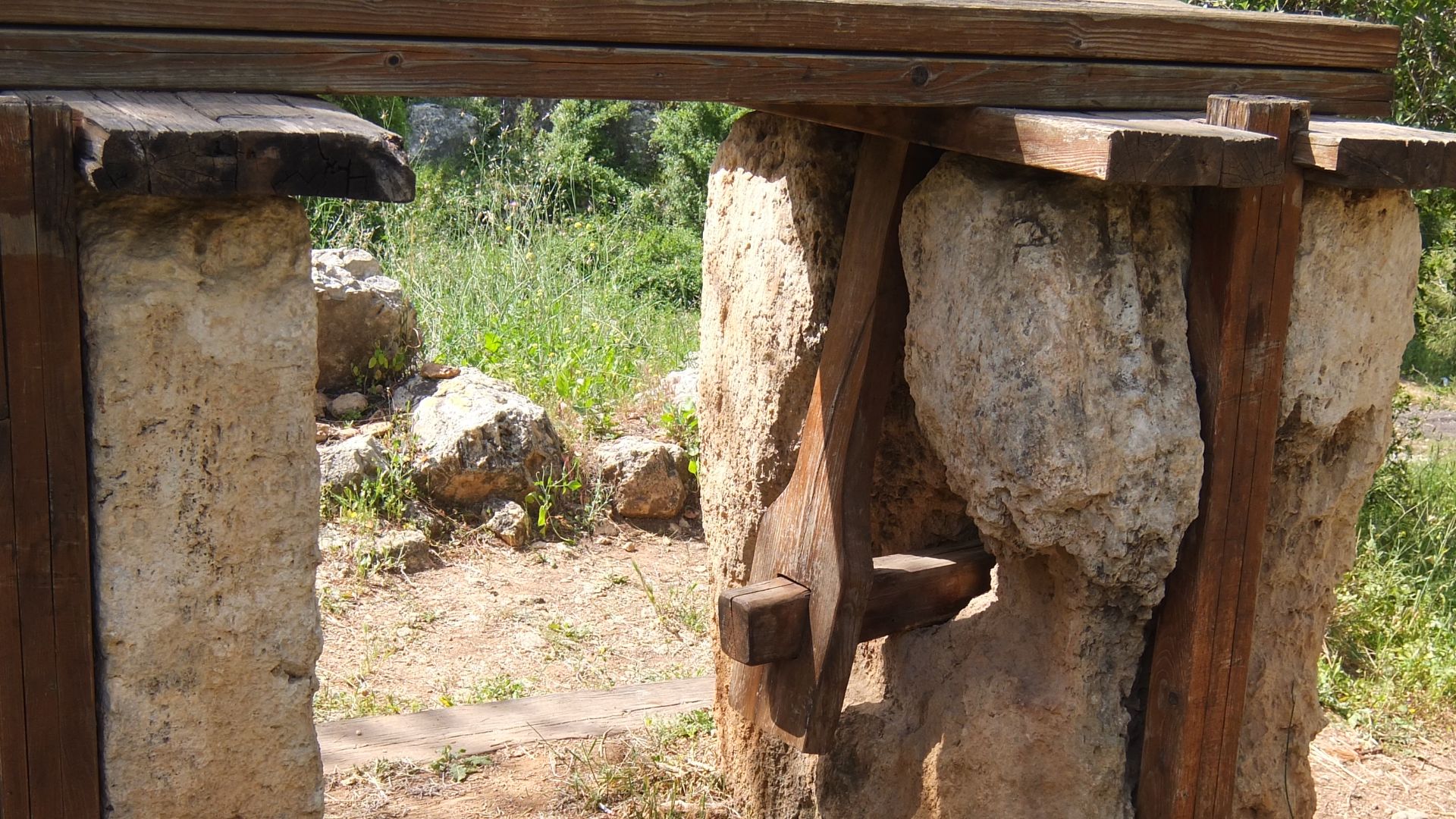
Although the mosaics attracted considerable attention, this was also a working agricultural property. Excavators uncovered an olive oil press, storage facilities, and other structures associated with production. These discoveries suggest that economic activity was central to the estate's operation, rather than simply supporting a luxurious residence.
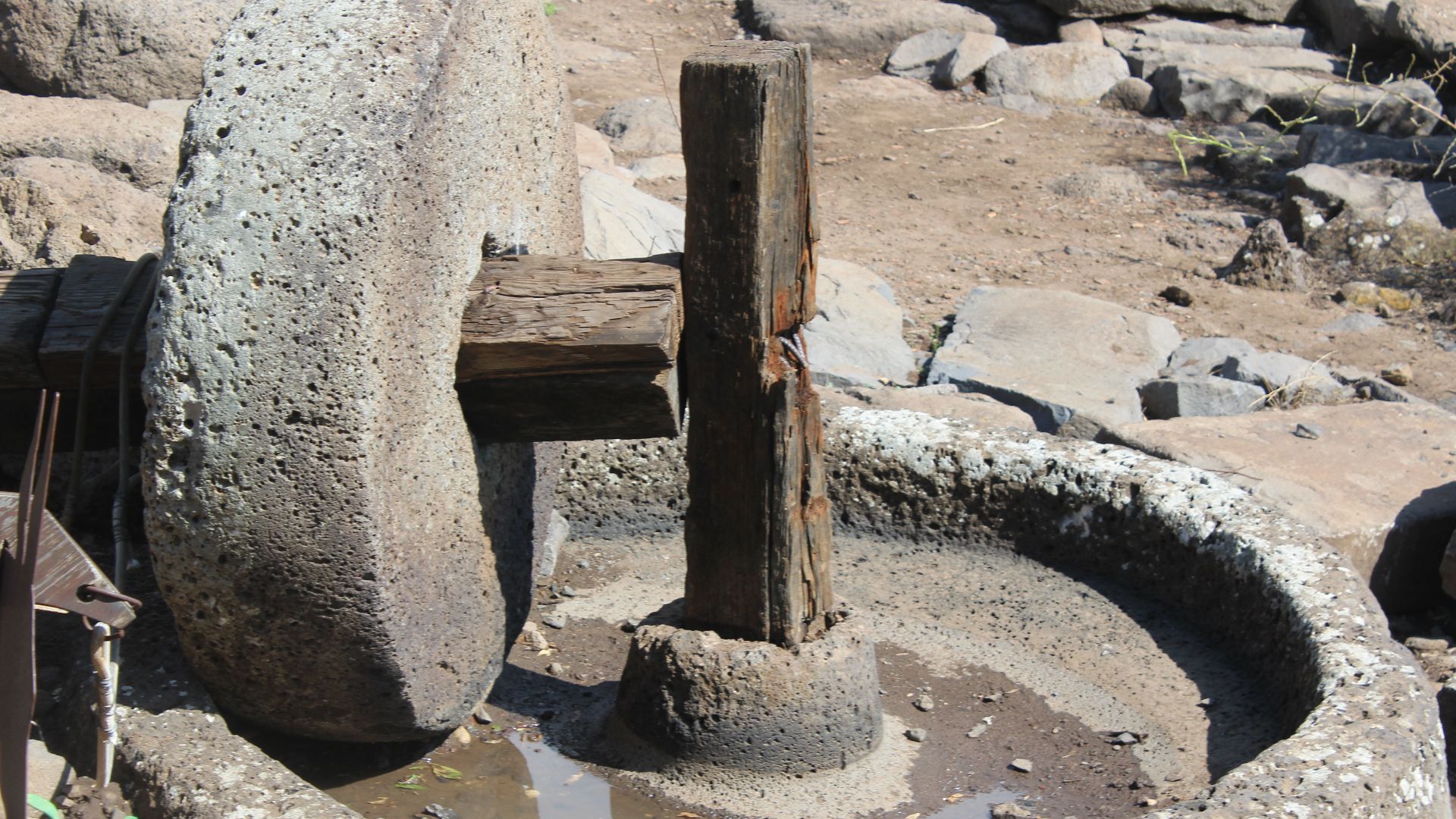
An Ancient Olive Oil Operation
The olive press was especially impressive, featuring areas dedicated to crushing and pressing olives alongside supporting rooms. Olive oil was valuable throughout the ancient Mediterranean, serving purposes ranging from cooking to lighting. The estate's substantial production facilities suggest that its inhabitants participated in an organized agricultural economy.
Something Unusual Stood Beside The Press
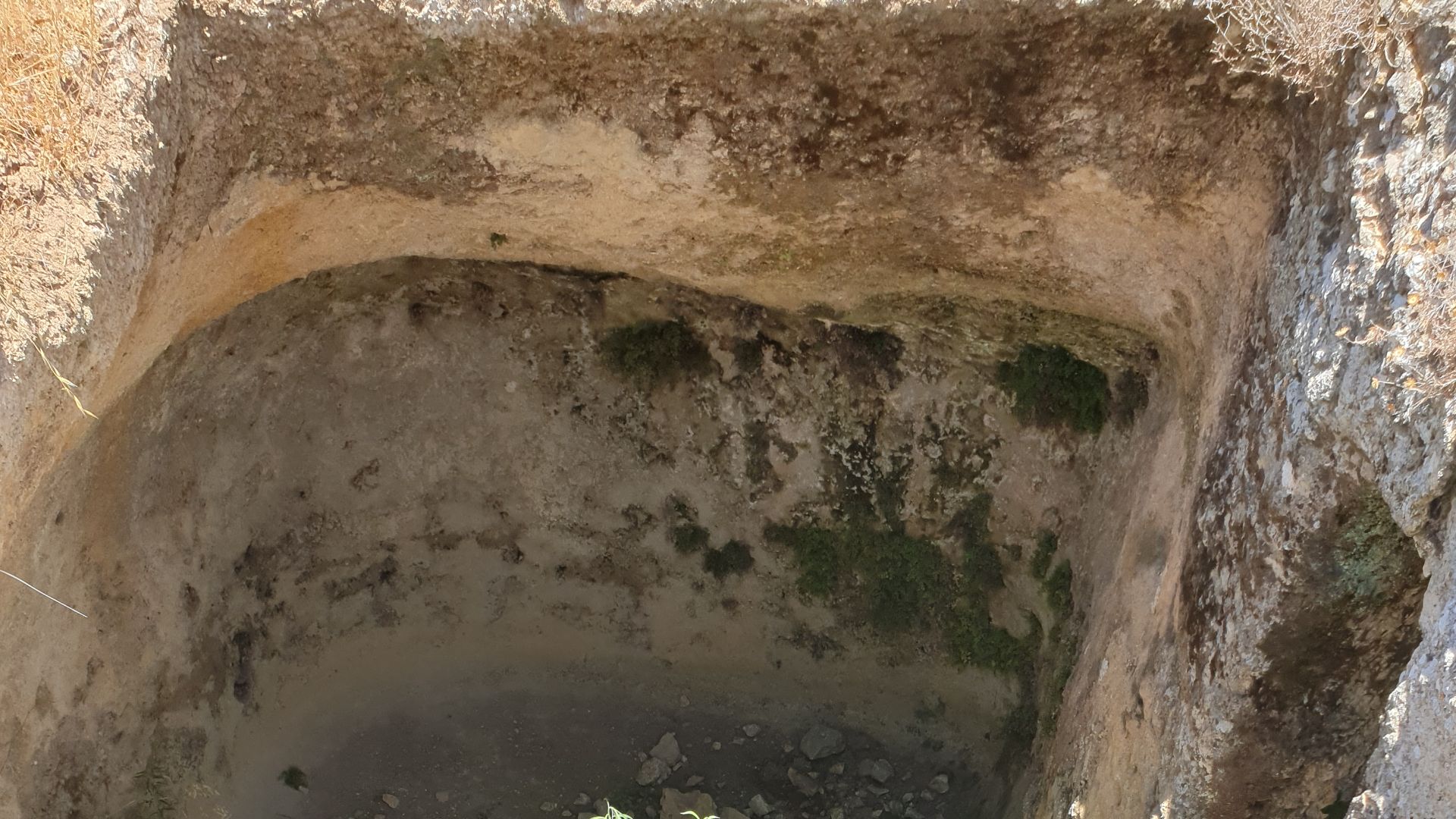
Near the olive press, researchers discovered a ritual purification bath, known as a mikveh. Its location was particularly revealing. Archaeologists believe workers may have used the bath before producing olive oil, allowing the community to observe religious purity requirements while carrying out an important commercial activity.
A Ritual Bath Unlike The Others
One bath featured steps extending around its perimeter, an architectural arrangement more commonly associated with much earlier periods. Finding this design within a Byzantine-era complex surprised researchers. The discovery raises intriguing questions about how long certain religious bathing traditions survived and whether ancient architectural practices persisted across centuries.
 Owenglyndur, Wikimedia Commons
Another Bath Held An Even Stranger Detail
A second, smaller ritual bath was discovered within the estate. Remarkably, its steps were decorated with mosaics, an unusual feature for structures designed to hold water. Archaeologists are still investigating the bath's construction and possible earlier phases, making it one of the property's most intriguing architectural mysteries.
 Alexandr frolov, Wikimedia Commons
Religion Was Part Of Everyday Life
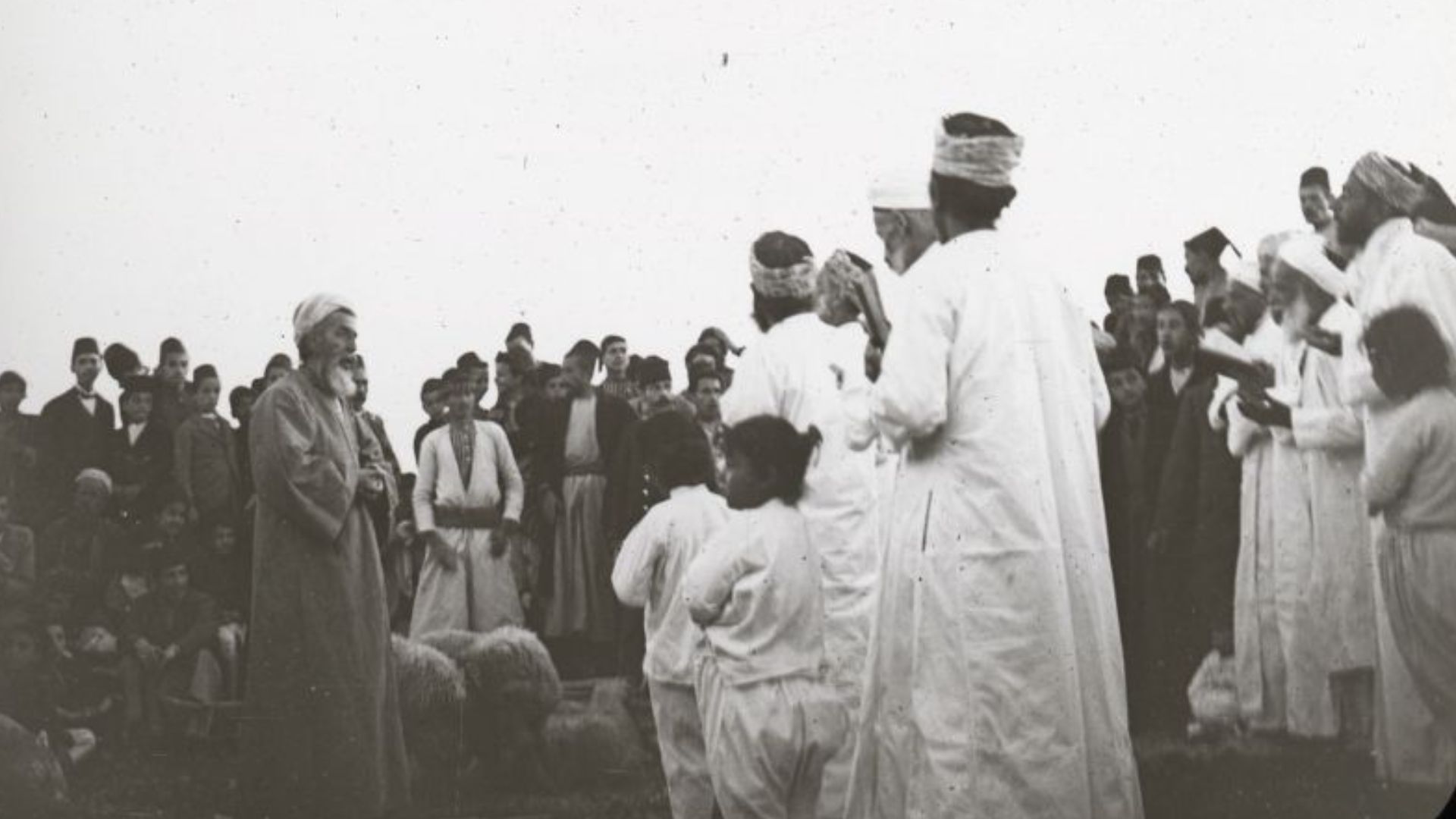
Taken together, the ritual baths and agricultural facilities reveal how closely religion and work were connected. For this Samaritan community, religious customs apparently influenced even the production of ordinary goods. The estate offers physical evidence of beliefs that shaped not just worship, but daily routines and economic activity.
 OSU Special Collections & Archives, Wikimedia Commons
The Samaritans Had A Complicated History
During the Byzantine period, Samaritan communities experienced both prosperity and persecution. Religious tensions grew as Christian imperial authority became increasingly powerful. Several Samaritan uprisings during the fifth and sixth centuries were violently suppressed, contributing to major changes in the community's population and political position.
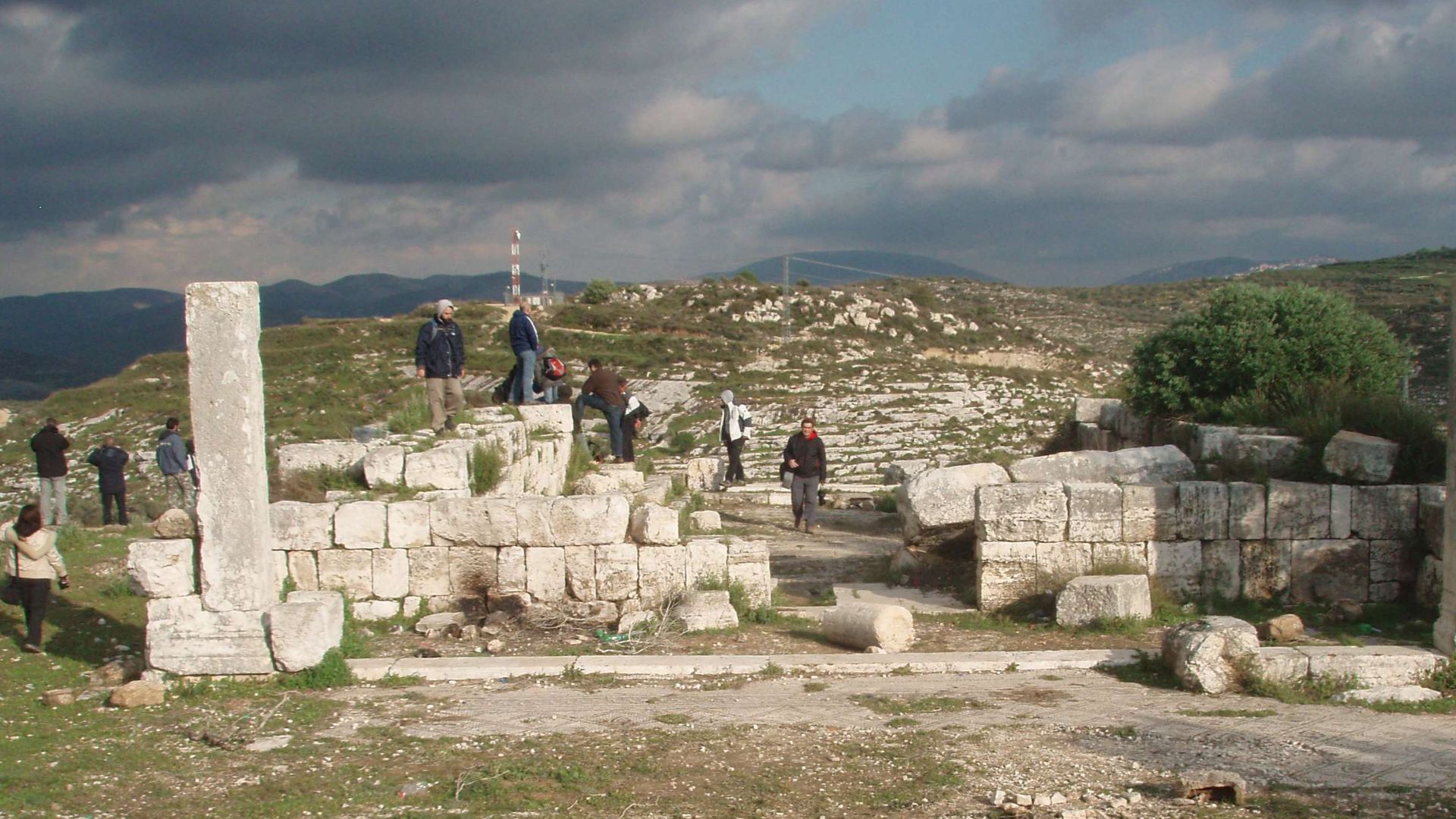
The Estate Changed As Trouble Spread
The archaeological evidence suggests that the luxurious estate eventually underwent significant alterations. Some rooms were divided into smaller spaces, while agricultural installations became increasingly prominent. Researchers believe these changes may reflect the political and economic disruption that followed the Samaritan revolts, although the exact circumstances remain under investigation.
Yet The Community Apparently Survived
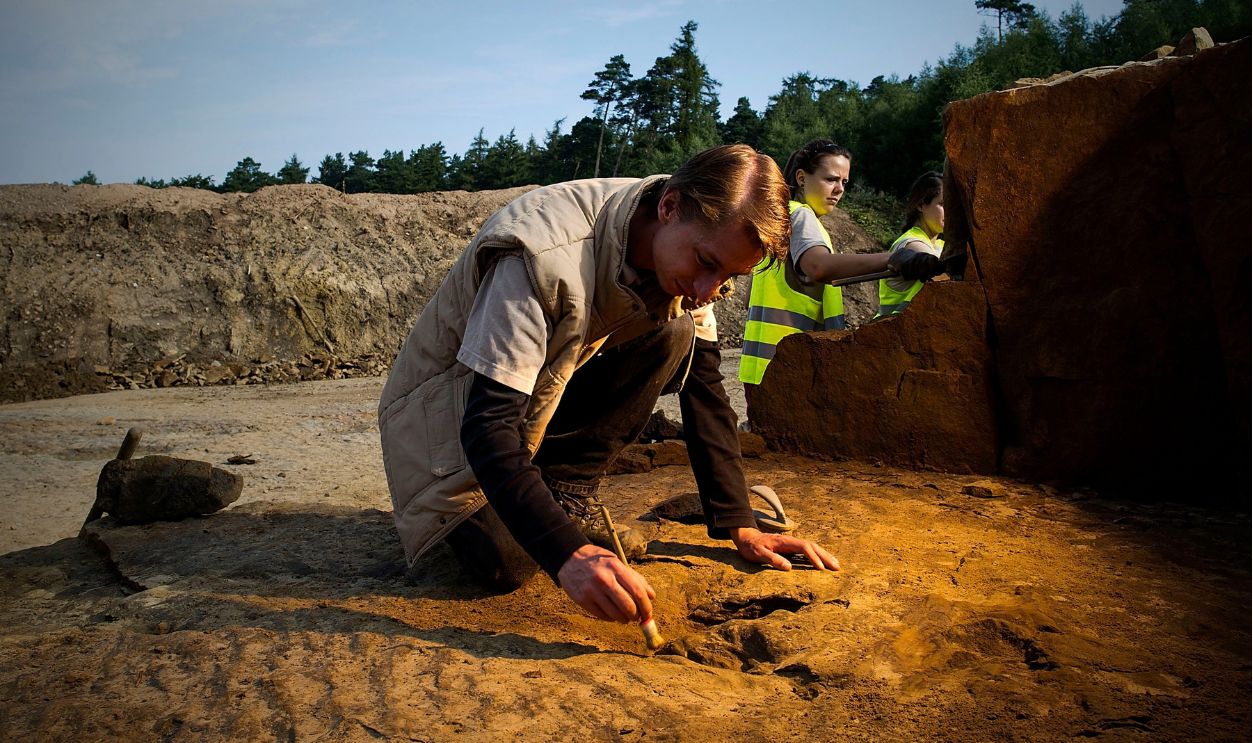
Perhaps the most fascinating discovery is that occupation continued even after the estate's wealthier phase ended. Rather than simply disappearing, the settlement appears to have adapted to changing conditions. This challenges overly simple accounts suggesting that Samaritan life in the area ended completely following the Byzantine suppression of the revolts.
 Alexander Koerner, Getty Images
An Ancient Settlement With A Famous Connection
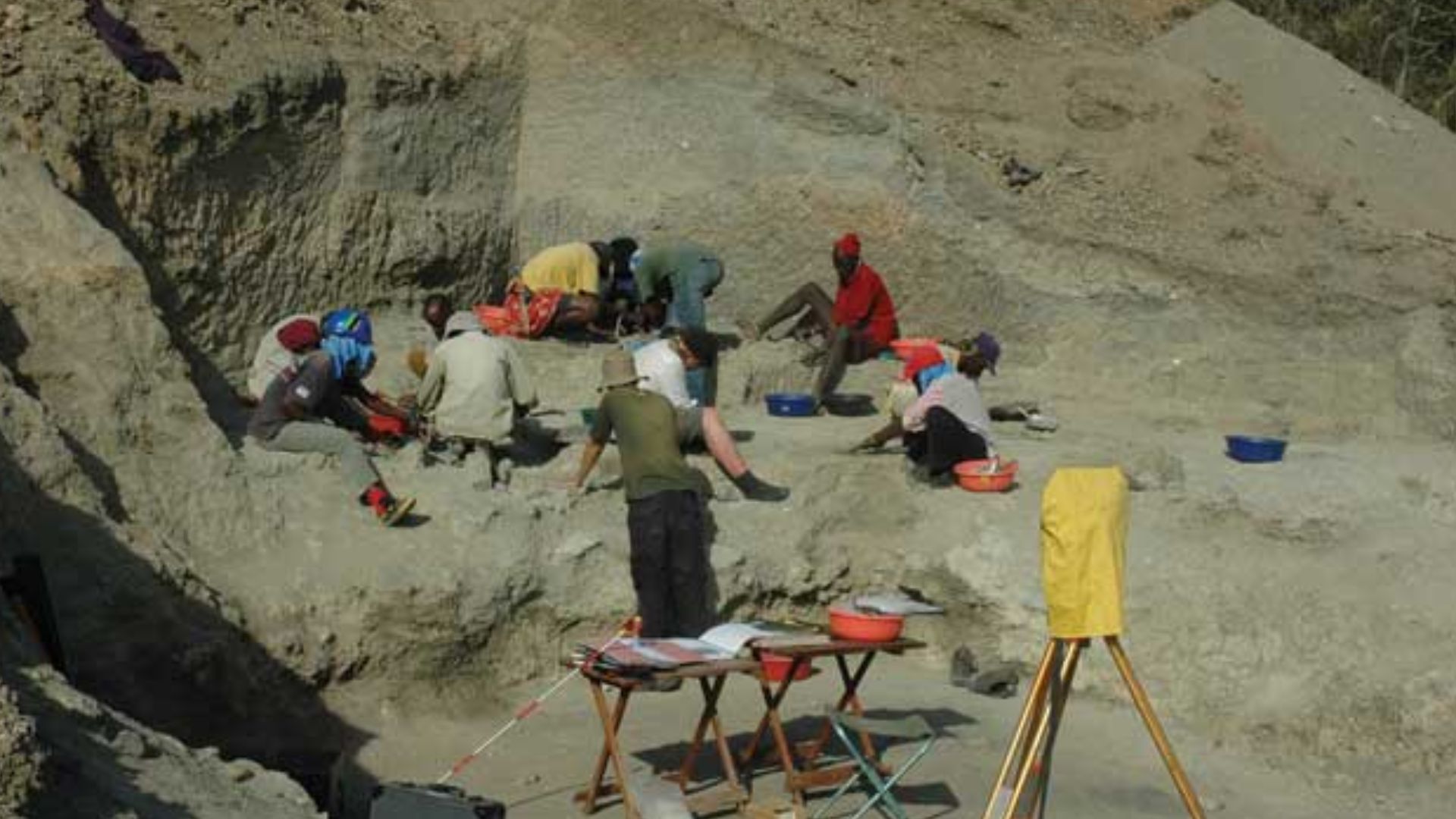
The excavation took place near Khirbet Kafr Hatta, associated with an ancient settlement called Capparetaea. Historical writings identify this location as the birthplace of Menander, a first-century religious figure associated with Samaritan origins and early Gnostic teachings. The connection adds another layer of historical interest to an already remarkable site.
 McHenry, L, Njau, J, Pante, M and de la Torre, I 2012, Wikimedia Commons
The Site May Have Been Exceptionally Important
Excavation co-director Dr. Daniel Leahy Griswold described the discovery as the largest Samaritan site identified outside the community's traditional homeland. Its size, decorated buildings, and distinctive religious features suggest a substantial settlement. Researchers now have an unusual opportunity to study a community whose archaeological history remains comparatively understudied.
 Editor at Large, Wikimedia Commons
Archaeologists Still Have Questions
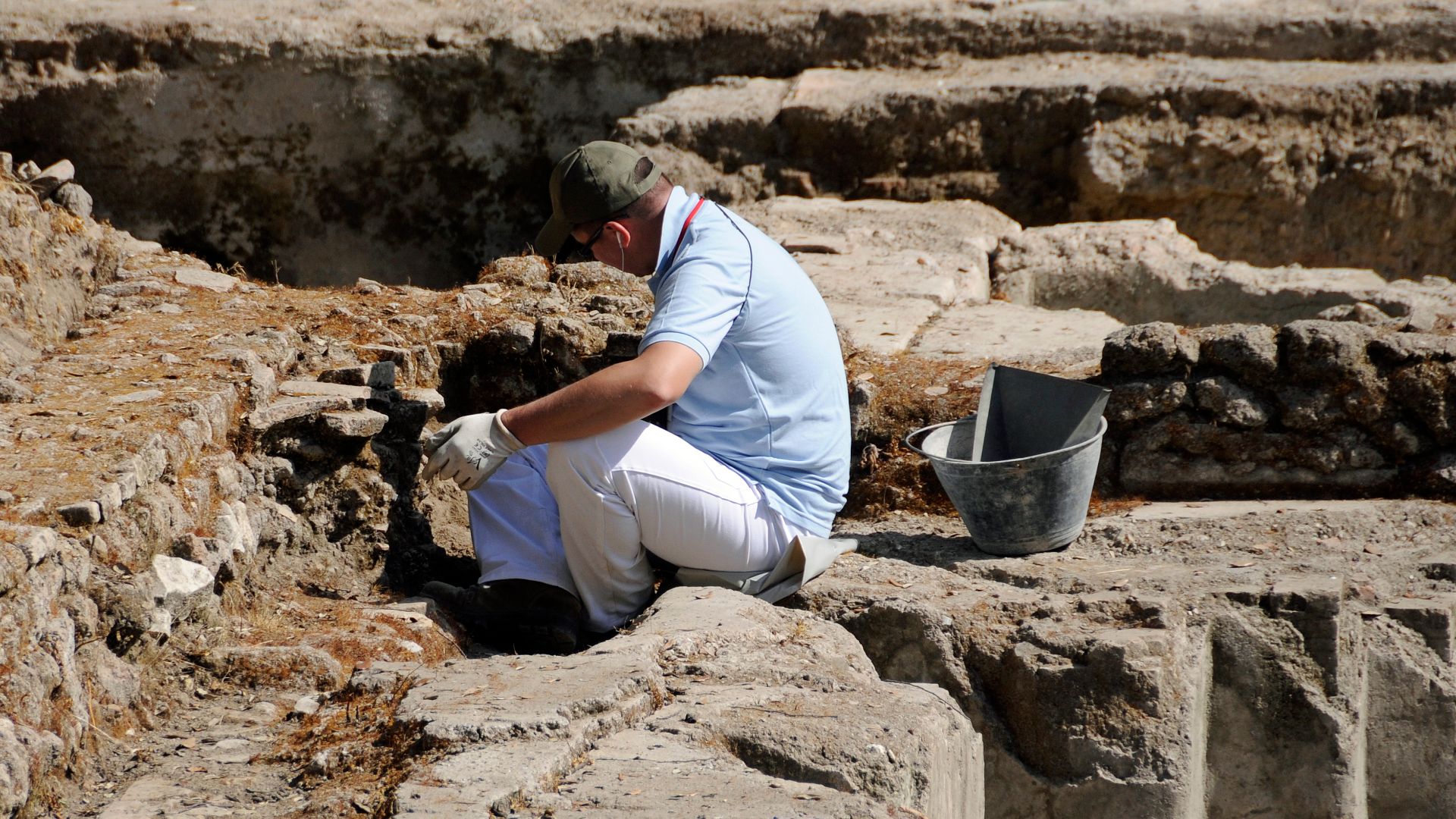
Despite the impressive discoveries, plenty of mysteries remain. Researchers are examining the estate's changing layout, the meaning of its inscriptions, and the unusual construction of its ritual baths. Future analysis of pottery, coins, and architectural remains may help establish a clearer picture of the people who lived and worked there.
 Son of Groucho from Scotland, Wikimedia Commons
What Happens To The Ancient Villa Now?
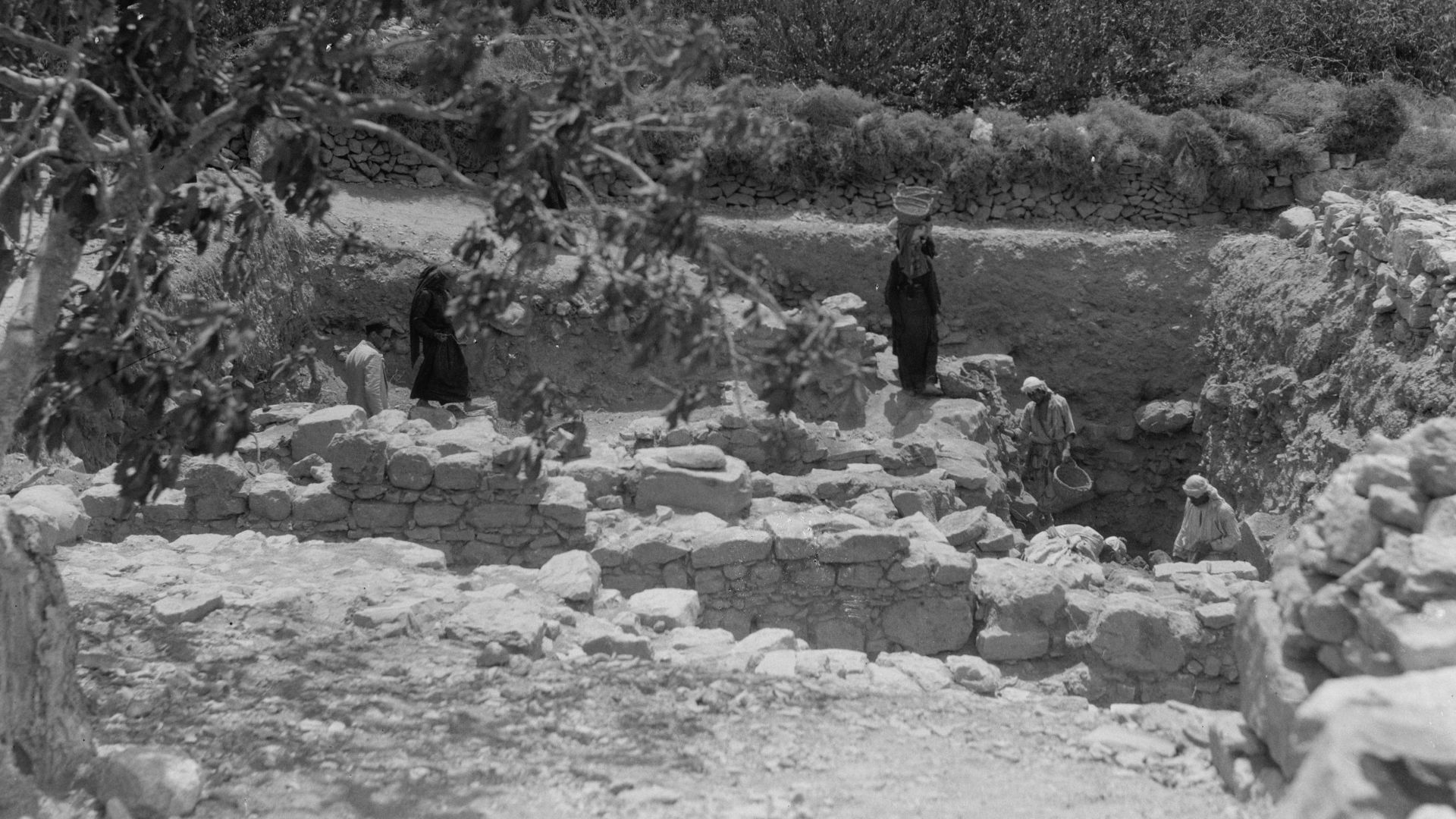
Preserving the discovery presents an important challenge because the excavation took place on land intended for development. Archaeologists have discussed relocating significant mosaics and ritual baths to protect them. Additional archaeological work in surrounding areas could also uncover more of the settlement and explain how the estate connected to the wider community.
 Matson Collection, Wikimedia Commons
An Ancient Community Finally Reveals Its Story
The discovery at Kafr Qasim is about much more than beautiful mosaics. It offers a rare glimpse into the wealth, beliefs, agricultural practices, and resilience of an ancient Samaritan community. After 1,600 years, its surviving floors, buildings, and everyday objects are helping archaeologists reconstruct a chapter of history that might otherwise have remained forgotten.
You May Also Like:
Regional American Foods That Are The Hardest To Explain To The Rest Of The World
The Strangest Things People In Each State Put On Their Hamburgers—Would You Eat Them?