A Discovery That Raised More Questions
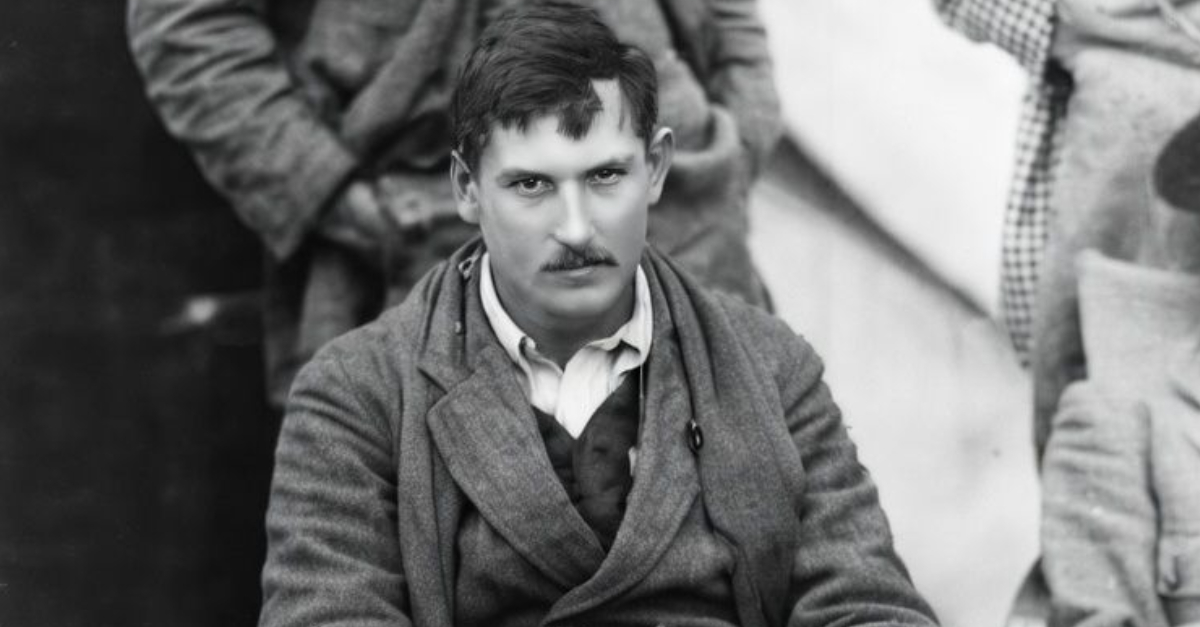
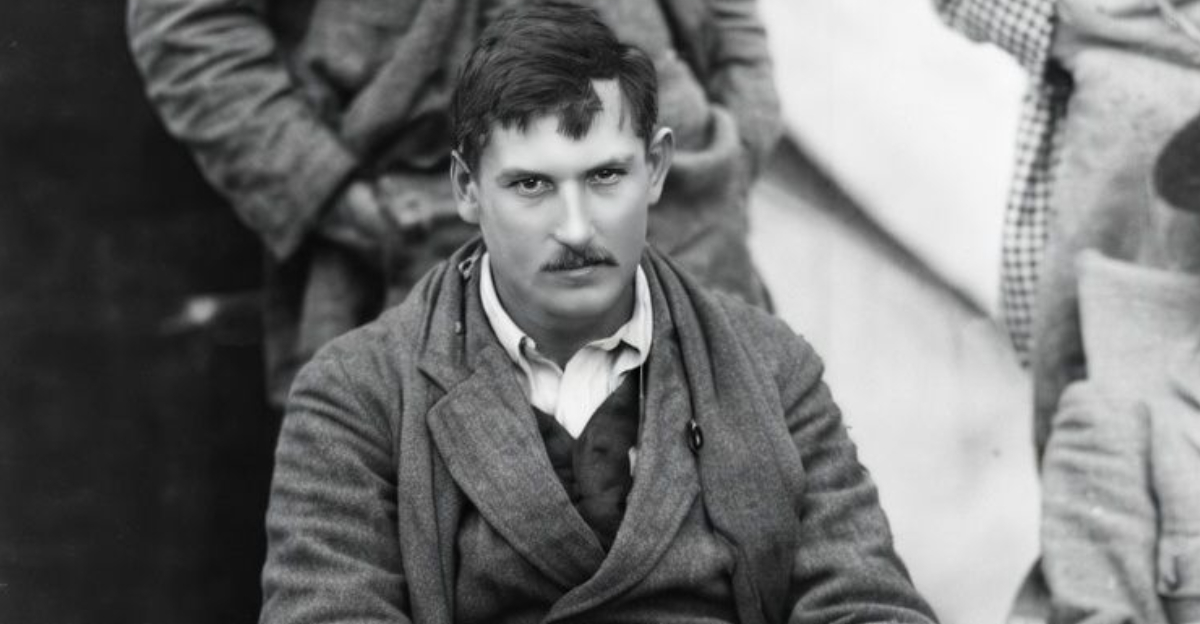
George Mallory disappeared near the top of Everest, leaving behind a family and a question people couldn’t stop asking. Seventy-five years later, climbers finally found him. You might think that would have settled things. But what they found, and what they didn’t, only made the story harder to explain.
 Fairfax Media Archives, Getty Images
He Had Already Been There Twice
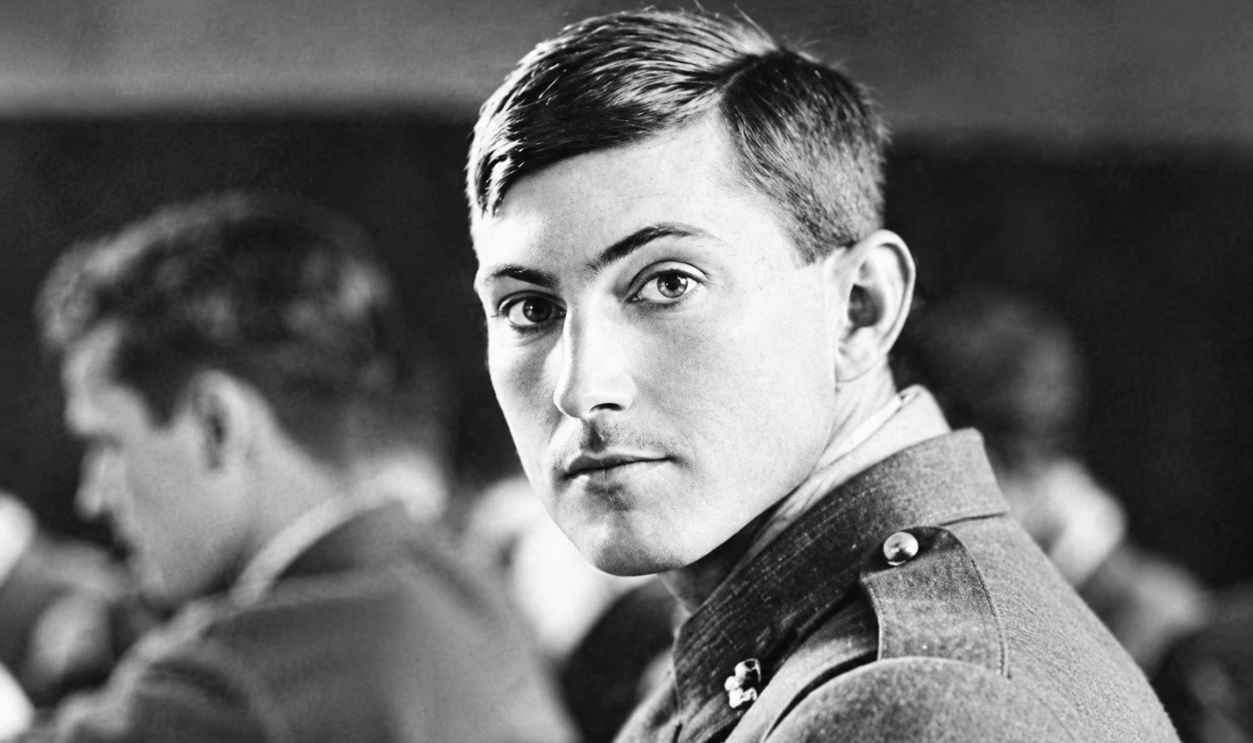
Mallory wasn’t a newcomer taking an enormous gamble on an unfamiliar mountain. He had joined Britain’s Everest expeditions in 1921 and 1922, helping explore possible routes and attempting to climb higher. By 1924, he understood the challenge better than most people. He went back anyway.
There Was A Family Waiting At Home
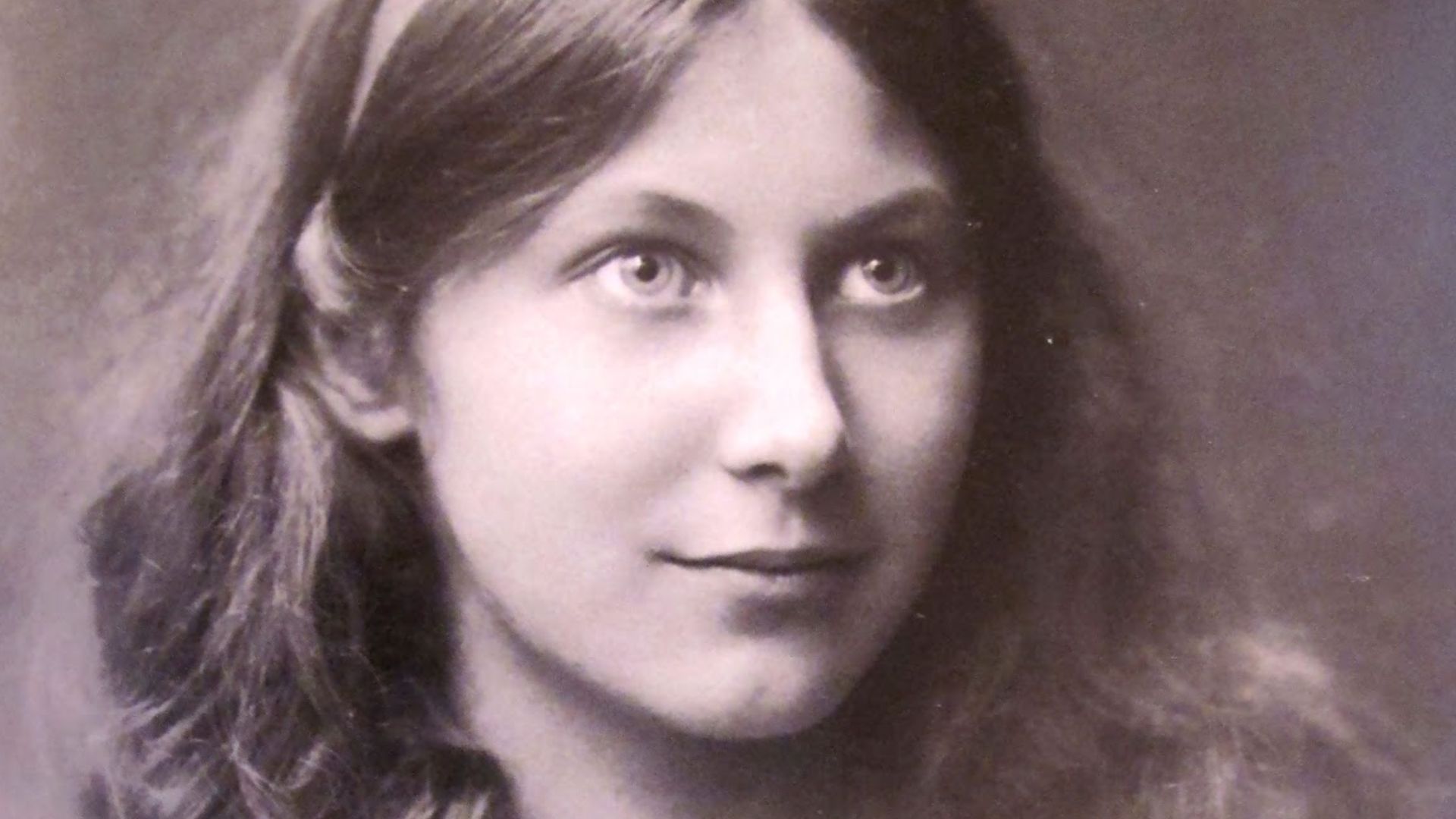
At 37, Mallory was a married father of three and a teacher by profession. His wife, Ruth, remained in England while he returned to Everest. For his family, this wasn’t simply an exciting expedition. Someone they loved was heading somewhere he might never come back from.
 Unknown authorUnknown author, Wikimedia Commons
He Knew The Odds Were Terrible
In his final letter to Ruth, dated May 27, 1924, Mallory described their chances as “50 to 1 against us.” He had been struggling with a cough and exhaustion, and the expedition had already demanded enormous effort. Still, he wasn’t ready to give up.

His Partner Was Just 22
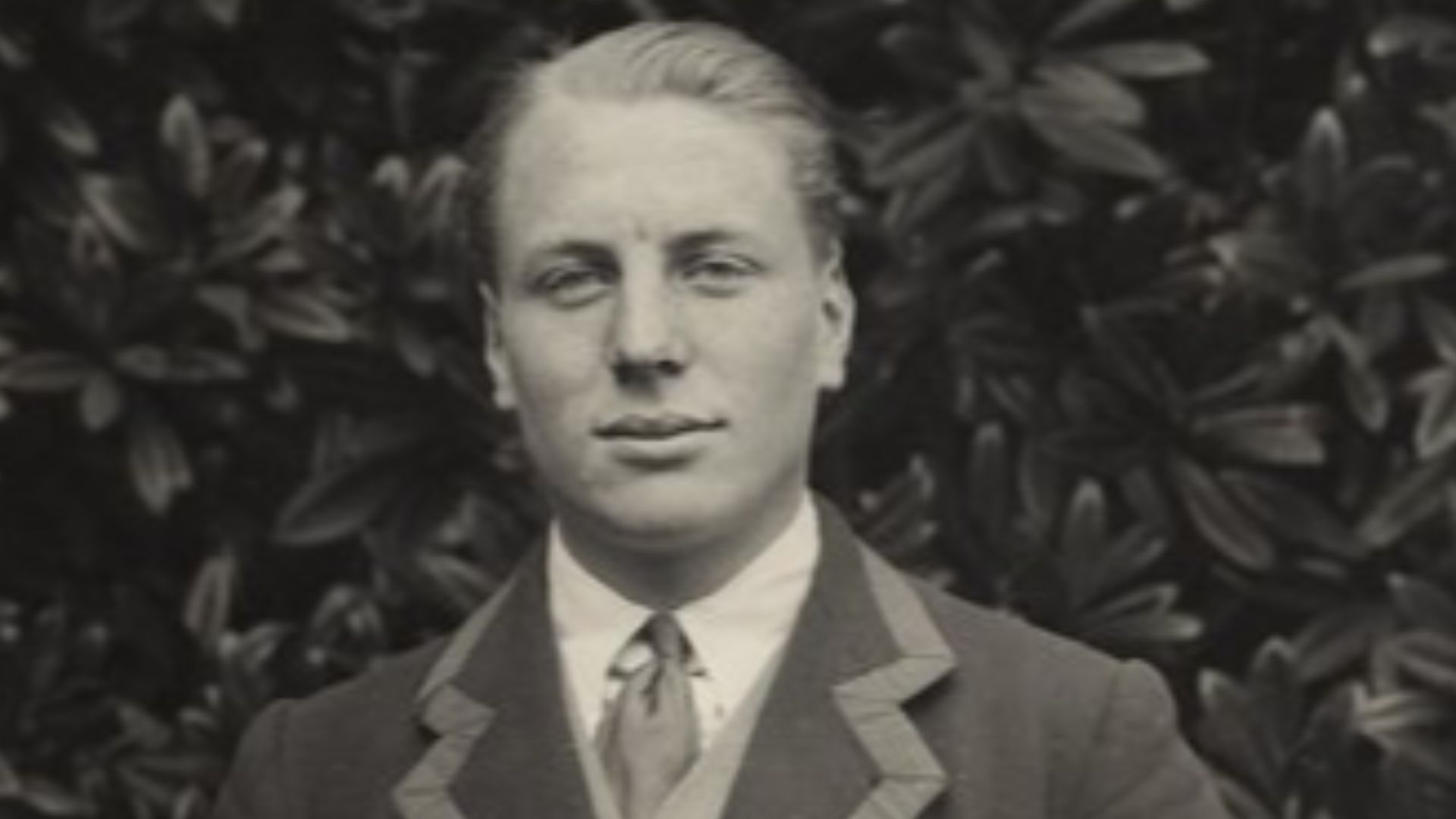
For the final summit attempt, Mallory partnered with Andrew “Sandy” Irvine, a 22-year-old Oxford student. Irvine had much less mountaineering experience, but he was athletic and mechanically gifted. On an expedition relying on early oxygen equipment, knowing how to keep that equipment working was a serious advantage.
 Christina Broom, Wikimedia Commons
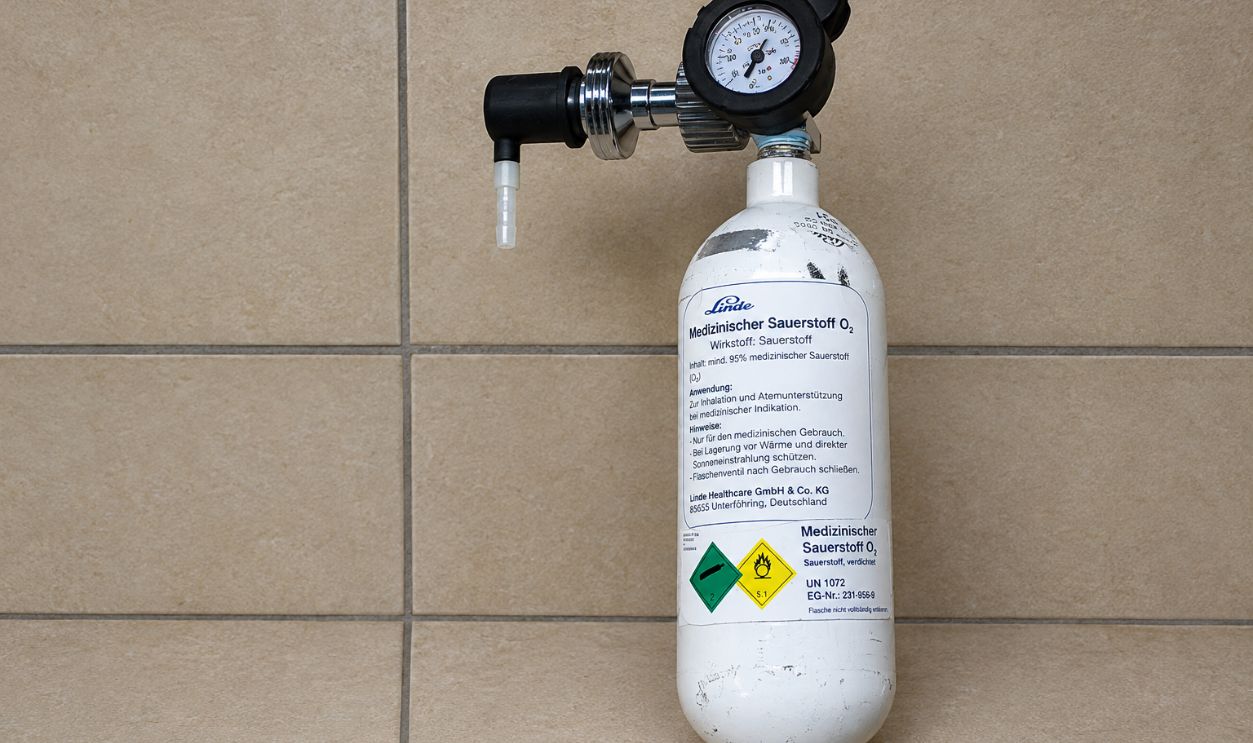
They Were Taking Oxygen With Them
Earlier summit attempts during the expedition had fallen short without supplemental oxygen. Mallory and Irvine would use it for their climb. That offered a possible advantage, but it also meant carrying equipment that could malfunction at a height where even small problems became difficult to fix.
 Florian Thillmann (de:Benutzer:Flothi), Wikimedia Commons
Someone Saw Them Still Climbing
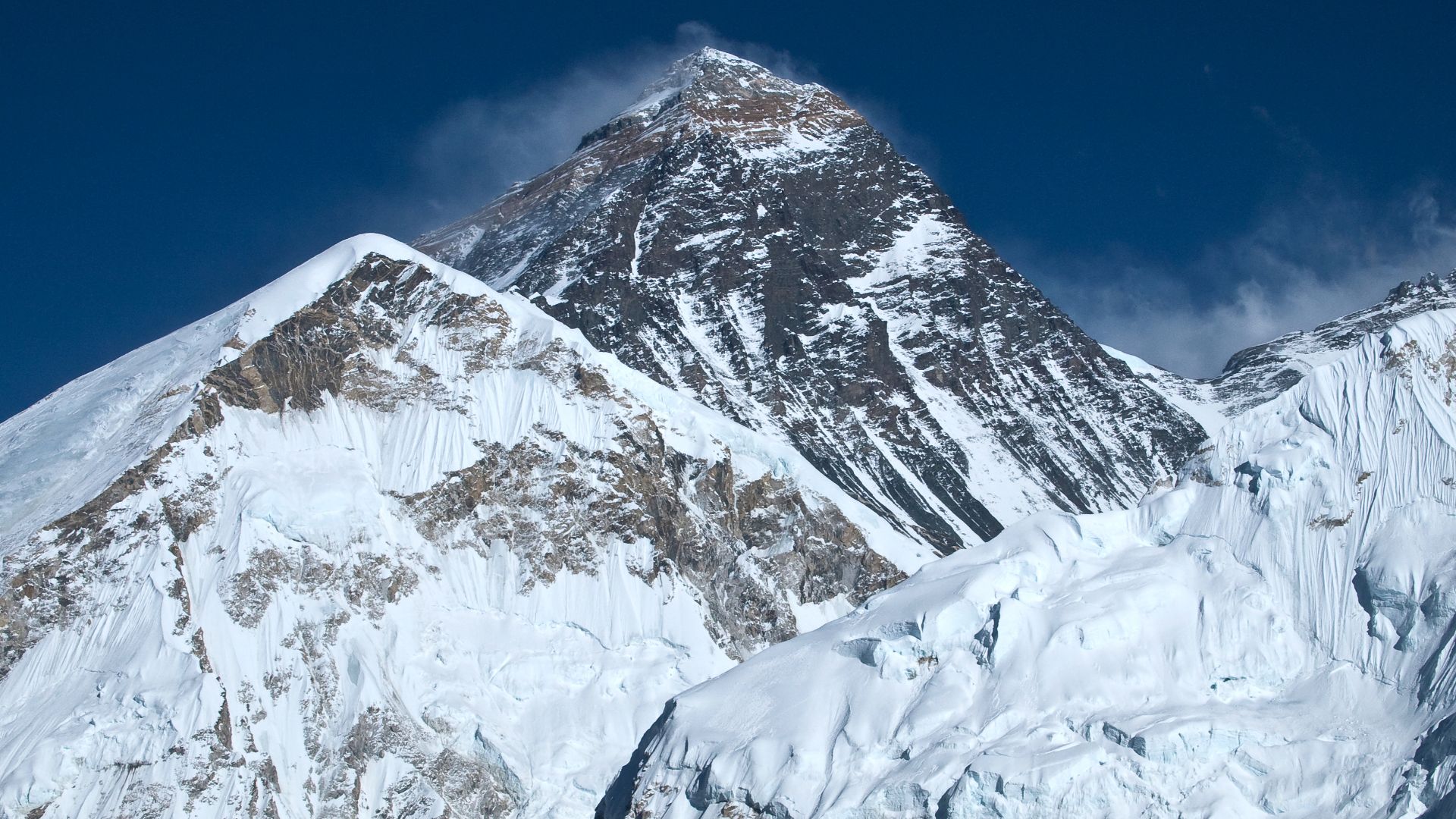
On June 8, 1924, teammate Noel Odell was climbing below them in support. At about 12:50 p.m., a break in the clouds gave him a brief view of two figures moving upward near a rock step high on the mountain. Then the clouds closed in again.
 Archives New Zealand from New Zealand, Wikimedia Commons
That Brief Glimpse Became Crucial
Odell’s sighting became central to everything that followed. If Mallory and Irvine were already high enough, perhaps they still had time to reach the summit. But exactly which rock step Odell had seen them climbing remained disputed. One fleeting view couldn’t establish how far they actually got.
 Vyacheslav Argenberg, Wikimedia Commons
Their Tent Stayed Empty
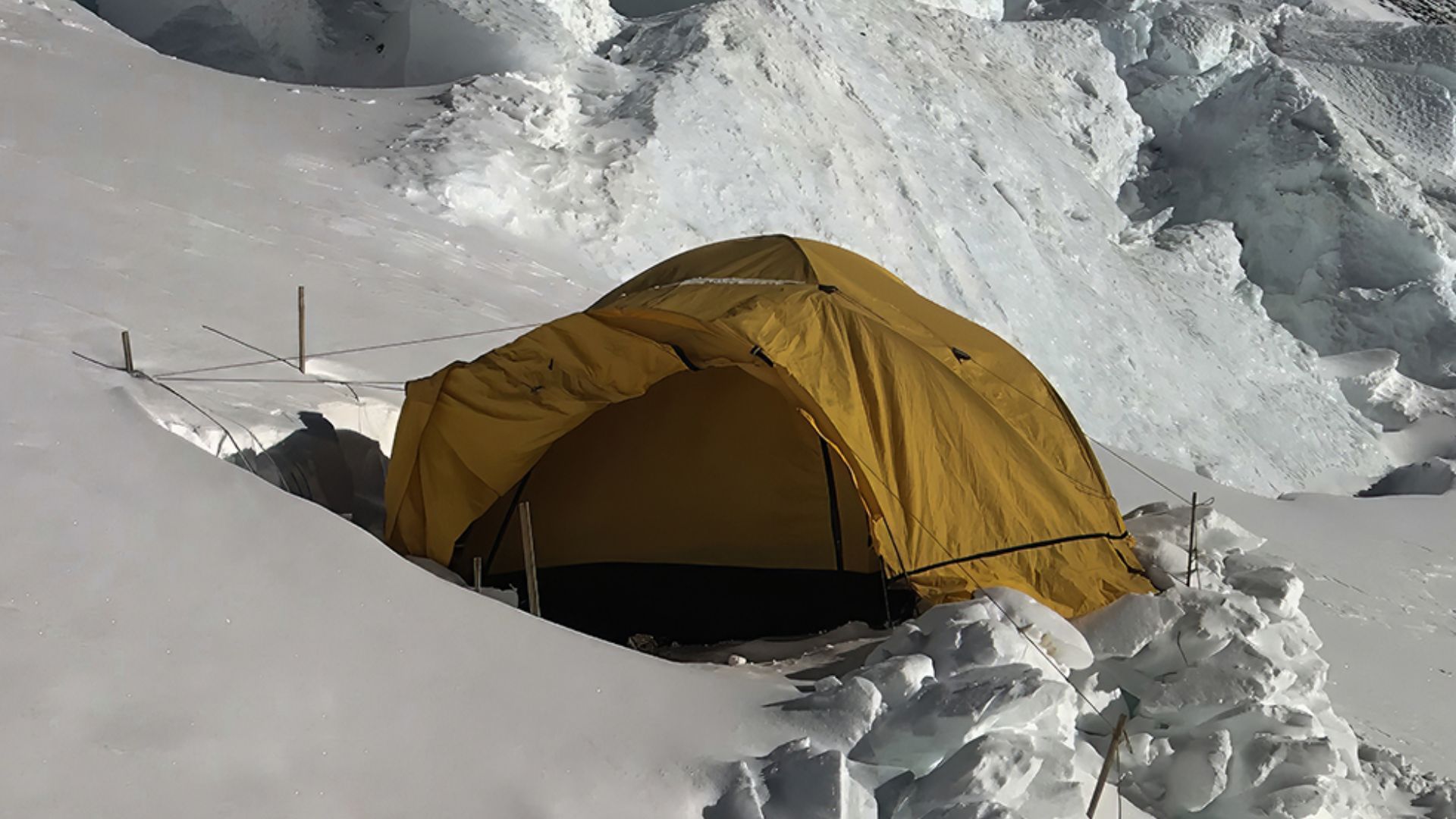
Odell checked their high camp, but neither man returned. When he went back up two days later, there was still no sign that anyone had come back to the tent. The expedition had to accept that Mallory and Irvine were lost somewhere above them.
 AngeliSherpa, Wikimedia Commons
One Question Wouldn’t Go Away
Had they disappeared while still trying to reach the top, or while coming down after reaching it? That distinction mattered enormously. If they had succeeded, Mallory and Irvine would have stood on Everest’s summit decades before the ascent that eventually entered the history books.

Everest’s Confirmed First Ascent Came Later
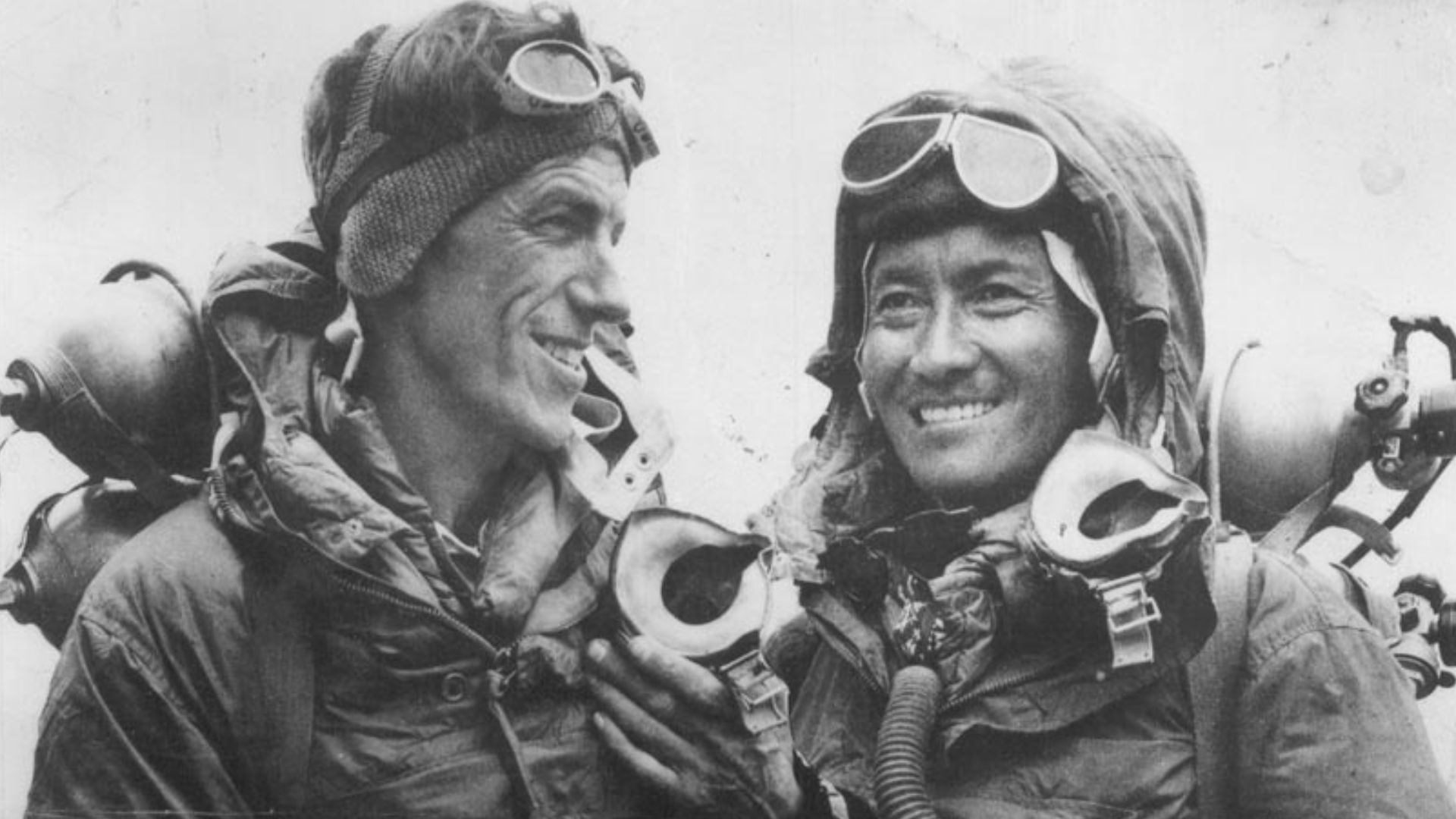
On May 29, 1953, Edmund Hillary and Tenzing Norgay reached the summit and returned safely. Their climb remains Everest’s first confirmed ascent. Mallory and Irvine’s attempt had happened 29 years earlier, but nobody could produce the evidence needed to establish whether they had made it.
 Jamling Tenzing Norgay, Wikimedia Commons
Then A Search Team Went Looking
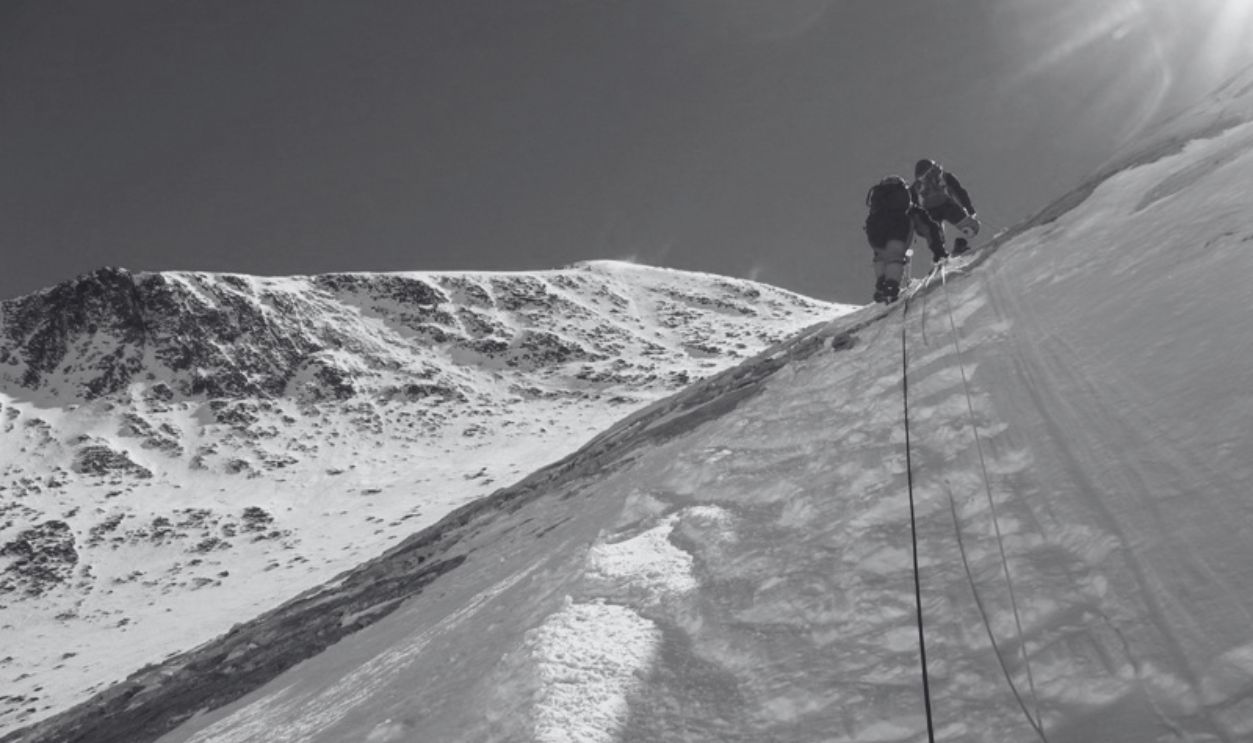
In 1999, an expedition led by Eric Simonson searched Everest’s north face for evidence of the missing climbers. Historical research helped the team identify a promising search area. They hoped that finding the men, or their belongings, might finally answer the question people had been asking for decades.
 Lloyd Smith, Wikimedia Commons
Conrad Anker Found Someone
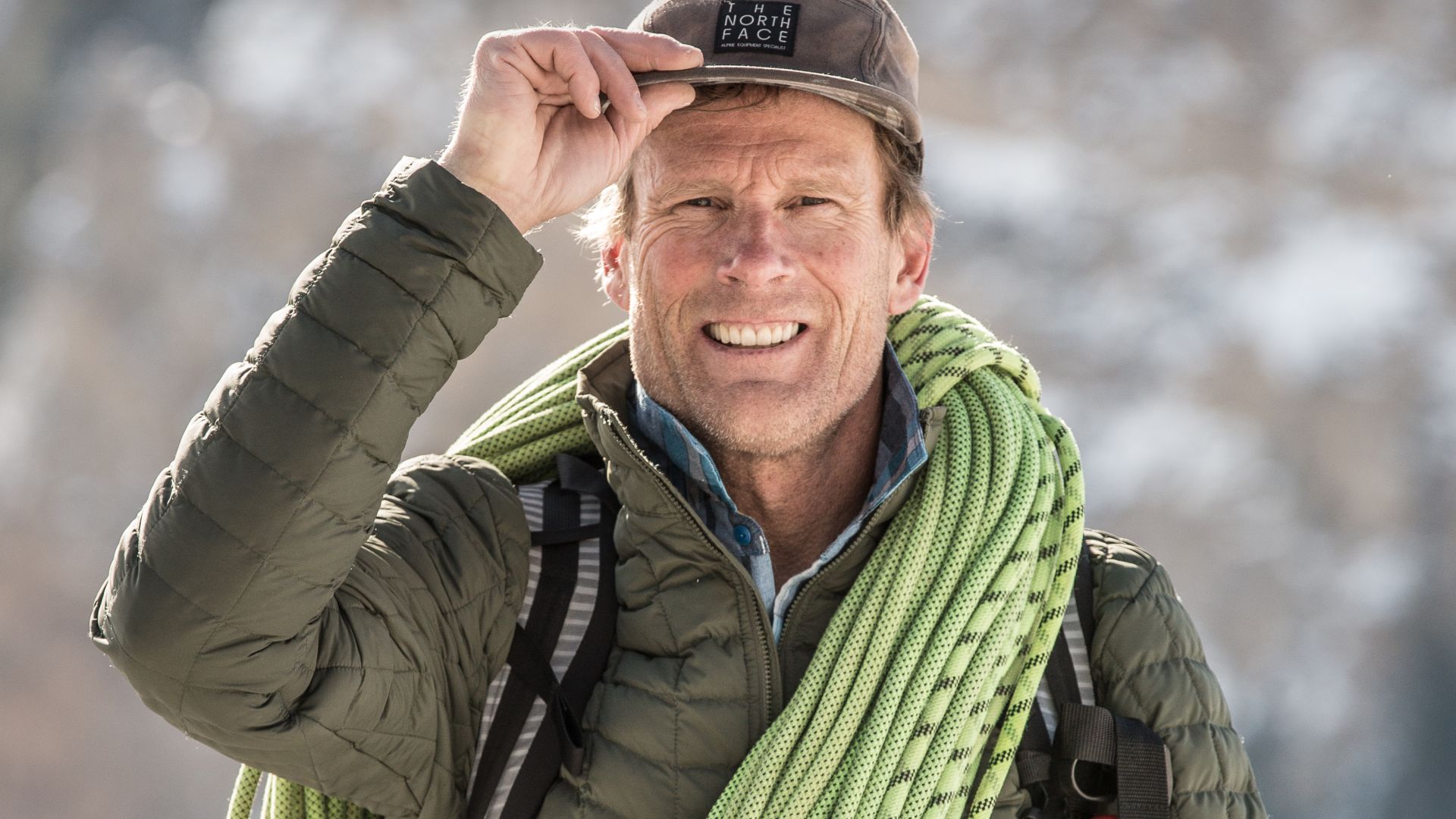
On May 1, climber Conrad Anker discovered human remains on the north face, about 26,800 feet above sea level. The cold had preserved much of the body. After 75 years, one of the missing climbers had finally been found, but the team initially thought it was Irvine.
 Yellowstone National Park from Yellowstone NP, USA, Wikimedia Commons
A Clothing Label Changed That
As the climbers examined the clothing, they found name labels identifying Mallory. This was George Mallory himself. The discovery answered the question of where he had ended up, but the team still needed to work out what his injuries and possessions could tell them.
 National Cancer Institute, Unsplash
There Were Signs Of A Fall
Mallory had a broken leg, with rope still wrapped around his waist. Pressure marks and injuries suggested the rope had taken a strong pull while he was attached to someone or something. Irvine was the likely partner, but the evidence couldn’t establish exactly how the accident unfolded.
His Pockets Still Held Personal Items
The team recovered belongings that included letters from Mallory’s brother and sister, expedition notes, and goggles. These were intimate reminders of the person who had vanished. They also gave researchers something to examine beyond old accounts and distant sightings. But one expected item wasn’t there.
The Missing Photograph Was Of Ruth
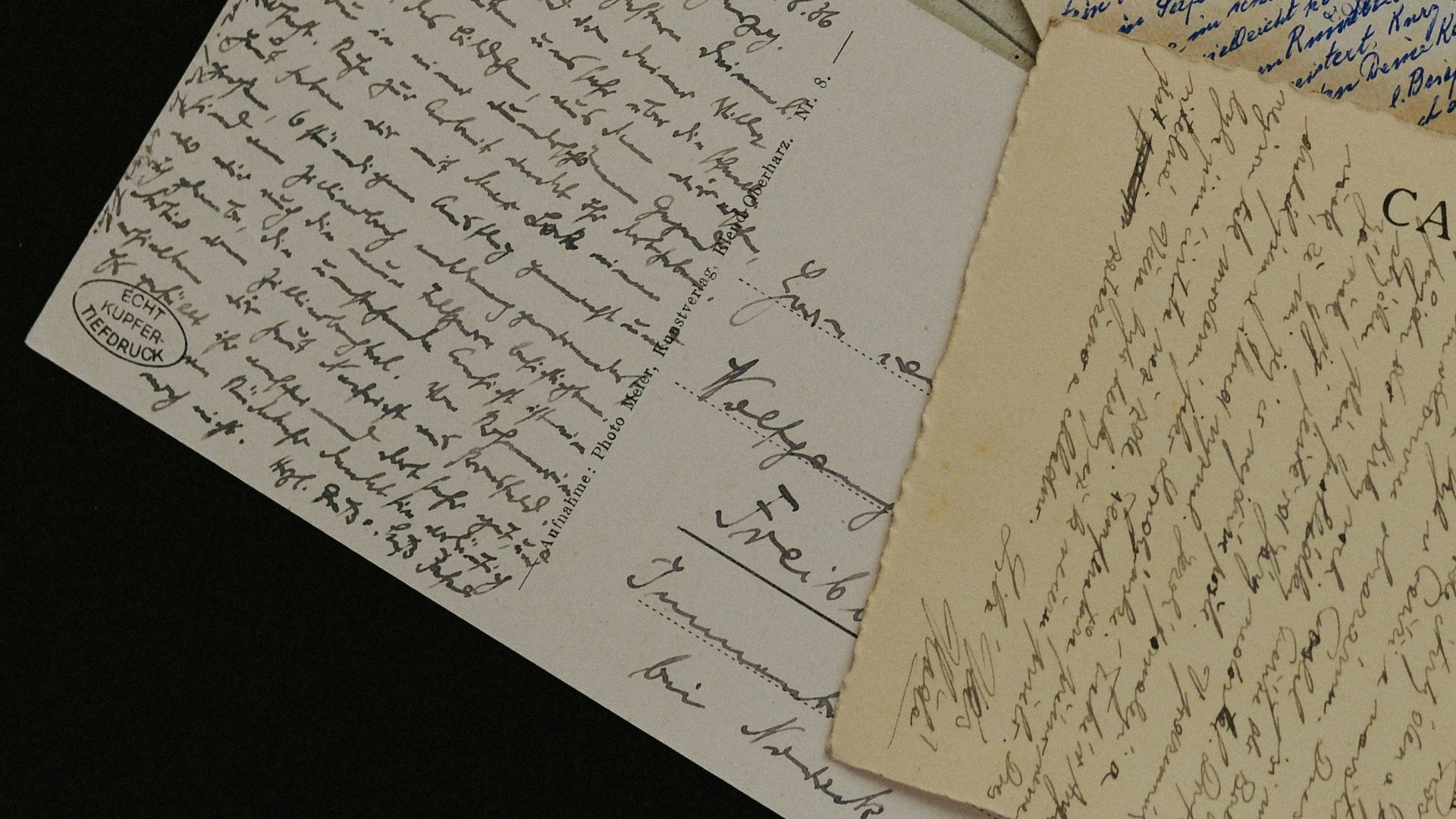
Mallory’s daughter Clare recalled that her father had intended to leave a photograph of Ruth on Everest’s summit if he reached it. When the searchers examined his belongings, they didn’t find that photograph. Suddenly, something missing seemed almost as significant as everything they had recovered.
Had He Left It At The Top?
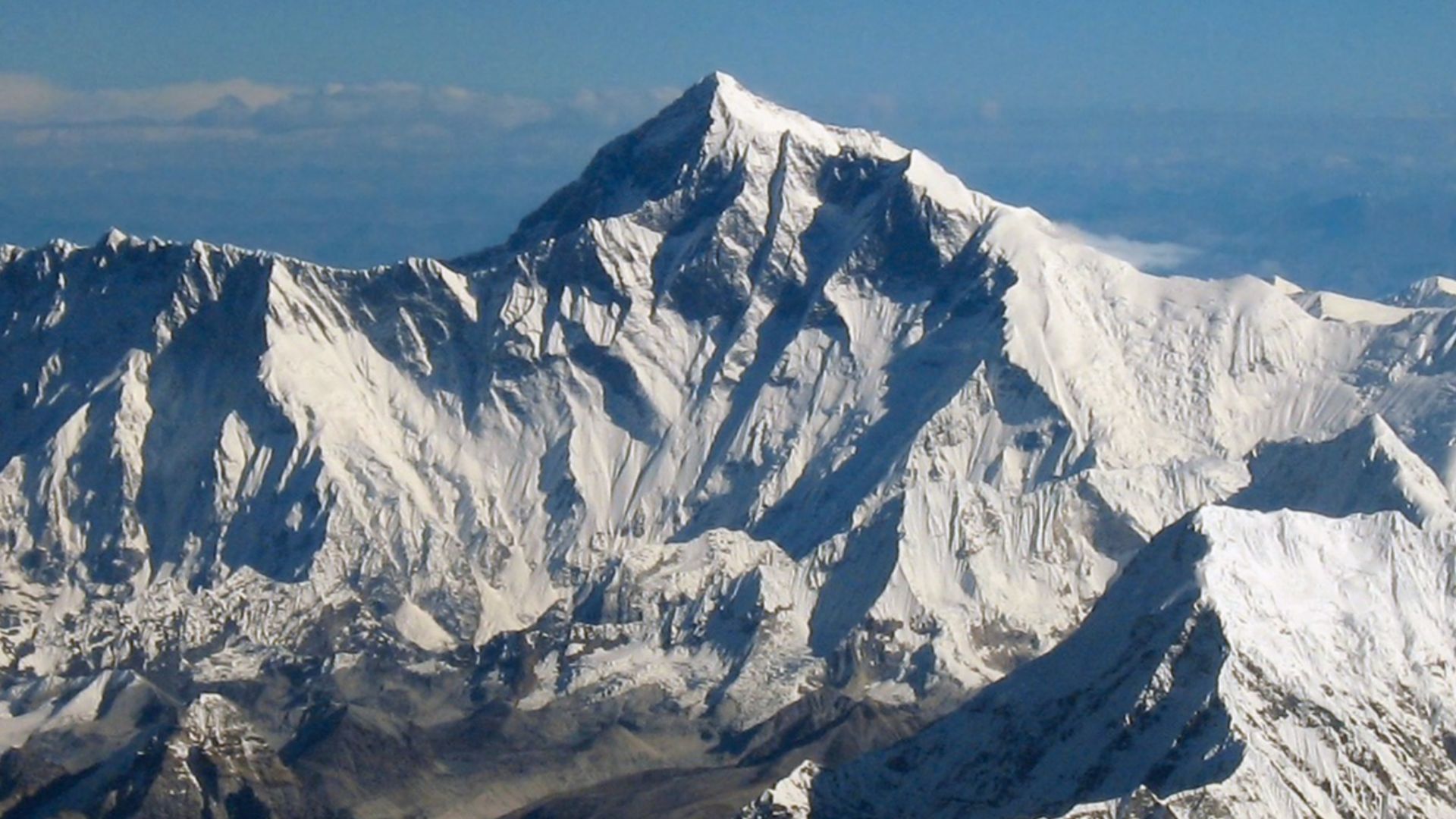
For people who believed Mallory had succeeded, the missing photograph offered a tempting explanation. Perhaps it wasn’t in his pocket because he had done exactly what he intended: left it on the summit. That would make his final climb a very different story. But it remained a possibility, not proof.
There Were Other Possible Explanations
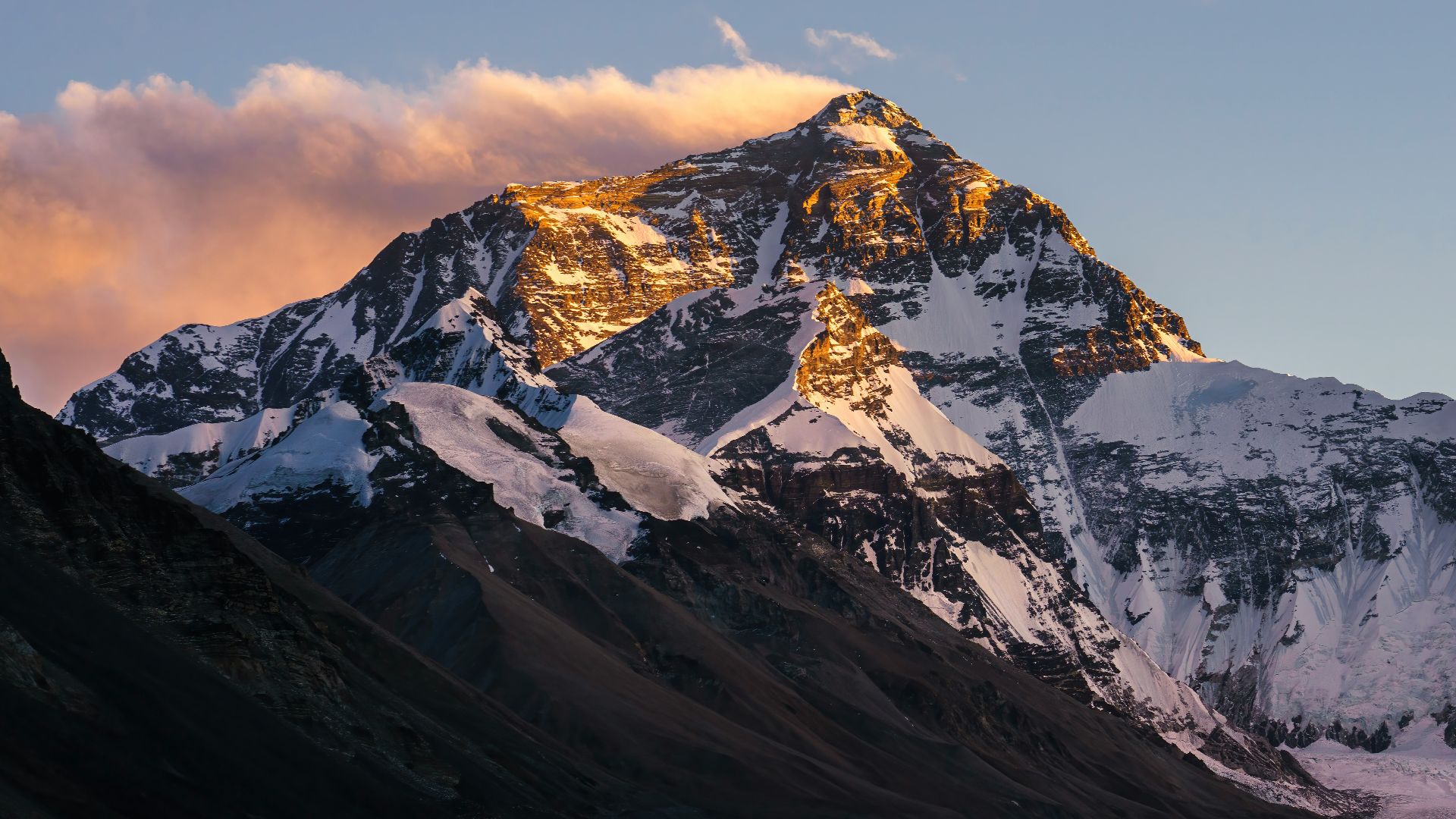
There was no recovered summit photograph of Ruth to support that explanation. The picture could have been lost elsewhere, and the family account couldn’t establish that Mallory still had it when he began his final attempt. Its absence kept the question open. It couldn’t settle it.
The Goggles Added Another Question
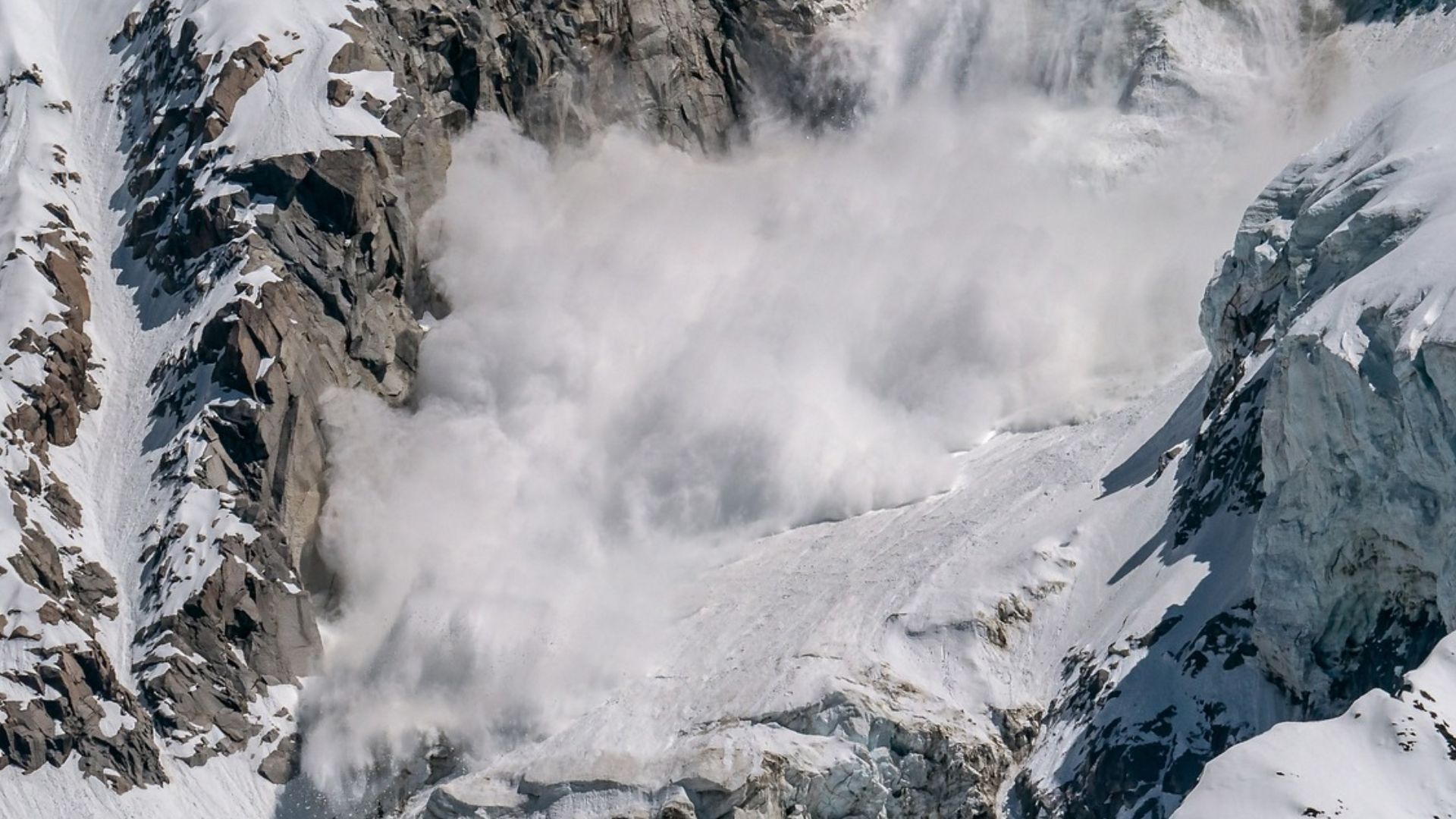
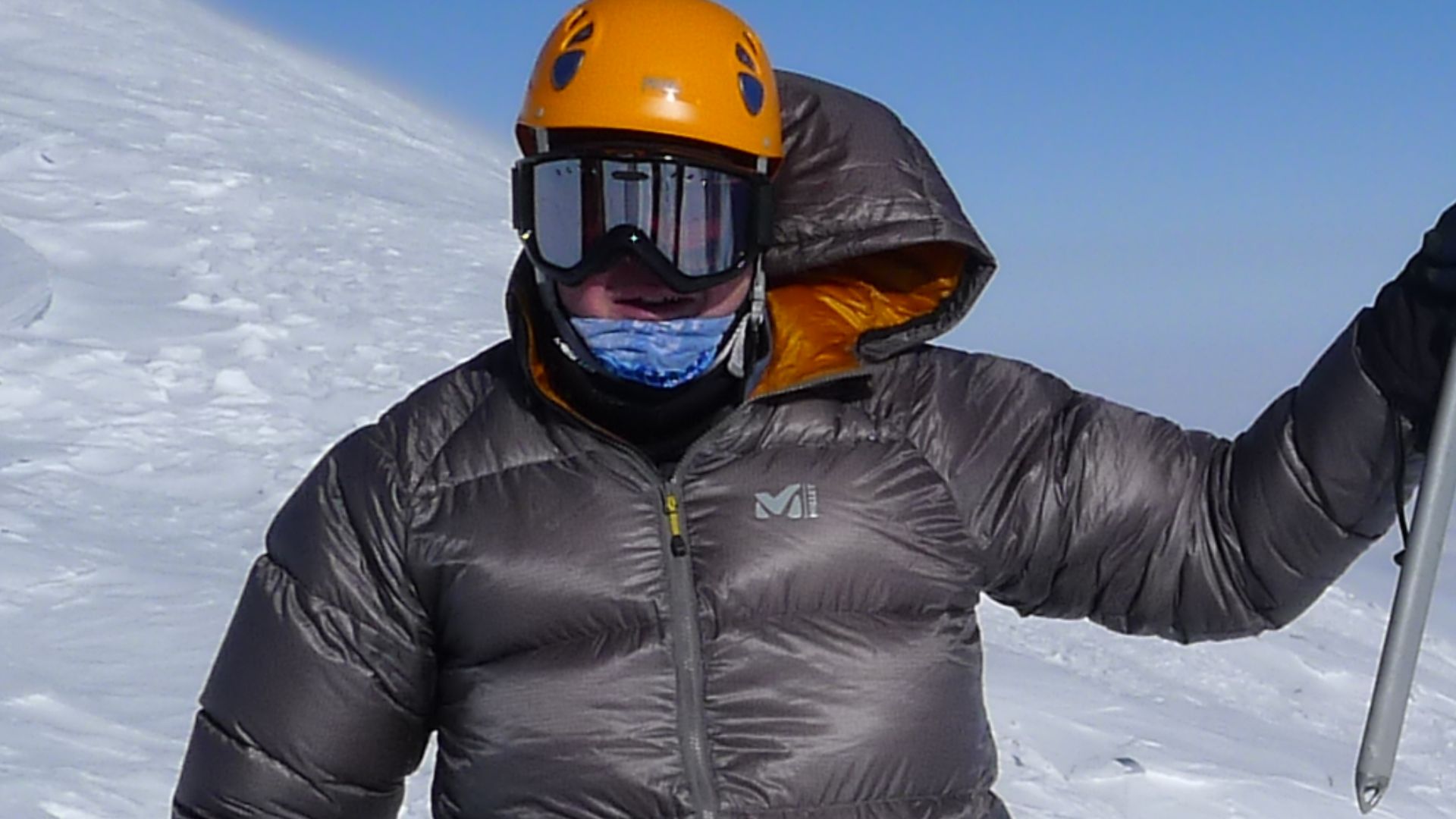
Mallory’s goggles were in his pocket, which raised the possibility that he had been climbing in fading light or darkness when he fell. A late descent might fit a summit attempt that ran long. But the search team also acknowledged that the goggles could simply have been a spare pair.
 brewbooks from near Seattle, USA, Wikimedia Commons
Another Missing Item Could Matter More
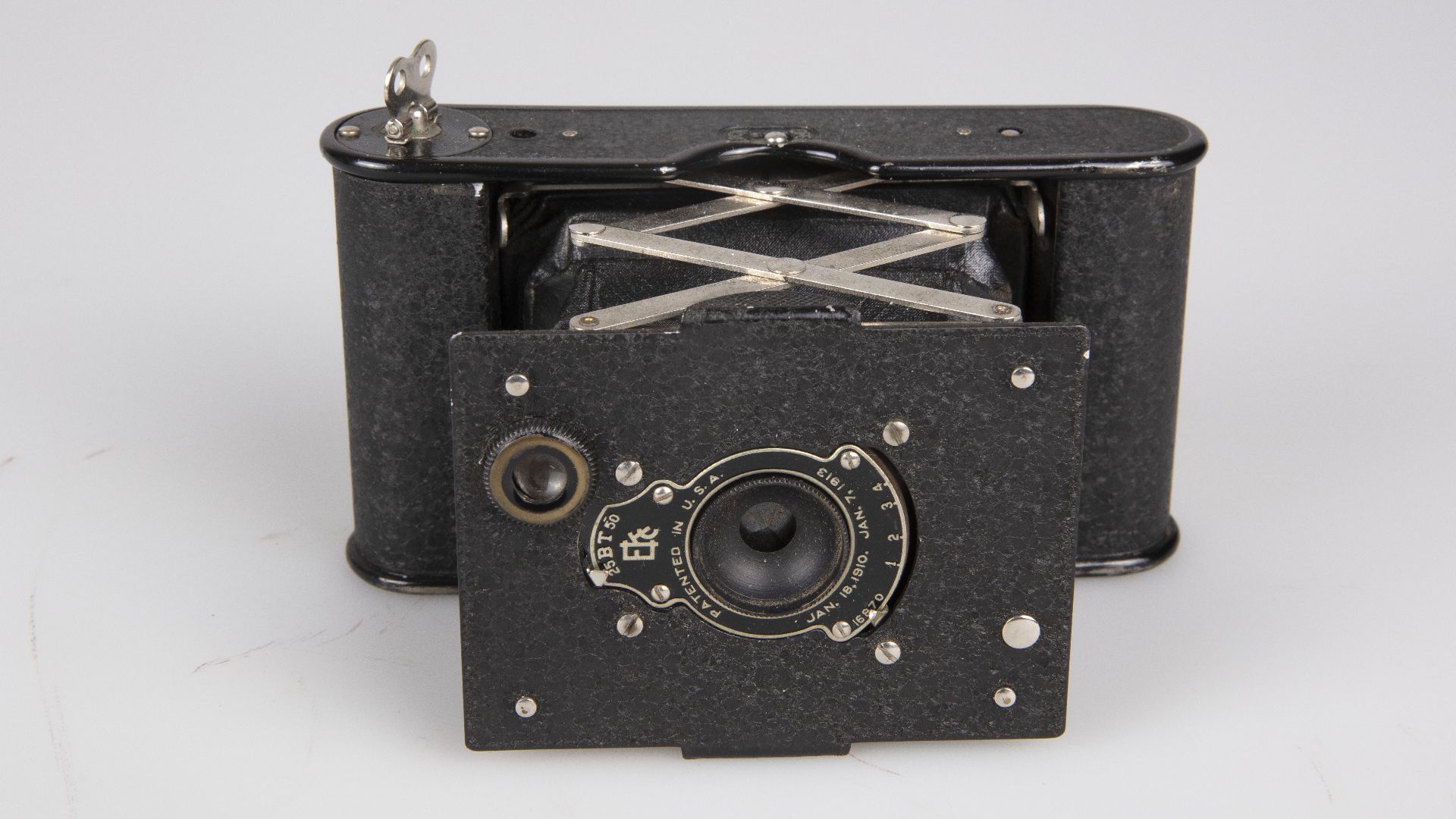
The climbers were believed to have taken a small Kodak camera, which researchers hoped might contain photographs from their attempt. It wasn’t found with Mallory. Unlike the missing picture of Ruth, a clear summit photograph could potentially provide direct evidence of how high the pair had climbed.
 Eastman Kodak Co, Wikimedia Commons
An Oxygen Cylinder Added Physical Evidence
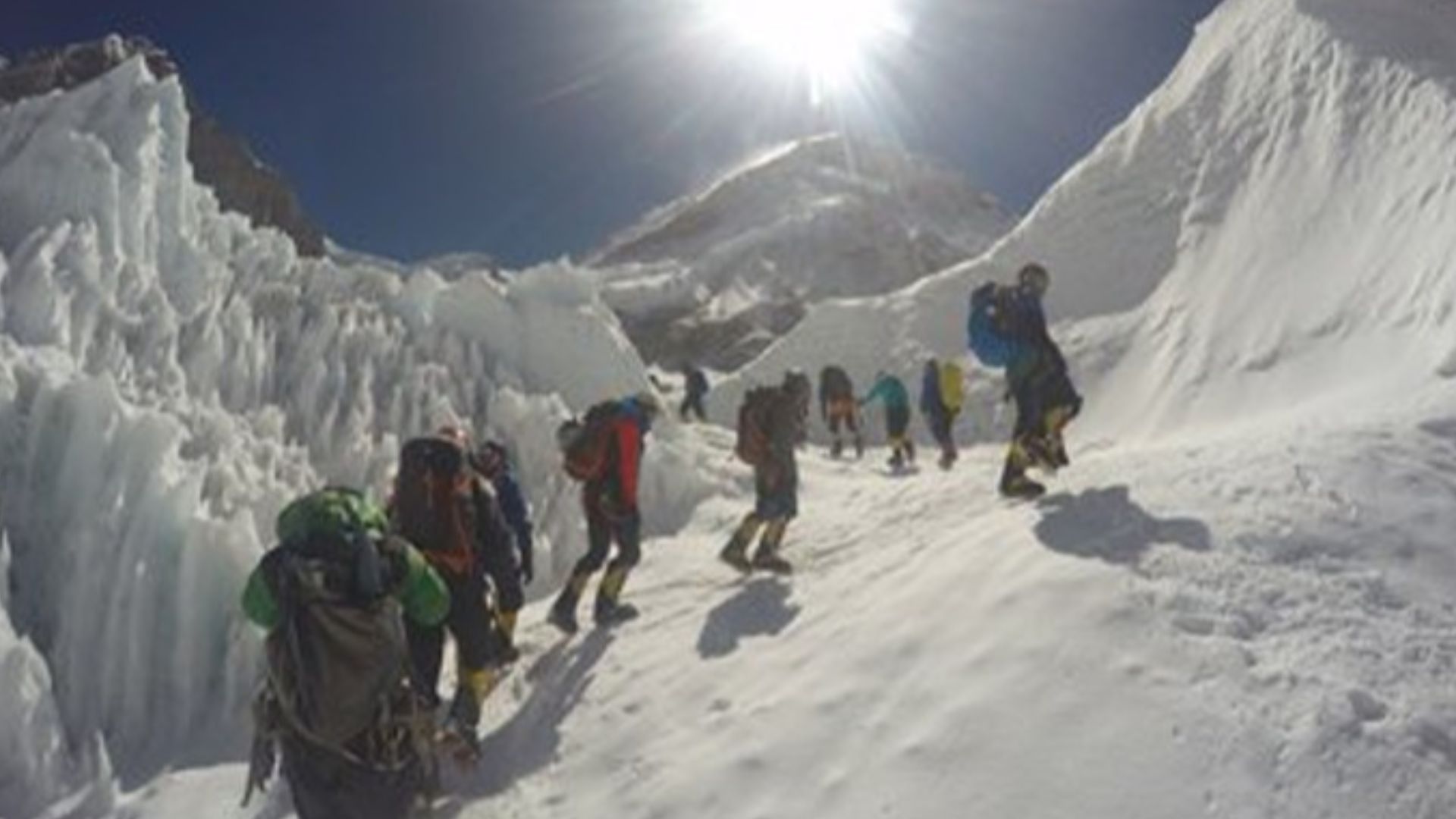
The 1999 expedition also recovered a 1924 oxygen cylinder below the First Step on the northeast ridge. It was another tangible link to Mallory and Irvine’s attempt. But it couldn’t establish their highest point, or tell researchers whether they had continued all the way to the summit.
 Indian Navy, Wikimedia Commons
There Was Still A Major Obstacle
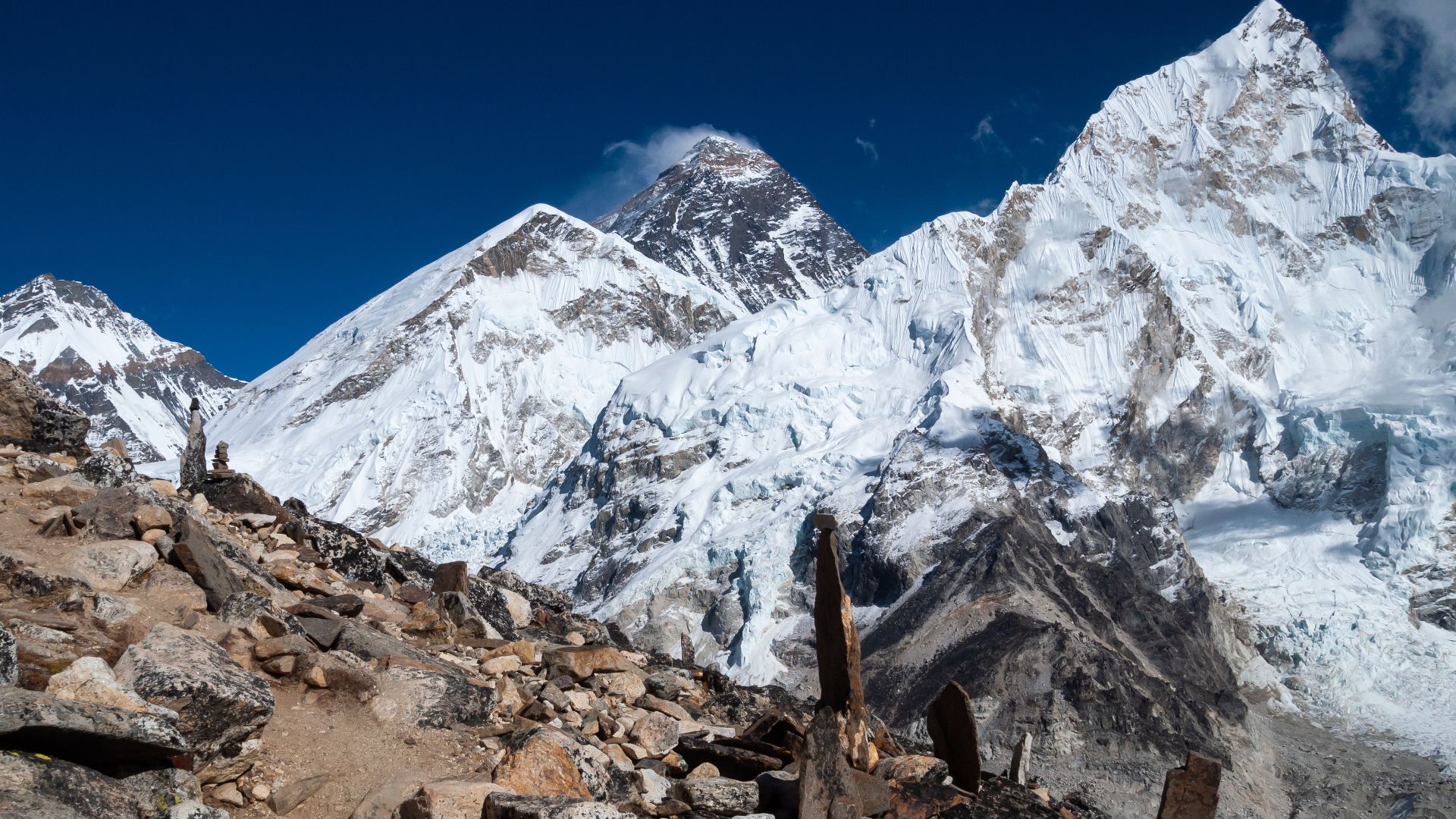
One reason for doubt was the Second Step, a steep rock barrier high on the northeast ridge. Mallory and Irvine would have had to negotiate it, or find another way past it, without the ladder later installed there. Whether they could have managed that became another argument nobody could easily resolve.
 Vyacheslav Argenberg, Wikimedia Commons
A Later Climb Showed It Was Possible
In 2007, Anker and Leo Houlding climbed the Second Step with the ladder temporarily moved aside. They used modern climbing equipment and rope protection. Their success showed the obstacle could be climbed without the ladder, but whether Mallory and Irvine could have managed it in 1924 remained unresolved.

Then Everest Gave Up Another Clue
In September 2024, a National Geographic team including Jimmy Chin, Erich Roepke, and Mark Fisher found an old boot emerging from the Central Rongbuk Glacier below Everest’s north face. Inside were partial human remains and a sock carrying a remarkable identifying detail.
The Sock Had Irvine’s Name
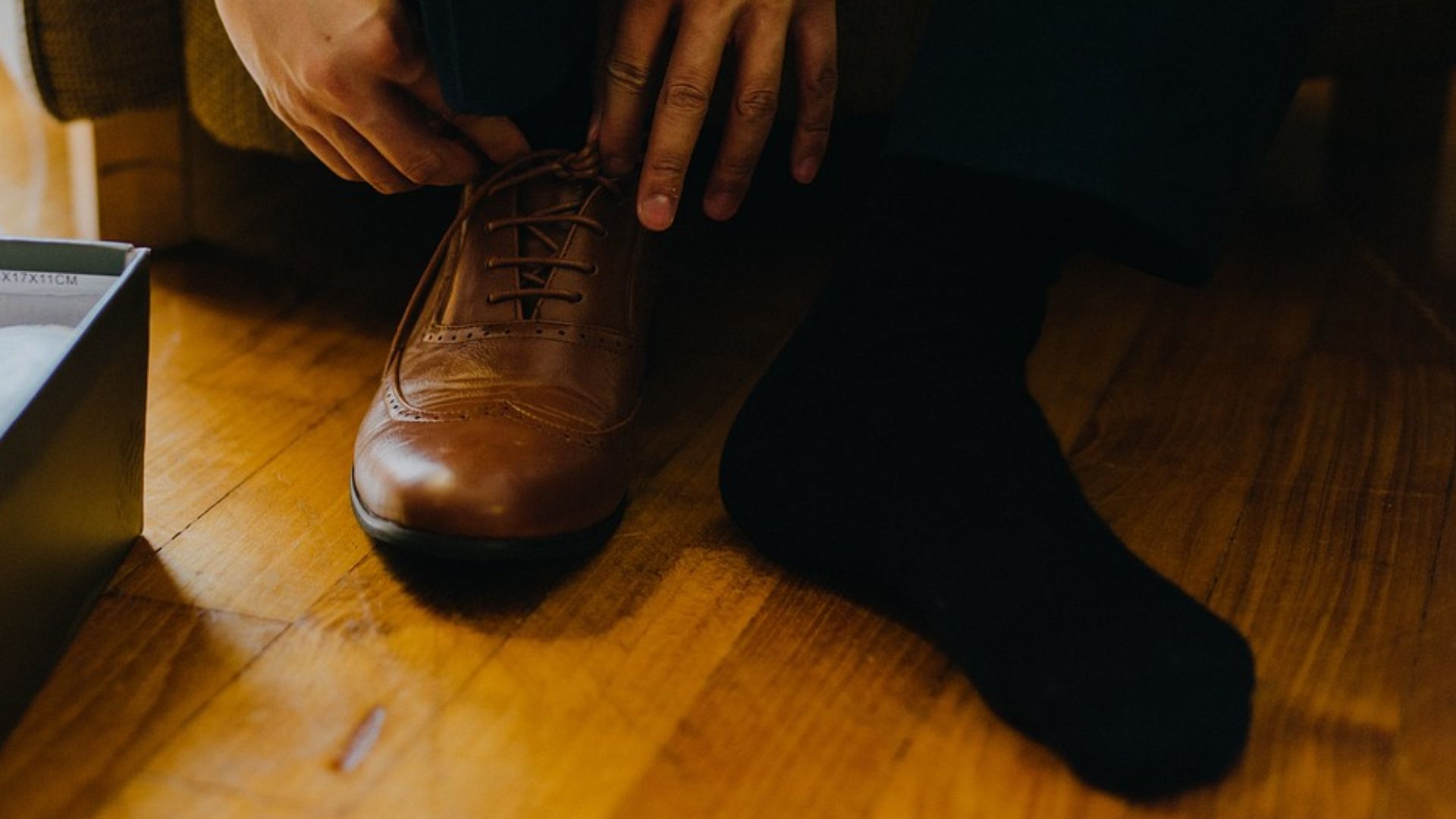
The sock bore a label reading “A.C. Irvine.” The find was reported as partial remains believed to belong to Sandy Irvine, with further identification work planned. It also renewed hopes of locating other belongings, including the camera that might help answer the question left hanging since 1924.
Finding Mallory Wasn’t The Same As Solving It
Finding Mallory revealed where he had come to rest and evidence of a fall. It didn’t reveal how high he had climbed before that happened. The missing photograph leaves a tantalizing possibility: he might have kept his promise to Ruth. But there still isn’t enough evidence to say he did.
 Zp at cs.wikipedia, Wikimedia Commons
You Might Also Like:
Ancient Human Survival Stories That Seem Impossible Until You See The Evidence