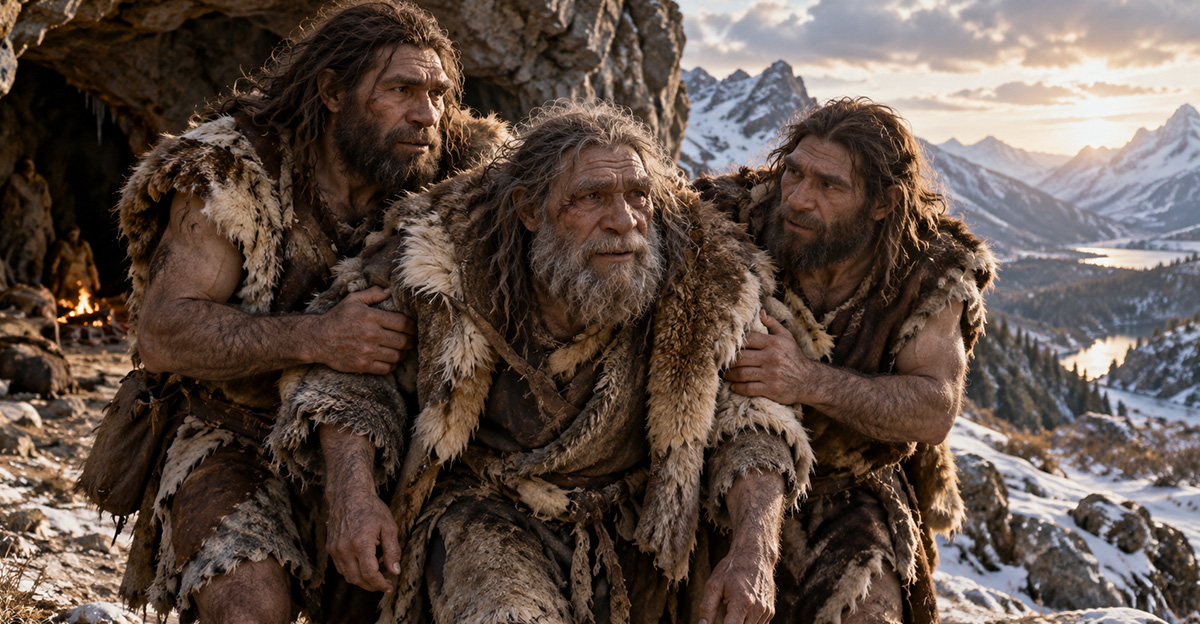
Humanity Has Always Been Hard To End
Prehistory was not exactly forgiving. There were no hospitals, weather forecasts, antibiotics, or emergency helicopters. Yet archaeology keeps uncovering people who survived catastrophic injuries, brutal climates, dangerous migrations, and natural disasters. Their bones, tools, teeth, and even DNA reveal just how remarkably difficult humans were to defeat.
The Prehistoric Amputation Nobody Expected
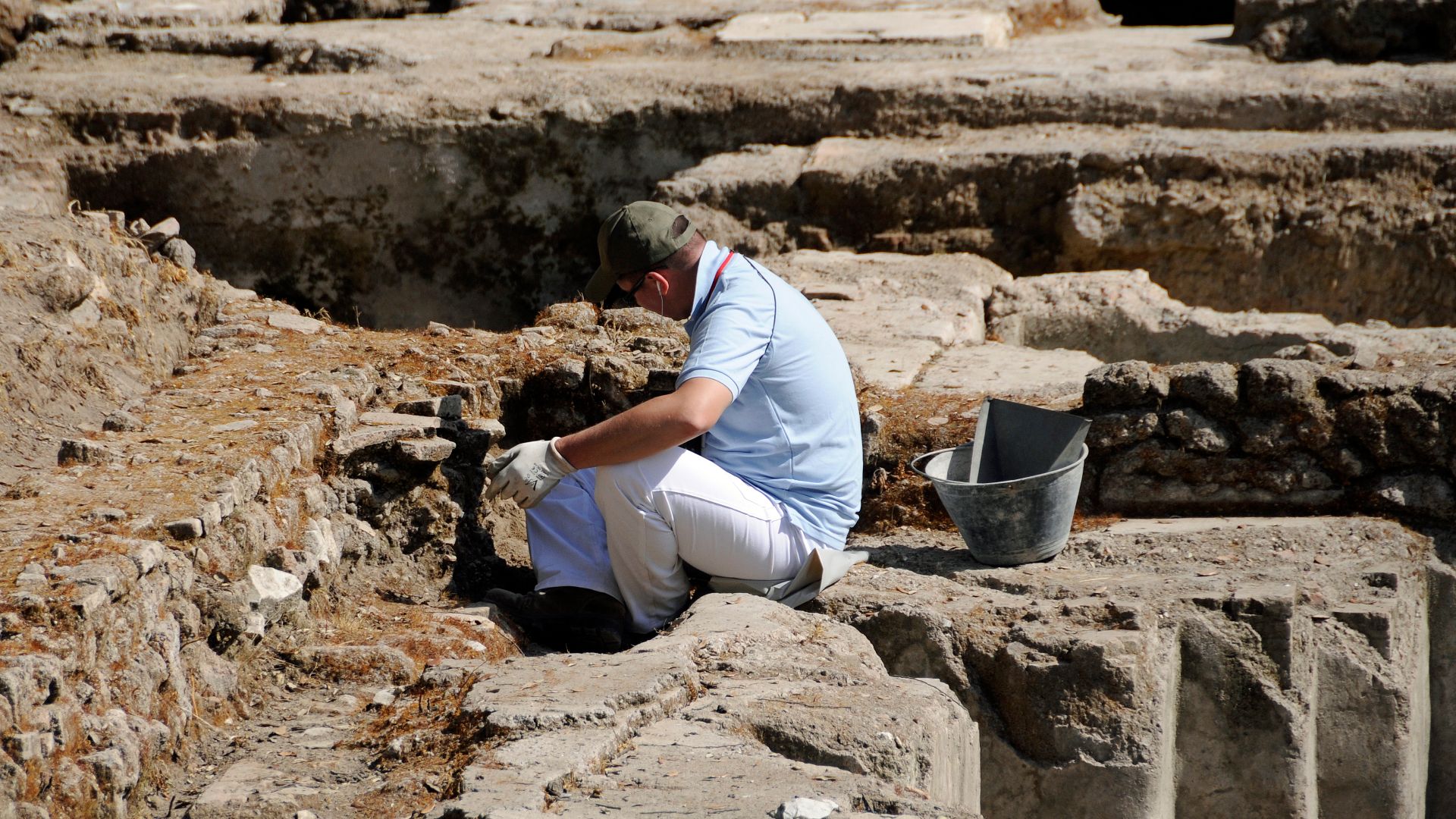
Around 31,000 years ago in Borneo, someone lost the lower part of their left leg. This was no accident. The bones show that the limb had been deliberately amputated, making it the oldest convincing evidence of surgical amputation yet discovered. Somehow, the patient survived.
 Son of Groucho from Scotland, Wikimedia Commons
They Lived For Years After Surgery
The most astonishing detail is what happened afterward. Bone healing indicates the individual lived another six to nine years. Avoiding fatal bleeding and infection would have required extraordinary skill, while surviving with one lower leg in rugged terrain almost certainly required considerable assistance from other people.

Shanidar 1 Should Not Have Survived
A Neanderthal called Shanidar 1, discovered in Iraq, endured injuries that sound almost unbelievable. He apparently lost the use of an arm, suffered serious damage around one eye, injured his leg and foot, and developed arthritis. Yet those injuries healed. He lived for decades afterward.
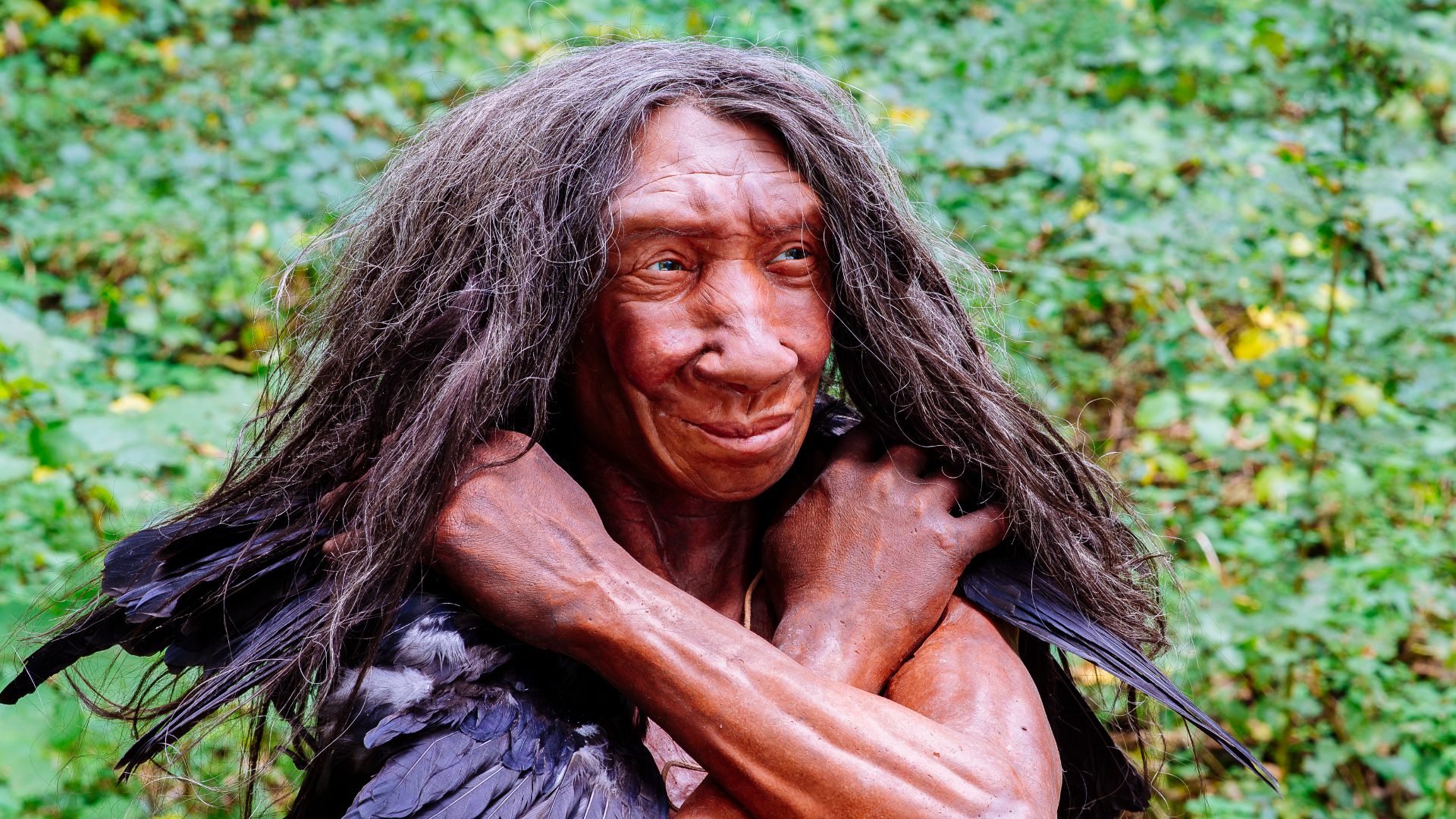 Neanderthal-Museum, Mettmann, Wikimedia Commons
Somebody Was Looking After Him
Shanidar 1's condition probably made hunting and moving through mountainous terrain extremely difficult. His long survival therefore became important evidence in debates about Neanderthal compassion. Whatever the exact arrangement, he was clearly living in a social world where serious disability did not automatically mean abandonment.
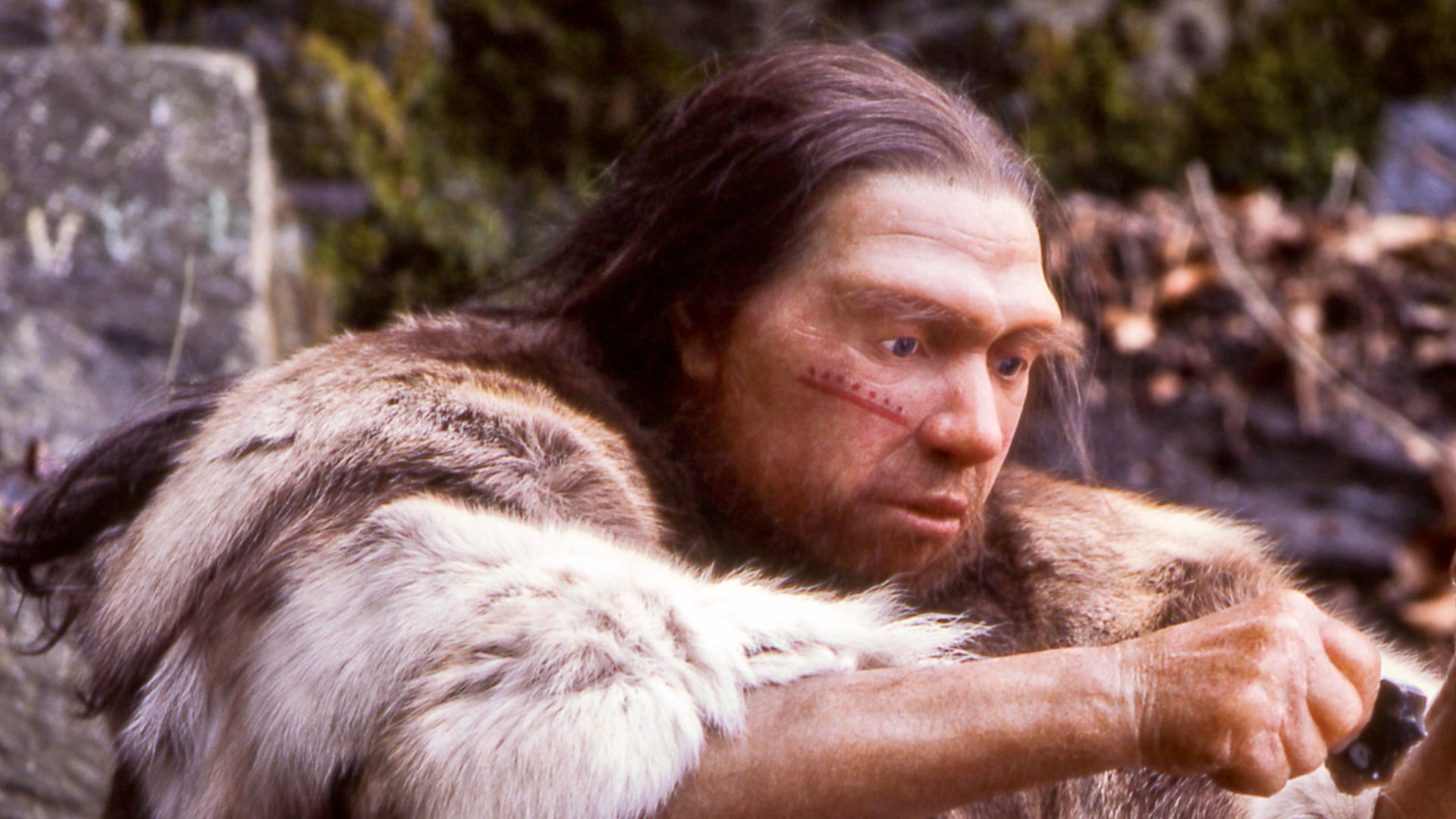 Neanderthal-Museum, Mettmann, Wikimedia Commons
A Neanderthal With An Abscess Kept Going
Teeth can preserve surprisingly personal stories. Dental calculus taken from a Neanderthal at El Sidrón Cave in Spain revealed evidence of a serious dental abscess and a chronic intestinal pathogen. Neither sounds pleasant today. Tens of thousands of years ago, they could have been much more dangerous.
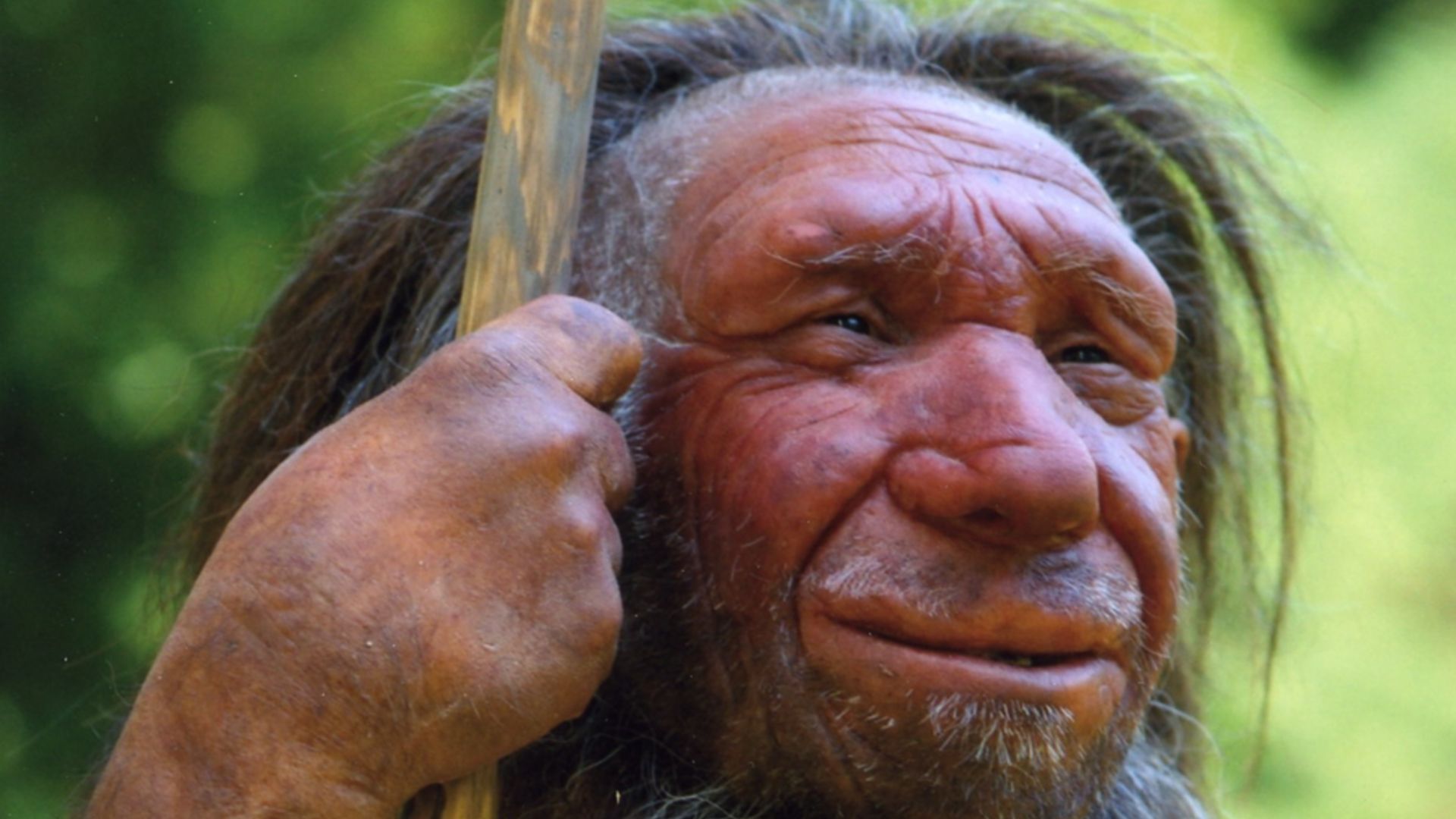 Neanderthal-Museum, Mettmann, Wikimedia Commons
His Teeth May Record Ancient Medicine
Researchers also detected evidence consistent with self-medication in the El Sidrón individual. The findings suggest Neanderthals were not simply suffering through illness without understanding what might help. Their hardened dental plaque preserved tiny molecular clues about diet, disease, and possibly prehistoric attempts at treating symptoms.
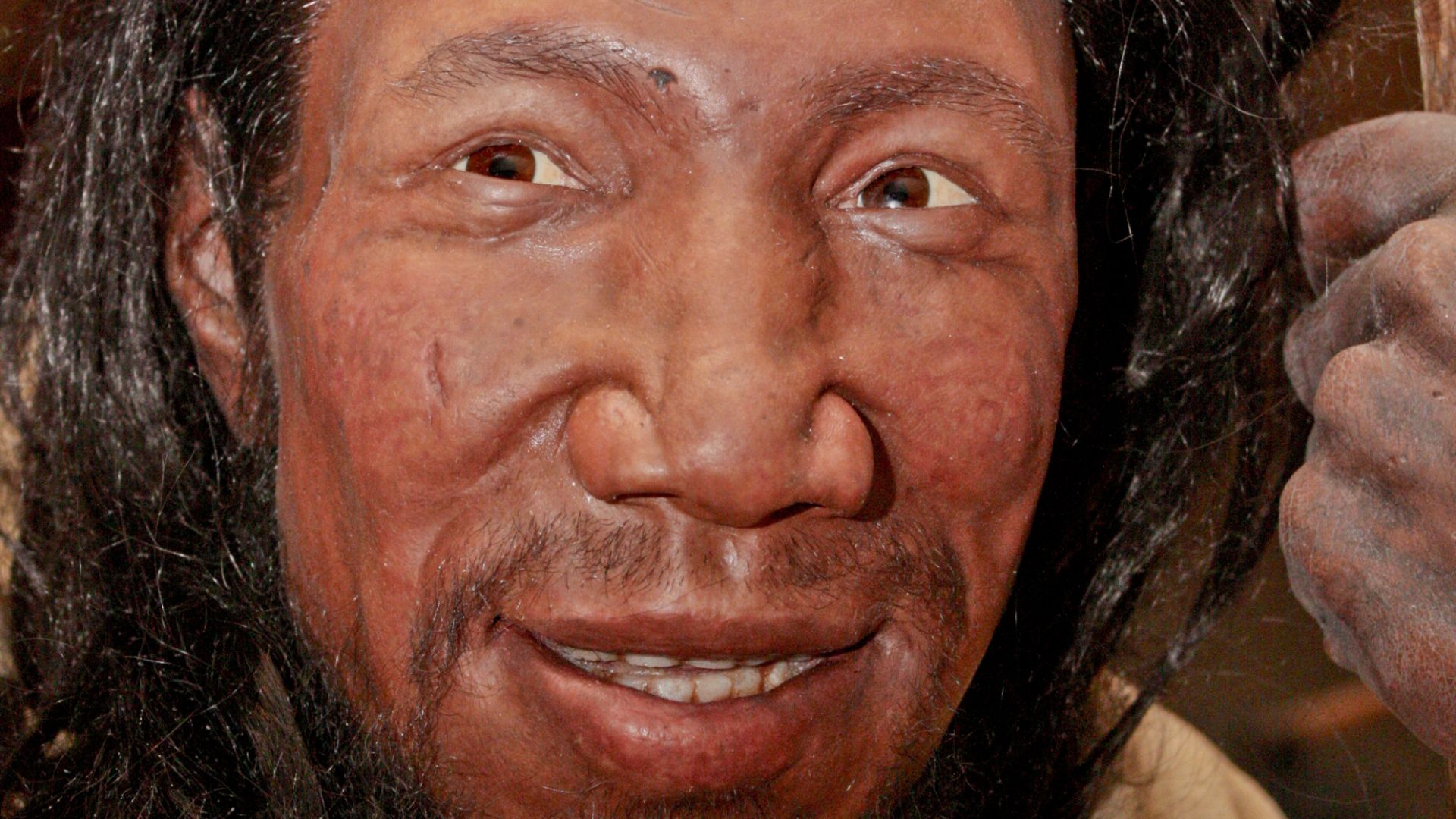 Daniela Hitzemann (photograph), Wikimedia Commons
Then A Supervolcano Exploded
About 74,000 years ago, Indonesia's Toba volcano produced one of the enormous eruptions of the Pleistocene. For years, scientists debated whether its environmental effects nearly devastated humanity. Archaeology has complicated that story by revealing human communities apparently continuing through the event in several regions.
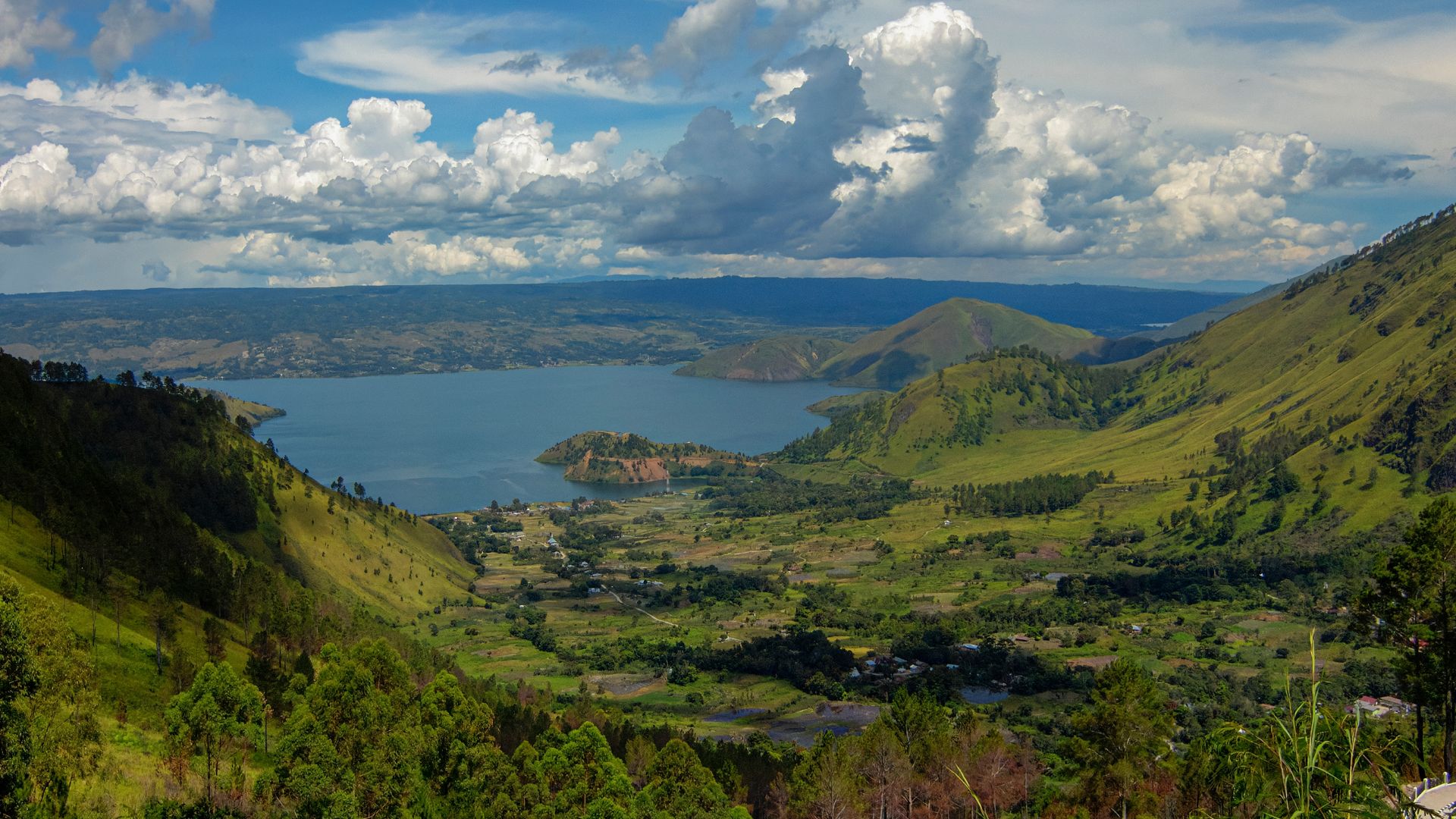
People In India Apparently Carried On
At Dhaba in northern India, archaeologists uncovered stone-tool layers spanning roughly 80,000 years of occupation. Crucially, similar toolmaking traditions appear both before and after the Toba eruption. The evidence suggests people remained in the region despite whatever environmental disruption followed the catastrophe.
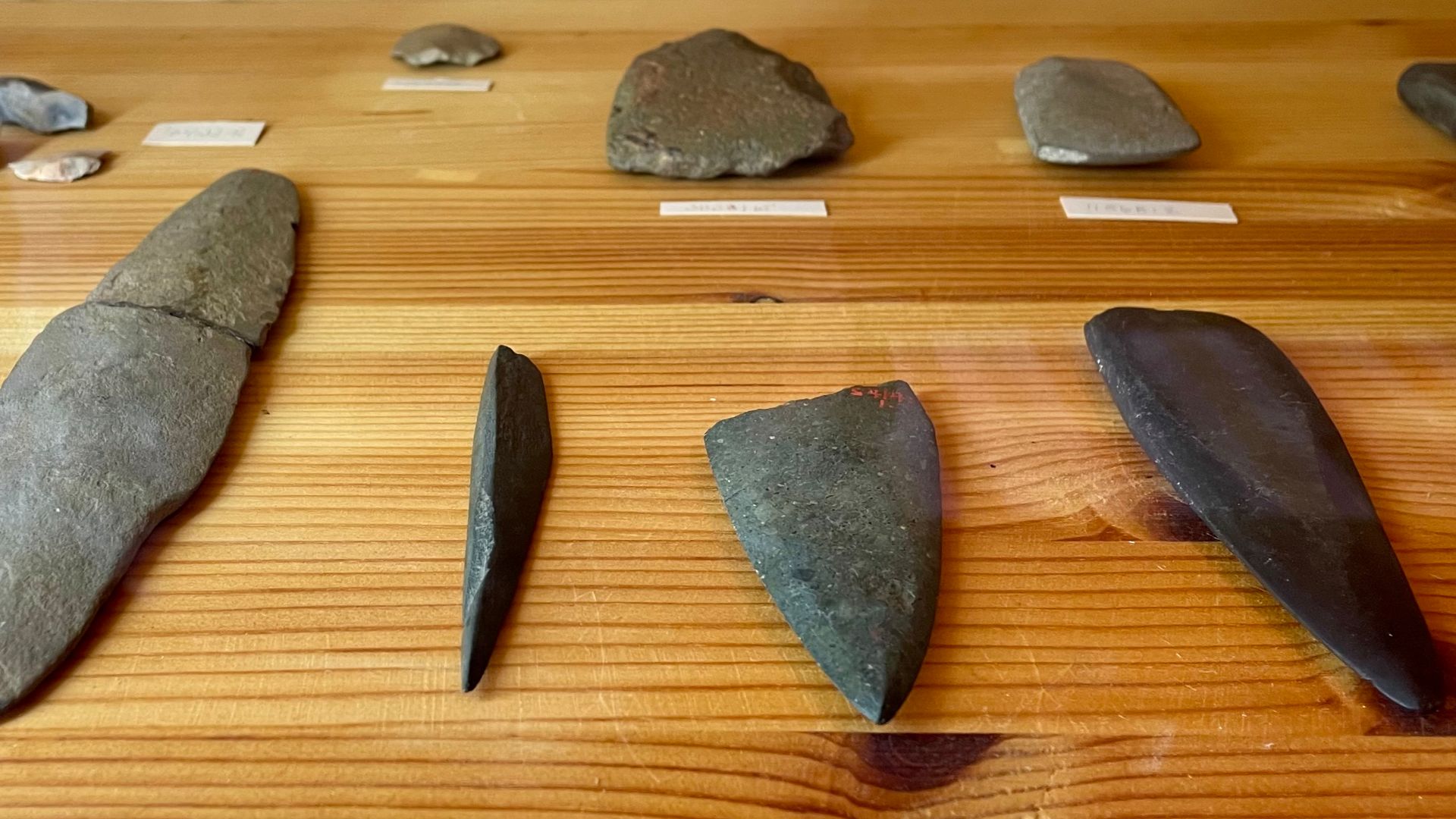 Limelightangel, Wikimedia Commons
South Africans Survived Toba Too
Thousands of miles away, microscopic volcanic glass from Toba was discovered at South African archaeological sites. Human activity continued across the ash-bearing layer. Researchers concluded that the communities there not only survived but apparently remained successful, perhaps helped by the rich resources available along the southern coast.
Somebody Had To Cross The Sea
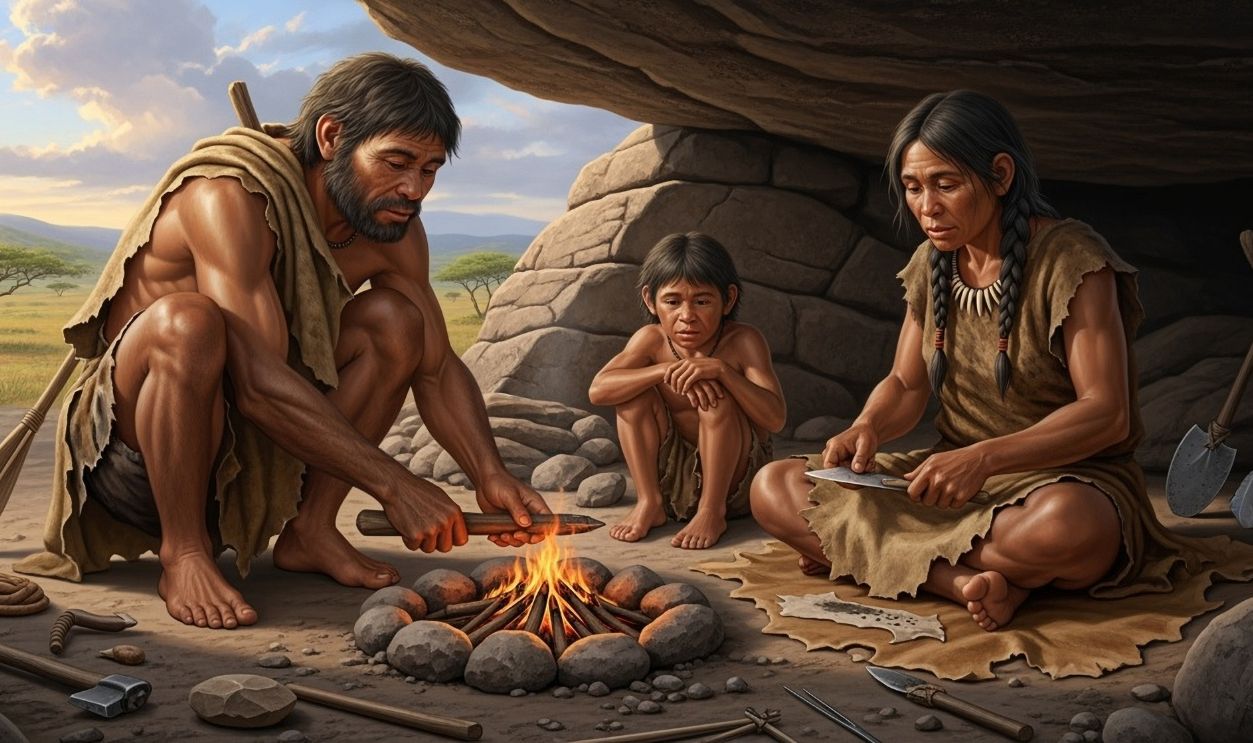
Reaching ancient Australia required more than walking. Even when sea levels were lower, migrants moving through Island Southeast Asia faced stretches of open water. Humans nevertheless reached northern Australia surprisingly early, meaning prehistoric populations somehow organized risky sea crossings long before anything resembling a modern ship existed.

Madjedbebe Preserved The Receipts
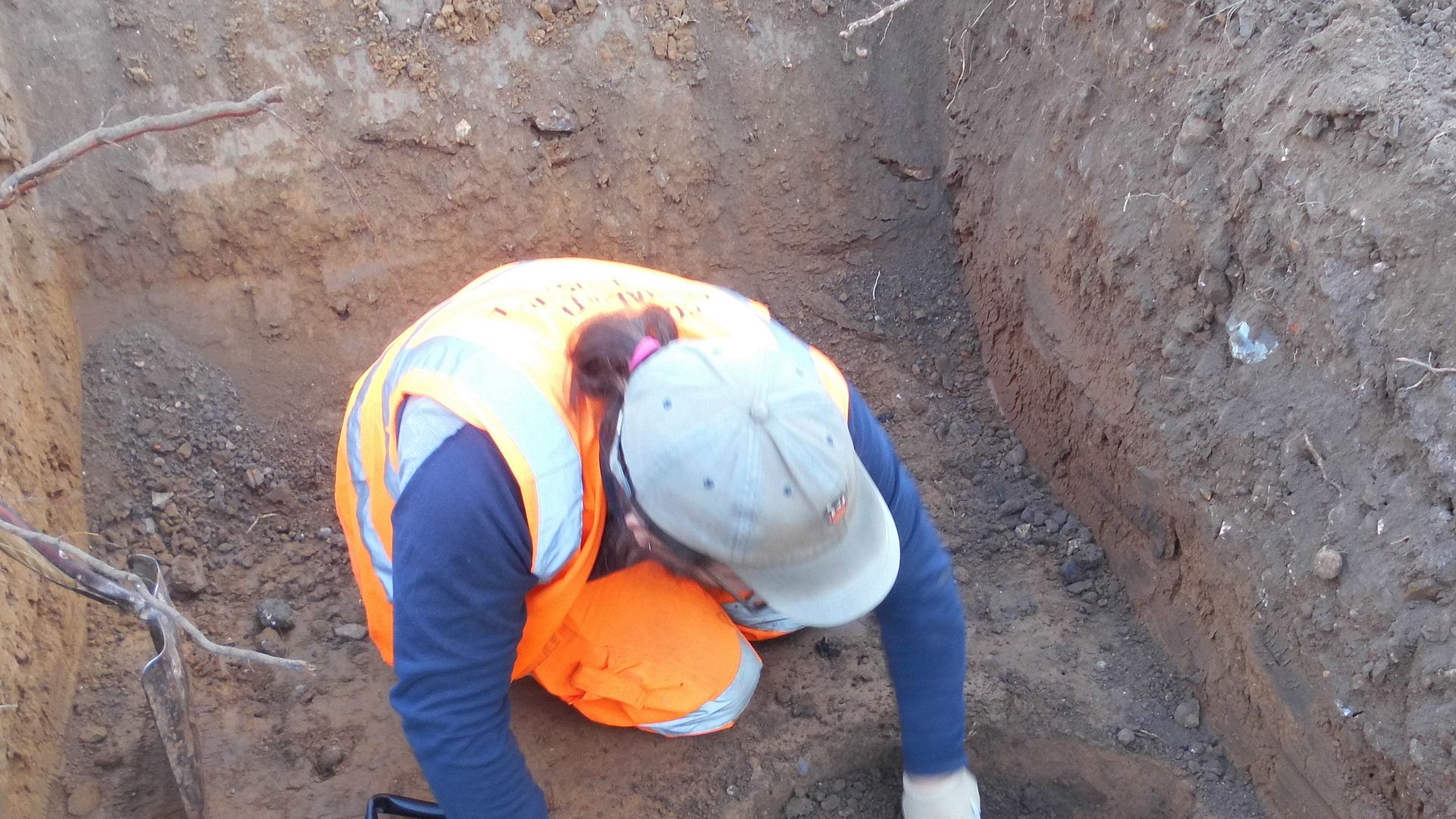
At Madjedbebe in northern Australia, excavations uncovered evidence of human occupation dating to around 65,000 years ago. Finds included stone tools, grinding stones, ochre, and ground-edge axe heads. These were not helpless wanderers barely clinging on. They arrived equipped with a flexible technological toolkit.
 Dr Elliott Hicks, Colchester Archaeological Trust, Wikimedia Commons
Denisovans Climbed Into Thin Air
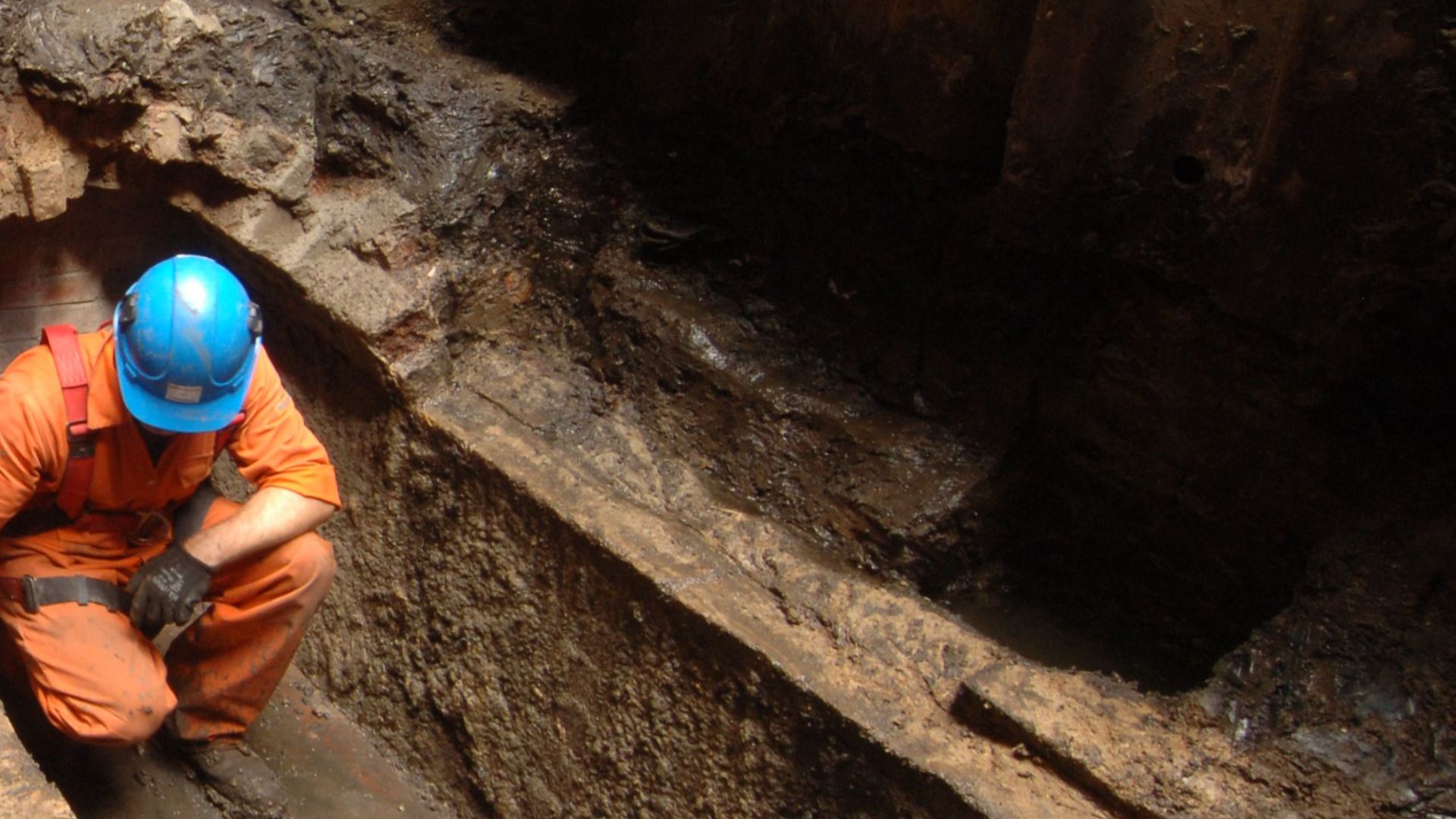
Living permanently on the Tibetan Plateau is difficult even today because oxygen levels are so low. Yet a Denisovan jaw from Baishiya Karst Cave indicates archaic humans occupied the plateau at least 160,000 years ago, long before modern humans established today's high-altitude populations there.
 Crossrail/MOLA, Wikimedia Commons
Their Survival Trick Is Still In Human DNA
The story becomes even stranger when genetics enters the picture. A version of the EPAS1 gene associated with successful high-altitude living in Tibetans appears to have entered modern humans through ancient interbreeding with Denisovans or closely related people. An ancient survival advantage effectively survived its original owners.
 PublicDomainPictures, Wikimedia Commons
Early Humans Discovered The Ultimate Buffet
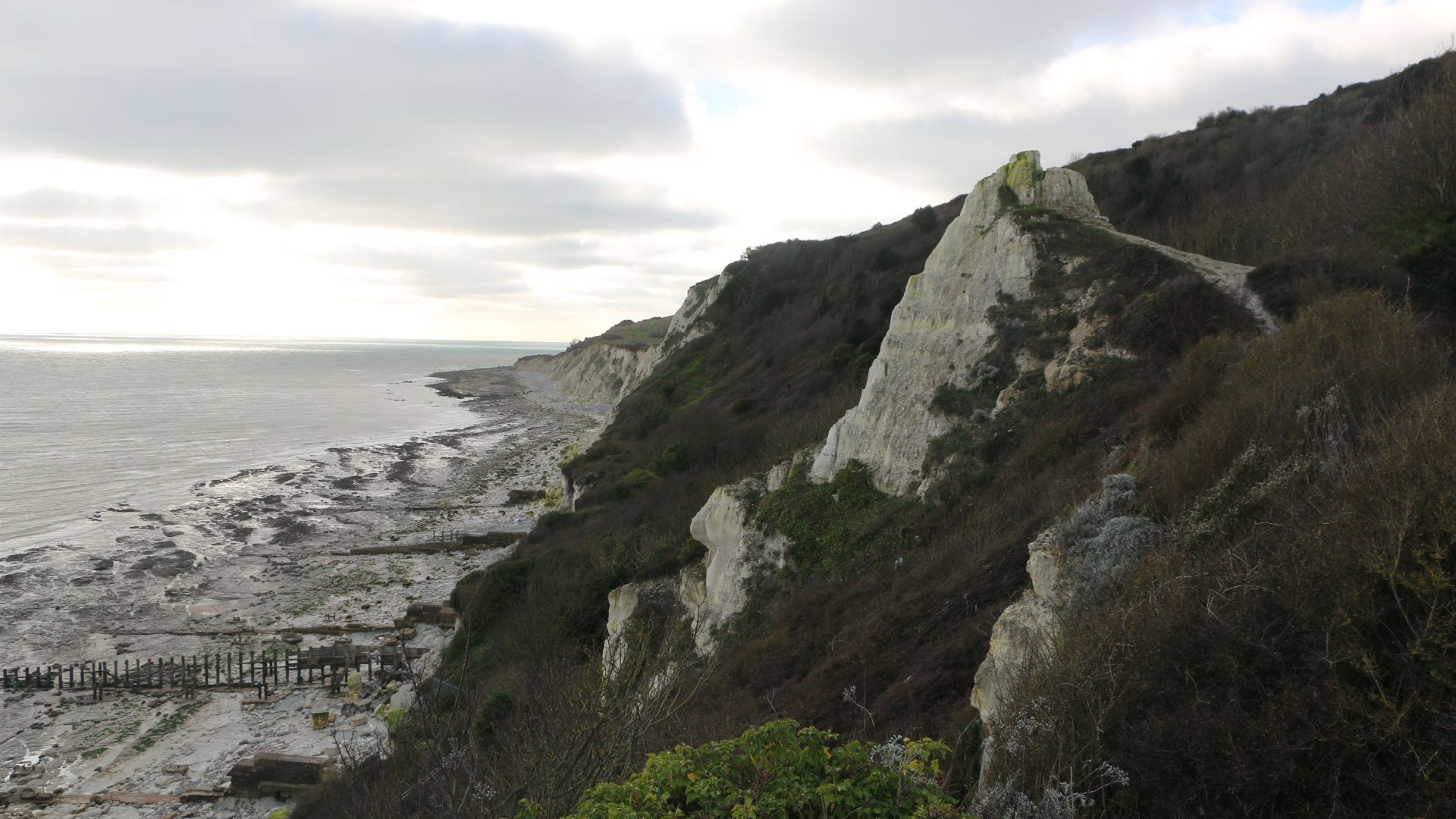
During difficult climatic periods in southern Africa, some early Homo sapiens turned toward the coast. Pinnacle Point preserves evidence that people were gathering marine foods roughly 164,000 years ago. Shellfish offered a dependable new food source when conditions elsewhere could become dry and unpredictable.
 Andrew Diack , Wikimedia Commons
They Were Also Engineering Better Tools
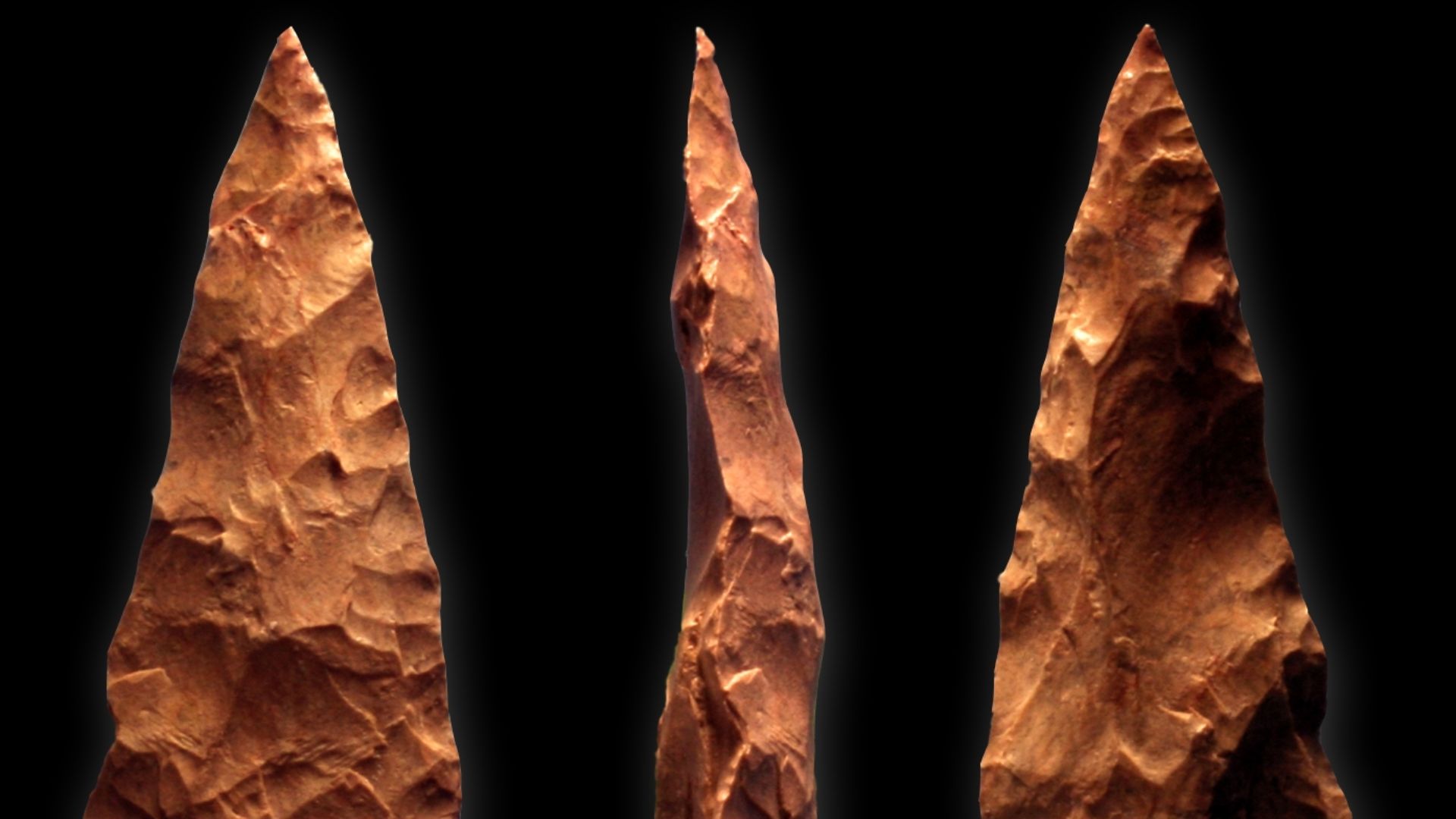
Pinnacle Point later produced evidence for sophisticated stone technology dating to about 71,000 years ago. People deliberately heat-treated stone before producing small bladelets that could be incorporated into complex tools or projectile systems. Survival increasingly depended not just on strength, but on planning and shared technical knowledge.
 Vincent Mourre / Inrap, Wikimedia Commons
Humans Were Toughing Out Ice-Age Britain
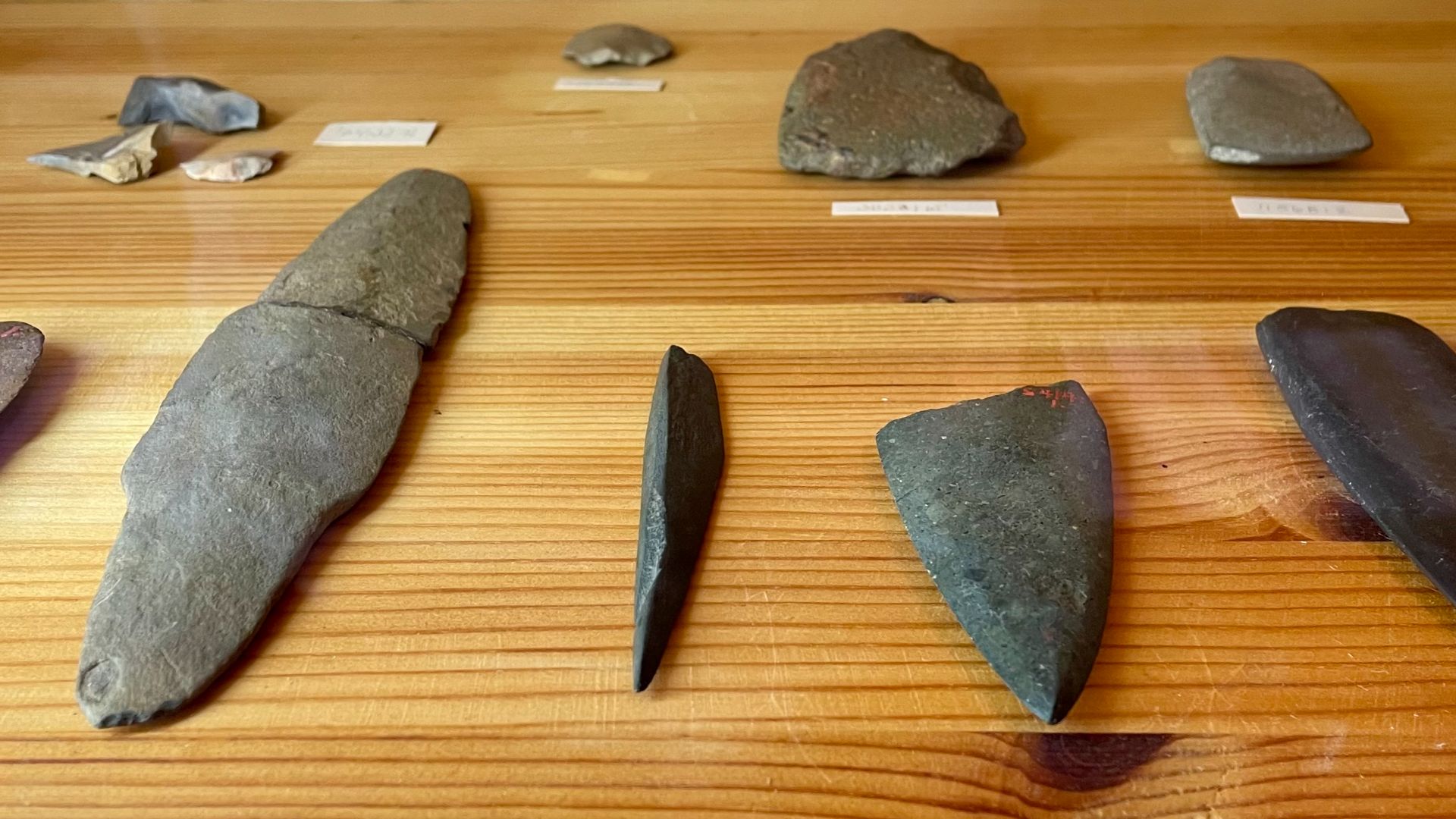
Northern Europe was hardly prime real estate during glacial periods. Yet research published in 2025 identified evidence of hominin occupation at Fordwich in southern Britain during a cold stage between roughly 712,000 and 424,000 years ago. Early humans were pushing into chilly environments extraordinarily early.
 Limelightangel, Wikimedia Commons
Cold Was Apparently Not A Deal-Breaker
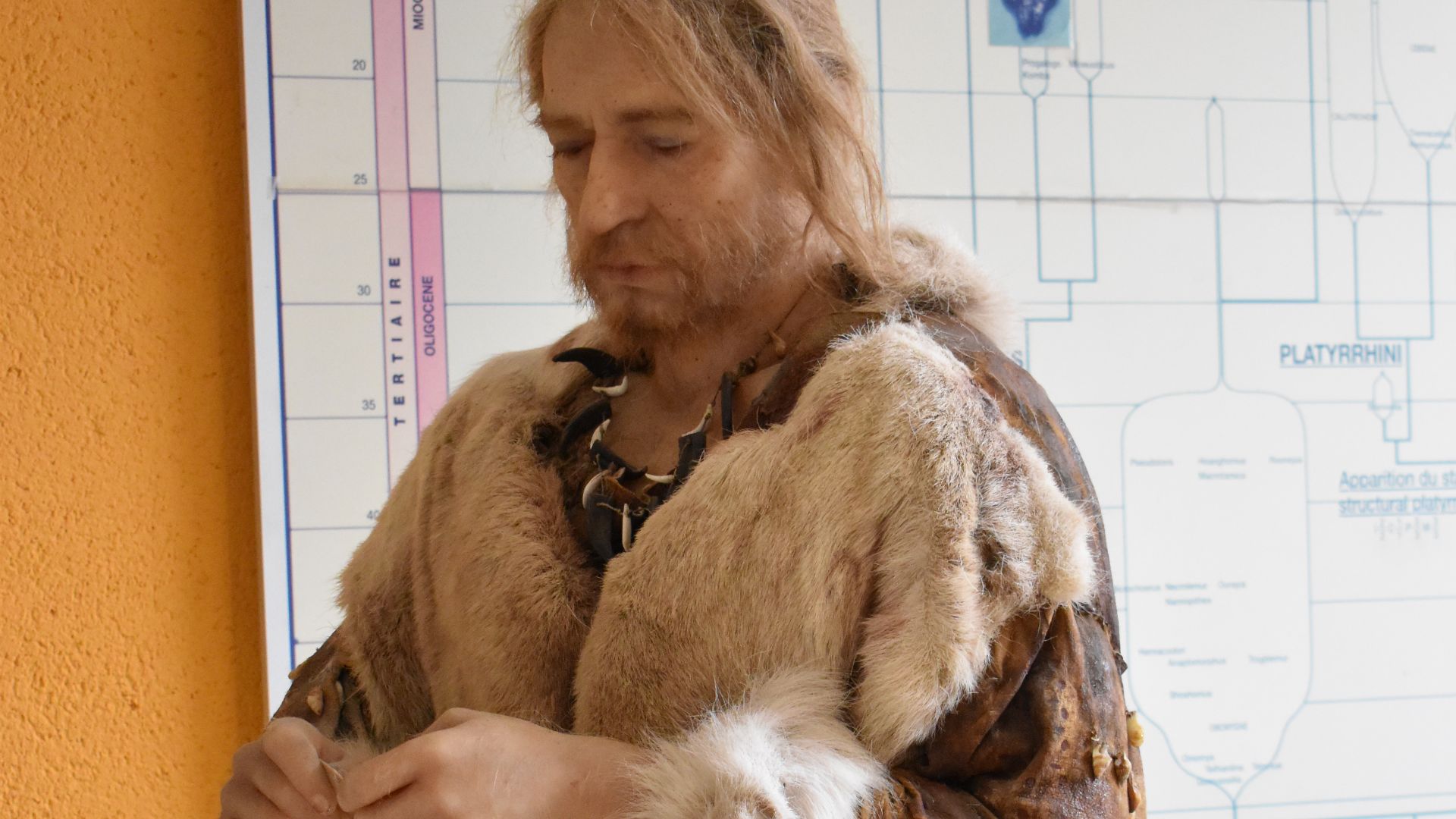
Sites like Fordwich are changing assumptions about when humans became capable of surviving northern winters. Clothing rarely survives archaeologically, so researchers often have to reconstruct adaptation indirectly from tools, animal remains, sediments, and climate records. The emerging picture suggests remarkable behavioral flexibility long before Homo sapiens appeared.
 Tylwyth Eldar, Wikimedia Commons
Ancient Peruvians Drilled Into Skulls
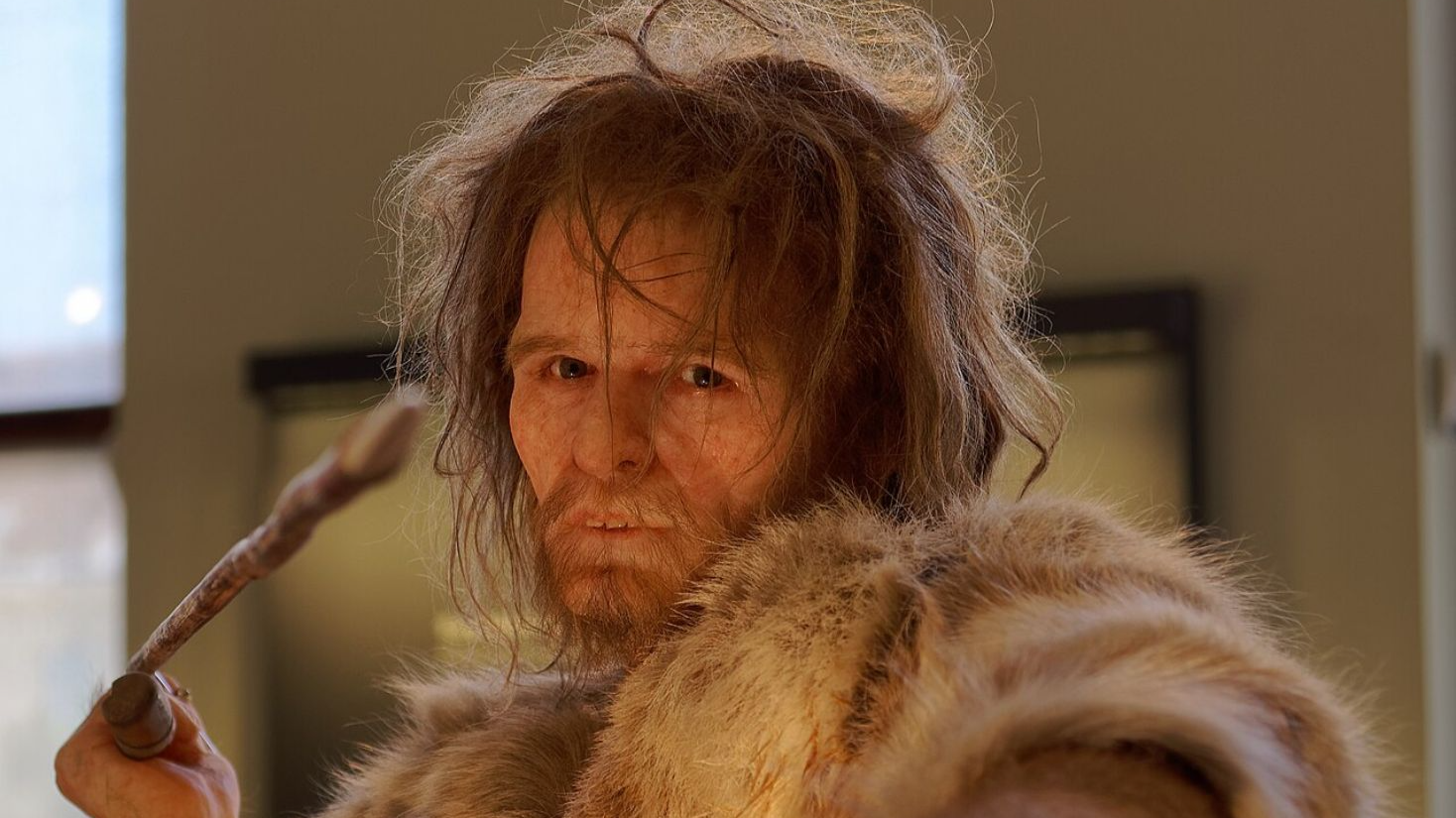
Few prehistoric treatments sound less survivable than having someone intentionally cut a hole into your skull. Yet trepanation was practiced repeatedly in ancient Peru. Archaeologists can distinguish many survivors because bone around the openings began healing, something that only happens when patients live beyond the operation.
 Jakub Hałun, CC BY-SA 4.0, Wikimedia Commons
The Surgeons Actually Got Better
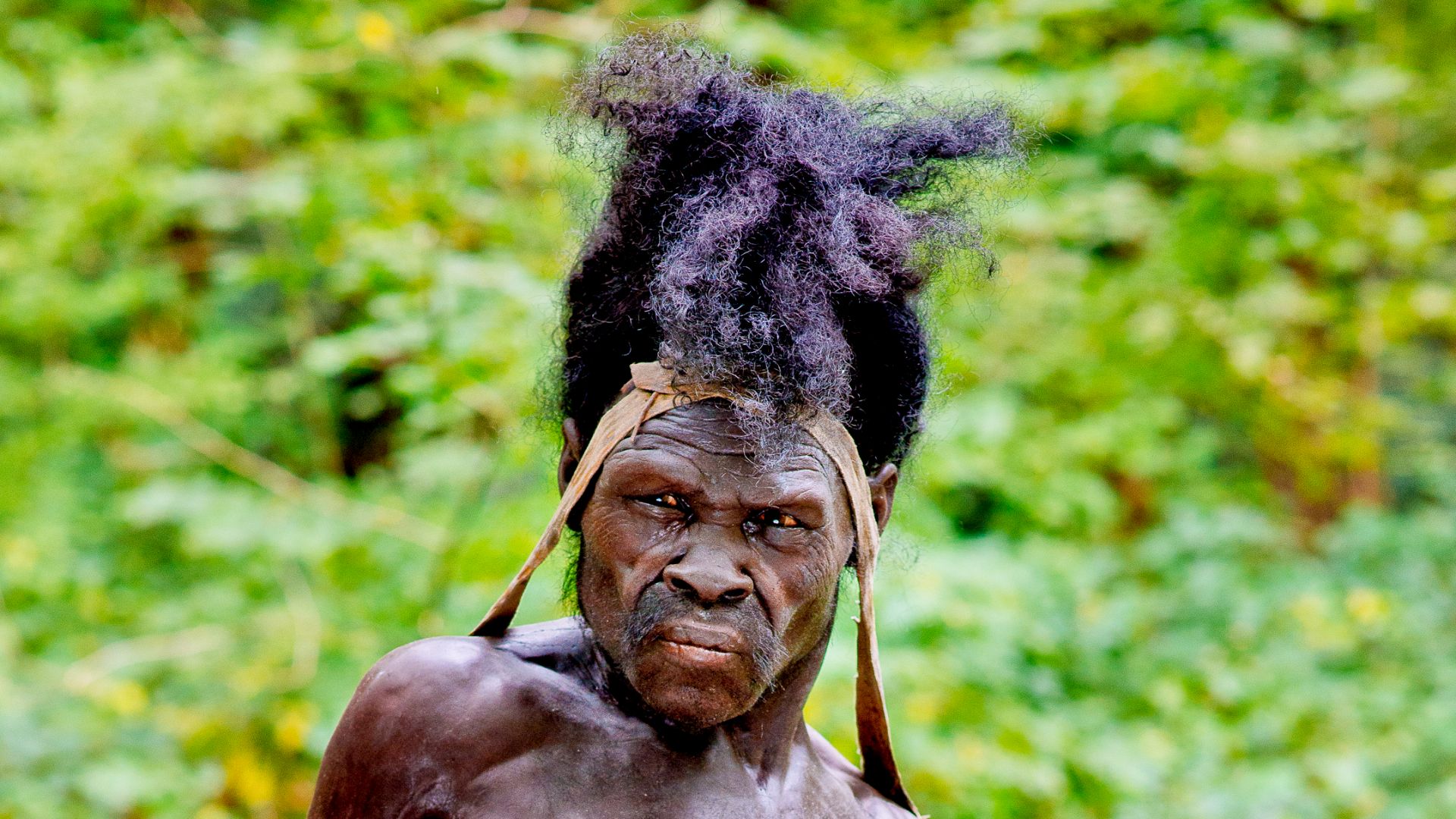
Peruvian practitioners apparently refined their techniques over centuries. Researchers studying hundreds of skulls found increasingly strong evidence of survival in later periods. The surgeons seem to have learned where and how deeply to cut, turning an alarming procedure into something many patients apparently lived through.
 Neanderthal-Museum, Mettmann, Wikimedia Commons
The Tiny Humans Of Flores Endured
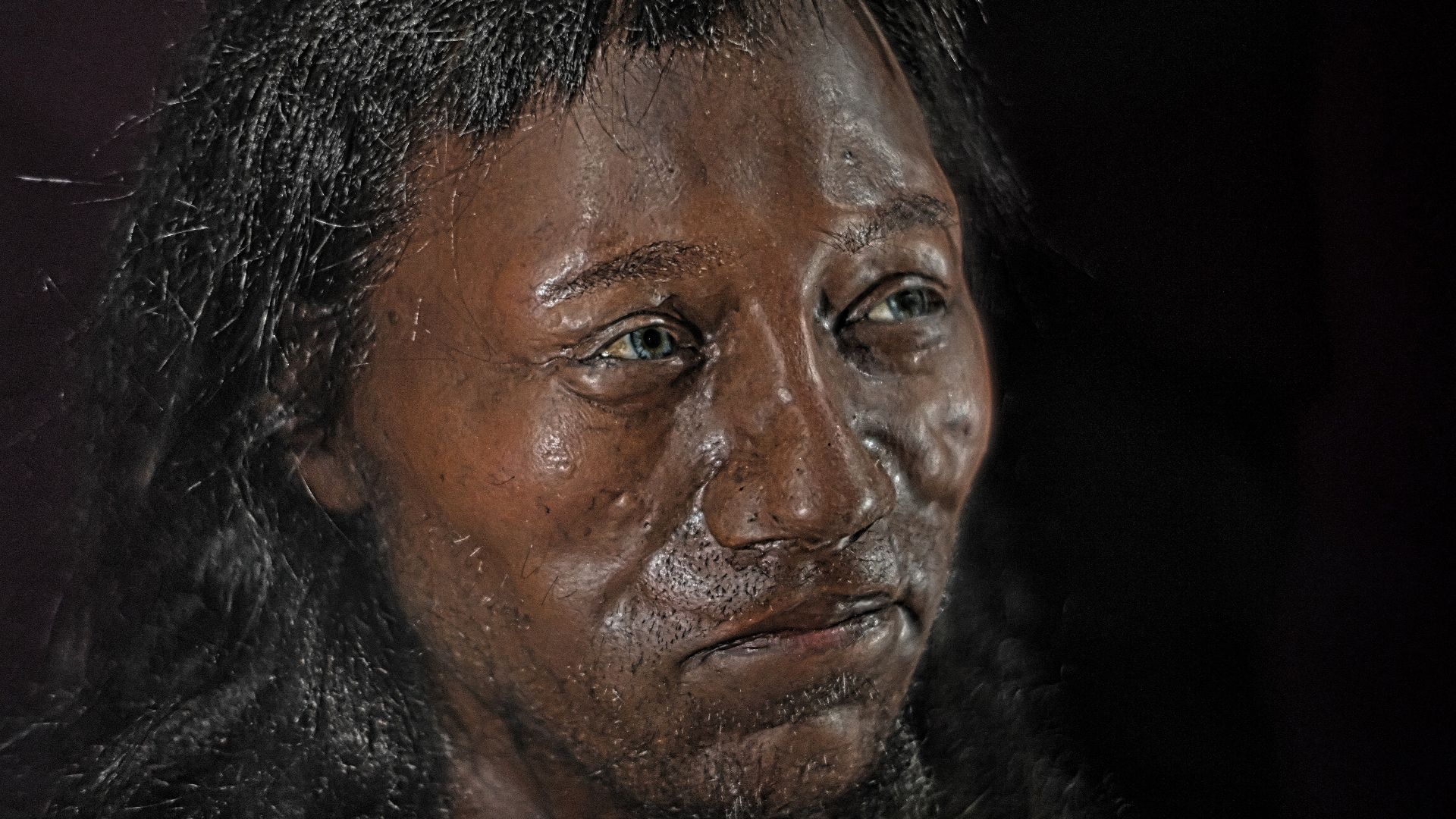
Homo floresiensis stood only around a metre tall, yet this unusual human relative survived on the Indonesian island of Flores for an extraordinary span of time. Fossils and stone tools from Liang Bua show a population adapted to an isolated island inhabited by creatures including giant birds and Komodo dragons.
 Werner Ustorf, Wikimedia Commons
They Survived Until Their World Changed
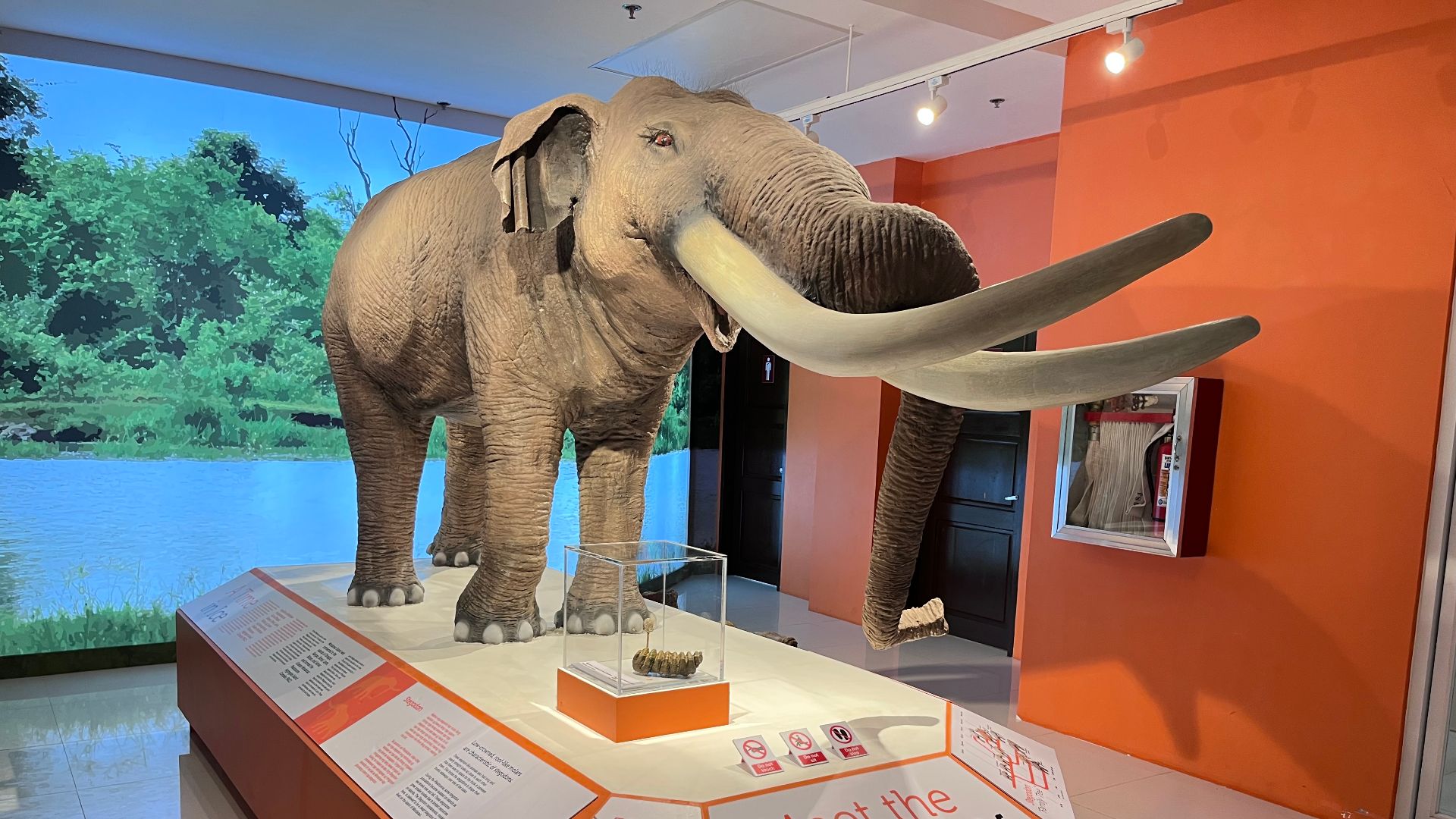
New environmental research suggests increasingly dry conditions affected Flores between about 76,000 and 61,000 years ago. Rainfall declined, while remains of the Stegodon animals associated with Homo floresiensis also became scarcer. Their disappearance may therefore have followed generations of coping with an increasingly difficult landscape.
 MadayawDavao, Wikimedia Commons
Coastal Living Was An Ancient Survival Strategy
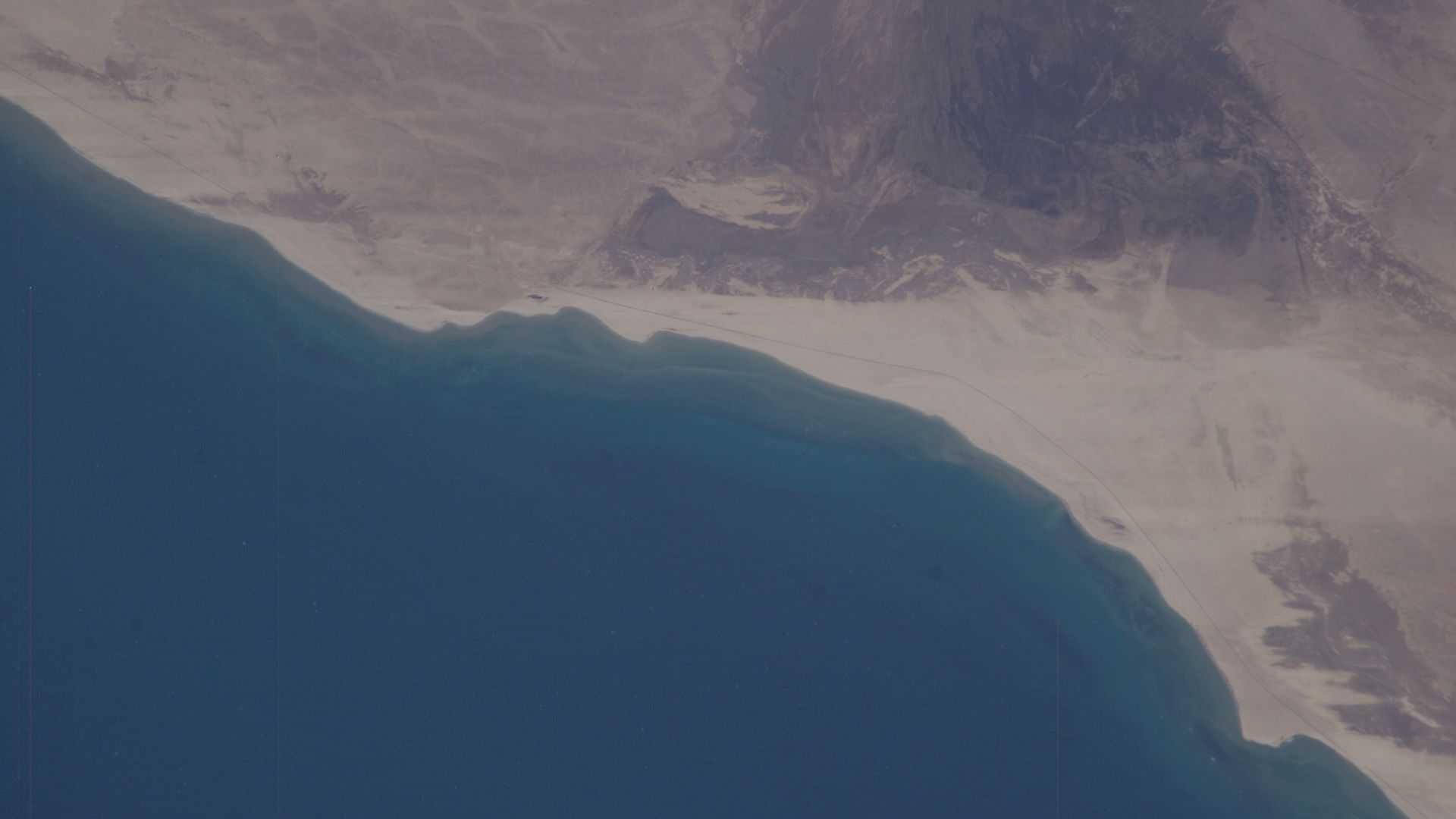
At the Red Sea coast of Eritrea, roughly 125,000-year-old archaeological remains show early humans exploiting marine resources. The discovery demonstrates that humans had learned to use coastal environments remarkably early. Moving between different habitats would eventually become one of our species' greatest survival advantages.
 Earth Science and Remote Sensing Unit, Lyndon B. Johnson Space Center, Wikimedia Commons
Tropical Forests Did Not Stop Us Either
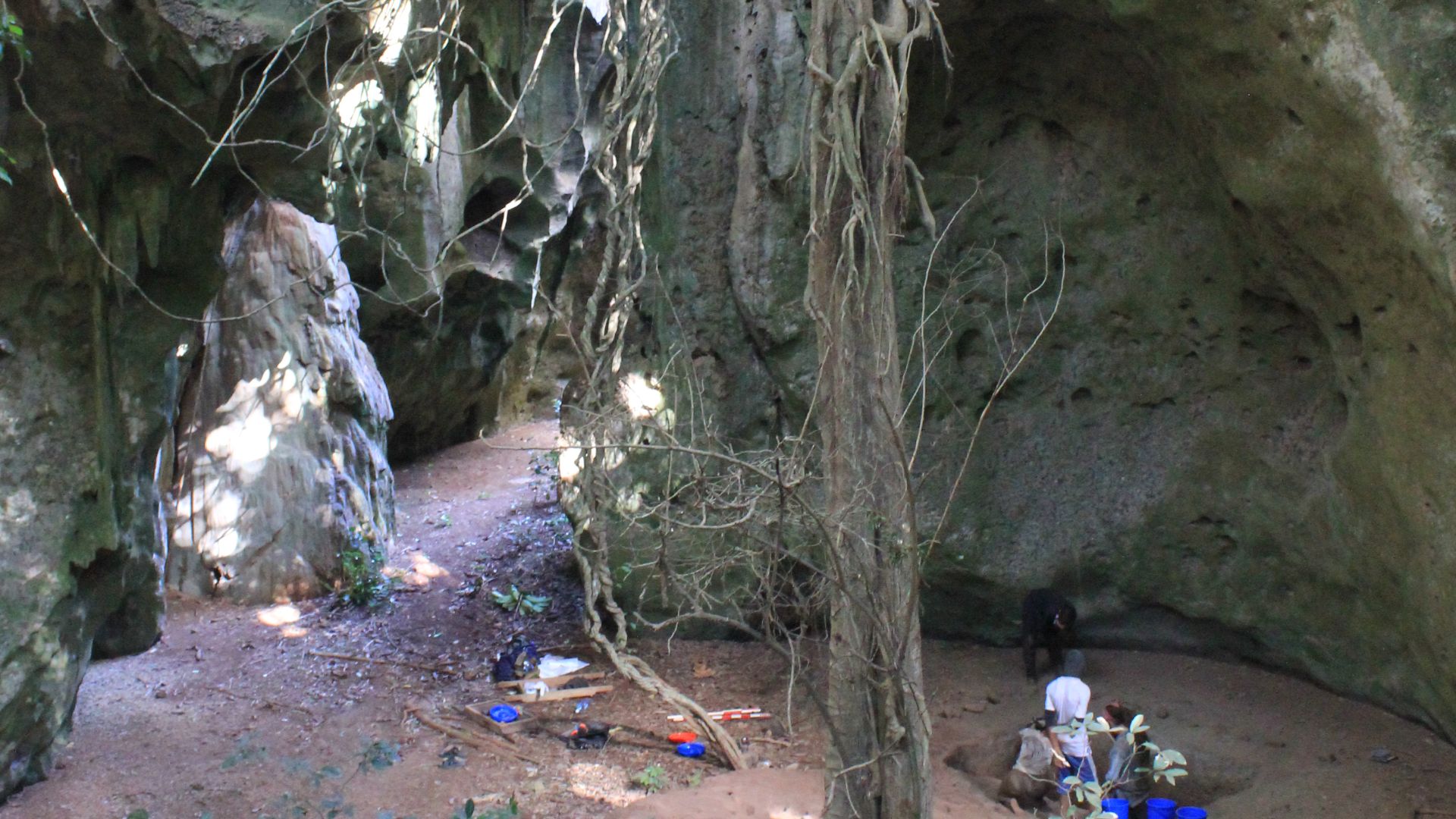
Panga ya Saidi Cave in Kenya preserves about 78,000 years of human activity in a tropical forest setting. The site records changing tools and behaviors across an enormous span of time, showing that early humans were capable of living successfully in environments once considered difficult for prehistoric populations.
 Ceri Shipton, Wikimedia Commons
Ancient People Built Huge Social Networks
Sometimes survival depended on knowing people beyond your own camp. Ostrich eggshell beads reveal a remarkable cultural connection stretching roughly 3,000 kilometres between eastern and southern Africa around 50,000 to 33,000 years ago. Such networks may have helped communities exchange knowledge, materials, and support across enormous distances.
![Basarwa, Ngwato Reserve, Botswana, 1935 Schapera collection]
the rows beads painted on the standing figure in the rock painting-copy. ostrich eggshell beads have been made for more than 20 000 years in southern Africa](https://www.factinate.com/storage/app/media/splashtravels/2026/9/29/179069897863c3d02873499805002dbb070ccf36ee26715756.jpg) Nkansah Rexford, Wikimedia Commons
Nkansah Rexford, Wikimedia Commons
The Real Superpower Was Cooperation
Again and again, the archaeological evidence points toward the same advantage. Humans survived surgery because someone provided care. They crossed seas by working together. They exchanged ideas over thousands of miles. Our ancestors were adaptable individually, but their greatest survival tool may always have been other people.
 MUSE, CC BY-SA 3.0, Wikimedia Commons
Bones And Genes Refuse To Stay Quiet
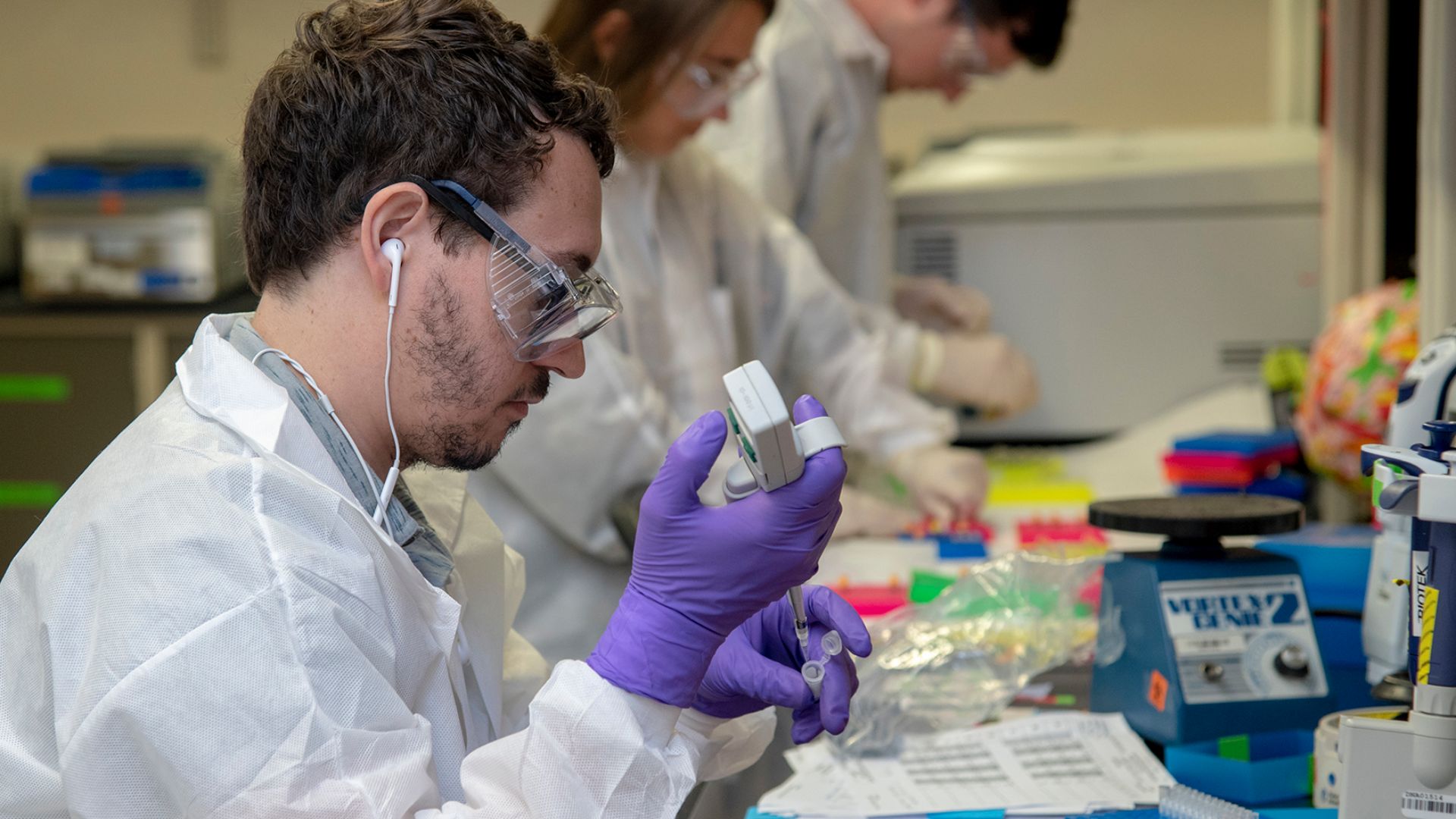
Prehistory left no diaries describing these ordeals. Instead, healed bones reveal medical care, volcanic glass records disasters, tools preserve ingenuity, and DNA carries adaptations inherited from vanished populations. Piece by piece, archaeology is turning apparently impossible survival stories into events we can actually document.
 Air Force Staff Sgt. Nicole Leidholm, photographer, Wikimedia Commons
We Survived Because We Could Change
The deeper researchers look into humanity's past, the less our ancestors resemble helpless people waiting for nature to defeat them. They experimented, cooperated, migrated, treated injuries, changed diets, and borrowed useful genes. Human history is full of disasters. The remarkable part is how often somebody survived them.
You May Also Like:
Things Canadians Notice Immediately When They Drive Through The American Southwest
Top Five Restaurants In The World
The U.S. Cities That Canadians Say Are Better Tourist Destinations Than They Expected