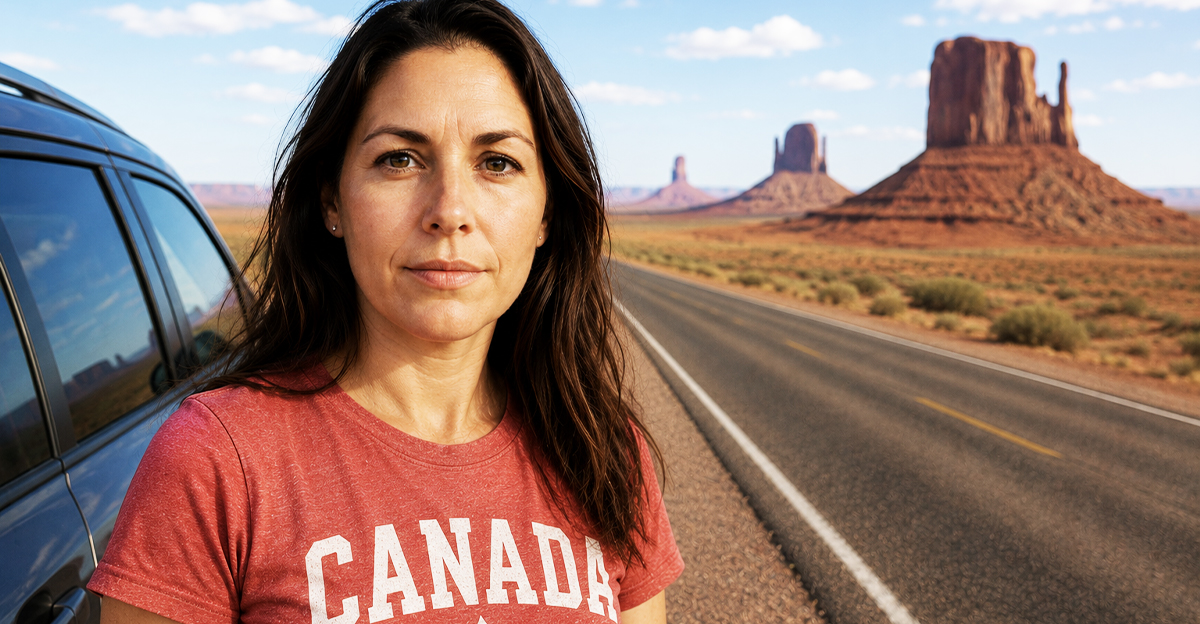
It Feels Like Another Continent
For Canadians accustomed to boreal forests, prairie wheat fields, Great Lakes shorelines and snow warnings, the American Southwest can feel astonishingly foreign without leaving North America. Desert mountains, Spanish place names, roadside casinos, enormous skies and scorching temperatures displayed in Fahrenheit make the transformation obvious almost immediately.
The Sky Looks Enormous
Canada certainly isn't short of big skies, particularly on the Prairies, but the Southwest presents them differently. Sparse vegetation and immense open basins can make distant mountains appear almost unrealistically sharp. In Nevada, Arizona, Utah and New Mexico, you may drive toward the same mountain range for what feels like hours.
![500px provided description: Nevada Desert [#mountains ,#travel ,#california ,#sand ,#desert ,#nevada]](https://www.factinate.com/storage/app/media/splashtravels/2026/9/4/1788517350a830f8b15a47fa631765f21000e52dcff4493212.jpeg) Sven Ruediger, Wikimedia Commons
Sven Ruediger, Wikimedia Commons
The Desert Keeps Changing
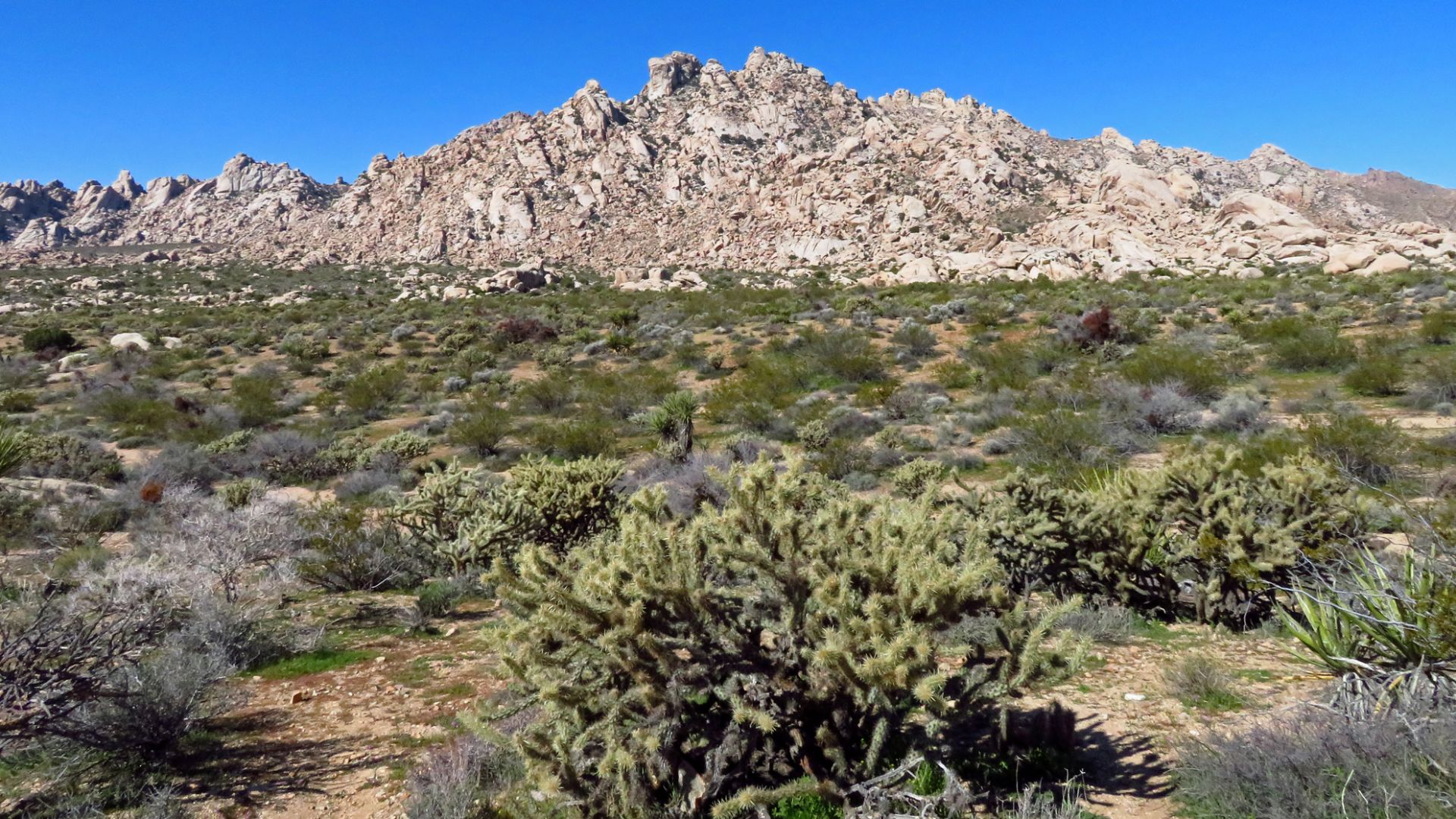
Anyone expecting one endless landscape of sand will quickly discover there isn't a single Southwestern desert. Arizona's Sonoran Desert has enormous saguaros, Nevada contains stark Mojave landscapes, while northern Arizona and New Mexico climb into forests and high plateaus. Utah adds spectacular sandstone country that looks almost extraterrestrial.
 Jeffhollett, Wikimedia Commons
Arizona Has Giant Cacti
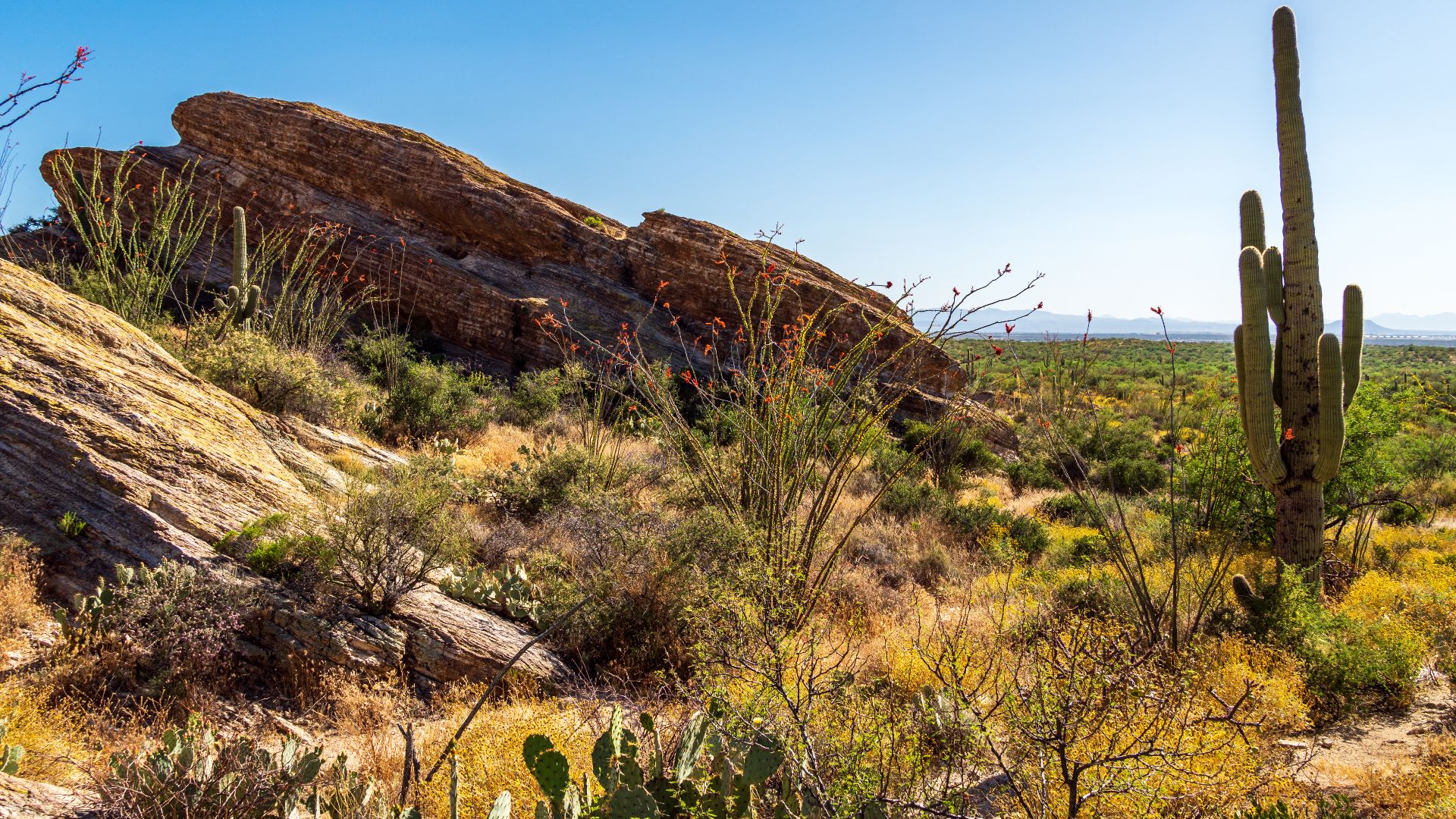
Nothing announces Arizona quite like the first roadside saguaro. These enormous branching cacti are native to the Sonoran Desert and can make the landscape look exactly like an old Western. Yet they aren't representative of the entire Southwest. Drive north toward Flagstaff and the saguaros disappear as elevation and vegetation change dramatically.
 dconvertini, Wikimedia Commons
New Mexico Feels Different
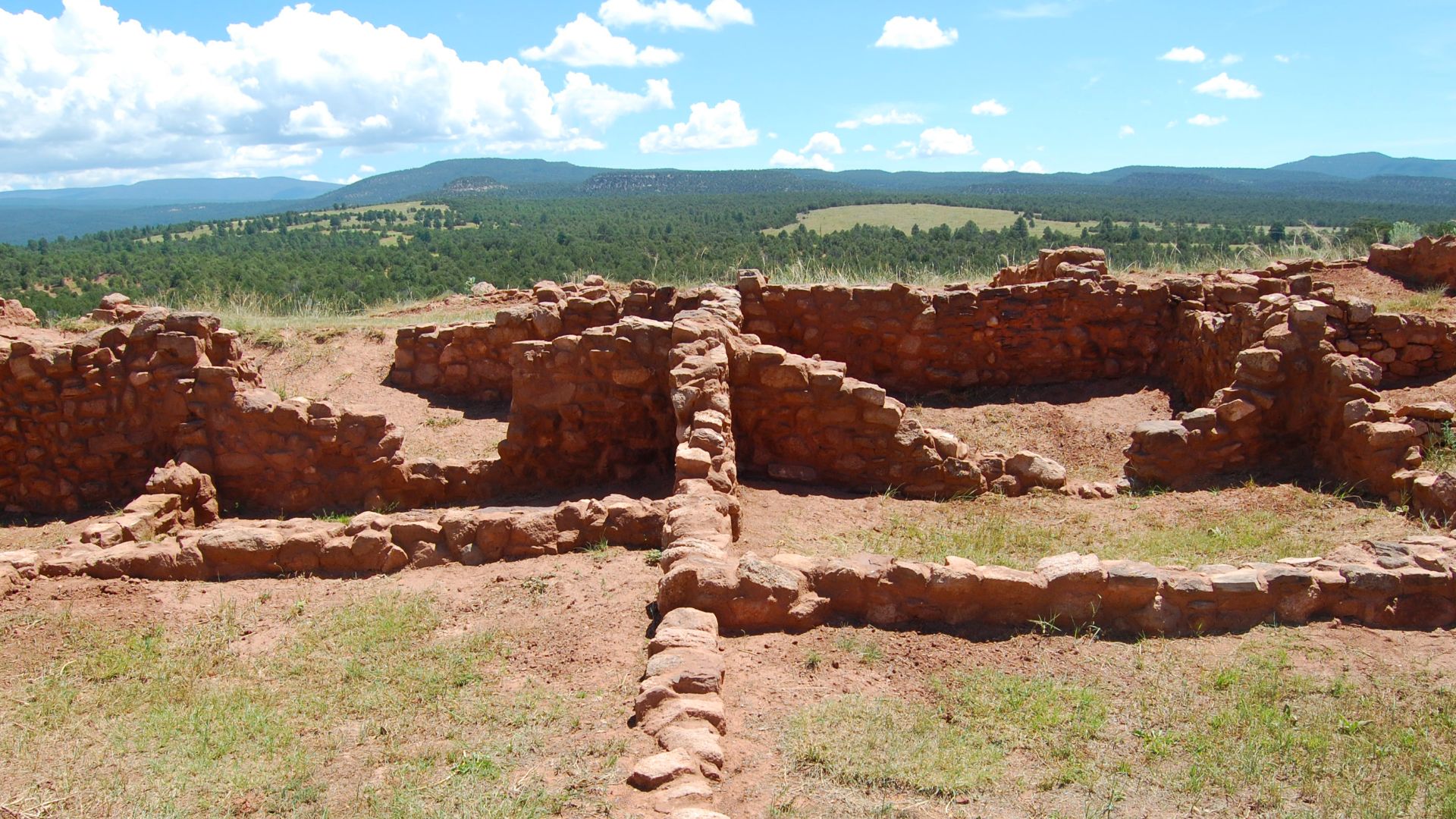
Crossing into New Mexico can produce a surprisingly distinct cultural shift. Pueblo architecture, Spanish place names, Native art, chile advertisements and centuries-old communities become unusually visible. The state's own tourism department emphasizes its 23 Pueblos, Tribes and Nations and more than 500 years of Hispanic cultural influence.
Native Culture Is Present
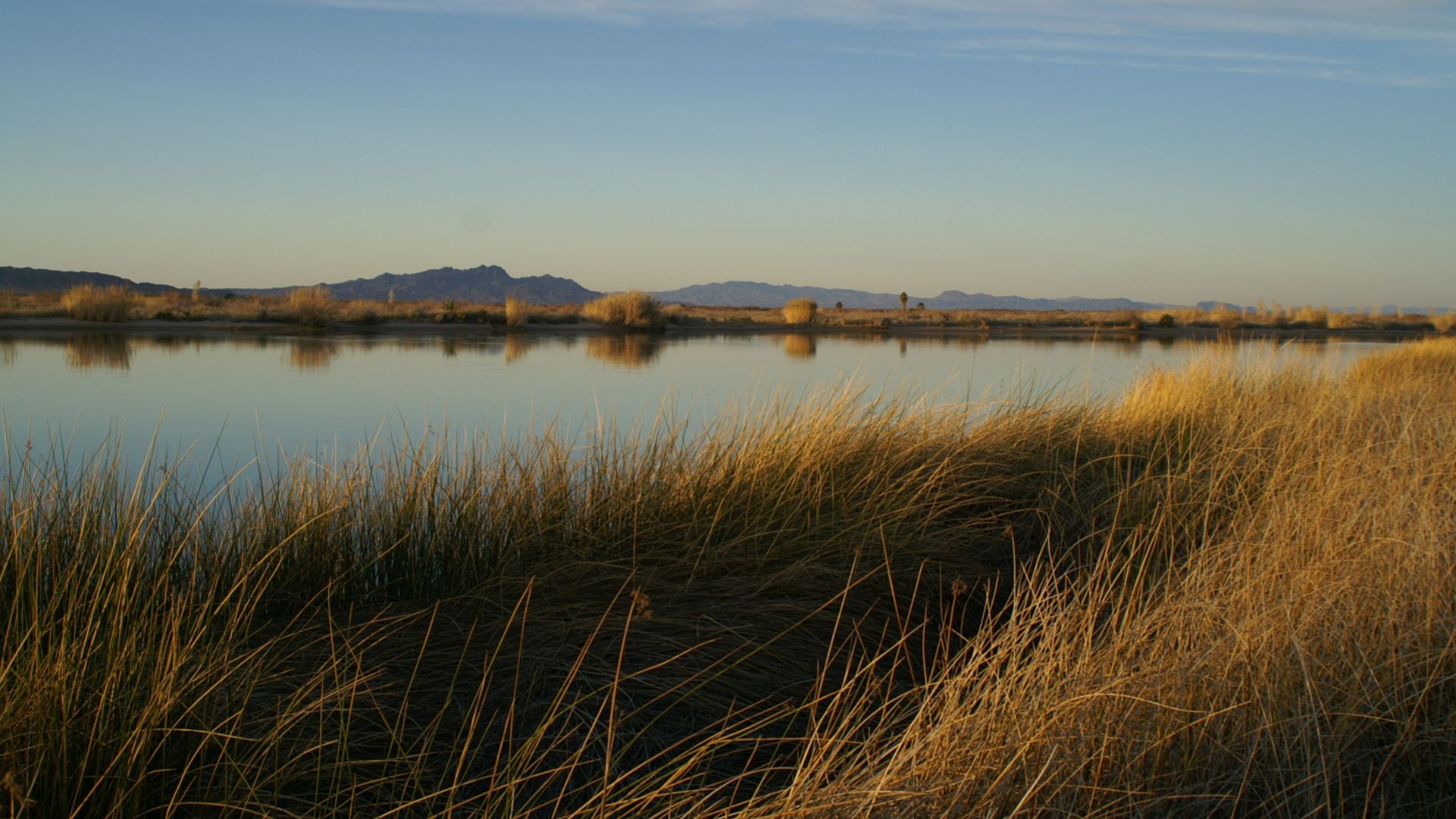
Even for Canadians accustomed to Indigenous place names and communities, the scale of Southwestern tribal lands can still be striking. Arizona alone contains 22 sovereign tribal nations, with tribal lands covering roughly a quarter of the state. The Navajo Nation extends across Arizona, New Mexico and Utah, making Indigenous sovereignty physically apparent to motorists.
 Chris English, Wikimedia Commons
But Every State Differs
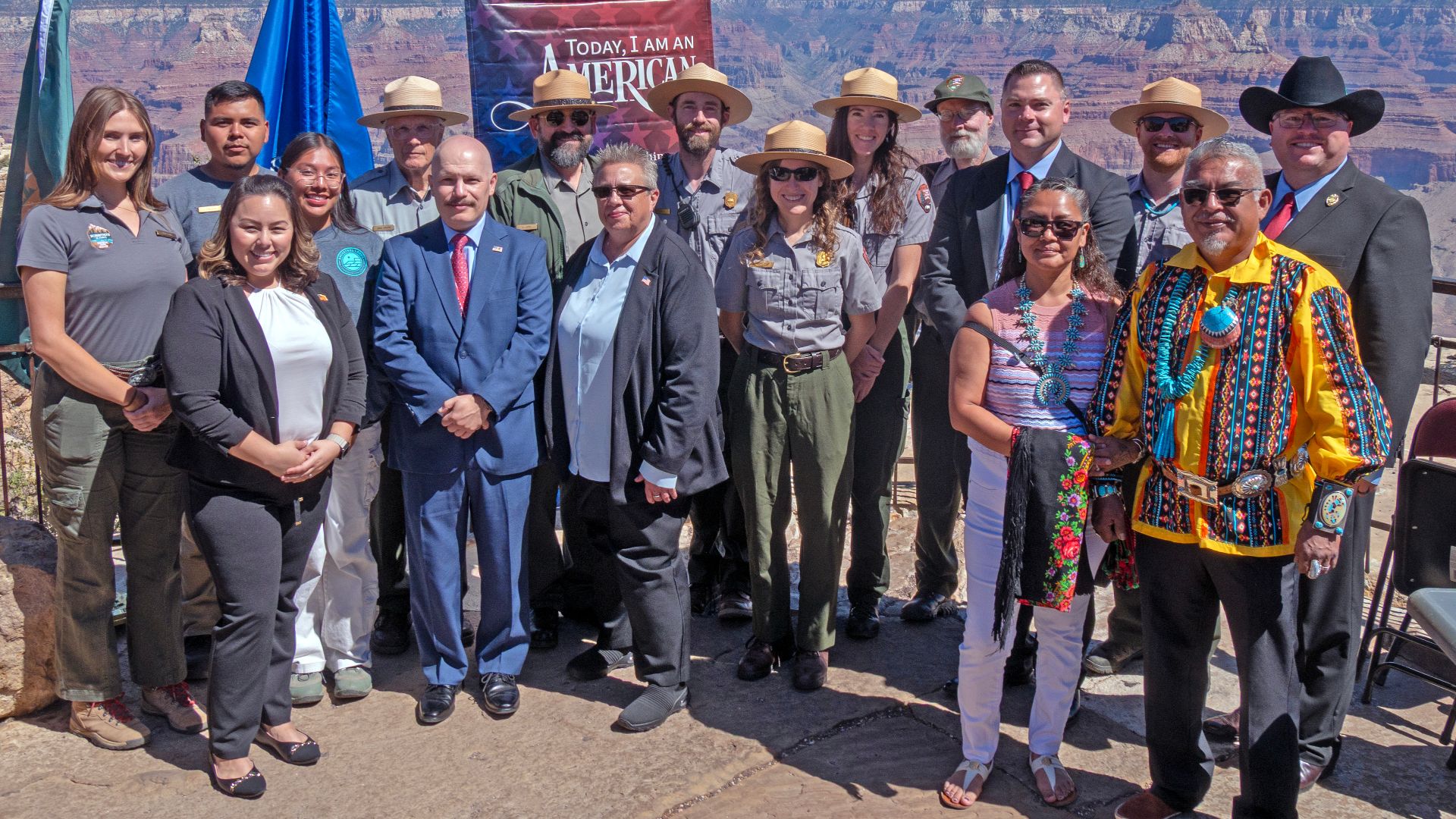
Native culture isn't equally visible everywhere a tourist drives. It can dominate the experience around Monument Valley or New Mexico's Pueblo communities, then seem much less conspicuous along urban freeways around Las Vegas or Salt Lake City. The Southwest isn't culturally uniform simply because maps give the region one convenient name.
 Grand Canyon NPS, Wikimedia Commons
Spanish Is Everywhere
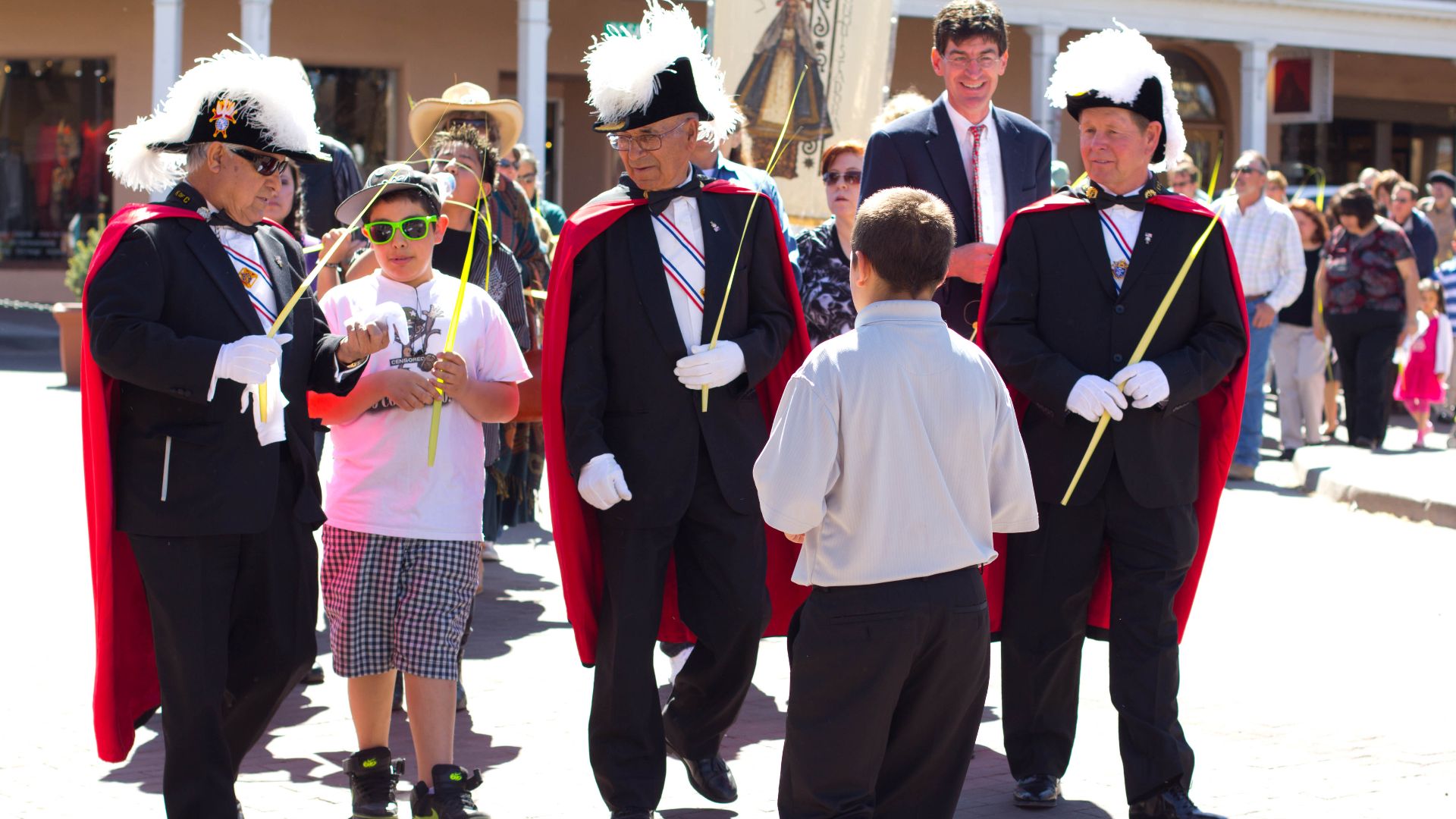
Canadians from Toronto, Vancouver or Montreal won't find hearing multiple languages unusual, but the prominence of Spanish can still reshape the travel experience. Spanish appears in place names, radio, restaurants, advertisements and ordinary conversation. New Mexico's Spanish heritage is especially deep, but Mexican and Hispanic influence is also fundamental to Arizona.
 Betsy Weber, Wikimedia Commons
New Mexican Food Is Its Own Thing
Ordering “Mexican food” in New Mexico may bring an education. New Mexican cuisine has its own traditions, with red and green chile playing starring roles and the inevitable question becoming “red or green?” Even travelers accustomed to excellent Mexican restaurants in Canadian cities may discover dishes and preparations they've rarely encountered before.
 Jarritos Mexican Soda, Unsplash
Arizona Feels More Modern
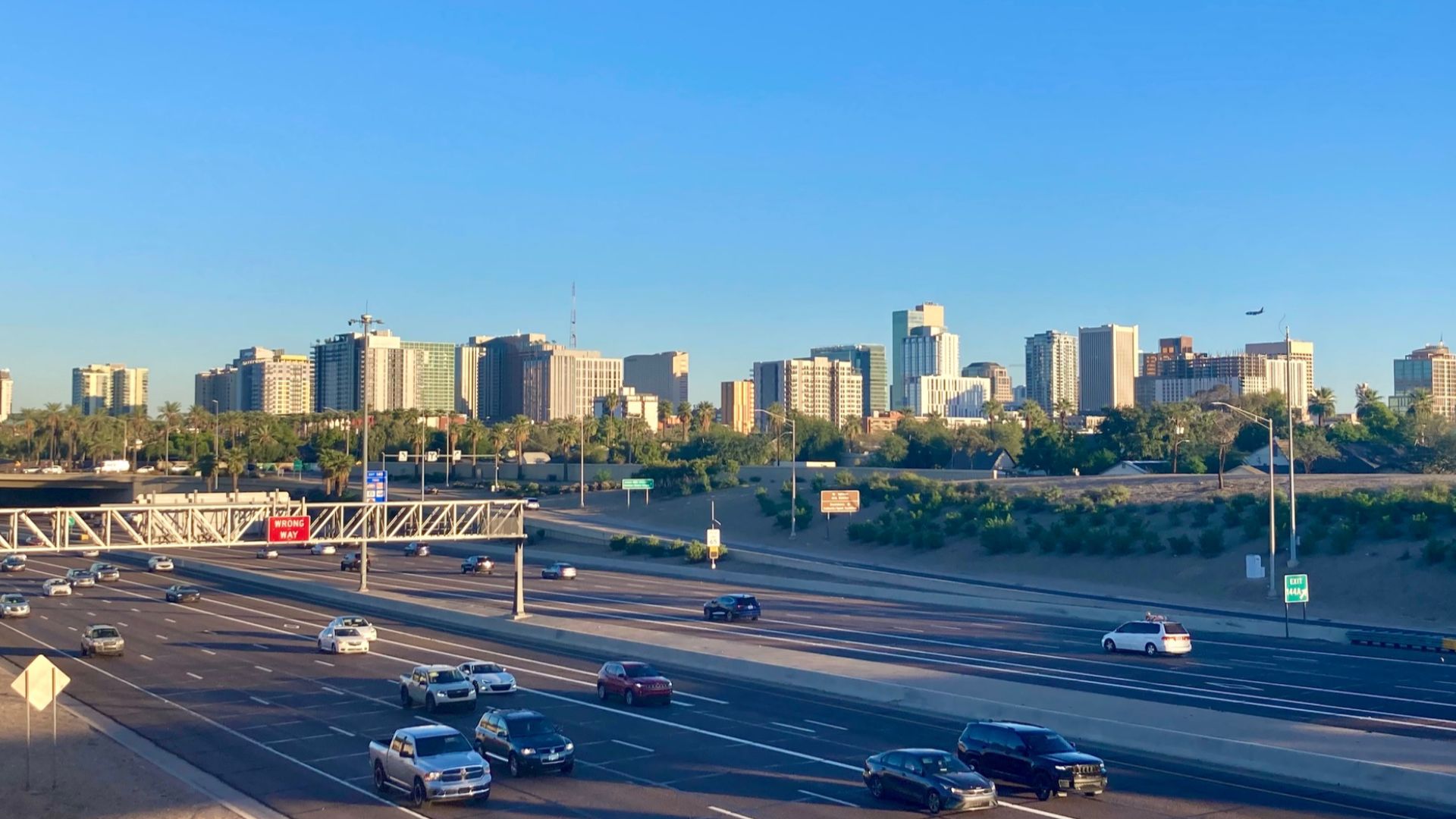
After historic northern New Mexico, parts of metropolitan Arizona can feel strikingly different. Greater Phoenix spreads across the desert in vast subdivisions, multilane roads and shopping developments, while Tucson retains a more obvious Sonoran and Mexican character. Arizona's Hispanic heritage is substantial, but its expression changes dramatically depending on where you drive.
Phoenix Just Keeps Going
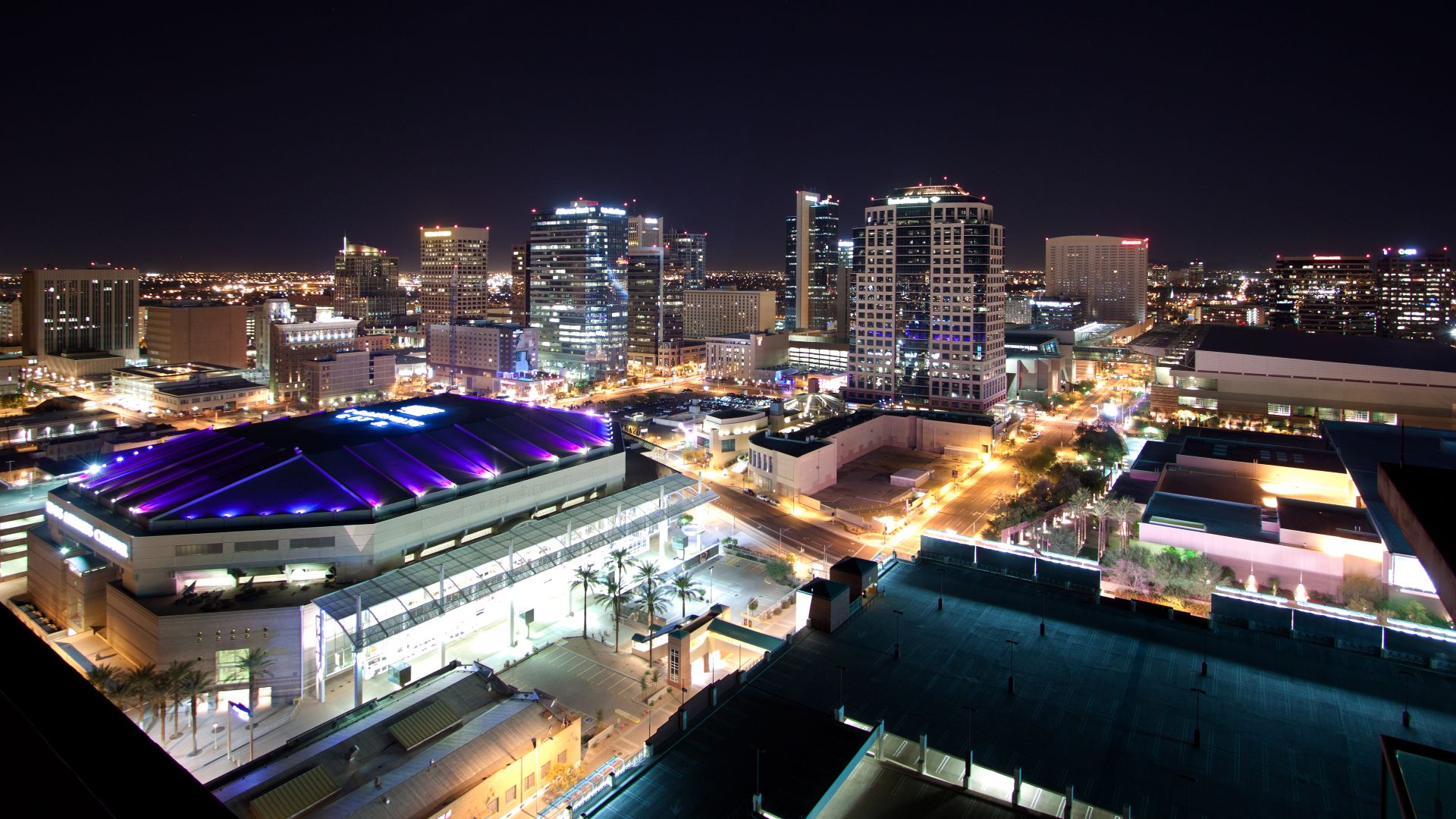
Canadians accustomed to compact city centers may be amazed by the sheer physical footprint of Phoenix. The metropolitan area sprawls across the Valley of the Sun, and getting somewhere can mean driving considerable distances on huge arterial roads. Mountains remain visible almost everywhere, making the city simultaneously feel urban and strangely exposed.
Air Conditioning Is Survival
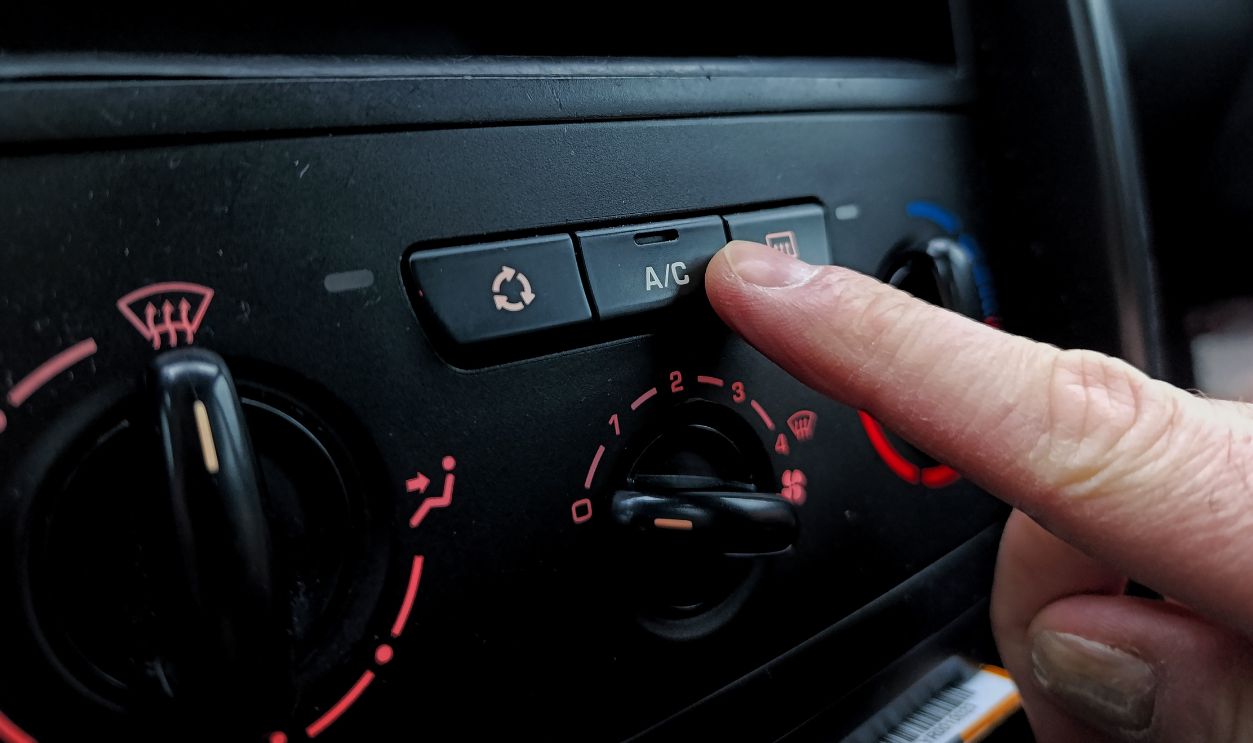
In much of Canada, remote starters are associated with warming a frozen car. In Phoenix or Las Vegas during summer, the opposite problem dominates. A parked vehicle can become brutally hot, steering wheels and seatbelt buckles become unpleasant to touch, and finding shaded parking suddenly feels like a meaningful travel achievement.
Las Vegas Appears Suddenly
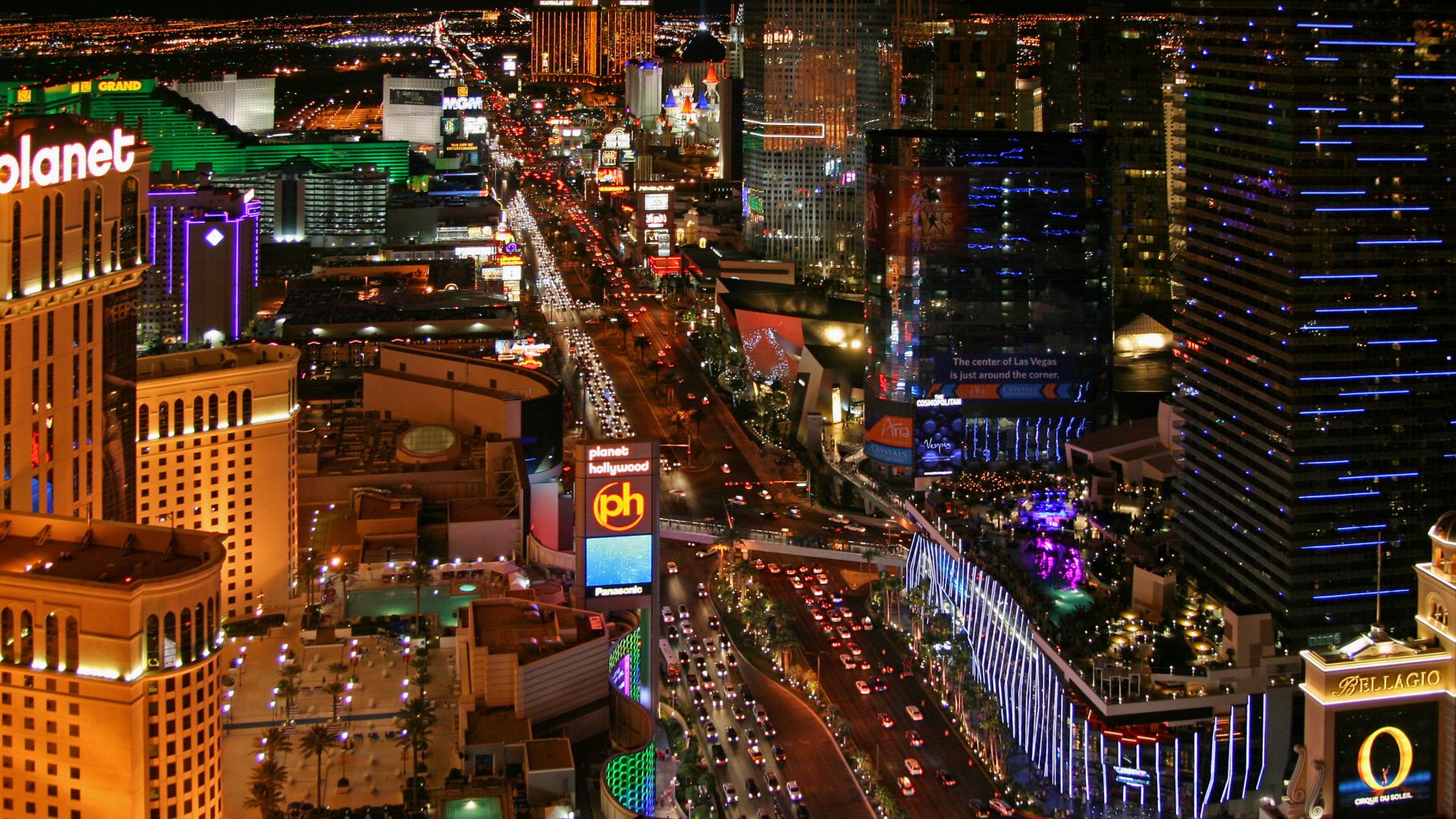
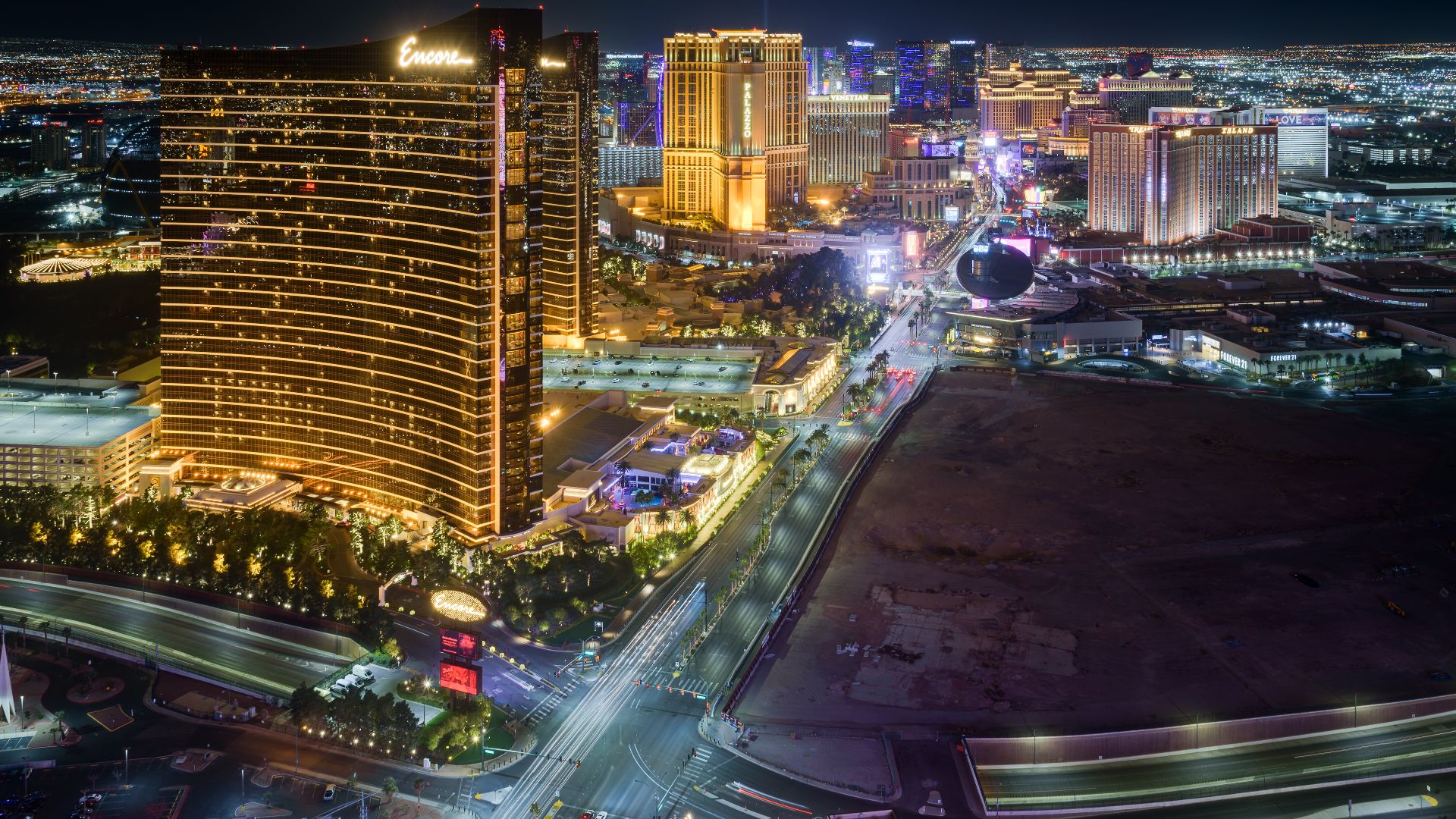
Few Canadian road trips provide anything comparable to approaching Las Vegas across the Mojave Desert. After miles of mountains and seemingly empty country, an enormous concentration of hotels, subdivisions, freeway interchanges and neon appears in the basin. At night, the transformation from black desert to blazing city can be especially surreal.
 Clément Bardot, Wikimedia Commons
Vegas Is More Than The Strip
The Strip dominates the visitor's imagination, but driving through Las Vegas reveals a sprawling metropolitan area where ordinary life happens beyond the casinos. Subdivisions, schools, warehouses and shopping plazas extend far beyond Las Vegas Boulevard. The strangest realization may be that nearly everything is surrounded by spectacularly empty desert and mountains.
 King of Hearts, Wikimedia Commons
Gambling Is In Your Face
Canada has casinos and legalized gambling, but Nevada can make it feel almost mundane. Slot machines and gaming culture aren't confined to one glamorous casino district. For first-time Canadian visitors, the casual integration of gambling into the broader landscape can be more surprising than the extravagant resorts themselves.

Utah Changes The Mood
Drive northeast from Las Vegas into Utah and the atmosphere changes again. Casino imagery disappears, towns can feel quieter, and the state's distinctive religious history becomes more noticeable. Even alcohol works differently: stronger packaged beverages generally come through state stores, and Utah maintains America's strictest 0.05% BAC driving limit.
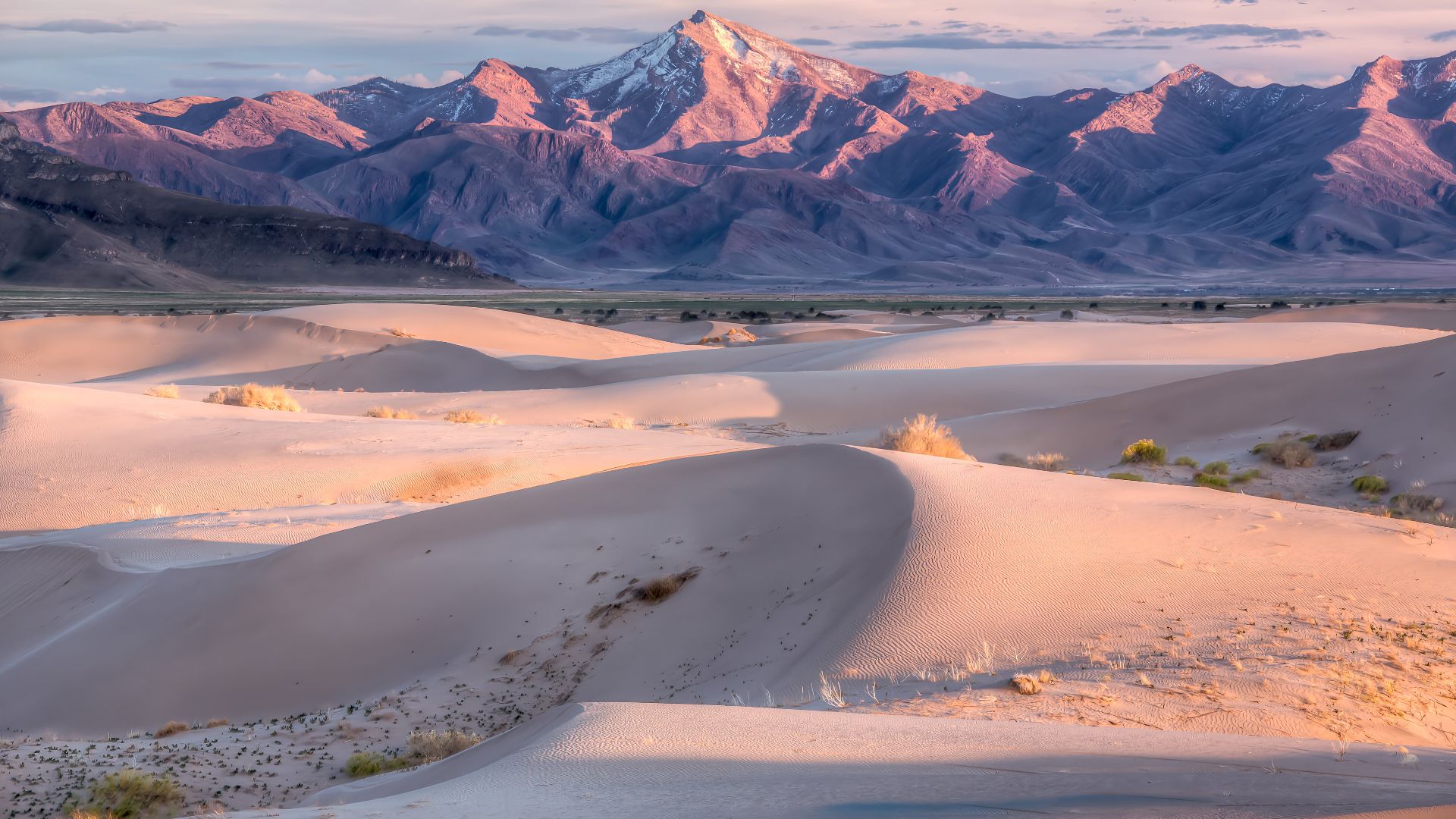 Bureau of Land Management - Utah/Bob Wick, Wikimedia Commons
Utah Looks Impossible
Southern Utah can make Canadian Rockies veterans reach for their cameras anyway. Zion's cliffs, Bryce Canyon's hoodoos, Canyonlands and Arches demonstrate just how much variety erosion can carve from rock. Entire highways run through landscapes that would probably qualify as major tourist attractions if they existed almost anywhere else.
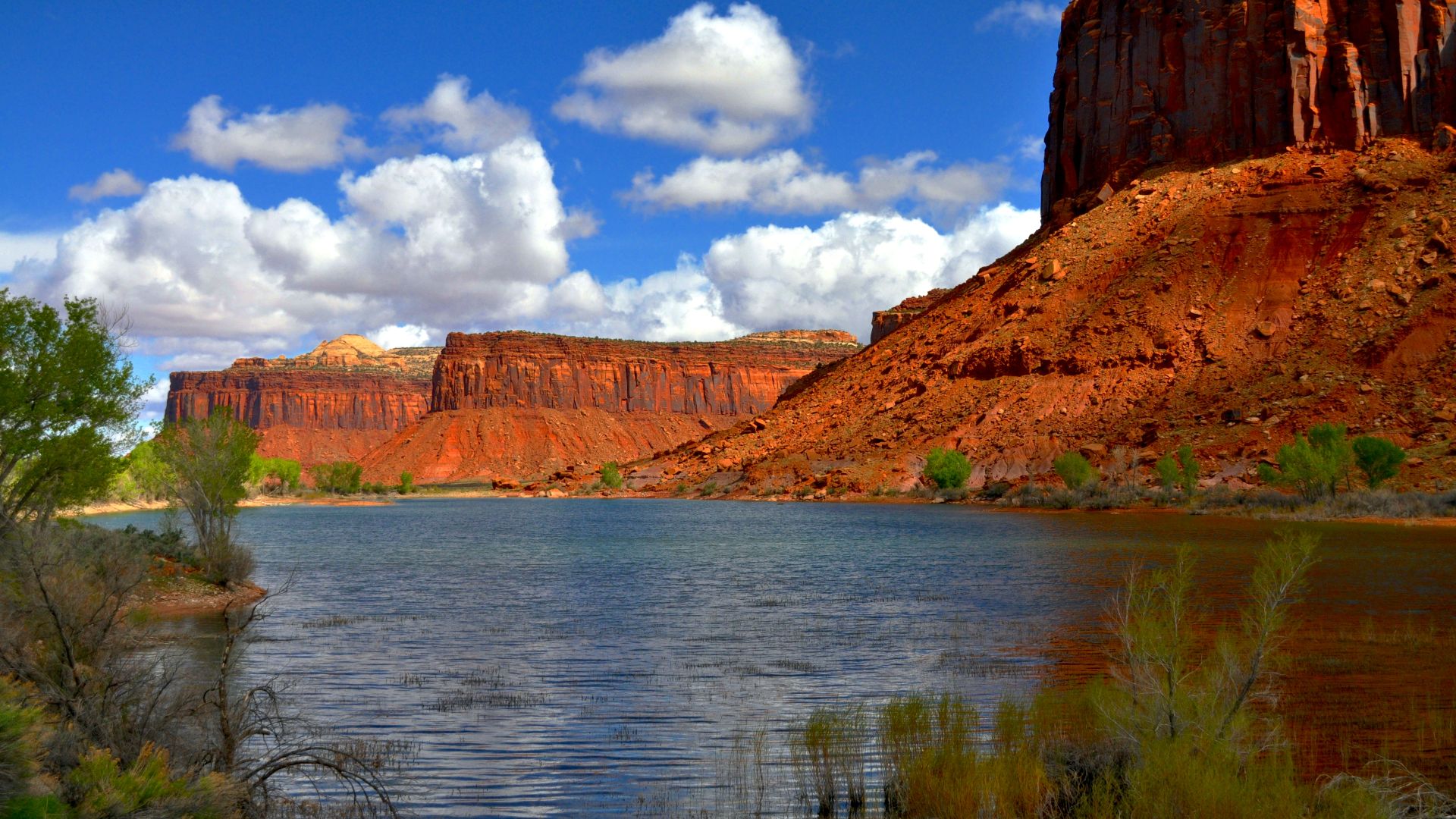 Daniel Gross, Wikimedia Commons
The Speed Limits Jump
Canadian drivers must mentally convert from kilometres to miles while adjusting to interstate speeds that can reach 75 or 80 mph in parts of the Southwest. Utah, for example, posts 75 or 80 mph on portions of its interstate system. Eighty miles per hour is roughly 129 kilometres per hour.
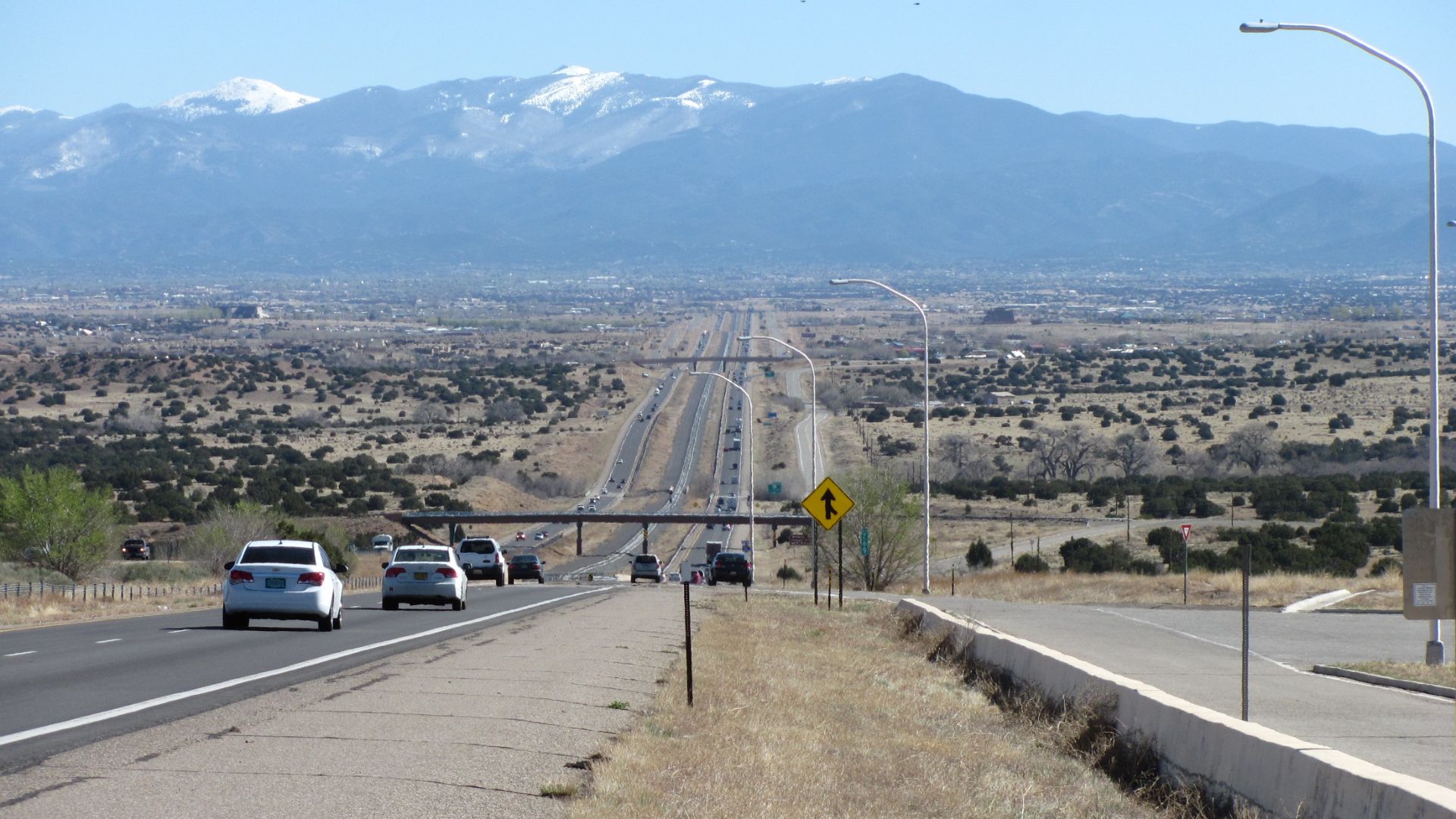 John Phelan, Wikimedia Commons
Gas Stations Become Important
Canada has plenty of remote highways, so Canadians understand the basic principle. Still, Southwestern distances can be deceptive. A road that looks straightforward on a map may cross enormous stretches of desert or tribal land with limited services. When the fuel gauge reaches half a tank, passing the next available station can become an unnecessary gamble.
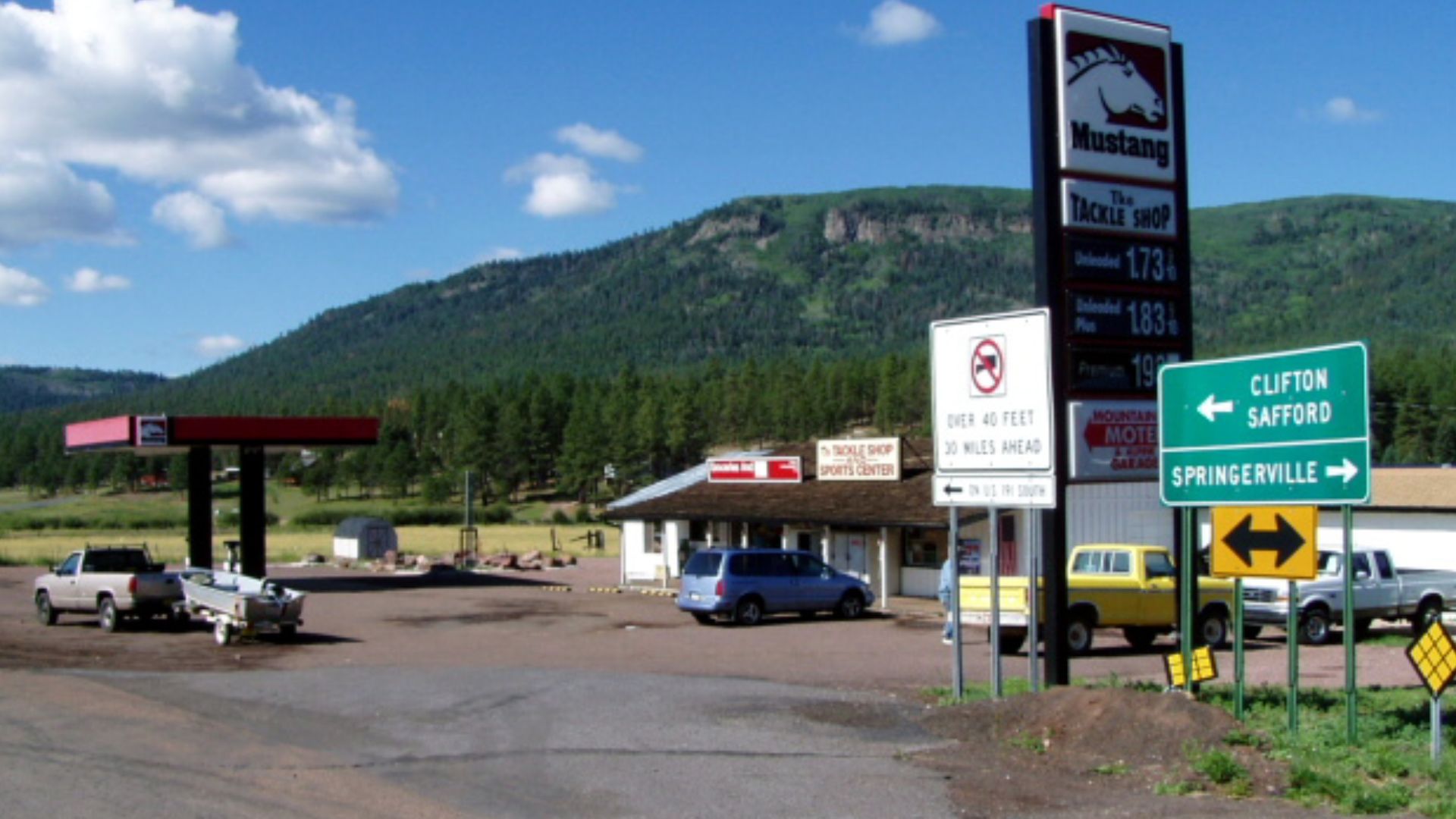
Water Becomes Cargo
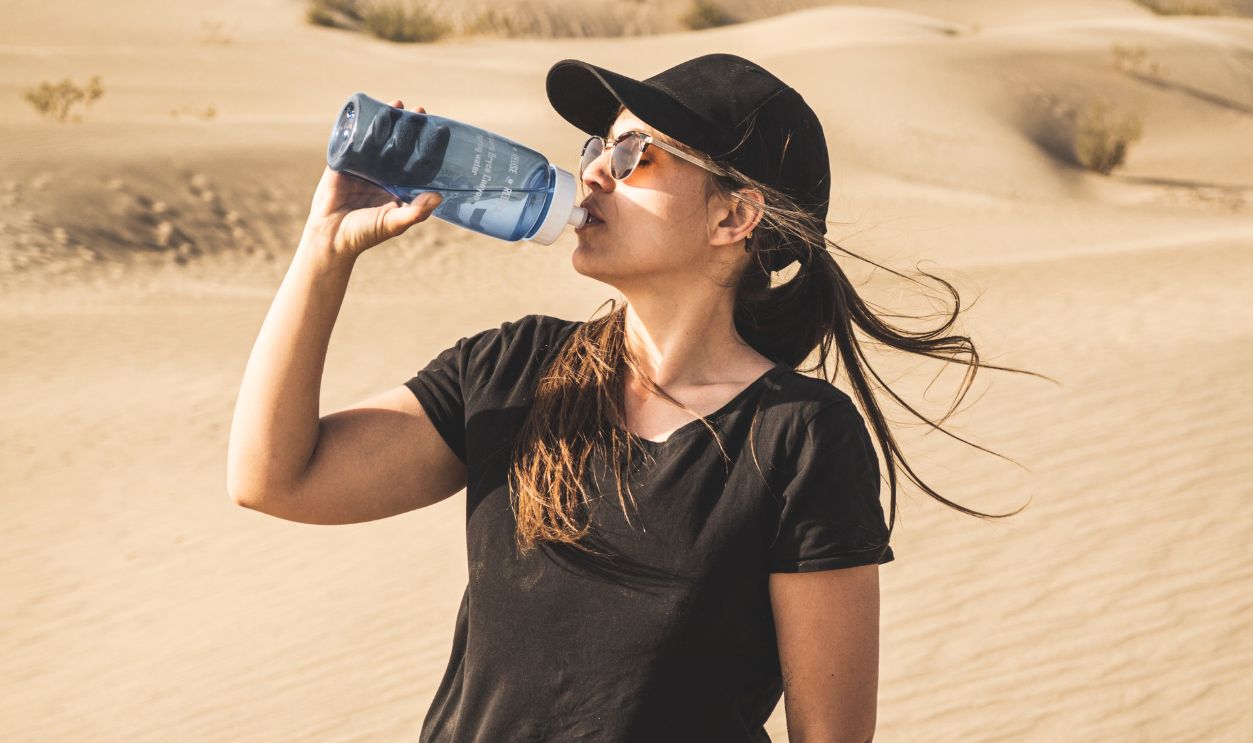
Canadian road trips rarely require thinking of drinking water as emergency equipment. Desert driving changes that calculation. Carrying extra water isn't merely about comfort when temperatures soar and towns are widely separated. Arizona transportation officials explicitly recommend that motorists carry drinking water and emergency supplies during dangerous summer conditions.
Rain Can Become Dangerous
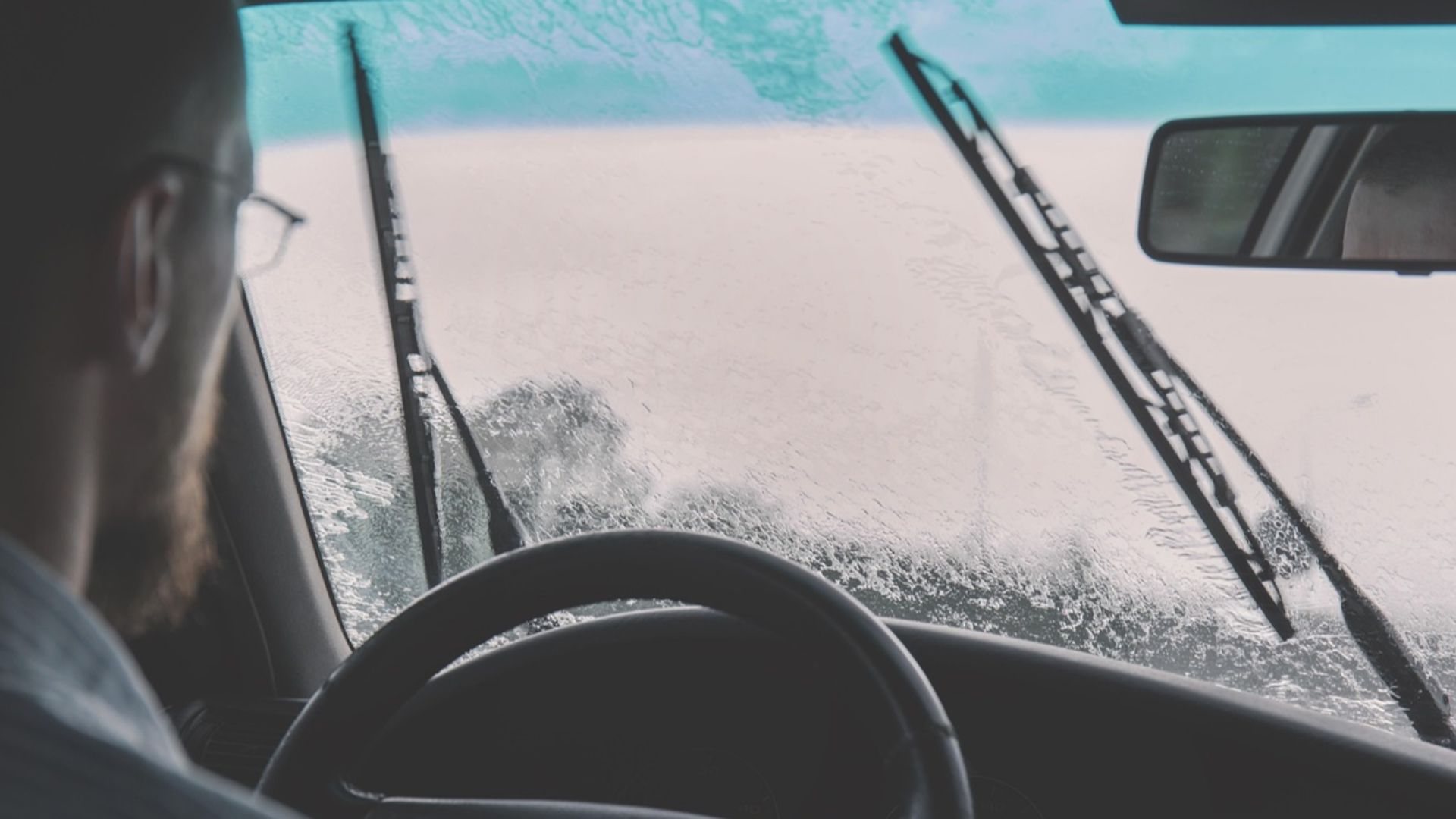
A Canadian may instinctively associate dangerous driving weather with snow, freezing rain and black ice. Arizona's summer monsoon season provides an entirely different lesson. Intense thunderstorms can produce flash floods and dust storms, and officials warn drivers never to attempt crossing a flooded wash, regardless of how shallow it appears.
The Elevation Sneaks Up
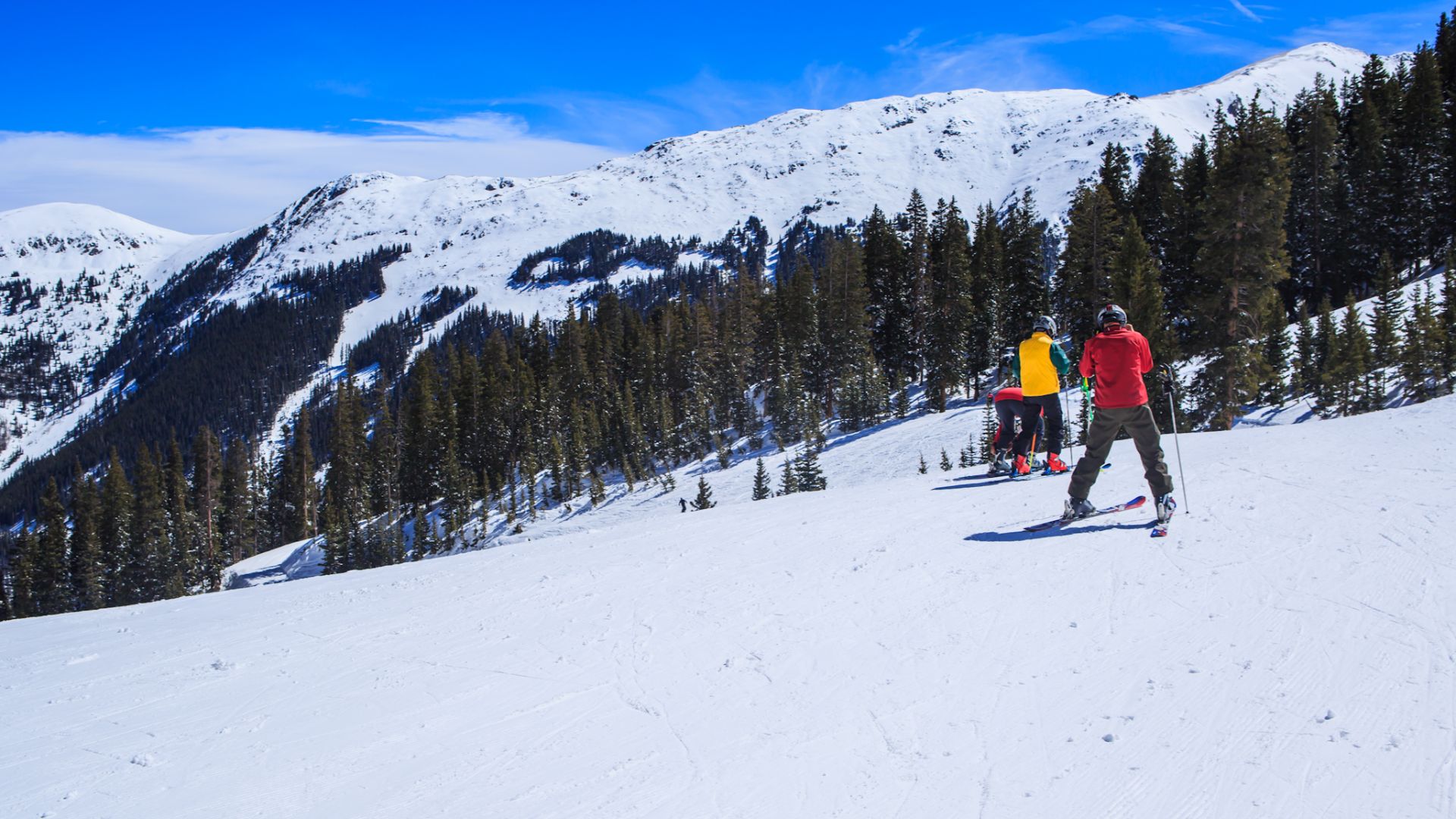
Desert doesn't necessarily mean low, flat and scorching. Flagstaff sits high enough for substantial winter snow, while northern New Mexico contains ski country and mountain forests. A Canadian can leave cactus-filled low desert and encounter pine forests, cold nights and snow without traveling nearly as far north as intuition suggests.
 Murray Foubister, Wikimedia Commons
Roadside America Feels Bigger
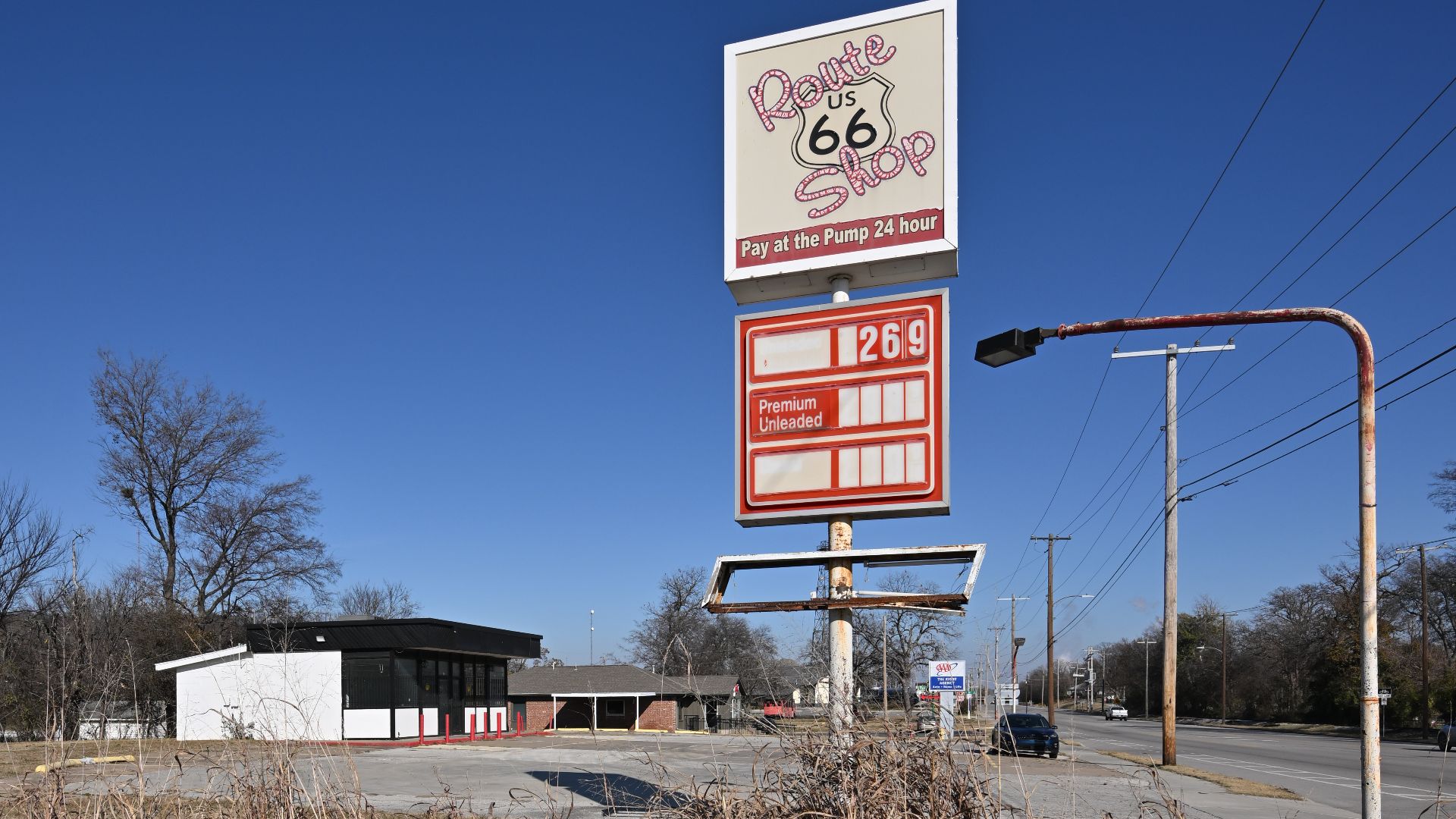
The Southwest amplifies something Canadians frequently notice throughout the United States: roadside commercial culture operates on an enormous scale. Interstate exits can produce towering gas-station signs, truck stops, fast-food clusters, billboards and stores of startling proportions. Then everything disappears again and the highway returns to empty desert.
 G. Edward Johnson, Wikimedia Commons
Route 66 Is Still There
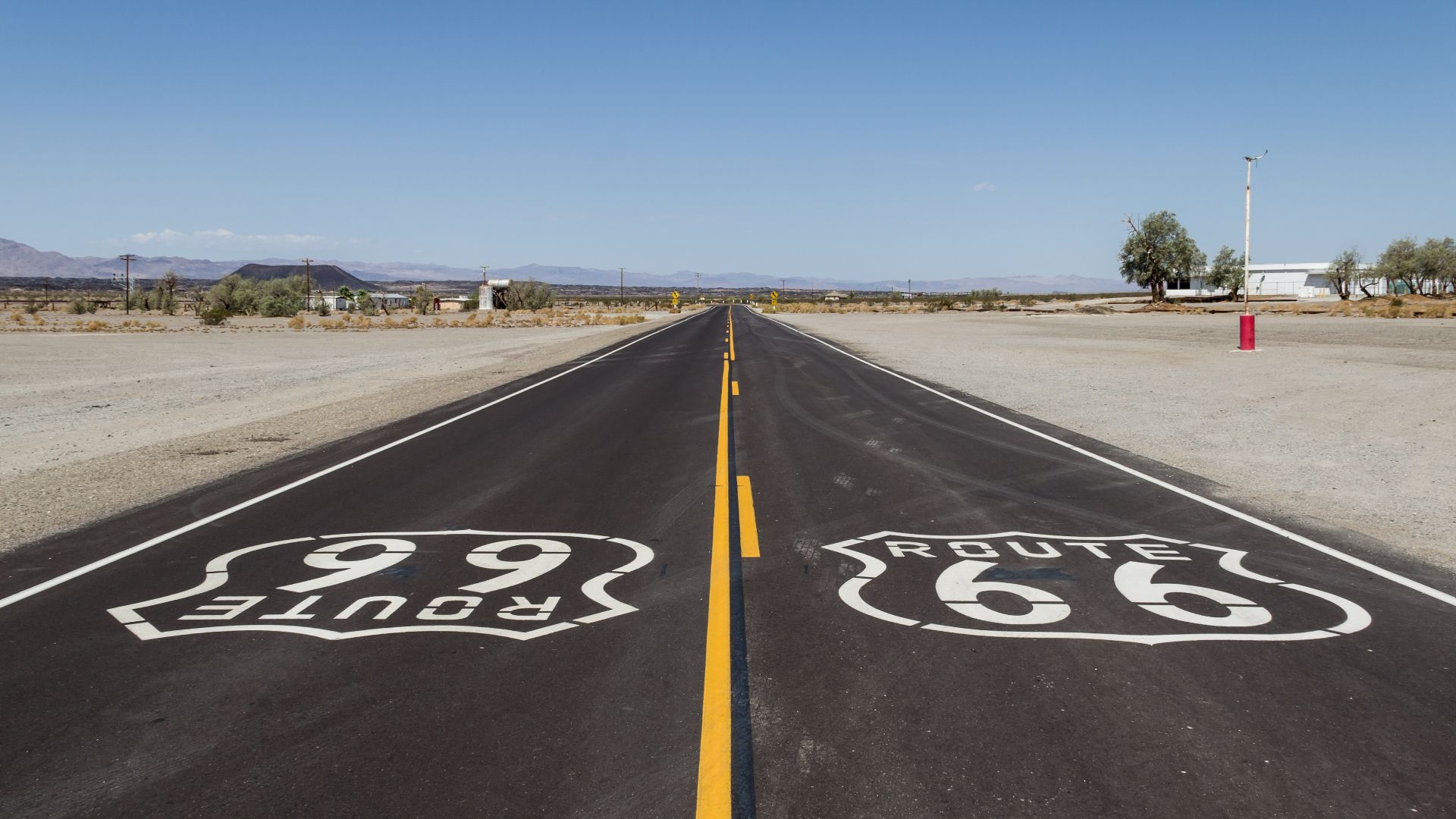
For Canadians raised on American movies and television, discovering pieces of Route 66 can feel oddly familiar. Arizona and New Mexico preserve particularly evocative stretches, complete with old motels, neon signs, diners and roadside attractions. New Mexico alone contains roughly 465 miles associated with historic Route 66.
 Dietmar Rabich, Wikimedia Commons
It's Really Several Southwests
The biggest surprise may be how quickly the region defeats stereotypes. New Mexico's Pueblo and Hispanic traditions don't feel like Las Vegas. Las Vegas doesn't resemble Utah. Phoenix differs from Tucson, and northern Arizona bears little resemblance to its Sonoran south. Canadians expecting one “Southwest” instead discover several overlapping Americas sharing one spectacular landscape.

You May Also Like:
The American Road Trips That Canadians Are Secretly Jealous Of
Things Americans Notice Immediately When They Visit The Canadian Prairies
American Cities Canadians Say Are Friendlier Than They Expected