

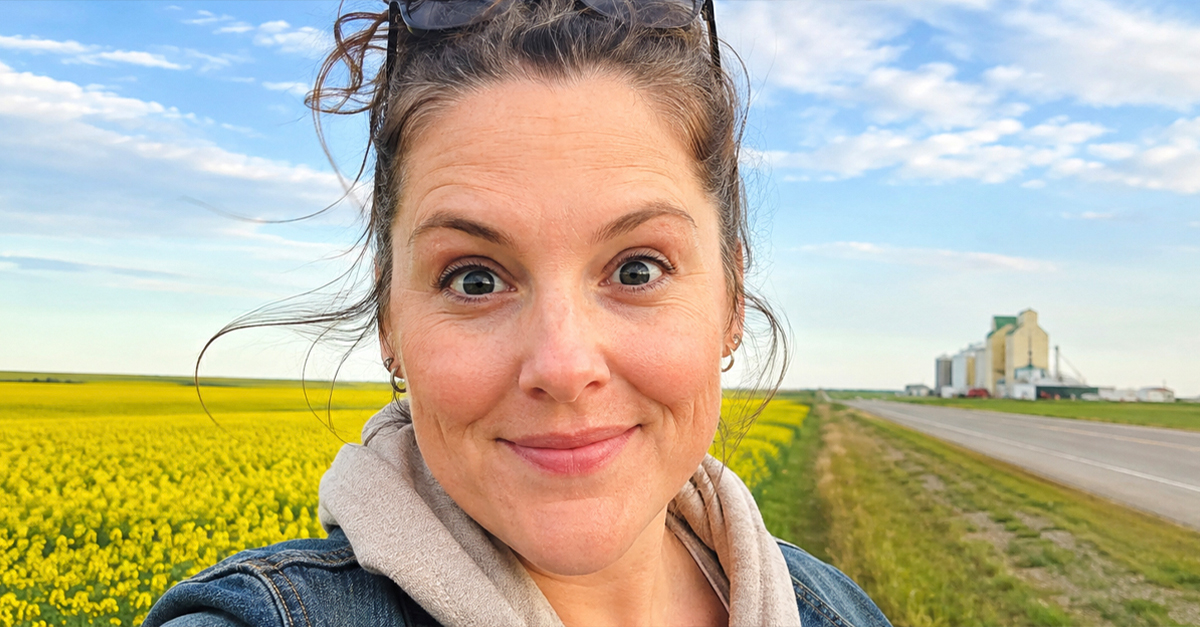
The Sky Feels Bigger Than Expected
Americans who visit the Canadian Prairies often know they are heading somewhere open, but the scale can still be startling. The horizon seems endless, the clouds look enormous, and the sunsets feel almost theatrical. In places like Saskatchewan and Manitoba, the sky can feel like the main attraction.
The Flatness Is Not As Simple As People Imagine
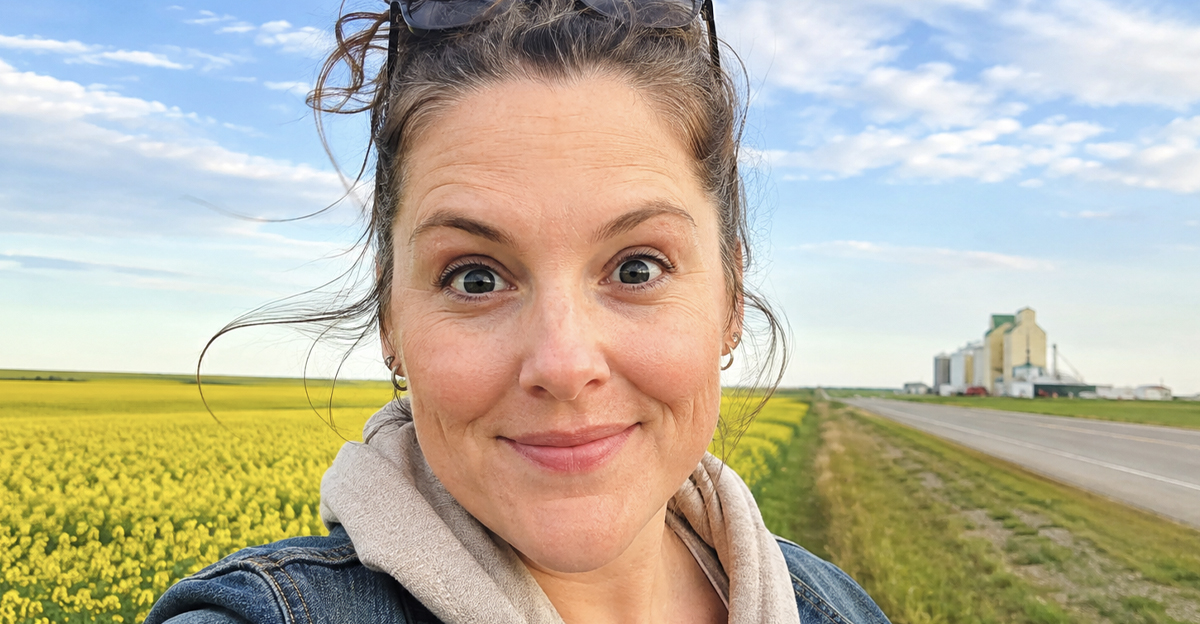
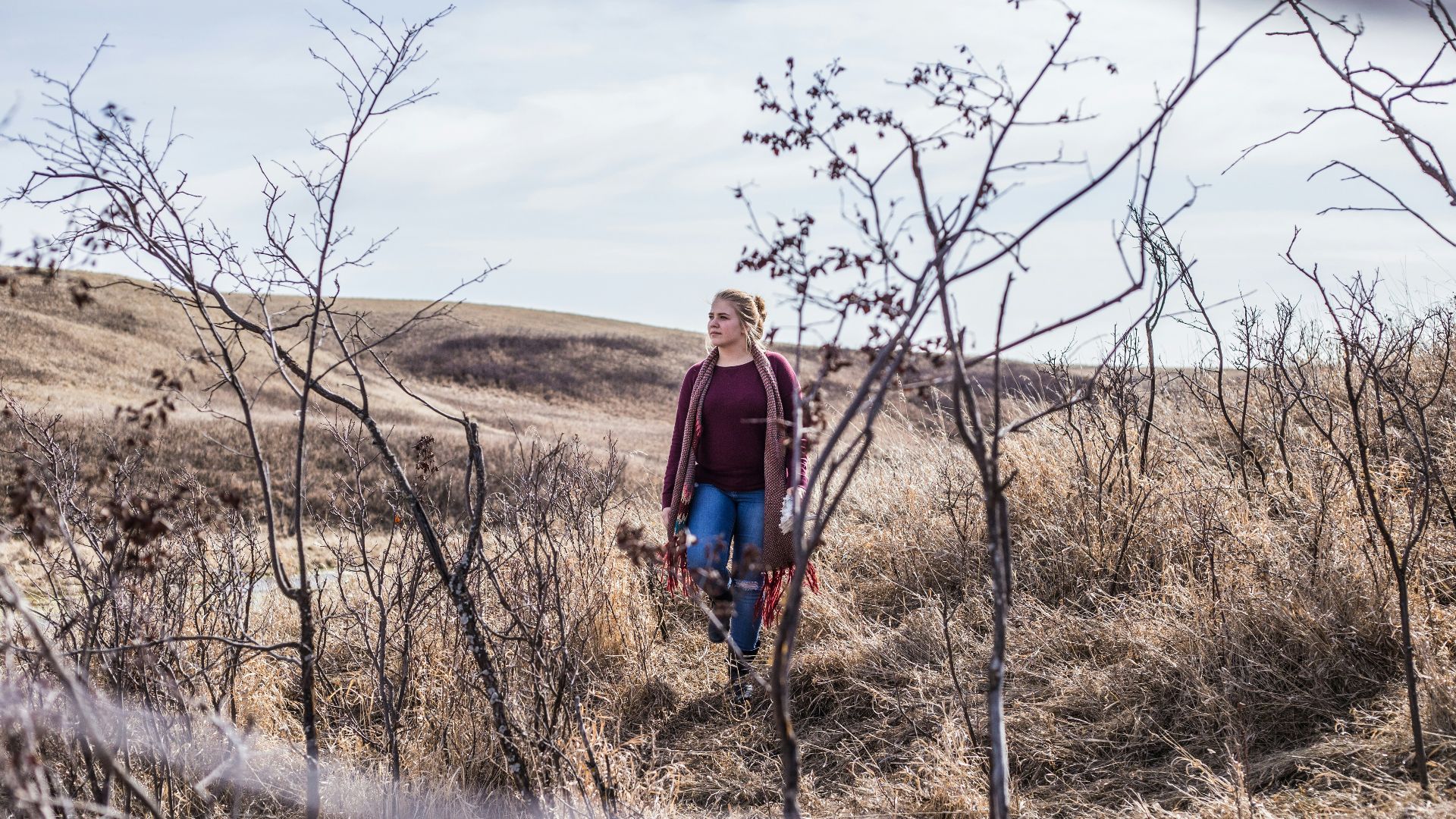
From a distance, some travelers assume the Prairies are just flat farmland. Once they arrive, they notice more variety: rolling fields, river valleys, badlands, forests, lakes, sand dunes, and wide grasslands. Tourism Saskatchewan even emphasizes that the province includes vast prairies, boreal forests, dark skies, and thousands of lakes.
 Priscilla Du Preez 🇨🇦, Unsplash
The Distances Can Feel Very American, But Somehow Emptier
Americans are used to big drives, but prairie driving has its own rhythm. Towns can be far apart, scenery stretches for miles, and a route that looked simple on the map can feel surprisingly remote. It is not just distance. It is the feeling of space between everything.
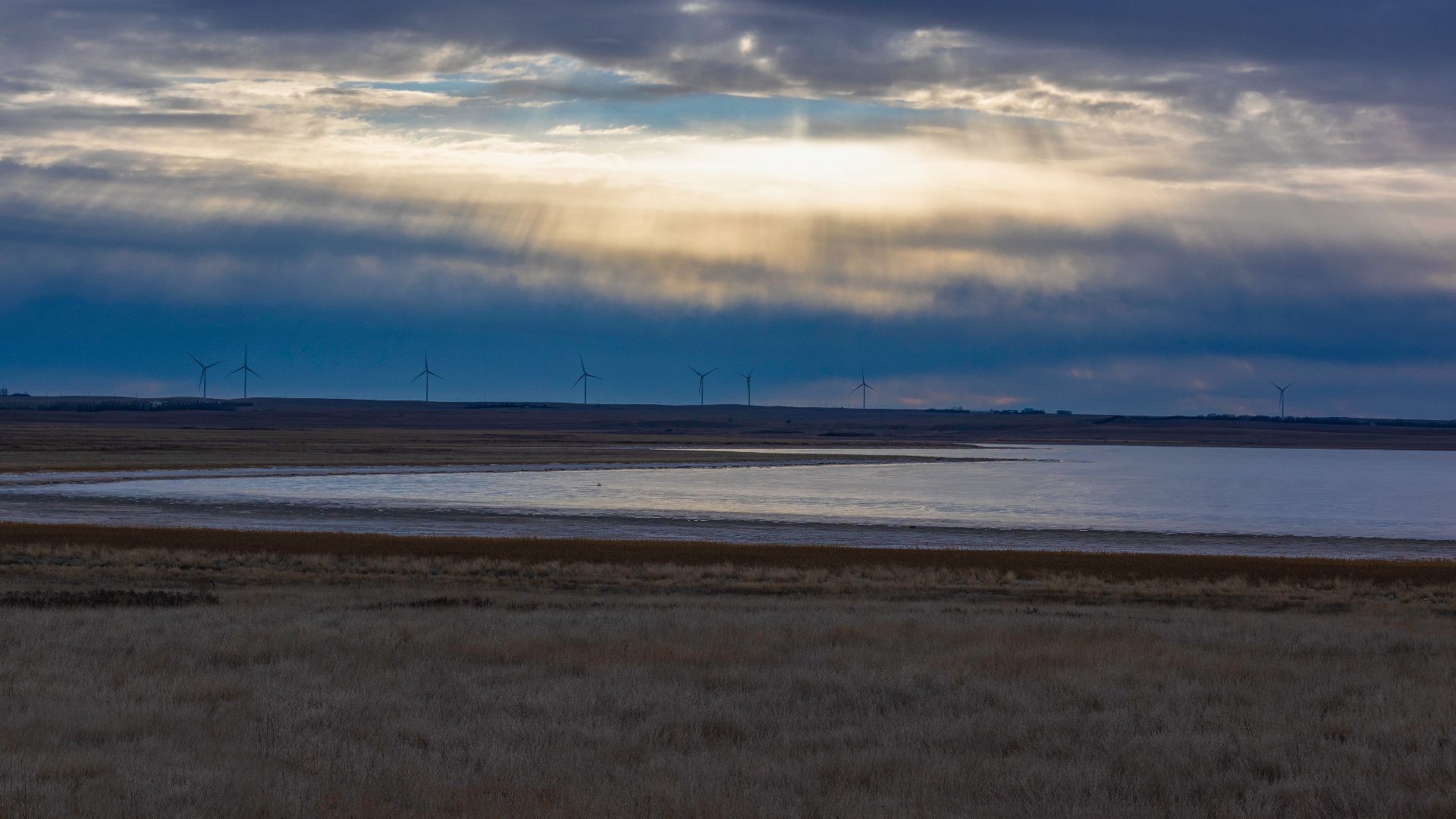 Janusz Sobolewski from Mississauga, Ontario, Canada, Wikimedia Commons
The Roads Make You Respect The Weather
A sunny prairie highway can feel easy, but the landscape also makes weather feel serious. Wind, blowing snow, sudden storms, heat, and low visibility can change a drive quickly. Environment Canada’s prairie guide describes the region as having varied topography, ground cover, and climate across a huge area.
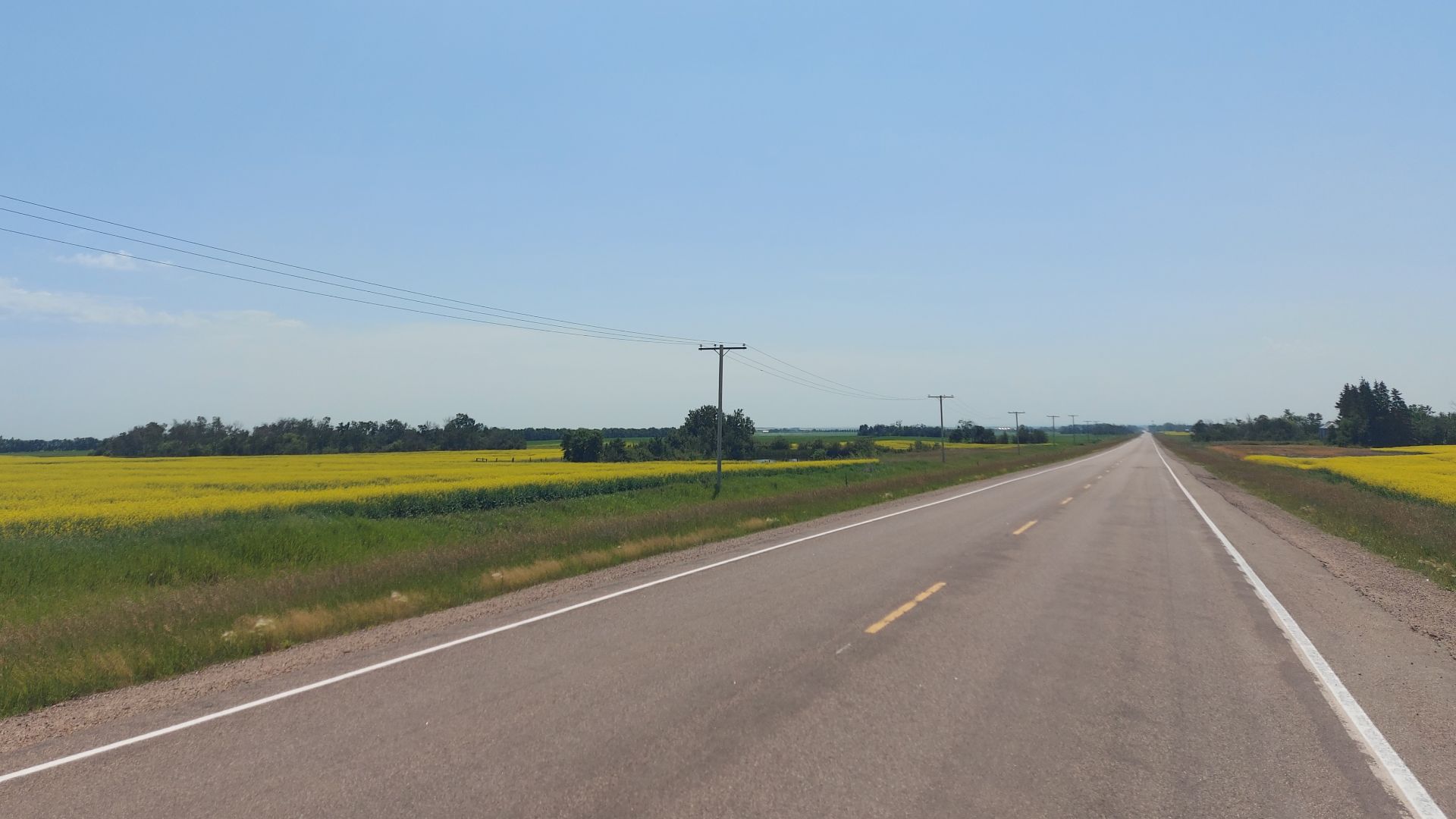 Masterhatch, Wikimedia Commons
The Wind Is Hard To Ignore
The wind can be one of the first things Americans notice. It moves across open land with very little to stop it. On a calm day, the Prairies feel peaceful and spacious. On a windy day, even opening a car door or standing beside a viewpoint can feel like an event.
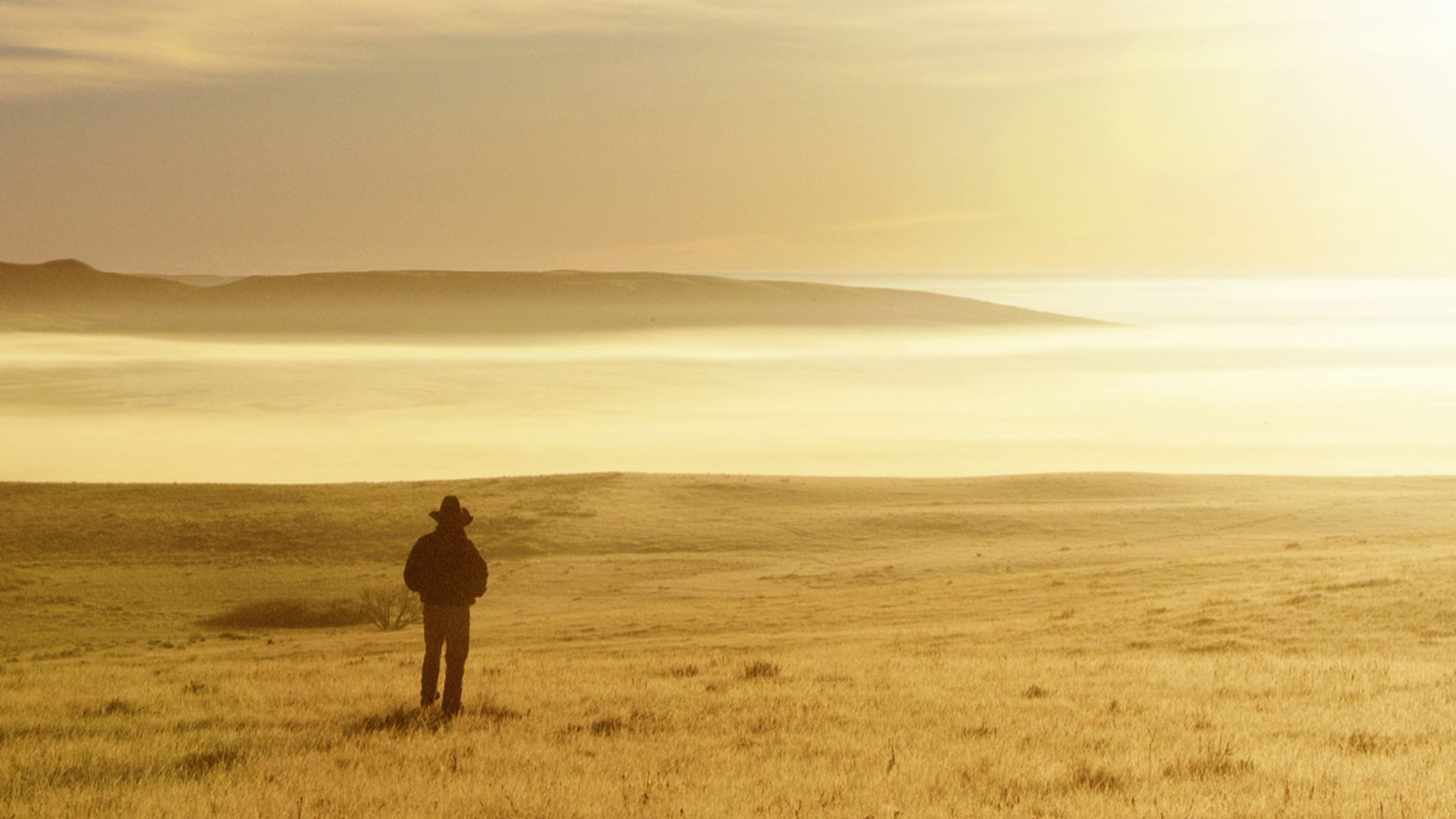
The Weather Feels Dramatic
Prairie weather can feel cinematic. A storm can build visibly across the horizon, dark clouds can roll in from far away, and lightning can seem to stretch across the whole sky. Travelers from denser or more wooded parts of the US may be surprised by how much weather they can see coming.

The Sunsets Are Ridiculous In The Best Way
Many Americans expect nice sunsets, but prairie sunsets can feel unusually expansive. The lack of mountains, skyscrapers, or dense trees means the whole sky becomes part of the show. Pinks, oranges, purples, and deep blues can fill the horizon in every direction.
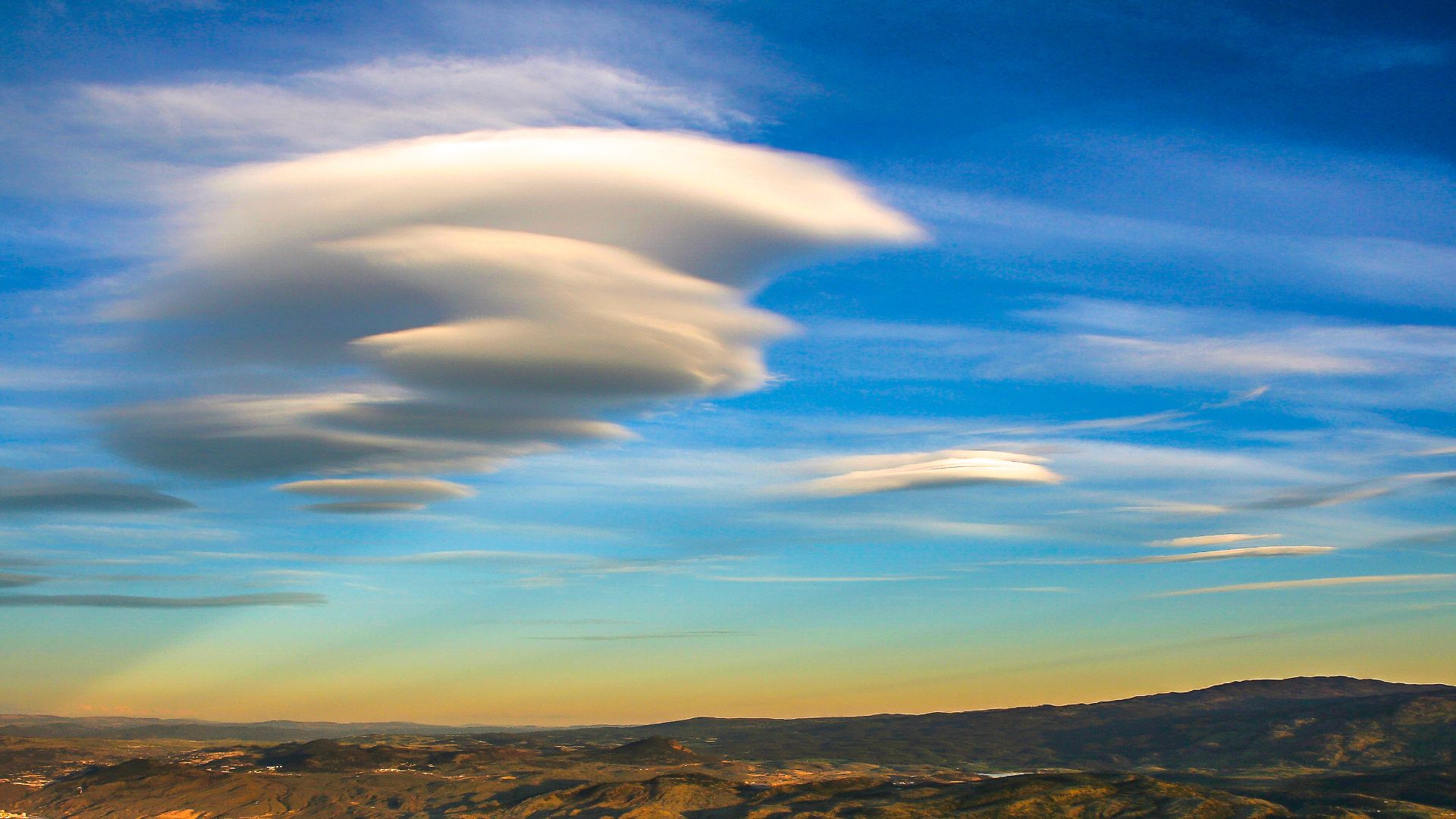 Murray Foubister, Wikimedia Commons
The Cities Feel More Laid-Back Than Expected
Winnipeg, Regina, Saskatoon, Brandon, and smaller prairie cities often feel friendly, practical, and unpretentious. Americans expecting only rural landscapes may be surprised by the food scenes, festivals, universities, museums, music venues, and diverse neighborhoods tucked into these wide-open provinces.
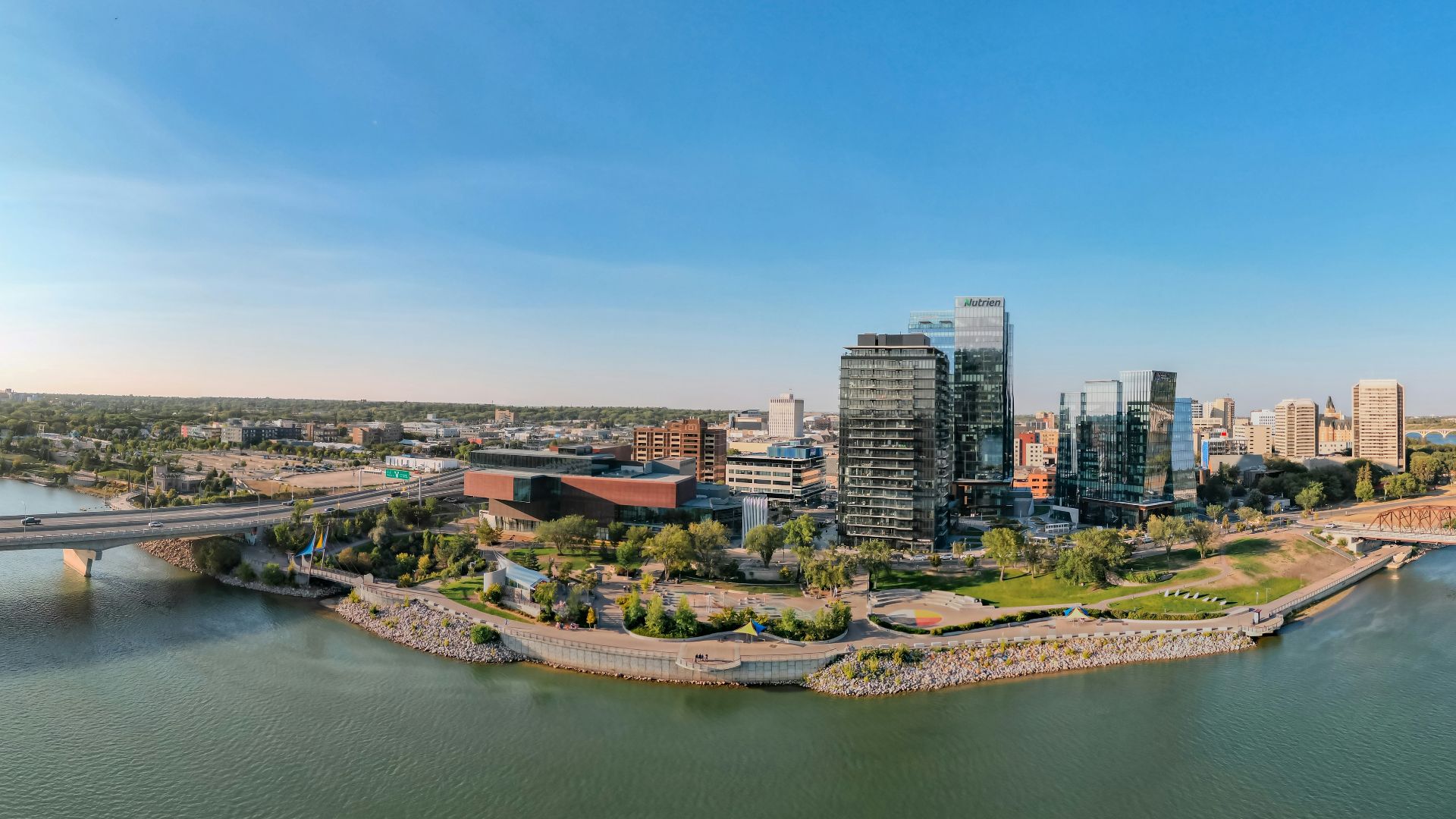
Winnipeg Feels Like A Real City In The Middle Of Everywhere
Winnipeg often surprises visitors because it is more culturally layered than outsiders expect. It has major museums, historic neighborhoods, strong arts communities, and a meeting-place identity rooted in geography. Travel Manitoba describes Manitoba as the longitudinal center of Canada and a meeting place of several ecosystems.
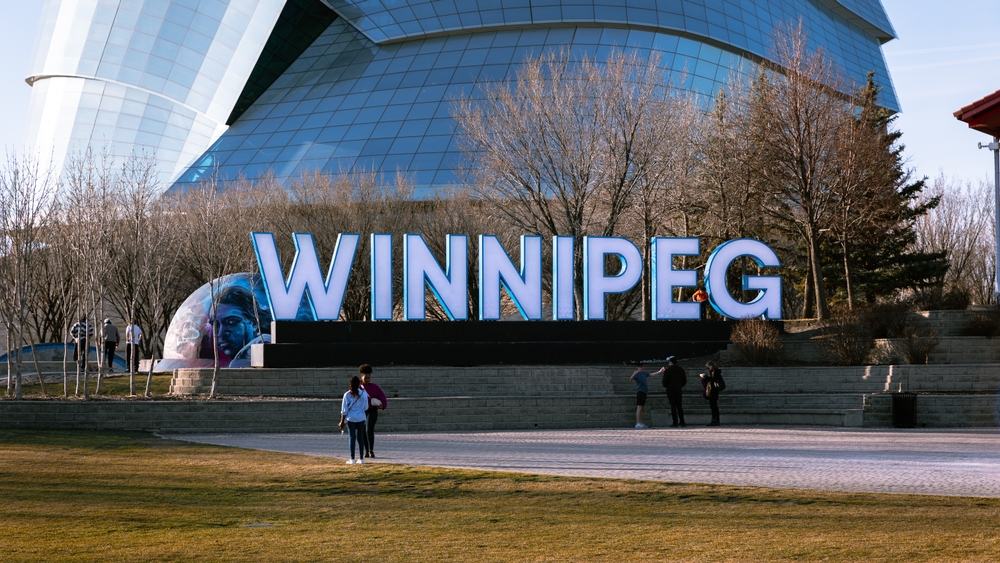 Koishi Photography, Shutterstock
Saskatoon Has More Charm Than Its Name Suggests To Outsiders
Many Americans arrive in Saskatoon knowing little beyond the name. Then they notice the river, bridges, restaurants, trails, and unexpectedly pretty neighborhoods. The city can feel relaxed but lively, with enough urban energy to challenge the idea that the Prairies are only farmland and highways.
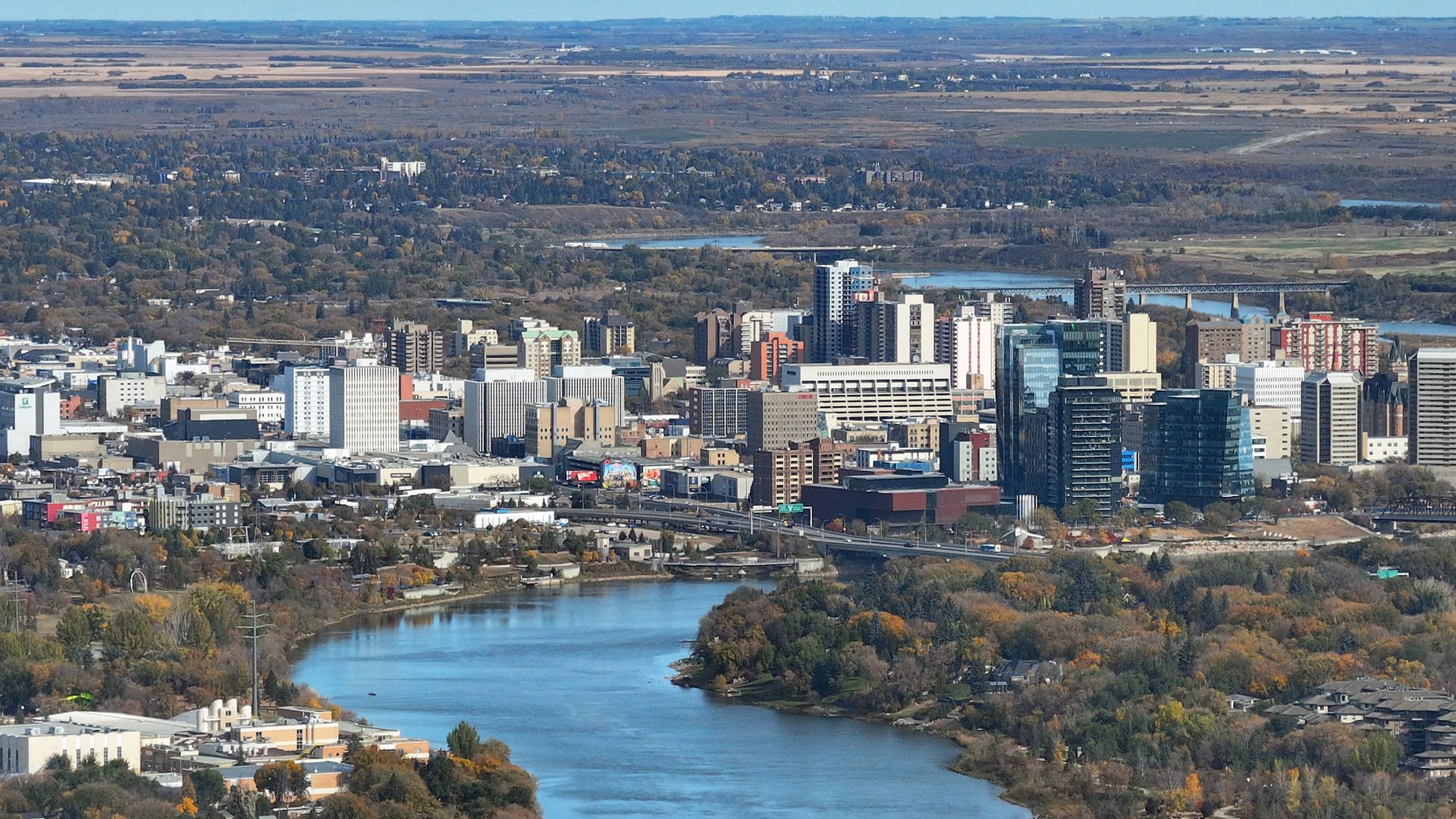 Quintin Soloviev, Wikimedia Commons
The Food Is Heartier Than Expected
Prairie food often fits the climate and landscape: perogies, pickerel, bison, beef, rye bread, canola oil, berry desserts, Ukrainian and Indigenous influences, and strong diner culture. Americans may recognize some flavors but still notice how regional the food feels once they leave major tourist corridors.

The Ukrainian Influence Is Very Visible
In parts of Manitoba, Saskatchewan, and Alberta, Ukrainian heritage is woven into festivals, churches, food, and family histories. For Americans unfamiliar with prairie immigration patterns, seeing perogies, cabbage rolls, onion domes, and cultural festivals so prominently can be a pleasant surprise.

The Landscape Has A Deeper Story Than It First Shows
At first glance, a field may look like just a field. But the Prairies hold stories about Indigenous nations, bison, settlement, railways, agriculture, drought, immigration, and environmental change. The longer Americans stay, the less “empty” the landscape feels.
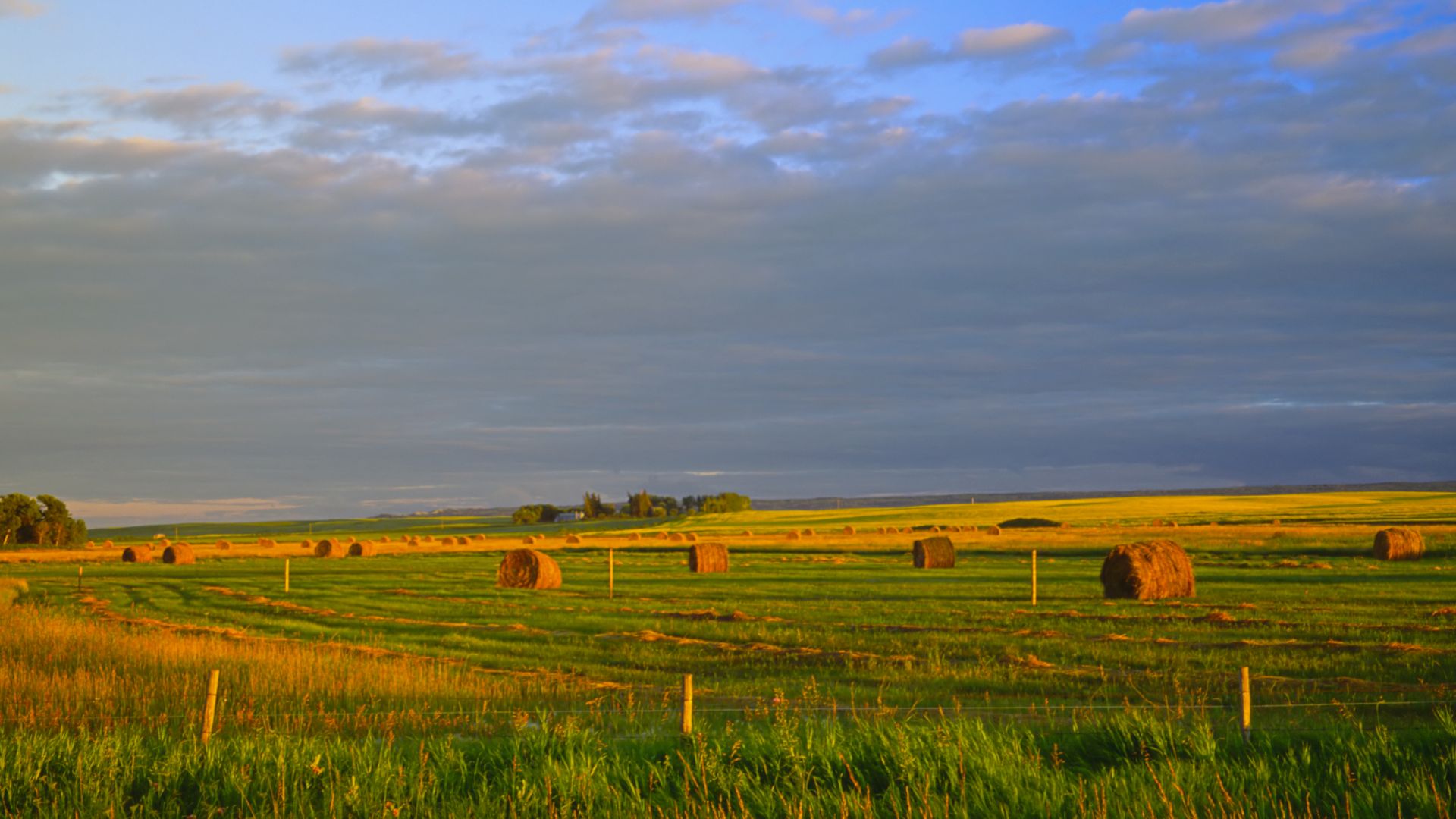 Trevor Bauer, Wikimedia Commons
Agriculture Feels Much Closer To Daily Life
Americans from farm states may recognize the rhythms immediately, but visitors from coastal or urban areas often notice how present agriculture is. Grain elevators, canola fields, farm machinery, rail lines, and weather talk all feel woven into ordinary life in a way that can be hard to miss.
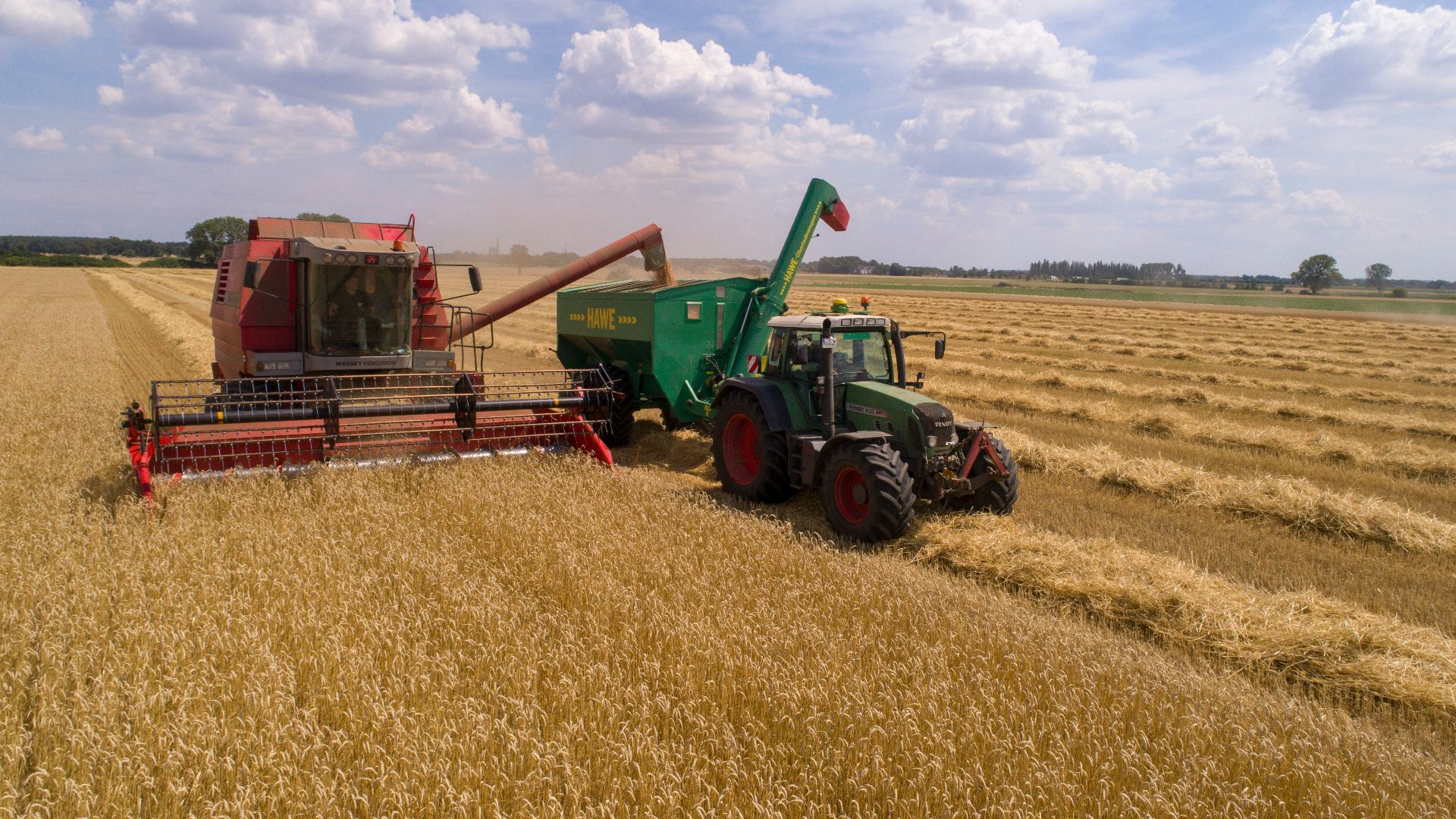
Canola Fields Look Almost Unreal
When canola blooms, the landscape can turn bright yellow in a way that feels made for photographs. Americans may expect wheat or corn, but fields of vivid canola stretching to the horizon are one of the Prairies’ most memorable summer sights.
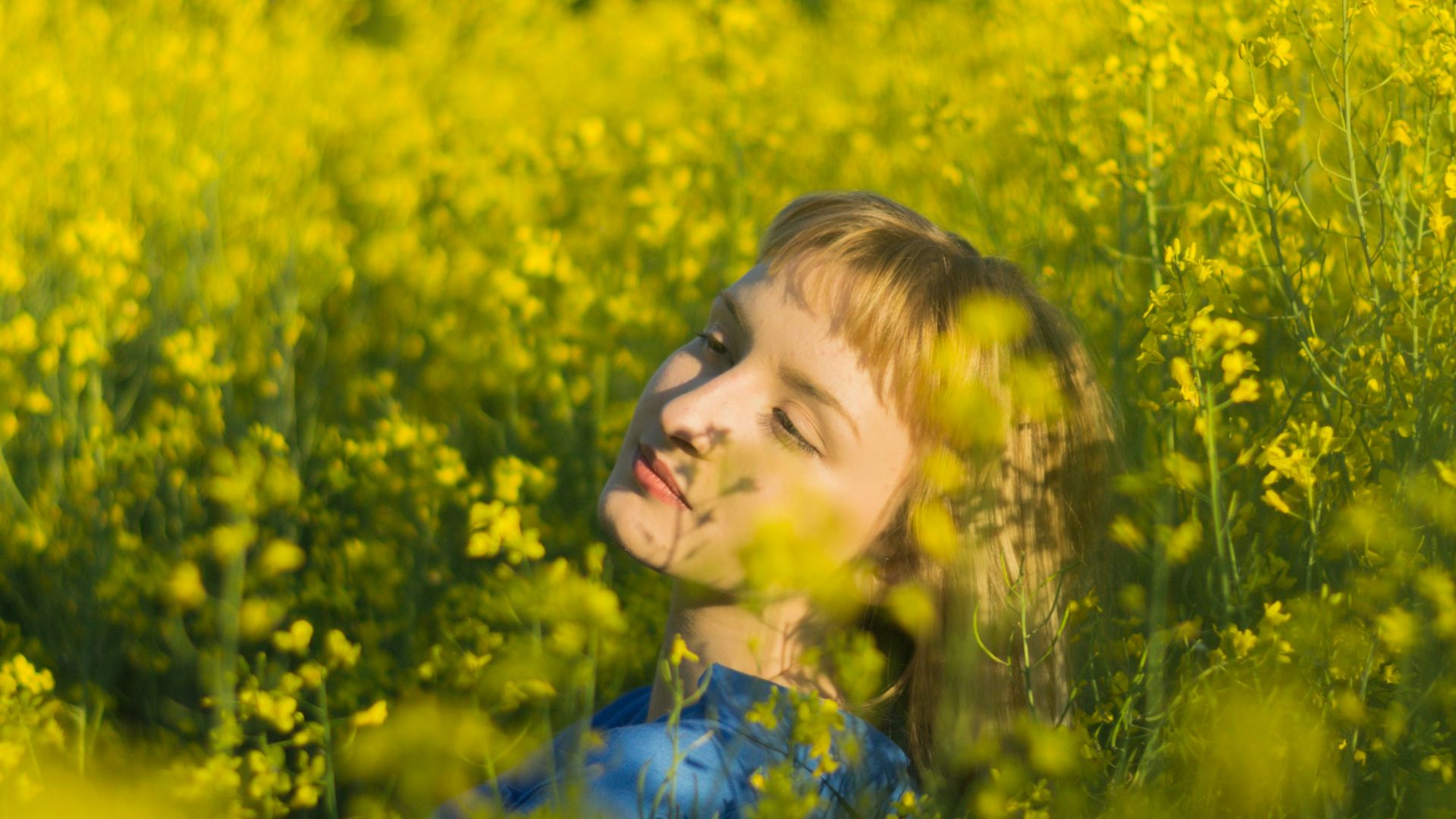
The Grain Elevators Feel Iconic
Old grain elevators can look like prairie monuments. Some still operate, while others stand as reminders of small-town history and rail-era agriculture. To American visitors, they can feel both familiar and distinctly Canadian, especially when set against an enormous sky.
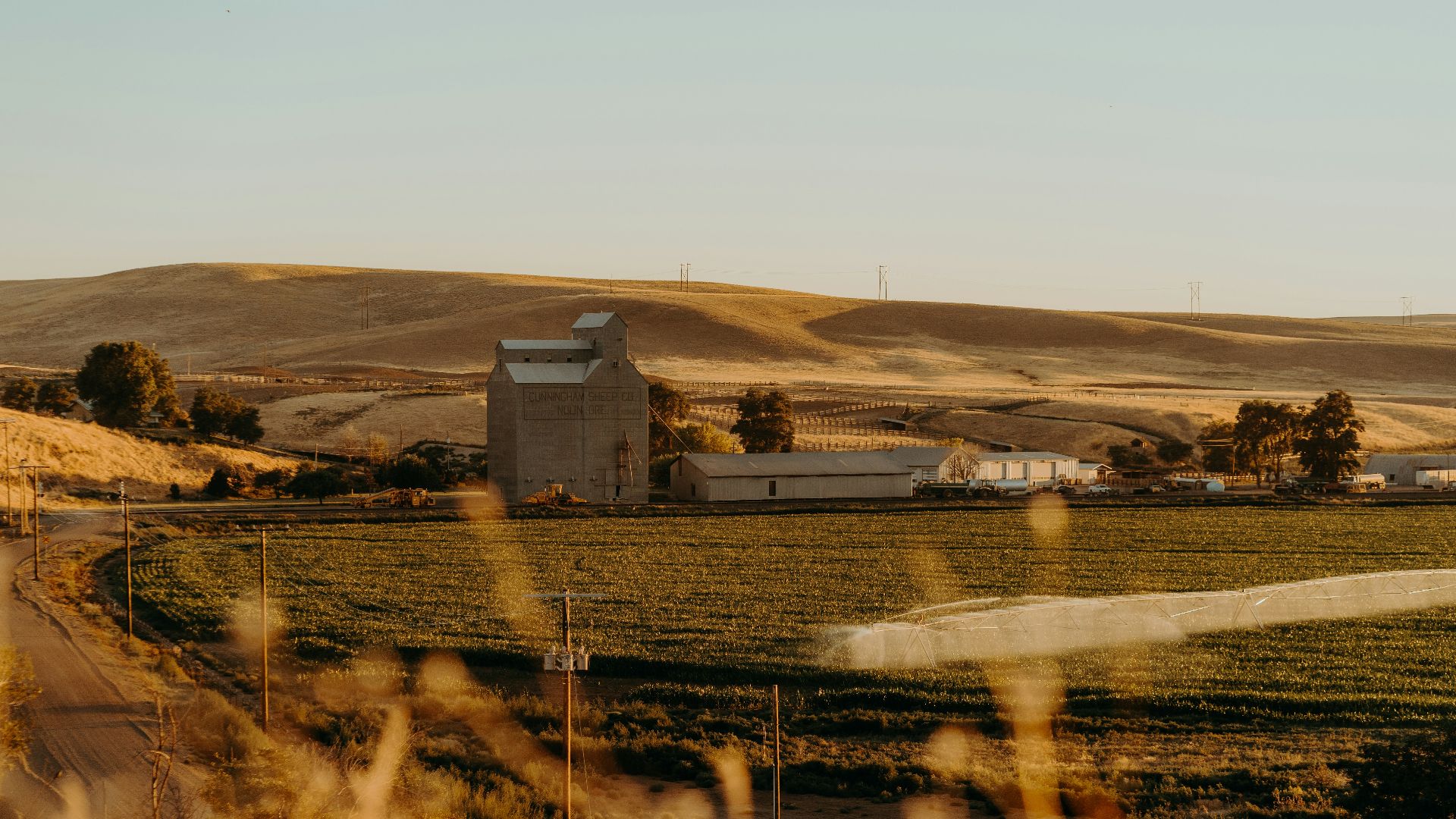
Small Towns Feel Quiet, But Not Lifeless
Prairie towns may look sleepy at first: a main street, rink, co-op, church, grain elevator, diner, and wide roads. But many have strong local identities. Visitors who stop instead of just passing through may find museums, bakeries, murals, rodeos, fairs, hockey rinks, and community pride.
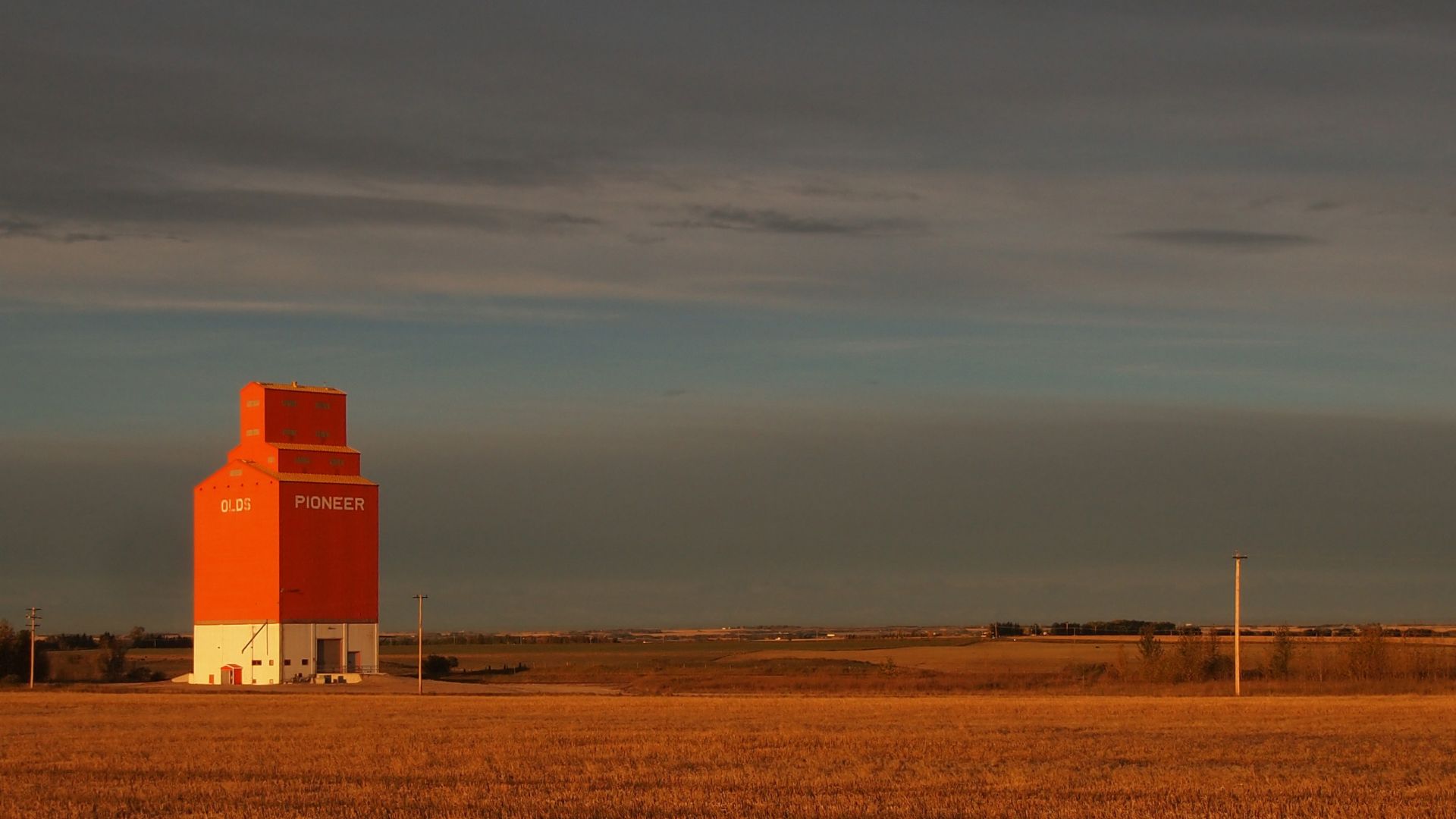 Wilson Hui from Calgary, Canada, Wikimedia Commons
Hockey Feels Like Background Culture
In many prairie communities, hockey is not just a sport. It is a winter routine, a local gathering point, and a source of identity. Americans who follow sports may still be surprised by how naturally rink schedules, junior teams, and hockey talk fit into everyday conversation.

The Politeness Feels Practical, Not Fancy
Prairie friendliness is often understated. People may not be overly effusive, but they are helpful, direct, and low-drama. Americans may notice that hospitality here can sound like directions, weather warnings, restaurant recommendations, or someone telling you not to try that road in a storm.

The Coffee Shops Matter More Than Expected
In prairie towns and cities, cafés can become social centers. They are places to warm up, meet friends, hear local news, and break up long drives. Americans used to chain coffee culture may appreciate the independent spots, bakeries, and small-town counters that anchor daily life.

The Winter Reputation Is Earned
Even if travelers visit in summer, the Prairies’ winter identity is hard to miss. Locals talk about cold, wind, snow, ice, and driving conditions with a level of experience that makes Americans understand the season is not a joke. The region’s continental climate can bring intense seasonal extremes.
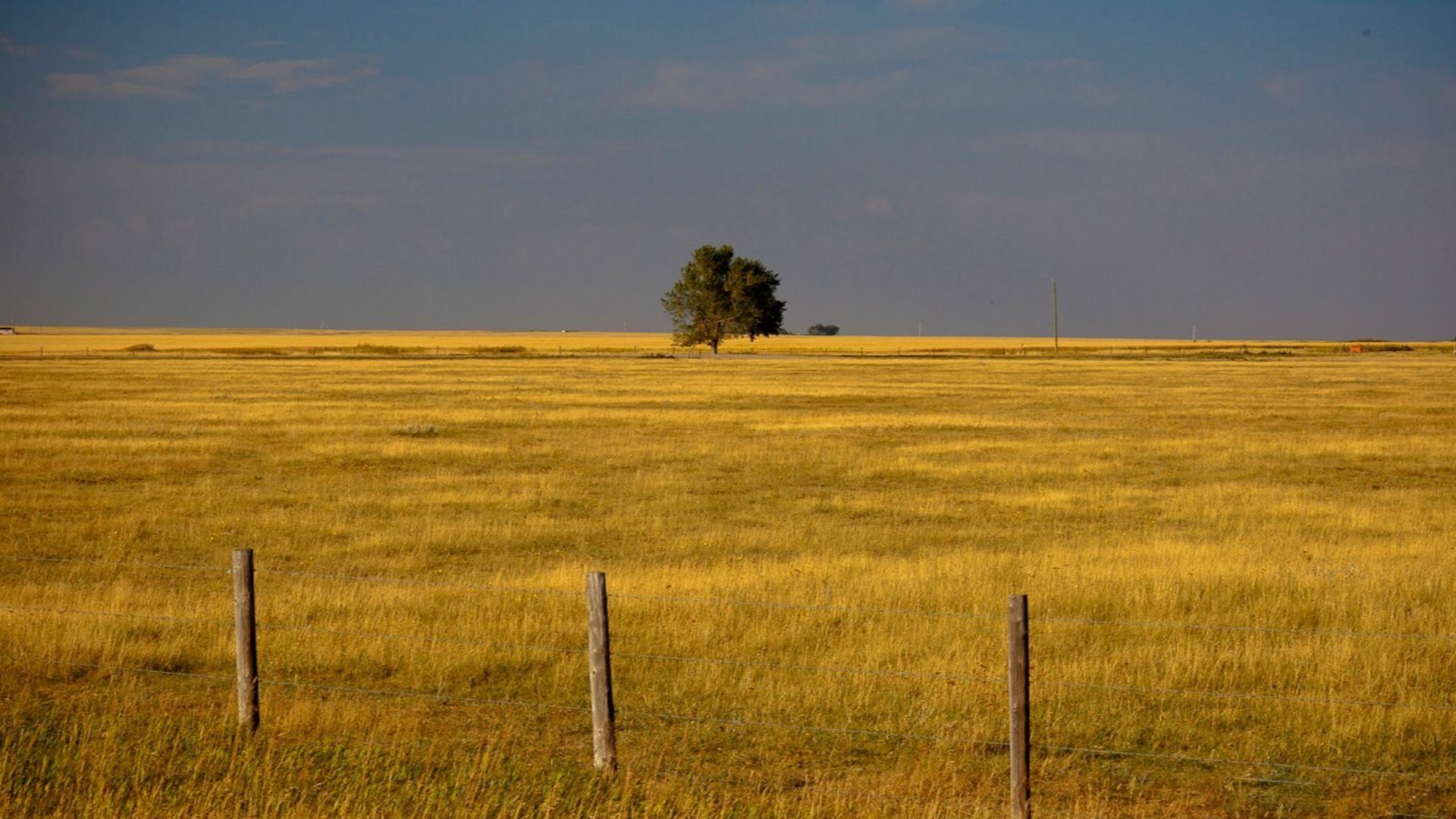
Summer Can Be Hotter Than Expected
Americans may assume Canada automatically means cool weather, but prairie summers can be hot, dry, sunny, and exposed. With little shade on some routes, the sun can feel surprisingly intense. A visitor can easily get a sunburn while still telling friends they went “north.”
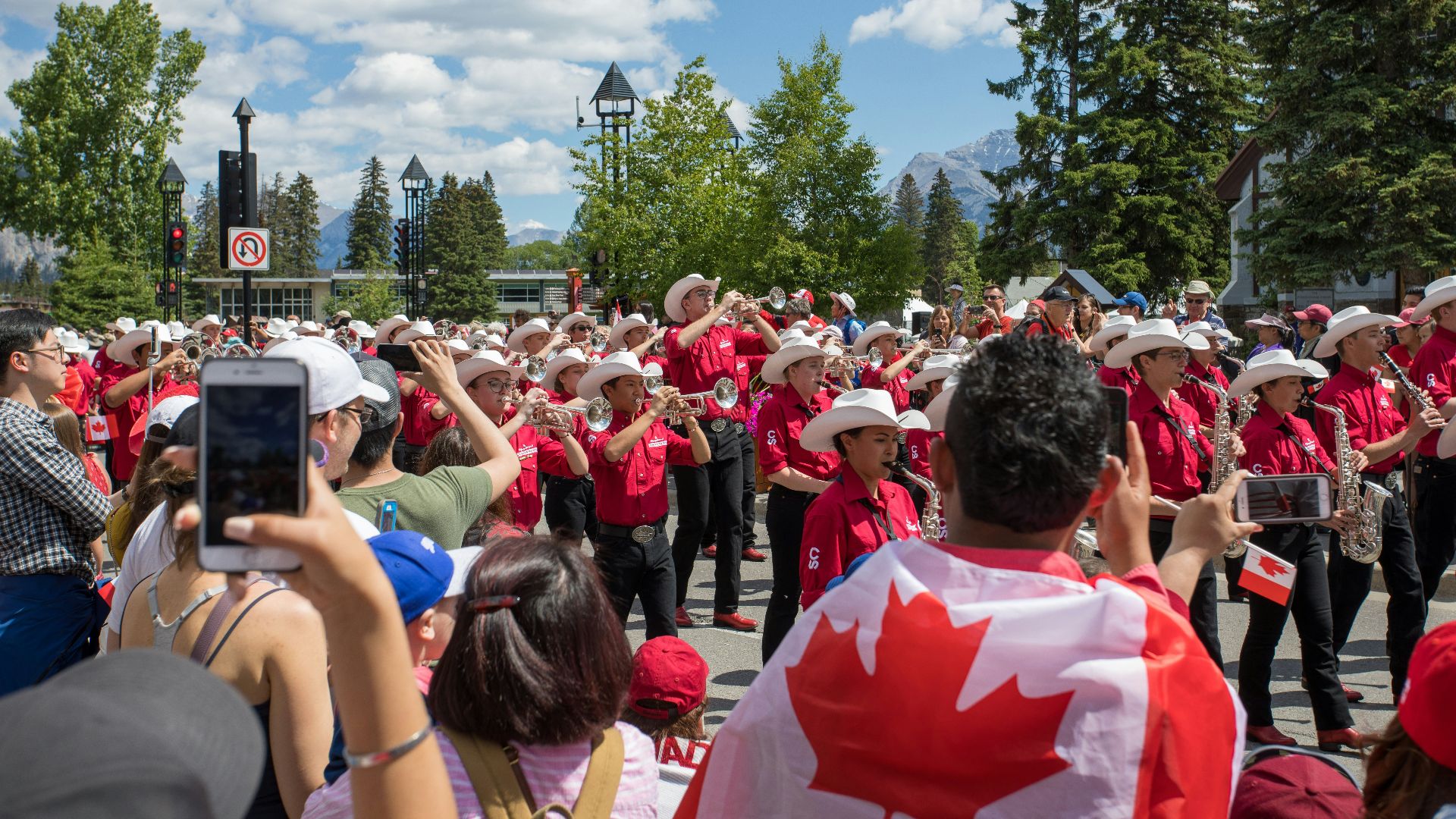
Bugs Can Be A Real Part Of The Trip
Mosquitoes, black flies, ticks, and other summer insects can surprise visitors, especially near lakes, wetlands, forests, or after wet weather. The Prairies can be gorgeous in summer, but a good trip may require bug spray, long sleeves, and realistic expectations.

The Lakes Surprise People
Many Americans picture fields before water, but Manitoba and Saskatchewan both have extensive lake country. Saskatchewan notes that the province has 100,000 lakes and rivers, while Manitoba is known for lake and wilderness travel. The Prairies are not just dry grass and grain fields.
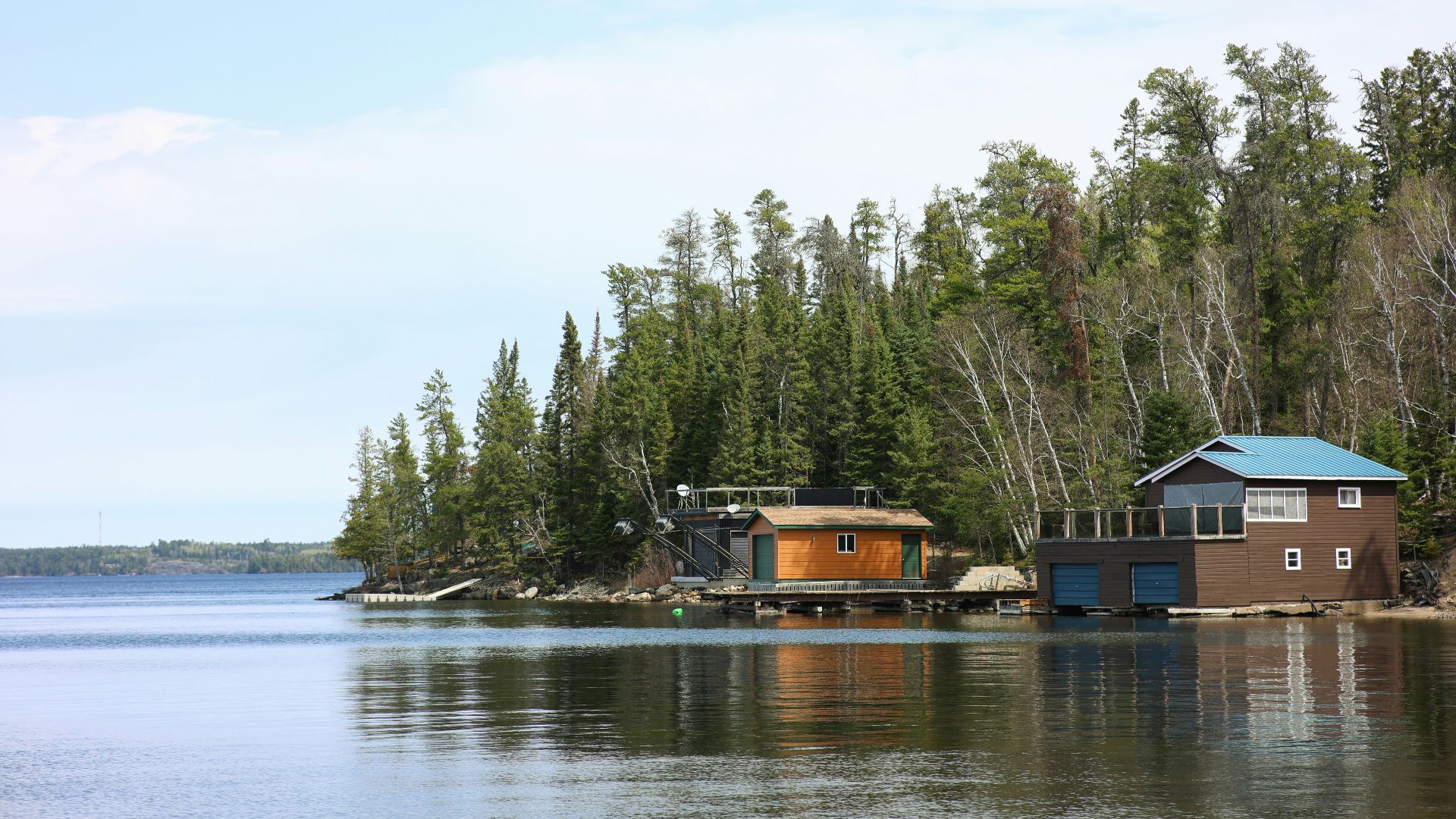
The Northern Shift Is Real
Drive far enough north and the open prairie changes. Forests, lakes, shield country, and wilderness begin to reshape the trip. Travel Manitoba describes the province as a meeting place of boreal, prairie, taiga, and Canadian Shield ecosystems, which explains why the region can change so much within one province.
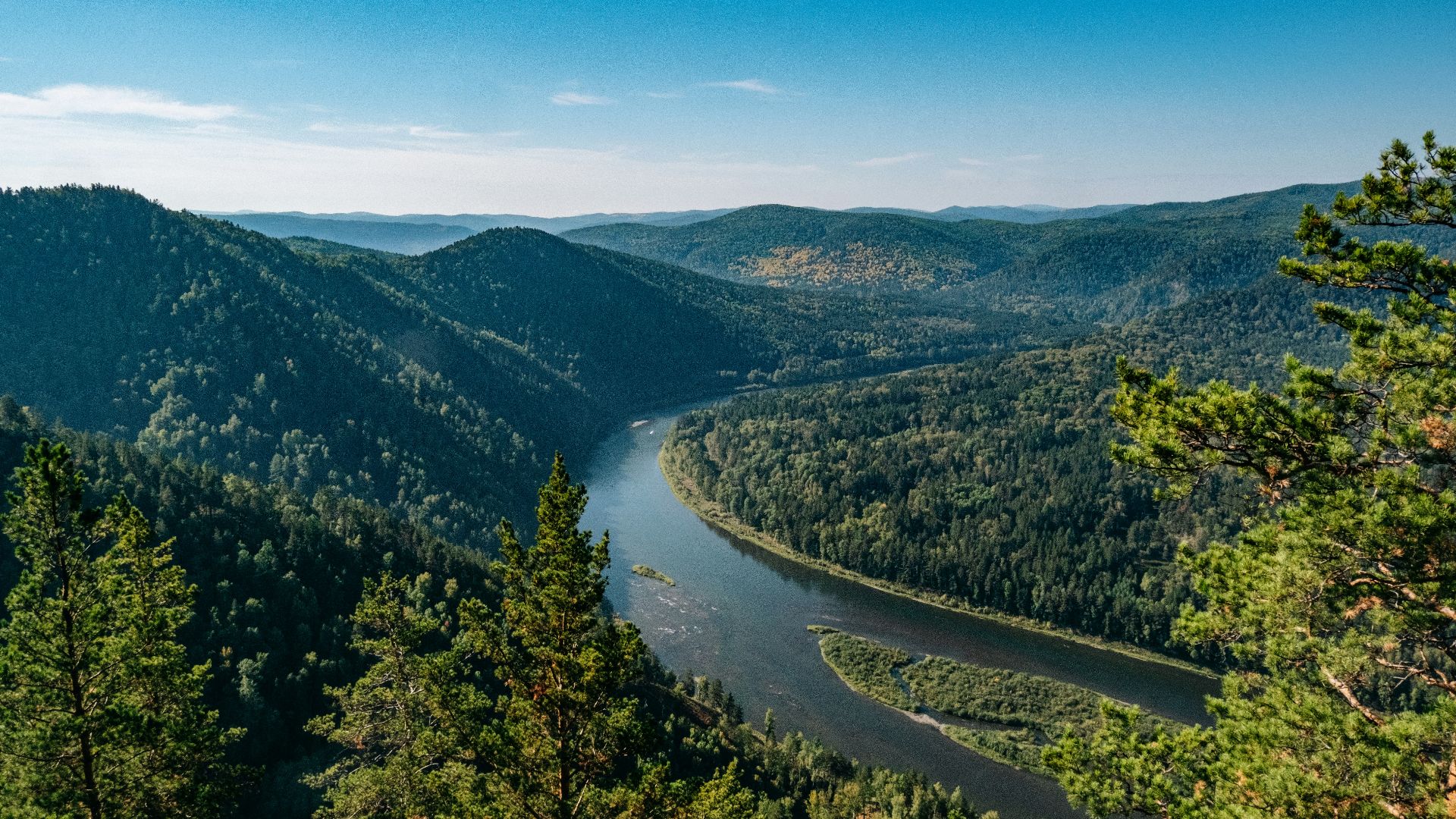
Grasslands National Park Feels Different From U.S. Parks
Americans who are used to mountain or canyon national parks may be surprised by the quiet power of Grasslands National Park. According to Parks Canada, it's a place to experience the solitude and wonder of the southern Saskatchewan prairie landscape by day or night.
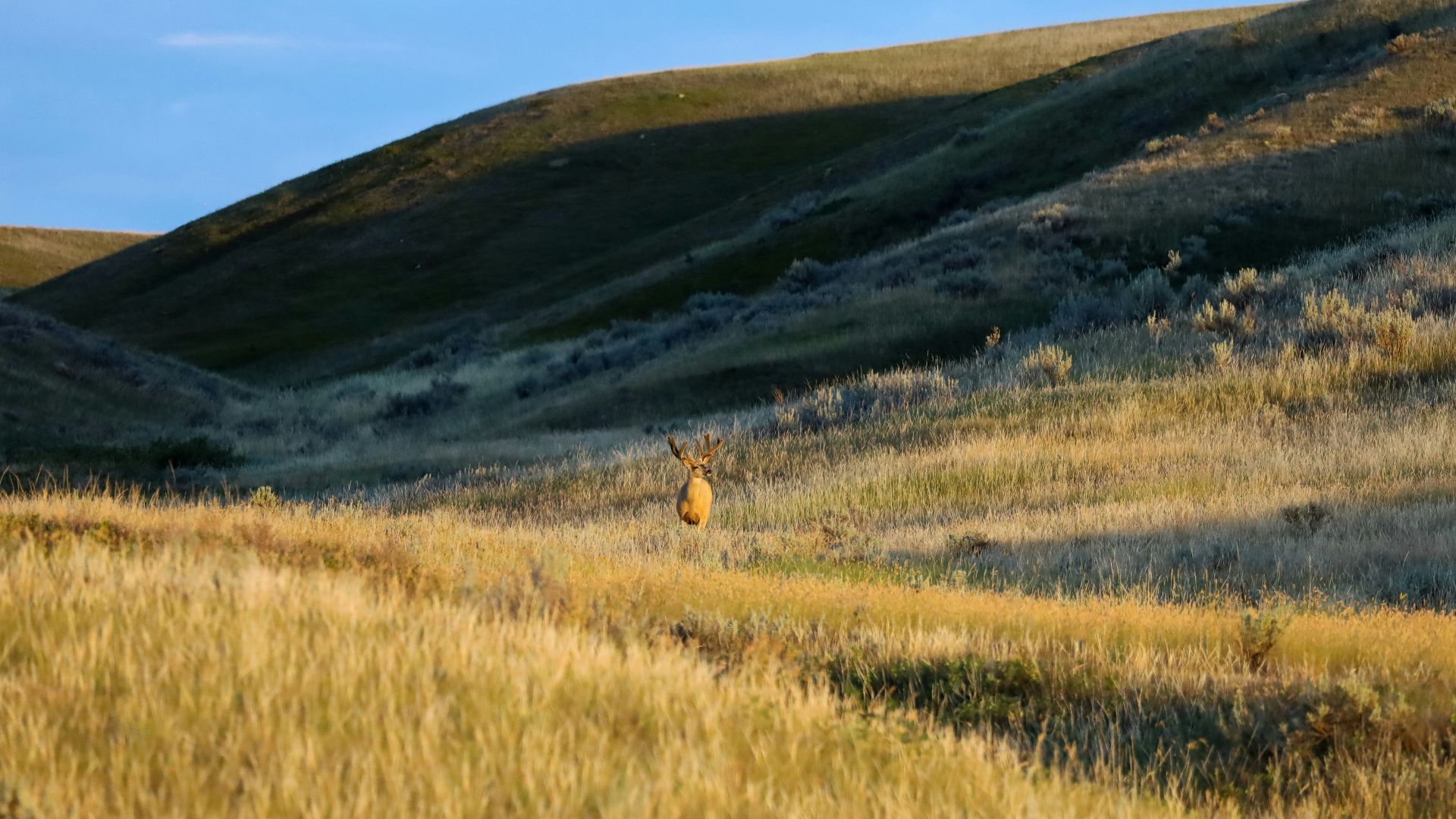
The Night Skies Can Be Astonishing
The lack of dense urban light in many areas can make the stars feel unusually bright. Tourism sources highlight dark skies as one of the province’s most delightful surprises, and Grasslands National Park is often associated with night-sky viewing. For city visitors, the darkness itself can feel like an attraction.
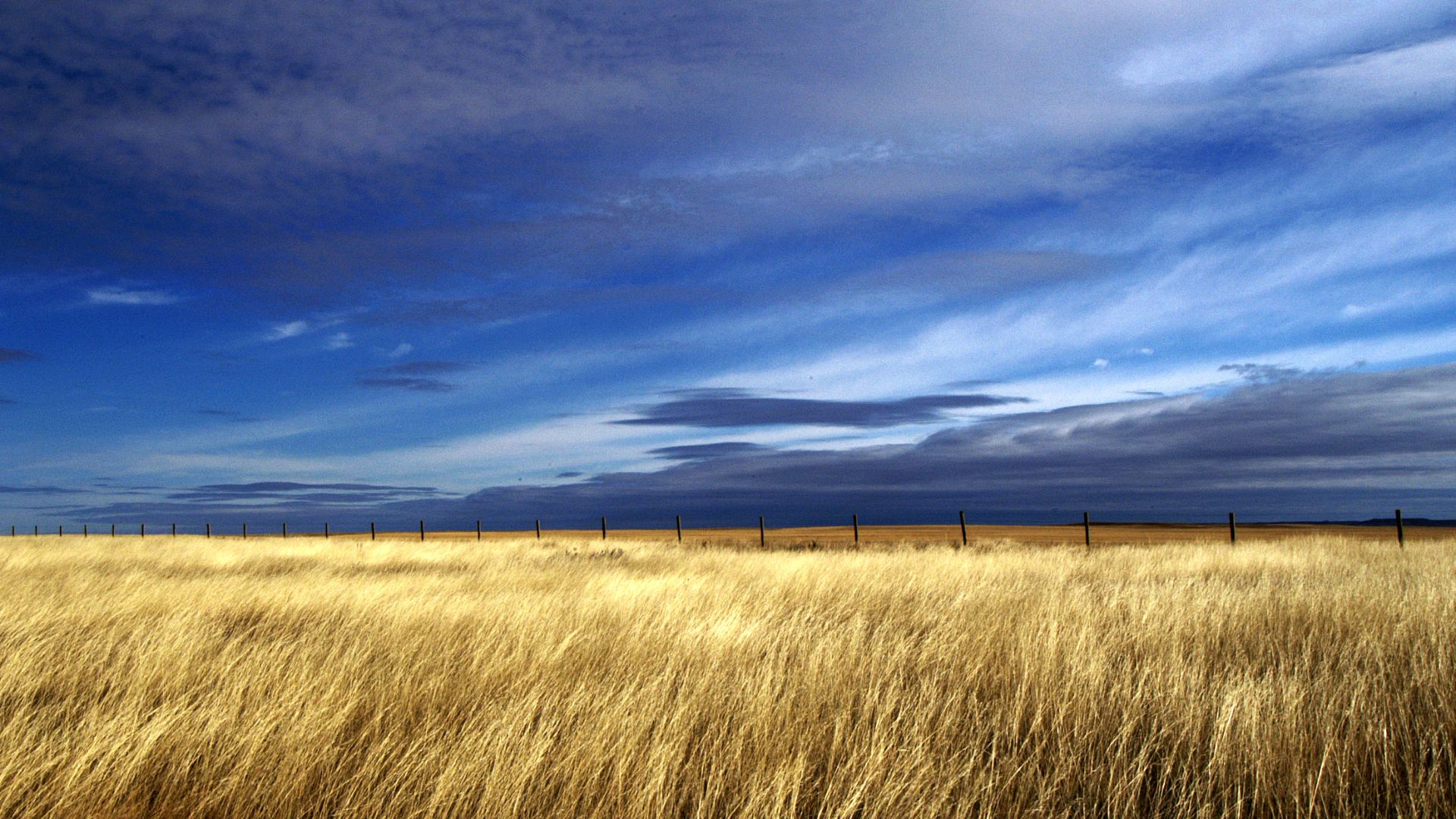
The Prairies Reward Slower Travel
A visitor rushing across the Trans-Canada Highway may decide there is “nothing there". But travelers who slow down often find valleys, historic sites, diners, parks, farms, wildlife, and small towns. Saskatchewan has a sneaky way of subverting a tourists' expectations. Though many think of it as a stretch they have to pass through, it has so much more to offer.
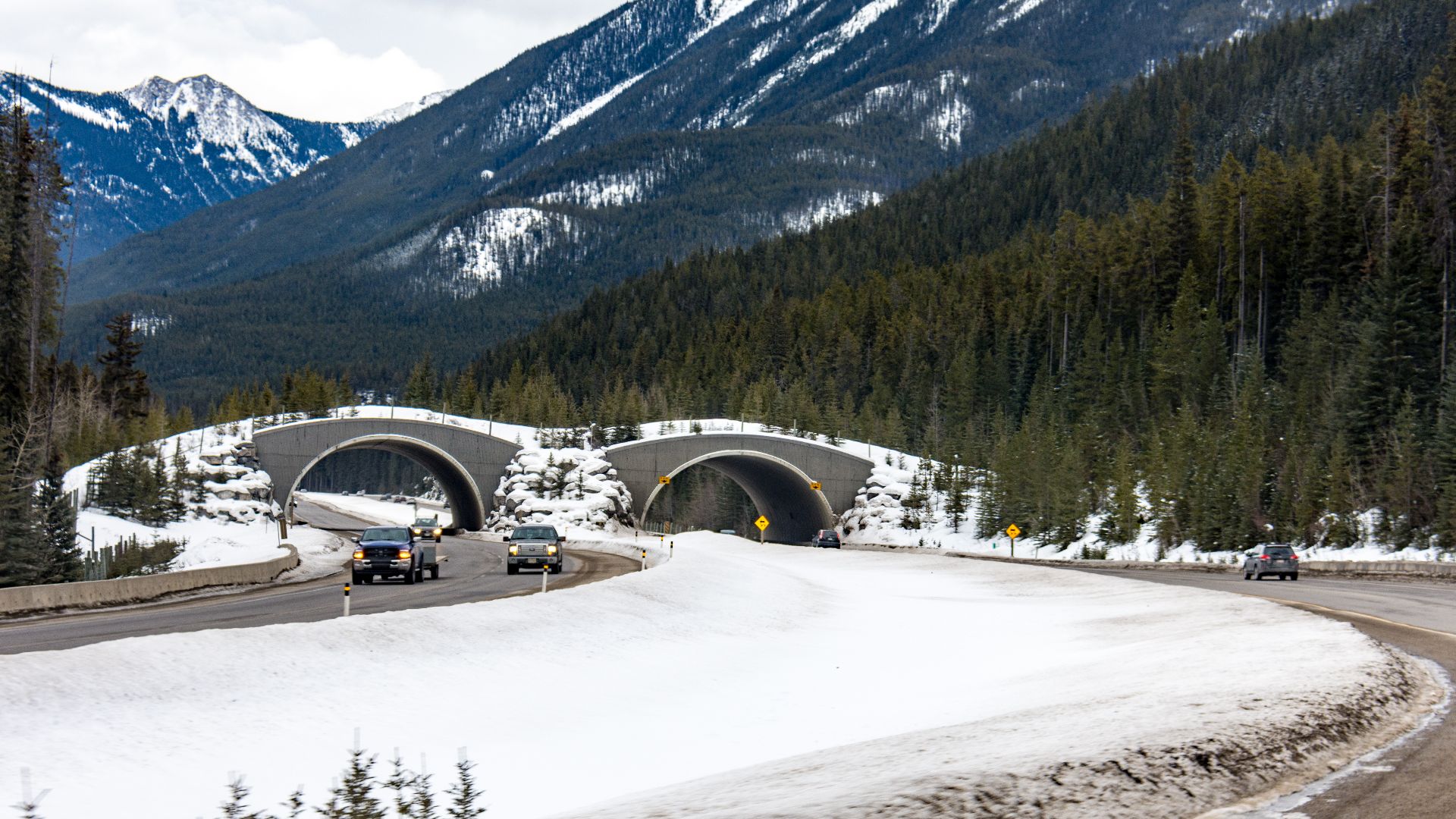 m01229 from USA, Wikimedia Commons
Wildlife Can Appear In Unexpected Places
Americans may expect wildlife in mountain parks, but prairie wildlife has its own presence. Deer, pronghorn, coyotes, birds of prey, prairie dogs, bison in protected areas, and countless migratory birds can make the open landscape feel alive once you start looking closely.
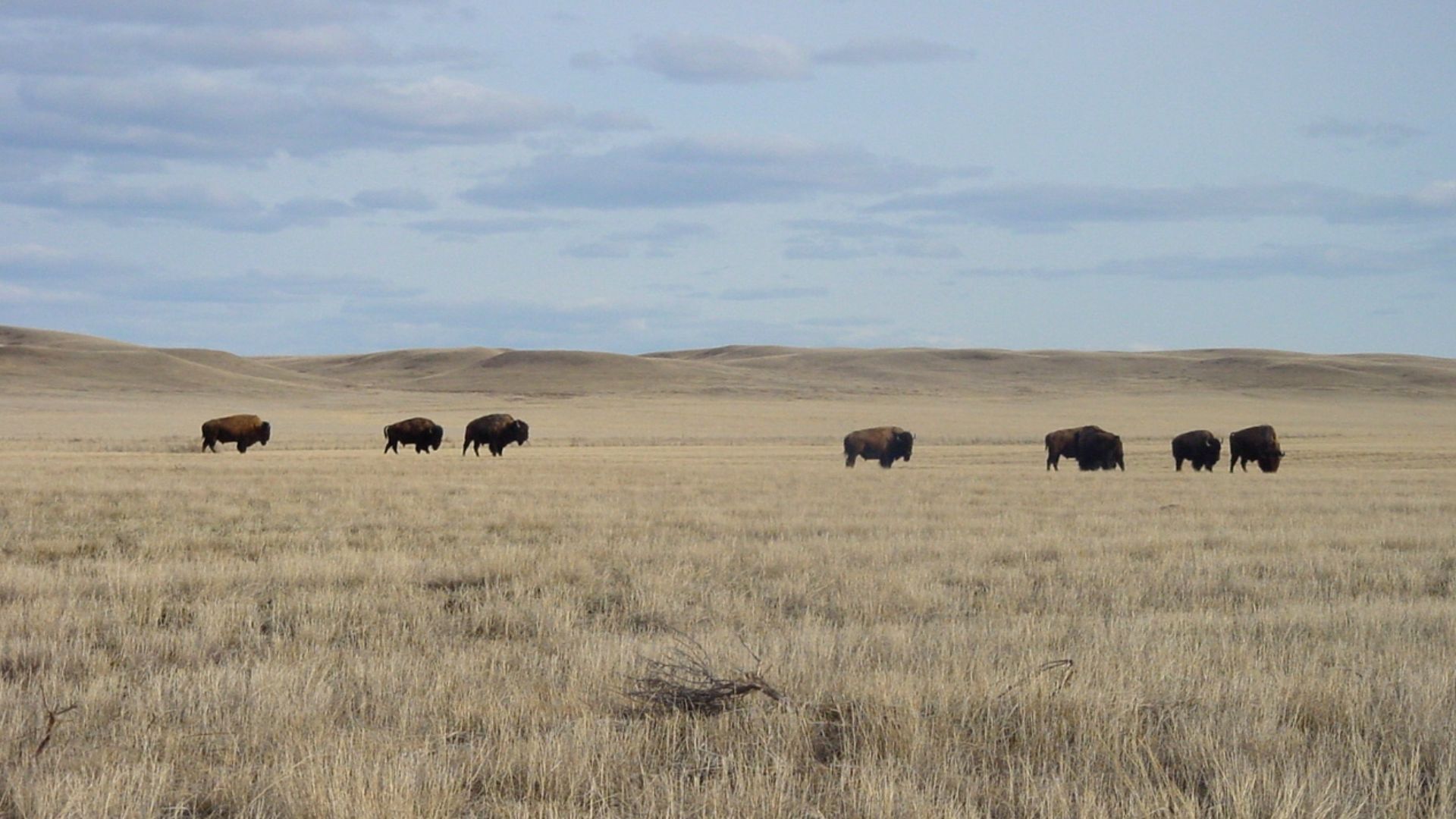 1brettsnyder, Wikimedia Commons
The Silence Feels Different
In some prairie places, the quiet is striking. No constant traffic, no dense city hum, no mountain echo. Just wind, birds, insects, gravel, and the occasional truck. For Americans used to busier travel destinations, that silence can feel peaceful, strange, or even unsettling at first.
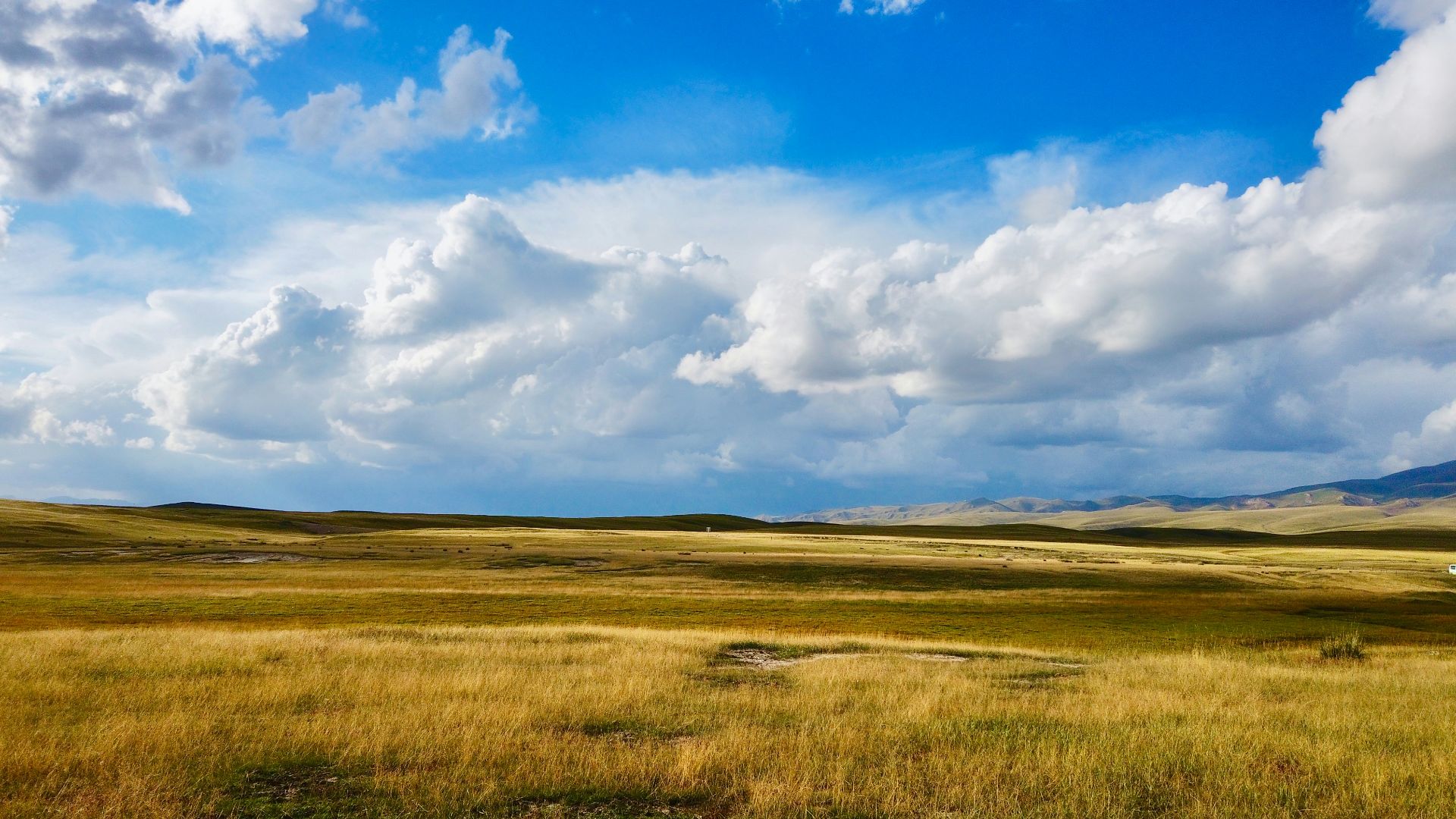
The Region Is Less Flashy, But More Memorable Than Expected
The Canadian Prairies do not always compete for attention the way Banff, Vancouver, Toronto, or Montreal do. But that is part of their appeal. Americans who arrive expecting emptiness may leave remembering the sky, weather, food, small towns, and sense of scale more than they expected.
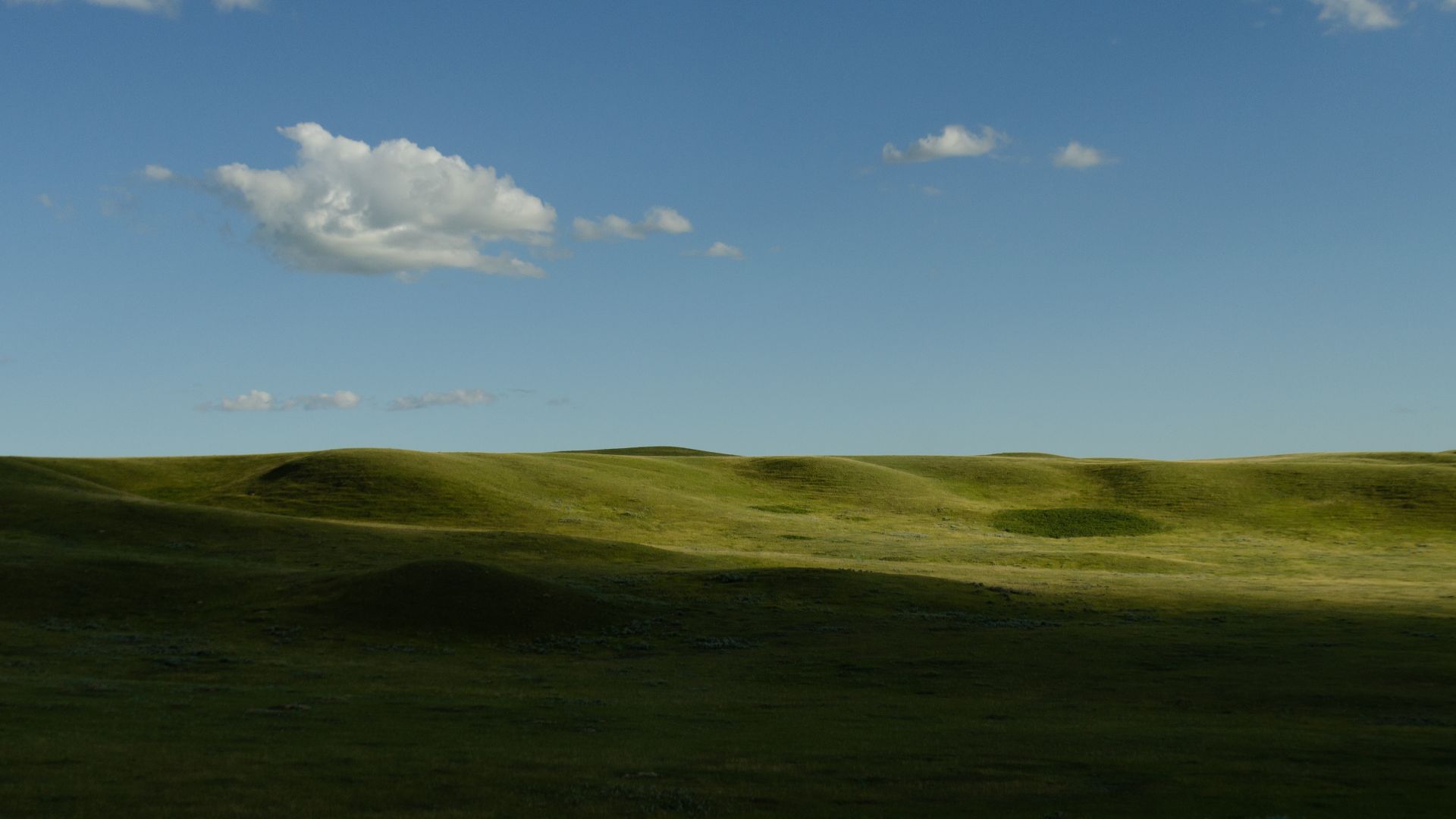 Ethan Sahagun, Wikimedia Commons
The Best Part Is The Shift In Perspective
Visiting the Canadian Prairies changes how distance, weather, land, and community feel. The region asks travelers to slow down and look more carefully. Americans may arrive thinking the Prairies are simple. Then they discover that simple-looking places can hold some of the biggest surprises.
 Priscilla Du Preez 🇨🇦, Unsplash
You May Also Like:
Travel Hacks That Can Actually Make Your Trip Worse
Tips For Surviving Long Flights


.jpg)