


Crossing The Border Is Still International Travel
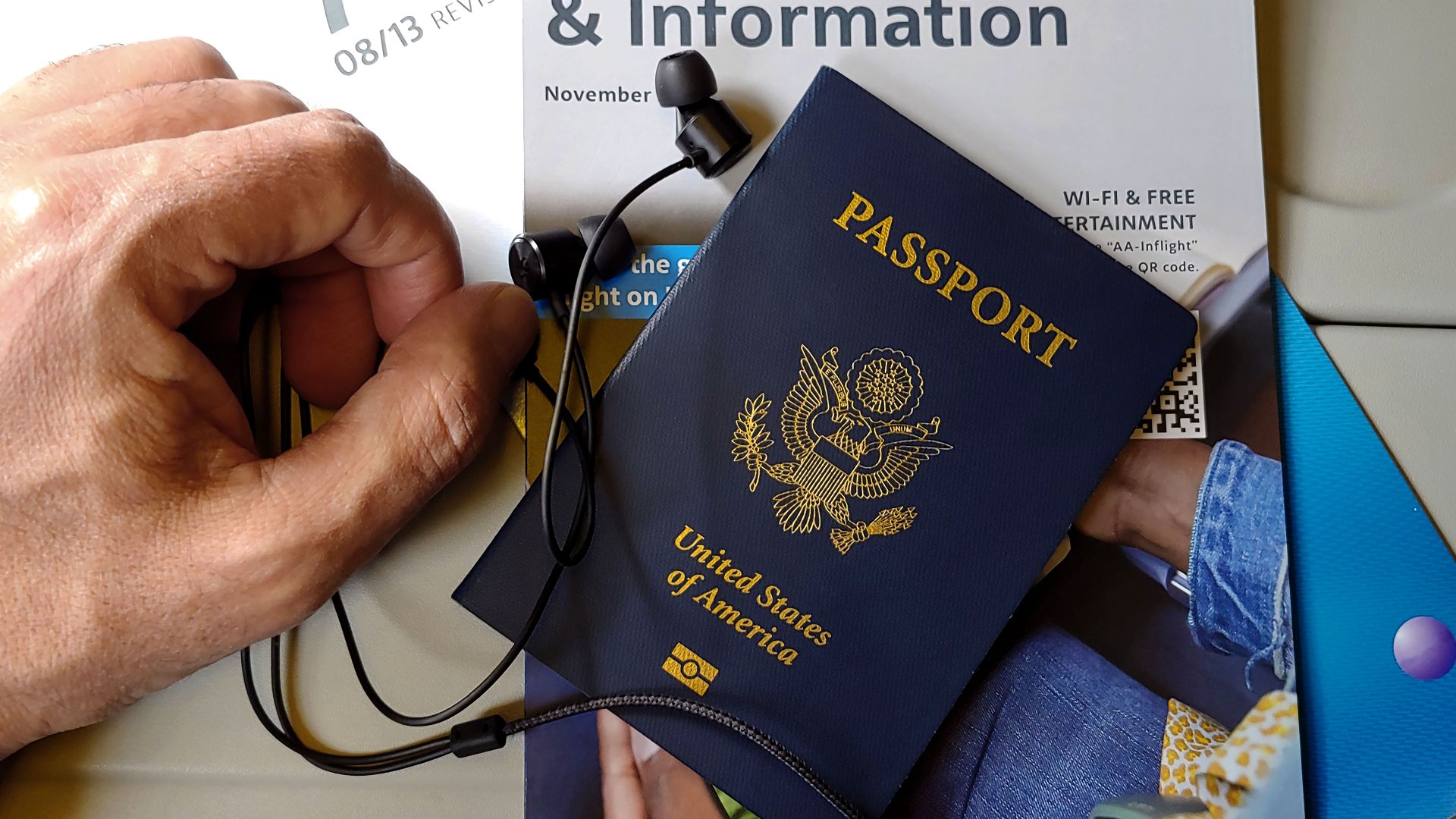
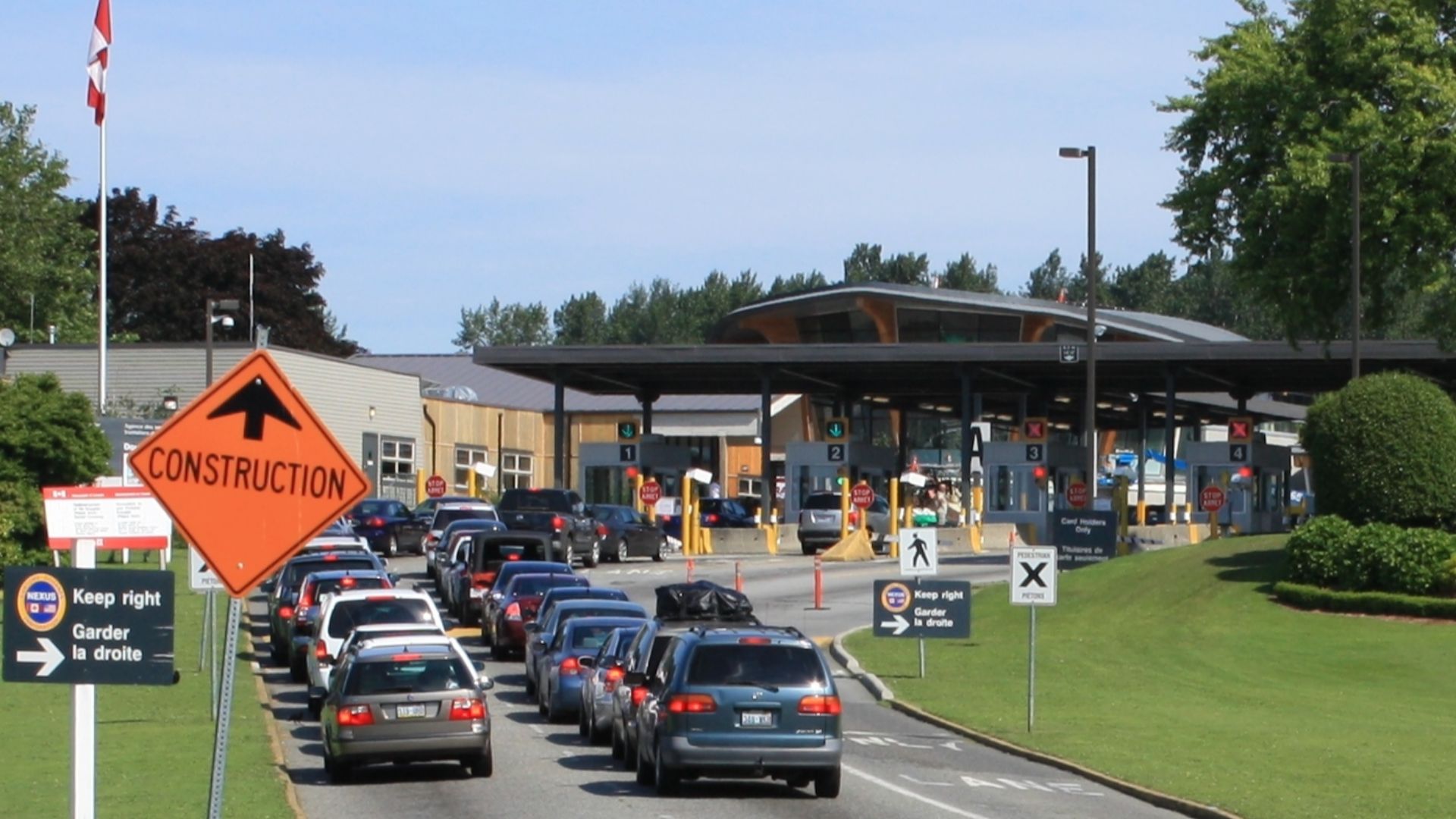
Canada can feel remarkably familiar to Americans, especially when the destination is only a few hours away by car. That familiarity sometimes makes the border crossing seem more casual than it really is. Canada determines entry requirements based on citizenship, immigration status, method of travel, and the documents a traveler carries. American citizens do not need a Canadian visa or electronic travel authorization when traveling with a valid U.S. passport, but they still have to satisfy Canadian entry requirements.

Flying And Driving Can Mean Different Documents
The document rules become more confusing because arriving by air is not always treated the same way as arriving by land. Canada strongly recommends that American citizens travel with a valid passport because it is the most reliable and universally accepted travel document. U.S. lawful permanent residents face additional documentation rules that vary according to whether they arrive by air, land, or water. Checking the exact requirements for your travel method is safer than assuming the rules are identical.
Getting Into Canada Is Only Half The Equation
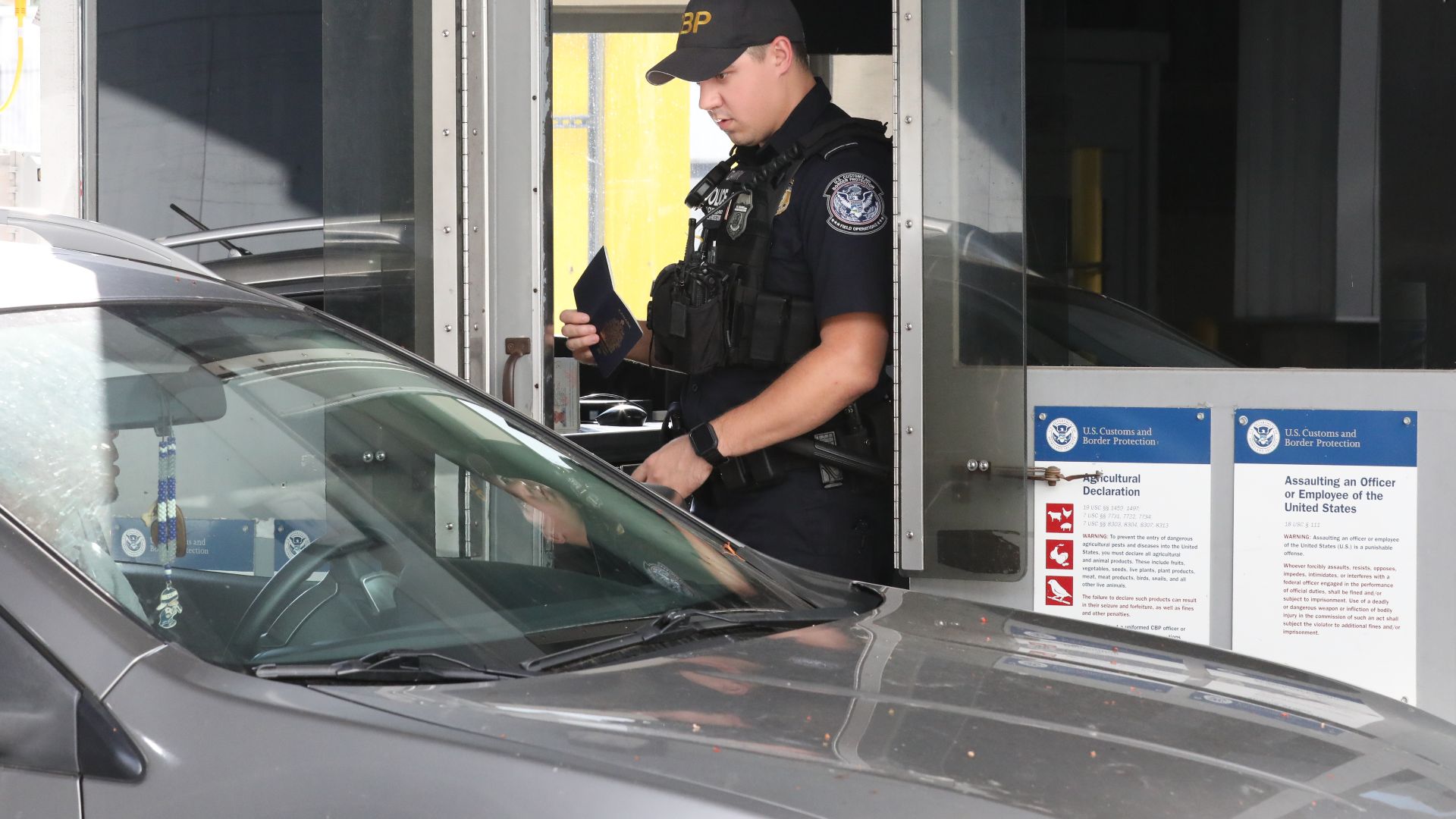
American road trippers also have to think about what they will need when they return home. U.S. Customs and Border Protection requires U.S. citizens entering the United States by land or sea to present a Western Hemisphere Travel Initiative compliant document. Accepted options can include a U.S. passport, passport card, certain enhanced driver's licenses, and qualifying trusted traveler cards. The document that gets you into Canada therefore needs to be considered alongside the document you will use coming home.
 CBP Photography, Wikimedia Commons
An Old DUI Can Complicate A Vacation
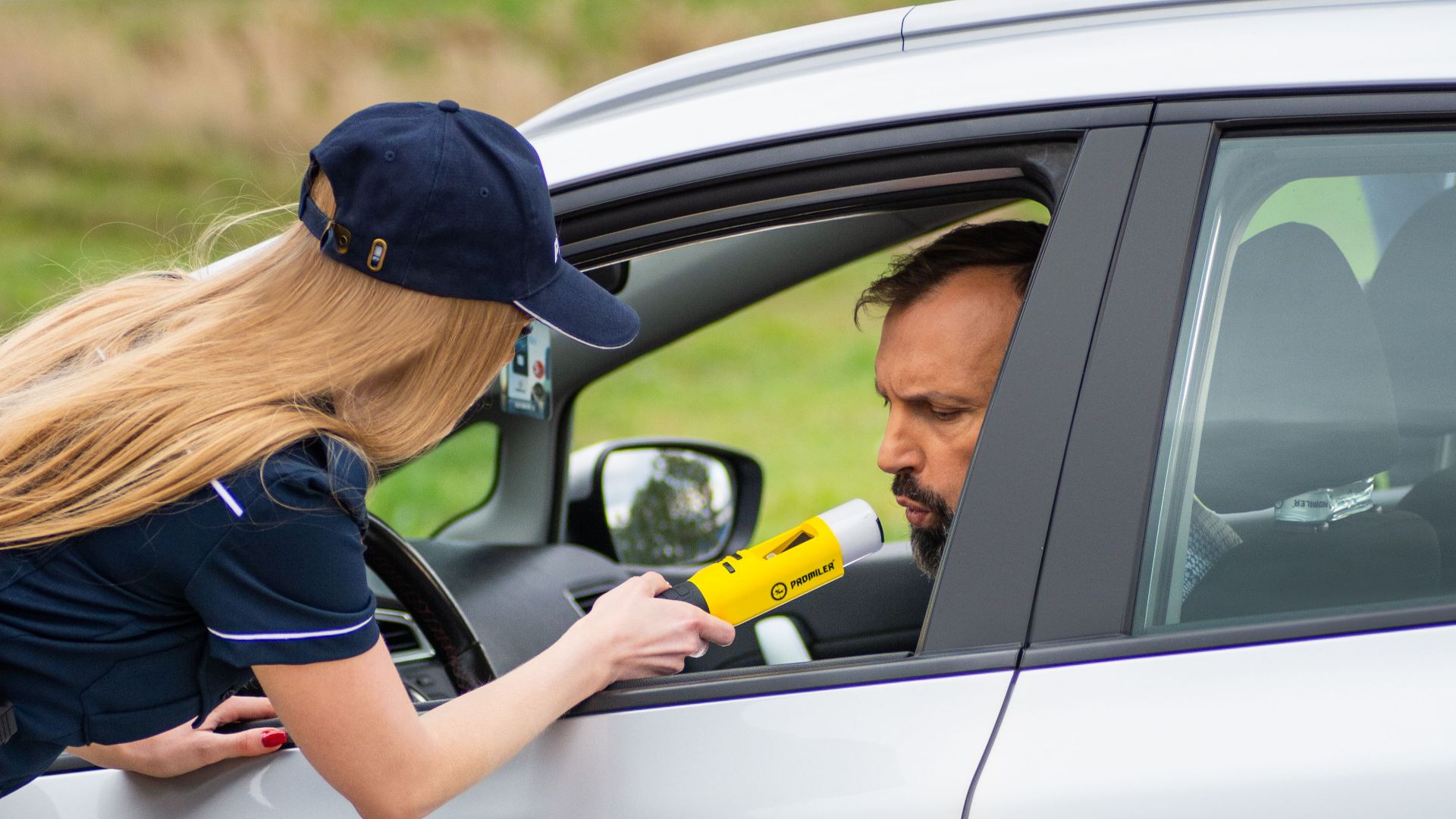
A past impaired-driving conviction can create a problem that surprises travelers who have crossed many other international borders without trouble. Canadian immigration authorities state that a conviction for driving while impaired by alcohol or drugs can make a foreign national inadmissible to Canada. Depending on the circumstances, there may be legal routes for overcoming that inadmissibility, but admission is not automatic. Anyone with a relevant criminal history should investigate the issue before reaching the border.
Traveling With Children Can Mean More Paperwork
Families may encounter another layer of documentation when a child is traveling without both parents or legal guardians. Canadian authorities recommend carrying a signed consent letter showing that the absent parent or guardian has agreed to the trip. The letter is not generally a legal requirement in Canada, but border officials or airlines can request it and missing documentation can cause delays. This can matter even on what feels like a simple family road trip from the United States.

Legal Cannabis Cannot Simply Cross The Border
Canada's legalization of recreational cannabis creates one of the easiest assumptions for visitors to get wrong. Transporting cannabis across Canada's international border remains illegal without specific federal authorization, even when the cannabis was legally purchased where the traveler started. The restriction covers products containing THC as well as CBD oils. In practical terms, legal possession on either side of the border does not make international transportation legal.

Food In The Car May Need To Be Declared
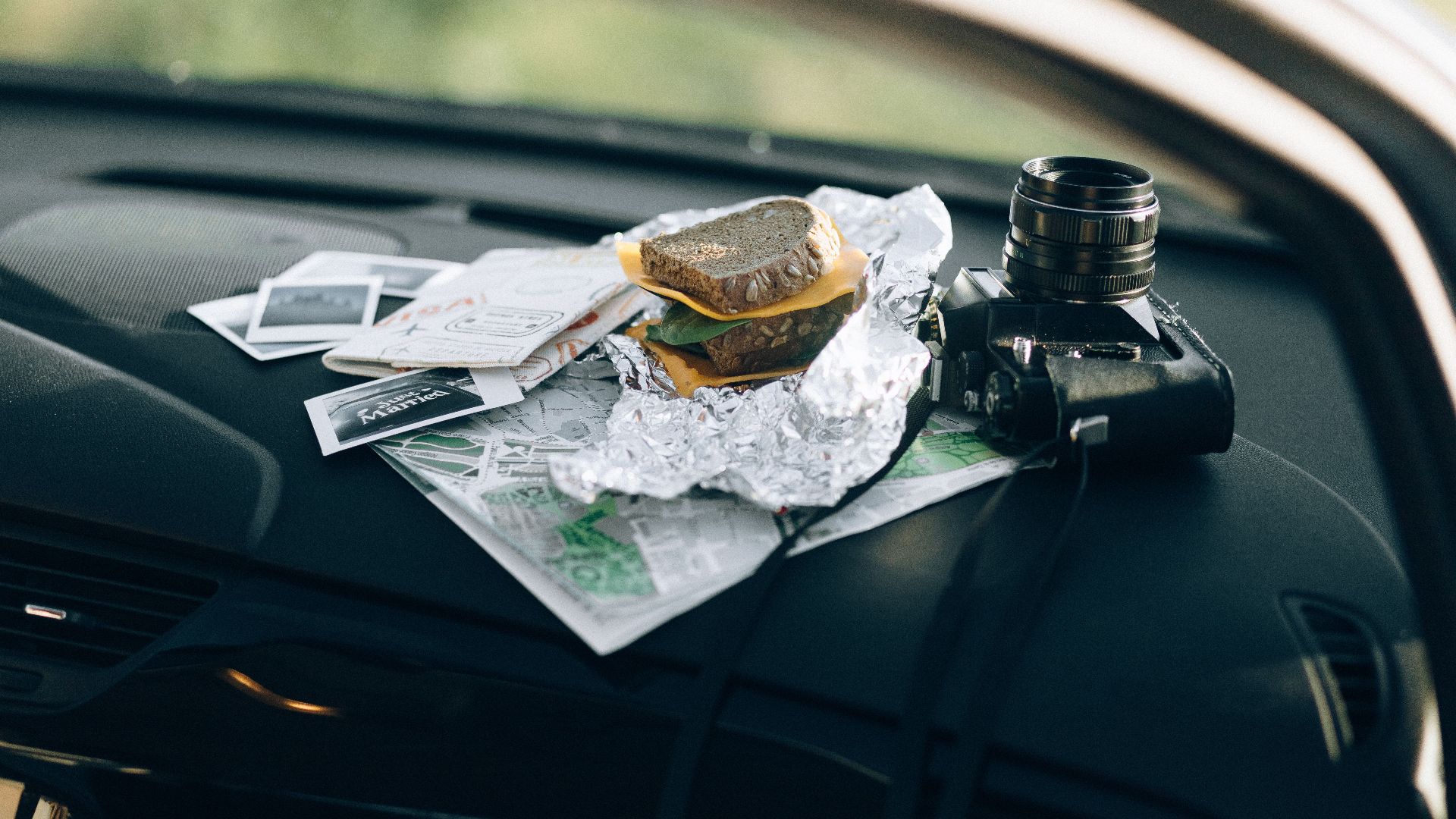
That half-eaten vacation snack can also create more questions than expected. Travelers entering Canada must declare food, plant, and animal products, and restrictions can vary according to the product and its country of origin. Canadian authorities recommend checking the requirements before bringing food across the border rather than deciding whether something seems harmless. Failing to declare regulated items can result in seizure or penalties.
Bringing A Pet Takes Advance Checking
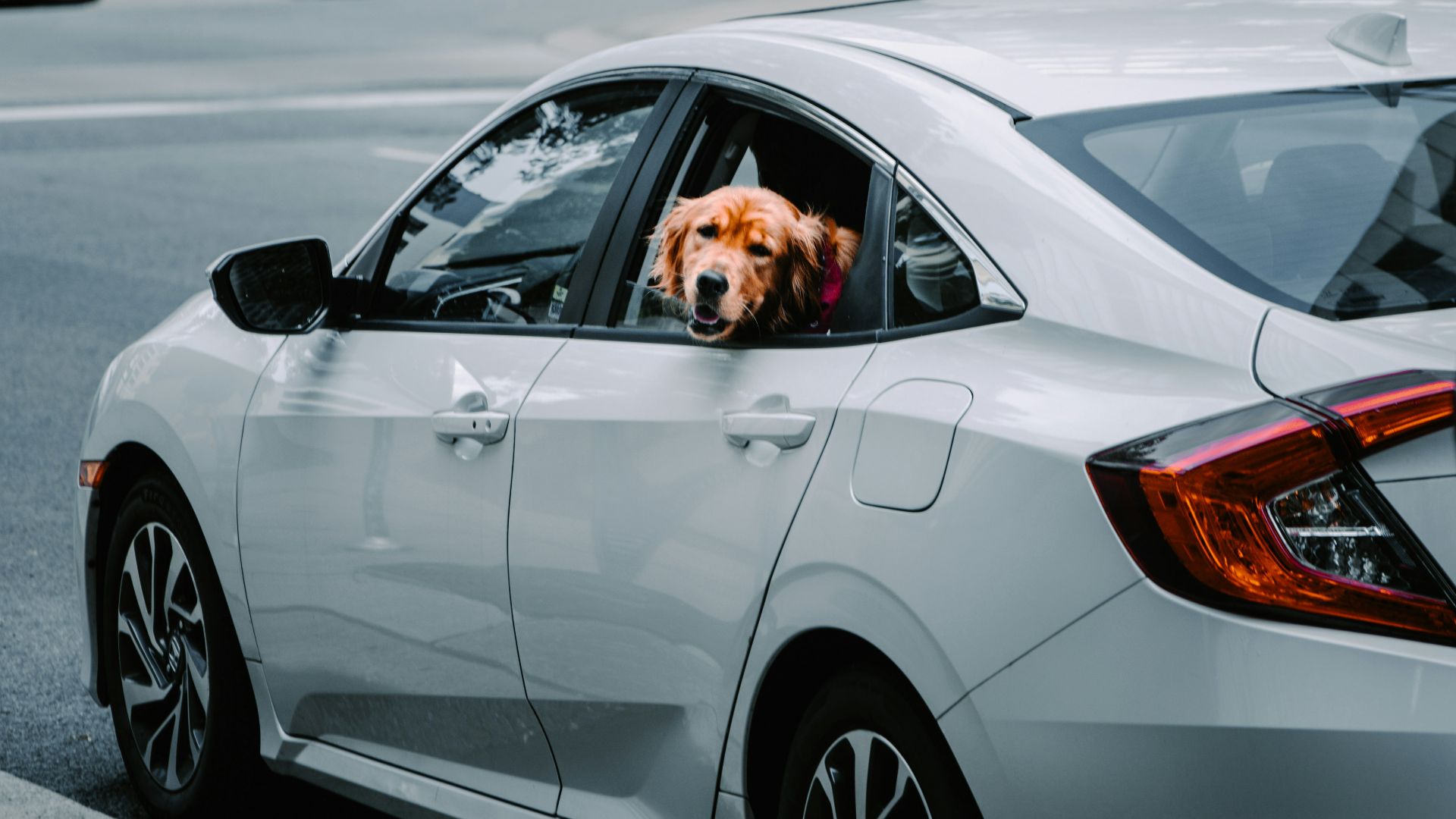
Dogs and other pets do not simply ride across the border as ordinary passengers. Canada requires travelers to declare animals and comply with applicable import documentation, vaccination, and health requirements. Border officers can refuse entry or detain an animal when required certificates are missing or when health concerns exist. Travelers should therefore verify the rules for their particular animal before leaving home.
Firearms Require Much More Planning
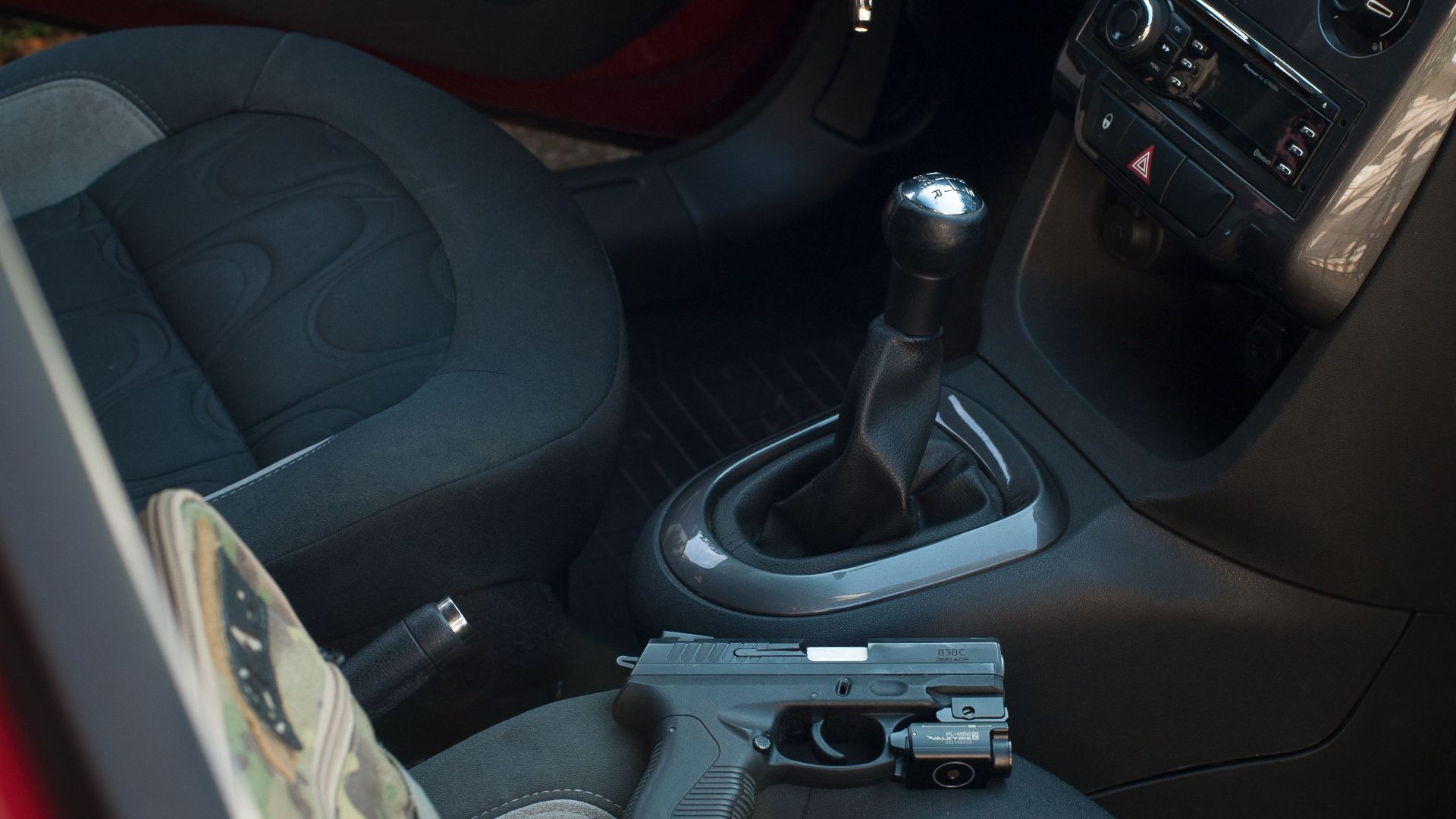
Americans accustomed to traveling domestically with firearms can run into significantly different rules in Canada. Firearms must be declared, and different procedures apply depending on how Canada classifies the weapon. A visitor bringing an eligible non-restricted firearm without a Canadian firearms licence generally needs to complete a Non-Resident Firearm Declaration and pay a fee. Other weapons can be restricted or prohibited altogether, making advance research essential.
 Dan Galvani Sommavilla, Pexels
Large Amounts Of Cash Must Be Declared
Canada does not prohibit travelers from carrying large amounts of money across the border. However, anyone entering or leaving Canada with currency or monetary instruments valued at CAN$10,000 or more must declare them. The rule can apply to more than physical Canadian banknotes, so travelers carrying substantial funds should review the definition beforehand. It is another example of a perfectly legal item that still creates a declaration obligation.

Prescription Medicine Has Its Own Rules
Visitors can generally bring personal quantities of prescription medication into Canada, but the rules are more specific than simply tossing medicine into a suitcase. Health Canada states that visitors may bring a personal-use quantity for themselves or someone traveling under their care, subject to applicable requirements. Packaging and proof that the medication is intended for the traveler can matter. A drug available casually in the United States may also be regulated differently in Canada.

Canadian Health Care Is Not Free For Tourists
Canada's publicly funded health system sometimes creates a misleading impression for foreign visitors. The Canadian government does not pay hospital or medical expenses for ordinary visitors to the country. Travelers are advised to obtain health insurance that covers medical costs before arriving. Even a short trip across the border can therefore justify checking whether an existing U.S. insurance policy actually covers treatment in Canada.
 U.S. Navy photo by Mass Communication Specialist 2nd Class Elizabeth Allen, Wikimedia Commons
The Speedometer Suddenly Requires Mental Math
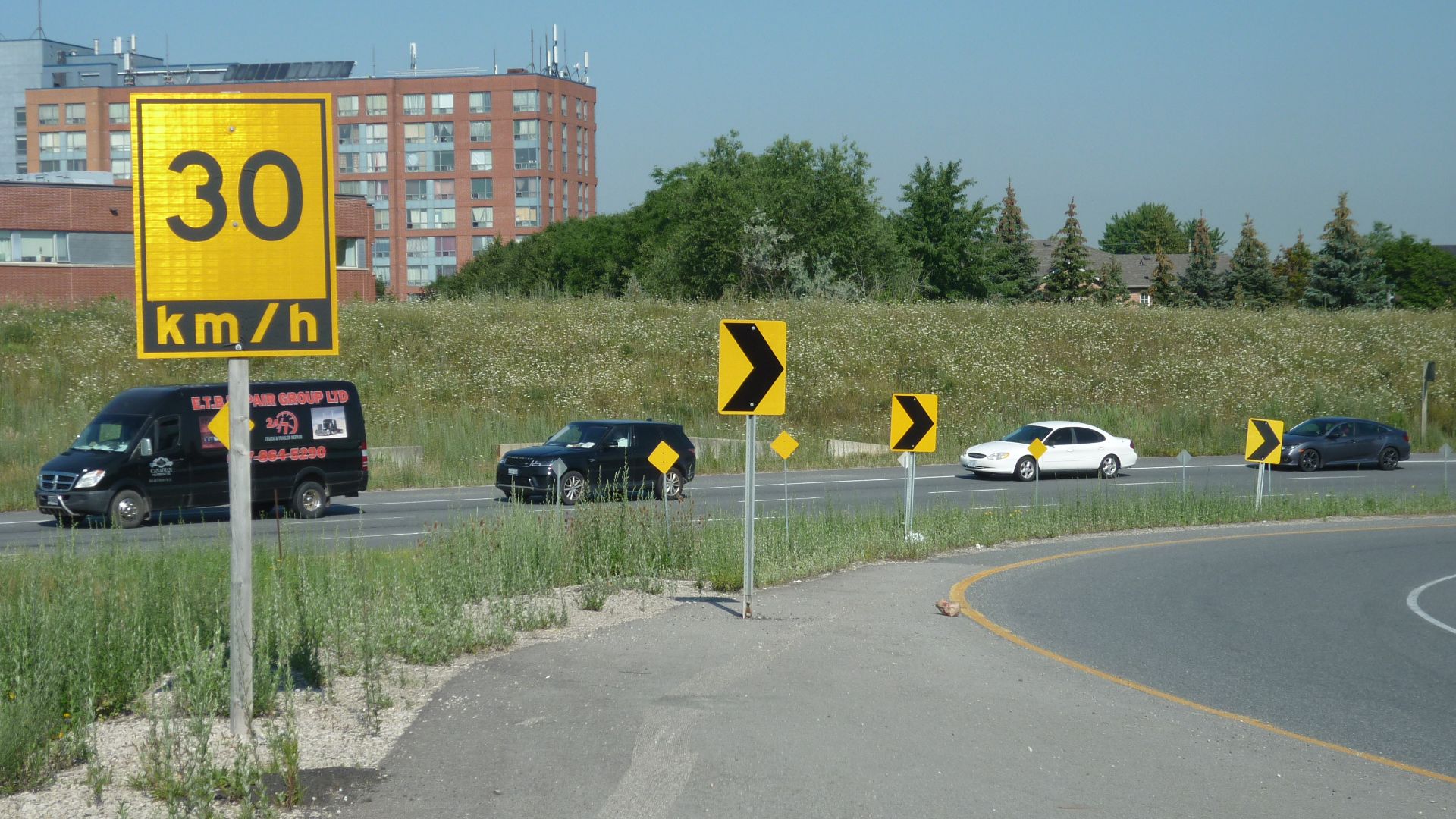
Road signs in Canada use kilometres and kilometres per hour rather than miles and miles per hour. That means a posted speed limit of 100 does not mean anything close to 100 mph. Americans driving a vehicle with both scales on the speedometer usually adjust quickly, but distances and speeds can still require a mental reset. Canada officially uses kilometre measurements throughout its road system.
Fuel Is Sold By The Litre
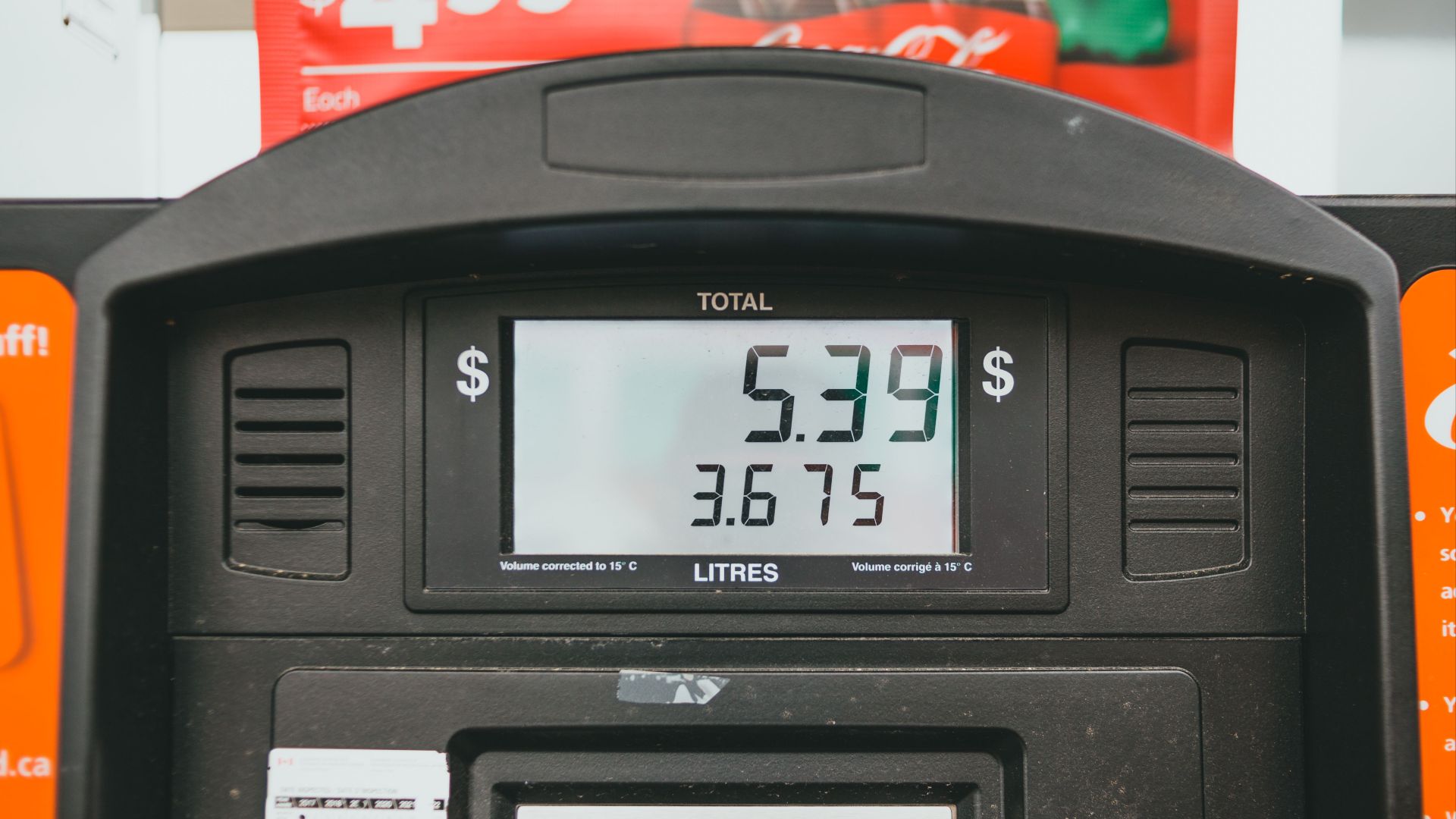
The measurement change continues when it is time to fill the tank. Canadian fuel is priced and sold by the litre, which can make direct comparisons with American gallon prices awkward at first glance. Exchange rates create a second calculation because the posted amount is generally in Canadian dollars. A price that initially looks inexpensive or expensive therefore cannot be compared directly with the number displayed at a U.S. pump.
Provincial Driving Rules Really Do Differ
Canada's provinces have considerable authority over road rules, which means a habit that is legal in one destination may change after crossing a provincial boundary. Travelers should not assume that driving regulations operate exactly like a single nationwide code. Winter equipment requirements are a particularly clear example because British Columbia and Quebec apply different rules. Checking provincial transportation guidance is useful whenever a road trip crosses several parts of the country.
Montréal Changes The Right-On-Red Rule
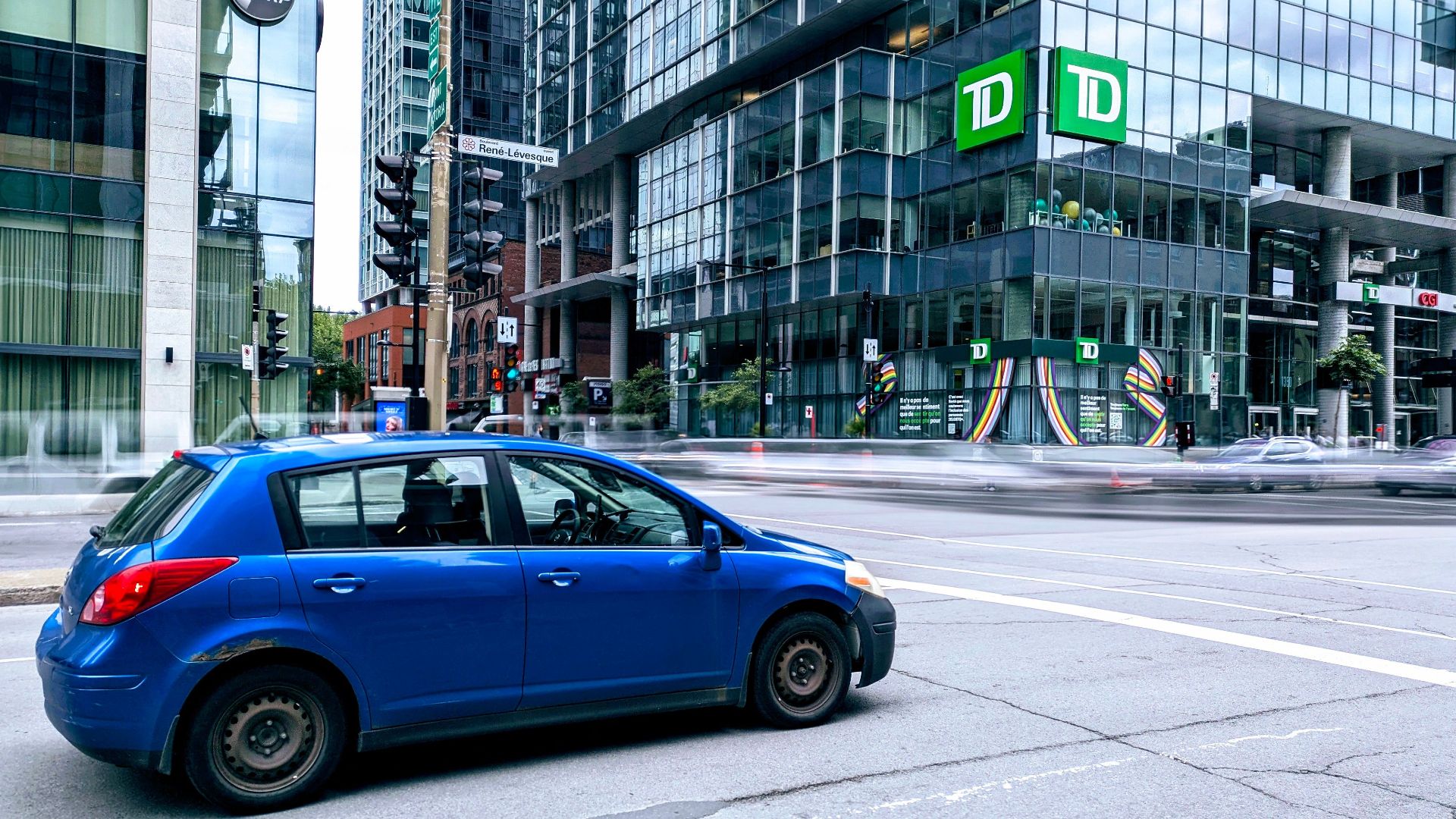
American drivers may be accustomed to turning right at a red light unless a sign prohibits it. Quebec generally allows the maneuver after a complete stop when it is safe, but there is a major exception. Right turns on red are prohibited across the island of Montréal. That single geographic exception can easily surprise visitors who were legally making the same turn elsewhere in Quebec earlier that day.
British Columbia Takes Winter Tires Seriously
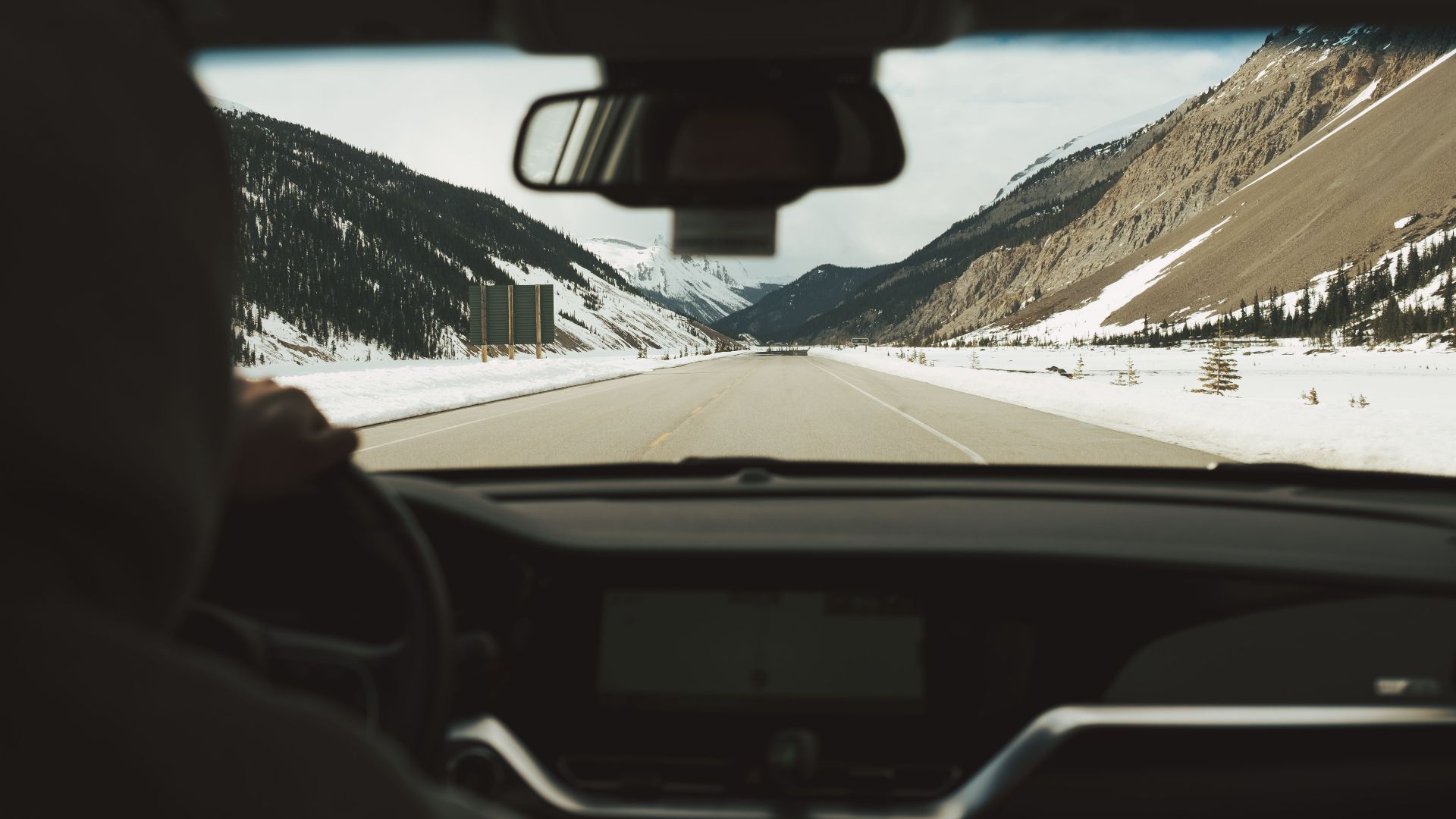
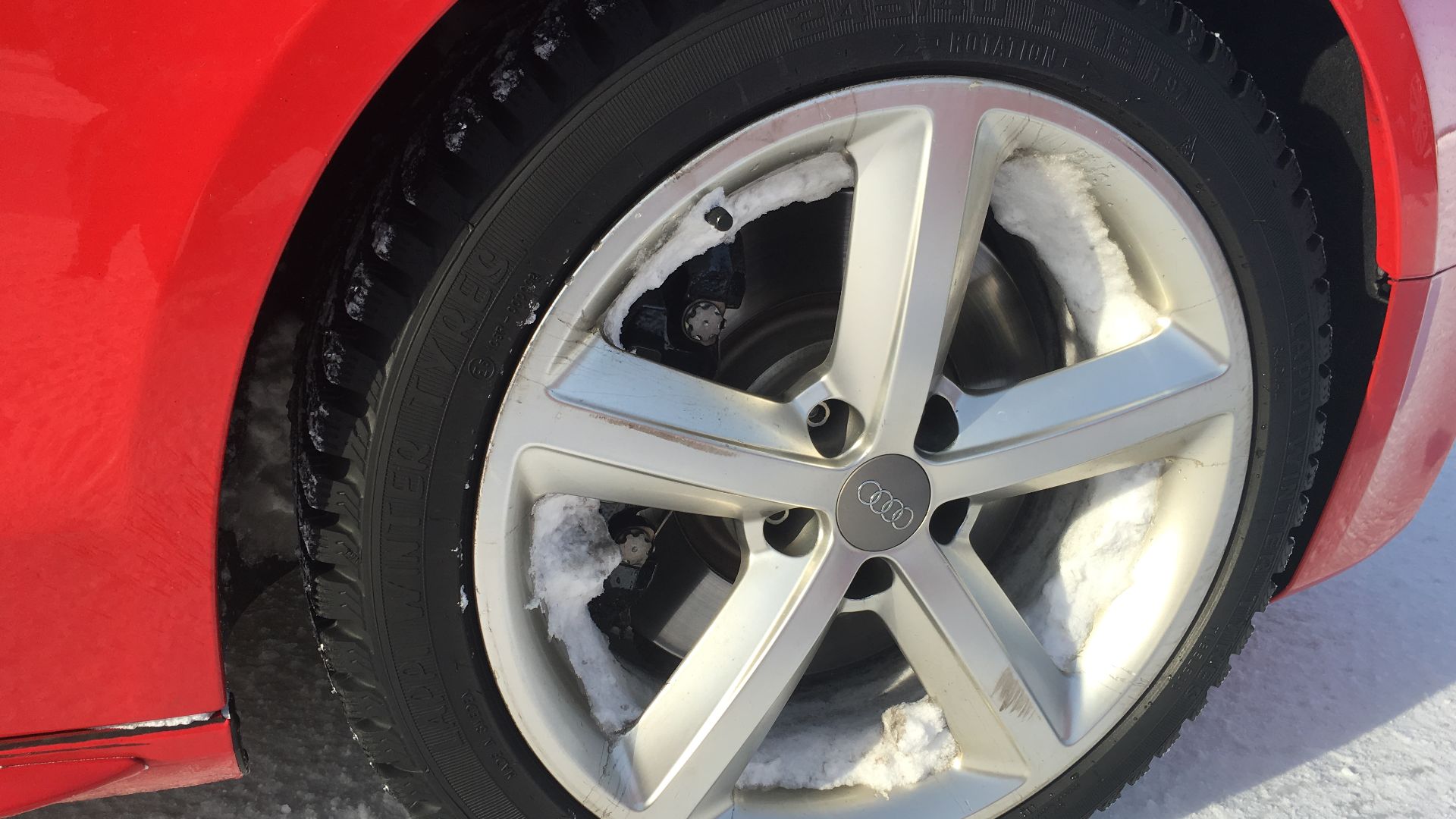
A scenic drive through British Columbia can require more preparation than visitors expect. Winter tires or chains are mandatory on most designated provincial routes between October 1 and April 30, although some routes end the requirement on March 31. The requirements also apply to vehicles arriving from outside British Columbia. Travelers renting a car for mountain travel should verify the tires rather than assuming every rental vehicle is equipped for every route.
 Jan Haderka, Wikimedia Commons
Quebec Uses A Different Winter-Tire System
Quebec's winter-tire requirement works differently from British Columbia's. From December 1 through March 15, motor vehicles registered in Quebec generally must have compliant winter tires. Vehicles registered outside Quebec are exempt from that particular provincial requirement, although winter conditions can obviously still make suitable tires important. The difference shows why a single rule for "driving in Canada" can be misleading.
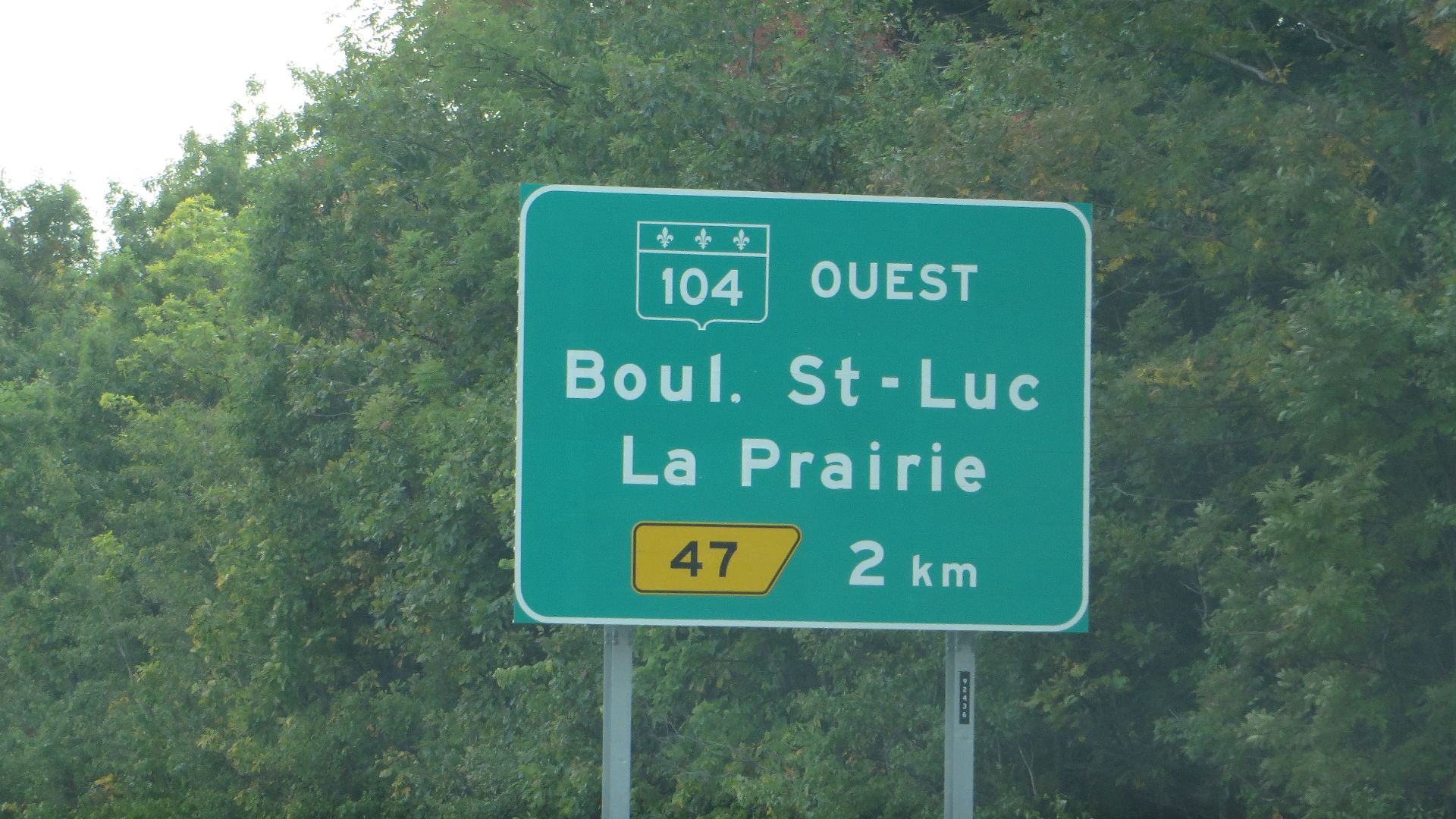
French Road Signs Can Slow You Down
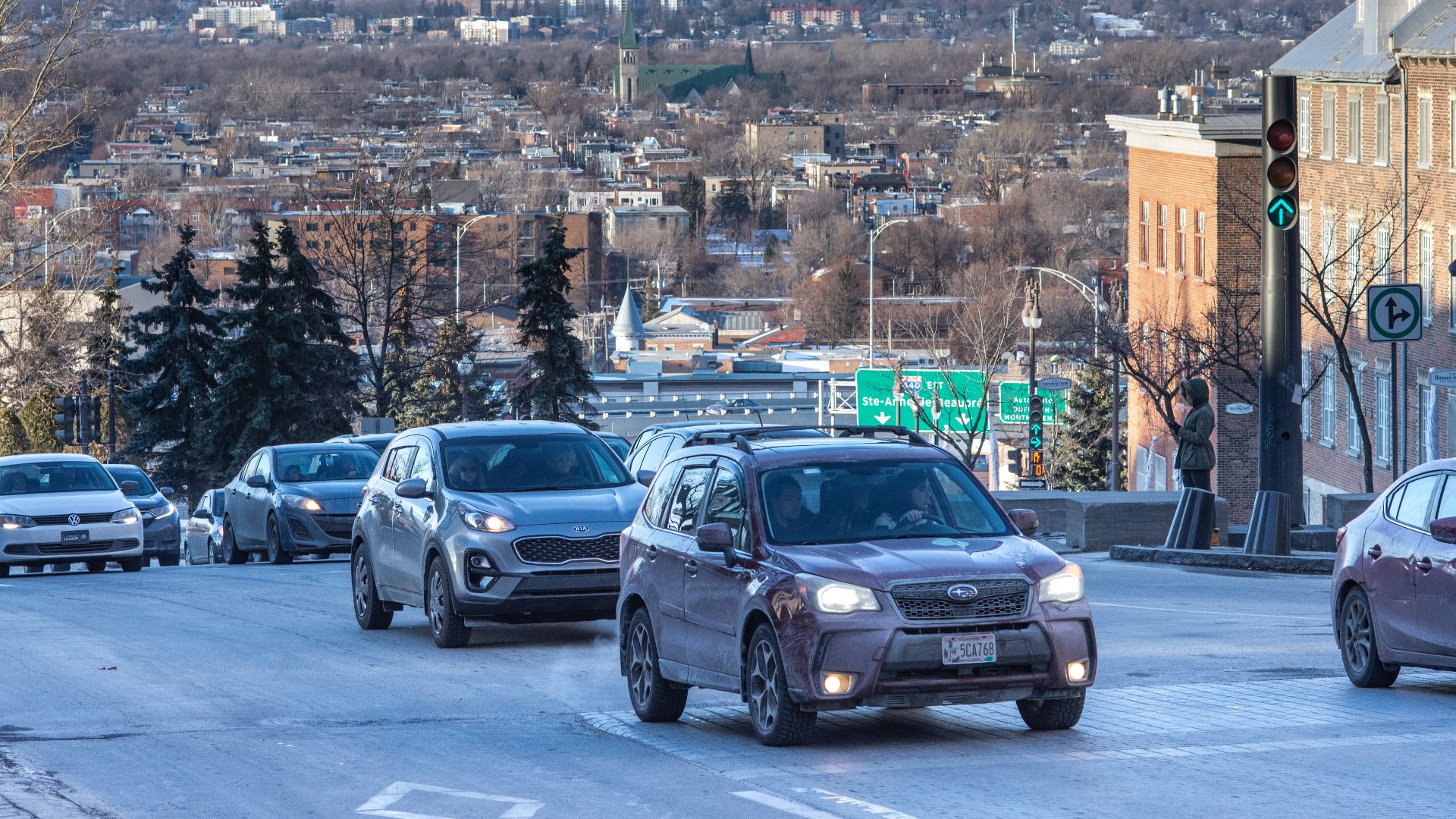
Traveling through Quebec also introduces a language adjustment. French is the province's official language, and road and tourism signage commonly uses French wording. Many symbols remain intuitive, but unfamiliar vocabulary can make parking restrictions, detours, and local instructions less immediate for English-speaking visitors. Reviewing a few common French road terms before driving through Quebec can remove unnecessary confusion.
Sales Tax Changes With The Province
Budgeting becomes trickier because Canada does not have one single sales-tax rate everywhere. The federal GST is 5 percent in non-participating provinces, while several provinces use harmonized HST rates. Ontario currently charges 13 percent HST, Nova Scotia charges 14 percent, and New Brunswick, Newfoundland and Labrador, and Prince Edward Island charge 15 percent. Provinces such as British Columbia, Quebec, Manitoba, and Saskatchewan also have separate provincial sales-tax systems.

The Sticker Price May Not Be The Final Price
American visitors can therefore find it difficult to estimate the actual checkout total without knowing the local tax structure. Canada's own GST and HST calculator begins with the amount charged before applicable sales taxes and then adds the appropriate tax. Whether additional provincial tax applies depends on the province and the type of purchase. Moving from Alberta to British Columbia or Ontario can consequently change the tax portion of an otherwise similar purchase.

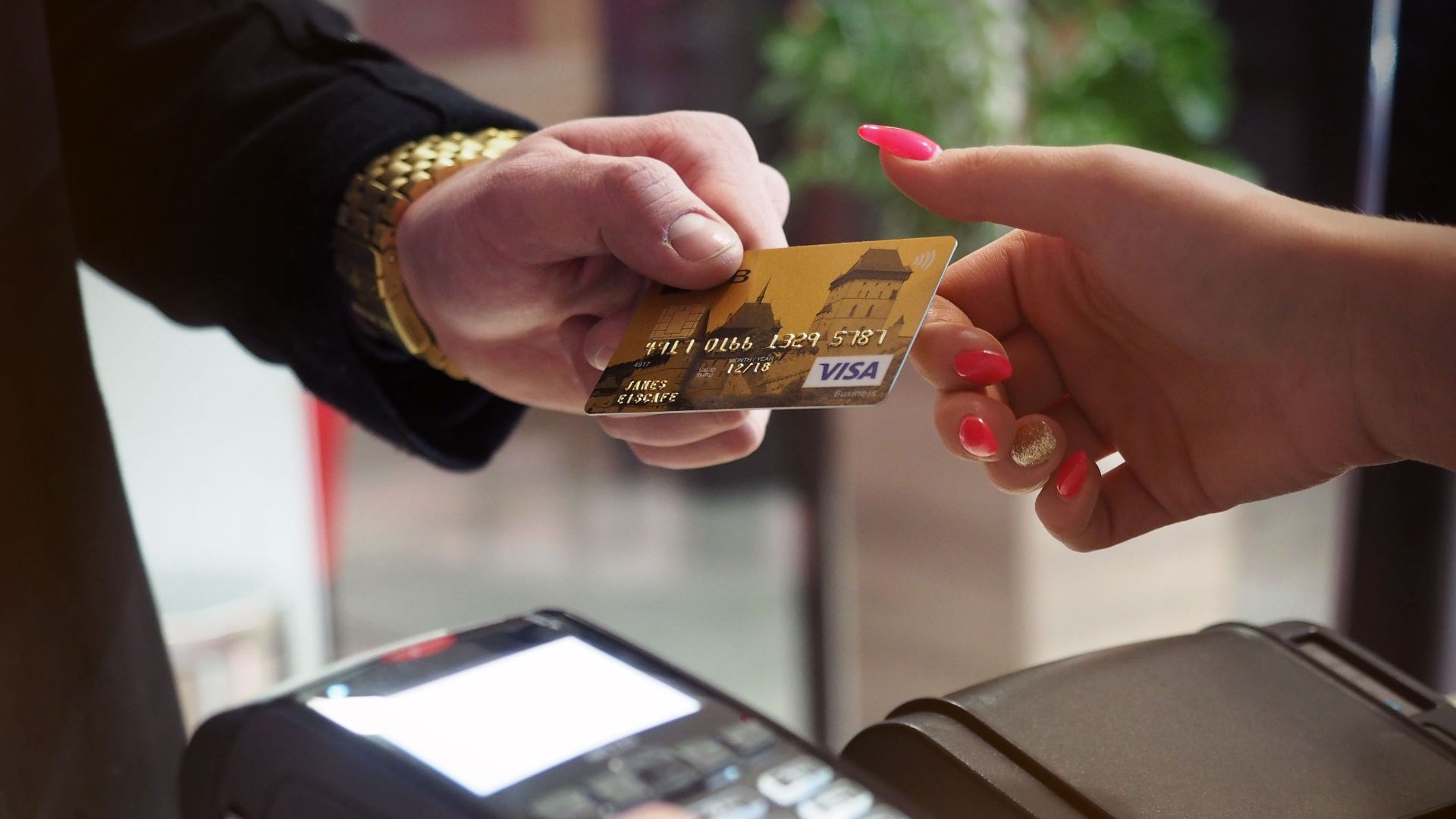
Credit Cards Can Add Another Hidden Calculation
Paying by an American credit card eliminates the need to calculate every exchange rate manually, but it does not necessarily eliminate currency costs. Card issuers can convert Canadian-dollar purchases into U.S. dollars using their applicable exchange rate and may impose a foreign-transaction fee depending on the card. Those fees come from the traveler's financial institution rather than the Canadian merchant. Checking the card's international terms before the trip makes the final cost easier to predict.
Cellphone Roaming Is Easy To Forget
Crossing the border also changes which cellular network an American phone uses. International roaming can generate additional charges for calls, messages, and mobile data unless the traveler's U.S. plan includes Canada. Phones can consume data in the background even when the owner is not actively browsing. Travelers should check their carrier's Canadian coverage or roaming package before relying on their phone for navigation throughout the trip.

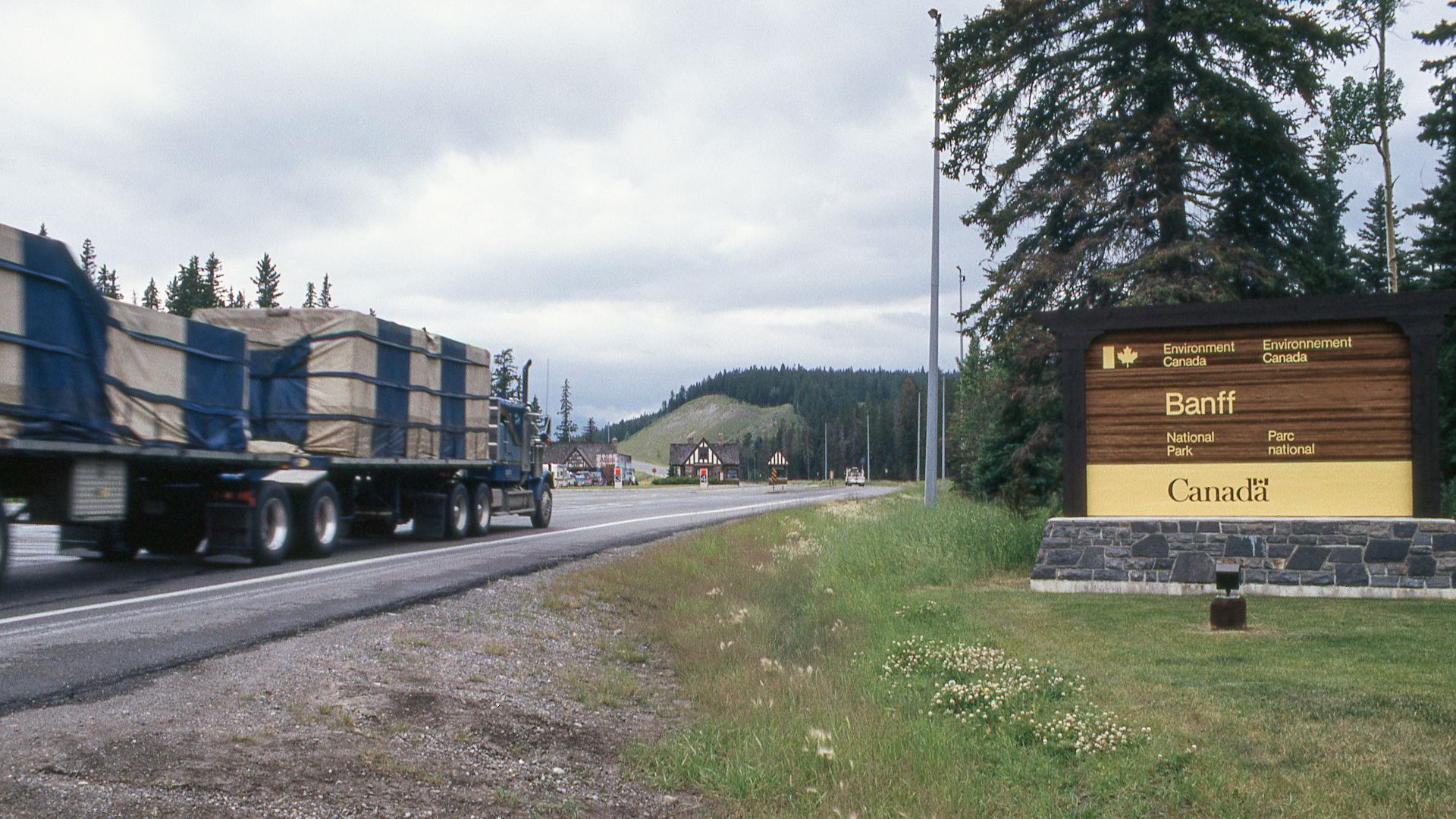
National Parks May Require More Than One Booking
A hotel reservation near a Canadian national park does not automatically solve the rest of the planning. Parks Canada charges admission at many locations, while camping, special experiences, parking, and transportation can involve separate reservations or fees. Reservation charges do not necessarily include the national park entry fee. Popular destinations therefore reward travelers who check each component rather than assuming one booking covers everything.
 Giorgio Galeotti, Wikimedia Commons
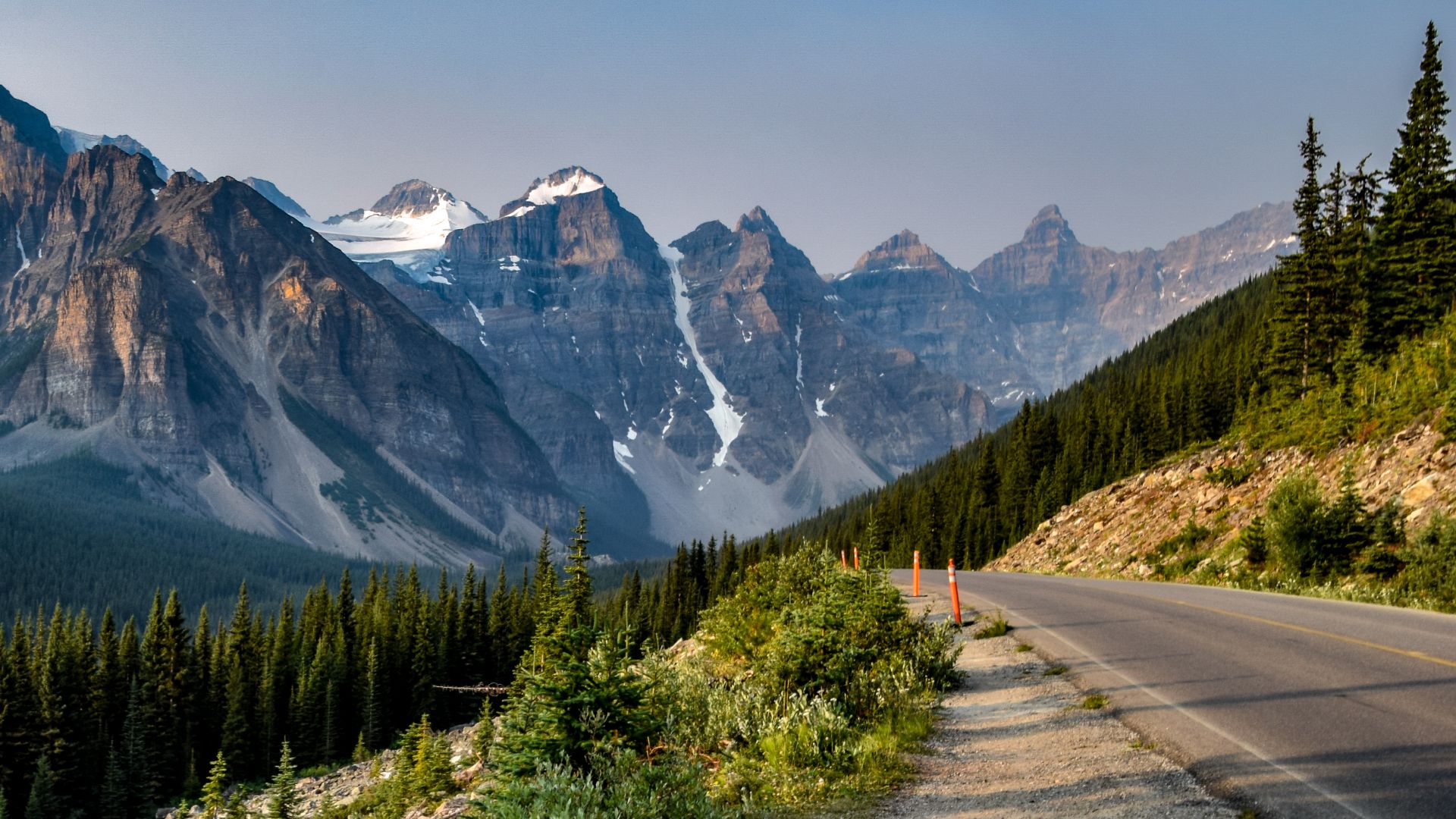
Moraine Lake Is Not A Drive-Up Attraction
Banff National Park provides one of the clearest examples of how complicated a famous sightseeing stop can become. Personal vehicles are not permitted on Moraine Lake Road, so most visitors must use authorized shuttles, public transit, or commercial transportation. Parks Canada shuttle reservations are required, and part of the available inventory is released shortly before the travel date. Someone arriving with a rental car and no transportation plan can discover that reaching the lake requires more preparation than expected.
Park Reservations Follow Local Time
Canada's size creates another subtle booking issue. Parks Canada states that reservation times are based on the local time of the park or historic site involved. That matters when travelers are booking from another province or from the United States during a timed reservation release. A popular campsite or shuttle can therefore require paying attention to the destination's time zone rather than the traveler's current clock.

Newfoundland Even Adds A Half Hour
Most Americans expect time-zone changes to happen in full-hour steps. Newfoundland breaks that expectation because Newfoundland Time is offset by an additional half hour compared with neighboring zones. During daylight time, for example, Newfoundland Daylight Time is UTC minus two hours and thirty minutes. A cross-country Canadian itinerary can consequently produce a clock change that looks almost like someone entered the time incorrectly.
 CyberDetroit, Wikimedia Commons
Shopping Creates Rules On The Way Home
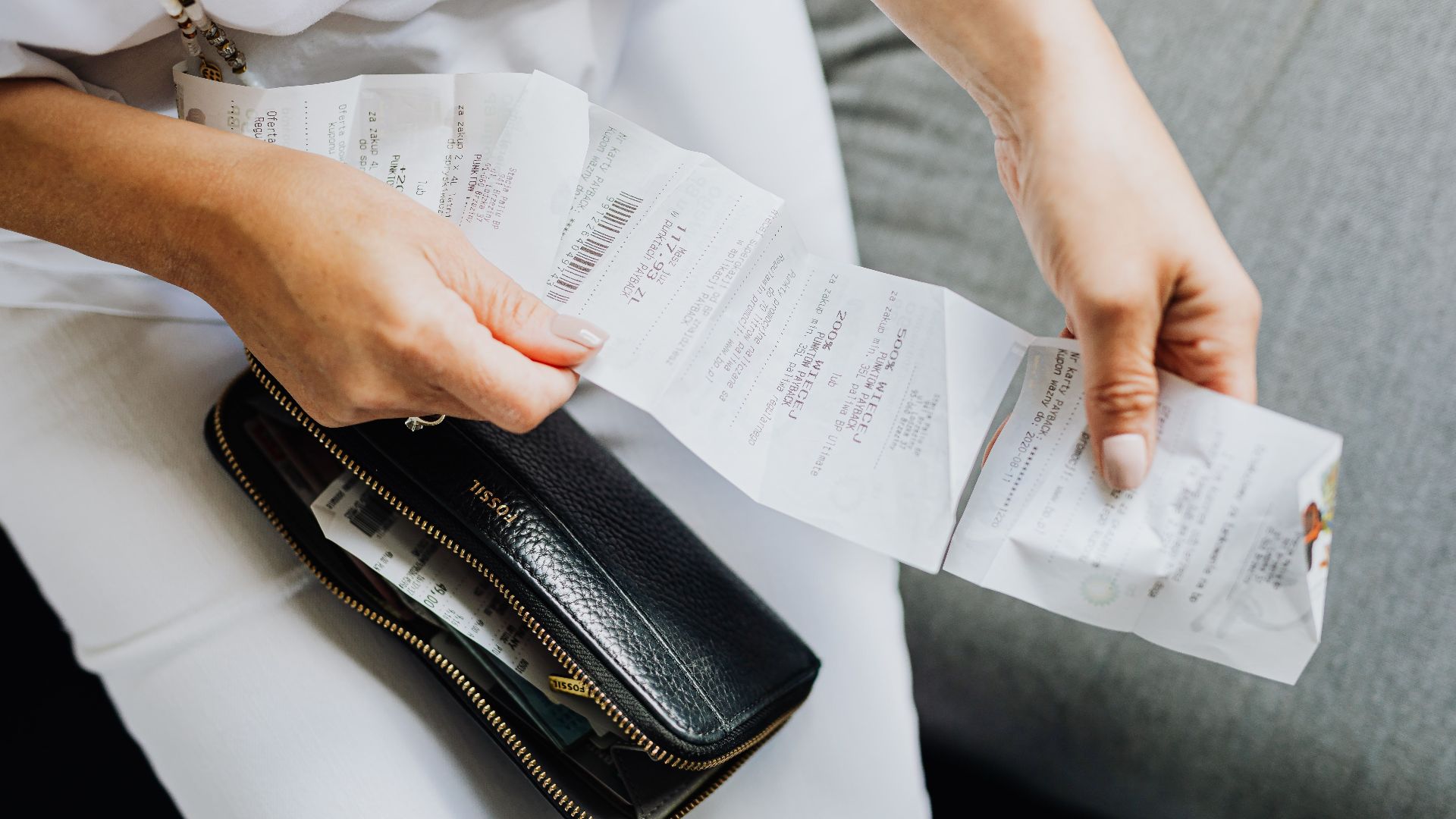
The border paperwork is not finished simply because the Canadian vacation is ending. U.S. travelers returning with purchases must declare merchandise to U.S. Customs and Border Protection, and personal duty exemptions depend on the circumstances of the trip. CBP states that the personal exemption is commonly $800, although exceptions and product-specific limits can apply. Keeping receipts makes it easier to explain what was purchased and how much it cost.
 https://kaboompics.com/, Pexels
Canada Is Easy Once You Stop Treating It Like America
Most of these complications are manageable because the information is publicly available before departure. The larger problem is assuming that proximity means identical rules. Border procedures, road laws, taxes, measurements, park systems, and provincial regulations can all change during a single trip. Travelers who treat Canada as a genuinely international destination usually find the experience far easier to navigate.
 dherrera_96 derivative work: Blueiculous (talk), Wikimedia Commons
You May Also Like:




.jpg)