A Flight Time Change That Can Wreck Your Trip
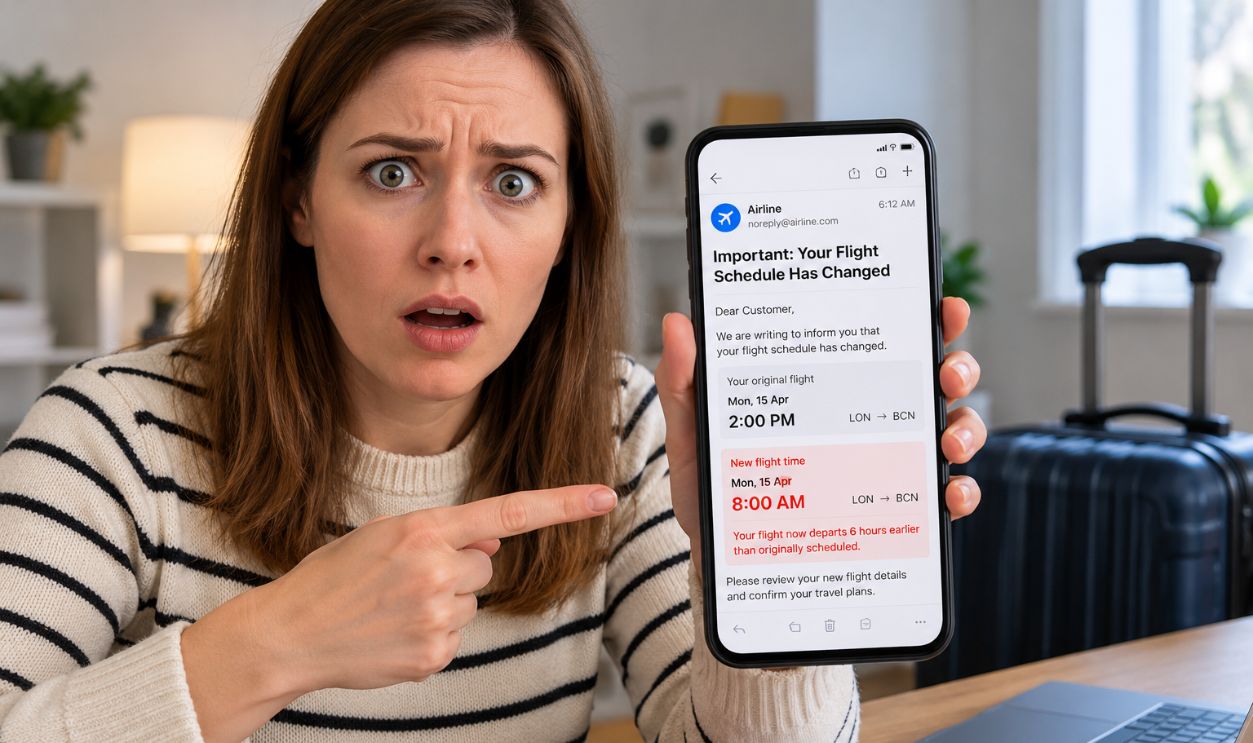
Picture this: you check your reservation and see that your flight now leaves six hours earlier than when you booked it. That is more than a hassle. In some cases, it can leave you marked as having missed a flight you never had a fair shot at catching.
Why It Feels So Wrong
When an airline moves a flight later, you can usually still make it. When it moves the flight up by hours, that is a different story. You can go to sleep with a valid booking and wake up to find that, on paper, you already missed your flight.

The Same Complaint Keeps Coming Back
This issue shows up again and again in traveler complaints, consumer forums, and ombudsman summaries. The basic complaint is simple: the passenger booked the trip, the airline made a major change, and then the passenger got treated like they failed to show up.
 Monkey Business Images, Shutterstock
What Airlines Mean By No-Show
In airline systems, a no-show usually means the passenger did not check in or board the flight on the booking. That label matters. It can wipe out the value of the ticket, cancel the rest of the itinerary, or lead to extra rebooking costs. In air travel, it is one of the toughest labels you can get.
Airlines Can Change Schedules
Airlines are allowed to change schedules, and they do it all the time. Plane rotations, airport slot changes, crew issues, and other operational shifts can all force timetable changes. The real problem starts when the change is huge and the notice is weak, late, or easy to miss.

Ten Minutes Is Not The Same As Six Hours
A small change is one thing. Moving a flight six hours earlier is a major shift by any normal standard, especially if it pushes the trip into the middle of the night or very early morning. It can also blow up train bookings, hotel plans, childcare, and airport rides.

What U.S. Rules Say About Big Changes
The U.S. Department of Transportation says passengers are entitled to a refund when an airline makes a significant schedule change and the traveler chooses not to accept it. The DOT does not use one fixed definition of significant in every case, but it says the answer depends on things like how big the time change is and whether the routing changed. That matters because a six-hour move earlier is the kind of disruption many travelers would reasonably turn down.
 AgnosticPreachersKid, Wikimedia Commons
Why Refund Rights Matter
If an airline makes a significant change and you do not accept the new itinerary, you may have the right under U.S. rules to get your money back in the original form of payment. That can apply even to nonrefundable tickets in covered cases. It will not fix every problem, but it gives travelers some leverage.

Europe Has Important Protections Too
In Europe, air passenger rights may also apply depending on the route and airline. The European Commission says that when a flight is rescheduled, passengers may have rights to reimbursement or rerouting, and in some cases compensation may also be in play. The exact result depends on the timing, the notice given, and the details of what happened.

Notice Can Make Or Break The Case
A six-hour schedule change sent only by email may not mean much if the passenger never truly saw it. Airlines often say they gave notice using the contact details on file. Travelers often argue that an email, app alert, or message through an agency that was easy to miss should not be enough to wipe out a paid booking overnight.

Booking Through An Online Agency Can Make It Worse
When you book through an online travel agency, the airline may send schedule changes to the agency first. That can create delays, confusion, or missing contact info. By the time the traveler finds out, the system may already treat the original trip as missed.
 Summit Art Creations, Shutterstock
Why An Earlier Flight Can Be Worse Than A Cancellation
A cancellation is at least obvious. A major move earlier can be trickier because the flight still exists, just at a time the traveler never planned for. That leads to a strange result: the airline says the passenger did not show up, even though the flight they actually bought no longer existed in the same form.
Consumer Advocates Have Flagged This For Years
Traveler advocates like the team at Elliott Advocacy have long tracked complaints about schedule changes, missed notices, and no-show labels. Their advice is pretty direct: keep records, monitor your booking closely, and push back if the airline made a major change to your trip.

The Fine Print Usually Helps The Airline
Airlines write contracts of carriage that give them wide room to change schedules, aircraft, and sometimes even the carrier operating the flight. Those contracts do carry weight. But consumer protection rules and refund rights can still limit the damage when the change is big enough.

What Counts As Accepting The Change
This part is important. If a traveler clicks to accept the new itinerary or flies any part of it, the airline may say the passenger agreed to the change. If the new timing does not work for you, object fast and clearly before silence gets treated as acceptance.

Time Matters
Once a major schedule change appears, move quickly. Check the updated booking on the airline's own website, not just in a third-party app or an old confirmation email. If the new flight does not work, contact the airline and ask plainly for rerouting or a refund.

Ask One Simple Question
Tell the airline that your flight was moved much earlier and ask if they will protect you on a later flight at no extra cost. That is often the quickest fix. If there is no workable rerouting, ask for a refund and make clear that you are declining the significant schedule change.
 https://kaboompics.com/, Pexels
If The Airline Already Marked You No-Show
Do not stop after the first no. Explain that you did not miss the original flight as ticketed because the original departure time was taken away and replaced by the airline. Ask for the no-show notation to be reviewed, removed if possible, and for any later flight segments to be restored or refunded.

Keep Every Piece Of Proof
Paperwork can decide this kind of dispute. Save screenshots of the original itinerary and the new one, along with timestamps on emails or texts, chat logs, notes from phone calls, and receipts for extra costs. If the airline later says you were notified in time or accepted the change, your records are your best backup.

A Credit Card Dispute May Help
If the airline refuses a refund you think is required, a credit card dispute may be one option, depending on the facts and your card issuer's rules. It is not a sure thing, and chargebacks can get complicated, especially if any part of the ticket was used. Even so, it may be worth looking into after trying to sort it out directly with the airline.

Travel Insurance Is Not A Cure-All
Many travelers think insurance will cover the damage automatically. Sometimes it can help with missed connections, hotel costs, or extra transportation, but policy terms vary a lot. Insurance usually does not replace your main refund or rerouting rights against the airline.

Regulators Want These Complaints Reported
In the United States, the Department of Transportation takes consumer complaints about airline service and refunds. In the United Kingdom, the Civil Aviation Authority explains how passengers can escalate disputes and use approved alternative dispute resolution when available. Filing a complaint does not guarantee a result, but it does create a record and can add pressure.
 Kingofseals, Wikimedia Commons
Why This Keeps Happening
Airlines rely on huge automated reservation systems built for efficiency, not always fairness. If a schedule change moves through the system and the passenger does not respond in time, the booking may eventually get marked as unflown. It may make sense to the system, but to the traveler it can feel absurd.
The Best Way To Prevent It Is Pretty Boring
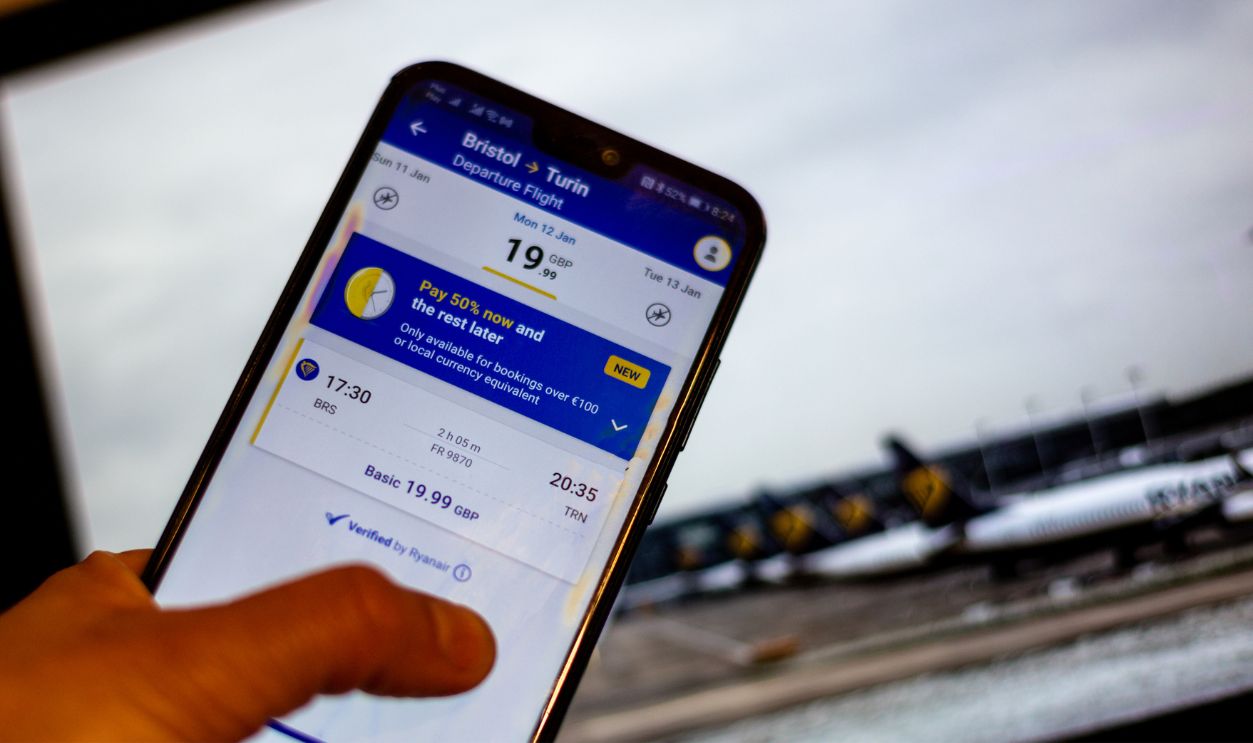
Check your booking directly with the airline in the days before departure, even if you booked somewhere else. Add your email address and mobile number to the reservation. Turn on app alerts, but do not depend on them alone.
Leave Extra Time For Important Trips
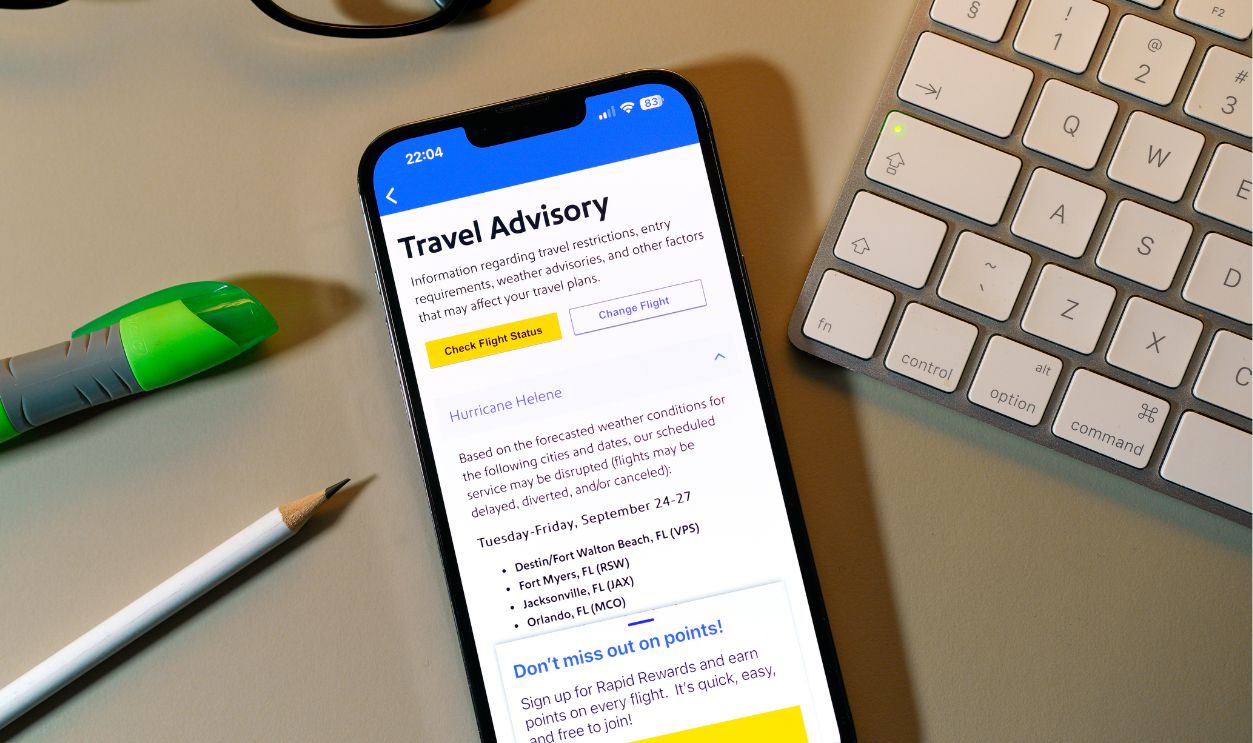
If you are flying to a wedding, cruise, tour, or another hard-to-miss event, getting there a day early can save a lot of stress. That is not always fair or affordable, but it is often the safest move. The bigger the consequences of missing the trip, the more valuable that buffer becomes.

What Fair Treatment Should Look Like
A fair rule is not hard to imagine. If an airline moves a flight earlier by many hours, the passenger should get a clear alert, a free chance to switch, and no no-show penalty if the new timing does not work. Put simply, people should not be punished for missing a flight they never agreed to take.

The Bottom Line
Can an airline move your flight six hours earlier and then mark you as a no-show? In real life, yes, it can happen. But whether that is fair, and whether it follows refund and passenger-rights rules, is exactly the kind of thing worth challenging quickly, calmly, and with solid documentation.