
A Glamorous Stay Can Go Sideways Fast
Few hotel surprises feel more movie-like than walking into the lobby and finding lights, cables, and a full production crew. It may look interesting for a minute, but for paying guests it can quickly mean noise, blocked paths, and a stay that looks nothing like what they booked. That leads to a simple question: should hotels warn guests ahead of time when a film crew will take over major common areas?

The Short Answer Is Usually Yes
There is no single federal rule in the United States that says every hotel has to disclose every on-site disruption before arrival. But consumer protection rules, state-level standards, and basic hotel service practices all point the same way. If a hotel knows a major filming event will seriously affect the guest experience, giving notice is usually the safest and fairest move.

Why This Question Matters
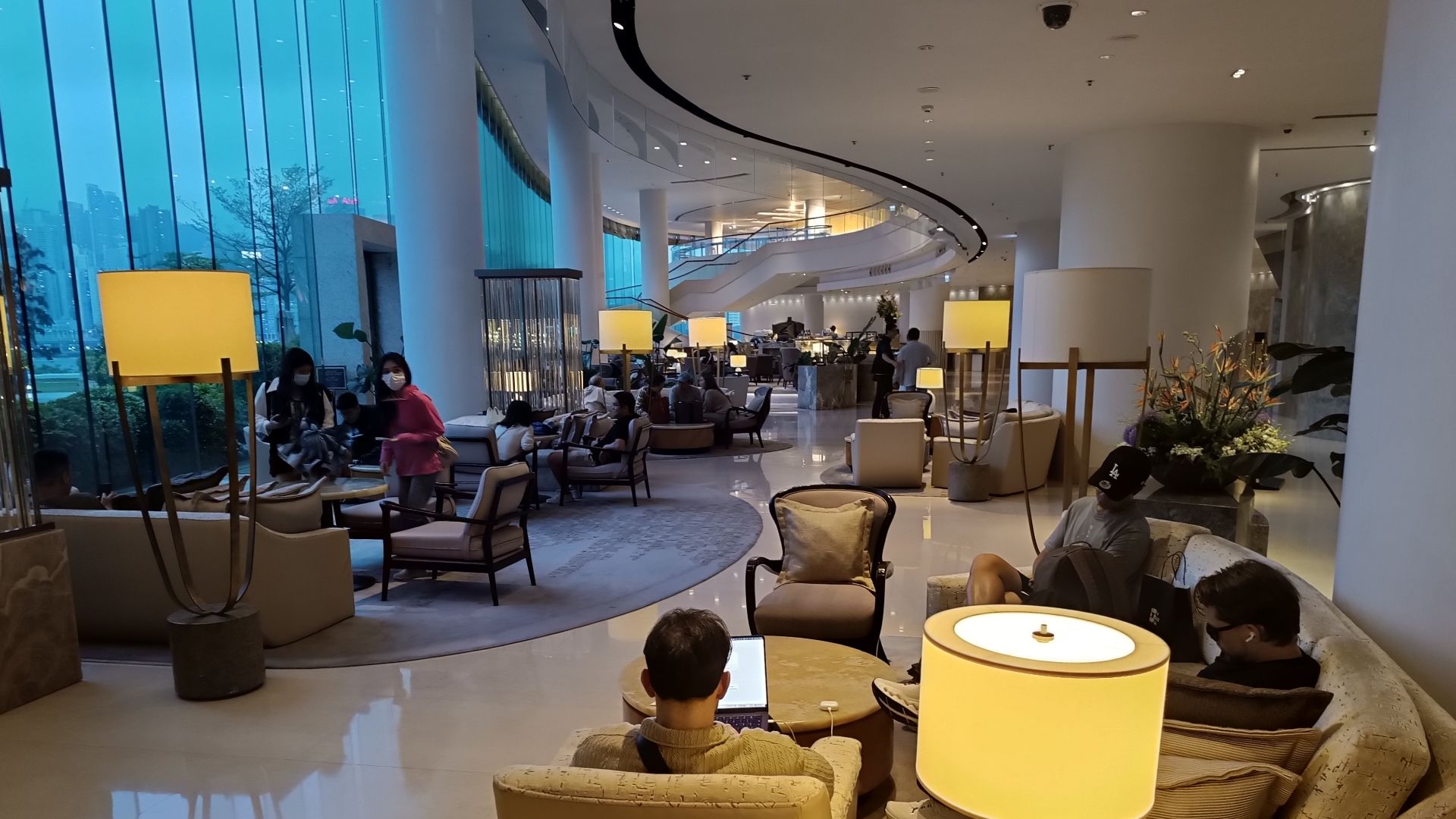
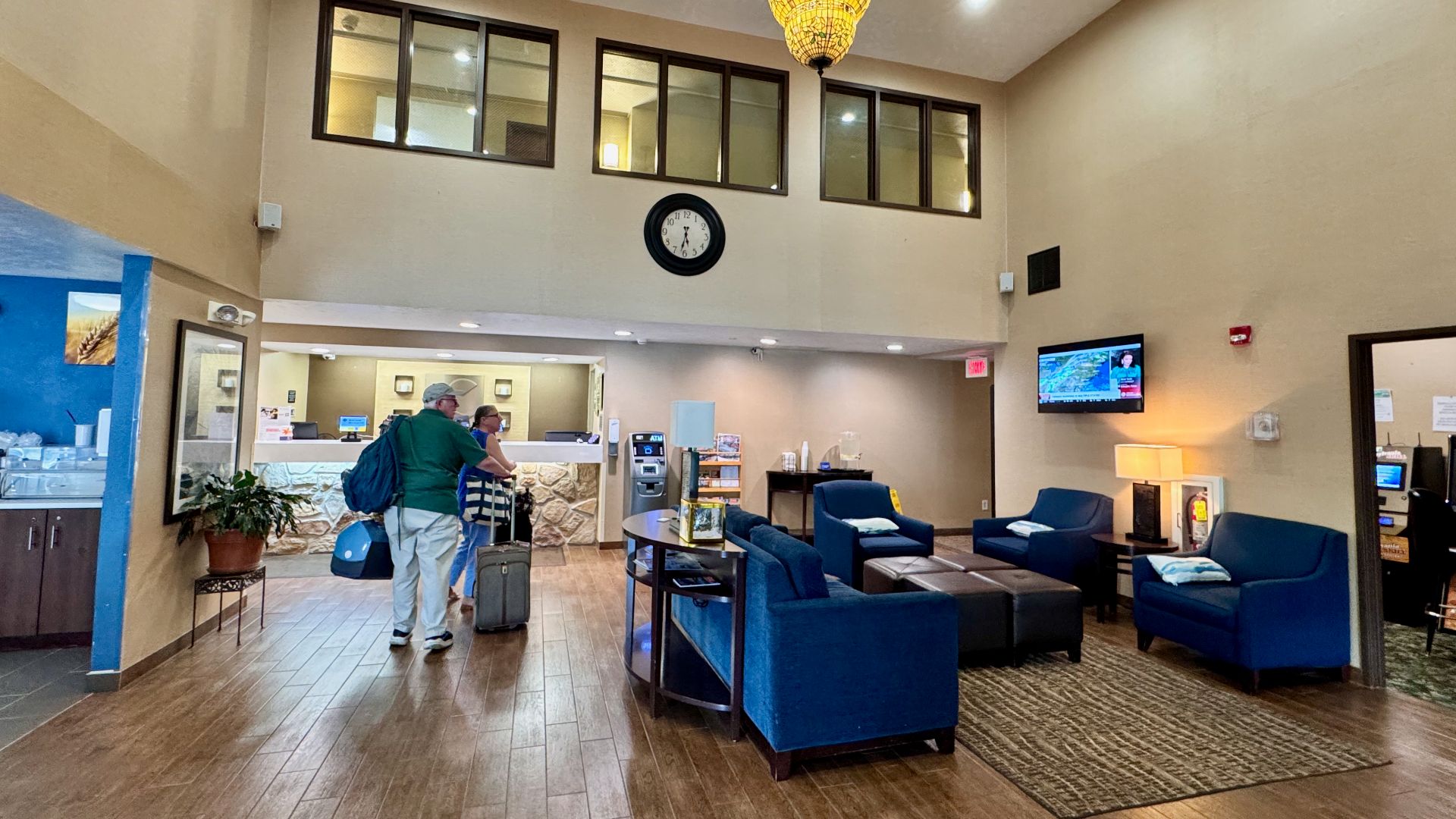
A lobby is not just there to look nice. It is where guests check in, ask for help, meet people, reach the elevators, and often sit down to work or relax. If that space is partly closed or taken over by a production all weekend, the problem is more than a small hassle.
 WMboeOO PPYEE, Wikimedia Commons
Hotels Have Hosted Film Crews For Decades
Hotels and film shoots have gone together for a long time, especially in places that sell glamour, luxury, or historic style. Productions want striking interiors and controlled spaces, while hotels can make money from location fees and get extra attention. But the upside for the property does not cancel out its duties to guests.

Filming Often Changes How A Hotel Operates
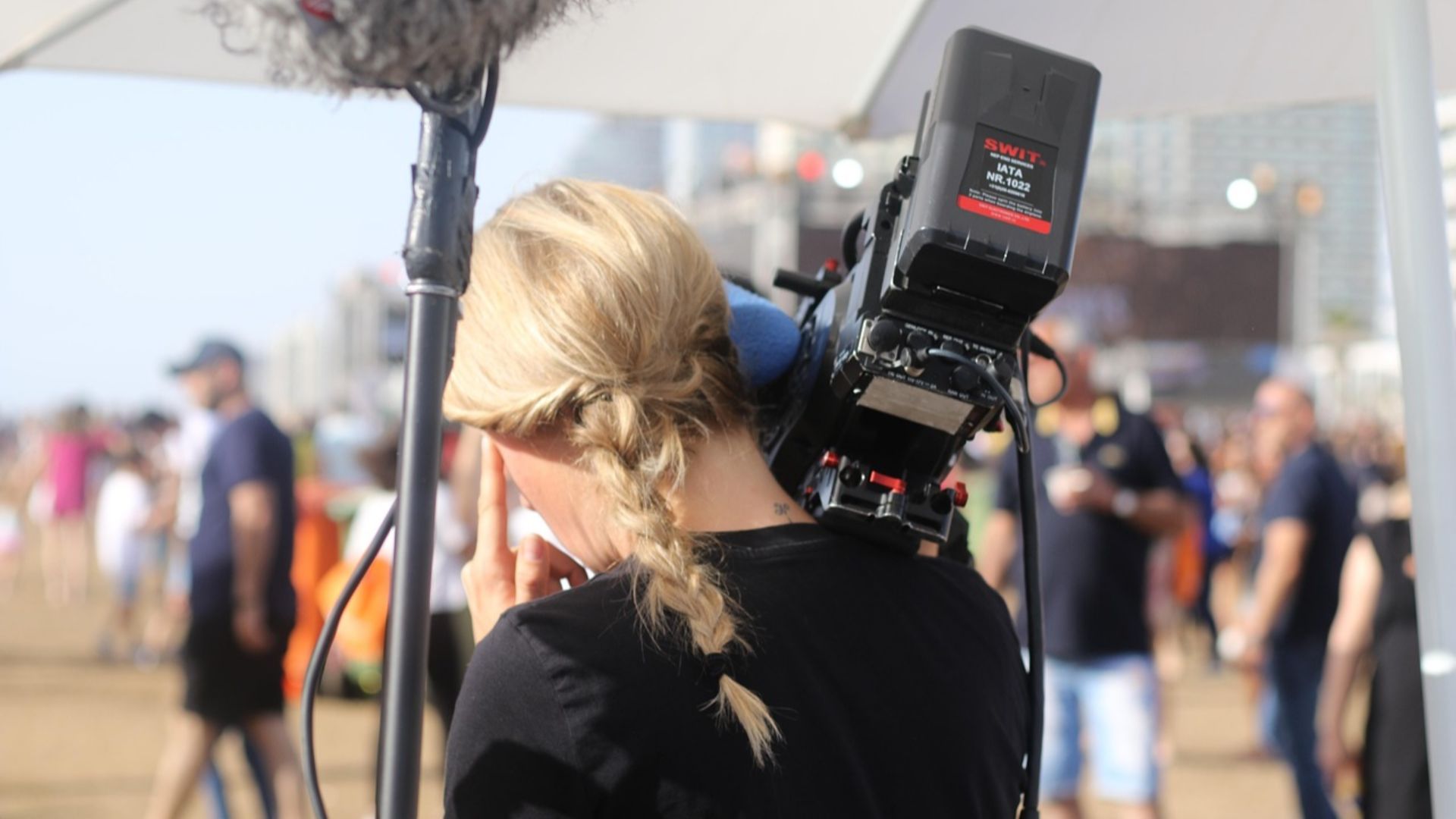
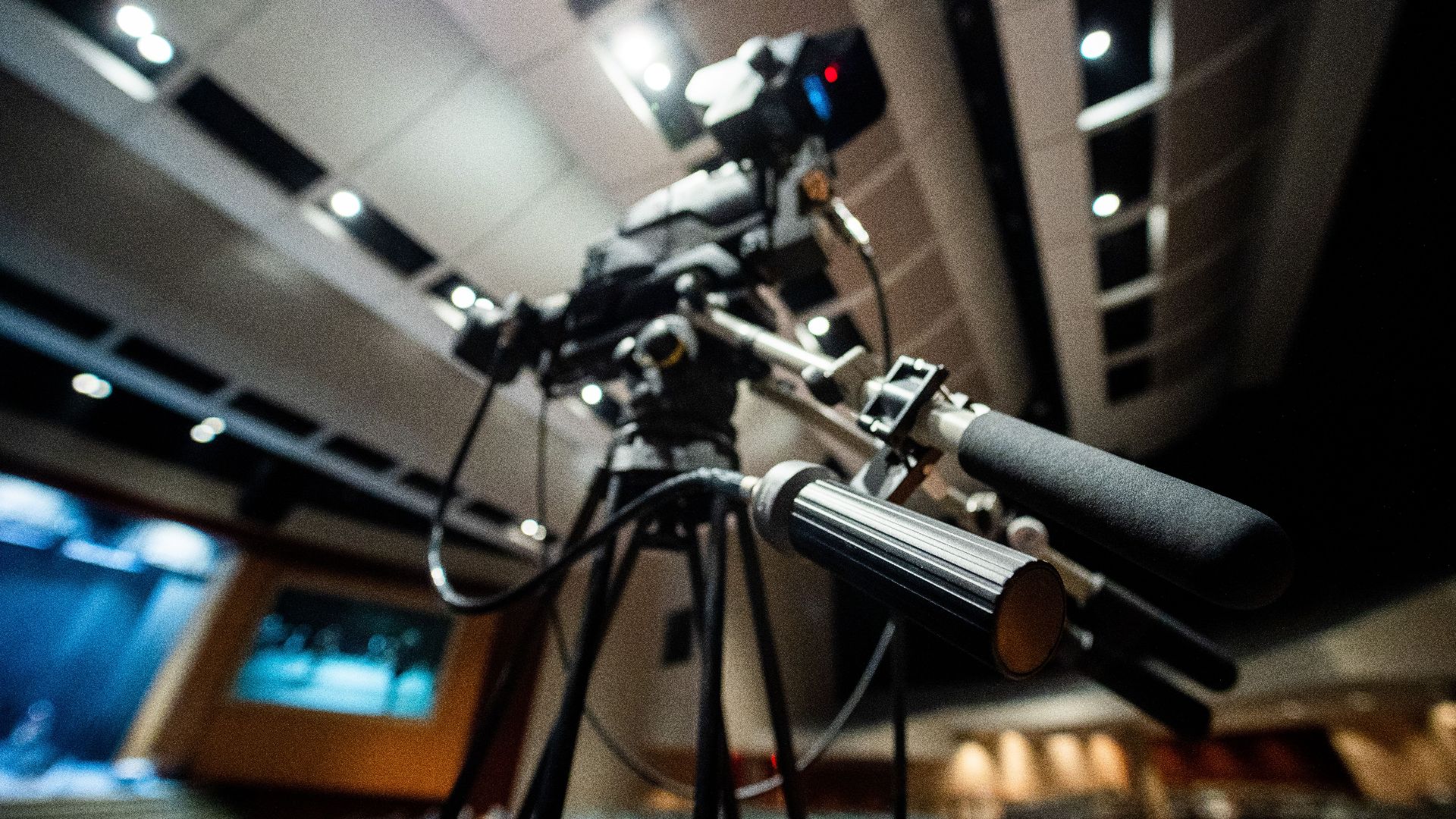
Real productions do not show up with just one camera and a few actors. They can bring generators, lighting rigs, security staff, staging equipment, and access limits that change how the building works. Film office guidance often mentions permits, crowd control, parking plans, and safety measures, which shows that filming is not business as usual.

Local Film Offices Make The Risk Clear
City film offices often spell out what productions need from a location, including exclusive access, changed traffic flow, or special use of private property. That matters because it shows disruption is not some remote possibility. If a hotel agrees to host filming in guest-facing spaces, management usually knows ahead of time that normal operations may be affected.

Consumer Protection Law Focuses On Important Facts
The Federal Trade Commission says advertising should be truthful, not misleading, and supported by evidence. If a hotel sells a calm, full-service stay but leaves out a known major disruption in a key amenity, that can start to look like a material omission. Whether it crosses a legal line depends on the details, but the basic idea is straightforward.
State Attorneys General Often Take A Similar View
Many state consumer protection laws ban deceptive acts or practices, including leaving out important facts that could shape a buying decision. A guest choosing between hotels might reasonably want to know if the lobby will be largely occupied by a production crew all weekend. That matters even more if the guest is paying resort or service fees tied to common-area access and convenience.

Hotel Contracts Matter More Than Most Guests Think
The fine print in booking terms can shape what a guest can claim after a disrupted stay. Hotels often give themselves broad rights to change amenities, close facilities for a time, or do work on site. Even so, broad contract language does not automatically excuse failing to warn guests about a known and serious disruption.
 Tongpool Piasupun, Shutterstock
Brand Standards Usually Favor Advance Notice
Big hotel companies often stress transparency, service recovery, and proactive communication, even when their public terms are flexible. If a property knows filming will dominate the lobby, a simple email before arrival can head off a lot of frustration. Guests may still be annoyed, but at least they have a chance to adjust plans or cancel within the rules.
 Harrison Keely, Wikimedia Commons
There Is A Big Difference Between Minor Activity And A Takeover
A single interview in one corner of the lobby is not the same as a full weekend production with restricted seating and controlled movement. Context matters. The bigger the effect on check-in, noise, privacy, or access, the stronger the case that guests should have been told ahead of time.

Privacy Can Become Part Of The Problem
Guests may also worry about being photographed or ending up in footage while just walking through the hotel. Productions usually handle releases and controlled areas carefully, but guests do not always know what is being filmed. That is why clear signs and direct guidance from staff matter when filming happens in active hotel spaces.

Accessibility Concerns Raise The Stakes
If filming equipment narrows walkways, reroutes check-in, or makes elevator access harder, the issue is no longer just annoying. Hotels still have to meet accessibility duties and provide usable access for guests with disabilities. A crowded production setup in the lobby can create real barriers if it is not managed carefully.
Luxury Pricing Makes Surprise Disruption Harder To Justify
When guests pay premium rates, expectations rise with the price tag. A surprise lobby takeover can feel especially unfair if the hotel sold itself on atmosphere, service, and smooth public spaces. In practical terms, the higher the rate, the more pressure there is on the hotel to communicate clearly and make things right when something goes wrong.

Business Travelers May Have The Strongest Complaint
For some travelers, the lobby is not just background scenery. It is a workspace, a meeting spot, or the fastest route in and out between appointments. If filming gets in the way of those basic uses, the disruption can have real financial consequences.

Families And Older Travelers May Feel It More
A film shoot may seem interesting to some guests and draining to others. Families with strollers, older travelers, and anyone who needs extra assistance may be hit hardest by rerouted entrances, delayed elevators, and crowded common areas. That is another reason advance notice matters. It gives people a fair chance to decide whether the hotel still fits their needs.

So What Should A Hotel Have Done?
At a minimum, the hotel should have warned arriving guests before the stay if the production was scheduled ahead of time and likely to affect the lobby all weekend. A short message explaining the dates, hours, affected areas, and alternate access points would have helped a lot. Staff also should have been ready with a clear plan for guests who were unhappy.

Good Notice Should Be Specific
Not every warning is useful. “There may be activity on site” says very little compared with “the main lobby will host a film production from Friday afternoon through Sunday evening, with limited seating and intermittent noise.” Specific notice lets guests make informed choices and cuts down on conflict at check-in.

Compensation May Make Sense In Some Cases
If the disruption was serious, guests can reasonably ask for points, fee waivers, a partial refund, or some other kind of compensation. The right outcome depends on how bad the impact was and what the hotel promised in the first place. If access, quiet enjoyment, or advertised amenities were cut in a major way, a small goodwill gesture may not be enough.

Document What Actually Happened
Guests who want a refund or adjustment should keep notes as things happen. Photos of blocked areas, screenshots of the booking description, and a written timeline of noise or access problems can help. It is much easier to make a strong complaint when the facts are documented clearly and calmly.
 Henri Mathieu-Saint-Laurent, Pexels
Complain First To The Property
The quickest fix usually starts with the front desk or a manager on duty. Ask direct questions about how long the filming will last, which areas are affected, and what compensation the hotel can offer. If the response falls short, follow up in writing so there is a paper trail.

Then Escalate To The Brand Or Booking Platform
If the hotel is part of a major brand, guests can contact corporate guest relations and explain that they were not told about a known disruption. If the booking was made through an online travel agency, that platform may also step in, especially if the issue looks like a serious mismatch between the listing and the actual stay. Clear evidence helps at every stage.

Chargebacks Are Not The Best First Move
Some travelers jump right to disputing the charge with their credit card company. That can work in limited cases, but card issuers usually want customers to try working things out with the merchant first. A chargeback is stronger when the guest can show the hotel failed to provide what it advertised and refused to fix the problem directly.

Reviews Can Help Other Travelers If They Stay Factual
A measured online review can warn future guests without slipping into exaggeration. Stick to dates, times, affected areas, and whether the hotel gave any notice before arrival. Factual reviews are usually more credible and more useful than angry ones.

Hotels Can Avoid Most Of This Trouble
A lot of these complaints are preventable. A hotel can disclose filming in advance, limit production hours, keep accessible routes open, and offer alternate spaces for check-in or seating. If the disruption will be too severe, management can hold back some rooms instead of selling a compromised stay at full price.

The Best Rule Is Simple
If a hotel knows about a planned event that would matter to a reasonable guest, it should say so before the guest arrives. That is not just good manners. It also fits the broader consumer protection idea that people should have the facts they need to make an informed purchase.

So Should Guests Have Been Warned?
If a film crew took over the lobby all weekend, the practical answer is yes, guests generally should have been warned. Even if the law in a specific case is not perfectly black and white, transparency is the standard most travelers would expect. If the hotel stayed quiet and the disruption was major, guests have a solid basis to complain and ask for compensation.