
The Dashboard Light That Can Wreck A Trip
You pick up a rental car, load your bags, and notice a warning light glowing on the dash before the trip even starts. It may seem minor, but it can turn into a costly fight later. If the car was not safe to drive from the start, the big question is simple: should you have to pay for the days you could not really use it?
 Norma Mortenson, Pexels, Modified
The Short Answer
Often, no. You should usually push back on charges for days when the car could not be safely driven, especially if you reported the problem right away. Your case is strongest if you can show the issue was there at pickup and that you gave the company a fair chance to fix it or swap the car. In situations like this, timing and records matter more than frustration.
What A Warning Light Can Mean
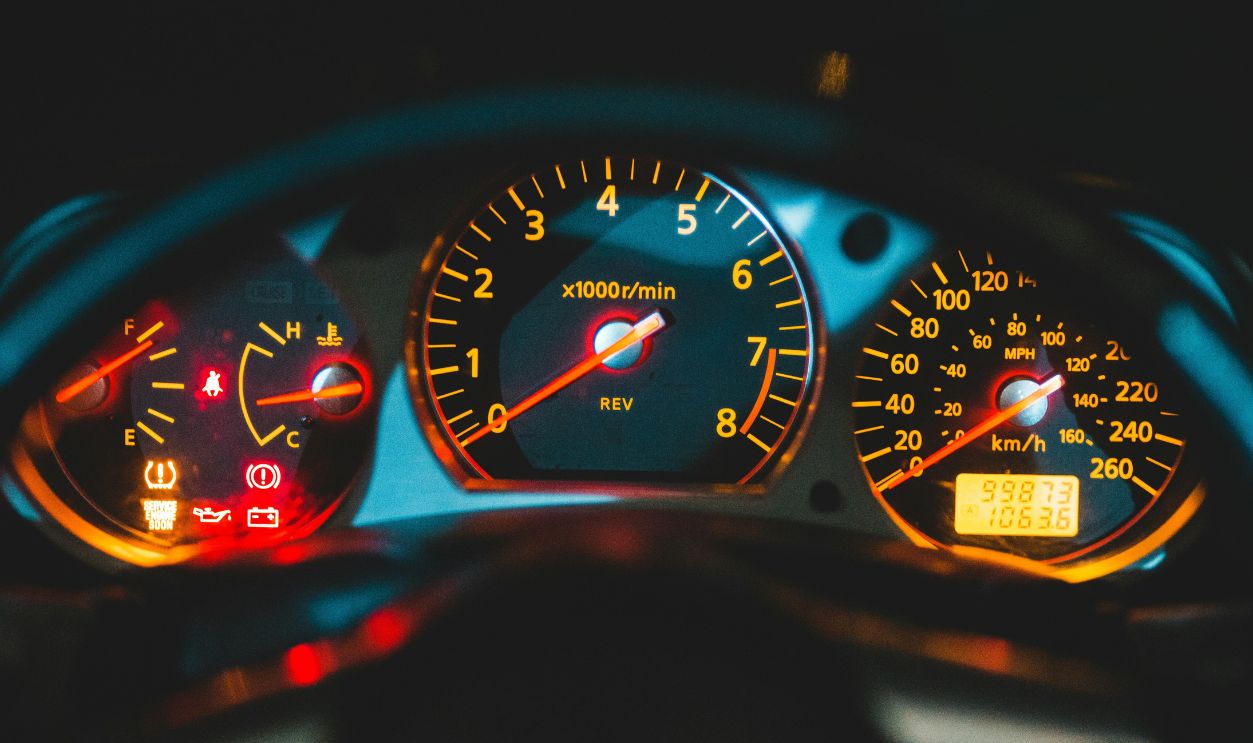
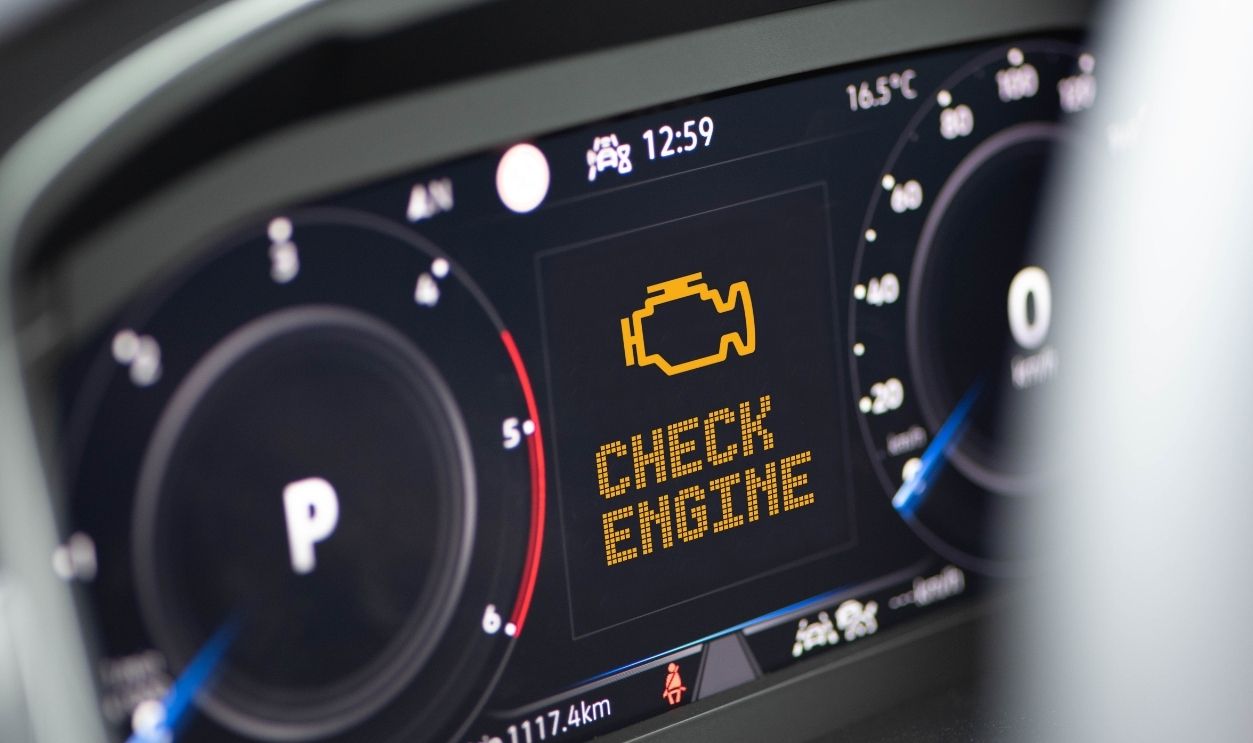
Not every warning light means the car is unsafe, but some definitely can. Consumer Reports says a check engine light can mean anything from a loose gas cap to a serious engine or emissions problem. Red oil pressure or temperature lights can mean you should stop driving right away. The color of the light and how the car is acting both matter.
 Bartolomiej Pietrzyk, Shutterstock
Why Red Lights Matter More
Kelley Blue Book notes that a flashing check engine light can point to a serious problem and should be treated as urgent. Warnings for brakes, oil pressure, engine temperature, or airbags can raise clear safety concerns. If the car is stalling, running rough, overheating, or making braking feel unsafe, it gets much harder for the rental company to argue the car was reasonably usable.
Deal With It Before You Leave
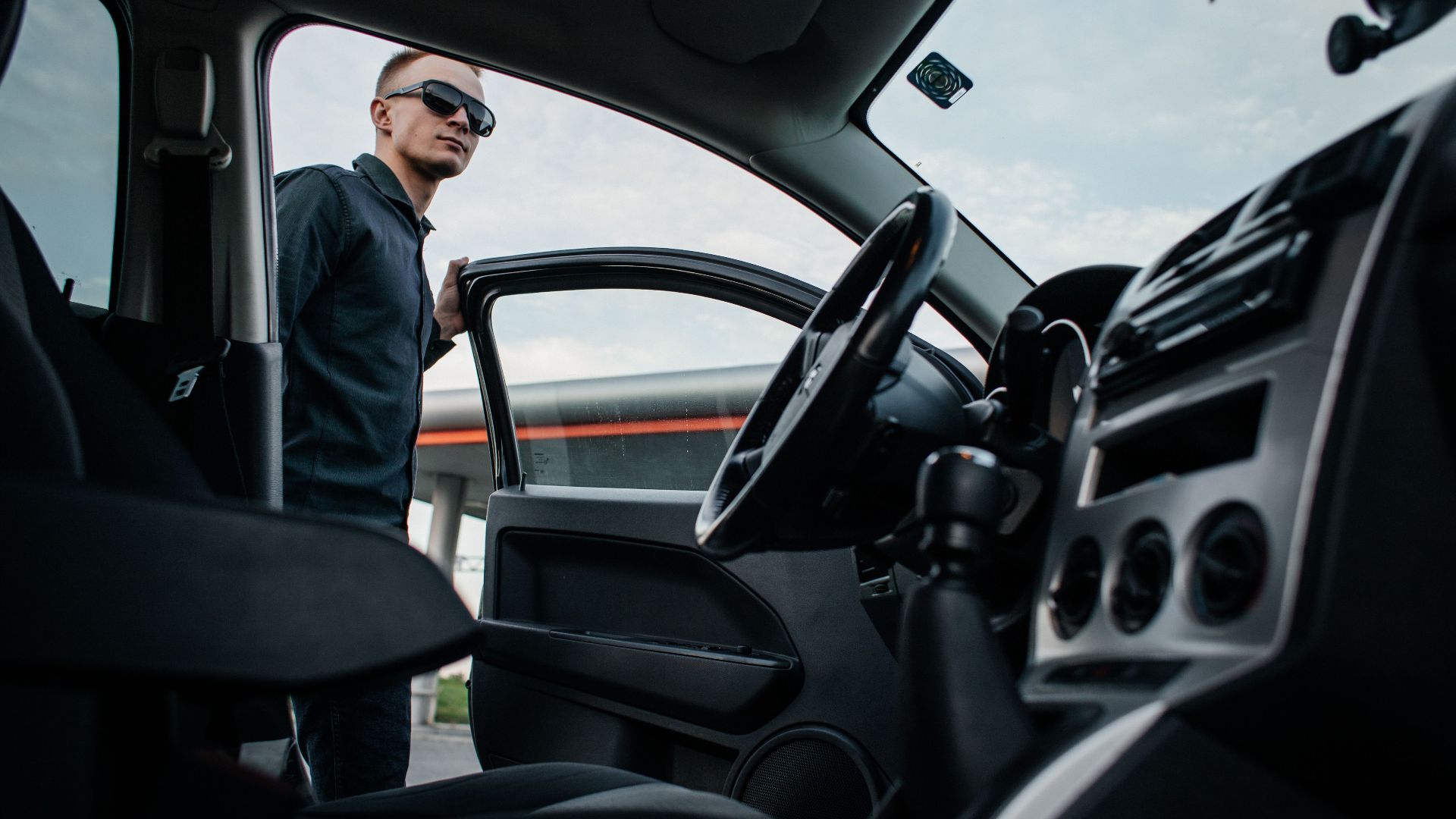
If you spot the light while you are still at the rental lot, do not just drive off and hope for the best. Ask an employee to inspect the car right away and make sure the problem is noted on your rental record before you leave. That first timestamp can end up being the thing that decides whether you get a refund or a rejection.

Documentation Is Everything
Take clear photos and video of the warning light, the odometer, the fuel level, and the car's overall condition. Make sure your phone saves the date and time. If the company later says the problem showed up later in your trip, those images can help shut that down.

Report It Right Away
Tell the rental company as soon as you notice the issue, even if you are already on the road. Call roadside assistance, contact customer service, and use the app if there is one. Then follow up by email or chat so there is a written record showing when you complained.

Why Speed Matters
If you keep driving for days without saying anything, the company may claim the car was usable after all. If you report the issue right away and ask for a replacement, your position is much stronger. Quick notice shows you were trying to fix the problem, not create a refund claim later.
The Federal Angle
The Federal Trade Commission's Cooling-Off Rule does not cover car rentals, but the FTC does police unfair or deceptive business practices. That matters here because a company should not misrepresent a car's condition or charge you for something that was not provided in a usable form. The FTC will not step into every rental fight, but its rules help shape the bigger consumer protection picture.

State Law Can Matter Even More
Many rental car disputes come down to state contract law and consumer protection laws, not one national refund rule. State attorneys general often tell consumers to document the problem, notify the company, and dispute unfair charges quickly. Your rights may depend in part on where you rented the car and where the company operates.

The Contract Does Not Decide Everything
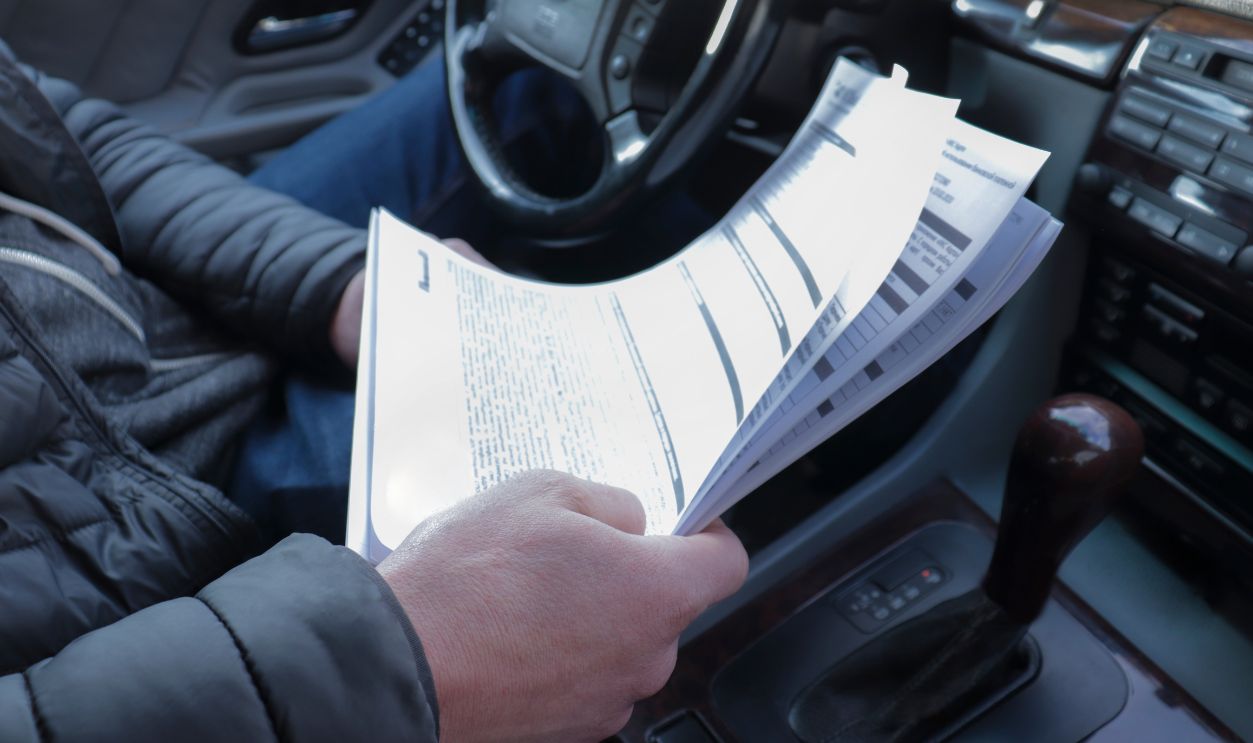
Rental agreements often have broad terms about fees, replacements, and vehicle condition, but they do not override basic consumer protection law. A contract cannot magically make an unsafe car acceptable. If the car was defective when it was handed to you, the key is proving the defect and showing how it kept you from using the car.

Unsafe Is Not The Same As Annoying
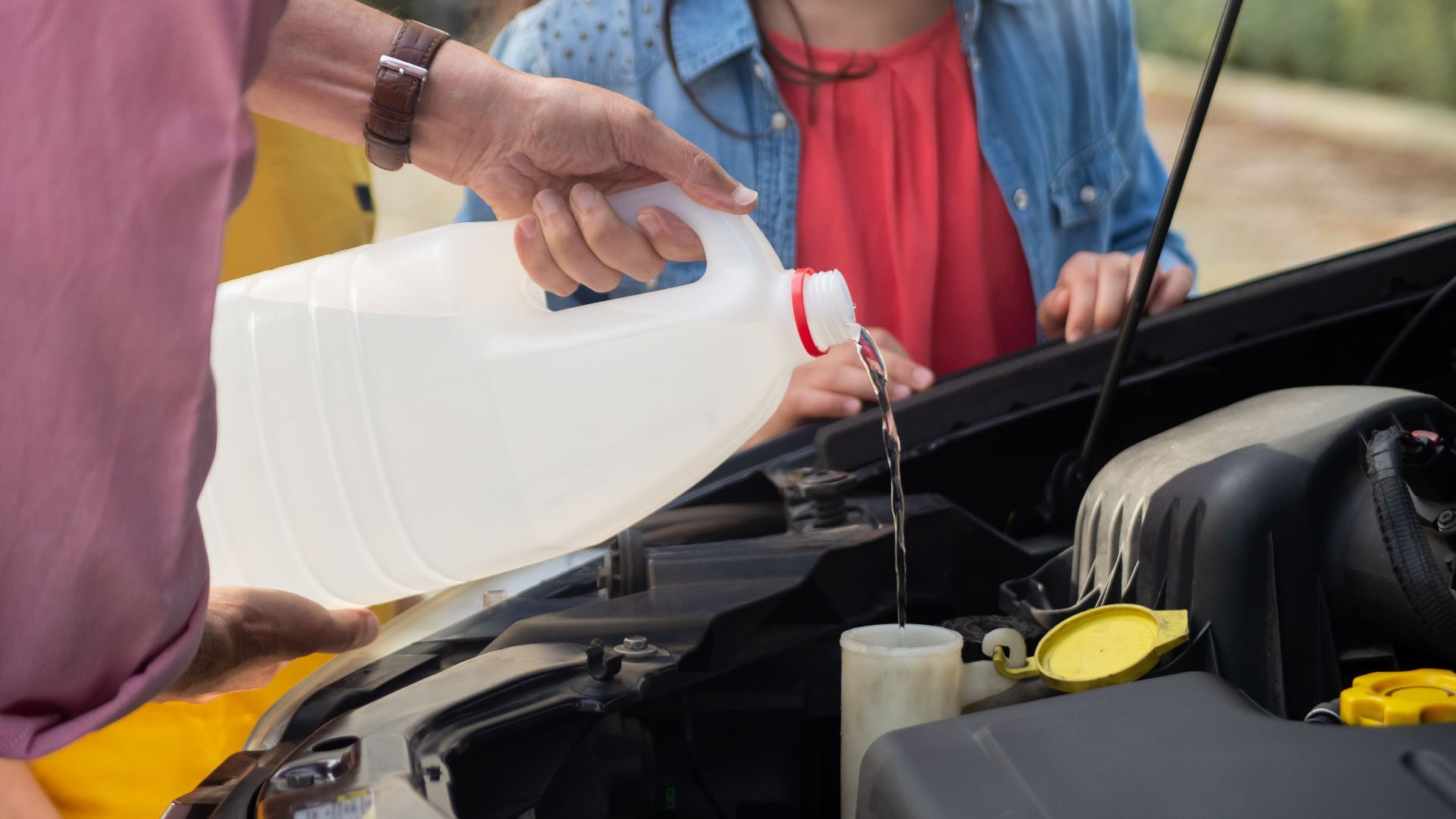
That difference matters. A low washer-fluid warning is a hassle, but it usually does not make the car unusable. A brake warning, overheating problem, stalling engine, or major tire pressure issue is a different story, especially if roadside assistance or a mechanic told you not to drive it.
Outside Proof Helps
If a mechanic, tow operator, or roadside technician says the car is unsafe, ask for that in writing if you can. A service invoice or roadside report can help show how serious the problem was. Independent records usually carry more weight than memory alone.

What The Rental Company Should Do
At the very least, the company should review the complaint and, if needed, give you a replacement car or tell you not to drive the one you have. If the problem is serious and no replacement is available quickly, it is reasonable to ask for a refund for the unused days. A company that leaves you stranded and still charges full price is setting itself up for a dispute.
Save Every Extra Receipt
If the bad rental forced you to pay for taxis, rideshares, a hotel, or another rental car, keep every receipt. Those costs may help support a reimbursement request, especially if the company did not help in time. Be clear about the dates, times, and why each expense happened.
 Natallia Ustsinava, Shutterstock
Credit Cards Can Be Your Backup Plan
If the rental company will not fix the charges, you may be able to dispute the transaction with your credit card issuer. The Consumer Financial Protection Bureau says consumers can challenge billing errors and should do so quickly with supporting records. Photos, emails, call logs, and service reports can all help your case.

Do Not Miss The Dispute Window
The CFPB says consumers generally have 60 days from the date the first bill with the error was sent to dispute certain credit card charges under the Fair Credit Billing Act. That deadline can sneak up on you after a trip. If the rental company keeps dragging things out, do not let the clock run down while you wait.

Complaints Can Add Pressure
If the company keeps stonewalling, you can also file a complaint with your state attorney general, state consumer office, or the Better Business Bureau. Those steps do not guarantee a refund, but they can push a business to respond more seriously. They also create a paper trail outside your own inbox.

How To Ask For A Refund
Keep it calm and direct. Say when you picked up the car, when you noticed the warning light, how you reported it, what the company told you, and why you believe the car was unsafe or not reasonably usable. Then ask for a specific fix, such as a refund for the unusable days and repayment of any extra costs you can document.

Details Make A Claim Stronger
Vague lines like "the car felt weird" are not very convincing. Specific facts work better: "the brake warning light was on at pickup at 3:12 p.m. on June 8, I reported it at the counter before leaving, and roadside assistance told me at 5:40 p.m. not to keep driving." The more specific you are, the easier your story is to check and the harder it is to dismiss.

Take Wider Photos Too
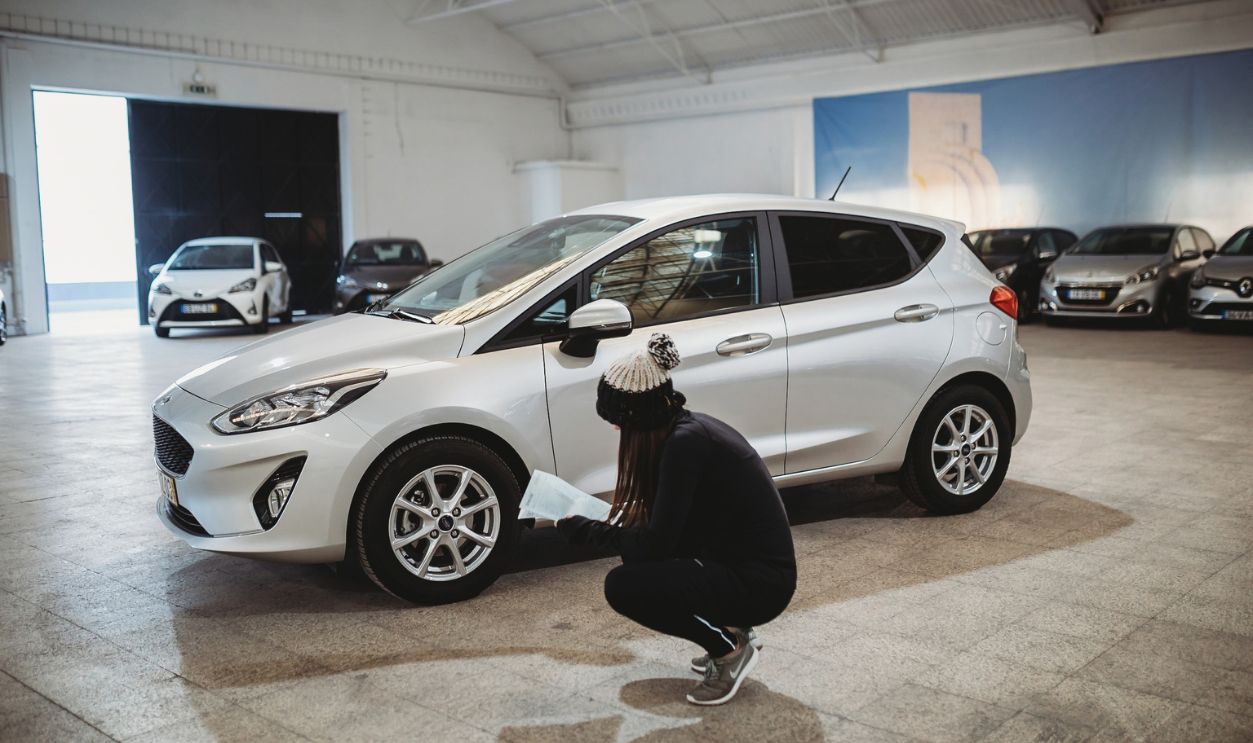
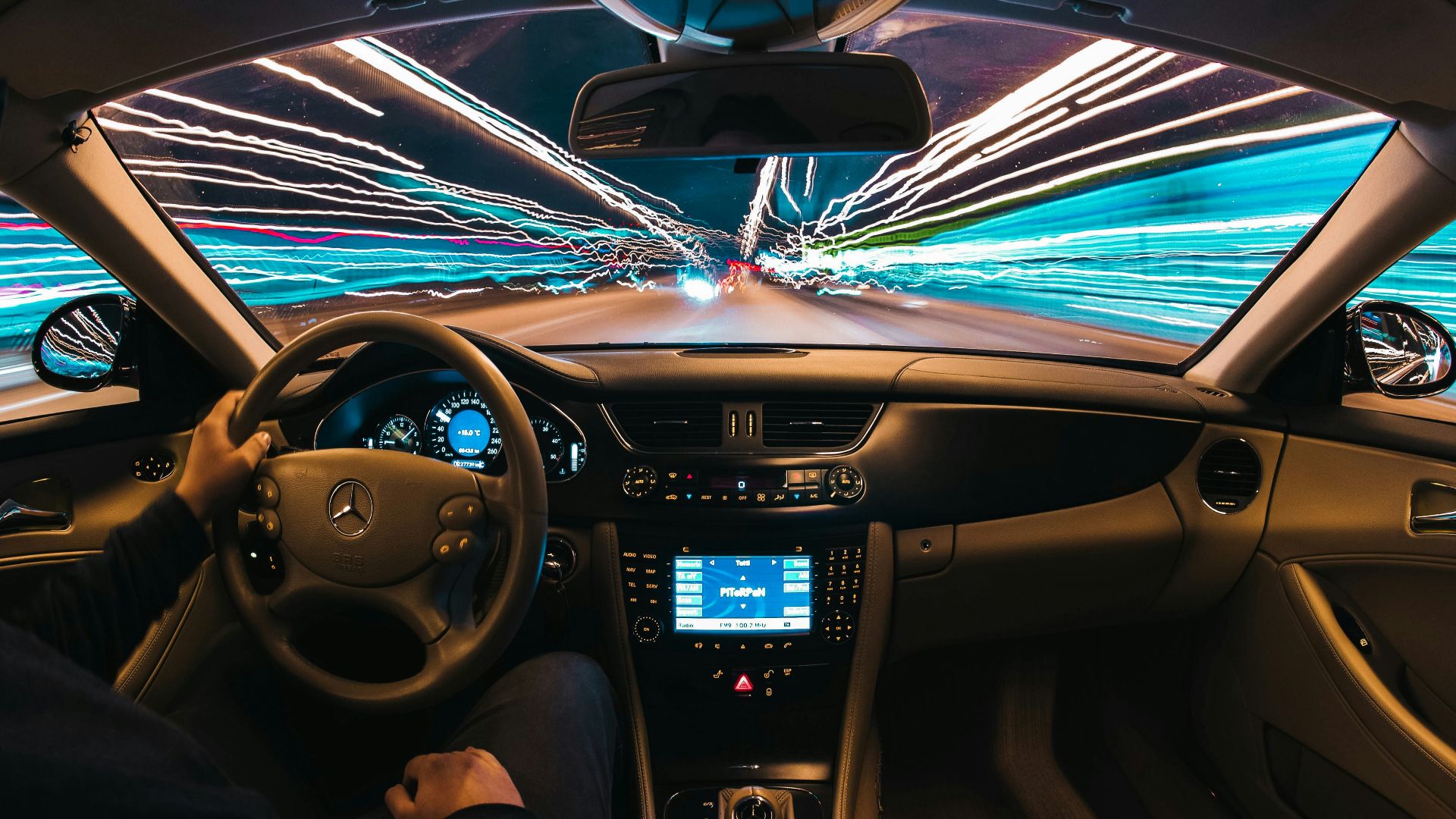
Do not just photograph the warning light. Try to capture the full dashboard with the car on, the outside of the vehicle, the license plate, and even the rental lot if possible. Those details connect the problem to that exact car at that exact time.
 Samuele Errico Piccarini, Unsplash
Texts And Emails Beat Phone Calls Alone
Phone calls can help in the moment, but they are harder to prove later unless the company sends a follow-up message. If you talk to an agent, send your own email summary right after the call. Include the time, the employee's name, and what you were told.

If They Swapped The Car
If the company gave you a replacement quickly, you still may have a case for a partial credit for the hours or day you lost. The strongest claims usually involve serious safety issues, meaningful lost time, or extra costs caused by the bad car. A fast replacement helps the company, but it does not automatically erase the trouble it caused.

If You Kept Driving It
This is where things get harder. If you kept using the car after seeing the warning light, the company may say the vehicle was functional enough for the rental period. You may still have a valid claim if you reported the issue quickly and had no real replacement option, but your argument may be weaker.
 Zoriana Zaitseva, Shutterstock
Prevent The Fight Before It Starts
Before leaving the rental lot, do a quick walkaround and check the dashboard. Start the car, photograph the fuel level and mileage, and look for any active warnings. Two minutes in the parking space can save you hours of stress later.
 Hryshchyshen Serhii, Shutterstock
The Bottom Line
If the warning light pointed to a real safety problem from day one and you reported it right away, you likely have a solid reason to challenge charges for the days you could not safely use the car. Whether you win depends on your proof, how quickly you acted, and whether the company had a fair chance to replace the vehicle. In disputes like this, the paper trail usually matters most.