
Not Every Hack Helps
Travel hacks promise cheaper flights, lighter luggage, shorter lines, and smarter vacations. Unfortunately, saving $30 can sometimes cost you hours, comfort, flexibility, or considerably more money later. Before reorganizing your entire trip around something you saw online, consider whether the clever shortcut actually suits the trip you're taking.
Taking The Cheapest Flight
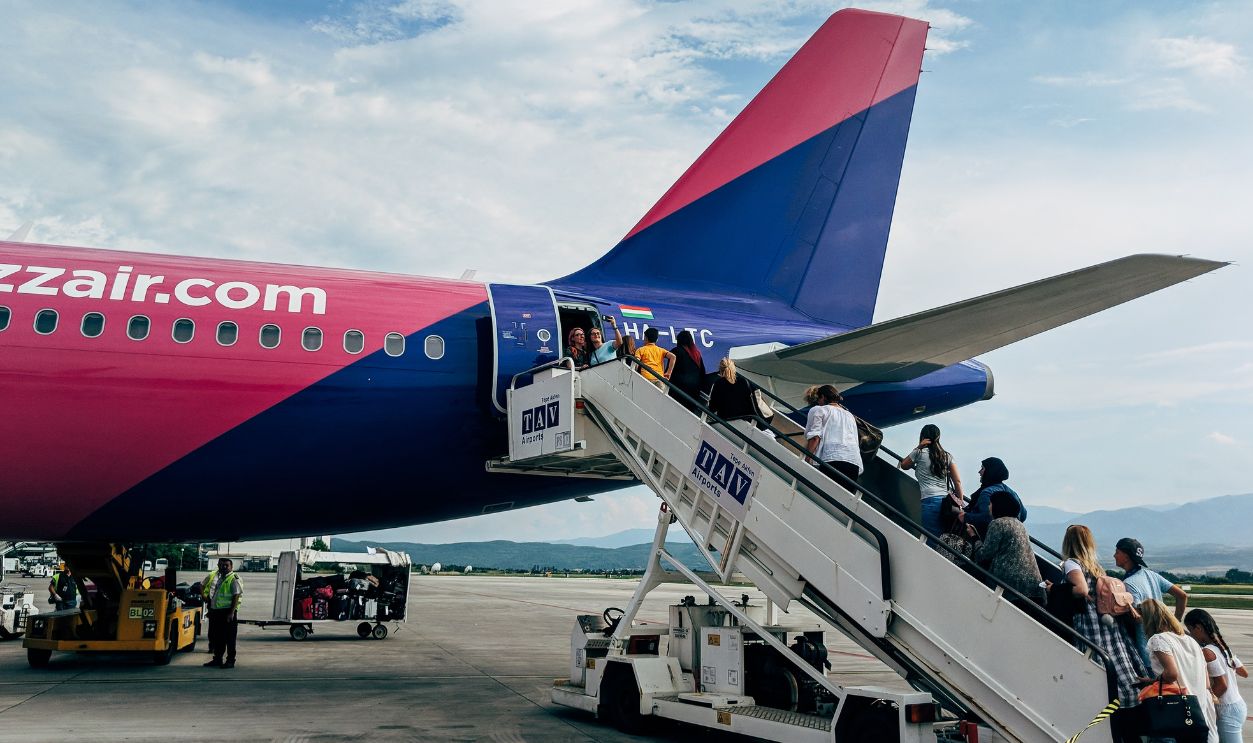
The lowest airfare isn't necessarily the cheapest journey. Travellers are many who saved €25 by booking an extremely early flight, only to discover public transportation wasn't running and spend €30 on a taxi. Compare airport transfers, baggage fees, meals, and inconvenient arrival times before celebrating your bargain.
Booking The Last Flight
A late departure theoretically gives you another vacation day. In reality, you may spend that day watching the clock, storing luggage, and worrying about reaching the airport. Many travelers eventually decide that getting transportation over with earlier made departure days considerably less stressful.

Overnight Buses Save Hotels
Sleeping while traveling sounds wonderfully efficient: eliminate a hotel night and wake up somewhere new. Several travelers say the reality can be terrible sleep followed by an exhausted first day. Unless you genuinely sleep well on buses or trains, that saved room can effectively cost you a vacation day.

Packing Absolutely Everything
Packing for every imaginable situation feels reassuring until you're hauling three suitcases over European cobblestones and staircases. You may end up regretting traveling through Europe with multiple rolling bags. Pack for likely conditions, not every hypothetical emergency, and remember that ordinary necessities can usually be purchased locally.

One Bag Isn't Sacred
The opposite extreme can also backfire. One-bag travel has enthusiastic converts, but forcing everything into one enormous backpack can make accessing belongings and day trips annoying. Some travelers prefer a rolling carry-on plus a small personal-item backpack, gaining flexibility without surrendering the advantages of avoiding checked luggage.

Wearing Your Luggage
Online packing tricks sometimes recommend stuffing clothing into travel pillows, loading coat pockets, or wearing multiple layers to dodge baggage charges. Apart from being uncomfortable, airlines determine their own baggage rules. Turning yourself into a walking closet can create gate disputes and make an already unpleasant flight miserable.
 Frame Stock Footage, Shutterstock
Stuffing Your Personal Item
A similar trick is to treat a purse or small backpack as an infinitely expandable loophole. That works only until an airline actually enforces its dimensions. A bulging personal item may be rejected at the gate, where baggage charges can be considerably less attractive than those offered earlier.

Skiplagging Can Backfire
Hidden-city ticketing means buying an itinerary with a connection at your real destination and deliberately skipping the final segment because the ticket is cheaper. Airlines can explicitly prohibit this. Delta, for example, reserves remedies including canceling unused segments, voiding remaining value, denying boarding, or collecting the applicable fare.

Separate Tickets Add Risk
Booking separate airlines can produce spectacular savings, particularly across Europe. But the second carrier generally isn't responsible for your first flight arriving late simply because you personally assembled the connection. Leave substantial time between independent tickets or accept that a missed connection could become your own expensive problem and no one else's.

Tight Connections Waste Vacations
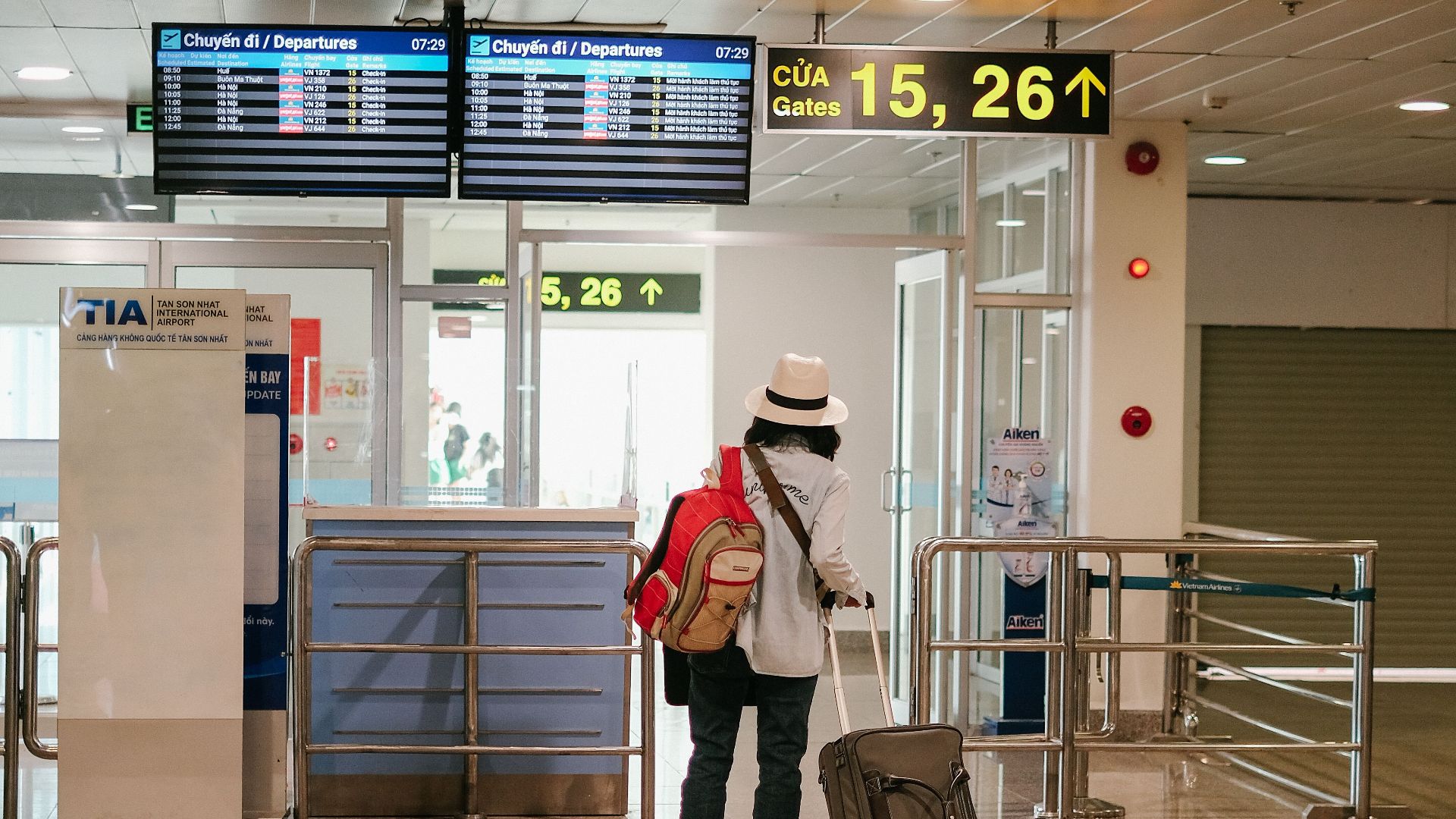
Choosing the shortest possible connection may look wonderfully efficient until your first flight arrives 25 minutes late. Minimum legal connection times are not recommendations for stress-free travel. A longer layover can be worth far more than the hour supposedly saved if it prevents missed flights and frantic terminal sprints.
Sleeping At The Airport
Why buy an airport hotel when the terminal has benches? Because sleeping comfortably, securely, and uninterrupted in an airport is hardly guaranteed. More than a few people have tried it only to awaken just int time to realize they've missed their flight. Sometimes getting a proper night's rest in a hotel is the actual hack.

Lounges Aren't Automatically Valuable
Airport lounges can be terrific, but paying hundreds annually for lounge access because influencers rave about them makes little sense if you rarely have long layovers. Travelers also note enormous differences between the quality of these lounges. Calculate how often you'll realistically visit before buying expensive memberships or premium cards primarily for access.

Living Like A Local
Avoiding tourist traps is sensible. But traveling internationally only to stay in residential neighborhoods can mean skipping precisely the culture and scenery you came to experience. Locals visit major museums, monuments, beaches, and historic districts too.

Avoiding Famous Attractions
Yes, the Eiffel Tower is touristy. So are the Colosseum, Grand Canyon, and Vatican Museums. That doesn't make them worthless. Don't let fear of looking like a tourist persuade you to miss something you've wanted to see for years. Popular attractions sometimes became popular because they're genuinely extraordinary.

Chasing Every Discount
A deeply discounted hotel isn't a bargain if it's an hour from everything you want to see. Grabbing an offer instead of sticking to the original plan can mean buying the wrong hotel simply because somebody marked it 30 percent off.

Overplanning Every Minute
Optimization can become its own form of work. Many travelers describe researching so extensively that they become stressed out by their own itineraries. Reserve genuinely capacity-limited attractions, but leave breathing room. A vacation where every coffee, train, museum, and dinner must happen precisely on schedule starts resembling project management.

Visiting Too Many Cities
Three countries in seven days looks impressive on an itinerary. It can feel considerably less impressive while repeatedly packing, checking out, reaching stations, waiting, traveling, navigating to hotels, and checking in again. An aggressively efficient itinerary means spending more time moving between destinations than experiencing them.

Booking Everything In Advance
Advance reservations can save money and guarantee entry, but making every purchase nonrefundable destroys flexibility. Illness, weather, strikes, transportation problems, or simply discovering that you love a destination can change plans. Pay attention to cancellation terms rather than automatically choosing the cheapest prepaid rate.

Trusting Resold Points
Discount flights and hotel stays obtained through somebody else's loyalty points can look irresistible. Many travelers warn that bookings involving improperly resold points can be canceled when they violate program terms. Unless you understand exactly how the reservation was obtained, an unusually cheap points booking can carry unusually unpleasant risks.

Paying In Home Currency
A card terminal abroad may helpfully offer to charge you in dollars instead of euros, pounds, or another local currency. That convenience can be expensive because dynamic currency conversion may use an unfavorable exchange rate. When appropriate for your card, paying in local currency commonly avoids that extra conversion layer.

Carrying Lots Of Cash
Bringing your entire vacation budget in cash can avoid some card fees, but losing a wallet could suddenly become catastrophic. A better strategy is usually diversification: some local currency, cards stored separately, and backup payment access. Saving a few transaction fees isn't worthwhile if one theft can wreck the trip.
 https://kaboompics.com/, Pexels
Ignoring Travel Insurance
Skipping insurance because "my credit card covers everything" can be an expensive assumption. Card benefits vary dramatically, as do health protections overseas. Even Europe's EHIC is not a substitute for comprehensive travel insurance. Read what you actually have before deciding that purchasing additional protection would be redundant.

Hacking The Liquids Rule
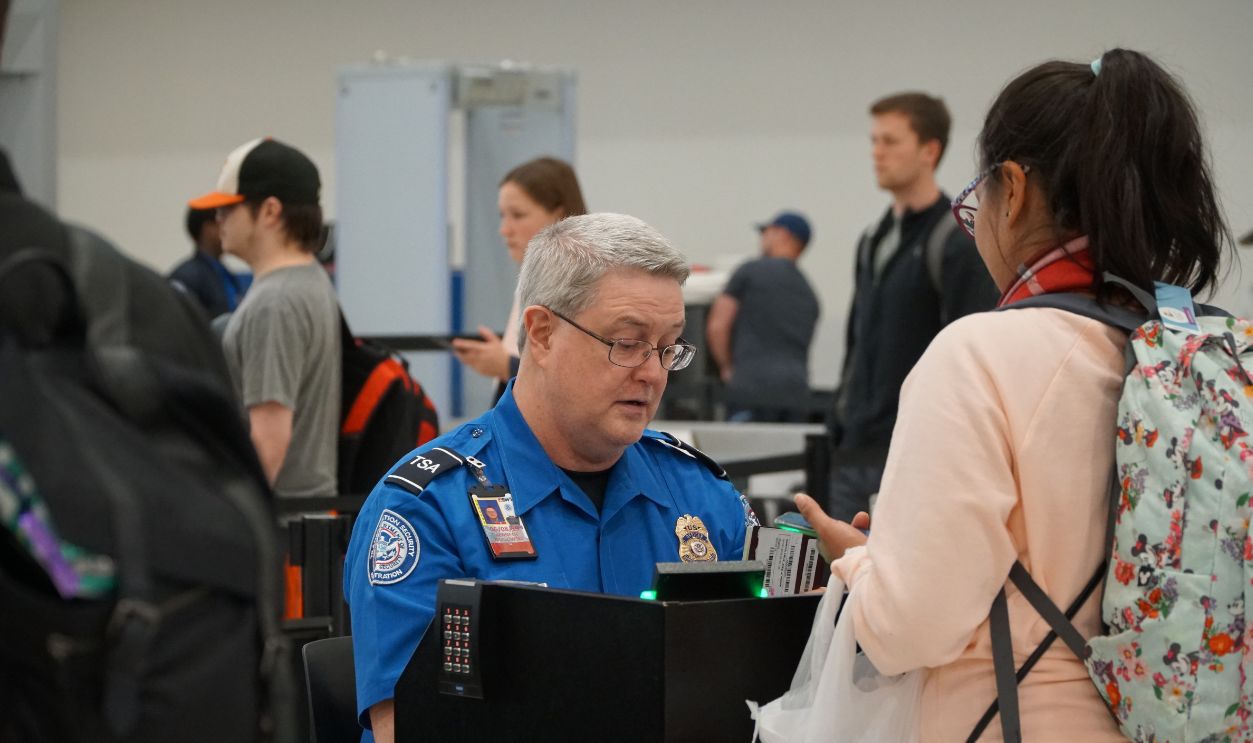
Freezing liquids, decanting products into unusual containers, or relying on clever social-media interpretations of airport rules can invite delays. TSA says permitted items may still receive additional screening. For ordinary toiletries, following the familiar carry-on limits is usually easier than proving your ingenious workaround technically qualifies.
 everythingforall, Shutterstock
Renting Away From Airports
Off-airport rental locations can be substantially cheaper, but check operating hours and transportation first. One Reddit traveler discovered the remote rental office had closed before a return flight and had no key drop. The resulting scramble demonstrated how quickly a lower daily rate can become an logistical headache.

Protecting Nothing From Water
Carrying a reusable bottle is a genuinely useful travel habit until it leaks over your passport, phone, and electronics. One reader recounted narrowly avoiding passport damage after a flip-top bottle opened inside a bag. Use a secure screw-top bottle and keep documents and electronics protected separately.

Optimize For Your Trip
The problem isn't that travel hacks are inherently foolish. It's that they're usually presented as universal rules. An overnight train may delight one traveler and destroy another's next day. The smartest travel strategy is often boringly simple: calculate the real cost, protect your flexibility, and optimize for yourself.

You May Also Like:
Mastering The Art Of Pet-Friendly Travel
Rick Steves' Advice To Tourists: Don't Go To Ireland And Scotland In The Same Trip