
What Travelers Mean By A Balcony
For a lot of cruise travelers, the word balcony means one thing: your own private outdoor space with open sea views, fresh air, and the sound of the water instead of people in the hallway. That is why it can be a surprise to learn that some balcony cabins face inward toward a ship’s interior promenade instead of out to the ocean.

The Short Answer
No, an interior-facing balcony is not the same as an ocean-facing balcony. It is still a balcony in the literal sense because it is a private outdoor area attached to your cabin. But the view, noise, privacy, and overall feel can be very different.

Why This Confuses So Many Cruisers
The mix-up usually starts with cruise line marketing and cabin category names. Some ships have balconies that look over a central indoor or open-air neighborhood, and those cabins can show up in search results right next to standard balcony rooms. If you are skimming and only notice the word balcony, it is easy to miss the difference.

Royal Caribbean Helped Popularize The Layout
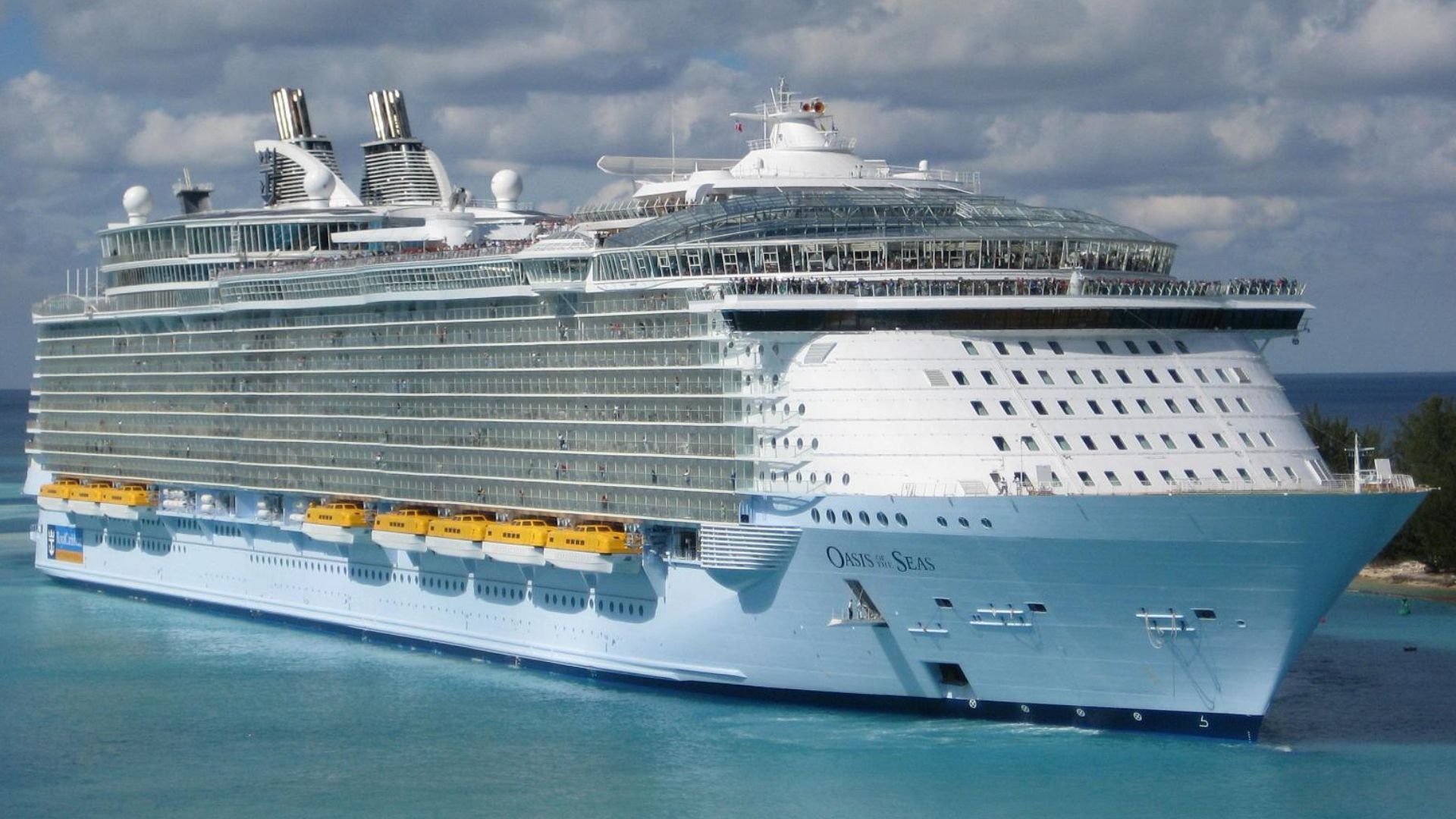
Royal Caribbean is one of the cruise lines most tied to this setup. Its Oasis Class ships use a neighborhood-style design with areas like the Boardwalk and Central Park, and some balcony cabins face those interior spaces. The deck plans and cabin descriptions have long treated these as separate from ocean-view balconies, but plenty of travelers still confuse the two.
What Royal Caribbean Officially Calls Them
Royal Caribbean does not sell these as standard ocean balconies. On Oasis Class ships, the line labels them Boardwalk View Balcony or Central Park View Balcony staterooms. That wording matters because it tells you the balcony faces a ship feature, not the sea.
 Rennett Stowe from USA, Wikimedia Commons
What An Interior Promenade Actually Is
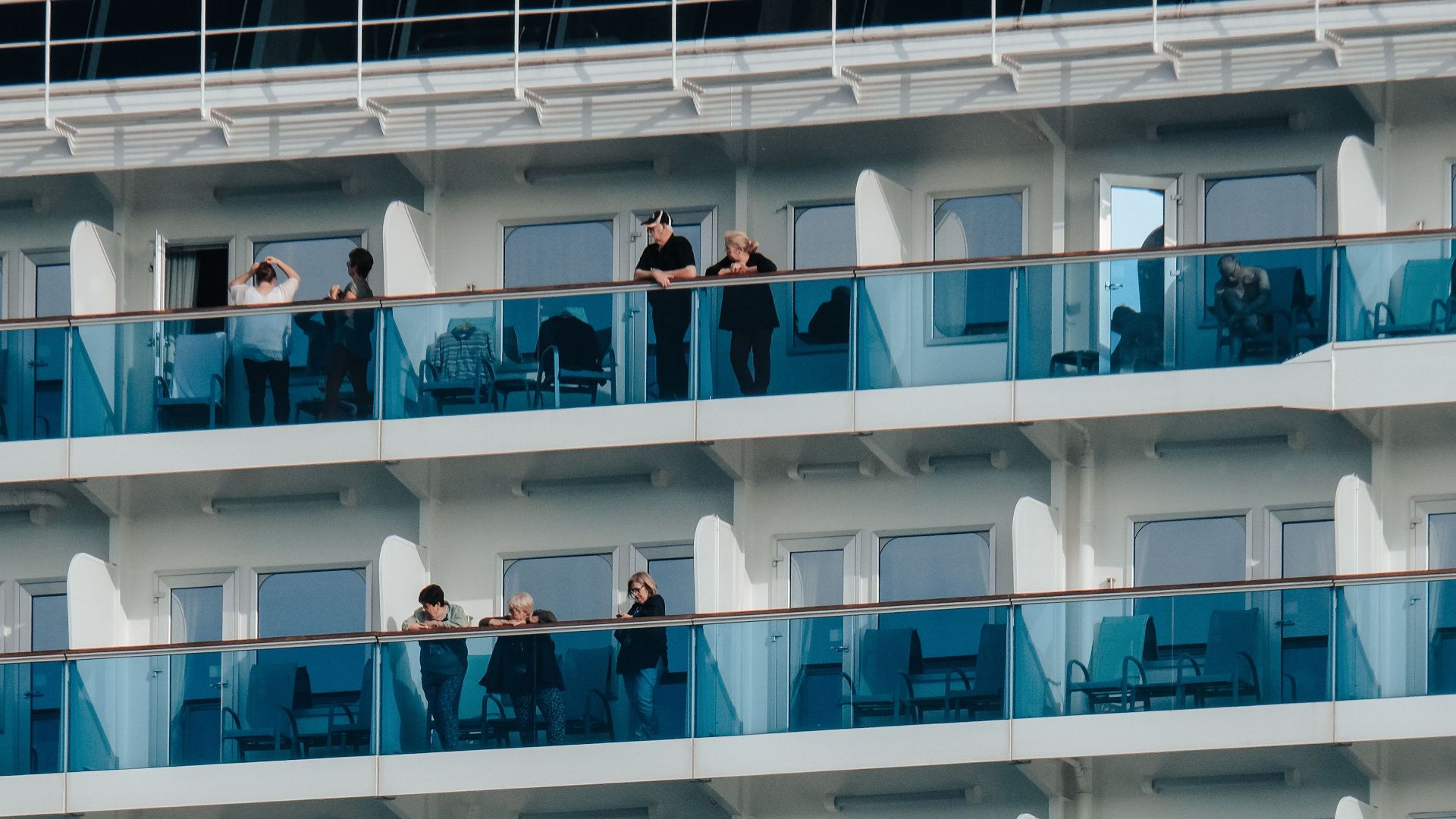
An interior promenade is a public space built into the ship’s design. Depending on the ship, it can include shops, bars, restaurants, live music, and steady foot traffic from morning into the night. A balcony overlooking that space is closer to a hotel room facing a busy plaza than one facing a beach.
 Stephen & Katherine from Burton on Trent, Wikimedia Commons
Sea Views Versus Neighborhood Views
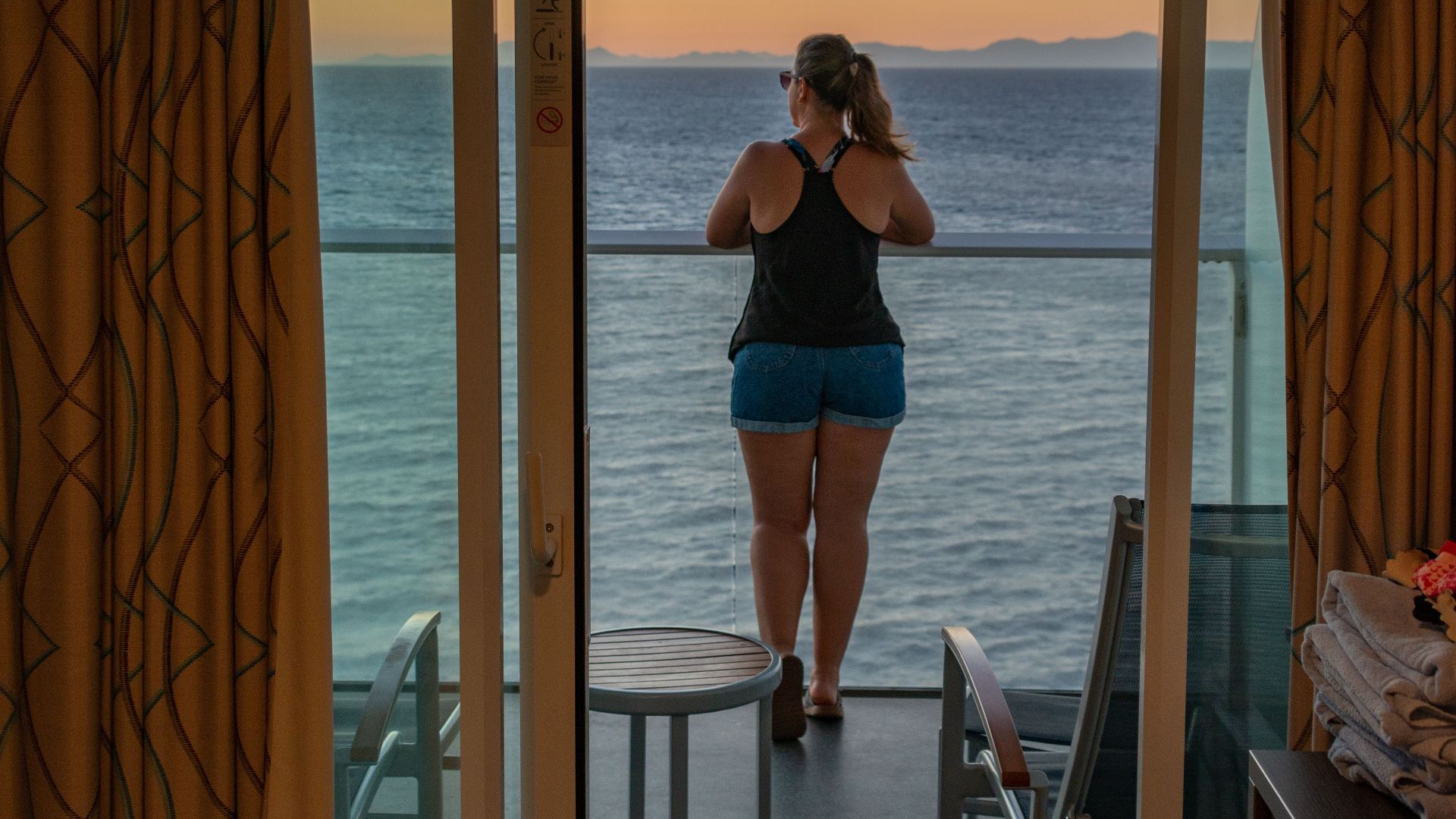
This is the biggest difference, and for many travelers it is the whole point. An ocean-facing balcony gives you changing views, sunrises, port arrivals, and wide-open water. An interior-facing balcony gives you people-watching and a front-row seat to ship life, but not that classic at-sea feeling.
Privacy Is Usually More Limited
Privacy is often one of the biggest tradeoffs. On neighborhood-style ships, other balconies may face yours from across the open space, and people in public areas below may be able to see up toward your cabin. You may find yourself closing the curtains more often, keeping your voice down, or being pickier about when you sit outside.

Noise Can Be A Bigger Issue
Noise is another big difference. Music, announcements, entertainment, and crowd noise can carry up to promenade-facing cabins, especially at night. Ocean-facing balconies are often quieter, though wind and outside noise can still vary depending on the deck and location.

Fresh Air Is Not Always The Main Event
People often book balconies for fresh air, and interior-facing balconies may still offer that depending on the ship’s layout. But the experience is different when your view is a ship neighborhood instead of open water. If you were picturing coffee at sunrise with nothing but sea in front of you, this setup may fall short.

Some Travelers Actually Prefer Them
Not everyone sees this as a downside. Some cruisers like watching the ship come alive from their balcony, especially on family-focused ships with lots going on. If you enjoy energy, people-watching, and being close to the action, an interior-facing balcony can be a fun middle ground.

They Are Often Priced Differently
Interior-facing balconies are often cheaper than ocean-facing balcony cabins. That lower price is one of the clearest signs that cruise lines do not treat the two as the same product, even though both come with a balcony. If the fare looks surprisingly low for a balcony room, check what the balcony actually faces.

Deck Plans Tell The Real Story
The fastest way to avoid disappointment is to look at the ship’s deck plan before you book. Cruise lines usually show whether a cabin faces the ocean, Central Park, Boardwalk, or another interior area. Those labels are much more useful than a quick look at a fare filter.

Cabin Codes Matter More Than Many Realize
Every cruise line uses cabin names and category codes that spell out the difference. Royal Caribbean, for example, lists neighborhood-facing cabins separately from ocean-view balcony categories on its ship pages and deck plans. Travel agents and experienced cruisers pay close attention to those codes because the word balcony by itself does not tell you enough.

Photos Can Save You From A Surprise
Official cabin photos are another good checkpoint. Photos of ocean-facing balconies usually show sky, railing, and water. Interior-facing balcony photos often show the neighborhood below or cabins across the way. If the listing does not clearly show the balcony view, that is a reason to look closer before you put down a deposit.

Review Sites Fill In The Missing Details
Cruise Critic and similar review sites can help fill in the blanks because they include comments from travelers who stayed in specific cabin types. Guests often mention whether neighborhood-view balconies felt noisy, exposed, or better than expected. Those firsthand details can tell you more than the marketing copy does.

Location On The Ship Still Matters
Even within the same cabin category, one room can be much better than another. A balcony above a busy entertainment area may feel very different from one facing a quieter garden-style space. Higher decks, distance from elevators, and what is directly below the cabin can all affect the experience.
Interior Promenade Does Not Always Mean The Same Design
Different ships use different layouts and terms, so travelers should not assume every inward-facing balcony works the same way. On some ships, the space feels more like an open-air neighborhood. On others, the promenade leans more toward an indoor public area with shops and gathering spots.

When The Promise Feels Misleading
If you thought you booked a standard balcony and later found out it faces an interior promenade, the main question is whether the cabin was described clearly when you booked it. If the cruise line or seller listed it as a neighborhood-view or promenade-facing balcony, the room likely matches what was sold. If that detail was vague or missing, your frustration makes sense.

What To Do Before Final Payment
If you catch the issue early, contact the cruise line or your travel advisor before final payment. It is often easier to switch cabins before penalties go up, and sometimes moving to an ocean-facing balcony costs less than you expected. The sooner you ask, the better your chances.

What To Do If You Already Boarded
If you realize the problem after embarkation, go to guest services right away. Do not wait until the first evening if the room is not what you thought you booked. If another cabin is open, the ship may be able to move you, though choices can be limited on a full sailing.

Document The Original Listing
Before you make your case, gather your confirmation email, cabin category, screenshots, and any wording from the booking page that shaped your expectation. Clear records make it easier to show whether the listing may have been confusing. This is especially important if you booked through a third-party site that used simplified cabin labels.

Know What The Cruise Contract Usually Says
Cruise lines usually give themselves broad rights in their ticket contracts when it comes to cabins and changes. That does not mean every complaint goes nowhere, but it does mean solutions often depend on availability and how the room was presented at booking. A calm, specific request usually works better than a vague complaint.

How To Shop Smarter Next Time
When you search for a cabin, do not stop at the top-level category. Click into the exact room type, read the full description, and compare it with the ship map. If an ocean view matters to you, look for terms like ocean view balcony, verandah, or infinite ocean view, depending on the cruise line.

Questions Worth Asking Before You Book
Ask what the balcony faces, whether people can see into the room, and whether noise from entertainment is common nearby. Also ask whether the cabin is classed as obstructed, neighborhood view, or promenade view. It only takes a few seconds to ask, and it can save you from a long week of disappointment.

Who Might Be Happy With An Interior-Facing Balcony
This kind of cabin can make sense for travelers who want a little outdoor space without paying full ocean-balcony prices. Families with kids may like being close to the action, and some cruisers simply enjoy the lively atmosphere. If value matters more to you than scenery, it can still be a solid choice.

Who Should Probably Avoid It
If you are booking a cruise for quiet mornings, romance, or long stretches staring out at the water, an interior-facing balcony usually is not the same thing. Travelers who are sensitive to noise or care a lot about privacy may also be happier somewhere else. In those cases, paying more for a true ocean-facing balcony may be worth it.

The Bottom Line Before You Click Book
A balcony that faces an interior promenade is a real balcony, but it is not the experience most travelers picture when they think of a private sea-view cabin. The difference is not minor, and the lower price usually reflects that. Read the cabin label carefully, check the deck plan, and make sure the view fits the trip you actually want.