One Lake Per State
Lakes respond quietly to the places around them. Light alters their color, shorelines shift with terrain, and distance changes how space feels. Across the country, these waters shape scenery and mood in ways that remain consistent even as regions differ.
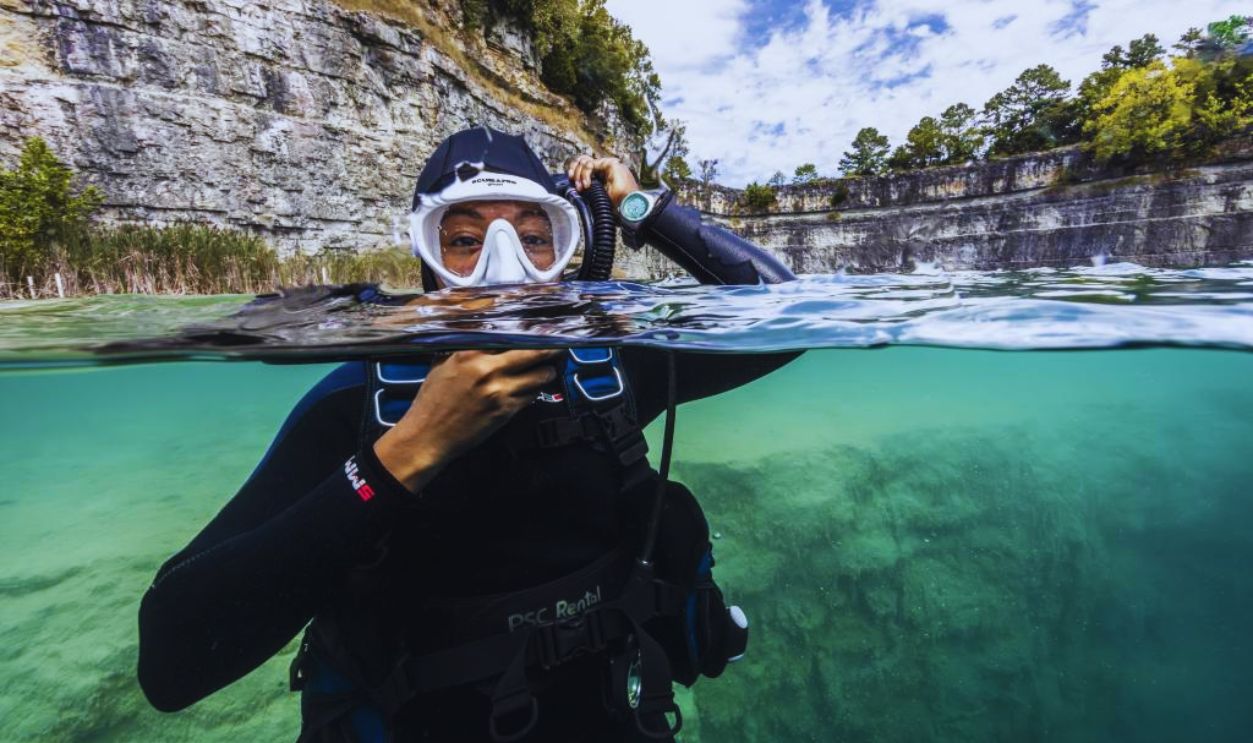
Lake Martin, Alabama
Lake Martin feels far bigger than expected once you reach the water. Clear blue stretches across more than forty-four thousand acres. Gradually, the shoreline opens into wooded coves and rocky points. At sunrise, reflections soften everything and slow the pace.
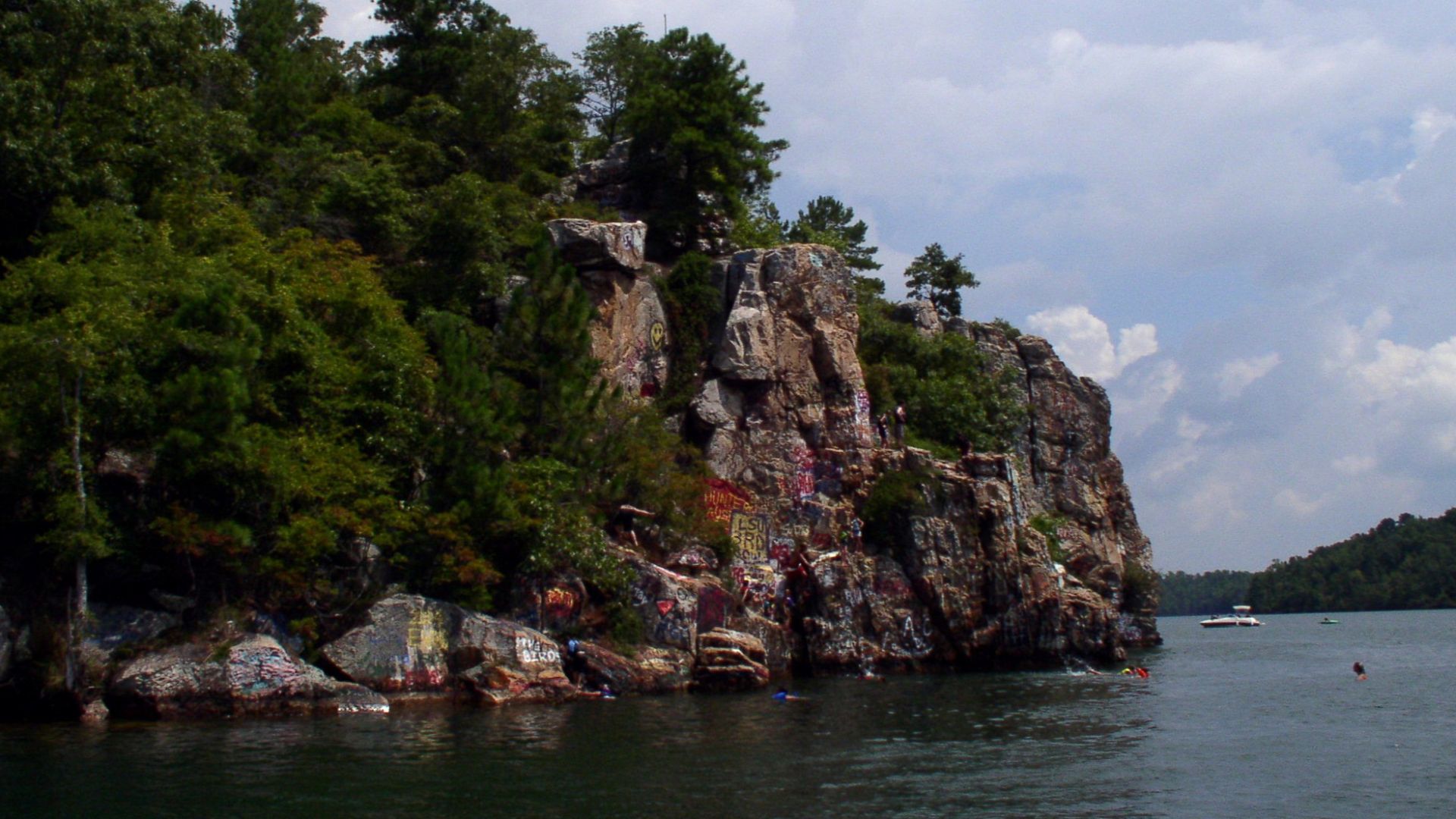 Rebecca Hagen, Wikimedia Commons
Lake Clark, Alaska
Glacial silt suspended in Lake Clark scatters sunlight and produces its intense turquoise color. The lake extends nearly fifty miles through protected wilderness. Because glaciers, rivers, and waterfalls feed the basin, surface tones also shift constantly with light and melt cycles.
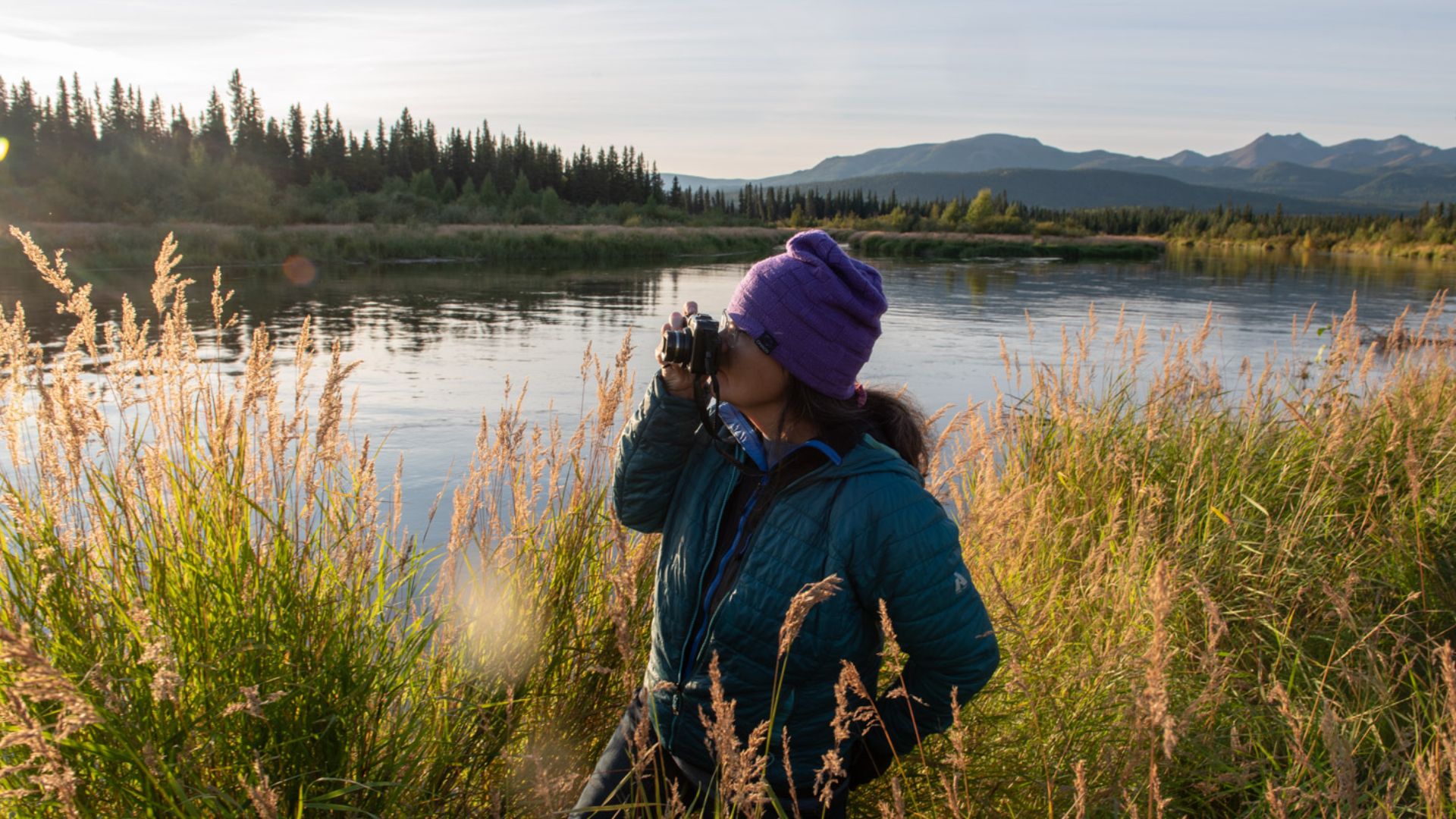 National Park Service, Wikimedia Commons
Lake Powell, Arizona
Lake Powell relies on contrast rather than subtlety, and bright blue water cuts through towering red rock walls. Desert light further exaggerates every curve and shadow. Kayaks also glide into narrow canyons, where sandstone surfaces return crisp reflections that feel almost theatrical.
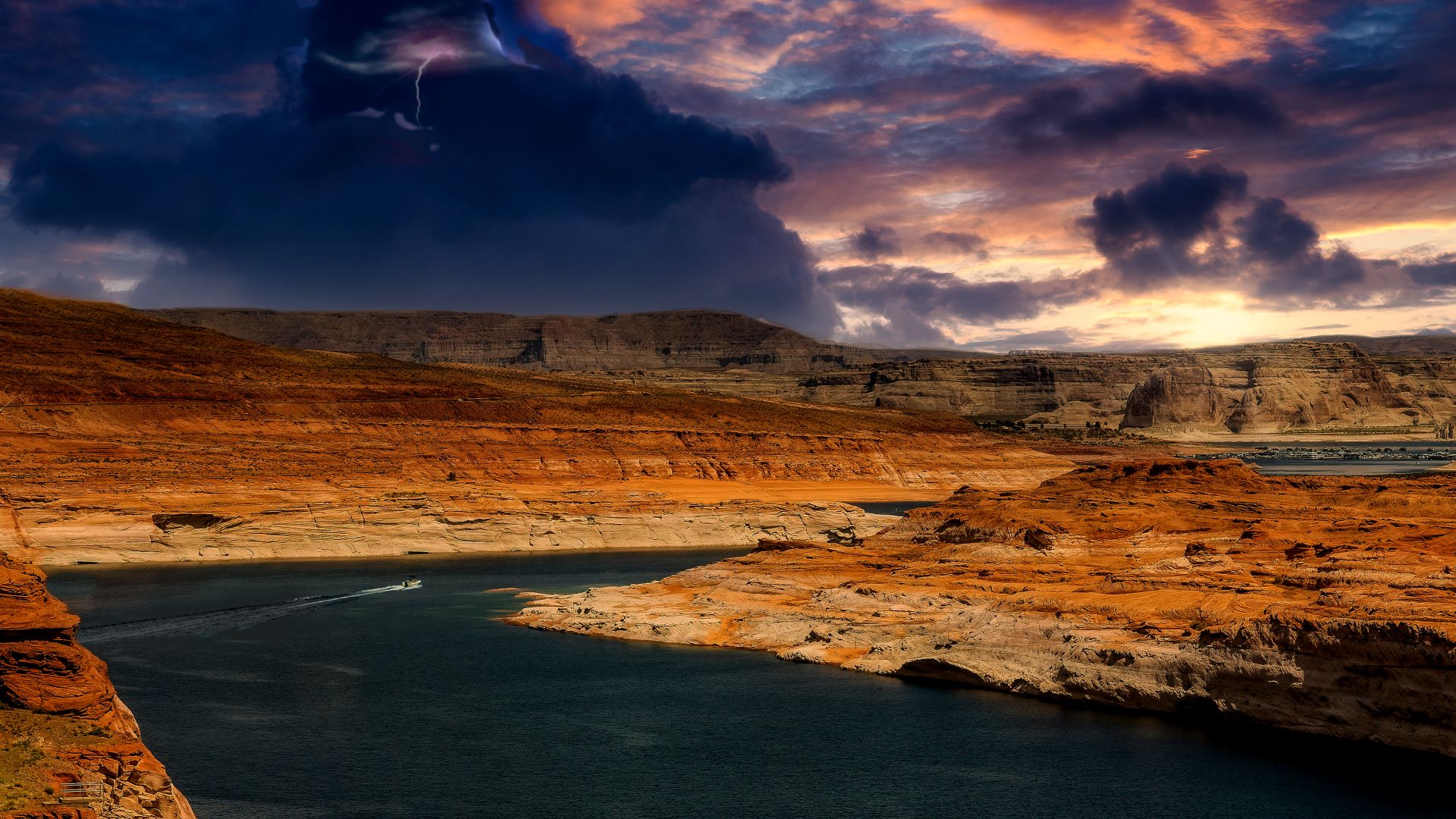
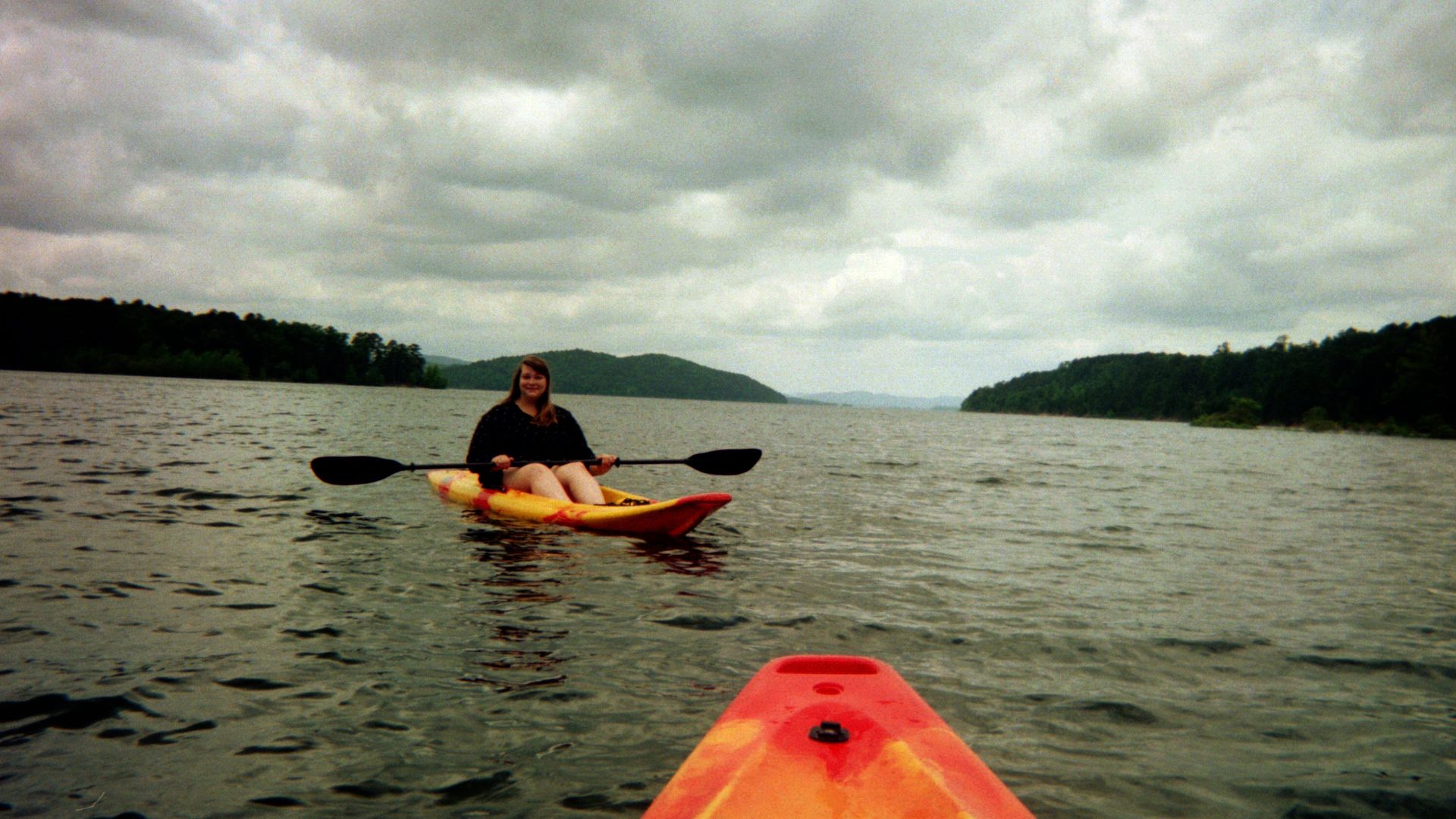
Lake Ouachita, Arkansas
Clarity defines Lake Ouachita more than scale. Spanning about forty thousand acres, the reservoir maintains visibility reaching impressive depths. Forested bluffs and undeveloped islands surround much of the shoreline. As a result, reflections appear layered and unusually undisturbed for a busy lake.
 Timothy Holdiness, Wikimedia Commons
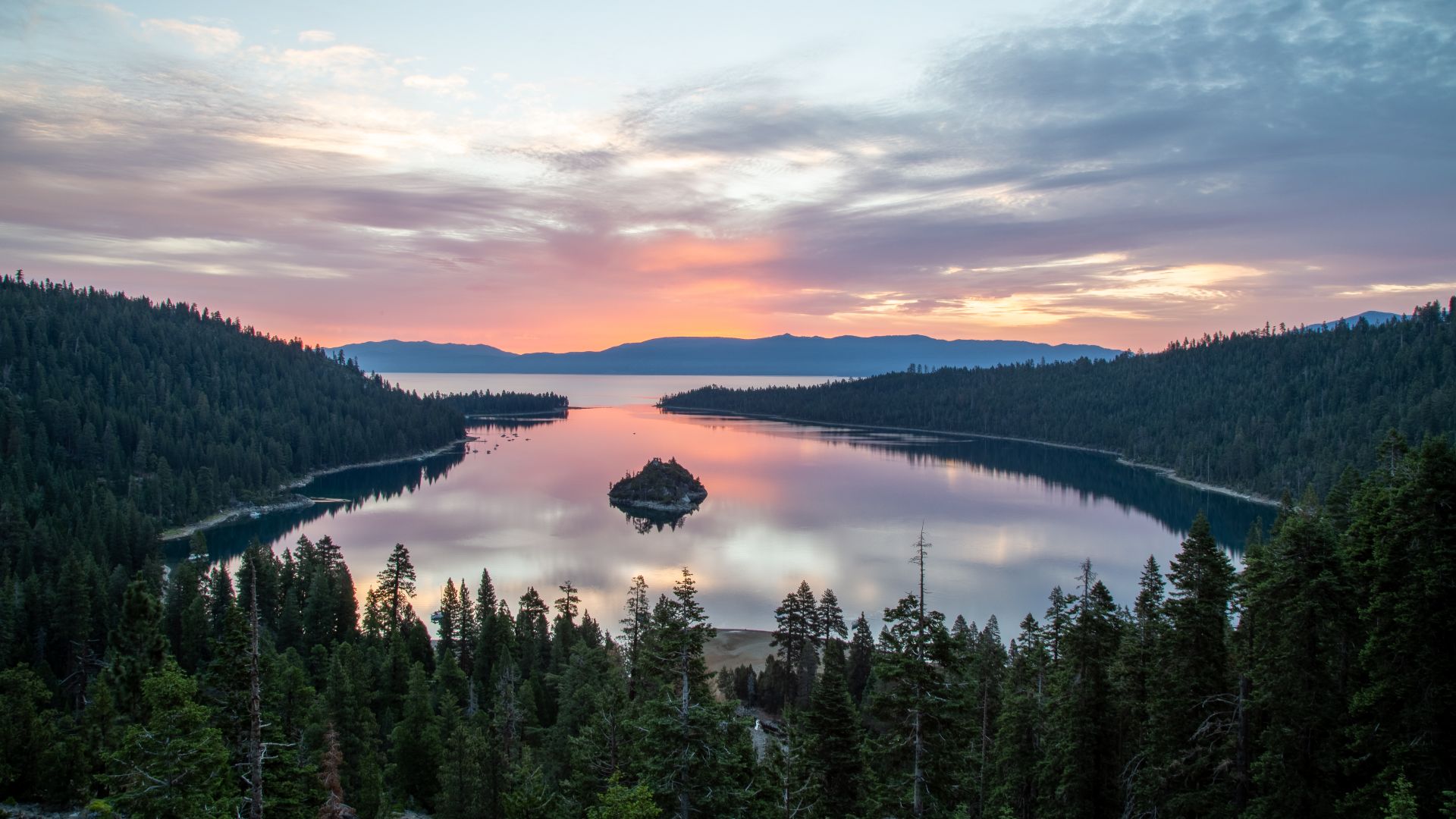
Lake Tahoe, California
Lake Tahoe holds attention through consistency rather than surprise. Deep blue water mirrors alpine peaks and dense pine forests year after year. Rocky shores and open beaches also frame familiar views. So, even as the weather shifts, the lake’s sense of steadiness remains.
 Eric Philbin, Wikimedia Commons
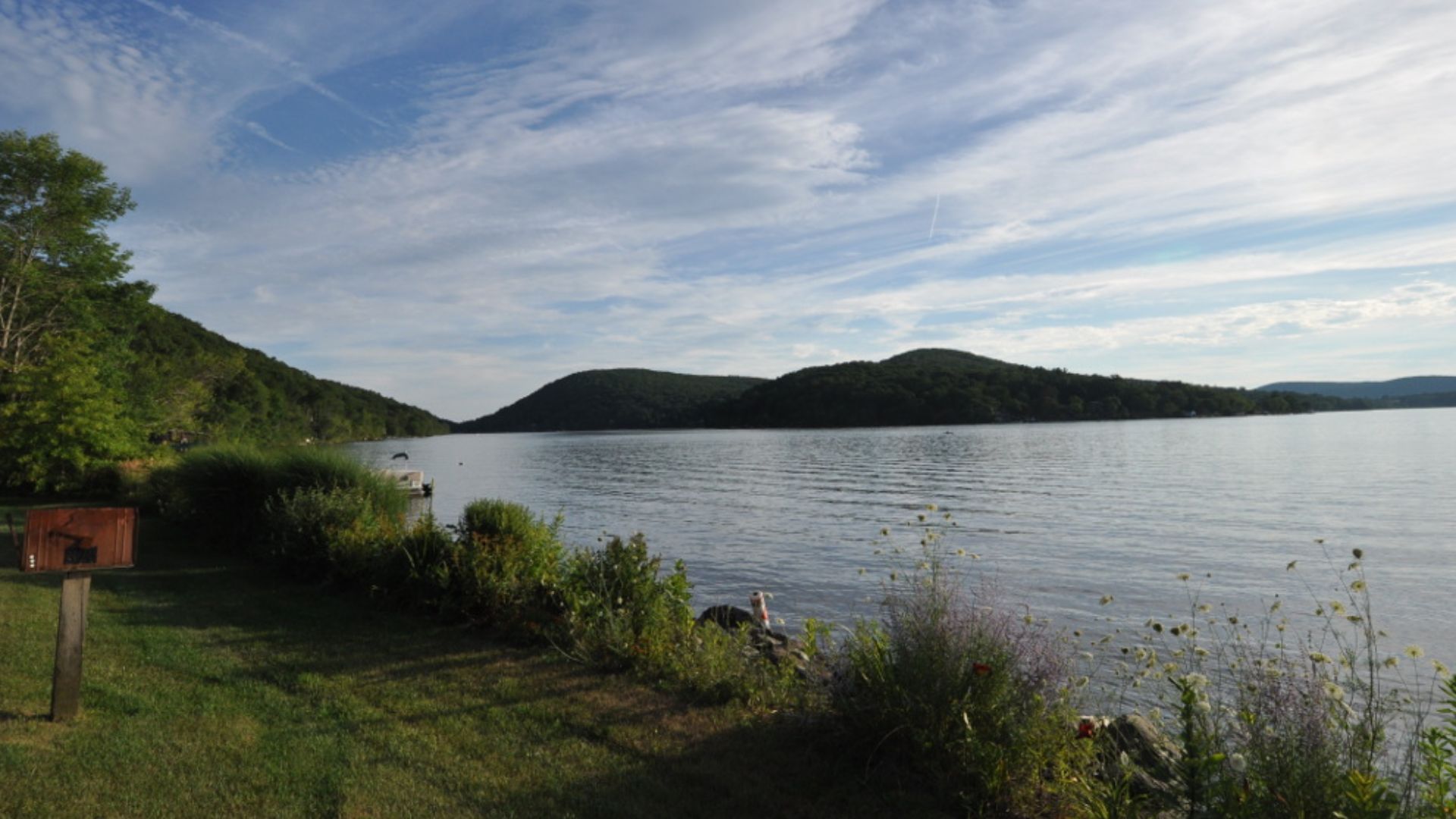
Lake Waramaug, Connecticut
Life naturally slows around this curved stretch of water. Forested slopes rise along the shore, and seasonal color shifts reshape the scene. Nearby farms and vineyards add texture, giving the lake a lived-in character rather than a dramatic one.
 User:Magicpiano, Wikimedia Commons
Hanging Lake, Colorado
Reaching this alpine pool requires effort and patience. Turquoise water clings to a cliff edge, fed by waterfalls and mineral deposits. Elevated walkways frame the view, and the sheer drop nearby heightens awareness of how fragile the protected setting remains.
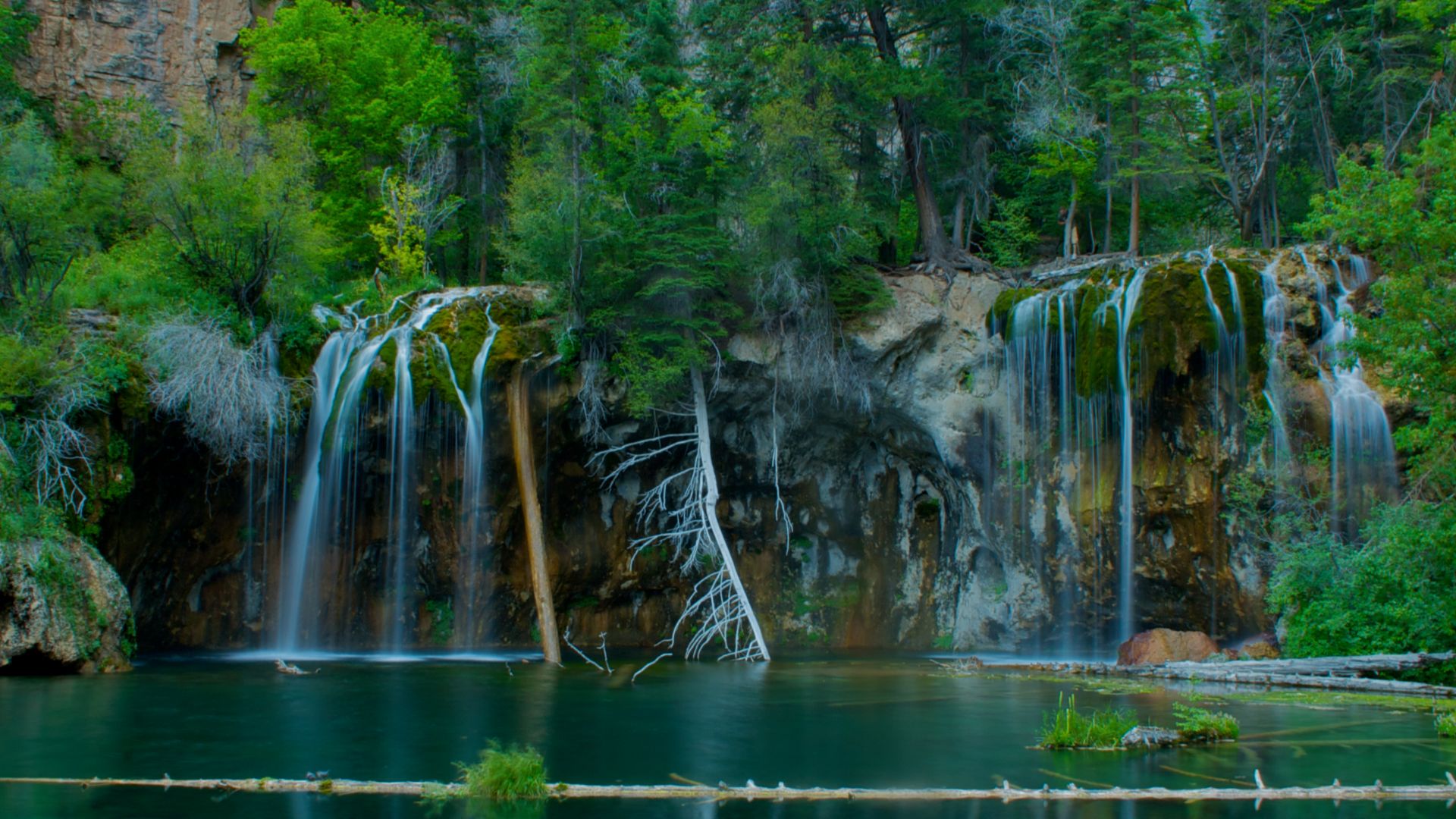 Zach Dischner, Wikimedia Commons
Trap Pond, Delaware
Expectations shift quickly in this quiet wetland because the stillness reflects bald cypress trees rarely found so far north. The scene also suggests age and patience. Walking the boundary trail invites reflection on how subtle ecosystems receive serious appreciation.
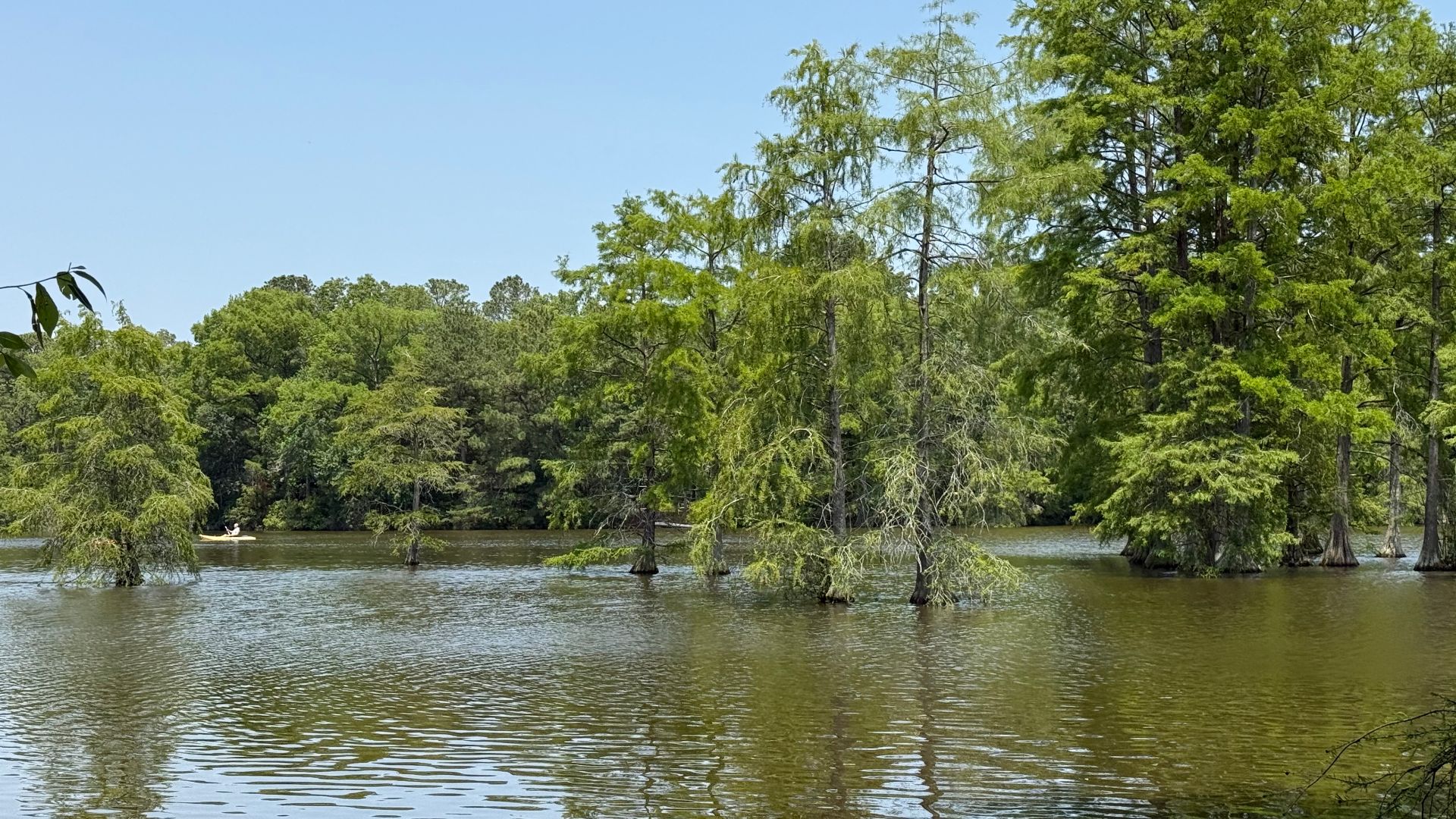
Lake Okeechobee, Florida
Scale defines the experience here more than depth. This is because hundreds of square miles stretch toward flat horizons and open skies. Additionally, shallow water supports dense bird habitats, and evening light spreads uninterrupted across a surface closer to the sea than an inland lake.
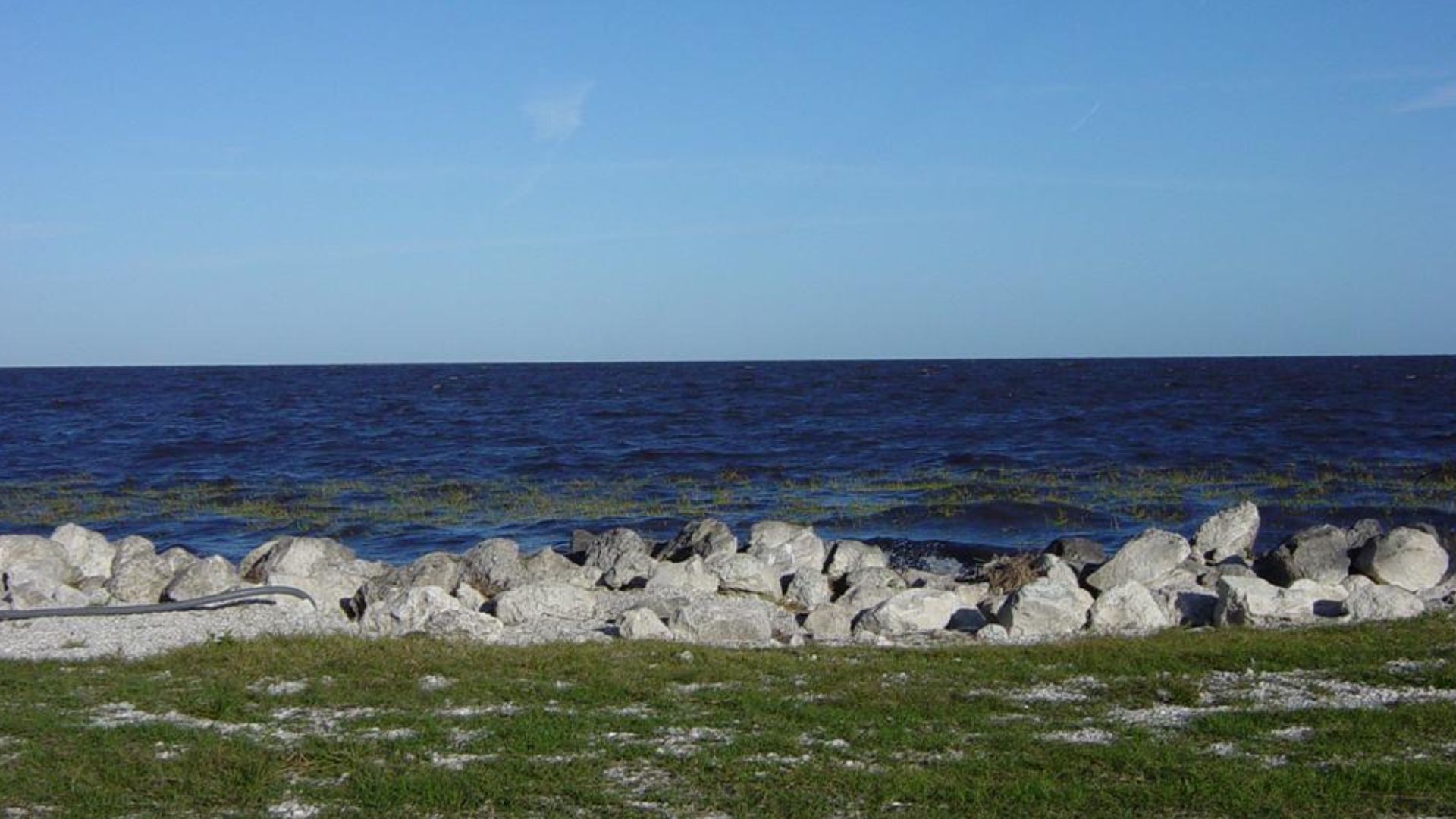 Fl295 at English Wikipedia, Wikimedia Commons
Lake Sidney Lanier, Georgia
First impressions suggest constant motion. Busy coves and marinas fill quickly on warm days. Step away from the launches, though, and wooded inlets appear. Even calm water returns sooner than expected, surprising visitors who assume activity dominates every corner.
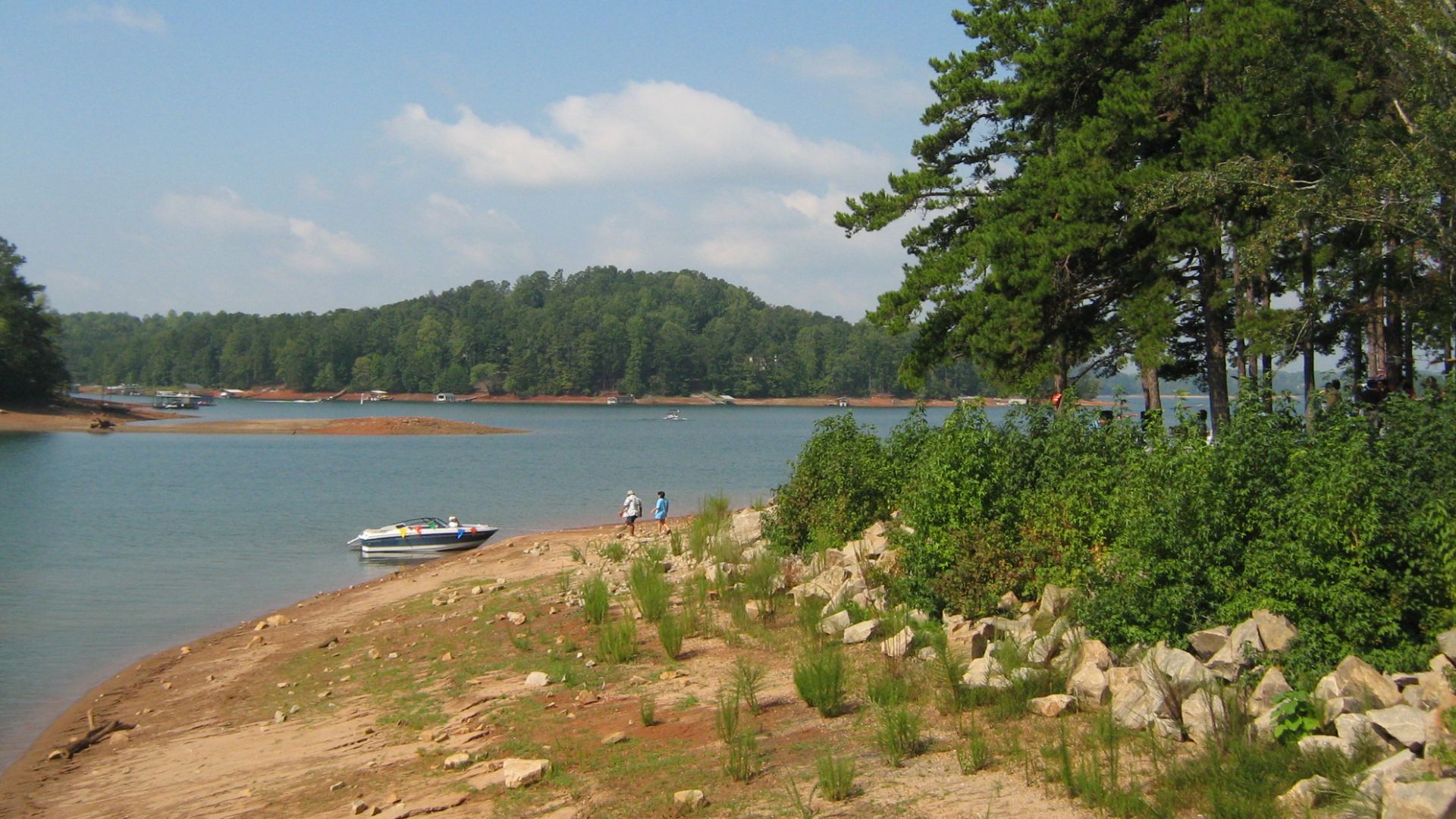 Mike Gonzalez (TheCoffee), Wikimedia Commons
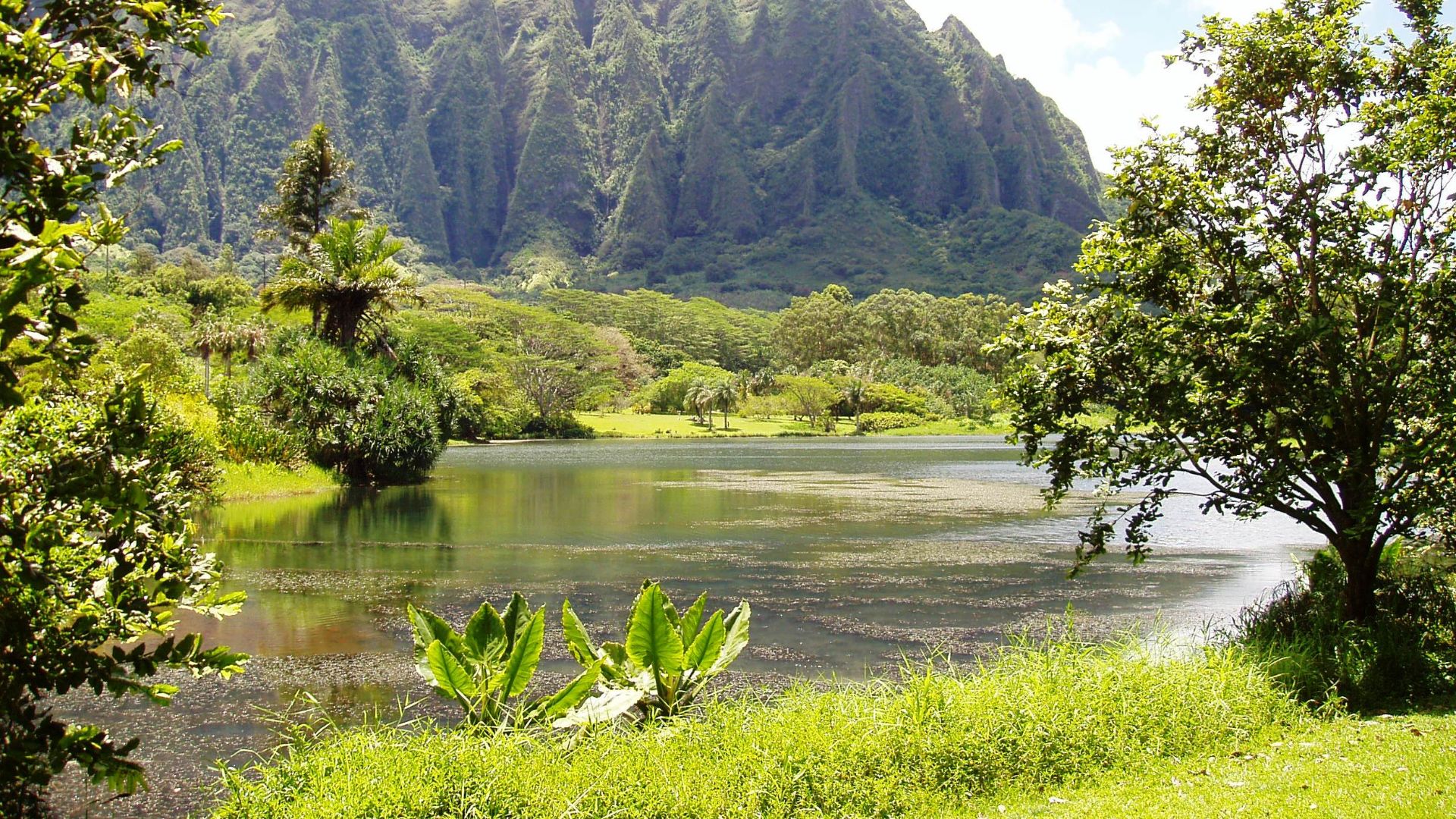
Ho’omaluhia Botanical Garden Lake, Hawaii
Green takes over at this garden lake on Oahu. Mountains press close on every side, and still, surfaces mirror dense foliage. Originally built for flood control, the lake now anchors slow walks, quiet pauses, and surprisingly peaceful afternoons inside the park.
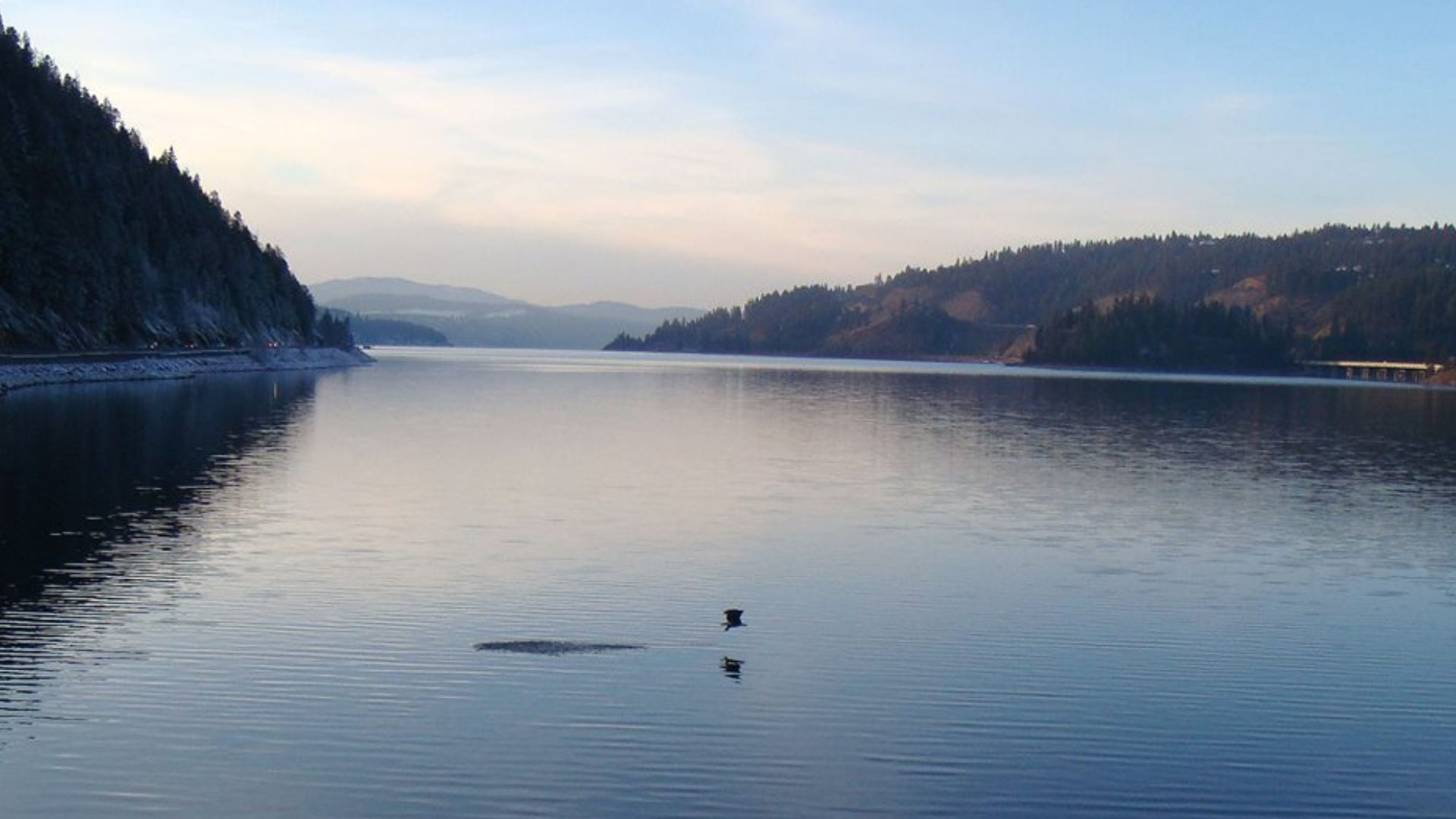
Lake Coeur D’Alene, Idaho
More than one hundred miles of shoreline define Lake Coeur d’Alene. Pine-covered hills shape the view, and seasonal light sharpens color shifts across the surface. Plus, during winter months, bald eagles gather nearby, adding movement to an already striking setting.
 Bureau of Land Management, Wikimedia Commons
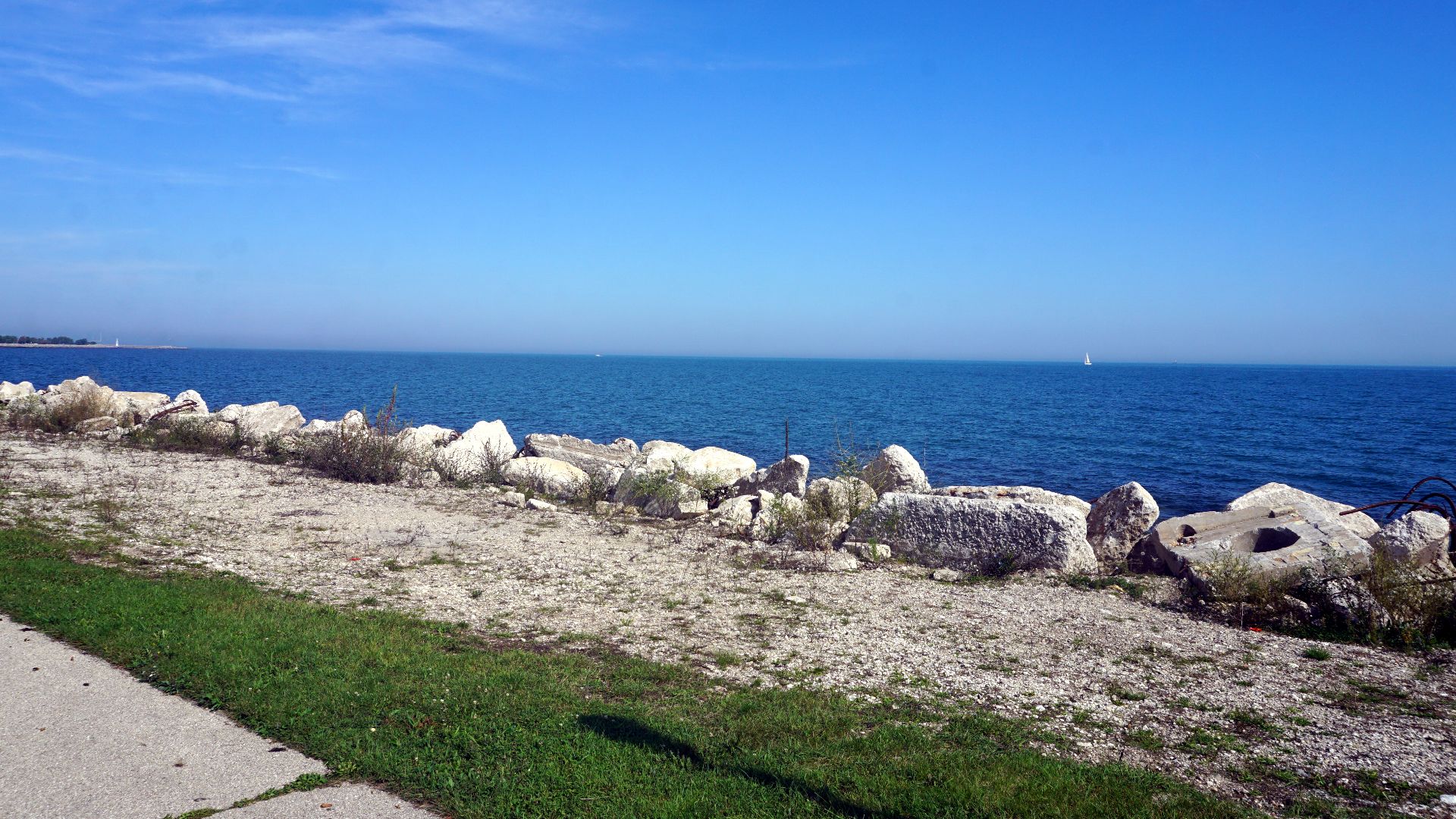
Lake Michigan, Illinois
Chicago’s shoreline opens onto a vast inland sea where pale blue stretches meet the sky. Beaches frame long sightlines, and wind-driven waves add motion. Beautifully, the lake’s sheer breadth reshapes how the city is experienced from its edge.
 Michael Barera, Wikimedia Commons
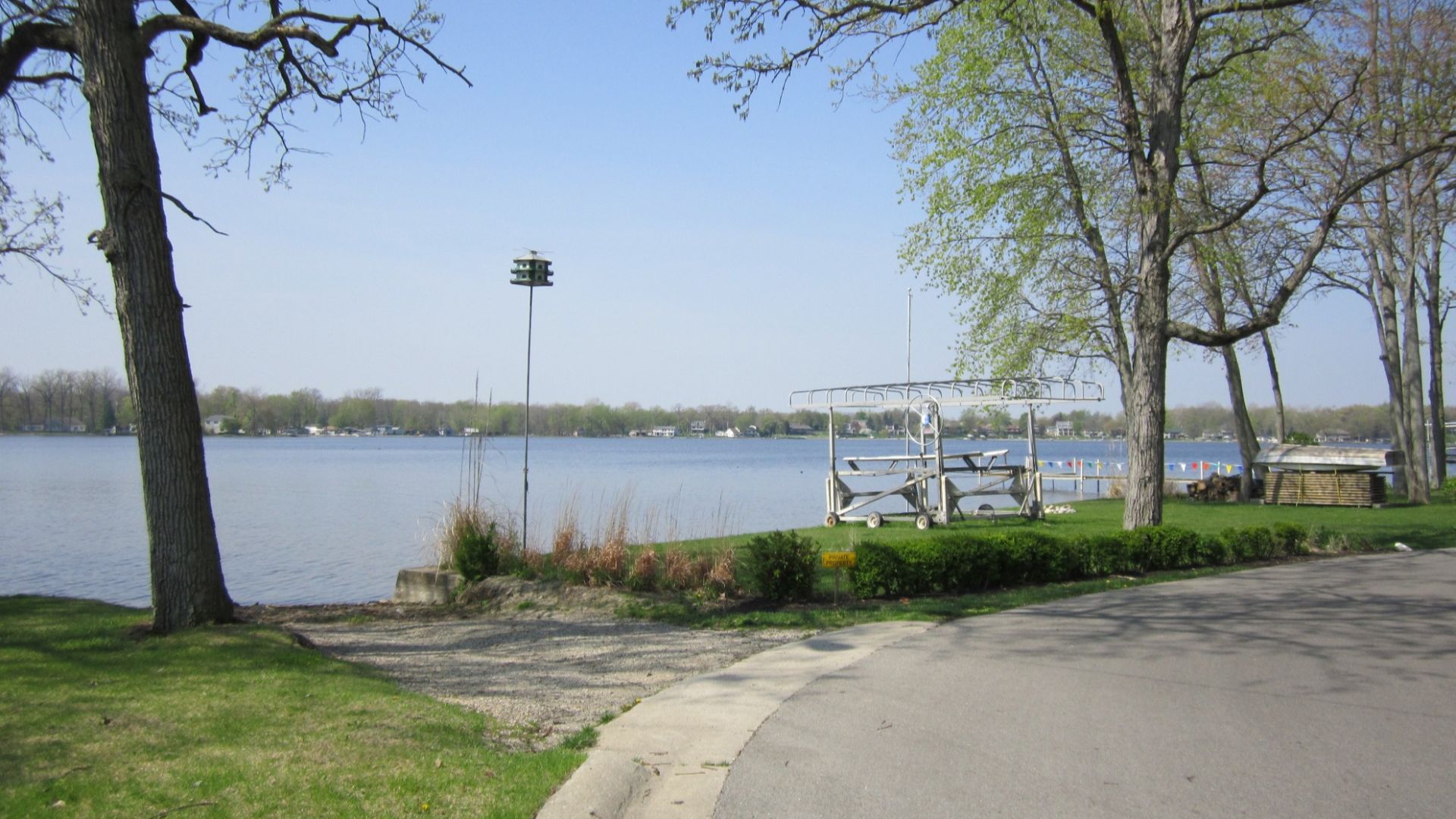
Winona Lake, Indiana
Memory seems baked into Winona Lake’s shoreline. A wooden boardwalk traces quiet edges, and historic buildings sit close by. Gentle ripples also catch light at dusk, encouraging slow walks that connect present moments with earlier rhythms of town life.
 Andrew Latham, Wikimedia Commons
Clear Lake, Iowa
Clear Lake earns its reputation through visibility and openness. Spring-fed clarity supports bright evening color and easy views across the shore. Furthermore, beaches and parks keep the scene social, yet sunsets still manage to stop conversations without trying too hard.
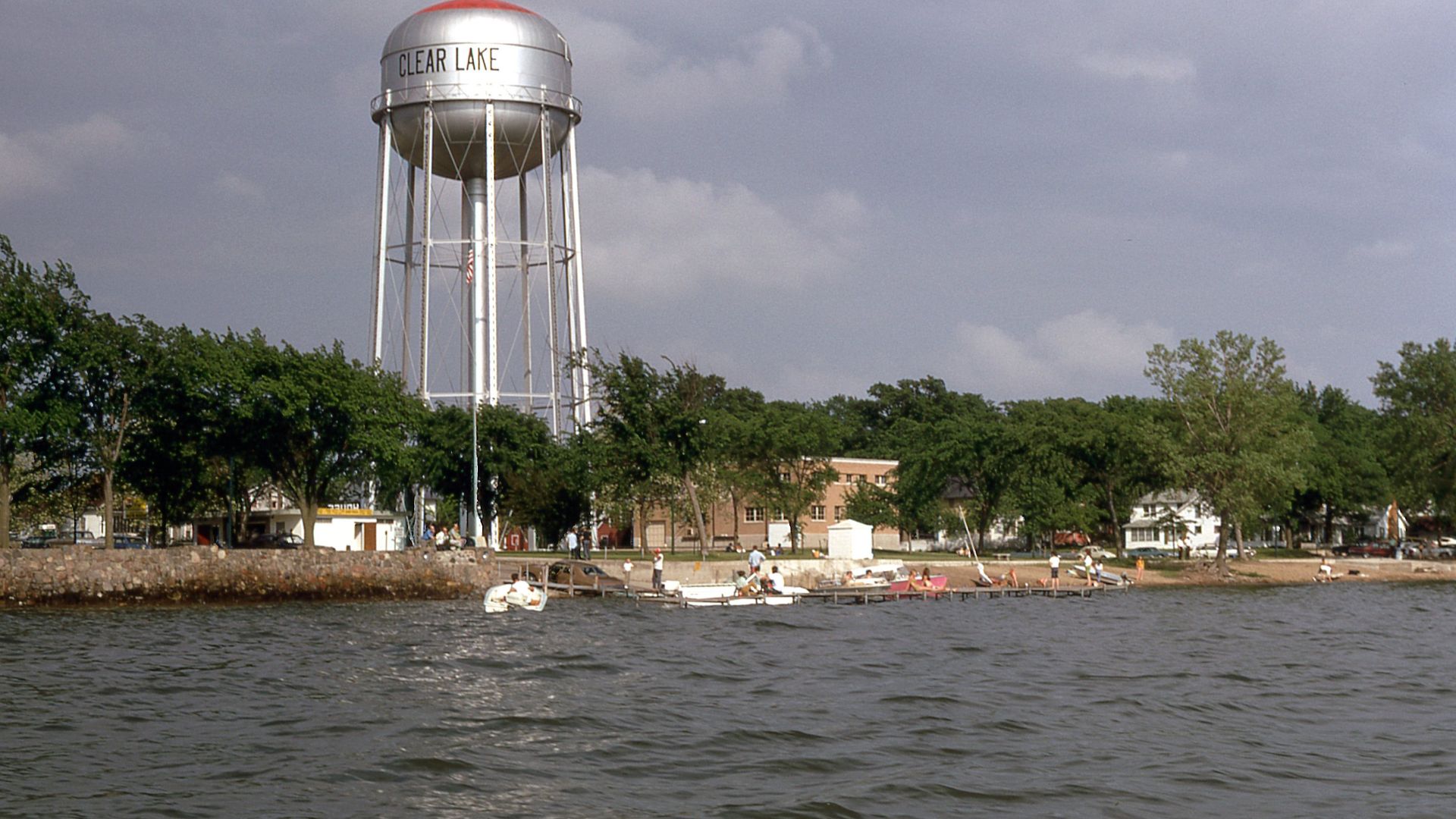 Susan J. Koscielak / FortepanIowa, Wikimedia Commons
Clinton Lake, Kansas
Wide skies dominate views around Clinton Lake near Lawrence. Rolling grasslands and wooded sections shape long sightlines, and seasonal color changes soften the reservoir’s edges. Extensive trails also circle the area, making the scenery feel open, balanced, and quietly expansive rather than dramatic.
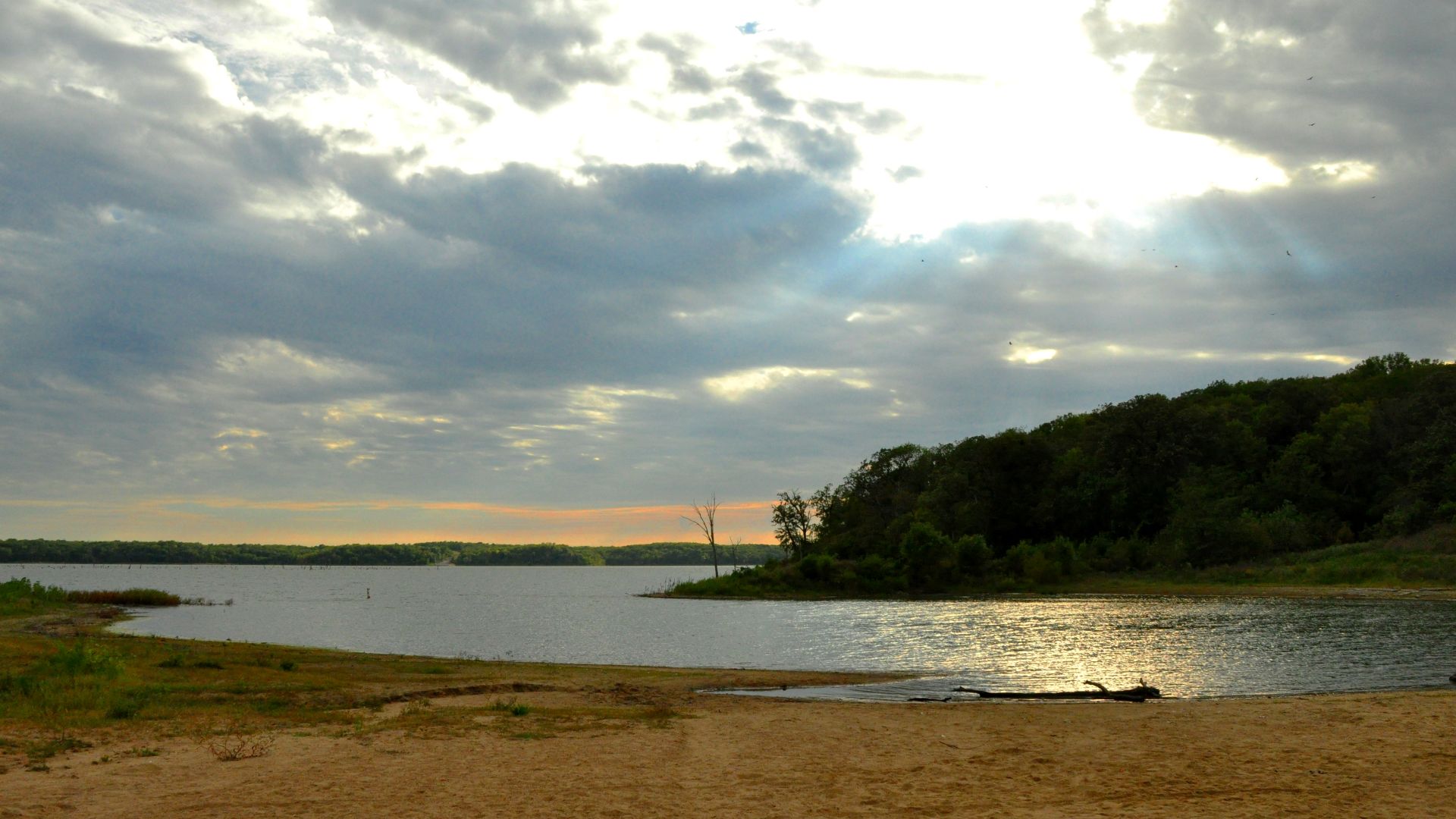 Daniel Gross, Wikimedia Commons
Lake Cumberland, Kentucky
Lake Cumberland doesn’t reveal itself all at once. One turn opens into a quiet cove, another leads into a long channel, and suddenly the shoreline feels endless. Forested hills hug the water closely, and the steady twists make exploring feel like a slow reveal rather than a single wide view.
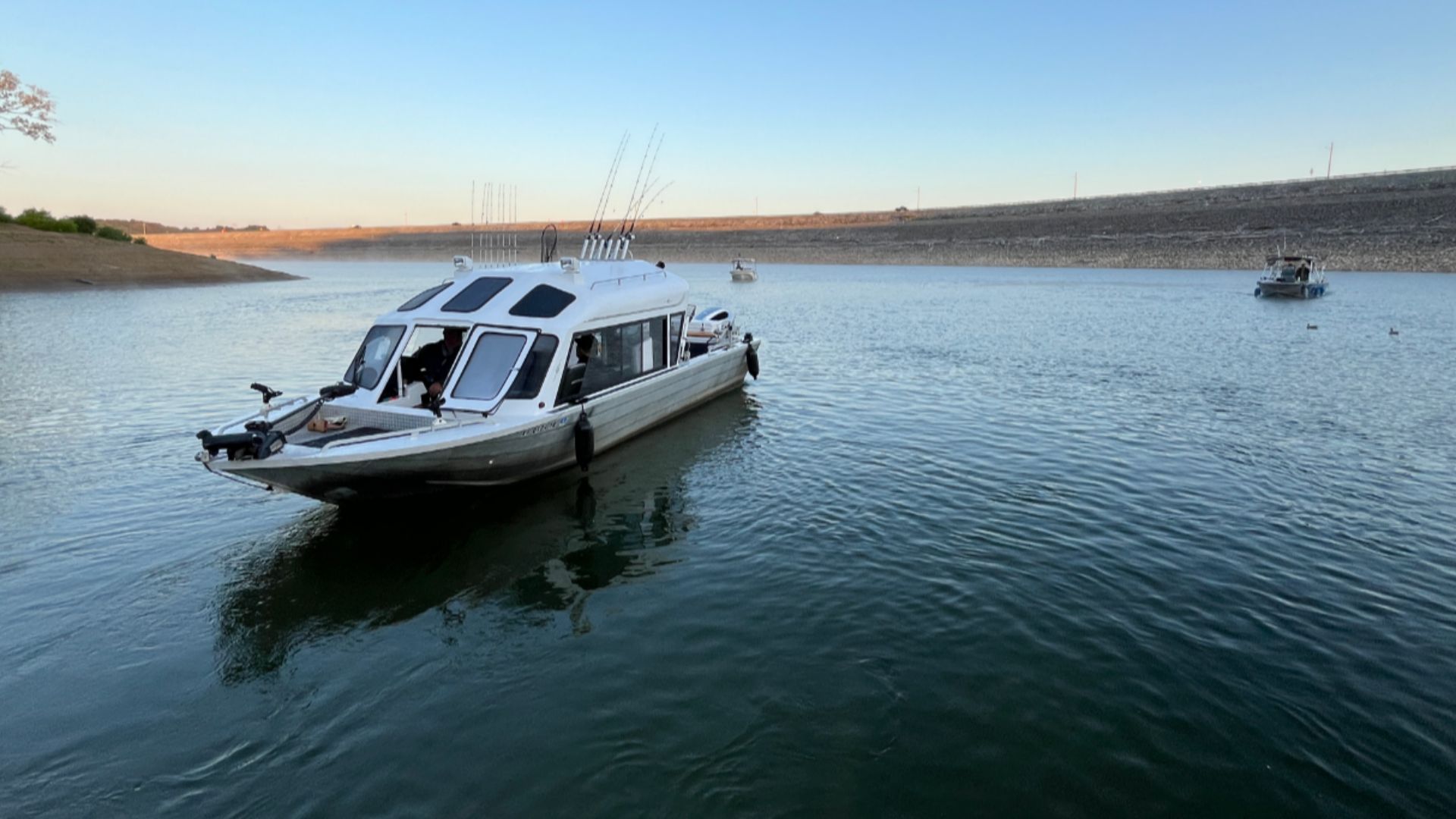 Marsha Hart/USFWS, Wikimedia Commons
Lake Pontchartrain, Louisiana
Lake Pontchartrain opens outward in every direction where its wide surface dissolves the usual sense of shoreline. Bridges slice across the water in long lines, while birds gather near the edges. Around New Orleans, that movement eases the contrast between open water and industry.
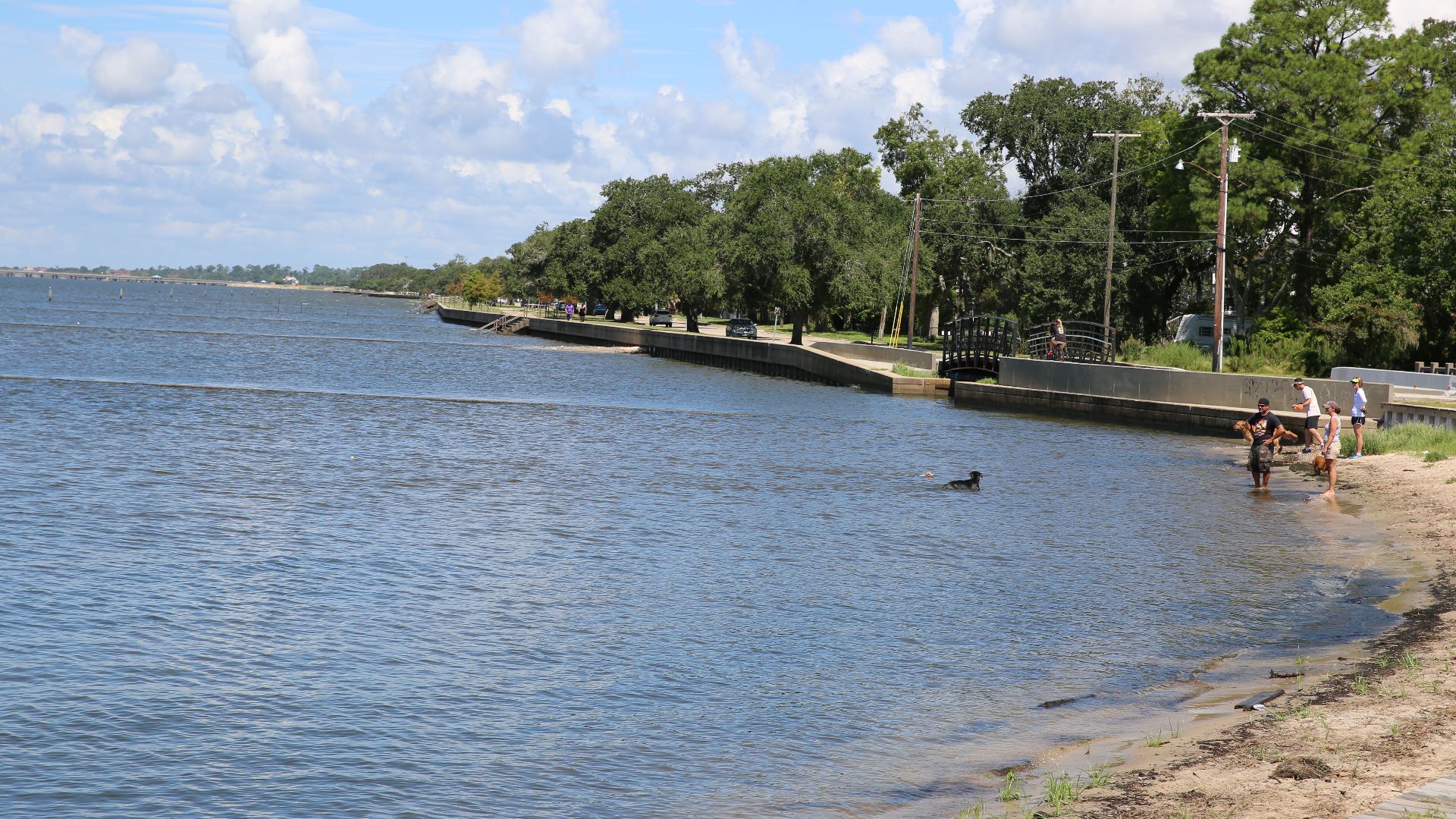 Saint Tammany, Wikimedia Commons
Sebago Lake, Maine
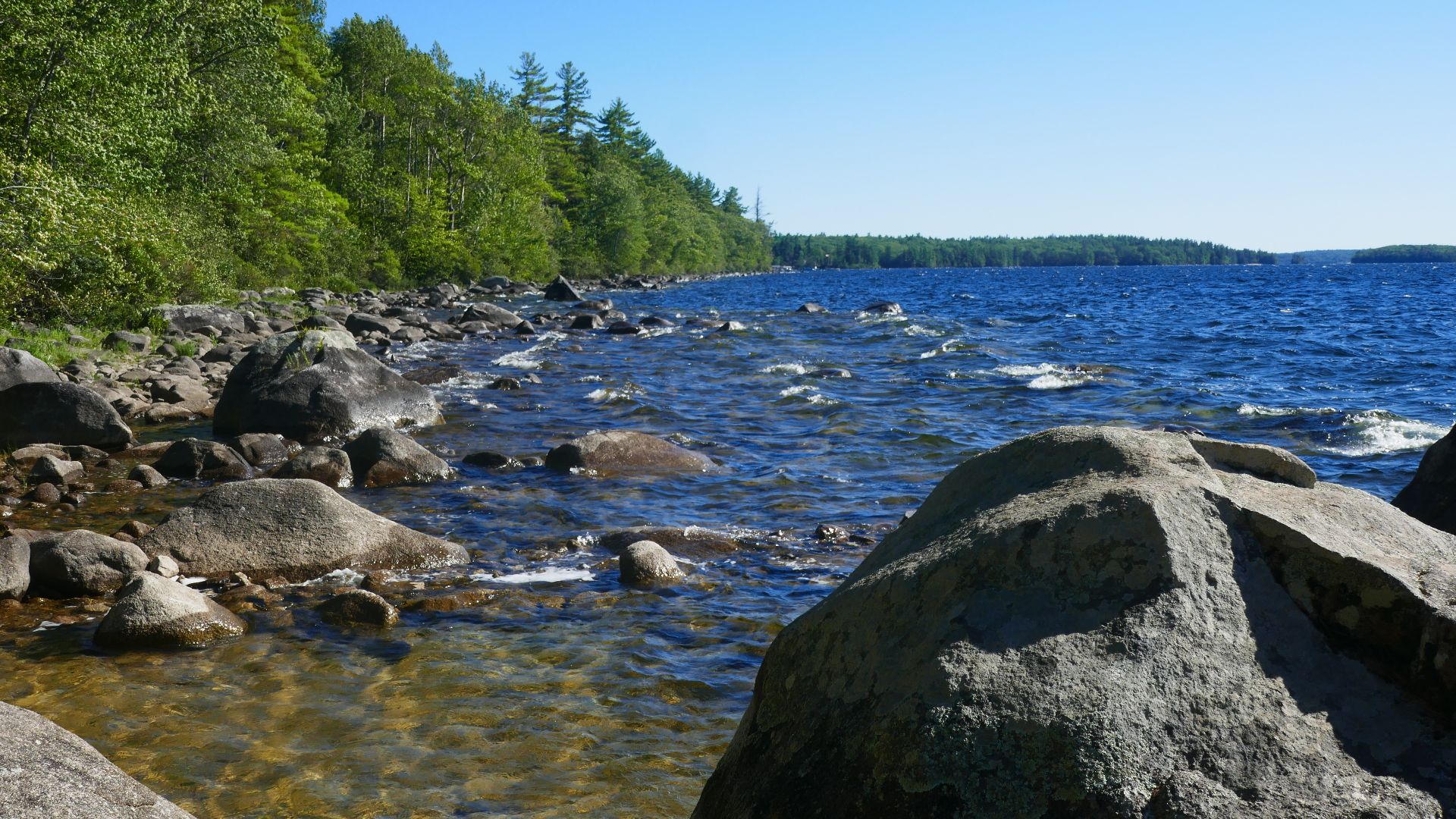
Clear water traces Sebago Lake’s extended shoreline as wooded hills and soft foothills shape the horizon. The setting feels measured rather than busy, even with Portland close by. Wide, open views hold their calm through summer, giving the lake a steady, unhurried presence.
 NewtonCourt, Wikimedia Commons
Deep Creek Lake, Maryland
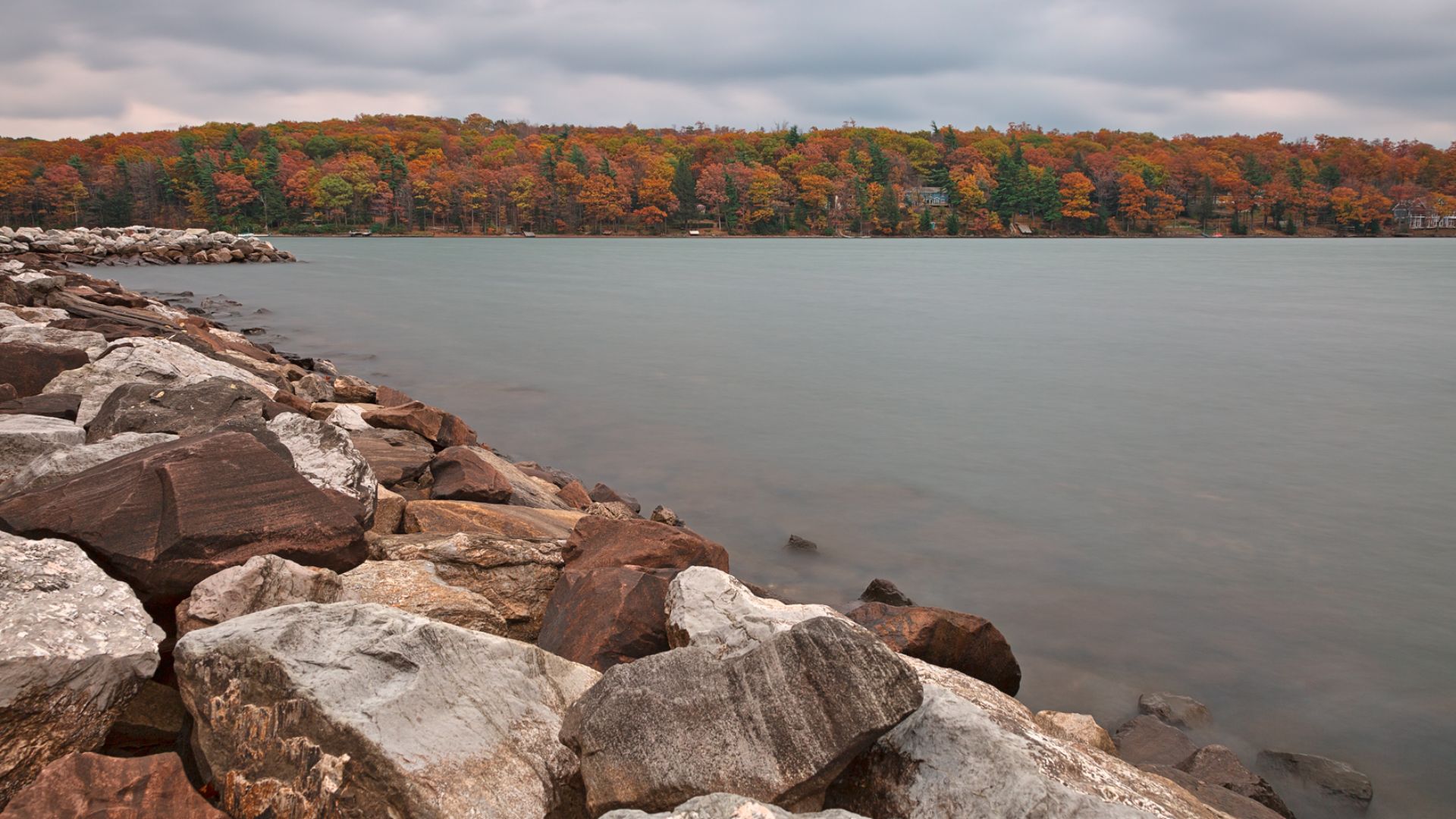
Set among rolling mountain contours, Deep Creek Lake reveals itself in layers. Forested slopes press in around open coves, and autumn color washes across the basin. From trails and overlooks, the scenery shifts again, which invites longer pauses and repeated looks.
 Nicolas Raymond from Bethesda, Maryland, USA, Wikimedia Commons
Walden Pond, Massachusetts
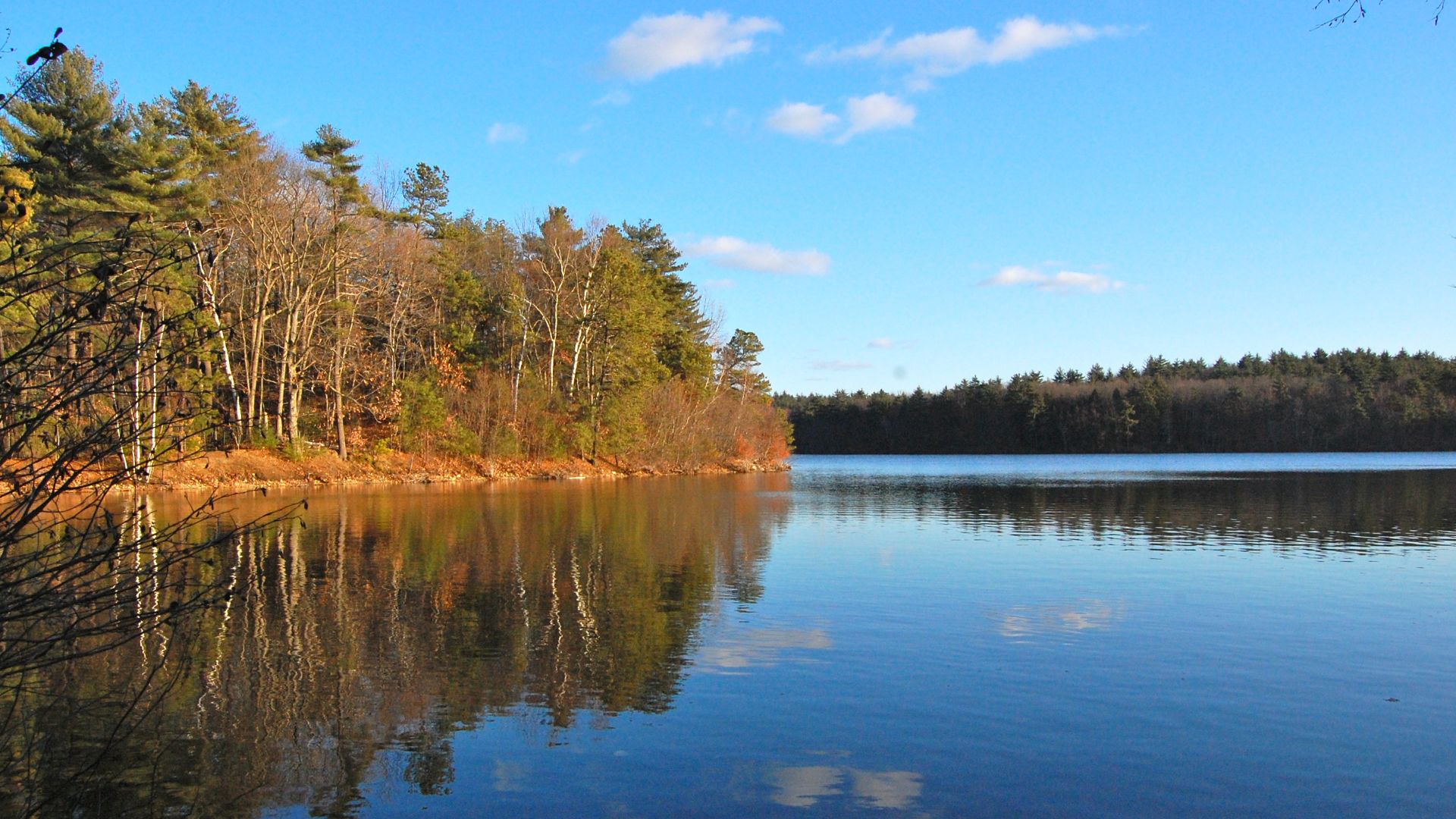
History shapes the view of Walden Pond. A clear enclosed space sits within protected woodland, creating a contained sense of calm. Trails circle the shoreline, and the quiet setting encourages attention to detail instead of sweeping drama or distant horizons.
 ptwo from Allahabad, India, Wikimedia Commons
Torch Lake, Michigan
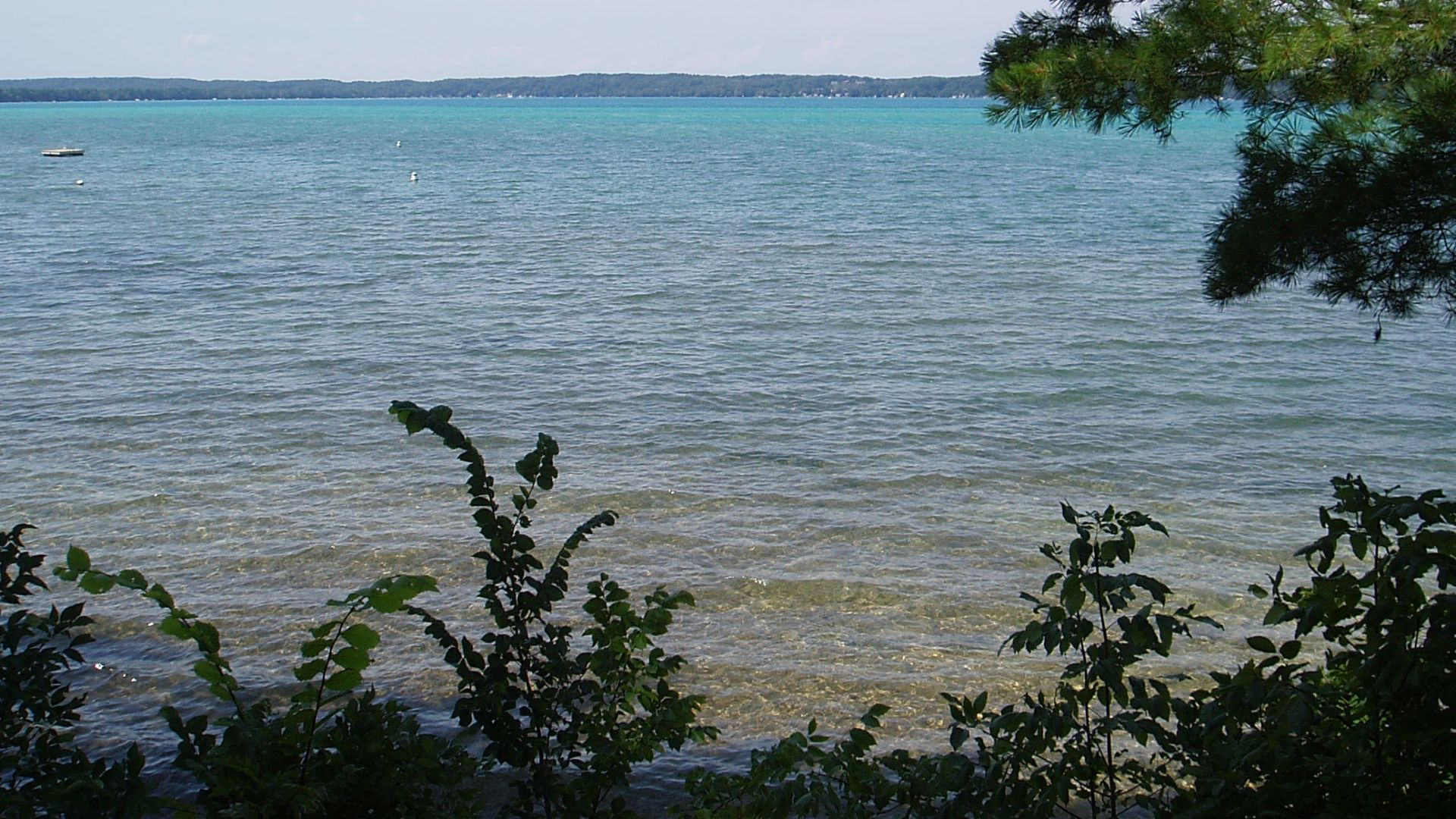
Color surprises most visitors at Torch Lake. Long and narrow, the lake holds pale turquoise tones that shift with depth and light. Sandbars and clean shorelines sharpen contrast, which also gives this inland stretch a clarity often compared to warmer coastal regions.
Lake Vermilion, Minnesota
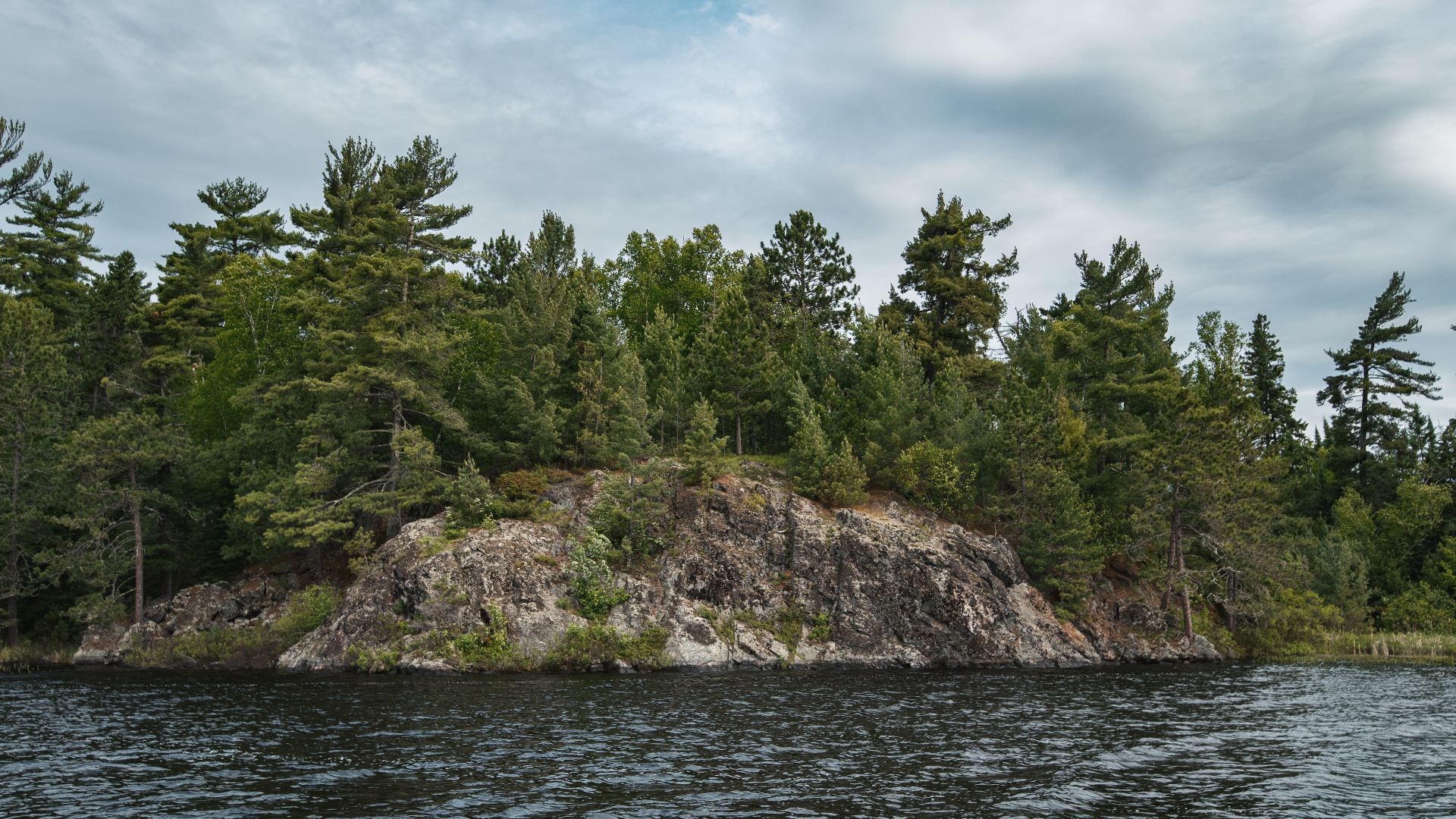
Islands define Lake Vermilion more than open water. Pine-covered outcrops divide the surface into countless sections. Additionally, the Canoe routes alternate with wide channels, and the constant visual changes keep attention moving across Minnesota’s northern wilderness.
 Tony Webster from Minneapolis, Minnesota, United States, Wikimedia Commons
Barnett Reservoir, Mississippi
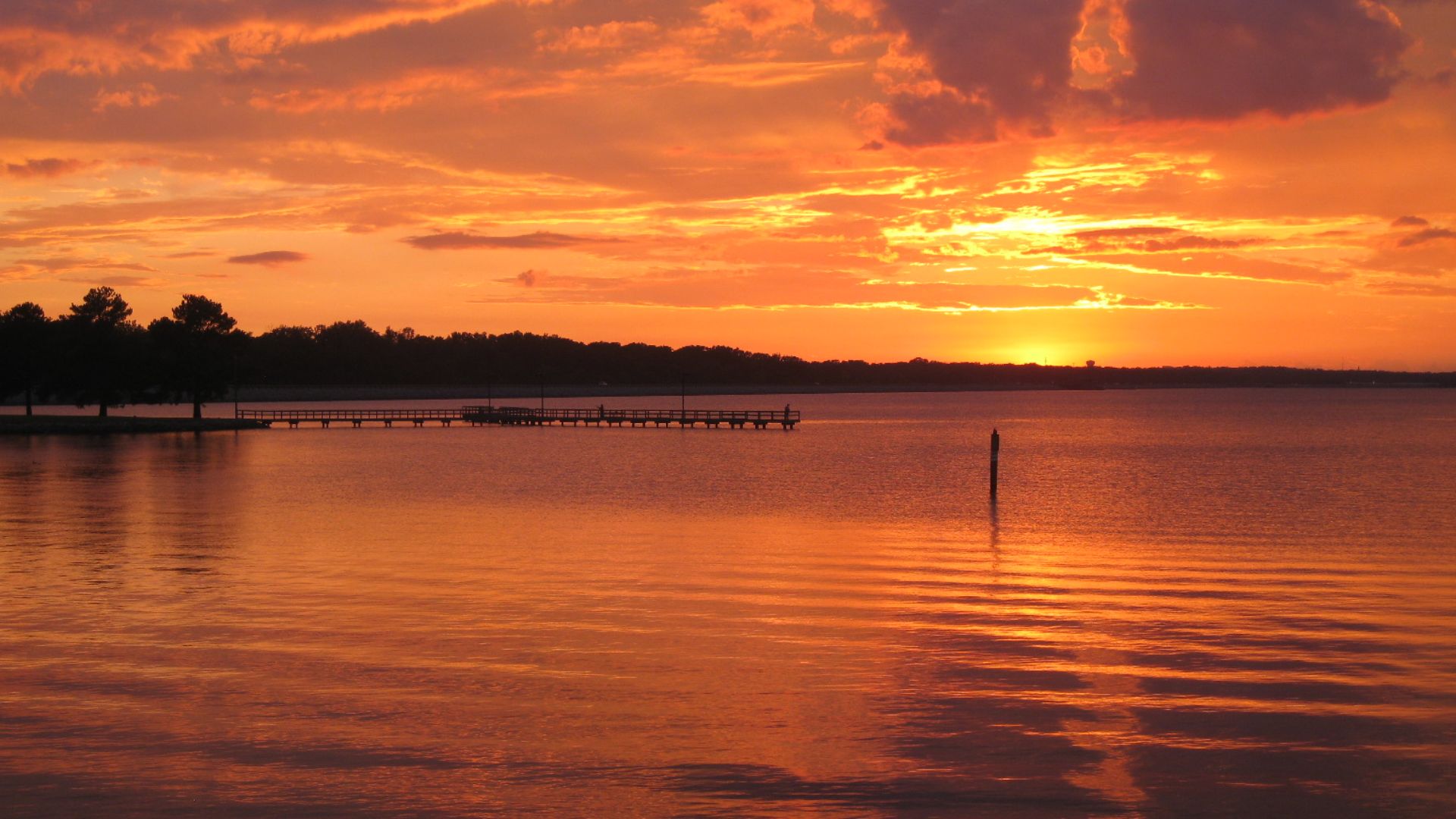
Water stretches quietly beside the Natchez Trace Parkway as birds skim low across Barnett Reservoir. What started as an engineered basin now holds long views and steady movement. Nature has eased itself into the structure, blending utility and calm without drawing much attention to either.
Longview Lake, Missouri
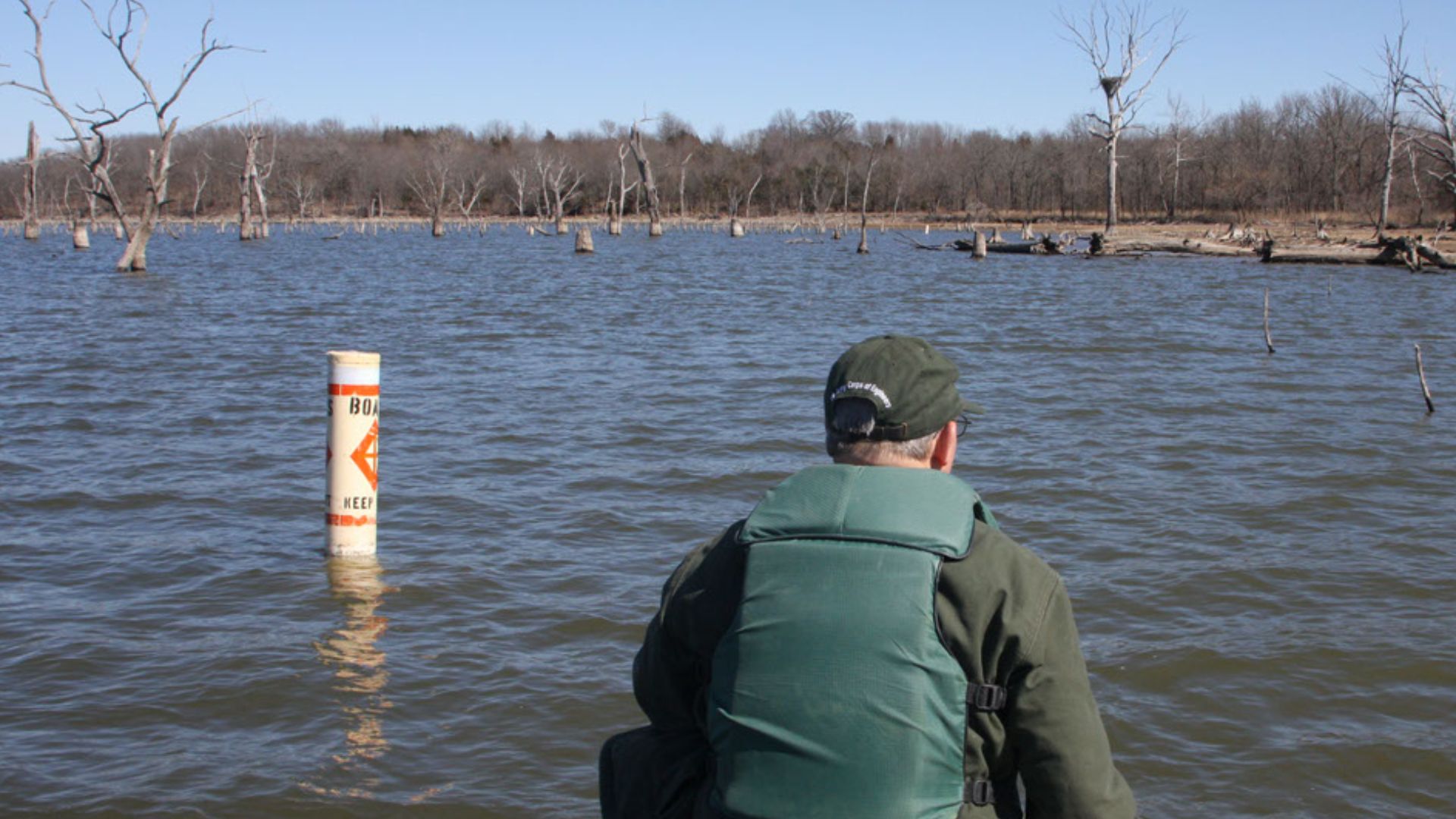
Longview Lake works best when there’s no rush. Paths and picnic spots invite people to stay put, and the lake quietly does the rest. As the day begins, light drifts across the water and slides along the shore, which changes the scene without much effort.
 Kansas City District U.S. Army Corps of Engineers, Wikimedia Commons
Flathead Lake, Montana
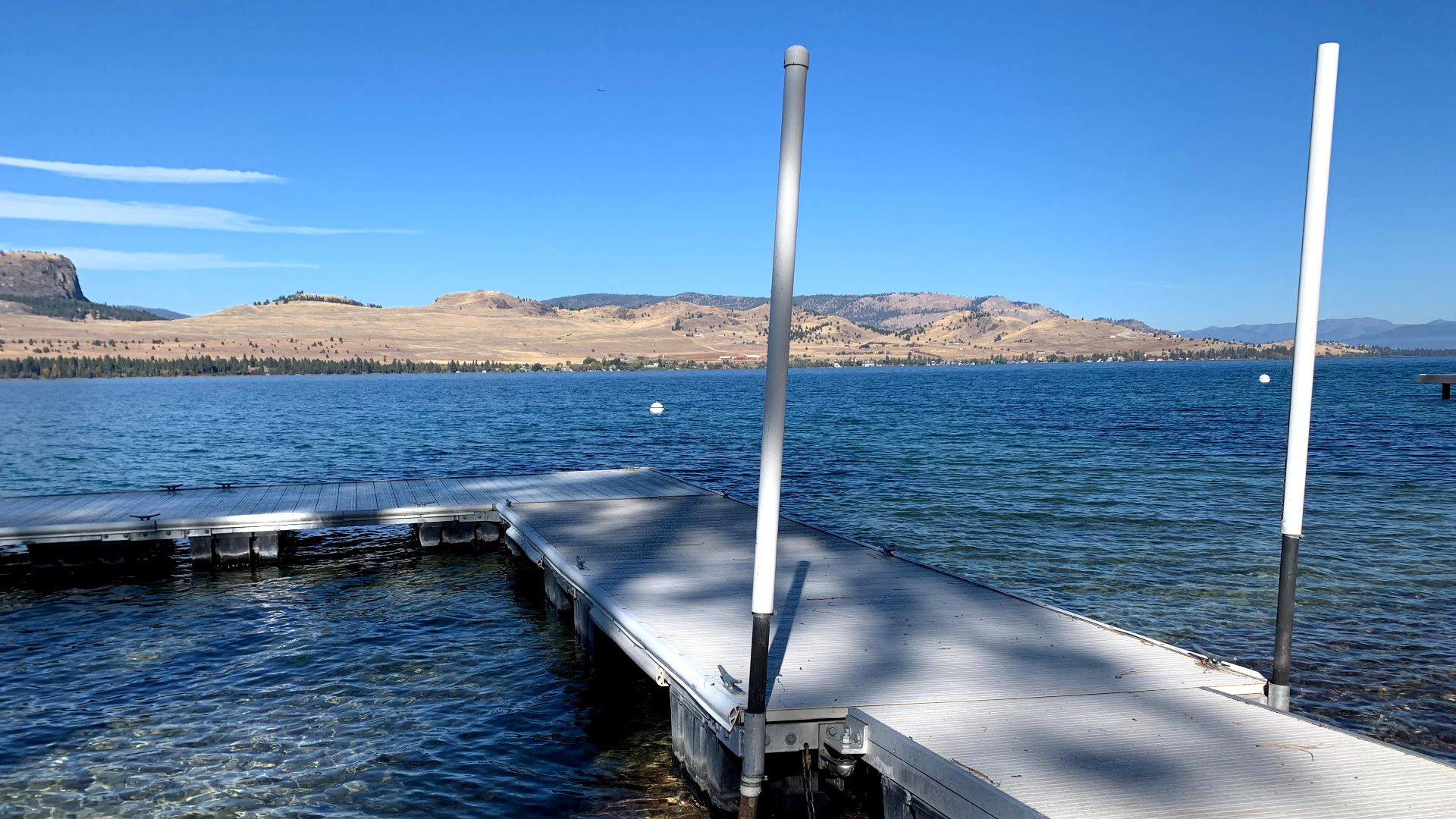
After denser shorelines elsewhere, Flathead Lake opens outward with rare clarity. Broad space stretches across more than one hundred ninety square miles, framed by forest and mountains. Long sightlines and clean depth further give the lake a calm authority that never feels crowded.
Lake McConaughy, Nebraska
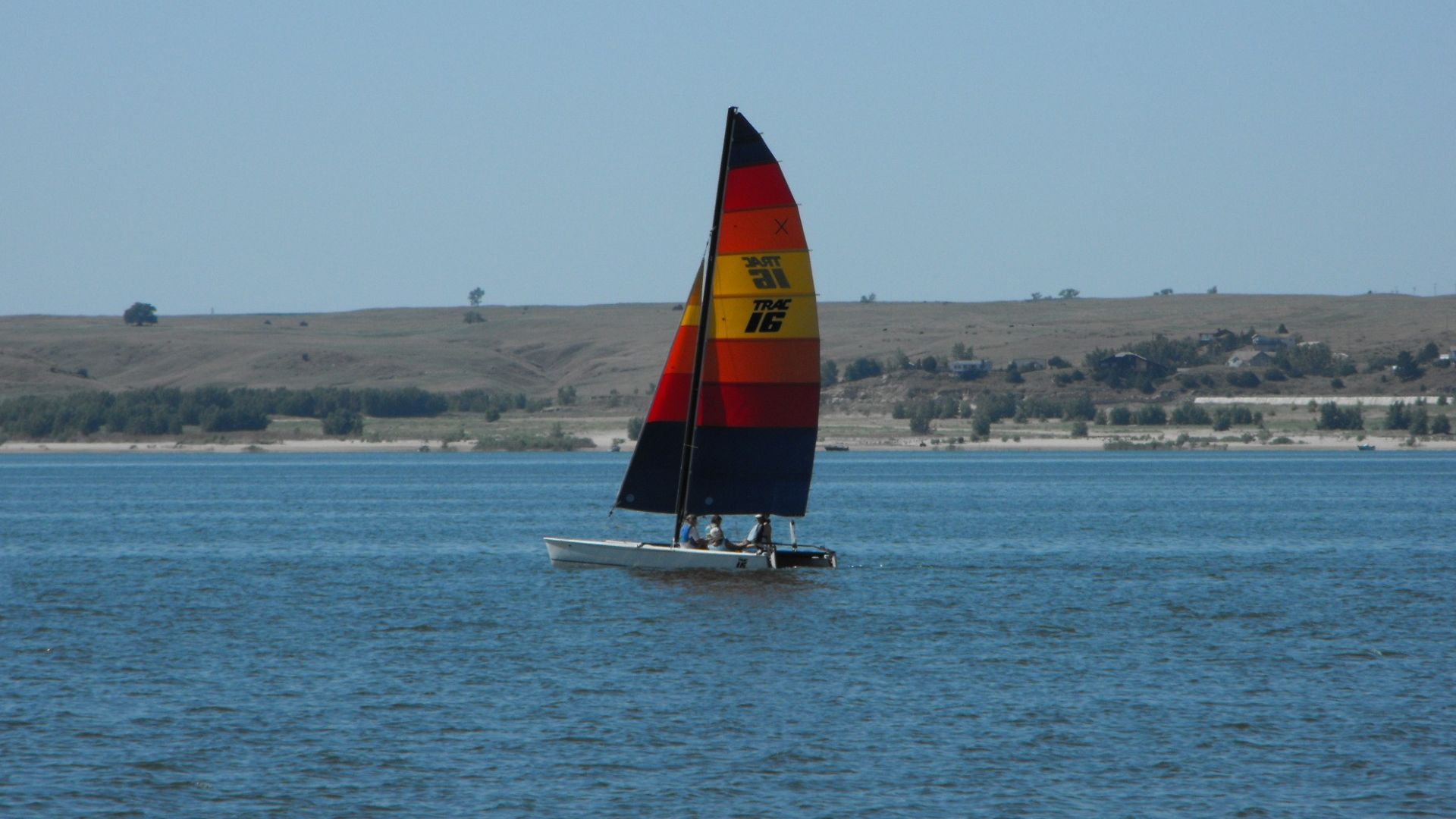
Lake McConaughy feels different right away. There are no trees crowding the edge, just open land and wide water. The sand stays bright, the space invites swimming and watersports, and the whole place reads more like a beach than a reservoir in Nebraska.
 Geoff Robinson, Wikimedia Commons
Lake Tahoe, Nevada
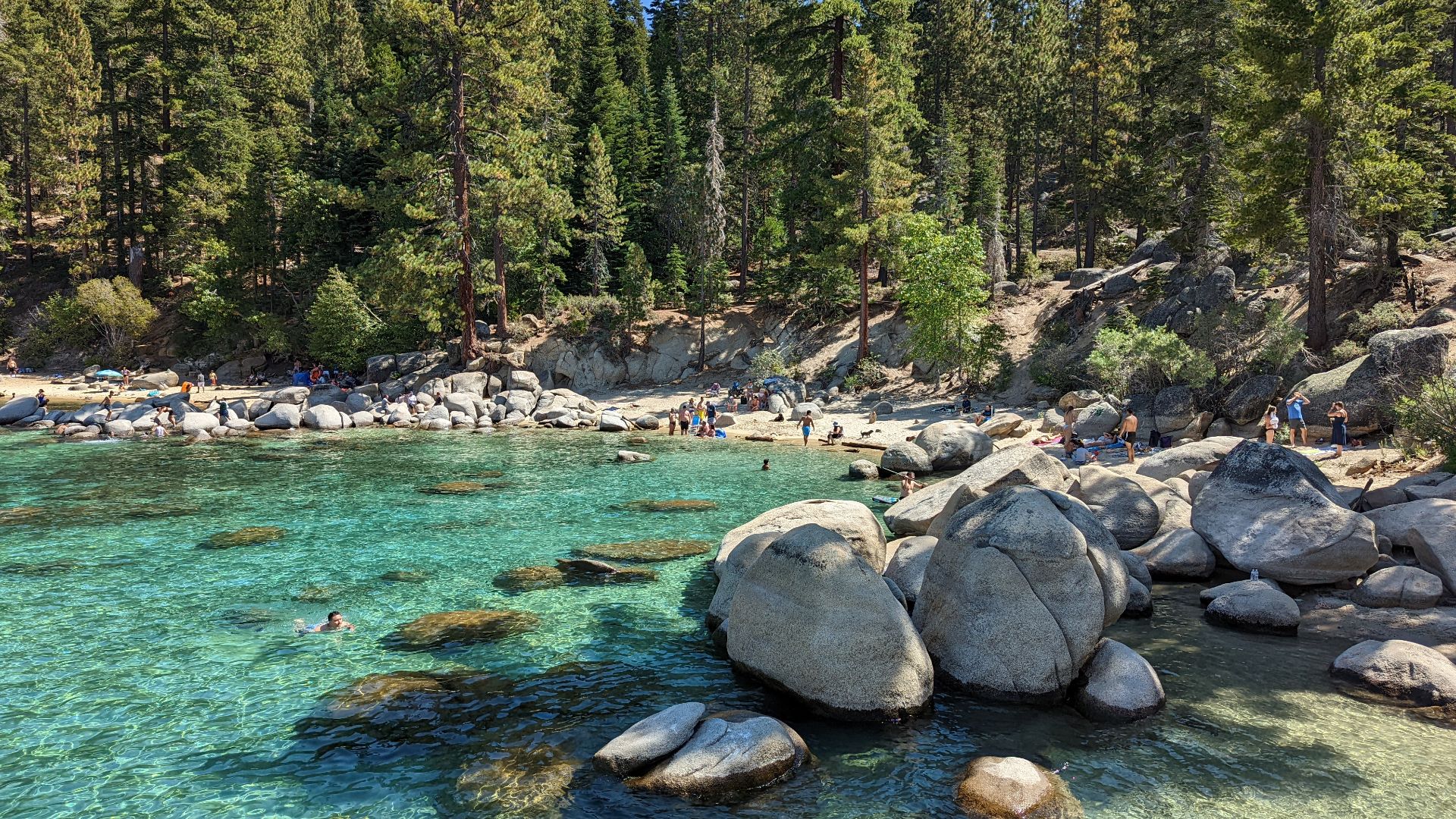
Elevation reshapes the experience again at Lake Tahoe, where deep blue tones intensify against rocky edges and mountain ridges. Trails and beaches create constant access, and the lake’s depth gives its color a steadiness that holds through shifting light and seasonal change.
 Blake Everett Carroll, Wikimedia Commons
Lake Winnipesaukee, New Hampshire
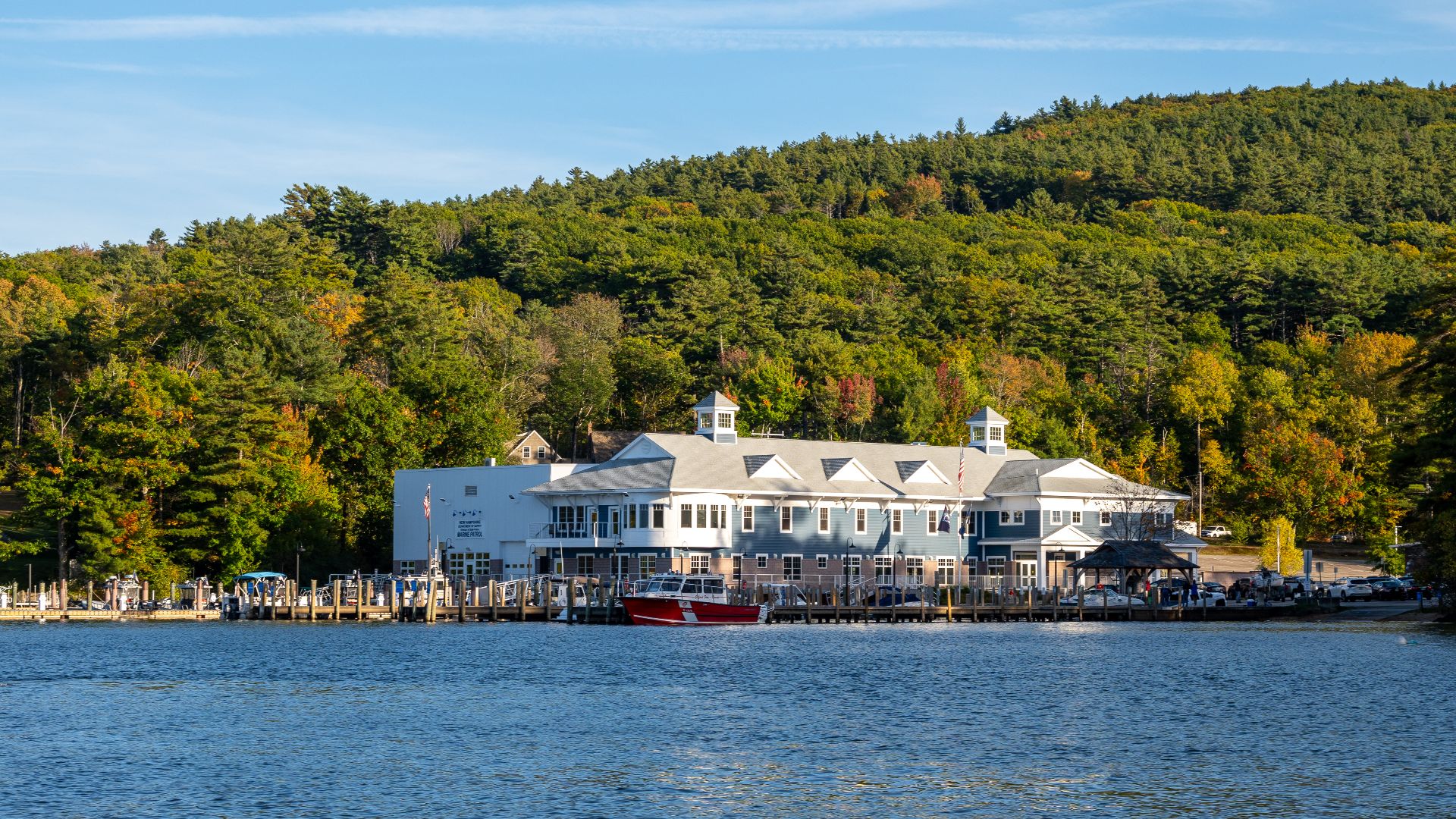
Lake Winnipesaukee feels formed by use as much as by ice and water. Open stretches never last long before villages, coves, or docks appear. Over time, that pattern has created a landscape where scenery and summer life move together.
 Accidental Nomad from Between States, USA, Wikimedia Commons
Lake Hopatcong, New Jersey
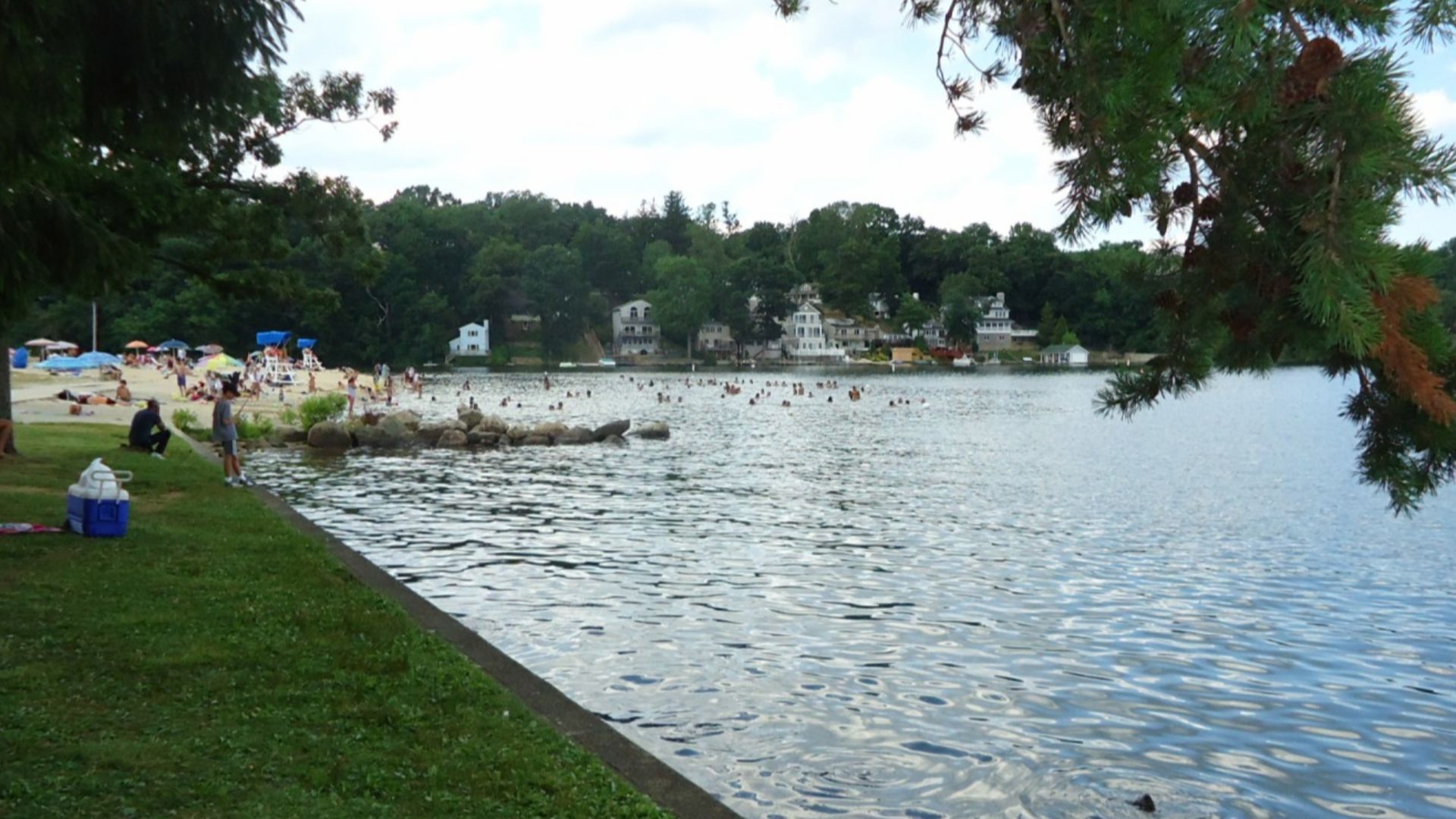
Scale tightens at Lake Hopatcong. Hills close in around clear freshwater, and homes sit near the edge without overwhelming the view. Seasonal use also shifts the mood, which proves New Jersey’s largest lake offers visual calm far from the state’s coastal reputation.
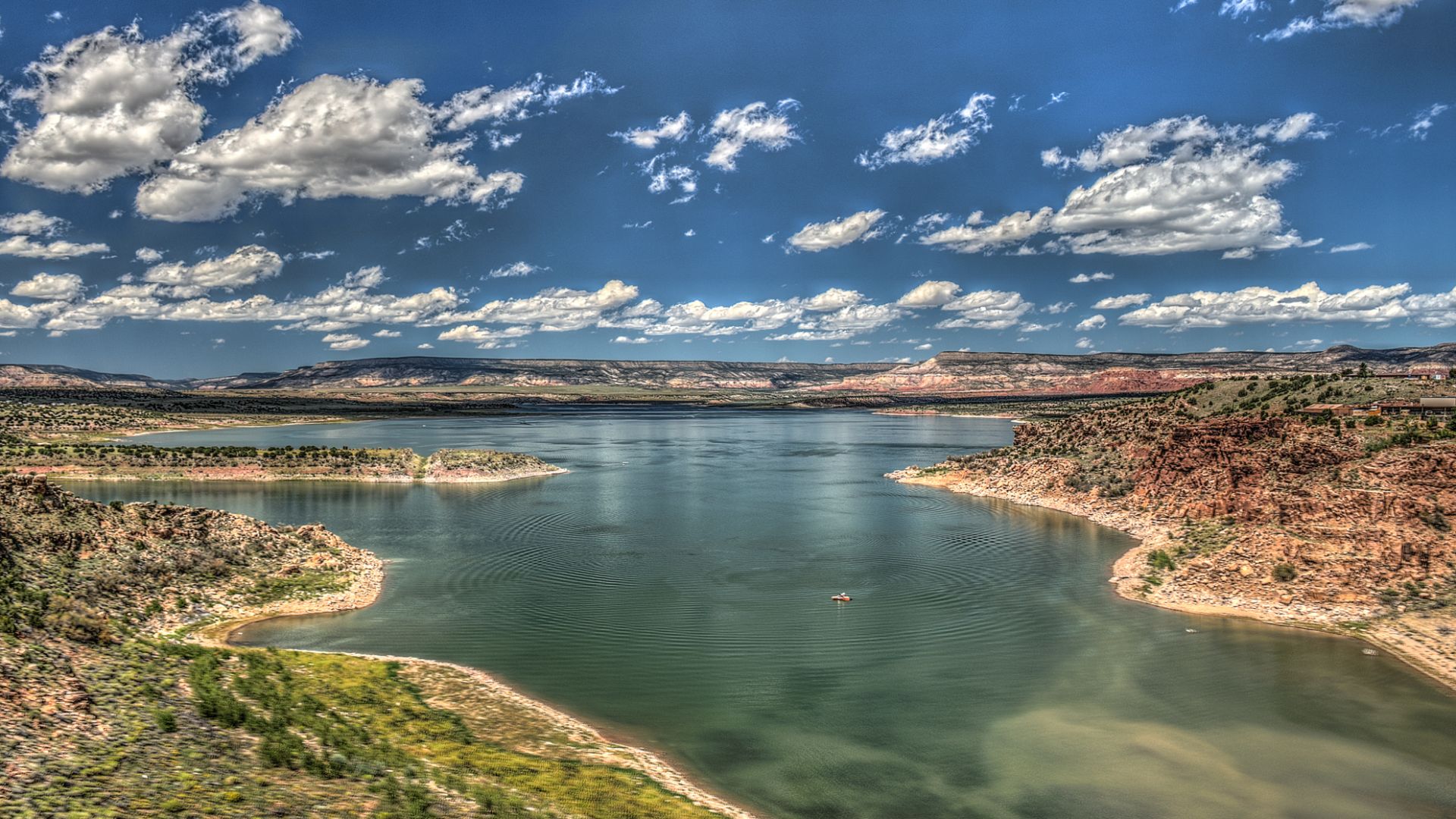
Abiquiu Lake, New Mexico
Color takes over quickly here. Mineral-rich cliffs surround Abiquiu Lake, and pale turquoise tones stand out against desert earth. The setting also attracted artists for decades, since the contrast between water and rock shifts constantly with sun angle and season.
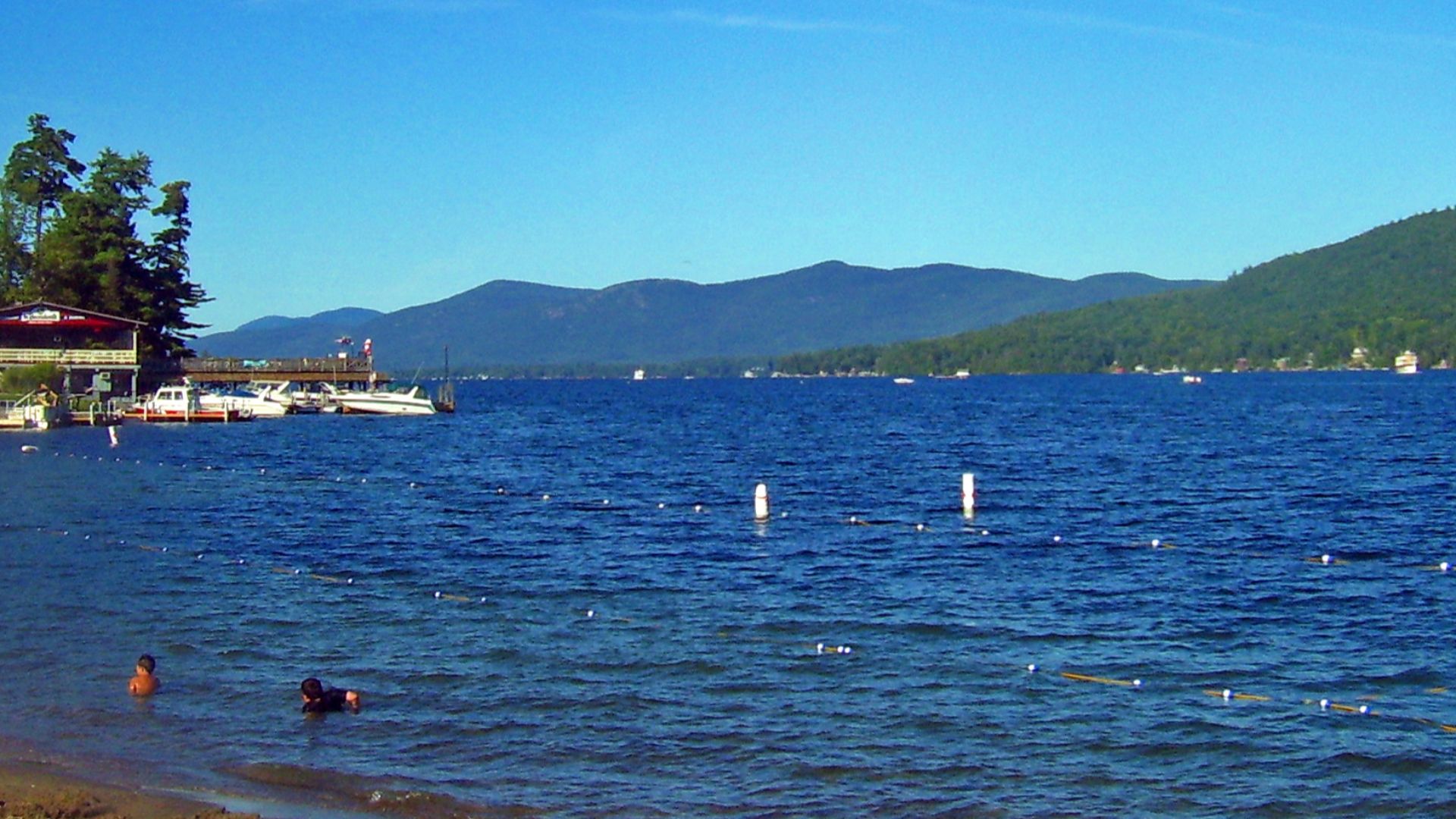
Lake George, New York
Narrow proportions guide the experience on New York’s Lake George. Adirondack peaks rise close to the shore, and long stretches of clear water pull the eye forward. Additionally, beaches, islands, and historic towns appear in sequence, giving each section a distinct visual rhythm.
 Daniel Case, Wikimedia Commons
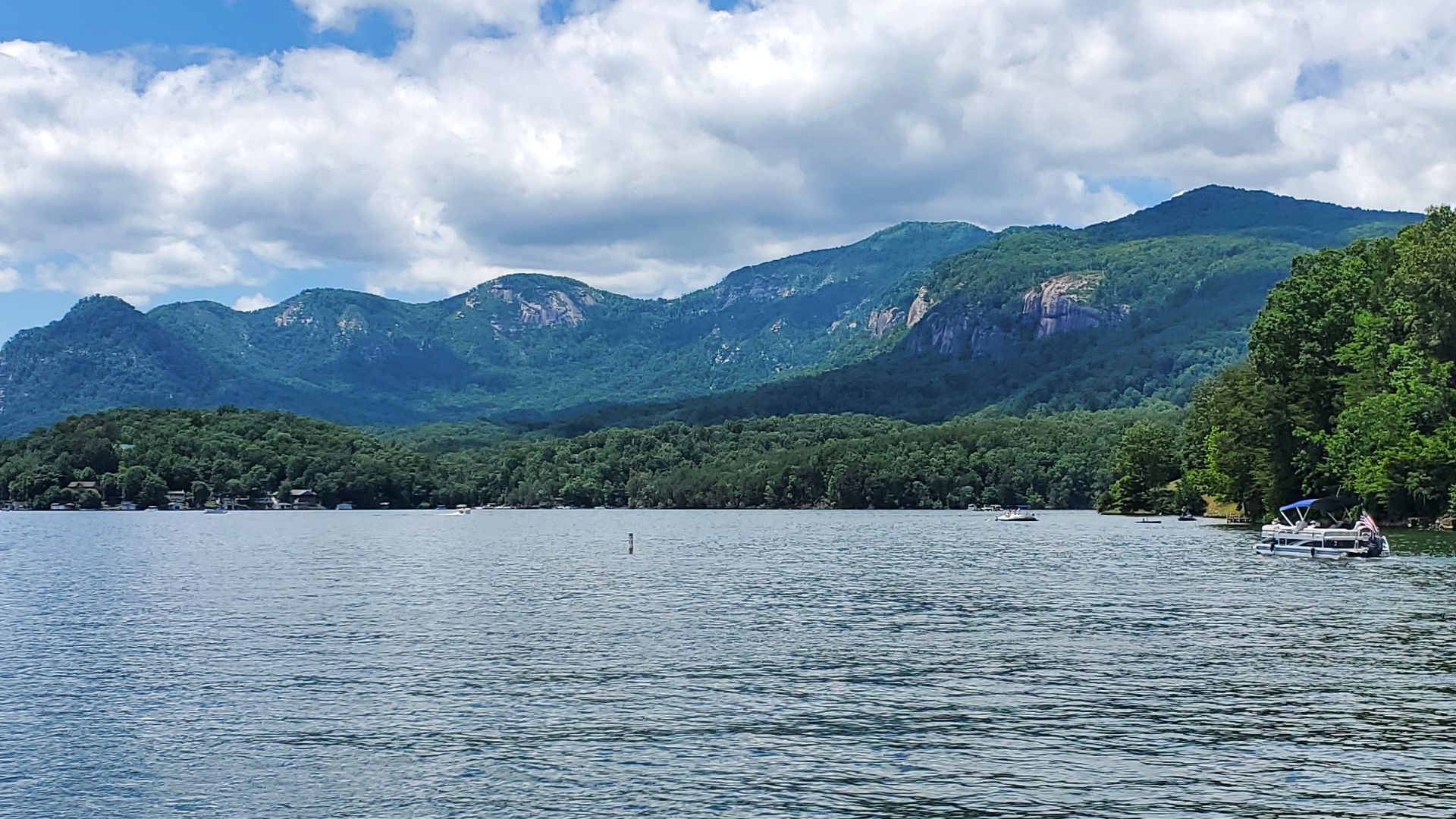
Lake Lure, North Carolina
Lake Lure feels enclosed in the best way. Mountains press in close, shorelines curve tightly, and rocky outcrops add height to the view. When seasons change, so does everything else, which keeps even familiar overlooks from feeling repetitive.
 Blissvaderdong, Wikimedia Commons
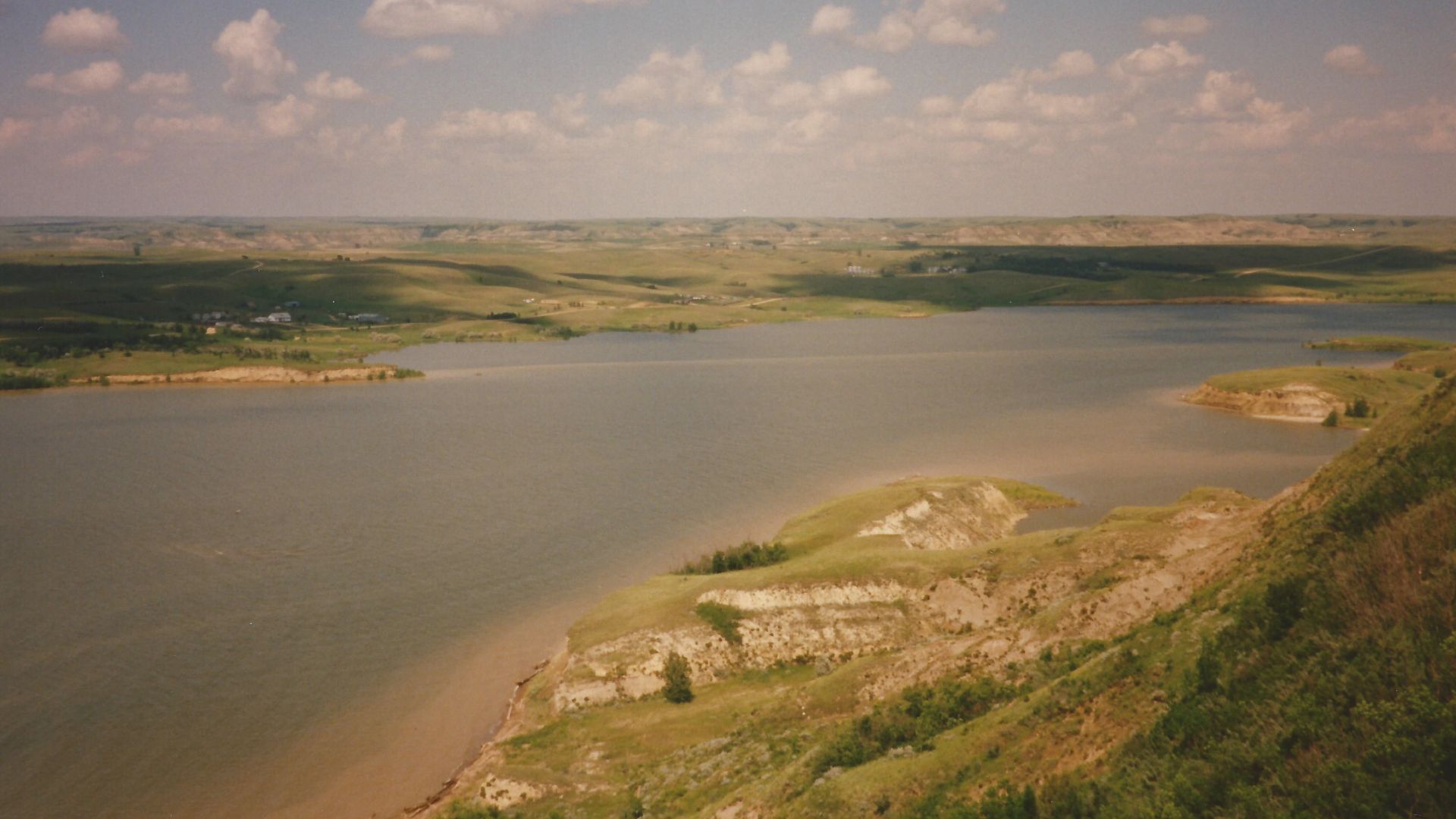
Lake Sakakawea, North Dakota
Distance defines this reservoir more than detail. Lake Sakakawea stretches so far that edges fade easily from sight. Beaches, state parks, and open sky also dominate the scene, creating a rare inland view that borrows heavily from coastal proportions.
 Naawada2016, Wikimedia Commons
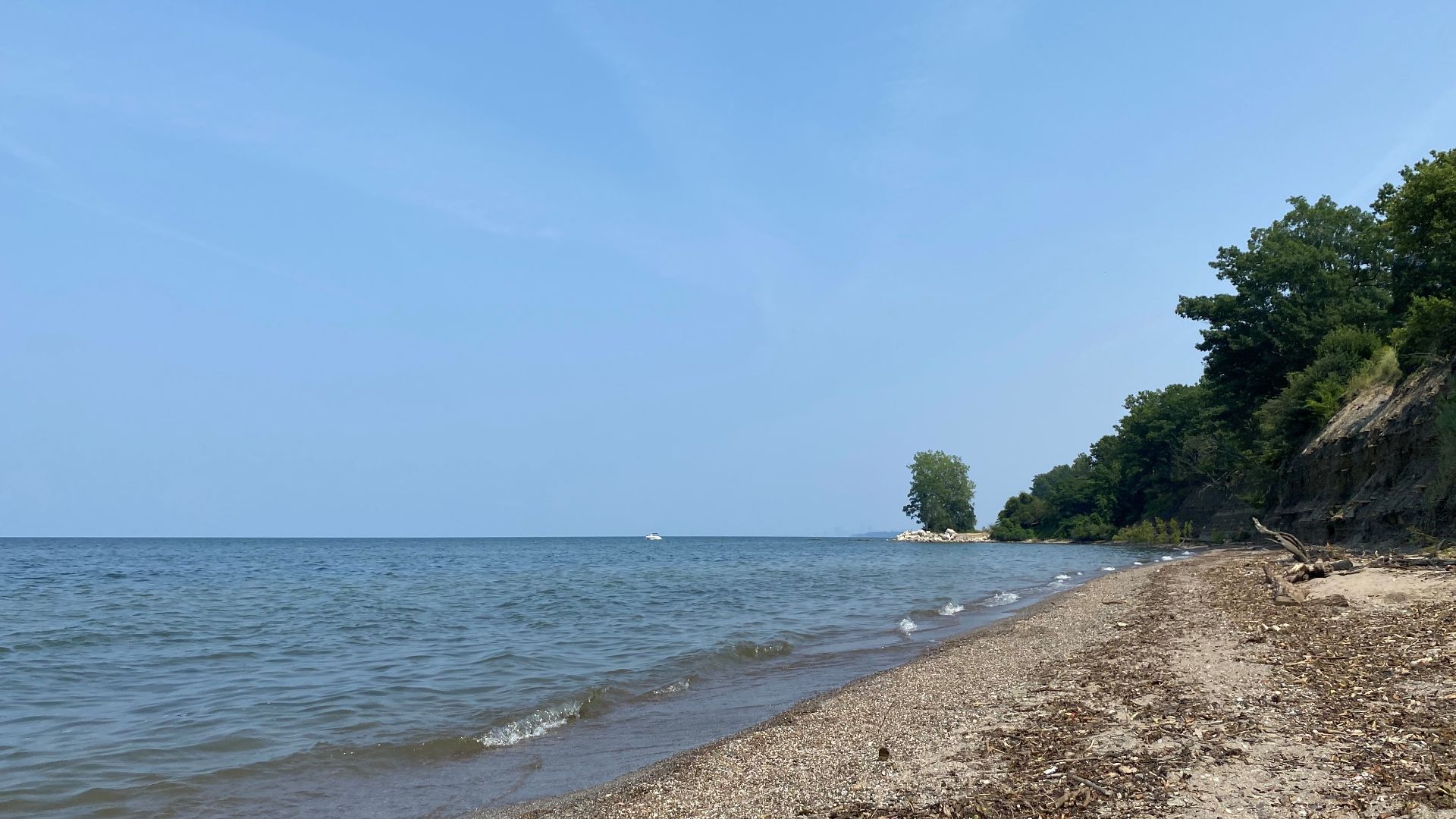
Lake Erie, Ohio
Ohio’s Lake Erie coast works through contrast. The water feels expansive, yet islands and historic towns keep drawing the eye inward. Over time, those landmarks shape how the lake is experienced rather than reducing its scale.
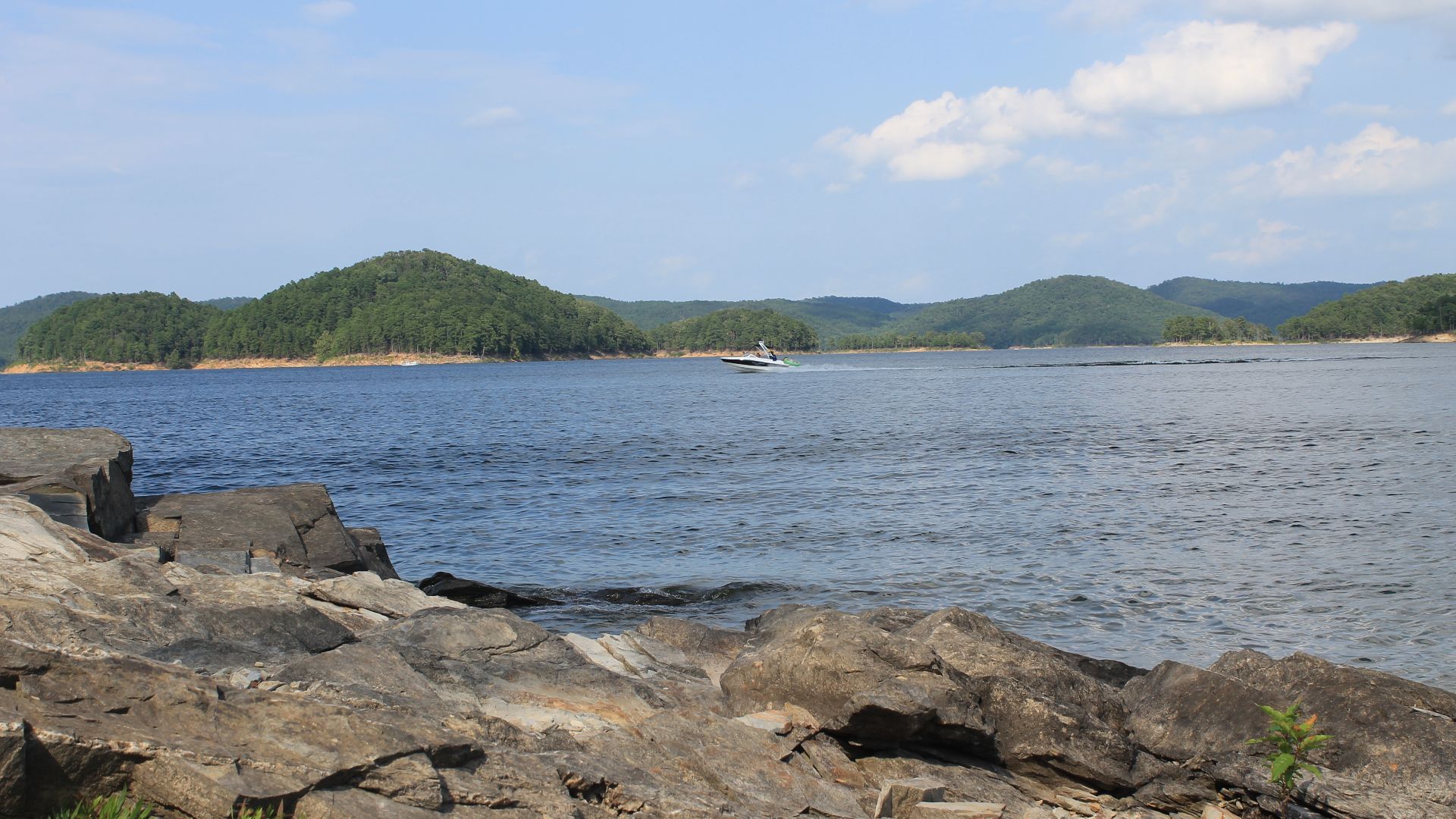
Broken Bow Lake, Oklahoma
Forest density shapes nearly every view at Broken Bow Lake. Pine-covered hills press close to the shoreline, and clear, rock-filtered water keeps color consistent throughout the day. Morning light softens the scene, making the lake feel secluded despite steady recreation.
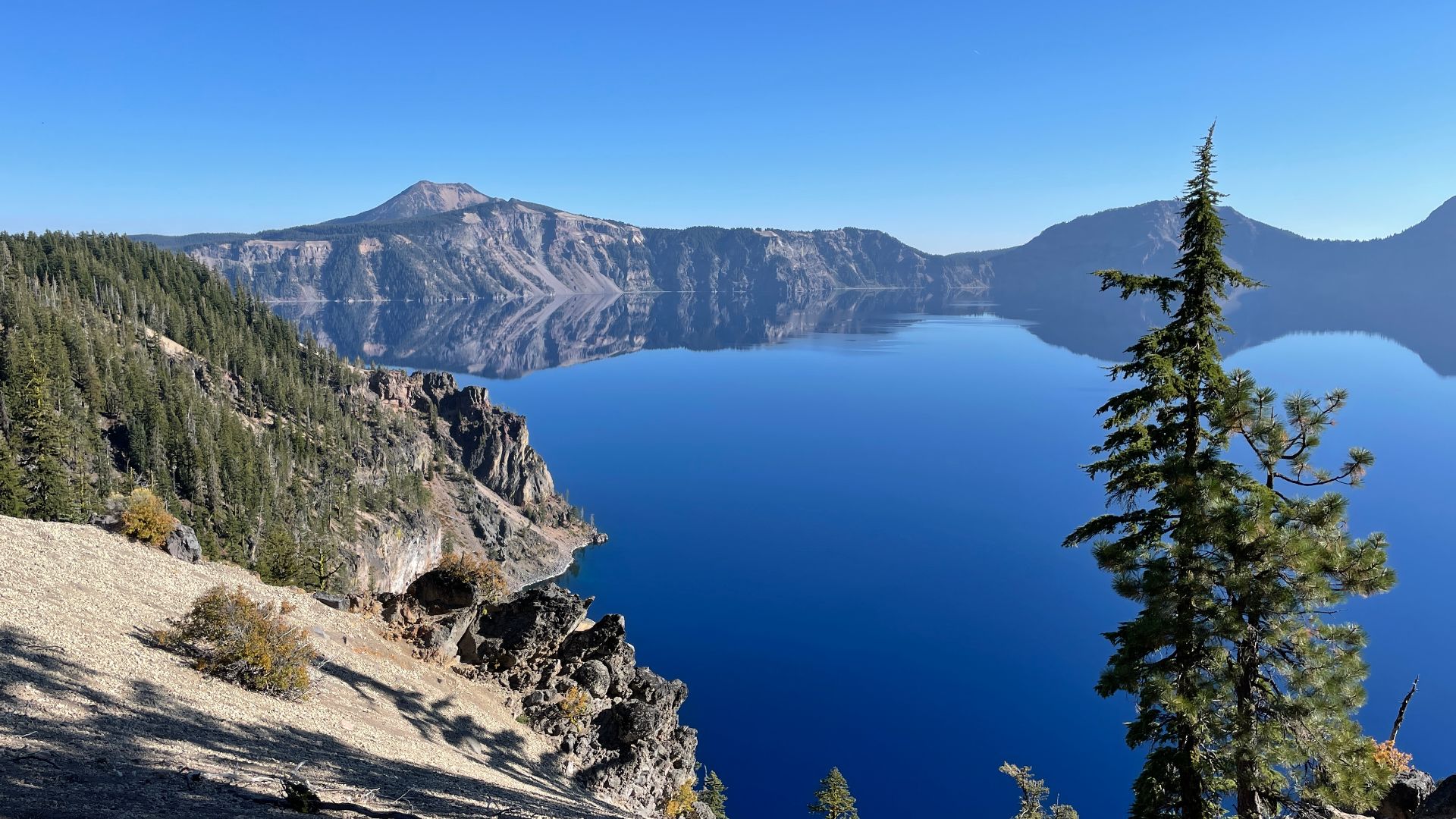
Crater Lake, Oregon
The blue at Crater Lake reads darker than expected, almost inked. That intensity comes from extreme depth, held inside a volcanic basin formed by collapse. Steep caldera walls seal the view on every side, creating a scene that feels precise and fully contained.
 Vulturesong, Wikimedia Commons
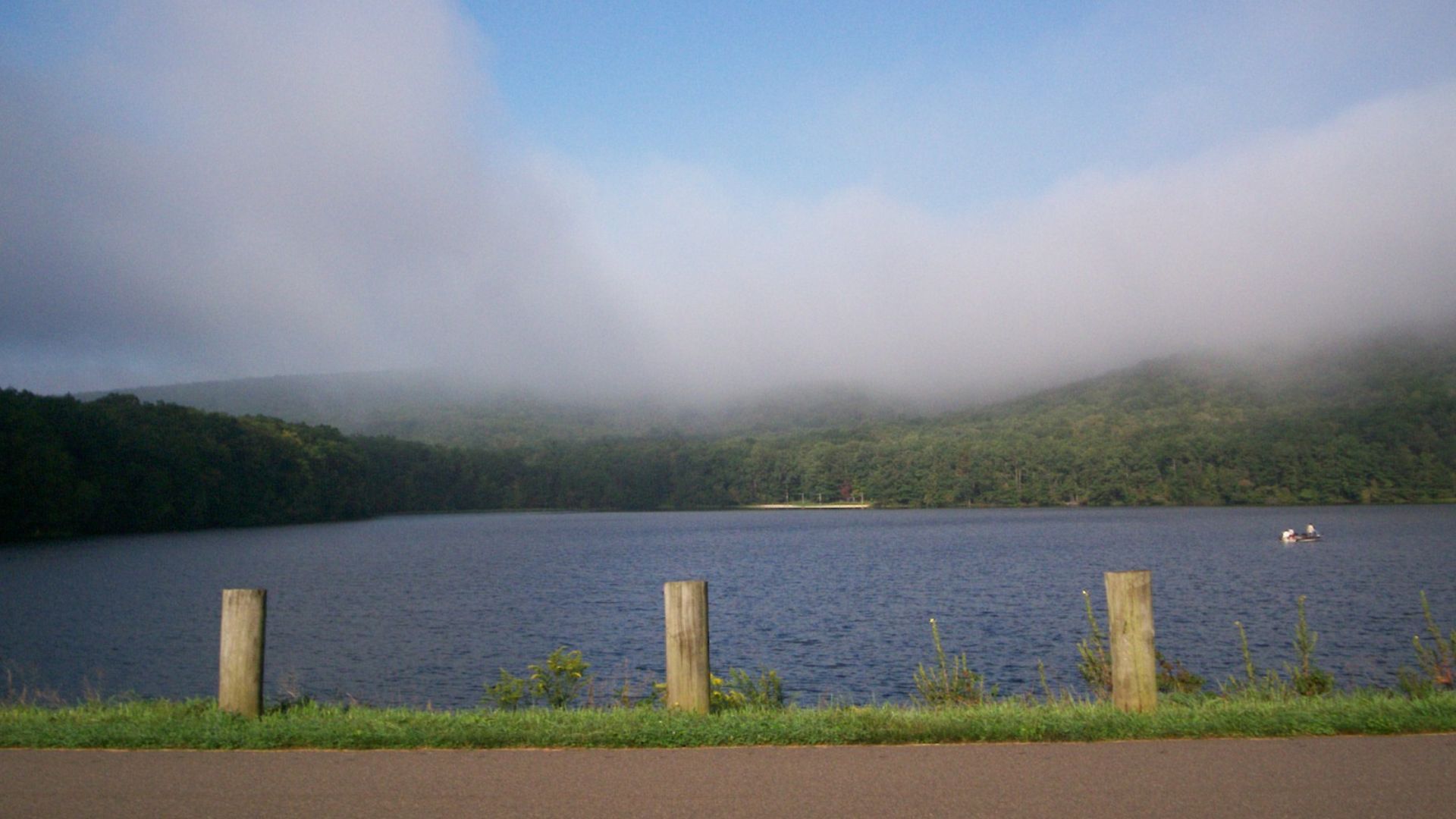
Locust Lake, Pennsylvania
Early light defines the character of Locust Lake. Surrounded by forested slopes, the surface catches warm color during sunrise. State park trails frame the scene closely, and the enclosed setting favors quiet observation over sweeping distance or dramatic scale.
 CommonsHelper2 Bot, Wikimedia Commons
Tarbox Pond, Rhode Island
Tarbox Pond benefits from restraint because limited size reduces movement, and still water reinforces intimacy. Pines define the shoreline, while autumn color adds momentary contrast, pulling attention inland from the state’s more familiar coastal imagery.
 User:RealtorBrenton, Wikimedia Commons
Lake Jocassee, South Carolina
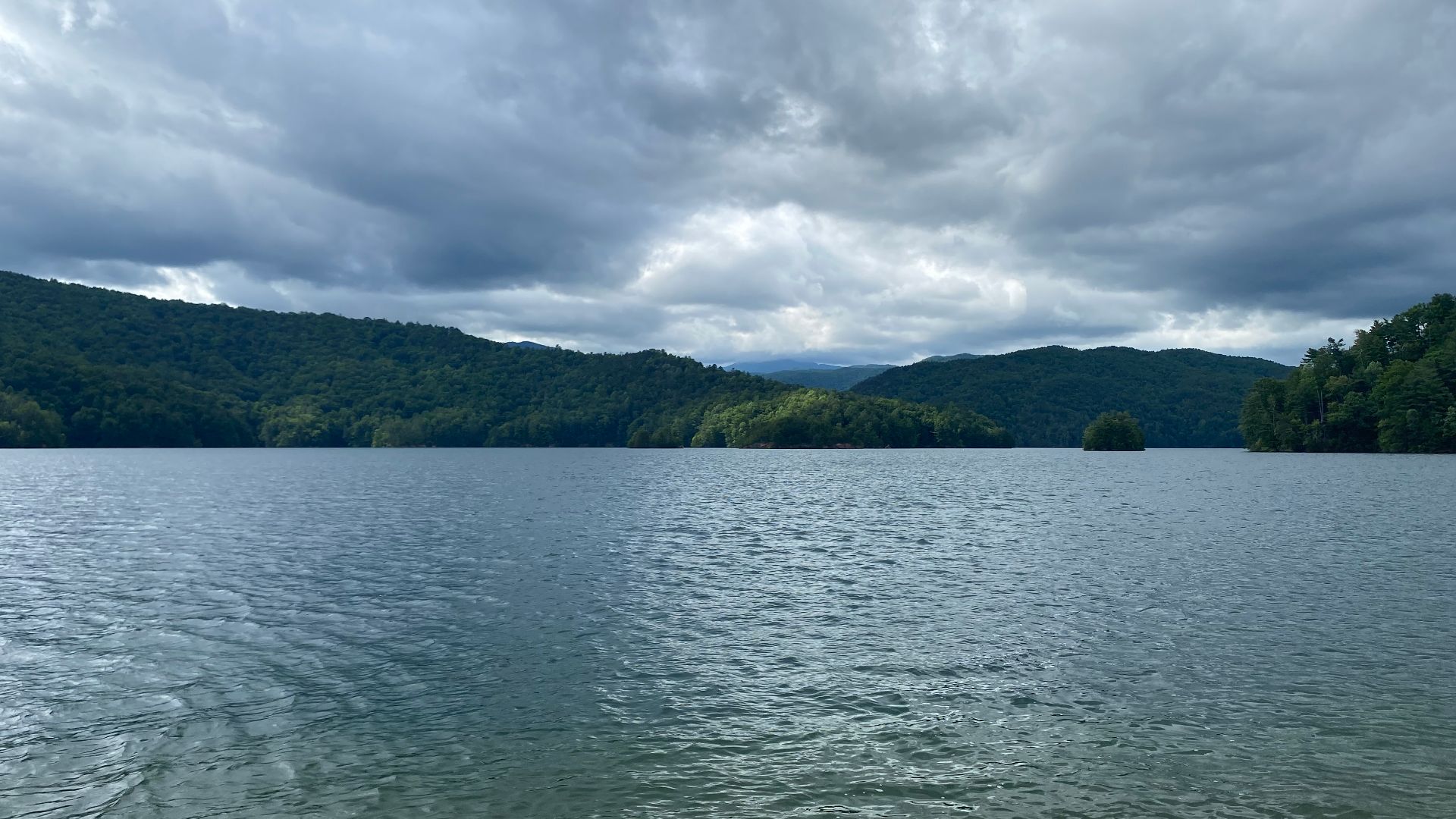
Clarity reshapes expectations at Lake Jocassee. Cold Appalachian rivers feed the basin, and undeveloped shores preserve clean sightlines. Waterfalls drop directly into the lake, adding vertical contrast that separates this setting from warmer, flatter southern reservoirs.
Sylvan Lake, South Dakota
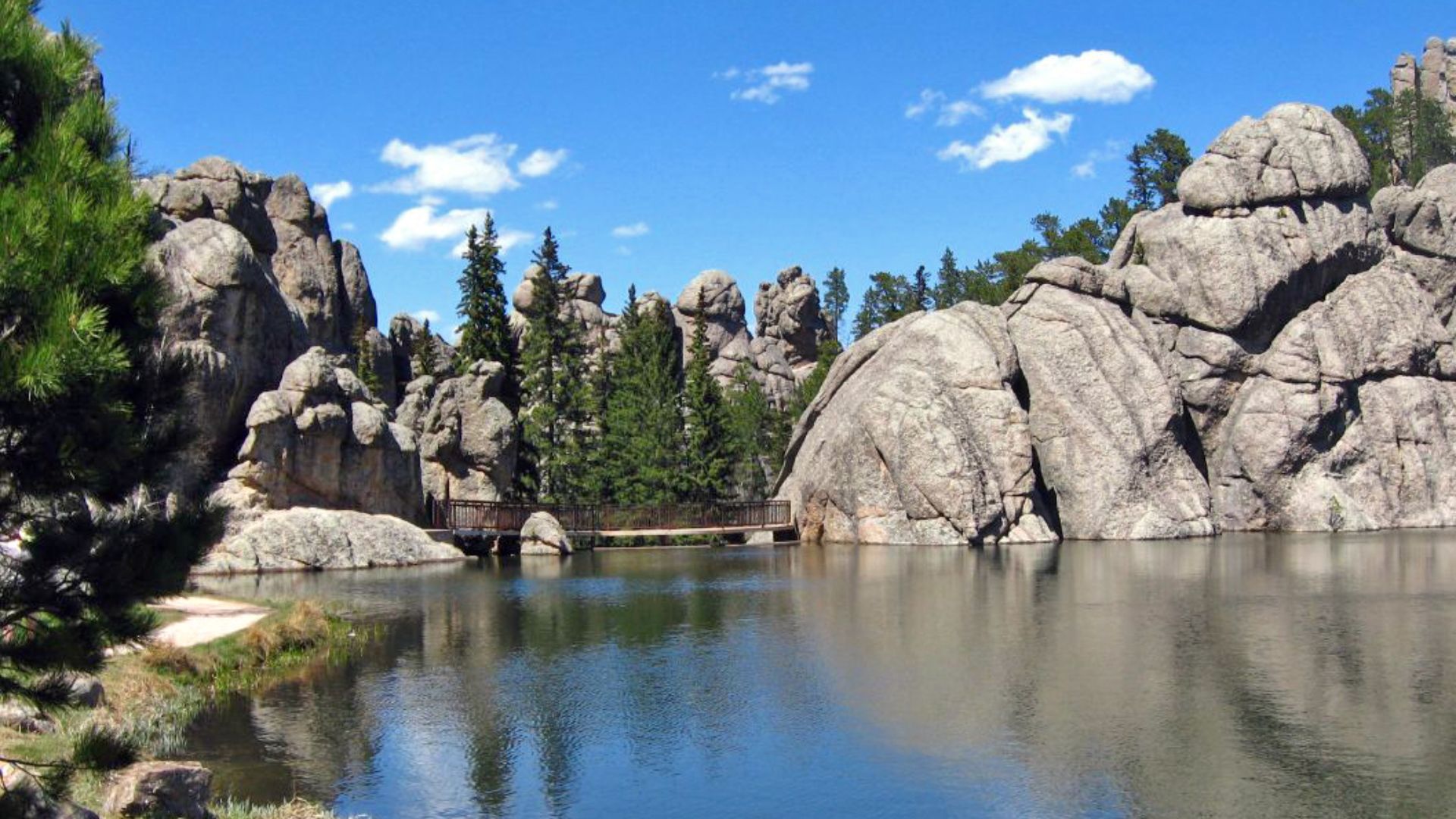
Granite formations close in tightly around Sylvan Lake inside Custer State Park. Rounded rock spires rise directly from the shoreline, and calm conditions keep views focused inward. The compact setting turns even short walks into carefully framed scenes.
Norris Lake, Tennessee
Long, winding channels define Norris Lake’s visual rhythm. Forested ridges follow every bend, and clear conditions sharpen contrast along the shore. Distance also unfolds gradually here, rewarding slow movement rather than quick overlooks or single dramatic viewpoints.
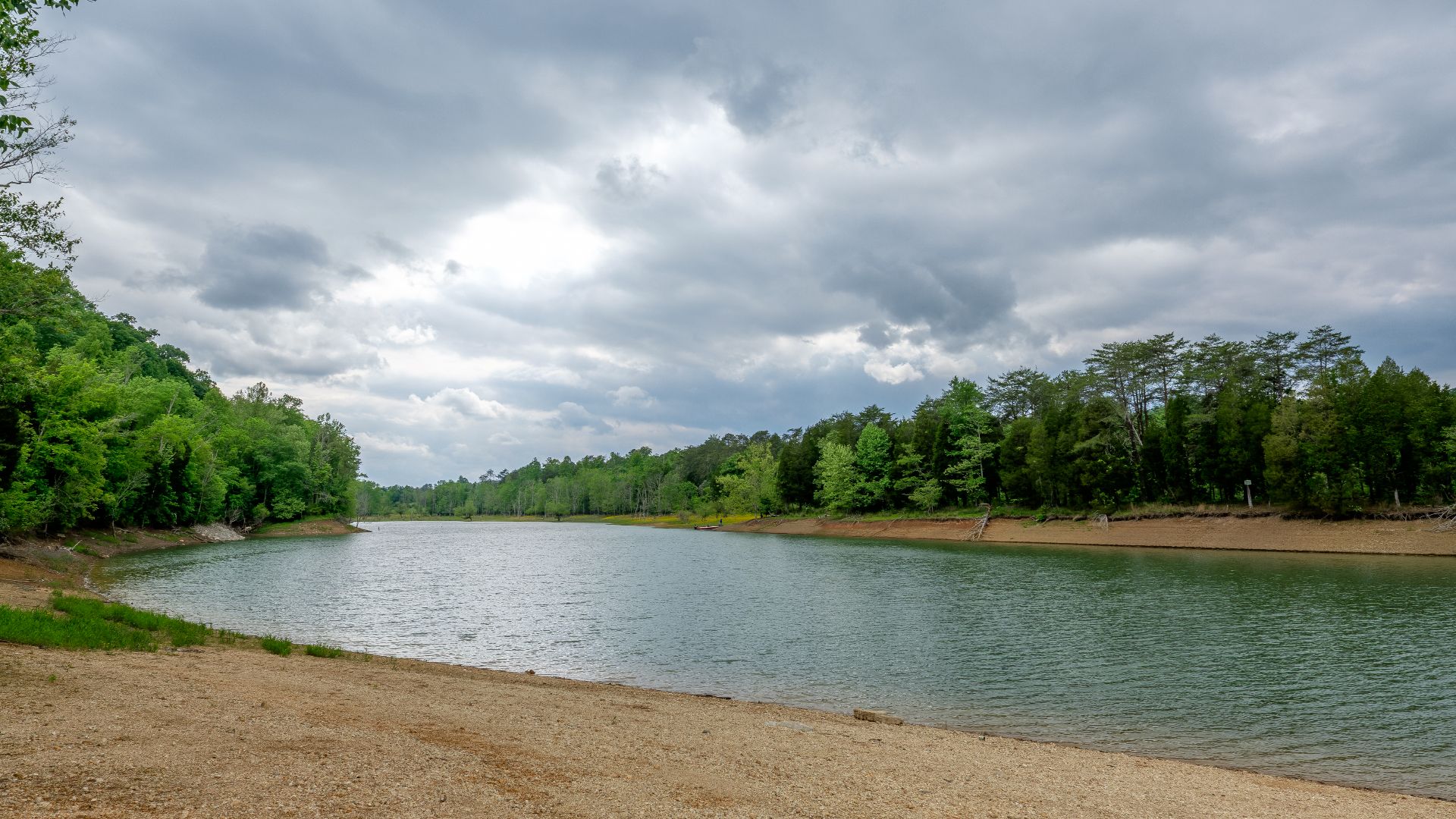 David Ratledge, Wikimedia Commons
Lady Bird Lake, Texas
Lady Bird Lake runs through central Austin as a narrow reservoir bordered by trails and low bridges. Vegetation along the banks even reduces visual noise from nearby development. Boating limits maintain calm conditions and preserve clear views despite surrounding density.
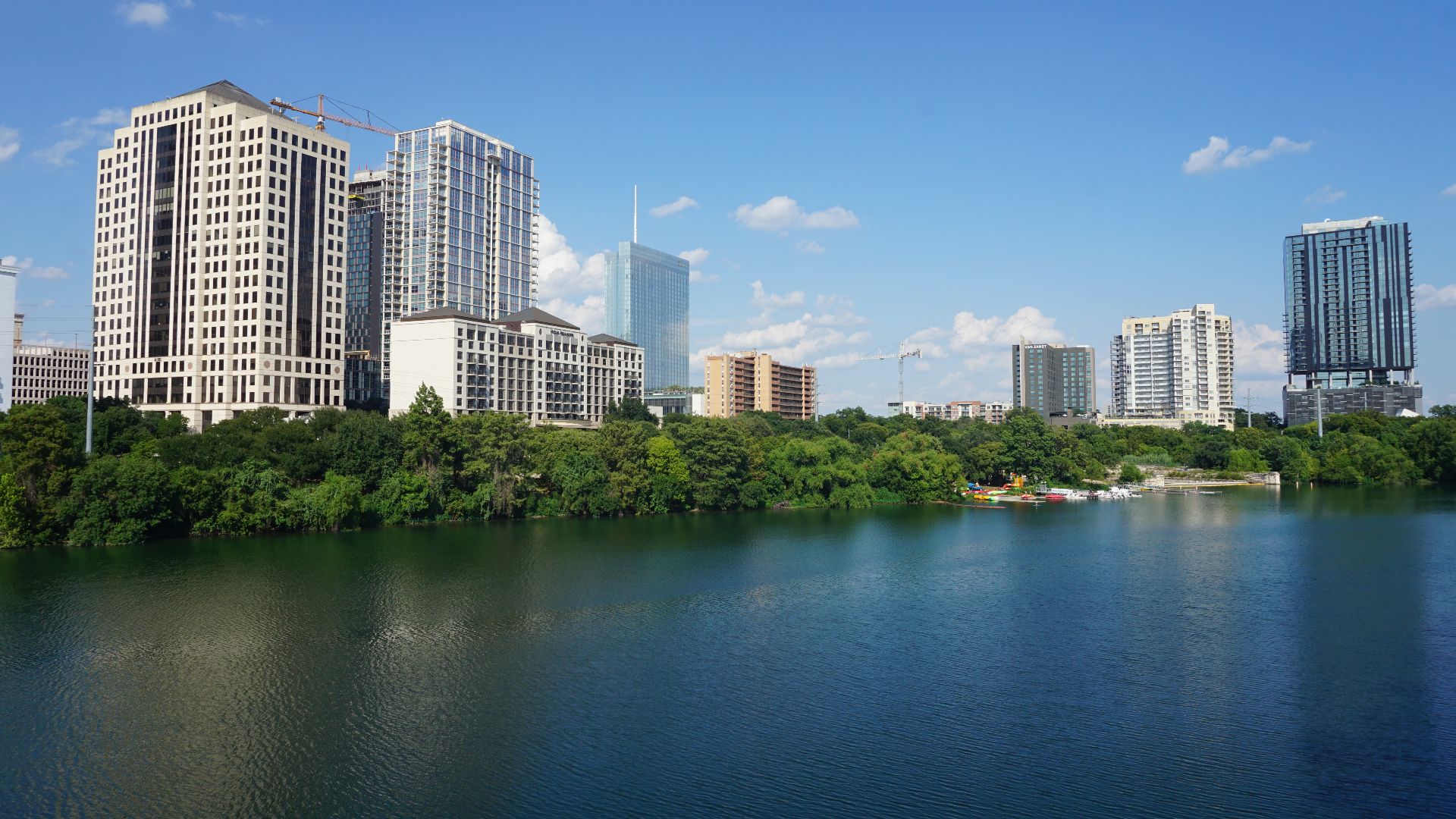 Michael Barera, Wikimedia Commons
Lake Powell, Utah
Scale returns in dramatic fashion at Lake Powell as sheer sandstone walls rise directly from bright blue surfaces, creating bold contrast at every turn. Narrow inlets and open basins alternate constantly, which keeps the experience visually active across long distances.
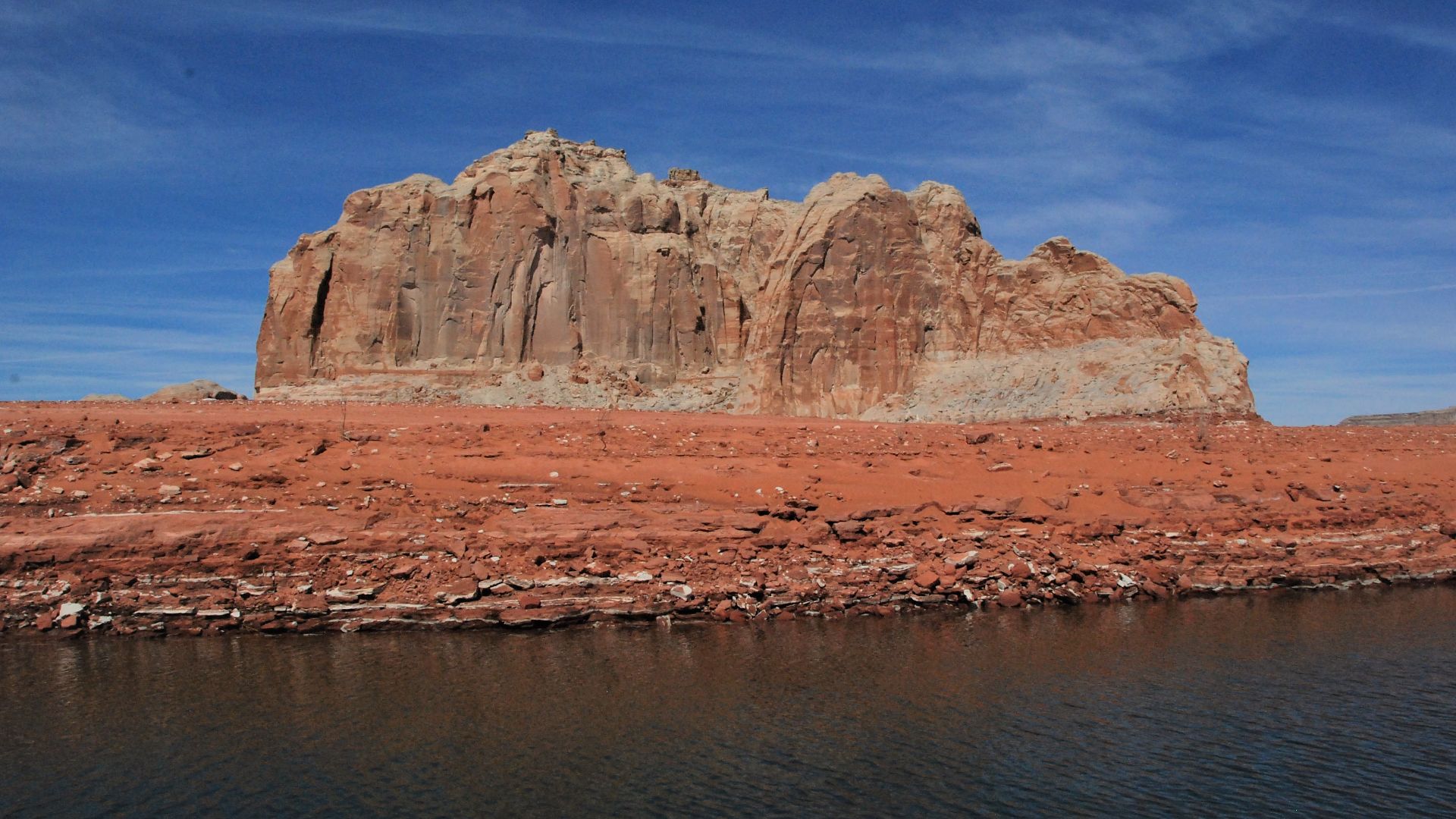 Mike Milinkovich, Wikimedia Commons
Lake Champlain, Vermont
Borders blur across Lake Champlain’s wide reach, where islands, bays, and distant towns break up the expanse. Mountain backdrops further add structure. The mix of open stretches and enclosed sections also gives the lake a varied character that changes mile by mile.
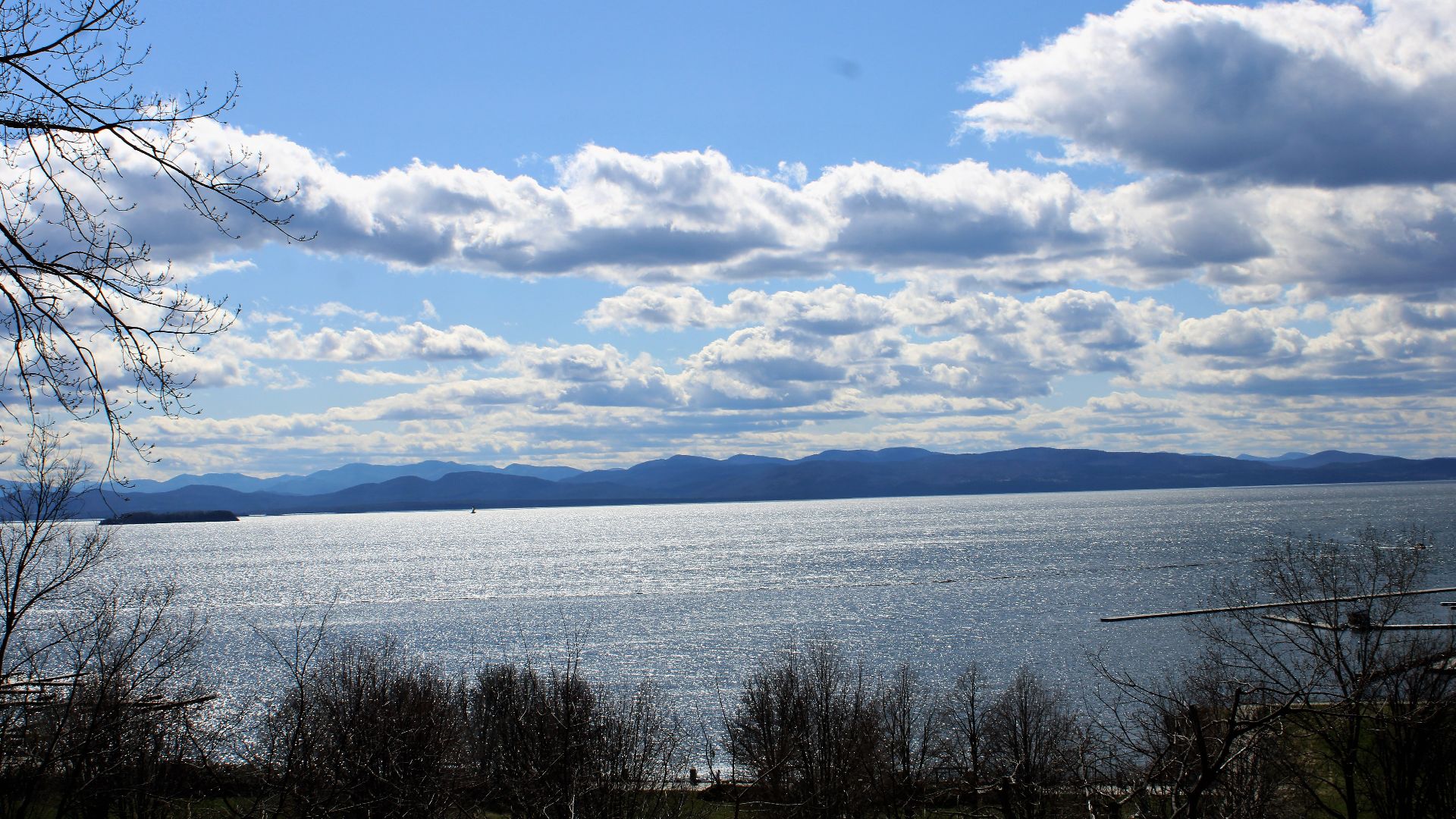 Farragutful, Wikimedia Commons
Lake Anne, Virginia
After expansive northern lakes, Lake Anne draws attention inward. Curved edges, footbridges, and nearby buildings shape a contained scene. Seasonal plantings soften the shoreline, and carefully planned sightlines give the lake a composed, intentional character rather than broad visual drama.
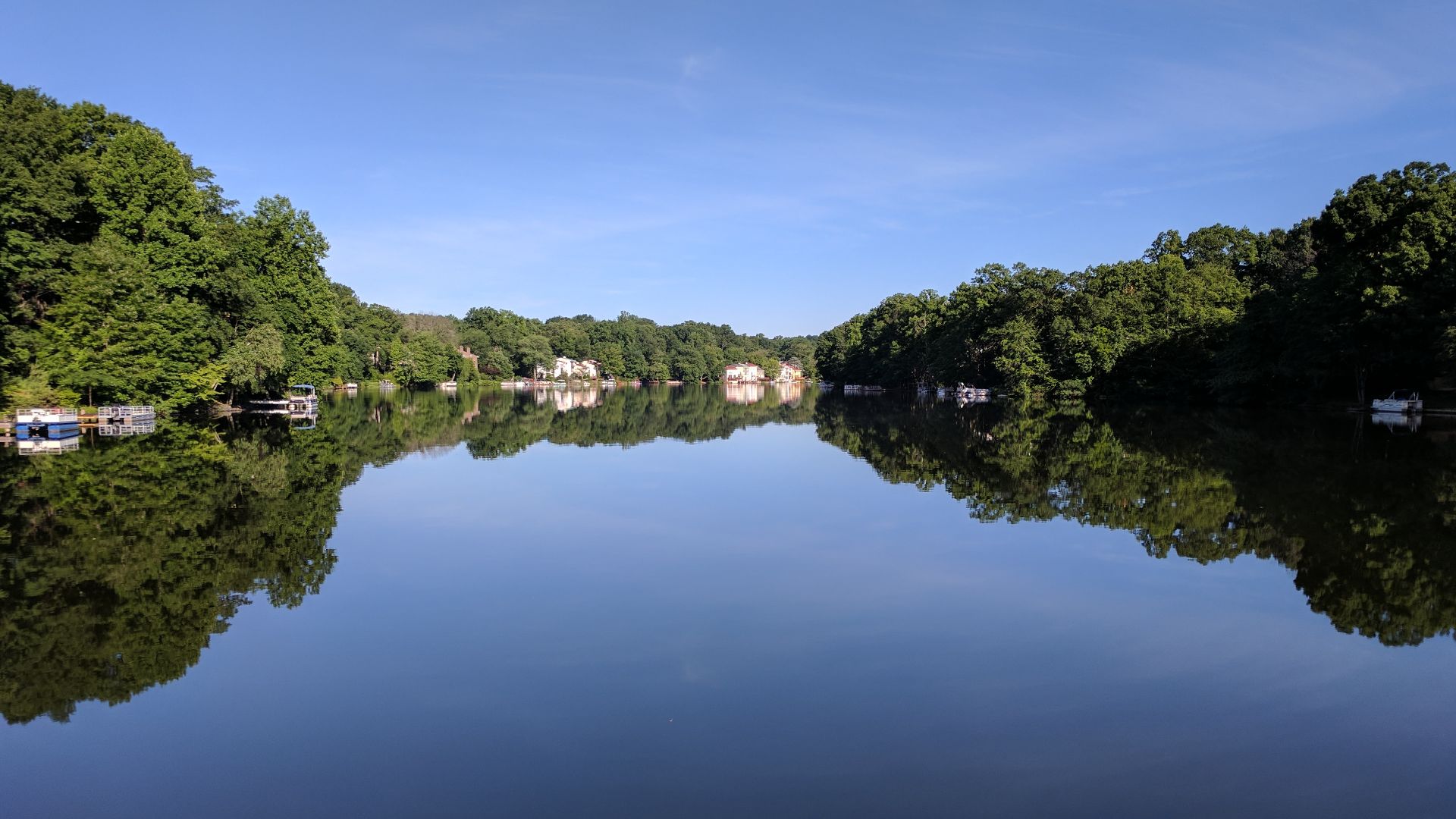
Diablo Lake, Washington
Color returns with intensity at Diablo Lake. Glacial minerals tint the surface a striking turquoise tone. Steep peaks close the space tightly, and the surrounding North Cascades restore a sense of wilderness after more structured or urban-adjacent settings.
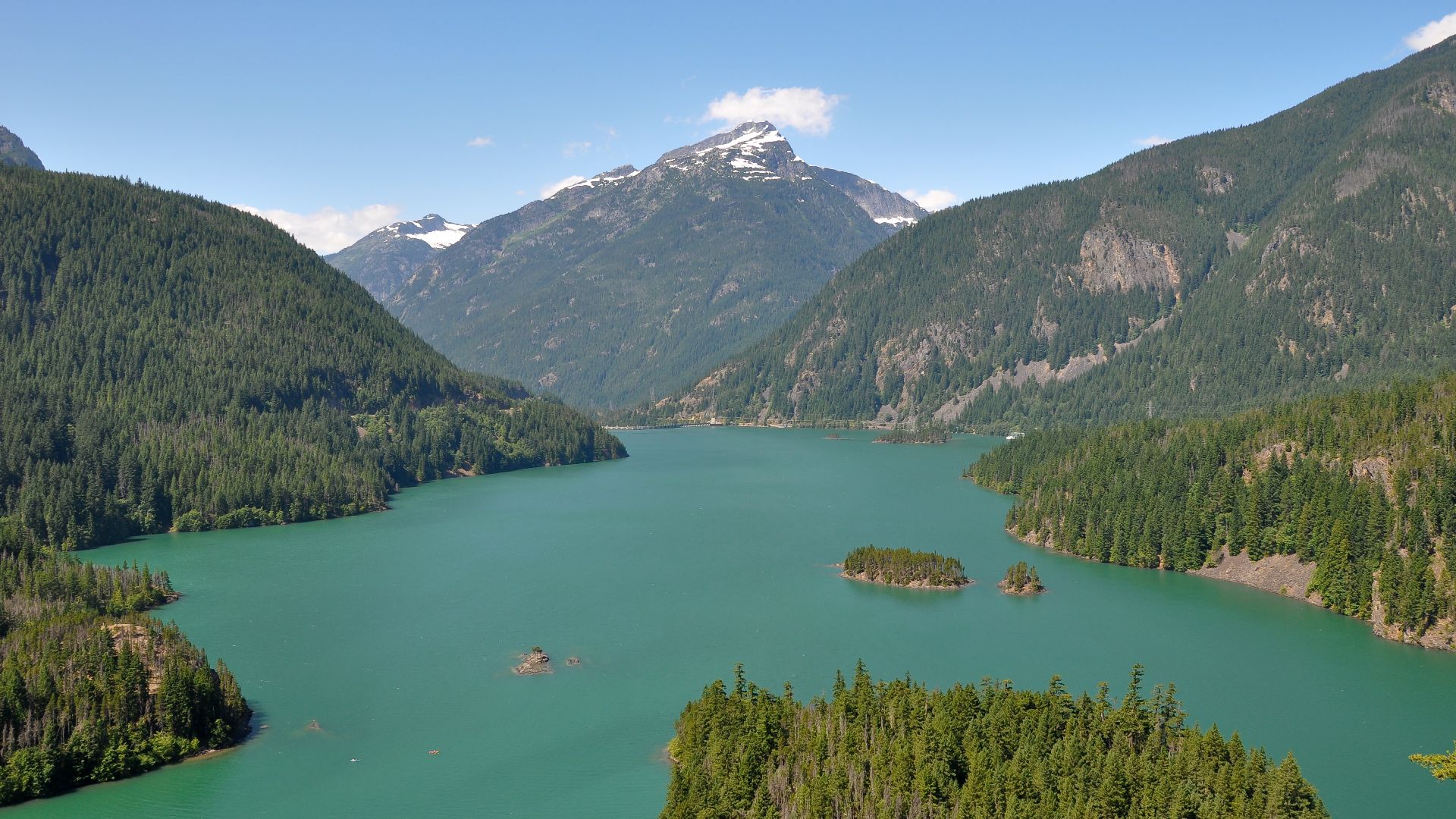 Bob Collowan, Wikimedia Commons
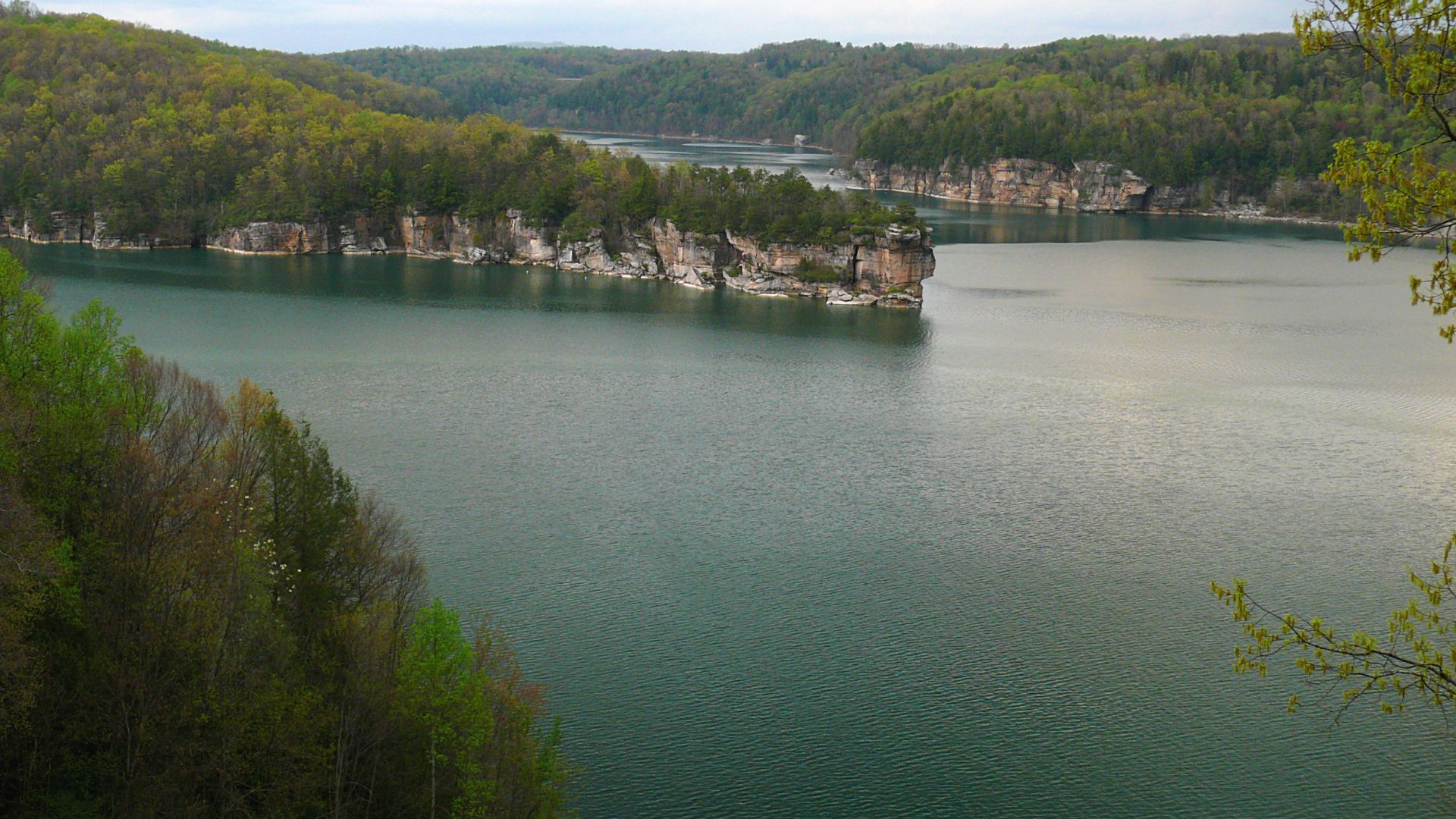
Summersville Lake, West Virginia
Openness appears again at Summersville Lake, though sharper forms dominate the view. Rock walls rise abruptly above clear depths, and pale sand brightens sections near shore. The contrast between rugged cliffs and light tones further defines much of that visual experience.
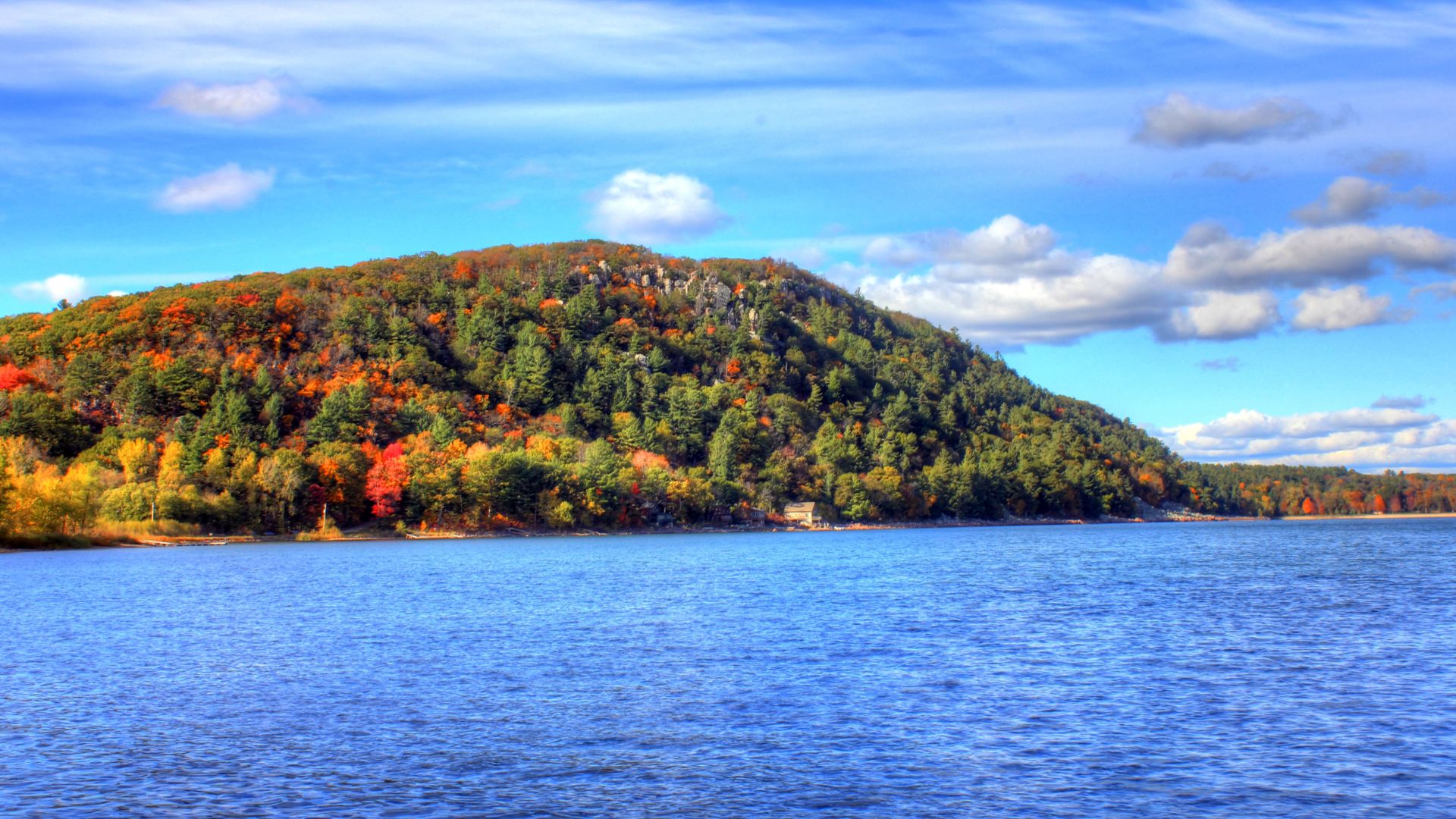
Devils Lake, Wisconsin
Focus narrows dramatically at Devils Lake. Quartzite bluffs surround a compact basin, limiting long sightlines and directing attention upward. Trails trace the rim closely, and the enclosed setting favors texture, stone, and vertical scale over sweeping distance.
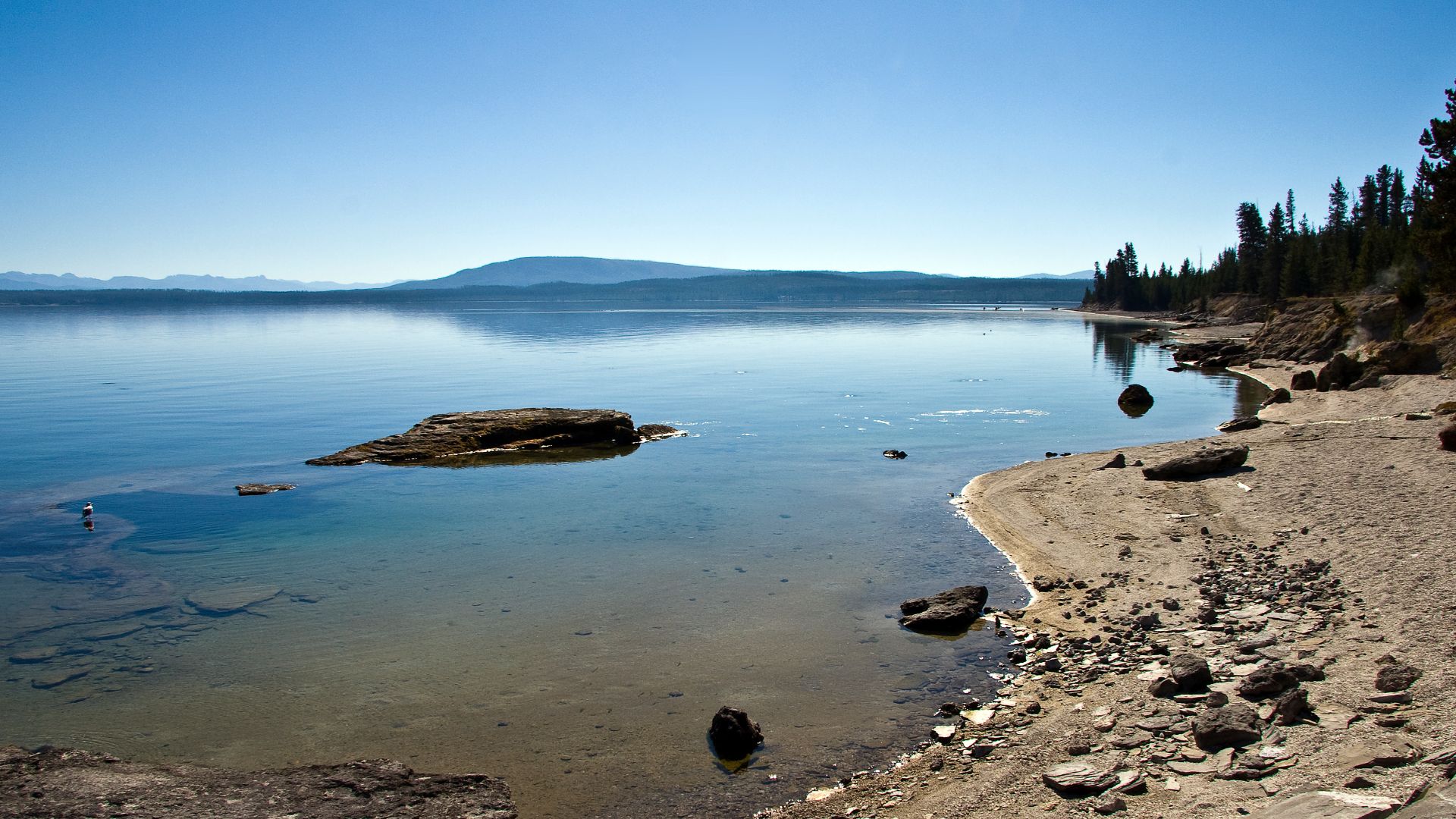
Yellowstone Lake, Wyoming
Scale and isolation converge at Yellowstone Lake. High elevation sharpens visibility across long shorelines, and forested edges stretch far between landmarks. Beneath the surface, geothermal activity adds quiet tension, which closed the journey with a lake shaped by forces still unfolding.