The Question
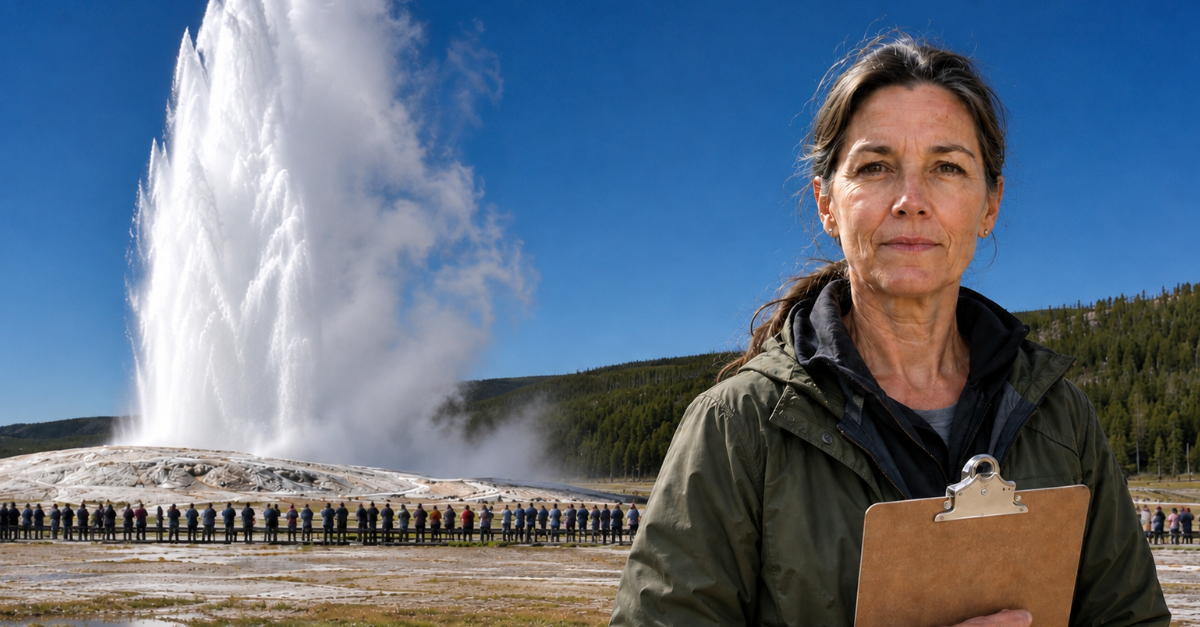
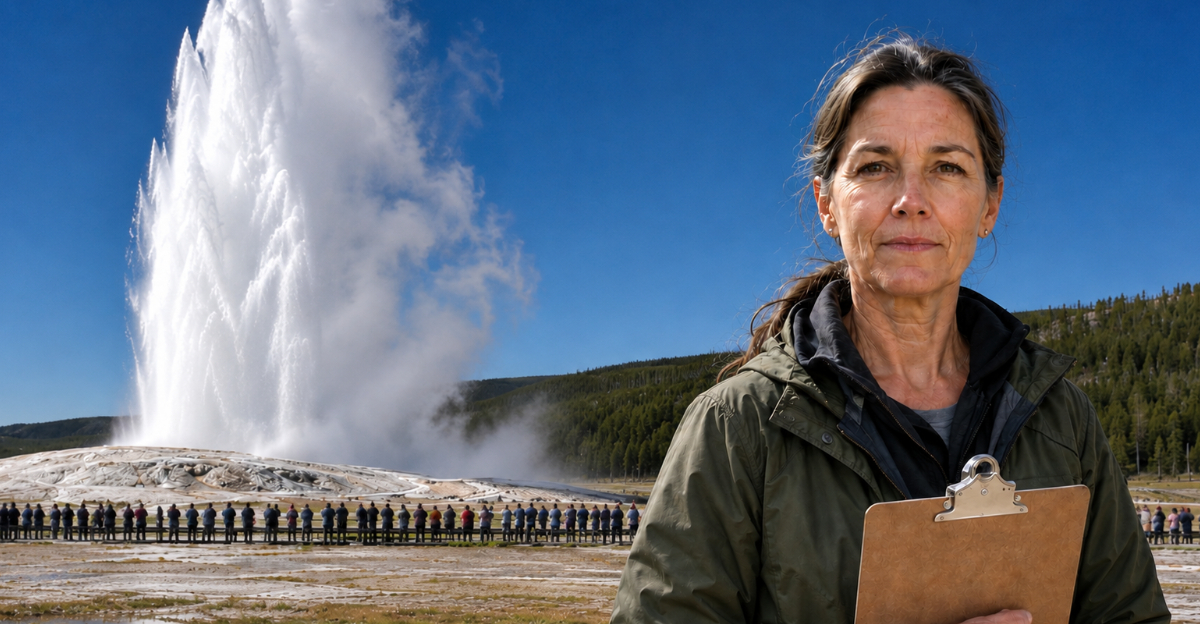
Yellowstone looks almost peaceful from above. Tourists crowd the boardwalks. Old Faithful keeps performing. But scientists have spent decades watching what is happening beneath their feet. Then they asked the question most people would rather not think about: What if Yellowstone erupted tomorrow? The deeper they followed that scenario, the more frightening it became.
Not Every Eruption Is The Big One
Yellowstone can produce hydrothermal explosions, lava flows and explosive volcanic eruptions. Most future activity would probably be far smaller than the nightmare scenario people imagine. But scientists have also examined the least likely possibility: another enormous eruption capable of reshaping the continent.
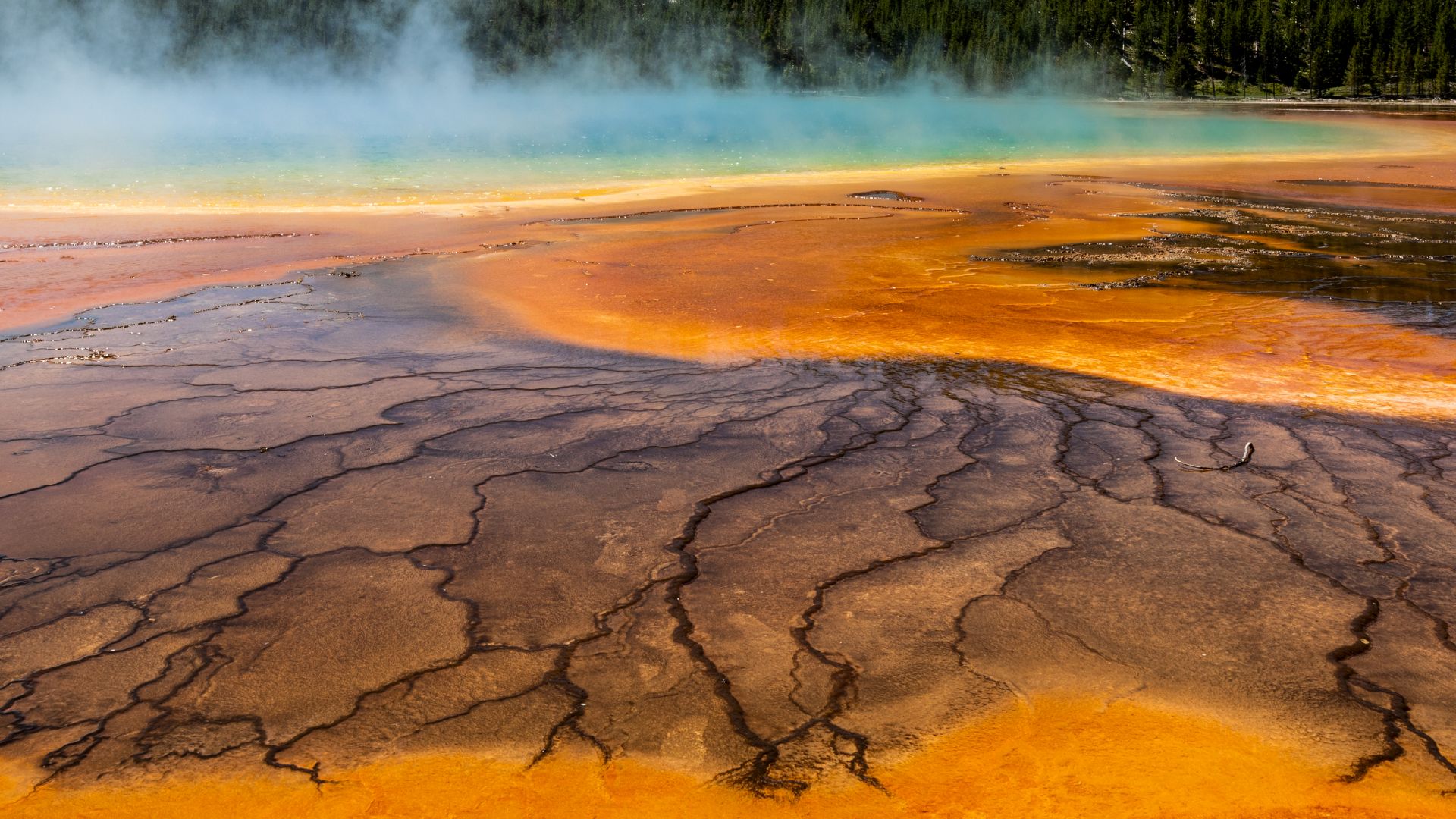 Dietmar Rabich, Wikimedia Commons
Scientists Modeled The Worst Case
Using historical winds and a computer system called Ash3D, USGS researchers modeled ash from a Yellowstone supereruption. Their findings showed that the disaster would not remain confined to Wyoming. Under the modeled scenario, volcanic ash could eventually reach nearly every part of the continental United States.
How Big Is A Supereruption?
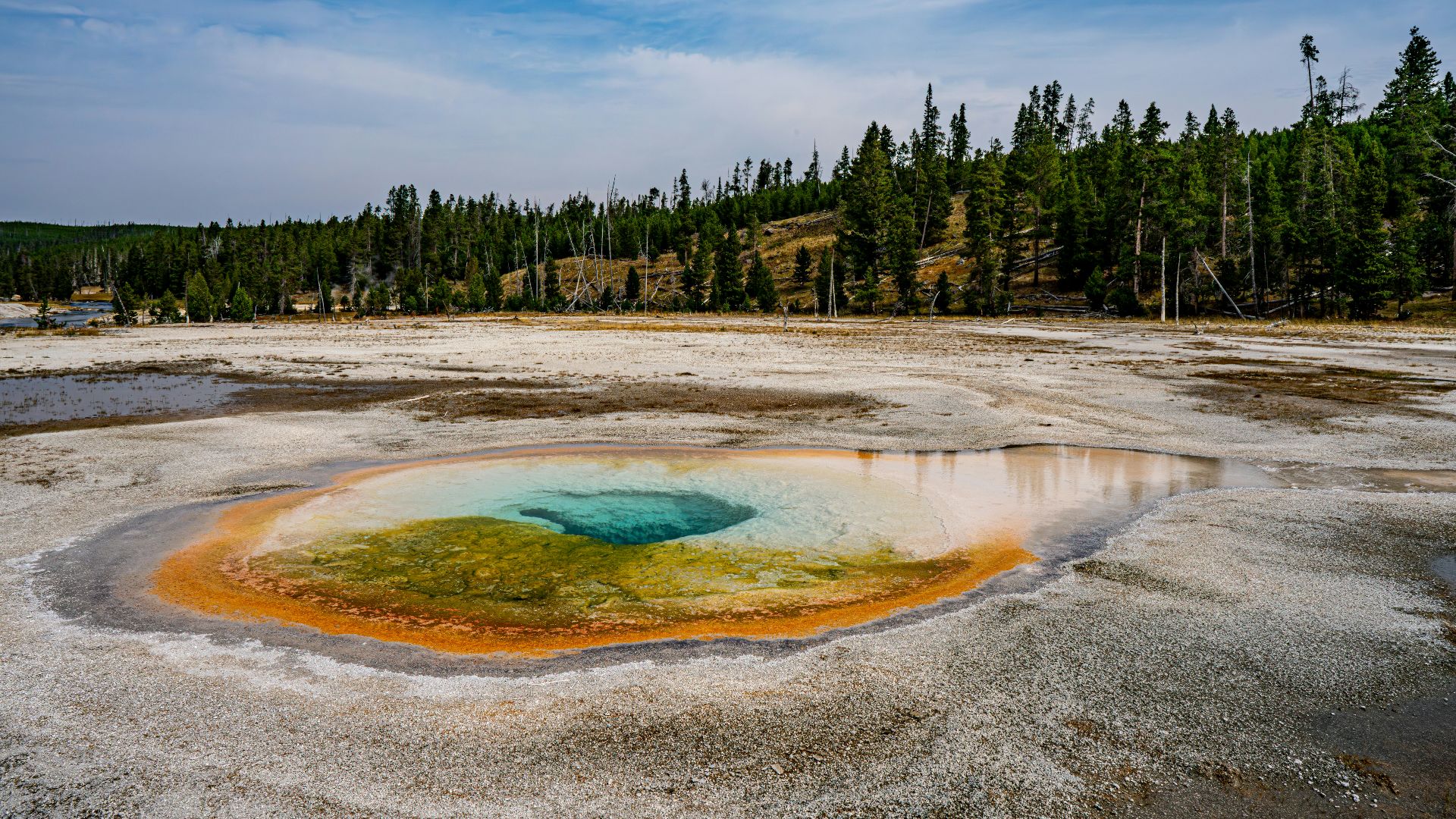
A supereruption is not simply a large volcanic blast. It ejects at least 1,000 cubic kilometers, or about 240 cubic miles, of material. Yellowstone’s last caldera-forming eruption reached roughly that scale, creating the enormous caldera that now sits beneath much of the park.
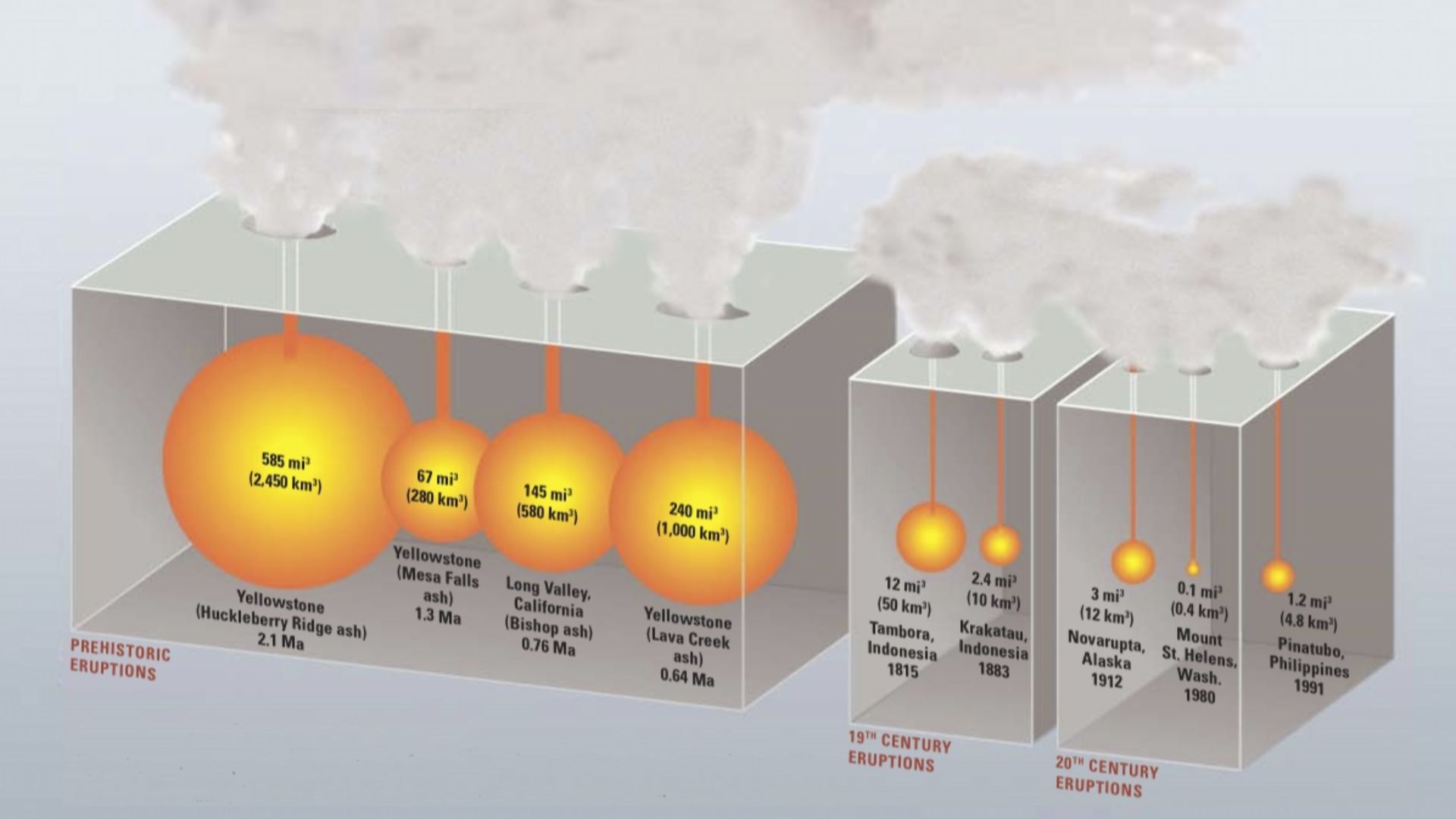 USGS. Combination of the two images by Avenue., Wikimedia Commons
Tomorrow Would Begin Before Tomorrow
A caldera-forming eruption probably would not arrive without warning. Scientists would expect escalating earthquake swarms, rapid changes in the ground and unusual heat or gas activity. By the time Yellowstone actually erupted, official alerts and evacuations around the park could already be underway.
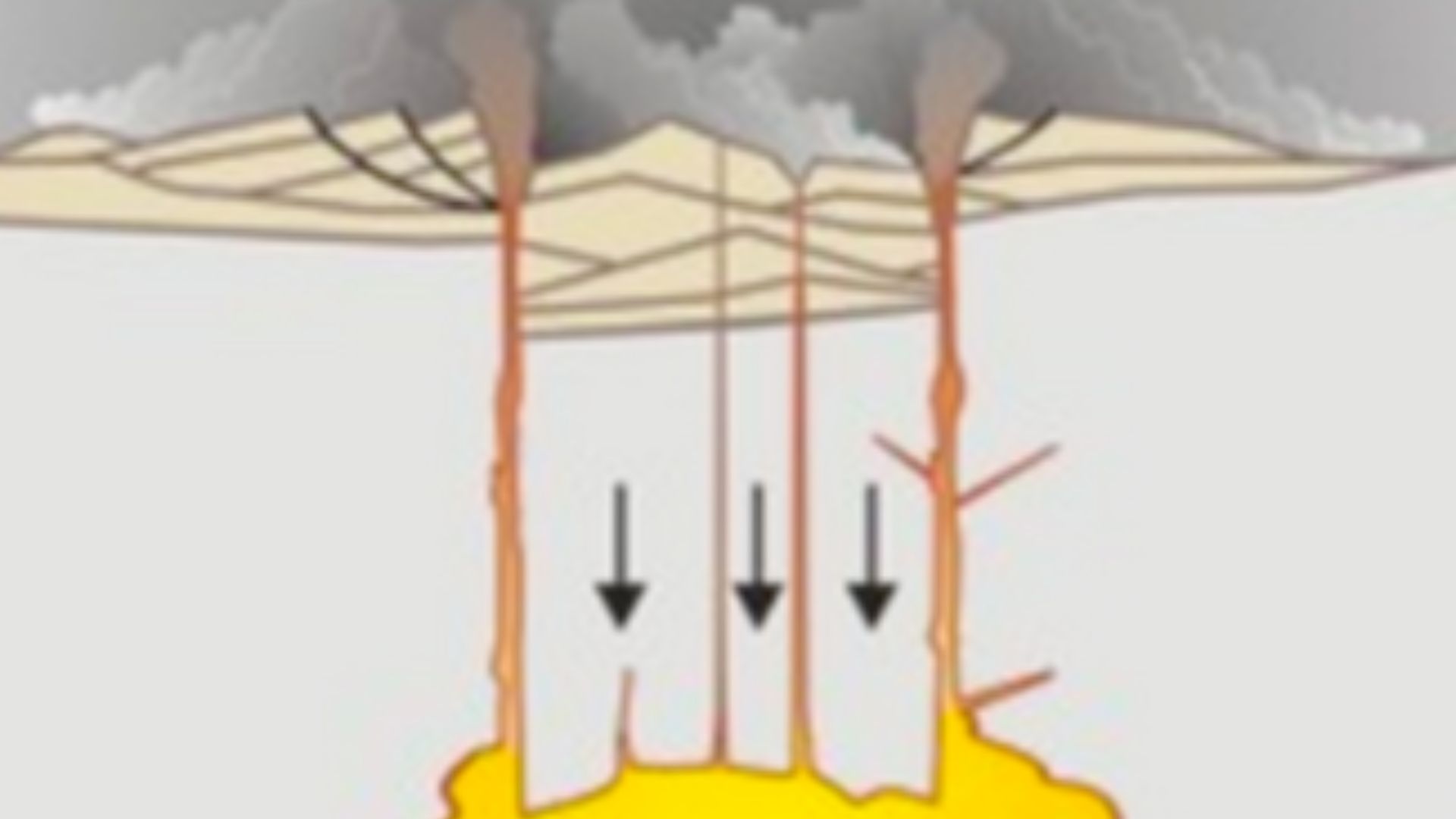 U.S. GEOLOGICAL SURVEY and the NATIONAL PARK SERVICE, Wikimedia Commons
The First Hours Would Be Terrifying
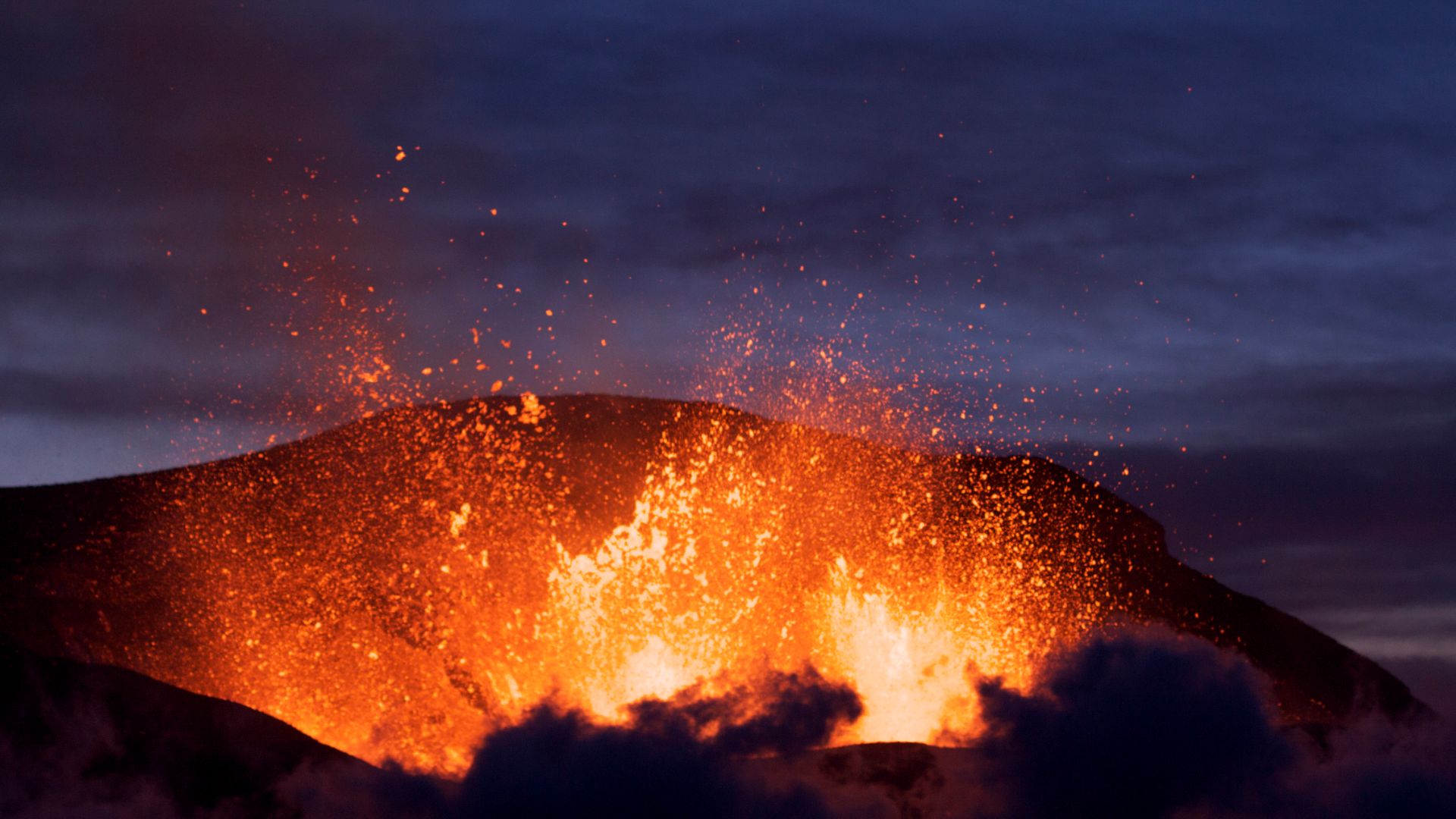
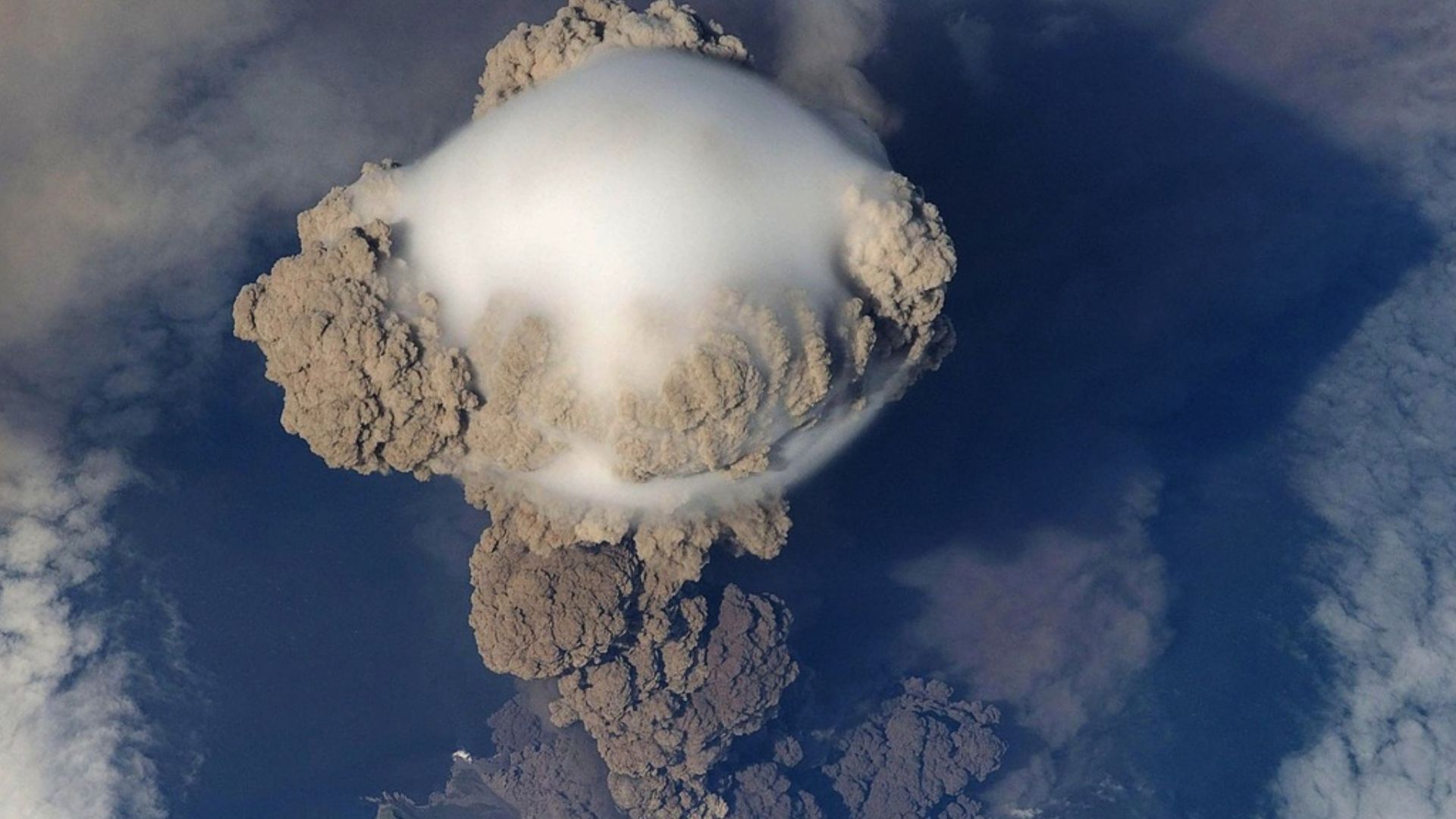
As magma forced its way upward, the ground could fracture while powerful earthquakes shook the region. Multiple vents might open across the caldera, sending towering columns of ash, gas and shattered rock into the atmosphere. The eruption plume could climb high into the stratosphere.
The Fastest Hazard Would Stay Close
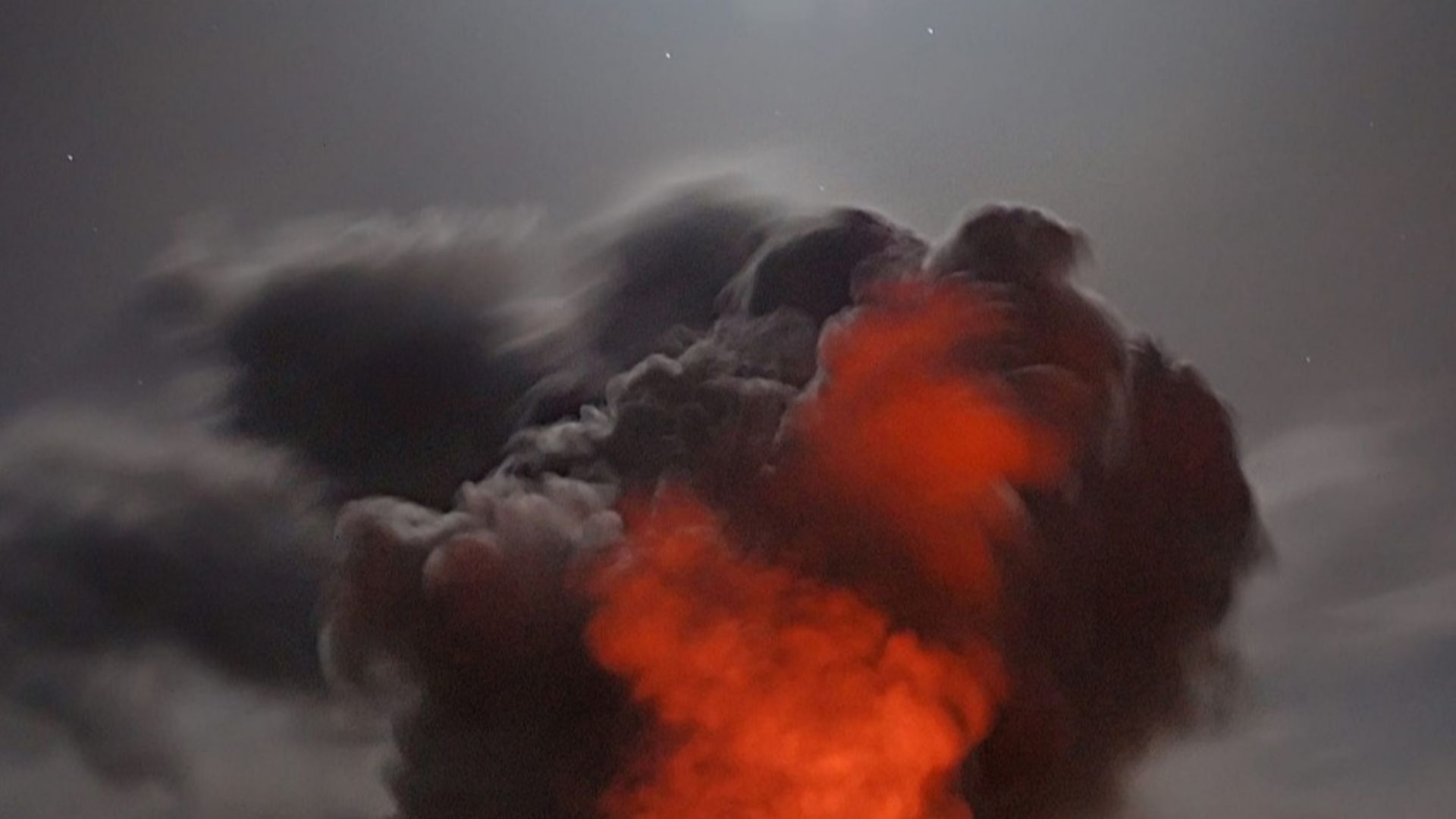
Superheated clouds of ash, rock and gas called pyroclastic flows could sweep across Yellowstone and surrounding areas. These flows would move too quickly to outrun and could bury large sections of the region. Communities closest to the park would face the most immediate and severe destruction.
The Ground Could Collapse Beneath It
As enormous quantities of magma escaped, sections of the crust above the reservoir could begin falling inward. That is how a caldera forms. Yellowstone would not turn into a bottomless hole, but the landscape across an enormous area could be permanently reshaped.
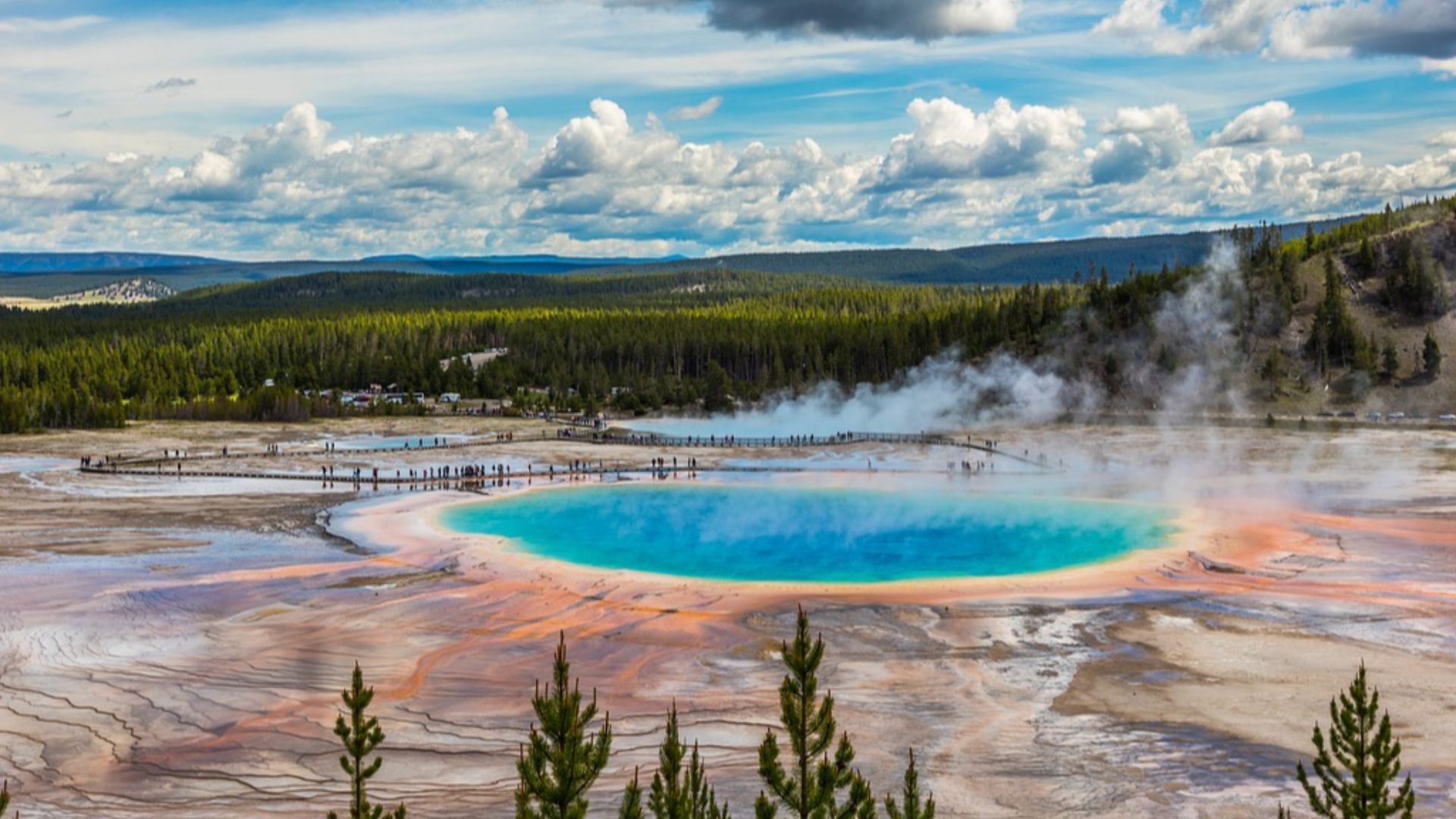
This Would Not Be One Quick Blast
A Yellowstone supereruption would not necessarily resemble one sudden explosion followed by calm. It could unfold through several vents and multiple eruptive phases. Even after the most violent activity slowed, ash could continue entering the atmosphere while emergency crews remained unable to approach the region.
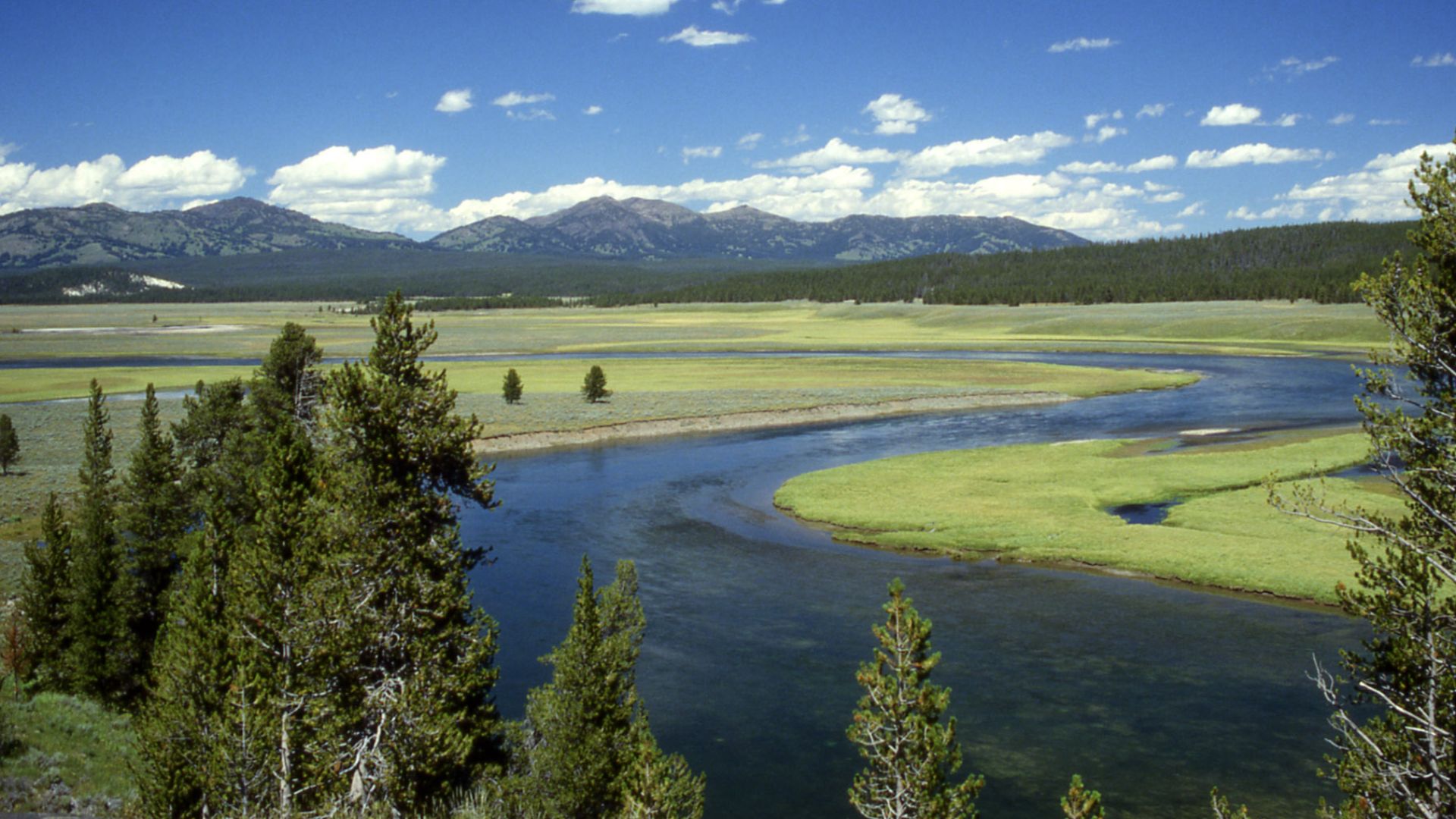 Ed Austin/Herb Jones, Wikimedia Commons
The Ash Cloud Would Make Its Own Weather
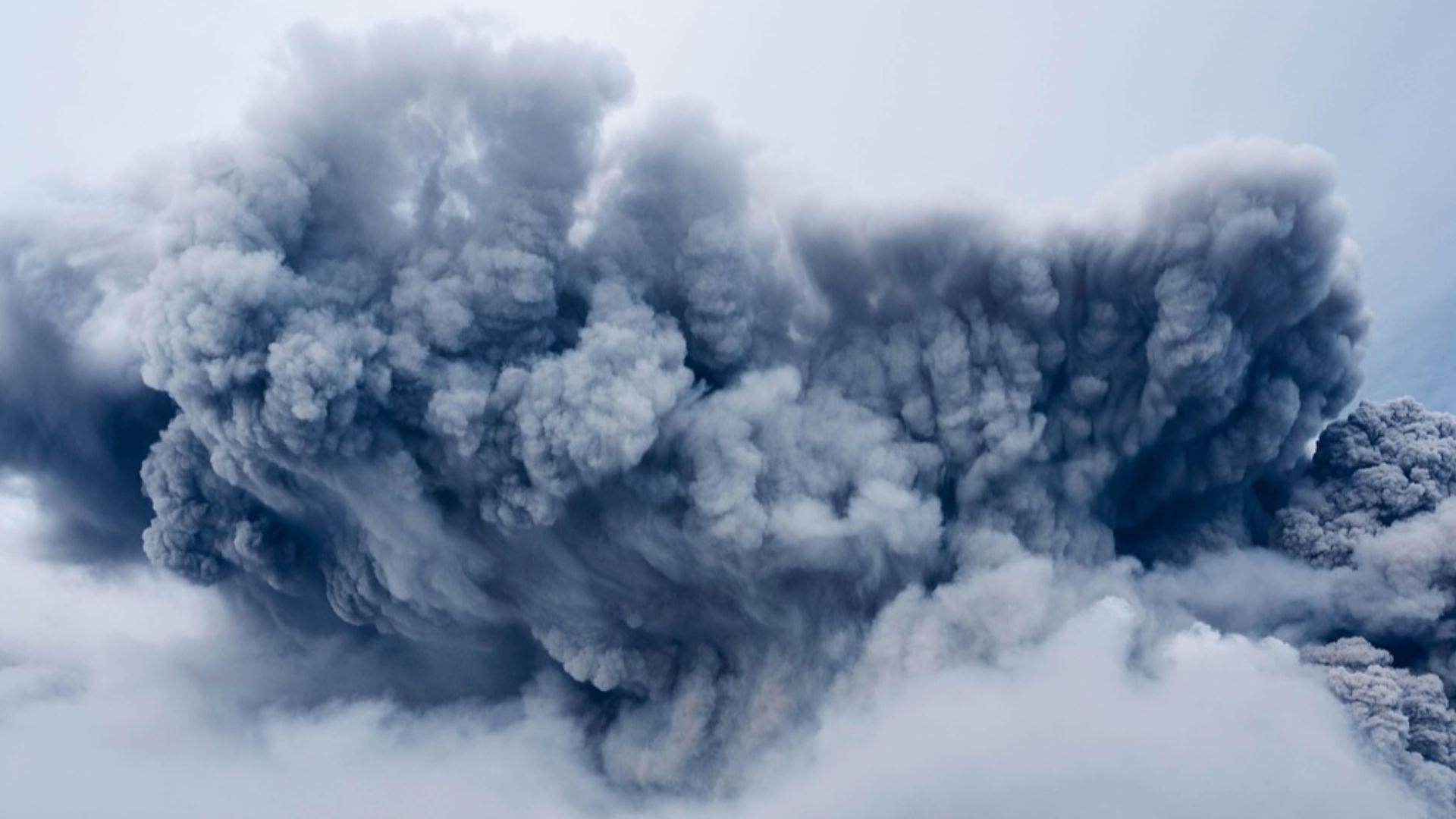
Normally, winds carry volcanic ash mainly downwind. A supereruption would be different. The massive umbrella-shaped cloud could spread outward in nearly every direction, overpowering prevailing winds and carrying ash more than 900 miles upwind or sideways from Yellowstone.
The Northern Rockies Would Take The Worst
Parts of Wyoming, Montana and Idaho could receive ash measured in feet rather than inches. Some locations in the northern Rockies could be buried beneath more than a meter. Buildings, roads, farms and machinery could be surrounded or damaged by a layer far beyond ordinary cleanup capabilities.
The Midwest Would Not Escape
Cities across the Great Plains and Midwest could receive centimeters of ash, with some closer areas seeing several inches. That sounds far less frightening than several feet, but it could still stop traffic, damage equipment, disrupt farming and overwhelm drainage systems across important agricultural regions.
 Christian Collins, Wikimedia Commons
Even The Coasts Would See It
New York, Los Angeles, Washington and Miami could receive anything from a light dusting to several millimeters of ash, depending on the weather and eruption. The ground accumulation might be modest, but ash remaining high in the atmosphere could disrupt transportation far beyond the visibly affected areas.
This Is Not Fireplace Ash
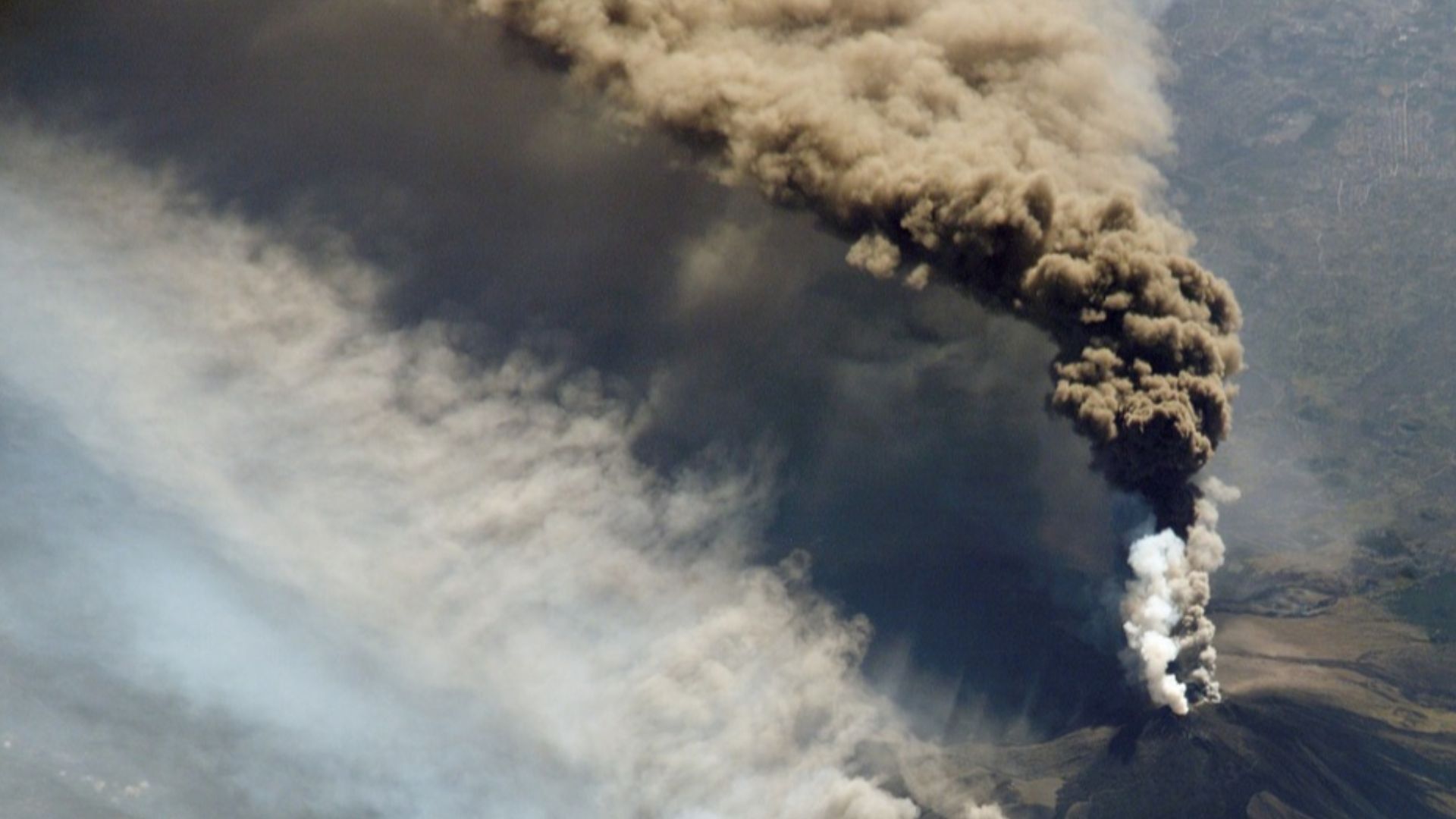
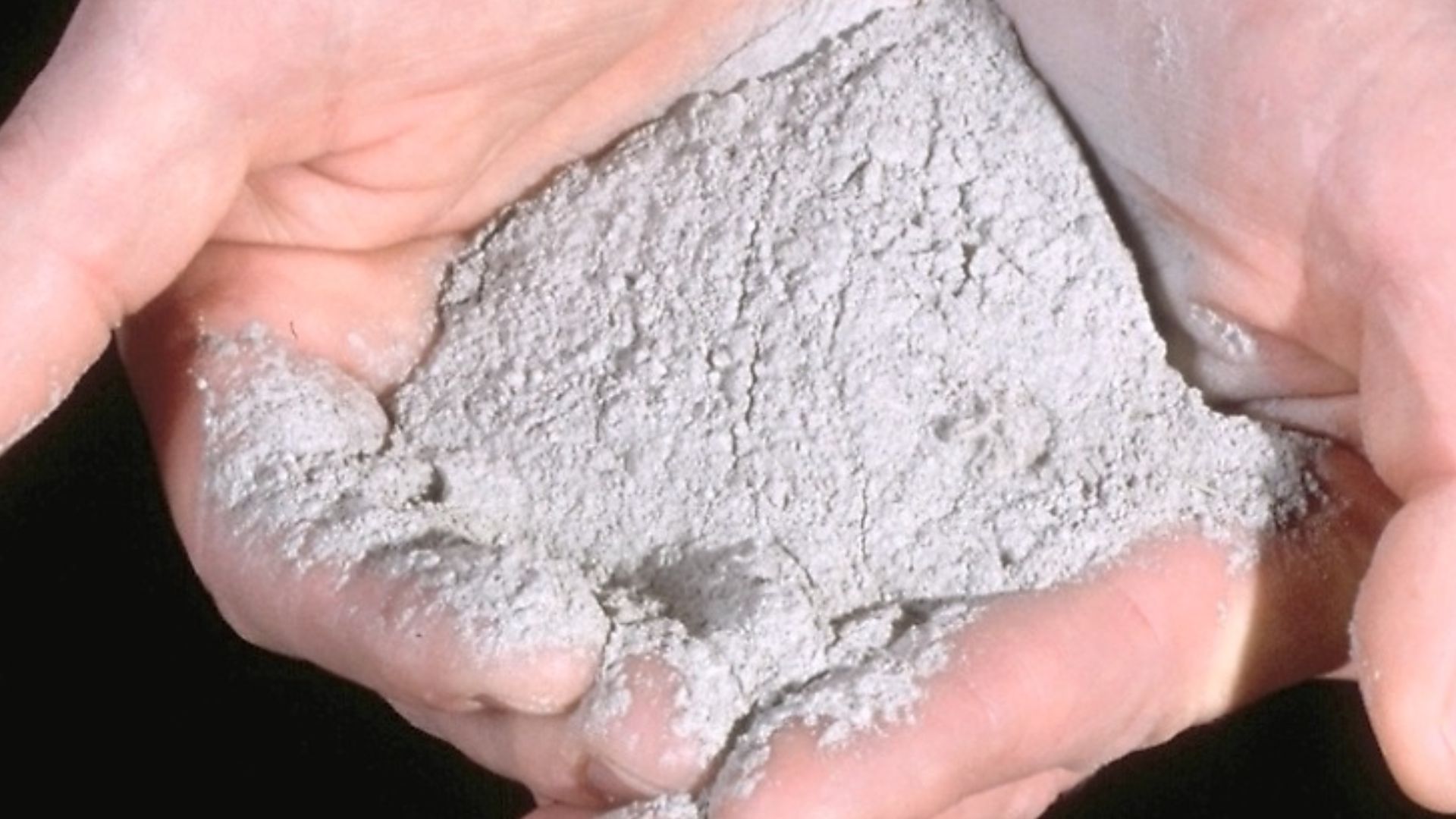
Volcanic ash is made from tiny pieces of rock, minerals and volcanic glass. It is abrasive, heavy and capable of working its way inside almost anything. It can scratch windows, damage engines, clog machinery and turn normally reliable equipment into useless metal surprisingly quickly.
 Crisco 1492, Wikimedia Commons
Daylight Could Disappear
Close to Yellowstone, thick ash could turn afternoon into something resembling night. As it accumulated, another danger would grow overhead. Wet volcanic ash is extremely heavy, and enough of it on a roof could cause the structure to fail when people were sheltering inside.
Driving Would Become Nearly Impossible
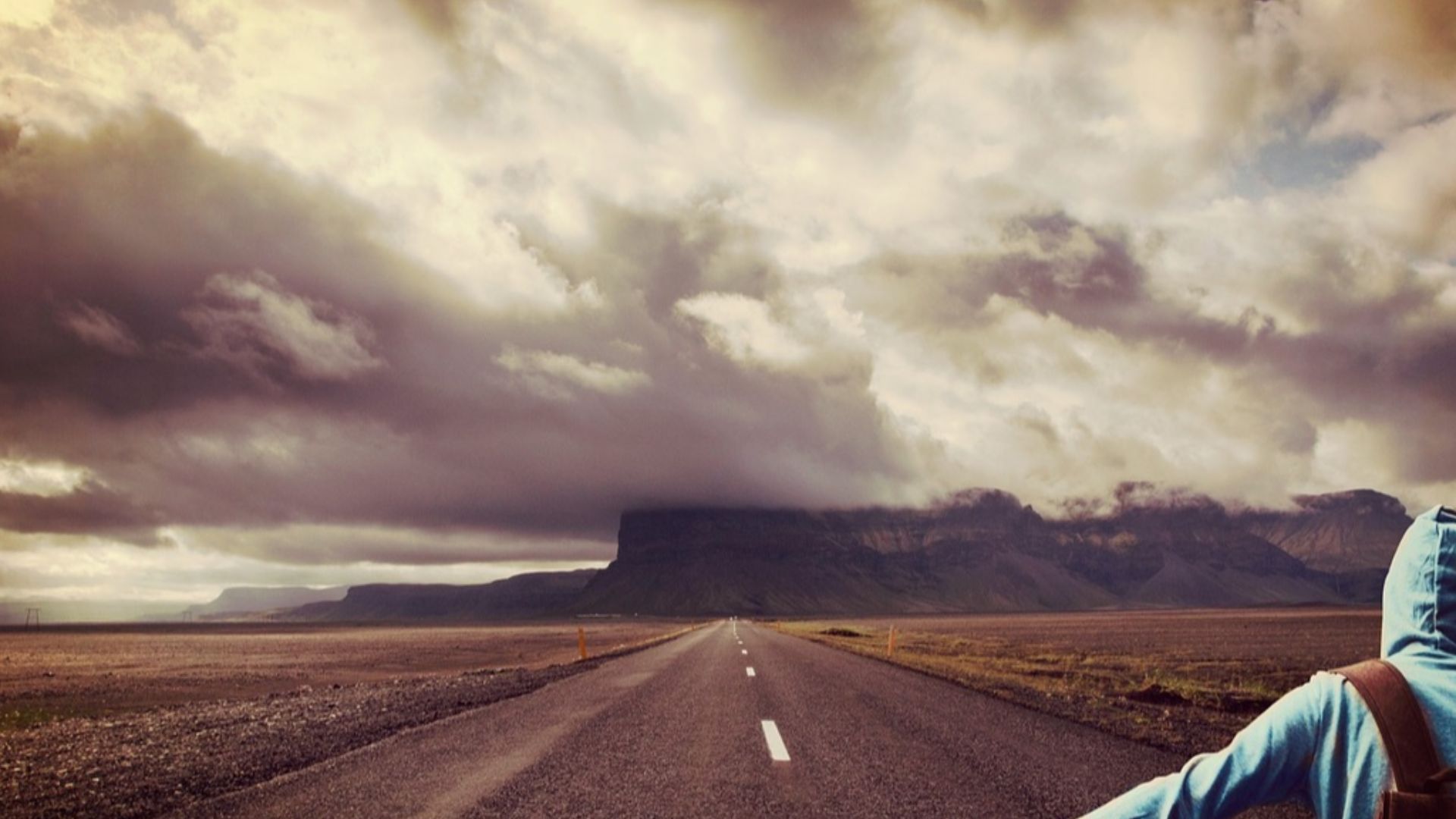
Ash would cover lane markings, reduce visibility and make paved roads dangerously slippery. Vehicle engines could inhale abrasive particles, while air filters would clog rapidly. Emergency vehicles, delivery trucks and evacuation traffic could all become stranded, precisely when those vehicles were needed most.
Much Of The Airspace Could Close
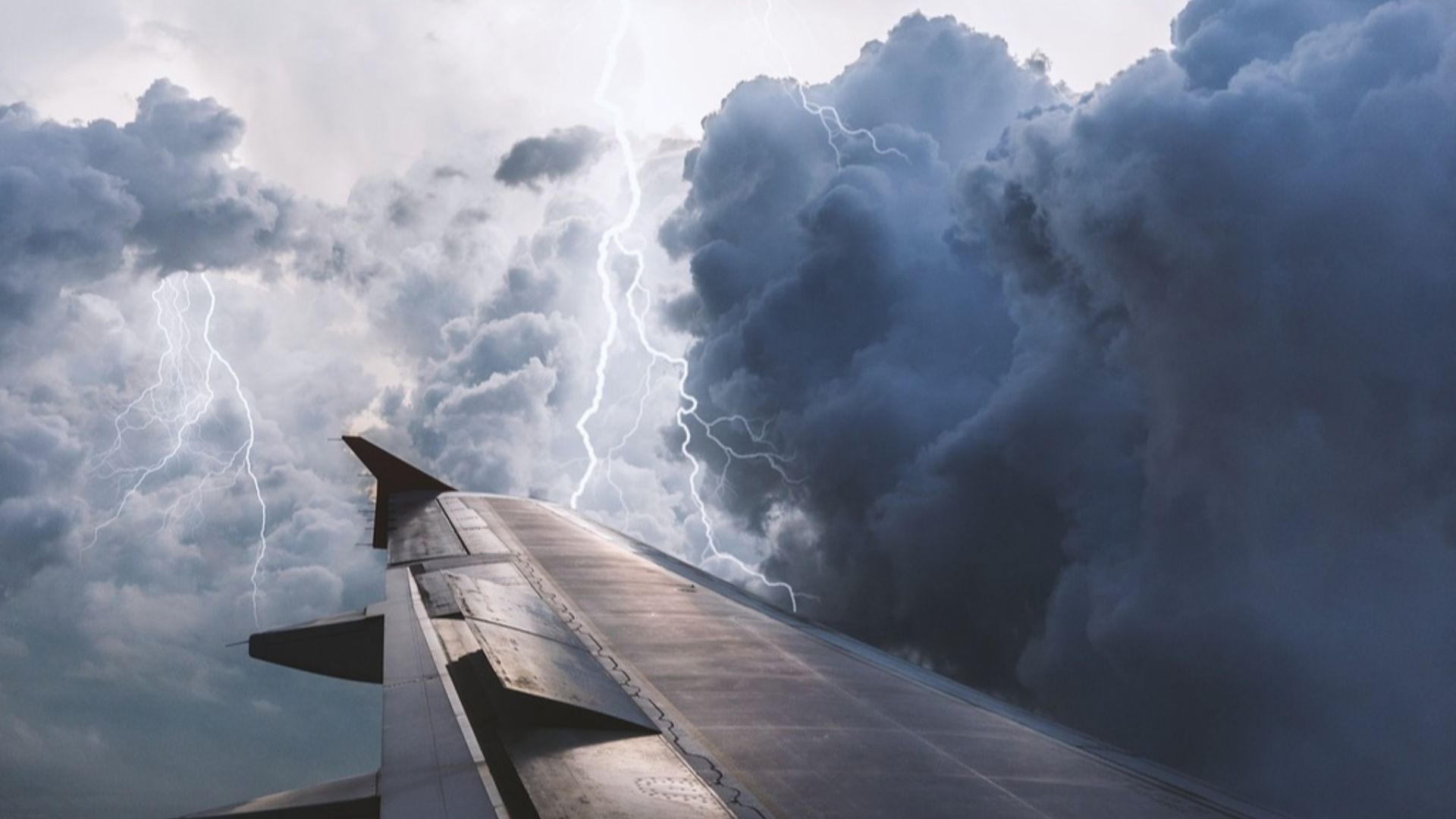
Jet engines and volcanic ash are a disastrous combination. Ash can melt inside turbines, damage internal components and cause engines to lose power. Large sections of North American airspace could close even where little ash reached the ground, disrupting passenger flights and air cargo.
The Power Grid Would Start Struggling
Ash collecting on electrical equipment can cause short circuits, especially when it becomes damp. Transformers, substations and transmission systems could begin failing across the heaviest ash zones. Repair crews would then have to reach damaged equipment through roads already clogged with ash and abandoned vehicles.
Water Systems Would Be Under Pressure
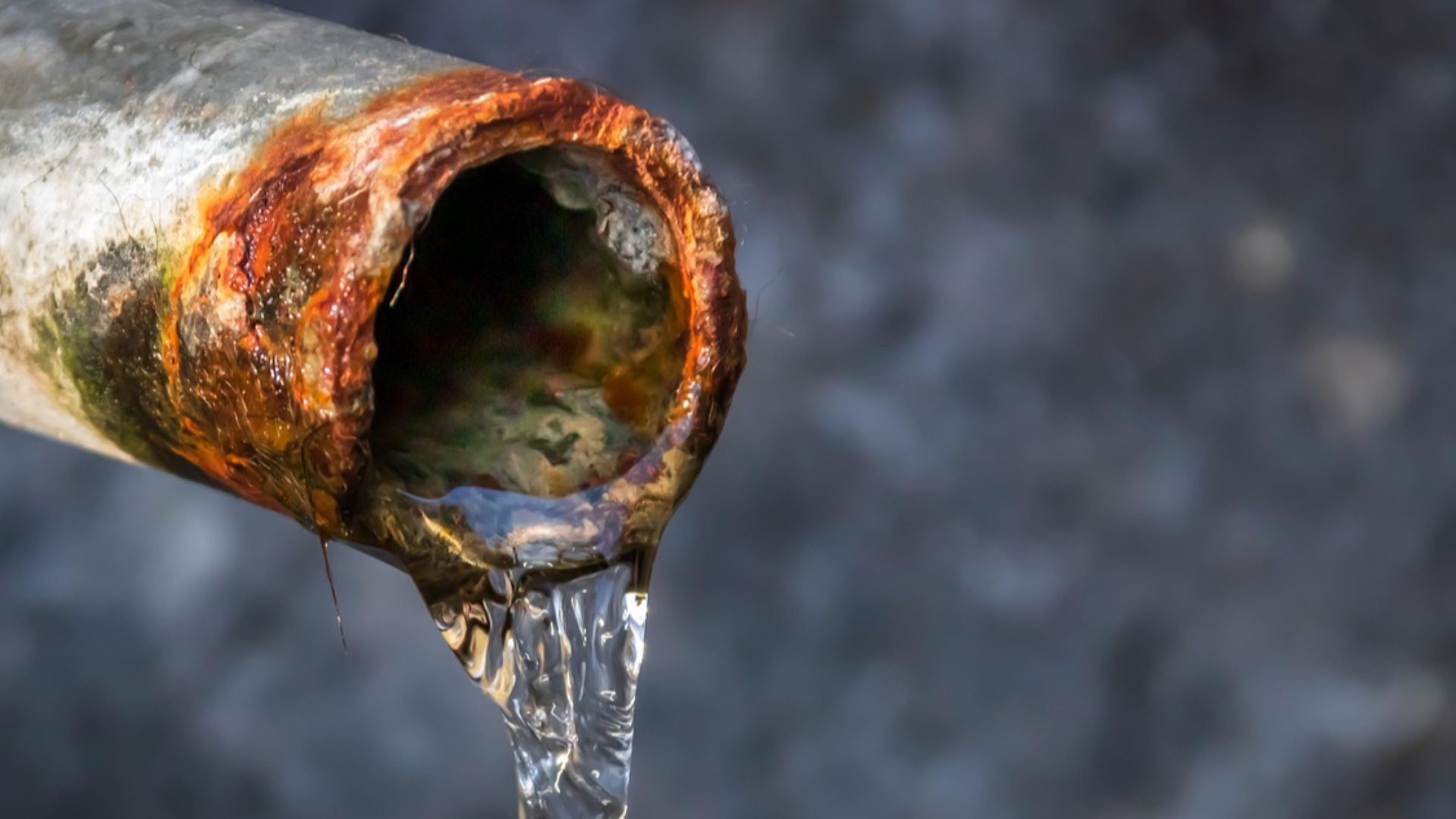
Ash could overwhelm filters, clog pumps and dramatically increase the amount of material water plants must remove. Supplies would not automatically become poisonous, but keeping clean water flowing could become extremely difficult. Wastewater systems could also fail as ash entered drains and sewer networks.
Breathing Would Become Harder
For most healthy people, volcanic ash would primarily irritate the eyes, throat and lungs. People with asthma, bronchitis or other respiratory conditions would face greater risks. Masks, sealed buildings and clean indoor air would quickly become necessities across heavily affected regions.
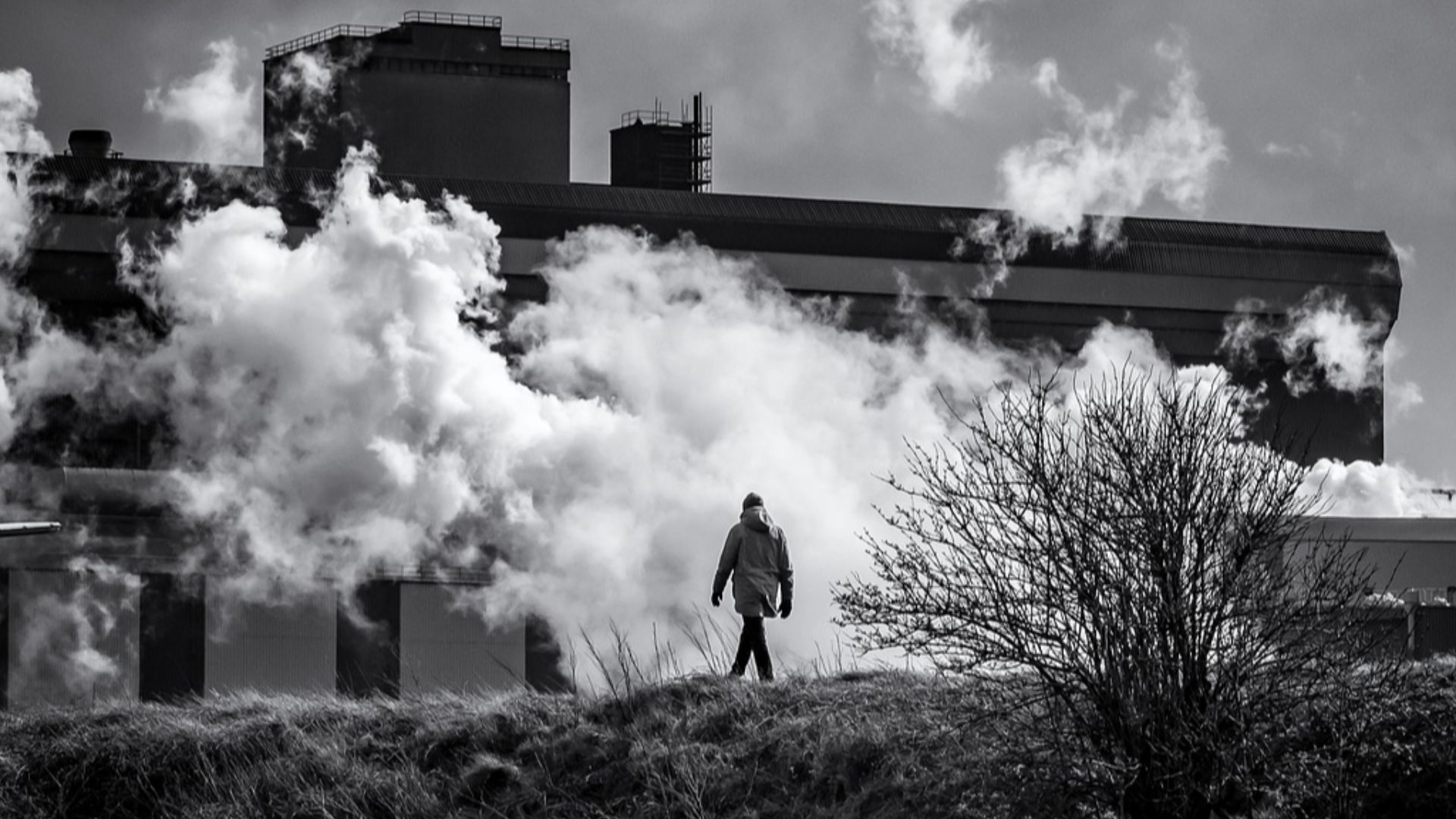
America’s Farms Would Take A Direct Hit
Ash could bury growing crops, contaminate feed, damage machinery and prevent sunlight from reaching plants. Livestock might struggle to find clean food and water. Some farms outside the deepest ash zone could lose crops or be unable to operate through much of a growing season.
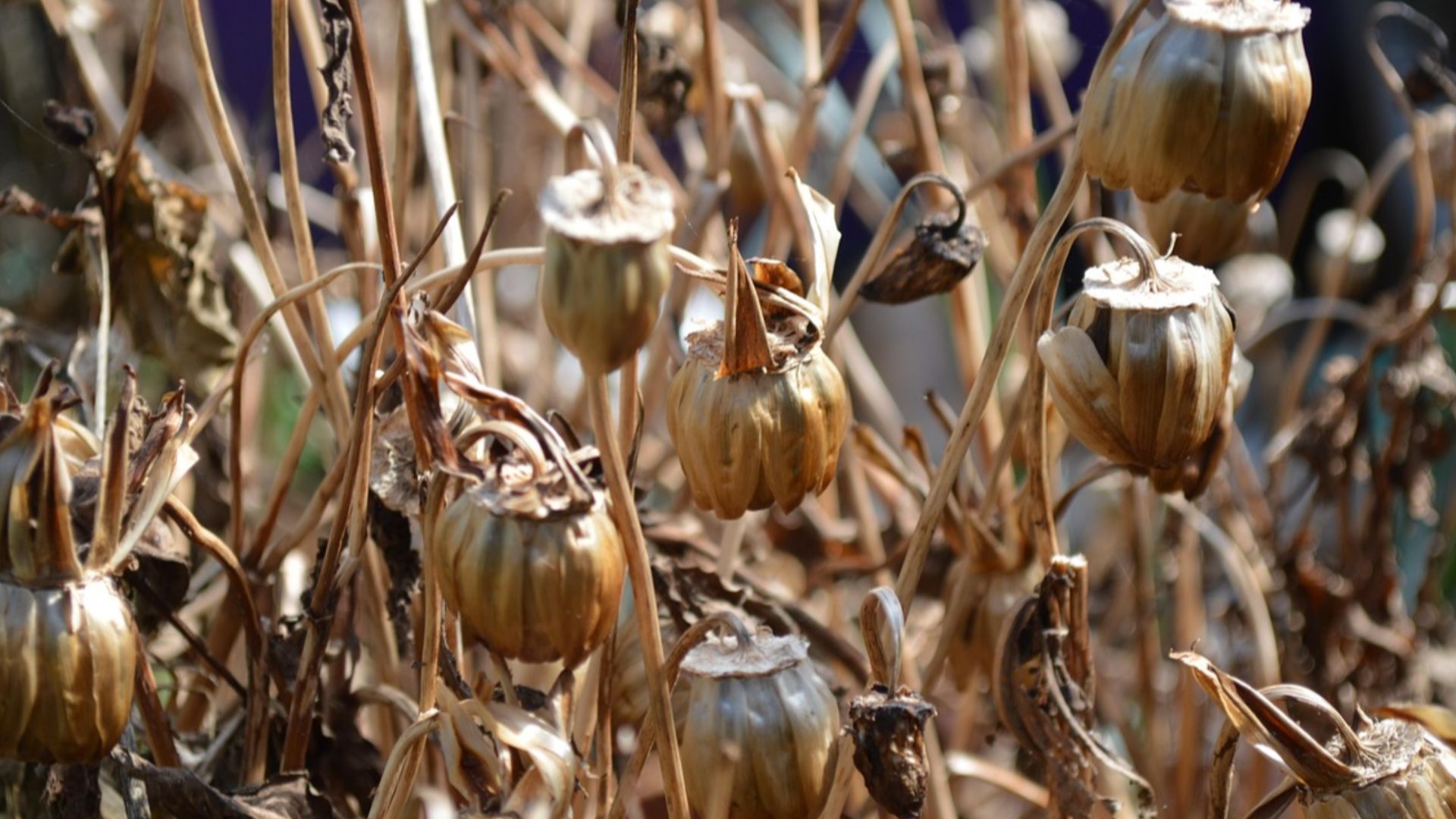
Then The Food Shock Would Spread
The disruption would not stop at farms covered in ash. Grain processing, refrigeration, trucking and rail transportation could all be affected at once. Reduced harvests and broken supply chains could push food prices higher and potentially create shortages far beyond North America.
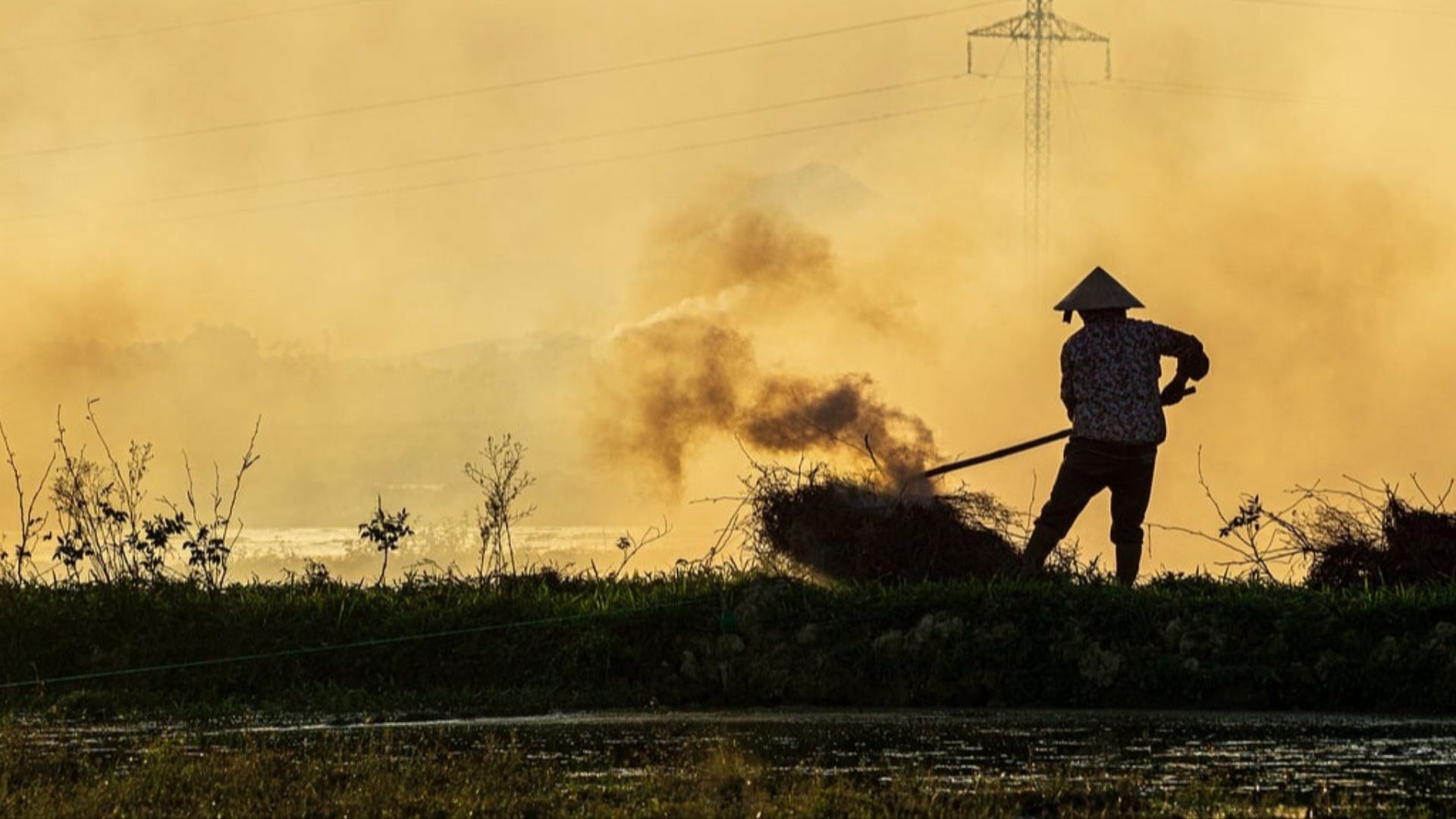
The Ash Would Keep Coming Back
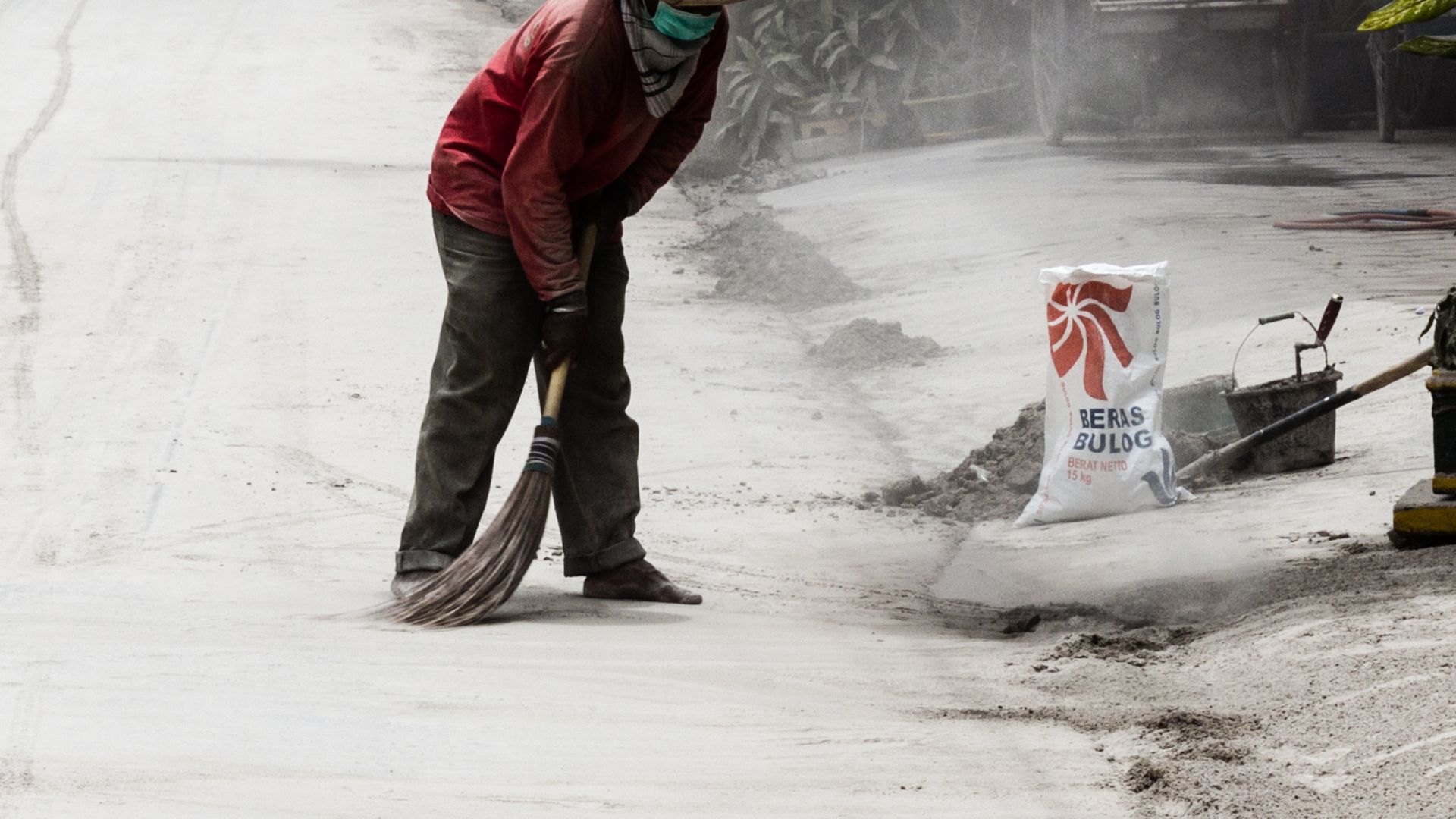
Cleaning the ash once would not solve the problem. Wind and passing vehicles could repeatedly lift settled particles back into the air. Rain could wash ash into rivers and drains. Some communities could spend years dealing with the same material being moved, buried and exposed again.
 David E. Wieprecht, Wikimedia Commons
The Climate Effects Could Last Years
Ash would eventually fall, but sulfur gases reaching the stratosphere could form aerosols that reflect sunlight and alter weather patterns. The USGS says global agriculture could be affected for one to two decades. The severity would depend heavily on how much sulfur was released.
It Would Not End Humanity
A Yellowstone supereruption would not split the continent apart, cover the entire country in several feet of ash or guarantee human extinction. Those are movie versions. The real scenario is more complicated: widespread infrastructure failures, damaged harvests, displaced populations and years of economic disruption.
 Dietmar Rabich, Wikimedia Commons
Warning Would Still Matter
Humans cannot switch Yellowstone off or release its pressure safely. Monitoring can only provide warning. That warning could give nearby communities critical time to leave, but officials could not evacuate every place that might receive ash. For millions, sheltering and protecting essential systems would be the only realistic option.
Yellowstone Is Quiet Right Now
This is a hypothetical scenario, not a prediction. In its September 2026 update, the Yellowstone Volcano Observatory reported 61 earthquakes during August, no identified swarms and no significant renewed uplift along the north caldera rim. Yellowstone remained at NORMAL/GREEN, with nothing indicating an approaching eruption.
 Brocken Inaglory, Wikimedia Commons
There Is No Giant Lake Of Magma
Despite familiar illustrations, Yellowstone does not sit above one enormous underground lake of liquid rock. A 2025 Nature study found separated regions of rhyolitic melt with low melt fractions. Researchers concluded that the reservoirs they identified are not currently capable of erupting.
 Dietmar Rabich, Wikimedia Commons
Yellowstone Is Not Overdue
Three caldera-forming eruptions occurred roughly 2.1 million, 1.3 million and 630,000 years ago. Averaging those intervals does not create an eruption schedule. Volcanoes do not follow calendars, and the USGS says there is no evidence that Yellowstone must produce another enormous eruption at all.
 Dietmar Rabich, Wikimedia Commons
The Most Likely Eruption Is Much Smaller
If Yellowstone eventually produces new volcanic activity, scientists consider a localized lava flow far more likely than a supereruption. That could still damage parts of the park, but slowly moving lava would probably provide time for evacuations and would not bury the country beneath ash.
 Dietmar Rabich, Wikimedia Commons
So What Would Actually Happen?
The area around Yellowstone could be transformed within hours. Then the slower disaster would begin: grounded aircraft, failing machinery, damaged farms, power problems, water shortages and ash that refused to stay gone. It would not be the end of the world—but the old world might not return quickly.
You Might Also Like:
Nature's Greatest Hits: 10 Iconic U.S. National Parks For Your Family's Bucket List!