Some Places Cannot Be Captured
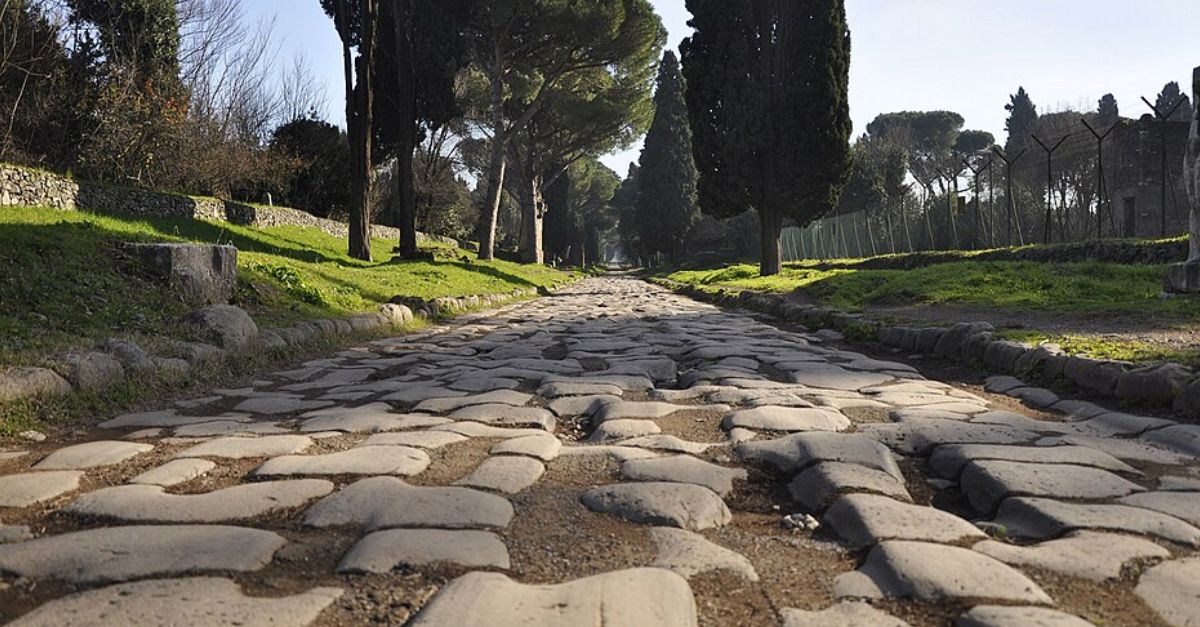
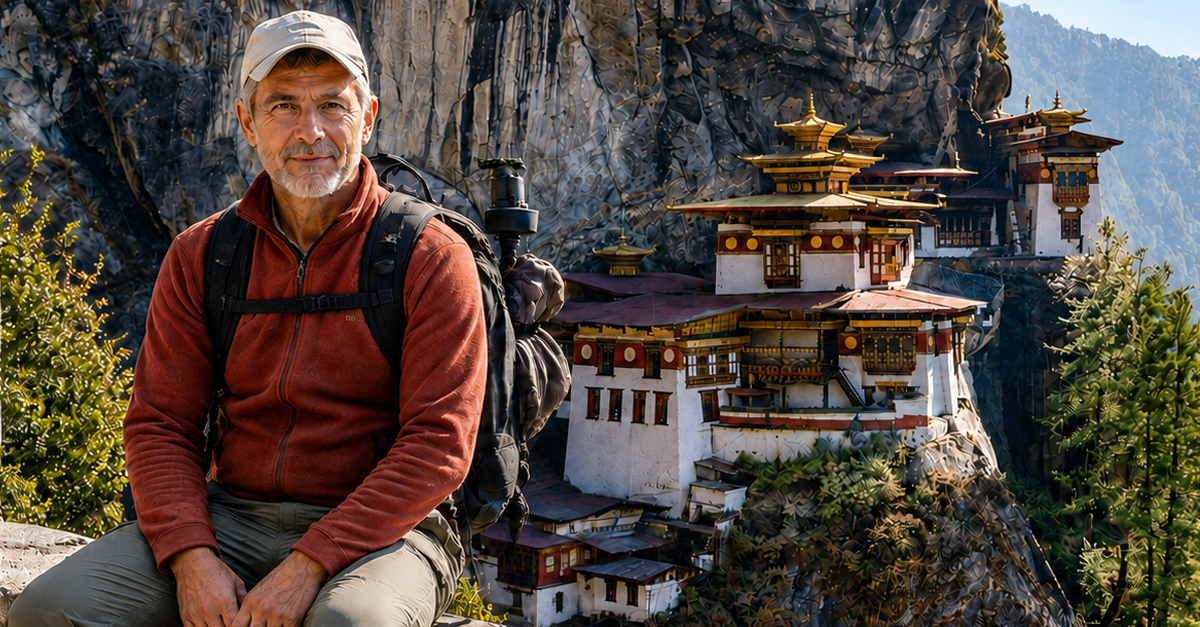
Photographs capture dramatic landscapes and remarkable architecture, but they can't reproduce the silence, chanting, incense, rituals, or physical effort. That gap matters most where spiritual traditions shape daily life. Every visitor reacts differently, but these spiritual destinations truly need to be experienced firsthand.
Varanasi
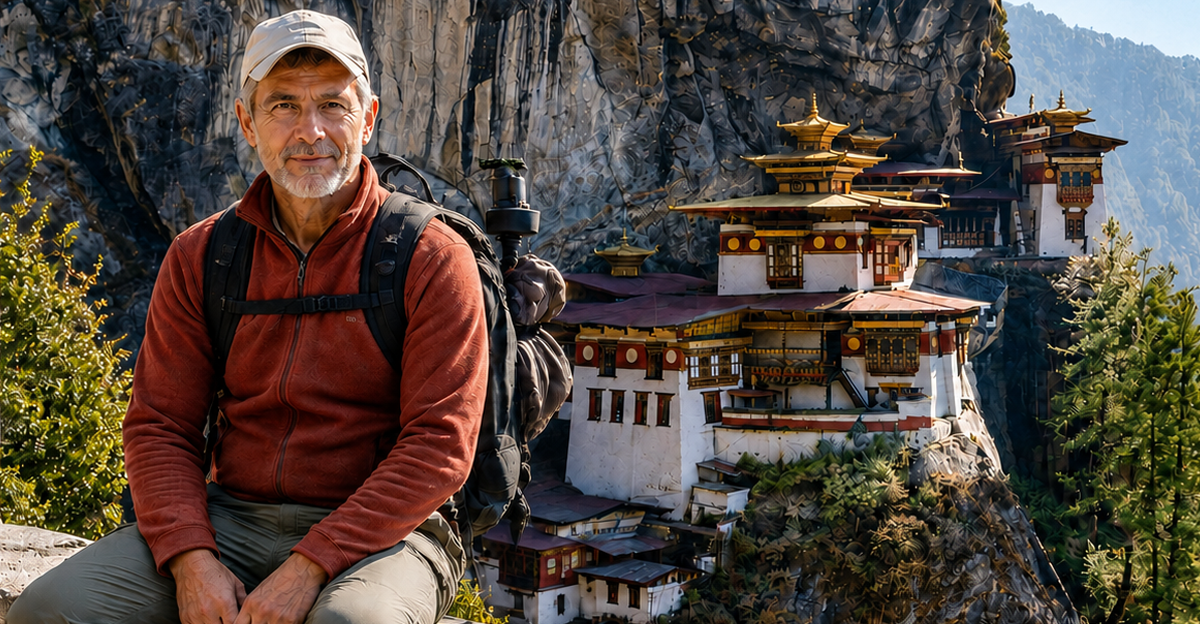
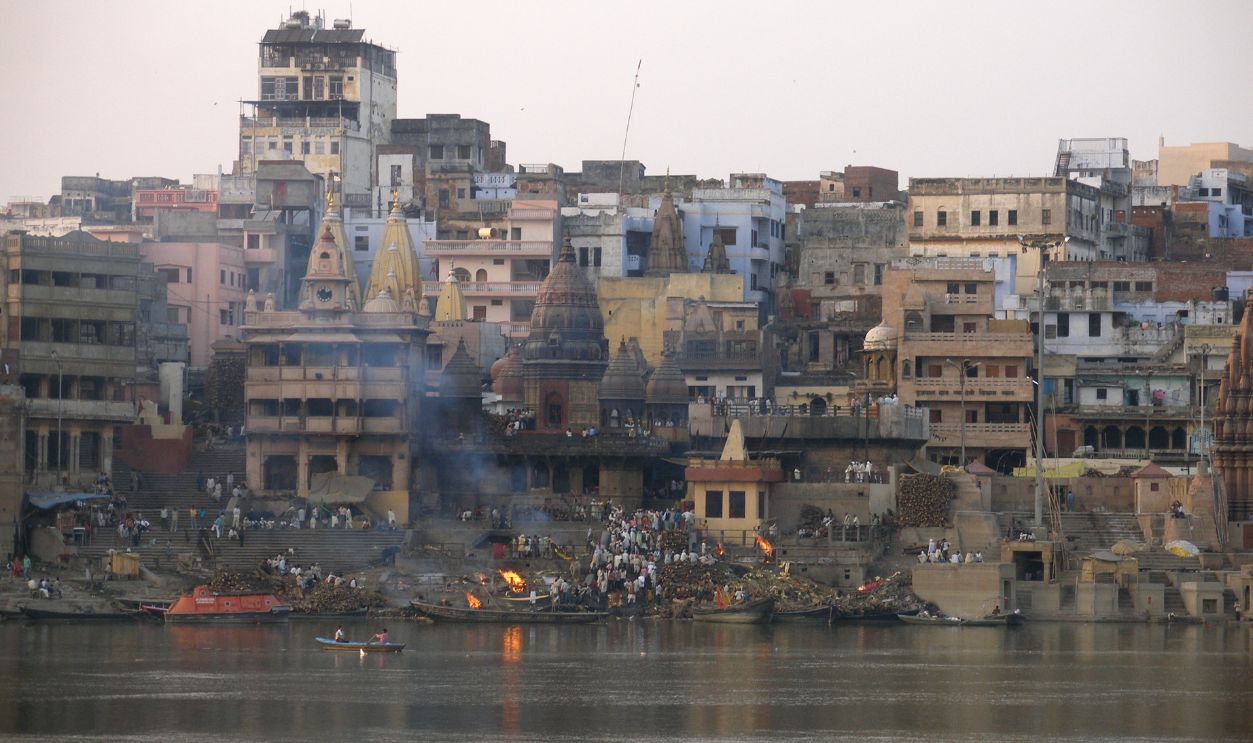
Pictures of Varanasi’s riverfront rarely convey how completely the Ganges shapes the city. Boats pass worshippers, bells accompany evening ceremonies, and funeral rites continue at designated ghats. Visitors often understand the city better by observing it as a living pilgrimage center rather than a collection of monuments.
 Vyacheslav Argenberg / http://www.vascoplanet.com/, CC BY 4.0, Wikimedia Commons
Bodh Gaya
The Mahabodhi Temple Complex marks the place associated with the Buddha’s enlightenment. Photographs capture the temple and Bodhi Tree, but not the prayers or the sight of pilgrims meditating together. That shared concentration can be more affecting than the architecture itself.
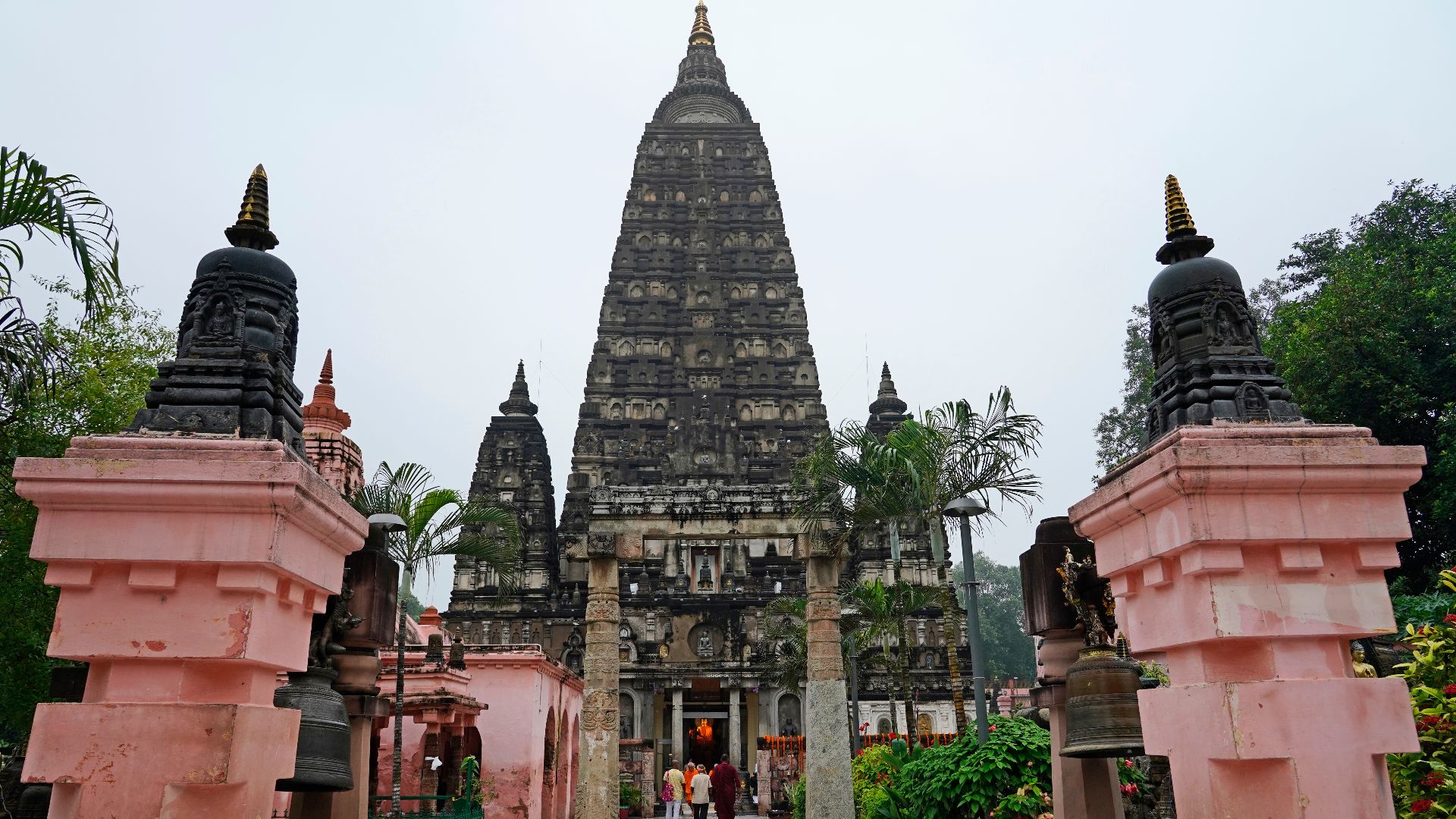 Amitabha Gupta, Wikimedia Commons
Mecca
Mecca is open only to Muslims and cannot be experienced like an ordinary sightseeing destination. During Hajj, pilgrims complete prescribed rituals, including circling the Kaaba, as part of an immense international community. Aerial photographs show the scale, but not the physical rhythm and unity of collective worship.
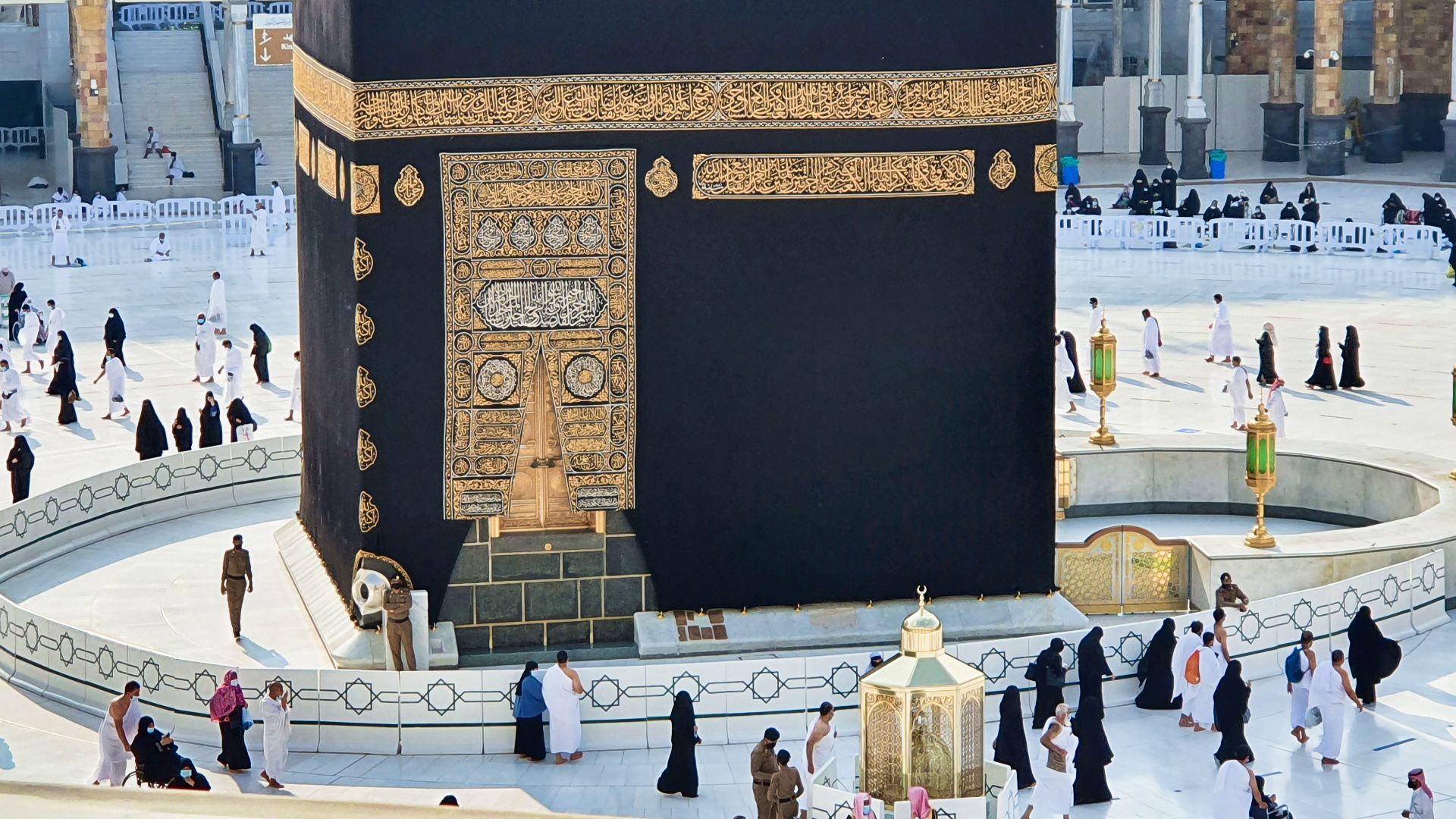 Richard Mortel, Wikimedia Commons
Jerusalem
Jerusalem’s Old City contains places sacred to Judaism, Christianity, and Islam within a remarkably compact area. Bells, calls to prayer, processions, and private devotions can overlap during a short walk. Being there reveals how closely different traditions, communities, and histories exist beside one another.
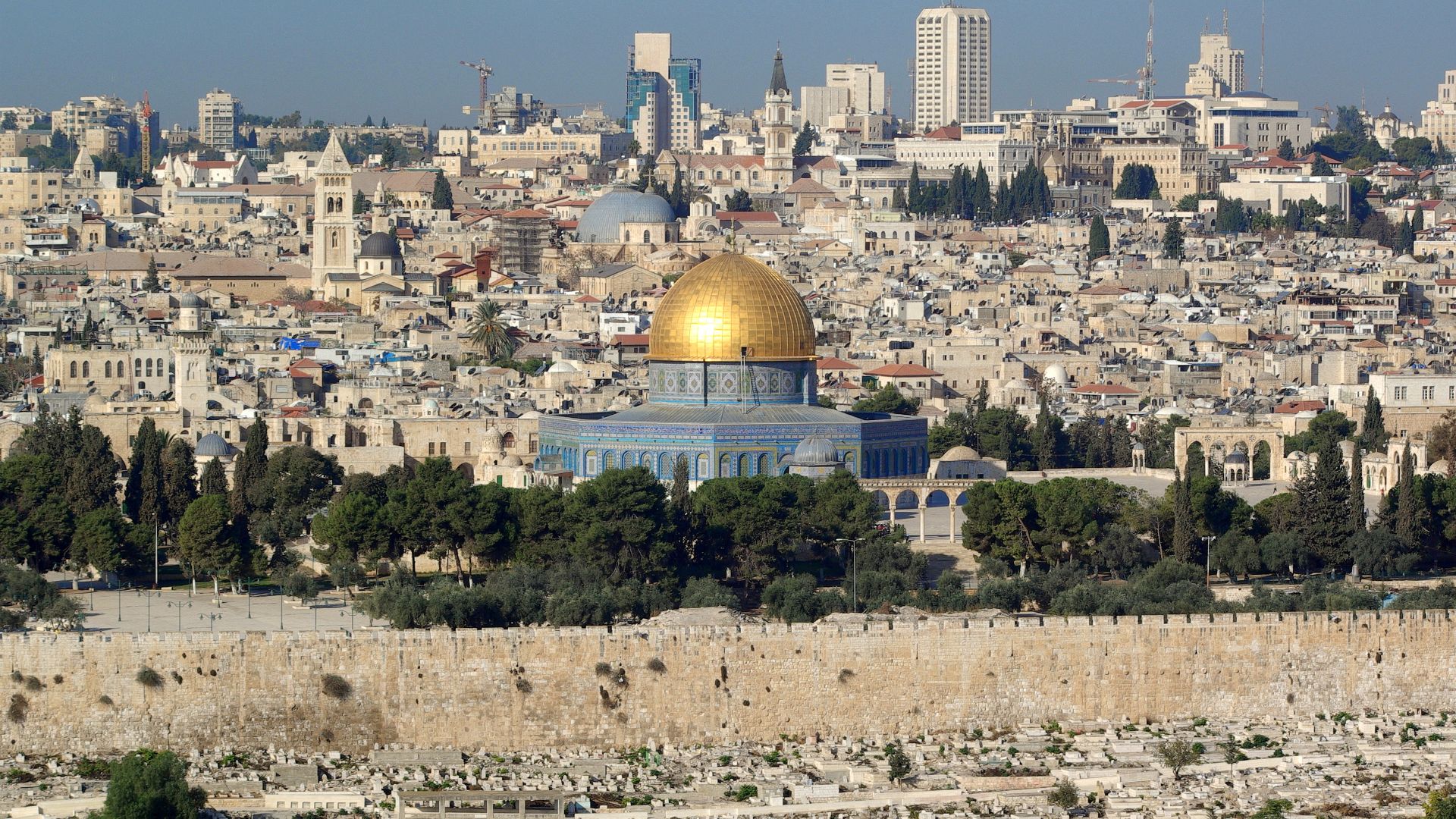 Berthold Werner, Wikimedia Commons
Mount Kailash
Mount Kailash is sacred within Buddhism, Hinduism, Jainism, and Bon. Pilgrims traditionally complete a demanding high-altitude circuit around the mountain, while climbing it is considered inappropriate. The shared effort and changing landscape are central to understanding the experience.
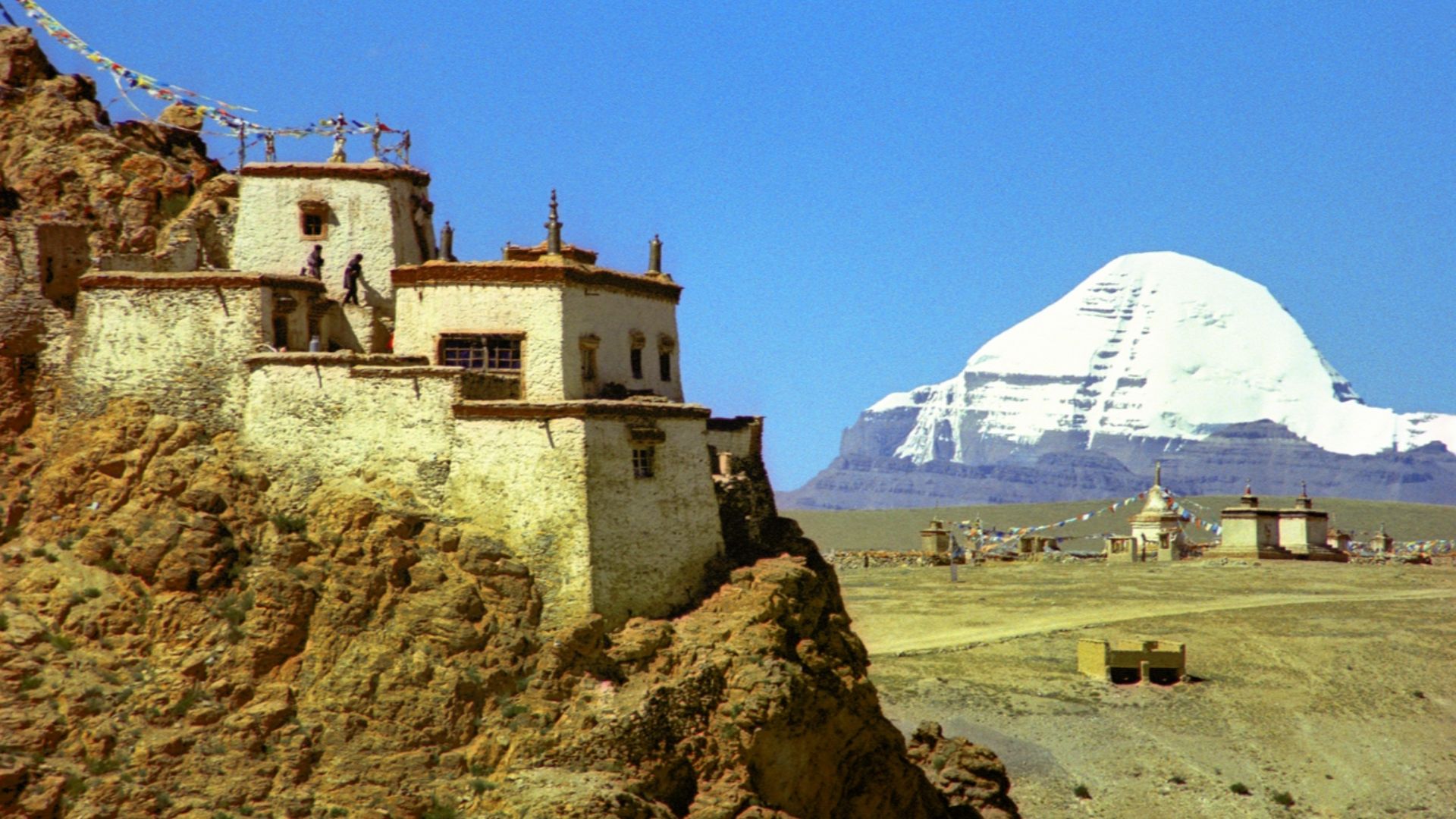 Jan Reurink from Netherlands, Wikimedia Commons
Angkor Wat
A single photograph cannot express Angkor Wat’s galleries, courtyards, causeways, and shifting perspectives. The temple belongs to the much larger Angkor Archaeological Park, once home to capitals of the Khmer Empire. Walking through it reveals connections among architecture, water, forest, ritual, and royal power.
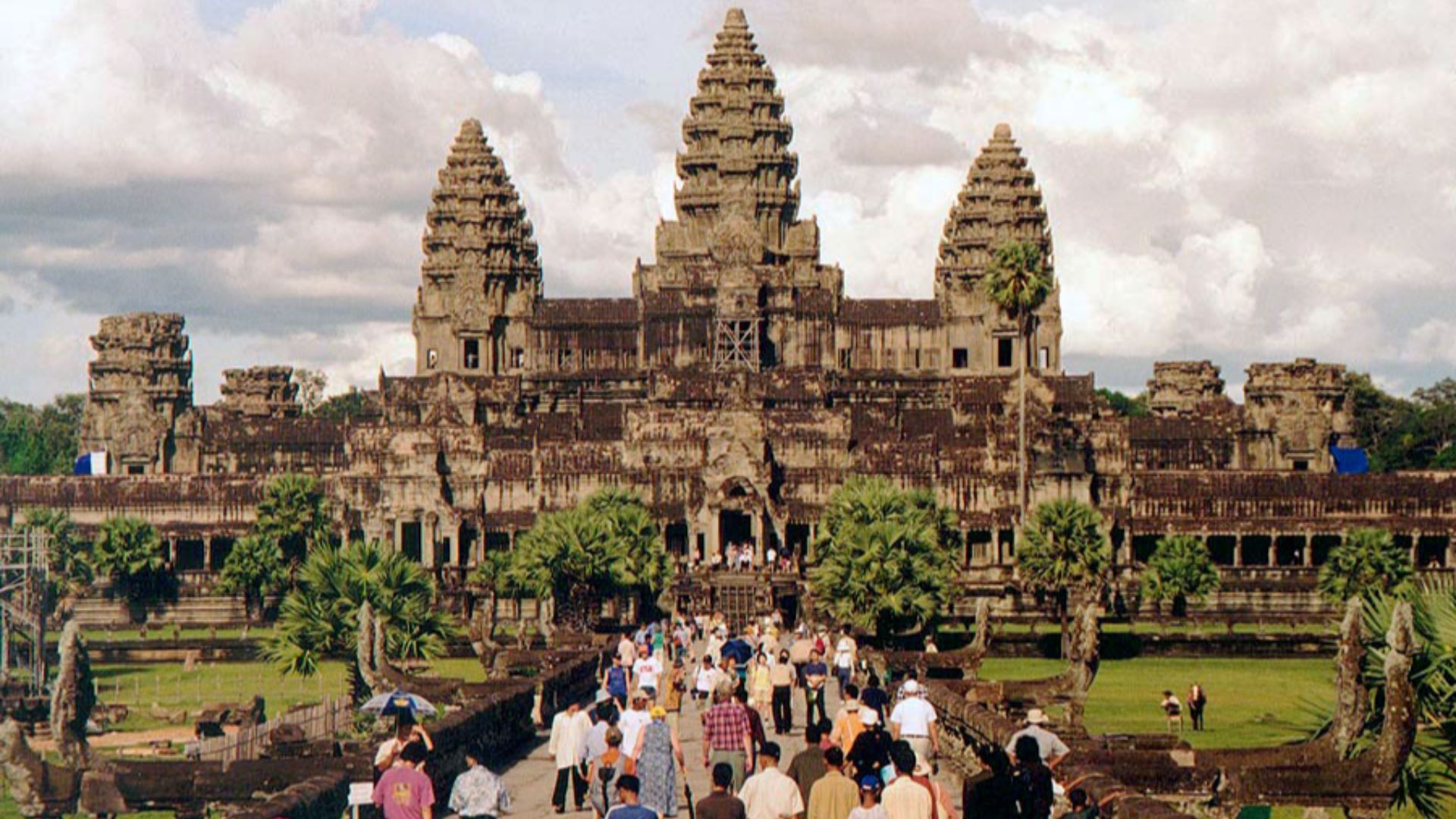 Manfred Werner (talk contribs), Wikimedia Commons
Bayon
Bayon stands at the center of Angkor Thom and is famous for its monumental carved faces. Inside, new expressions appear as visitors move through narrow passages and uneven levels. The effect can feel peaceful, mysterious, or disorienting, depending on the person.
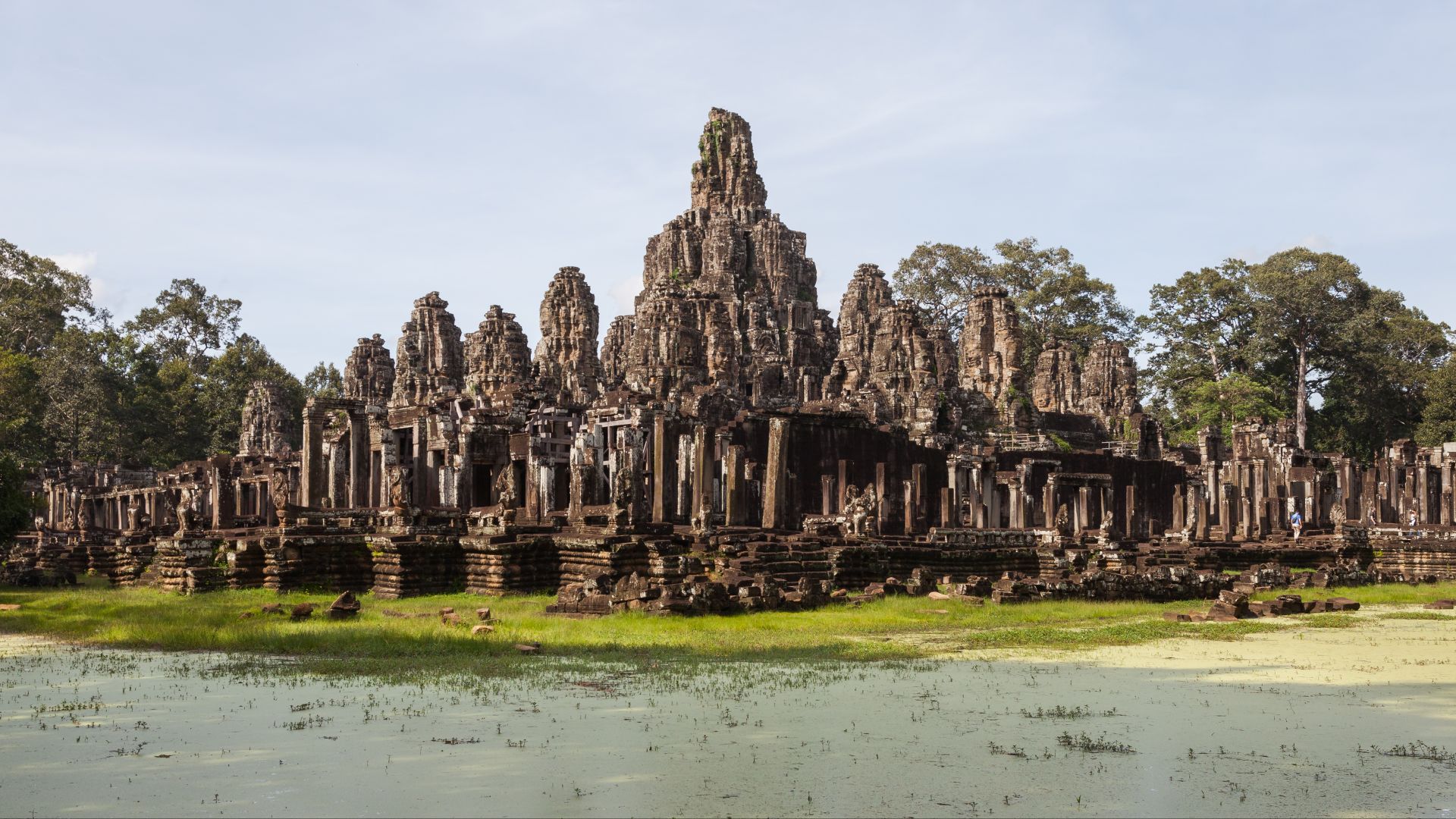 Diego Delso, Wikimedia Commons
Kyoto
Kyoto’s spiritual character is spread across temples, shrines, gardens, streets, and wooded hillsides. Its UNESCO-listed monuments reflect both Buddhist and Shinto traditions. An early visit, when gravel crunches underfoot and the city remains quiet, can communicate more than a perfect photograph.
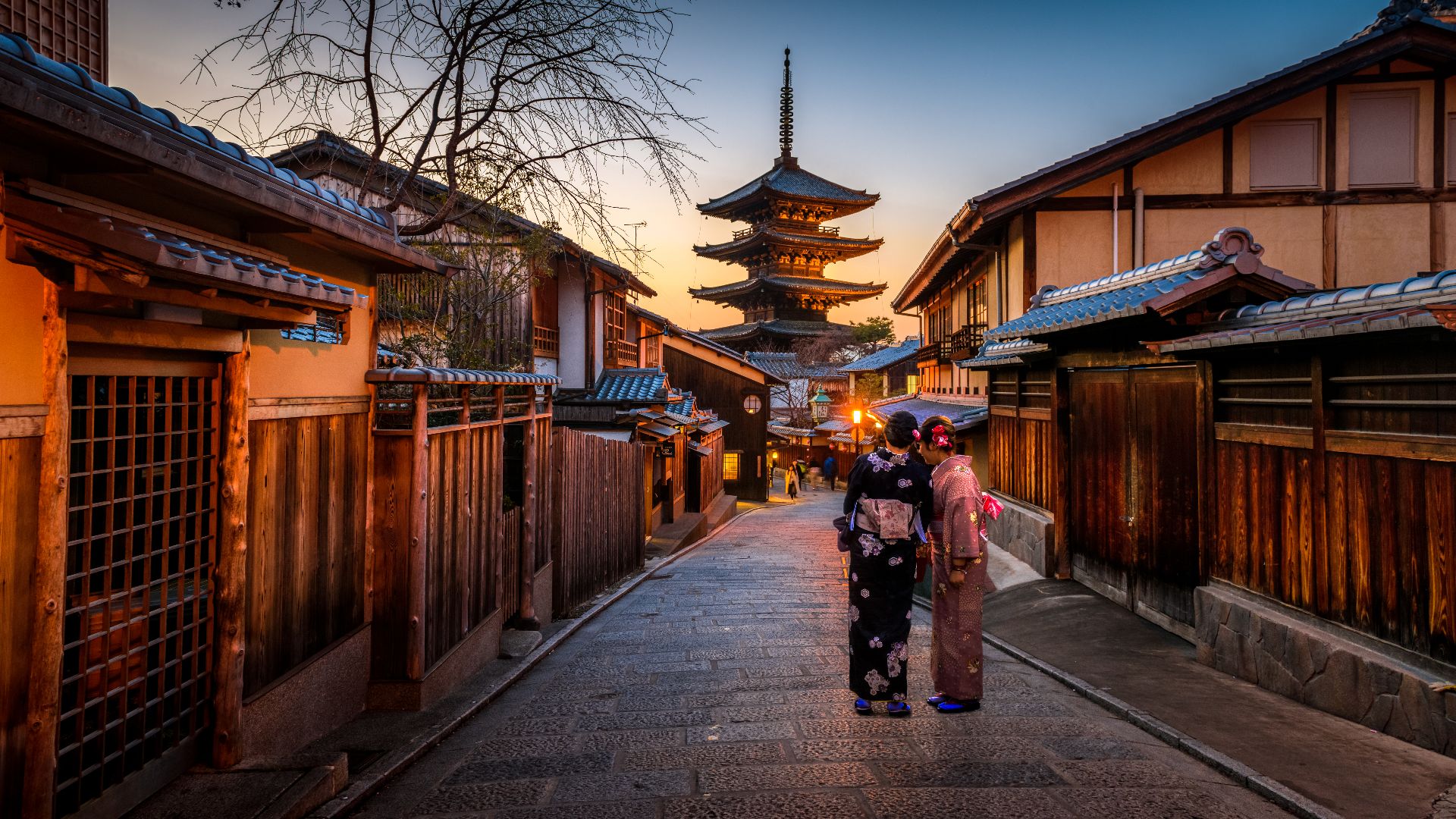 Sorasak boontohhgraphy, Wikimedia Commons
Uluru
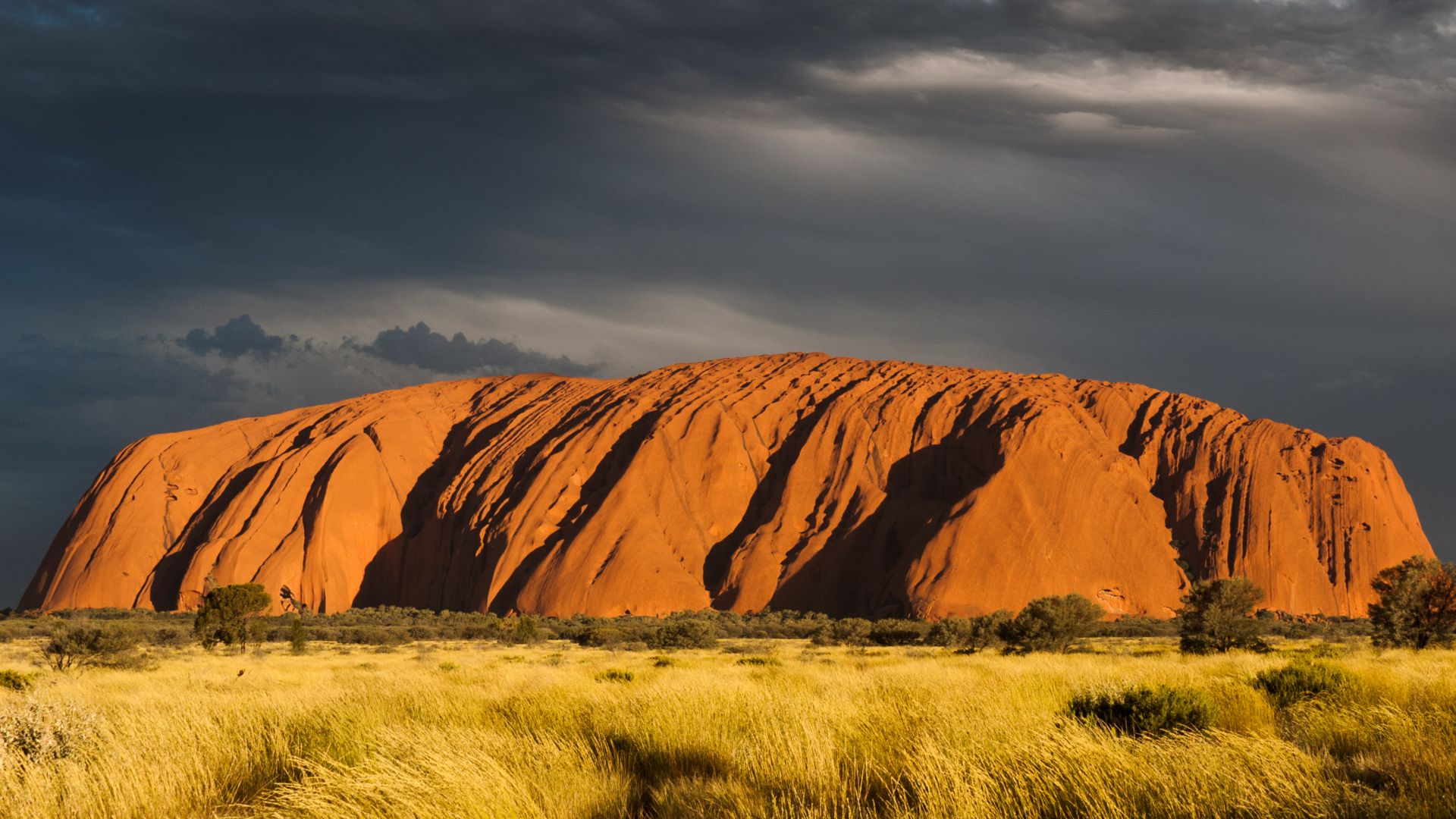
Uluṟu is part of a living cultural landscape belonging to Aṉangu Traditional Owners. Certain features hold cultural meaning, and some sensitive locations should not be photographed. Walking respectfully around the base and listening to Aṉangu interpretation offers more understanding than treating it as scenery.
Machu Picchu
Machu Picchu stands about 2,430 meters above sea level where the Andes meet the upper Amazon Basin. Photographs flatten its surrounding peaks, terraces, cloud forest, and stonework. In person, the way the architecture follows the steep landscape can feel as important as any individual structure.
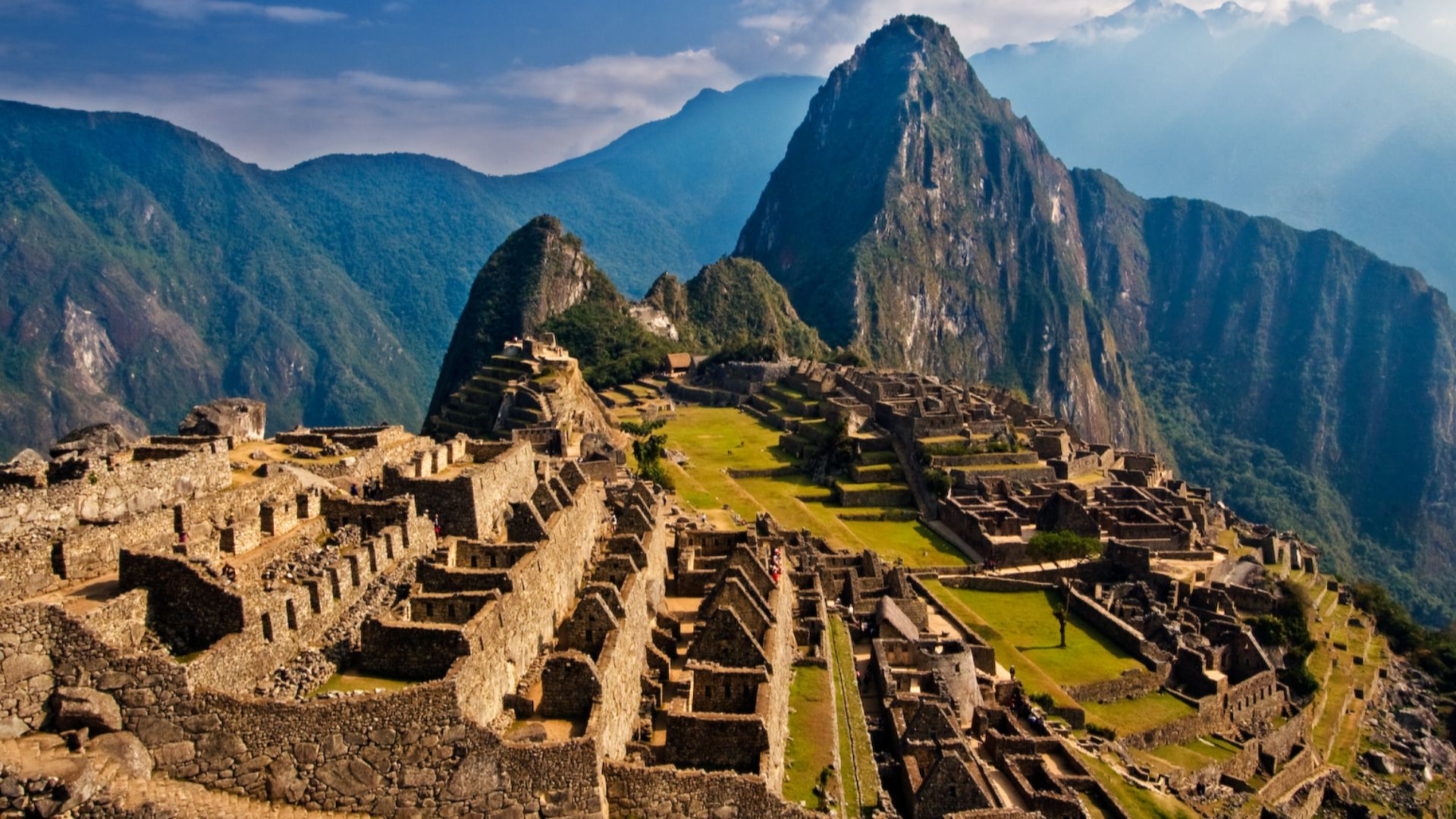 Pedro Szekely at https://www.flickr.com/photos/pedrosz/, Wikimedia Commons
Sedona
Sedona is widely associated with meditation, retreats, healing practices, and places described as energy vortexes. Those claims are matters of personal belief rather than established science. Even skeptics may find that the open desert, red rocks, and quiet create unusual space for reflection.
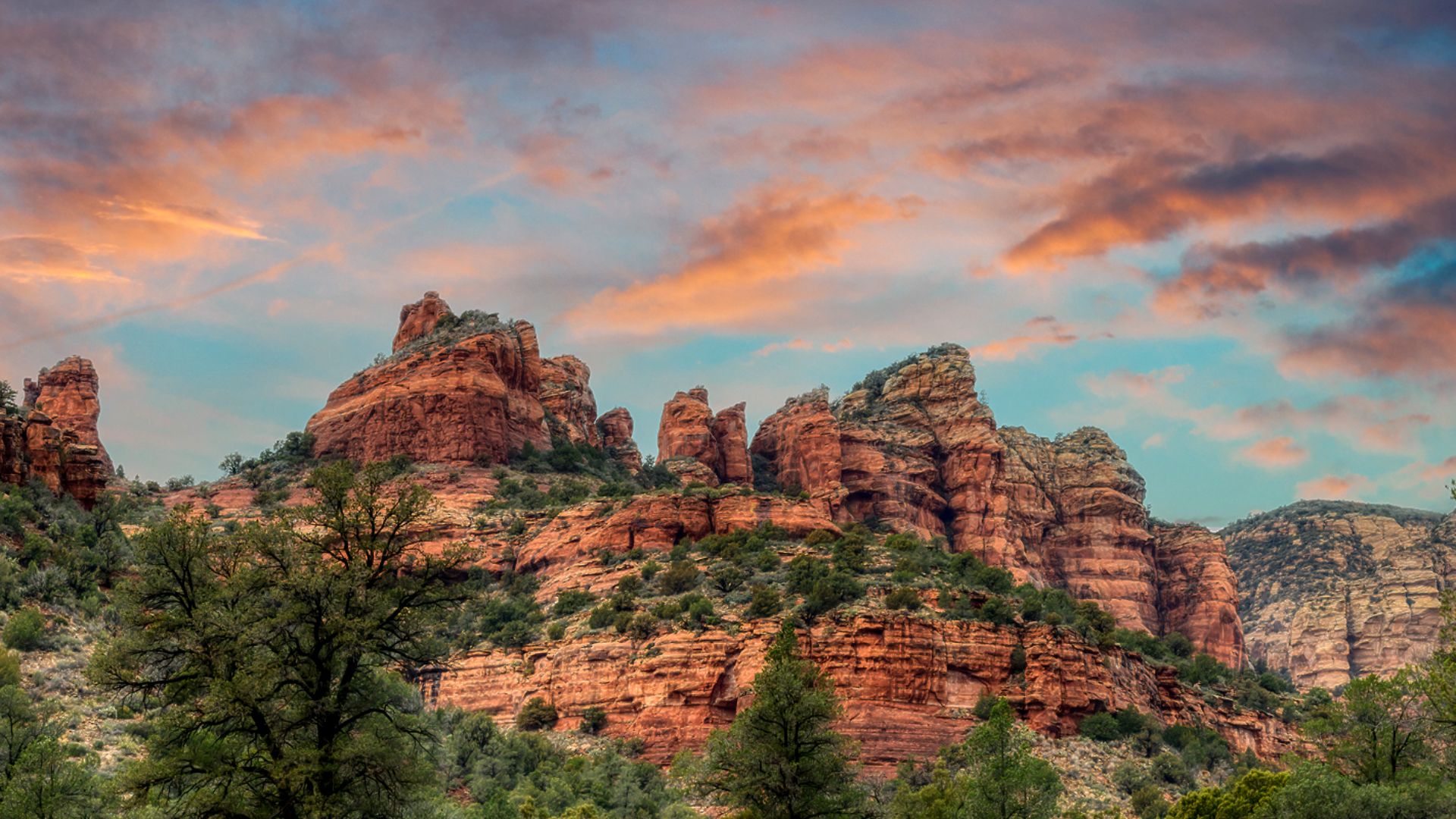
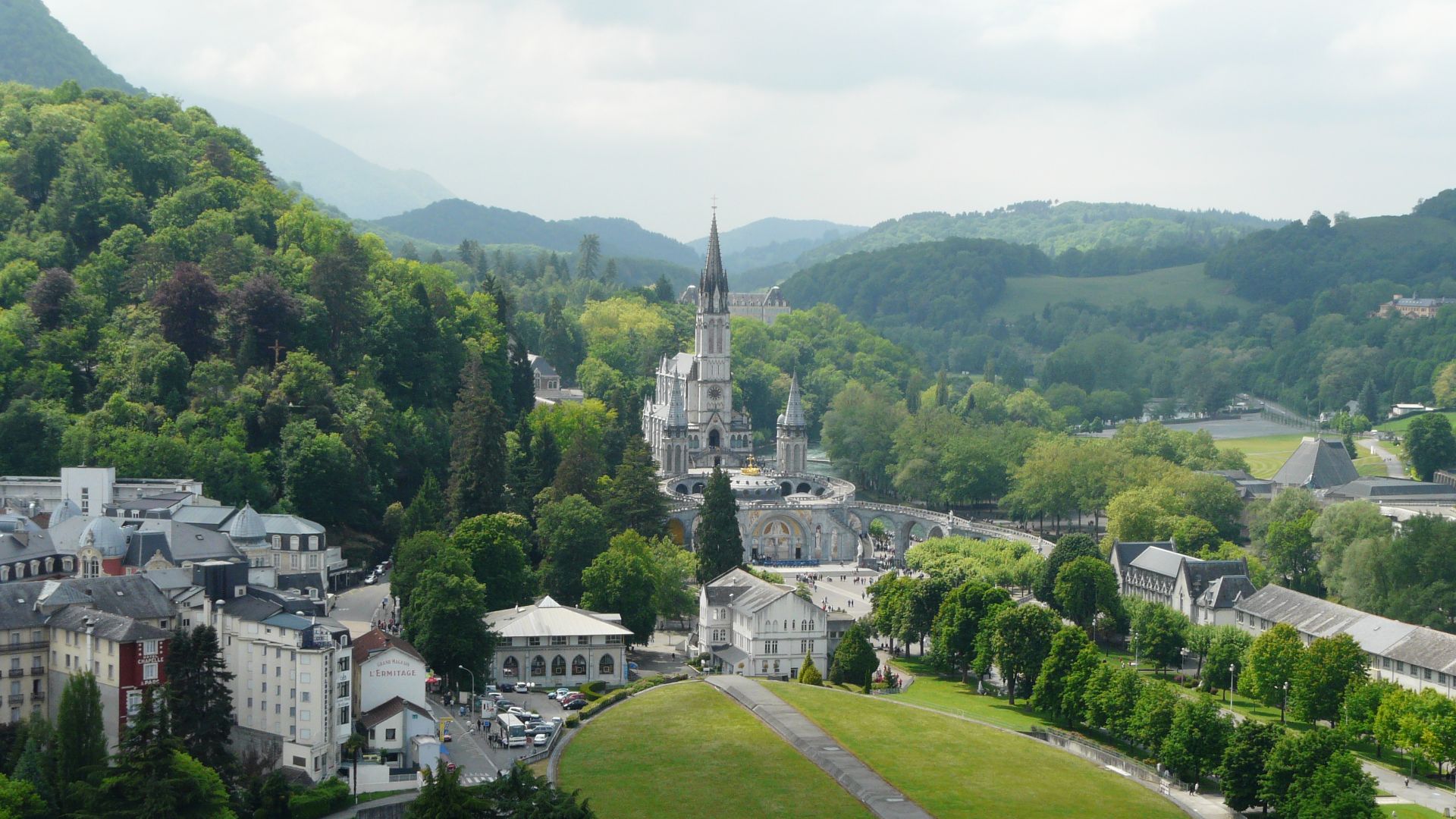
Lourdes
The Sanctuary of Our Lady of Lourdes centers on the grotto where Bernadette Soubirous reported Marian apparitions in 1858. Visitors encounter candles, prayer, processions, water rituals, and assistance for sick and disabled pilgrims. Photographs cannot fully communicate the mixture of vulnerability, caregiving, faith, and hope.
Santiago
Santiago de Compostela is the destination of an extensive network of historic Christian pilgrimage routes. For Camino walkers, the cathedral square marks the end of days or weeks on the road. A photograph records the destination, but not the exhaustion, friendships, and personal motivations brought into the plaza.
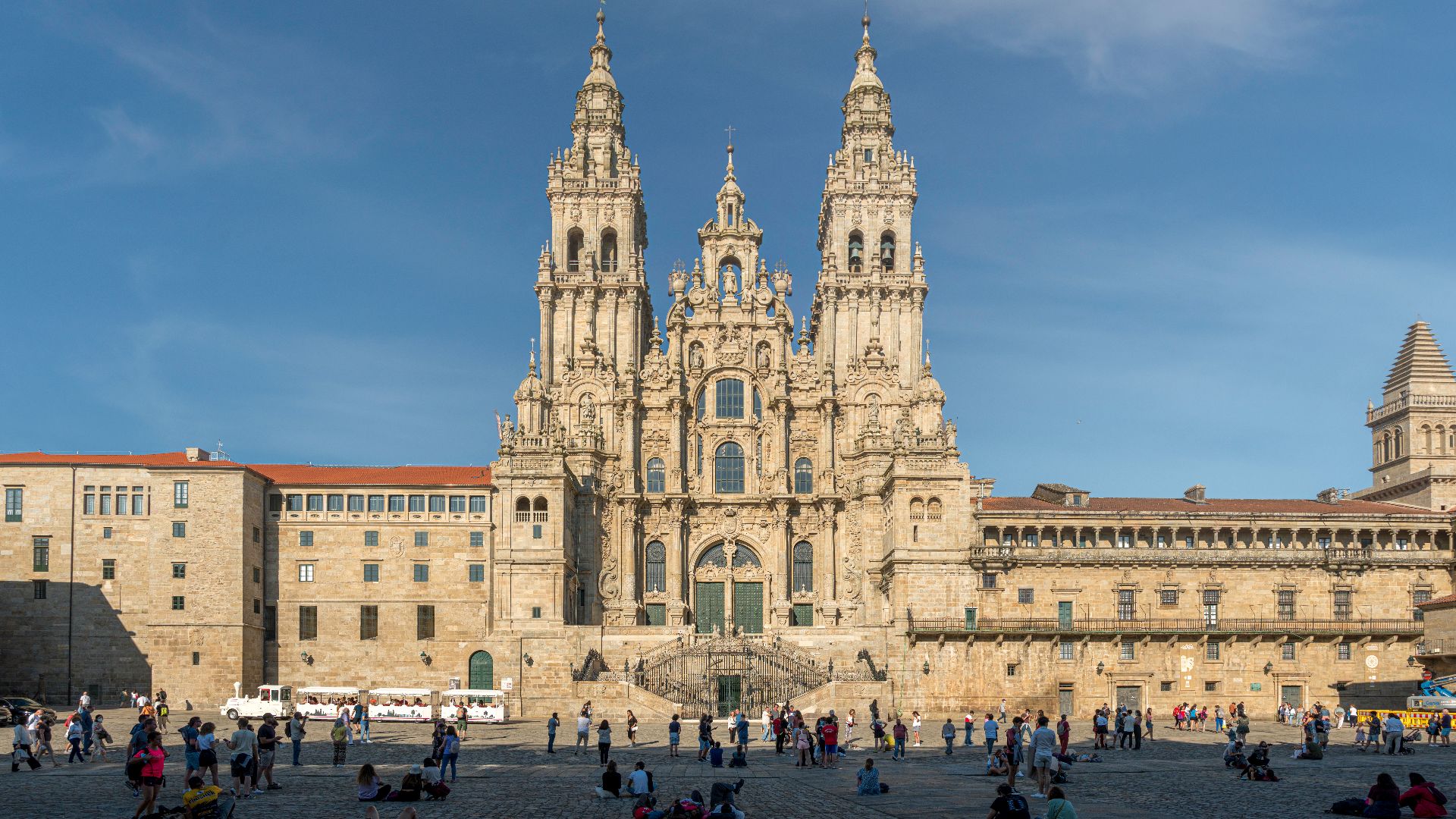 Fernando Pascullo, Wikimedia Commons
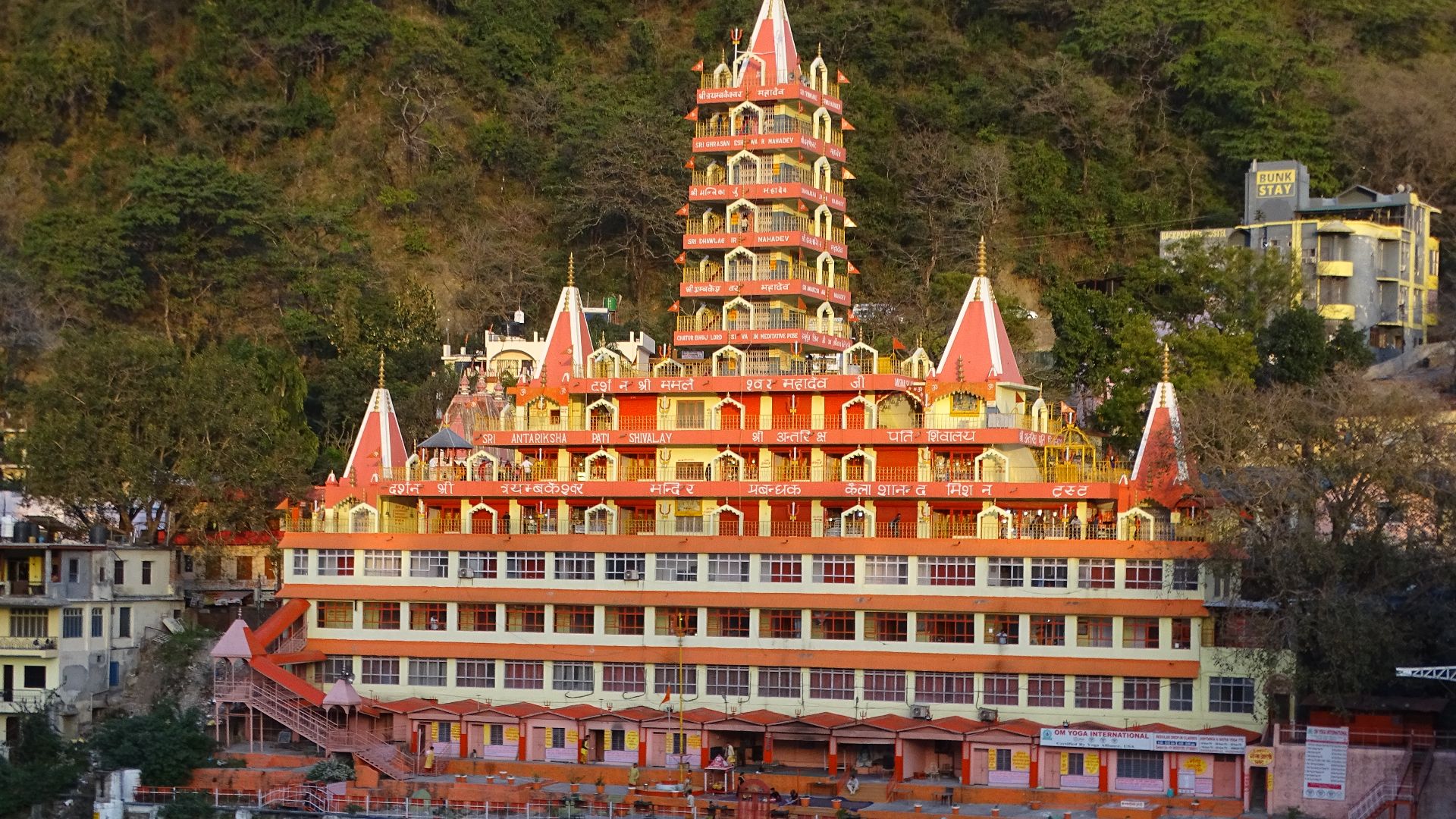
Rishikesh
Rishikesh sits beside the Ganges and is strongly associated with yoga, meditation, ashrams, and philosophical study. Its atmosphere becomes clearer through participation, whether attending a class, sitting beside the river, or respectfully watching an evening aarti. Pictures miss the mixture of ritual, discipline, conversation, and ordinary life.
Tiger’s Nest
Paro Taktsang, commonly called Tiger’s Nest, clings to a cliff above Bhutan’s Paro Valley. Reaching it requires a steep hike and a final series of steps near a waterfall. The physical effort, mountain air, and transition into the monastery give the famous view much of its emotional weight.
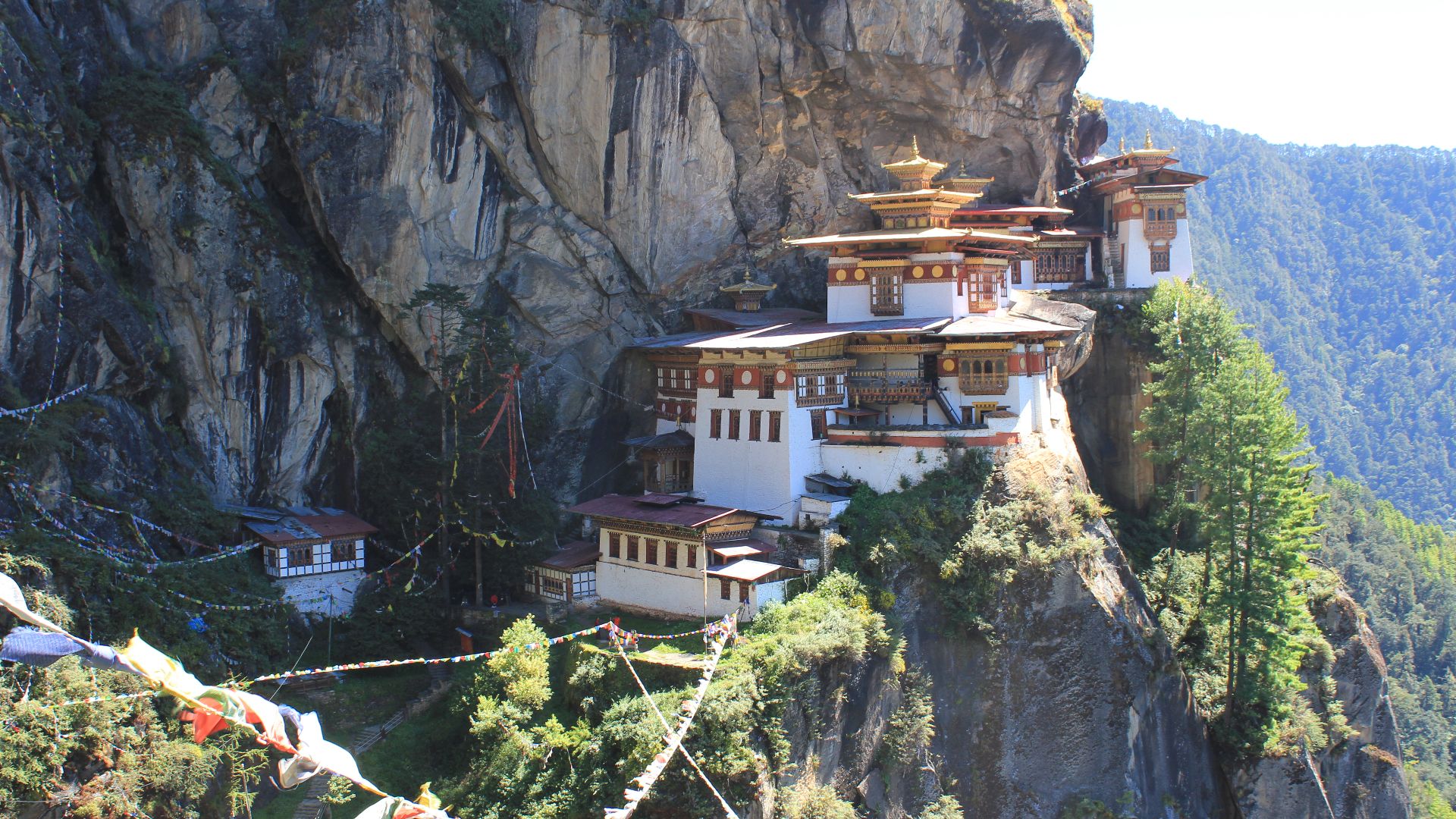 Arian Zwegers from Brussels, Belgium, Wikimedia Commons
Lalibela
Lalibela’s 11 medieval churches were cut directly from volcanic rock and remain important places of Ethiopian Christian worship. Trenches, tunnels, and courtyards connect spaces that are difficult to understand from above. Hearing prayer inside the stone sanctuaries makes the site feel active rather than archaeological.
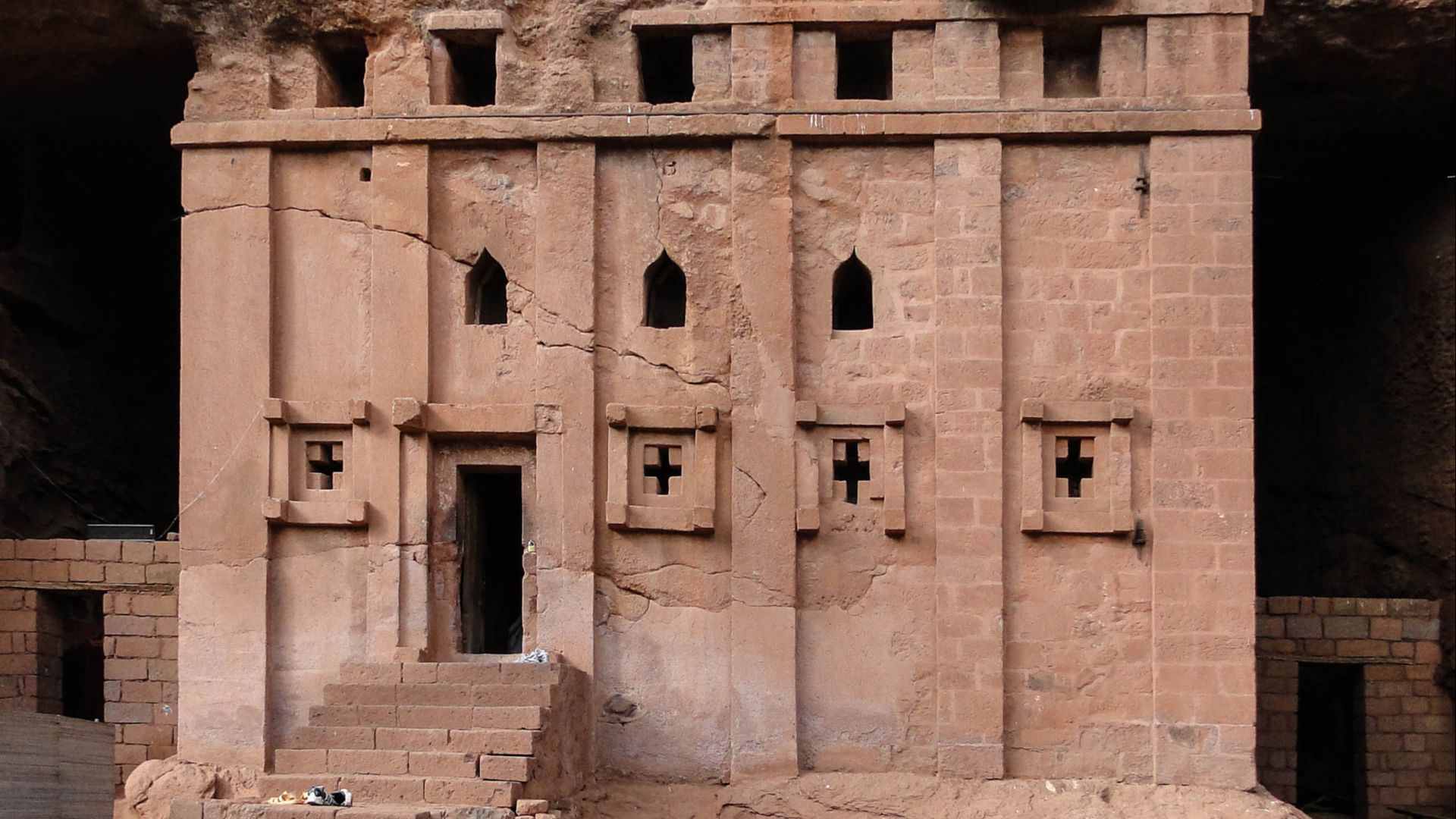 Bernard Gagnon, Wikimedia Commons
Bagan
Bagan contains thousands of surviving Buddhist temples, stupas, monasteries, and archaeological remains. Ground-level exploration reveals far more variation than its famous panoramic views suggest. Active shrines and local acts of devotion also show that Bagan is more than a field of ruins.
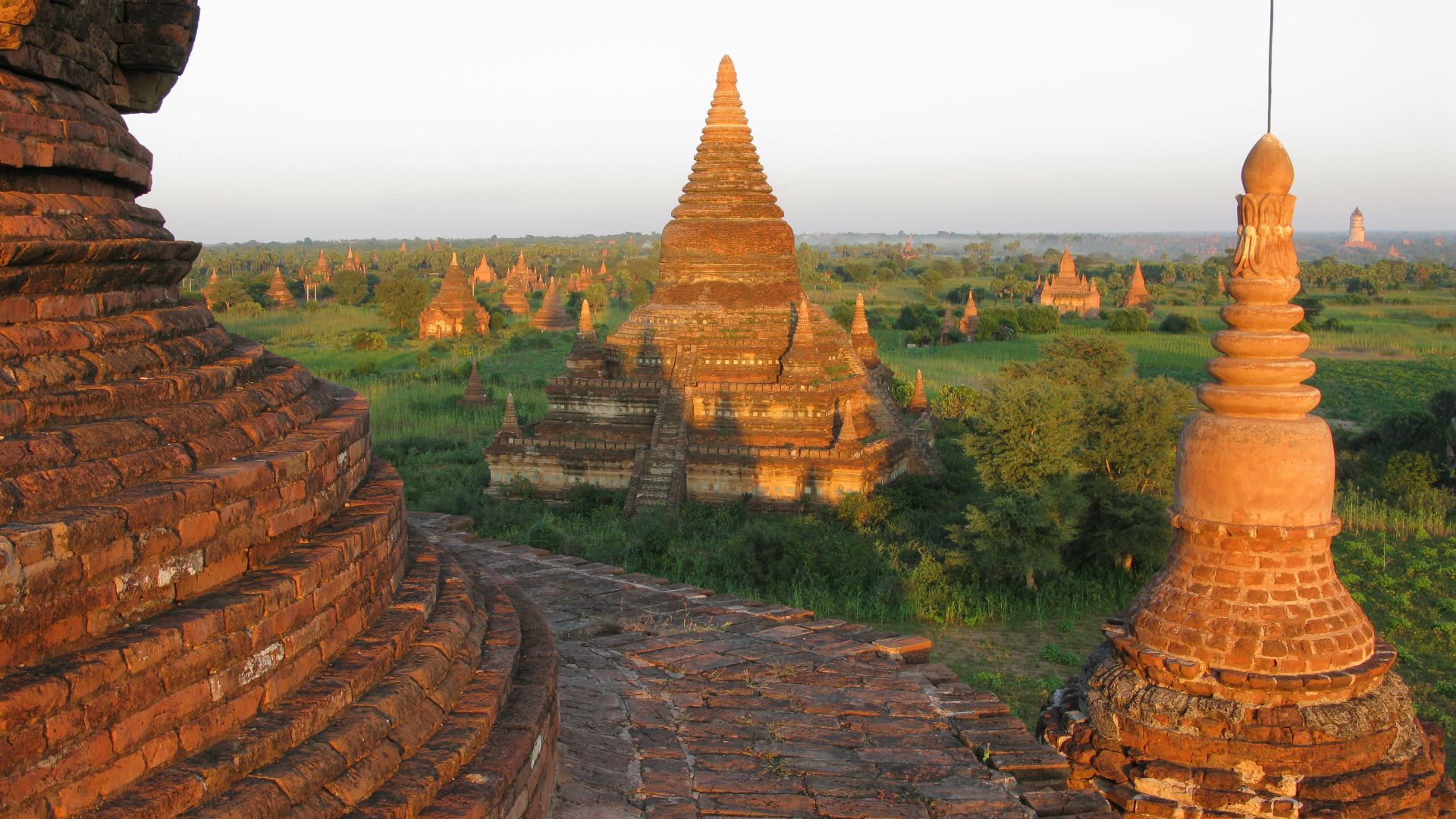 Vyacheslav Argenberg, Wikimedia Commons
The Golden Temple
Amritsar’s Golden Temple is striking when its gilded sanctuary reflects in the surrounding pool. Its deeper character emerges through devotional music, worship, and the langar that serves free meals to visitors of every background. Eating beside strangers expresses Sikh ideals of equality and service more directly than photographs can.
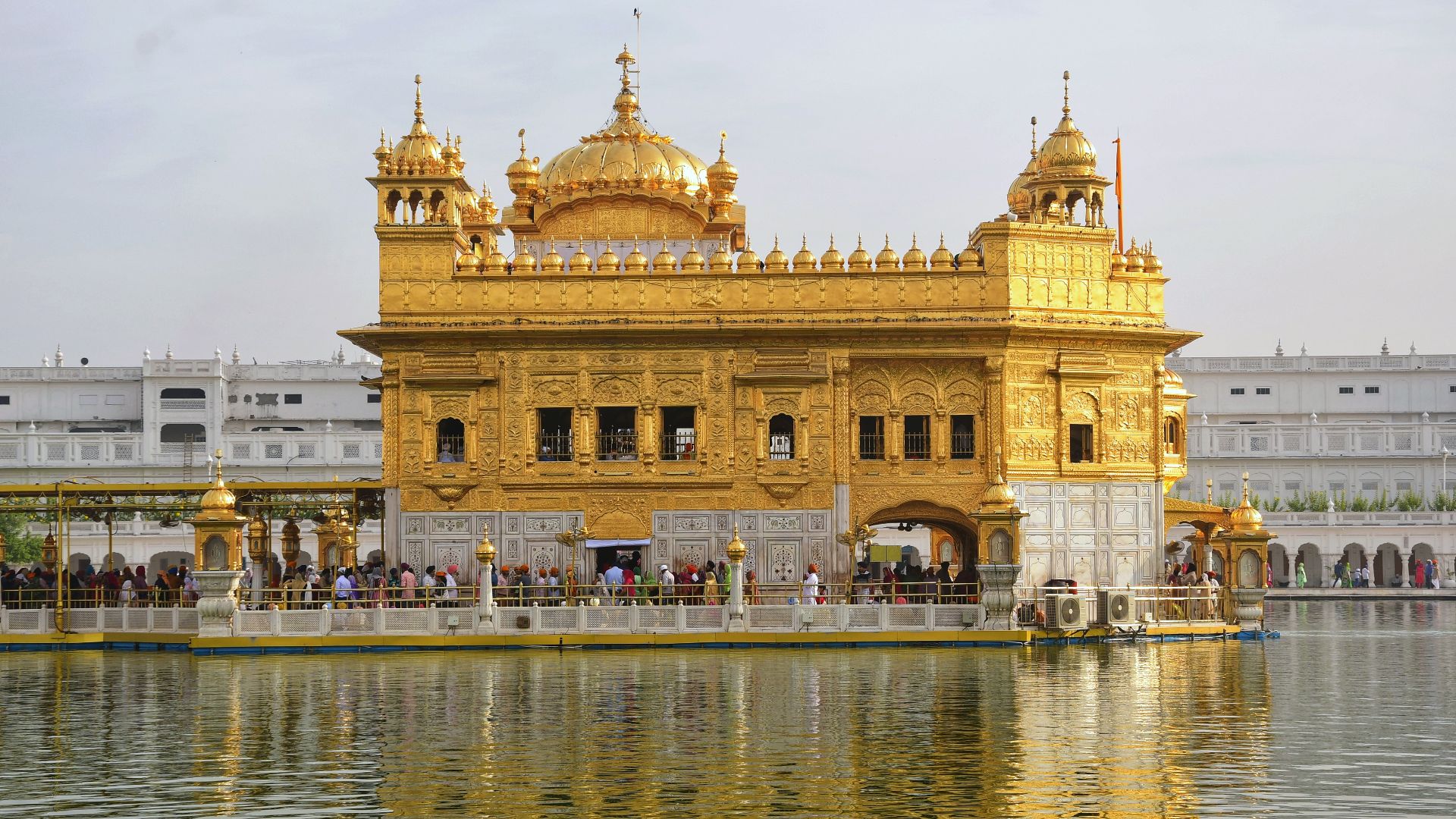 Shagil Kannur, Wikimedia Commons
Vatican City
Vatican City is the center of the Roman Catholic Church and a major pilgrimage destination. St. Peter’s Basilica uses enormous proportions, sculpture, light, and long sightlines to create an effect photographs inevitably reduce. A liturgy or papal gathering can transform the space again through communal attention.
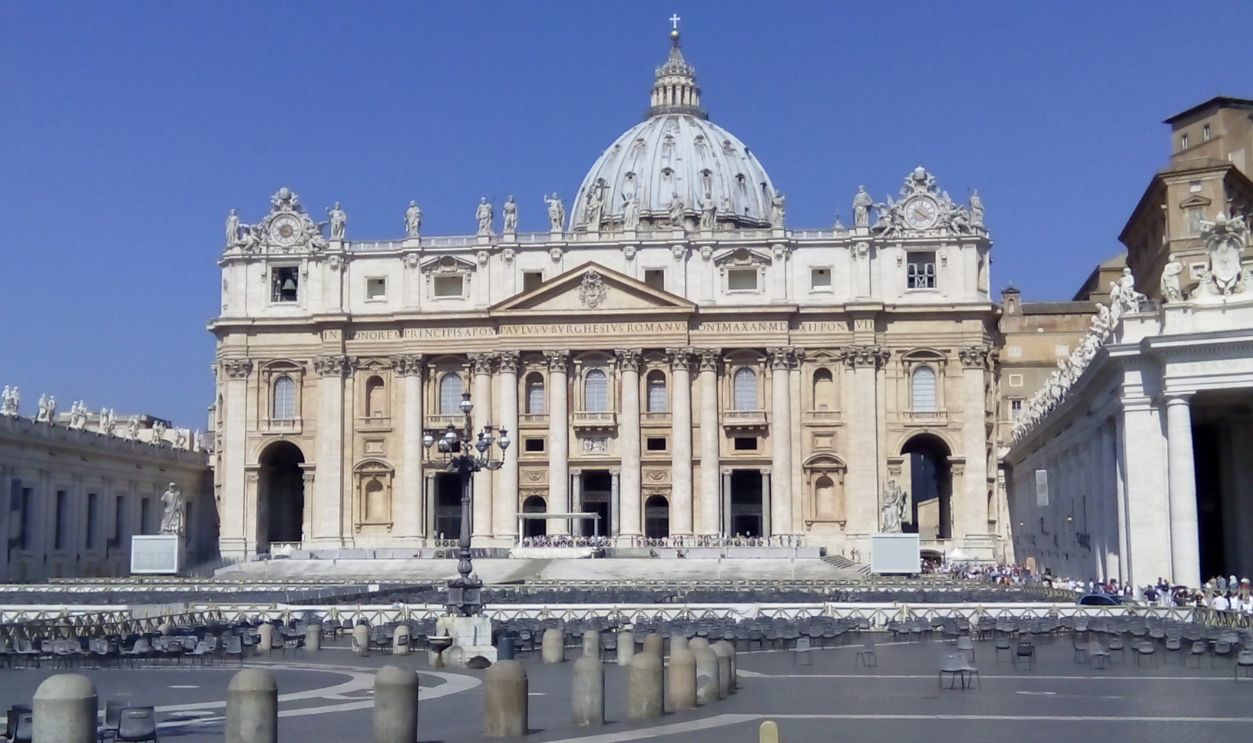 Tomas novotny, CC BY-SA 4.0, Wikimedia Commons
Borobudur
Borobudur was built in Central Java during the eighth and ninth centuries as a vast Buddhist monument. Its terraces, relief-lined passages, circular platforms, and central stupa create a route meant to be traveled. Walking upward allows its symbolism and surrounding landscape to unfold gradually.
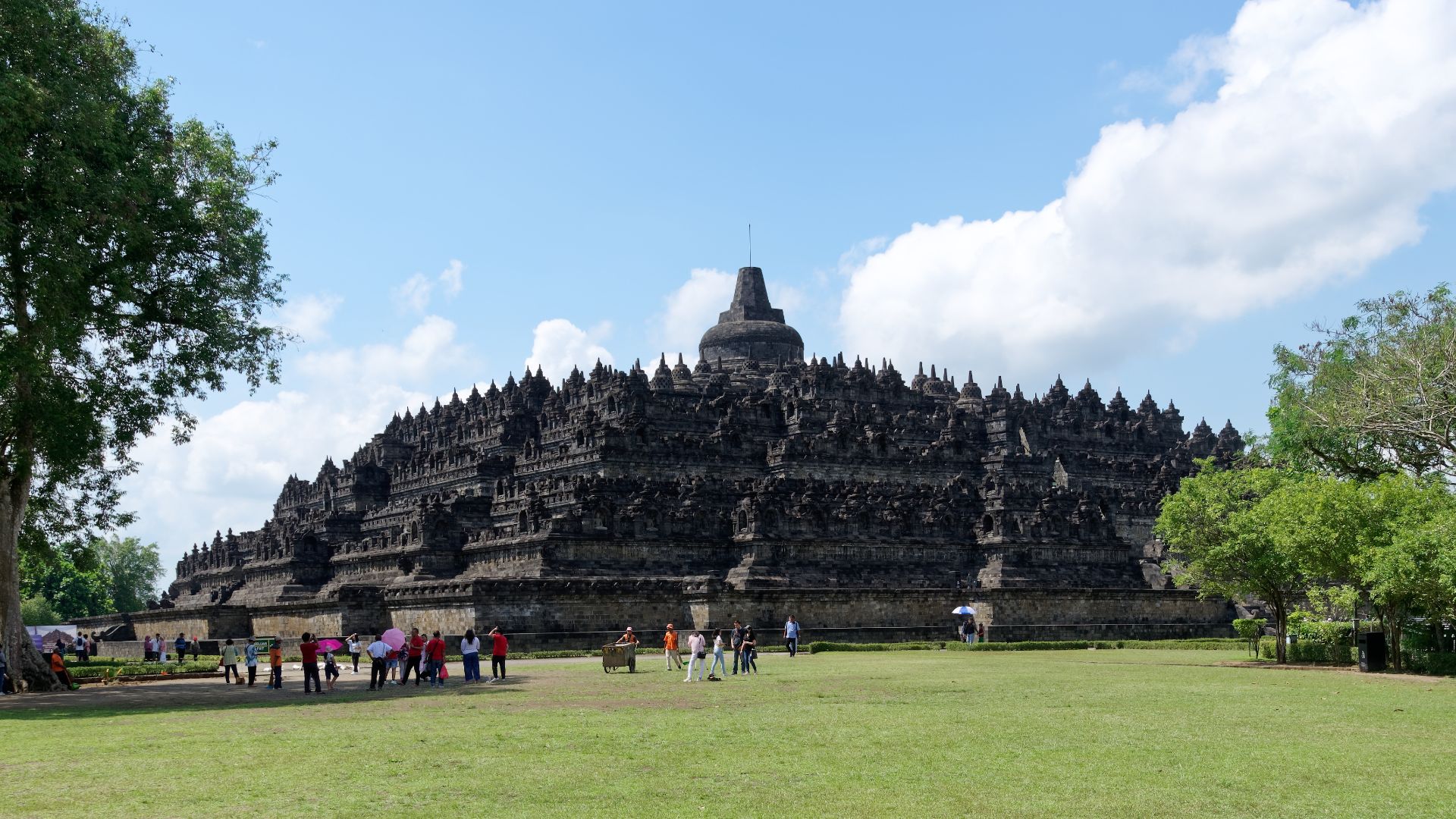 Jakub Halun, Wikimedia Commons
Mount Sinai
The Saint Catherine area is sacred to Christianity, Islam, and Judaism. Many visitors begin climbing Mount Sinai in darkness before gathering near the summit for sunrise. Cold air, tired legs, and the slowly emerging desert often become more memorable than the final photograph.
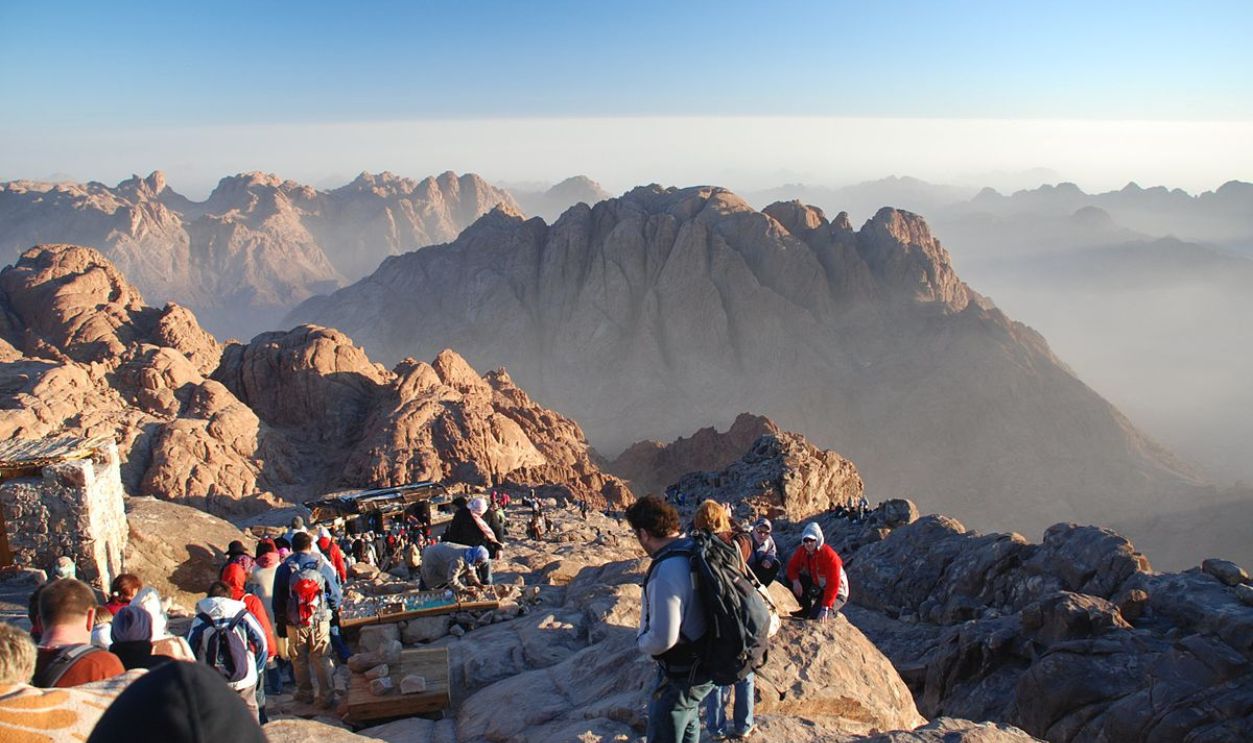 alljengi, CC BY-SA 2.0, Wikimedia Commons
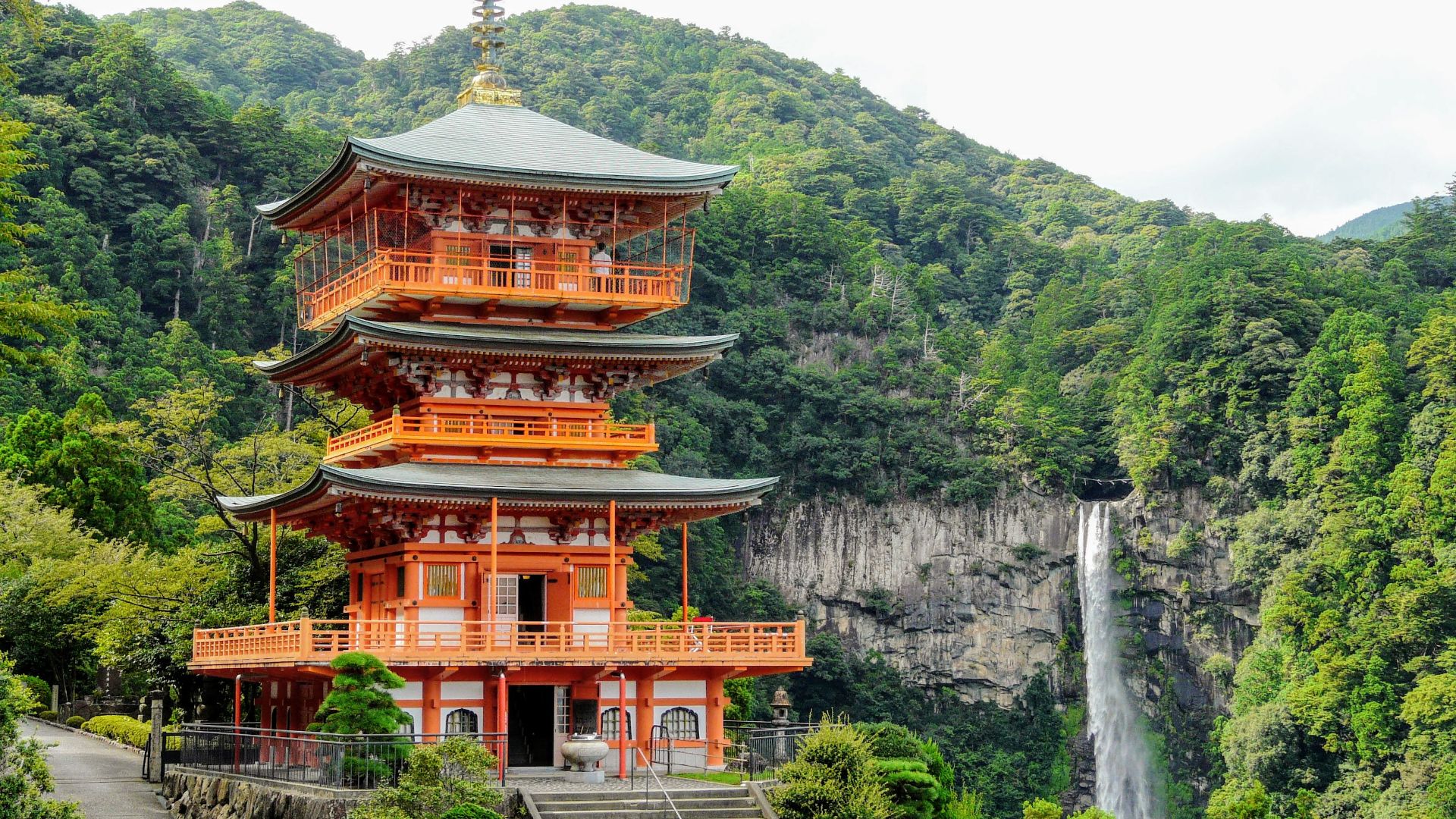
The Kii Mountains
Japan’s Kii Mountains contain sacred areas and historic pilgrimage routes associated with Shinto and Buddhist traditions. Cedar forests, steep trails, wet stones, and quiet stretches shape the journey between religious sites. Here, walking is not simply transportation but part of understanding the landscape.
Shwedagon
Yangon’s Shwedagon Pagoda is a major Theravada Buddhist site associated by tradition with sacred relics. Worshippers circle the gilded stupa, make offerings, light lamps, pray, and pour water at planetary posts. Photographs emphasize the gold, while firsthand observation reveals the repeated rituals that keep it spiritually active.
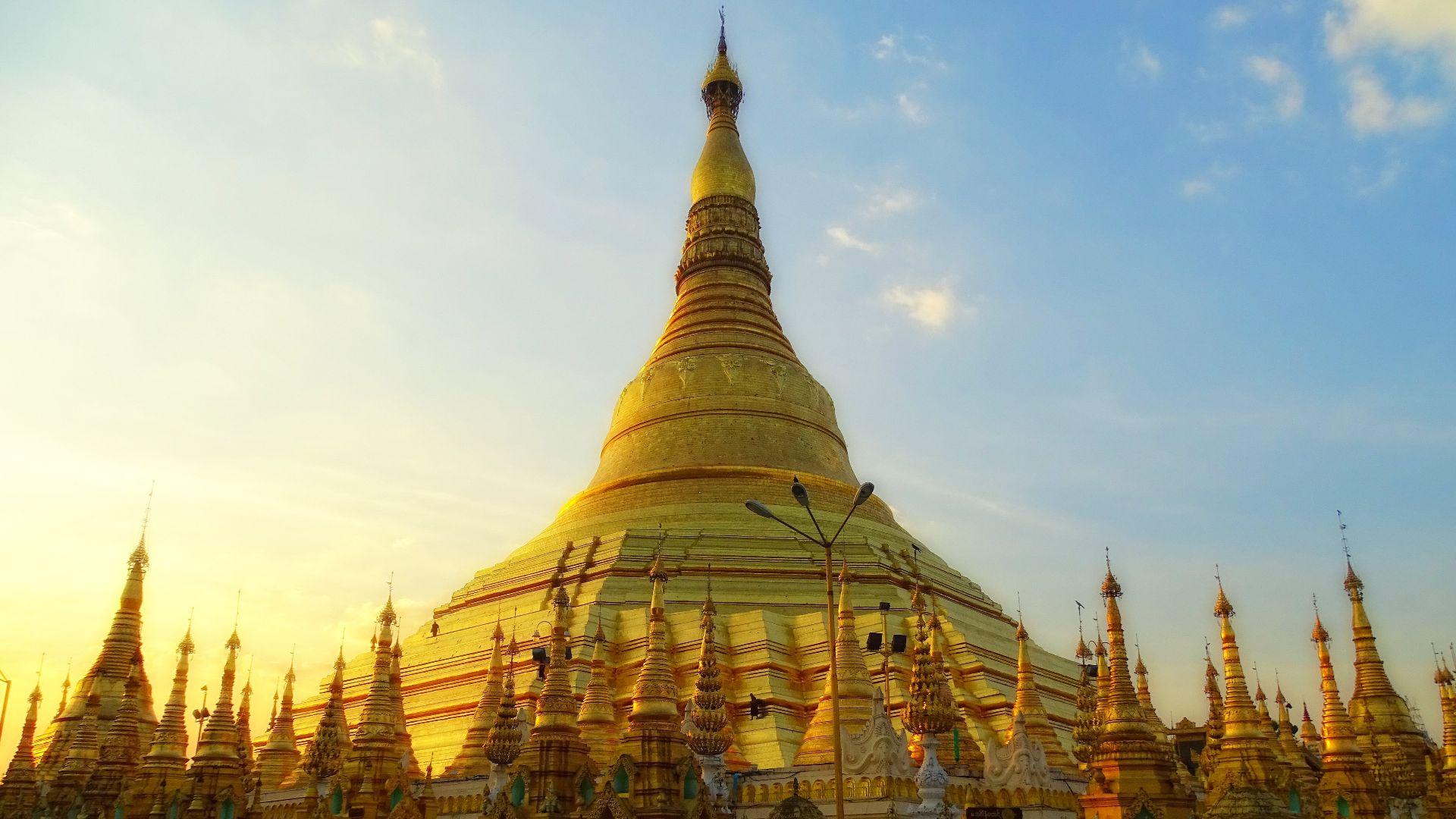 Bjoern Christian Toerrissen, Wikimedia Commons
Teotihuacan
Teotihuacan was a major Mesoamerican city built between the first and seventh centuries. Its Avenue of the Dead connects monumental structures including the Pyramids of the Sun and Moon. Walking the long distances makes the city’s scale and carefully controlled perspectives far clearer than aerial photography does.
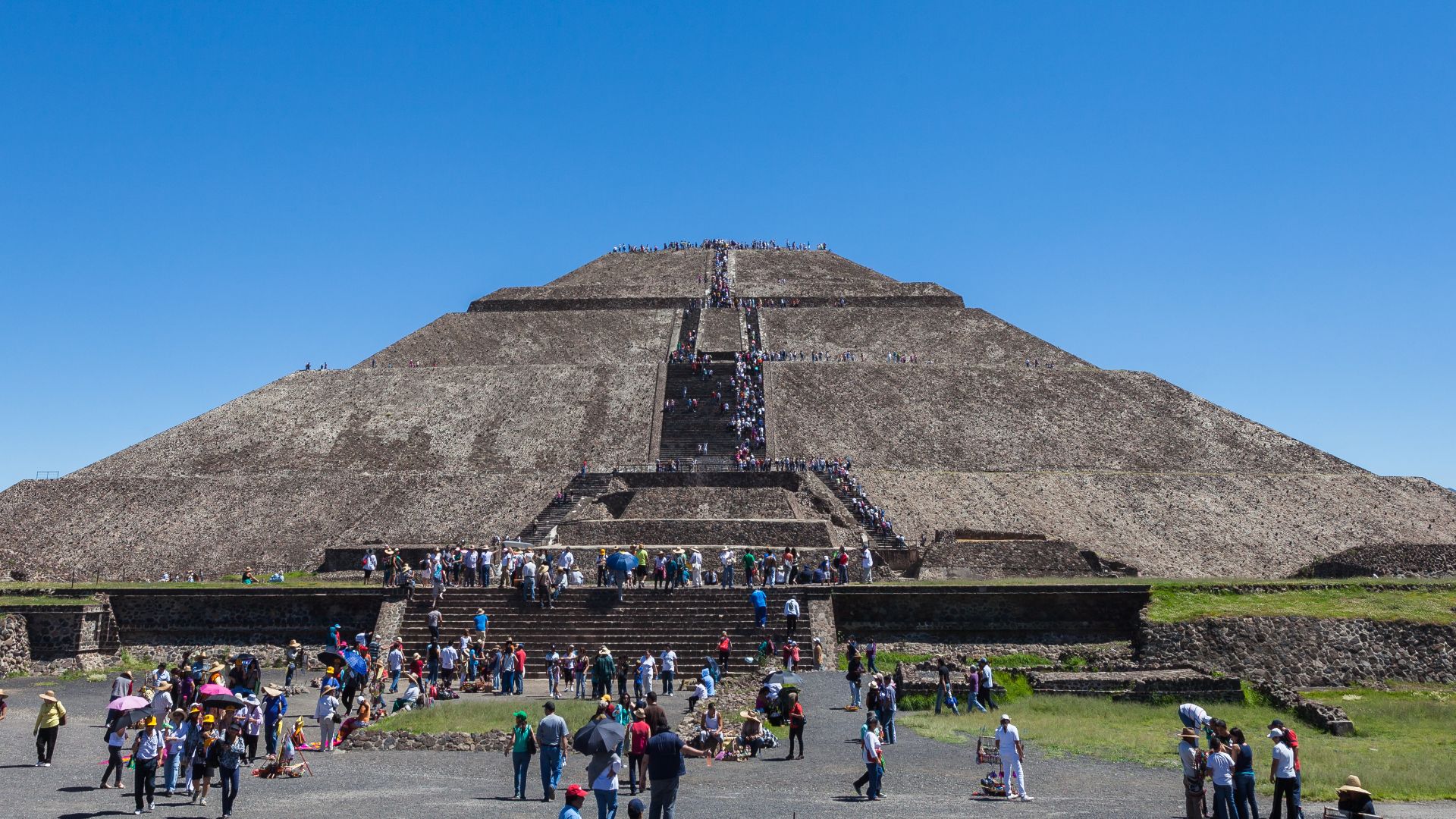 Diego Delso, Wikimedia Commons
Mount Tai
Mount Tai has been a place of worship and imperial ceremony in China for thousands of years. Temples, inscriptions, gates, and stairways turn the ascent into both a cultural route and a mountain climb. The accumulated effort helps explain why the summit has long symbolized a meeting place between nature and the sacred.
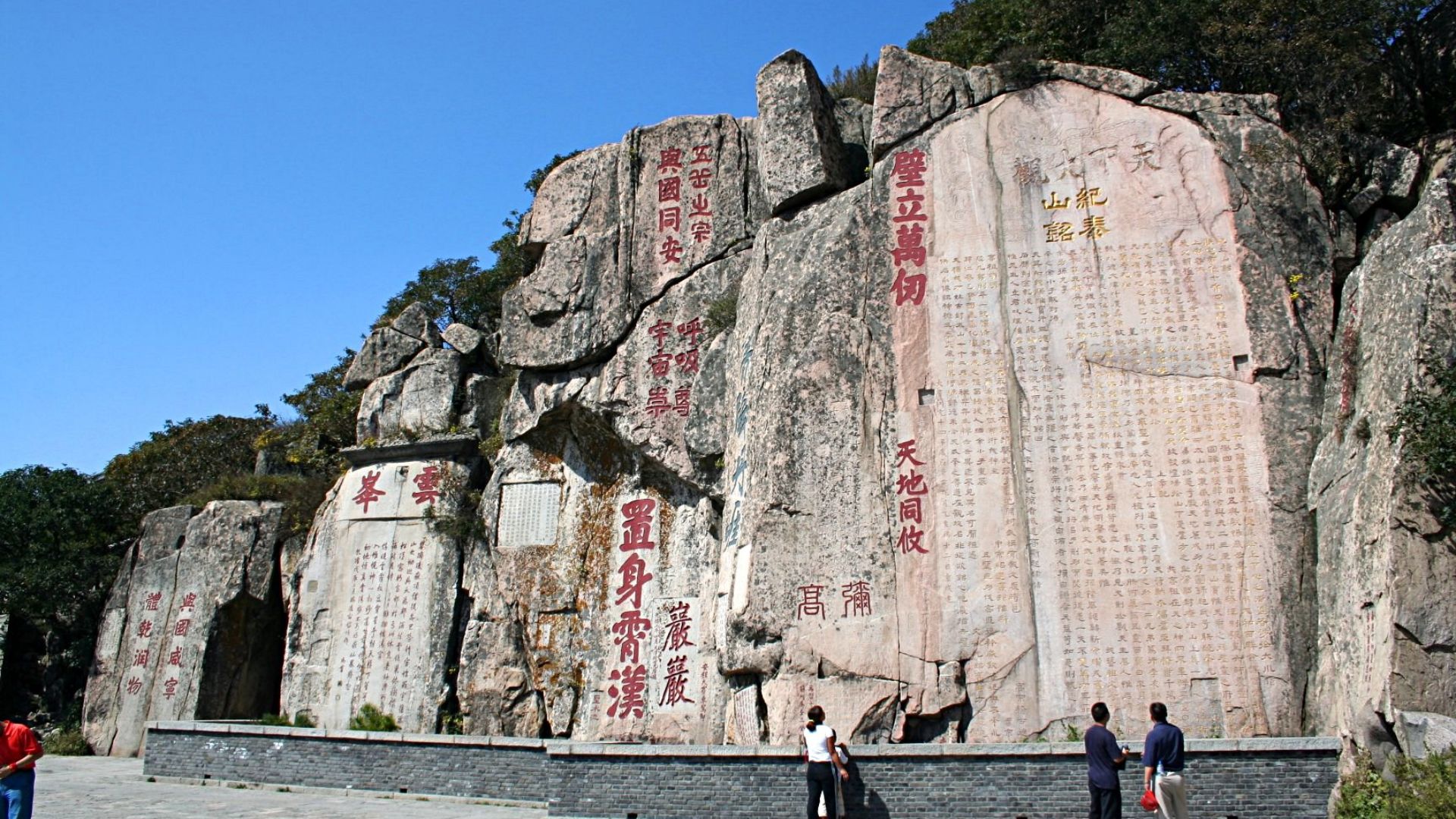 Rolf Muller (User:Rolfmueller), Wikimedia Commons
Bear Lodge
The formation officially called Devils Tower is sacred to numerous Northern Plains Indigenous nations and is known by names including Bear Lodge. Tribal communities maintain distinct sacred traditions and continue to hold ceremonies in the area. Visitors gain more by approaching it as a culturally meaningful place rather than simply an unusual geological formation.
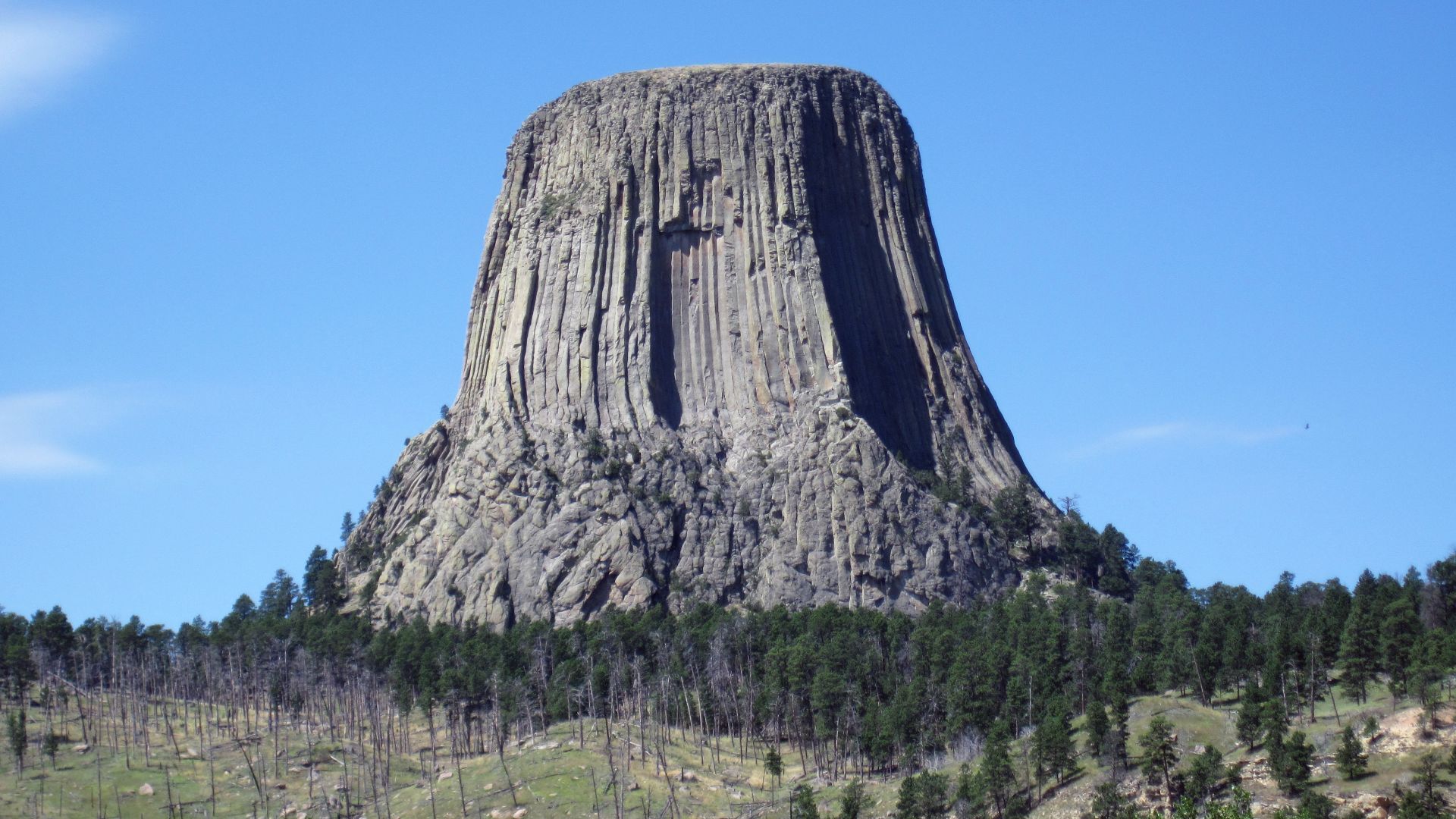 James St. John, Wikimedia Commons
Some Places Must Be Experienced
No photograph can capture the silence of a monastery, the energy of a pilgrimage, or the scale of a sacred landscape. Each visitor may leave with a different impression, but respectful firsthand experience offers a deeper understanding. Sometimes, you simply have to be there.
You May Also Like:
25 Most Underrated National Parks In America—Ranked By Travelers
Famous landmarks that almost weren't built—have you seen all of these?
Countries Where Americans Are Often Surprised By Everyday Customs—The Culture Shock Is Real
Sources: 1, 2, 3, 4, 5, 6, 7, 8, 9, 10, 11, 12, 13, 14, 15, 16, 17, 18, 19, 20, 21, 22