The Icons That Nearly Never Happened
Many of the world's most recognizable landmarks faced serious obstacles before they ever welcomed visitors. Funding shortfalls, political battles, public opposition, and engineering challenges threatened to derail these ambitious projects. From the Eiffel Tower and the Sydney Opera House to the Statue of Liberty and Mount Rushmore, these iconic landmarks came much closer to never existing than most people realize.
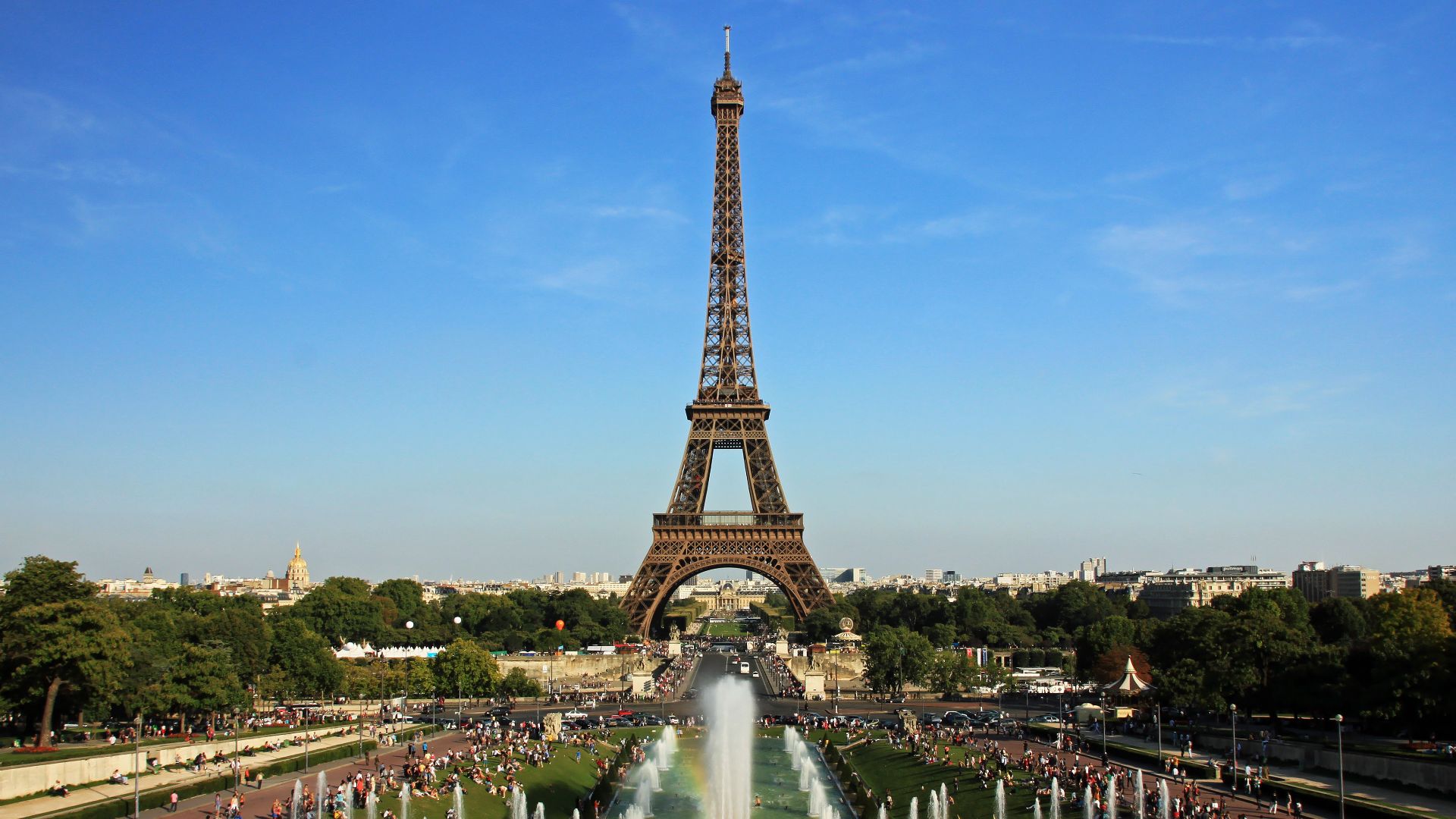
The Eiffel Tower Faced A Very Parisian Revolt
The Eiffel Tower may feel inevitable now, but many influential Parisians hated the idea before it rose over the city. In 1887, artists and writers protested what they saw as a monstrous iron intrusion on the Paris skyline. The tower survived the backlash because it had political support, exhibition funding, and Gustave Eiffel’s stubborn confidence.
 NonOmnisMoriar, Wikimedia Commons
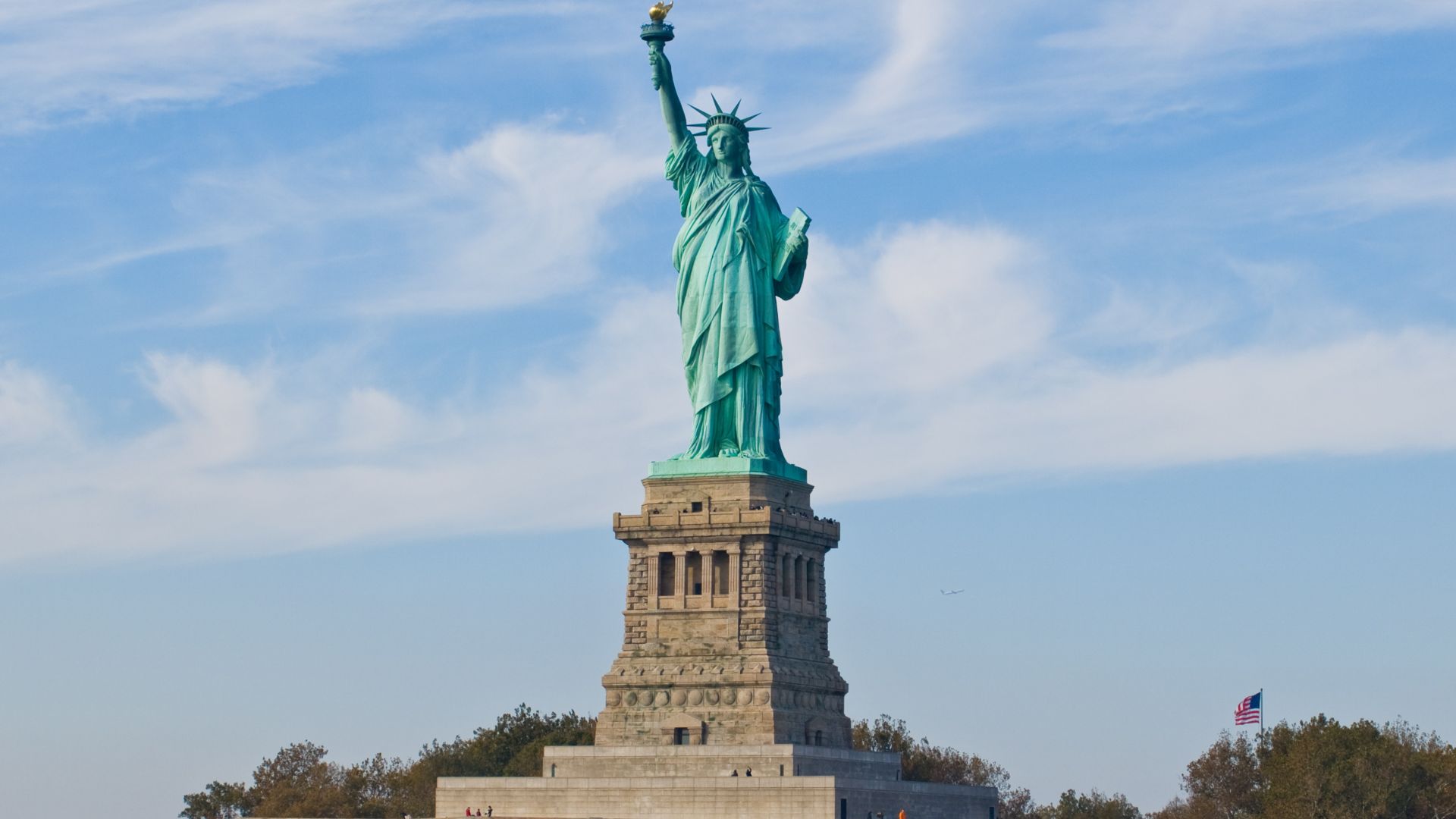
The Statue Of Liberty Nearly Lost Its Pedestal
France supplied the statue, but Americans had to pay for the pedestal in New York Harbor. Fundraising stalled so badly that the project’s future looked genuinely uncertain. Joseph Pulitzer used his newspaper, The World, to rally small donations from ordinary readers, and that public campaign helped finish the base.
 William Warby, Wikimedia Commons
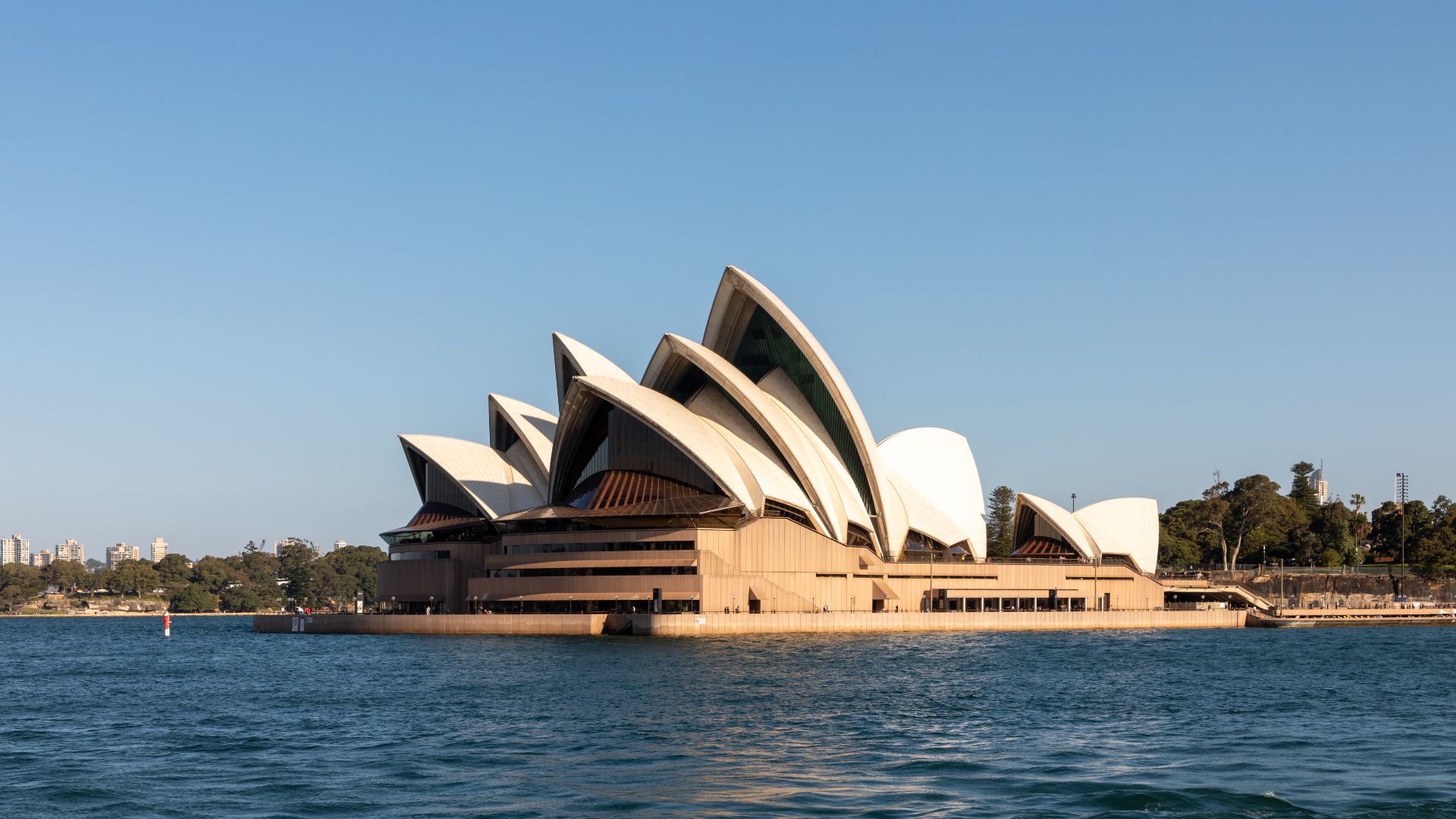
The Sydney Opera House Survived Politics And Doubt
Sydney’s most famous building began as a bold dream that many people considered too expensive, too strange, and too technically risky. The roof shells created major engineering headaches, while rising costs and political fights eventually drove architect Jørn Utzon from the project. The building opened in 1973, years late and far over its original budget, but it became the symbol of modern Australia.
 Dietmar Rabich, Wikimedia Commons
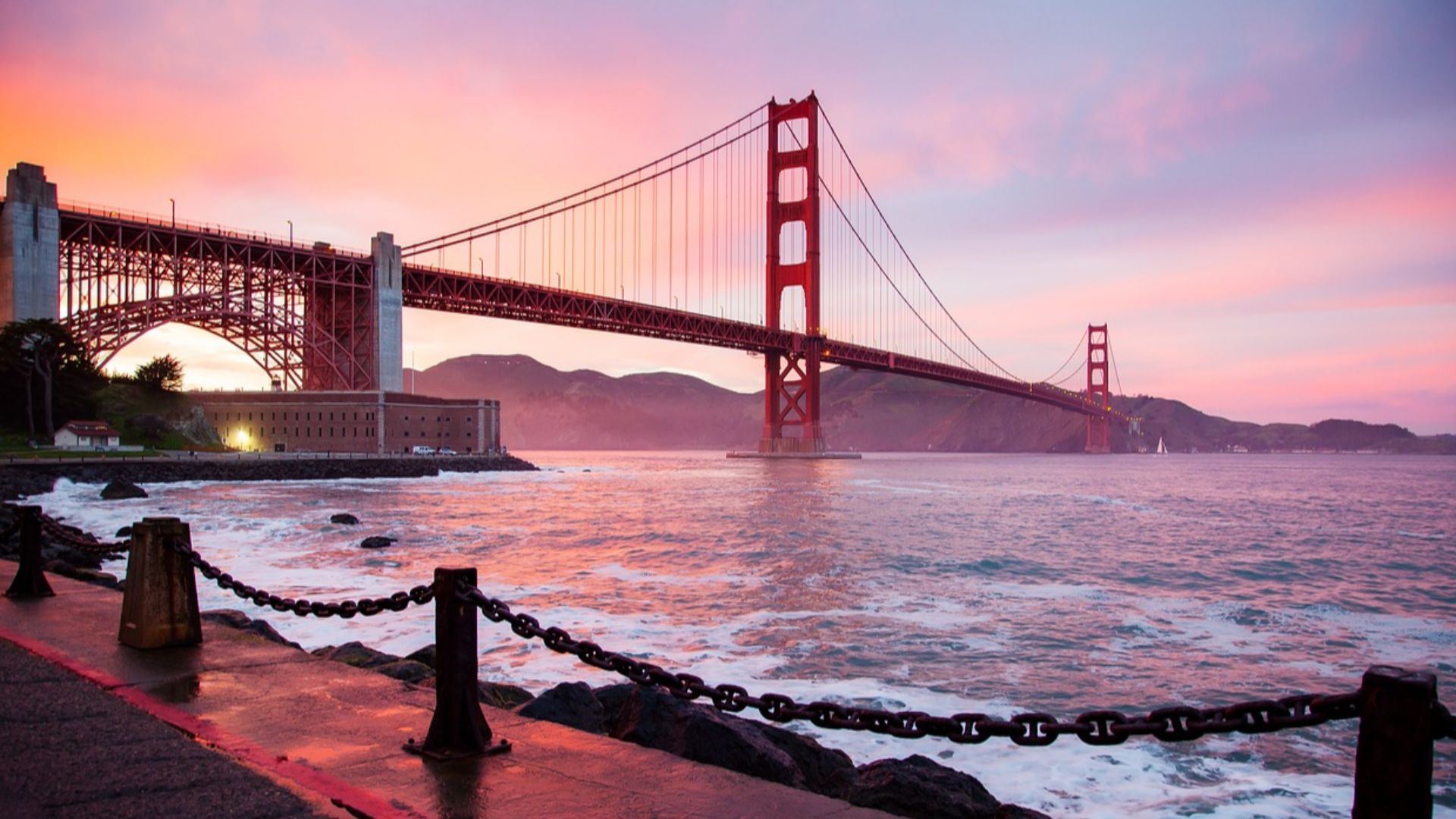
The Golden Gate Bridge Had Powerful Enemies
Before the Golden Gate Bridge became San Francisco’s signature view, opponents argued that it was impossible, unsafe, and financially reckless. Ferry interests, taxpayers, conservationists, and some engineers all pushed back against the plan. Voters approved the bond issue anyway, and the bridge opened in 1937.
The Washington Monument Stood Unfinished For Years
Construction on the Washington Monument began in 1848, but money problems and political conflict stopped the work. For years, the half-built shaft stood over Washington, D.C., as a very visible reminder of an unfinished promise. Congress eventually funded completion, and the monument was dedicated in 1885.
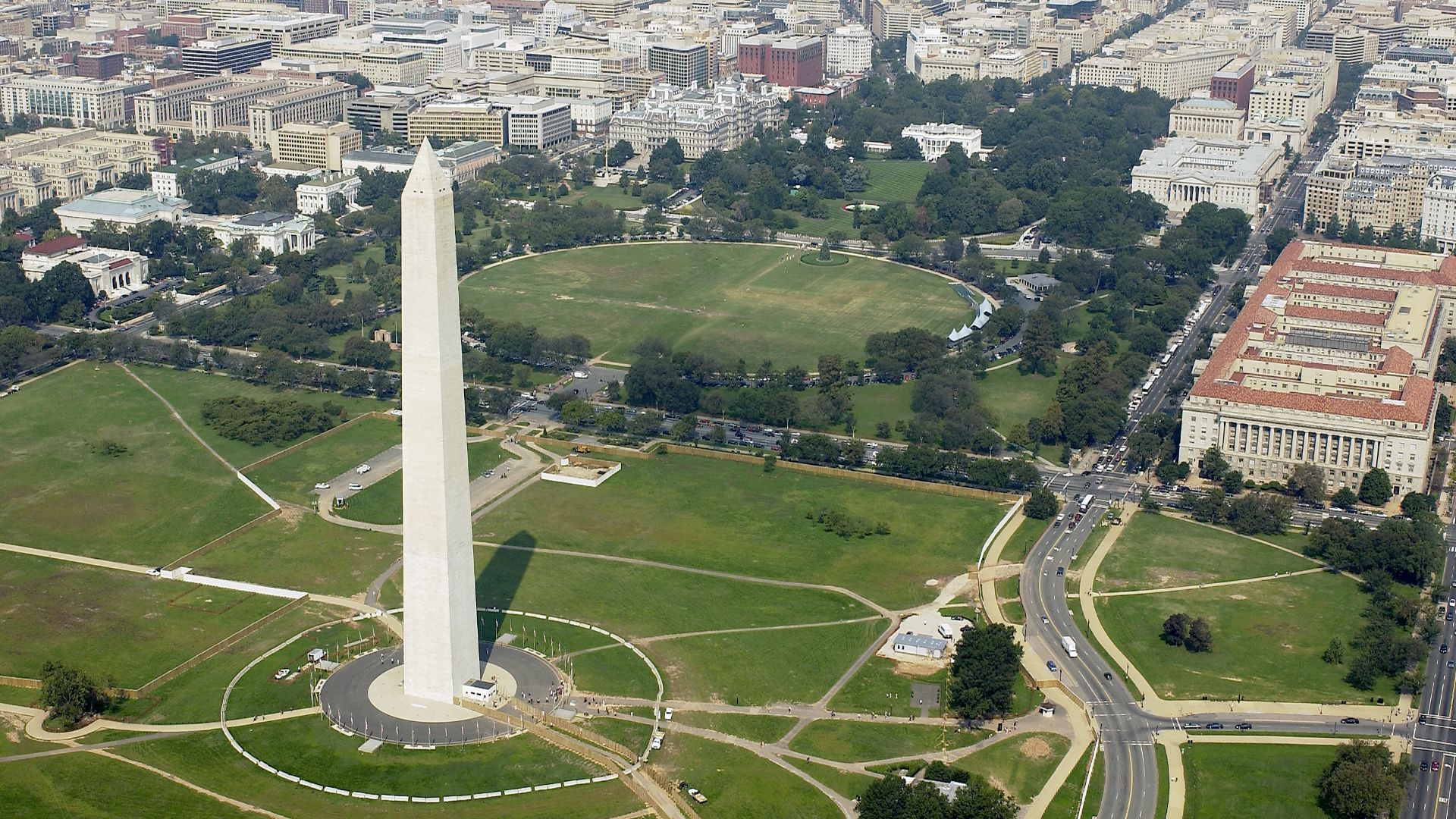 U.S. Air Force Tech. Sgt. Andy Dunaway, Wikimedia Commons
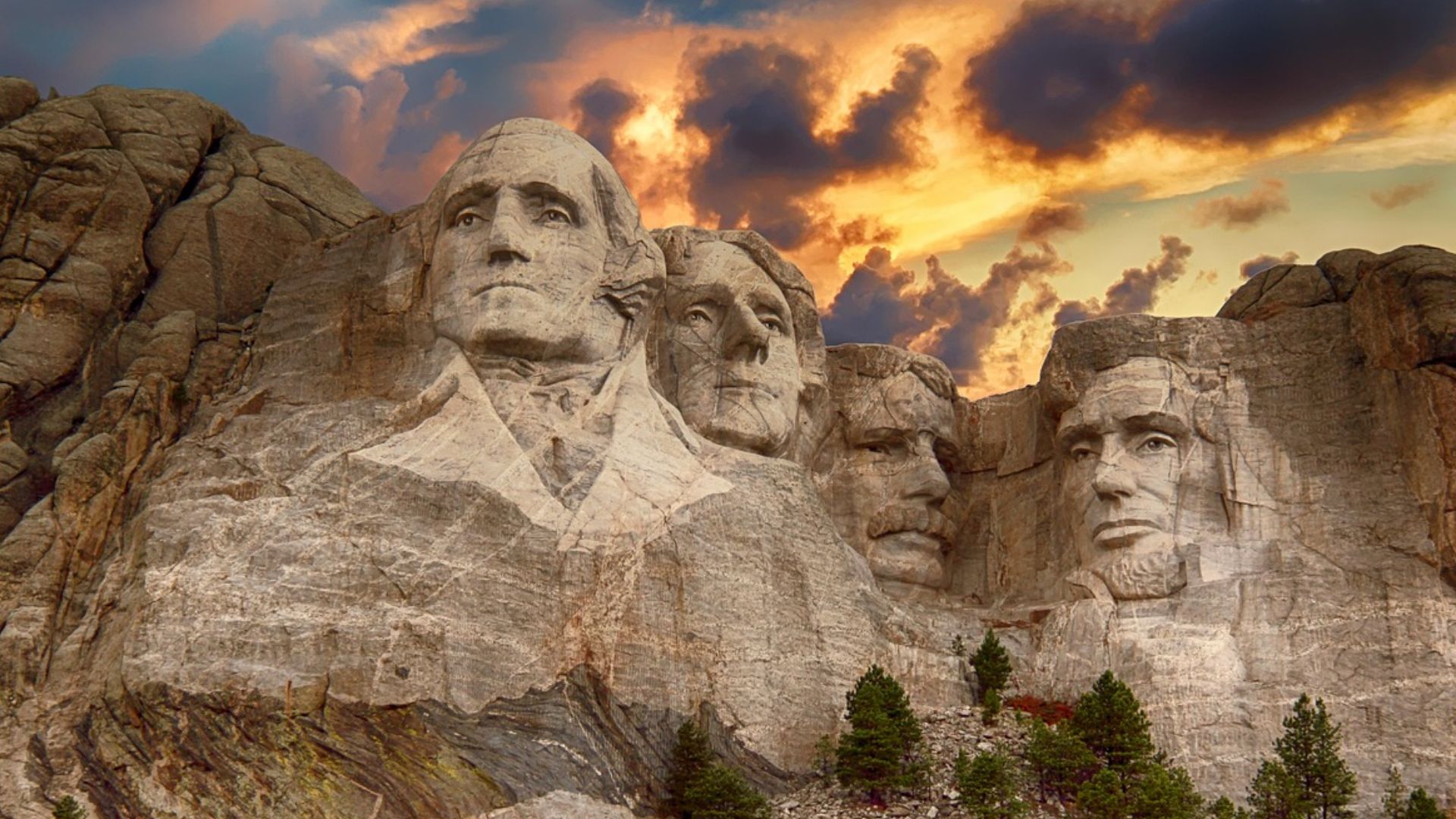
Mount Rushmore Ended Before The Original Vision
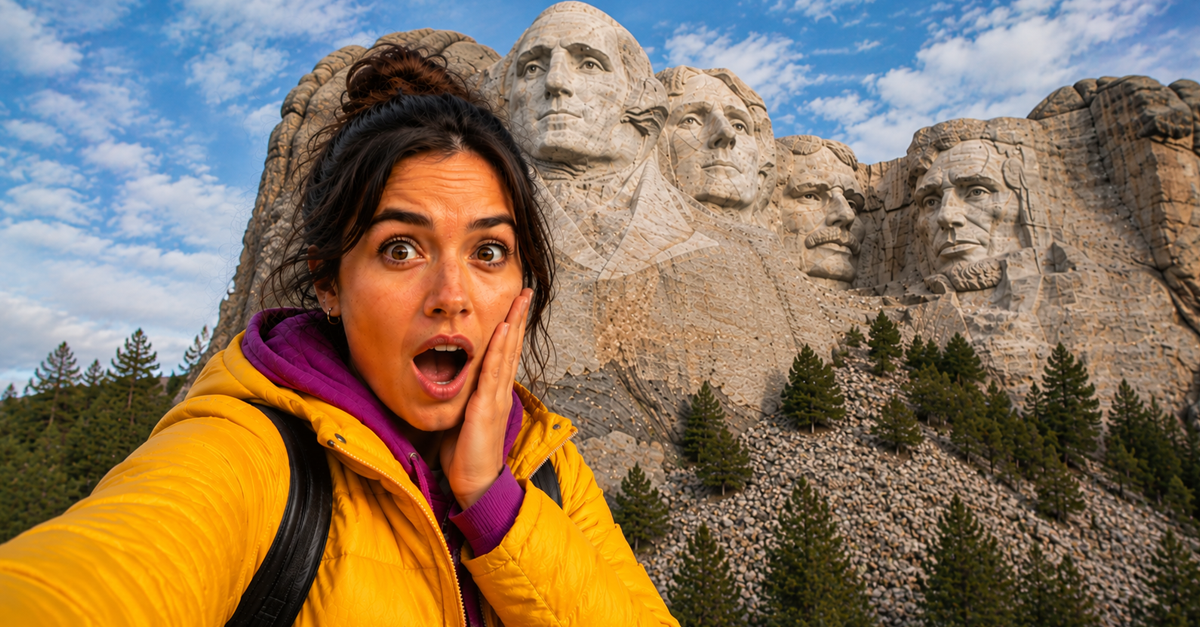
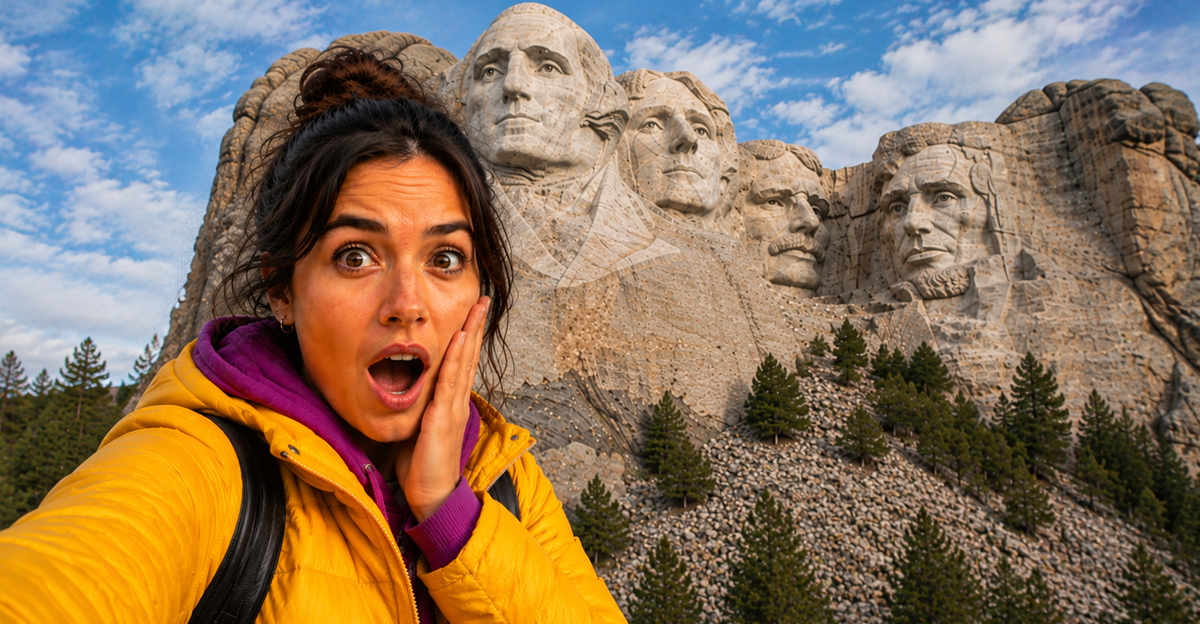
Mount Rushmore was never completed as sculptor Gutzon Borglum first imagined it. Funding challenges, difficult personalities, Borglum’s death in 1941, and the approach of World War II brought work to an end. The result is still iconic, but the mountain does not show the full figures that were once planned.
Sagrada Família Lost Gaudí’s Original Plans
Barcelona’s Sagrada Família has survived more than a century of delays, debate, and disaster. During the Spanish Civil War, Gaudí’s workshop was vandalized, and many plans, photographs, and plaster models were burned or smashed. Later architects reconstructed the design from surviving fragments, published plans, and photographs.
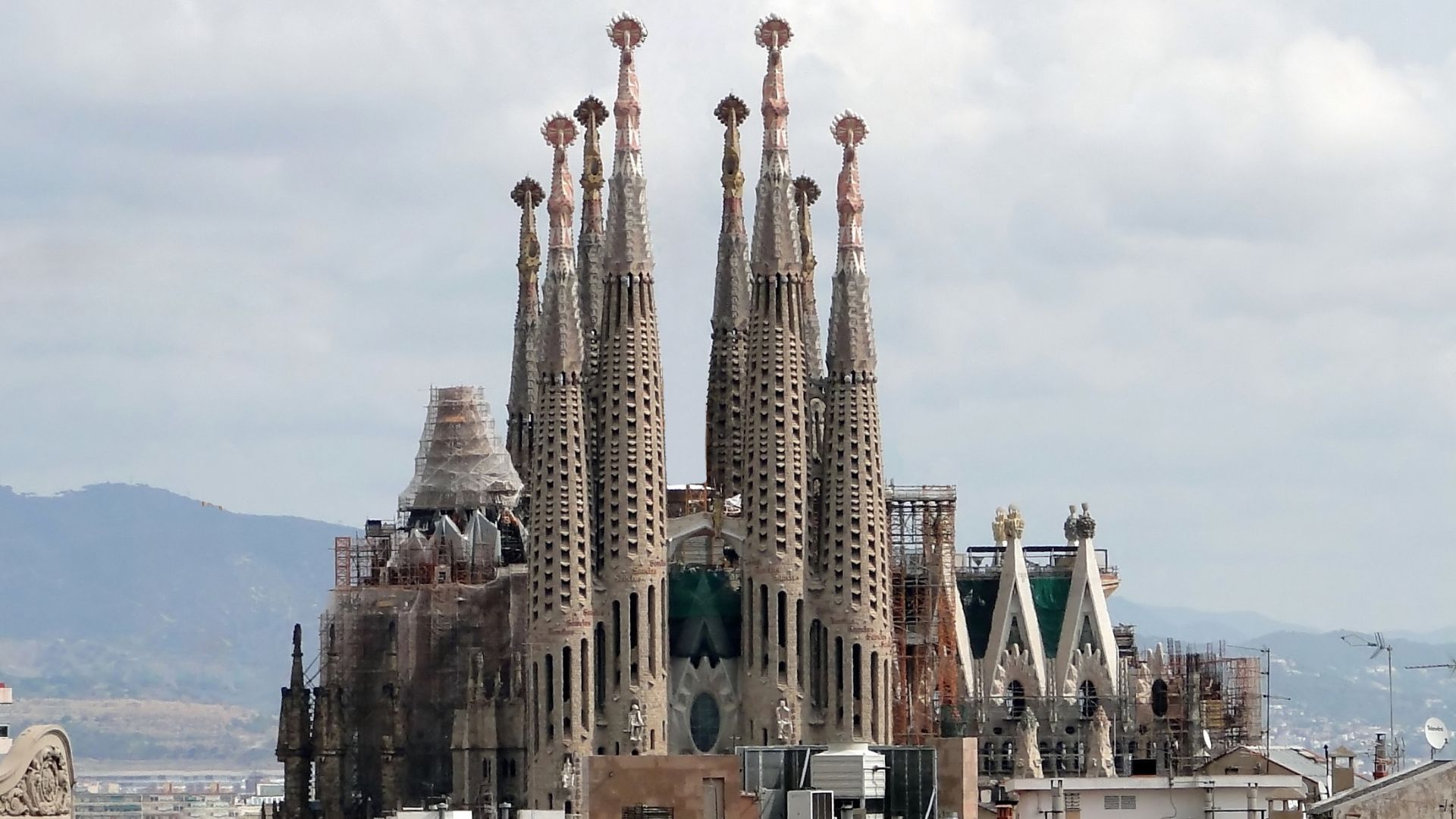 Bernard Gagnon, Wikimedia Commons
Christ The Redeemer Needed A Second Chance
The idea of placing a Christian monument on Rio de Janeiro’s Corcovado mountain first appeared in the 19th century, but it was not approved. After Brazil became a republic, separation of church and state pushed the concept aside again. A renewed Catholic campaign in the 1920s gathered donations and support, leading to the statue’s completion in 1931.
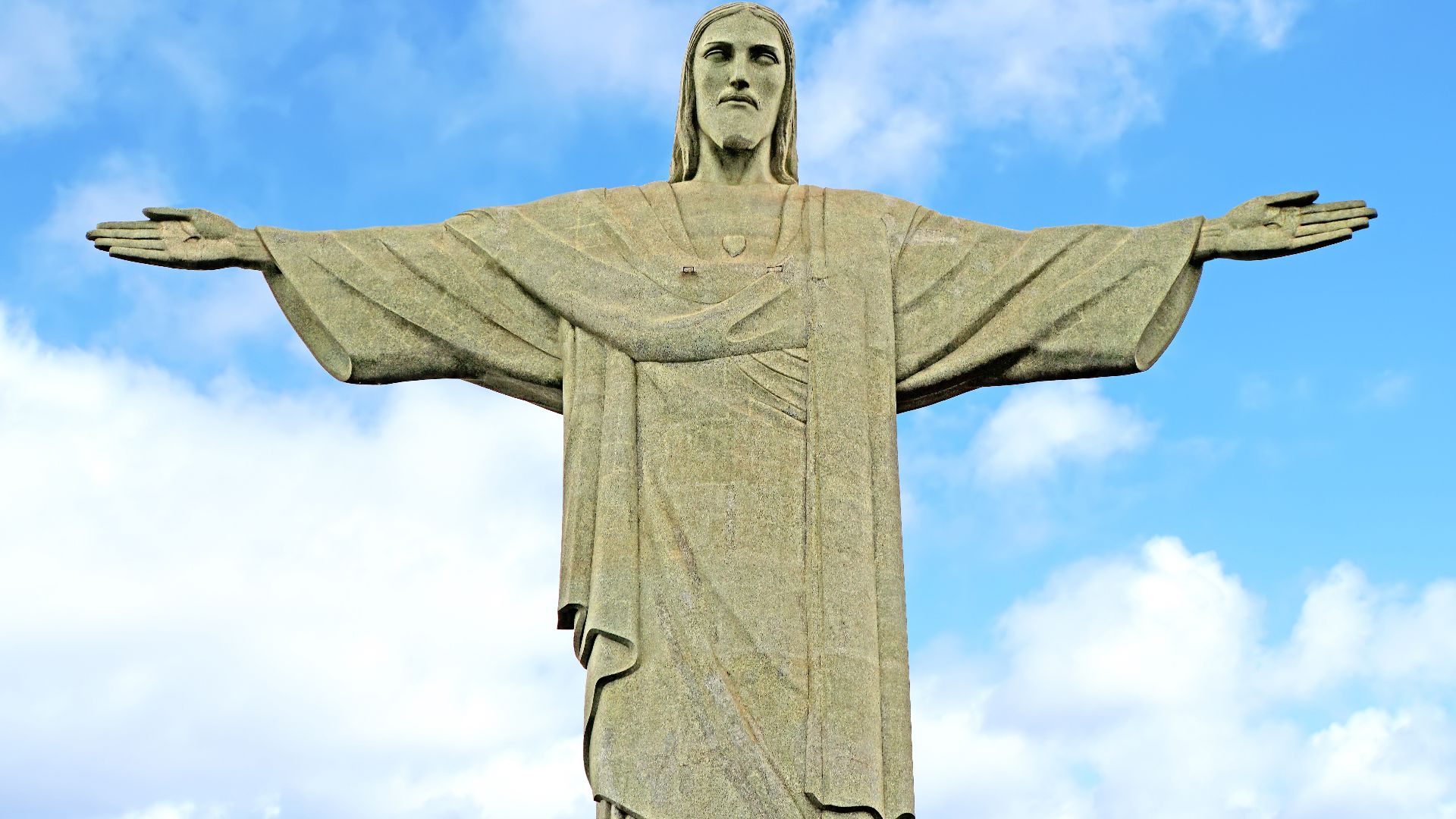 Dennis G. Jarvis, Wikimedia Commons
The Gateway Arch Waited On Money And Momentum
St. Louis selected Eero Saarinen’s arch design in a 1947-48 competition, but the site sat empty for years. Federal land had been set aside earlier, yet construction was delayed by funding and planning problems. Congressional action and local advocacy eventually pushed the project forward, and the arch was completed in 1965.
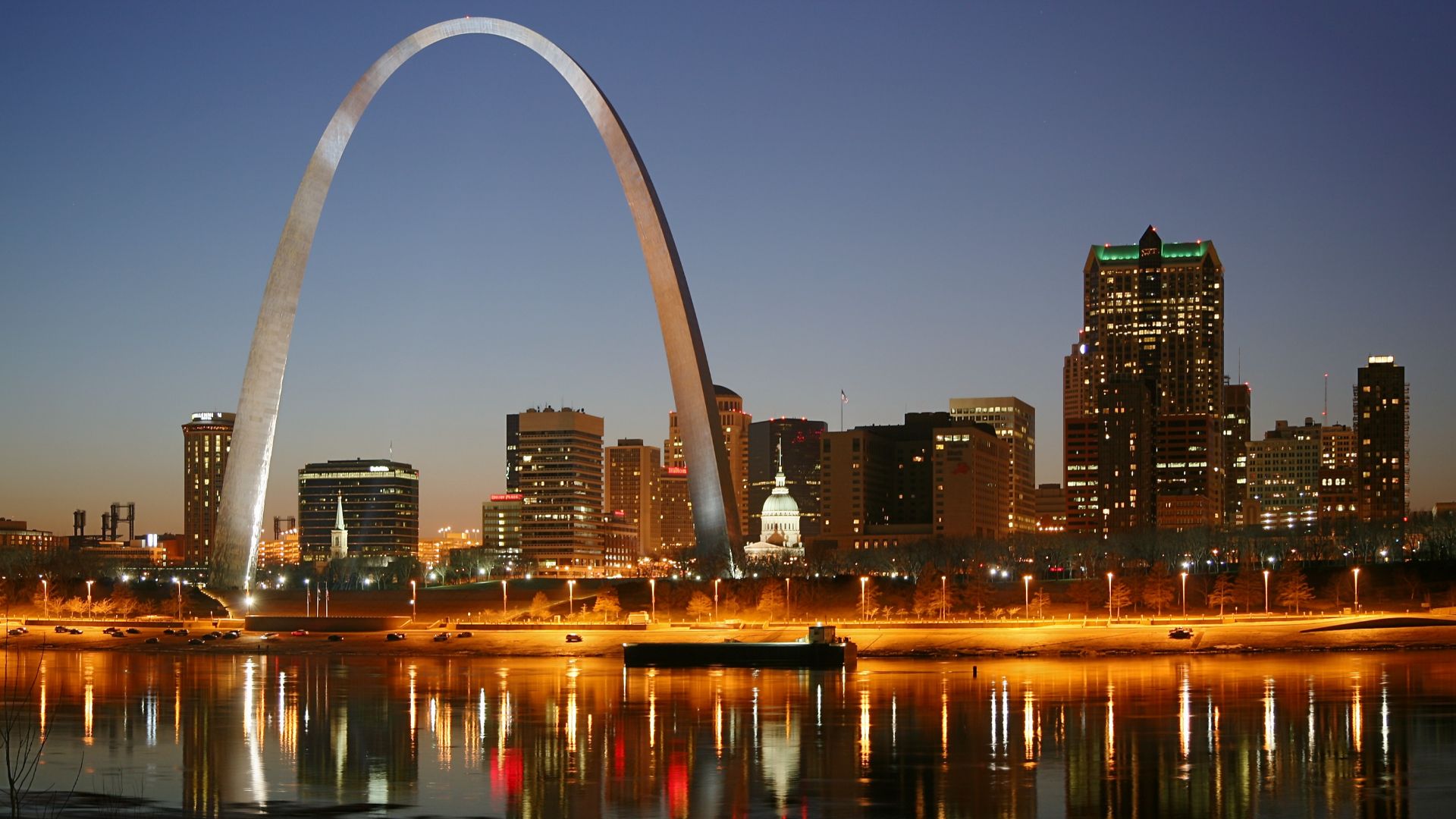 Daniel Schwen, Wikimedia Commons
The Space Needle Almost Stayed On Paper
Seattle’s Space Needle had a dazzling World’s Fair concept, but it still needed land, financing, and fast execution. Its backers struggled to secure funding until a bank loan helped unlock additional lenders. The tower opened for the 1962 fair and quickly became the city’s defining landmark.
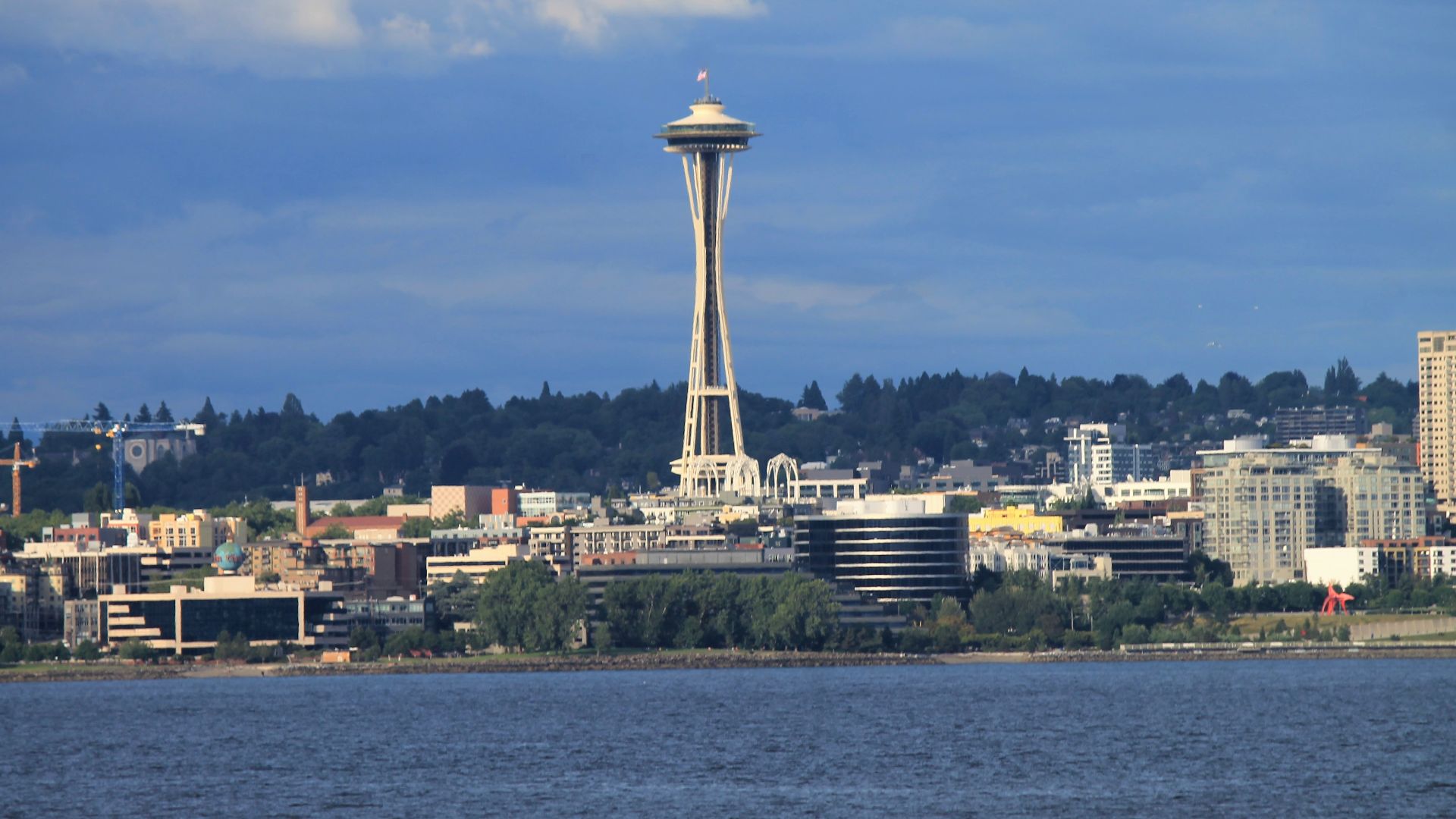 Rickmouser45, Wikimedia Commons
The Hollywood Sign Was Saved From Collapse
The Hollywood Sign began as an advertisement for a real estate development called Hollywoodland. By the 1970s, it was deteriorating badly and needed a full rebuild rather than another quick patch. Hugh Hefner hosted a fundraiser, celebrities sponsored letters, and the sign returned in stronger form.
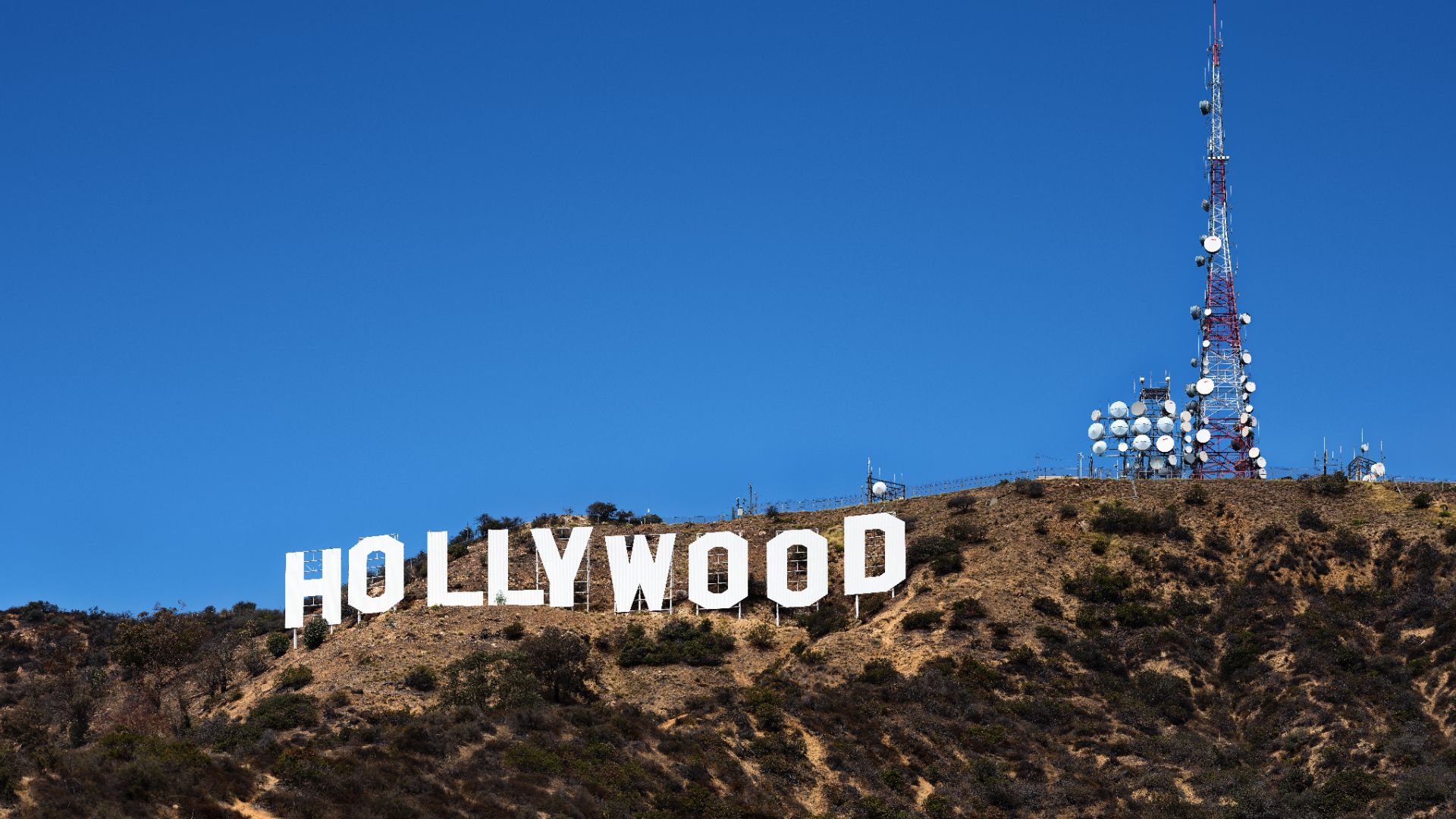 Thomas Wolf, www.foto-tw.de, Wikimedia Commons
The Louvre Pyramid Angered Paris Before It Won Paris
I.M. Pei’s glass pyramid was one of the most controversial museum additions of the 20th century. Critics argued that the modern design clashed with the historic Louvre and mocked the project as a presidential vanity piece. When it opened in 1989, it transformed the museum’s entrance and gradually became part of the Paris experience.
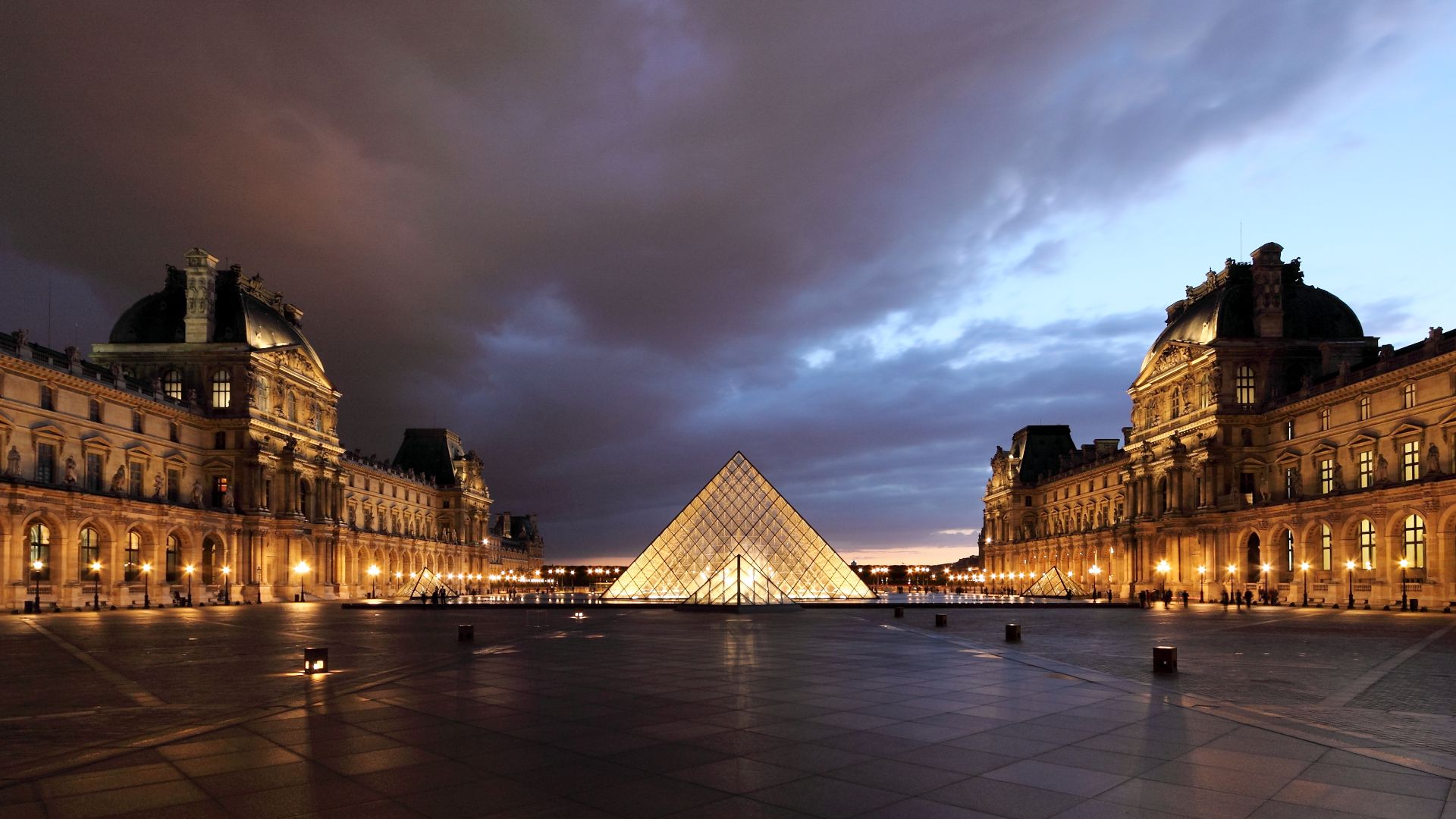 Martin Falbisoner, Wikimedia Commons
The Lincoln Memorial Took Years Of Argument
The Lincoln Memorial was not simply approved and built without fuss. Congress debated the plan for nearly a decade, with disagreements over location, meaning, and design. The riverfront site finally won support, and construction began in 1914.
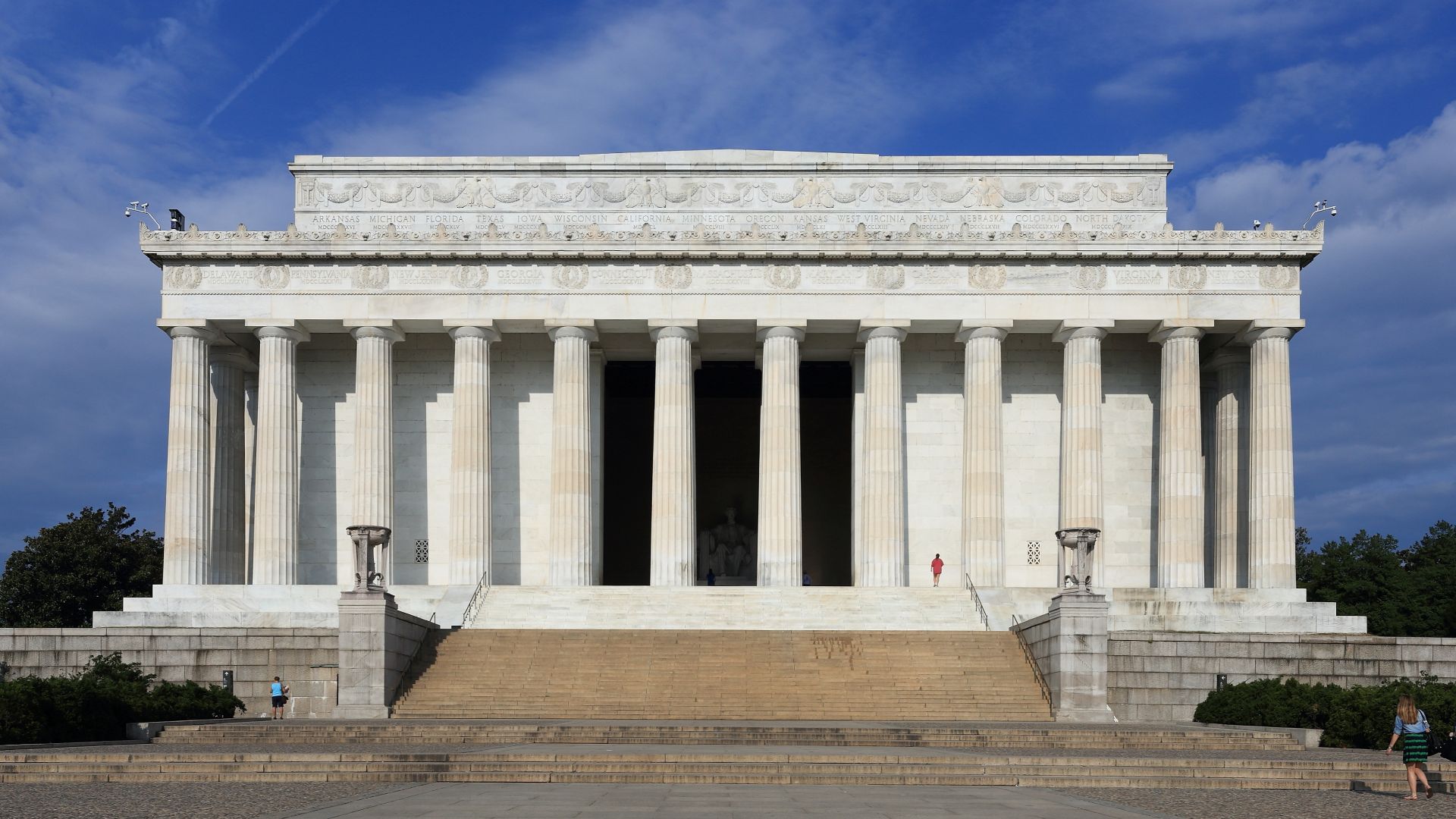 Martin Falbisoner, Wikimedia Commons
Tower Bridge Needed The Right Engineering Answer
London needed a new Thames crossing east of London Bridge, but river traffic made the problem tricky. More than 50 designs were considered, and earlier proposals failed to win enough support. The final bascule design allowed ships to pass while giving London one of its most recognizable silhouettes.
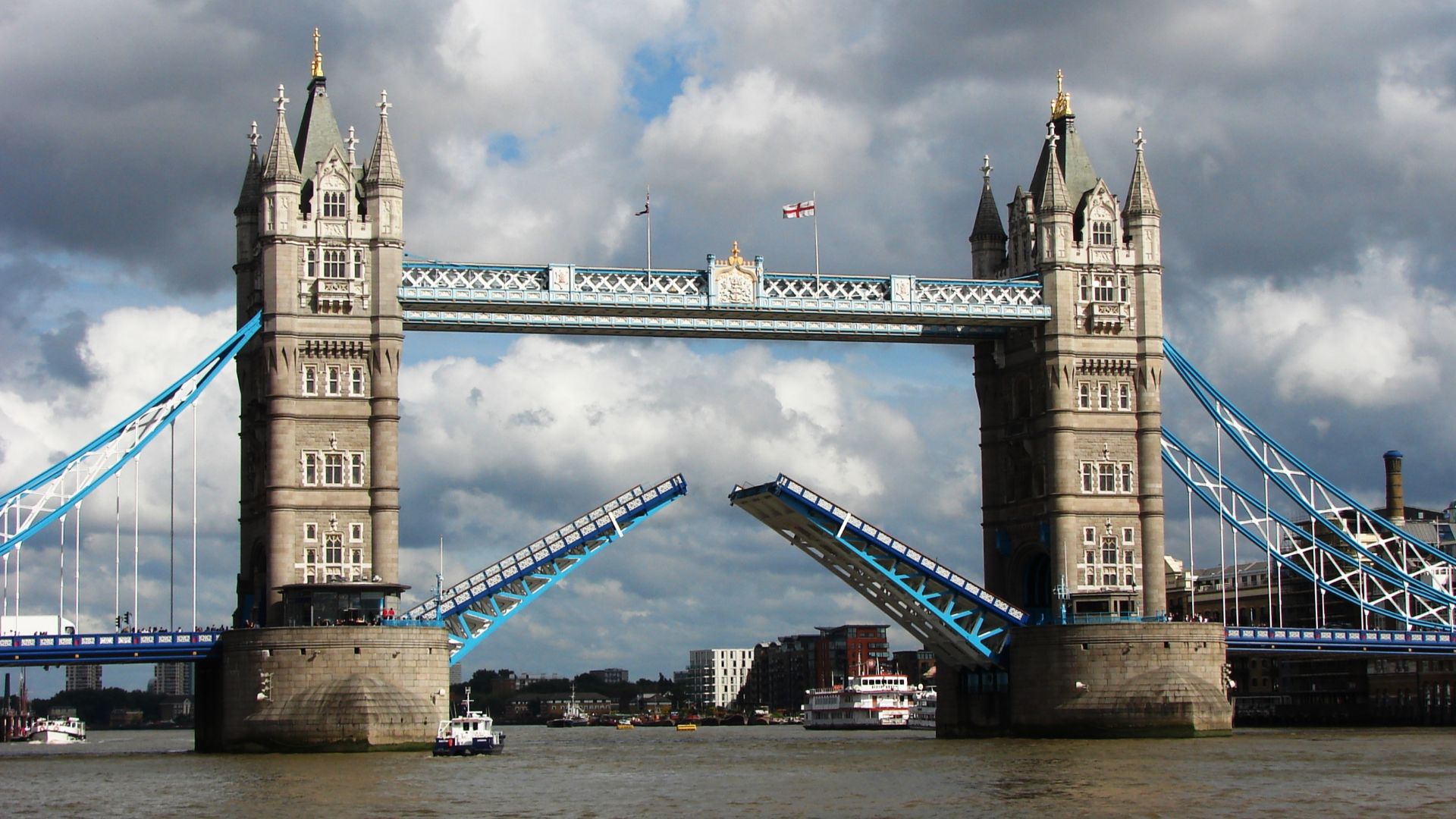 Mvkulkarni23, Wikimedia Commons
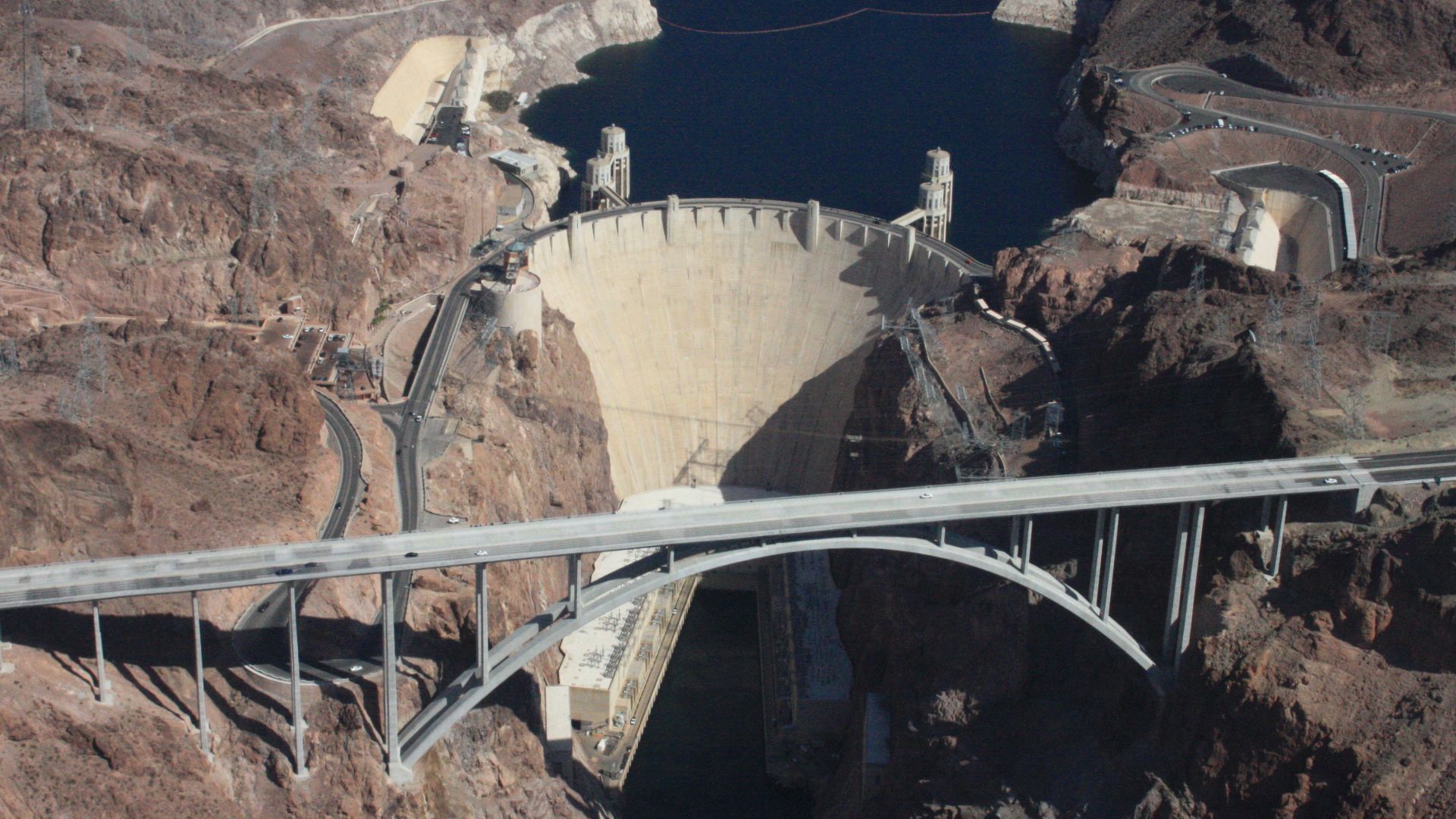
Hoover Dam Was Built Against Doubt
Hoover Dam was constructed during the Great Depression, when the United States was dealing with deep financial anxiety. Critics questioned whether the power market could absorb the dam’s electricity and whether the huge project made economic sense. The dam went ahead and became one of America’s great engineering landmarks.
The Millennium Bridge Wobbled Into Trouble
London’s Millennium Bridge opened in June 2000 and almost immediately became famous for the wrong reason. Crowds caused unexpected lateral movement, and the bridge was closed only days after opening. Engineers added dampers, the bridge reopened in 2002, and the “Wobbly Bridge” became a beloved pedestrian route.
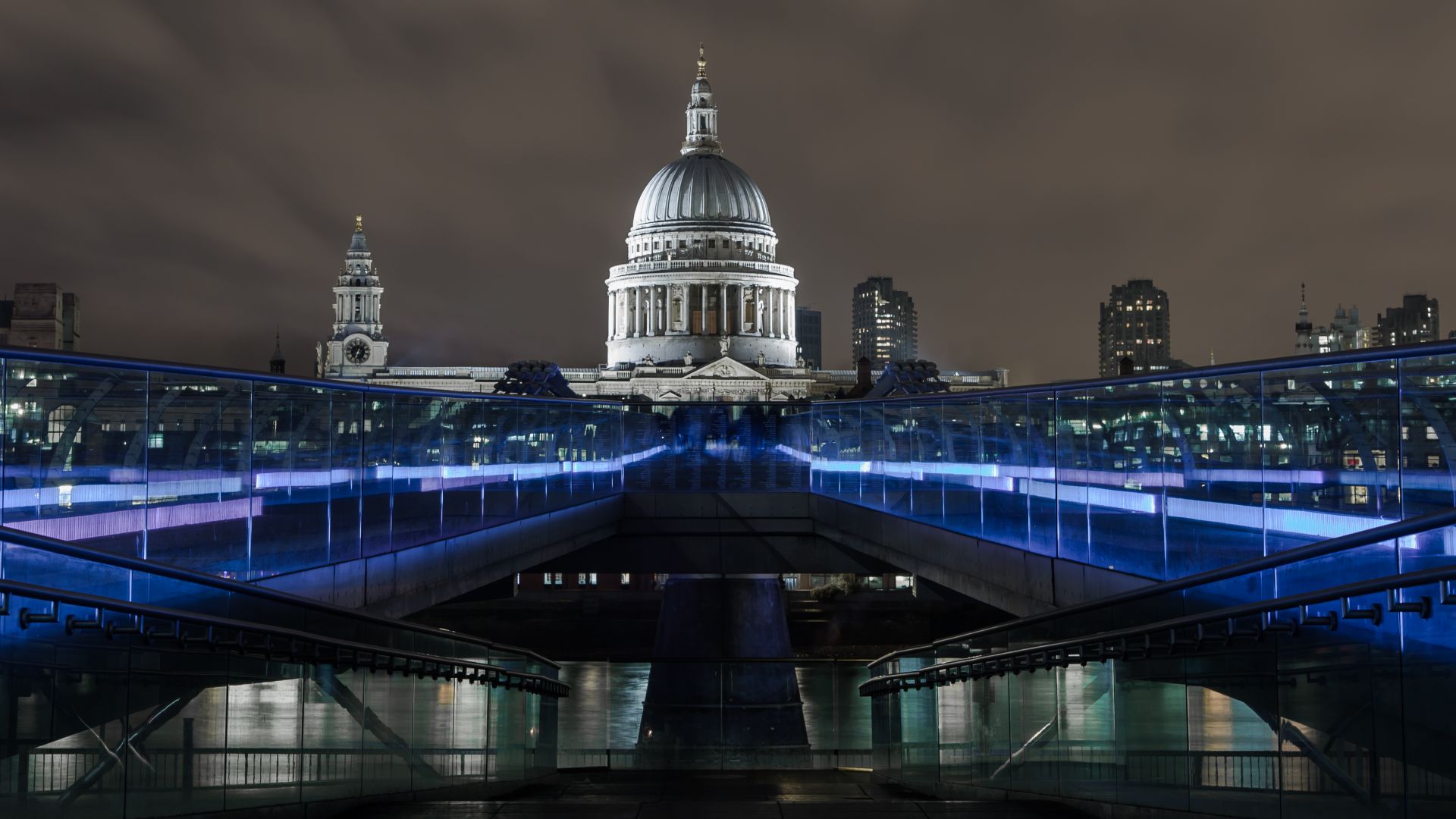 www.twin-loc.fr from Bordeaux, France, Wikimedia Commons
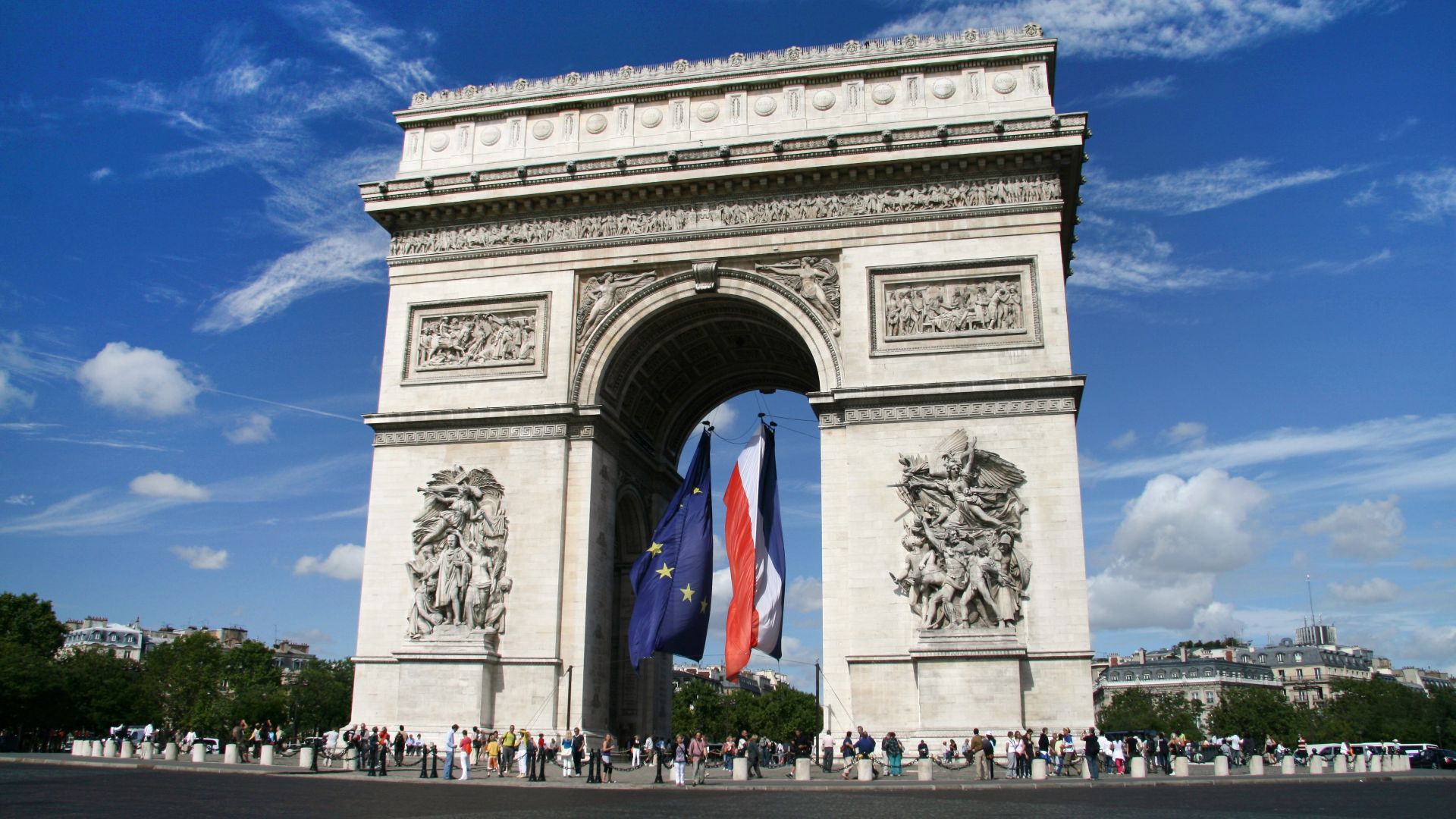
The Arc De Triomphe Nearly Came Down
Napoleon ordered the Arc de Triomphe following his victory at the Battle of Austerlitz, but politics changed before the monument was finished. After Napoleon fell, construction was suspended, and one architect even proposed razing the existing pillars. The project survived shifting regimes and was finally completed under Louis-Philippe.
 Michael Meinecke, Wikimedia Commons
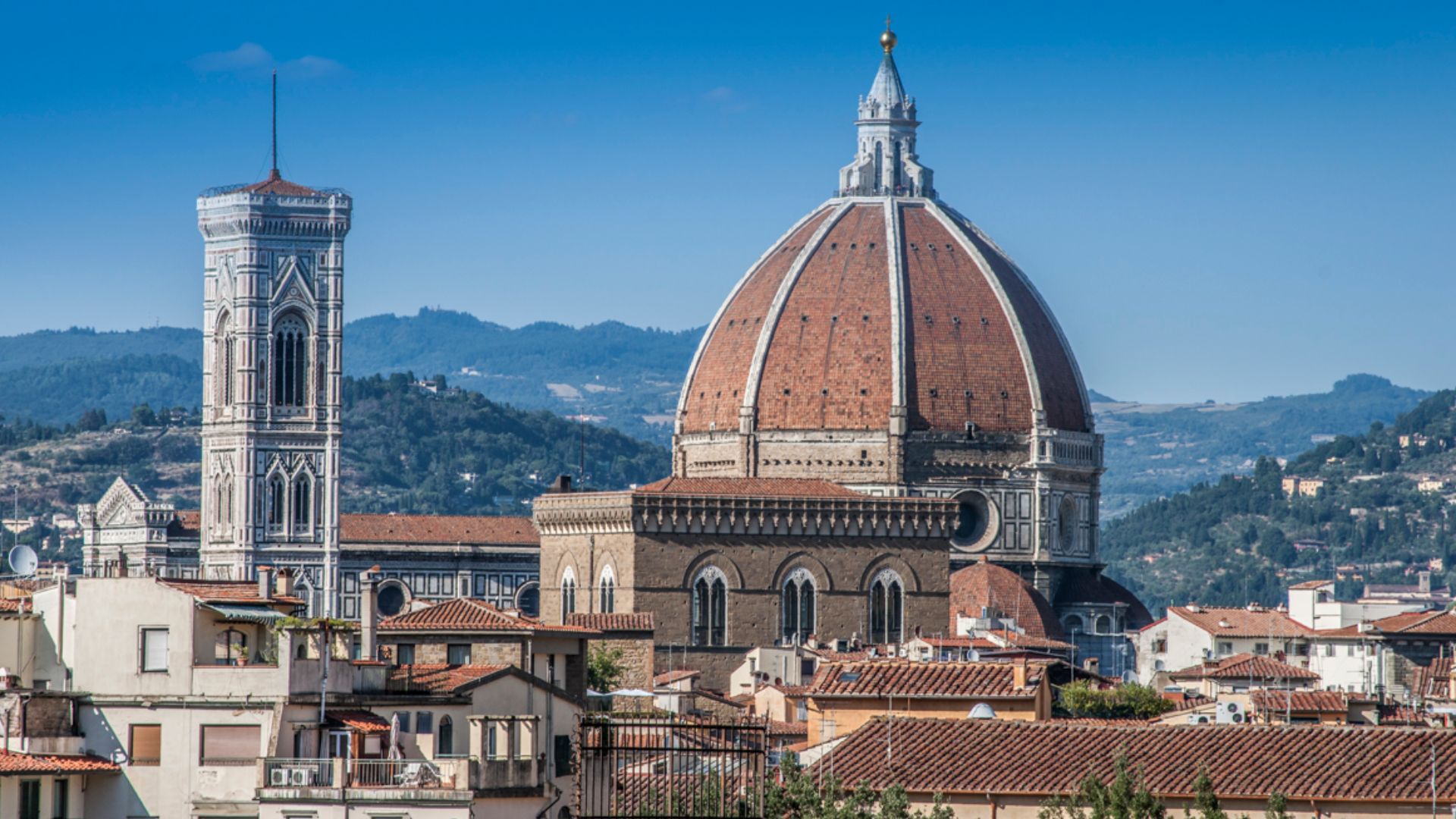
Florence Cathedral Waited For Its Impossible Dome
Florence had a magnificent cathedral with one enormous problem. Its builders had planned a huge dome, but for decades no one had a practical way to cover the vast opening. Filippo Brunelleschi won the challenge, and his dome became a defining achievement of Renaissance engineering.
 Florian Hirzinger - http://www.fh-ap.com, Wikimedia Commons
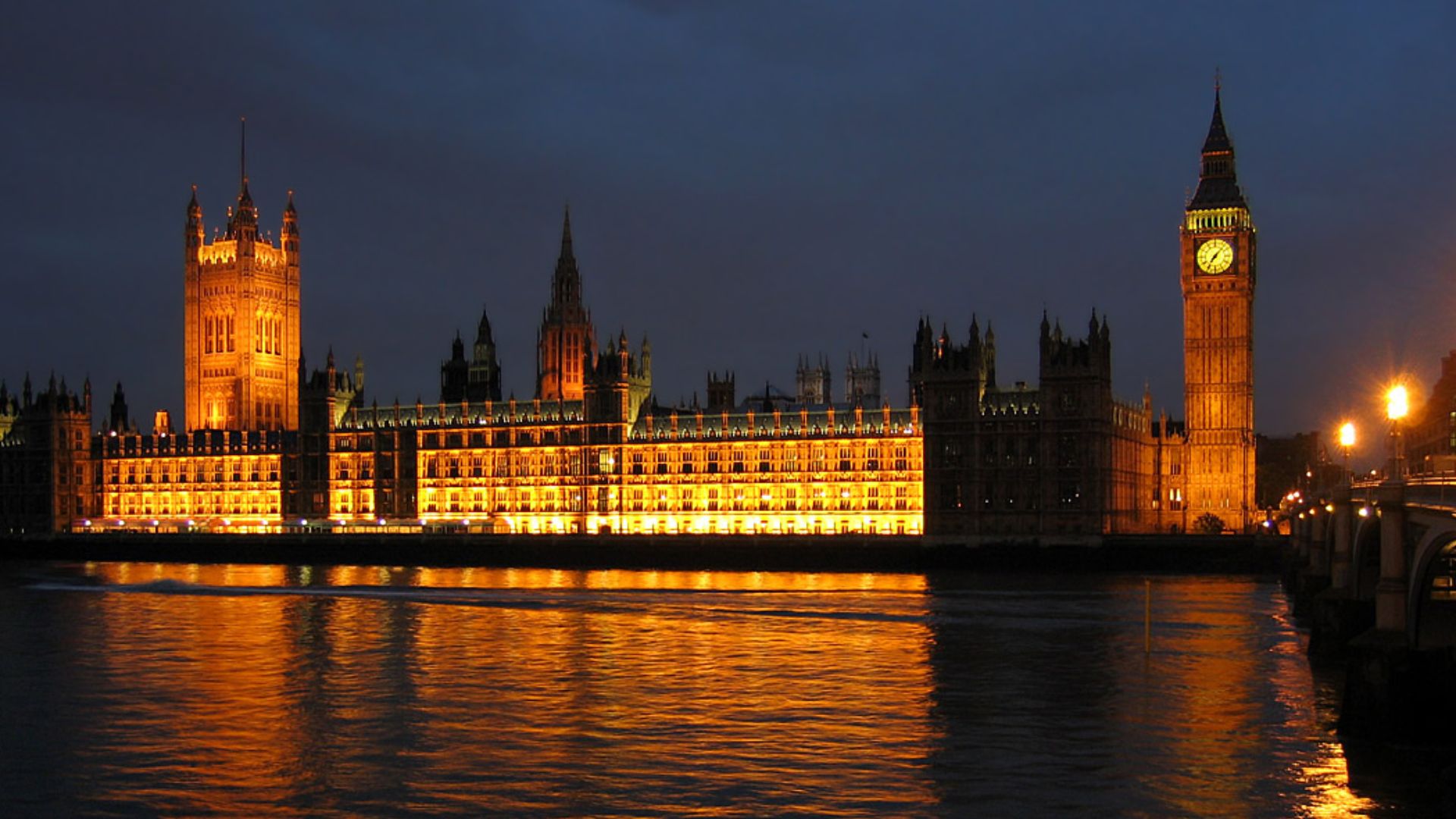
Westminster Could Have Moved After The Fire
The old Palace of Westminster burned in 1834, destroying much of Britain’s parliamentary home. After the disaster, there were proposals and offers that could have shifted Parliament away from the historic site. Tradition won, and the rebuilt Palace of Westminster gave London its famous Gothic riverside skyline.
 Photograph © Andrew Dunn, Website: http://www.andrewdunnphoto.com/, Wikimedia Commons
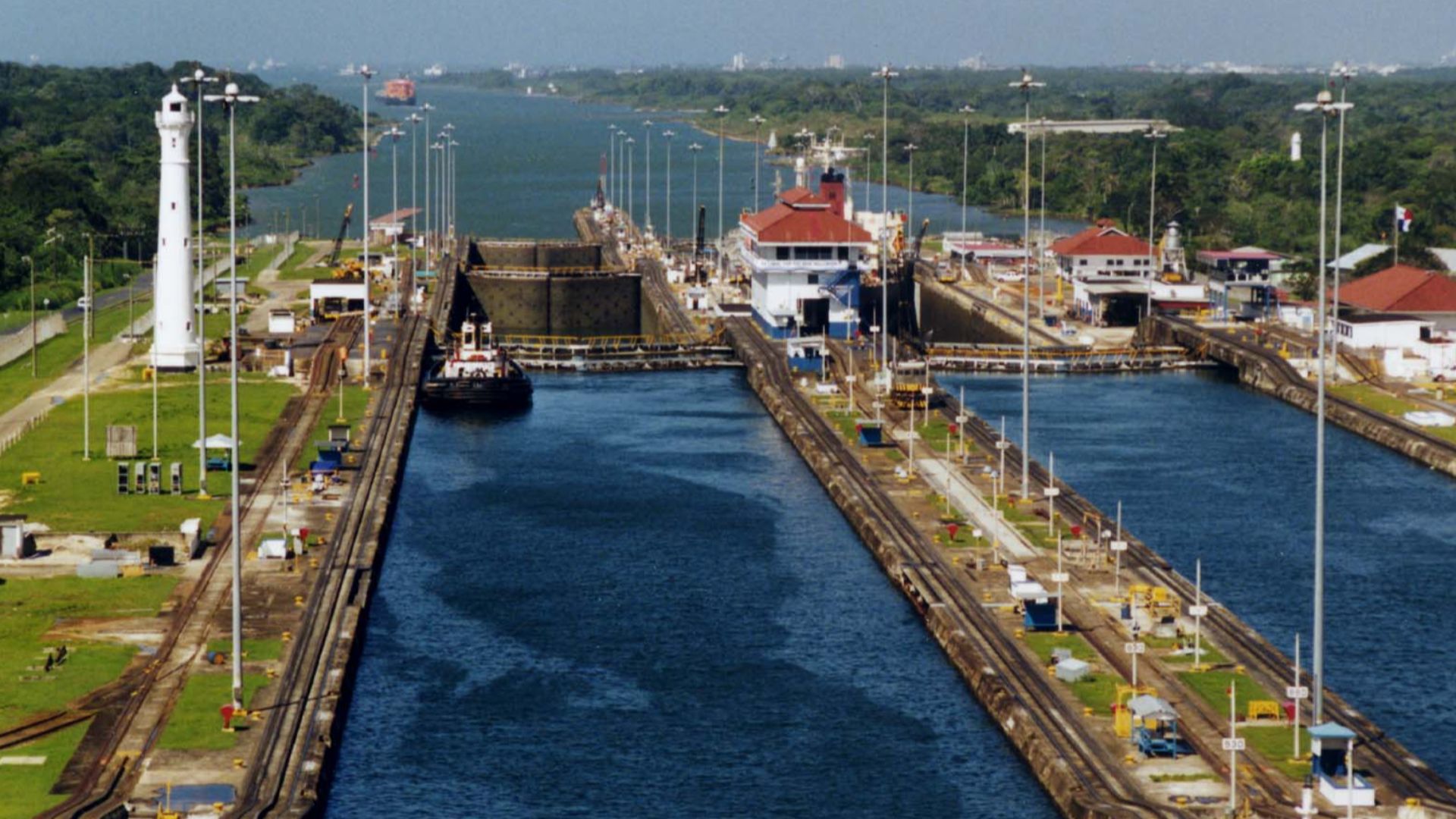
The Panama Canal Rose From A Failed First Try
The Panama Canal was not completed by the first team that tried to build it. A French effort led by Ferdinand de Lesseps collapsed amid disease, financial strain, engineering problems, and huge loss of life. The United States later took over the work and completed the canal in 1914.
 User:Stan Shebs, Wikimedia Commons
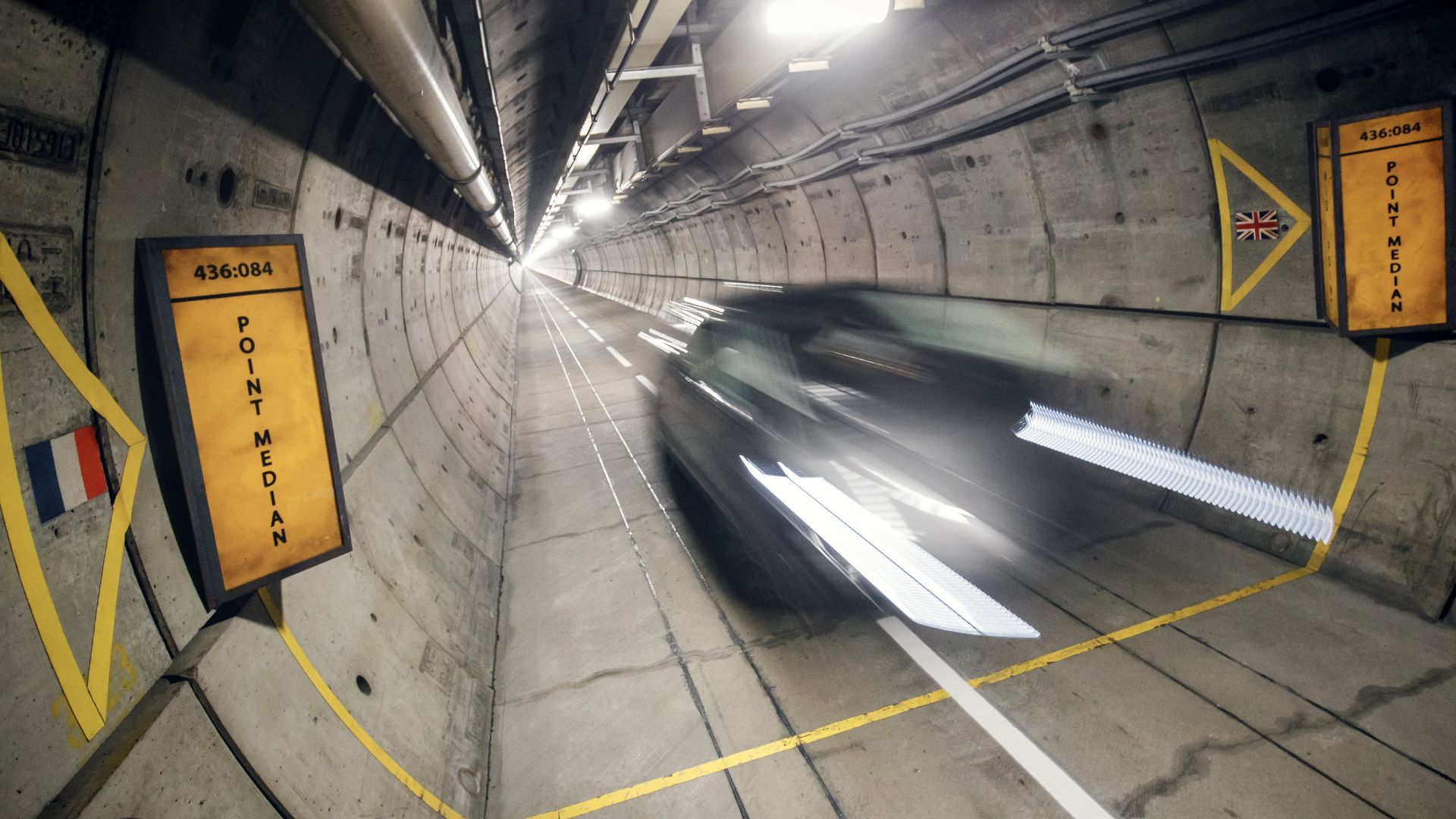
The Channel Tunnel Took More Than A Century To Happen
A tunnel under the English Channel was proposed long before today’s rail link opened. Nineteenth-century attempts were blocked by security fears, politics, and technical limits. The modern Channel Tunnel finally opened in 1994, turning a long-shelved idea into everyday infrastructure.
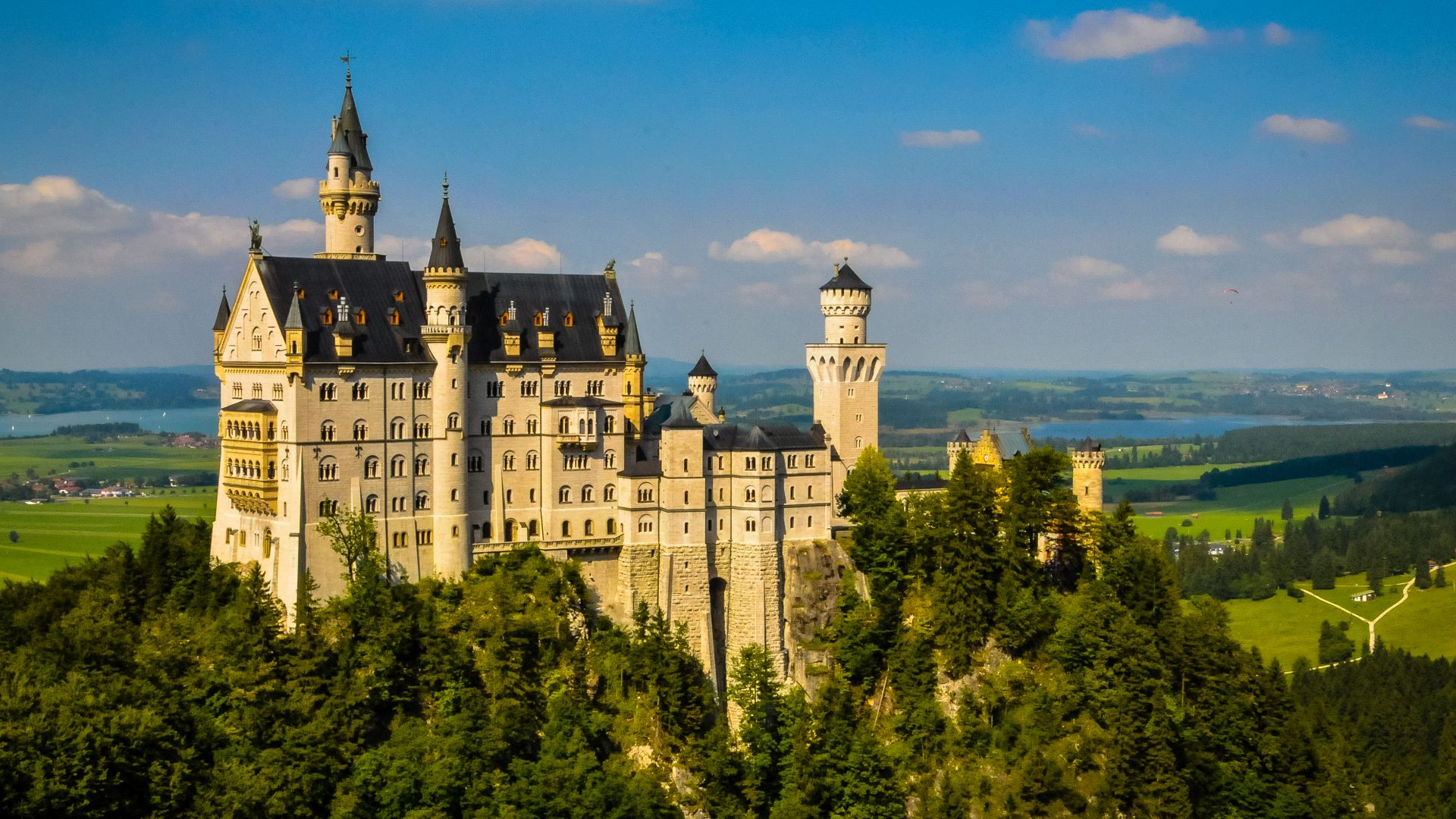
Neuschwanstein Castle Was Left Unfinished
Neuschwanstein looks like the ultimate fairy-tale castle, but King Ludwig II never saw it completed. Work began in 1869, and the castle was still unfinished when Ludwig died in 1886. Later work simplified parts of the plan, while other pieces of his vision were never built.
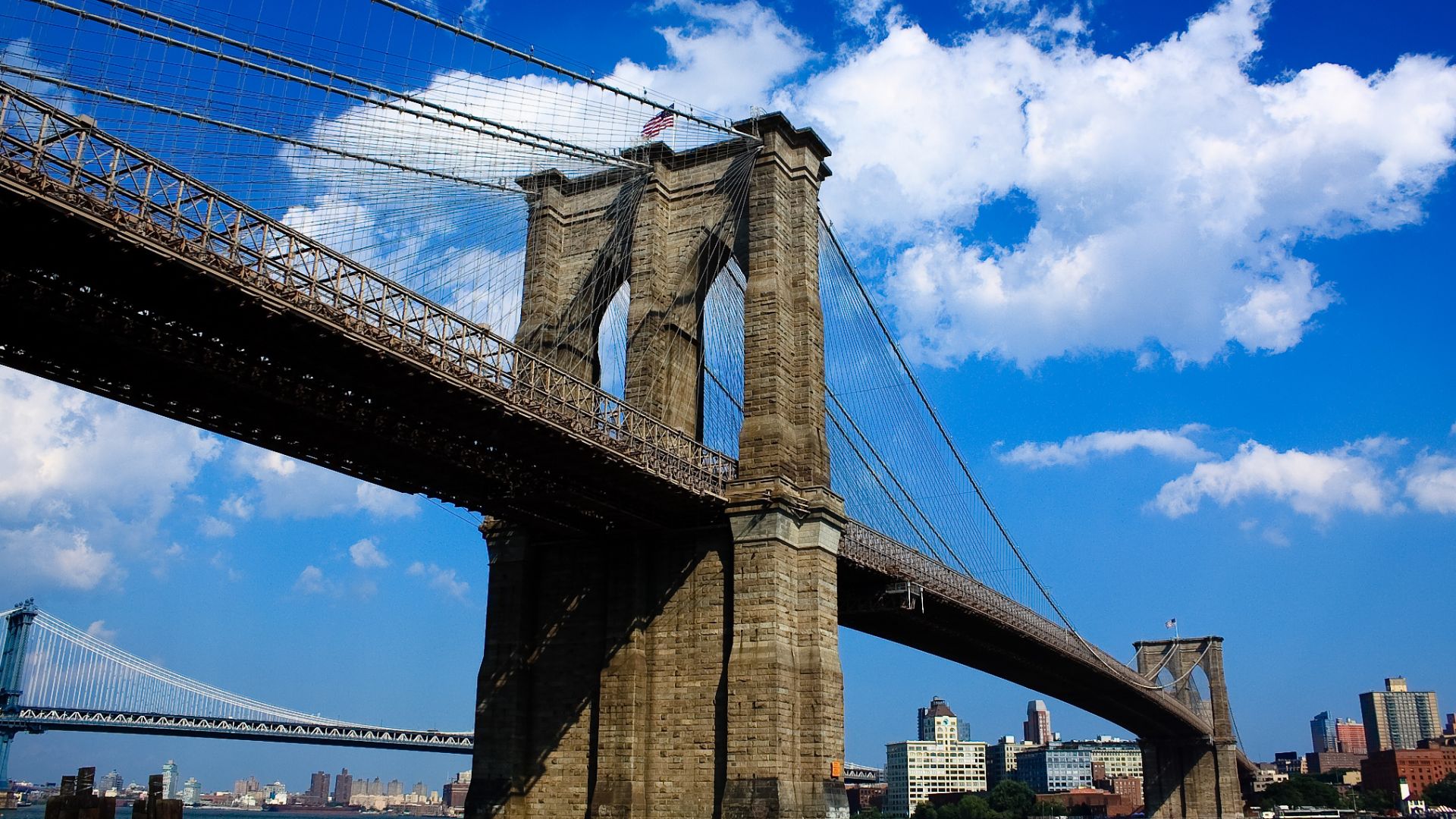
The Brooklyn Bridge Fought Danger And Delay
The Brooklyn Bridge was an astonishing undertaking for its time, and its construction came with severe hazards. John A. Roebling died before the main work began, and Washington Roebling suffered from decompression sickness after working in the bridge caissons. Emily Warren Roebling helped carry the project through, and the bridge opened in 1883.
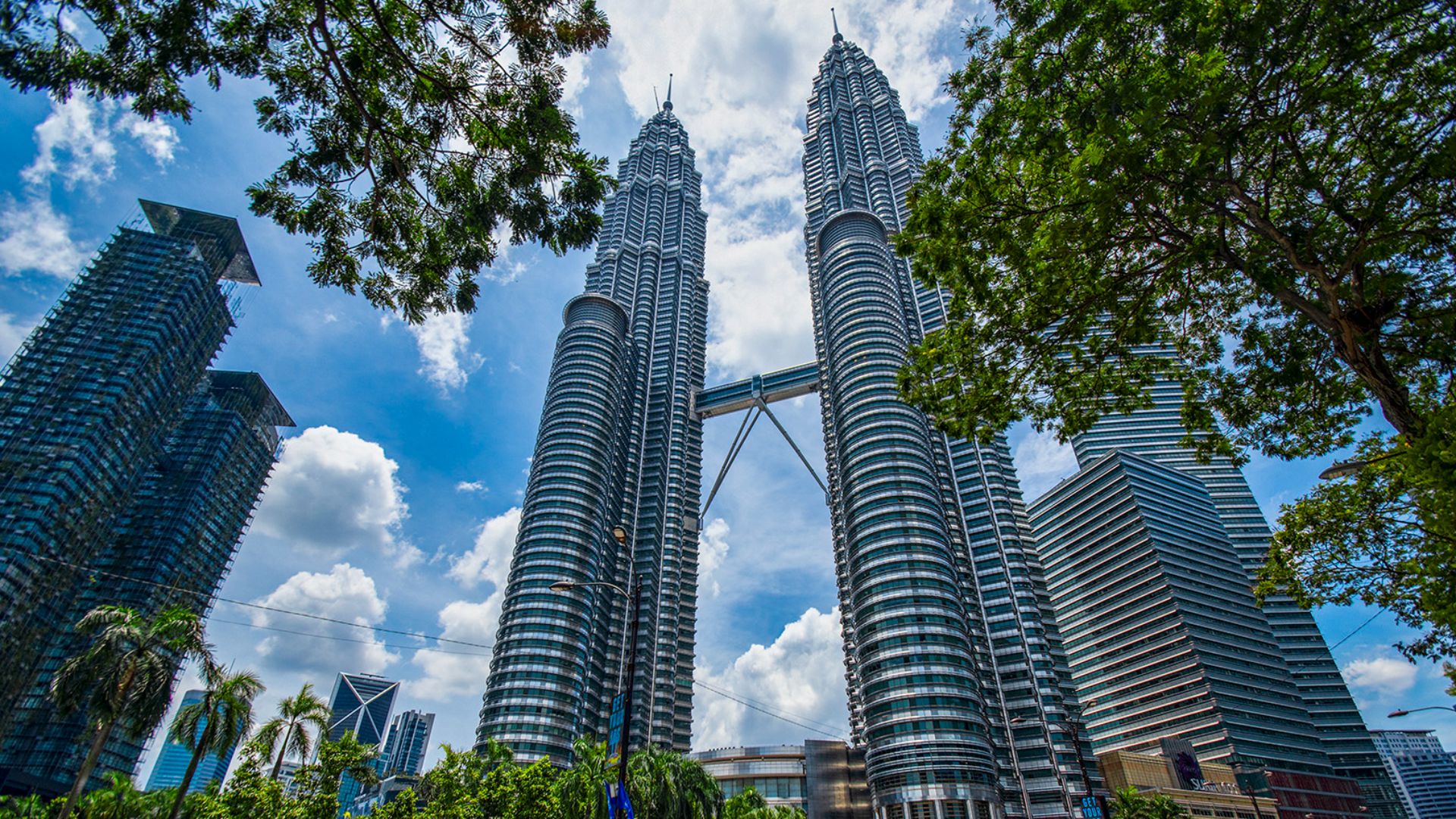
The Petronas Towers Stopped Over Concrete Trouble
Kuala Lumpur’s Petronas Towers faced a serious construction scare when a batch of concrete failed a strength test. Work halted while completed floors were checked, and one floor that used the bad batch was demolished. The project recovered, and the twin towers became Malaysia’s most famous modern landmark.
 Iamsantanubose, Wikimedia Commons
You May Also Like:
American Landmarks Everyone Has Seen In Pictures, But Look Totally Different In Real Life
You Can't Say You Know North America Until You've Seen All Of These Iconic Landmarks
15 Architectural Treasures That Are Gone Forever
Sources: 1, 2, 3, 4, 5, 6, 7, 8, 9, 10, 11, 12, 13, 14, 15, 16, 17, 18, 19, 20, 21