Seattle Has An Entire Hidden World Beneath Its Streets
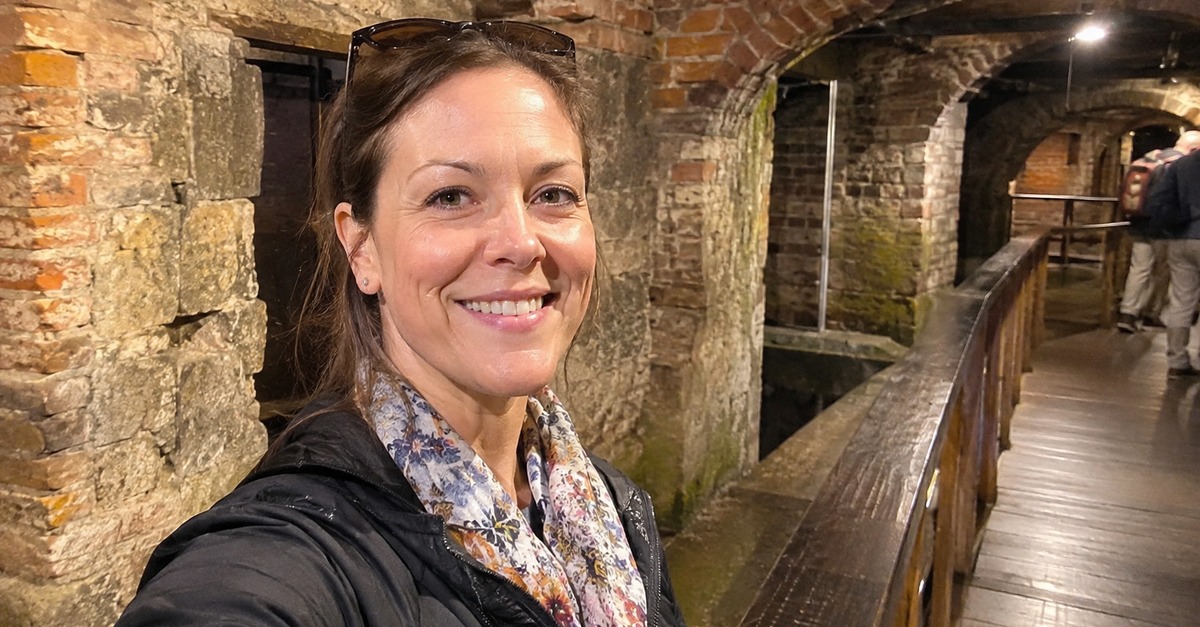
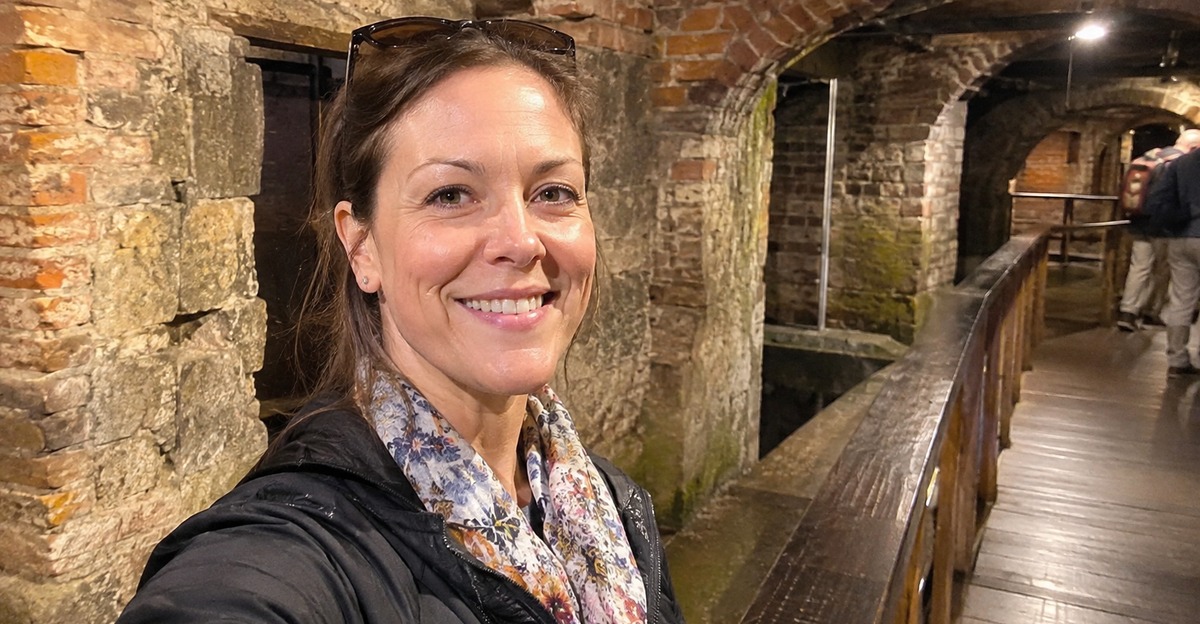
Seattle is famous for its waterfront, coffee culture, and spectacular skyline, but one of its most fascinating attractions is hidden beneath the sidewalks. In historic Pioneer Square, visitors can explore forgotten storefronts and passageways left behind when the city rebuilt itself after a devastating fire. Bill Speidel's Underground Tour takes travelers into this unusual piece of Seattle history, revealing a city that quite literally rose above its past.
The Tour Begins In Seattle's Oldest Neighborhood
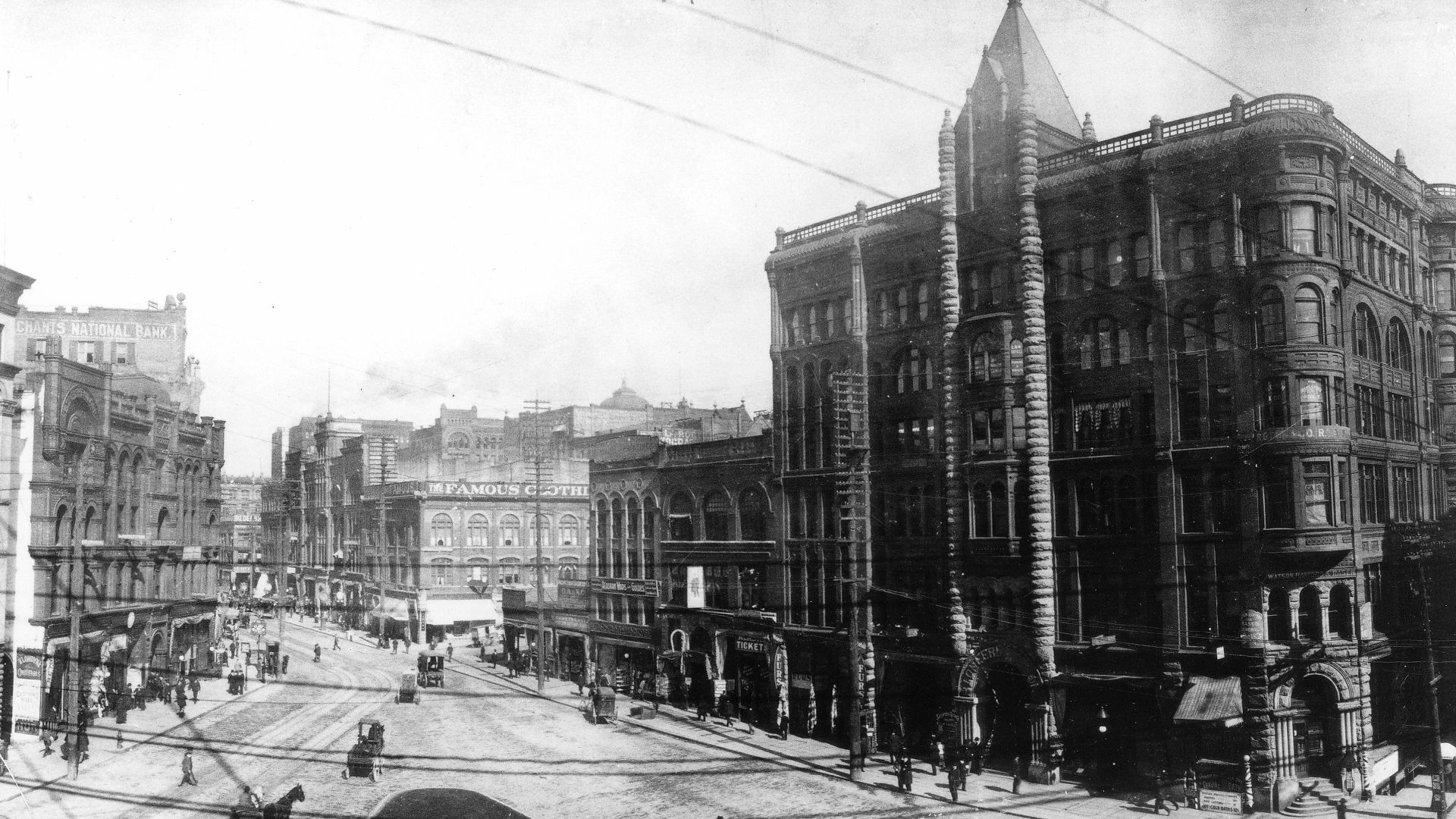
Pioneer Square is where Seattle's early commercial history comes to life, with handsome brick buildings and streets that reflect the city's nineteenth-century transformation. The neighborhood developed near the waterfront, where settlers established businesses around Henry Yesler's sawmill in the 1850s. Today, its historic architecture provides the perfect introduction to an underground adventure that begins with a story of disaster and reinvention.
 Arthur Clarence Pillsbury, Wikimedia Commons
A Fire Changed Seattle Forever In 1889
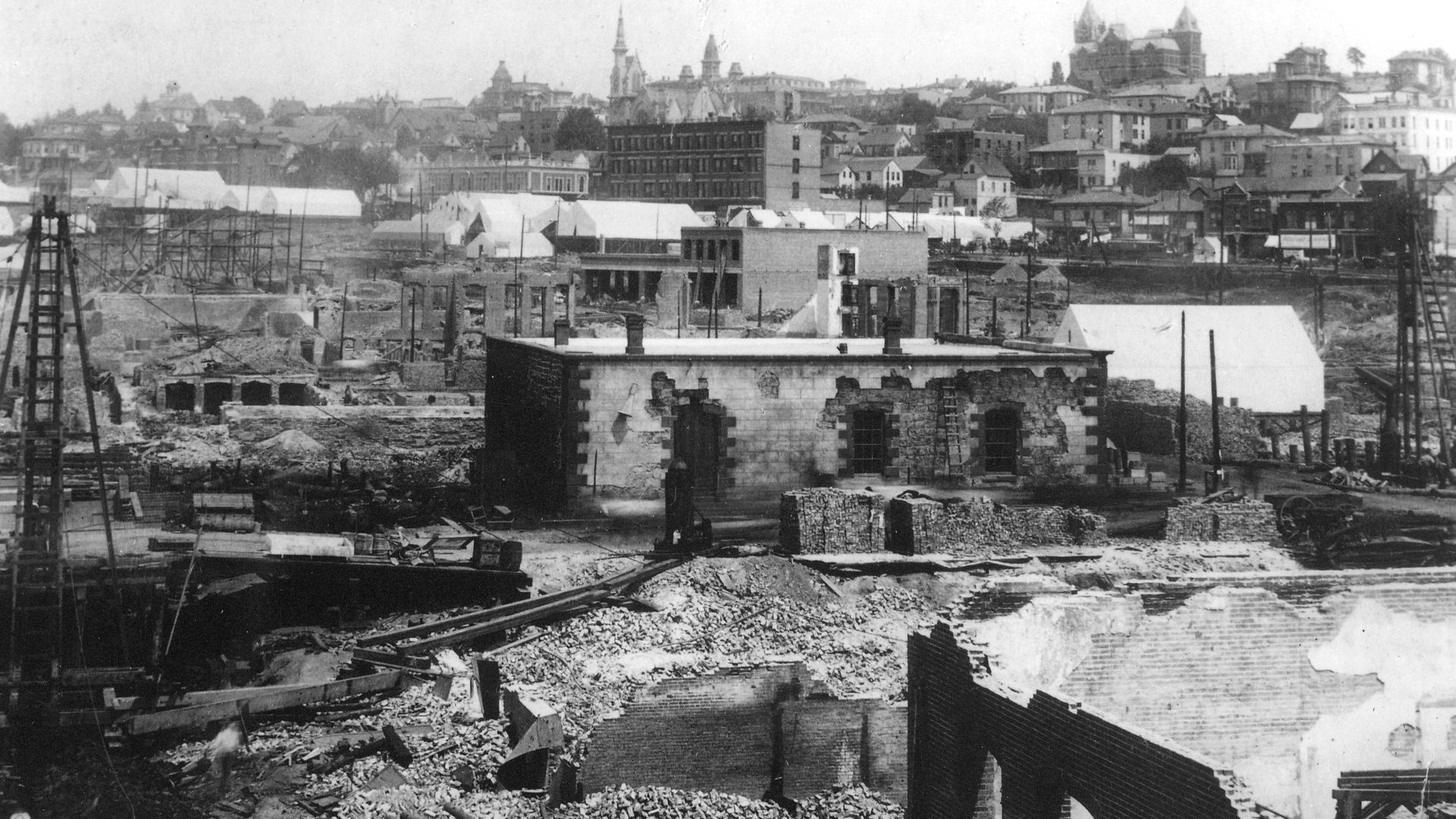
On June 6, 1889, a fire broke out in a woodworking shop near Front Street and Madison Street, in what was then Seattle's bustling business district. Flames spread rapidly through wooden buildings, docks, and sidewalks, overwhelming the city's firefighting resources. Over approximately 18 hours, the blaze devastated much of downtown and created the conditions for one of the most unusual rebuilding projects in American urban history.
 Unknown authorUnknown author, Wikimedia Commons
The Flames Destroyed The Heart Of Downtown
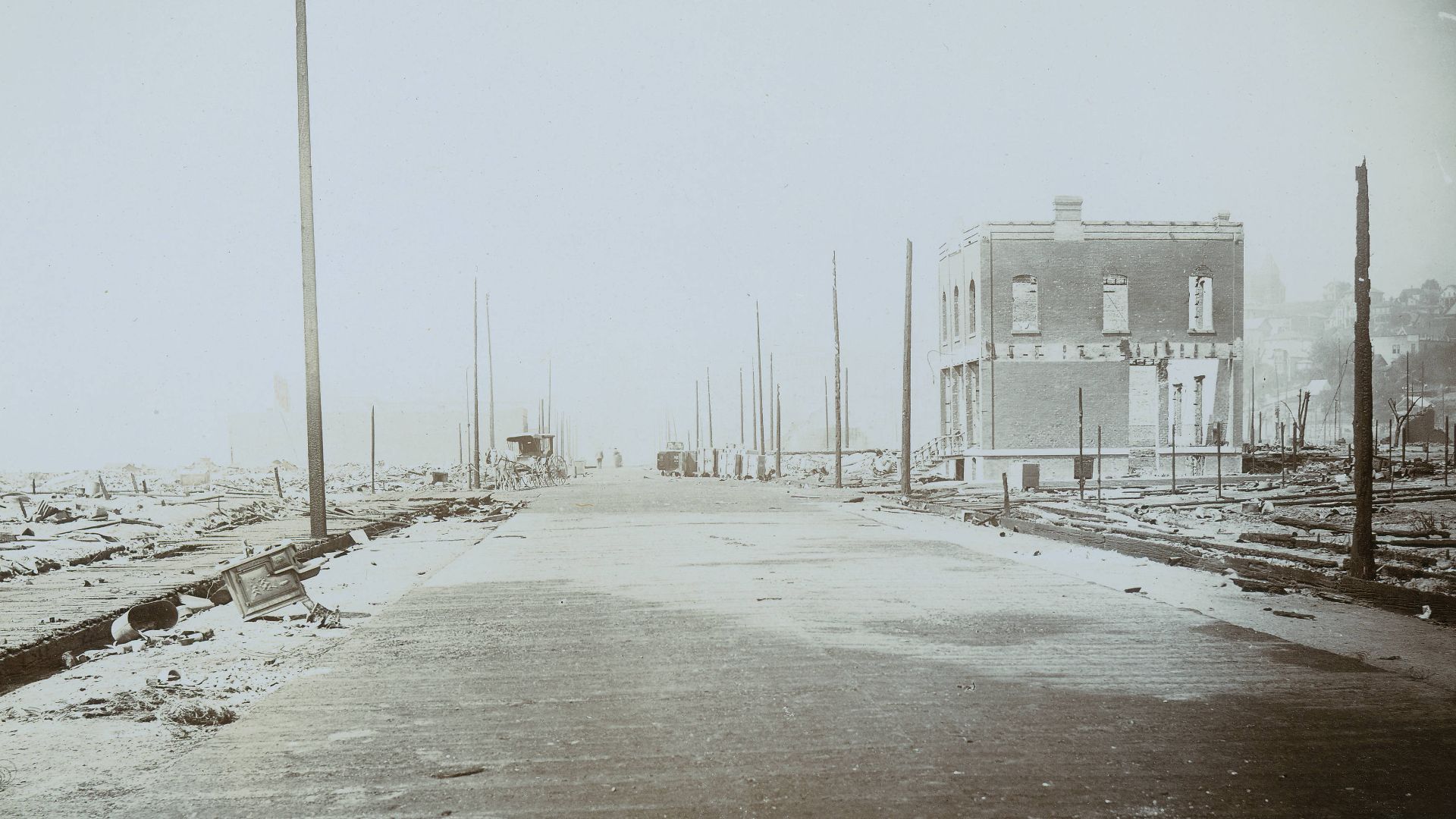
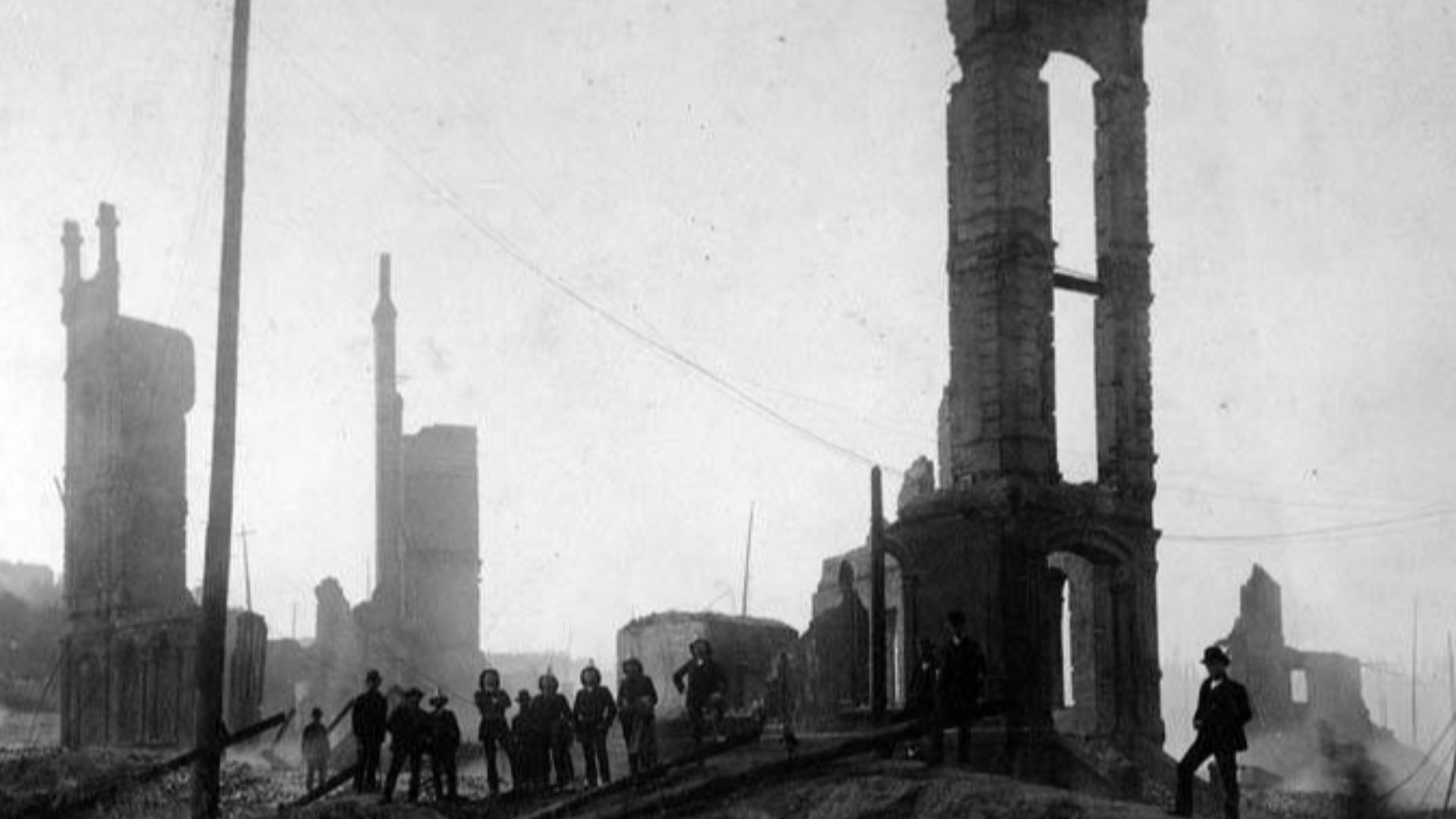
Seattle's Great Fire destroyed roughly 25 city blocks, although historical accounts vary in how they measure the affected area. The city's archives estimate that losses reached approximately $20 million, an enormous amount for the growing frontier community. Remarkably, official city histories report no fatalities from the disaster, even though the destruction fundamentally changed Seattle's appearance.
 Theodore E. Peiser, Wikimedia Commons
Wooden Streets Made The Disaster Worse
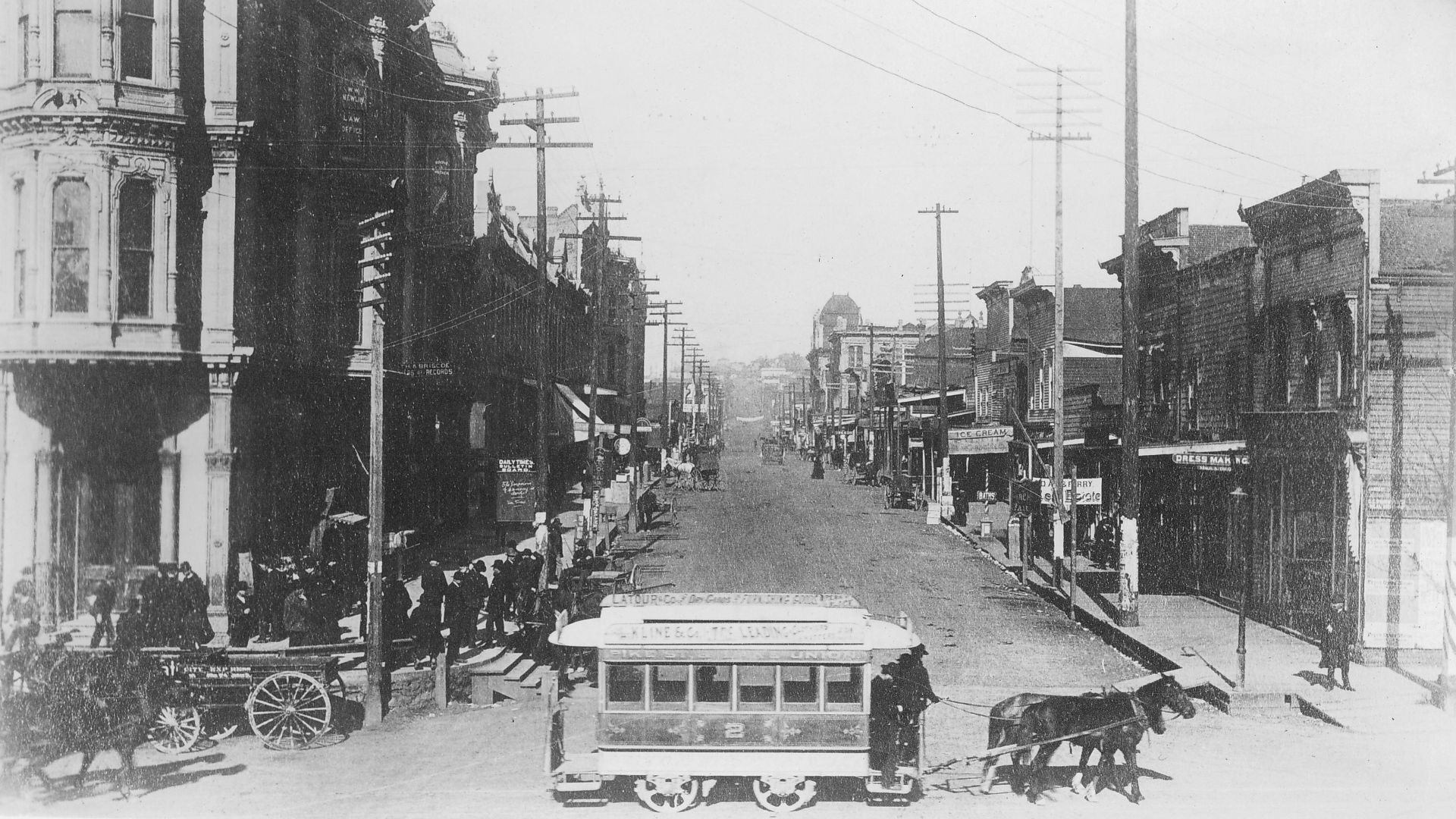
Much of nineteenth-century Seattle was constructed from timber, reflecting the region's booming lumber industry. Wooden buildings stood beside wooden sidewalks, while some streets were surfaced with planks that provided additional fuel for spreading flames. When the fire broke out, these materials helped turn a localized emergency into a catastrophe that swept through the commercial district.
 Unknown authorUnknown author, Wikimedia Commons
Seattle's Water System Could Not Keep Up
Firefighters faced a serious disadvantage because Seattle's water system lacked the pressure needed to fight such an enormous blaze effectively. The city's volunteer fire department struggled as the flames spread through closely packed commercial buildings. The disaster exposed weaknesses in Seattle's infrastructure and helped convince civic leaders that rebuilding needed to involve much more than replacing damaged structures.
 Bailey, E. J., Wikimedia Commons
The City Refused To Stay In Ruins
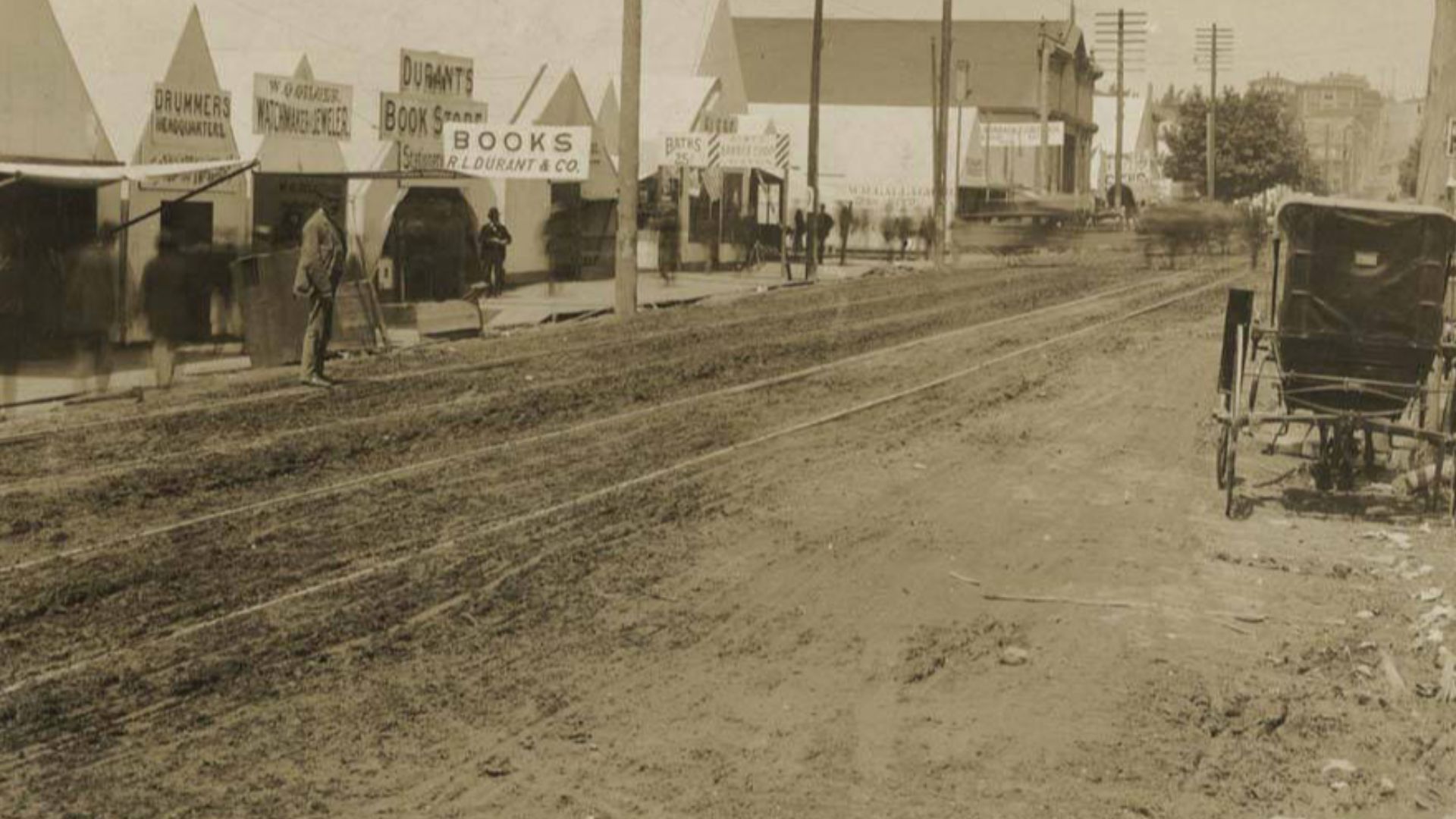
Rather than abandoning the devastated downtown, Seattle's residents and business owners began rebuilding almost immediately. Temporary businesses appeared in tents, while construction crews worked to replace the structures that had disappeared. Within a year, much of the commercial district had been rebuilt, setting the stage for the ambitious engineering decisions that eventually created Seattle's underground passages.
 John P. Soule, Wikimedia Commons
Brick And Stone Replaced Vulnerable Timber
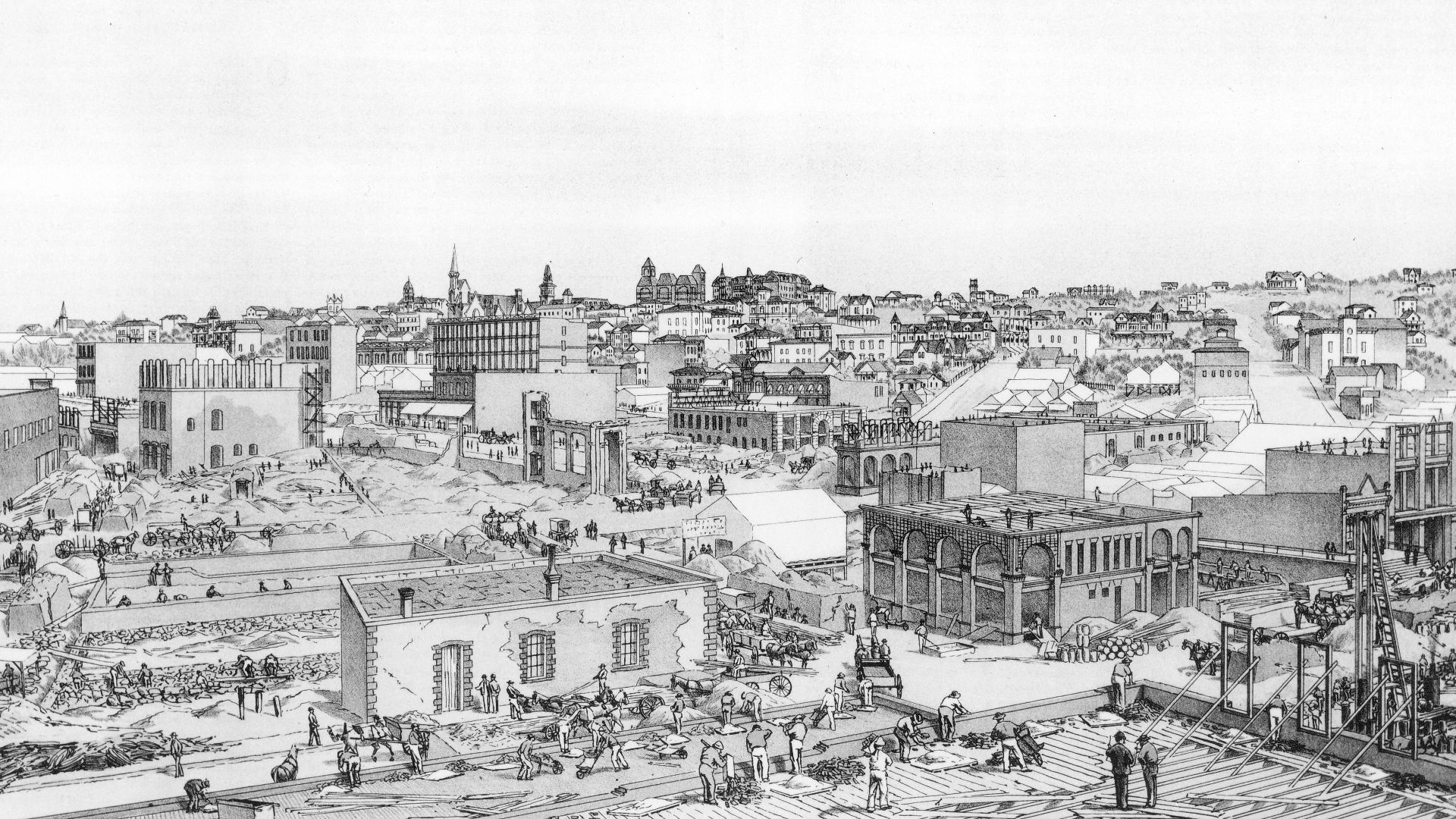
Seattle's leaders recognized that rebuilding with the same wooden materials would leave downtown exposed to another devastating fire. New regulations required more fire-resistant construction, encouraging the use of brick, stone, and other sturdier materials. Many of the handsome historic buildings visible around Pioneer Square today reflect this determination to create a more durable city.
 Unknown authorUnknown author, Wikimedia Commons
Seattle Had Another Problem Beneath Its Feet
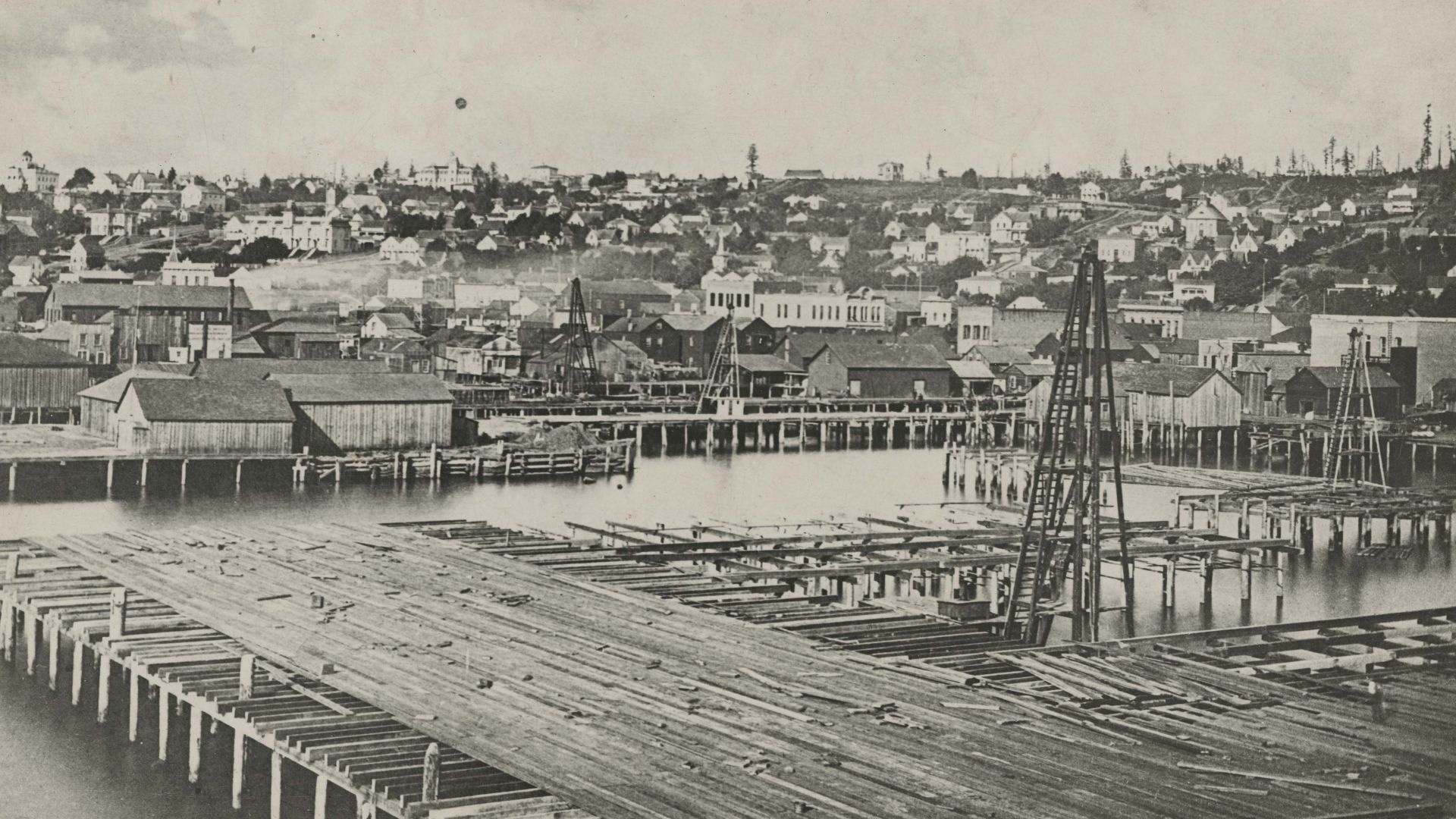
Even before the Great Fire, Seattle's original downtown struggled with muddy streets, uneven terrain, and drainage problems. Its low elevation near the waterfront also complicated the city's sewer system, particularly when high tides pushed water backward through the pipes. These difficulties made ordinary urban life unpleasant and convinced officials that the city's street levels needed serious attention.
 Unknown authorUnknown author, reprinted by Webster & Stevens, Wikimedia Commons
The Solution Was To Raise The Streets
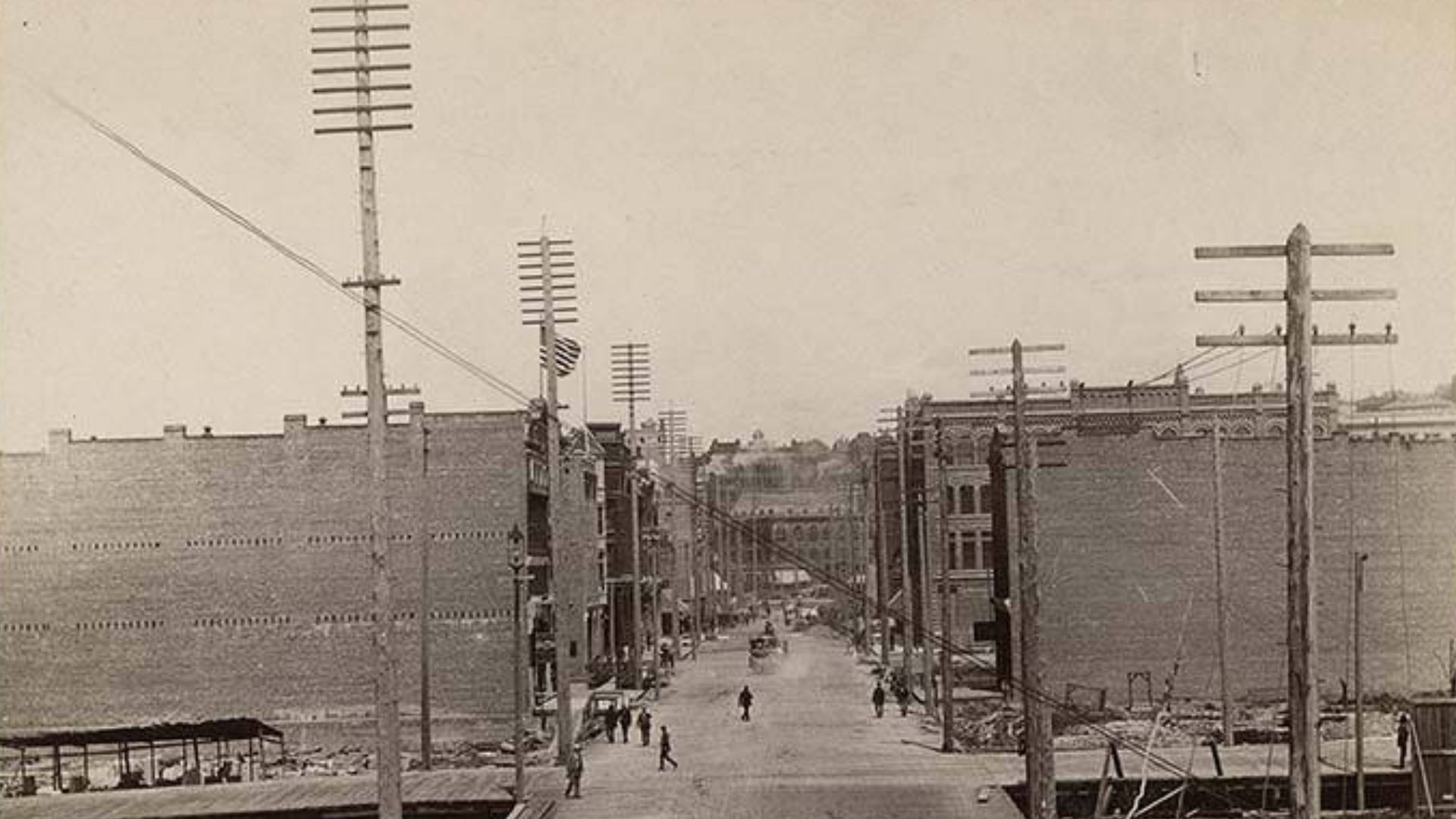
Instead of simply rebuilding at the original elevation, Seattle decided to elevate sections of its downtown streets. Workers constructed retaining walls, filled the spaces between them, and created new roadways above the old street level. This remarkable engineering project improved the city's infrastructure but also produced an unexpected consequence: portions of the original downtown were left underneath the new streets.
 Unknown authorUnknown author, Wikimedia Commons
Buildings Suddenly Had Underground Floors
Many property owners rebuilt their buildings before the surrounding streets were fully elevated. As the new roadways rose, ground-floor entrances and display windows ended up below street level, sometimes by an entire story or more. What had once been ordinary street-facing commercial spaces gradually became basement-level remnants of an earlier Seattle.
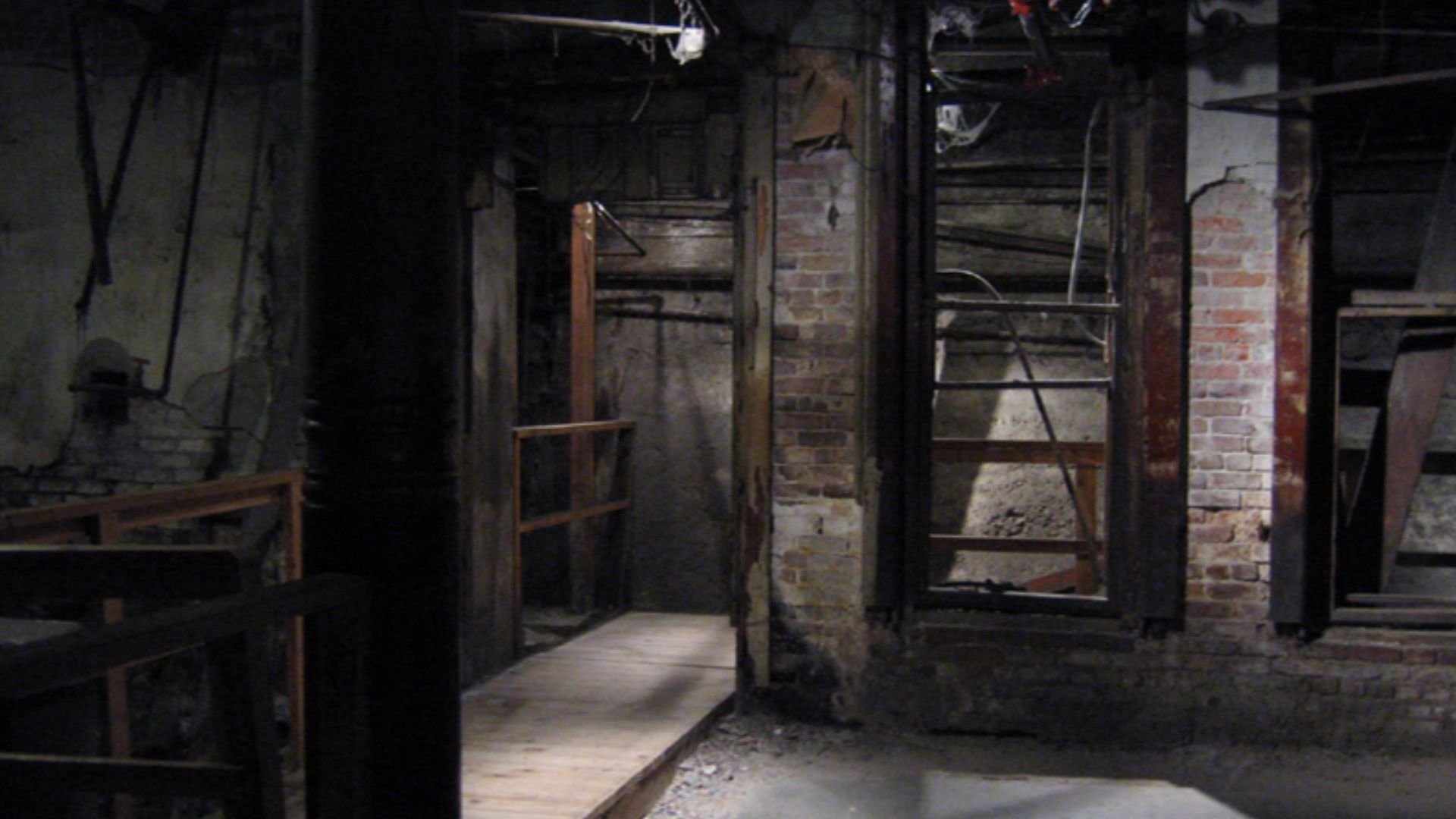
Sidewalks Created A Network Of Hidden Passages
The transformation became even more unusual when new sidewalks were constructed to connect elevated streets with building entrances. These sidewalks bridged spaces above the original pedestrian walkways, leaving hollow areas underneath. The resulting passageways preserved parts of Seattle's earlier streetscape, creating the subterranean environment that visitors can explore today.
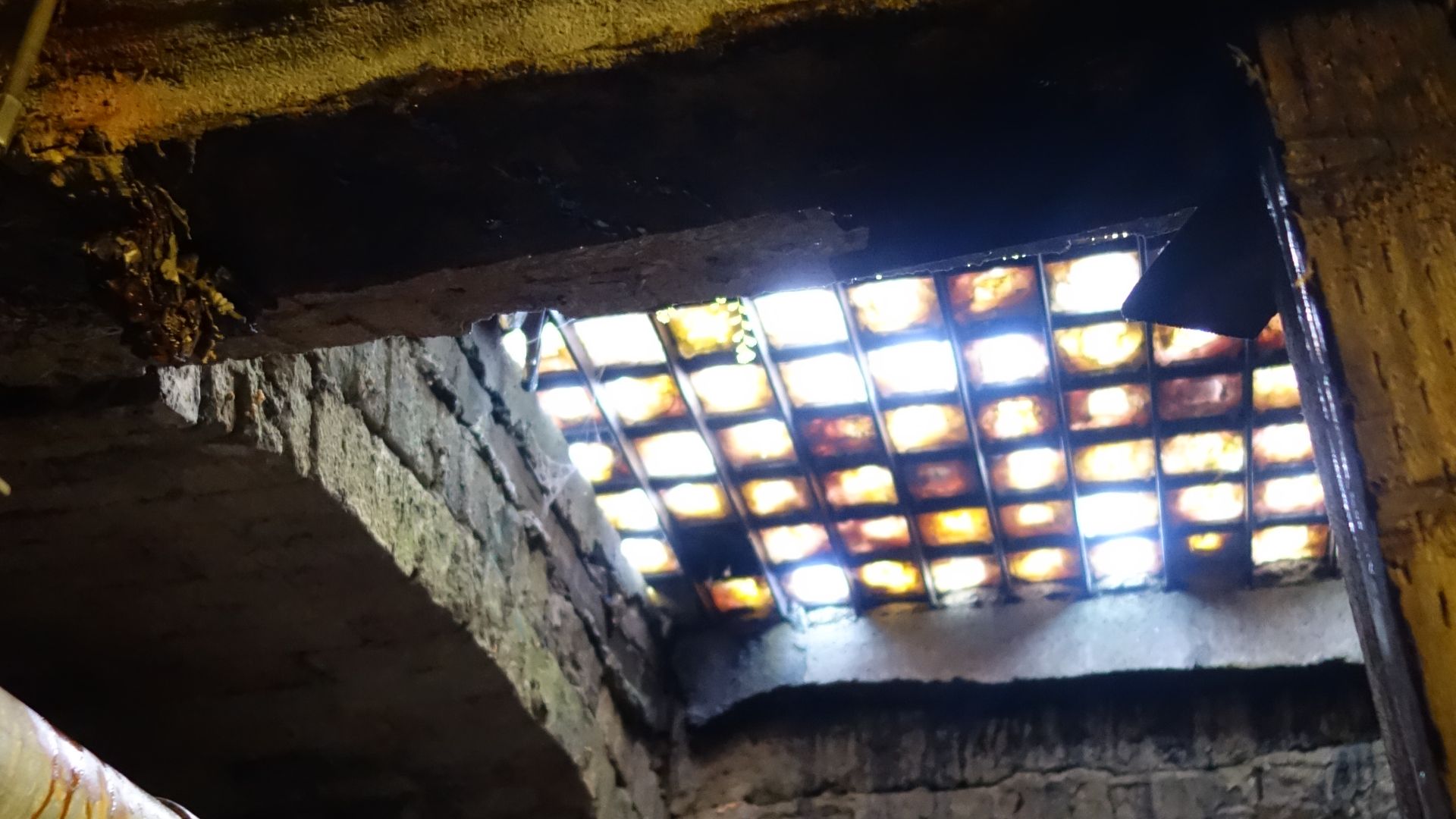
These Tunnels Were Never Meant To Be Tourist Attractions
Seattle's underground passageways were not originally designed as a secret transportation system or an elaborate network of escape tunnels. They emerged from the practical challenges of rebuilding streets and sidewalks at different elevations. The spaces that remained were eventually neglected, leaving portions of the nineteenth-century city hidden from everyday view.
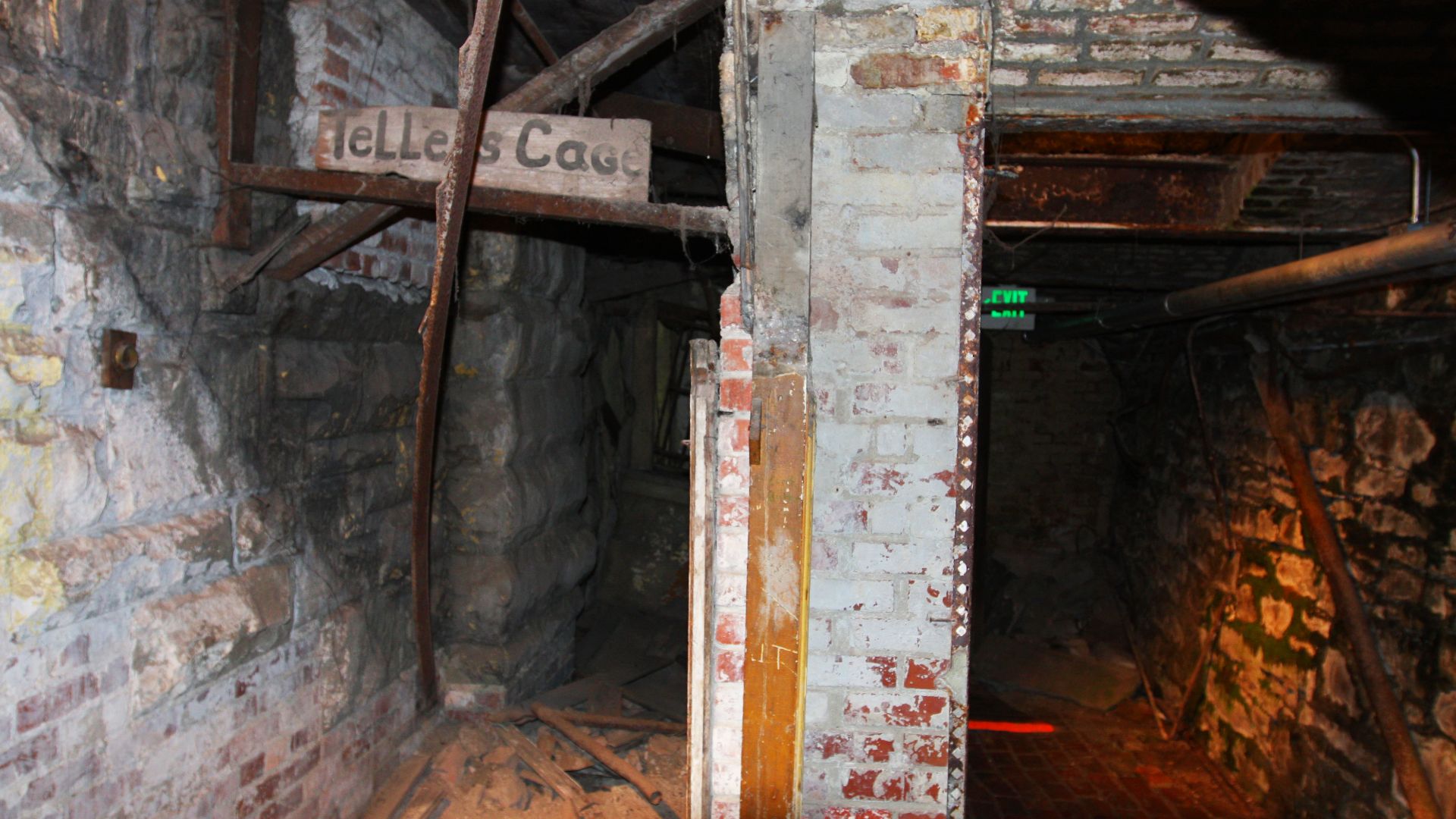 Rennett Stowe from USA, Wikimedia Commons
A Forgotten Seattle Waited To Be Rediscovered
As Seattle expanded during the twentieth century, many residents became unfamiliar with the remnants beneath Pioneer Square. Stories circulated about buried storefronts and passageways, but the underground was not yet a mainstream attraction. It took the curiosity of a local historian and preservation advocate to bring this forgotten chapter of Seattle's development back into public view.
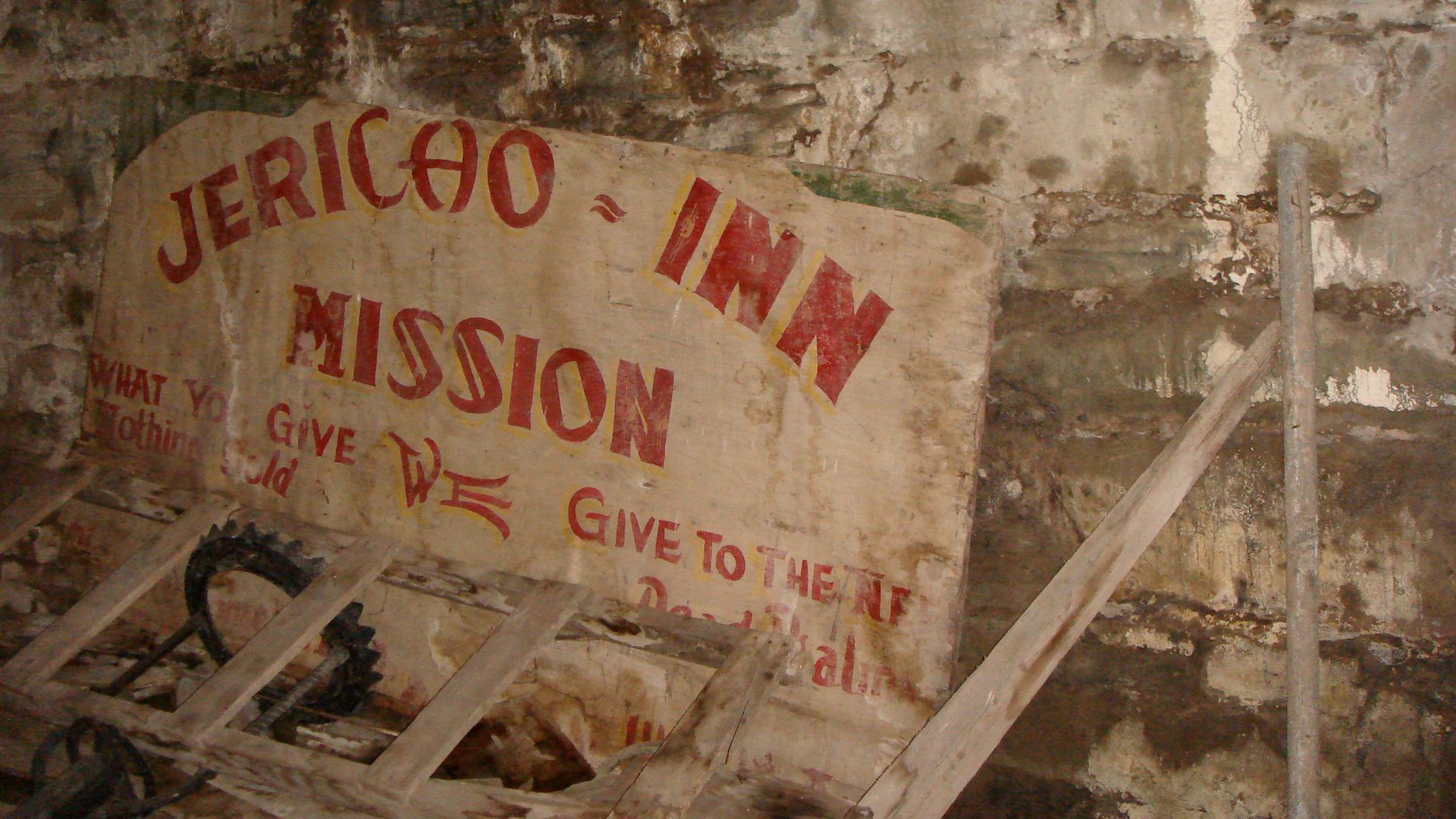
Meet The Man Who Brought Old Seattle Back
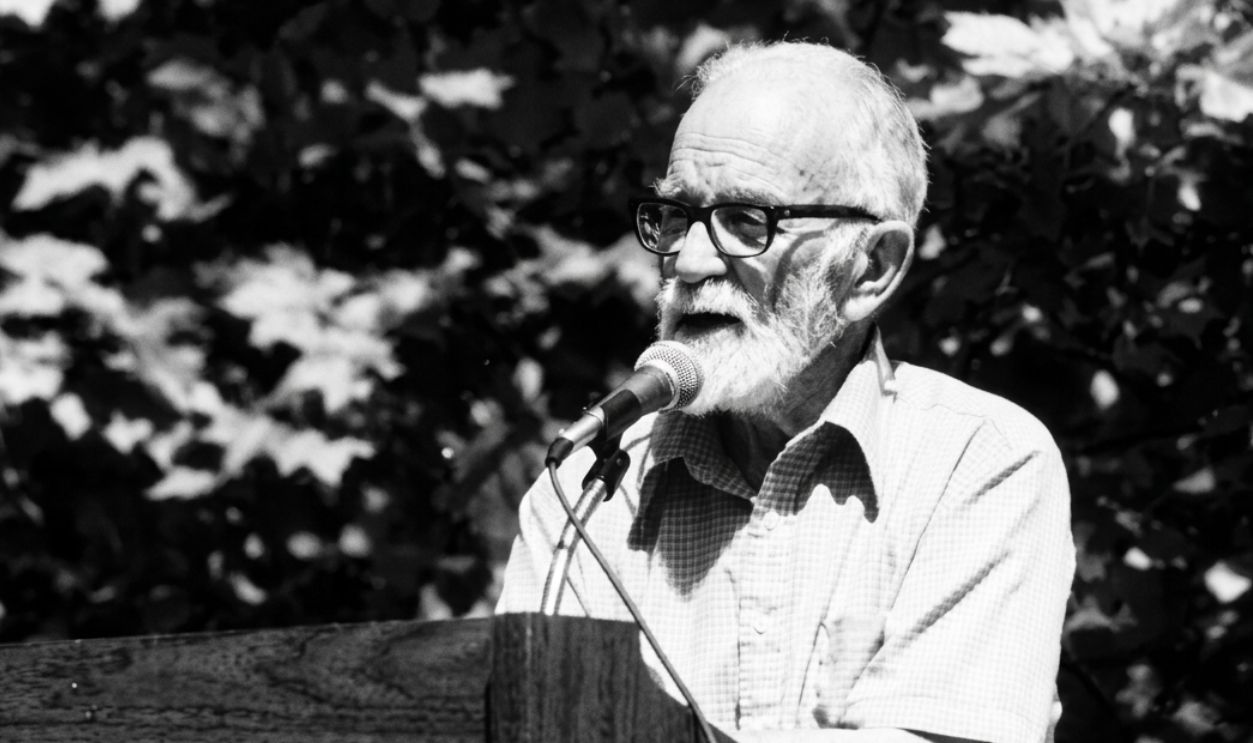
Bill Speidel was a Seattle journalist, author, and preservationist who became fascinated by the city's overlooked history. During the 1950s and 1960s, he investigated the underground passages while campaigning to protect Pioneer Square's historic buildings. His research helped transform what had been a largely forgotten urban curiosity into one of Seattle's best-known visitor experiences.
 Davidtav, Wikimedia Commons, Enhanced
Hundreds Of People Wanted To See The Underground
Speidel's accounts of Seattle's buried streets generated enormous public curiosity during the 1960s. When an early public tour was organized in 1965, approximately 500 people turned up to explore the passageways, paying a dollar apiece. That enthusiastic response helped establish the regularly scheduled Underground Tour, which soon became a permanent attraction.
The Underground Tour Helped Save Pioneer Square
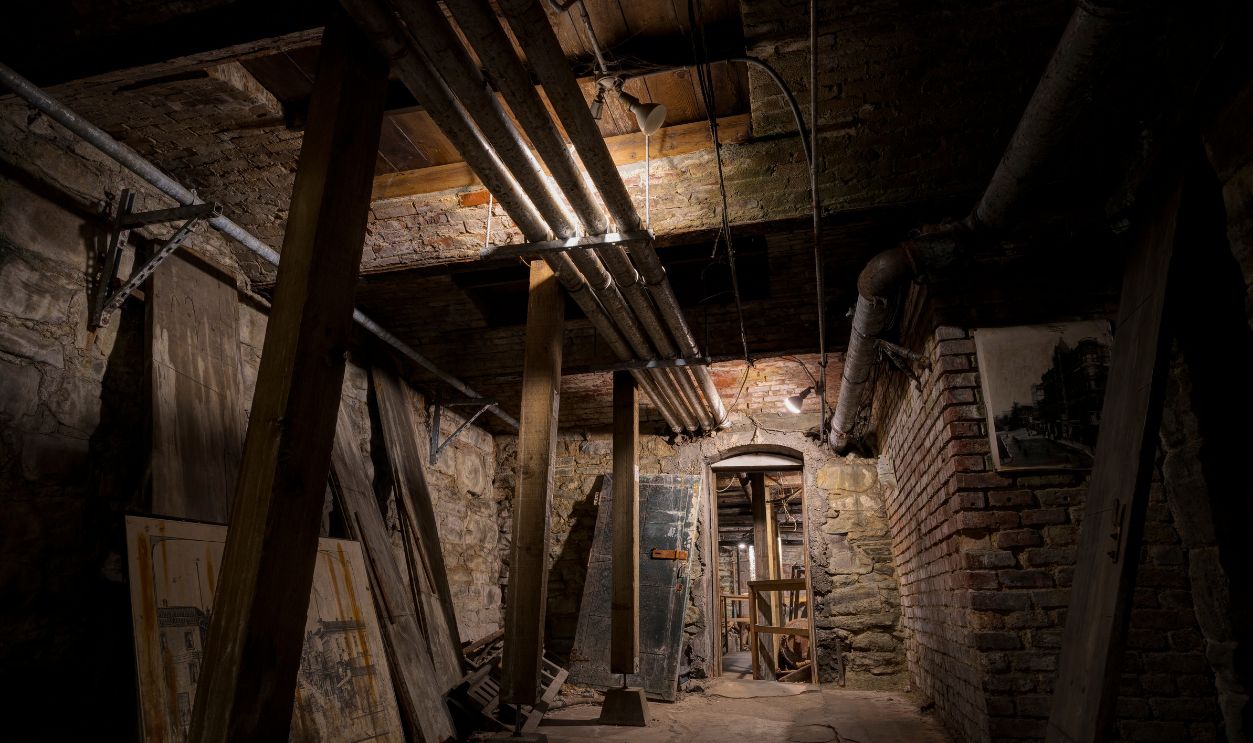
Speidel's efforts went far beyond creating an entertaining walking tour. He was a prominent advocate for protecting Pioneer Square at a time when historic buildings faced deterioration and possible demolition. The preservation movement succeeded in securing historic recognition for the neighborhood in 1970, helping ensure that future generations could explore both its buildings and the underground spaces beneath them.
 Adam Moss from Tonawanda, New York, United States, Wikimedia Commons
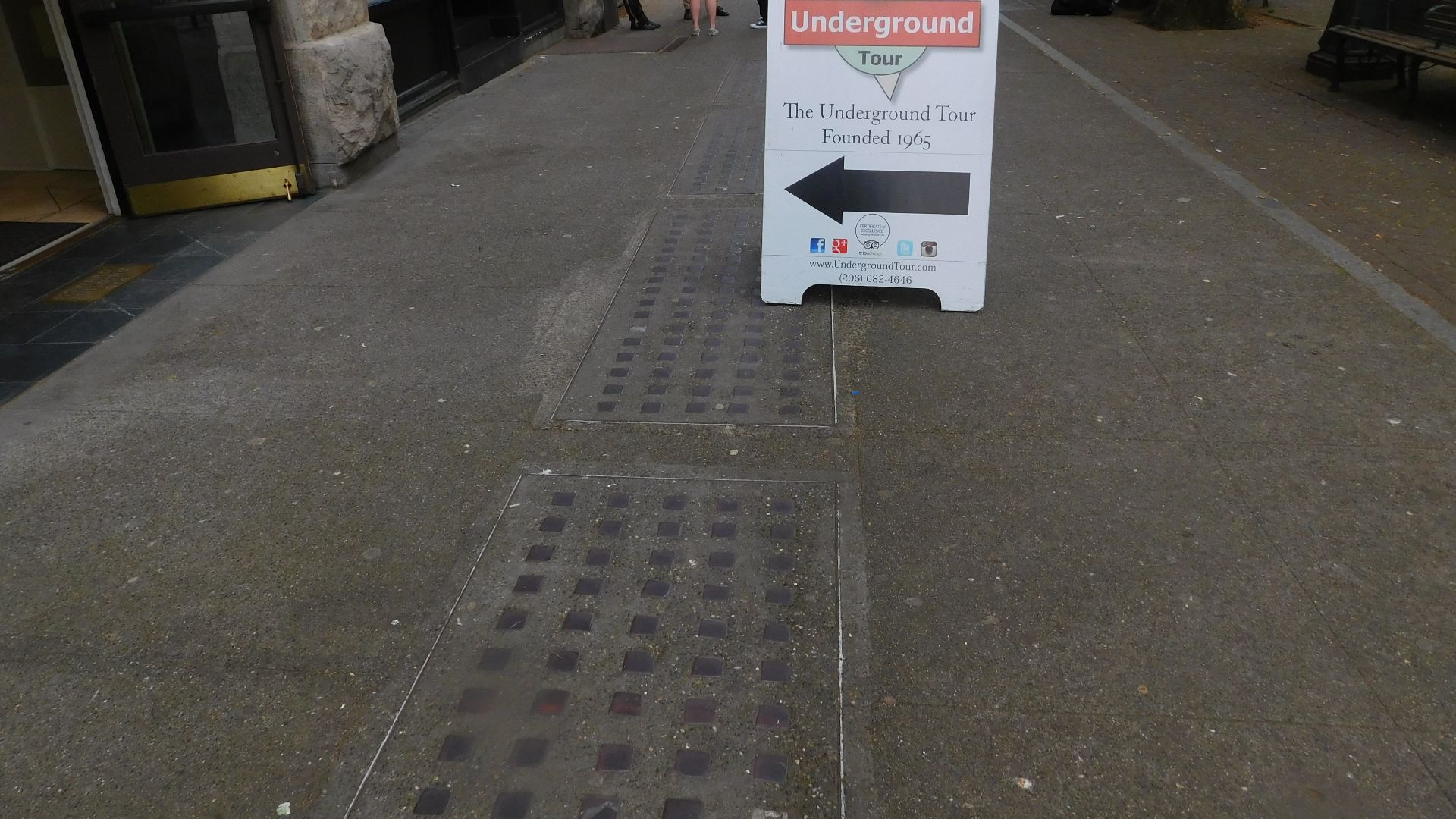
Your Adventure Starts At 614 First Avenue
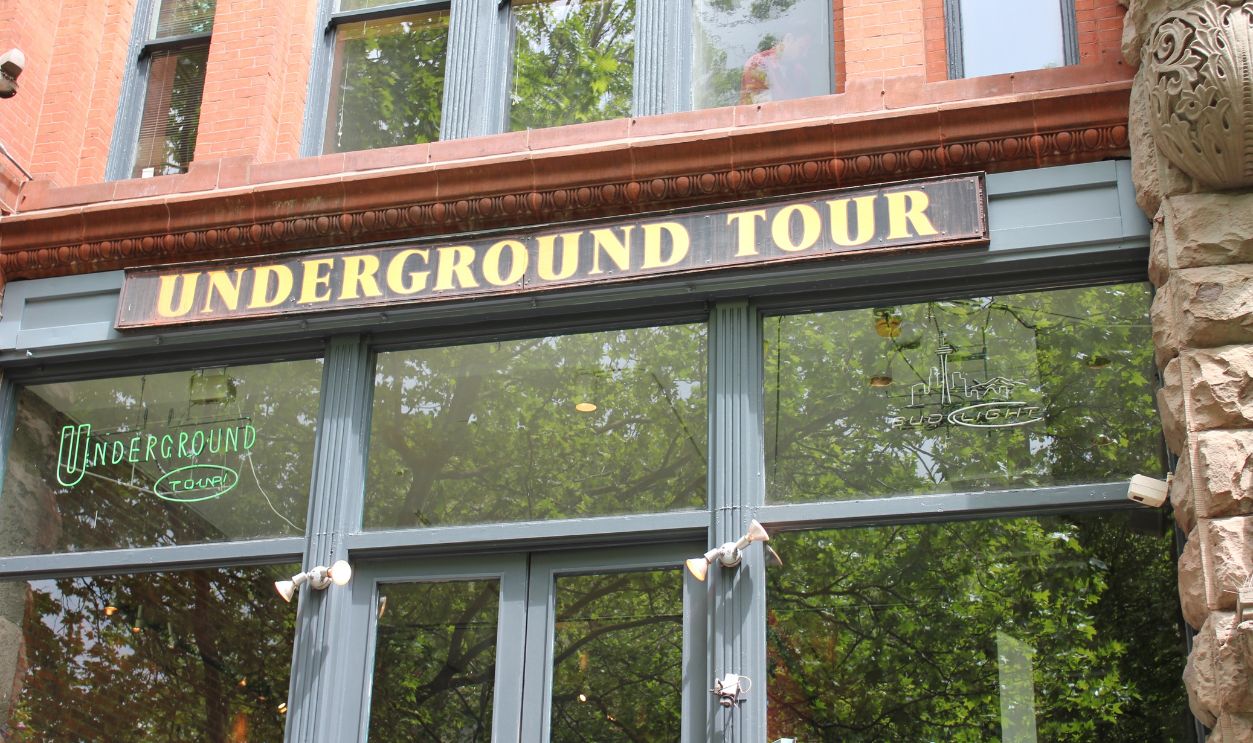
Today, Bill Speidel's Underground Tour operates from 614 First Avenue in the heart of Pioneer Square. The experience begins beneath Doc Maynard's Public House, a location connected to Speidel's fascination with one of Seattle's colorful early pioneers. From there, visitors follow a guide through the neighborhood before descending into the passageways that reveal the city's earlier street level.
A 75-Minute Journey Through Seattle's Past
The guided experience lasts approximately 75 minutes, making it a manageable addition to a day of sightseeing. Visitors spend part of the tour aboveground learning about Pioneer Square before exploring subterranean sidewalks and former commercial spaces. The combination of storytelling and preserved architecture helps explain how Seattle's dramatic rebuilding project changed the city forever.
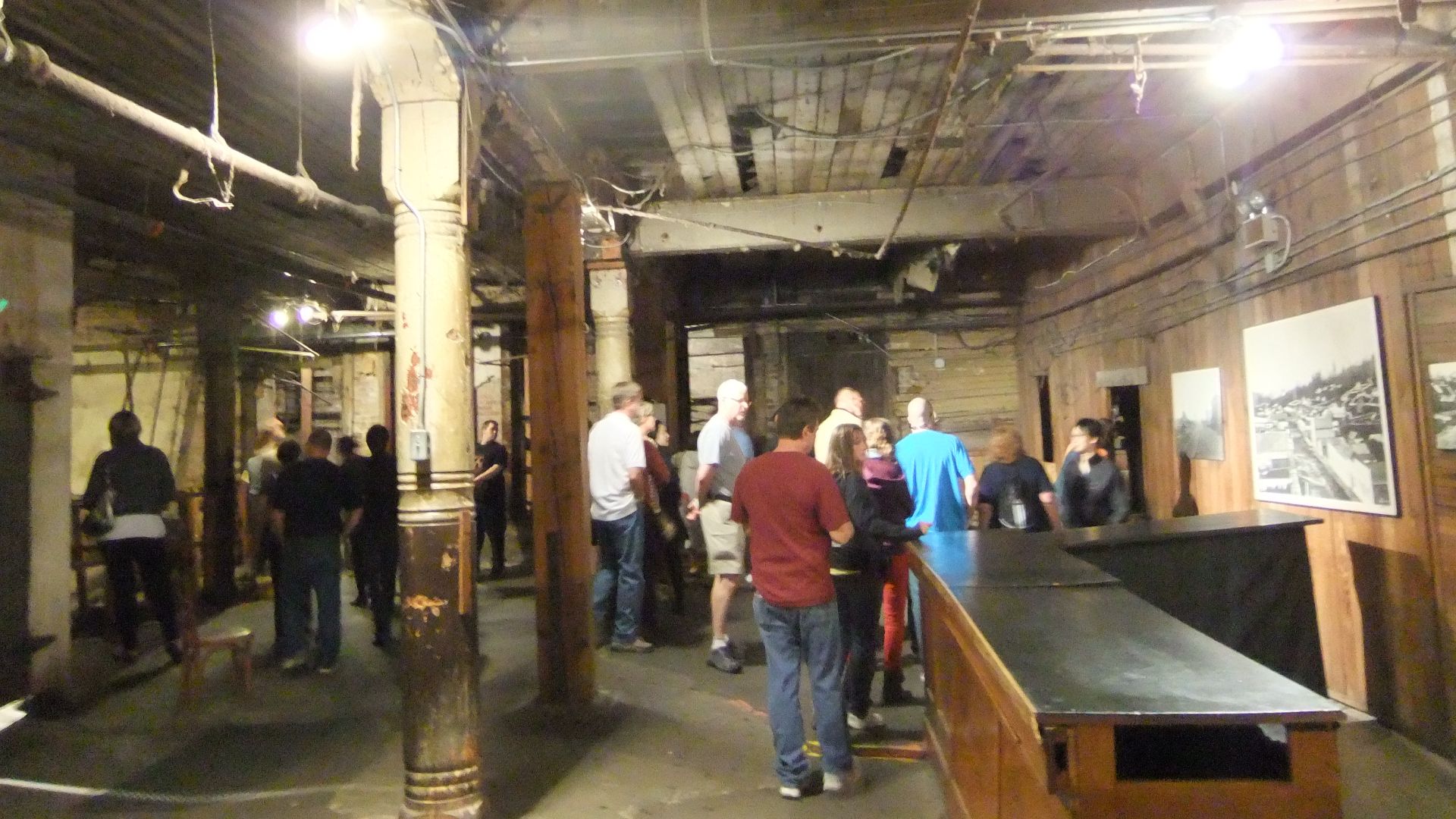 Peter Collins from Maidenhead, UK, Wikimedia Commons
The Old Storefronts Are The Real Stars
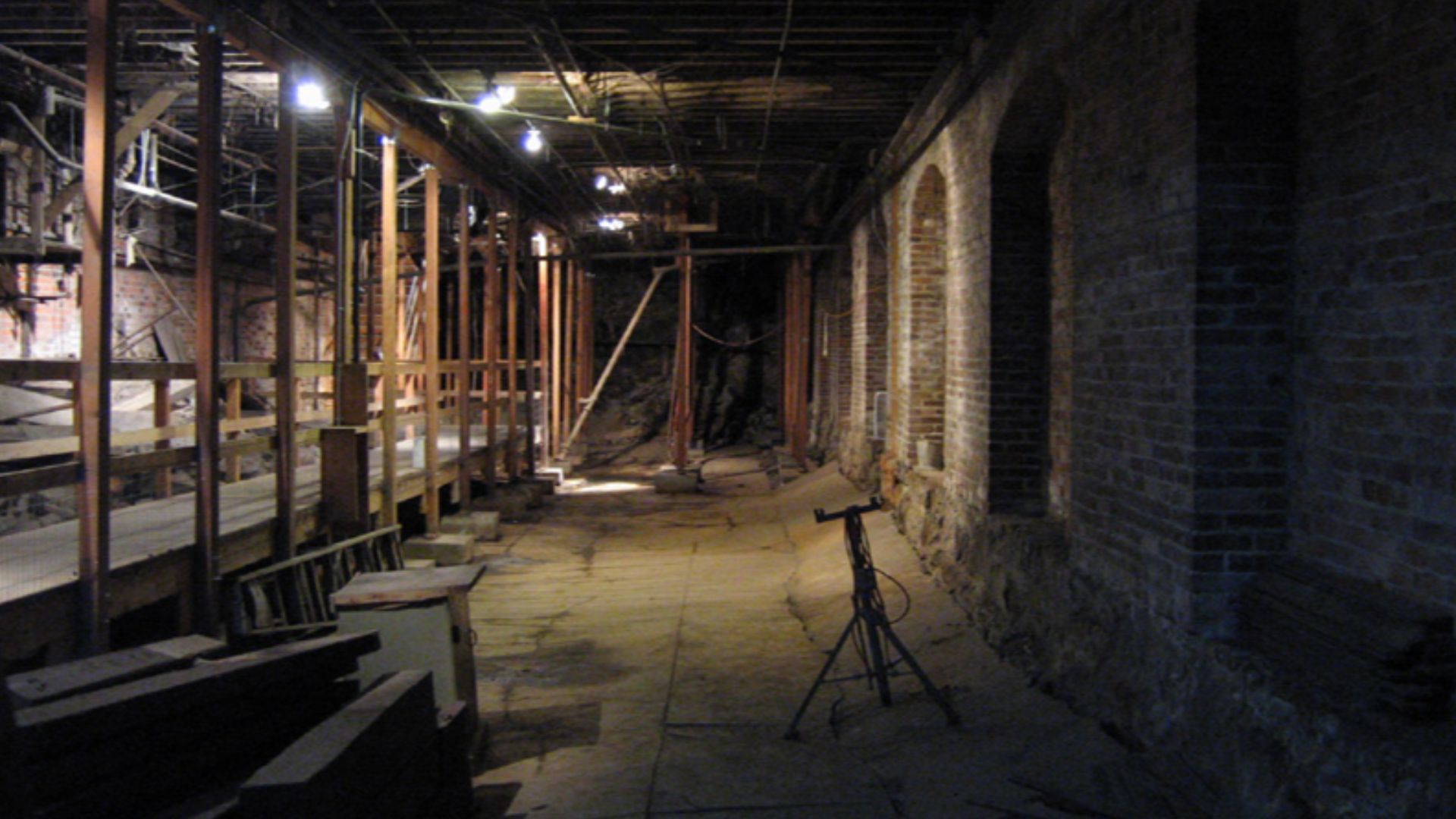
One of the tour's most memorable features is the opportunity to see former street-level storefronts that ended up beneath modern sidewalks. These spaces provide a physical reminder that Seattle's nineteenth-century streets once sat considerably lower than they do today. Rather than simply hearing about the rebuilding project, visitors can examine the architectural evidence left behind.
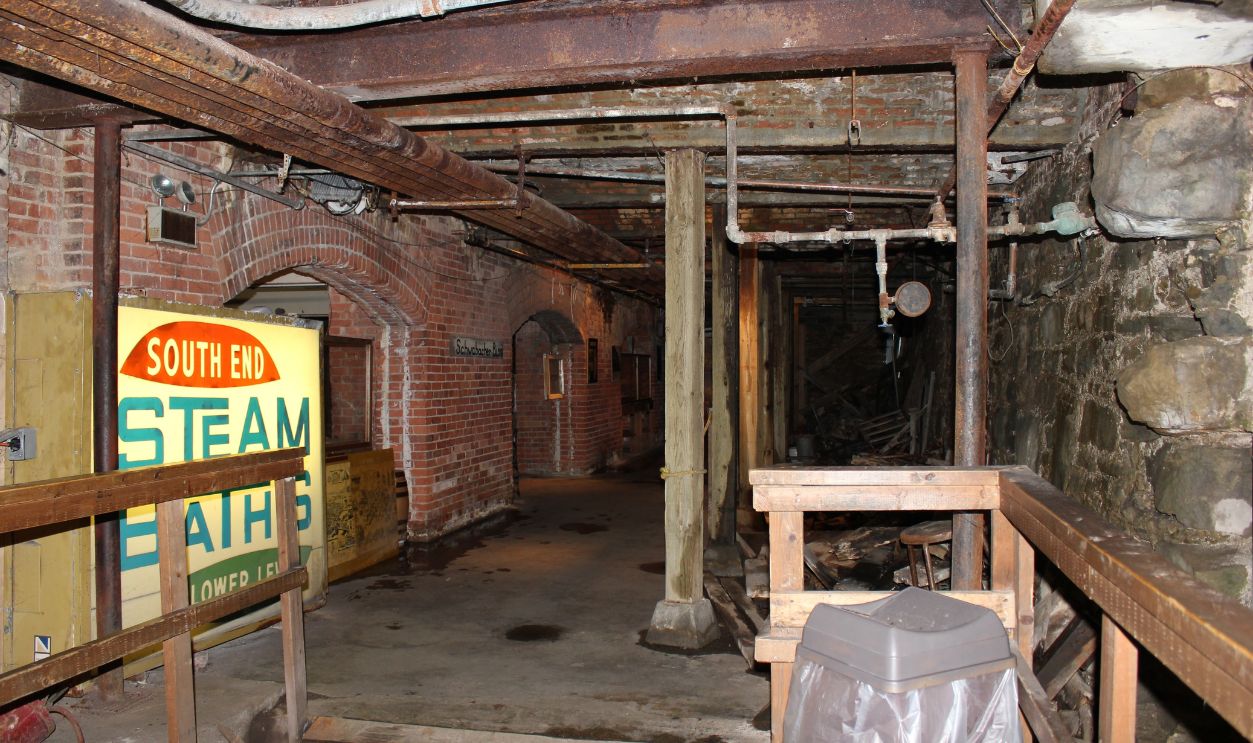
You Can Walk Where Seattleites Once Walked
The underground passages include sections of the original pedestrian environment that existed before the streets were elevated. Walking through these spaces offers a perspective that is difficult to appreciate from the modern streets above. Visitors can see how sidewalks, building entrances, and storefront windows became separated from the city's new street level.
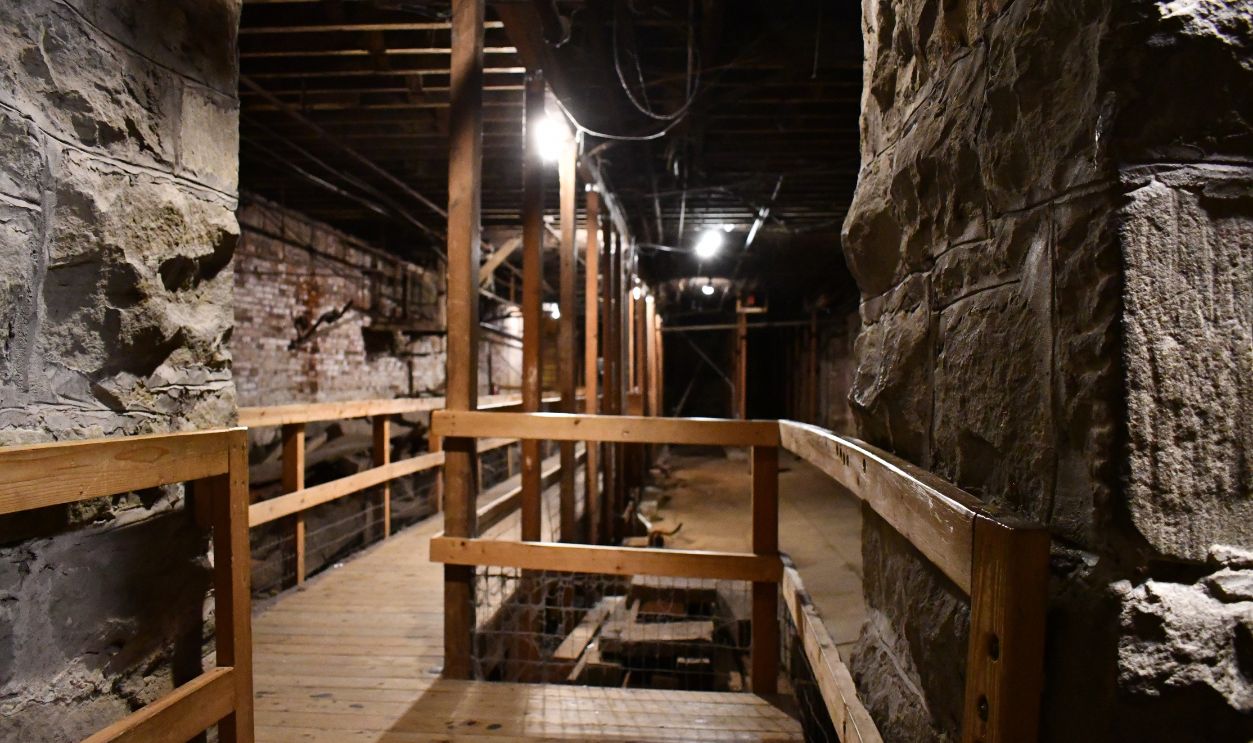 Jacqlyn Carmichael, Shutterstock
The Guides Bring Plenty Of Humor Underground
Bill Speidel's Underground Tour is known for combining local history with an entertaining, sometimes irreverent storytelling style. Guides share anecdotes about Seattle's early residents, urban planning problems, and the circumstances surrounding the Great Fire. The approach reflects Speidel's belief that history becomes more engaging when it includes the personalities and questionable decisions that shaped a city.
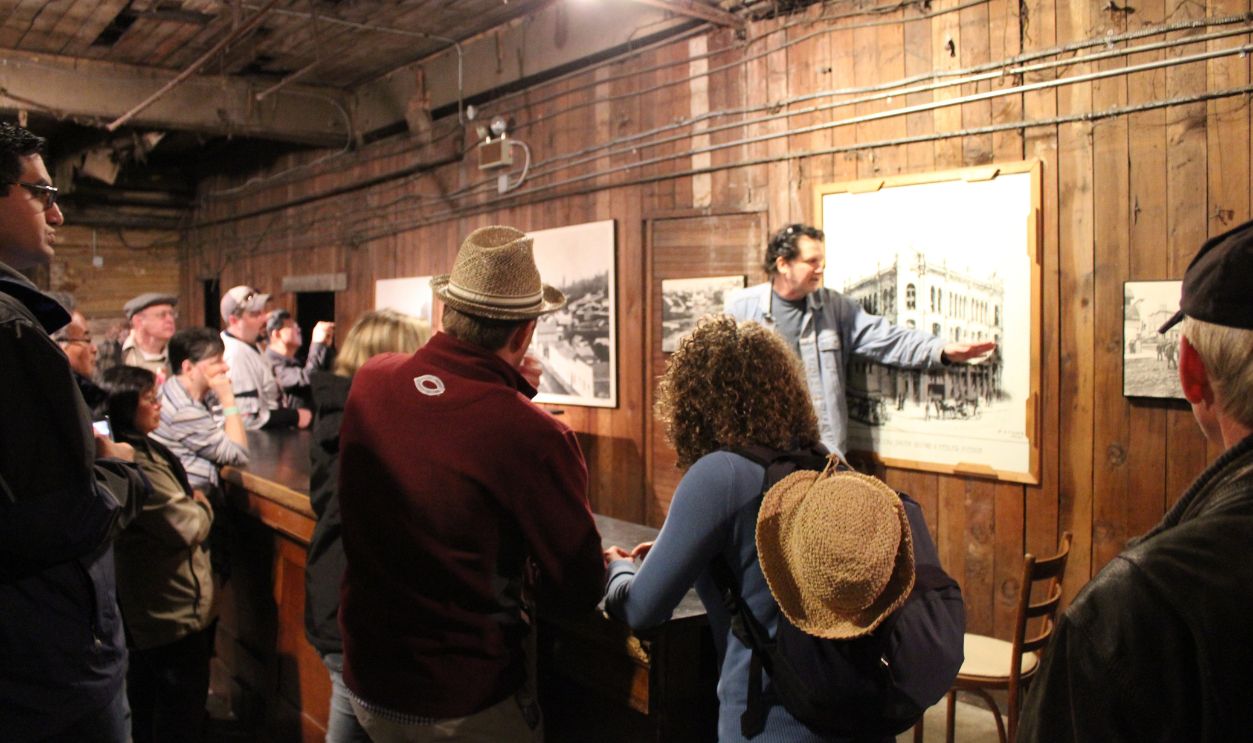
The Tour Reveals Seattle's Less Glamorous Side
Not every story beneath Pioneer Square involves impressive architecture or ambitious engineering. Seattle's early residents dealt with muddy streets, troublesome sewers, and an urban environment that could be remarkably unpleasant. The tour uses these everyday difficulties to explain why officials were so determined to change the city's infrastructure after the fire.
A Gold Rush Added Another Chapter To The Story
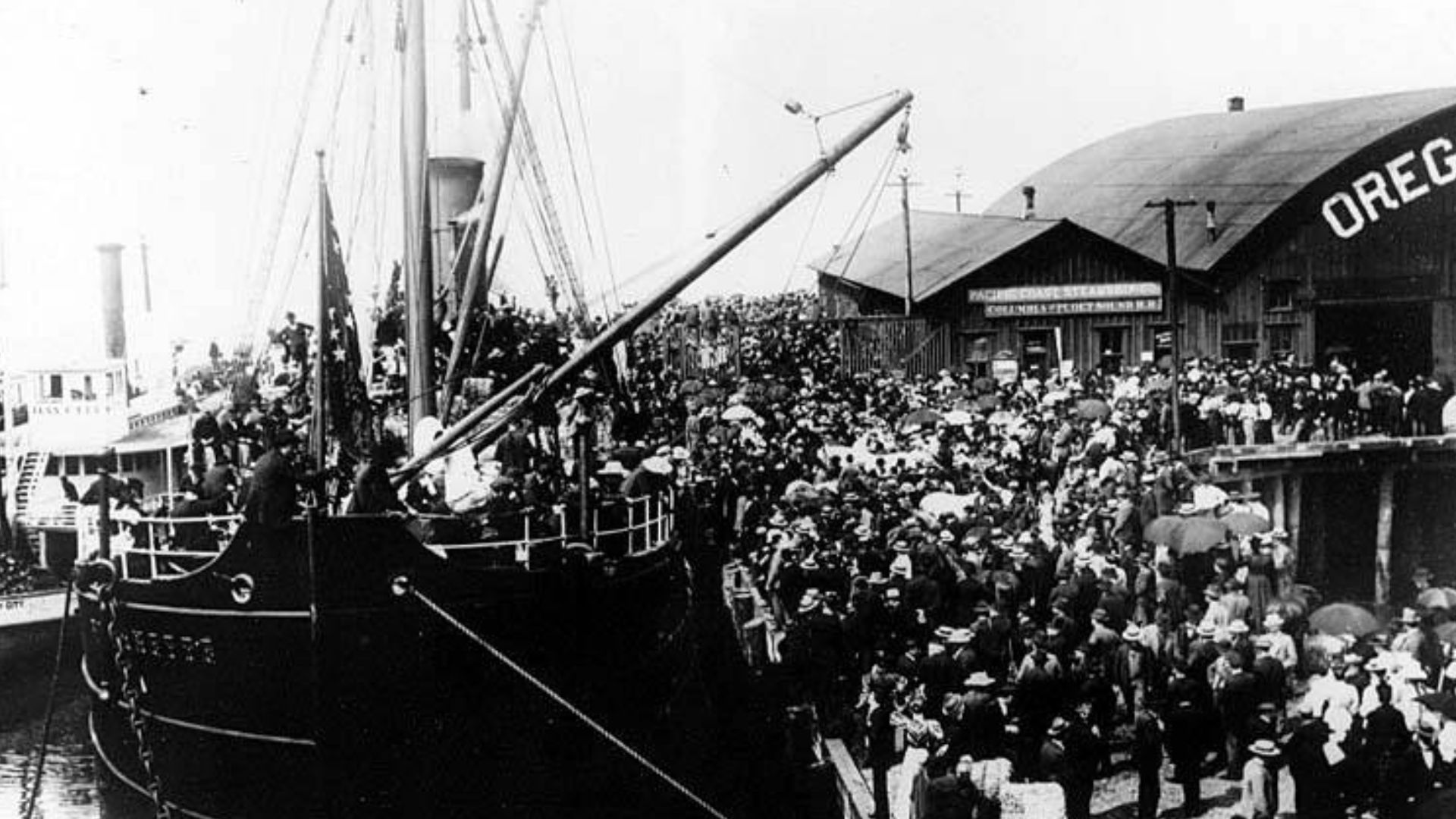
Seattle's transformation continued when the Klondike Gold Rush began in 1897, bringing thousands of prospectors through the city on their way north. Businesses supplying travelers with equipment and provisions helped fuel another period of commercial growth. This boom strengthened the importance of Pioneer Square, connecting the neighborhood's rebuilt architecture with one of the Pacific Northwest's most famous historical episodes.
 Curtis, Asahel, 1874-1941, Wikimedia Commons
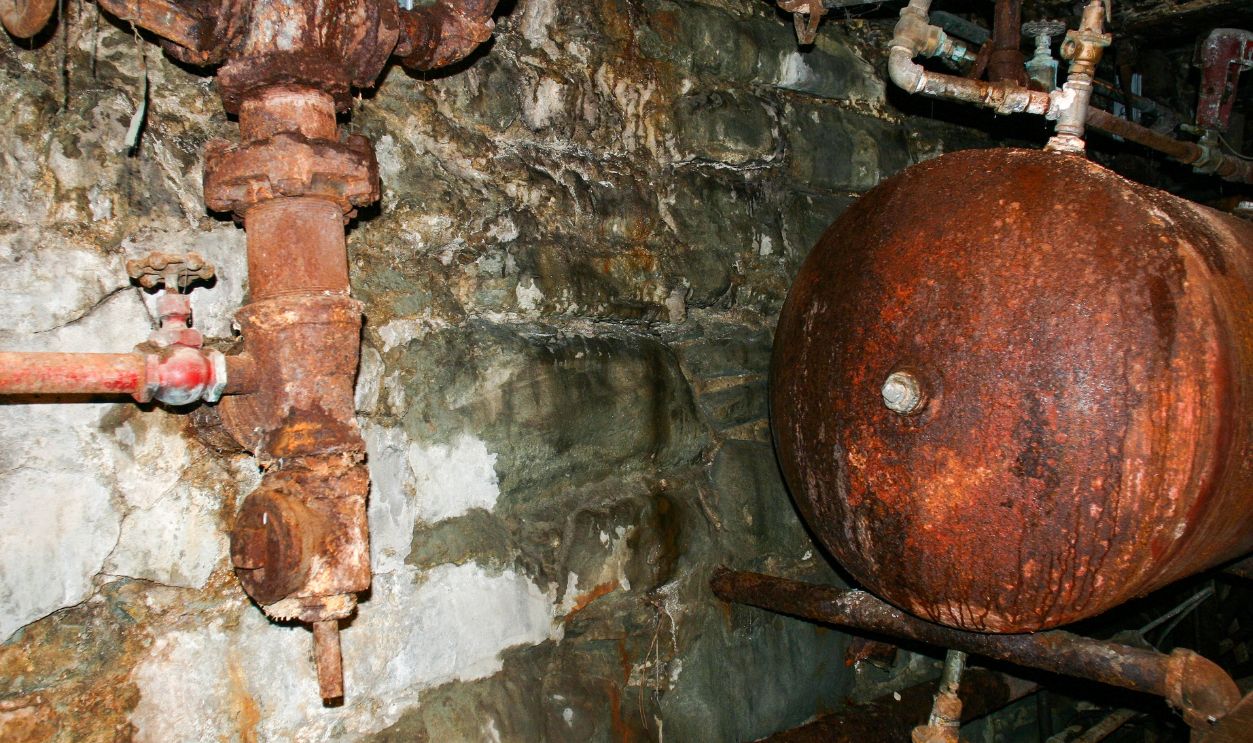
Expect Stairs, Uneven Ground, And Dim Lighting
Although the Underground Tour is a popular sightseeing experience, its historic setting is more rugged than a typical museum. Visitors should expect flights of stairs, uneven walking surfaces, and areas with limited lighting. Comfortable shoes with good traction are a sensible choice, and anyone with mobility concerns should contact the operator before booking to discuss accessibility.
Planning Ahead Makes The Visit Easier
The tour operator advertises hourly departures throughout the year, generally between 10 a.m. and 6 p.m., with some seasonal adjustments and holiday closures. Tickets can be purchased in advance or at the Pioneer Square ticket booth, although availability depends on demand. Checking the official schedule and reserving ahead is a practical way to avoid disappointment, especially when visiting during Seattle's busy summer tourism season.
Pioneer Square Deserves More Time Aboveground
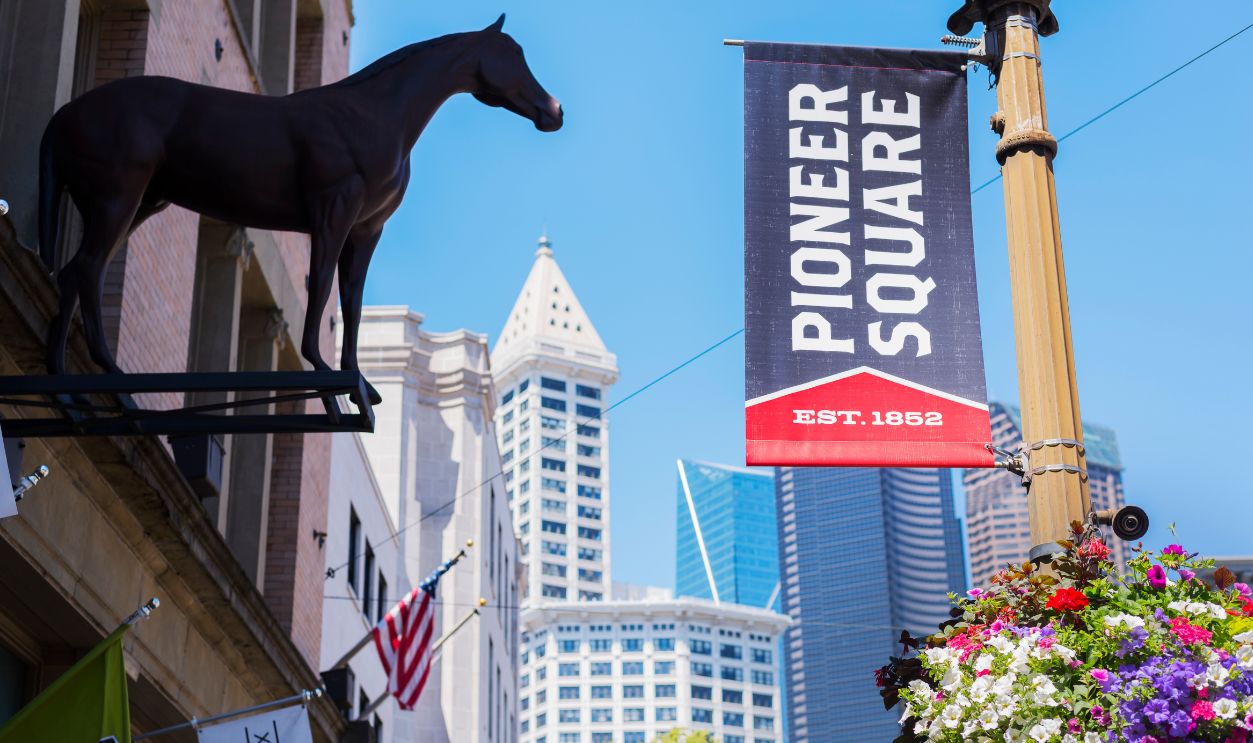
The underground experience also provides an excellent introduction to Pioneer Square's historic architecture and streets. Visitors can continue exploring the neighborhood after the tour, paying closer attention to the brick buildings and raised streets that tell the story of Seattle's reconstruction. Seeing the district from both above and below helps put the city's extraordinary nineteenth-century transformation into perspective.
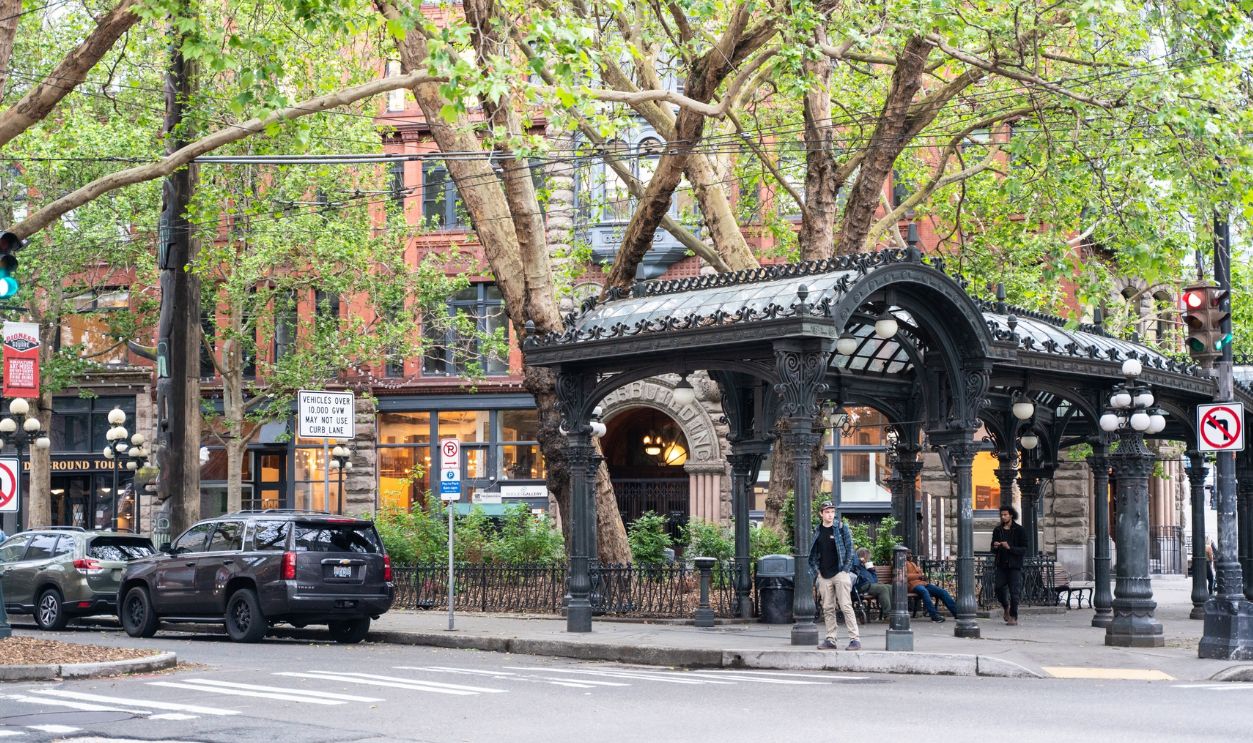 Little Vignettes Photo, Shutterstock
Seattle's Underground Is A Must-See Piece Of History
What makes Bill Speidel's Underground Tour special is that it reveals a chapter of Seattle's past that most visitors would otherwise walk straight over. The preserved passageways demonstrate how a devastating fire led to ambitious rebuilding decisions that permanently changed the city. For travelers interested in architecture, local history, or unusual attractions, exploring Seattle's buried streets offers a memorable way to discover the city beneath the modern one.
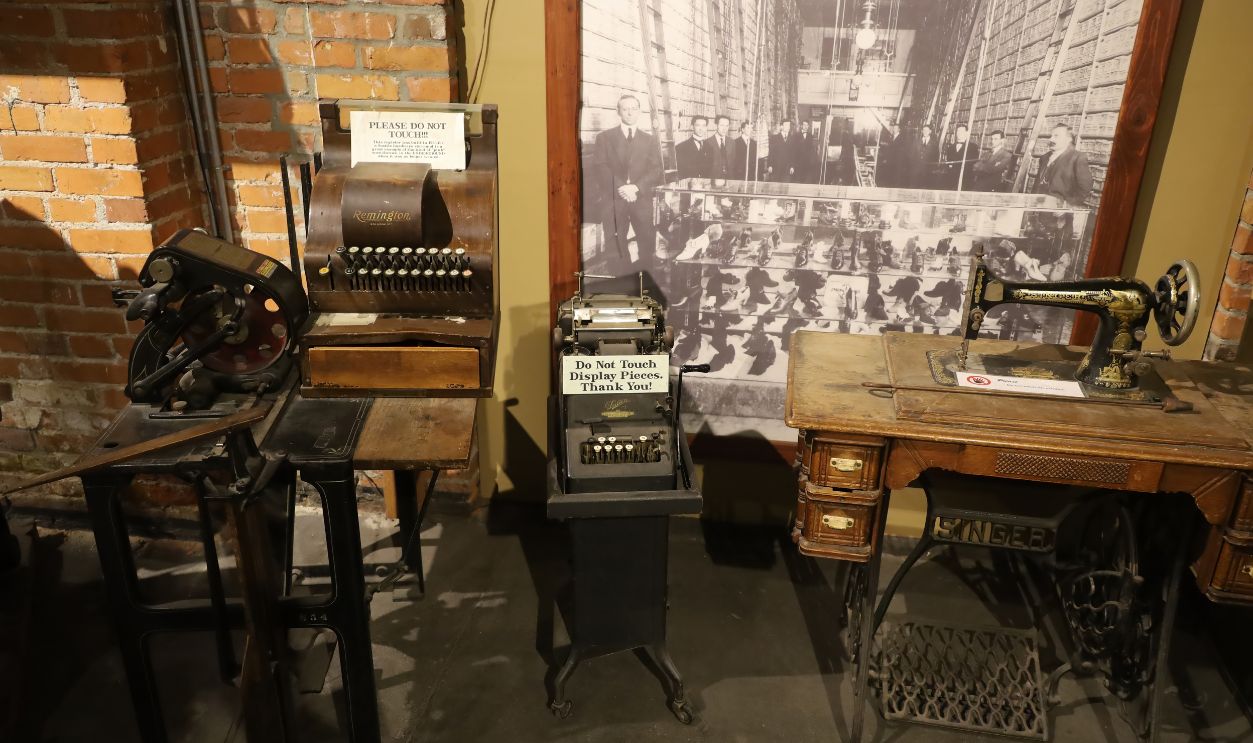
You May Also Like:
U.S. Visitors Are Spending More In Canada Even As Cross-Border Travel Changes