Pet-Friendly Does Not Necessarily Mean Pets Stay Free
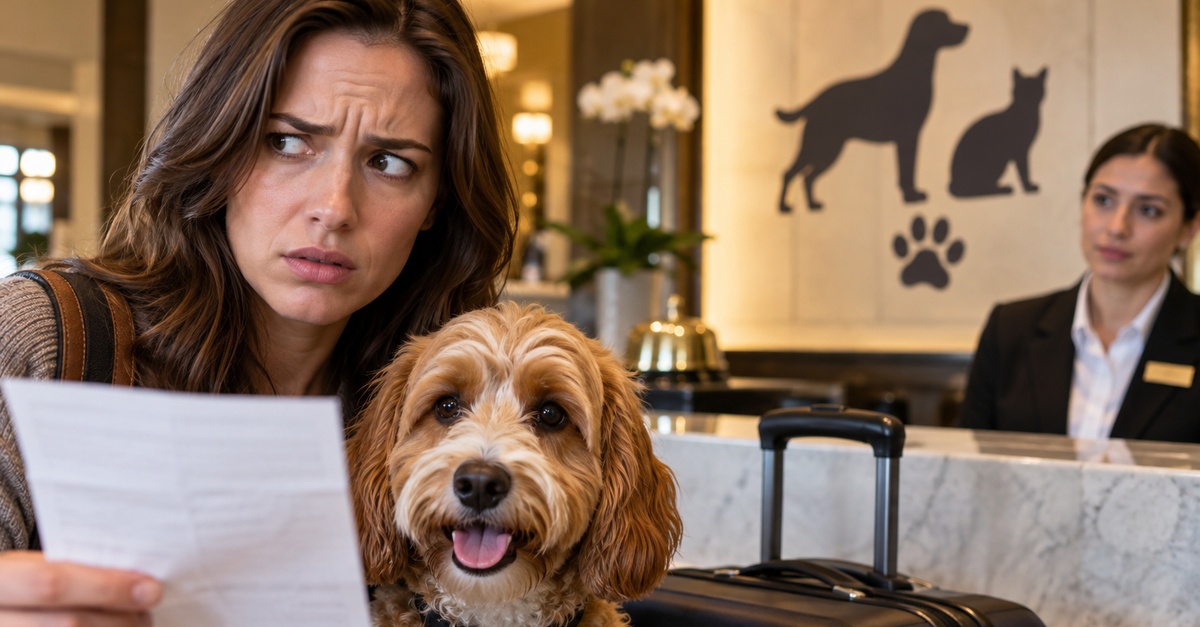
Seeing "pet-friendly" beside a hotel can reasonably make travelers think their dog or cat is welcome. It does not necessarily mean bringing that animal costs nothing. Hotels may impose pet fees while still describing themselves as pet-friendly, but how and when those charges are disclosed matters. The important distinction is between permission to bring a pet and the price attached to doing so.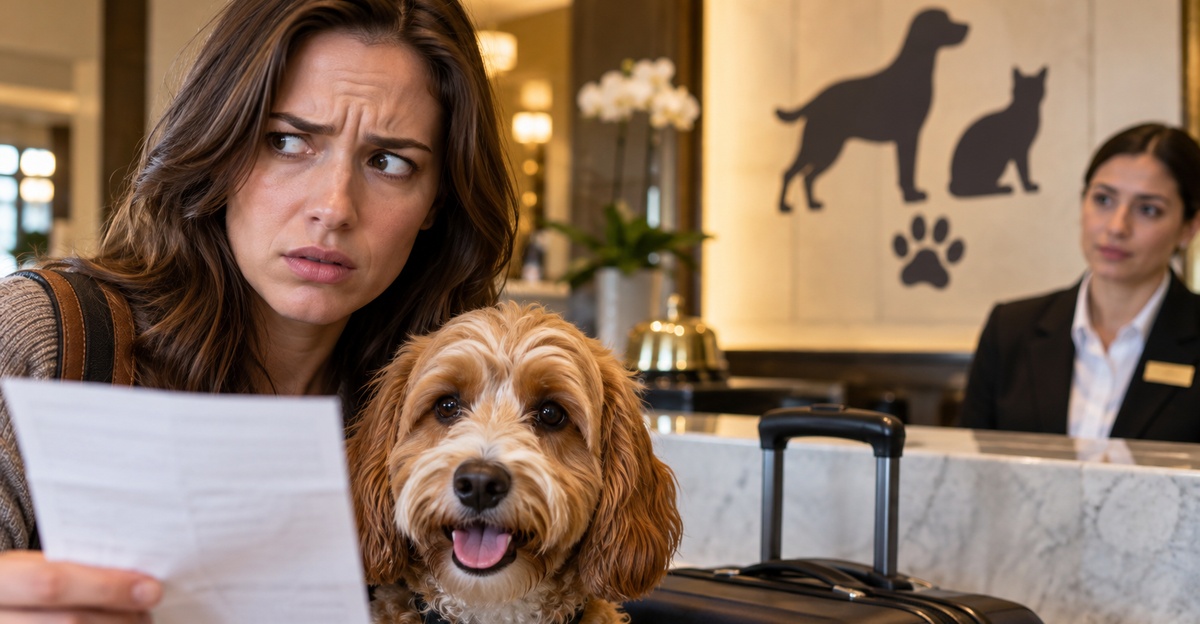 Factinate Ltd
The Fee Should Not Be A Check-In Surprise
A traveler who learns about a pet charge only after arriving has a legitimate reason to question the booking process. Since May 12, 2025, the Federal Trade Commission's Rule on Unfair or Deceptive Fees has imposed specific pricing requirements on businesses selling short-term lodging. The rule targets hidden charges and misleading representations about prices and fees. Hotels, travel agents, and third-party booking platforms can all fall within its scope.

The FTC Changed Hotel Pricing Rules
The federal rule requires covered businesses that display lodging prices to show the total price including mandatory fees that they know about and can calculate upfront. The displayed total must be more prominent than most other pricing information. Businesses may still provide an itemized breakdown showing how that total was calculated. The rule focuses on transparency rather than banning particular fees.

Mandatory And Optional Fees Are Treated Differently
This distinction is crucial for understanding a pet fee. A resort fee that every guest must pay is mandatory and generally belongs in the displayed total price. An optional charge connected to something the traveler chooses can initially be excluded. The FTC specifically recognizes optional ancillary goods and services as different from unavoidable charges.
 LightField Studios, Shutterstock
A Pet Fee Can Be An Optional Charge
For a traveler without an animal, a genuine pet fee is normally avoidable because that guest does not purchase the pet-related accommodation. That makes it different from a mandatory resort or cleaning fee imposed on everyone. Under the FTC rule, charges for optional ancillary goods or services do not necessarily have to appear in the hotel's first advertised total. That does not give a hotel unlimited freedom to reveal them whenever it wants.

Disclosure Still Matters Before Payment
When an optional add-on is selected during the transaction, the FTC requires the business to clearly and conspicuously disclose the applicable charge and include it in the final amount before asking the customer to pay. The final payment amount must be displayed at least as prominently as the earlier total price. That principle is particularly relevant when a booking system asks whether a guest is bringing a pet. Once the choice is known and the charge can be calculated, hiding it until arrival becomes much harder to justify.

The Booking Process Is Important
Imagine a reservation page that asks whether you are traveling with a dog and you answer yes. If that selection triggers a known $75 pet charge, the hotel or booking platform has information that allows it to calculate the additional cost. FTC guidance says that when a customer selects an optional feature that changes a hotel rate, the total price must be updated to reflect that choice. The timing of the disclosure can therefore be just as important as the existence of the fee.

Some Charges Cannot Be Known Yet
There are situations where a business genuinely cannot calculate a charge when the reservation is made. The FTC recognizes that fees depending on later consumer choices or behavior may sometimes be excluded from the initial price. Fees incurred after purchase can also be treated differently when they could not have been known at the time. That makes the specific booking sequence important when deciding whether a pet fee was improperly hidden.
 Gustavo Fring, Pexels, Modified
A Tiny Policy Link May Raise Questions
The FTC requires covered pricing disclosures to be clear and conspicuous. The rule is designed to prevent businesses from presenting attractive prices while obscuring charges that materially change what consumers pay. A hotel therefore cannot assume that every method of mentioning a fee satisfies federal requirements simply because the information exists somewhere on a website. How prominently and when the information appeared can matter.

The Final Price Has Its Own Requirement
The FTC makes another distinction that travelers should know. Certain allowable exclusions can be left out of the initial total, but the final amount of payment must be calculated and prominently displayed before the customer is asked to pay. That amount includes applicable excluded charges that have become known during the transaction. This requirement helps prevent the checkout page itself from becoming the source of another pricing surprise.

Pet-Friendly Is Still A Representation
Price is not the only thing covered by the FTC rule. Businesses also cannot misrepresent required fee-related information, including the amount and purpose of charges. FTC guidance says businesses must tell the truth about other fee information they choose to provide as well. A property's overall presentation therefore matters when deciding whether its description and its actual pet policy fit together.

The Rule Does Not Make Pet Fees Illegal
Travelers should separate an unwelcome charge from an unlawful one. The FTC's rule does not prohibit hotels from charging particular types or amounts of fees. Instead, it regulates how prices and charges are presented and prohibits misleading fee practices. A clearly disclosed $100 pet fee can therefore raise fewer federal transparency concerns than a smaller fee concealed until arrival.

Third-Party Booking Sites Are Covered Too
Booking through an online travel company does not automatically remove federal pricing protections. The FTC says its fee rule covers businesses that offer, display, or advertise short-term lodging, including third-party platforms, travel agents, and resellers. Travelers should therefore save both the hotel's own policy and the listing displayed by the booking service. Those pages may show where the disclosure process broke down.

The FTC Is Already Pursuing Fee Cases
Fee transparency is not merely a theoretical issue. In 2026, the FTC announced a $35 million settlement with the companies operating the Hopper travel apps over allegations that included hidden and preselected charges and deceptive representations about fees. The case demonstrates the agency's continuing interest in how travel companies present additional charges to consumers. It also shows why consent and clear disclosure matter in online travel transactions.
 AI25.Studio AI GENERATIVE, Pexels
State Law Can Offer More Protection
Federal rules are only one part of the picture because states can impose their own requirements. The FTC expressly acknowledges that state or local laws may differ from the federal rule. Travelers should therefore check the consumer-protection rules of the state connected with their transaction when a disputed hotel fee is substantial. In some places, state requirements may be stricter.

California Provides A Useful Example
California's Honest Pricing Law generally requires businesses to advertise a price containing all mandatory charges other than specified exclusions. The California Attorney General summarizes the principle by saying the advertised price must include what consumers are required to pay. Optional services and features do not have to be incorporated into that advertised price. The distinction again turns on whether the charge is actually optional.

Save What The Listing Actually Said
If you are challenging a pet fee, evidence can matter more than your memory of the booking page. Keep the confirmation email, reservation receipt, screenshots of the pet-friendly listing, checkout total, and any pet-policy page you saw. Also save messages showing that you told the property you were bringing an animal. Those records can help establish what information the hotel had and what you were told before payment.

Check The Reservation Confirmation
The confirmation is often the easiest place to start reconstructing the transaction. Look for sections labeled policies, additional charges, pets, property rules, or important information. Compare those terms with what appeared during checkout and with the amount ultimately charged. A fee that was plainly presented before payment creates a different dispute from one that first appeared at the front desk.

Ask The Hotel To Identify The Disclosure
Instead of beginning with a broad complaint, ask the hotel where the fee appeared before you agreed to the reservation. Request the specific policy or booking screen that disclosed the amount. If the property can point to a clear pre-payment disclosure, you will have more information for evaluating the charge. If it cannot, that absence can become central to your complaint.

Put The Complaint In Writing
A written complaint creates a record of what happened. Include the reservation number, booking date, advertised price, pet fee, and the point at which you first learned about the charge. Attach screenshots or confirmation documents rather than relying only on a description of them. Ask the property to explain its position and request a refund when you believe the charge was not properly disclosed.

Contact The Booking Platform Too
If you booked through a third party, contact that company as well as the hotel. The FTC rule applies to businesses offering or displaying covered short-term lodging, including third-party platforms. Explain exactly what its listing displayed and provide copies of any relevant screenshots. This can help determine whether the problem originated with the property's supplied information, the platform's presentation, or both.

A Credit Card Dispute May Be An Option
Federal law provides a process for disputing certain credit card billing errors. The FTC explains that qualifying errors can include charges involving the wrong amount, unauthorized charges, or goods and services that were not accepted or delivered as agreed. Whether a disputed hotel pet fee qualifies depends on the facts, so a chargeback should not be treated as an automatic refund mechanism. Contacting the hotel promptly and documenting the dispute is a sensible first move.

Credit Card Deadlines Matter
The FTC advises consumers seeking federal billing-error protections to send a written dispute so that the card issuer receives it within 60 days after the first statement containing the disputed charge was sent. The letter should describe the problem and include supporting documentation. The agency also notes that credit card protections are generally stronger than debit card protections. Waiting several months to investigate a questionable fee can therefore limit your options.

You Can Report Suspected Hidden Fees
Consumers who believe a business is violating the federal fee rule can report the issue to the FTC. The agency specifically encourages reports about suspected violations involving short-term lodging. A report does not guarantee that an individual charge will be refunded. It can, however, give regulators information about potentially broader pricing practices.

Service Animals Are A Different Matter
An ordinary pet and an ADA service animal should not be treated as the same category. Under the Americans with Disabilities Act, a service animal is generally a dog individually trained to perform work or tasks for a person with a disability. Service animals are working animals rather than pets. Hotels are among the businesses that generally must permit qualifying service animals.

Hotels Cannot Apply Pet Fees To Service Animals
The Justice Department's ADA guidance specifically says hotels cannot charge guests a cleaning fee for the normal hair or dander left by a service animal. Businesses also must waive deposits or fees that they normally impose on customers bringing pets. A hotel can still charge for actual damage caused by a service animal if it normally charges other guests for comparable damage. That is fundamentally different from imposing an ordinary pet surcharge.

Emotional Support Animals Follow Different Federal Rules
The ADA distinction is important because a dog whose sole function is emotional support or comfort does not qualify as a service animal under the ADA. Other federal, state, or local laws can have different definitions in particular contexts. Travelers should therefore avoid assuming that every assistance or support animal automatically receives the ADA's hotel protections. The applicable rule depends on the animal and the legal context.

So Should The Pet Fee Have Been Disclosed?
If you were traveling with an ordinary pet, the hotel was not necessarily required to build a genuinely optional pet charge into the first room price you saw. However, if you selected or disclosed the pet during booking and the business knew the amount of the resulting charge, federal rules provide strong grounds for expecting clear disclosure before you were asked to pay. A surprise fee revealed only at check-in deserves closer scrutiny, especially when the booking process already established that you were bringing an animal. The exact answer ultimately depends on how the reservation was presented, when the hotel learned about the pet, and any applicable state law.

You May Also Like: