
Something Strange Is Happening At The Border
For much of 2025, the number of Americans visiting Canada softened, yet the visitors who did come kept spending more. That sounds contradictory until you stop treating every border crossing as the same kind of trip. A quick drive across the border and a five-night vacation both count as visits, but they leave very different amounts of money behind.

Fewer Visitors Does Not Always Mean Less Tourism
Tourism businesses do not earn money from head counts alone. They earn it from hotel stays, restaurant meals, attraction tickets, transportation, and shopping. Canada can therefore receive fewer visitors while still collecting more tourism revenue if the people who arrive are taking bigger trips.

The Visitors Who Stay Matter Most
The difference between a day trip and an overnight vacation is enormous. An overnight traveler may pay for a room, several meals, local transportation, entertainment, and souvenirs before heading home. Statistics Canada consistently finds that overnight U.S. visitors spend far more per trip than Americans who cross the border and return the same day.

Canada Is Getting More From Each Trip
That is the real story hiding behind the border numbers. During the summer of 2025, U.S. visitor spending per trip increased even though the total number of U.S. visits edged lower. The travelers who still chose Canada were collectively producing more economic value each time they came.

The Dollar Gives Americans A Head Start
One major reason Canada can feel attractive to an American traveler is sitting on the currency exchange screen. The Canadian dollar weakened against the U.S. dollar during this period, giving Americans greater purchasing power once they crossed the border. A hotel priced in Canadian dollars can look noticeably friendlier after the bill is converted back into U.S. currency.

That Extra Buying Power Changes Behavior
A favorable exchange rate does not just make a vacation cheaper on paper. It can make travelers more comfortable ordering another dinner, booking a nicer room, or adding an activity they might otherwise skip. The Business Development Bank of Canada has found a long-running relationship between a stronger U.S. dollar and greater foreign tourism spending in Canada.

Canada Can Feel Like A Better Deal
American travelers do not need Canada to be objectively cheap for the country to feel like good value. What matters is what Canadian prices look like after conversion into U.S. dollars. That difference can make a weekend in Montréal, a mountain trip in Alberta, or a stay in Vancouver feel more attainable than the sticker price initially suggests.
 Quintin Soloviev, Wikimedia Commons
The People Still Traveling May Be More Committed
When travel becomes uncertain or discretionary trips are reconsidered, casual visitors are often easier to lose than people who have already decided on a proper vacation. That can leave a smaller pool of visitors who are prepared to stay overnight and spend more. The Canadian data do not prove this happened to every traveler, but the rising spending per trip is consistent with a shift toward higher-value visits.

Road Traffic Can Make The Decline Look Bigger
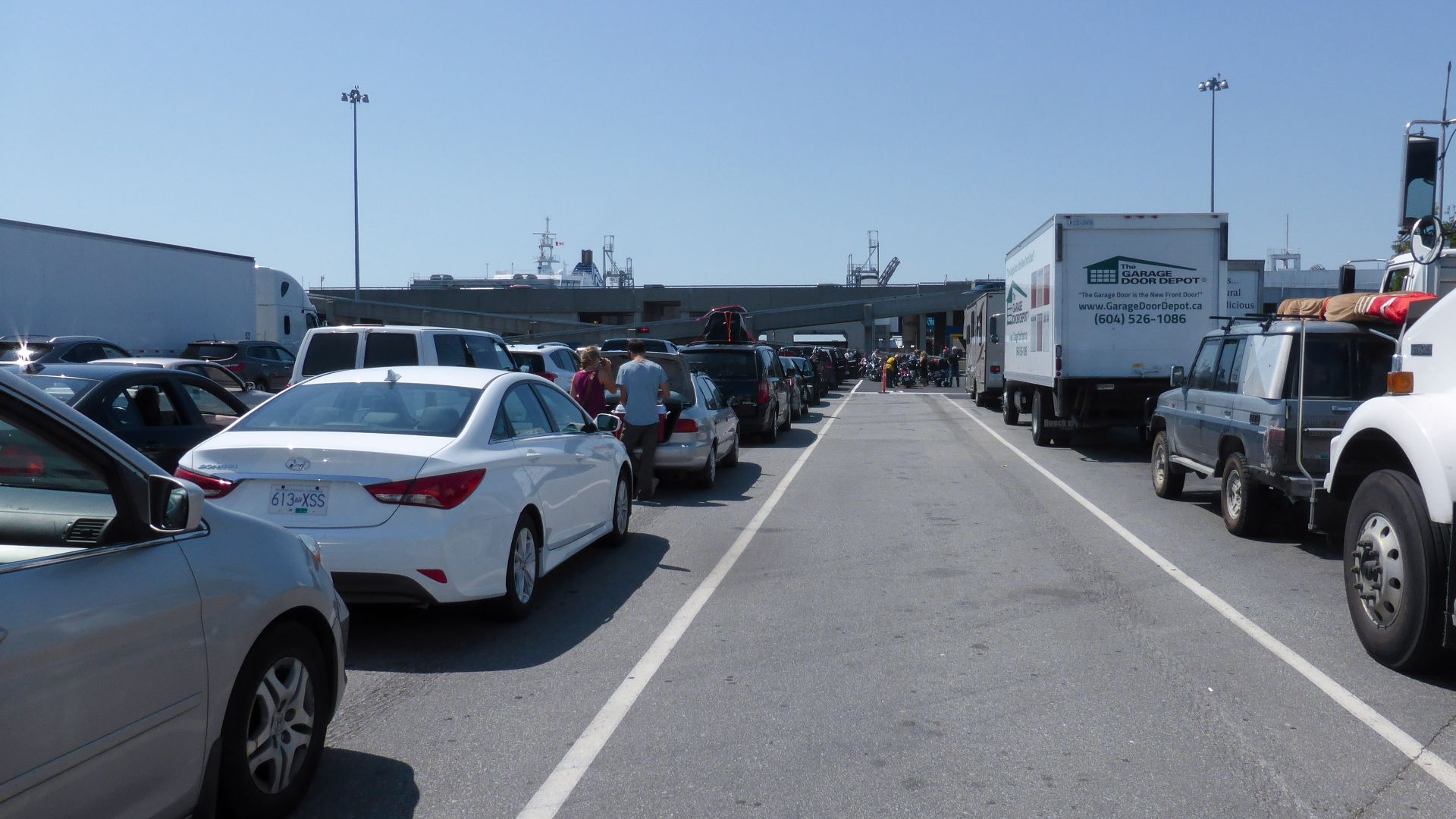
Canada and the United States share an unusually easy border for short car trips. Many people cross for shopping, meals, family visits, or brief outings rather than full vacations. When some of those quick trips disappear, the total visitor count can fall much faster than tourism spending does.
A Lost Day Trip Is Not A Lost Vacation
Consider what happens when one same-day shopper stops crossing the border. Canada may lose a restaurant bill or a few retail purchases, but it does not lose several hotel nights and days of vacation spending. That distinction is why falling border traffic can sound more alarming than the underlying tourism impact actually is.

Longer Trips Create A Spending Chain
An overnight visitor starts spending before the second day even begins. There is lodging, dinner, breakfast, parking, transit, attractions, and often some shopping along the way. Every extra night creates another round of opportunities for Canadian businesses to capture visitor dollars.
Food Becomes Part Of The Vacation
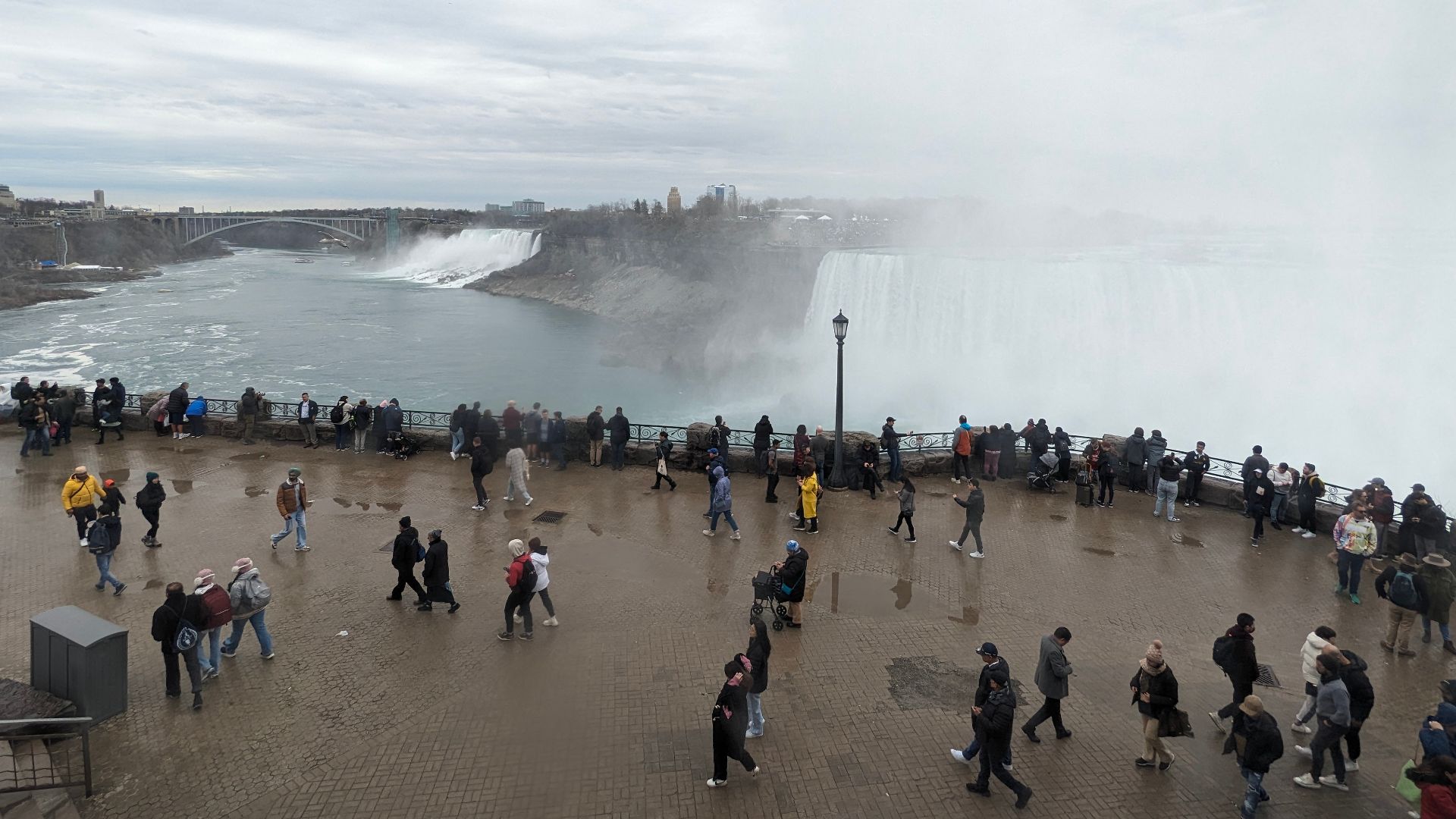
Destination Canada says American leisure travelers show strong interest in local food and drink. That matters because dining is one of the easiest forms of spending to multiply over several days. A traveler who wants to explore a city through restaurants, cafés, breweries, or regional specialties can generate far more spending than someone simply passing through.

Canada Also Sells Experiences Well
American travelers are not coming only for cheaper currency. Destination Canada identifies outdoor experiences, relaxation, and family appeal among the factors influencing U.S. travelers considering Canada. Mountains, coastlines, national parks, cities, festivals, and food give visitors plenty of reasons to spend after they arrive.

Experiences Are Harder To Cut From A Real Vacation
Someone making a quick border run may be very price conscious. Someone who has already booked flights and several nights away is more likely to treat meals and activities as part of the vacation itself. That difference helps explain why overnight travelers are so important to the value of Canada's U.S. tourism market.

Canada Has Been Chasing Higher-Value Travelers
Destination Canada's strategy is not based solely on bringing in the largest possible number of people. The organization explicitly talks about attracting high-value visitors who generate outsized tourism value. That approach fits a market where the economic return from each visitor can matter as much as sheer volume.
 Randolph Croft, Wikimedia Commons
The U.S. Market Is Especially Important
The United States remains Canada's most important international tourism market. Destination Canada has described American visitors as a major source of future international spending growth. That means even modest changes in how Americans travel and spend can have a noticeable impact on hotels, restaurants, attractions, and tourism communities across Canada.

The Spending Boom Is Broader Than One City
Tourism dollars do not stop at the major gateways. Visitors spend on accommodation, food, recreation, transportation, retail, and other services wherever their itineraries take them. Destination Canada says tourism supports businesses in thousands of communities, which makes higher visitor spending relevant far beyond Toronto, Vancouver, and Montréal.
Canada Had A Record Summer Anyway
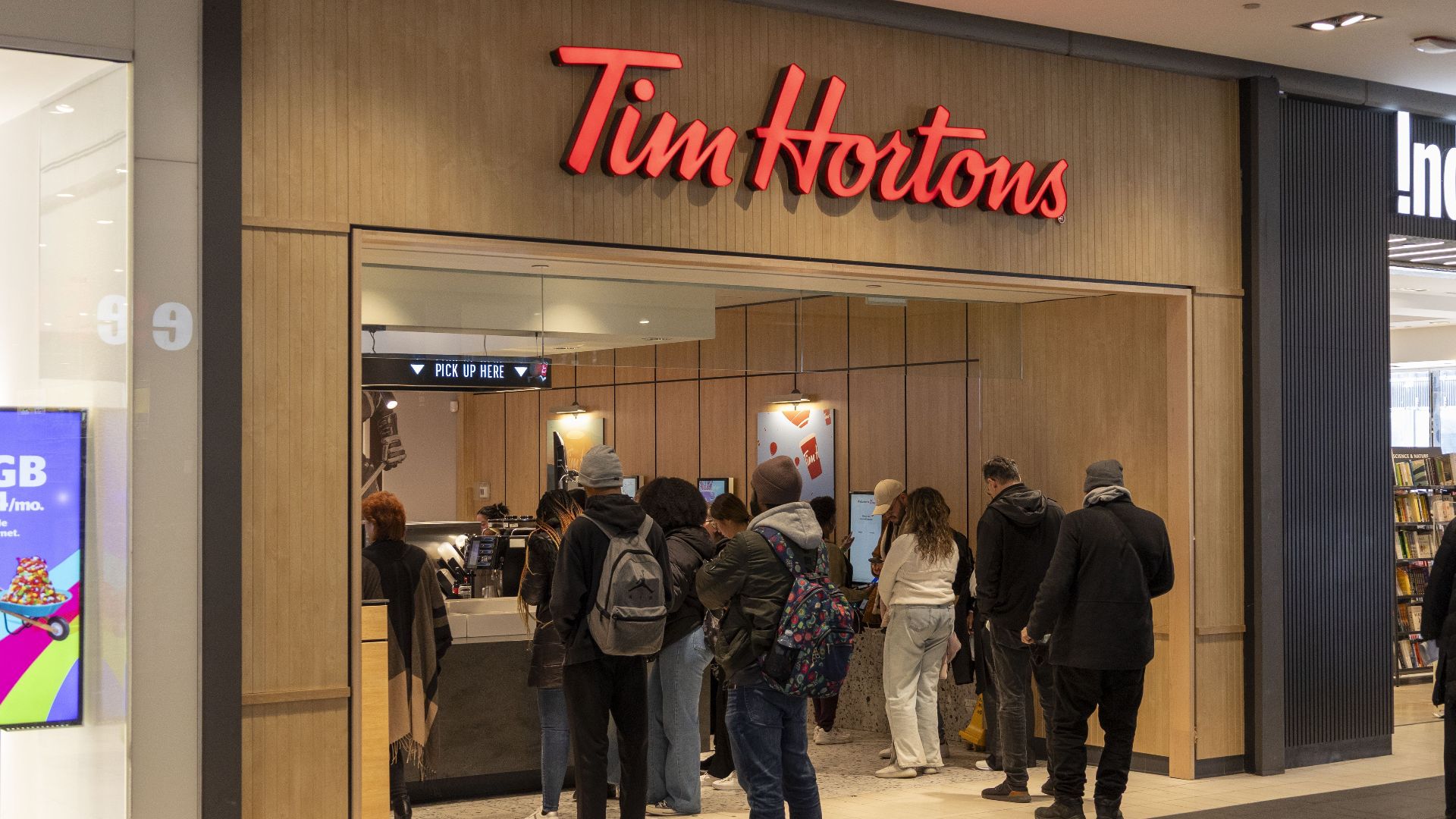
The broader tourism industry remained surprisingly strong during the same period that cross-border headlines sounded gloomy. Destination Canada reported nearly C$60 billion in tourism revenue between May and August 2025, a record summer. It also said visitors were spending more per trip, reinforcing the idea that tourism value was rising even when some travel volumes were under pressure.

Americans Were Only One Part Of That Strength
Canada's tourism performance was also being supported by domestic and overseas travelers. Canadians traveled more within their own country, while spending from some overseas markets increased. That broader mix helped the industry absorb changes in U.S. traffic without making the border the only measure of tourism health.

Canadians Were Changing Their Travel Plans Too
The most dramatic cross-border shift actually came from Canadians heading south. Canadian visits to the United States dropped sharply in 2025, especially for leisure travel. Statistics Canada found that many Canadians redirected discretionary travel toward domestic or overseas destinations instead.

Politics Helped Reshape The Map
Statistics Canada linked the 2025 change in Canadian travel patterns with political tensions between Canada and the United States. Leisure trips were especially easy to redirect because travelers could simply choose a different vacation destination. That made the southbound side of the border story much more dramatic than the decline in Americans coming north.

Currency Was Working In Opposite Directions
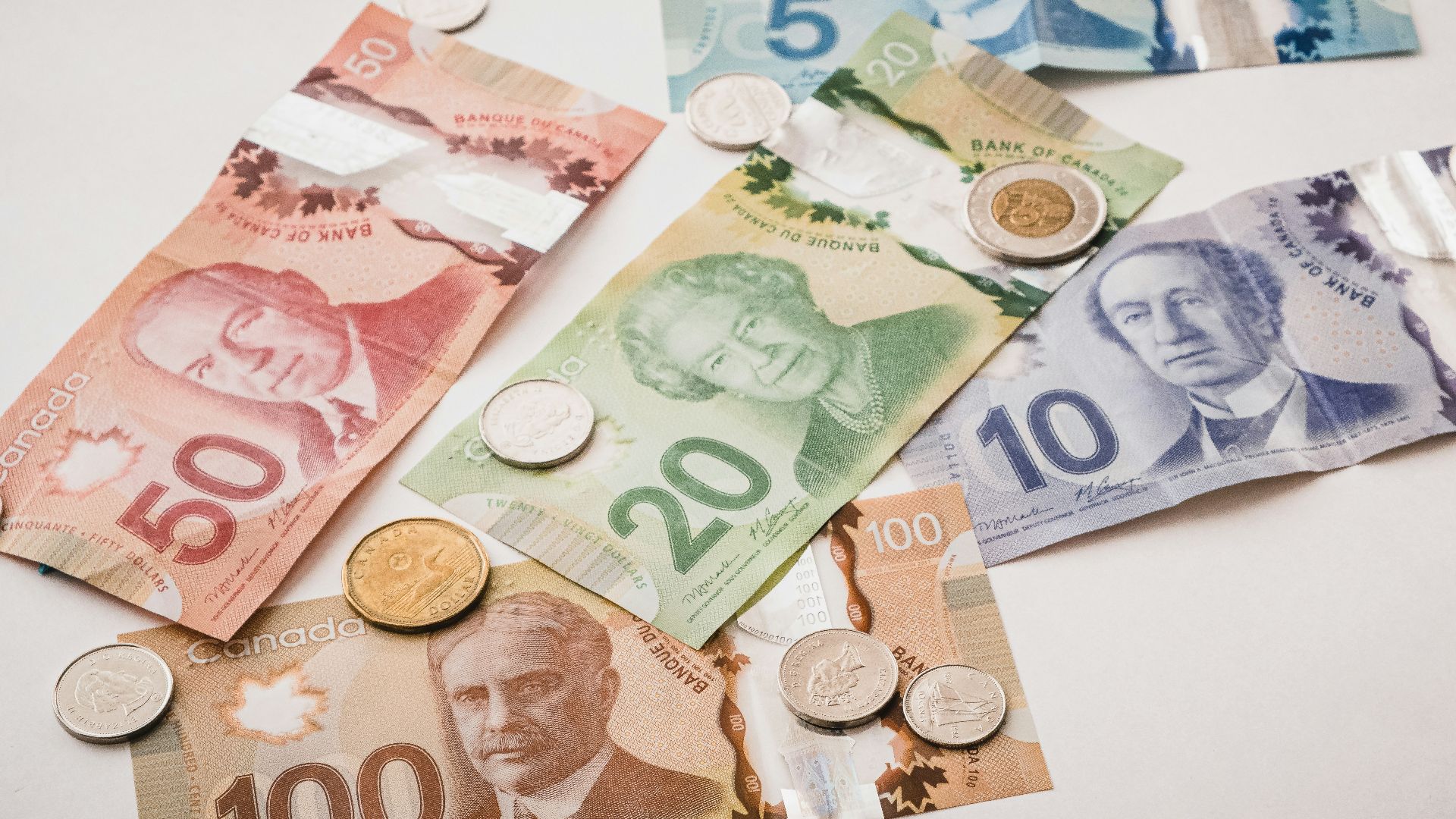
The same exchange rate that helped Americans in Canada hurt Canadians traveling in the United States. A weaker Canadian dollar made U.S. hotels, meals, and shopping more expensive for Canadians after conversion. That created a remarkably uneven situation in which Canada looked financially attractive to Americans while the United States looked more expensive to Canadians.
That Helps Explain The Confusing Headlines
A headline saying cross-border travel is falling can hide two very different stories. Canadians may be cutting U.S. vacations aggressively while American tourism spending in Canada remains resilient or rises. Treating the border as one single travel market misses how differently people on each side are responding.
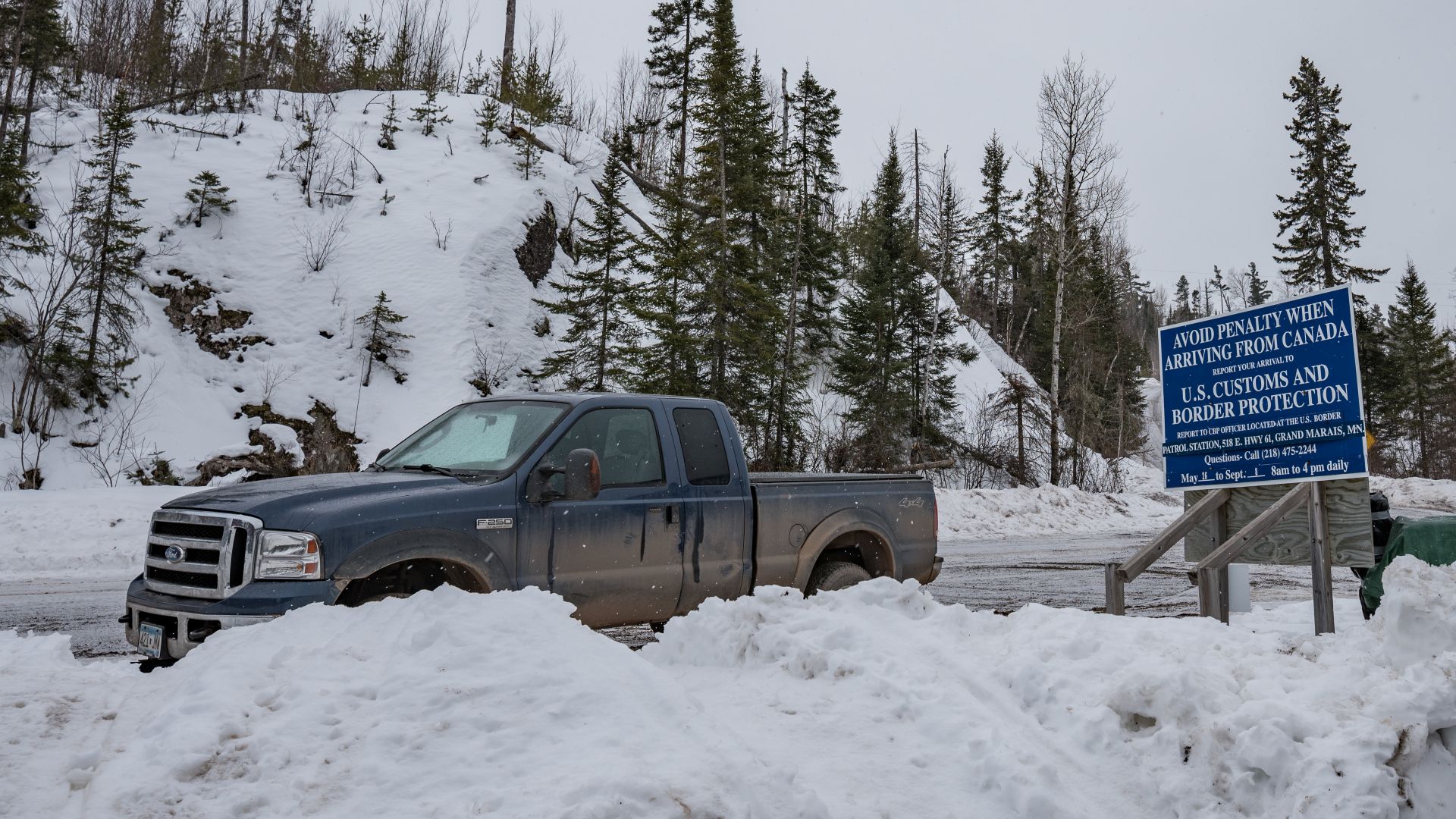 Tony Webster from Minneapolis, Minnesota, United States, Wikimedia Commons
Higher Prices Are Not The Whole Answer
Some of the increase in visitor spending naturally reflects higher prices. Yet inflation alone does not explain the pattern, because visitor spending per trip rose substantially during periods when U.S. arrival numbers were declining. The mix of visitors, their length of stay, and their purchasing power all matter alongside prices.

The Best Visitor Is Not Always Another Visitor
For tourism operators, one traveler staying four or five nights can be more valuable than several people making brief visits. That traveler fills a hotel room, eats multiple meals, and has more time to buy experiences. This is why tourism organizations increasingly talk about attracting valuable visitors rather than simply maximizing arrival numbers.

Border Counts Can Miss The Bigger Picture
Border statistics are useful, but they answer only one question: how many trips occurred. They do not tell you how much visitors spent, how long they stayed, or what they did while they were there. Canada's recent experience shows why those details can completely change the interpretation of a falling visitor count.

Canada Is Learning To Earn More From The Trip
The surprising part of this story is not that Americans suddenly stopped caring about Canada. It is that the economic value of the visitors who continued coming proved more resilient than the headline traffic numbers suggested. A favorable exchange rate, valuable overnight stays, and experience-driven vacations gave Canada several ways to earn more from each U.S. trip.
 Quintin Soloviev, Wikimedia Commons
The Real Story Is Value, Not Volume
Cross-border travel is changing, and the number of people crossing will continue to matter. Yet Canada's tourism industry is showing that fewer trips do not automatically mean weaker business when the remaining visitors stay longer and spend more. For anyone trying to understand what is happening at the border, the better question is no longer simply who is coming, but what they do once they arrive.
 Daniel Case, Wikimedia Commons
You May Also Like: