
Apparently Dinner Comes With Rules
You paid for the room. You’re hungry. The hotel burger costs $27 and the place across the street makes one for $11. This seems like the easiest decision you'll make all day. Then you notice the hotel has a “no outside food” rule.
Surely they mean the restaurant, right? They can't actually tell you what you're allowed to eat behind the door of a room you're paying for...can they?

That Little Sign Matters More Than You Think
There isn't one federal law giving every hotel guest an automatic right to bring whatever food they want into their room. Hotels are private businesses, and they generally have considerable authority to establish rules for people staying on their property. Which means we probably shouldn't laugh at that sign just yet.
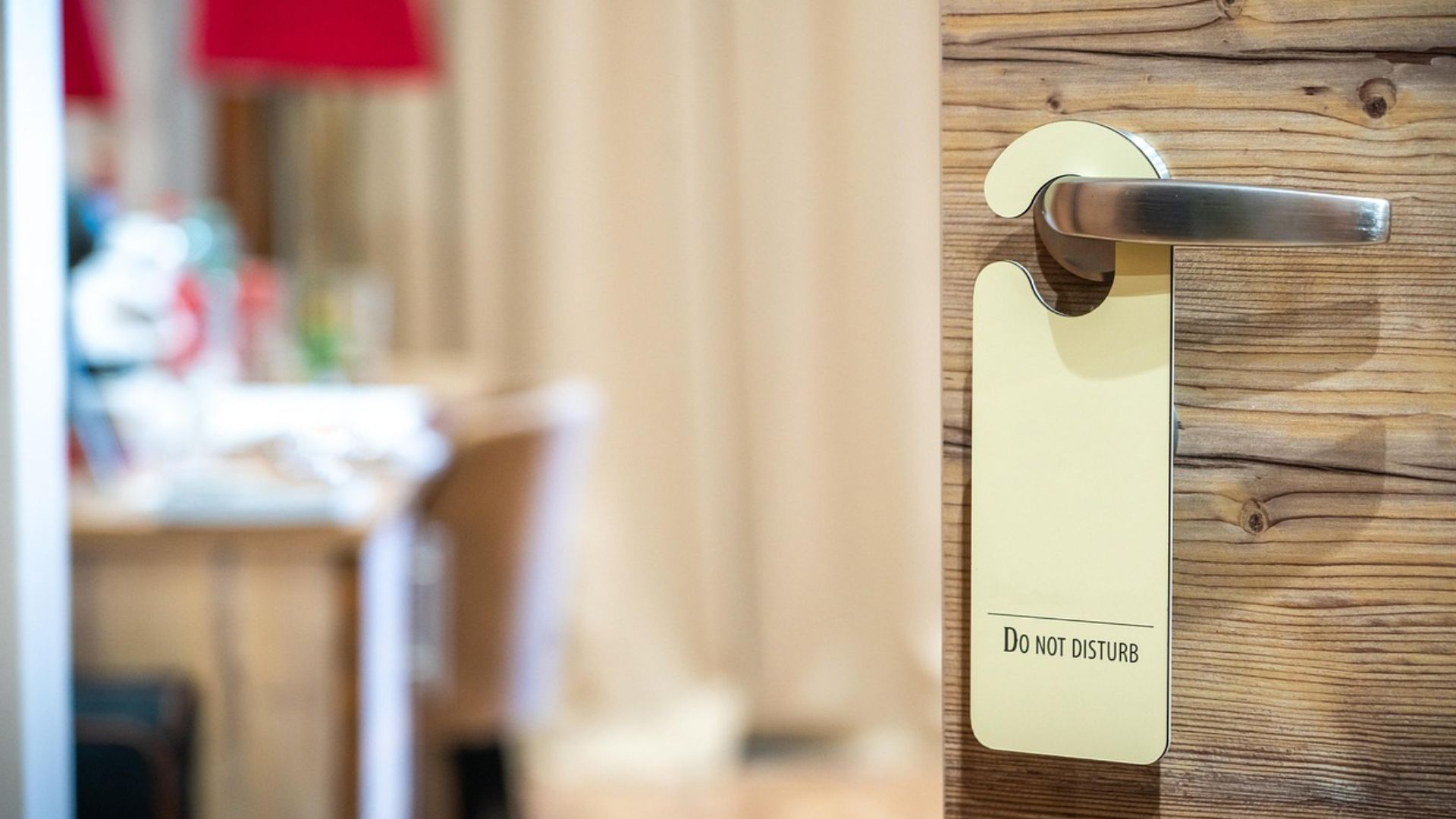
Your Hotel Room Isn't Really Your Apartment
Paying for a hotel room doesn't normally give you the same rights you would have after renting an apartment. Short-term hotel guests are often treated differently under state law, with hotels retaining considerably more control over their property. California law, for example, specifically distinguishes many transient hotel stays from ordinary residential tenancies.
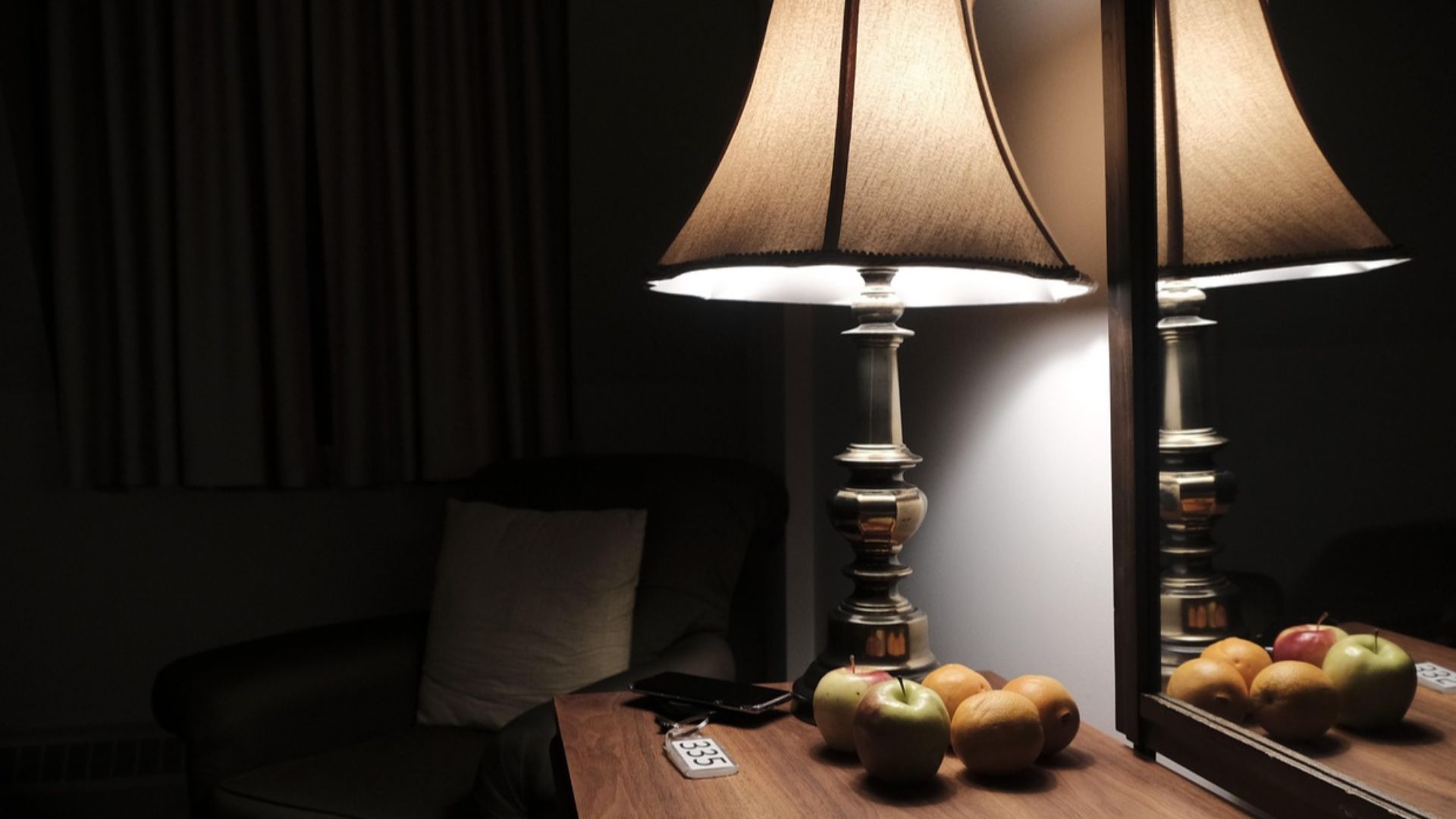
Which Brings Us Back To Your Takeout
A hotel can generally create reasonable rules governing guests, subject to state law, your agreement with the hotel, consumer-protection rules and civil-rights laws. So a clearly stated “no outside food” policy isn't automatically meaningless because you already paid for the room. And one state makes that especially clear.

Florida Actually Put This In The Law
Florida law expressly allows lodging establishments to create reasonable rules and regulations for managing their properties and guests. Even more interesting, properly posted hotel rules can become part of the legal relationship between the hotel and the guest. Suddenly that little sign by the front desk looks slightly more intimidating.

But There's A Pretty Important Word In There
The word is “reasonable.” Allowing hotels to establish rules doesn't mean management gets unlimited power to invent anything it wants. State laws differ, and the wording of the rule, how it was disclosed, why it exists and how the hotel enforces it can all matter. “No outside food” still needs some context.

First, Read The Actual Rule
That phrase can mean wildly different things depending on the property. Maybe outside food isn't permitted in the restaurant. Maybe it's prohibited around the pool. Maybe a convention center doesn't allow guests to bring their own catering. Or maybe the hotel really does prohibit outside food throughout the property. Before starting a showdown over a cheeseburger, find out what the rule actually covers.

The Restaurant Is A Very Different Story
Walking into the hotel steakhouse, sitting at one of its tables and opening the burrito you bought across the street is an easier situation for the hotel to control. Restaurants can generally establish reasonable rules about how customers use their dining spaces. Your hotel reservation doesn't turn the restaurant downstairs into your personal picnic area.
 Photo: Andreas Praefcke, Wikimedia Commons
The Lobby Isn't Your Room Either
The same logic can apply to lounges, breakfast rooms, pool decks and other common areas. A hotel might have no problem with you carrying takeout upstairs while still refusing to let you spread containers across tables reserved for its own food service. That's why the location matters almost as much as the food.

Your Room Is Where Things Get More Complicated
A rule extending all the way into private guest rooms feels considerably more intrusive than one covering the restaurant. But that still doesn't create a nationwide legal right to ignore it. Whether the restriction can be enforced may depend on state law, the hotel's stated policy, how the rule was disclosed and the agreement you accepted when you booked or checked in.

And Notice Can Matter
Florida provides a useful example here too. Its law says hotel rules must be printed in English and posted prominently for guests. That gives us something more concrete than the idea that management can quietly invent a new rule halfway through your stay and expect everyone to magically know about it. Exactly how much notice is required elsewhere depends on the state and circumstances.
 shankar s. from Poona (pune), India, India, Wikimedia Commons
So Check The Confirmation You Ignored
Yes, the enormous reservation confirmation containing roughly 46 paragraphs you stopped reading after locating the Wi-Fi information might suddenly become relevant. Check the booking terms, hotel policies, check-in paperwork and any notices in the room. A clearly disclosed restriction puts the hotel in a much stronger position than a rule nobody mentioned until your pizza arrived.

What About DoorDash And Uber Eats?
Here's another wrinkle: your food may be allowed even when the delivery driver isn't. Hotels control access to their property and guest floors. For security and operational reasons, some require delivery drivers and other visitors to remain in the lobby or outside. Meaning you may have to perform the horrifying vacation ritual known as putting your shoes back on.
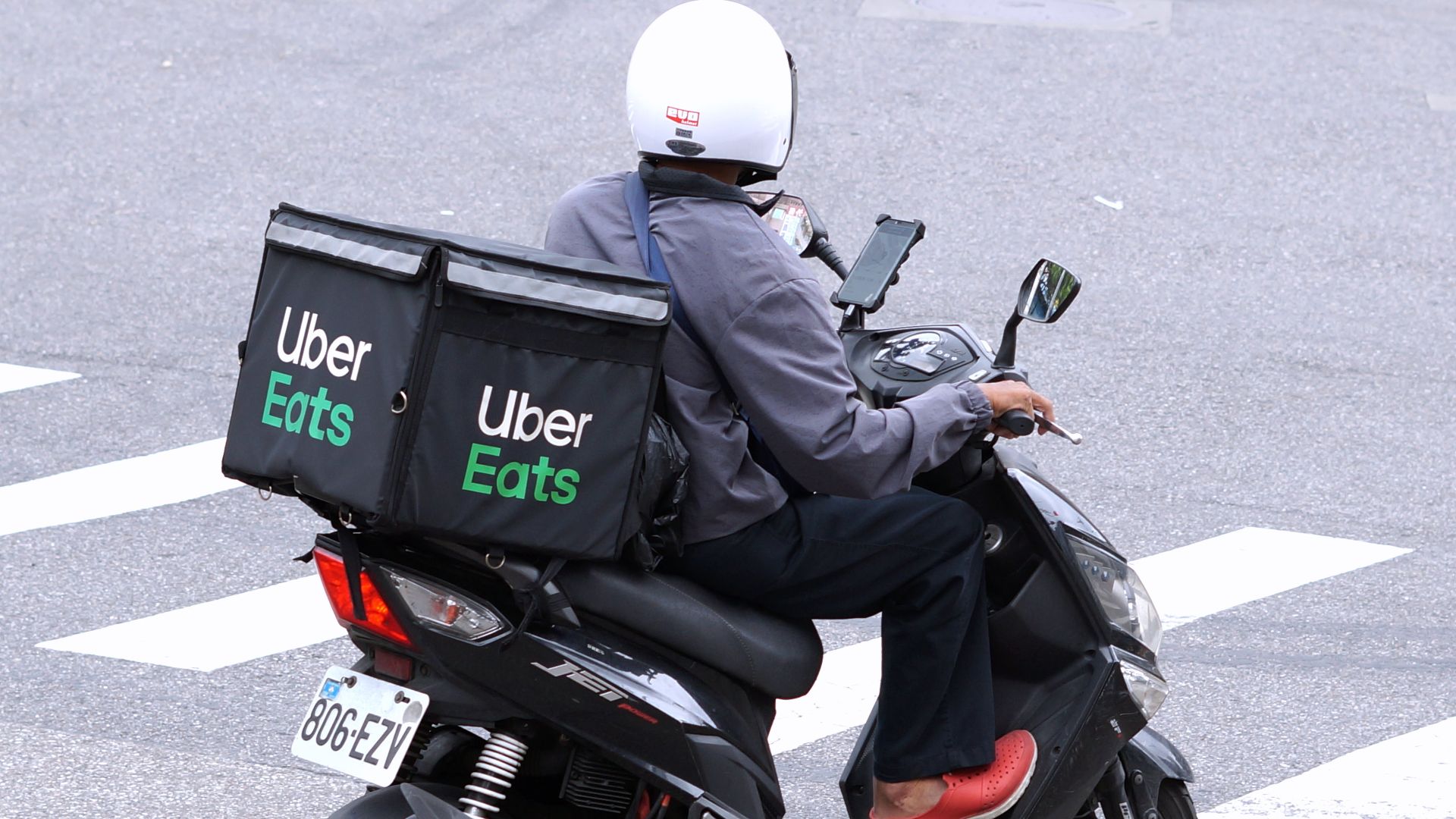
That Doesn't Automatically Mean Takeout Is Banned
A hotel refusing to let a DoorDash driver wander through guest hallways isn't the same thing as prohibiting you from carrying the food upstairs yourself. Those are two completely different questions. “Can the driver come to my room?” may get a no. “Can I bring my dinner to my room?” may still get a yes.

What About A Surprise “Pizza Fee”?
This gets interesting too. Federal rules now require hotels to clearly display the total price of short-term lodging, including mandatory fees the business knows about and can calculate upfront. But that doesn't necessarily cover every charge triggered later by something a guest does during the stay.

So A Later Charge Is A Different Question
Think damage charges, excessive cleaning charges or another fee tied to conduct after you've checked in. Whether a hotel could legitimately charge something for violating an outside-food policy would depend on the hotel's terms, applicable state law and the circumstances. What it shouldn't do is disguise an unavoidable mandatory lodging charge until after you've booked.

Could They Actually Make You Leave?
Potentially, although this is where state law becomes particularly important. Hotels can remove guests in certain circumstances, and Florida law gives lodging operators specific authority to remove some guests after notice. That does not mean eating one forbidden taco automatically gives every hotel in America the same power under identical rules.

Florida's Rule Is Pretty Broad
Florida law lists several grounds for removing a guest, and it also gives operators authority in certain circumstances when they believe a person's continued presence would be detrimental to the establishment. The statute includes procedures for notice and generally addresses refunds of unused prepaid lodging when someone is removed. Other states can handle the issue differently.

Hotels Still Don't Get Unlimited Power
Hotels are also subject to federal civil-rights laws. Title II of the Civil Rights Act prohibits covered hotels from discriminating based on race, color, religion or national origin. The Americans with Disabilities Act separately protects people with disabilities, while state and local laws may protect additional categories. House rules can't simply be used as a cover for unlawful discrimination.

Disability Law Can Change The Food Question
The ADA can also affect how a hotel applies an otherwise ordinary policy. Hotels covered by Title III may have to make reasonable modifications to policies when necessary for a person with a disability, unless the change would fundamentally alter the nature of the business. And yes, food rules can sometimes enter that conversation.

Some Dietary Conditions Can Qualify
Federal guidance recognizes that conditions including celiac disease and severe food allergies can qualify as disabilities when they substantially limit major life activities. That doesn't mean every food preference or allergy automatically overrides every hotel policy. It means a disability-related request may have to be considered individually rather than dismissed with, “Sorry, those are the rules.”
 Airman 1st Class Daniel Brosam, Wikimedia Commons
The Government Even Uses A Snack Example
Justice Department ADA guidance gives a useful example involving a private daycare with scheduled snack times. If a child with diabetes needs food at another time, the business may need to modify its ordinary rule and allow an additional snack. The example isn't specifically about hotels, but it shows how an ordinary food policy can require an exception when disability law applies.

That Doesn't Make Dinner Preferences An Accommodation
“I need access to this food because of a disability” and “the room-service burger costs more than my first car payment” aren't the same argument. ADA accommodations concern disability-related needs. They don't create a universal loophole allowing every traveler to ignore whatever hotel policy they dislike. Cheap tacos remain a personal preference, however noble the cause.
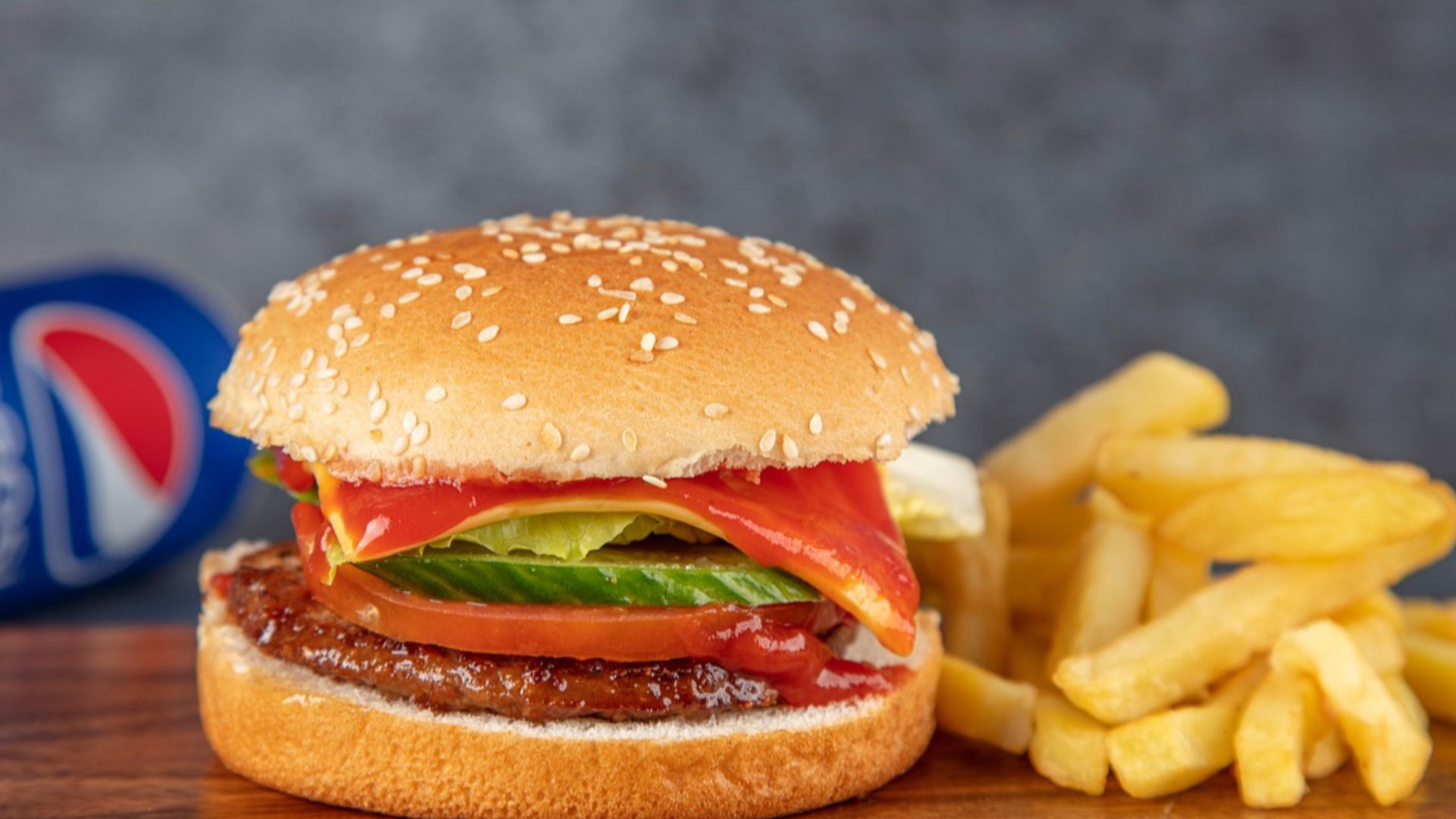
There's Also A Difference Between Food And A Mess
Even when outside food is perfectly acceptable, the hotel can still have separate concerns about damage, odors, pests or excessive cleaning. Bringing a sandwich upstairs is one thing. Turning Room 417 into an unauthorized seafood buffet and leaving clam chowder embedded in the carpet is another.
So Should You Sneak The Burger Past The Front Desk?
Probably not worth treating this like a casino heist. Read the actual policy first. If it isn't clear whether “no outside food” applies to guest rooms, ask. And if you require outside food because of a disability-related dietary need, explain that you're requesting an accommodation rather than merely asking management to make an exception.

Keep A Copy Of What You Agreed To
If the hotel later threatens a fee or some other consequence you weren't expecting, pull up your confirmation, booking terms and check-in paperwork. The exact wording matters. So does when you were told about the restriction, what state you're in and whether the hotel is applying its policy consistently and lawfully.
 Frame Stock Footage, Shutterstock
So...Can They Actually Stop You?
Potentially, yes. There is no blanket nationwide law giving every hotel guest an absolute right to bring outside takeout into a guest room. Hotels can establish reasonable house rules, and at least some states expressly recognize those rules. But that still isn't the end of the story.
 Monkey Business Images, Shuttestock
The $11 Burger May Still Win
Plenty of “no outside food” policies apply only to restaurants, pools, events or other shared spaces rather than private rooms. Others genuinely extend further. So don't assume that little sign is legally powerless. But don't assume it sentences you to a $27 room-service burger either. Read the actual rule before your fries get cold.
You Might Also Like: