
The Room Was Cheaper But Everything Else Became Harder
The hotel looked like an easy bargain compared with the prices downtown. Then every sightseeing day began with a long commute, every evening ended with another complicated trip, and the transportation costs started eating into the savings. Staying outside the center isn’t always a mistake, but the nightly rate rarely tells the whole story.
A Cheap Hotel Can Create An Expensive Trip
Travelers naturally focus on the room price because it’s the clearest number on the booking page. But a hotel far from the attractions may add train fares, rideshare charges, parking, fuel, tolls, and airport-transfer costs. The right comparison is the total daily expense, not the price of the bed alone.

Calculate The Door-To-Door Cost
Before booking, estimate the cost of traveling from the hotel to the area where most days will be spent. Multiply that by the number of travelers and the number of likely round trips. A $50 nightly hotel saving can disappear quickly when two people need several paid journeys each day.

Time Should Be Part Of The Calculation
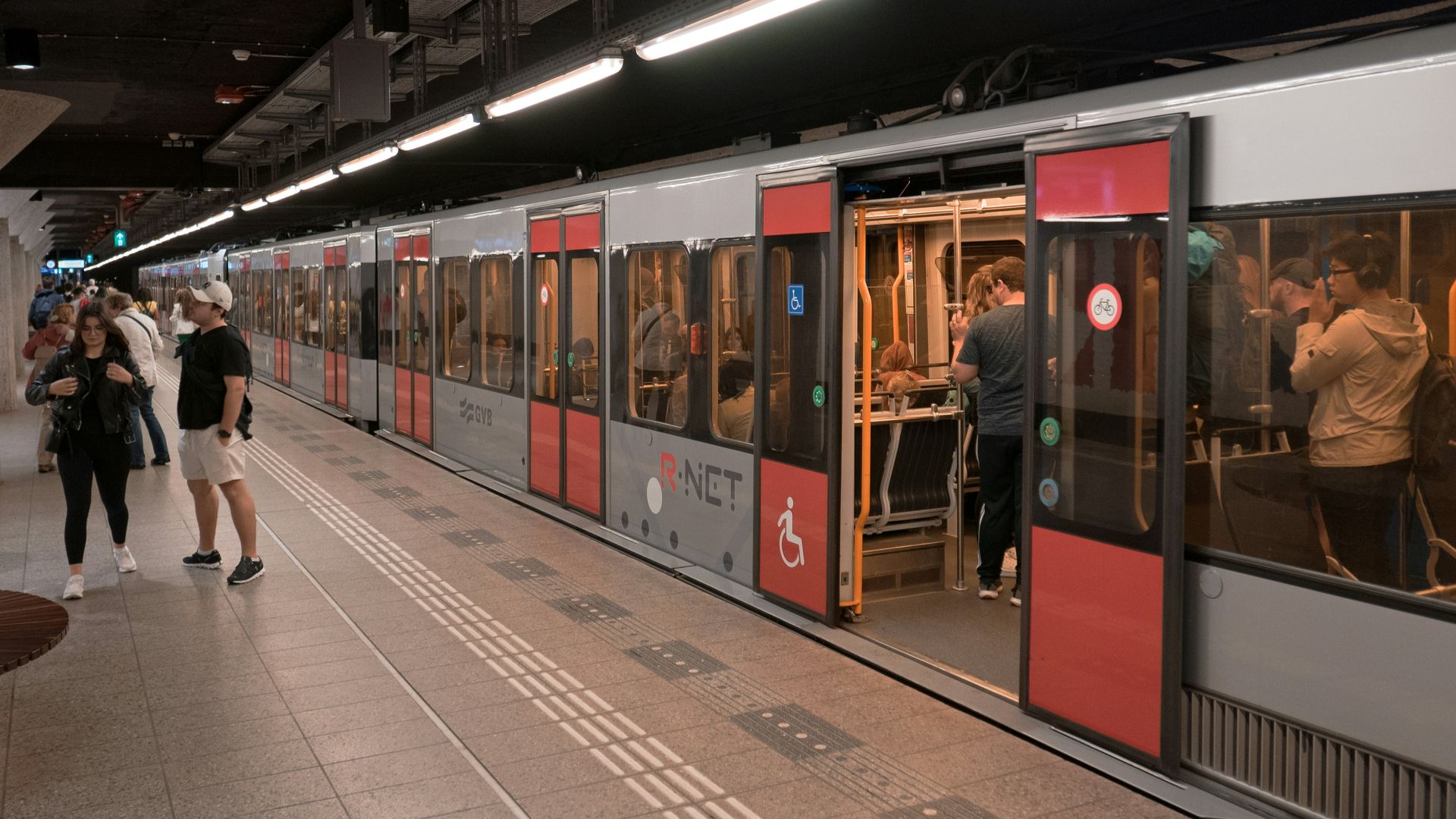
A 45-minute commute each way costs more than transportation money. It also removes an hour and a half from every vacation day. Over a five-night trip, that could mean losing the equivalent of nearly a full sightseeing day to trains, buses, traffic, and station platforms.
Look Beyond Straight-Line Distance
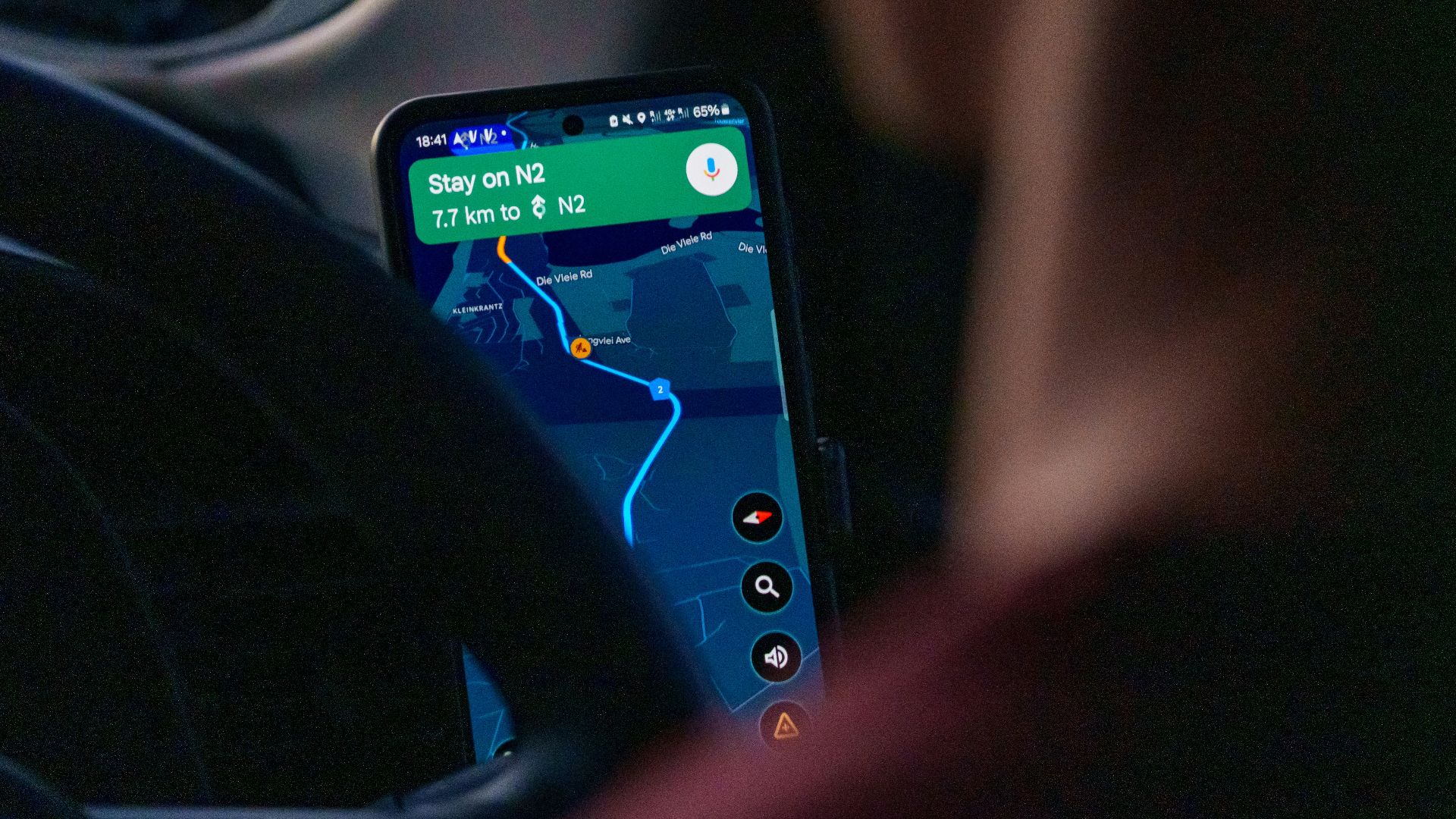
A hotel may appear close to the center on a map while being inconvenient in practice. A river, highway, rail yard, steep hill, or limited crossing point can turn a short distance into a complicated journey. Route-planning tools are more useful than simply measuring miles.
Test The Route At Real Travel Times
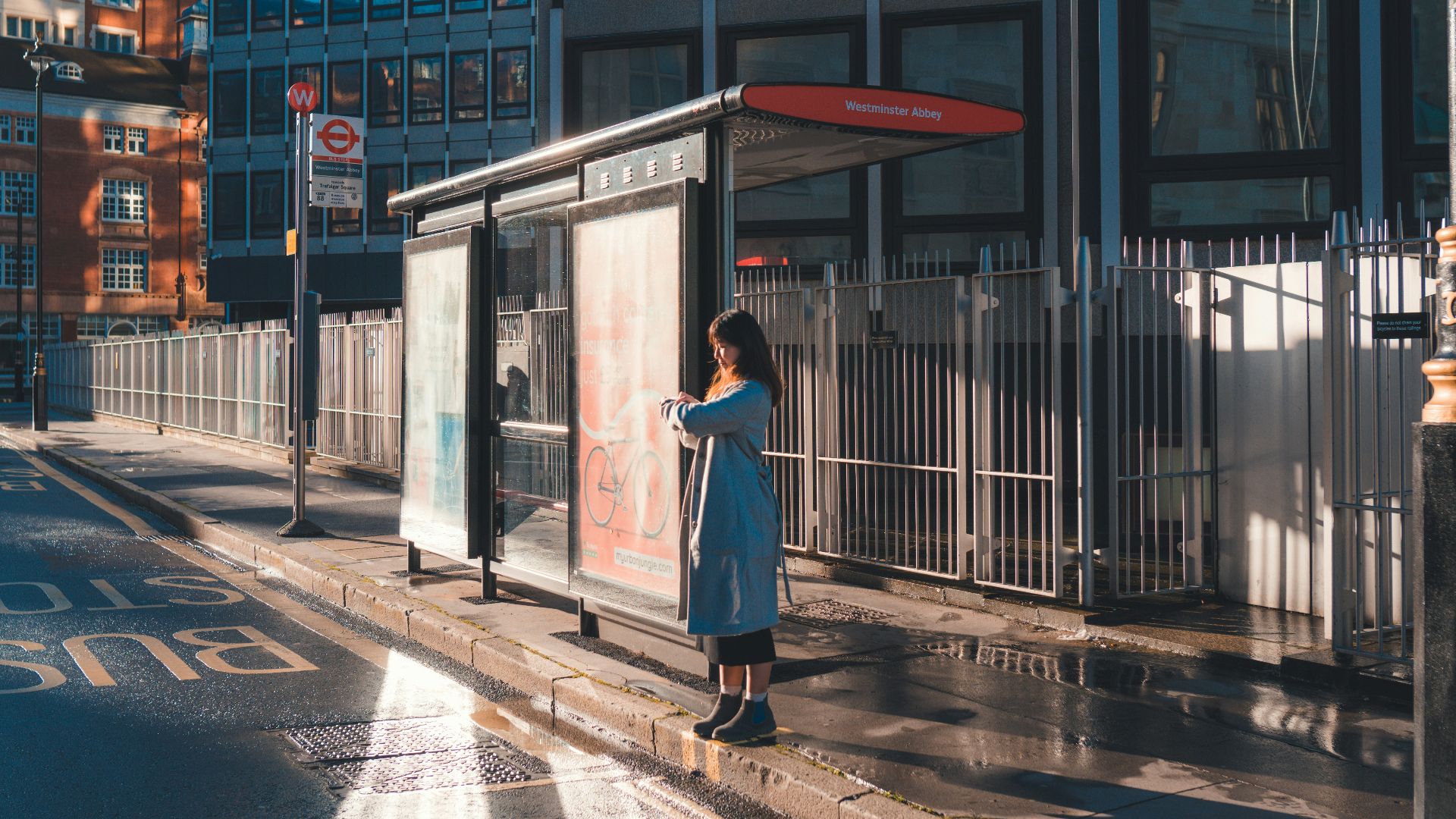
A route that looks easy at noon may become much slower during morning rush hour or after an evening event. Check schedules at the times you’ll actually travel, including weekends and holidays. Pay particular attention to how often the last bus or train runs.
Transfers Make Short Trips Feel Longer
One direct 30-minute train ride may be perfectly manageable. A 30-minute journey involving a bus, two trains, several staircases, and a long walk is a different experience. Each transfer adds waiting time, navigation, and another opportunity for a missed connection.

The Last Mile Often Causes The Problem
An inexpensive hotel may be near a transit station but still require a long walk, shuttle, or infrequent local bus. That final portion of the route can become especially frustrating at night, in bad weather, or while carrying luggage. Always map the complete trip from the hotel entrance.

A Rental Car Isn’t A Free Solution
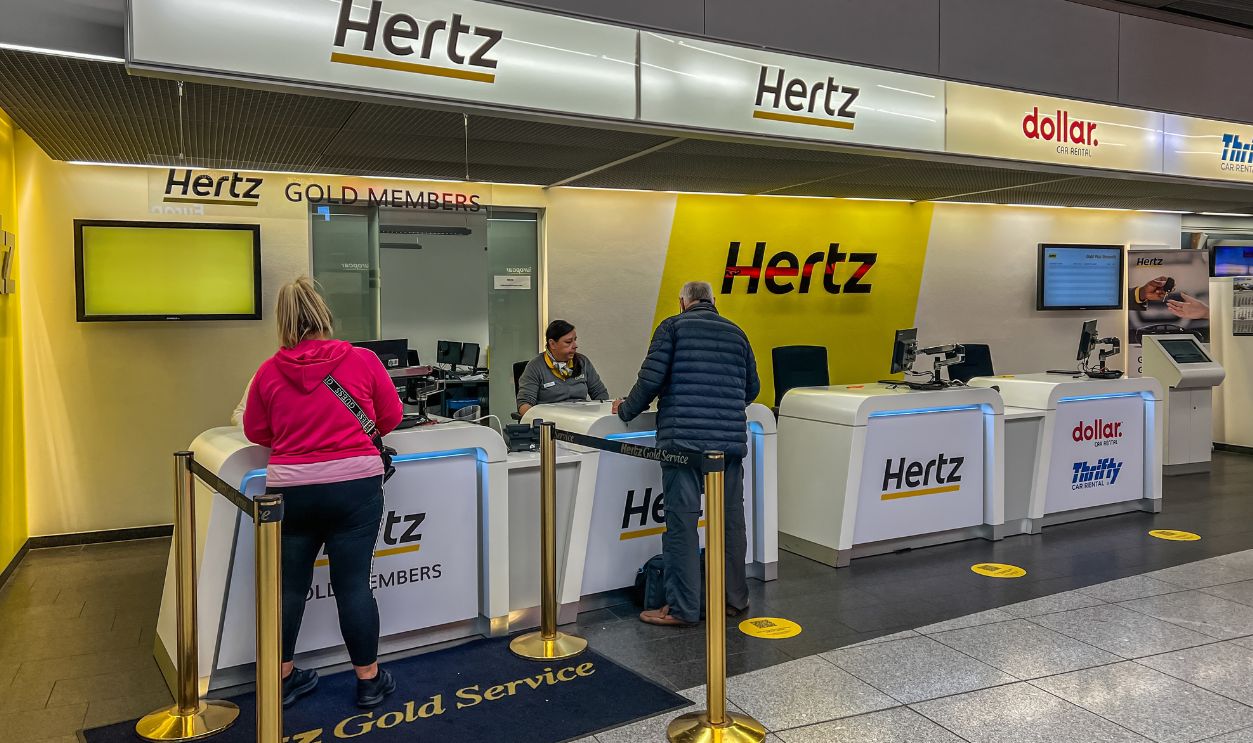
Booking a car can make an outlying hotel easier to reach, but it introduces fuel, parking, tolls, rental fees, and possible congestion charges. Central parking may be expensive or difficult to find. In a city built around public transportation, driving can be slower and more stressful than staying closer.
Families Pay More For Distance
Transportation costs rise quickly when several people are traveling together. Four train tickets twice a day may erase the savings from one cheaper family room. Children, strollers, luggage, and tired relatives can also make repeated transfers far more demanding.

Mobility Needs Change The Equation
A route that seems reasonable to an able-bodied traveler may be exhausting for someone with limited stamina, chronic pain, or mobility challenges. Long station corridors, broken elevators, steep streets, and crowded buses can transform an affordable location into a daily obstacle course.
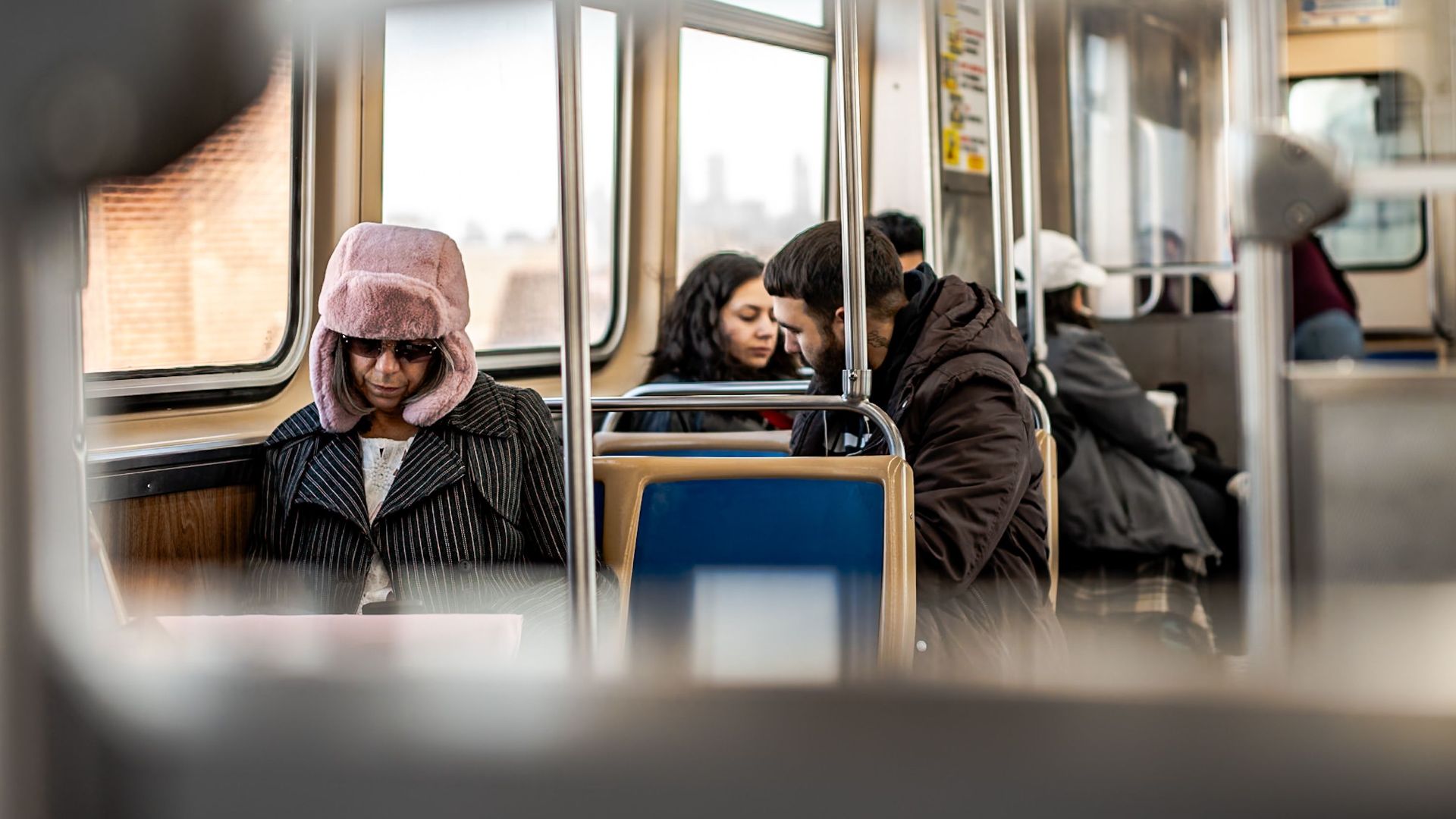
Late Nights Become More Complicated
Staying for dinner, a performance, or nightlife may mean worrying about the final train rather than enjoying the evening. Missing that connection could lead to an expensive taxi or rideshare trip. A central hotel offers more freedom to extend the night without turning the return journey into a crisis.
Early Tours Can Become Brutal
Many tours and day trips meet early in central areas. A hotel on the outskirts might require waking up an hour earlier just to reach the departure point. The money saved on the room may feel less impressive at 5:30 in the morning while waiting for the first available bus.

Midday Breaks Become Impractical
A centrally located hotel can function as a convenient base for resting, changing clothes, dropping off purchases, or escaping bad weather. When the room is an hour away, returning during the day rarely makes sense. Travelers may then stay out while exhausted because the commute feels worse than continuing.

Meals May Become More Expensive
A remote hotel with few nearby options can leave guests dependent on its restaurant, food delivery, or convenience stores. Central neighborhoods often provide more competition and a wider range of inexpensive cafés, markets, and casual restaurants. Accommodation savings can quietly reappear in the food budget.
 https://kaboompics.com/, Pexels
The Neighborhood Still Matters
Outside the center doesn’t always mean inconvenient. Some residential neighborhoods have excellent restaurants, frequent transit, and attractions of their own. AFAR’s neighborhood guides emphasize choosing an area that fits the itinerary rather than automatically assuming the historic center is the only sensible base.

A Transit Line Can Make Distance Manageable
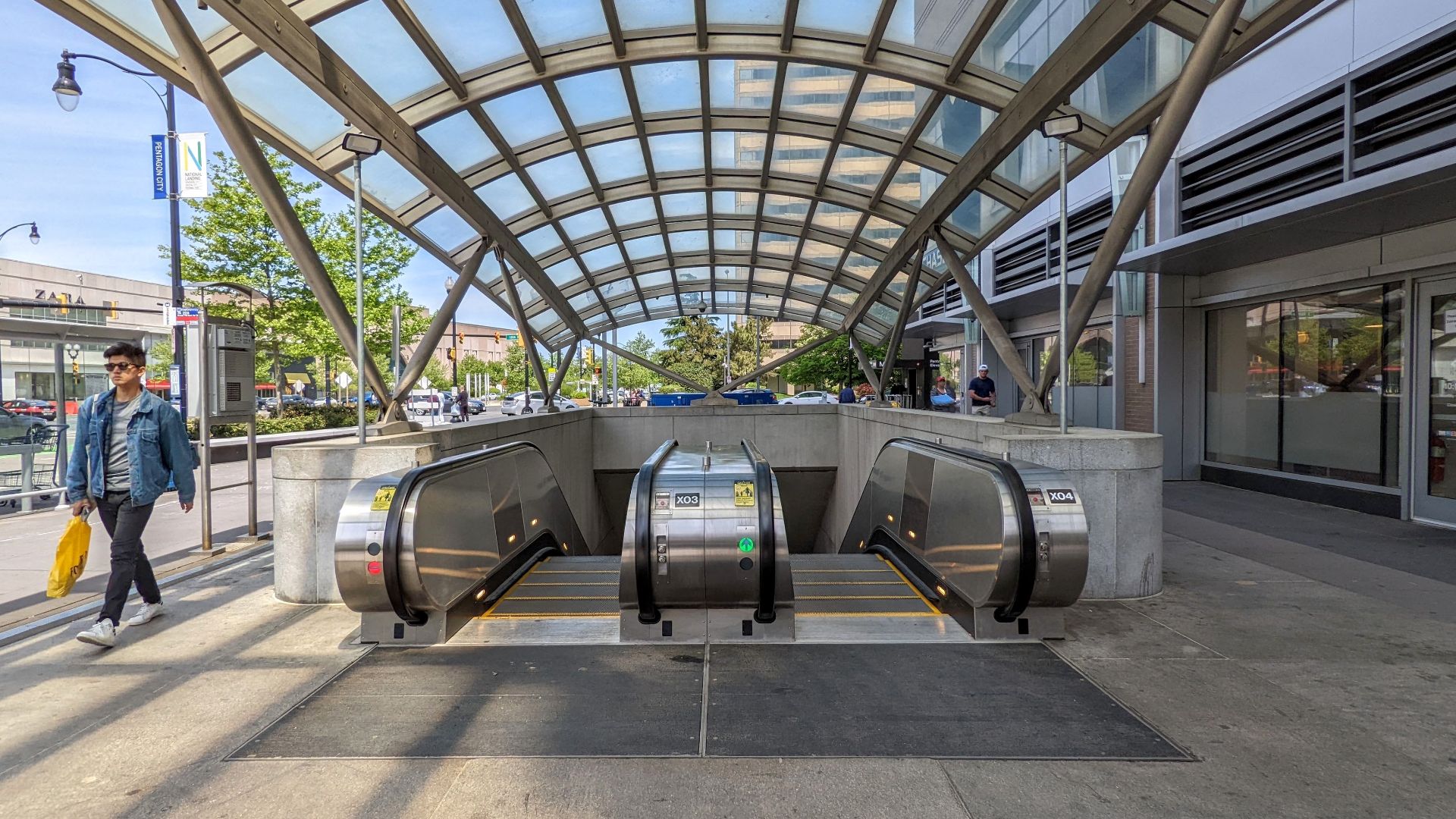
A hotel beside a fast, direct metro or rail line may work better than one that is geographically closer but poorly connected. Frequency matters just as much as travel time. Ten trains an hour provide far more flexibility than a suburban service that departs only twice.
 Baron Maddock, Wikimedia Commons
Decide Where The Trip Is Actually Centered
Not every traveler needs to stay near the most famous landmark. If the itinerary revolves around a conference center, stadium, family home, beach, airport, or attraction outside downtown, the cheaper outer hotel may be better located for the actual trip. Choose based on planned activities, not the city’s symbolic center.

Split-Stay Trips Can Solve The Problem
Travelers planning both city sightseeing and excursions beyond the center could divide the trip between two hotels. A few nights downtown protect the sightseeing days, while later nights near an airport, beach, or rental-car route support the next stage. The extra hotel change is inconvenient, but it can reduce repeated backtracking.

Consider A Smaller Central Room
A compact room in a convenient neighborhood may provide better value than a larger room far away. On a sightseeing-heavy trip, travelers may spend little waking time at the hotel anyway. Paying for location rather than floor space can make the entire vacation easier.

Search One Neighborhood Beyond The Core
The choice isn’t limited to the most expensive tourist district or a distant suburb. Areas just outside the historic center may offer lower rates while remaining walkable or well connected. These inner neighborhoods often provide the strongest balance between affordability and convenience.

Shift The Dates Before Moving Far Away
Traveling during the week, shoulder season, or a less popular event period can reduce central hotel prices. Condé Nast Traveler’s affordable-travel guidance recommends considering off-peak timing and accounting for transportation expenses rather than looking at accommodation in isolation.

Make A Simple Location Budget
Create two columns before booking. Under each hotel, list the room total, taxes, mandatory fees, transit passes, rideshares, parking, and airport transportation. AFAR recommends building a complete travel budget rather than treating flights and lodging as the only major expenses.

Read Reviews For Commute Complaints
Search recent guest reviews for words such as “metro,” “bus,” “walk,” “taxi,” “downtown,” and “location.” Travelers often reveal that the advertised five-minute station walk involves a steep hill or that service ends early. Location scores are useful, but detailed comments explain what the rating actually means.

Fix The Current Trip Strategically
If the hotel is already booked, group attractions by neighborhood so you aren’t crossing the city repeatedly. Leave once in the morning, complete everything in one area, and return only at the end of the day. A multiday transit pass, occasional taxi, or one deliberately slow hotel day may also reduce the strain.

The Classic Mistake Was Comparing Room Rates Alone
Choosing an outer hotel wasn’t automatically a bad decision. It became a problem because the transportation costs, lost time, limited flexibility, and daily fatigue outweighed the room savings. Next time, compare complete door-to-door costs, test the route at realistic hours, and consider a smaller hotel in a well-connected neighborhood. The cheapest room is only a bargain when reaching the vacation doesn’t become a second job.

You May Also Like: