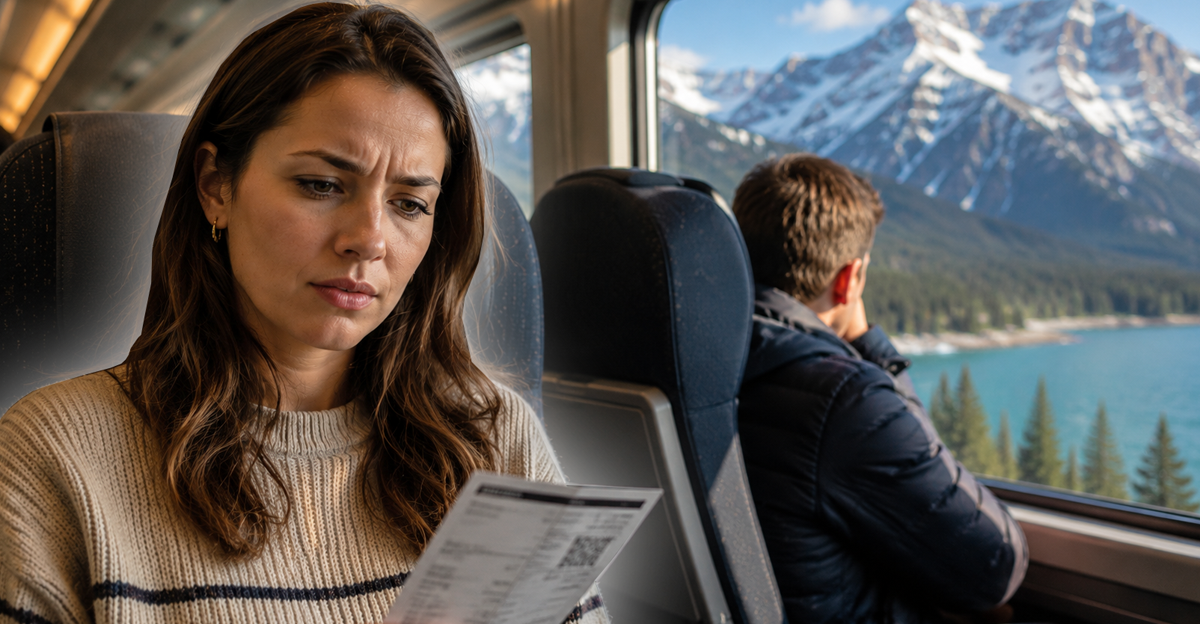
Caught By The Seating Algorithm
You booked the scenic train months ago, imagined yourself by a picture window, and counted down the days until departure. Then your confirmation arrived with a surprise. Your seat had already been assigned, and there was no obvious way to change it. If that sounds frustrating, you are not alone. More rail companies are relying on automated seat assignment systems, but the reasons behind them are more surprising and practical than many realize.
Why Scenic Seats Feel So Important
Unlike a short commuter trip, a scenic rail journey is often the main attraction. Travelers may spend several hours watching mountains, coastlines, forests, or canyons roll past enormous windows. Naturally, many passengers want to control exactly where they sit. That expectation can clash with modern reservation systems.

Automatic Seating Is Becoming More Common
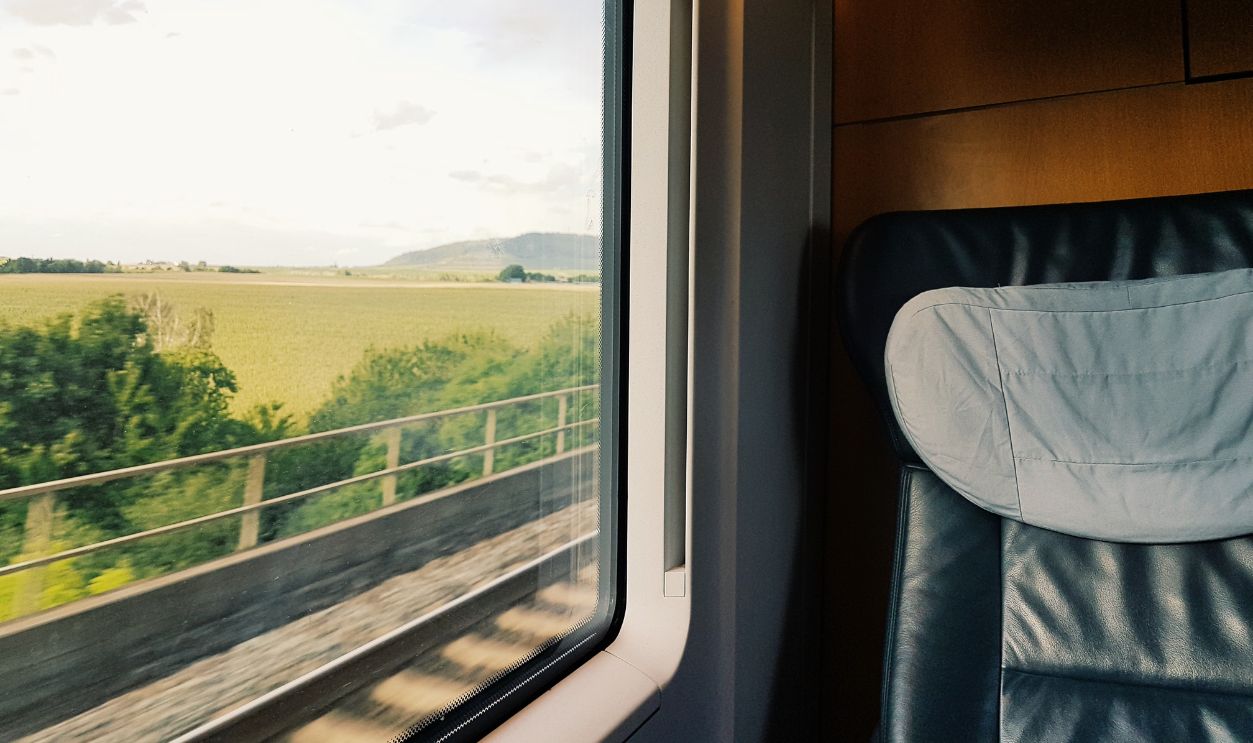
Many rail operators now assign seats automatically during booking. Some still let passengers switch afterward, while others limit or eliminate seat selection altogether depending on the route or fare. The exact policy varies by company, destination, and ticket type.
It Is Not Actually Random
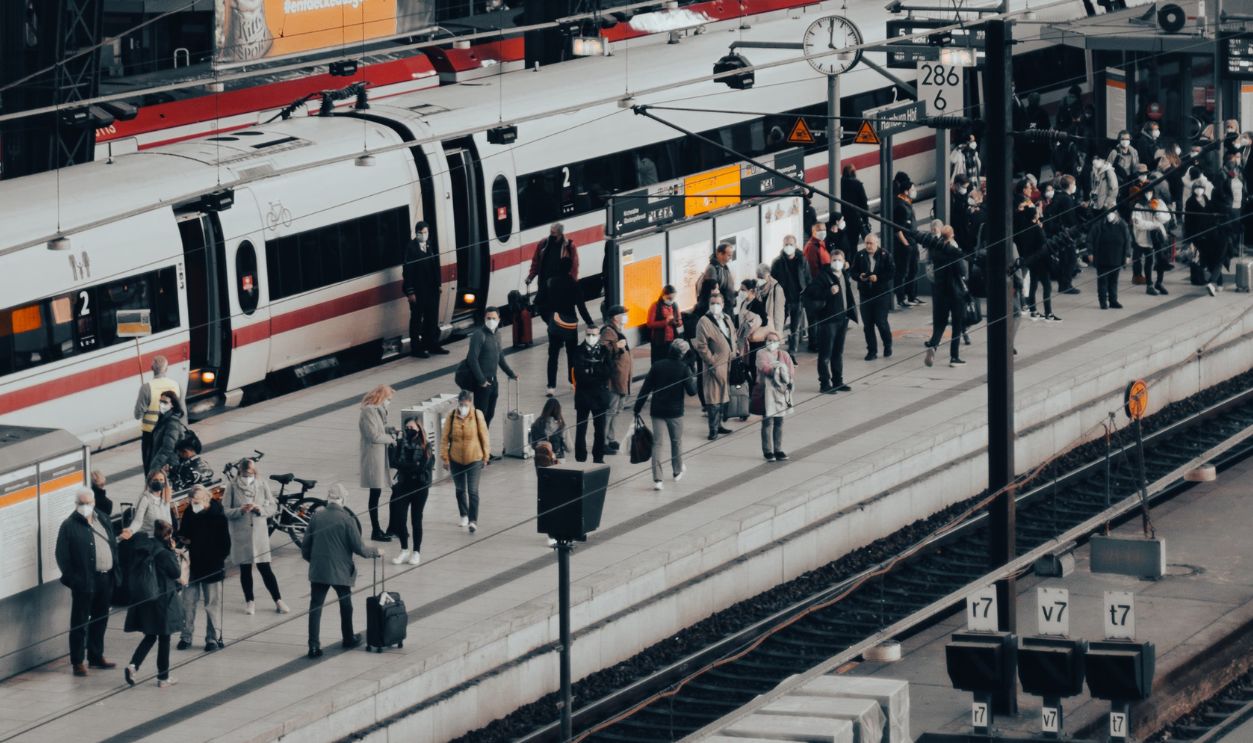
Although travelers often describe these systems as algorithms, that does not mean seats are assigned randomly. Reservation software considers factors such as available inventory, party size, boarding station, and destination. The goal is to keep trains operating efficiently while accommodating as many passengers as possible.

Keeping Groups Together
One major objective is seating families and travel companions together. If individual travelers freely scattered throughout every coach, later bookings for larger groups would become much harder to accommodate. Automated assignments leave clusters of seats available whenever possible.
Multiple Stops Complicate Everything
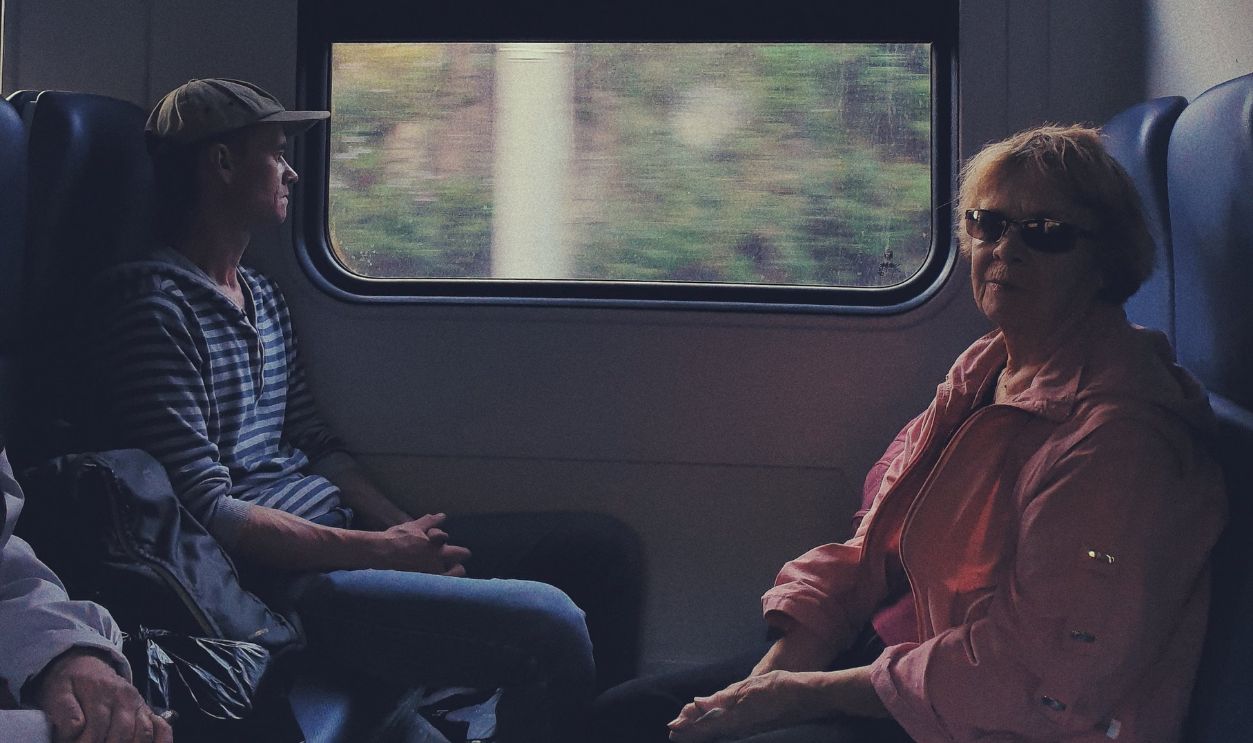
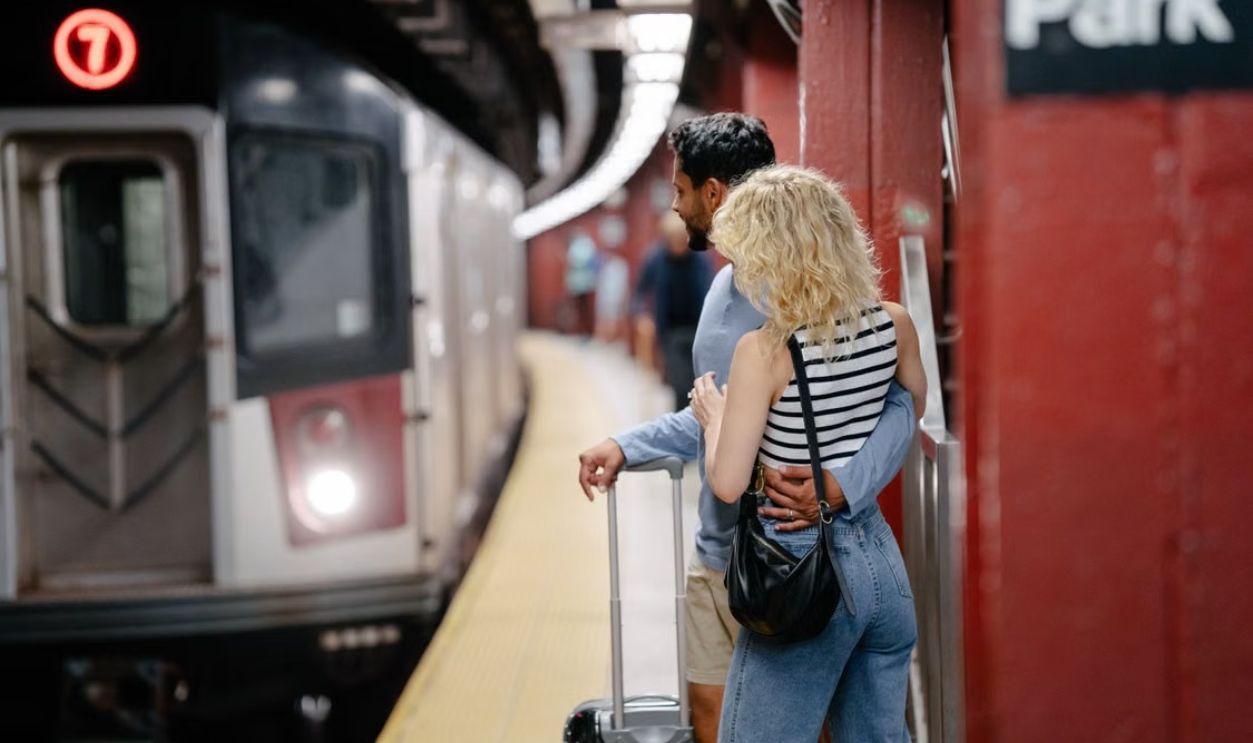
Unlike many airplanes, trains often pick up and drop off passengers at numerous stations. One seat may be occupied by several different travelers during a single trip. Reservation systems have to account for those changing occupancy patterns throughout the route.
Scenic Trains Are Not All The Same
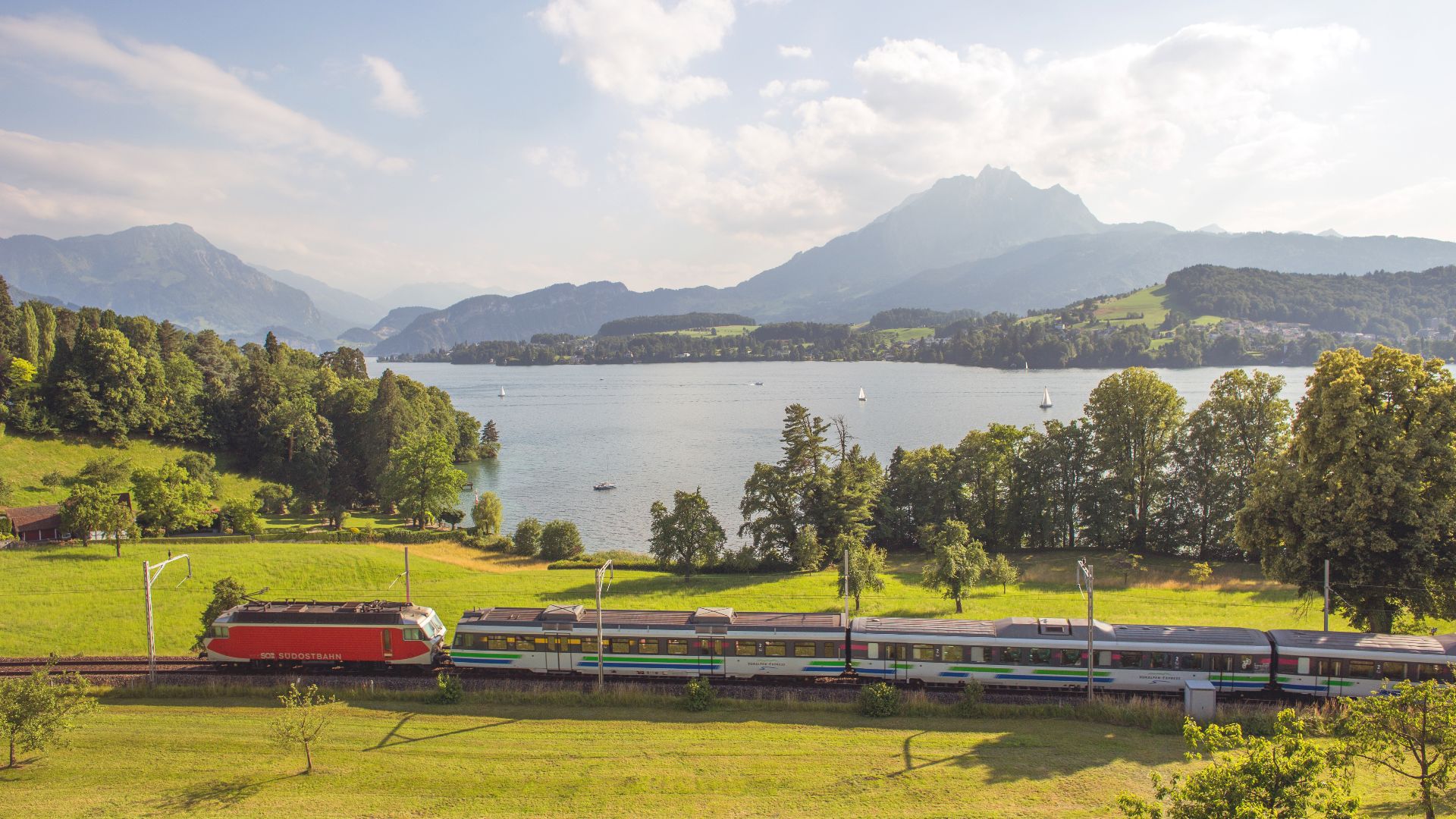
Many famous scenic railways still offer open seating or flexible boarding. Others require assigned seats because demand is extremely high. Luxury and premium scenic services often reserve every seat in advance to manage capacity and enhance the passenger experience.
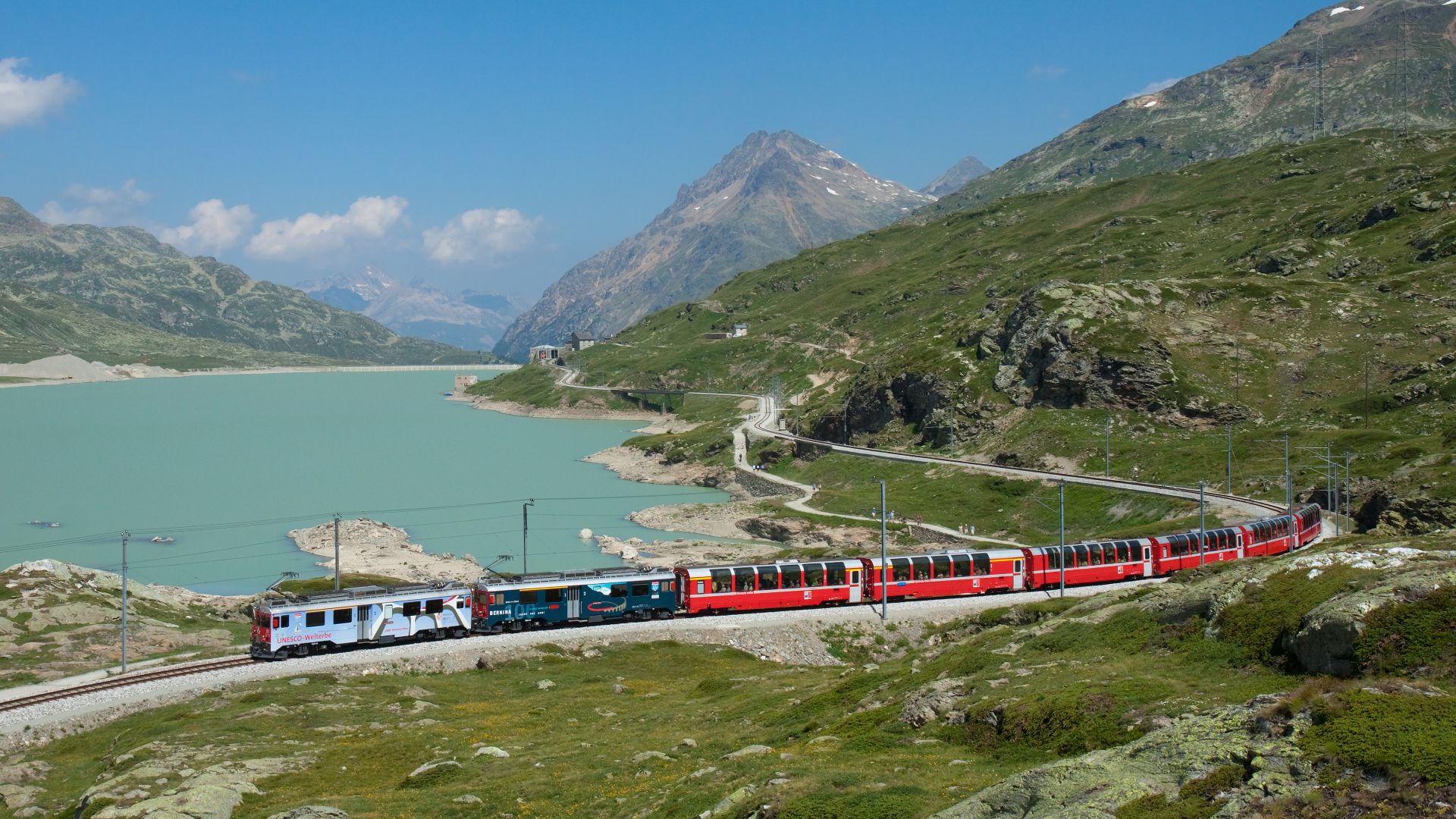 Kabelleger / David Gubler (http://www.bahnbilder.ch), Wikimedia Commons
Fare Class Can Matter
The ability to pick your seat is increasingly becoming a premium benefit. Some operators allow travelers in higher fare classes to select seats while assigning seats automatically in lower priced categories. That policy helps differentiate ticket options without changing the ride itself.
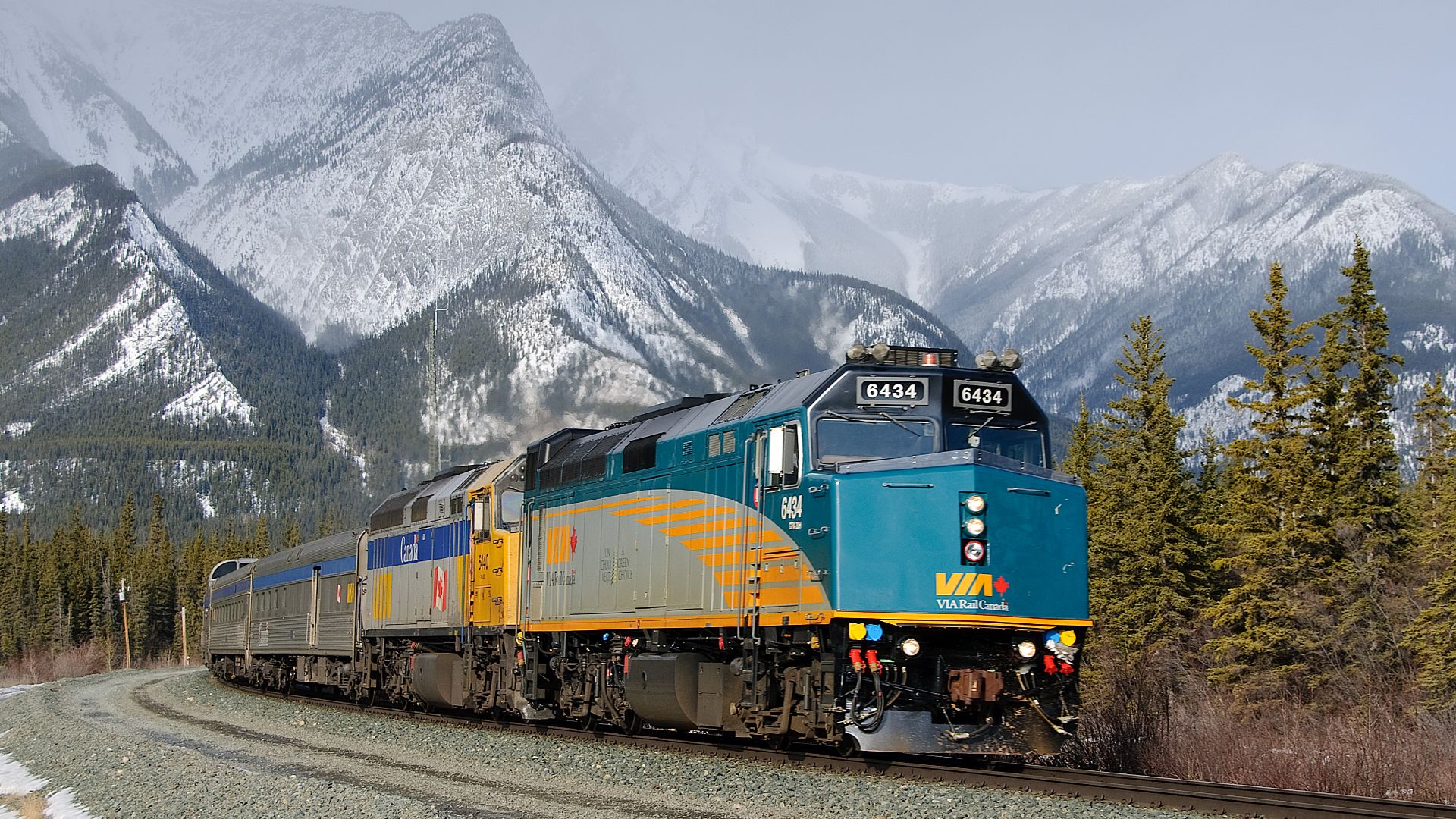
VIA Rail Offers A Choice
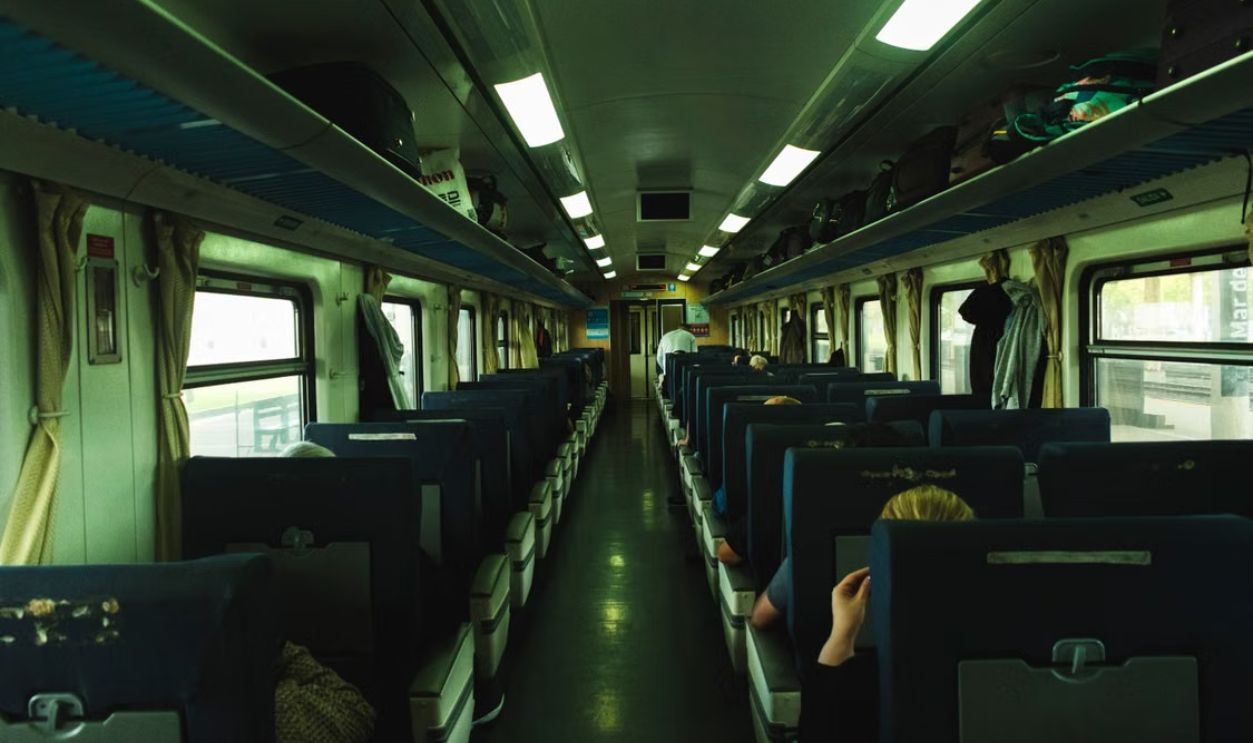
Canada's VIA Rail allows passengers traveling in the Québec City to Windsor Corridor to view and change assigned seats during or after booking. Depending on the fare purchased, some preferred seats may require an additional fee. Travelers can manage their seating online after receiving their reservation.
 Timothy Stevens, Wikimedia Commons
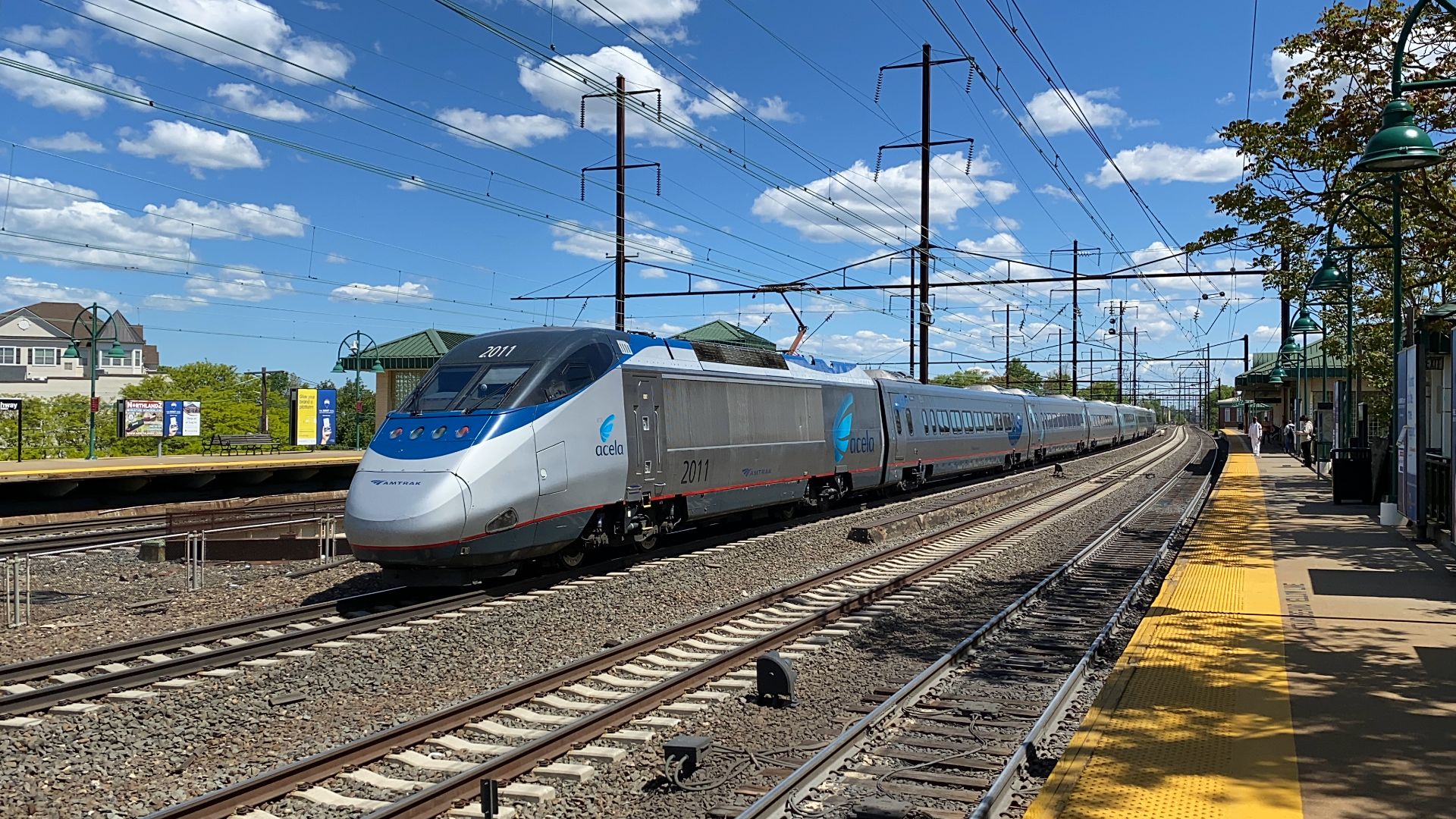
Amtrak Has Expanded Seat Selection
Amtrak now allows seat selection on Acela and several Business Class routes. Travelers can review or change their assigned seat during booking or later through the Amtrak website or mobile app without paying a change fee. Not every Amtrak route currently offers this feature.
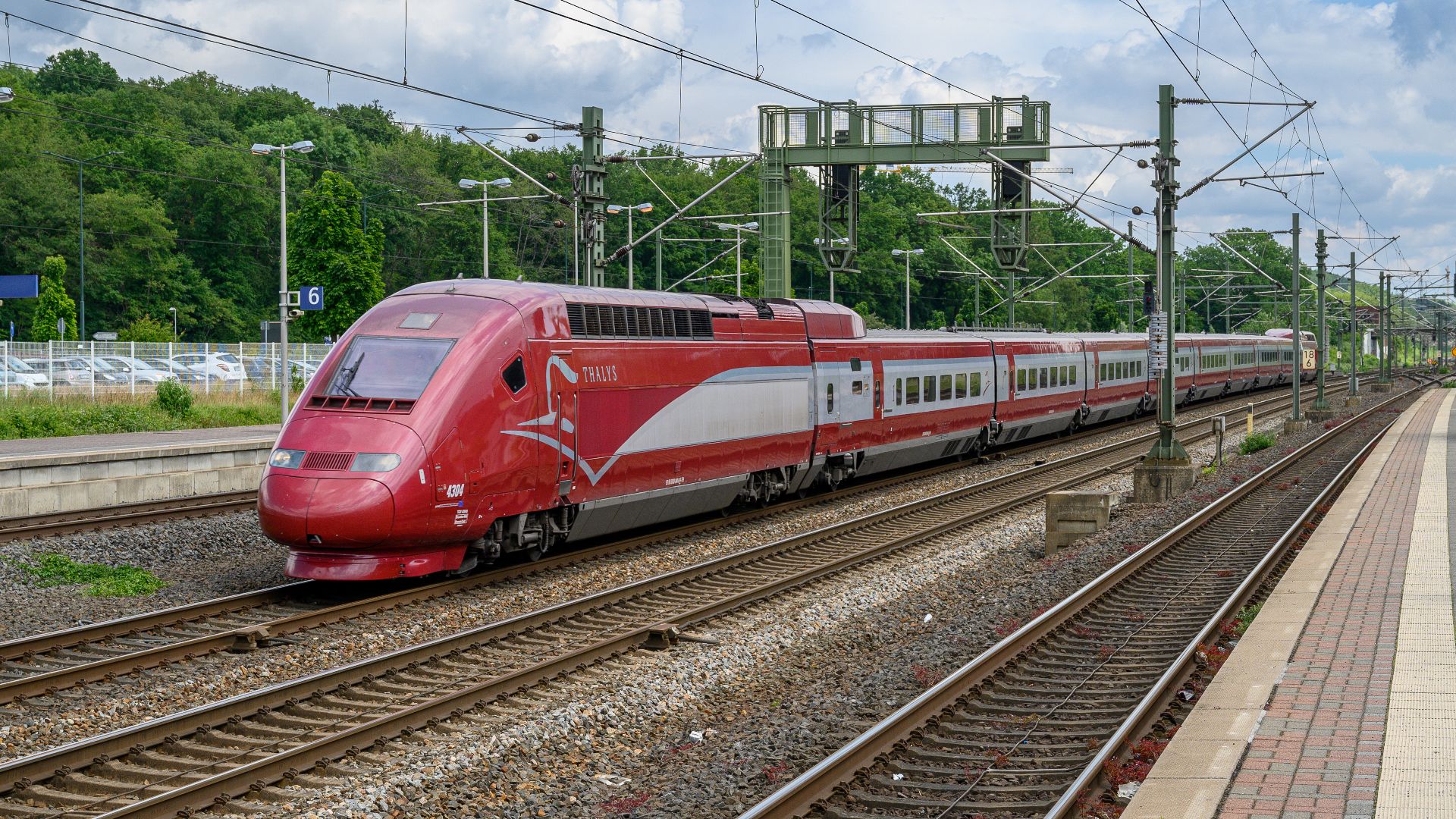
Eurostar Depends On Your Route
Eurostar policies differ across its network. Travelers going to or from London can generally change seats through the Manage Your Booking feature if space remains available. However, many continental European Standard fares do not include seat selection.
 Rob Dammers, Wikimedia Commons
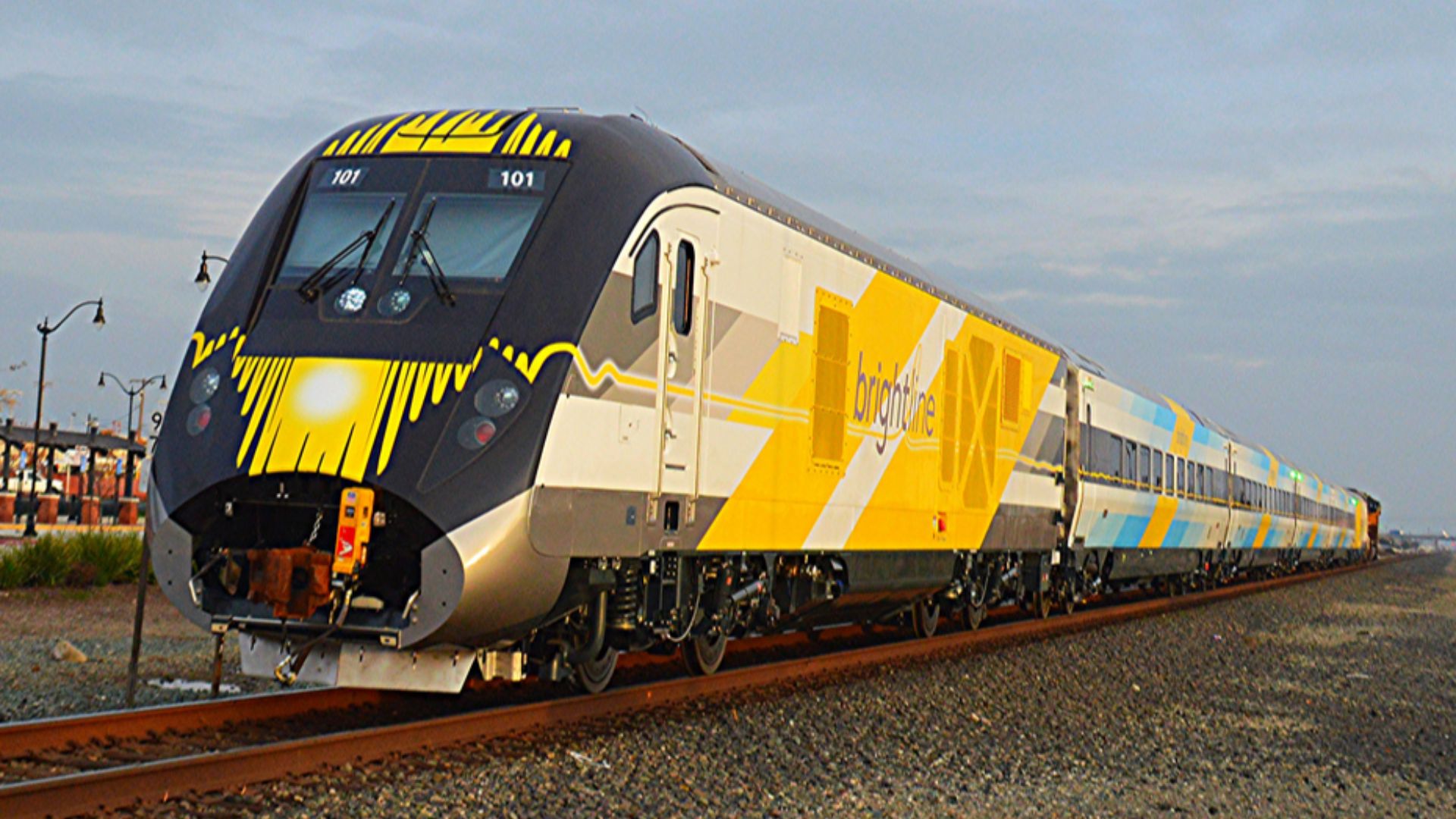
Brightline Uses Automated Assignments
Florida's Brightline automatically assigns seats for several services based on availability, group size, and travel patterns. Some Orlando services and Premium fares allow seat changes, while certain South Florida trips do not. The company says this improves capacity management and group seating.
 Dom Blevins (Sjrailfan35 ksjcaviation), Wikimedia Commons
Scenic Side Versus Window Side
Many travelers worry about choosing the correct side of the train for the best scenery. Unfortunately, there is often no universally correct answer. Routes can feature spectacular views on both sides, especially when the tracks curve through valleys, rivers, and mountain passes.
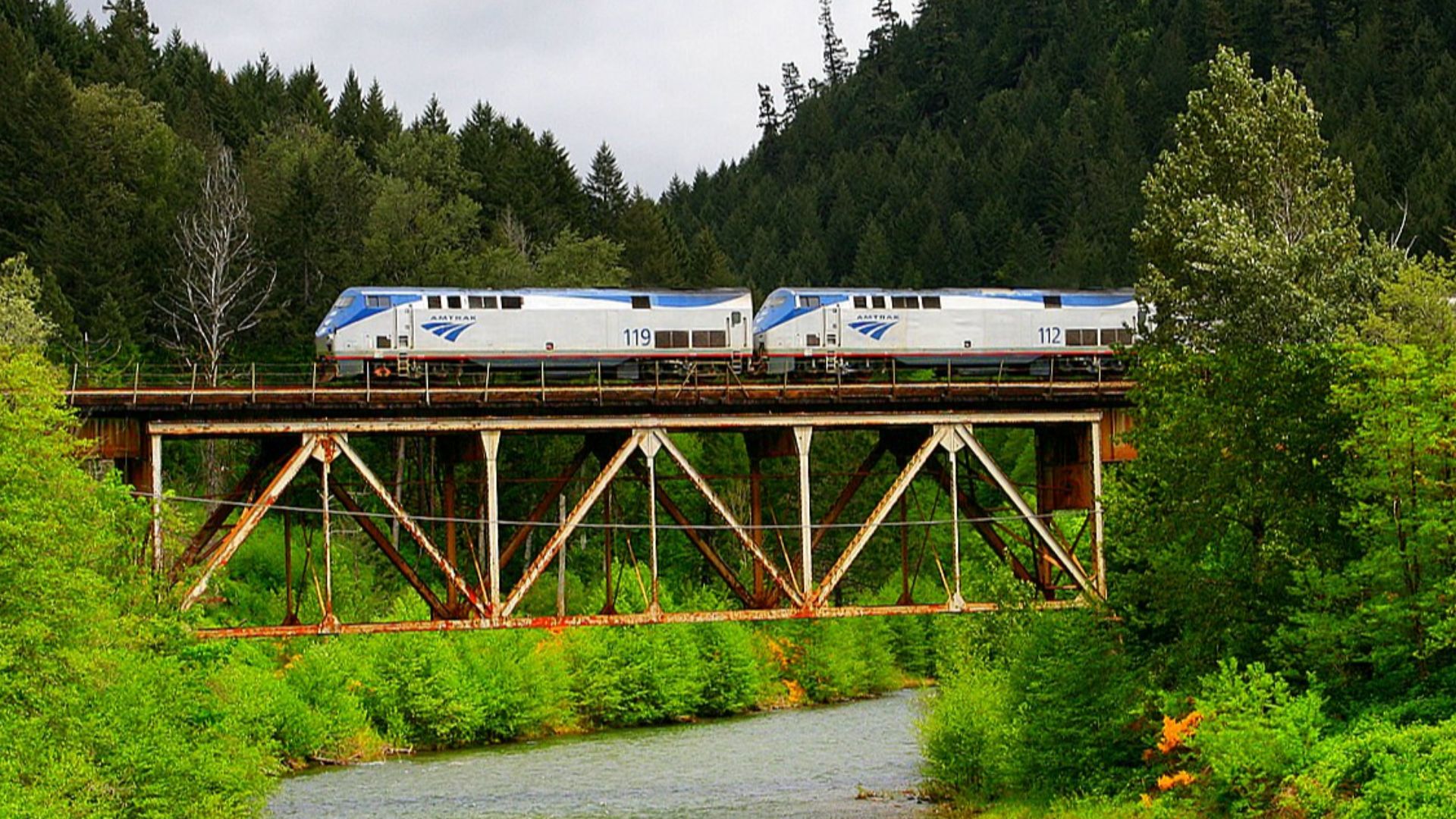 Bruce Fingerhood from Springfield, Oregon, US, Wikimedia Commons
Direction Of Travel Can Change
Another complication is train orientation. Equipment may be turned, reversed, or coupled differently from one trip to the next. That means a forward facing seat during one journey could face backward on another departure.
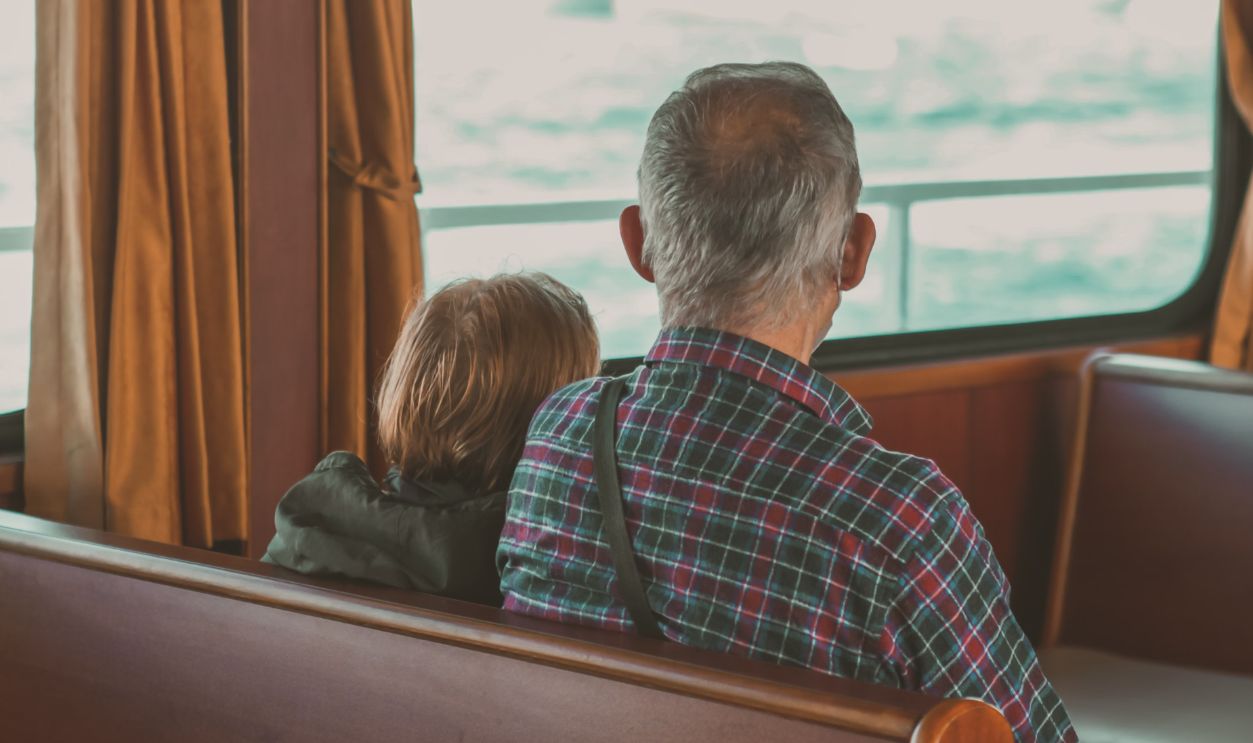
Window Seats Are Not Always Guaranteed
Even if you reserve early, the exact seat you want may already be unavailable. Some systems prioritize keeping groups together over maximizing individual preferences. Others reserve certain seats for operational reasons or accessibility needs.

Accessibility Always Comes First
Rail operators reserve accessible seating for passengers who require it. Automated systems are designed to protect those accommodations while assigning the remaining inventory fairly. That limits flexibility but improves accessibility for everyone who needs specialized seating.
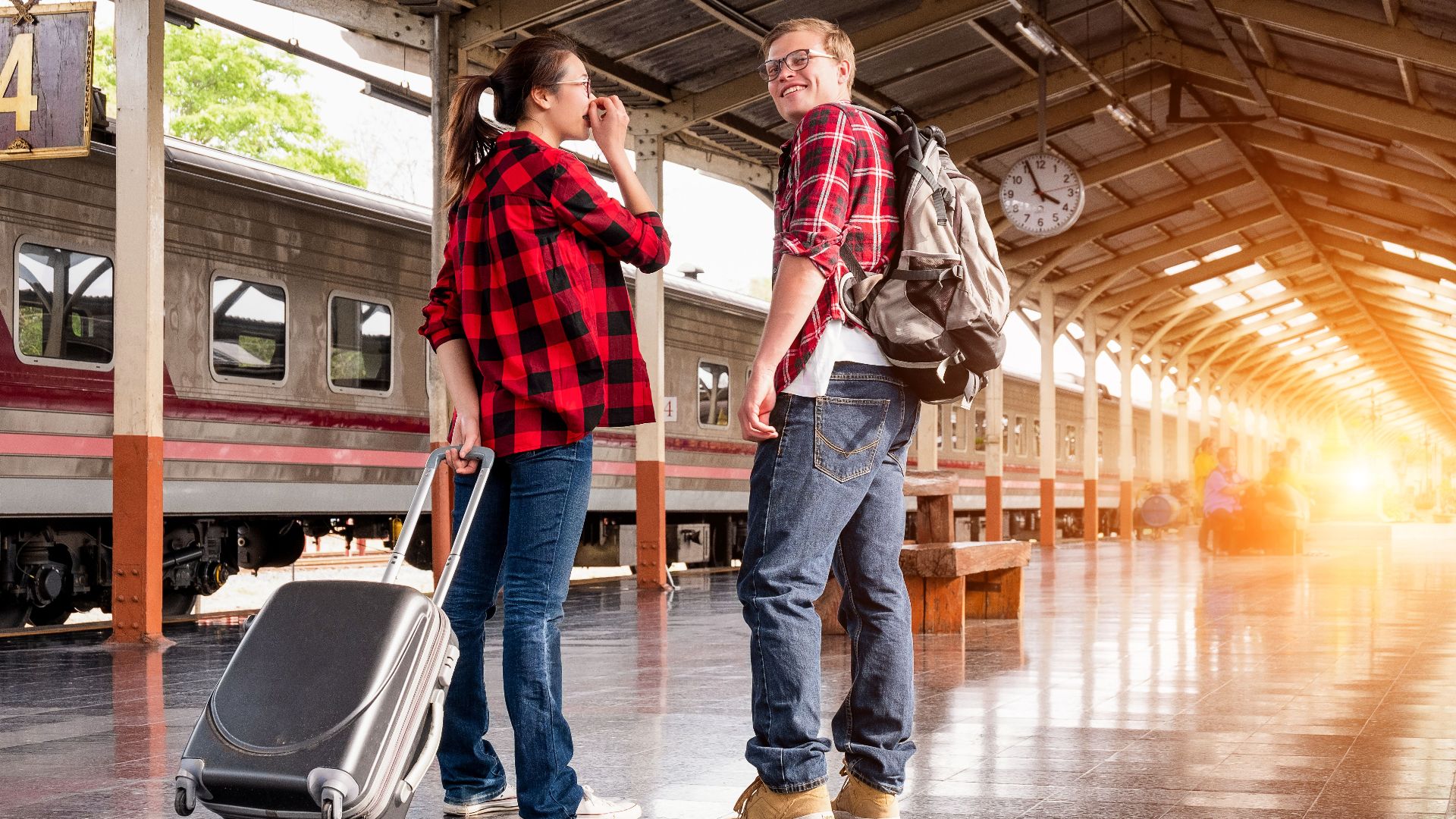 veerasak Piyawatanakul, Pexels
Booking Early Still Helps
Although automated assignments may feel restrictive, early reservations usually improve your odds of receiving desirable seating. More empty seats remain available for the reservation system to work with. Waiting until the last minute naturally reduces your options.

Traveling Solo Can Produce Odd Results
Single travelers sometimes end up sitting beside strangers even when empty rows appear elsewhere. That often happens because the software is preserving blocks of adjacent seats for future families or groups. It may look inefficient at first glance, but it can increase overall seating flexibility.

Can Customer Service Help?
Sometimes the answer is yes. If your assigned seat creates a genuine concern, contacting the rail company before departure may produce alternatives. Success depends on availability and each operator's individual policies.
 Priscilla Du Preez 🇨🇦, Unsplash
What Happens After Boarding?
Many passengers wonder whether they can simply move once the train departs. That depends on the operator and whether additional passengers will board later. Sitting in another reserved seat can create confusion when new travelers arrive.
Scenic Routes Sometimes Have Special Cars
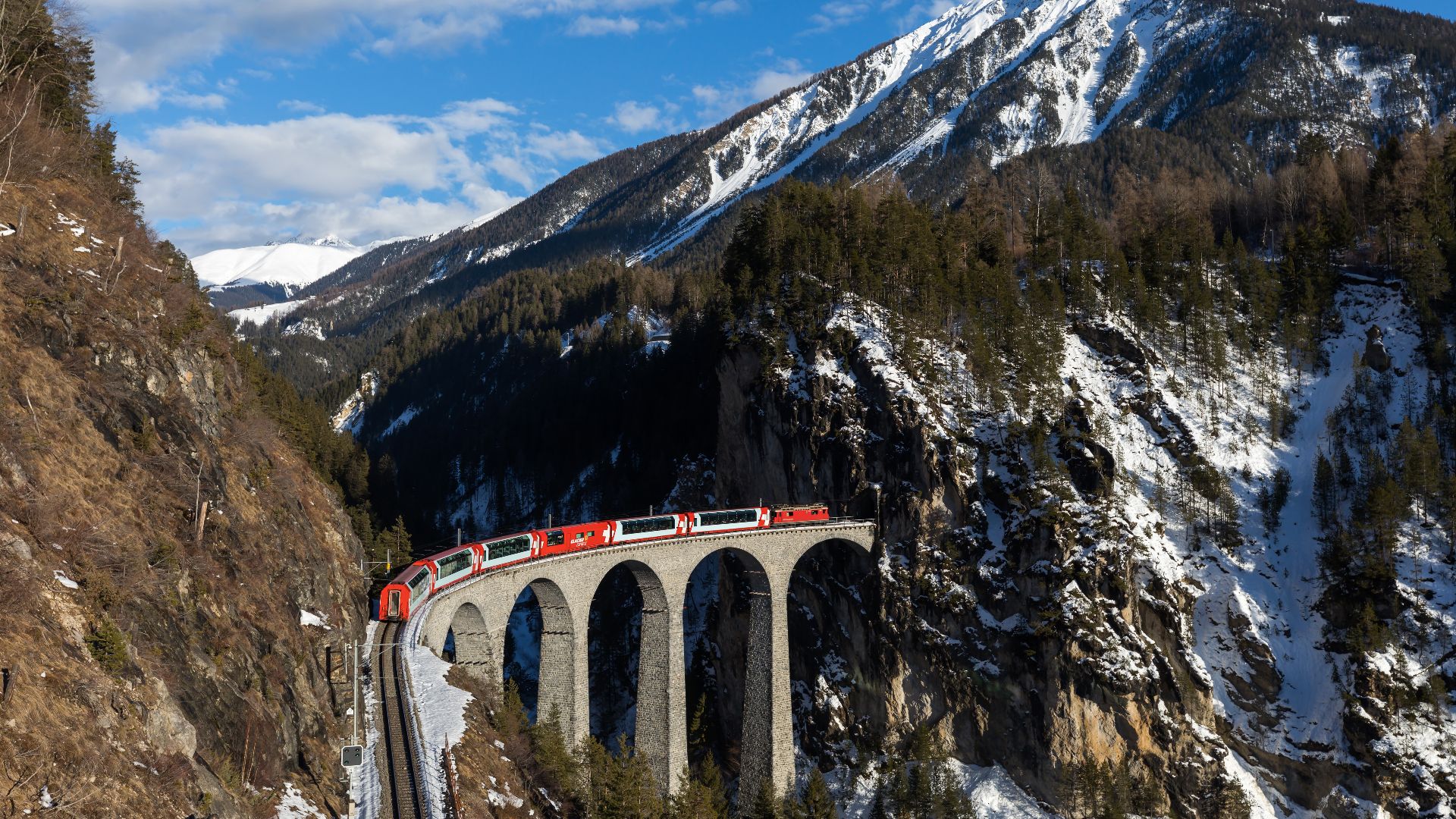
Certain scenic railways offer observation lounges, dome cars, or panoramic coaches. Access may depend on ticket type or reservation rules rather than your assigned standard seat. Those shared spaces can provide excellent views even if your assigned seat is less than ideal.
Premium Tickets Often Buy Flexibility
Higher priced fares frequently include more than larger seats. They may also provide greater flexibility to change seat assignments before departure. Travelers who care deeply about location may find the upgrade worthwhile.
Technology Keeps Improving
Reservation software continues to evolve as rail operators analyze travel patterns. Newer systems attempt to balance operational efficiency, passenger comfort, accessibility, and group seating simultaneously. While they may not satisfy every traveler, they generally improve overall capacity management.

Your Best Strategy Before Booking
Before purchasing tickets, review the seating policy for that specific operator. Look for information about seat selection, fare restrictions, and post booking changes. Those details are usually available during the reservation process.

Sometimes The View Is Better Than Expected
Many travelers discover that the seat they initially disliked turns out to offer wonderful scenery anyway. Scenic rail lines often deliver spectacular views throughout the journey rather than from only one side. Keeping an open mind can lead to pleasant surprises.
 Kabelleger / David Gubler, Wikimedia Commons
The Bottom Line
You cannot always choose exactly where you sit anymore, especially as automated seat assignment becomes more common across the rail industry. That does not mean the system is working against you. In most cases, it is balancing thousands of reservations while trying to seat families together, maximize available capacity, and keep trains running efficiently. Knowing each operator's seating policy before booking is the best way to avoid surprises and increase your chances of getting the ride you imagined.
You May Also Like:
13 Train Trips That Should Be On Everyone's Bucket List
Ranking The Most Beautiful Train Routes In The World—According To Travelers