
Everyone Wants A Say
You spend weeks researching destinations, comparing hotels, booking transportation, and organizing activities. Once the trip begins, though, family members criticize the itinerary, complain about restaurants, or question every decision. When one person carries the entire planning burden, frustration can quickly overshadow what should have been an enjoyable vacation.
Stop Being The Director
Many families unintentionally appoint one person as the permanent vacation planner. That may seem efficient, but it often creates unrealistic expectations. When something goes wrong, everyone blames the planner instead of recognizing that travel always involves compromises, changing conditions, and unexpected surprises.

Share The Responsibility
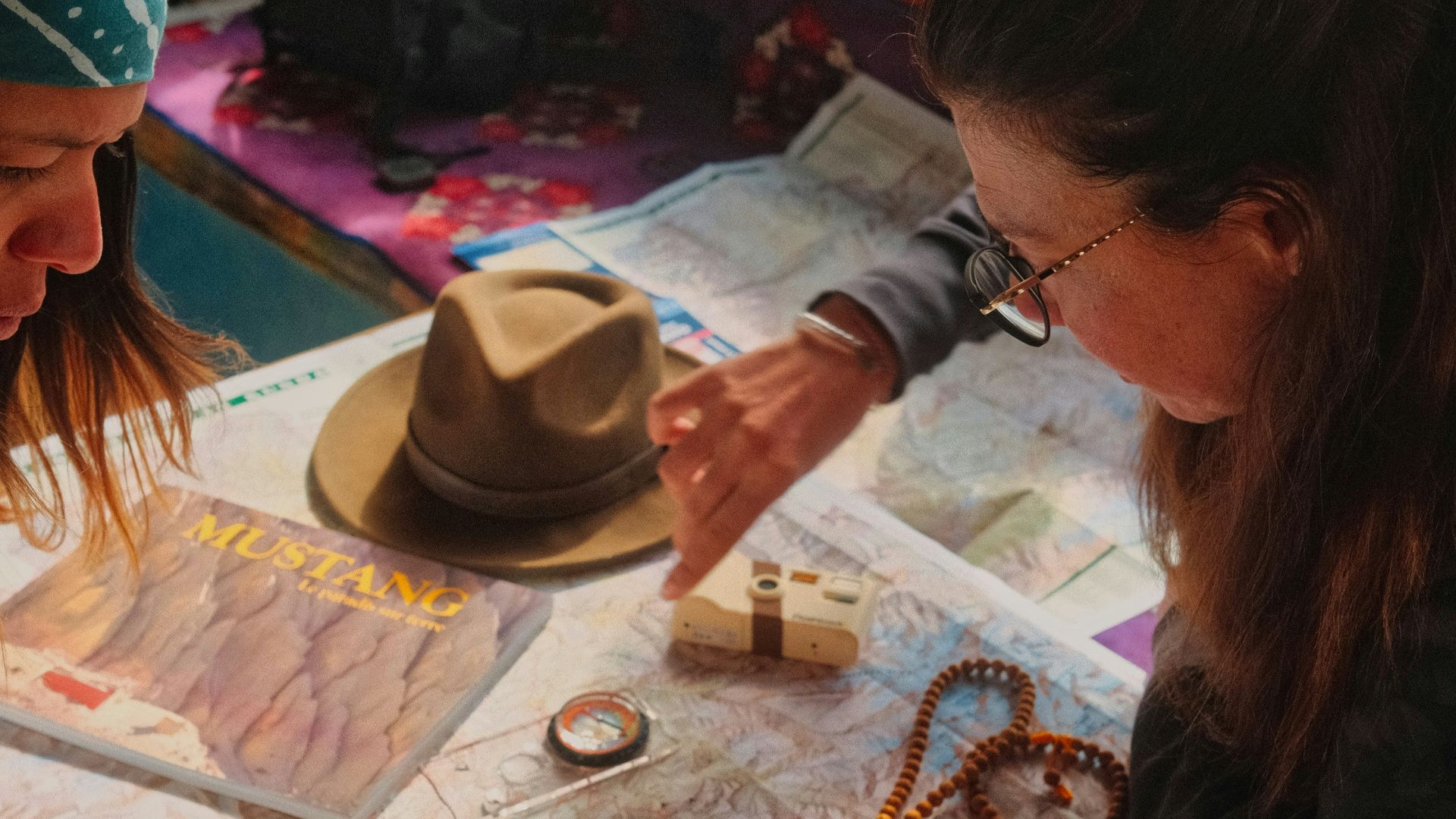
Instead of accepting every planning task yourself, divide responsibilities before the trip. One person can research accommodations, another can choose restaurants, someone else can book activities, and another family member can organize transportation. Shared responsibility usually leads to greater appreciation and fewer complaints.

Hold A Planning Meeting
Gather everyone before making reservations. Ask each traveler what they most want to experience. Encourage realistic expectations by discussing budgets, travel times, and physical limitations. When everyone contributes early, they are less likely to criticize decisions they helped make.

Give Everyone Choices
Ask each family member to select one or two must-do activities. Build the itinerary around those requests whenever practical. People generally become more invested in the vacation when they know their interests were considered instead of simply receiving a finished schedule.
Set A Budget Together
Money often causes more travel disagreements than sightseeing choices. Review transportation, lodging, meals, attractions, and shopping expenses before anyone leaves home. Agreeing on spending limits early reduces misunderstandings and prevents later complaints about costs or priorities.

Explain The Tradeoffs
Every vacation choice means giving up another opportunity. Spending an afternoon at a museum may leave less time for shopping. Choosing a luxury hotel might reduce the budget for tours. Explaining these tradeoffs beforehand helps everyone understand why certain decisions were made.

Avoid Overscheduling
Trying to satisfy everyone often produces an exhausting itinerary. Leave open afternoons or evenings without fixed plans. Free time allows family members to relax, explore independently, or simply recover from busy sightseeing without feeling rushed throughout the entire trip.

Accept Different Interests
Not every family member enjoys the same attractions. One person may love history museums while another prefers hiking or shopping. Consider splitting up for several hours so everyone can enjoy activities they genuinely appreciate before meeting again for dinner.

Rotate Daily Leadership
Consider assigning a different planner for each day. One person chooses breakfast, another selects the afternoon activity, while someone else decides where everyone eats dinner. Rotating responsibility helps every traveler appreciate how difficult vacation planning can actually be.

Leave Room For Change
Weather, transportation delays, long admission lines, and unexpected closures happen regularly. Build flexibility into your itinerary so changing plans feels like a normal adjustment instead of a disaster that somehow becomes the planner's fault.

Ask For Constructive Input
Complaints without solutions rarely improve a vacation. Encourage family members to offer alternatives instead of useless criticism. Asking, "What would you rather do?" often changes the conversation from blame toward collaborative problem solving.

Don't Chase Perfection
No vacation unfolds exactly as imagined. Flights are delayed, restaurants disappoint, and attractions become crowded. Accepting that imperfections are part of travel makes it easier for everyone to focus on enjoyable experiences instead of constantly searching for flaws.

Say No Sometimes
If relatives continually add new requests after reservations are complete, politely explain that some changes may not be practical or affordable. Setting reasonable boundaries prevents endless revisions that increase stress and unnecessary expenses.

Protect Your Enjoyment
Remember that you deserve a vacation too. Spending every day solving everyone else's problems or adjusting plans to satisfy constant complaints can leave you exhausted. Make sure your own interests and relaxation remain part of the itinerary.

Keep Expectations Realistic
Travel advertisements often present flawless vacations, but real trips include crowds, traffic, bad weather, and occasional disappointments. Reminding everyone of that reality beforehand can reduce frustration when conditions differ from idealized expectations.

Encourage Gratitude
Take a few minutes each evening for everyone to mention something they enjoyed that day. This simple habit shifts attention away from disappointments and idiotic incidents, and focuses on positive memories. This helps improve the overall mood of the trip.

Consider Professional Help
For especially complicated trips involving multiple cities or large groups, a travel advisor may help coordinate logistics. Using a professional can spread responsibility and reduce pressure on the family member who normally handles every reservation alone.

Handle Travel Problems Calmly
If flights are canceled or reservations go wrong, focus on finding solutions instead of assigning blame. Airlines, hotels, and tour operators each have their own policies, and remaining calm often leads to better customer service outcomes.

Know Your Rights
For United States travelers, airlines and travel providers must follow certain consumer protection rules, although not every inconvenience requires compensation. Understanding your rights before traveling helps set realistic expectations if disruptions occur.
 Frame Stock Footage, Shutterstock
Separate Complaints From Abuse
Constructive disagreement is normal during family travel. Personal attacks, constant criticism, or expecting one person to solve every problem crosses into unhealthy behavior. Respectful communication benefits everyone far more than assigning blame.

Learn From Every Trip
After returning home, discuss what worked well and what should change next time. Honest conversations often produce better future vacations because everyone understands what responsibilities they will share during the planning process.

It Is Okay To Step Back
If your family insists that your planning is never good enough, consider stepping back entirely next time. Let someone else organize the vacation from beginning to end. Many habitual critics gain a new appreciation after experiencing the work firsthand.

Remember The Bigger Picture
Years from now, your family will probably remember funny mishaps, shared meals, beautiful scenery, and time together far more than which restaurant was chosen or which museum was skipped. Focus on creating meaningful memories rather than achieving a flawless itinerary.

Travel Should Be Shared
A family vacation belongs to everyone, not just the person making reservations. Sharing planning, accepting compromises, and treating one another with respect can transform travel from a source of stress into an experience that strengthens family relationships instead of straining them.

You May Also Like: