The Vacation Fight You Could See Coming
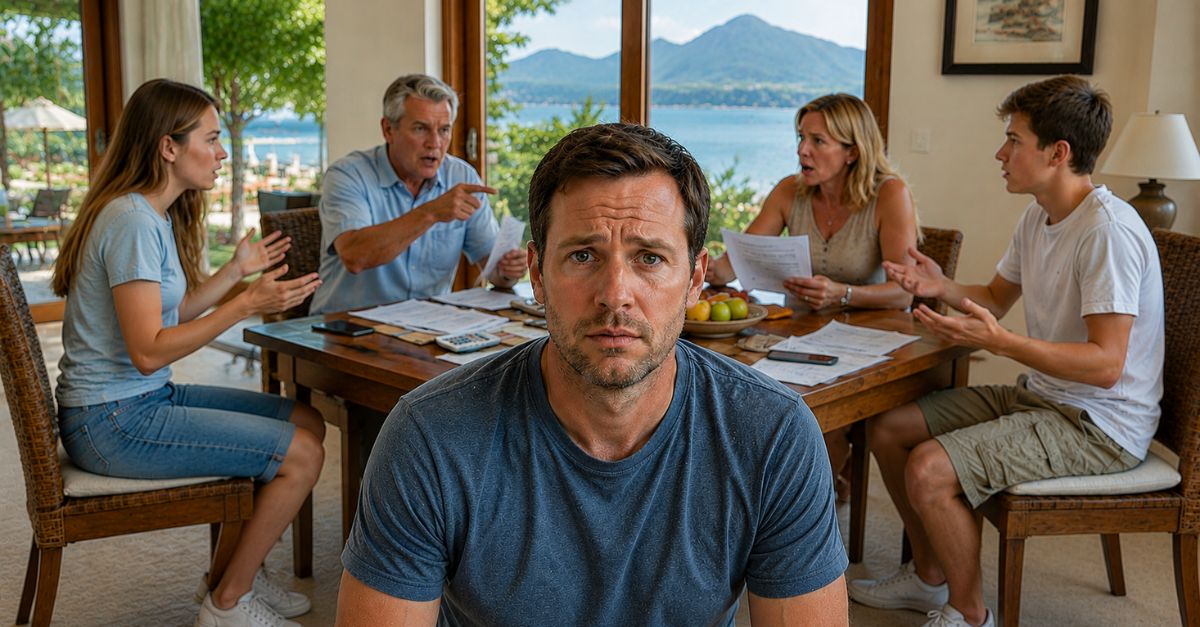
Group trips look great when everyone is booking flights and sharing restaurant ideas. Then day two hits, your sister starts adding up dinner costs, and the mood changes fast. Money fights on family vacations are common because travel squeezes spending, time pressure, and different expectations into a few intense days. But is this a problem with your family, or just a problem of bad planning?
Travel Puts Stress On A Loudspeaker
Vacations are supposed to be relaxing, but travel comes with plenty of stress. A 2021 report from the U.S. Travel Association and Ipsos found that many Americans saw travel as important to emotional well-being, but that does not cancel out airport delays, crowds, and budget pressure. When people are tired and out of their routine, their bad habits tend to show up faster.

Money Becomes Impossible To Ignore
At home, families can dodge awkward talks about income and spending for a long time. On a trip, every choice costs something, from airport coffee to excursions to who wants the better room. That nonstop run of money decisions forces people to face differences they usually leave unspoken.

Different Budgets Mean Different Vacations
One relative may treat the trip like a rare chance to spend freely, while another is watching every dollar. Financial therapists and family counselors often point to that mismatch as a major source of resentment because each person sees their own approach as the sensible one. If nobody talks honestly before the trip starts, the vacation can turn into one long argument about what kind of trip it is supposed to be.
 Cast of Thousands, Shutterstock
Shared Costs Create A Fairness Problem
Behavioral economists have found again and again that people care deeply about fairness, especially in groups. That matters on vacation because families often split bills in loose, casual ways that seem fine at first. Then somebody realizes they paid an equal share for a huge seafood dinner they barely touched, and now every meal is part of the case.

The Mental Accounting Trap
Economist Richard Thaler helped popularize the idea of mental accounting, which is the way people sort money into different buckets in their minds. On vacation, one person may think flights were the big expense, so daily spending should stay low. Someone else may treat the whole trip as a special category where normal rules do not apply. Both views make sense to the person holding them, and that is exactly why the fight can get so heated.
Family Roles Come Roaring Back
Travel has a way of bringing old family dynamics back to life. The sibling who always felt bossed around may bristle at a packed itinerary. The parent who used to manage everything may panic when nobody has a plan. Therapists often note that adults can slip back into childhood roles around family, especially when stress is high.

Vacations Shrink Personal Space
Even close families usually need a little room to breathe, and group trips often wipe that out. Shared cars, shared rentals, and back-to-back plans leave almost no space to cool off after a disagreement. Without privacy, small annoyances do not fade. They pile up.

Decision Fatigue Hits Fast
Travel demands a surprising number of choices in a short time. People have to decide where to eat, what to do, how to get there, and whether the price is worth it, sometimes several times a day. Research on decision fatigue suggests that when mental energy drops, patience and cooperation can drop right along with it.

Everyone Thinks They Are Being Flexible
This is one of the trickiest parts of group travel. Nearly everybody thinks they have compromised more than everyone else, which leaves them feeling both unappreciated and overcharged. That gap in perception can turn a basic money issue into something much more emotional.

Vacations Carry High Emotional Stakes
People do not just spend money on a trip. They spend hope. Because vacations are expensive and limited, family members may feel pressure for every day to be fun, efficient, and worth the cost. That leaves very little patience for mistakes, delays, or disagreements.

Scarcity Makes Every Choice Feel Bigger
If a family gets one big trip a year, every dinner reservation and activity can start to feel loaded with meaning. A skipped excursion is not just a skipped excursion. It can feel like the loss of a rare chance, especially for relatives who saved for months to be there.

Travel Also Exposes Power Struggles
The person who booked the flights may assume they get more say over the itinerary. The person with the highest income may expect everyone else to keep up. The relative who paid for the rental house may start to feel like the trip manager. Money and control get tangled fast, and that is often where the ugliest arguments start.

Unequal Incomes Rarely Stay Secret On The Road
Travel makes private financial realities much harder to hide. One family member may suggest a fancy tasting menu without realizing another is worried about credit card debt. The Federal Reserve’s annual Survey of Household Economics and Decisionmaking has found that many Americans struggle to cover unexpected expenses, which helps explain why casual vacation spending can trigger real anxiety.

Even Tiny Purchases Can Become Symbolic
The fight is rarely just about the museum ticket or the extra cocktail. Small expenses become stand-ins for bigger complaints, like who is selfish, who is cheap, or who never thinks about anyone else. That is why money fights on vacation can feel far more personal than the dollar amount suggests.

Group Trips Often Lack Clear Rules
At work, shared spending usually comes with policies, receipts, and approval. On family vacations, the rules are often vague or never said out loud. Without a clear plan for splitting lodging, meals, transportation, and optional activities, people fill in the blanks with their own assumptions, then get angry when everyone else had different ones.

The Best Fix Starts Before Anyone Packs
The most useful travel advice here is not glamorous, but it works. Families should decide before booking what counts as shared, what is optional, and what each person can realistically afford. Consumer guidance groups and travel planning services regularly recommend setting a firm budget early instead of hoping everything will sort itself out in the middle of the trip.

Be Specific About What Split Equally Means
Equal is not always fair. If one couple wants the bigger room, orders more drinks, or pushes for pricier restaurants, a simple split-everything system can create resentment fast. A better approach is to separate big fixed costs from personal extras and agree on that ahead of time, even if it is just in a group text.

Pick A Spending Tool Before The Trip
Practical tools can stop small money issues from turning into emotional blowups. Apps like Splitwise are popular because they track who owes what in real time, which cuts down on fuzzy memory and selective math. The exact app matters less than choosing one shared system and actually sticking to it.

Build In Optional Activities
Not every expense has to be shared. If one part of the family wants the expensive boat tour and another would rather stay on the beach, that is not a character flaw. It is a budget difference, and the healthiest trips make room for both without guilt.

Give People Permission To Say No
Many vacation money fights get worse because relatives feel pressure to join every meal, outing, and ticketed event. A simple agreement that anyone can skip something without drama can lower tension right away. Adults usually handle trips much better when participation is not treated like a loyalty test.

Stop Treating One Person As The Cruise Director
When one family member plans everything, they often end up resentful, and everyone else ends up reacting instead of helping. Sharing responsibility for reservations, grocery runs, and transportation can reduce the feeling that one person is carrying the trip, financially or emotionally. It also makes conflict feel less like a rebellion against a parent figure.

Privacy Is Not A Luxury
Travel planners often focus on price and location, but space matters just as much on family trips. Separate bedrooms, downtime, and even a few solo hours can keep minor irritations from turning into late-night arguments. If the budget allows, paying a little more for breathing room can save the trip.

Talk About The Trip’s Purpose
Some people want rest. Others want sightseeing, nightlife, or nonstop family time. If nobody agrees on the point of the trip, money fights often become the visible sign of a deeper problem: no one is even chasing the same version of a successful vacation.

A Mid-Trip Check-In Can Save The Rest Of It
You do not need a formal meeting, but a quick reset can help. Ask what is working, what feels too expensive, and what each person still wants to do. Catching resentment early is much easier than trying to untangle it after three days of silent scorekeeping.

Sometimes The Cheapest Trip Is Not The Best Deal
A crowded rental with too few bathrooms and no privacy can cost less on paper and still make everyone miserable. The same goes for packing every day with activities just to get your money’s worth. In real life, the better value is often the trip setup that lowers friction and gives people a real chance to enjoy each other.
 LIGHTFIELD STUDIOS, Adobe Stock
It Is Not Really About Travel Bringing Out Evil
Most of the time, travel does not create brand-new flaws. It exposes old differences around money, control, communication, and family identity. The airport, the restaurant bill, and the rental kitchen are just the places where those tensions become impossible to avoid.

The Good News Is That This Pattern Can Change
Families who handle group travel well usually are not magically laid-back. They are clearer. They talk about budgets early, split costs openly, allow different spending levels, and make room for rest and independence. That may not sound exciting, but it works a lot better than spending another trip fighting over appetizers and parking fees.