
The Dream Trip Unravels
You bought tickets, booked flights, reserved hotels, and planned a once-in-a-lifetime World Cup trip. Then an email arrives saying your tickets are no longer available. Unfortunately, this situation happens in the secondary ticket market. The good news is that you may still have several avenues for compensation.
Start With Documentation
Before taking any action, gather every relevant document. Save purchase confirmations, cancellation notices, payment receipts, hotel reservations, airline bookings, and screenshots of ticket listings. Detailed records can become important if you later seek reimbursement, file a dispute, or pursue legal action.

Read The Terms
Your first step should be reviewing the reseller's terms and conditions. Many platforms spell out what happens when a seller cannot provide tickets. Some promise replacement tickets, while others limit compensation to a refund of the original purchase price.

Request Replacement Tickets
If the event has not yet occurred, ask whether comparable replacement tickets are available. Some marketplaces maintain policies designed to secure alternative seats when original sellers fail to deliver. Replacement tickets may save the trip even if compensation remains uncertain.

Demand Written Responses
Whenever possible, communicate through email or written messaging systems. Written responses create a record of promises, explanations, and offers. If a dispute later develops, documentation showing what the company told you can become extremely valuable.

Ask About Travel Losses
Many ticket companies limit reimbursement to ticket costs alone. Nevertheless, you can still ask whether travel expenses will be considered. Some companies occasionally provide credits, vouchers, or additional compensation even when their policies do not explicitly require it.

Review Your Credit Card
Credit card purchases often provide additional protections. If you paid by credit card and did not receive the product promised, you may be able to dispute the charge through your card issuer. Each issuer has its own procedures and deadlines.

Consider A Chargeback
A chargeback is a formal dispute through your credit card company. If tickets were canceled and acceptable replacements were not provided, your bank may investigate whether you received the service you paid for. Supporting documentation will strengthen your case.

Act Quickly
Chargeback deadlines vary. Waiting too long can limit your options. As soon as you learn the tickets are unavailable, review your card issuer's dispute procedures and begin gathering evidence before important records become harder to obtain.

Check Purchase Protection
Some premium credit cards include travel or purchase protection benefits. These programs sometimes provide reimbursement for certain losses when purchased items or travel arrangements are disrupted. Review your card's benefits guide carefully before assuming coverage does not exist.

Look For Ticket Insurance
If you purchased optional ticket protection or event insurance, review the policy language immediately. Coverage varies widely, but some plans may provide benefits when ticket delivery problems prevent attendance at an event.

Contact State Regulators
Many states maintain consumer protection offices or attorney general complaint systems. Filing a complaint may not produce immediate reimbursement, but it can increase pressure on a company and create an official record of the dispute.

Federal Consumer Protections
The federal government has increased scrutiny of ticket sales practices. Recent Federal Trade Commission actions have focused on pricing transparency and consumer protection in live-event ticketing, particularly regarding misleading fees and disclosures.
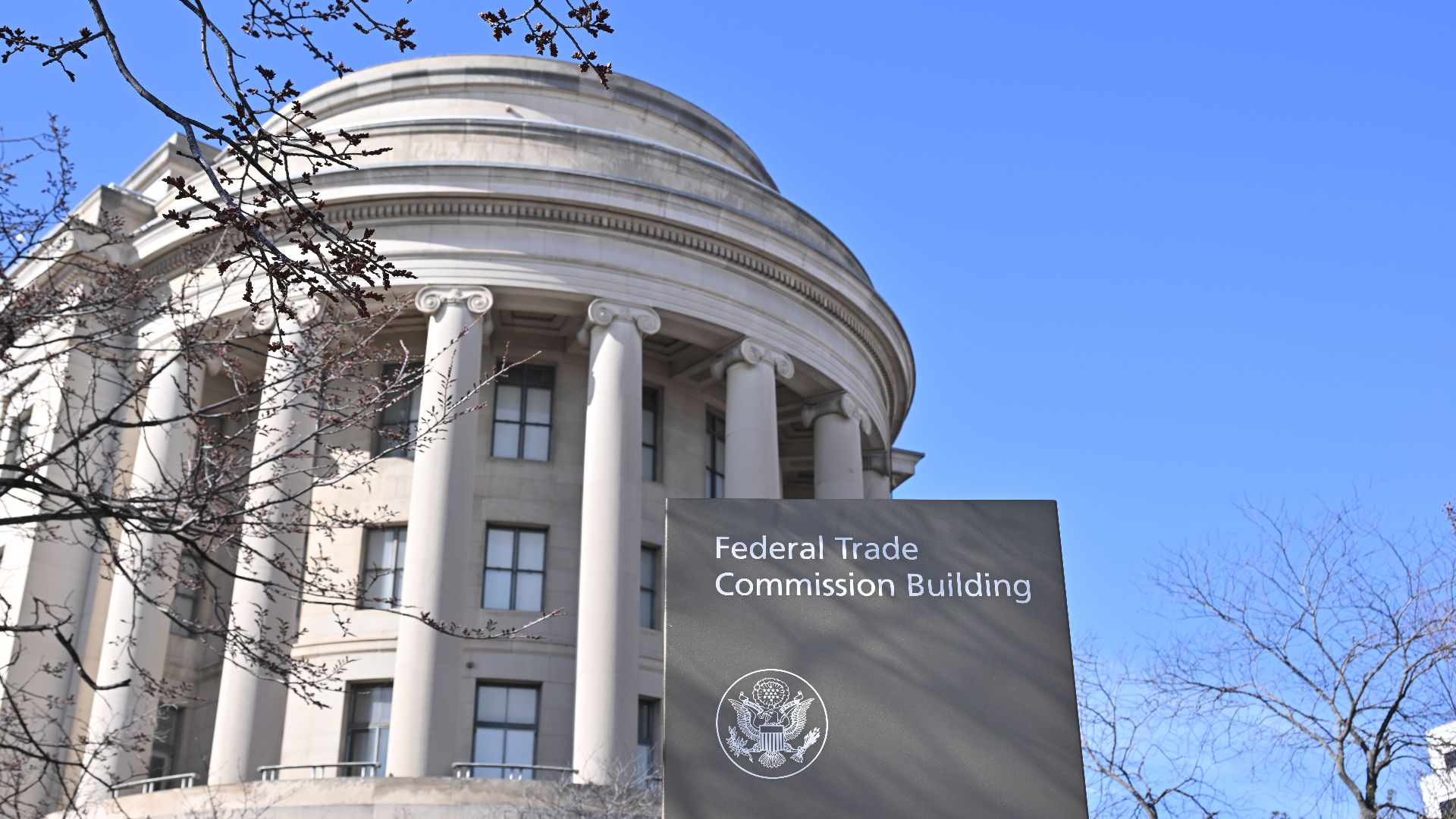 G. Edward Johnson, Wikimedia Commons
Understand The FTC Rule
The FTC's Rule on Unfair or Deceptive Fees requires sellers of live-event tickets to display total prices more transparently and prohibits certain deceptive pricing practices. While the rule does not guarantee ticket availability, it does strengthen consumer protections against misleading sales practices.

Hidden Fees Matter
Federal regulators have made ticket pricing transparency a major enforcement priority. Companies that fail to disclose mandatory fees properly may face penalties and enforcement actions. Those protections are aimed at helping consumers understand the true cost of purchases.

Escalate The Complaint
If front-line customer service cannot help, ask for supervisors or executive customer relations teams. Escalation sometimes results in solutions unavailable through standard channels, particularly when large sums of money or major travel plans are involved.

Preserve Every Receipt
Keep receipts for hotels, flights, transportation, and other expenses. Although recovering these costs may be difficult, complete records provide evidence if negotiations, arbitration, insurance claims, or legal proceedings become necessary.

Explore Small Claims Court
When significant money is involved, small claims court may become an option. Procedures differ by state, but these courts generally allow consumers to pursue relatively modest financial claims without hiring an attorney.

Evaluate Arbitration Clauses
Many ticket marketplaces require arbitration instead of traditional lawsuits. Review the user agreement carefully. Arbitration provisions may affect where and how disputes must be resolved, and they can significantly influence your legal strategy.

Consider Breach Claims
In some circumstances, canceled tickets may raise questions about breach of contract. Whether such claims succeed depends heavily on the marketplace's terms, state law, and the specific facts surrounding the cancellation.

Understand Damage Limits
Even if you establish that a company acted improperly, recovering airfare and hotel costs can be challenging. Many user agreements attempt to limit liability for consequential damages such as travel expenses and lost opportunities.

Search For Class Actions
If numerous consumers experienced the same issue, class action litigation may eventually emerge. Monitoring consumer news and legal developments can help you determine whether broader legal efforts are underway regarding similar complaints.

File Agency Complaints
You may also submit complaints to agencies such as the Federal Trade Commission and the Better Business Bureau. While these organizations do not resolve every dispute directly, complaints help identify patterns of consumer harm.

Check State Laws
Ticket resale laws vary considerably by state. Some states impose additional disclosure requirements, refund rules, or consumer protections beyond federal requirements. Your home state's laws may provide rights not available elsewhere.
Review Travel Insurance
Travel insurance generally focuses on transportation and trip interruptions, but policies differ. Review your policy carefully to determine whether any benefits might apply to event-related disruptions connected to your travel plans.

Calculate The Real Loss
Determine exactly how much money is at stake. Separate ticket costs from flights, hotels, meals, and other expenses. A clear accounting of losses helps you evaluate whether pursuing additional remedies makes financial sense.

Avoid Emotional Decisions
A canceled World Cup trip can be incredibly frustrating. Nevertheless, approach the problem methodically. Organized documentation, timely action, and a clear understanding of your rights often produce better results than emotional confrontations.

Watch For Replacement Offers
Do not automatically reject replacement offers. Depending on timing, comparable seats may provide a practical solution that allows you to attend the event and preserve the value of your existing travel arrangements.

Know Your Deadlines
Every remedy comes with deadlines. Credit card disputes, arbitration filings, insurance claims, and court actions all have time limits. Missing those deadlines can eliminate options that otherwise might have been available.

Consult An Attorney
If thousands of dollars are involved, consulting a consumer protection attorney may be worthwhile. An attorney can evaluate contracts, arbitration clauses, state laws, and potential claims specific to your circumstances.

Focus On Recovery
The cancellation may feel devastating, but it does not necessarily mean all is lost. By documenting everything, exploring consumer protections, and acting quickly, you can maximize your chances of recovering money or finding a workable alternative.

You May Also Like:
Things Europeans Love About America That Americans Take For Granted