The Souvenir That Seemed Too Good To Be True
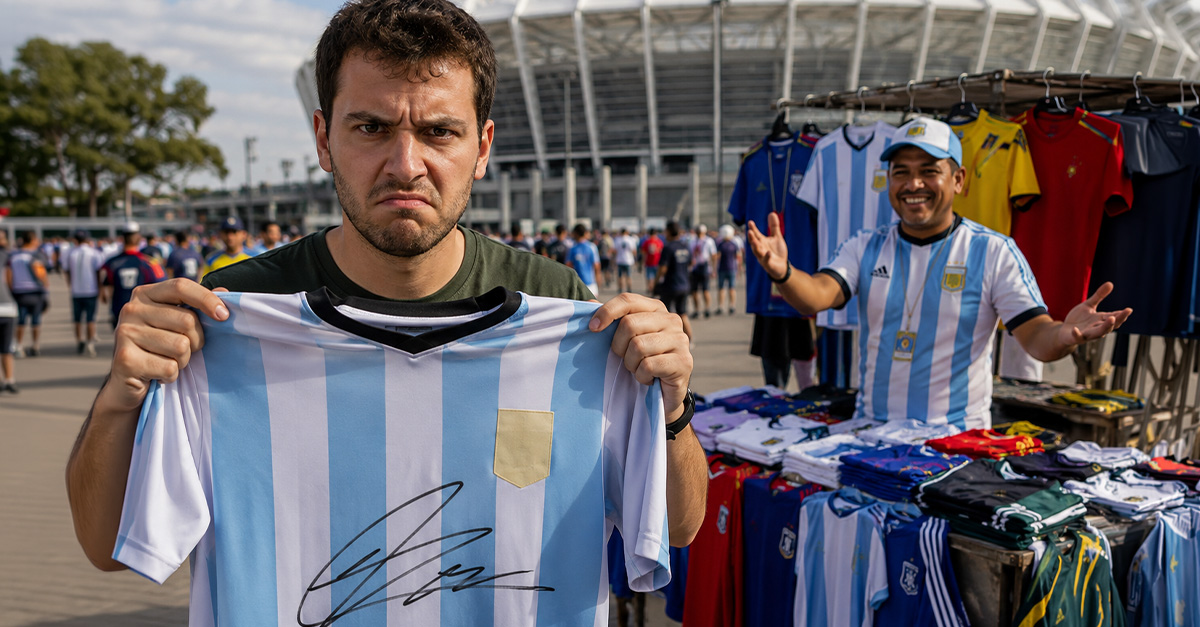
You were swept up in the World Cup buzz, surrounded by chants, flags, food smells, and fans from everywhere. Then a street vendor waved over a “signed” jersey from your favorite player. It felt like fate. You paid, grinned, and walked away with your prize—until later, when the truth kicked in. Fake.
First, Don’t Beat Yourself Up
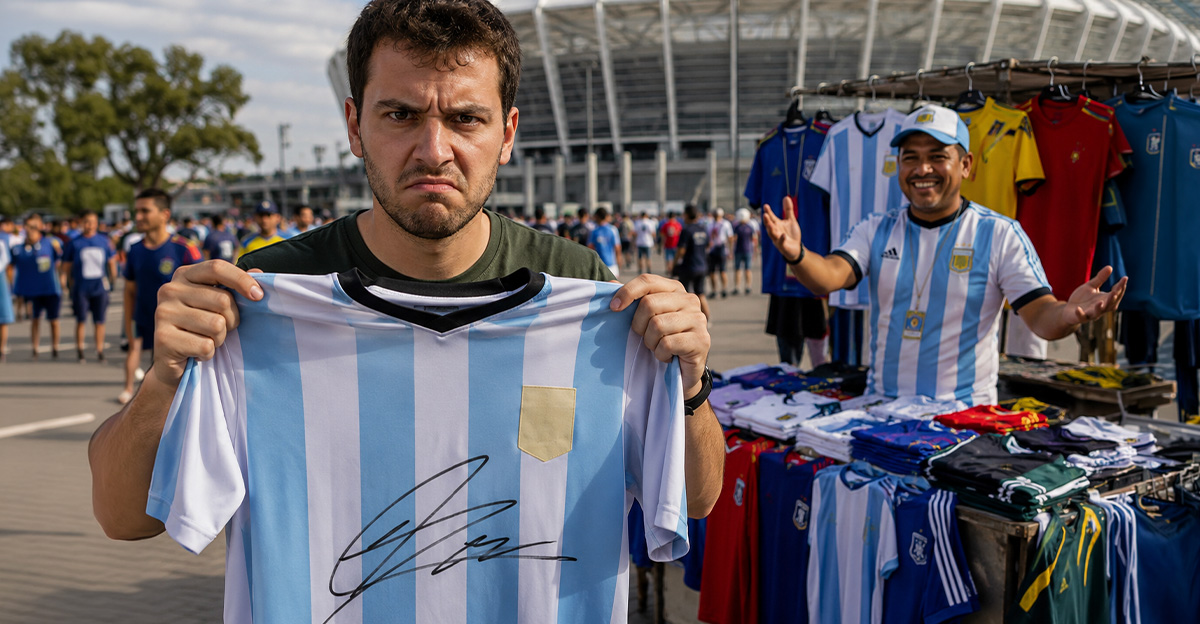
This kind of thing happens all the time at huge sporting events. Scammers know fans are excited, distracted, and probably not stopping to inspect stitching under stadium lights. You bought a memory, or at least thought you did. Feeling embarrassed is normal, but this does not make you foolish.

Save Everything You Still Have
Before you do anything else, gather your evidence. Take clear photos of the jersey, autograph, tags, packaging, and any certificate that came with it. If you remember the street, stall, or nearby landmark, write that down too. Tiny details can become surprisingly useful when you start making reports.

Write The Story While It’s Fresh
Give yourself five minutes and jot down exactly what happened. Where were you? What time was it? How much did you pay? What did the vendor claim? Did they say it was official, rare, match-worn, or signed in person? Those details matter, especially if you contact your bank.
 LinkedIn Sales Navigator, Pexels
Take A Closer Look At The Jersey
Now put on your detective hat. Look for misspelled names, crooked badges, thin fabric, strange sizing, messy stitching, or labels that look suspiciously cheap. Counterfeit jerseys often look fine at a glance, especially in a crowd, but up close they can start telling on themselves pretty quickly.

Check The Signature Against Real Examples
Autographs are tricky, because players do not sign every jersey exactly the same way. Still, compare yours with verified examples from reputable auction houses, official club stores, or trusted memorabilia dealers. If the shape, flow, or initials look wildly different, that is another sign you were sold a dud.

Be Wary Of Fancy-Looking Certificates
A certificate of authenticity can feel reassuring, but scammers know that too. A flimsy certificate from some grand-sounding mystery company does not prove much. Real memorabilia is usually backed by a known authenticator, licensed seller, team source, auction house, or reputable dealer with a traceable history.

Start With The Payment Method
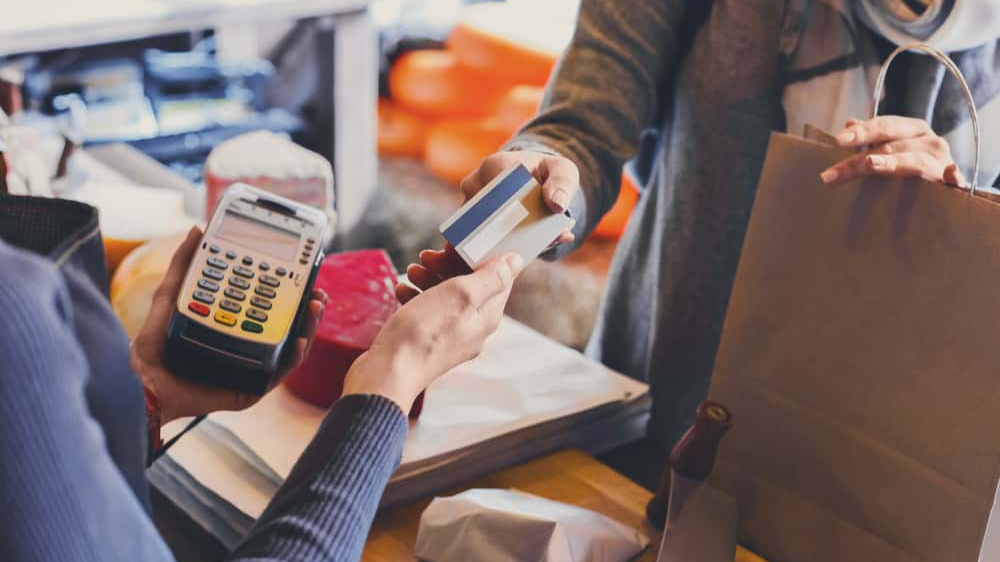
How you paid makes a huge difference. If you used a credit card, you may have the best shot at a refund through a chargeback. If you used a debit card, your bank may still investigate. If you paid cash, things get harder, but you are not completely powerless.
Call Your Card Company Quickly
Tell your card issuer that you believe you were sold counterfeit merchandise that was presented as authentic. Use those words. This is not about changing your mind after a holiday splurge. It is about misrepresentation. Ask what evidence they need, then send photos, your timeline, and any seller information.

Try Your Bank Even With Debit
Debit card disputes can be less forgiving than credit card claims, but they are still worth trying. Call the bank, explain the situation calmly, and ask whether they can open a fraud or goods-not-as-described claim. The sooner you do it, the better your chances of being taken seriously.

Cash Makes The Refund Trail Fainter
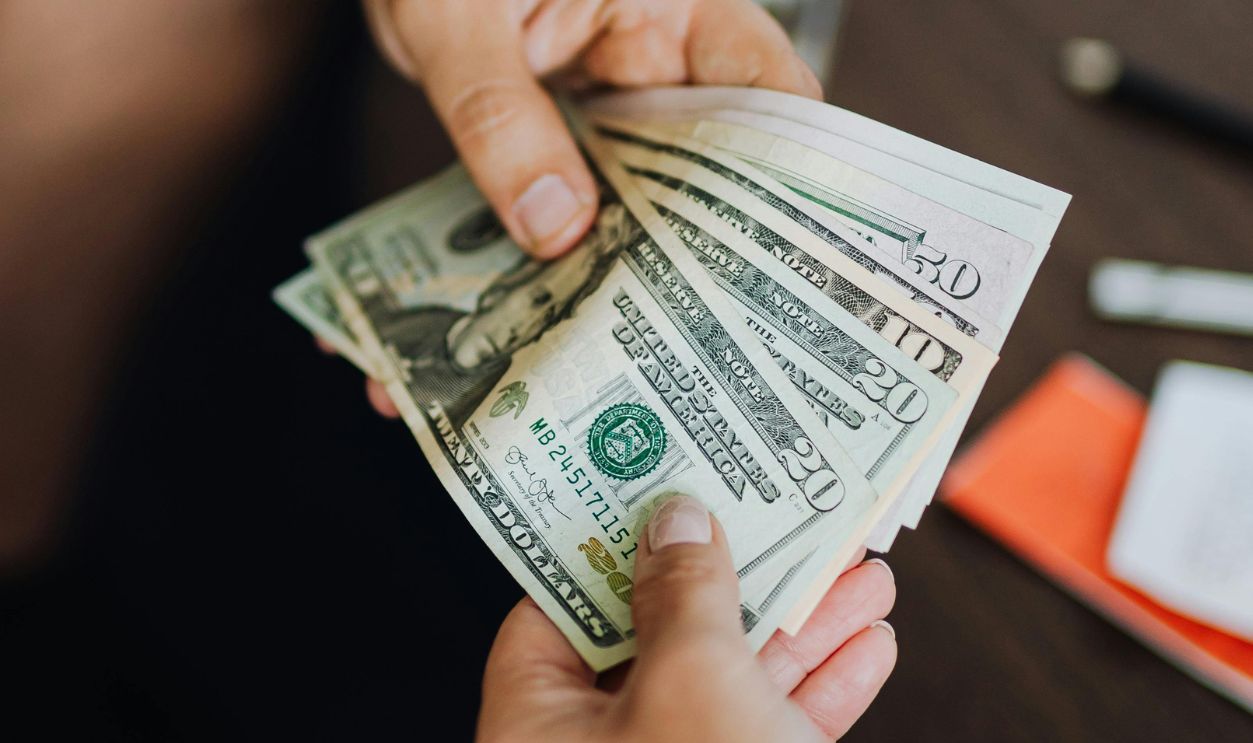
If you handed over cash, there is no payment company standing between you and the seller. That makes recovery much tougher. Still, do not give up immediately. A report may help local authorities track a pattern, especially if several fans were scammed in the same area.
Report It Where You Bought It
If the sale happened near a stadium, fan zone, official event area, or public market, contact the organizers or local site management. They may not personally refund you, but they might know about unauthorized vendors and can point you toward the right local complaint process.

File A Local Police Report
A fake jersey may not feel like a major crime, but it is still fraud if it was sold as real. A police report creates an official paper trail. That can help with banks, insurers, or consumer agencies. Keep your expectations realistic, though—one street sale can be hard to chase.

Contact Consumer Protection Authorities
Many countries have consumer protection offices that deal with counterfeit goods and misleading sales. Look up the agency for the city or country where the purchase happened. Explain that the vendor sold the jersey as authentic signed memorabilia, and ask whether there is a complaint form or fraud hotline.

See If Official Stores Can Help Identify It
An official team shop, stadium merchandise booth, or licensed retailer may be able to tell you whether the jersey itself looks fake. They probably will not refund something you bought from a street vendor, but their opinion could help support your claim if your bank asks for more proof.
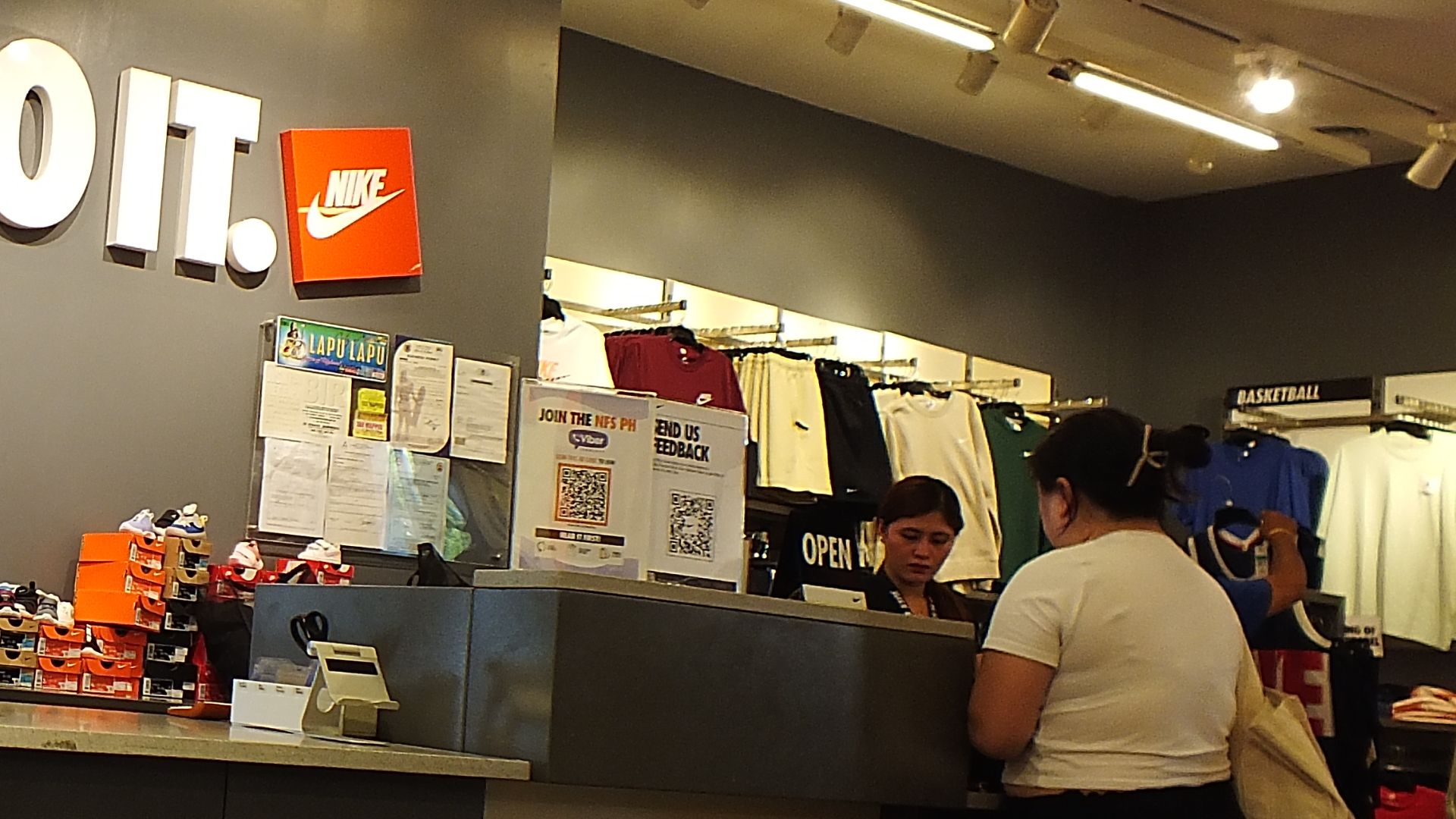 PaulGorduiz106, Wikimedia Commons
Consider Professional Authentication
If you paid a lot, professional authentication might be worth it. A recognized service can examine the signature and sometimes the jersey details. Just be practical. If the authentication costs almost as much as the jersey, you may not want to throw more money into an already annoying mistake.

Keep The Jersey For Now
Do not toss it into the nearest bin, no matter how satisfying that might feel. Your bank, insurer, or local authority may ask for photos or proof that you still have the item. Keep the jersey, tags, bag, and any paperwork together until your refund options are settled.

Try To Find The Vendor Only If It’s Safe
If you are still in the city, you might pass by the same area and see whether the vendor is there. If you do, stay calm and public. Ask for a refund politely. Do not argue, threaten, or corner anyone. A fake shirt is not worth a street confrontation.
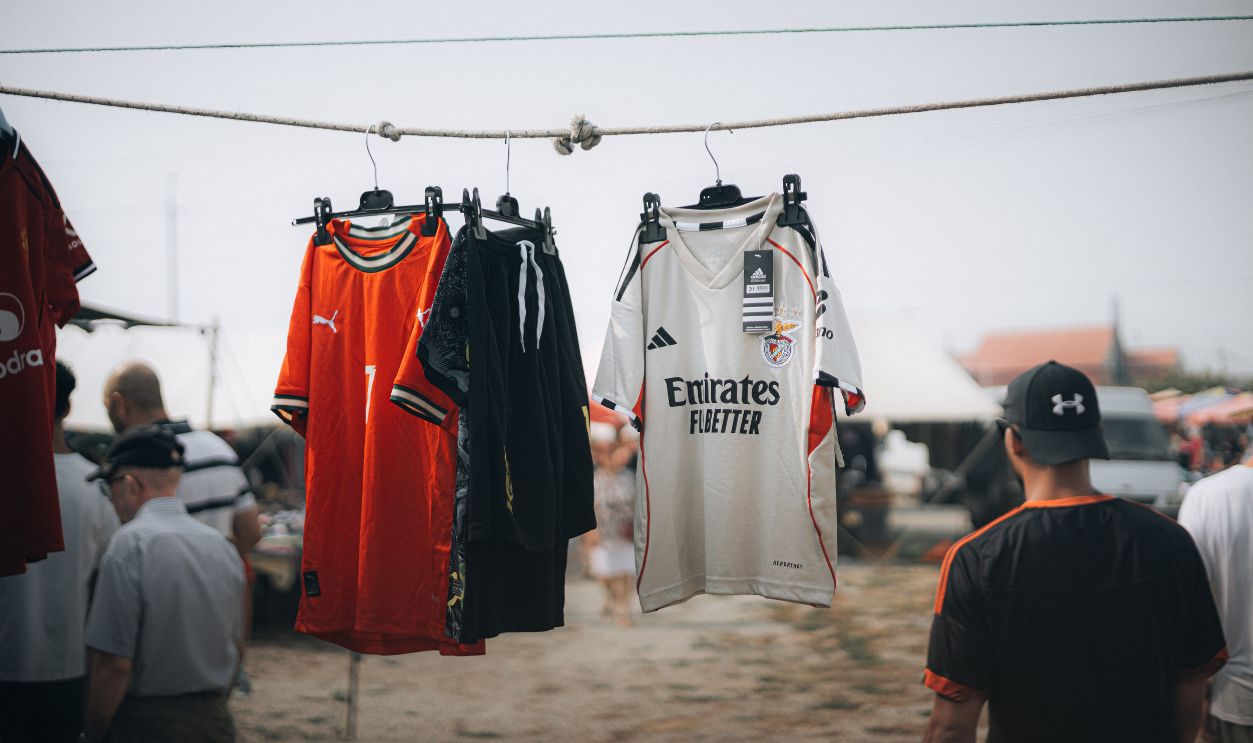
Your Safety Comes First
Travel scams sting because they make you feel taken advantage of. But getting your money back should never put you in danger. If the seller gets aggressive, walk away. If the area feels sketchy, leave. Your trip, your documents, and your safety are worth far more than a jersey.
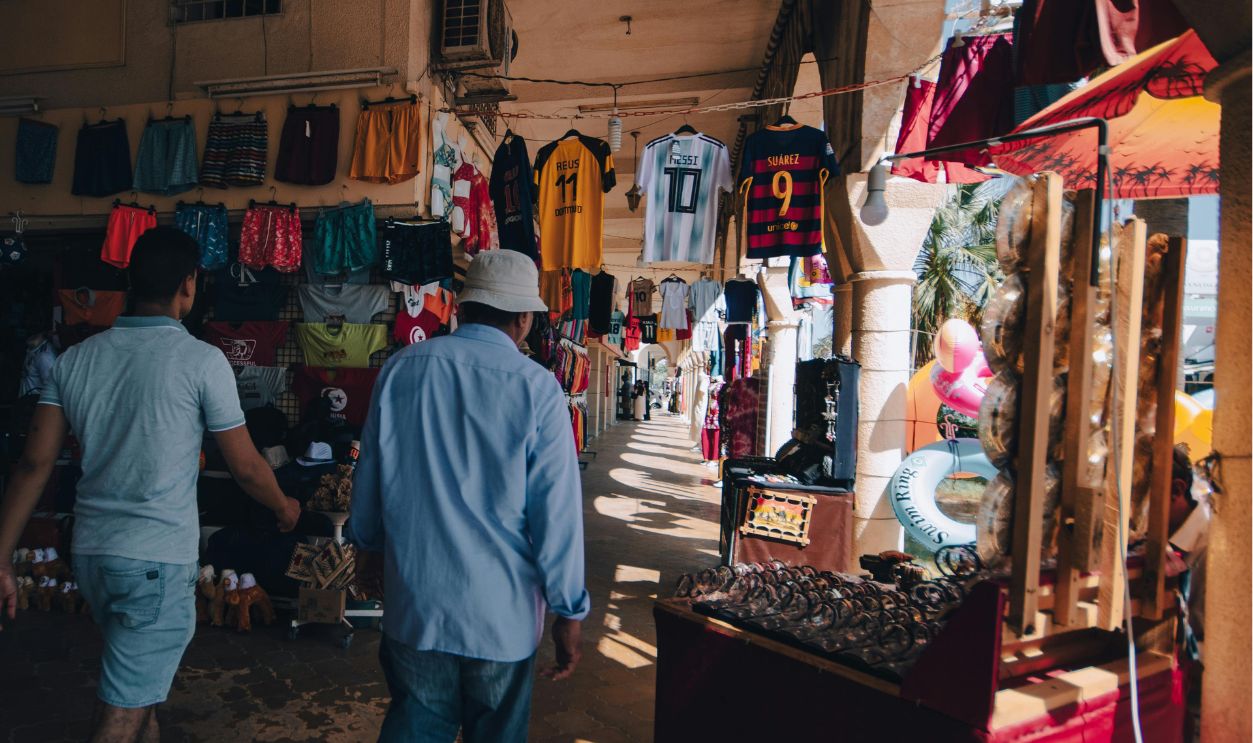
Check Your Travel Insurance
Some travel insurance policies include purchase protection, theft coverage, or limited fraud coverage. Many will not cover counterfeit souvenirs, but it is still worth reading the policy or calling the insurer. Ask directly whether a misrepresented purchase from a trip could qualify for any kind of claim.

Watch Out For Refund Scammers
Here is the insult-after-injury part: people who have already been scammed can be targeted again. Be suspicious of anyone online who says they can recover your money for a fee. Stick with boring official channels—your bank, police, insurer, consumer office, or event organizers.

Use The Right Words
When you describe what happened, say the item was “sold as authentic” and turned out to be “counterfeit” or “misrepresented.” That wording matters. Saying “I bought a jersey and regret it” sounds like buyer’s remorse. Saying “I was sold a fake as genuine” explains the real issue.

A No-Refund Sign Doesn’t End The Story
Even if the vendor pointed to a “no refunds” sign, that does not magically protect them if they lied about the item. No-refund policies are one thing. Selling fake goods as real is another. Whether you can enforce your rights depends on the country, the proof, and the seller.

Learn The Street-Vendor Rule
Street vendors can be wonderful for snacks, scarves, pins, flags, and cheap souvenirs you buy for fun. But signed memorabilia is different. If it would break your heart to learn it is fake, do not buy it from someone selling out of a bag near a stadium.
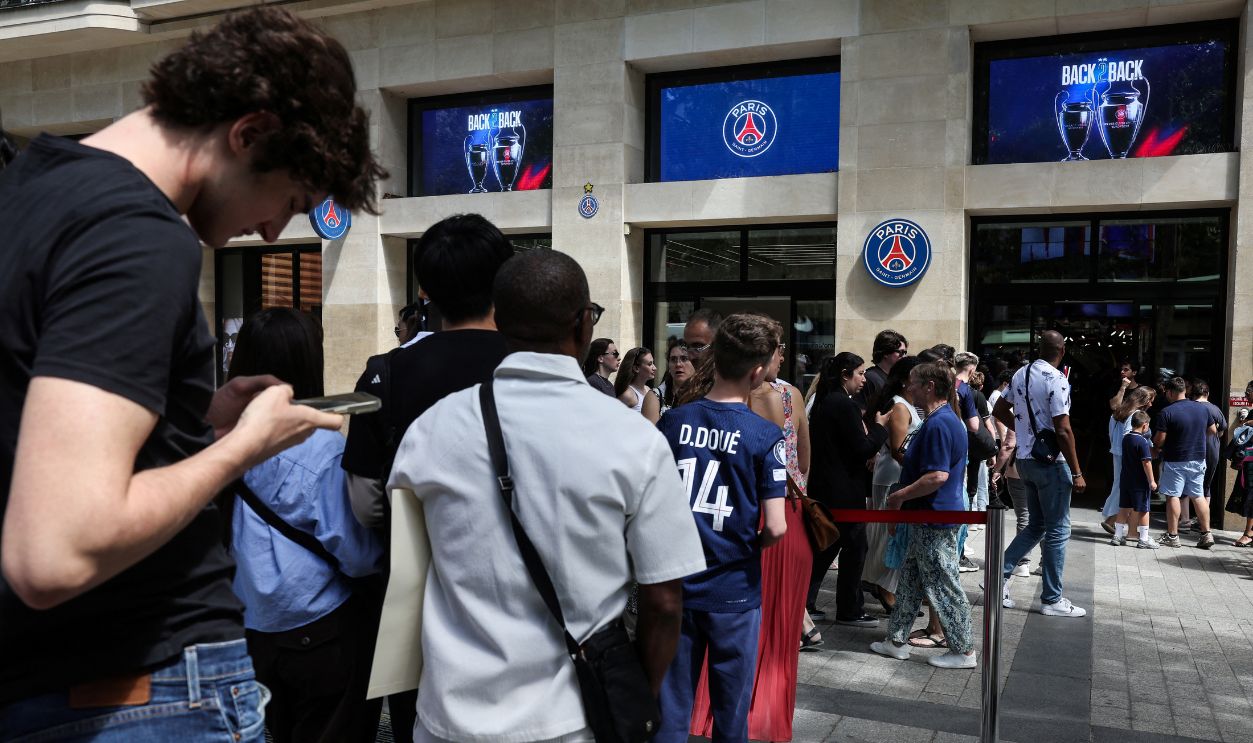
Buy The Big Stuff From Trusted Sellers
Next time, save serious souvenir money for official stores, team shops, licensed retailers, reputable auction houses, or known memorabilia dealers. For signed items, look for respected authentication and a seller you can contact later. A real collectible should come with more than a wink and a plastic bag.
 STEPHANE MOUCHMOUCHE, Getty Images
So, Can You Get Your Money Back?
Maybe. Your best chance is if you paid by card, saved evidence, and act quickly. Cash makes things harder, especially if the vendor disappears. But reporting still matters. It may help your claim, warn officials, and stop the same seller from tricking another wide-eyed fan.

The Final Whistle
A fake signed jersey is a lousy souvenir, but it does not have to define your World Cup trip. Gather your proof, contact your bank, report the scam, and protect yourself from round two. You may get your money back—and you will definitely shop smarter next time.

You May Also Like:
I used a debit card abroad, and my bank locked me out of my account. What did I do wrong?