The Gate Was Right There
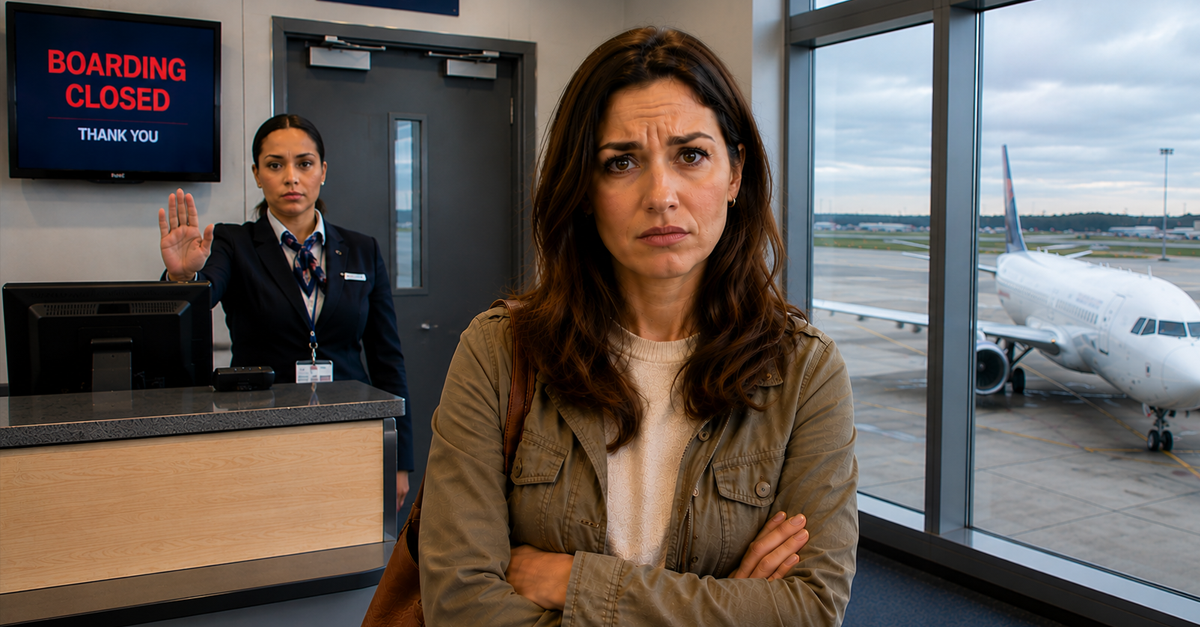
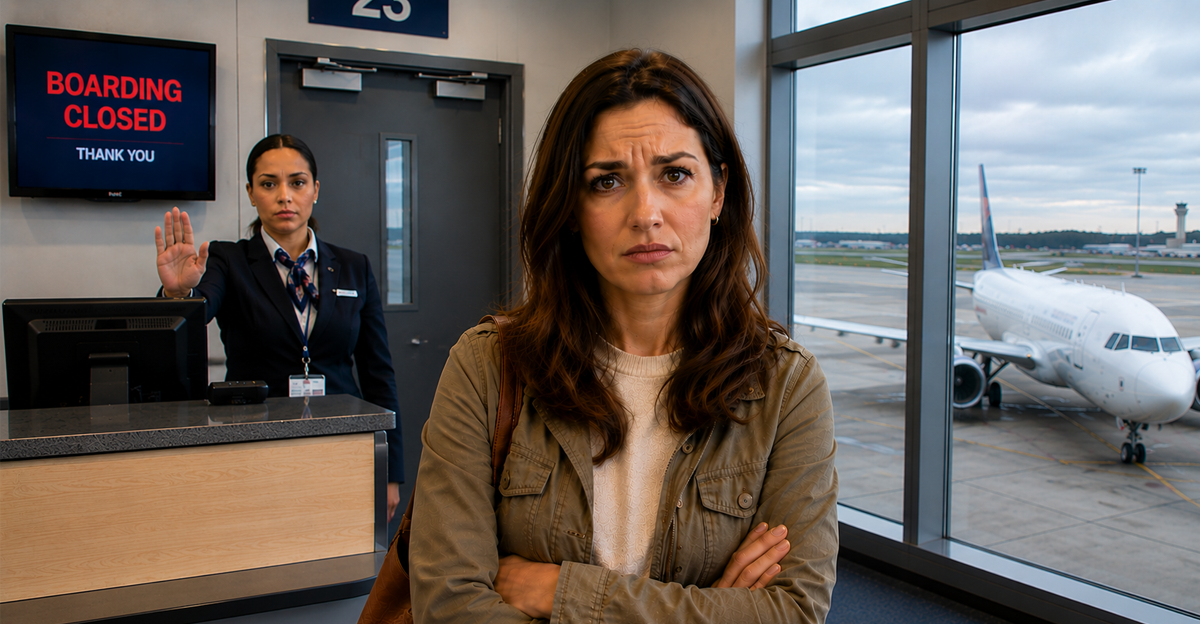
Few travel moments are more frustrating than watching your plane sit at the gate while airline staff refuse to let you board. You arrived before the departure time on your ticket, your boarding pass is in hand, and the aircraft is still right there. Yet somehow, your journey is over before it even begins. So, can airlines really close boarding early and leave paying passengers behind?
The Short Answer
Yes, airlines are generally allowed to close boarding before the scheduled departure time. In most cases, they are acting according to the conditions of carriage and boarding policies that passengers agree to when purchasing a ticket. The exact cutoff varies by airline and route.

Departure Time Is Not Boarding Time
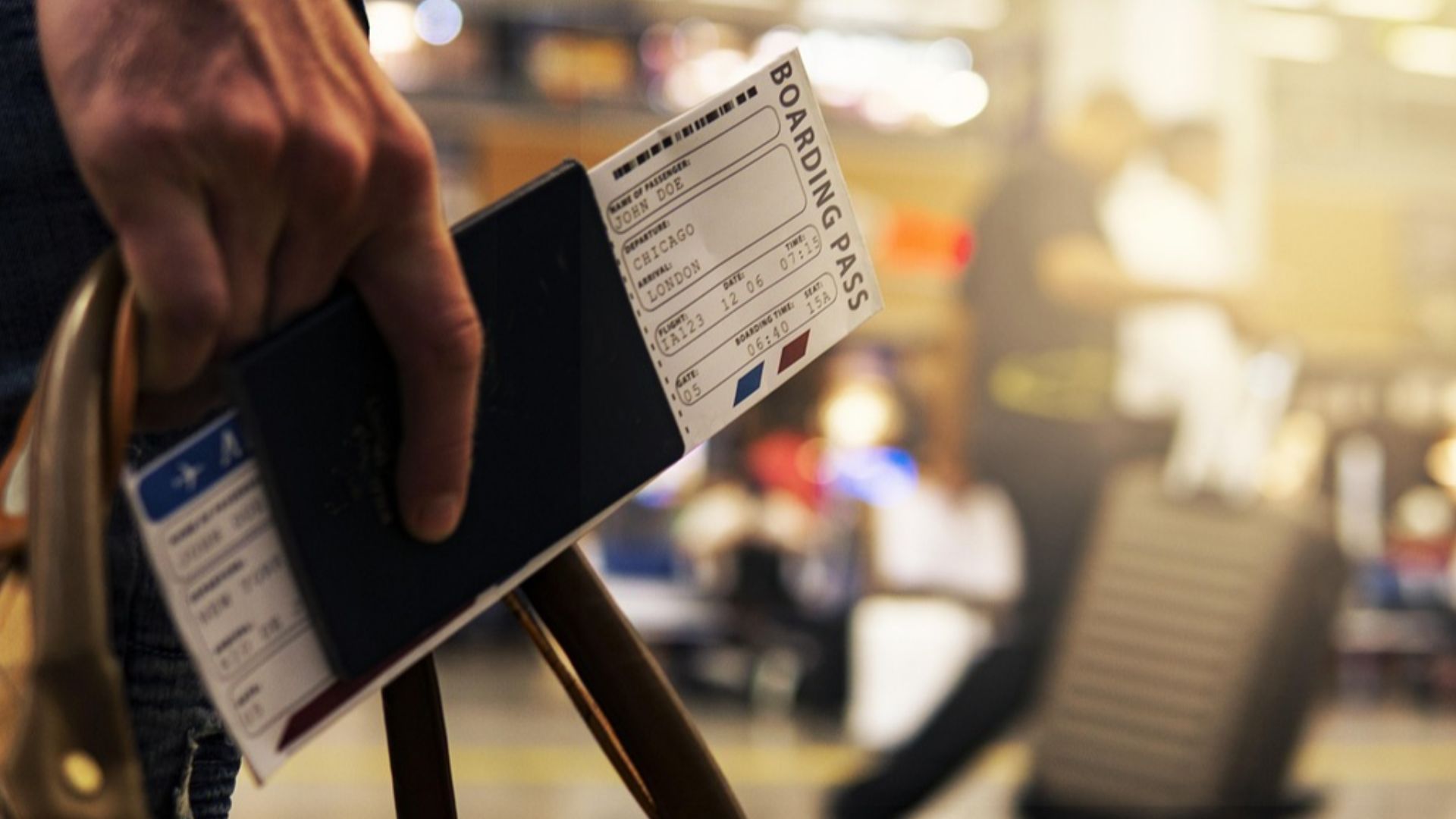
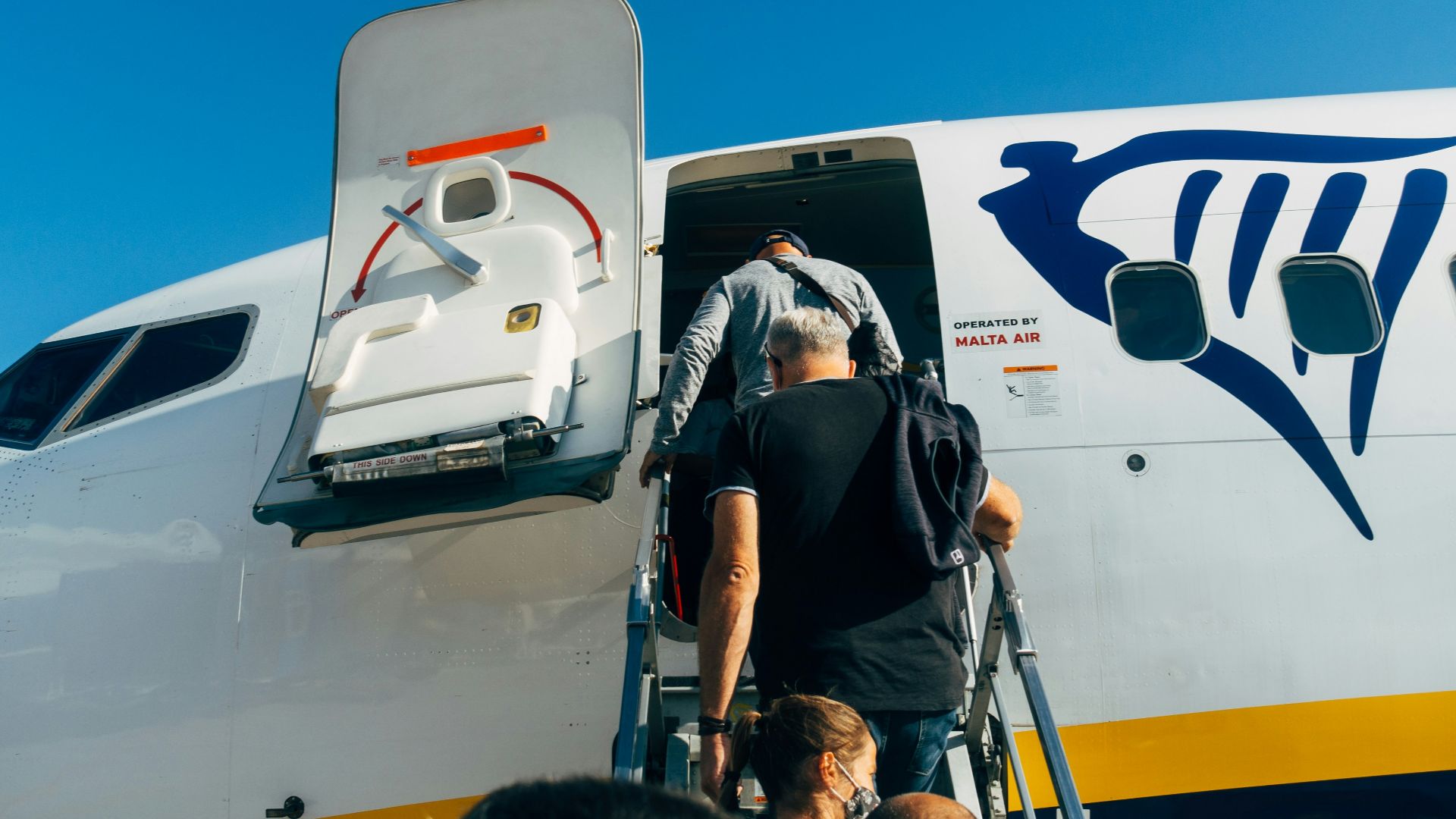
One of the biggest misconceptions in air travel is that departure time equals boarding time. Airlines consider boarding and departure to be two separate milestones. A passenger who arrives at the gate at departure time is usually arriving too late.
The Typical Domestic Flight Rule
Many airlines close boarding roughly 10 to 20 minutes before a domestic flight's scheduled departure. Some major U.S. carriers require passengers to be onboard at least 15 minutes before departure. Missing that cutoff can result in denied boarding even if the aircraft remains at the gate.
International Flights Are Different
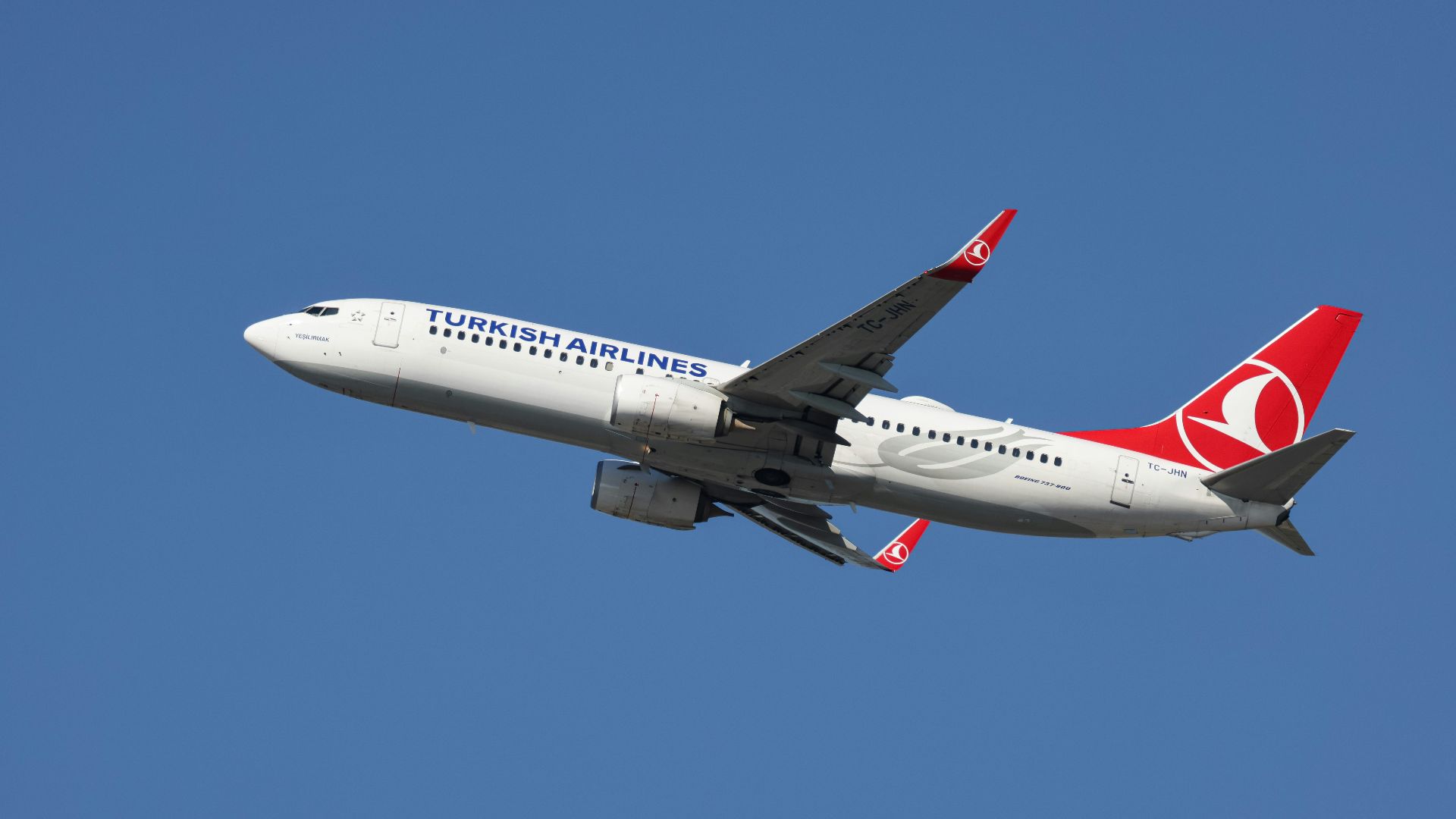
International flights often have earlier boarding cutoffs. Airlines may stop boarding 30 to 60 minutes before departure, depending on the airport and destination. Additional document checks and security requirements contribute to these longer timelines.
Why The Door Cannot Stay Open
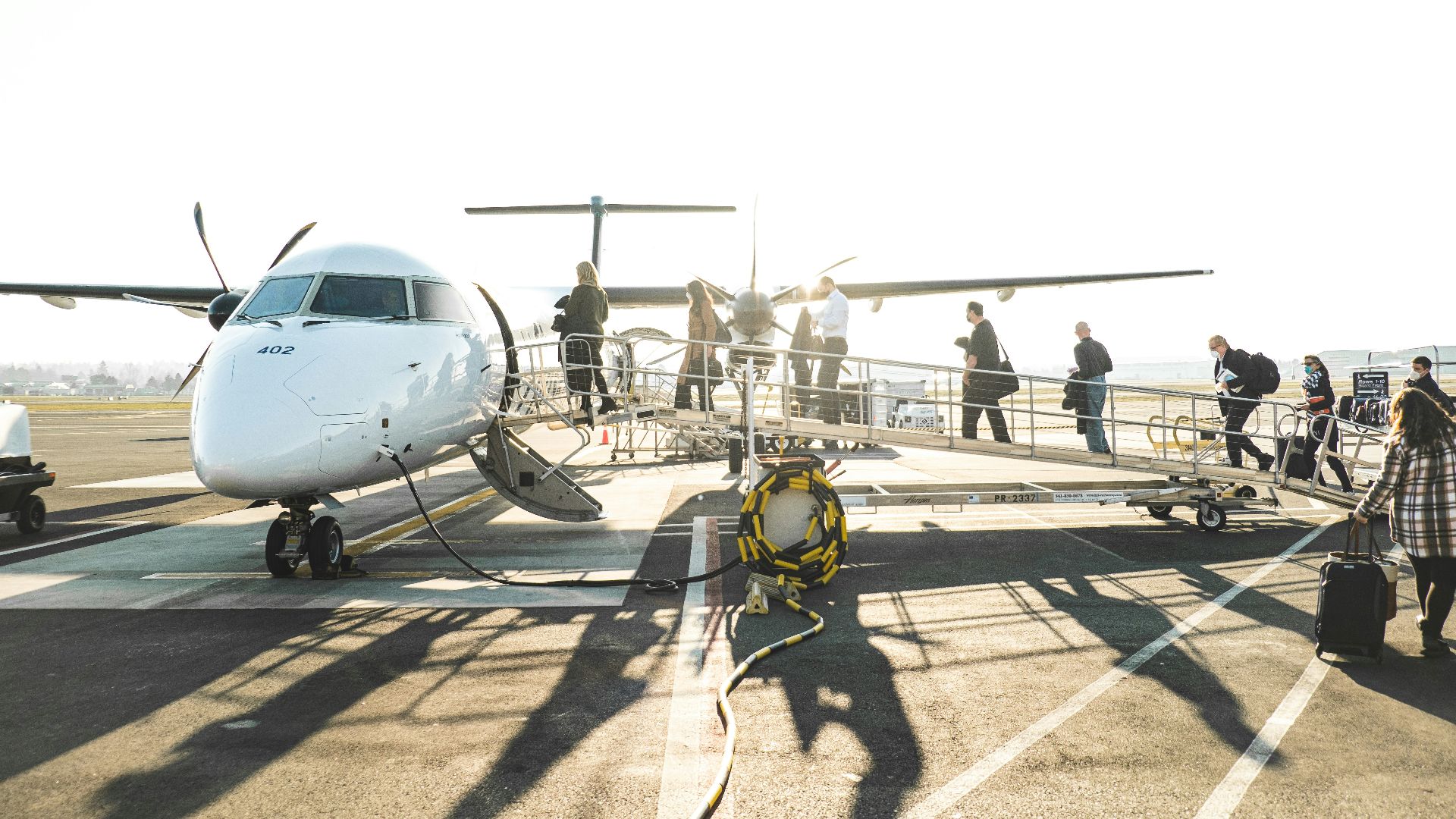
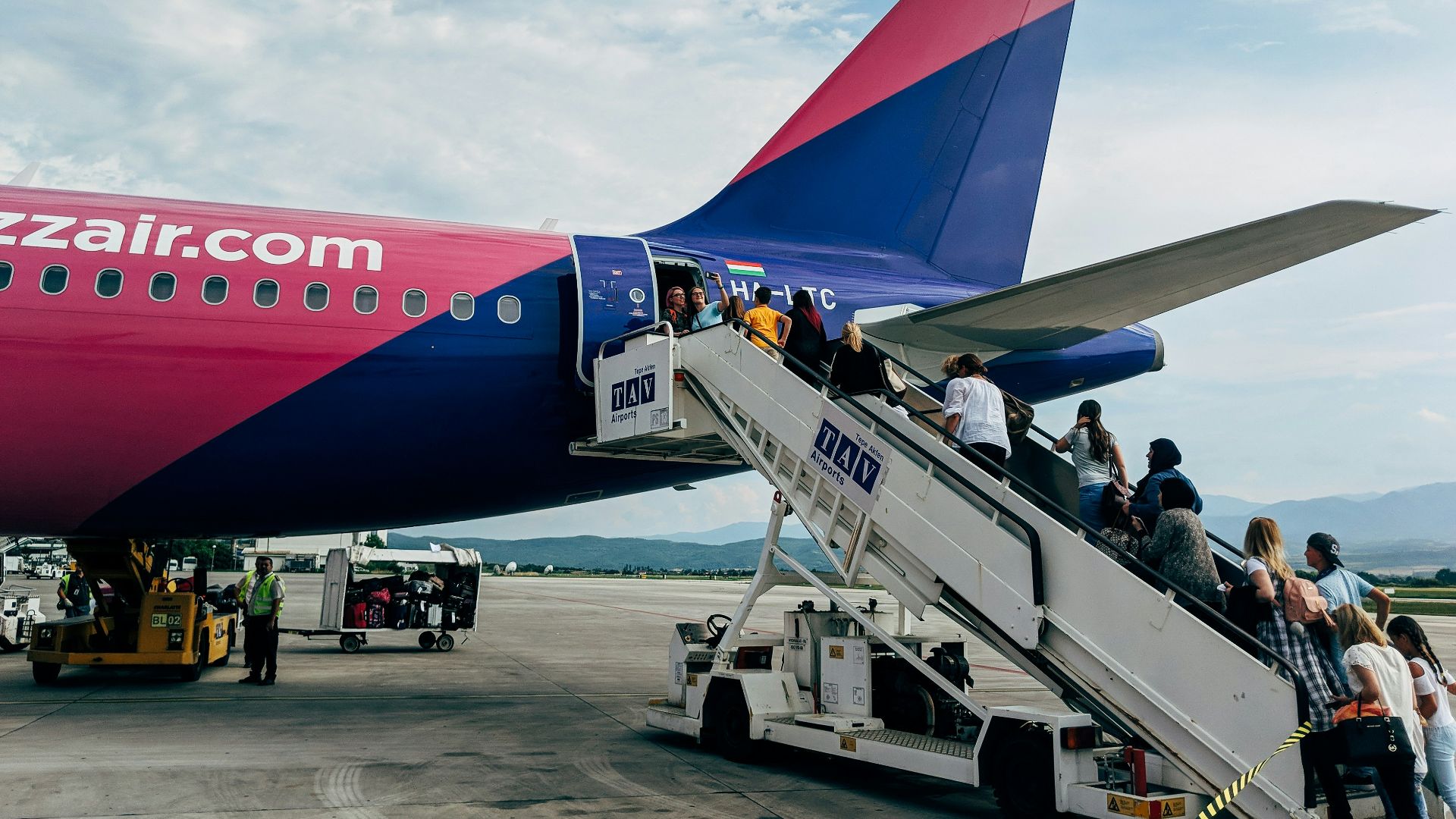
From a passenger's perspective, reopening the door may seem simple. In reality, it can trigger a chain of operational and safety procedures. Airlines must complete final checks before the aircraft can push back from the gate.
 Jo Heubeck & Domi Pfenninger, Unsplash
The Final Passenger Count
Before departure, airlines must confirm exactly who is onboard, and ground crews compare boarding records with passenger manifests. This process helps ensure that everyone is accounted for before the flight leaves.

Your Checked Bag Matters Too
If a passenger with checked baggage does not board, airlines may need to locate and remove that luggage. Security procedures in many countries require baggage and passengers to travel together. That process takes time and can delay a flight.
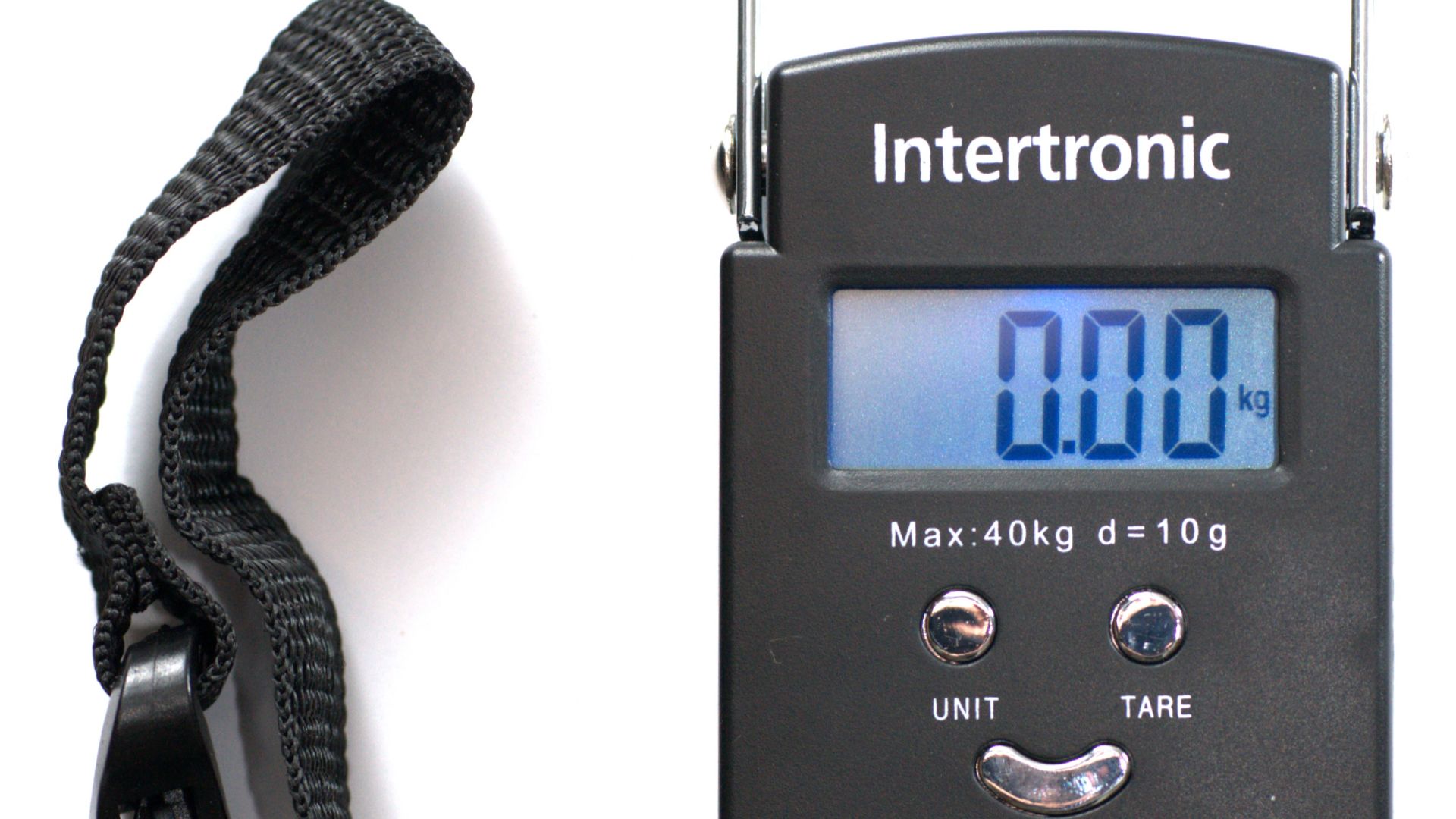
Weight And Balance Calculations
Aircraft weight and balance calculations are finalized shortly before departure. These calculations affect safety and performance. Last-minute changes to the passenger count can require updates before the plane can leave.
 Simon A. Eugster, Wikimedia Commons
On-Time Performance Is A Big Deal
Airlines place enormous importance on departing on schedule. A delay of just a few minutes can affect connecting flights, crew schedules, gate availability, and airport traffic flow. Closing boarding on time helps airlines protect their departure slot.
The View From The Gate
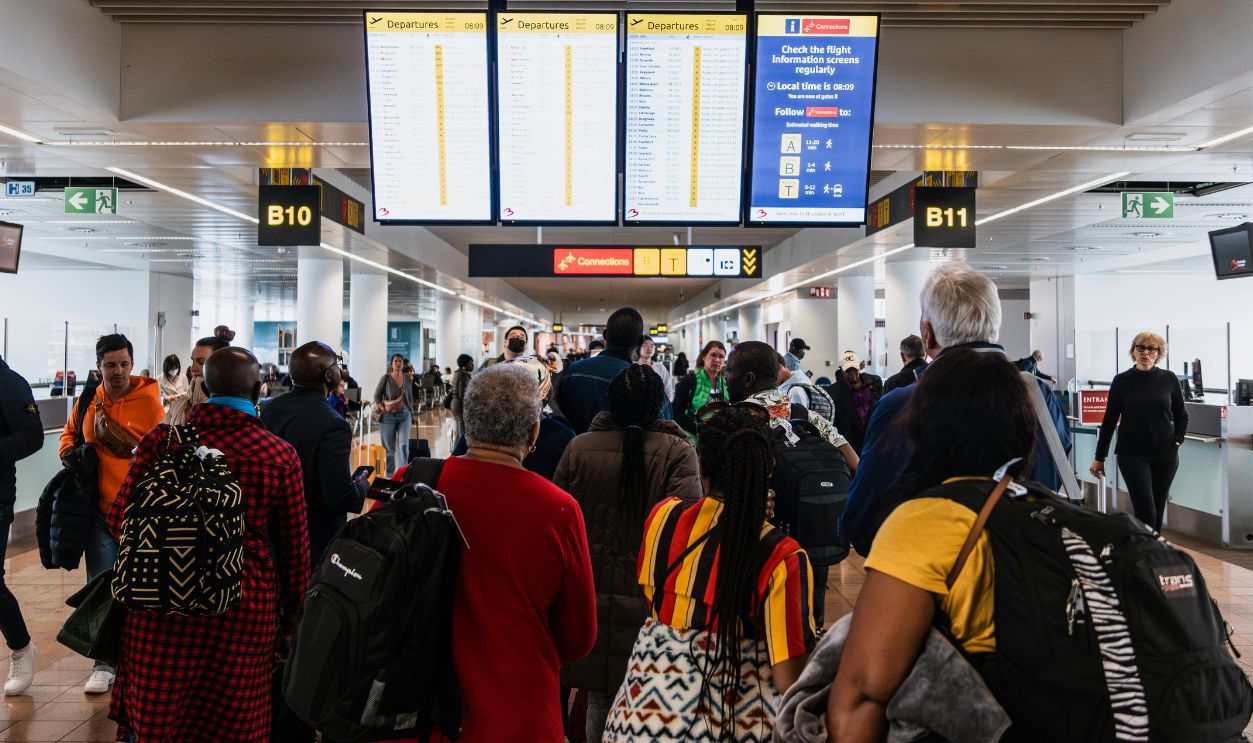
Passengers often point to the aircraft and say, "But it's still there." What they do not see are the preparations happening behind the scenes. Ground crews, flight attendants, pilots, and dispatch teams are all working against a strict timeline.
Boarding Pass In Hand Is Not Enough
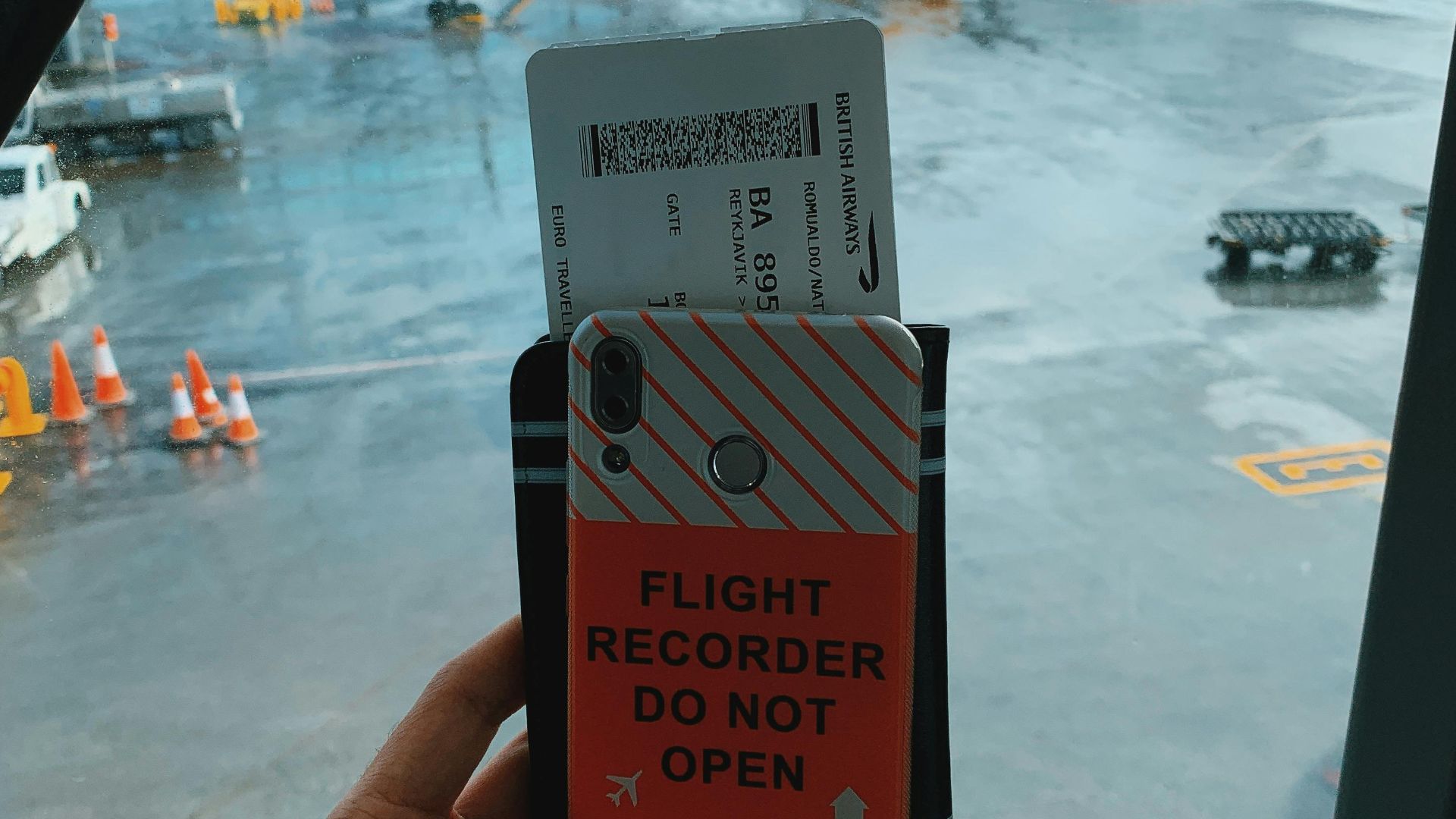
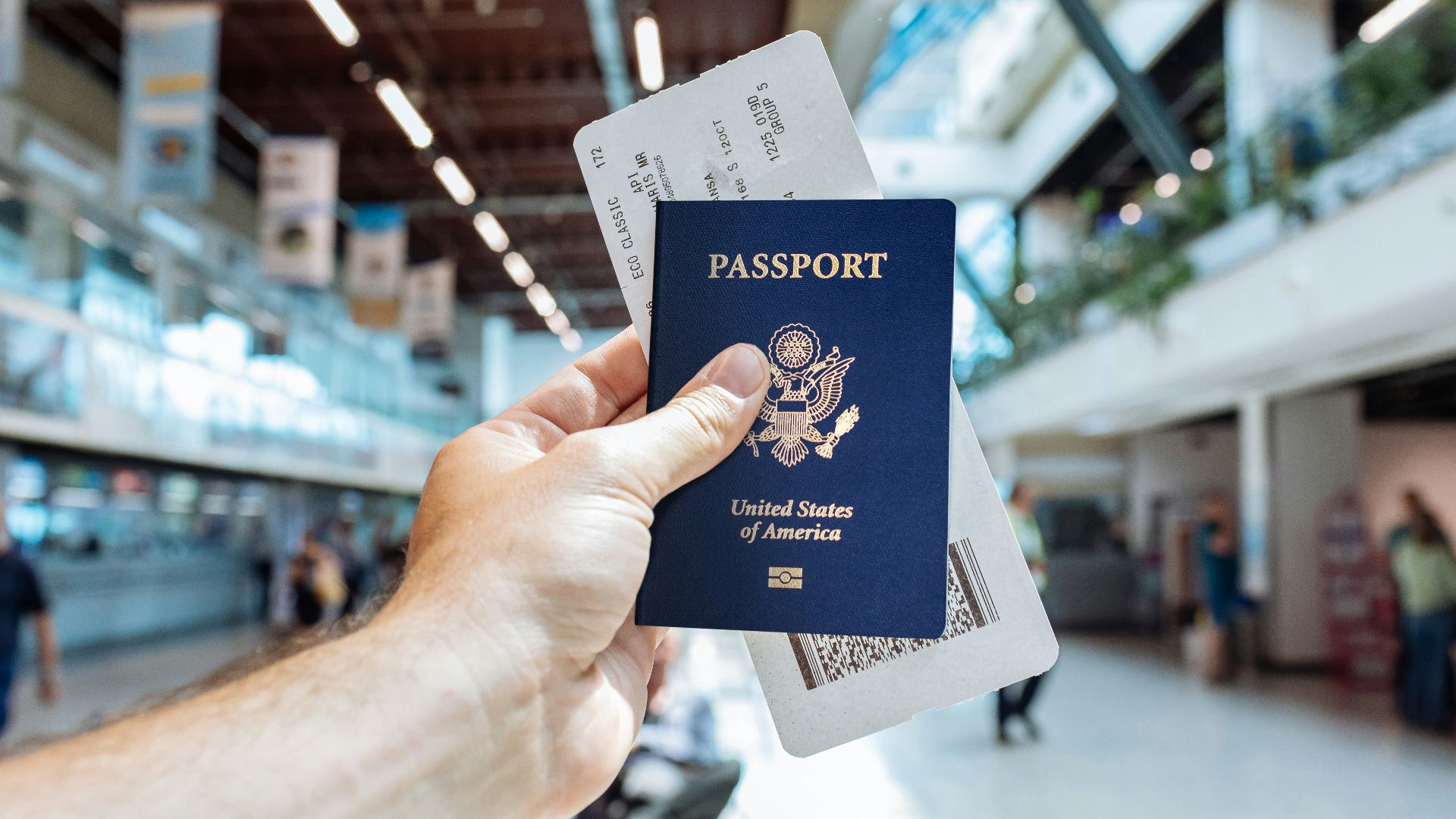
Having a valid boarding pass does not guarantee boarding. Airlines generally require passengers to be physically present at the gate before the published cutoff time. Arriving after that deadline can result in losing your seat.
What About Connecting Flights?
Missed connections create some of the most frustrating boarding disputes. A traveler may sprint across a terminal and reach the gate minutes before departure. If the boarding door has already closed, airline staff often cannot reopen it.
Why Airlines Rarely Make Exceptions
Gate agents may sympathize with late-arriving passengers, but they usually have limited flexibility. Reopening a closed flight can disrupt procedures and create delays. Staff members are often expected to follow established policies consistently.

Check Your Boarding Pass Carefully
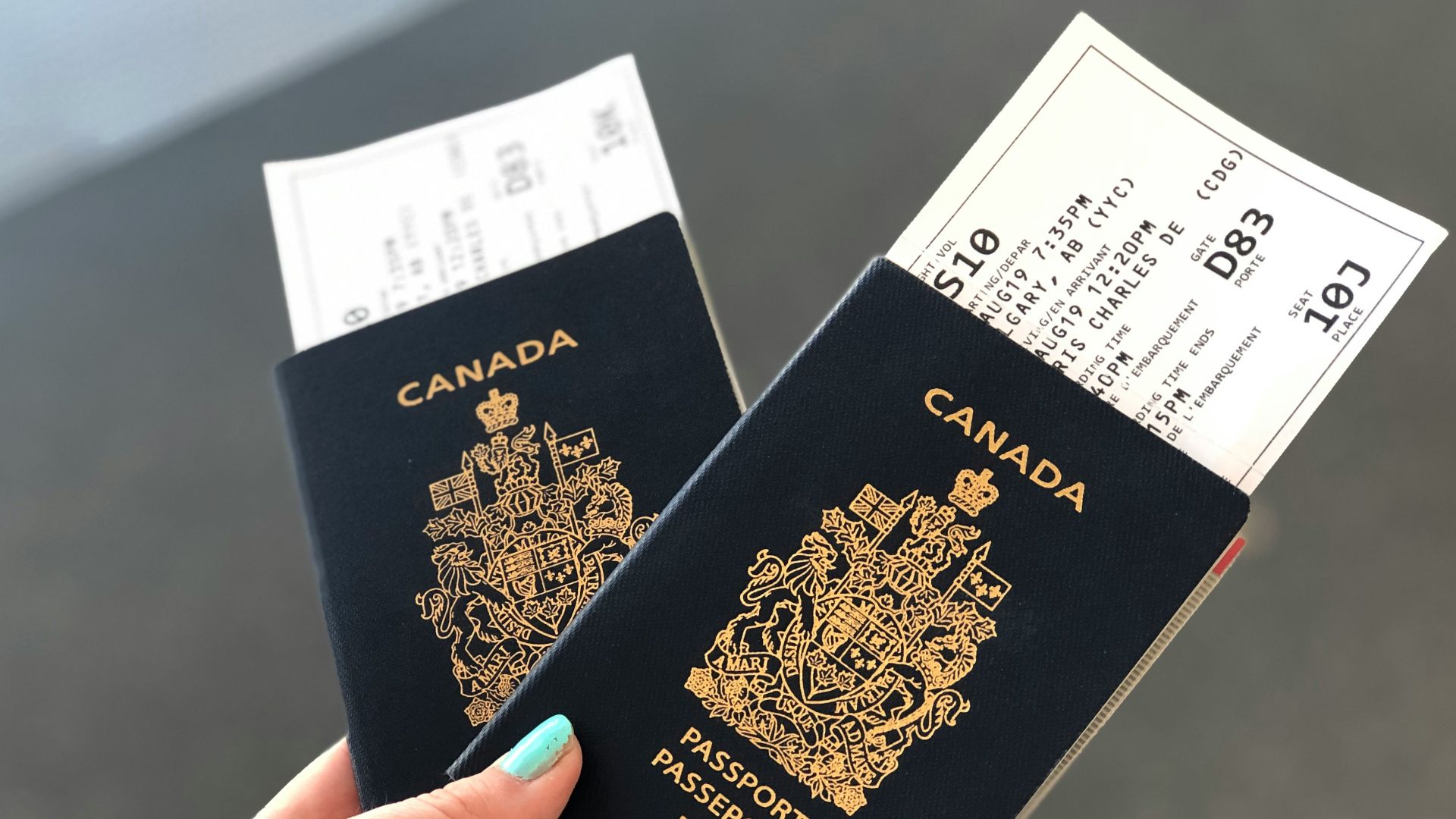
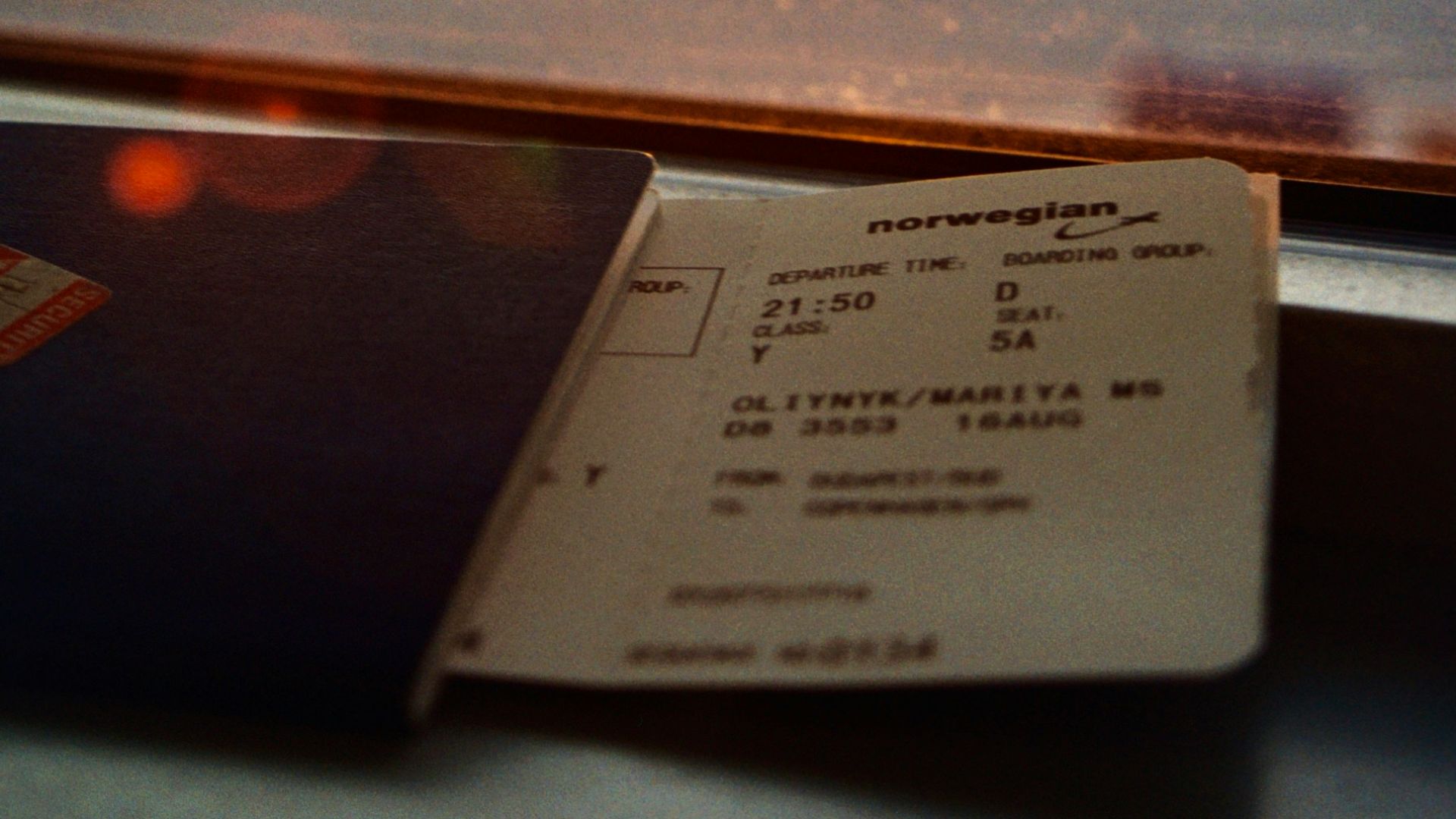
Some airlines print a gate closure or boarding completion time directly on the boarding pass. That time is often more important than the departure time. Ignoring it can lead to an unpleasant surprise at the gate.
Can The Airline Give Away Your Seat?
In some situations, yes. If you fail to arrive before the boarding cutoff, the airline may release your seat to another traveler. This can happen even if you checked in online hours earlier.
Is This Considered Denied Boarding?
Not usually. Consumer protection rules often distinguish between being denied boarding because of overbooking and missing a boarding deadline. A passenger who arrives after the airline's cutoff time is generally considered late rather than involuntarily bumped.
 G. Edward Johnson, Wikimedia Commons
Overbooking Is A Different Situation
When an airline sells more seats than are available and forces a passenger off the flight, specific compensation rules may apply. Those protections are different from cases involving late arrival at the gate. The distinction matters when determining your rights.

What Consumer Rights Do You Have?
Your rights depend on the country, airline, and circumstances. If the airline followed its published boarding procedures, compensation is often not required. If the airline made an error or failed to communicate its policies properly, the outcome may differ.
 Glenn Carstens-Peters, Unsplash
How To Protect Yourself
Treat the boarding time as your true deadline. Aim to be at the gate at least 30 minutes before departure for domestic flights and even earlier for international journeys. Waiting until the last minute is a gamble that frequently goes wrong.
Pay Attention To Airport Screens
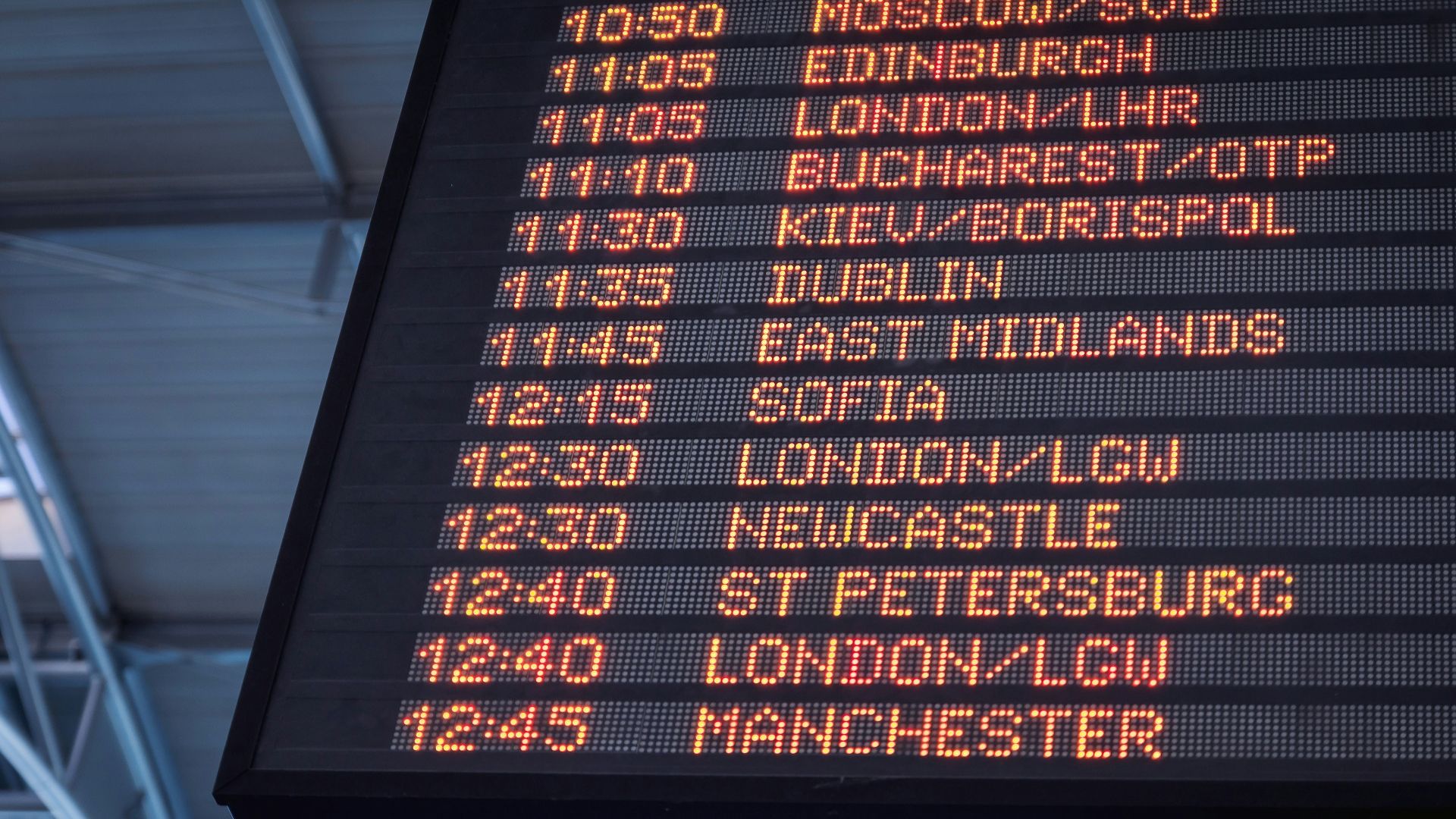
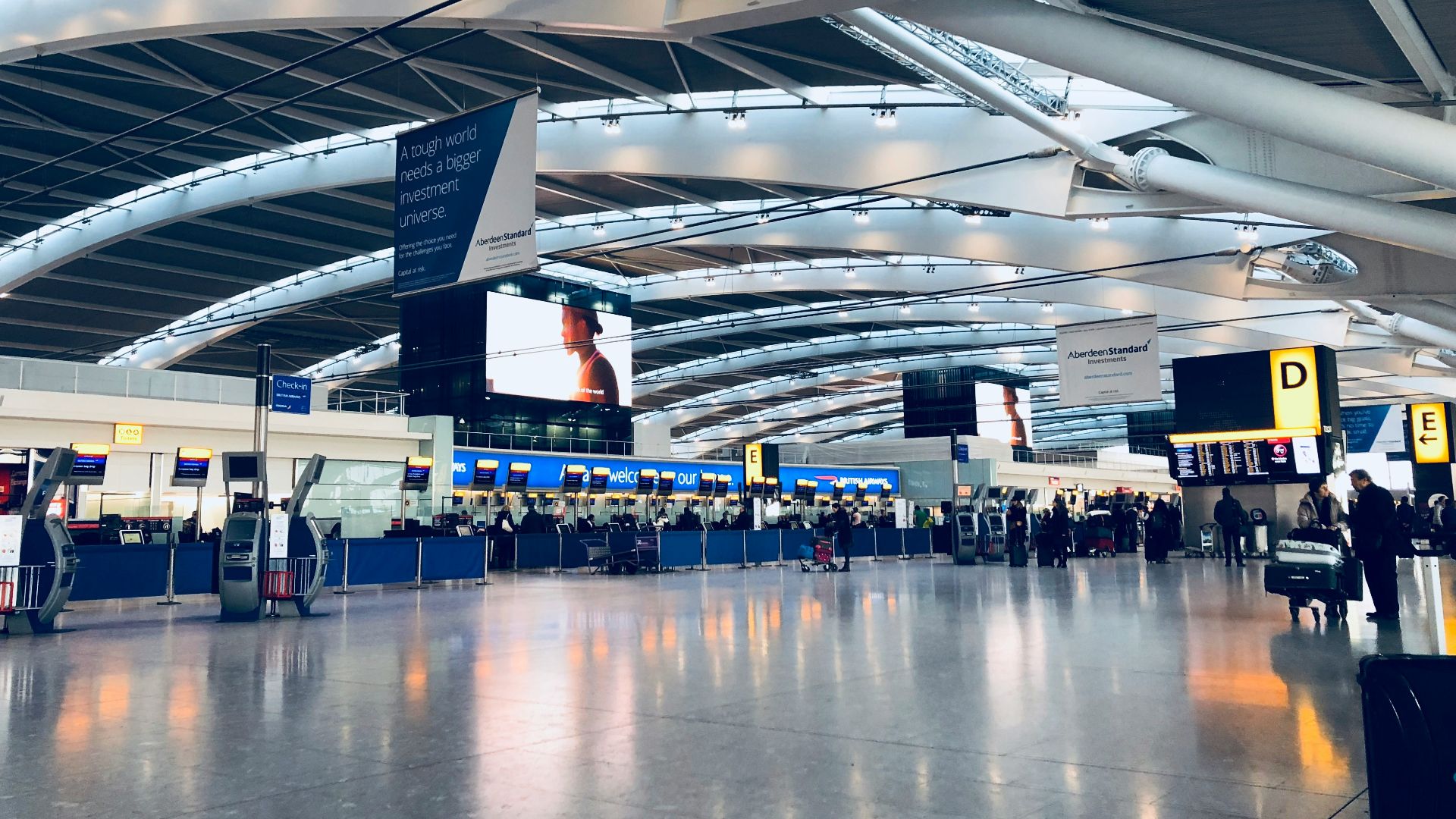
Gate changes and schedule adjustments happen regularly. Monitor airport displays and airline apps throughout your journey. A last-minute gate change can add significant walking time.
Build In Extra Time
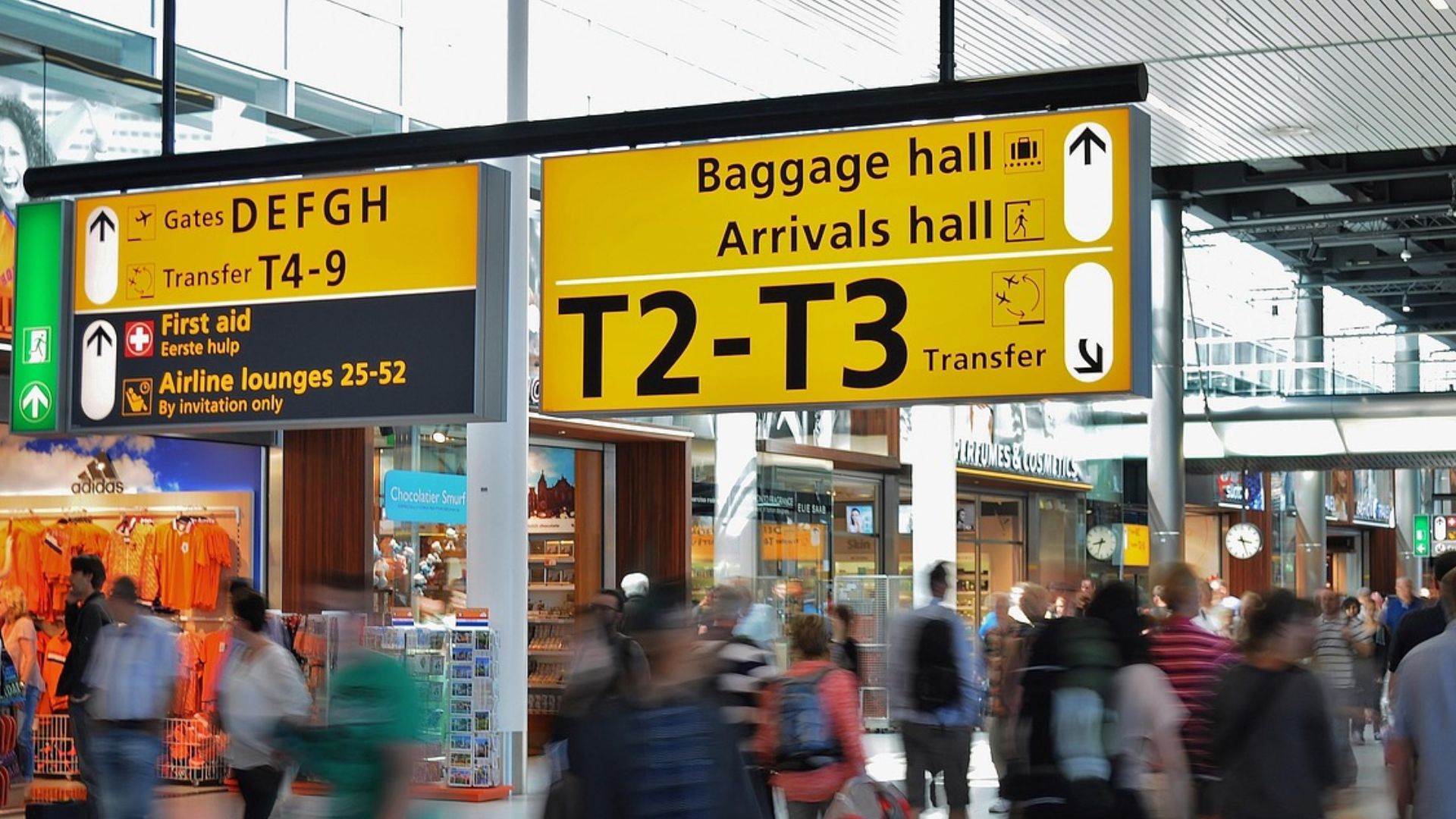
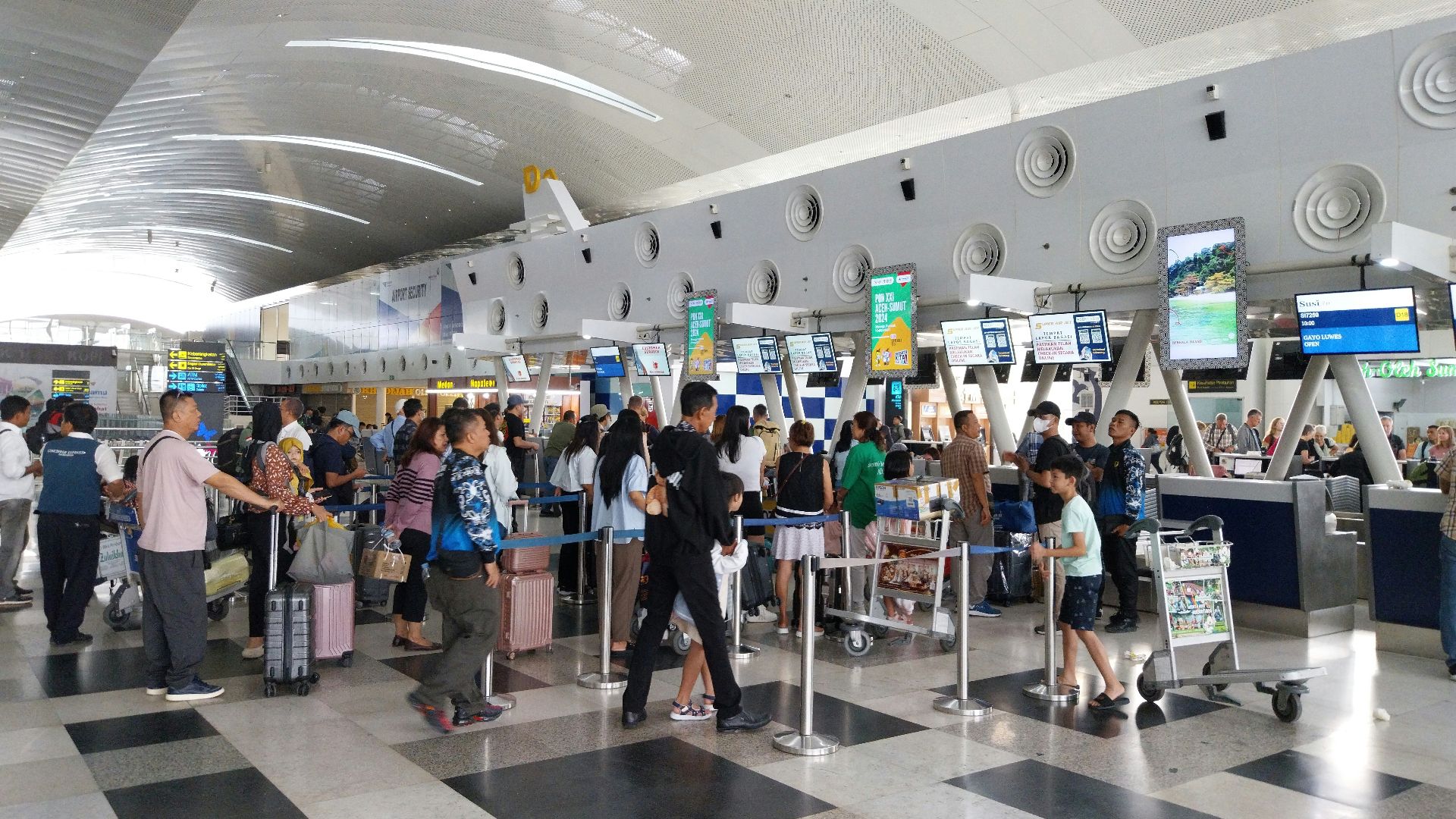
Large airports can be surprisingly difficult to navigate. A gate that looks nearby on a terminal map may require a long walk, train ride, or shuttle transfer. Giving yourself a buffer can prevent a stressful sprint.
When It Is Worth Complaining
If you arrived before the published boarding cutoff and were still refused boarding, document everything. Take screenshots, save boarding passes, and note the time. You may have grounds to pursue a complaint with the airline.

Ask For Rebooking Immediately
If you miss a flight because boarding closed, head straight to customer service. Some airlines will rebook passengers on a later flight, though fees and fare differences may apply. The sooner you seek assistance, the better your options are likely to be.

The Reality Of Modern Air Travel
Airlines do not close boarding early simply to inconvenience passengers. The practice is tied to safety procedures, security requirements, and operational efficiency. While it feels unfair in the moment, it is generally allowed and widely accepted across the industry.
 Global Residence Index, Unsplash
The Bottom Line
If you arrive at the airport on time but reach the gate after the airline's boarding cutoff, the airline can usually refuse boarding. Departure time is not the same thing as boarding time. The safest strategy is simple: get to the gate early and treat the boarding deadline as non-negotiable.
You May Also Like: My airline charged me to print a boarding pass because their app wouldn't work. Can they actually make me pay for their problem?