A Bathroom Break, Then A Vanishing Seat
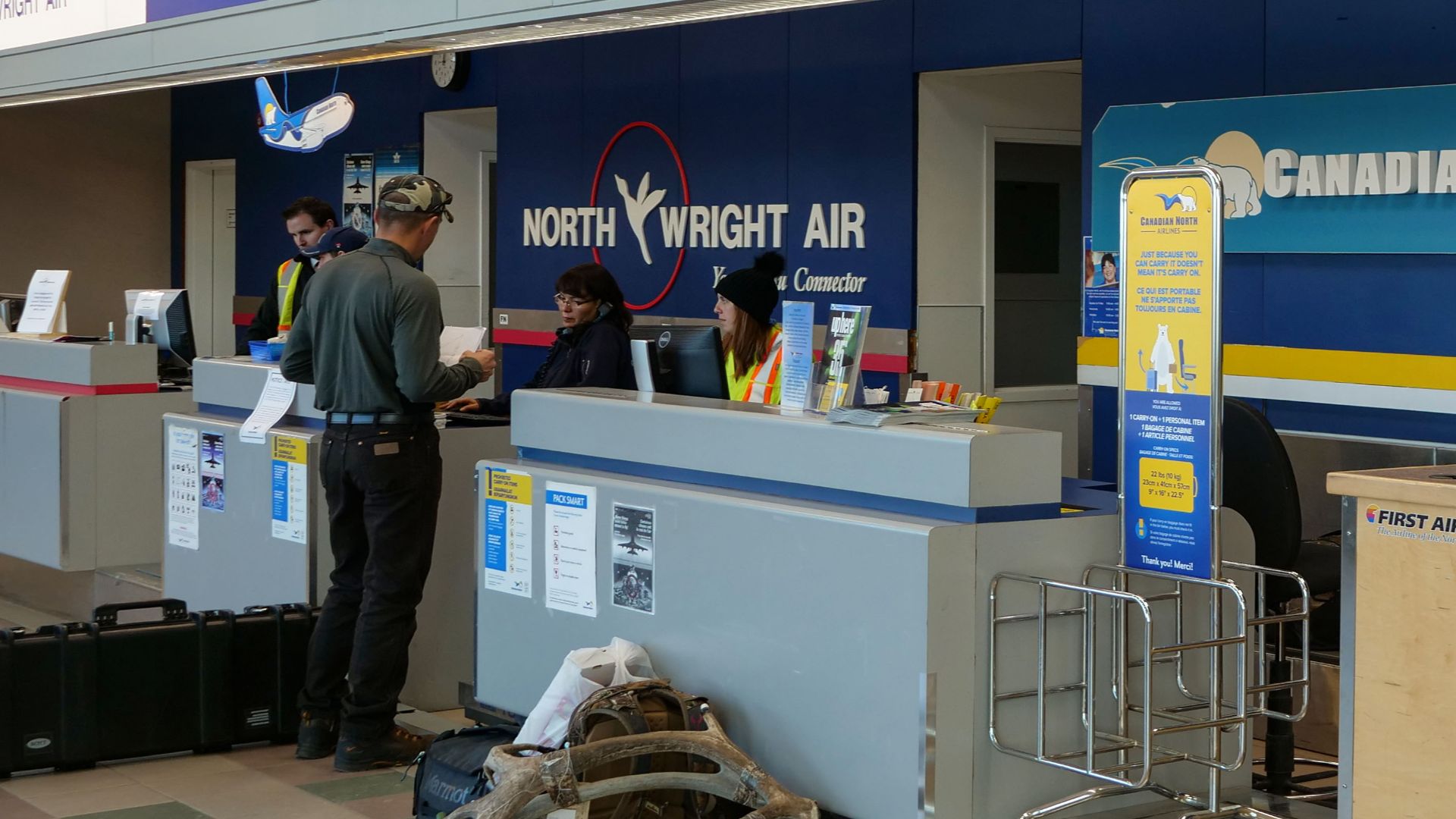
You've done everything right. You checked in, got your boarding pass, and once you got to the gate, you stepped away for a quick bathroom break. Then you come back to find your preferred seat has been given to someone else. As maddening as that feels, airlines in the United States can sometimes reassign a seat or even treat a passenger as a no-show if they are not present when boarding is wrapping up or the flight is being finalized.
Yes, Airlines Can Reassign Seats
The short answer is yes. A boarding pass does not always guarantee that a specific seat will stay yours until the aircraft door closes, because airlines keep broad control over seat assignments and boarding. That does not mean they can do whatever they want, but it does mean a passenger who is away from the gate at the wrong moment can run into real trouble.
Why This Happens More Often Than You'd Think
Airlines run on tight timelines, especially during boarding. Gate agents are under pressure to close flights on time, account for every checked-in traveler, and decide whether to clear standby passengers into empty seats. If a traveler is not physically there when the airline needs confirmation, the seat may be reassigned to keep things moving.
The Fine Print Matters
Most major U.S. airlines spell this out in their contracts of carriage. American Airlines says seat assignments are not guaranteed and may be changed at any time, even after boarding the plane. Delta Air Lines says seat assignments are subject to change without notice and that boarding priorities and operational needs can affect seating.
 ANTONI SHKRABA production, Pexels
United Says Much The Same
United uses similar contract language that gives it flexibility over seating and boarding. Its contract says seat assignments are not guaranteed and may be changed for operational, safety, or security reasons. So even a confirmed reservation does not lock in a seat forever if the airline decides a change is needed.

Southwest Has A Different System, Same Risk
Southwest does not assign seats in the traditional way, but it still has strict rules around boarding. Its process is based on boarding position, and passengers who are not ready when called can lose their place in line. The details are different, but the lesson is the same: if you are not there when boarding moves, the airline may move on without you.
Checked In Is Not The Same As Boarded
This is where a lot of travelers get tripped up. Checking in online, dropping a bag, and holding a boarding pass all help, but none of that means you are safely on the plane. Until you are physically boarded, the airline is still managing seats in real time.
When A Passenger Can Be Marked Missing
Gate agents have to match the passenger list to the people actually on board before departure. If your name still shows as not boarded as the flight nears closure, staff may page you, call your name, or start deciding whether to release your seat. If there are standby travelers waiting, that can happen fast.
Standby Lists Raise The Stakes
Flights often leave with standby passengers hoping for a last-minute opening. Those travelers are usually standing right at the gate, ready to move the second a seat opens up. If a checked-in passenger is missing during final boarding, the gate agent may hand that seat to someone on standby.
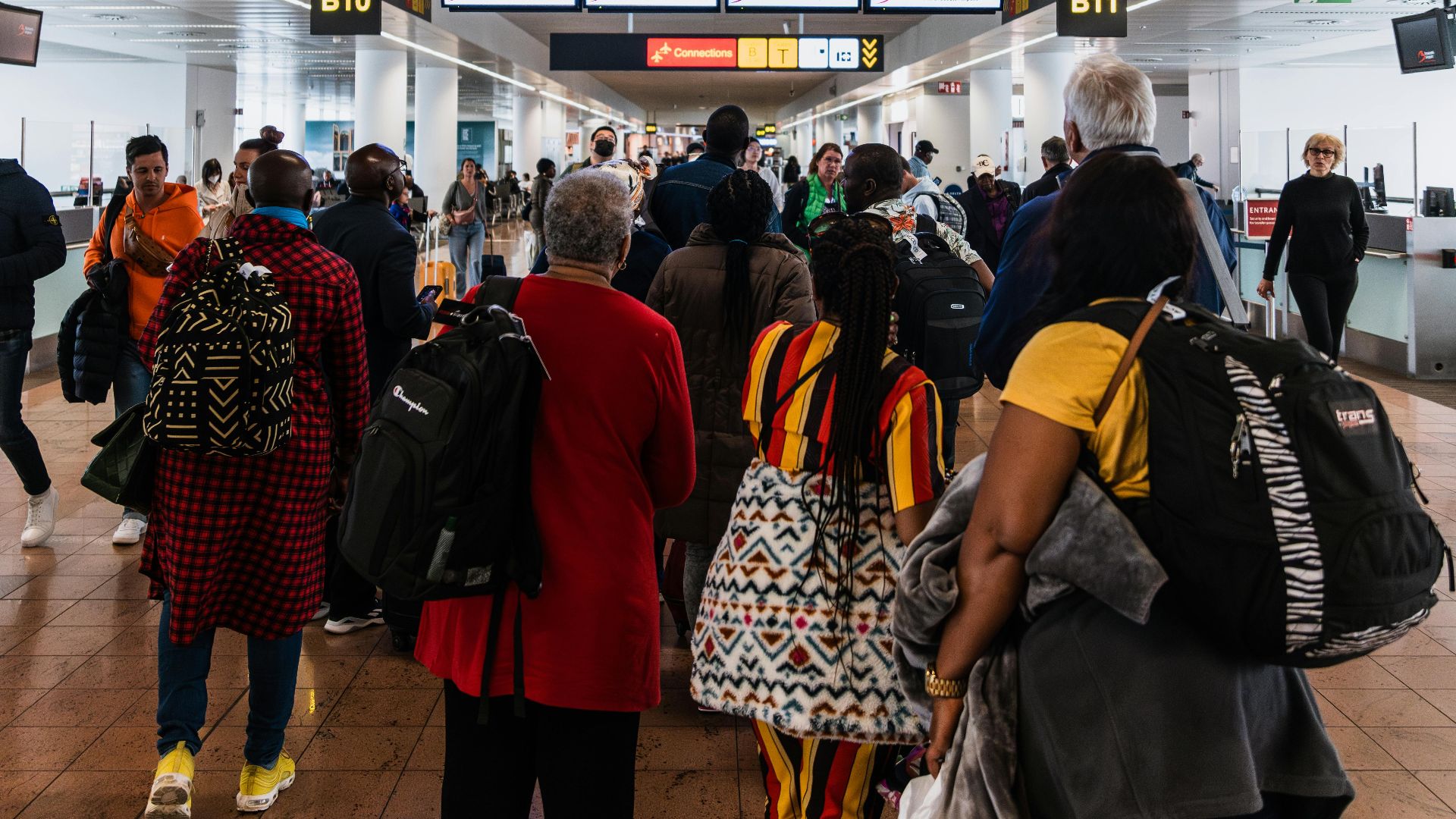
Oversold Flights Make It Even Riskier
On oversold flights, every seat matters. The U.S. Department of Transportation explains that airlines regularly oversell flights because some passengers do not show up. If a gate agent decides you have effectively become a no-show during boarding, your seat can become especially vulnerable.
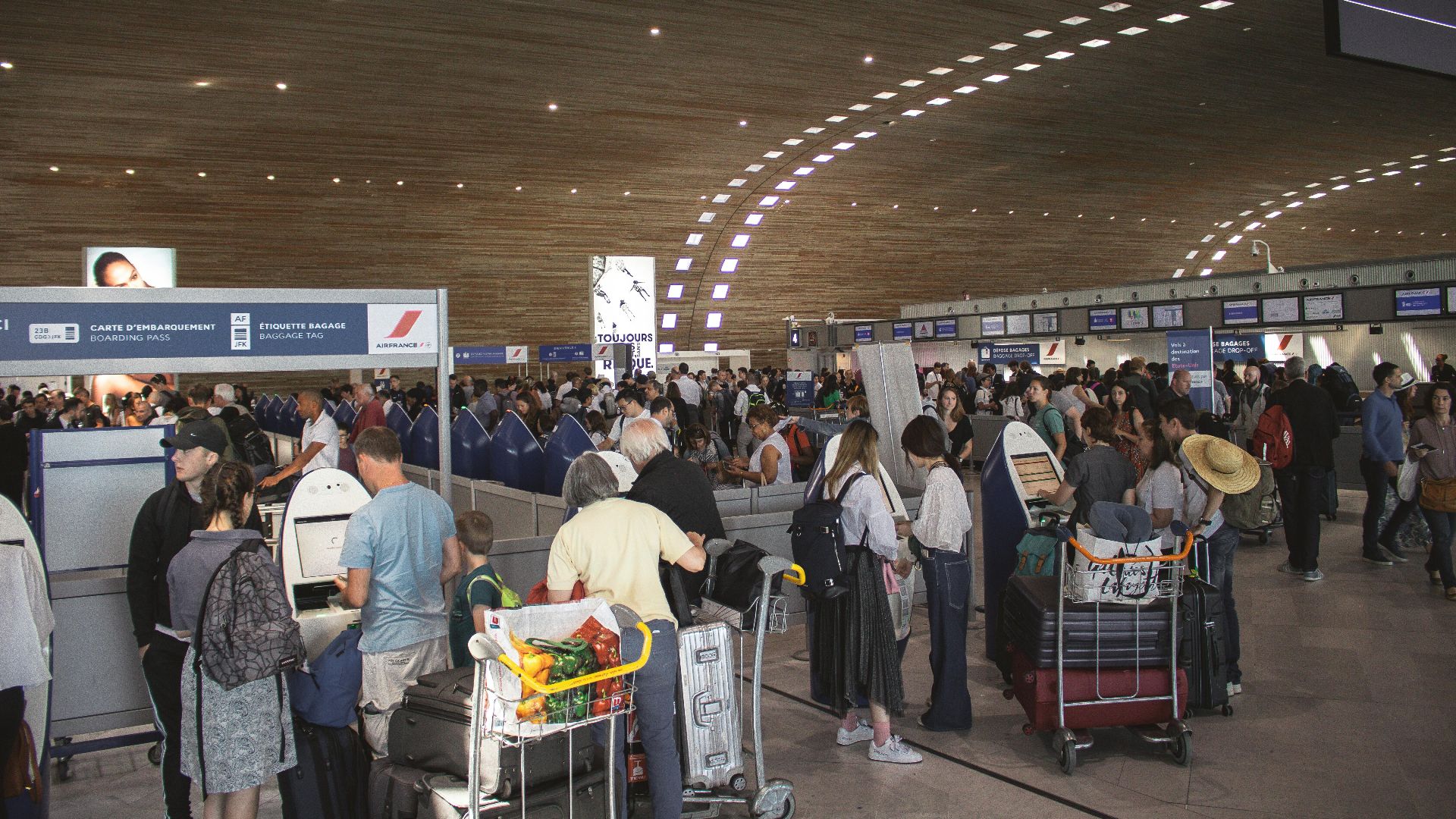
What The Department Of Transportation Says
The DOT makes clear that airlines may oversell flights and may deny boarding in some cases, but compensation rules usually focus on passengers who are present and ready to travel. That distinction matters. If you were away from the gate and not available when the airline called, the carrier may argue that you were not ready for boarding within the required window.
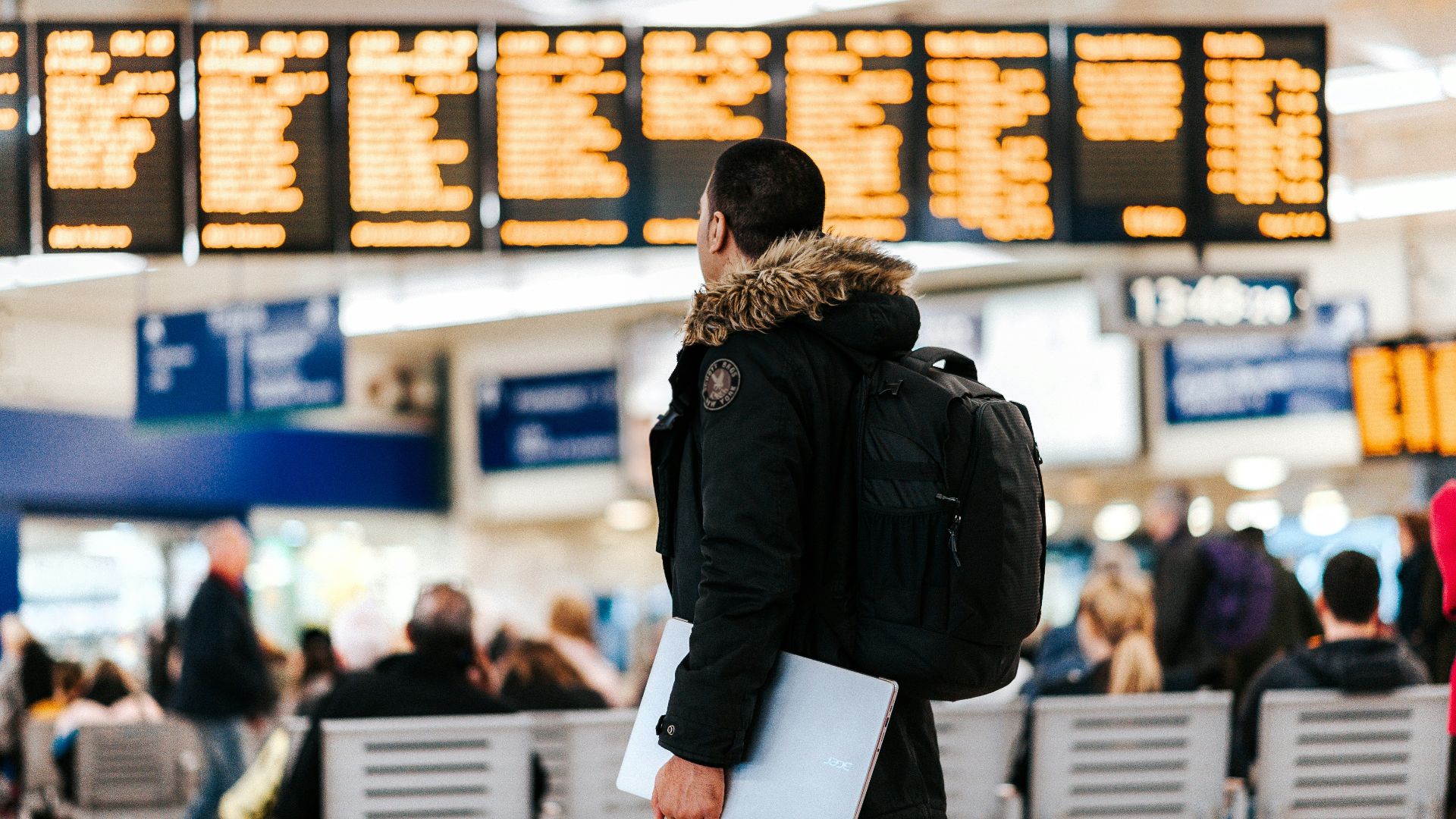
The 15-Minute Rule Is A Big Deal
Many U.S. airlines tell passengers to be at the gate well before departure, often 15 minutes before domestic flights and earlier for international trips. American Airlines says customers must be on board the aircraft at least 15 minutes before scheduled departure for domestic flights or they may lose their seat. That deadline can hit hard if you step away at exactly the wrong time.
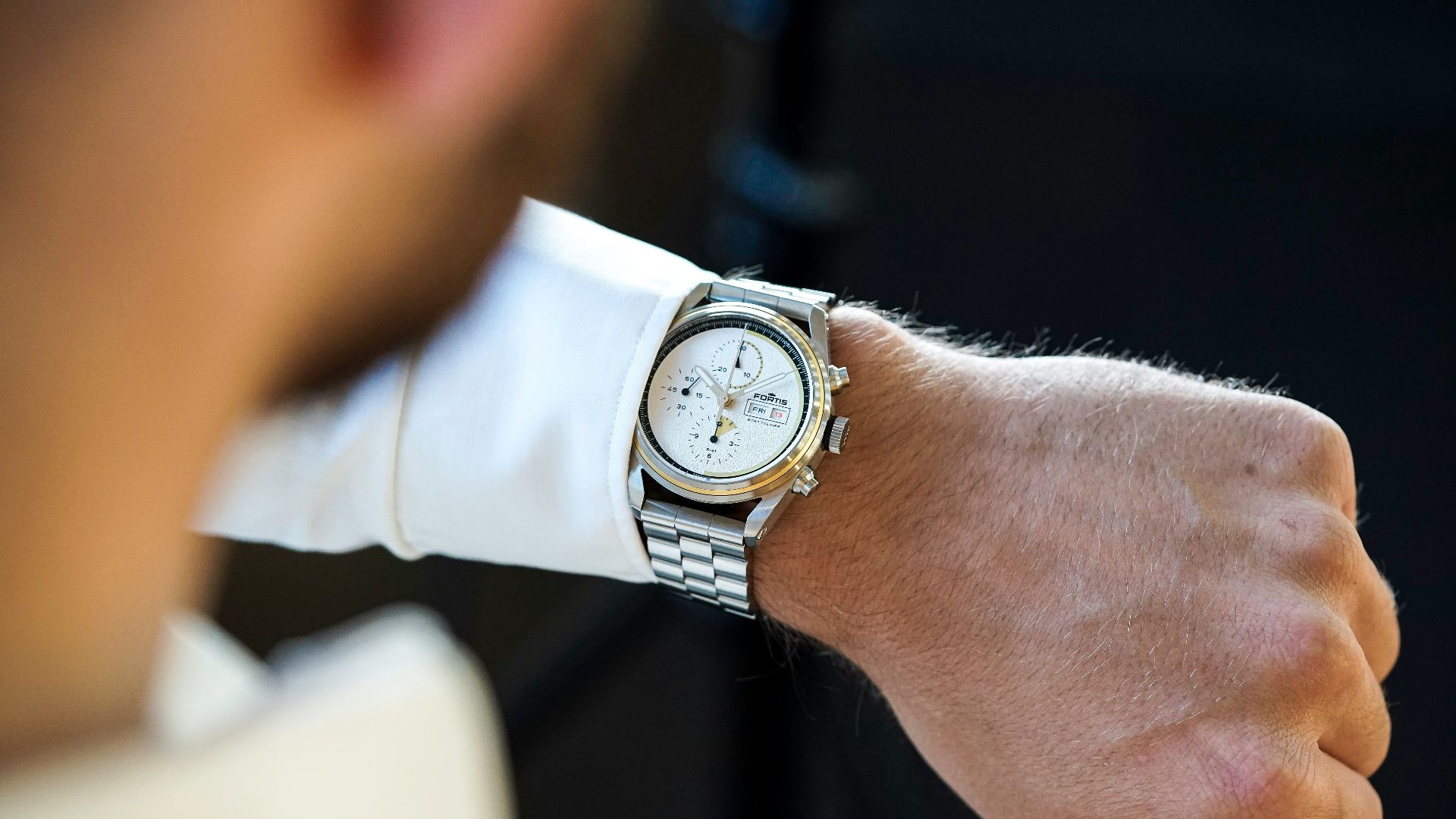
Delta Uses Similar Boarding Cutoffs
Delta tells travelers they need to be at the gate before boarding closes, and it warns that boarding doors may shut up to 15 minutes before departure on domestic flights and earlier on international ones. So a quick restroom run near departure time is not always harmless. If boarding closes while you are gone, your options can disappear fast.
United Also Warns Passengers To Be Early
United advises passengers to be at the gate and ready well before departure, and it closes boarding ahead of takeoff. In practice, that means the posted departure time is not your true last call. The real cutoff is usually earlier, sometimes much earlier than stressed travelers expect.
The Seat Itself Might Not Be Guaranteed Anyway
Even if you make it back before the door closes, the exact seat on your boarding pass may still not be protected. Airlines reserve the right to change seats for weight and balance, aircraft swaps, disabled passenger accommodations, or crew needs. So there are really two separate issues: whether you keep a place on the flight at all, and whether you keep that exact seat.
Families And Premium Seats Are Not Immune
Travelers sometimes assume that paying extra for seat selection means the seat is locked in. In reality, airlines often say even paid seat assignments can be changed for operational reasons, though fees may be refundable in some cases. Families, elite flyers, and premium-cabin passengers can all still be reseated if the airline decides it is necessary.
If Your Checked Bag Is Already On Board
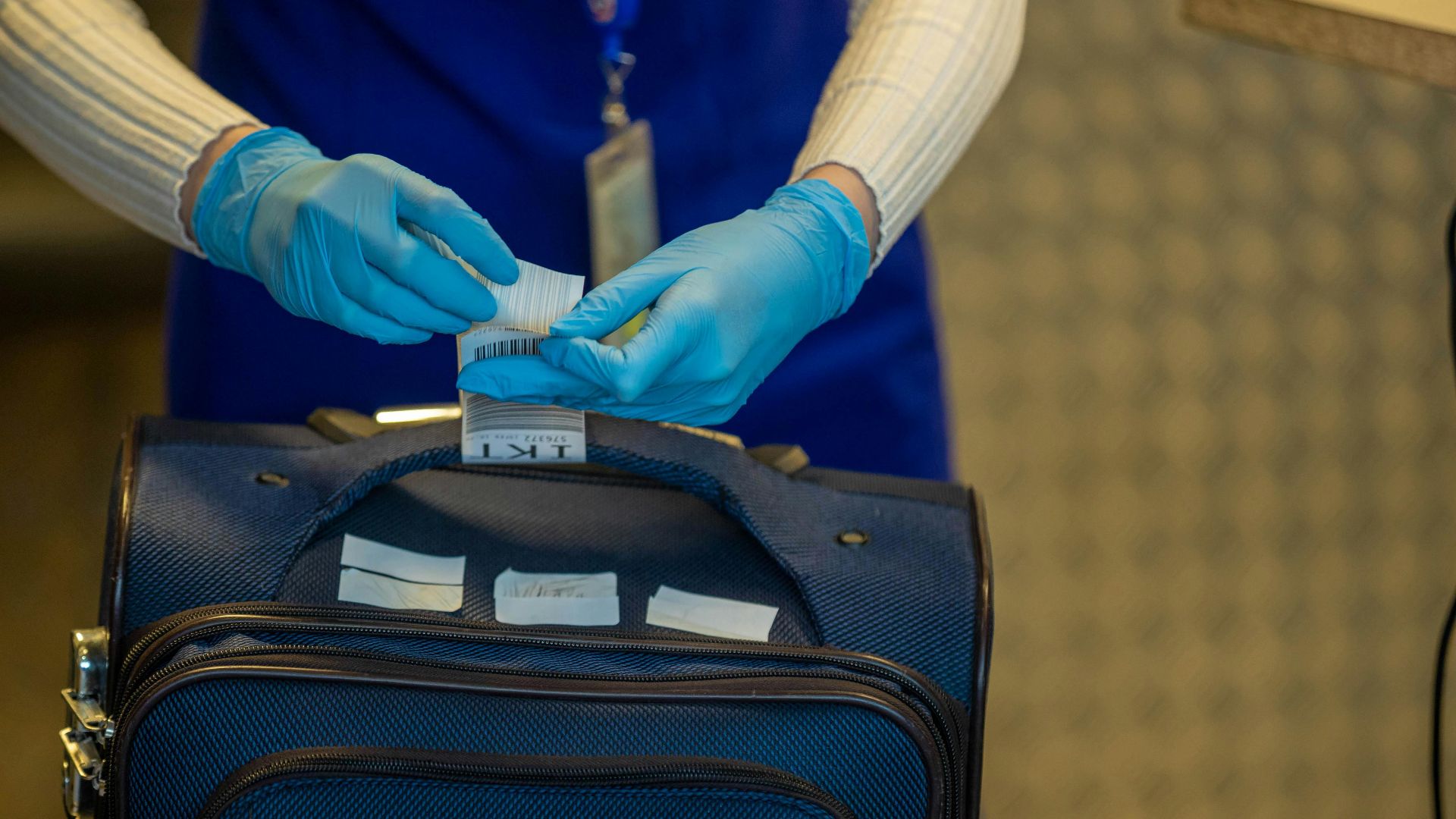
This is where things get tricky, but not in the way many travelers think. In the U.S., domestic flights generally do not follow the same baggage-passenger matching rules used in many international security settings. So the fact that your checked bag is already loaded does not always stop the airline from removing you from the passenger list if you are missing at boarding time.
International Trips Can Bring Extra Security Rules
On some international routes, airlines have to account more carefully for checked baggage if a passenger does not board. That can slow things down and make gate agents even more eager to find missing travelers quickly. Even so, that does not give a missing passenger the right to hold up the plane while away from the gate.
Can They Do This If You Were Only Gone For A Minute
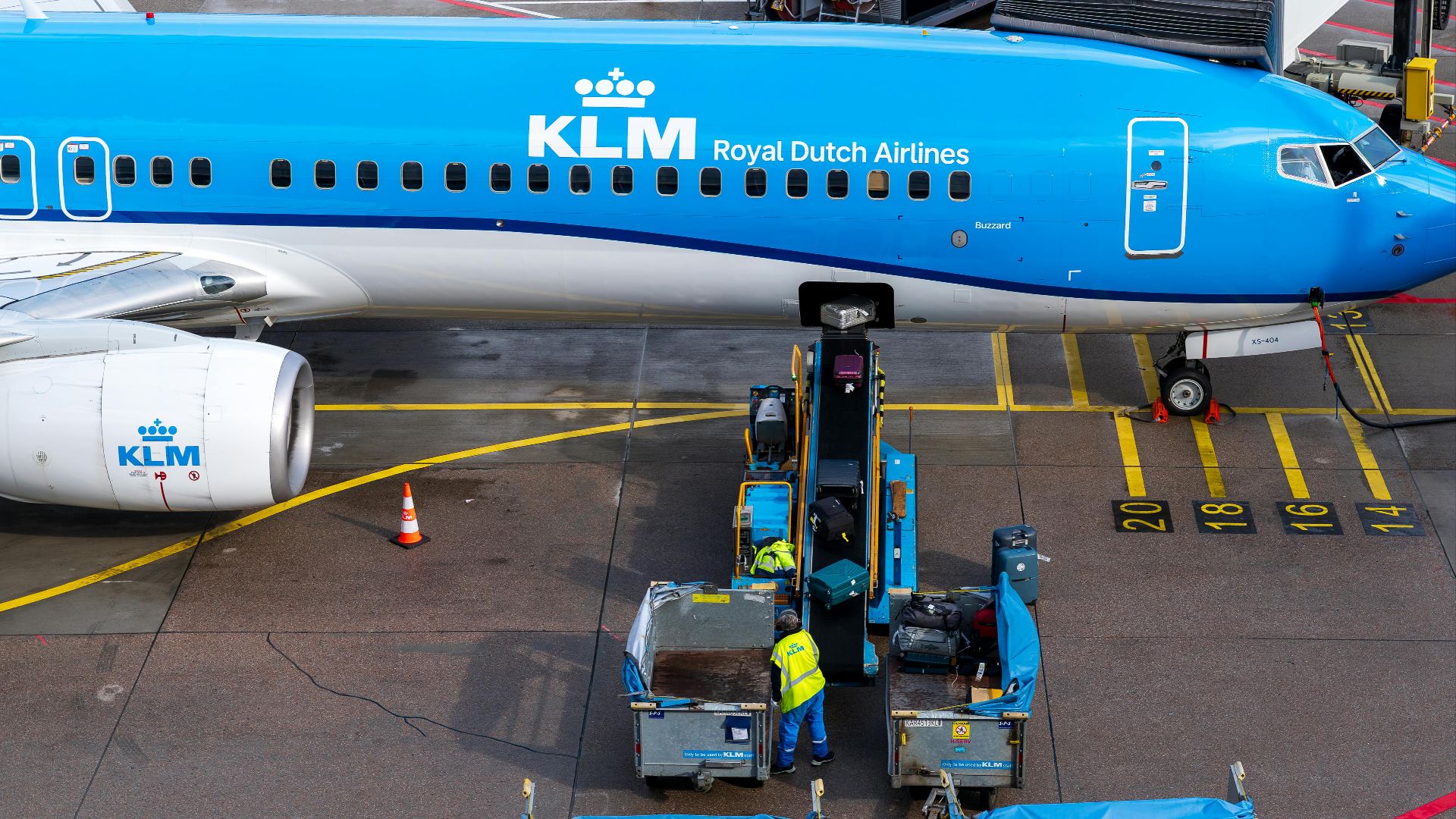
Sometimes yes, especially if boarding was nearly over and the gate team believed they had already given reasonable notice. Airline operations run on deadlines, not on how understandable your reason was for stepping away.
 Michael Ball, Wikimedia Commons
But They Still Have To Follow Their Own Rules
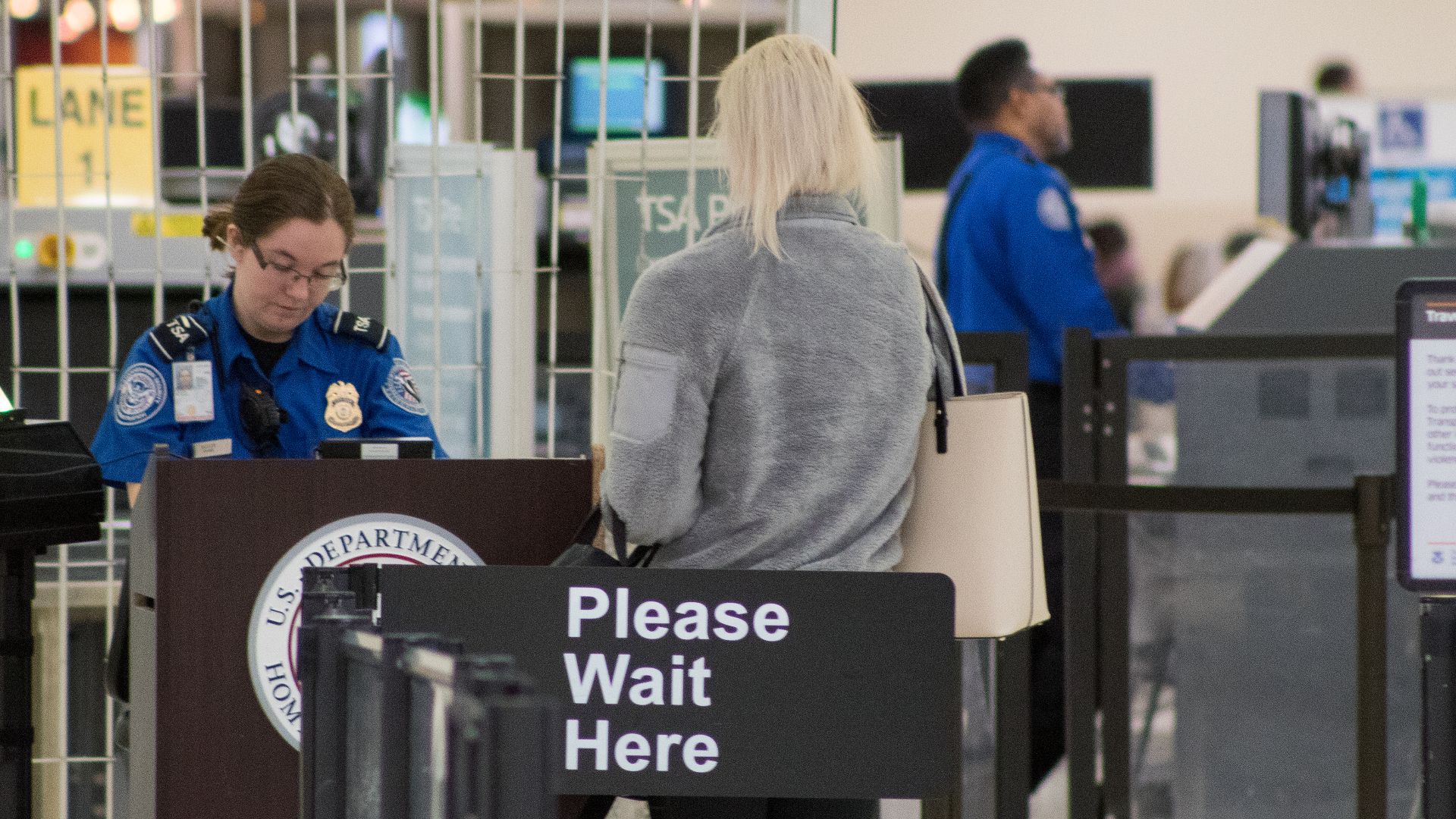
If an airline took your seat while you were still within the required boarding window, that is a different matter. The carrier still has to follow its published policies and any promises made by gate staff. If you were present when required and were wrongly denied boarding, you may have stronger grounds to push back.
 CBP Photography, Wikimedia Commons
Documentation Can Make A Big Difference
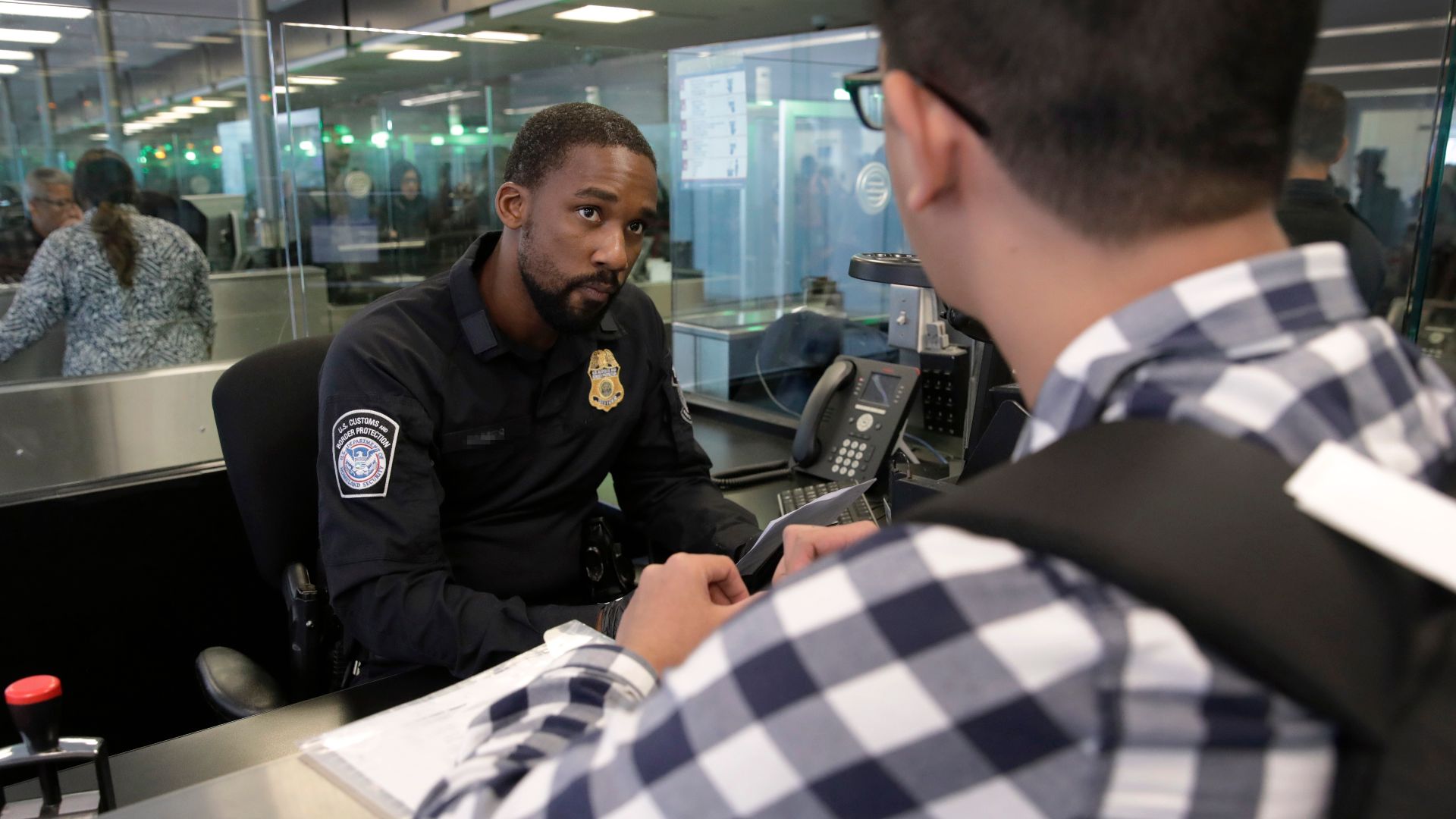
If this happens, start collecting evidence right away. Take screenshots of your boarding pass, note the boarding time, and write down exactly when you were at the gate and what staff told you. If the airline later says you were a no-show, those details can matter a lot.

Ask One Key Question Immediately
The first thing to ask is whether you were marked as a no-show or involuntarily denied boarding. Those are very different categories, and they come with very different rights. If the airline says you missed boarding, compensation may be unlikely. But if you were present and bumped, DOT rules may apply.
 Quintin Soloviev, Wikimedia Commons
Involuntary Denied Boarding Comes With Specific Protections
The DOT requires airlines to compensate eligible passengers who are involuntarily bumped from oversold flights and who met check-in and gate requirements. The amount depends on how late the airline gets you to your destination. But those protections usually do not apply if the airline can reasonably classify you as absent when boarding closed.
If You Think The Airline Got It Wrong
Start with the airline's customer service department and keep your complaint tight and clear. Include your flight number, date, airport, boarding time, and a simple timeline of when you were at the gate and when you stepped away. If you do not get a fair response, you can file a complaint with the U.S. Department of Transportation.
Gate Agents Have A Lot Of Discretion
This is one reason these disputes feel so inconsistent. Gate agents are juggling standby lists, departure deadlines, staffing pressure, and sometimes uncertain passenger whereabouts. One agent may hold a seat for a moment after a final page, while another may release it right away.
The Safest Strategy Is Surprisingly Simple
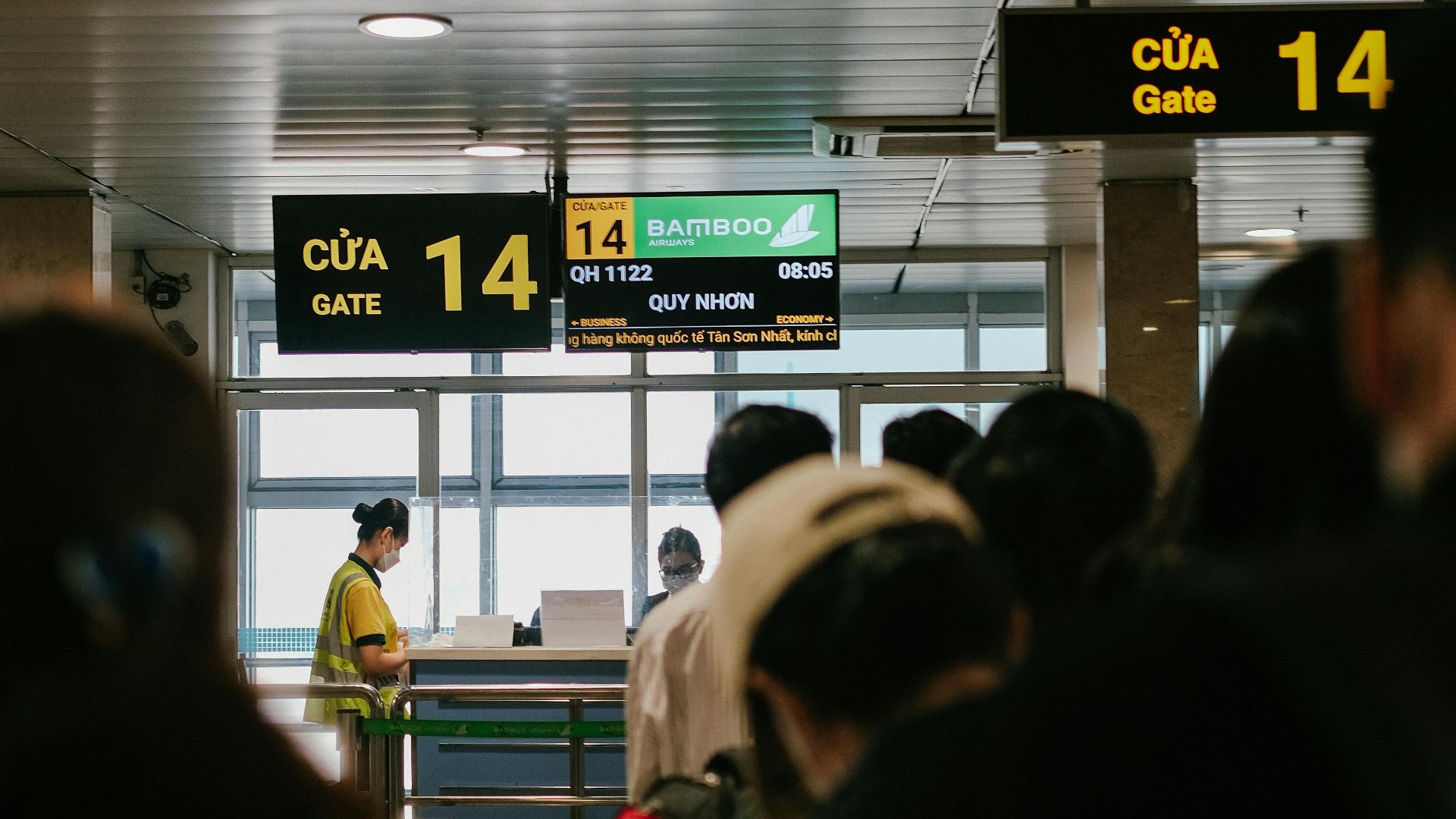
Once boarding gets close, stay near the gate unless a staff member clearly says you have time. Use the restroom earlier than you think you need to, especially on full flights or flights with long standby lists. If you absolutely have to step away, tell the gate agent first if one is available.
A Quick Word On Courtesy Versus Legal Rights
Many travelers feel common sense should win if someone ran to the restroom for two minutes. On a human level, that is fair. But legal and contract rights are often narrower than what feels reasonable. Airlines usually protect the schedule first, and individual frustration comes second.
So Can They Really Do That
Yes, in many cases they can. If you are not at the gate or on board by the airline's required cutoff, your seat may be reassigned, even if you were only gone briefly and even if you had already checked in. It is an ugly surprise, but it sits squarely within rules many travelers do not realize they agreed to.