The Boarding Pass Fee That Catches Travelers Off Guard
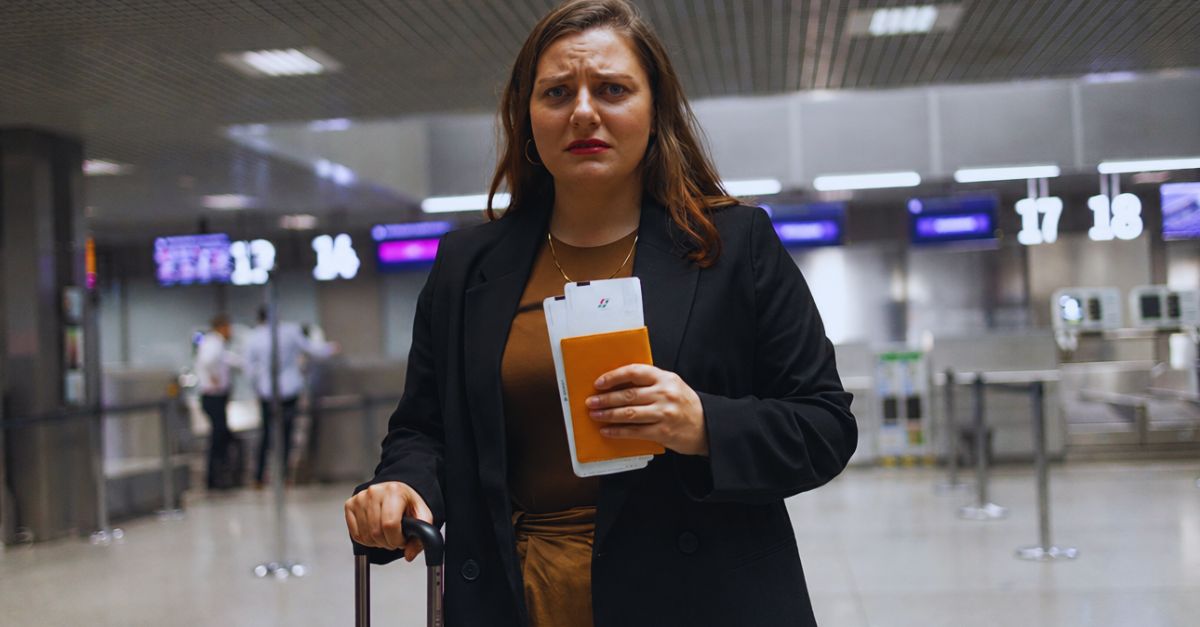
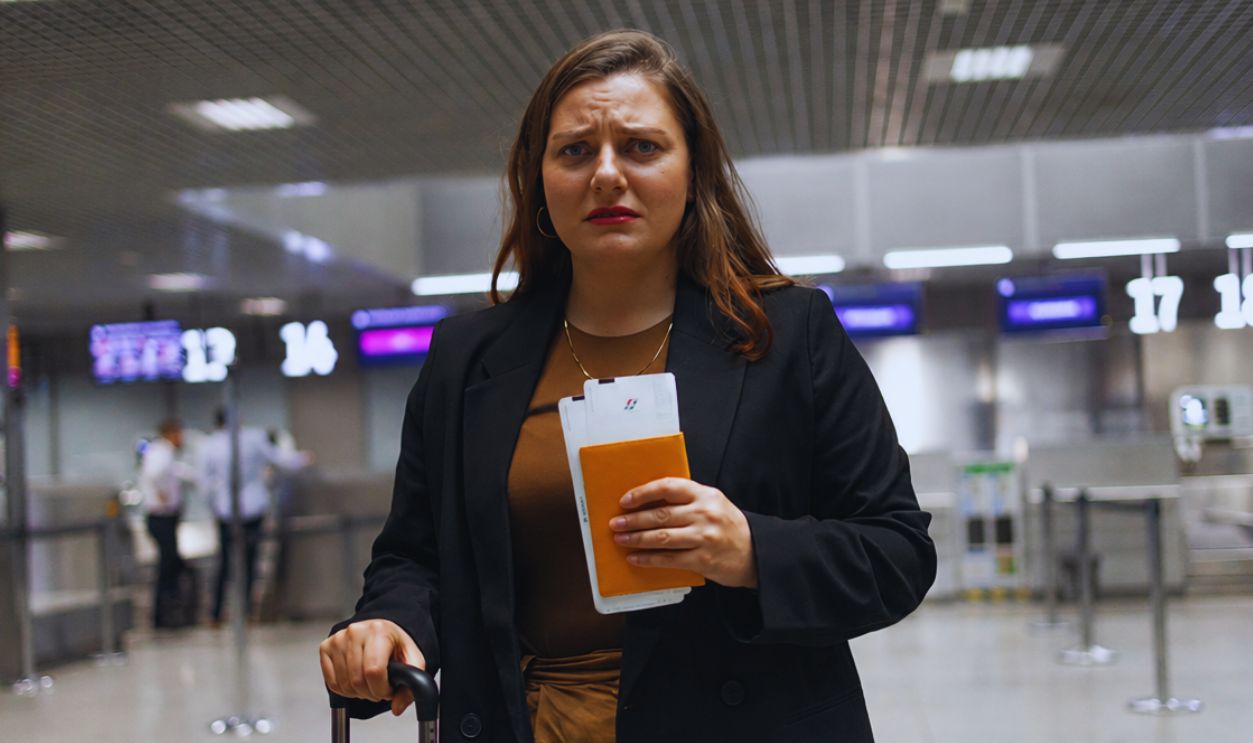
It feels like a trap when an airline app fails and the airport desk still asks you to pay to print a boarding pass. For many travelers, the obvious question is whether that fee is really their responsibility. The short answer is that it depends on the airline’s rules, the airport, and whether the airline gave you a reasonable way to check in before you arrived.
 Irina Shatilova, Shutterstock, Modified
Why This Issue Keeps Coming Up
More airlines now push customers toward app-based or online check-in to cut staffing costs and speed up airport processing. That shift can leave travelers exposed when an app crashes, a website freezes, or a phone battery dies at the worst possible time. What used to be a simple counter service can suddenly become an extra charge.

What Ryanair Says About Printed Boarding Passes
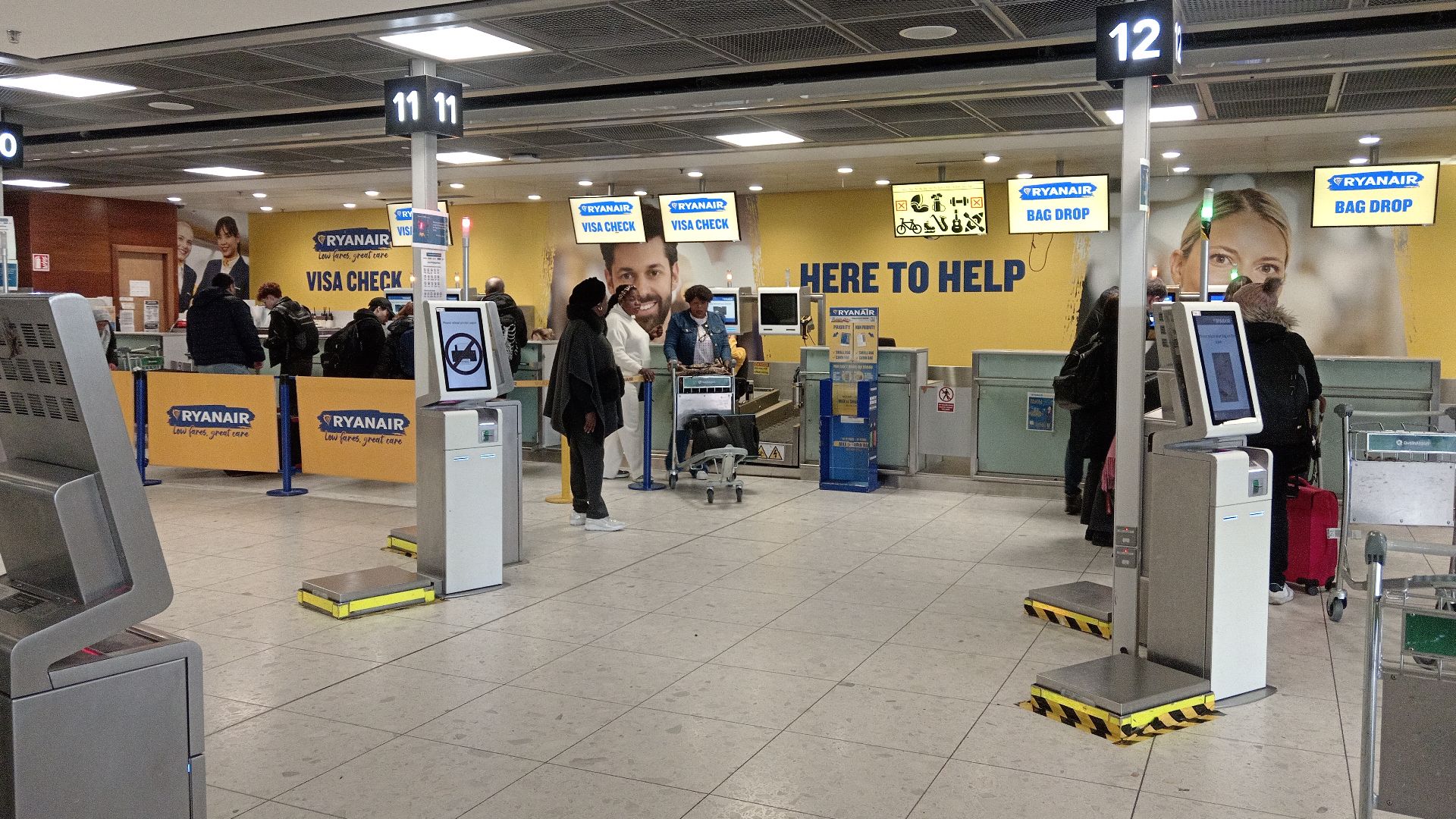
Ryanair is one of the clearest examples because it requires most passengers to check in online and use a mobile boarding pass. On its current help pages, the airline says passengers who do not check in before arriving at the airport can face an airport check-in fee. Ryanair also says mobile boarding passes are accepted on most routes, but not all airports support them, which matters if a traveler is relying on the app alone.
 CAPTAIN RAJU, Wikimedia Commons
The Fee Is Real And It Is Not Small
According to Ryanair’s fee schedule, the airport check-in fee can be significant, and replacement boarding pass fees have also appeared in its published charges. That means the cost is not an informal airport add-on but part of the airline’s stated pricing structure. If you show up unable to display your pass, the amount can sting.

EasyJet Also Charges For Airport Check-In In Some Cases
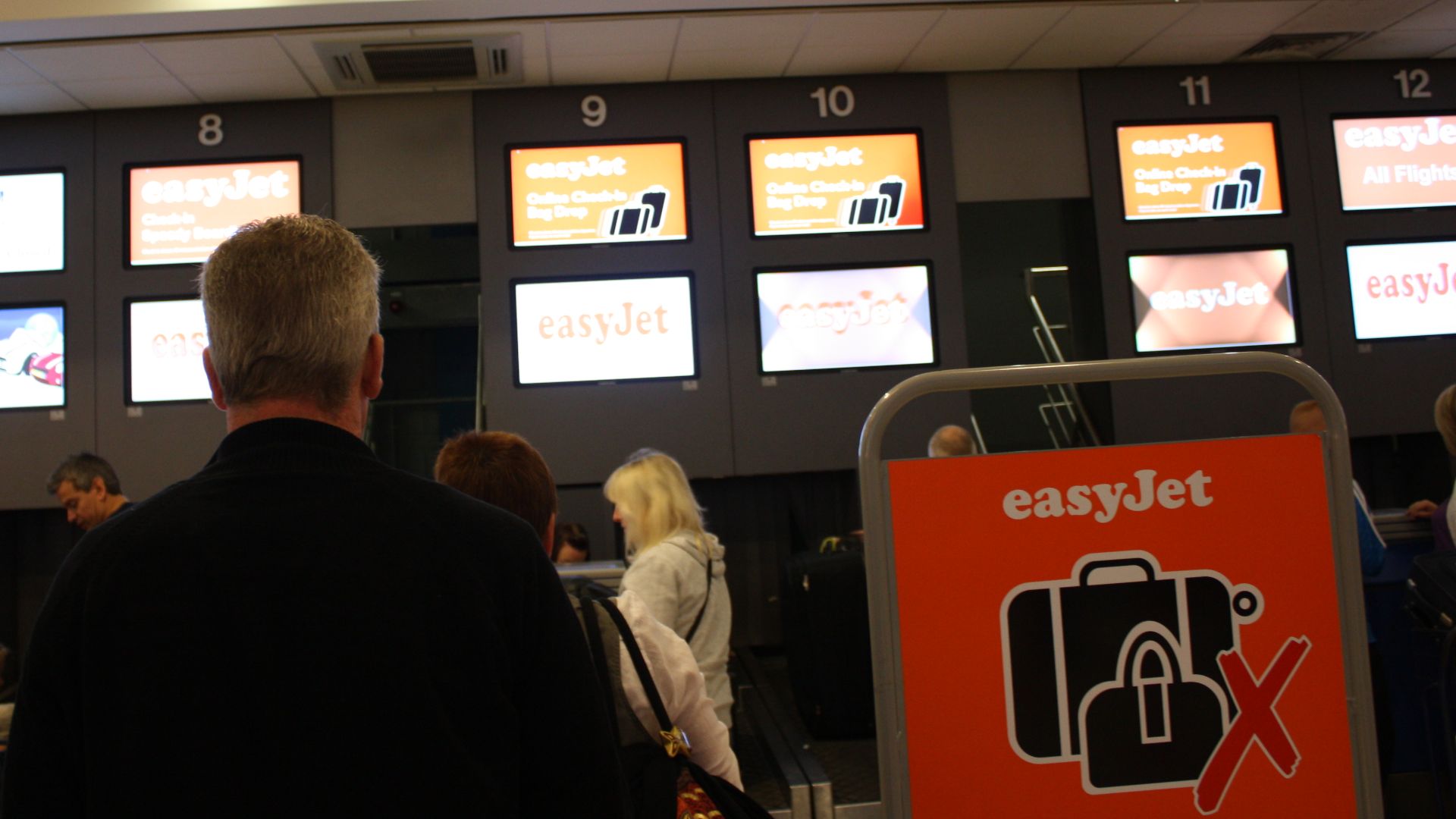
EasyJet has taken a similar low-cost approach, though the details differ. Its official guidance tells customers to check in online, download a boarding pass, or print one before getting to the airport. If a traveler fails to do that and needs airport assistance, charges may apply depending on the situation and route.
What Happens When The App Is The Problem
This is where things get murkier. If the airline app genuinely would not load your pass, a traveler may reasonably feel they did everything right. But airlines often write their terms to place the burden on the passenger to arrive with a valid boarding pass, whether obtained through the app, a website, or a printed copy.

What Consumer Advocates Look At First
Consumer protection experts usually start with the airline’s contract and published policies. They also look at whether the airline offered another realistic option, such as a working website, an email boarding pass, or advance airport support. If there was no practical workaround and the airline’s own system failed, the fairness of the fee becomes much more questionable.

The Department Of Transportation Is Not A Magic Refund Button
The U.S. Department of Transportation requires airlines to avoid unfair and deceptive practices, but it does not publish a simple rule that says every boarding pass printing fee must be refunded when an app fails. Still, the DOT does take complaints, and patterns matter. If enough passengers report the same technical failure and fee, regulators can take interest.

Europe Has Stronger Passenger Rights In Some Areas
In Europe, air passenger rights are often stronger on cancellations, delays, and denied boarding than on smaller ancillary fees like boarding pass printing. Even so, airlines operating there still have to be transparent about terms and charges. A fee that is hidden, inconsistently applied, or impossible to avoid could attract scrutiny from consumer authorities.

Transparency Is The Key Legal Question
If the charge was clearly disclosed before travel, the airline has a stronger argument that the passenger accepted the risk. If the policy was buried, vague, or contradicted by airport staff instructions, the passenger’s case gets stronger. The real dispute is often less about the fee itself and more about whether the traveler had fair notice and a workable alternative.

Mobile Boarding Passes Are Not Universal
Many travelers assume that if an airline has an app, the app must work everywhere. That is not true. Ryanair specifically notes that some airports do not accept mobile boarding passes, which means passengers must check the route and airport rules before travel.

Airport Rules Can Complicate Everything
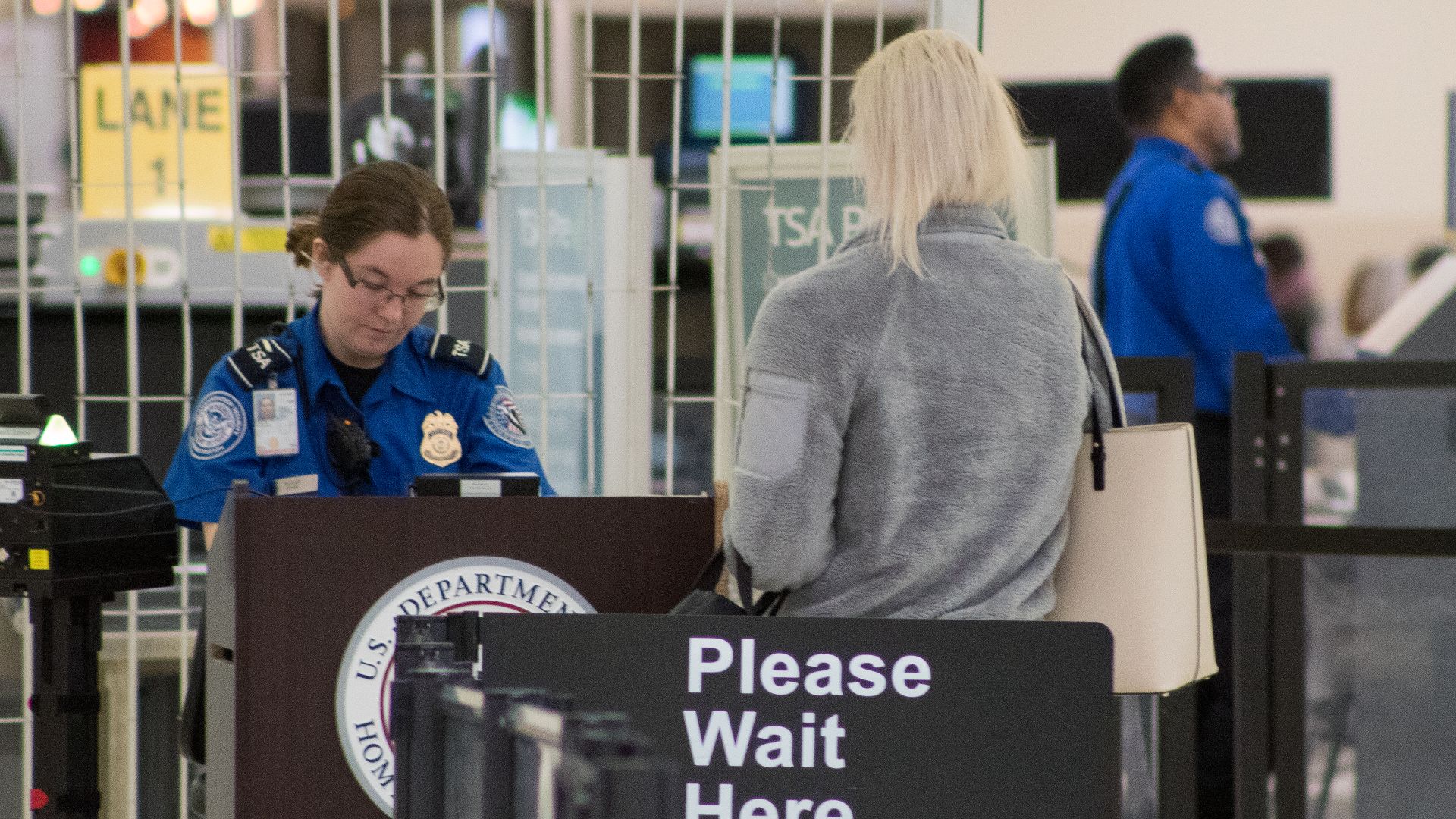
Even when the airline app works perfectly, local airport procedures can force a printed document or an in-person document check. Visa verification, destination entry requirements, and airport technology limitations can all intervene. In those cases, what feels like an app failure may actually be an airport process issue.
 Michael Ball, Wikimedia Commons
A Broken App Screenshot Can Matter
If the airline app failed, save proof right away. Screenshots showing the error message, time, date, and your booking details can make a big difference if you later ask for reimbursement. Without evidence, the dispute often turns into your word against the airline’s records.

Try The Website Before You Reach The Desk
One of the smartest moves is to try the airline website in a mobile browser instead of relying only on the app. Sometimes the app is glitching while the website still works. If the website also fails, that strengthens your argument that the airline’s systems were the problem.

Ask Staff To Note The Technical Problem
If you are forced to go to the desk, politely explain that the app or website failed and ask the staff member to note that in the booking record. Not every agent will do it, but some will. That note can be useful later if you submit a complaint or charge dispute.
 OhanaUnitedTalk page, Wikimedia Commons
Pay Now, Challenge Later
At the airport, missing the flight is usually more expensive than paying the disputed fee. If the desk says payment is required, many travelers are better off paying and preserving evidence rather than arguing until boarding closes. You can challenge the charge afterward with a calmer paper trail.

What Evidence Makes A Strong Complaint
The best complaint includes your booking reference, screenshots of the failure, a photo or copy of the receipt, and a short timeline of what happened. Include the airport, date, approximate time, and the name of the app or webpage that failed. Keep the explanation tight and factual.

Start With The Airline’s Own Complaint Channel
Always file directly with the airline first. Most carriers have an online complaint form, and some have dedicated refund categories for airport fees and check-in problems. A polite, documented complaint has a better chance than an angry rant with no attachments.

If The Airline Says No, Escalate Smartly
If the airline rejects your complaint, the next step depends on where you traveled and how you paid. In the United States, you can file a complaint with the Department of Transportation. In the United Kingdom and Europe, alternative dispute resolution bodies, national enforcement authorities, or card issuers may offer another path.
 AgnosticPreachersKid, Wikimedia Commons
Credit Card Disputes Are Possible But Tricky
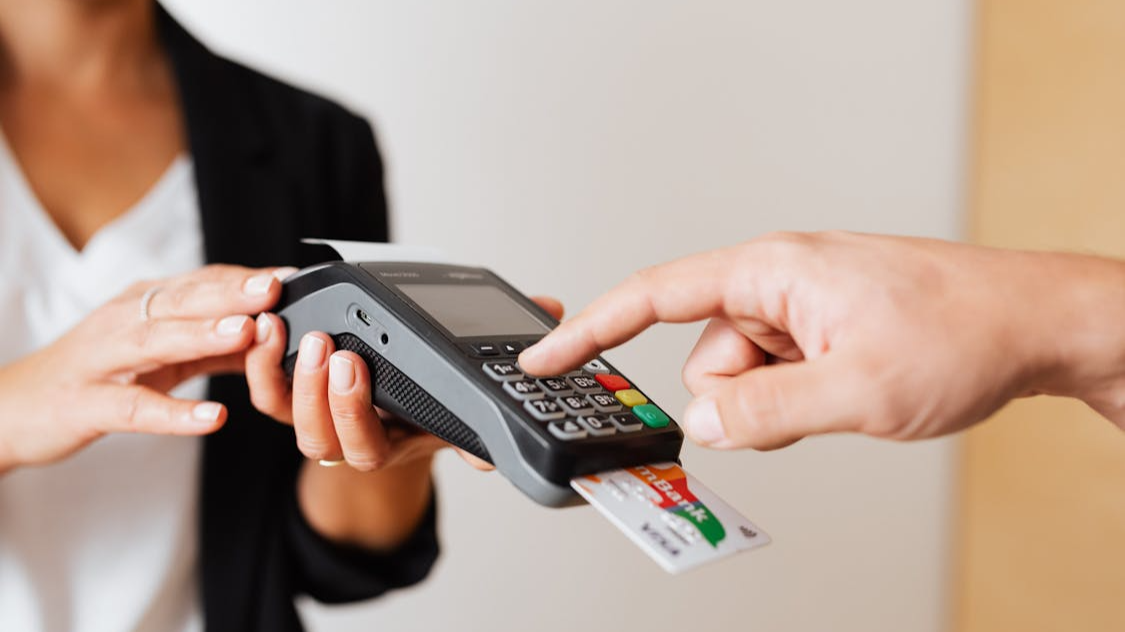
If you paid the fee by card and believe it was improperly charged, you may consider a charge dispute. That route works best when you can show the service was misrepresented or the fee should not have applied. Banks often ask whether you first tried to resolve it with the merchant, so keep copies of your complaint.

When The Fee Probably Is Your Responsibility
If the airline clearly required online check-in, the app and website were functioning, and you simply arrived unprepared, the fee is likely yours to bear. The same is true if the airline warned that your airport did not accept mobile boarding passes and you ignored that notice. In those cases, the rules may be annoying, but they are usually enforceable.
When The Fee Looks Harder To Defend
If the airline’s own systems were down, no alternative channel worked, and airport staff still demanded payment, the airline has a weaker fairness argument. The more evidence you have of a system-wide failure, the stronger your case becomes. This is especially true if multiple travelers were affected at the same time.

Why Low-Cost Carriers Structure Fees This Way
Budget airlines built their model around unbundling, which means charging separately for services that traditional airlines once included. Airport desk support is one of those services. From the airline’s perspective, the fee nudges customers toward self-service tools that reduce costs.

The Frustrating Catch In The Self-Service Model
The catch is obvious. If an airline pressures customers to use an app, it also creates a single point of failure when that app breaks. Travelers can end up feeling punished for following the airline’s preferred process.

How To Protect Yourself Before Travel
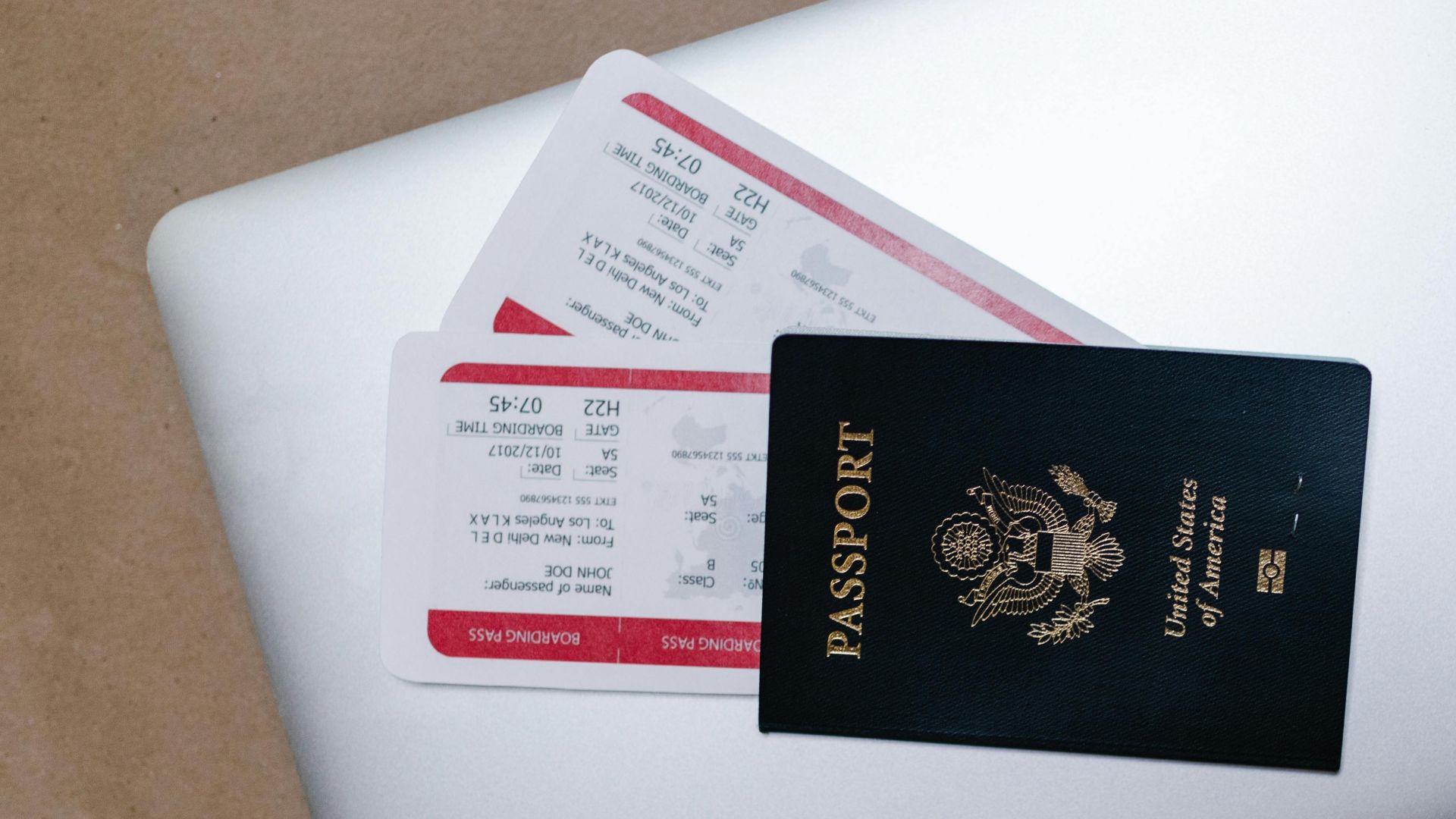
Check in as early as the airline allows, not while heading to the airport. Save the boarding pass in the app, take a screenshot, download any PDF version, and print a paper copy if the route or airport looks uncertain. Redundancy is not glamorous, but it can save money and stress.
Battery Life Is Part Of The Risk
Even when the app works, a dead phone can create the same problem as a technical failure. Carry a power bank or charging cable, especially on early morning departures or long travel days. Airlines may not care why you cannot show the pass if their policy says you need one.

So, Is It Your Fault
Not automatically. If you ignored clear instructions, then probably yes. But if you followed the rules, the airline’s tech failed, and there was no reasonable backup, many travelers would have a fair argument that the charge should be refunded.

The Practical Bottom Line
The airport is the worst place to debate abstract fairness. Your immediate goal is to get on the plane, collect evidence, and sort out the money later. In a world of app-first travel, the smartest passengers are the ones who assume the tech might fail and prepare a backup before it does.