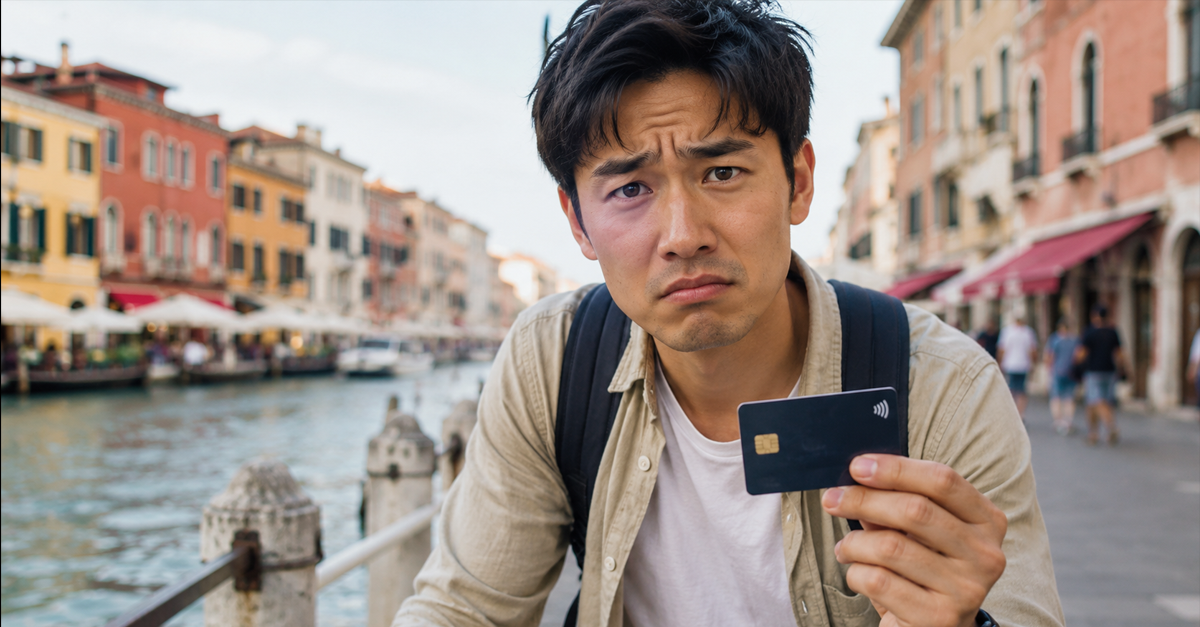
Your Dream Trip Can Turn Stressful Fast
You spend weeks planning a trip abroad, making reservations, researching attractions, and organizing your finances. Then, after a seemingly ordinary purchase, your debit card suddenly stops working. Being locked out of your account while traveling can quickly turn an exciting adventure into a total nightmare.
It Happens More Often Than You Think
Many travelers assume their bank will automatically recognize that they are on vacation. In reality, banks use fraud detection systems that constantly monitor transactions for unusual activity. International purchases can sometimes trigger security measures even when every transaction is legitimate.
That First Overseas Purchase Might Raise Questions
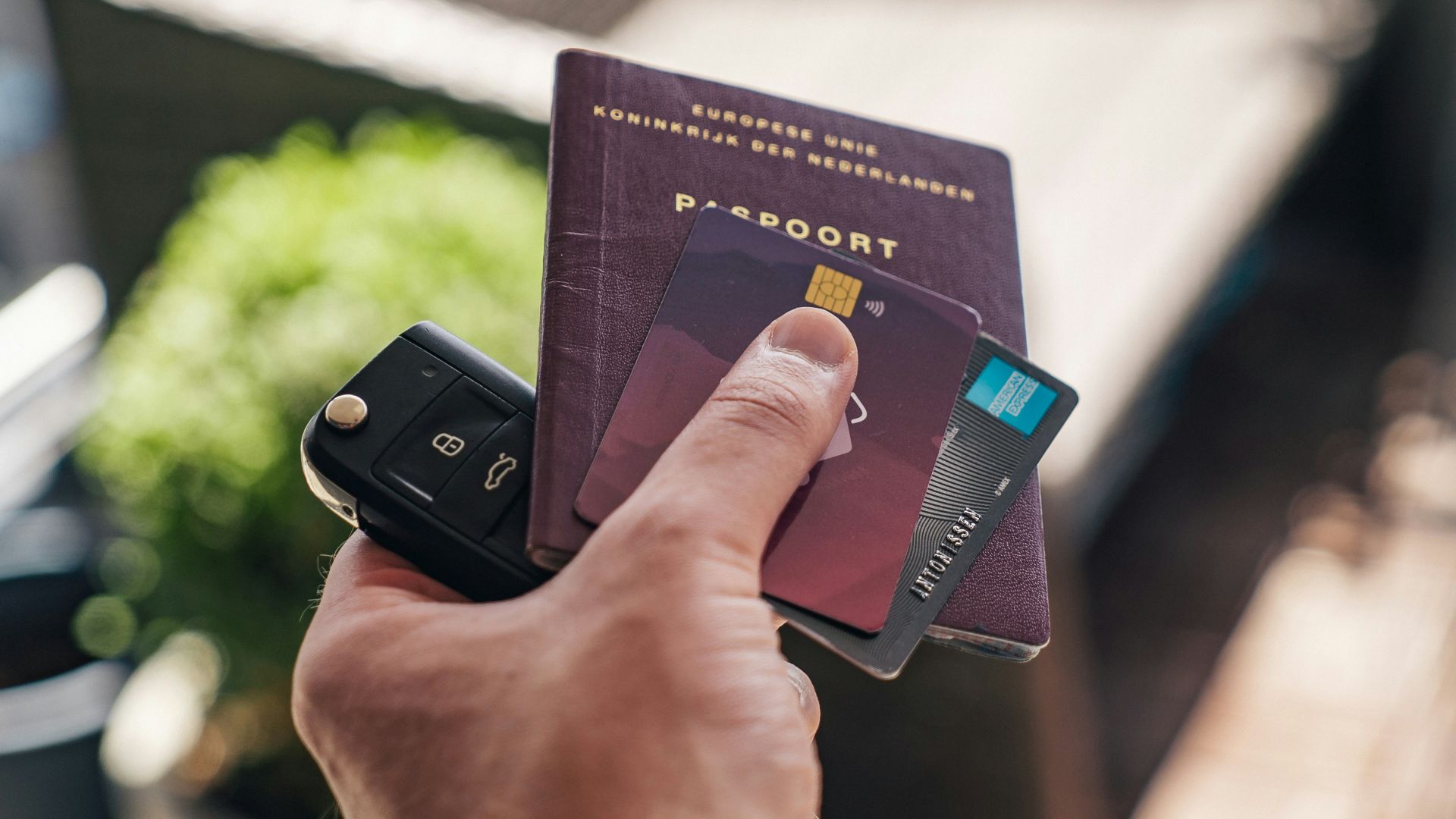
Buying a coffee in an airport, paying for a taxi, or purchasing a train ticket may seem harmless. However, your first foreign transaction can immediately signal that your spending habits have changed. Banks often pay close attention when a card is used in a location far from where it is normally used.
Fraud Detection Systems Are Designed To Be Cautious
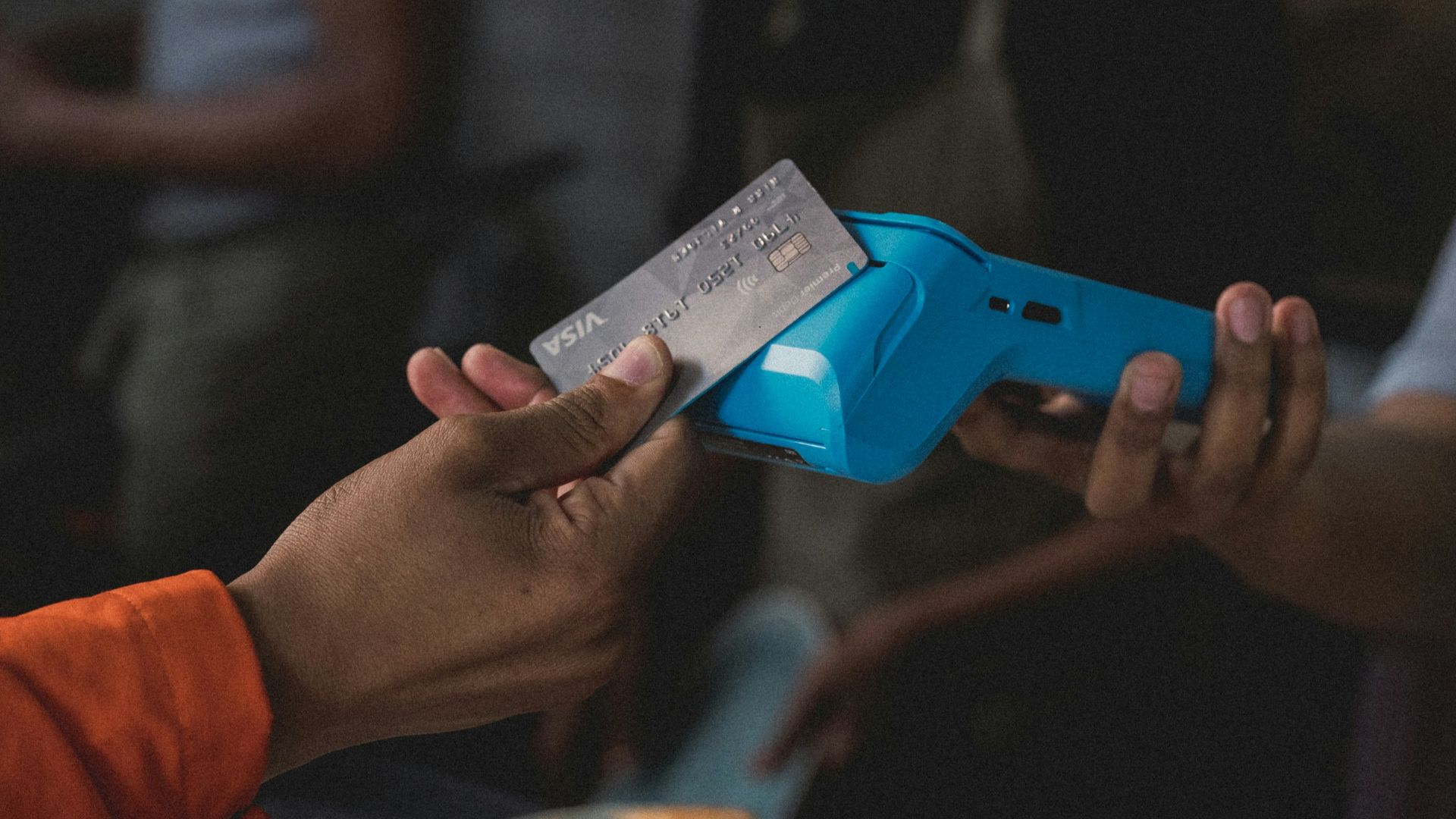
Financial institutions invest heavily in fraud prevention technology because card fraud remains a major concern worldwide. These systems analyze spending patterns, transaction amounts, locations, and timing. When activity appears unusual, your account may be flagged for additional verification.
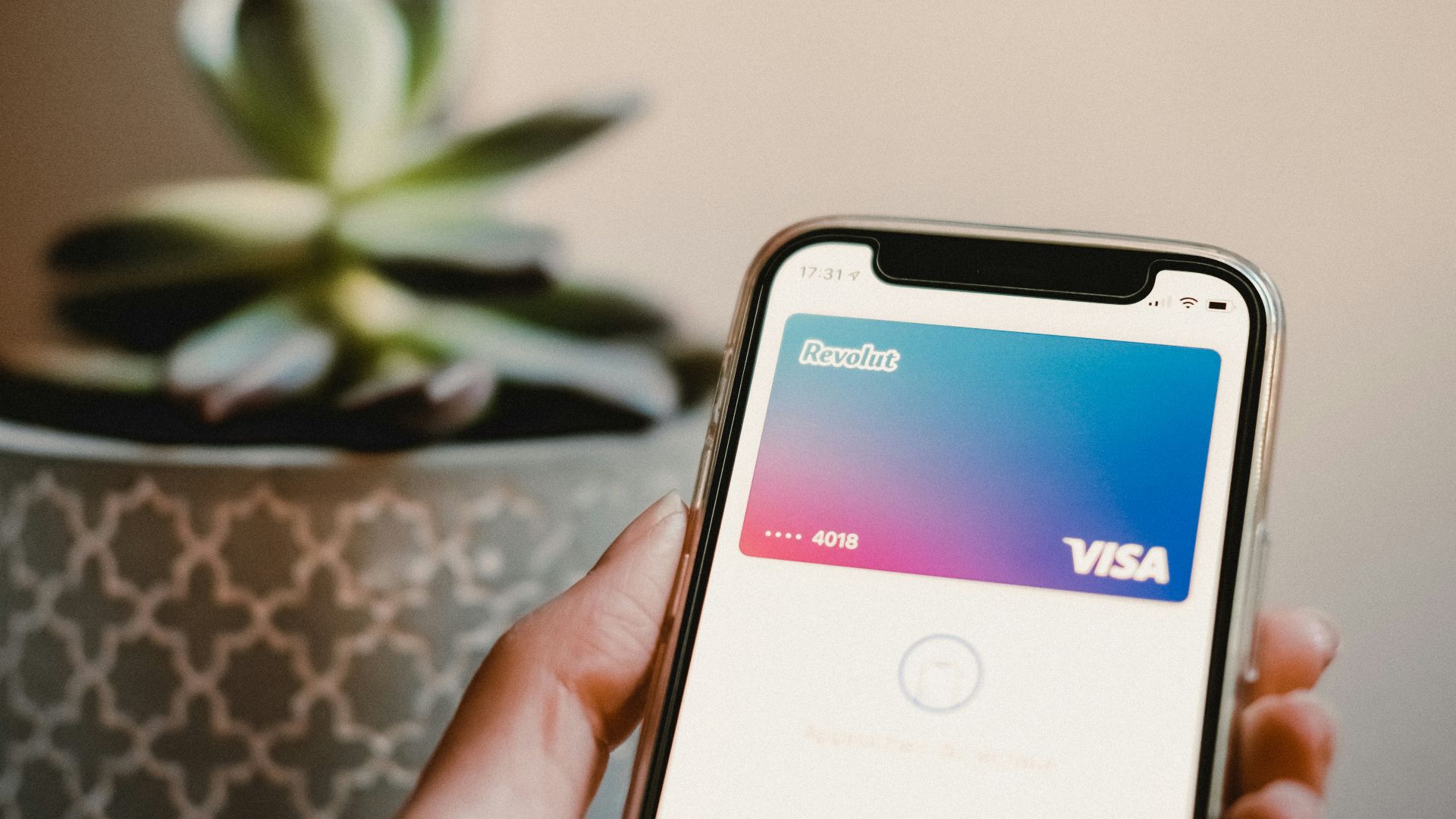
Your Travel Plans Are Not Always Obvious
Even if you have booked flights and hotels months in advance, your bank may not know you are traveling. Most banks do not automatically receive information about your itinerary. Without advance notice, overseas transactions can appear unexpected.
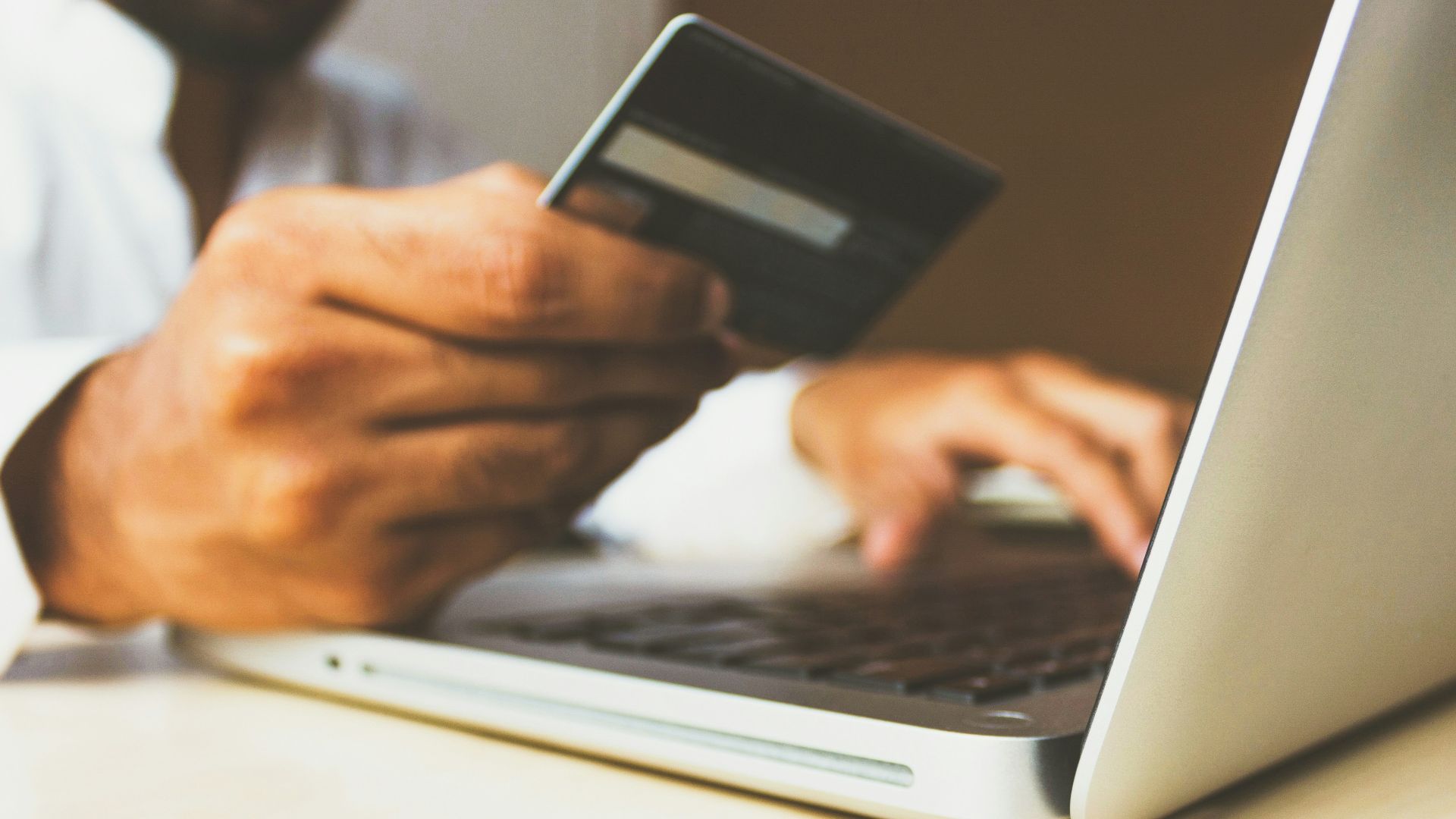
Travel Notifications Still Matter
Some banks no longer require travel notifications, but many still encourage customers to submit them before departure. Letting your bank know where and when you will be traveling can reduce the chances of legitimate transactions being flagged as suspicious. Taking a few minutes to update your travel plans can save hours of frustration later.
Multiple Countries Can Trigger Alerts
Modern travel often involves layovers and connections through several countries. You may buy breakfast in one country, lunch in another, and arrive at your destination before dinner. While this seems perfectly normal during travel, rapid transactions across multiple locations can sometimes resemble fraudulent activity.
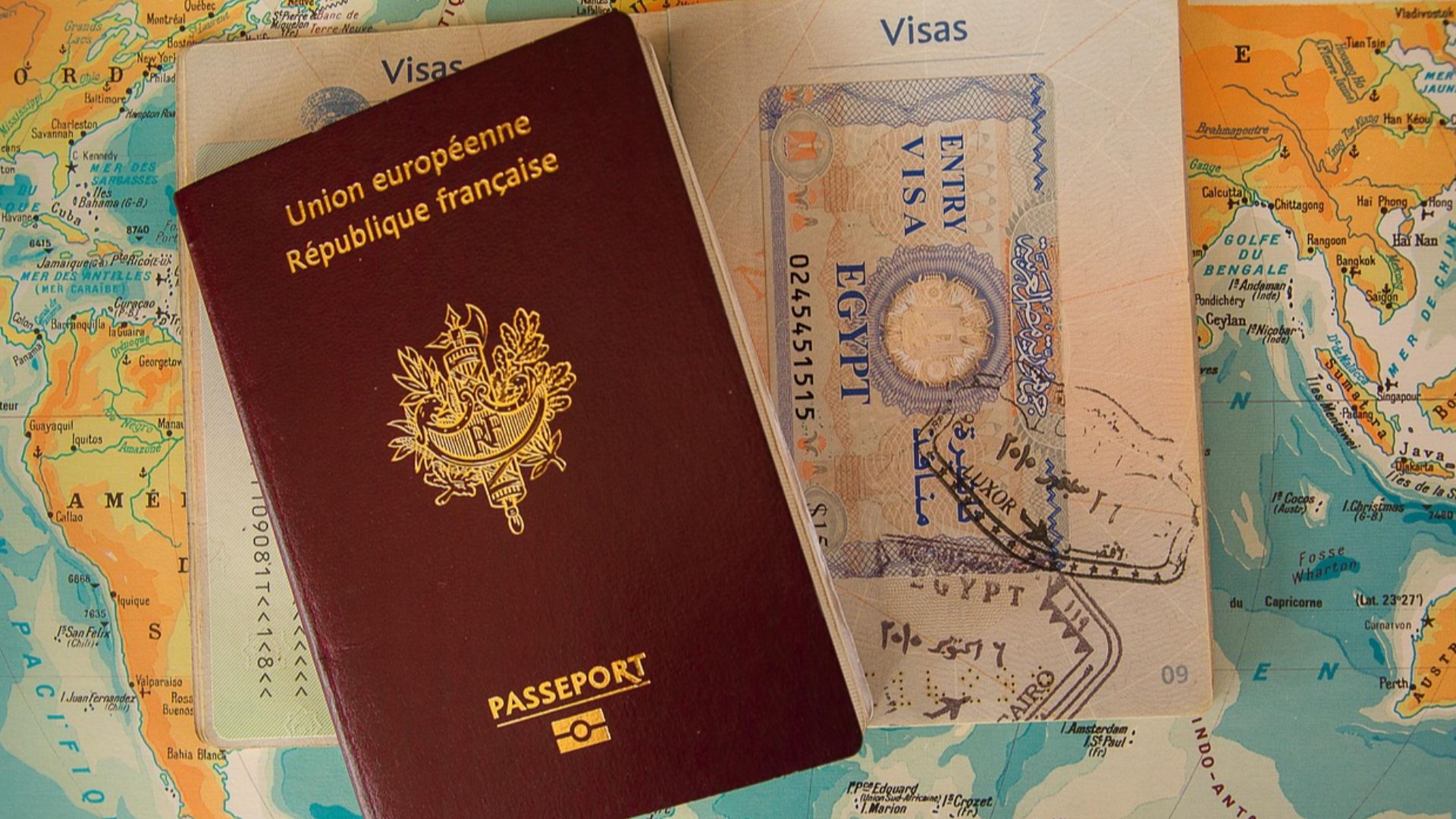
Debit Cards Carry Different Risks
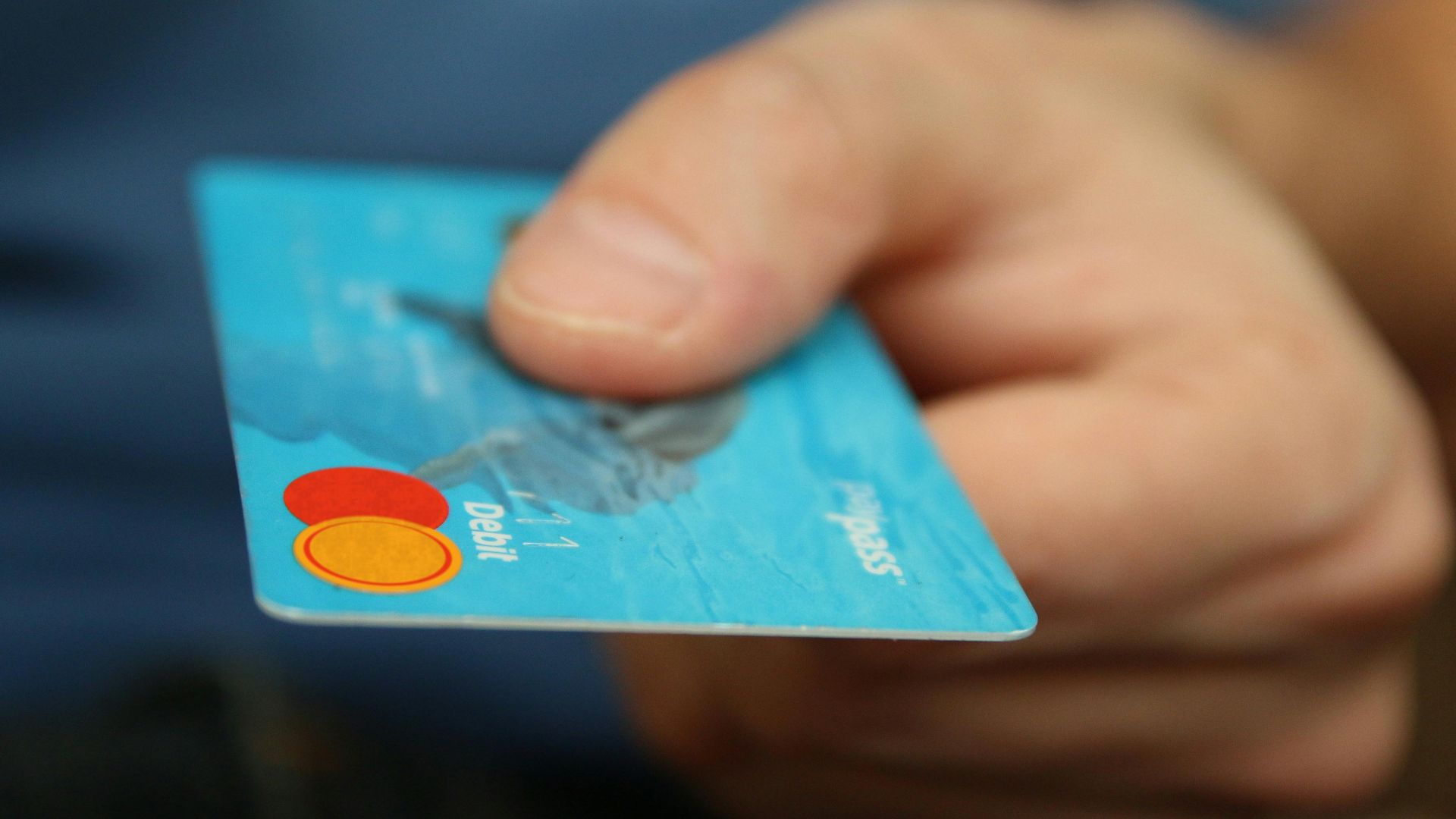
Unlike credit cards, debit cards are linked directly to your bank account. If your debit card is restricted, your access to cash may disappear immediately. That direct connection is one reason many financial experts recommend using credit cards for most travel purchases.
An ATM Decline May Be Your First Warning
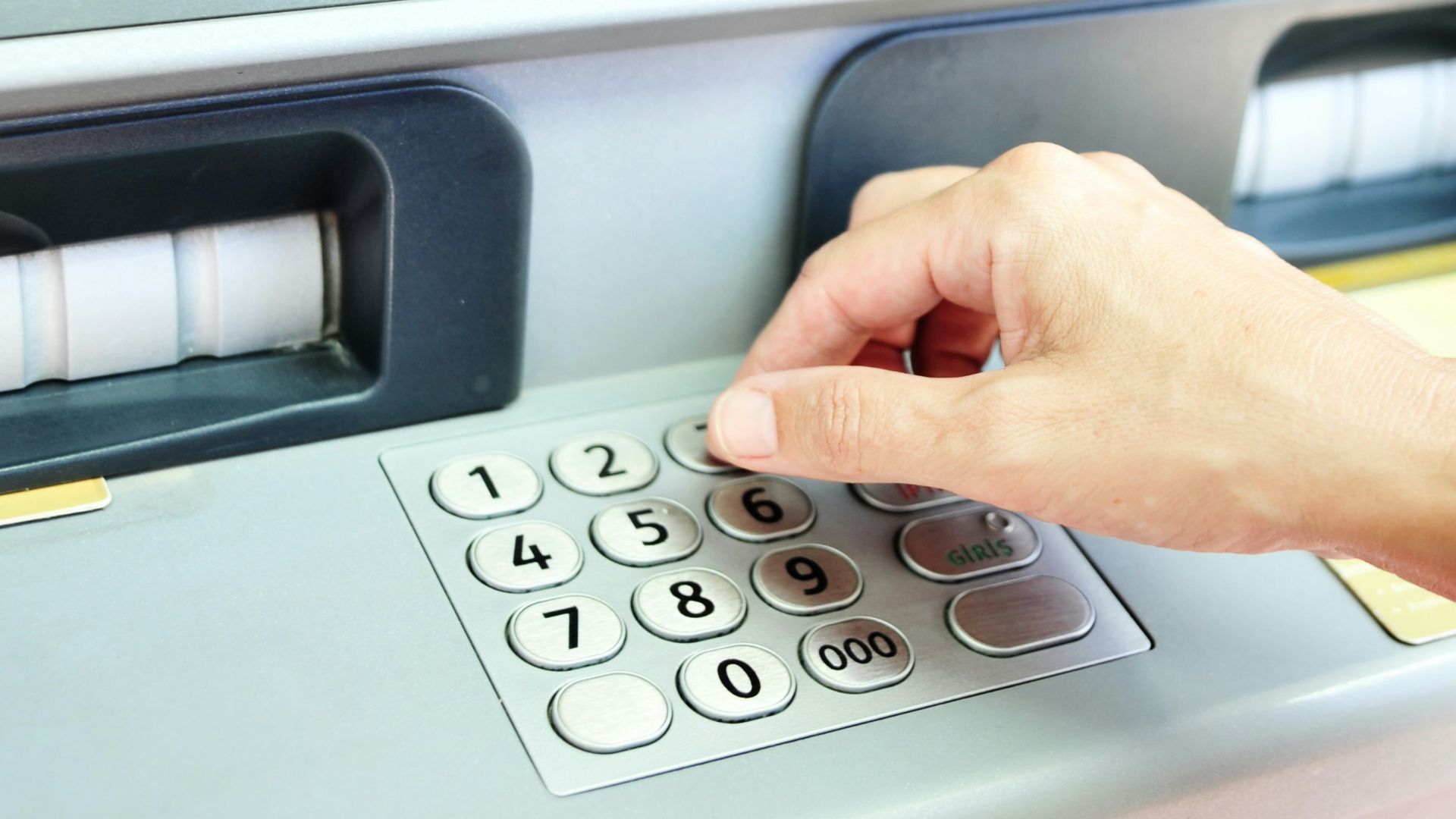
Many travelers discover a problem when an ATM refuses to process a withdrawal. At first, you might assume the machine is broken or that you entered the wrong PIN. After multiple failed attempts, it often becomes clear that the issue is connected to your account rather than the ATM itself.
Ignoring Bank Alerts Can Make Things Worse
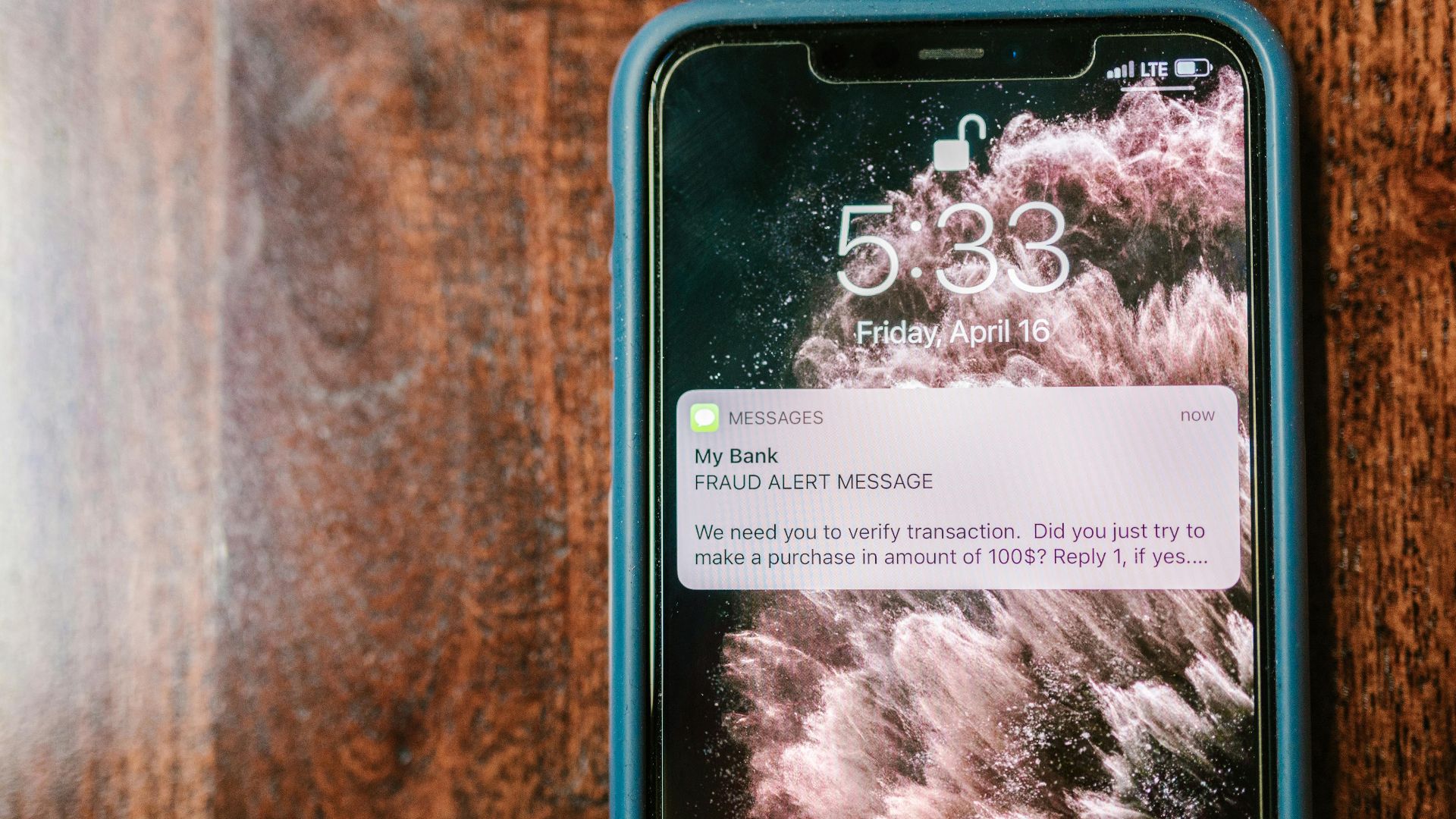
Banks frequently send fraud alerts through text messages, emails, or mobile app notifications. These alerts often ask customers to verify whether recent transactions are legitimate. If you miss those messages, the bank may place additional restrictions on your account until it can confirm your identity.
International Roaming Can Be Worth The Cost
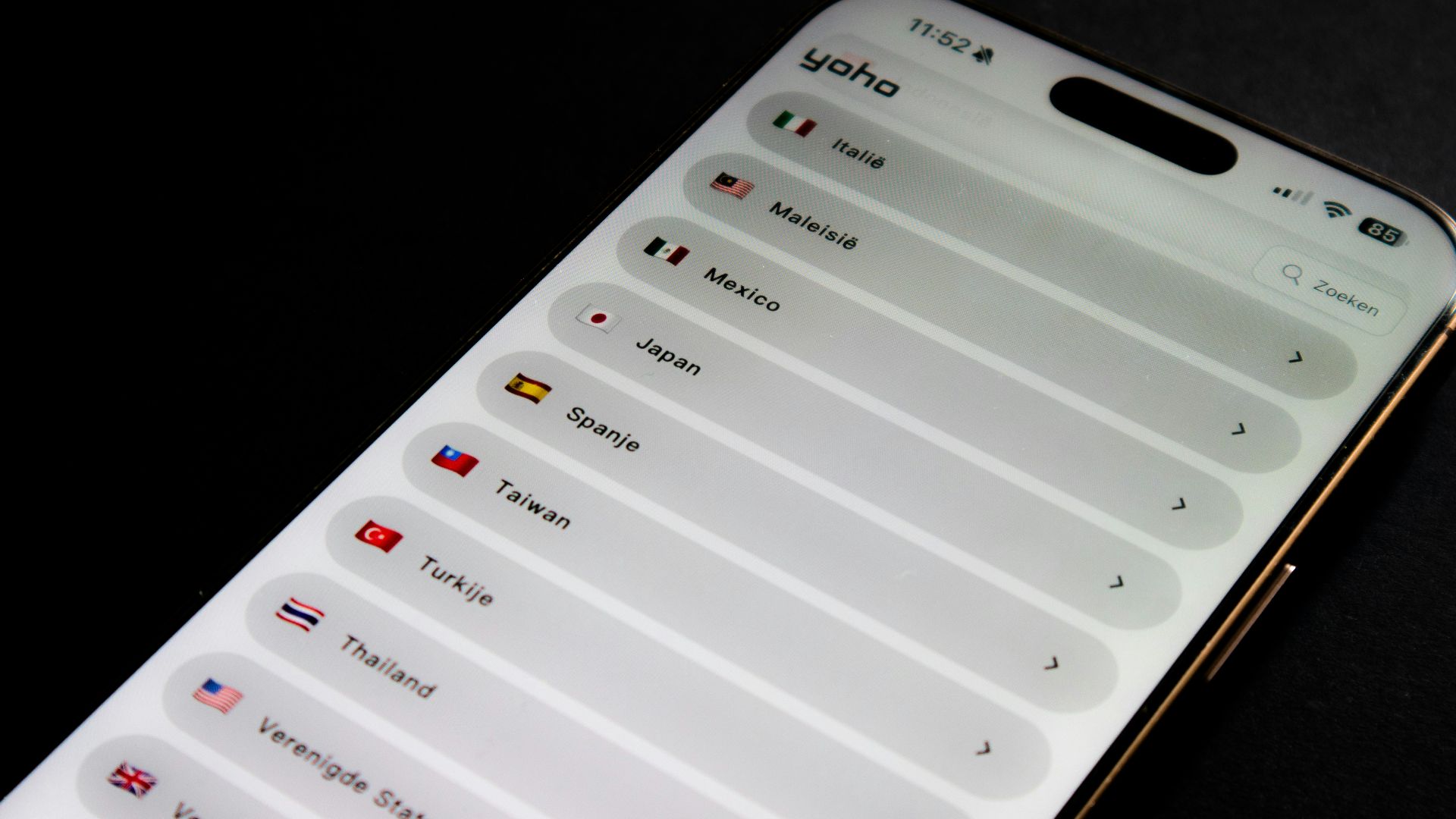
Turning off mobile services may help reduce travel expenses, but it can also make communication with your bank more difficult. Fraud alerts and verification requests are often sent through text messages. Staying reachable can make resolving account issues much faster.
Public Wi-Fi Is Not Always Your Friend
When your card stops working, your first instinct may be to log into online banking using whatever internet connection is available. Public Wi-Fi networks can expose travelers to security risks. Whenever possible, use trusted networks, mobile data, or a virtual private network when accessing financial accounts.
Customer Service Can Be Hard To Reach Abroad
Many travelers save airline and hotel contact information before a trip but forget to save their bank's international phone number. Some toll-free customer service numbers do not work outside the country where they were issued. Having the correct contact information readily available can save valuable time during an emergency.

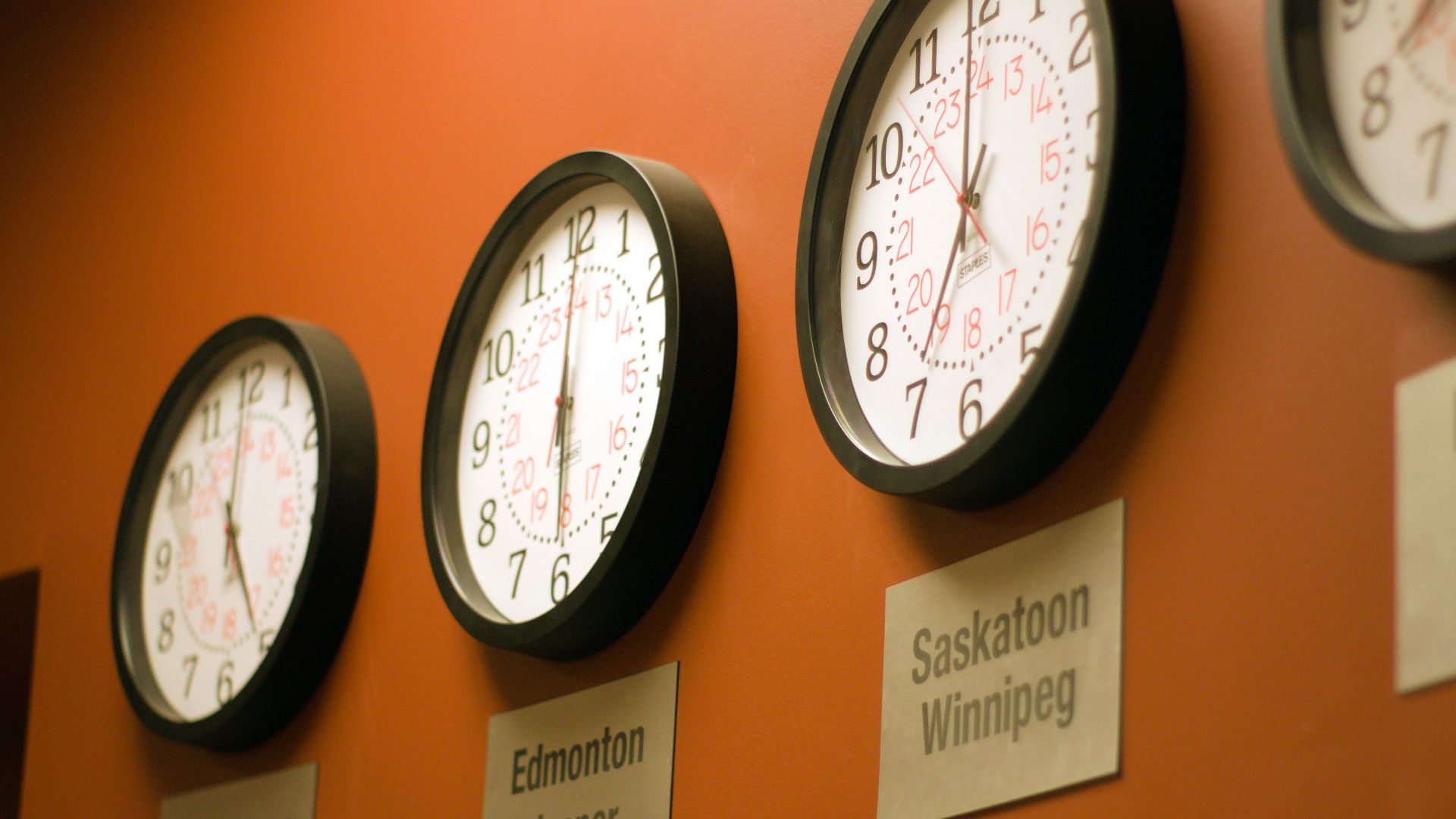
Time Zones Create Extra Challenges
If your bank is located thousands of miles away, customer service hours may not align with your travel schedule. You could find yourself waiting until the middle of the night to speak with the appropriate department. Time differences can turn a simple problem into a lengthy inconvenience.
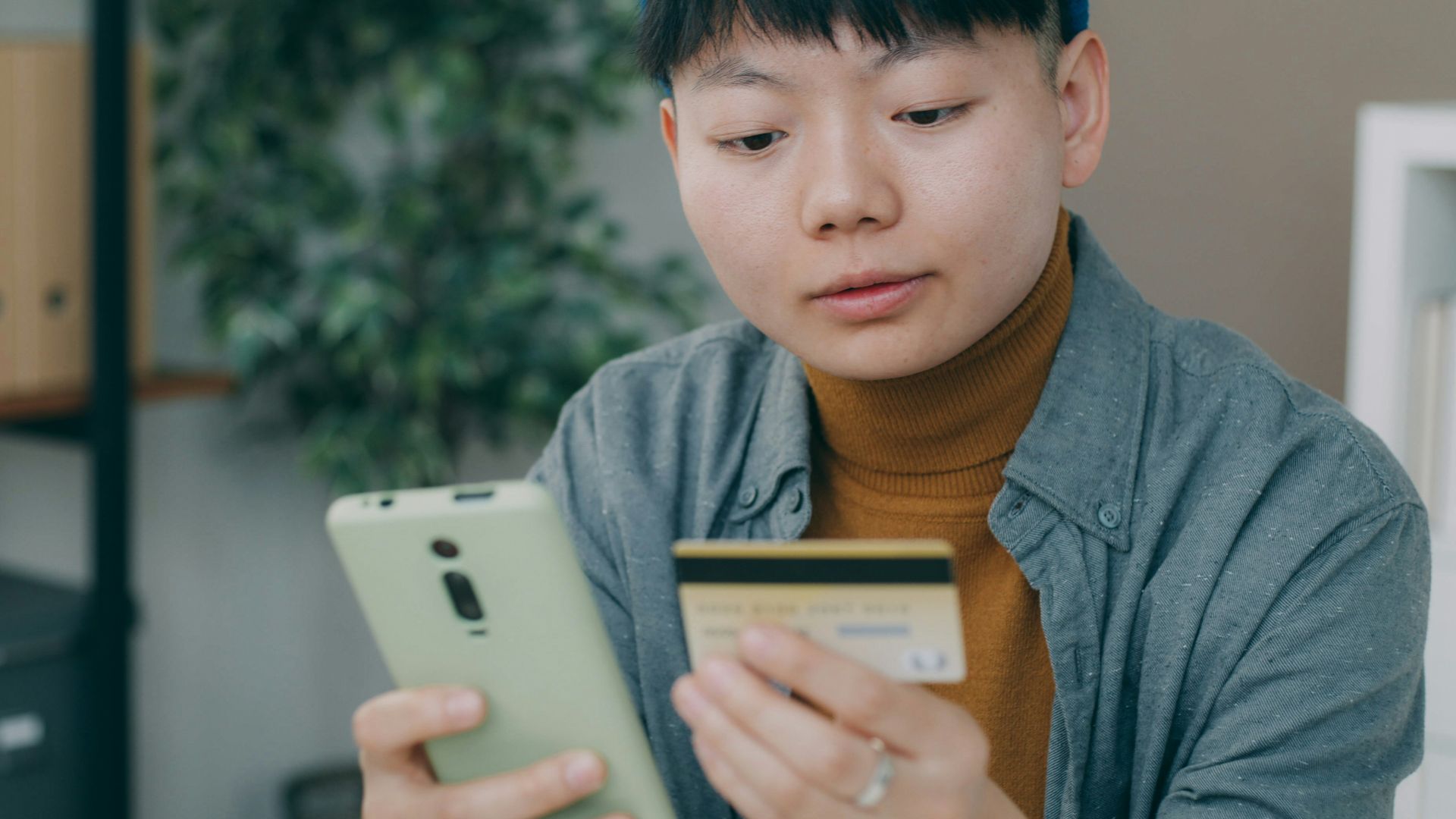
Relying On One Card Is A Common Mistake
Many travelers leave home with a single primary payment method. If that card becomes unavailable, paying for transportation, meals, accommodations, and attractions can become difficult. Carrying multiple payment options provides an important safety net.
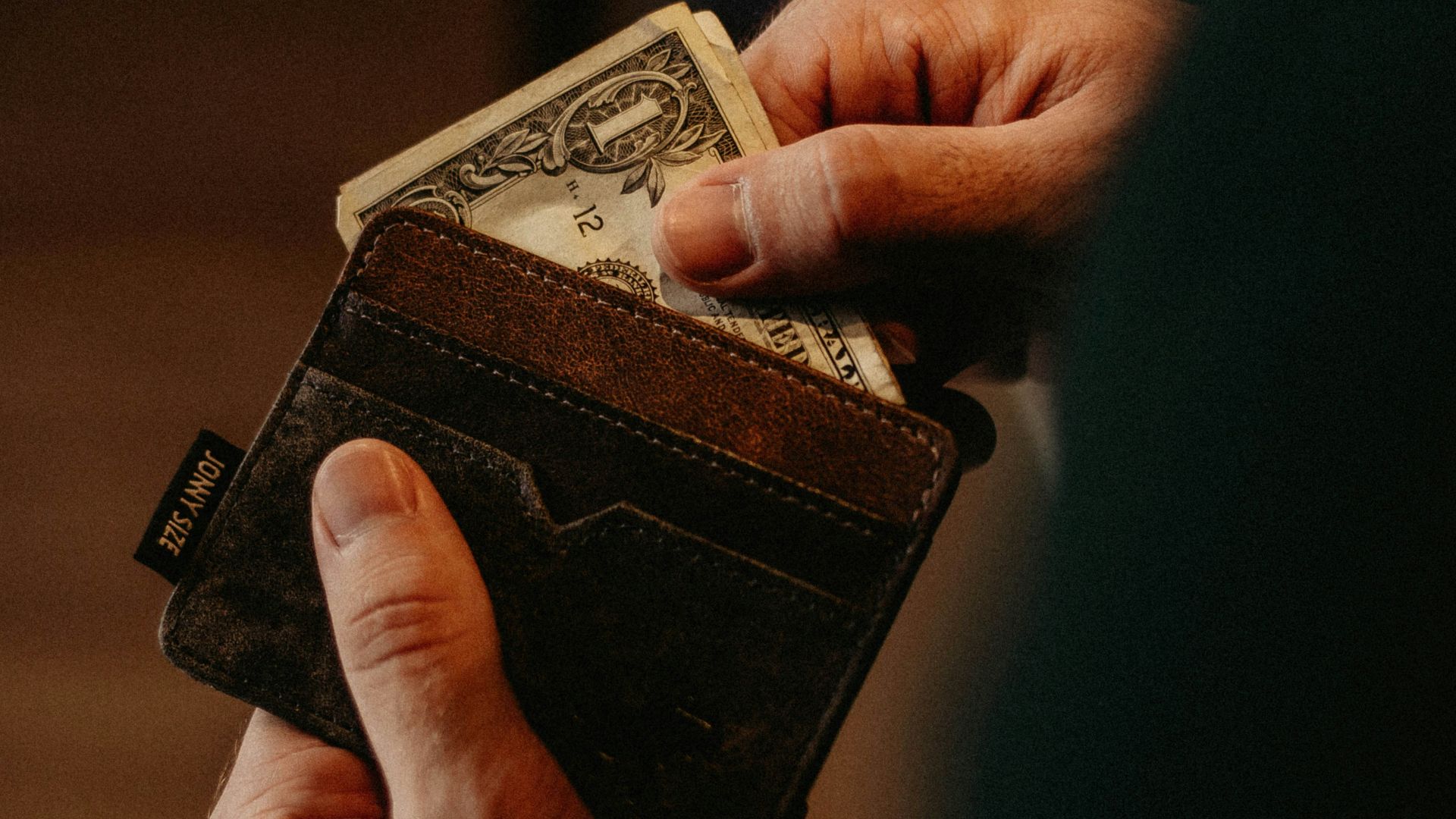
Cash Still Has A Place In Modern Travel
Digital payments are widely accepted around the world, but cash remains useful in many situations. Small businesses, local transportation providers, and rural destinations may prefer cash payments. Keeping a modest emergency supply of local currency can provide valuable peace of mind.
Your Bank Is Usually Trying To Protect You
Although being locked out of your account feels frustrating, banks typically take these actions to protect customers from fraud. Security systems are designed to err on the side of caution when something appears unusual. In many cases, the restriction is temporary and can be resolved through verification.

Travel Spending Looks Different
At home, your spending habits are usually predictable. During a trip, you may suddenly make purchases at airports, hotels, restaurants, museums, and transportation hubs. This dramatic shift in spending behavior can trigger automated fraud detection systems.
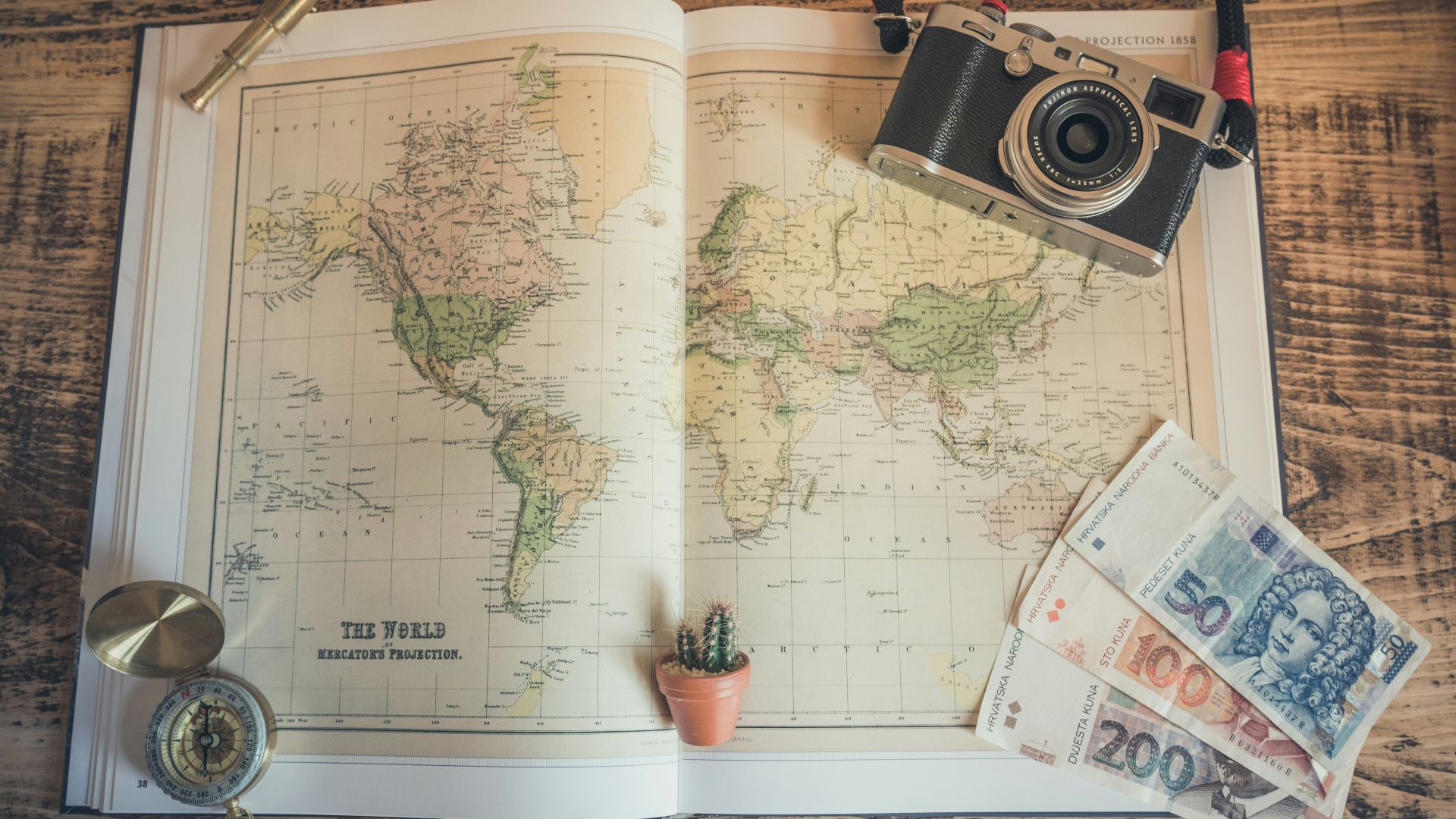
Foreign ATMs Have Different Rules
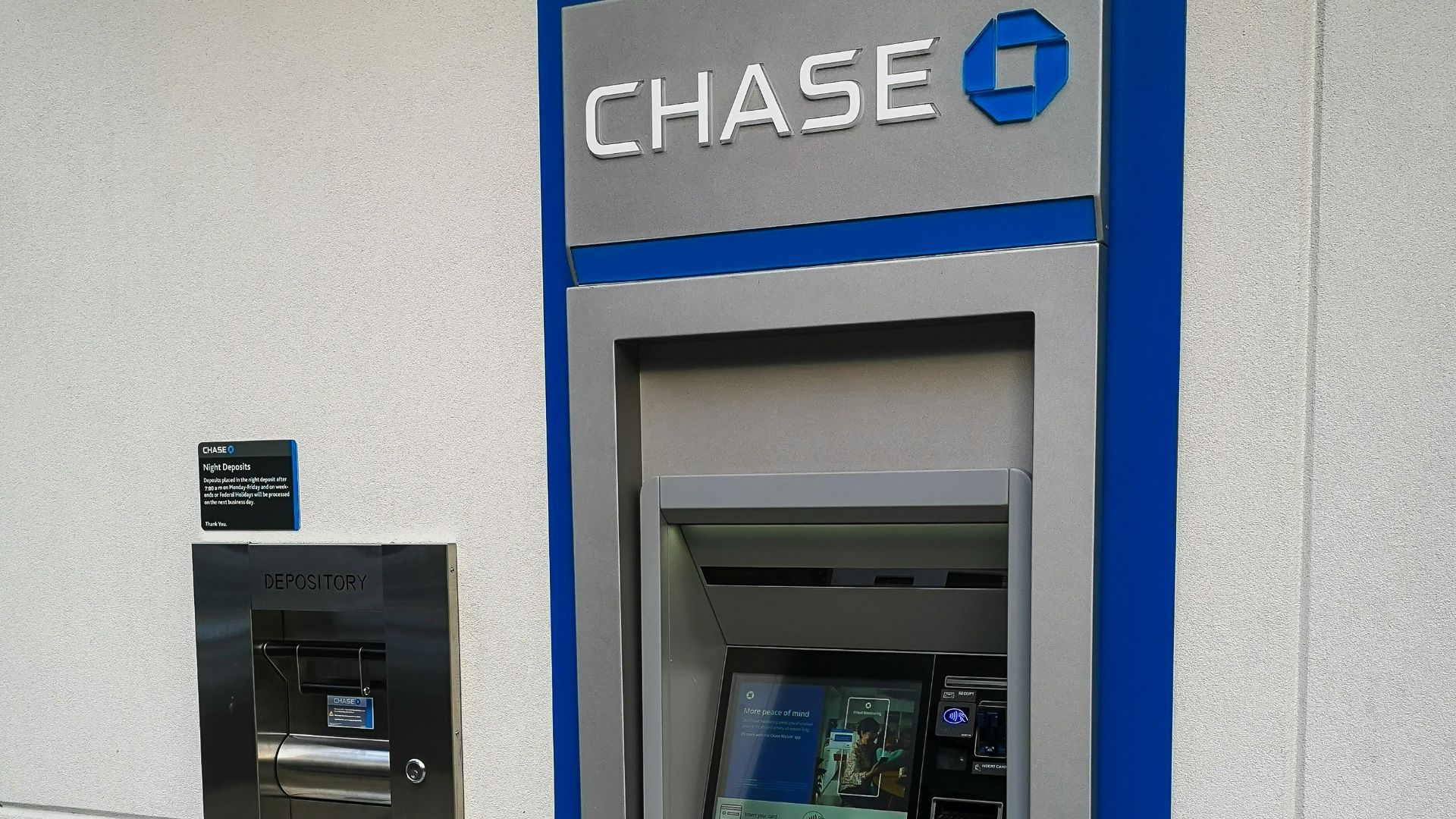
Not all ATMs operate the same way. Withdrawal limits, fees, and security procedures vary by country and institution. Understanding your bank's international ATM policies before traveling can help you avoid unpleasant surprises.
Dynamic Currency Conversion Can Cost You
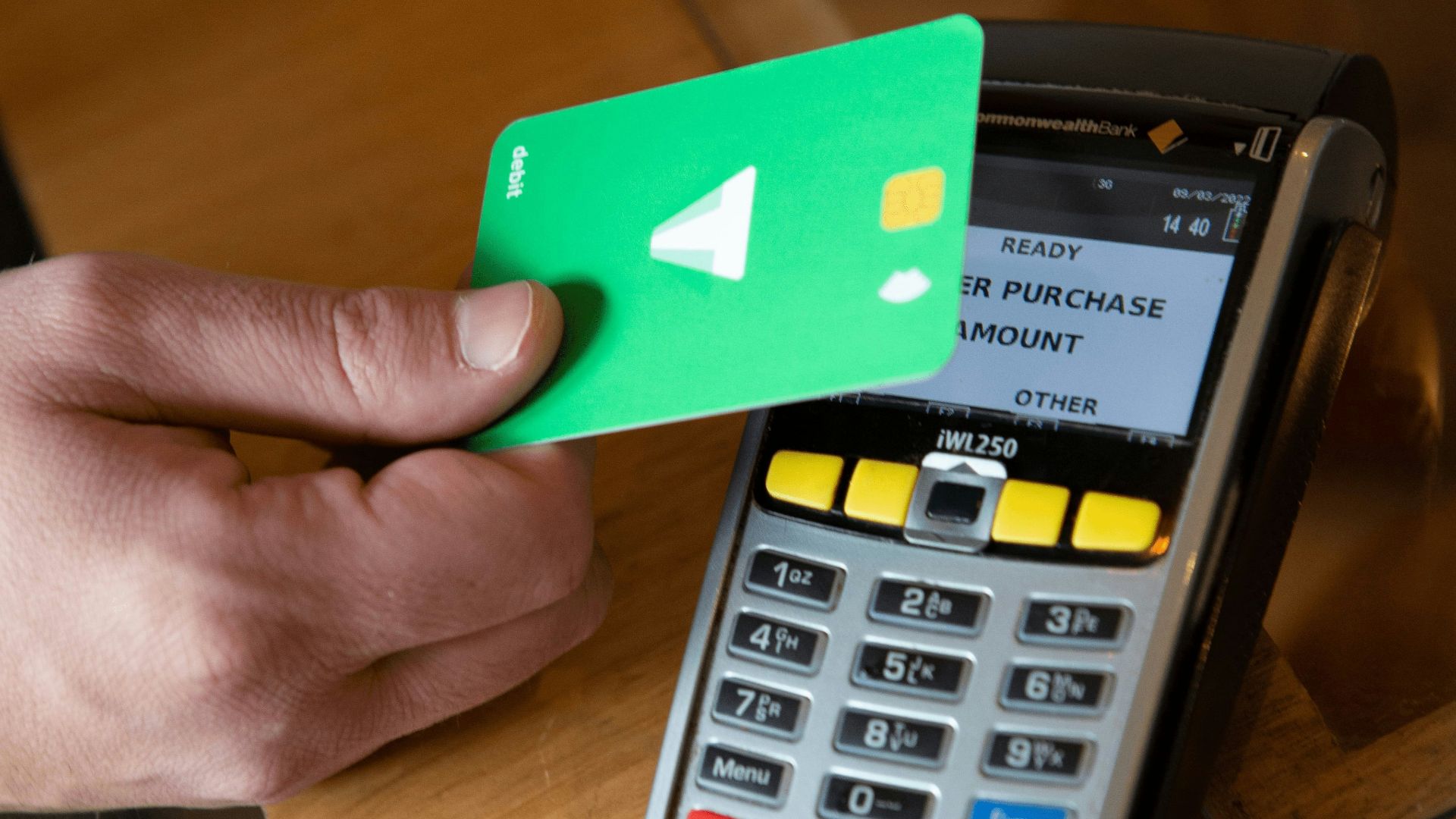
Some merchants offer to charge your card in your home currency instead of the local currency. While this may seem convenient, it often results in higher exchange costs. Choosing the local currency is generally the more cost-effective option.
Banking Apps Are Essential Travel Tools
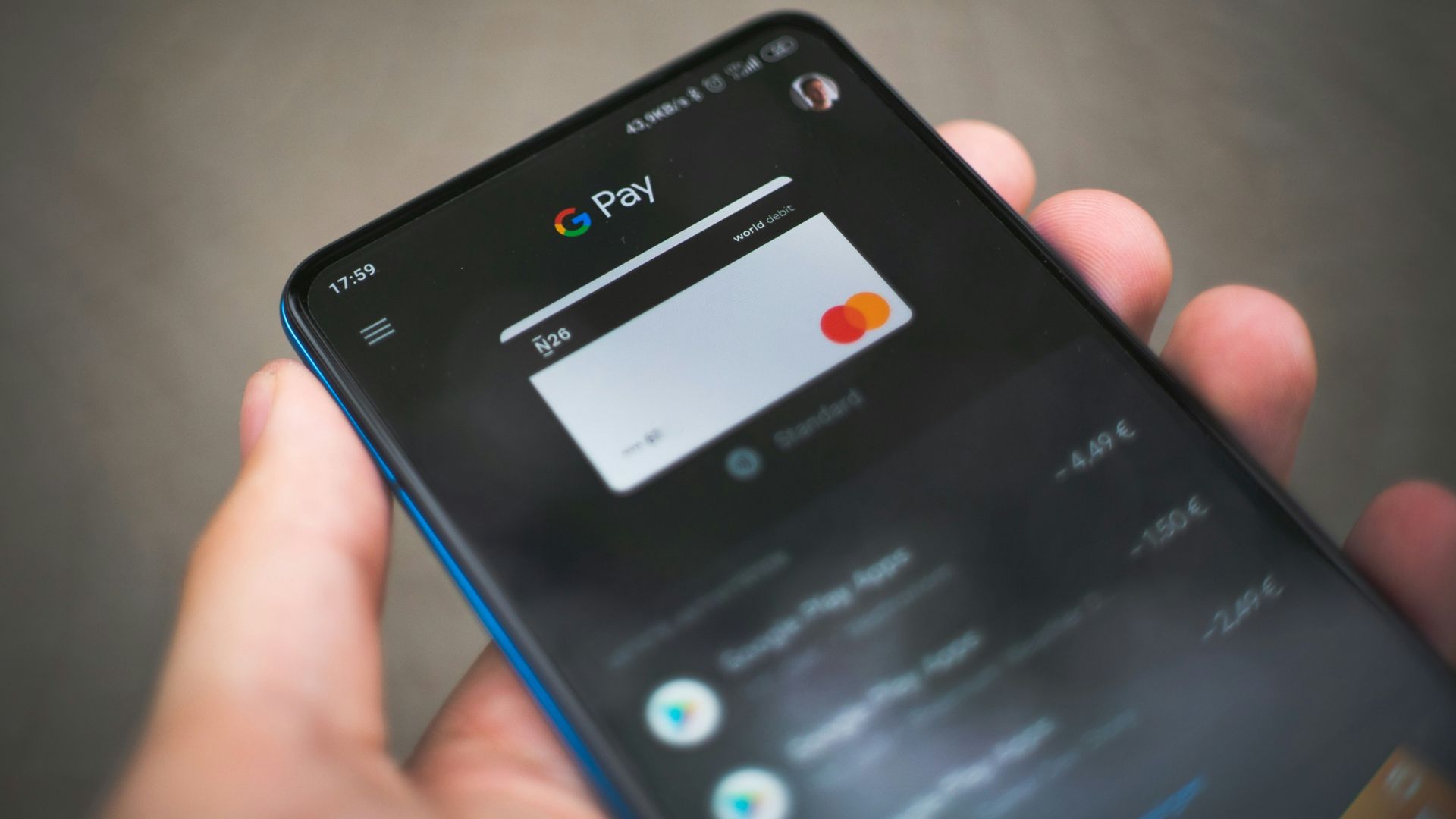
A banking app can be just as important as your airline app or map app during a trip. Many banks allow customers to verify transactions, communicate with support staff, and manage security settings directly through their mobile applications. Setting up the app before departure can save significant stress later.
Security Alerts Deserve Immediate Attention
When your bank sends a notification about unusual activity, responding quickly is important. Delays can lead to additional restrictions and longer wait times for account restoration. Prompt responses help banks distinguish legitimate travel spending from actual fraud.
Chip Payments Offer Better Protection
Chip-enabled cards provide enhanced security compared with traditional magnetic stripe transactions. Whenever possible, choose chip readers instead of swipe transactions while traveling. Using more secure payment methods may reduce the likelihood of fraud concerns.
Preparation Is Part Of Travel Planning
Travelers often spend hours comparing flights and hotels but devote little time to financial preparation. Reviewing card policies, updating contact information, and confirming security settings should be part of every pre-trip checklist. A little preparation can prevent significant problems later.
The Steps You Should Take Before Leaving
Before your next trip, check your bank's travel policies, verify that your contact information is current, enable transaction alerts, and download your bank's mobile app. Consider bringing a backup credit card and a small amount of emergency cash. These simple steps can dramatically reduce your chances of encountering account issues abroad.
What To Do If Your Account Gets Locked
If your account is restricted while traveling, contact your bank immediately through official channels and review any alerts you may have received. Be prepared to verify your identity and confirm recent transactions. Most restrictions can be lifted once the bank determines that the activity is legitimate.

The Lesson Every Traveler Should Learn
Using a debit card abroad is generally safe, but it requires a bit of planning. Banks cannot always tell the difference between a traveler enjoying a vacation and a criminal using a stolen card. Taking proactive steps before departure can help ensure that your money remains accessible throughout your journey.

You May Also Like: