
The Surprise Fee After Checkout
You check out, head home, and think the trip is done like dinner. Then a charge shows up one your credit card days later: “$250 cleaning fee.” You call the hotel and they're claiming that you left the room “messy.” The big question is whether a hotel can bill your card after you have already left.
Even if hotels have that power, you can fight back if it comes to it.

What Usually Triggers These Charges
Hotels commonly charge extra for smoking, pet violations, damaged property, or deep-clean situations. A normal amount of everyday mess is expected and is built into the room rate. When a hotel claims “messy,” you should ask what made it beyond normal housekeeping.

Start With The Paper Trail You Agreed To
When you checked in, you almost certainly agreed to the hotel’s terms, even if you did not read every line. Many properties use an “incidental” authorization or deposit and language that allows charges after checkout. Your rights often turn on what the hotel disclosed and what it can prove.

Can They “Just Bill” Your Card?
They can attempt it, especially if they still have an active authorization or if your card details were stored for incidentals. That does not mean the charge is automatically valid or undisputable. Card networks and consumer protection rules still give you ways to challenge charges you believe are unfair.

What Counts As Authorization In Card Rules
In general, merchants need your permission to charge you. The Federal Trade Commission describes unauthorized charges as those made without your permission, including situations where a business bills you for something you did not agree to pay. If the hotel cannot point to a clear agreement, that is important leverage.

Why Hotels Often Feel Confident Charging Later
Hotel bills can be “delayed” because the final amount sometimes is not known at check-in. That is why many hotels place a preauthorization hold for incidentals, then finalize after you leave. If the amount jumps with a fee you never expected, that is where disputes often start.

Your First Move: Ask For The Exact Reason
Call the hotel and request an itemized bill that shows the fee description and the date and time it was posted. Ask what specific cleaning was required and why it was not part of normal housekeeping. Stay calm, take notes, and ask for the manager on duty if the first person cannot explain it.

Ask For Evidence, Not Vibes
Request dated photos, housekeeping notes, and any internal incident report tied to your room number and checkout date. If they claim stains or trash, ask what was found and where. A credible hotel should be able to document why your room needed extra labor.

Check The Hotel’s House Rules And Fee Schedule
Look for the property’s posted policies on cleaning fees, party fees, smoking fees, and damage charges. If you booked through an online travel agency, also check the listing’s policies and your booking confirmation. If the fee is not disclosed anywhere, your position gets stronger.

Look For Red Flags In The Wording
“Messy” can be a vague label that hides what is really being charged. If they mean biohazard cleanup, excessive trash, or damage, they should say that. Vague explanations make it harder for the hotel to prove the fee was justified.

Do A Quick Reality Check On Normal Wear And Tear
A few towels on the floor, food wrappers in the bin, or an unmade bed are not unusual. Hotels price rooms expecting guests will use the space. A deep-clean fee should be tied to something beyond ordinary use.

Timing Matters More Than People Think
Write down the checkout date and the date the charge hit your account. Also record when the hotel first notified you, if it notified you at all. If the first time you heard about the “mess” was after your card was charged, mention that in every complaint.
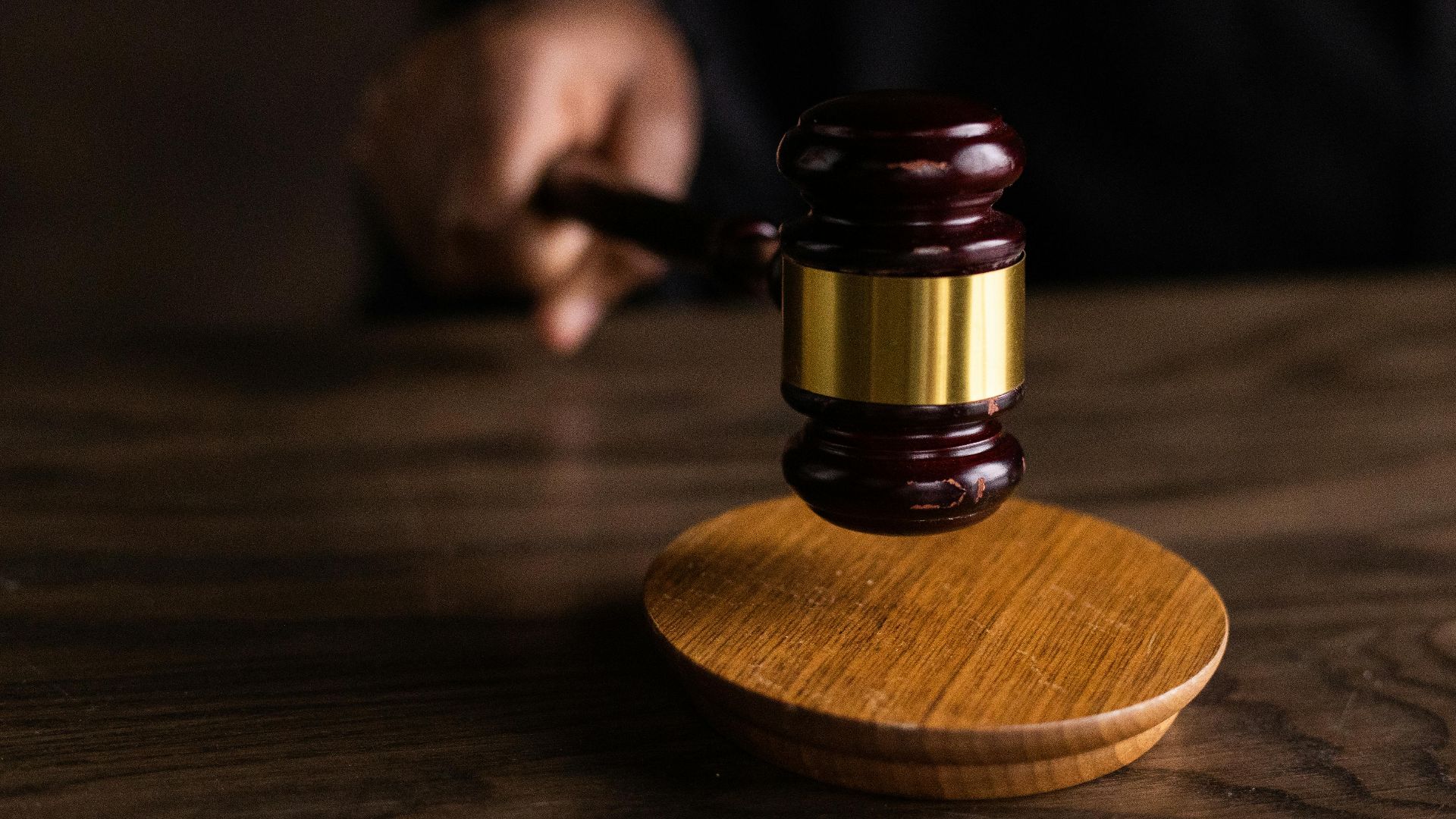
 Fiona Murray-deGraaff, Unsplash
Gather Your Own Proof While It Is Fresh
Save your checkout receipt, folio, and any messages you exchanged with the property. If you took photos when you left, pull them up now and back them up. If you did not, write down what you remember, including how long you were in the room and whether staff entered during the stay.

Consider Who Had Access After You Left
After checkout, housekeeping and maintenance may enter, and rooms can sit before they are cleaned. If the hotel claims damage or a major mess, ask when it was discovered and by whom. Details about discovery time can help clarify whether the claim makes sense.

Try To Resolve It Directly First
If you want the fastest fix, ask the hotel to reverse the charge or to “goodwill” remove it while they review. Send a short email summarizing the issue so there is a written record. Ask for a response deadline, such as 48 hours.

If You Booked Through A Platform, Loop Them In
If you booked via Expedia, Booking.com, Hotels.com, or another platform, contact them too. They often cannot force a hotel to refund you, but they can document your complaint and sometimes help escalate. Keep your communication consistent and factual.

When A Charge Becomes A Card Dispute
If the hotel will not budge, you can dispute the charge with your card issuer. The Consumer Financial Protection Bureau says you generally should report billing errors promptly, and it explains the process under the Fair Credit Billing Act for credit cards. Debit cards have different rules, so do not wait.

Know The Difference Between Credit And Debit Protections
Credit card billing disputes have a structured process under federal law. Debit card issues often fall under the Electronic Fund Transfer Act rules, and the timelines can be tighter depending on when you report the problem. If it is debit, call your bank as soon as you see the charge.

How To Phrase Your Dispute So It Lands
Focus on what you did not authorize and what the hotel cannot document. Say you want proof you agreed to that specific fee and proof the cleaning was necessary beyond normal use. Attach your receipt, screenshots of policies, and any emails where the hotel fails to provide evidence.

What Not To Do In A Dispute
Do not exaggerate, and do not claim fraud if it is really a disagreement about a fee. Stick to timelines, documents, and the hotel’s lack of disclosure or proof. Clean, factual disputes are easier for banks to evaluate.

Small Claims Court Is A Real Option
If the amount is significant and you have strong documentation, small claims court can be an option. The FTC notes that you can consider legal action for billing problems in some cases, and many travelers use small claims for clear, document-based disputes. Rules vary by state, so check your local court’s filing limits and procedures.
What Hotels Should Do If They Are Charging Fairly
A responsible property discloses fees up front, documents the issue, and gives you a chance to respond. Many hotels also share photos when damage or smoking is alleged. If the hotel refuses to explain, that is useful information for your next steps.

How To Protect Yourself On Future Stays
At checkout, ask for a printed or emailed folio showing a zero balance or the final total. Take quick photos of the room, especially the bathroom, beds, and any area that could be questioned. If you see any preexisting stain or damage when you arrive, report it right away and keep the message.

A Note About “Incidental” Holds
Not every post-stay change is a new fee. Sometimes an incidental hold drops off and then the final charge posts, which can look confusing for a few days. If the amount is higher than the final folio you received, that is when you push back.

If The Hotel Threatens Collections
Ask them to send the claim in writing, including the basis for the fee and the evidence. If you genuinely dispute the debt, keep everything in writing and respond promptly. Debt collection rules can apply depending on who is collecting and how.

The Bottom Line For A $250 “Messy Room” Fee
A hotel can try to charge your card after checkout, but it still needs a real basis in disclosed policy and evidence. Your best tools are documentation, quick escalation, and a clean dispute with your card issuer if needed. If the fee is vague, undisclosed, or unsupported, you have solid grounds to challenge it.