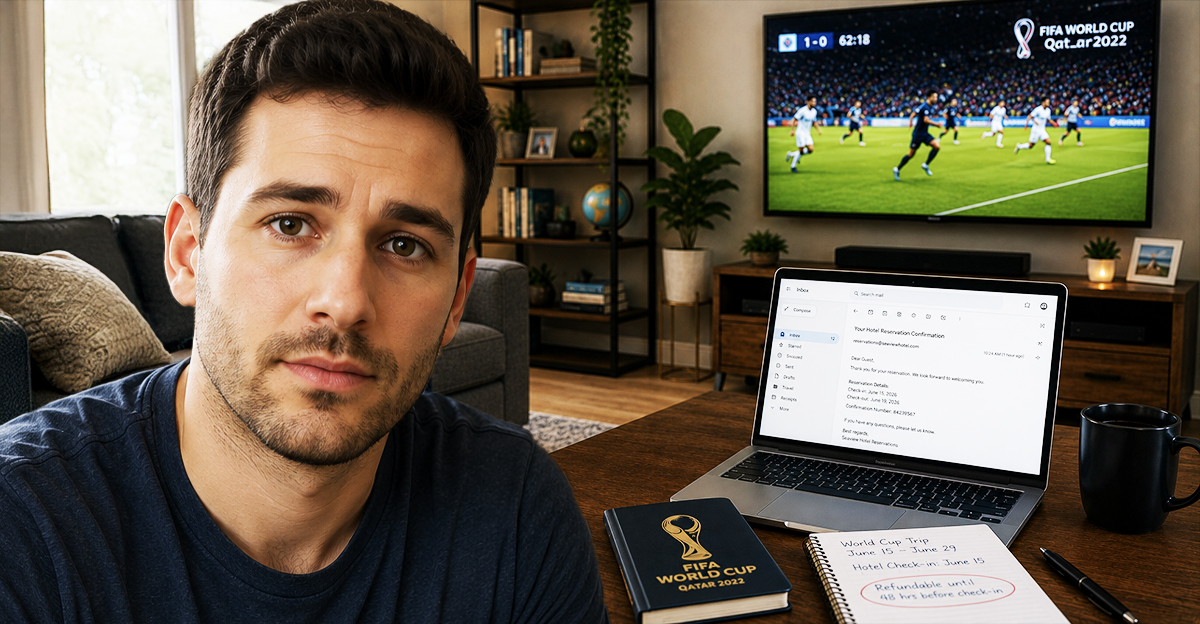
When Refundable Suddenly Turns Into Nonrefundable
You booked a hotel room for the World Cup specifically because the reservation was refundable until 48 hours before check in. Then, without warning, the reservation suddenly showed up as nonrefundable in your account. Now you are wondering whether the hotel can legally change the terms after you already booked and what rights travelers actually have in situations like this.
Save Every Piece Of Evidence Immediately
Before contacting anyone, take screenshots of your reservation confirmation, cancellation terms, payment receipts, emails, and booking details. If the hotel later changes website language or updates policies, your original documentation could become the strongest evidence supporting your claim during a dispute.

Major Events Often Trigger Price Panic
Hotels frequently raise prices dramatically during events like the World Cup, Olympics, or major concerts. In some cases, properties later regret offering flexible rates too cheaply and attempt to tighten cancellation policies once demand spikes and rooms become significantly more valuable.

Your Original Confirmation Matters Most
The key issue is usually the contract created at booking. If your confirmation email clearly stated the room remained refundable until 48 hours before arrival, that language often carries more legal weight than later updates appearing inside an online account or booking portal.

Hotels Can’t Always Rewrite Agreements
Businesses generally cannot unilaterally change confirmed contract terms after payment without customer consent. While policies vary by country and booking platform, a hotel attempting to convert a refundable reservation into a nonrefundable one after confirmation may face challenges if the original terms were clearly documented.

Booking Platforms Can Complicate Things
If you booked through a third party site instead of directly through the hotel, responsibility may become confusing. Hotels sometimes blame the booking platform, while platforms blame the hotel. That makes preserving your original booking confirmation especially important when trying to resolve disputes quickly.

Contact The Property Calmly First
Start by contacting the hotel directly and politely asking why the reservation terms changed. Sometimes these situations result from technical glitches, staff errors, or automated system updates. A calm approach often produces better results initially than immediately threatening legal action or chargebacks.

Ask For Written Explanations
If the hotel claims the policy changed, ask them to explain in writing exactly when the change occurred and why. Written responses can later help demonstrate inconsistencies if the hotel previously advertised refundable conditions or if different representatives provide conflicting explanations about the reservation.

Credit Card Protections Can Help
Many credit cards offer dispute procedures when merchants fail to honor advertised terms. If the hotel refuses to recognize your original cancellation rights, you may eventually be able to challenge charges through your card issuer using screenshots and confirmation emails as supporting evidence.

Timing Could Become Critical
Do not wait until days before check in to address the issue. Large international events create massive hotel shortages, and delayed disputes can leave travelers scrambling for expensive last minute accommodations. Addressing the problem early gives you more leverage and more alternative lodging options.

Review The Fine Print Carefully
Some reservations include clauses allowing modifications under limited circumstances. Hotels may attempt to rely on broad language hidden inside booking terms. Carefully review every email and confirmation page to determine whether any provisions specifically mentioned policy changes or event related restrictions.

Different Countries Have Different Rules
Consumer protection laws vary widely around the world. A World Cup booking in the United States, Canada, Mexico, or Europe may involve very different cancellation standards and legal remedies. Understanding local consumer laws can significantly affect how much leverage travelers actually possess.

Travel Insurance Might Not Cover This
Many travelers assume insurance automatically protects hotel disputes, but standard policies often exclude disagreements over cancellation terms unless the traveler personally cancels for covered reasons. Still, reviewing your policy carefully remains worthwhile because some premium plans include broader travel protections.

Public Complaints Sometimes Get Attention
Hotels and booking platforms often respond more quickly once complaints appear publicly through customer service channels, review sites, or social media. Companies hosting travelers during major international events are especially sensitive to reputational damage and negative publicity surrounding reservation disputes.

Chargebacks Should Be A Last Resort
Filing a chargeback may help in extreme situations, but it can also escalate tensions quickly. Hotels sometimes respond by canceling reservations entirely once disputes begin. Whenever possible, try exhausting normal customer service channels before involving banks or initiating formal payment disputes.

Watch For Similar Hotel Tactics
Some travelers report hotels canceling existing reservations entirely and relisting identical rooms at dramatically higher prices during major events. Others experience sudden deposits, stricter cancellation windows, or upgraded minimum stay requirements. Monitoring your reservation regularly helps catch problems before they worsen further.

Loyalty Status Can Sometimes Help
If you belong to the hotel chain’s loyalty program, mention your membership during discussions. Elite customer service teams occasionally have more authority than local staff and may restore original booking conditions to avoid losing long term customers over a single disputed reservation.

Keep Your Emotions Under Control
It is understandable to feel angry after carefully selecting a flexible reservation only to see the rules change later. Still, staying professional during conversations improves your chances of reaching a practical solution. Emotional outbursts rarely help when negotiating with customer service representatives.

Consider Backup Accommodations Early
If the situation remains unresolved, you may want to reserve backup accommodations while refundable options still exist elsewhere. World Cup demand can cause prices to explode as the event approaches, leaving travelers vulnerable if disputed reservations collapse at the last moment.

Consumer Agencies May Offer Assistance
Depending on the country involved, consumer protection agencies, tourism regulators, or state attorneys general may accept complaints involving misleading reservation practices. Even the possibility of regulatory scrutiny sometimes motivates companies to honor original agreements instead of risking broader investigations or penalties.

Protect Yourself Before Future Big Events
Major sporting events create unusually aggressive hotel pricing behavior. In the future, save screenshots immediately after booking, confirm cancellation terms directly with the property, and consider using credit cards with strong travel protections. Those extra precautions can prevent expensive headaches when demand suddenly skyrockets.

You May Also Like: