
Why That Hotel Deposit Can Feel Like It Vanished
A hotel security deposit is usually a temporary hold placed on your credit or debit card to cover possible room damage, smoking fees, minibar charges, or other extra costs. It often shows up like a charge, even when it is really just an authorization. That can make it seem like the hotel already took your money and kept it. The real problem is when days or weeks pass without the hold disappearing. But if it happens to you, there are a few steps you can take.

What a Hotel “Security Deposit” Usually Really Is
In many cases, the hotel is not taking a normal cash deposit at all. Instead, it places a preauthorization hold through the card network to make sure funds are there if extra charges show up after checkout. Major hotel brands and travel companies say these incidental holds are common and may be higher than the room rate. The exact amount can change based on the property, length of stay, and whether you used a credit card or debit card.
 Upsontedmuilo, Wikimedia Commons
The Big Catch: Hotels Often Release It Faster Than Banks Do
This is where many travelers get confused. A hotel can say it released the hold, but that does not mean the money shows back up right away in your available balance. Once a merchant releases an authorization, the card issuer and payment network still have to process it. Major card issuers say that can take several business days and sometimes longer depending on the transaction type.

There Is No Single Nationwide Deadline for Every Hotel
In the United States, there is not one federal rule saying every hotel must release every security deposit within a set number of days. The timing often depends on the payment method, the hotel’s own policy, the card network rules, and the bank’s processing time. State consumer laws may matter too in some cases, especially if the hotel actually took a cash deposit or posted a final charge. That is why two travelers can have very different experiences.

Credit Card Holds Usually Resolve More Smoothly
If you used a credit card, the hold usually lowers your available credit instead of pulling cash from your checking account. Visa says most merchant authorizations are supposed to clear or be completed within certain time frames, though hotel stays can involve special rules and added authorizations. Hotels often say the release may take anywhere from a few days to more than a week. While still annoying, credit card holds are often easier to deal with than debit card holds because they do not tie up your actual bank balance.

Debit Card Deposits Can Hurt More
When you use a debit card, the hold can freeze real money in your bank account. Consumer agencies and hotel brands often warn that this can affect your ability to pay bills or make other purchases until the hold drops off. Some banks release debit holds quickly, but others take longer, especially if the transaction is still marked as pending. That is why many travel experts suggest using a credit card for hotel incidentals if you can.

How Long “Pending” Can Last in Real Life
Many hotels say incidental holds may stay on your account for up to 3 to 7 business days after checkout. Some say it may take up to 10 business days, and others warn it can take longer for debit cards or international banks. Discover and Chase also note that pending transactions and authorizations can stick around depending on the merchant type and how fast the merchant finishes the bill. So if you are only a few days past checkout, the delay may still be normal.

When Weeks Later Starts to Look Less Normal
If two or three weeks have gone by and the amount is still missing, it is time to look closer. At that point, the issue may not be a simple pending hold anymore. It could mean the hotel turned the hold into an actual charge, submitted something the wrong way, or never properly reversed the authorization. It could also mean the bank’s system still has not cleared it, especially if there were multiple authorizations during the stay.

Sometimes There Are Multiple Holds, Not Just One
Hotels may place more than one authorization during a stay. For example, there may be an initial hold at check-in, extra holds if you extend your stay, and a final charge at checkout. If those earlier holds are not released quickly, your account can look like you were charged several times. This is especially common when room rates change, upgrades are added, or the reservation is changed.

Resort Fees, Parking, and Minibar Charges Can Complicate Things
A security deposit problem is not always just a deposit problem. Hotels sometimes use the authorization hold to cover expected extras, including parking, resort fees, room service, or minibar purchases that post after checkout. If the final bill includes some of those items, part of the hold may become a real charge while the rest should be released. That is why it helps to compare your folio, your card statement, and any pending transactions side by side.

Cash Deposits Follow a Different Path
If you gave the hotel cash at check-in, the timing can depend more directly on the property’s written policy and any state law that applies. Some hotels return cash deposits at checkout after checking the room, while others mail a refund later if they need time to verify the room condition. If a hotel took cash and is still holding it weeks later, ask for the written terms you agreed to at check-in. A cash deposit delay can raise different issues than a delayed card hold.

Start With Your Final Folio
Your first step should be getting a copy of the final hotel folio, sometimes called the final bill or receipt. This document should show the room rate, taxes, fees, and any extra charges that were actually posted. If the folio says you owe nothing beyond what you already paid, that is useful proof if the hold still has not disappeared. If the folio shows an extra charge you do not recognize, you can challenge that specific item instead of only saying the deposit is missing.

Ask the Hotel One Very Specific Question
Do not just ask where your money is. Ask whether the amount is still an authorization hold or whether it posted as a final charge. Then ask for the date the hold was released or reversed, along with any reference number the hotel can give you. That wording matters because front desk staff may casually call everything a deposit, even when the payment system handles it differently. The more exact the answer, the easier it is to get help from your bank.

Your Bank Can Usually See More Than You Can
If the hotel says it released the funds, call your card issuer or bank and ask whether the transaction is still pending, has dropped off, or has posted as a settled charge. Banks can often see details that do not clearly show up in your app. They may also be able to tell you whether the hotel sent a reversal but the system has not updated your balance yet. If it is still pending past the normal window, ask the bank what paperwork it needs to look into it.

If It Posted as a Real Charge, Dispute Rules Kick In
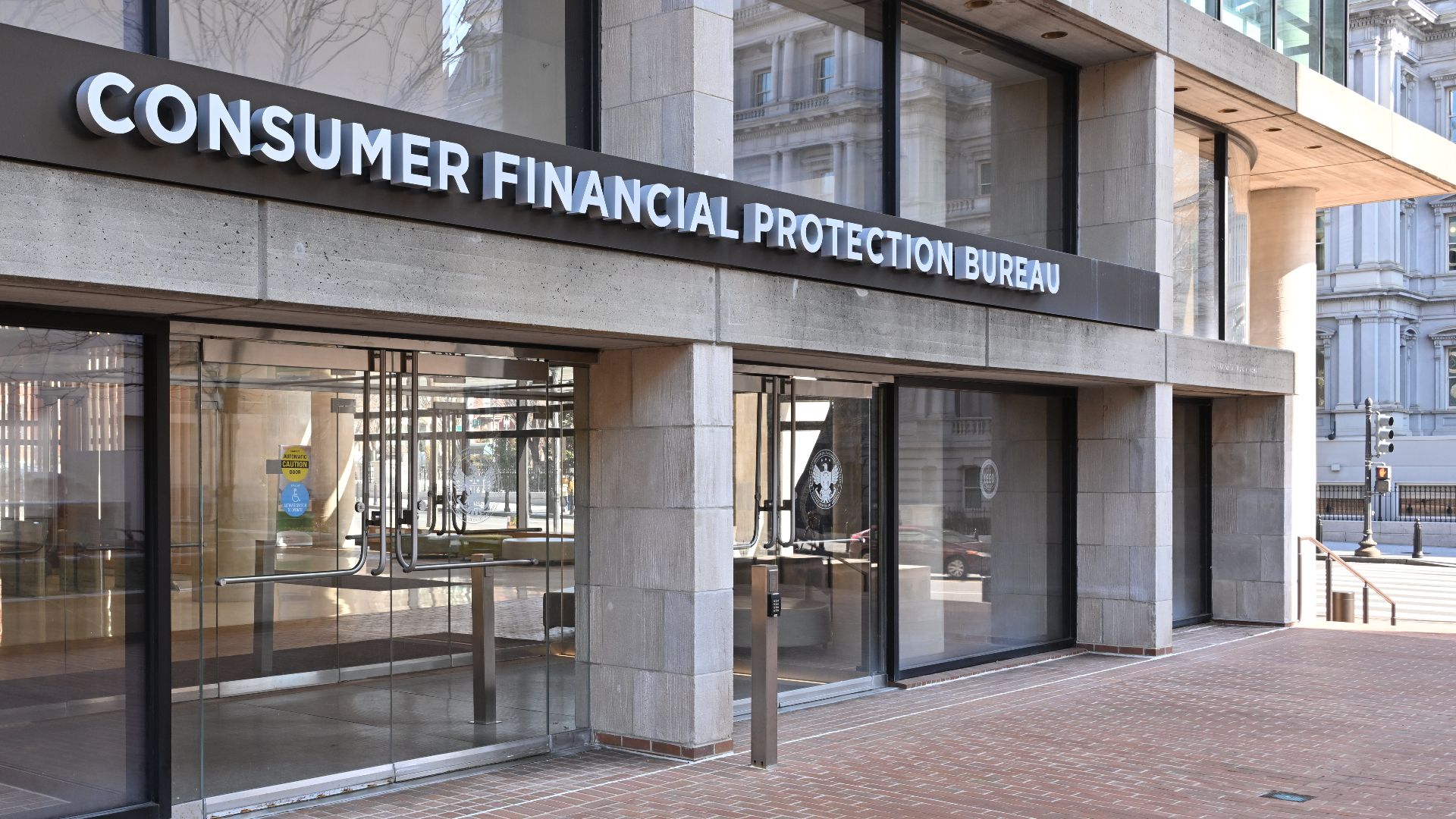
A posted charge is different from a pending authorization. If the hotel turned the amount into a final charge you do not owe, your rights may be stronger under card dispute rules. The Consumer Financial Protection Bureau says credit card billing disputes generally must be sent within 60 days after the first bill with the error was sent or delivered. Debit card protections can apply too, but the timing and process are different, so it is smart to act fast.
 G. Edward Johnson, Wikimedia Commons
Written Records Matter More Than Phone Promises
Keep your reservation confirmation, check-in paperwork, folio, screenshots of pending transactions, and any email or chat with the hotel. If a manager says the hold was released, ask for that in writing. If the hotel says there was room damage or another fee, ask for an itemized explanation. A clear paper trail makes it much easier to push back with the property, the brand’s corporate office, or your card issuer.

Brand Policies Can Help Even When the Front Desk Stalls
Large hotel chains often publish general policies about incidental holds, though the exact amount and timing can vary by property. If the local hotel is not helping, contact the brand’s customer care team and share your stay dates, folio, and card screenshots. Corporate support may not control your bank’s release time, but it can confirm whether the property followed brand standards. That extra pressure sometimes helps get things moving.

State Law May Matter If the Hotel Actually Kept the Money
If the hotel says it is keeping part or all of the deposit because of damage, smoking, or unpaid charges, state law and the hotel’s contract terms can matter. Unlike apartment security deposits, hotel deposits are not usually covered by one standard national set of rules. But unfair or misleading practices can still trigger state consumer protection laws, and unauthorized charges can still be disputed. If a hotel cannot clearly explain why it kept your money, that is a warning sign.

When to Escalate Beyond Customer Service
If you have tried the hotel and your bank and still get nowhere, it may be time to escalate. You can file a complaint with your state attorney general’s office, your state consumer protection agency, or the Consumer Financial Protection Bureau if the issue involves a credit card or bank account problem. For franchise hotels, you can also contact the brand’s executive customer service team. If the amount is large and clearly improper, small claims court may be an option.
 Tony Webster, Wikimedia Commons
How to Protect Yourself on Your Next Stay
Before check-in, ask the hotel how much it will authorize for incidentals and how long releases usually take. Use a credit card instead of a debit card if you can, and avoid using a card tied to the account you need for rent, groceries, or automatic bill payments. Save your checkout receipt right away and compare it with your card activity within a day or two. A little planning can keep a temporary hold from turning into a real money problem.

The Short Answer on How Long They Can Hold It
If it is really just a card authorization, hotels often release it within a few days after checkout, but the bank may take several more business days to make the funds available again. In real life, many travelers see holds disappear within 3 to 10 business days, though longer delays can happen with debit cards, multiple authorizations, international banks, or processing mistakes. If it has been weeks, do not just keep waiting. Get the folio, confirm whether it is a hold or a charge, and press both the hotel and your bank for a clear answer in writing.