The Cancellation Email That Raises Eyebrows
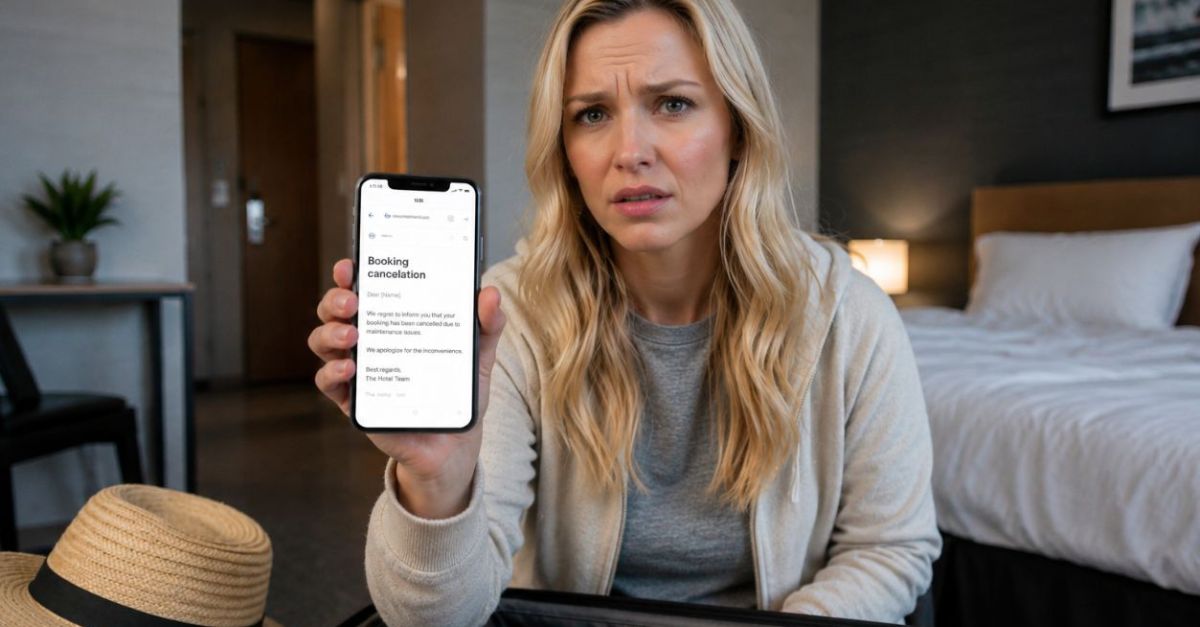
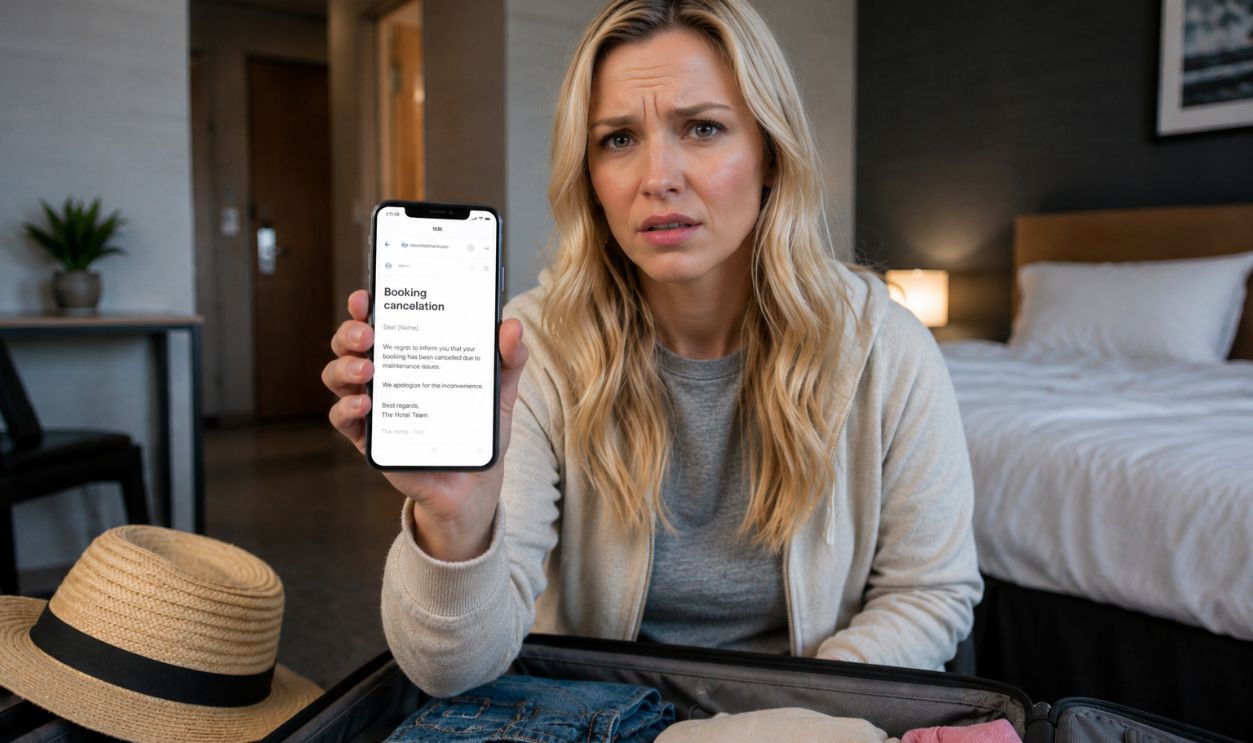
You book a hotel and lock in your whole trip. Then you get a last-minute email saying your stay has been canceled because of “maintenance issues.” But when you check online you see rooms still for sale on your dates. What's going on here? It definitely seems suspicious, and it really could be, but whether its illegal depends on what actually happened, what the booking terms said, and whether the hotel canceled everyone or just you.
Why Travelers Get Suspicious So Fast
This kind of thing sets off alarm bells because hotel prices can swing fast, especially around big events, holidays, and bad weather. If a hotel cancels a cheaper reservation and then seems to relist the same room at a higher rate, it is only natural to wonder whether “maintenance” is just a cover story. Consumer agencies and travel advocates have long told travelers to save records when a booking gets changed or canceled.

What “Maintenance Issues” Can Really Mean
Sometimes the reason is completely legit. A burst pipe, broken HVAC, elevator failure, electrical problem, pest treatment, fire safety issue, or water outage can knock rooms out of service with little warning. Hotels are generally allowed to pull rooms for safety or operational reasons, but that still does not explain why inventory might keep showing up online.
Why Rooms Might Still Appear Online
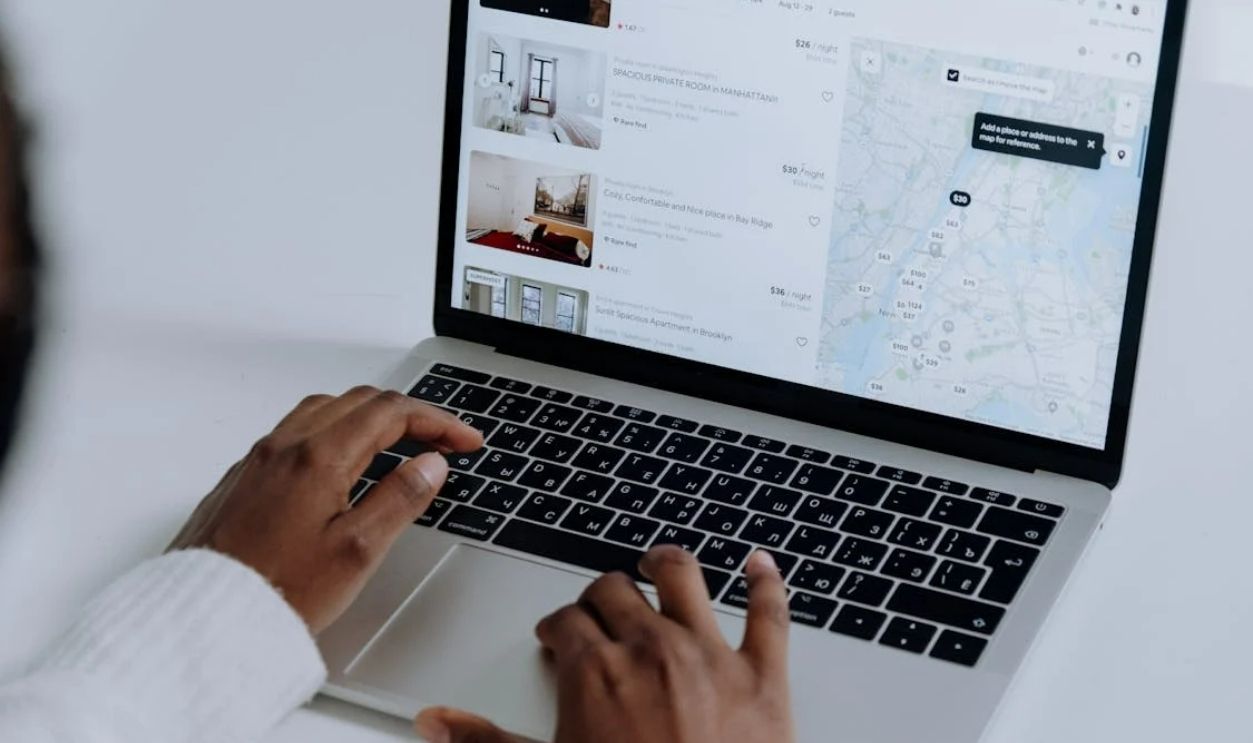
Hotel inventory does not always update everywhere at once. A hotel may block off rooms in its own system while an online travel agency still shows old inventory for a while. The Federal Trade Commission has also warned that misleading online booking practices can confuse consumers, which is one reason screenshots matter if you see rooms still listed after your reservation gets canceled.
There Is No Automatic Rule That Makes It Illegal
In the United States, there is no single federal law that says a hotel can never cancel a reservation and still sell other rooms. The big question is whether the hotel is being deceptive or breaking the terms of the reservation. Section 5 of the FTC Act bans unfair or deceptive acts or practices, so if a hotel lies about why it canceled in a way that harms consumers, that can become a legal problem.

But Deception Can Cross The Line
If a hotel says there is a maintenance emergency affecting your room type, but the exact same room type is still being sold at a higher price and the hotel cannot explain why, that starts to look a lot less innocent. State consumer protection laws often go further than federal law when it comes to deceptive business practices. Whether you have a strong claim may come down to screenshots, timestamps, emails, and the exact words the hotel used.

Your Reservation Terms Matter More Than You Think
Many hotel confirmations and brand terms give the property some room to cancel or change reservations in certain situations, including force majeure, safety problems, or inventory mistakes. That does not mean they can say whatever they want, but it does mean your rights often start with the contract you accepted when you booked. If you booked a prepaid or nonrefundable rate, the terms usually still require a refund if the hotel cancels first.

Hotels Overbook, And That Muddies Things
Not every questionable cancellation is part of a plan to raise rates. Hotels sometimes overbook on purpose based on expected no-shows, and when too many guests actually show up, the hotel may need to “walk” someone to another property. Industry guidance from the American Hotel & Lodging Association says walking a guest usually means arranging comparable accommodations and transportation, though the exact practice depends on the brand and property.

“Maintenance” Can Be A Catch-All Explanation
Here is the uncomfortable part. Front desk staff or reservation agents may use a broad explanation because it sounds cleaner than saying the hotel oversold, shut down a floor, or repriced rooms after demand jumped. That does not automatically prove fraud, but it is a good reason to ask sharp follow-up questions about which rooms are affected and whether the closure applies to all guests on those dates.

What The FTC Says About Bait-And-Switch
The FTC describes bait-and-switch as drawing consumers in with one offer and then steering them to something else, often at a higher price. If a hotel cancels your booking under a false excuse while still selling similar rooms for more, the facts can start to look a lot like that. The FTC looks at the overall impression on a reasonable consumer, not just one carefully worded sentence.

State Attorneys General Have Warned About Travel Misrepresentations
State consumer protection offices regularly tell travelers to keep records when a travel company changes terms, cancels services, or fails to provide what was promised. A lot of those warnings focus on scams and third-party booking sites, but the same advice fits here. If you think a hotel gave a false reason for canceling, your documentation can be the difference between a dead-end complaint and one that gets somewhere.
Booking Through An Online Travel Agency Adds Another Problem
If you booked through Expedia, Booking.com, Hotels.com, or another online travel agency, the hotel and the platform may blame each other. Inventory often runs through channel managers that do not update instantly, and an online travel agency may keep showing rooms the hotel thinks it already closed out. In that case, the issue may be sloppy systems instead of a deliberate attempt to resell your room.

How To Tell If It Is A Glitch Or Something Worse
Start by comparing the exact room type, occupancy, refund rules, and package details. A hotel may have canceled a king room with a city view while still selling a suite, a two-bed room, or a package that is handled separately. But if the same room category, same dates, and similar booking conditions are still being sold, your concern gets a lot more specific.

Take Screenshots Before They Disappear
This is the move that matters most. Save the cancellation email, your confirmation, the rate rules, and screenshots showing the hotel still selling rooms for your dates, with timestamps if possible. If you end up complaining to the hotel, your credit card issuer, a state agency, or the FTC, records made at the time carry a lot more weight than memory.

Ask The Hotel Two Direct Questions
First, ask whether the maintenance issue affects the whole property, a certain floor, or only some room types. Second, ask why rooms are still available online for the same dates and whether those listings are accurate. A legitimate hotel should be able to answer clearly. If the explanation keeps changing or stays vague, that is a sign to escalate.

If The Hotel Canceled, A Refund Should Be The Minimum
If the hotel cancels your reservation, it generally cannot keep your money for a stay it will not provide. That is true even with a nonrefundable rate, because that rule usually applies when the guest cancels, not when the hotel does. If the refund drags out, dispute the charge with your credit card issuer and include the cancellation notice.

You Might Be Owed More Than A Refund
If the cancellation happens close to check-in, ask the hotel to rebook you at a comparable nearby property at no extra cost. Big brands sometimes have relocation or guest-assistance policies for confirmed reservations they cannot honor. Even independent hotels may agree to cover the price difference or transportation if you push politely and keep good records.

Big Hotel Brands Can Give You More Leverage
If the hotel is part of Marriott, Hilton, Hyatt, IHG, or another major chain, contact corporate customer service right away. Large brands often have internal rules for handling overbooking, relocations, and service failures, even if those rules are not exactly the same in every case. The hotel itself may brush you off, but corporate usually has more leverage and better records.

Loyalty Program Rules Can Sometimes Help
Some hotel loyalty programs publish benefits for members with confirmed reservations who get walked from a property. Those rules are usually aimed at overbooking, not maintenance shutdowns, but they can still matter if the facts suggest the hotel simply would not honor the booking. Check the current program terms because compensation can vary a lot.

Credit Card Protections Are Worth Checking
If the hotel does not refund you quickly or you end up paying extra because of an improper cancellation, your credit card may help. Some cards include trip delay, trip interruption, or travel inconvenience coverage, though the details vary and often depend on specific triggers. At the very least, card issuers offer chargeback rights when a business fails to provide what you paid for.

When It Makes Sense To File A Complaint
If the hotel’s explanation looks false and the property or platform will not fix the problem, file complaints with your state attorney general’s consumer protection office, the FTC, and, if relevant, the Better Business Bureau. That does not guarantee money back, but it creates a paper trail and can push a business to respond. It also helps regulators spot patterns if other travelers report the same thing.

What Small Claims Court Might Look Like
For a smaller financial loss, small claims court may be an option if the hotel will not reimburse the difference between your canceled booking and the replacement stay you had to buy. Your case will be stronger if you can show the hotel canceled, you tried to limit your losses by booking a reasonable alternative, and the hotel was still advertising comparable rooms. It is not always worth the trouble, but sometimes it is the only way to get a straight answer.
Timing Changes Everything
A cancellation weeks before arrival, with a clear explanation and a quick refund, may be frustrating but not necessarily suspicious. A cancellation the day before check-in during a sold-out festival weekend is a very different story, especially if prices have shot up. The closer it gets to arrival, the harder it is for travelers to replace the room without paying more, which is exactly why documentation matters so much.

What To Do If You Are Already On The Trip
If you are already traveling or have reached the destination, call the hotel right away and ask for a manager, not just a reservations agent. Ask for written confirmation that the hotel canceled your stay and ask whether it will relocate you to a comparable property. Then lock in a backup option before prices climb even more, and keep every receipt in case you later ask for reimbursement.
How To Lower The Risk Before You Travel
Book direct when you can, confirm the reservation a few days before arrival, and save the terms from the time you book. If you are traveling during a high-demand event, call the hotel and ask them to note your expected arrival time so your reservation is less likely to be treated as disposable. None of that guarantees anything, but it can reduce the odds of a nasty surprise.

So, Is It Legit?
Sometimes yes, sometimes no. Real maintenance problems happen, and outdated online inventory is common. But a hotel cannot hide a deceptive cancellation behind vague language if it is really trying to dump a cheaper booking and resell the room for more. If your stay gets canceled for “maintenance issues” while rooms are still for sale, treat that as a red flag, save proof, demand a refund, and move fast.