Major Events Create A Perfect Storm
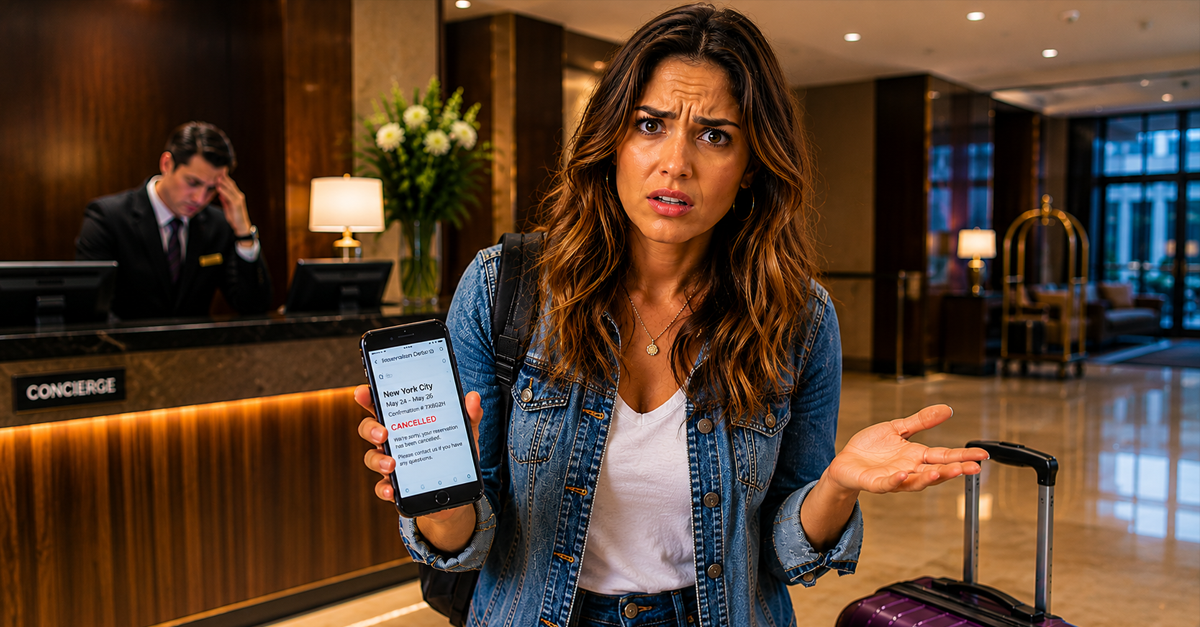
Big concerts, championship games, packed festivals, and even solar eclipses can send hotel demand through the roof. As rooms disappear, prices often climb far beyond their usual rates. The real frustration begins when travelers who booked early at lower prices suddenly find their reservations canceled just as demand peaks.
A Reservation Is Usually A Contract
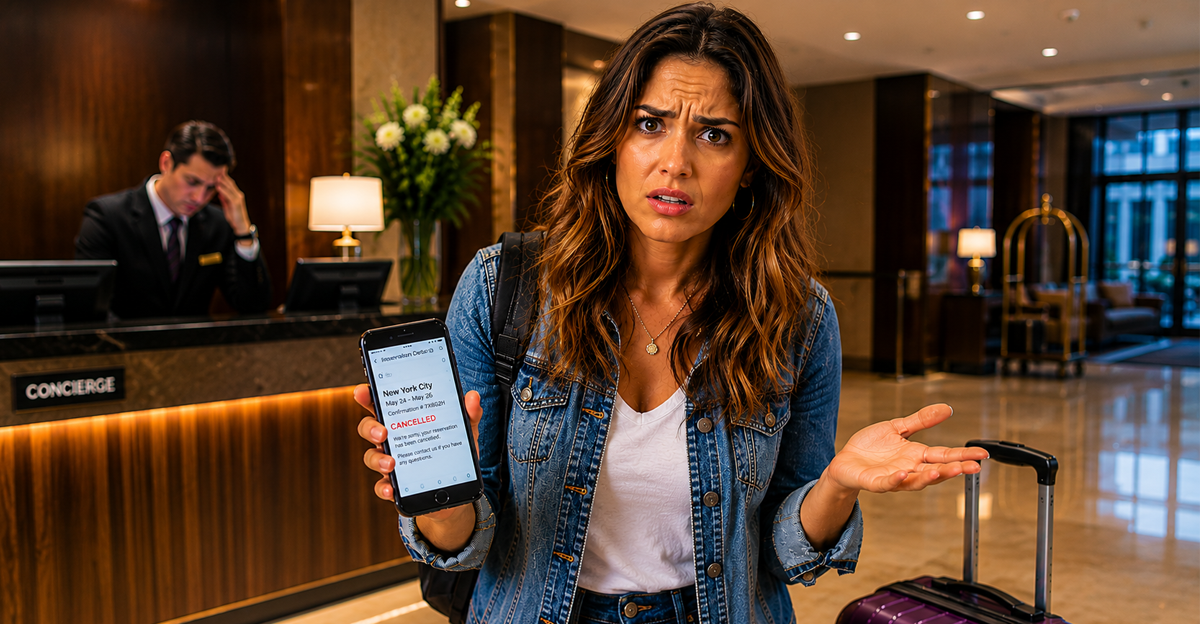
When you book a room, you usually accept the hotel’s or booking platform’s terms. Expedia says travelers must accept the travel provider’s rules and restrictions, including cancellation policies. Booking.com also ties reservations to platform terms and provider terms.

Prepaid Bookings Are Stronger
A prepaid booking is often easier to challenge because money changed hands. If the hotel accepted payment and confirmed the room, it has a harder time arguing that nothing was promised. Keep the confirmation, receipt, and cancellation notice together.

Guaranteed Does Not Always Mean Untouchable
A guaranteed reservation usually means the hotel has payment information and expects to hold the room. It does not always mean the hotel can never cancel. It does mean the hotel should have a legitimate reason and a fair remedy.

Hotels Can Cancel For Real Problems
A hotel may cancel because of fire damage, flooding, closure, safety issues, duplicate inventory, or genuine overbooking. Those reasons are different from canceling because a room became more valuable. A legitimate operational problem should be documented clearly.

Reselling Changes The Optics
If your canceled room reappears online at a higher price, the hotel’s explanation becomes harder to accept. Screenshots matter because rates and availability can change quickly. Capture the room type, dates, price, website, and timestamp.

Regulators Have Noticed This Pattern
New York’s attorney general reached an agreement with Aloft Buffalo Airport after eclipse-related cancellations. The agreement required $9,000 in restitution for consumers who booked replacement lodging at higher rates. That case shows regulators may view abrupt event-related cancellations as a consumer-protection issue.
 Maryland GovPics, Wikimedia Commons
The Eclipse Case Is A Useful Warning
The 2024 solar eclipse brought huge lodging demand to cities in the path of totality. The Guardian reported that some Buffalo-area rooms booked for $129 to $159 were later canceled, while rooms were being offered at $450 or more. The hotel owner cited overbooking and denied reselling canceled rooms as new reservations.

Concerts Bring Similar Complaints
WSB-TV reported that two Beyoncé fans said an Atlanta hotel canceled their reservations before a sold-out concert and relisted rooms at nearly triple the original price. That kind of report does not automatically prove illegality. It does show why guests should preserve evidence and escalate quickly.

Price Gouging Laws Are Narrower Than Travelers Expect
High hotel prices during a concert or playoff game are usually not enough by themselves to trigger price-gouging laws. The National Conference of State Legislatures says many price-gouging statutes apply during disasters or declared emergencies. A major event can be expensive without being an emergency under the law.

Unfair Or Deceptive Practices May Apply
The Federal Trade Commission says consumers should receive truthful and accurate information when making travel decisions. A hotel or platform that misrepresents availability, price, cancellation reasons, or refundability may invite scrutiny. State attorneys general also enforce unfair and deceptive trade practice laws.

Hidden Fees Are A Separate Issue
The FTC’s junk-fee rule targets bait-and-switch pricing in short-term lodging and live-event tickets. The rule focuses on hiding mandatory fees and misrepresenting fee details. It does not specifically say hotels can or cannot cancel a room to resell it.

Your Booking Channel Matters
If you booked directly, your fight is mainly with the hotel or hotel chain. If you booked through an online travel agency, the platform’s terms and customer service process also matter. Expedia and Booking.com both point travelers back to provider rules in important ways.

Do Not Cancel It Yourself
If the hotel pressures you to cancel, pause before clicking anything. A guest-initiated cancellation can make the paper trail look like you gave up the room voluntarily. Ask the hotel to put its reason for cancellation in writing.

Ask For Reinstatement First
Your first request should be simple and firm. Ask the hotel to honor the original confirmed reservation at the original rate. If that is impossible, ask for comparable lodging nearby at no extra cost.

Ask For The Difference Next
If you must rebook elsewhere, track the price difference. In the New York eclipse settlement, restitution was meant to compensate guests who had to book other accommodations at higher rates. That is the kind of concrete loss you can document.

Save Every Piece Of Evidence
Keep your confirmation email, payment receipt, cancellation message, loyalty account screenshot, and any chat transcript. Save screenshots showing the room relisted for the same dates. Write down call times, names, and what each representative said.

Escalate Inside The Company
Start with the property manager, then contact the hotel chain or booking platform. Keep your message calm, factual, and specific. Ask for reinstatement, relocation, reimbursement, or a written final decision.

Use Your Credit Card Protections
If you paid by credit card and did not receive the lodging promised, you may be able to dispute the charge. The FTC explains that the Fair Credit Billing Act creates a process for disputing credit card billing errors. The CFPB also says some disputes may lead to a chargeback.

Report The Pattern
If the hotel canceled and relisted at a higher rate, report it to your state attorney general or consumer protection office. Use the FTC’s reporting tools for deceptive business practices or lodging-related scams. Complaints are stronger when they include screenshots and receipts.

Small Claims May Be Worth Considering
Small claims court can be practical when your losses are clear and local rules allow it. Your claim might include the price difference, extra transportation, or a refund that never arrived. Check the booking terms because some platforms require arbitration or an internal review process first.

Travel Insurance May Not Save You
Many travel insurance policies focus on covered events such as illness, weather, or travel delays. A hotel canceling to chase a higher rate may not fit neatly into standard coverage. Read the policy before assuming it will reimburse replacement lodging.

Prevention Starts Before You Book
For major events, book directly when possible and save the confirmation immediately. Choose refundable terms when the price difference is reasonable. Reconfirm the reservation before the free-cancellation deadline and again a week before arrival.

Loyalty Status Can Help, But It Is Not Magic
Hotel loyalty status can make escalation easier because chains want to retain frequent guests. It does not override every property-level issue or legal term. Still, members should contact the loyalty program when a hotel refuses to honor a confirmed booking.

The Best Remedy Is A Fast Paper Trail
Move quickly because replacement rooms disappear during major events. Keep all communication in writing whenever possible. A clear timeline can turn an angry complaint into a persuasive case.

So, Are They Allowed To Do It?
A hotel may be allowed to cancel for legitimate reasons under its terms and local law. Canceling a confirmed room simply to resell it for more money is much more vulnerable to challenge. Your strongest response is evidence, escalation, and a specific demand for reinstatement or reimbursement.

You May Also Like: