Canada’s Warm-Weather Secret
Canada has no shortage of places that could be international vacation stars. The problem is that many get only a few glorious months to show off. When summer arrives, sleepy islands, mountain towns and wild coastlines suddenly look suspiciously like destinations people would cross oceans to visit. Winter, you’re really hurting the marketing department.
Haida Gwaii, British Columbia
Floating off British Columbia’s northern coast, Haida Gwaii feels deliciously far removed from everyday life. Ancient forests, broad beaches and Haida culture give the islands a sense of place that is hard to duplicate. In warmer weather, hiking, kayaking and cultural experiences make the long journey north feel completely justified.
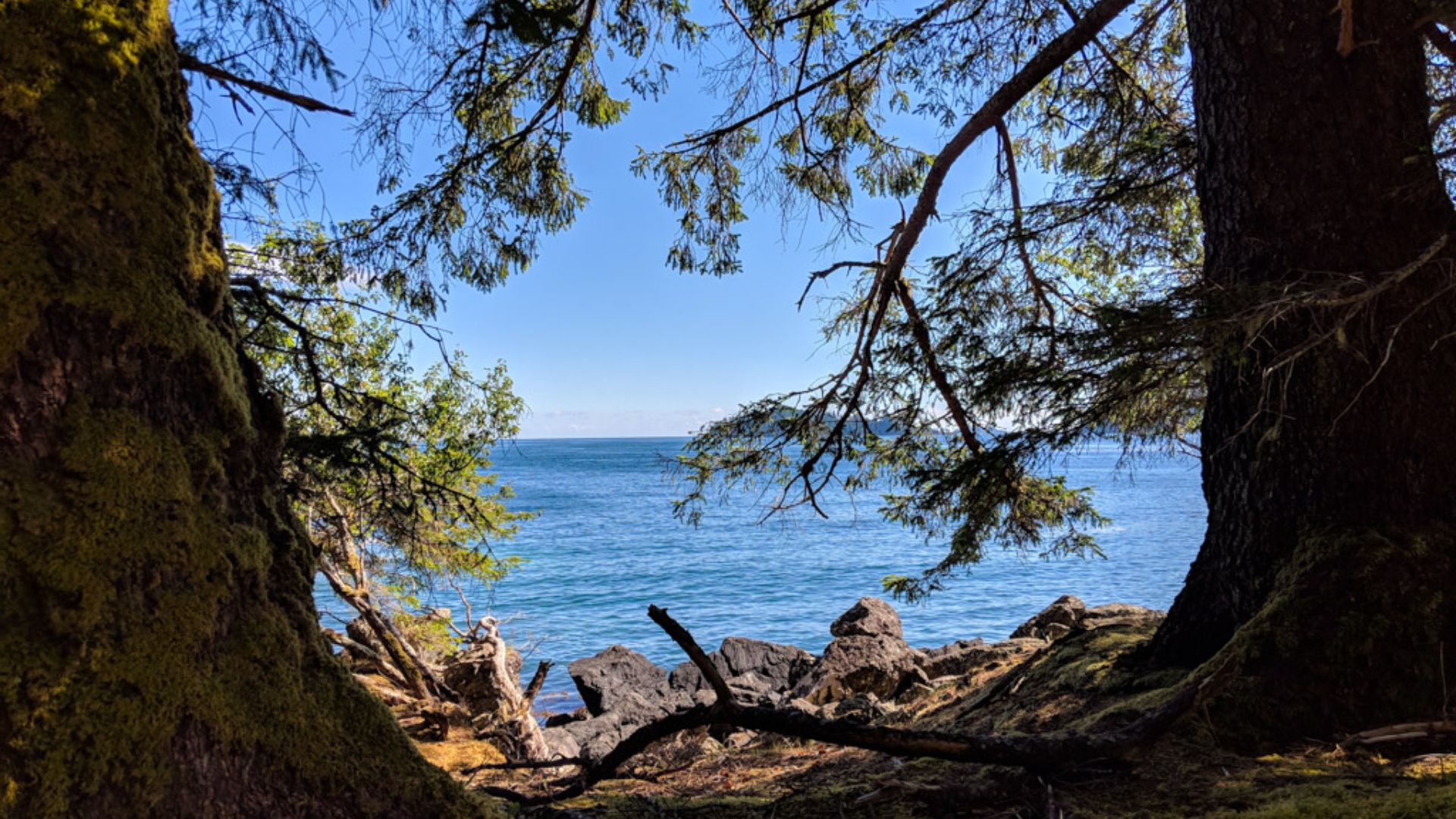
Port Renfrew, British Columbia
If Port Renfrew had California’s climate, good luck finding a parking spot. This tiny Vancouver Island community sits beside a wild stretch of coast filled with beaches, tide pools, rainforest trails and dramatic ocean views. The road from Sooke only makes the whole adventure feel more cinematic.
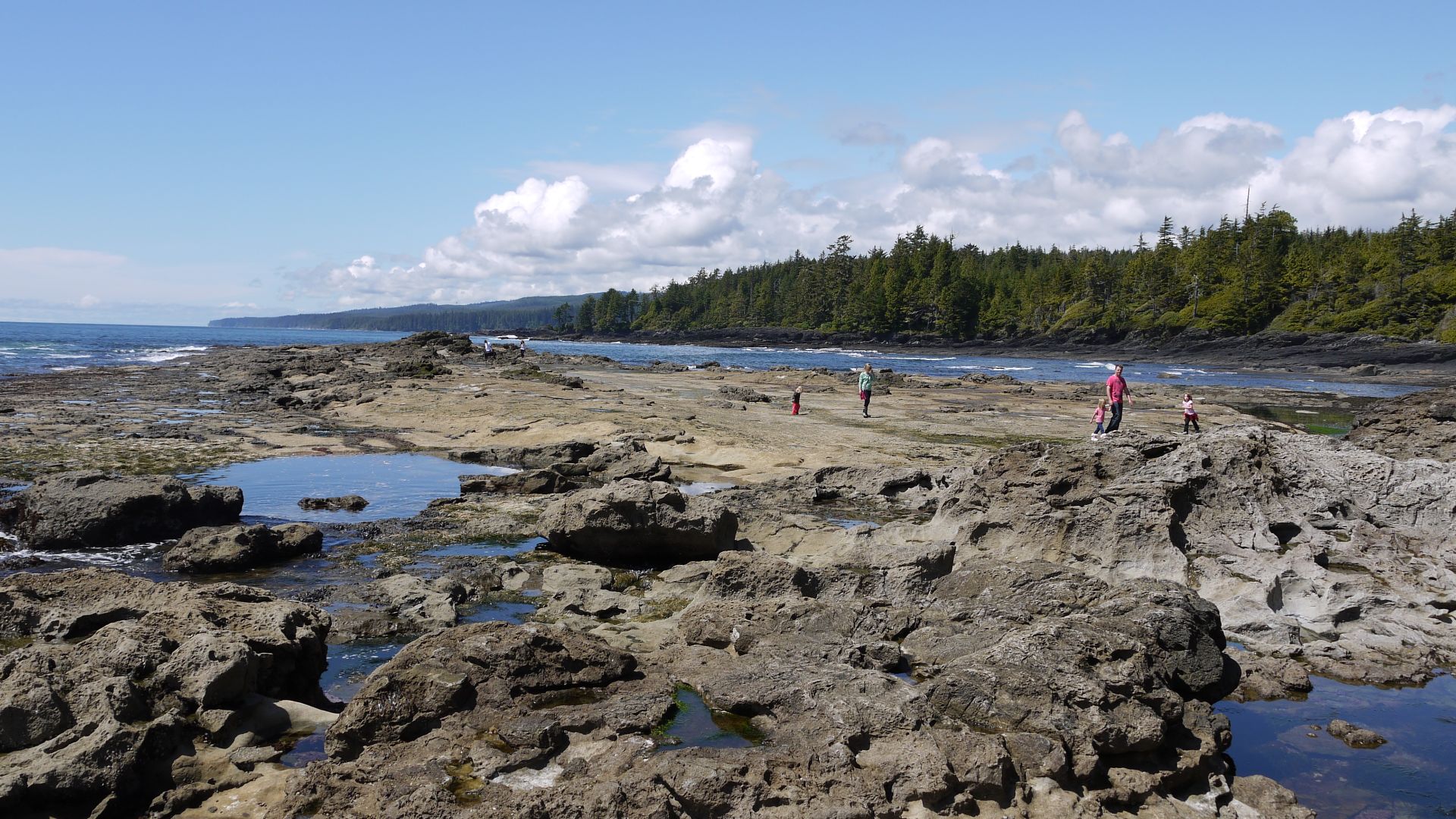 Bernard McManus, Wikimedia Commons
Nelson, British Columbia
Nelson has the mountain backdrop, handsome downtown and cool local culture of a place that should be much more famous. Summer adds hiking, camping and a seriously impressive mountain-biking scene around Kootenay Lake. It is basically a ski town discovering it looks just as good without a ski jacket.
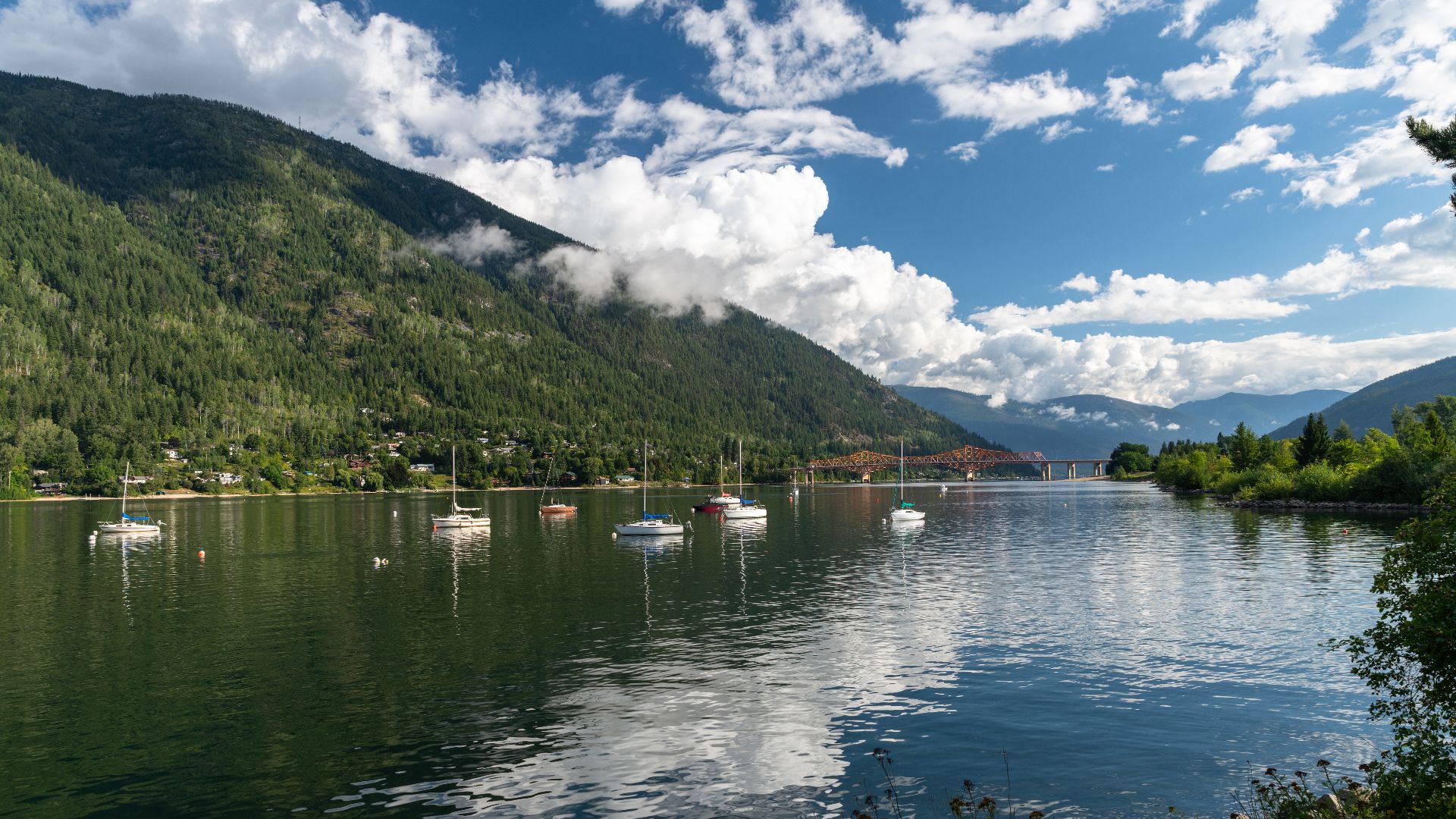 Christoph Strassler from Oberdorf BL, Schweiz, Wikimedia Commons
Waterton Lakes, Alberta
Banff gets the crowds; Waterton quietly waits farther south. Mountains rise directly behind the lake, waterfalls are easy to reach and colourful Red Rock Canyon looks almost unreal on a sunny day. The road to the canyon is generally open to vehicles from May through October, which says plenty about the seasonal challenge here.
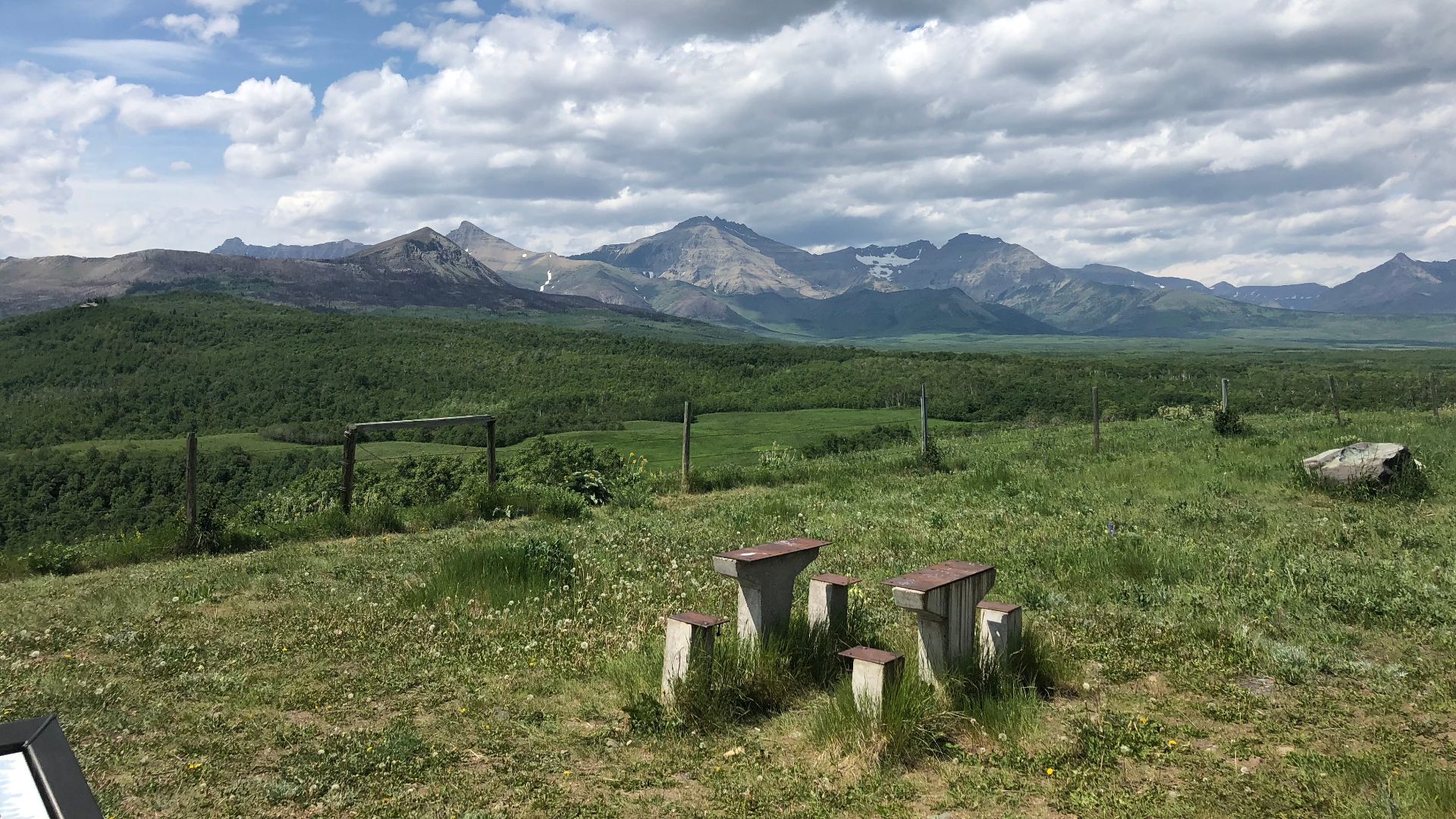 Redelie Legaspi, Wikimedia Commons
Dinosaur Provincial Park, Alberta
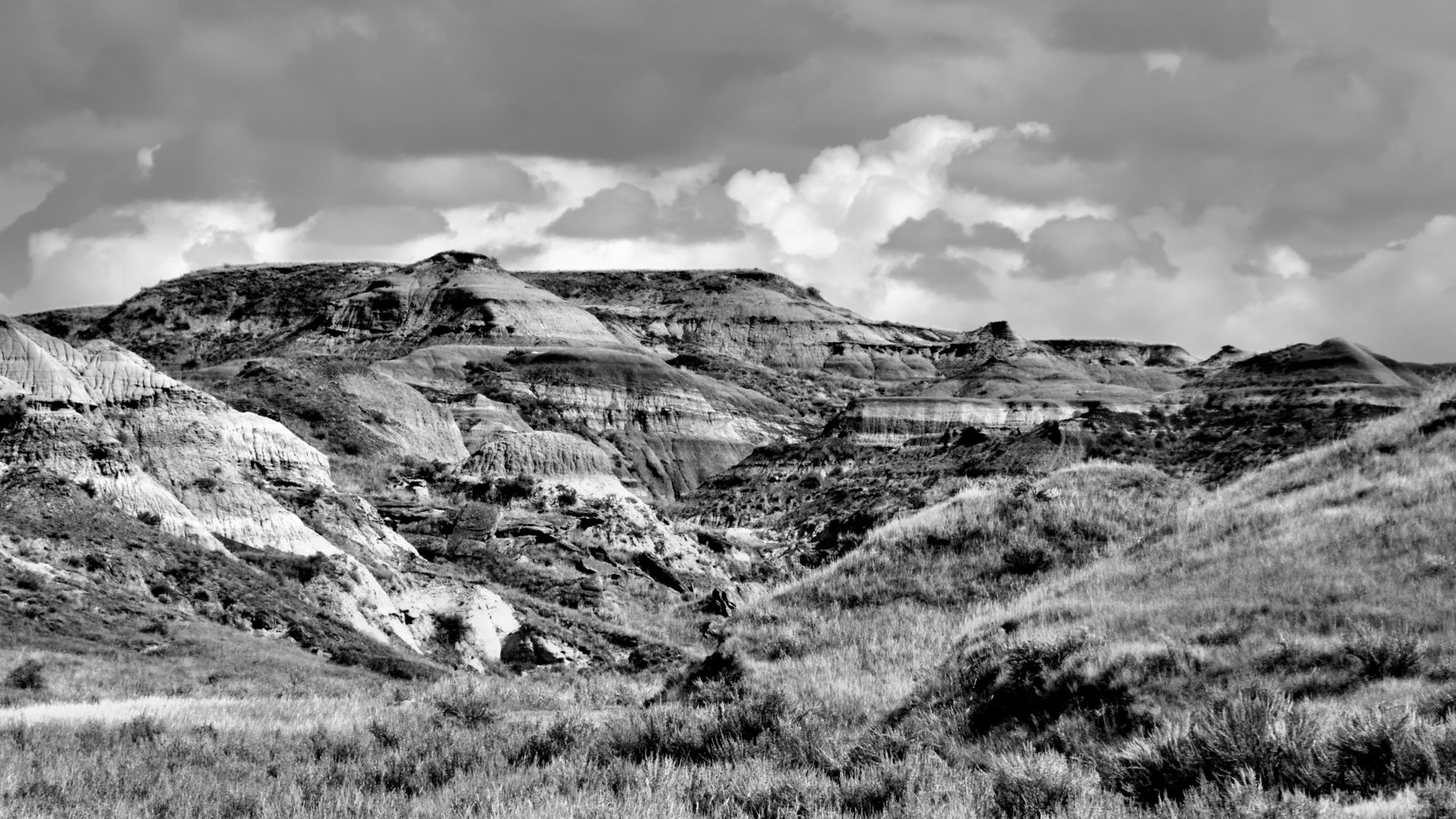
Southern Alberta apparently decided ordinary scenery was too boring. Dinosaur Provincial Park combines strange badlands, hiking, camping and some of the world’s richest dinosaur fossil fields. Warm weather makes exploring the landscape much easier, although summer afternoons can become wonderfully desert-like—a sentence most people do not expect to hear about Canada.
Cypress Hills, Saskatchewan
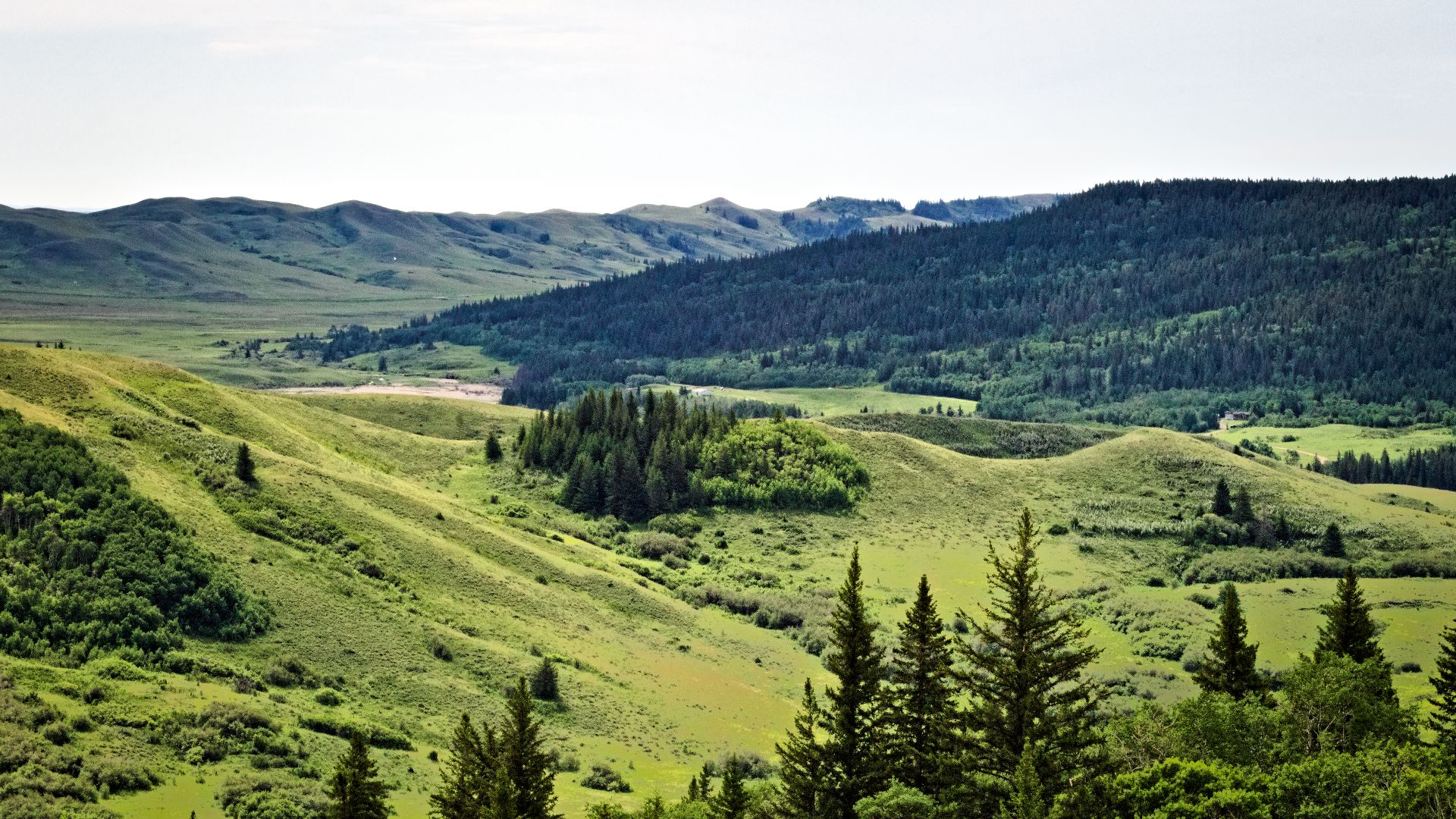
Cypress Hills feels like someone secretly dropped a forested hill country onto the Prairies. Straddling Saskatchewan and Alberta, the area has hiking, camping, cycling, horseback riding and excellent stargazing. Summer brings swimming and outdoor programs too, turning this unexpected highland escape into one of the Prairies’ best vacation surprises.
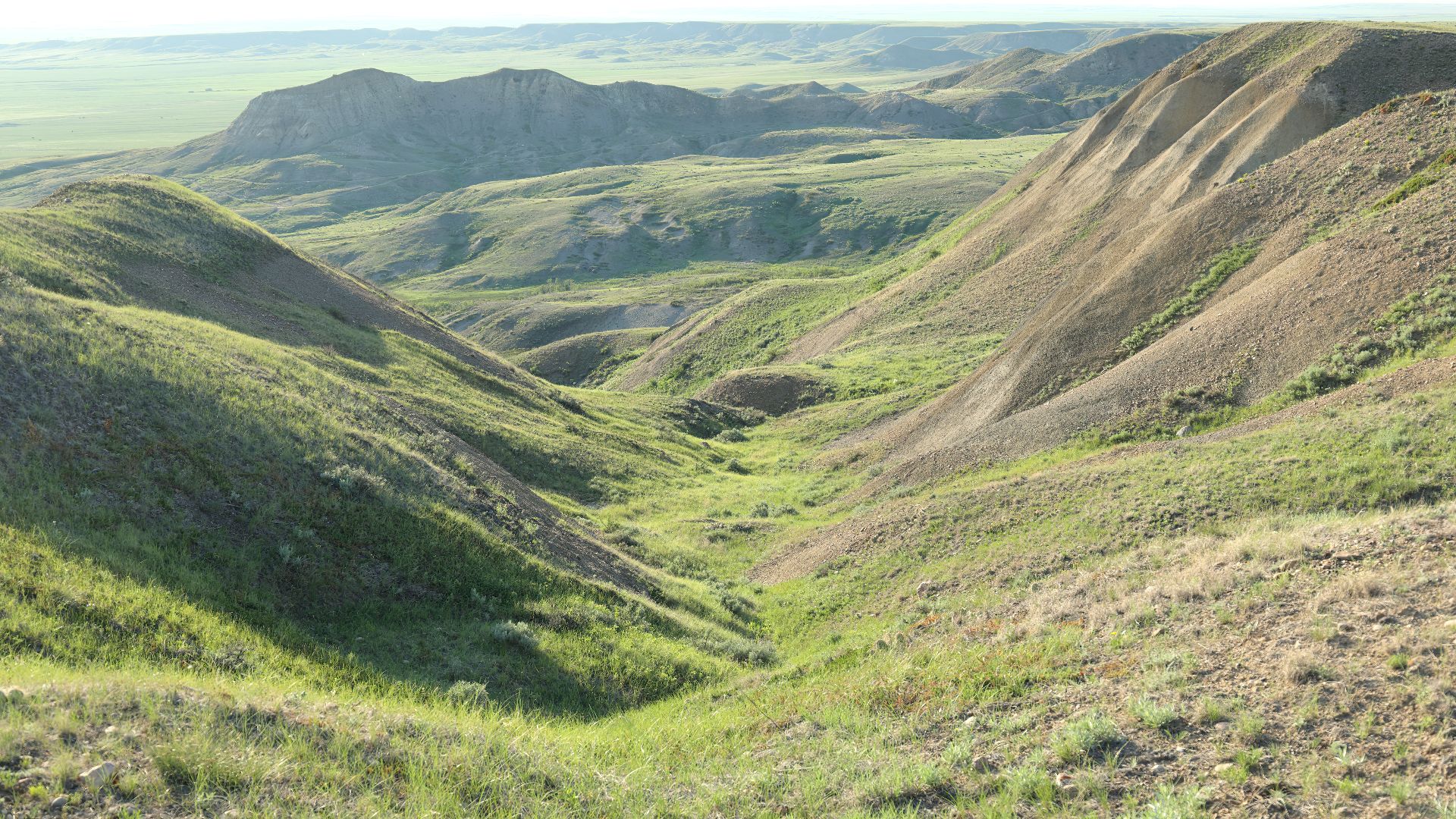
Grasslands National Park, Saskatchewan
There is something wonderfully cinematic about Grasslands National Park. Rolling prairie stretches toward enormous skies, bison roam the landscape and dinosaur history hides beneath your boots. The park operates year-round, but some facilities and services are seasonal, making summer the easiest time to appreciate just how spectacular empty space can be.
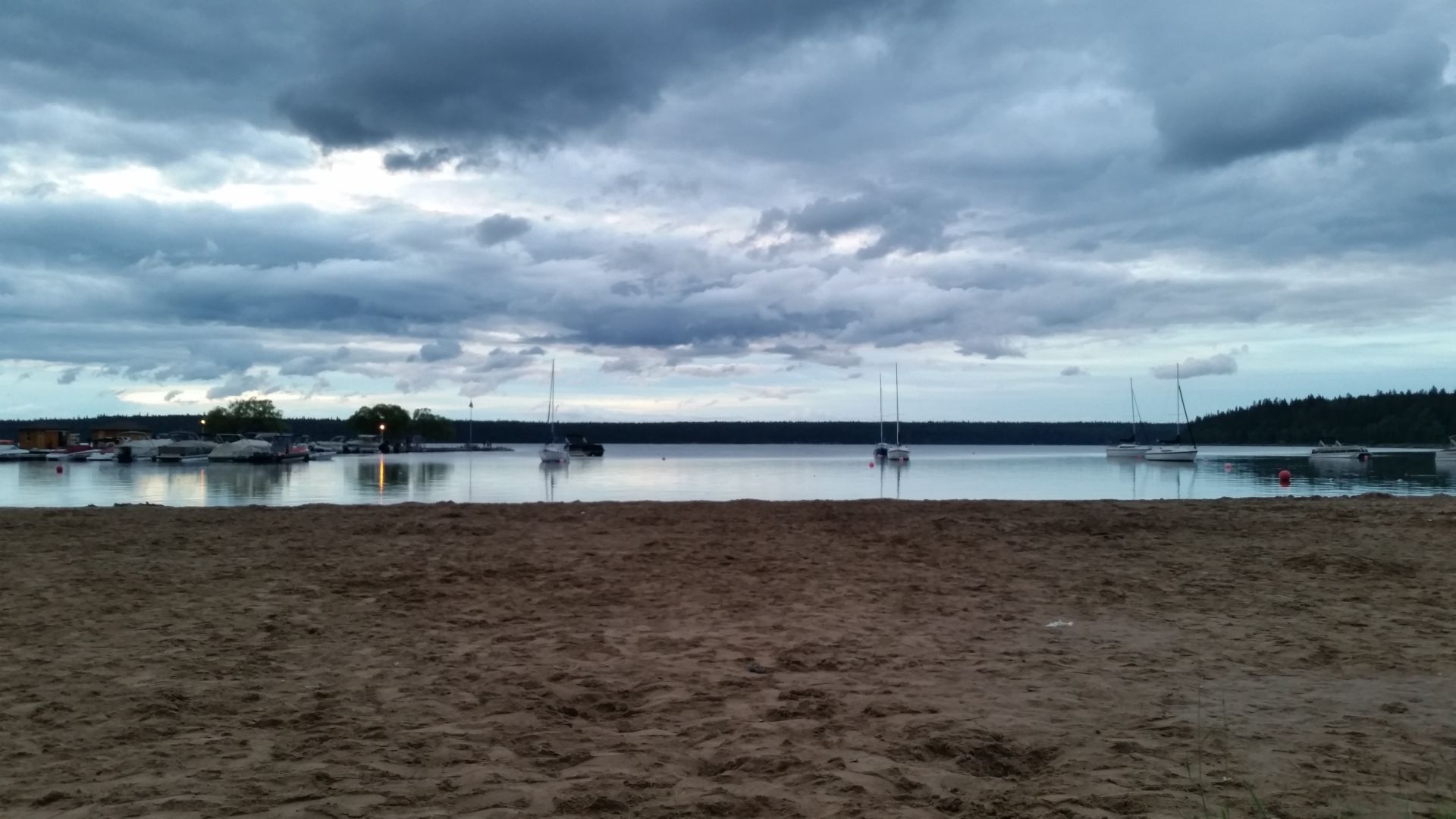
Riding Mountain, Manitoba
Riding Mountain is what happens when lake country, forest wilderness and a classic summer resort town all share the same address. Wasagaming comes alive beside Clear Lake with restaurants, shops and beach days, while the surrounding park offers hiking, paddling and wildlife. It deserves far more attention outside Manitoba.
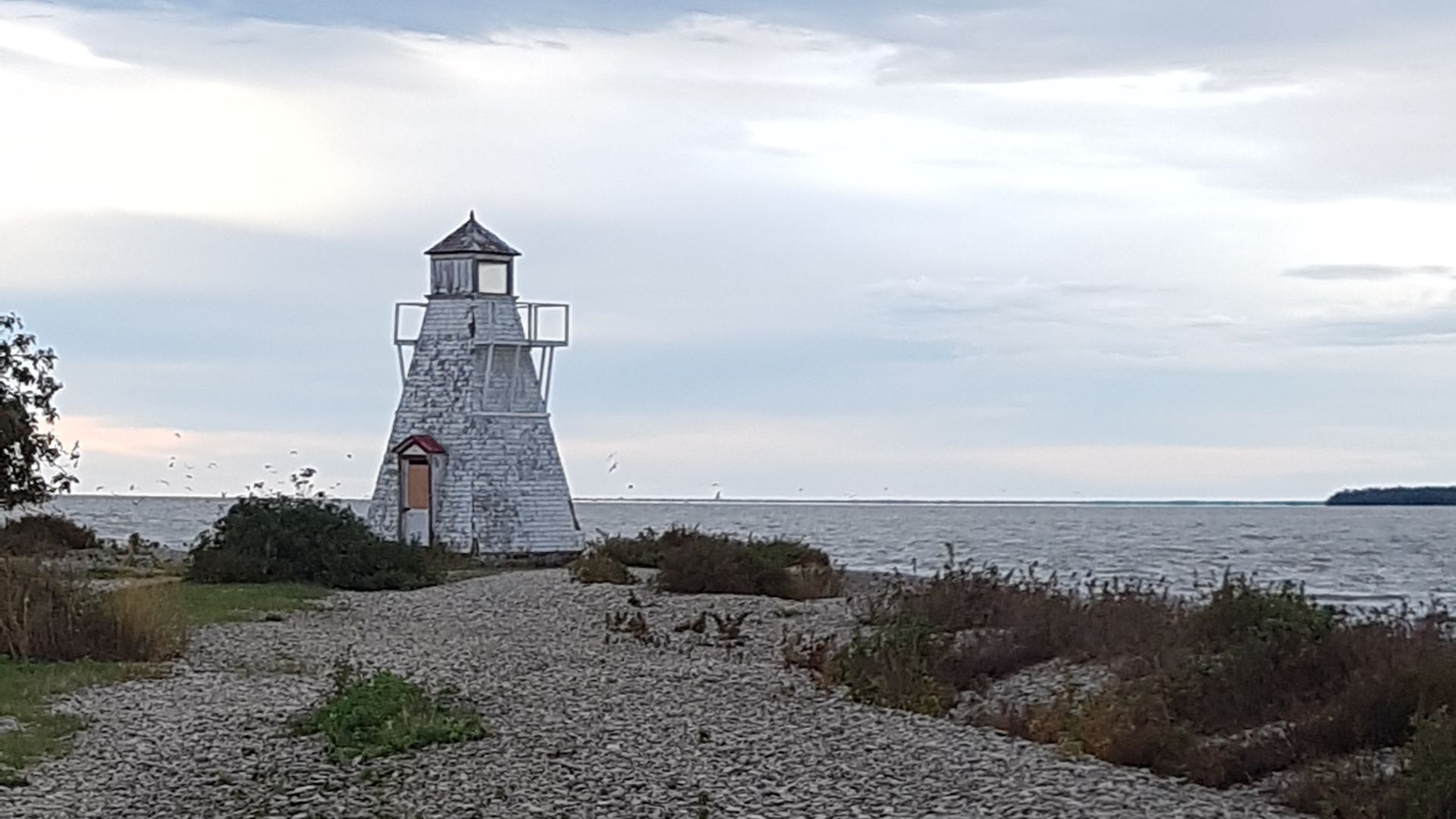
Hecla Island, Manitoba
Hecla Island has rocky shores, beaches, hiking trails, a lighthouse and a fascinating Icelandic heritage, all sitting in Lake Winnipeg. During summer, visitors can kayak, golf, wander through historic Hecla Village or simply watch the sunset. Give this place a longer warm season and cottage prices might become genuinely frightening.
 Jasonbook99, Wikimedia Commons
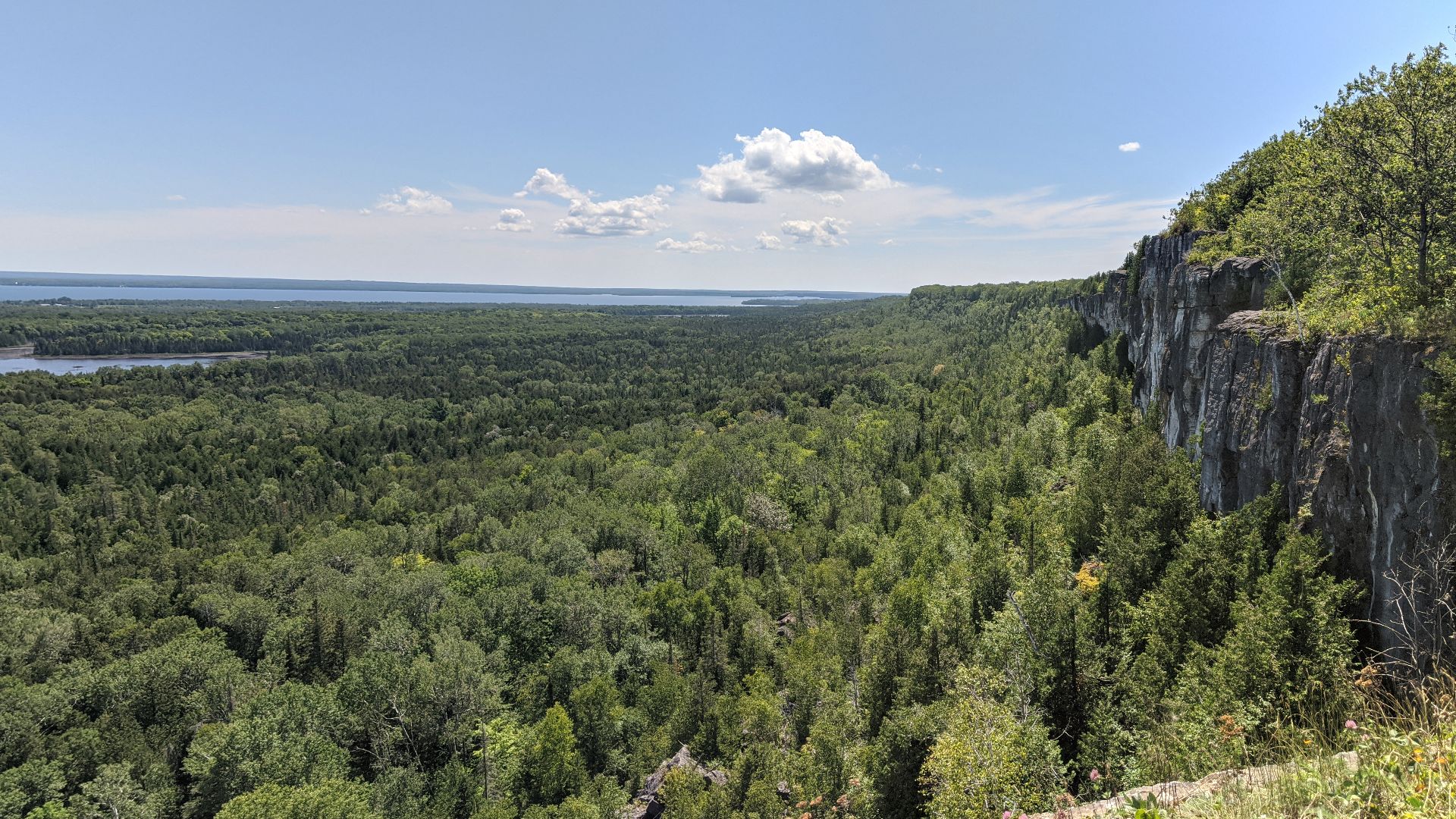
Manitoulin Island, Ontario
The world’s largest freshwater island should probably be more famous. Manitoulin offers beaches, waterfalls, hiking, camping and rich Anishinaabe culture, with the Cup and Saucer Trail providing one of its best-known viewpoints. Summer makes road-tripping around the island wonderfully easy, especially when the Lake Huron shoreline starts calling.
 jockrutherford, Wikimedia Commons
Killarney, Ontario
White quartzite ridges, pink granite shoreline and intensely blue lakes give Killarney Provincial Park scenery that looks suspiciously enhanced. It isn’t. Canoeing and hiking are the stars here, and campsites can fill quickly. If Ontario had an eight-month summer, this wilderness escape could easily become one of Canada’s headline destinations.
Bayfield, Ontario
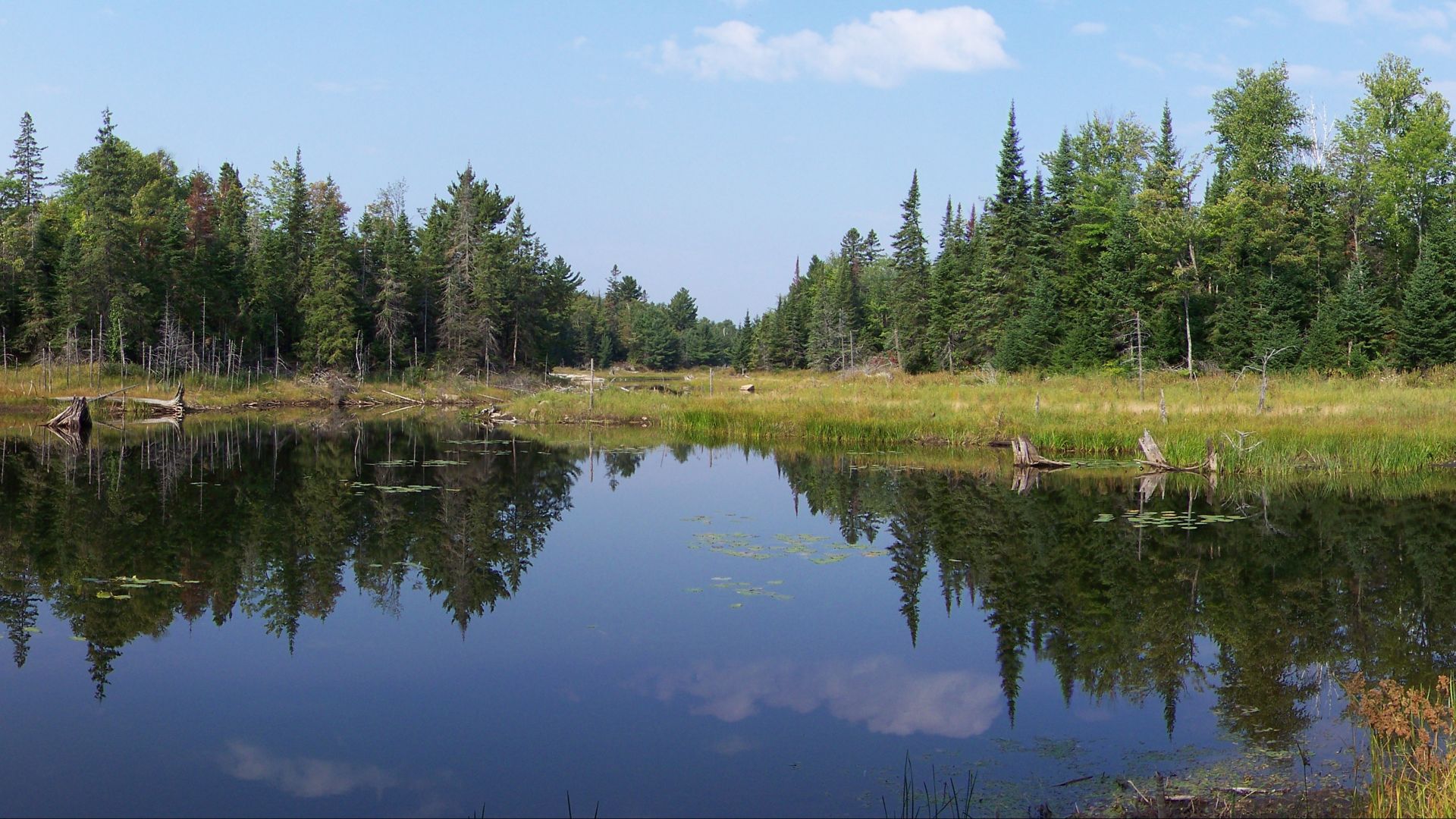
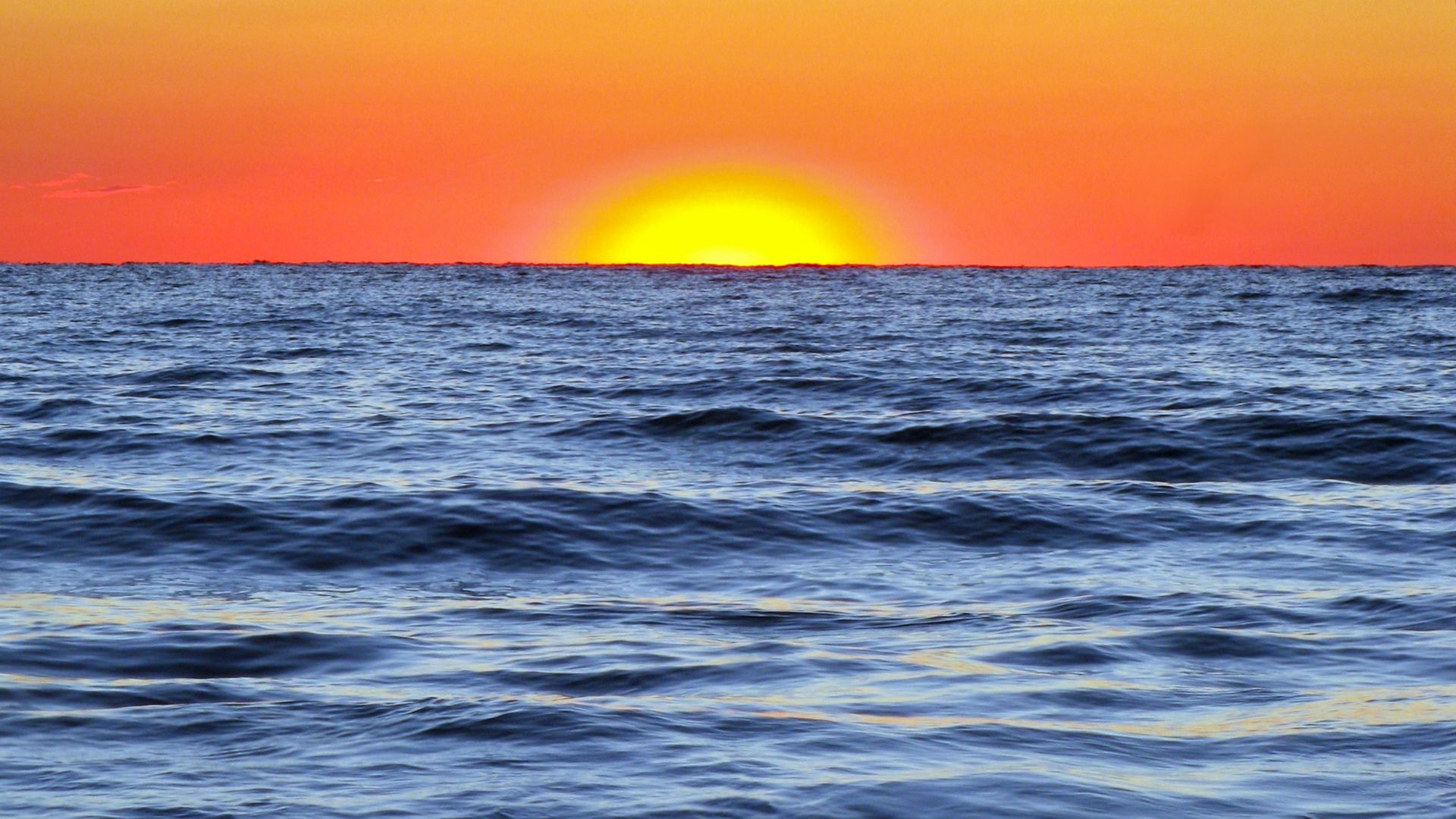
Bayfield has mastered the small-town summer formula: pretty streets, Lake Huron beaches, patios, cafés, boating and sunsets that encourage strangers to pull out their phones. The local farmers’ market runs from May into October, but the town really shines during beach season. Think cottage-country charm without quite as much commotion.
 Magnolia677, Wikimedia Commons
Prince Edward County, Ontario
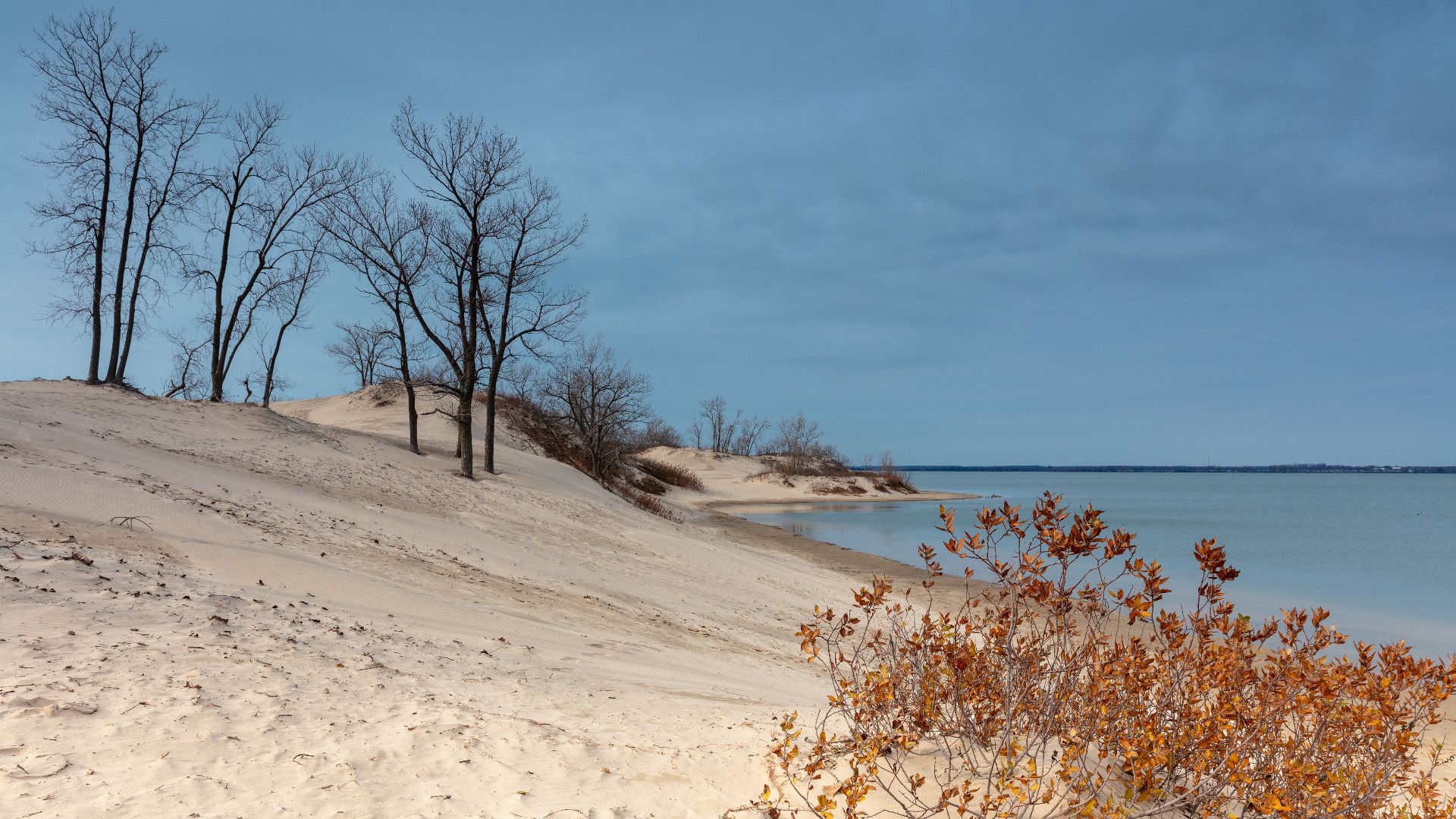
Okay, the secret is definitely getting out. Prince Edward County mixes beaches, wineries, farm-country scenery, cycling and a growing food scene within weekend range of major cities. Summer is already its busiest season, which makes you wonder how packed the place would become if February felt anything like July.
 Shawn M. Kent, Wikimedia Commons
The Magdalen Islands, Quebec
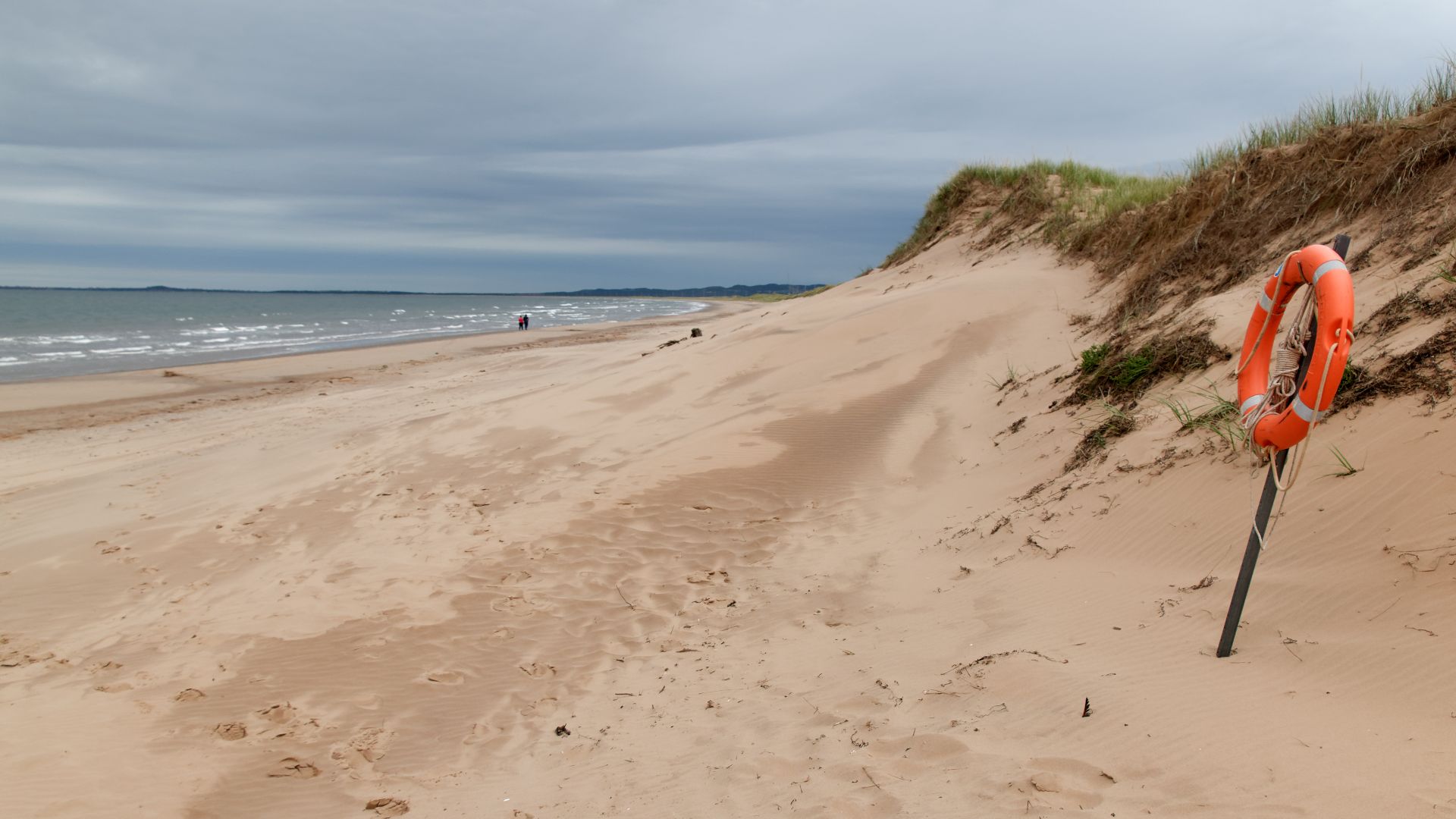
The Magdalen Islands look like Canada accidentally borrowed a dreamy Atlantic archipelago and forgot to return it. Beaches, lighthouses, sea kayaking, cycling, local seafood and colourful island culture fill the warmer months. The islands even have surfing and kitesurfing, making them feel much farther south than the Gulf of St. Lawrence.
 Gilles Desjardins, Wikimedia Commons
Mingan Archipelago, Quebec
Quebec’s North Shore gets wonderfully strange at Mingan Archipelago National Park Reserve. Giant limestone monoliths rise beside islands populated by seabirds, while whales and seals can be spotted in surrounding waters. Boat excursions unlock much of the experience, making this the kind of summer adventure that feels genuinely remote without leaving Canada.
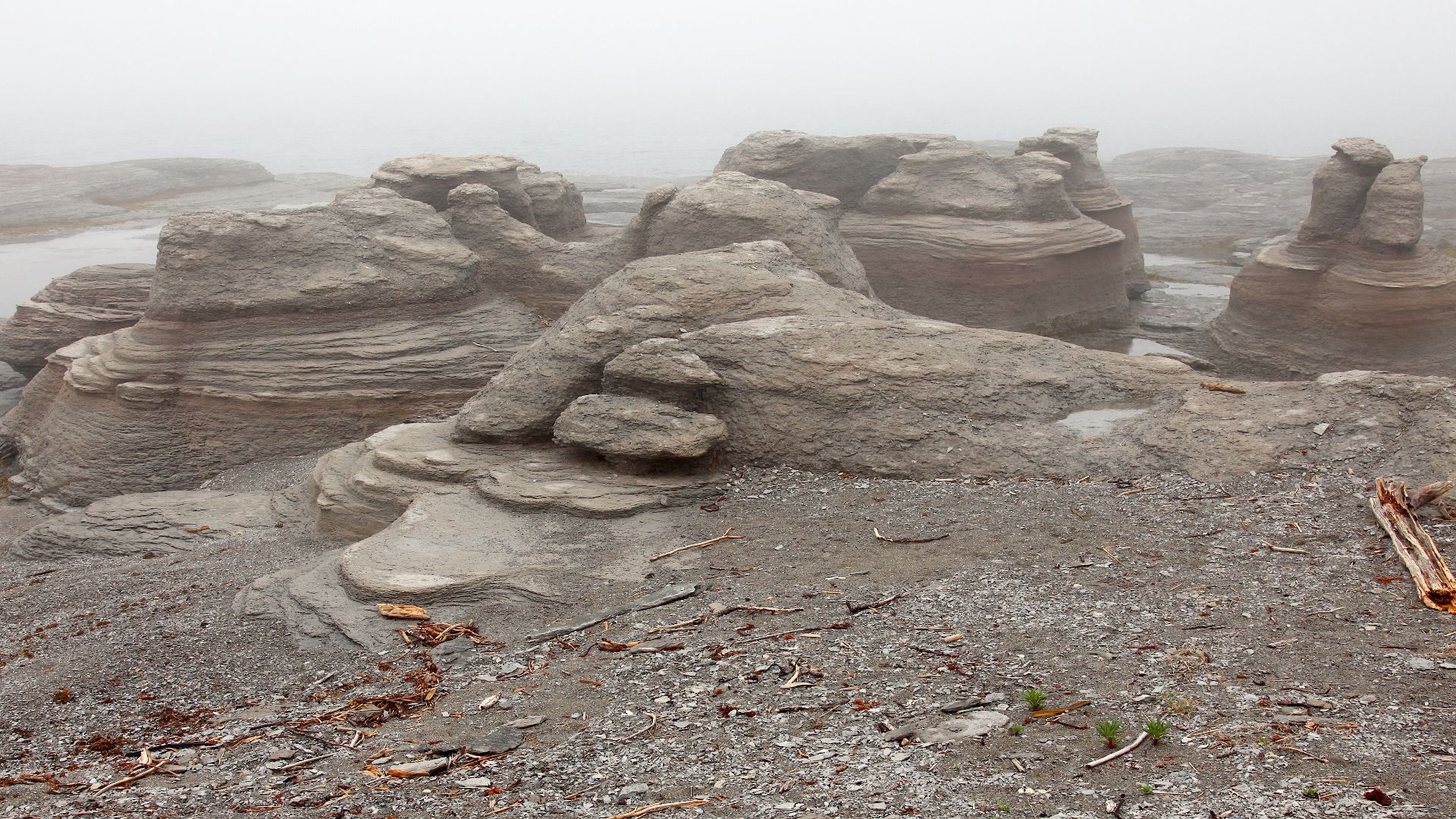 Marc-Lautenbacher, Wikimedia Commons
Kamouraska, Quebec
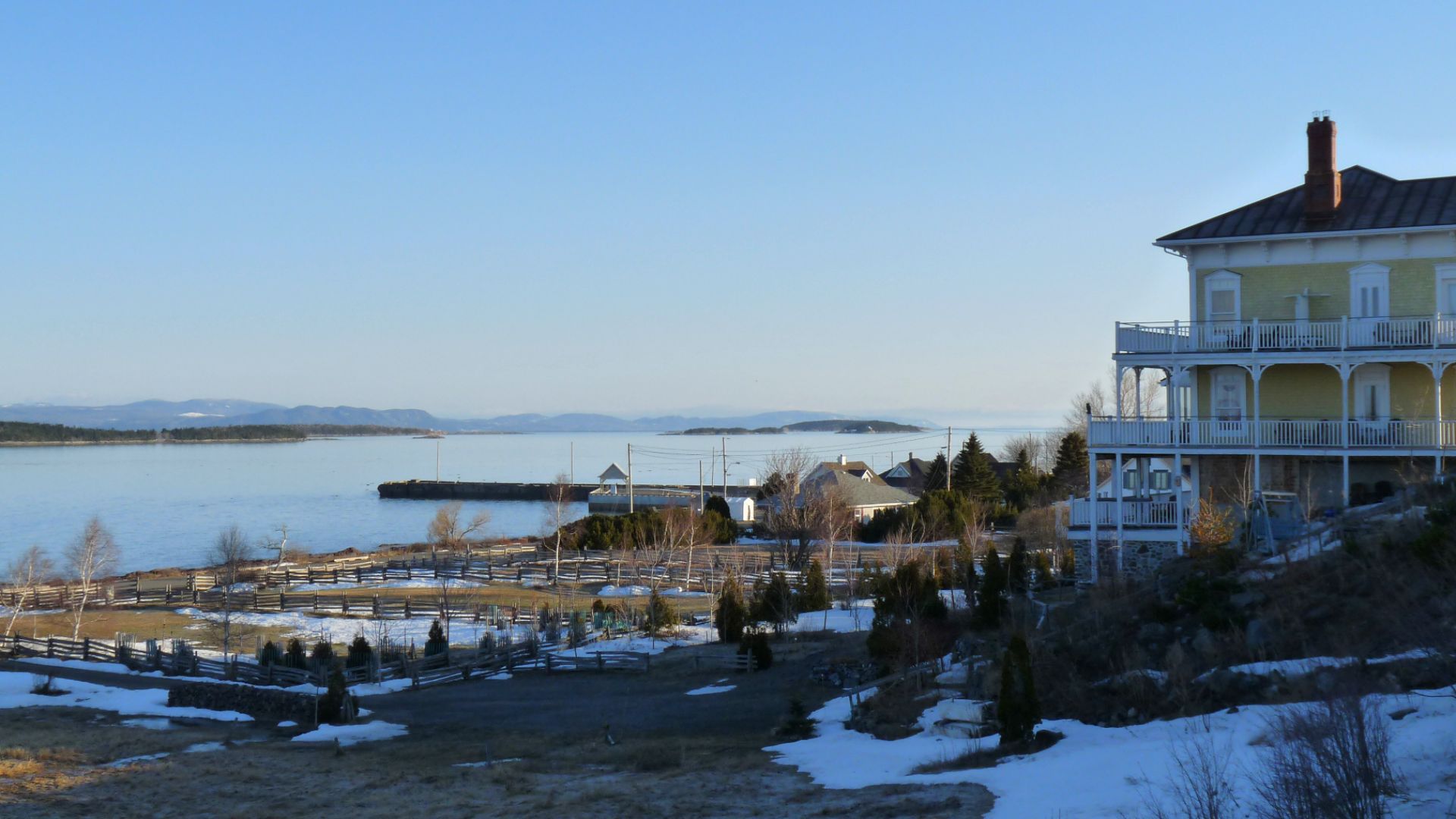
Kamouraska understands the art of the scenic summer road trip. Sitting along the St. Lawrence, the region combines villages, farmland, maritime history and huge waterside views. Local tourism officials describe the river here as taking on the appearance of a sea, and on a bright afternoon, that description feels completely reasonable.
Grand Manan, New Brunswick
Grand Manan packs an unreasonable amount of scenery onto one island. Think fishing villages, lighthouses, rugged cliffs, hiking, sea kayaking, birdwatching and whale-watching. A daily ferry connects the island with Blacks Harbour, helping preserve that satisfying feeling that you have actually travelled somewhere rather than simply driven to another town.
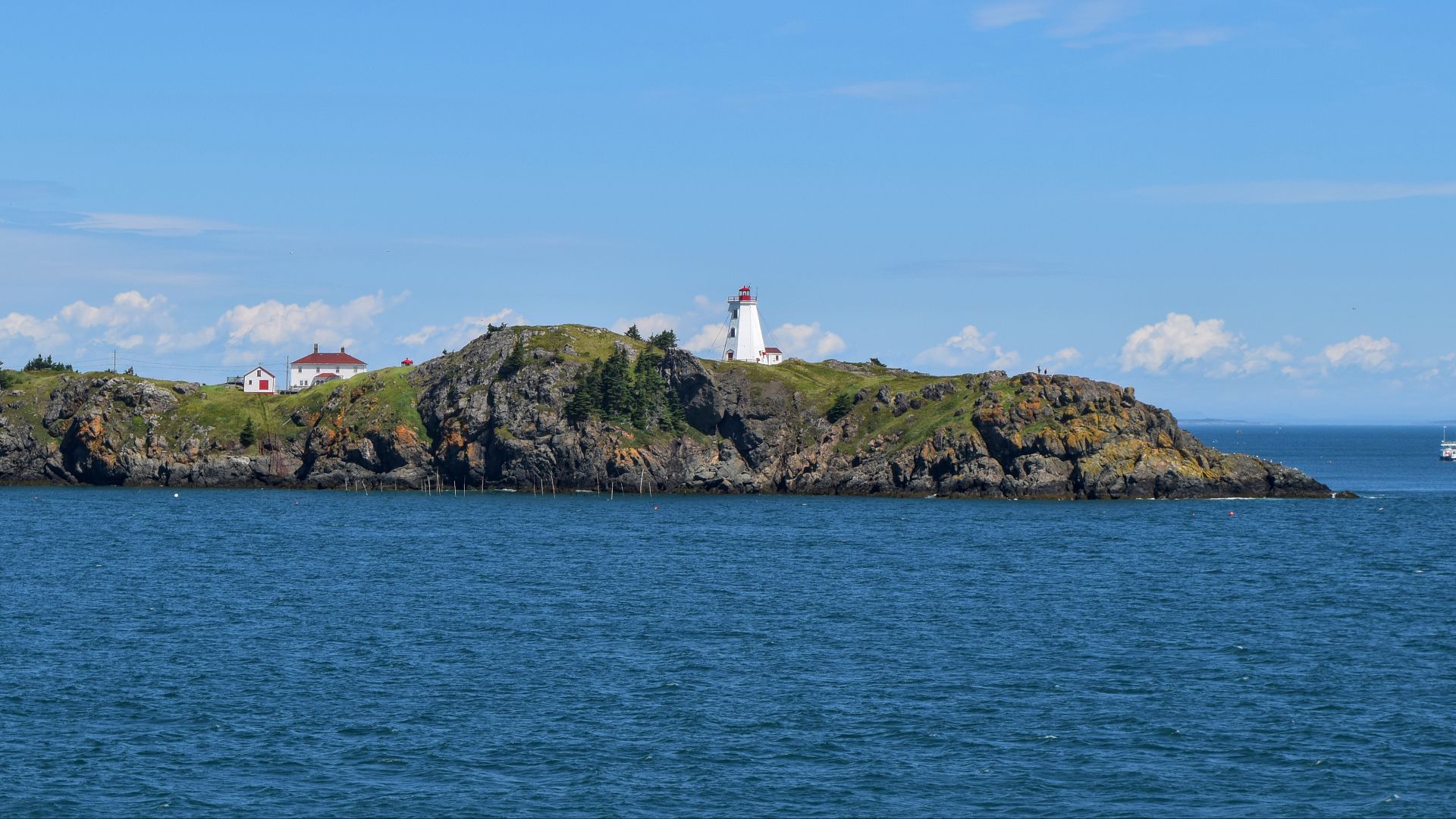 The Cosmonaut, Wikimedia Commons
St. Martins And The Fundy Trail, New Brunswick
Start with the little coastal village of St. Martins, then follow the Fundy Trail for lookouts, waterfalls, beaches and towering coastline. The provincial park includes a 30-kilometre scenic drive and more than 35 kilometres of hiking and biking trails. It is a road trip that practically begs for long summer daylight.
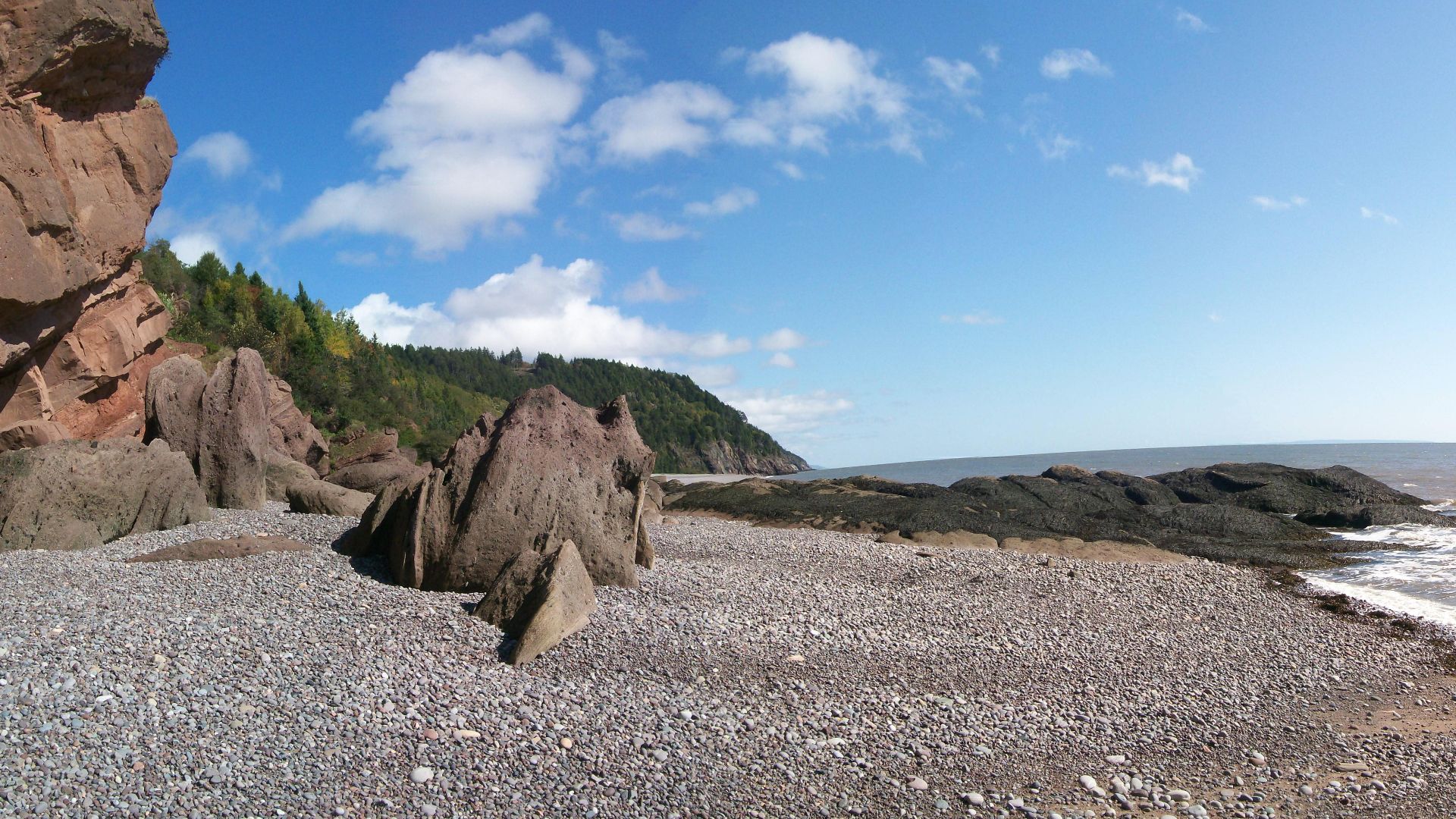 Jaroslaw Binczarowski, Wikimedia Commons
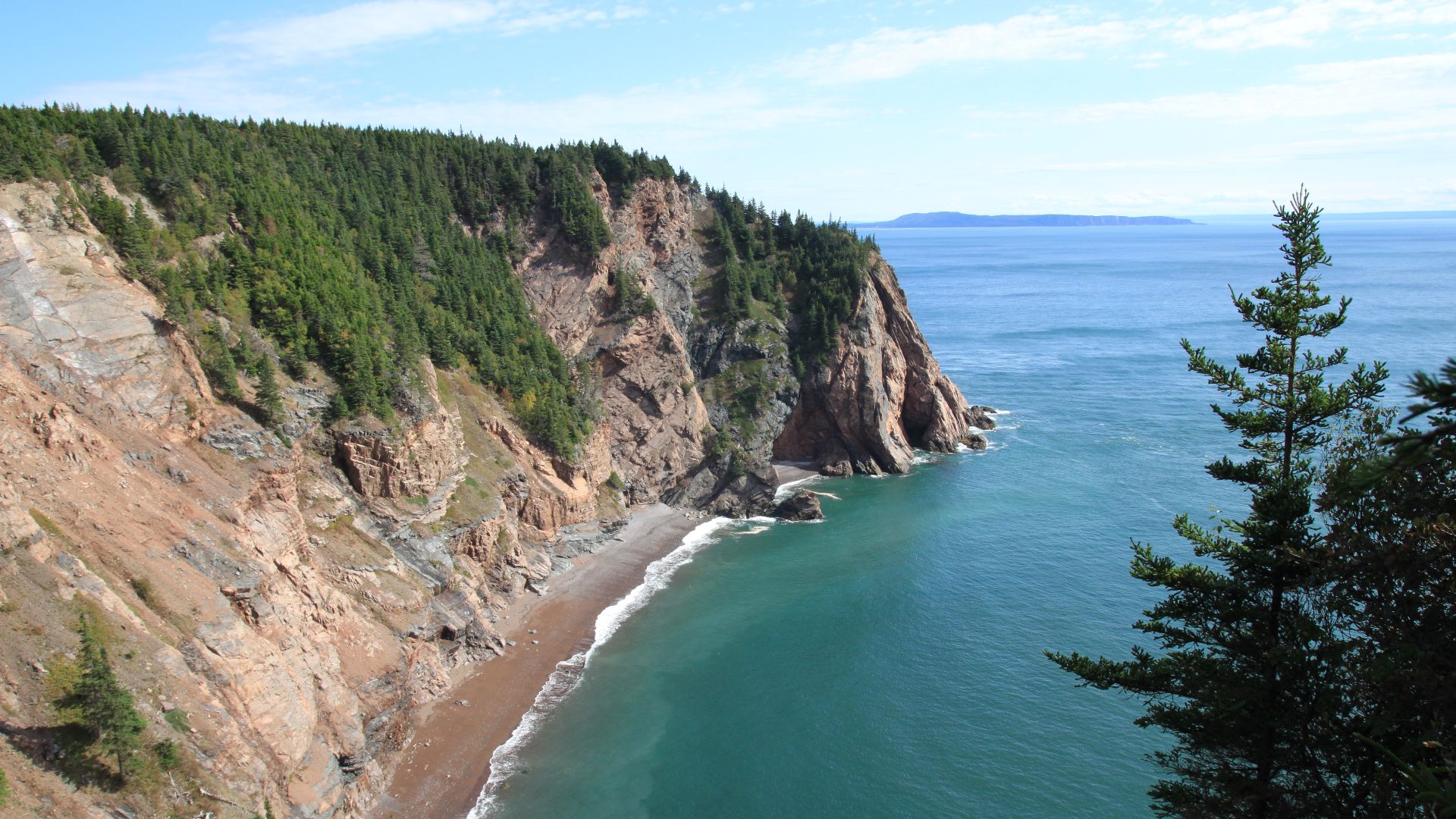
Cape Chignecto, Nova Scotia
For travellers who think Nova Scotia begins and ends with the Cabot Trail, Cape Chignecto is a terrific plot twist. The park’s difficult 52-kilometre coastal loop passes dramatic Bay of Fundy scenery and backcountry campsites. Its 2026 operating season runs from mid-May to mid-October—another reminder that prime time is precious.
Annapolis Royal, Nova Scotia
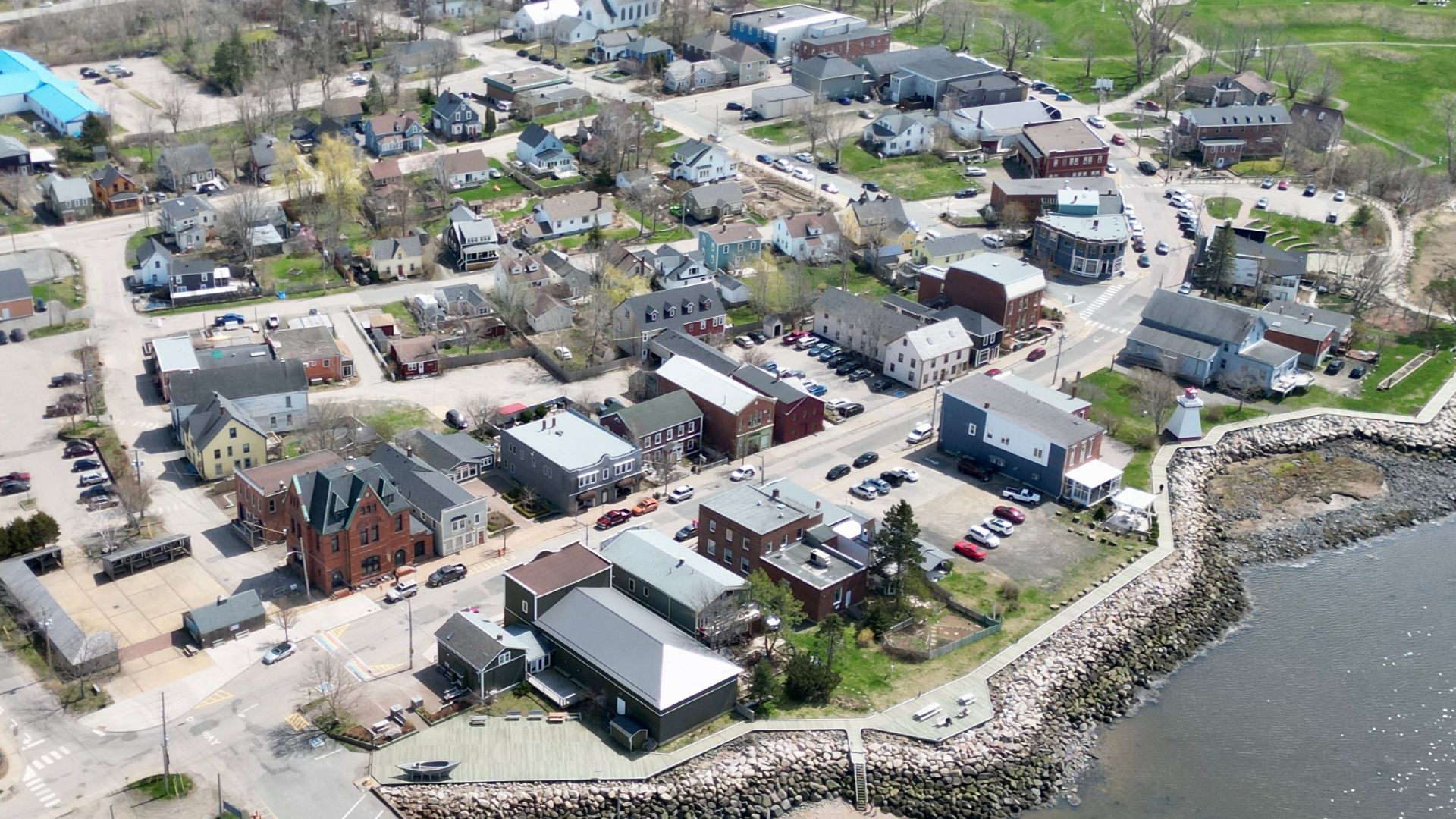
Annapolis Royal is one of those towns where wandering slowly is the entire point. Historic streets, waterfront scenery and nearby Fort Anne make it an easygoing alternative to Nova Scotia’s busier stops. Add warm evenings and a leisurely road trip through the Annapolis Valley, and suddenly one night here becomes three.
 WayeMason & John Van Gurp, Wikimedia Commons
North Cape, Prince Edward Island
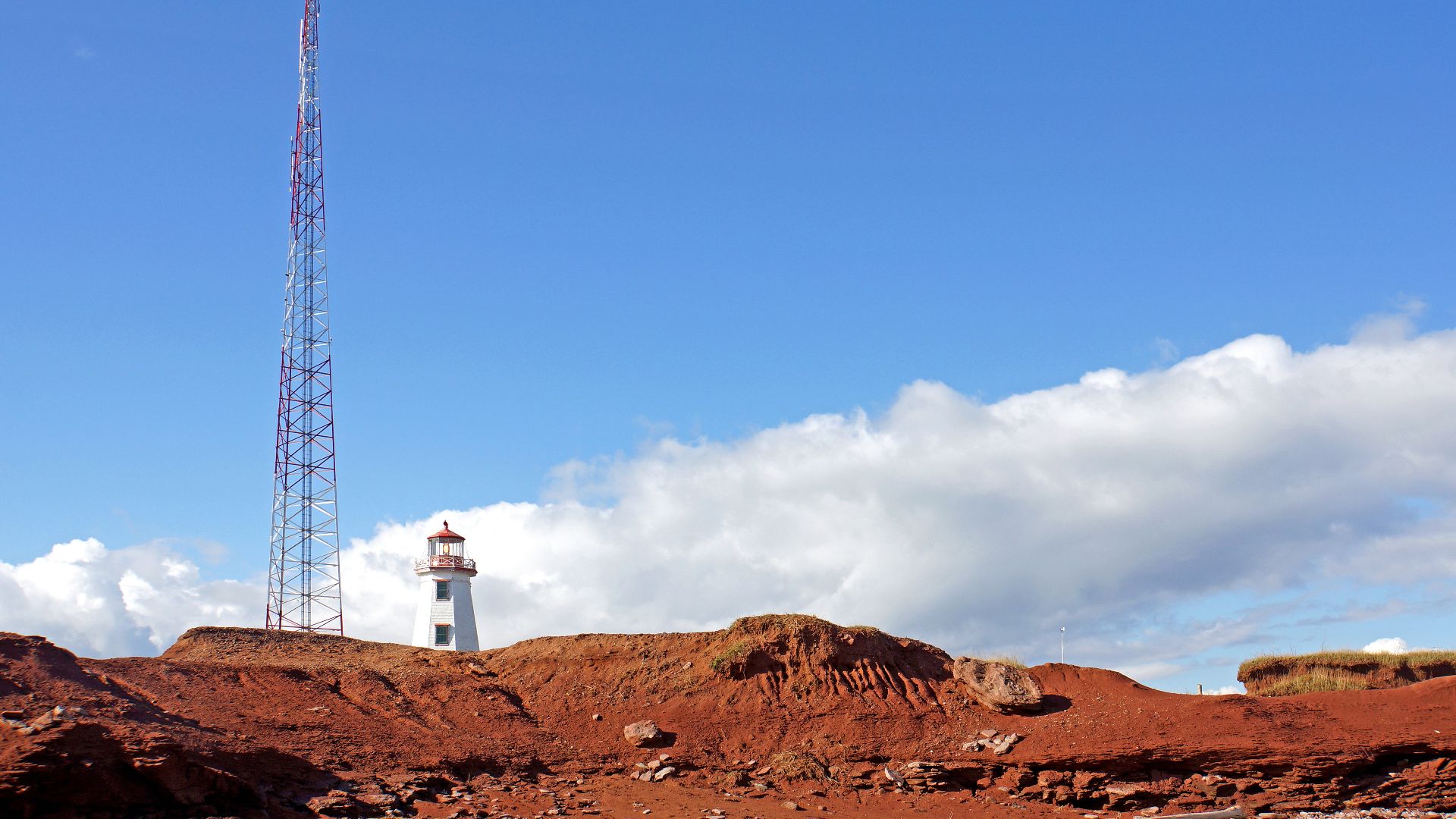
Most PEI visitors gravitate toward the island’s famous central and northern attractions, leaving the western end feeling refreshingly relaxed. The North Cape Coastal Drive winds through fishing villages, beaches and communities shaped by Acadian and Mi’kmaq culture. At North Cape itself, the Gulf of St. Lawrence meets the Northumberland Strait.
 Dennis G. Jarvis, Wikimedia Commons
Twillingate, Newfoundland And Labrador
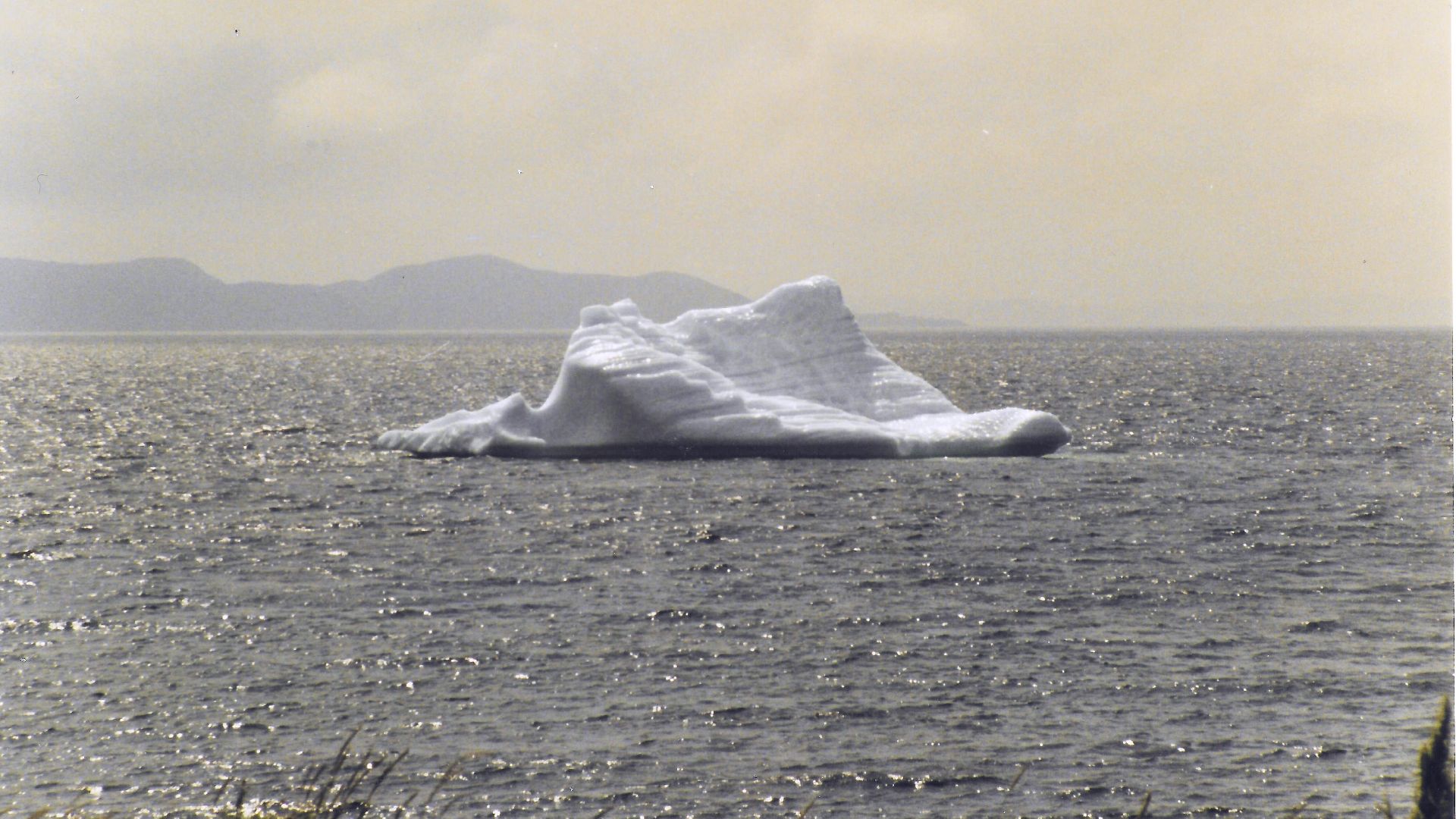
Twillingate has everything required for a blockbuster coastal destination: colourful communities, seafood, hiking, whales and icebergs. Its location along Iceberg Alley makes late spring and early summer especially exciting, while more than 55 kilometres of hiking trails keep visitors moving. The only problem is convincing yourself to leave.
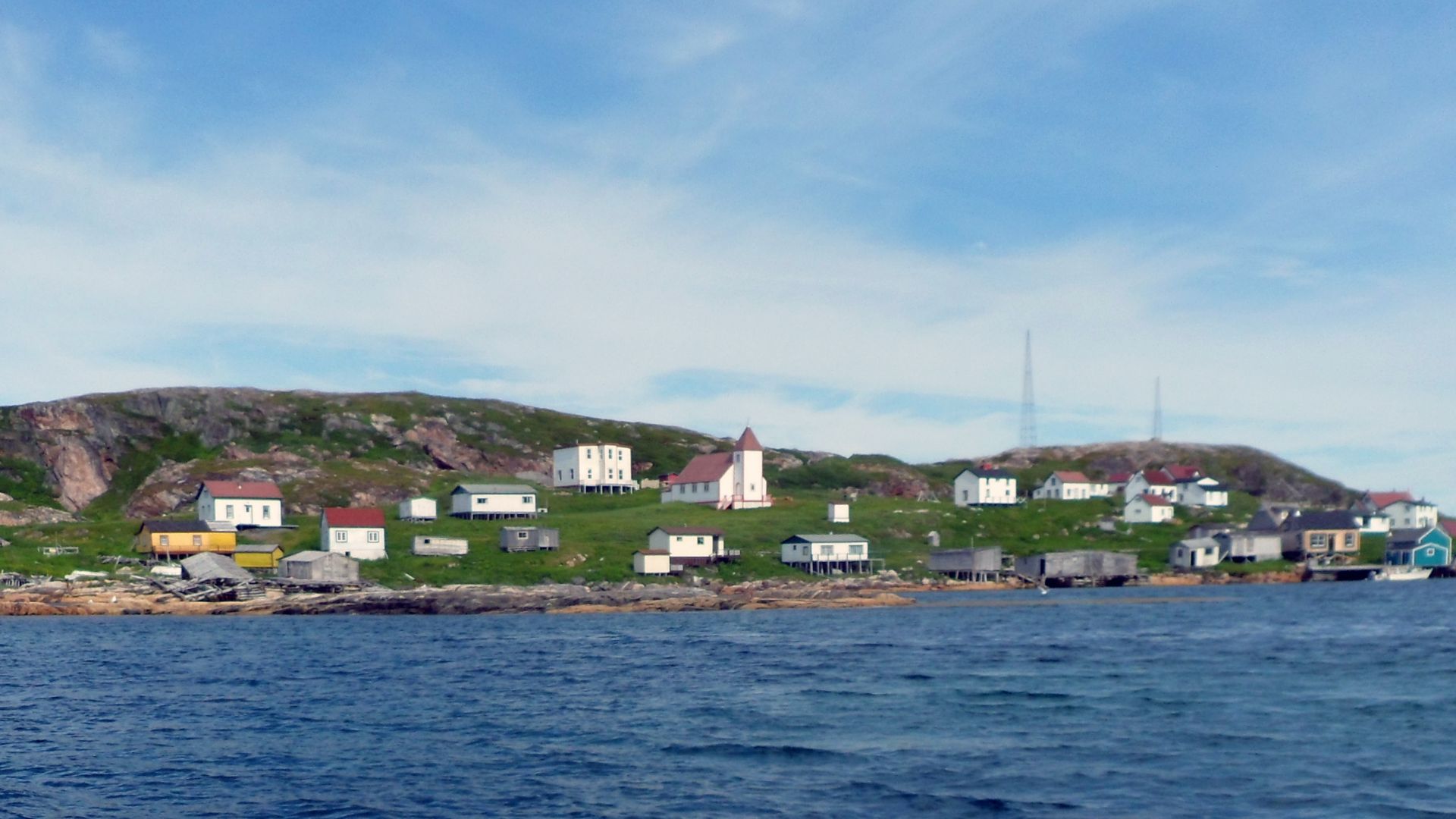
Battle Harbour, Labrador
Battle Harbour is not somewhere you casually stumble across, and that is exactly the appeal. This restored fishing settlement sits on Battle Island off the Labrador coast, offering historic accommodations, Atlantic scenery and a sense of isolation that feels increasingly rare. If getting there were easier, the secret would not last long.
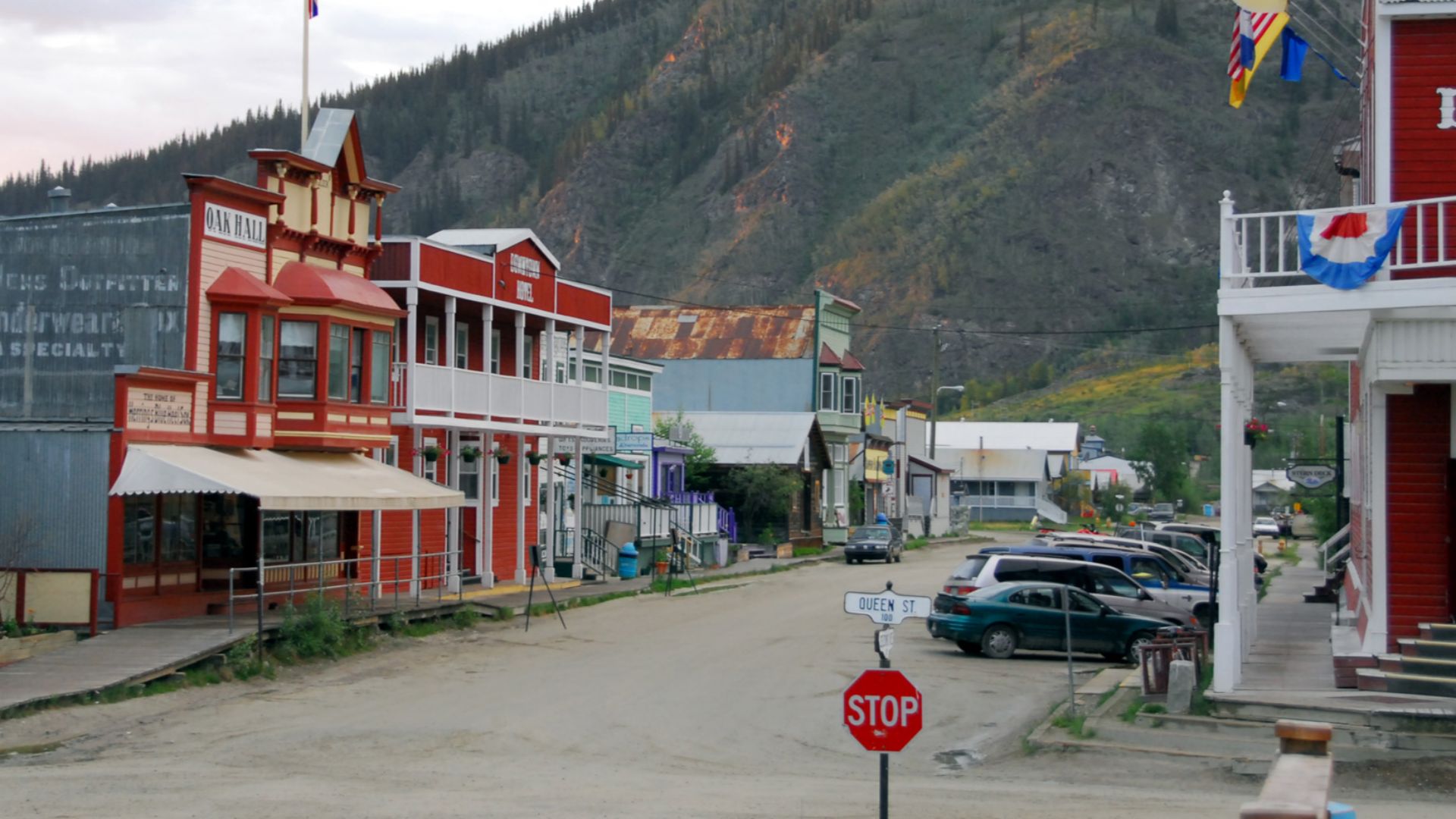
Dawson City, Yukon
Dawson City in summer sounds almost fictional: midnight sun, gold-rush history, hiking, river trips, mountain biking, galleries and famously quirky nightlife. The long daylight means there is always time for one more adventure. It is the rare northern town where staying out late might still mean staying out in daylight.
 Dawsonesque at English Wikipedia, Wikimedia Commons
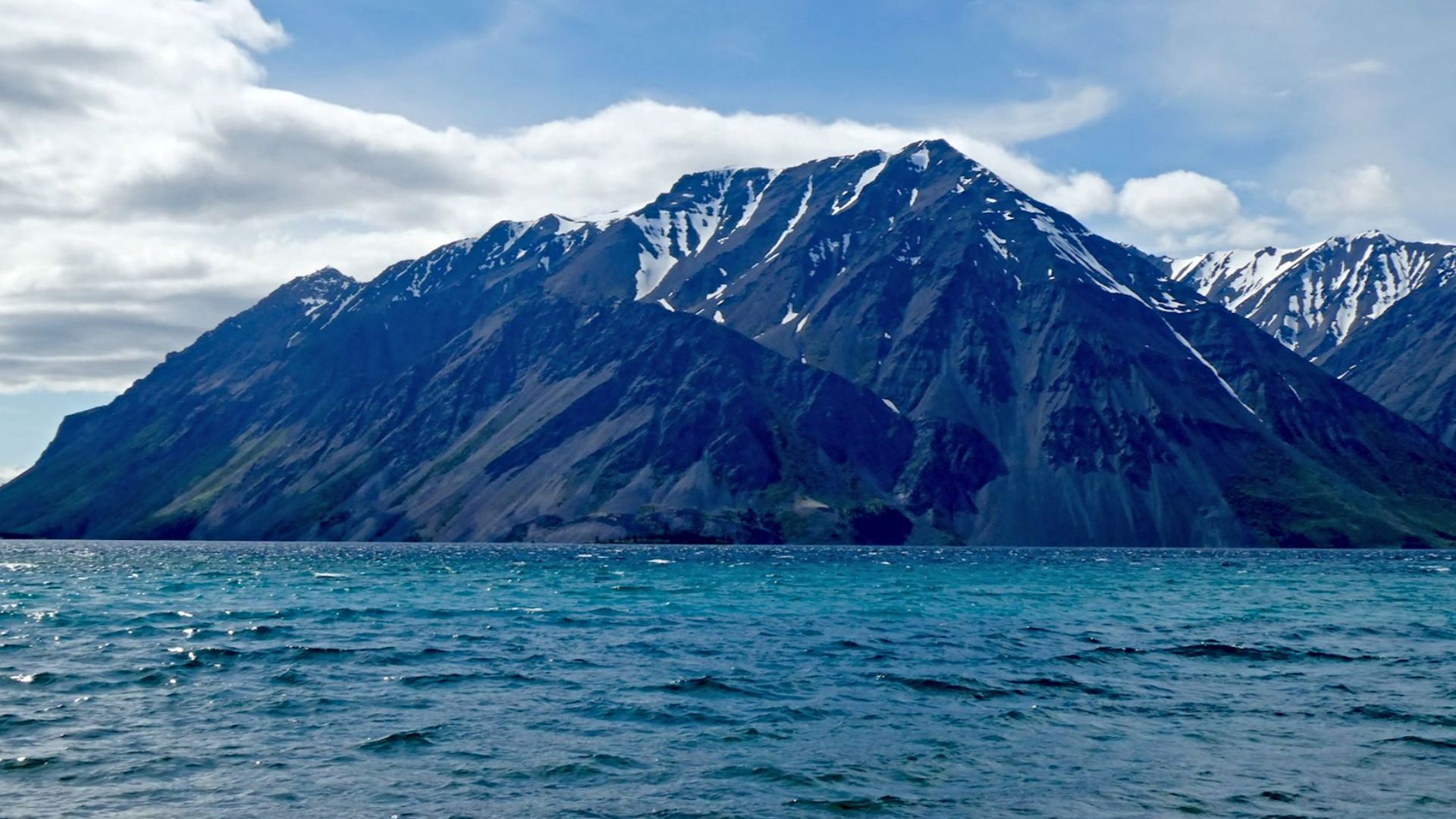
Kluane, Yukon
Kluane makes many famous mountain destinations look oddly restrained. The region holds Canada’s highest peak, immense glaciers, wildflower-filled summer landscapes and excellent hiking around Haines Junction and Kathleen Lake. Flightseeing reveals the scale properly. If this scenery came with Mediterranean weather, tourism marketers would barely need to advertise it.
Maybe The Short Season Is Part Of The Magic
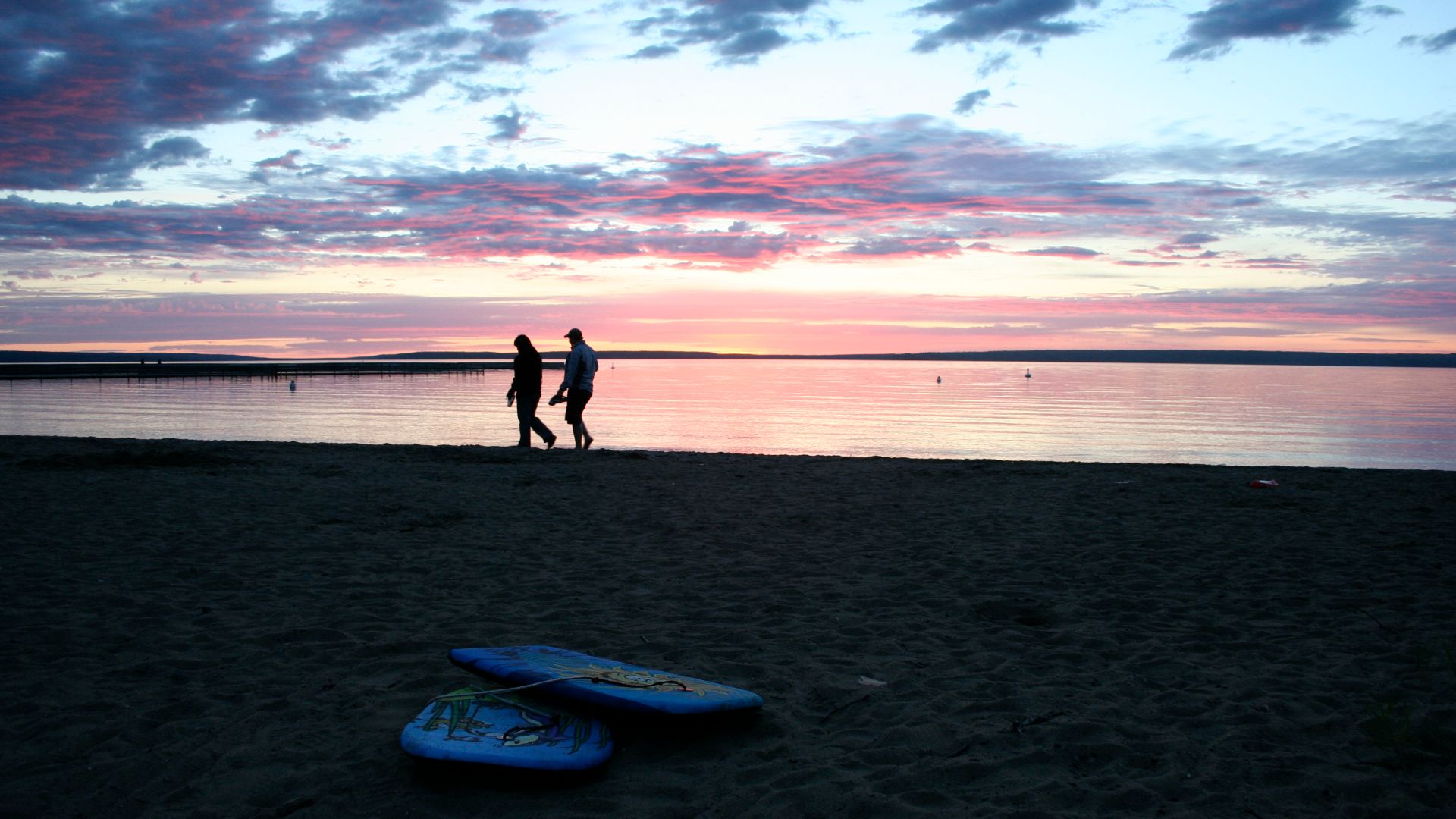
Would these destinations be bigger without Canadian winter? Almost certainly. Yet their short warm-weather season is also part of the charm. Summer arrives, patios open, ferries sail, trails call and everyone makes the most of every sunny hour. The real trick is visiting before the rest of the world catches on.
 Carolyn Paterson, Wikimedia Commons
You May Also Like:
Flight Attendants Say They Hate It When Passengers Do These Things—So Don’t Do Them
Tourist Towns That Americans Say Have Changed The Most In The Last Decade. Do You Agree?