Places Never Stand Still
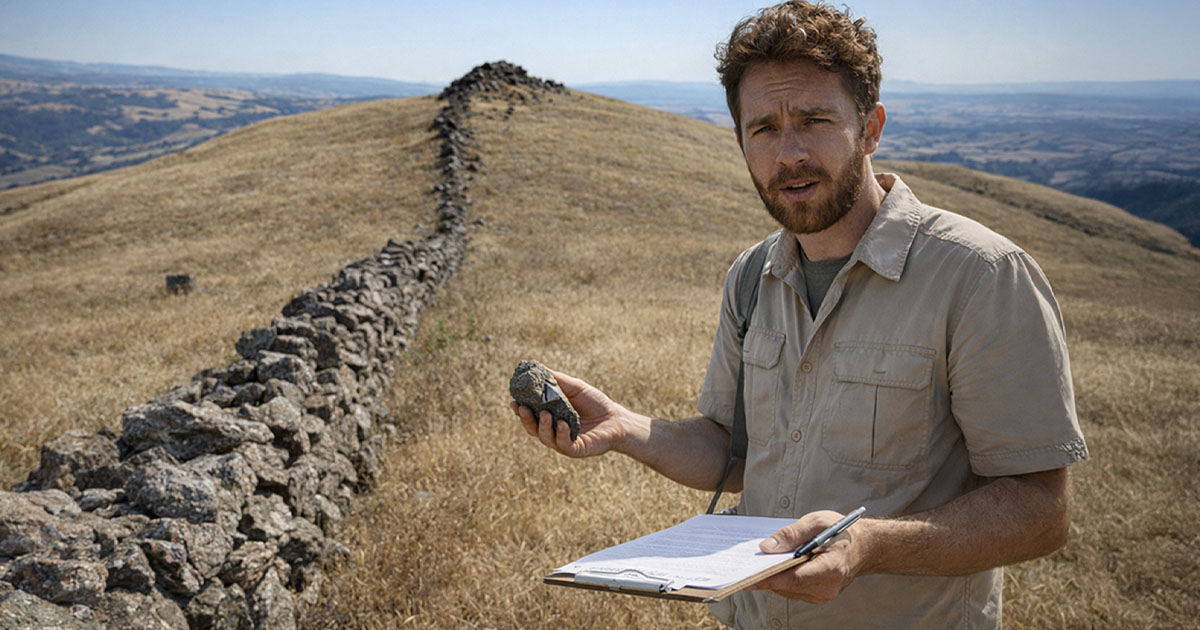
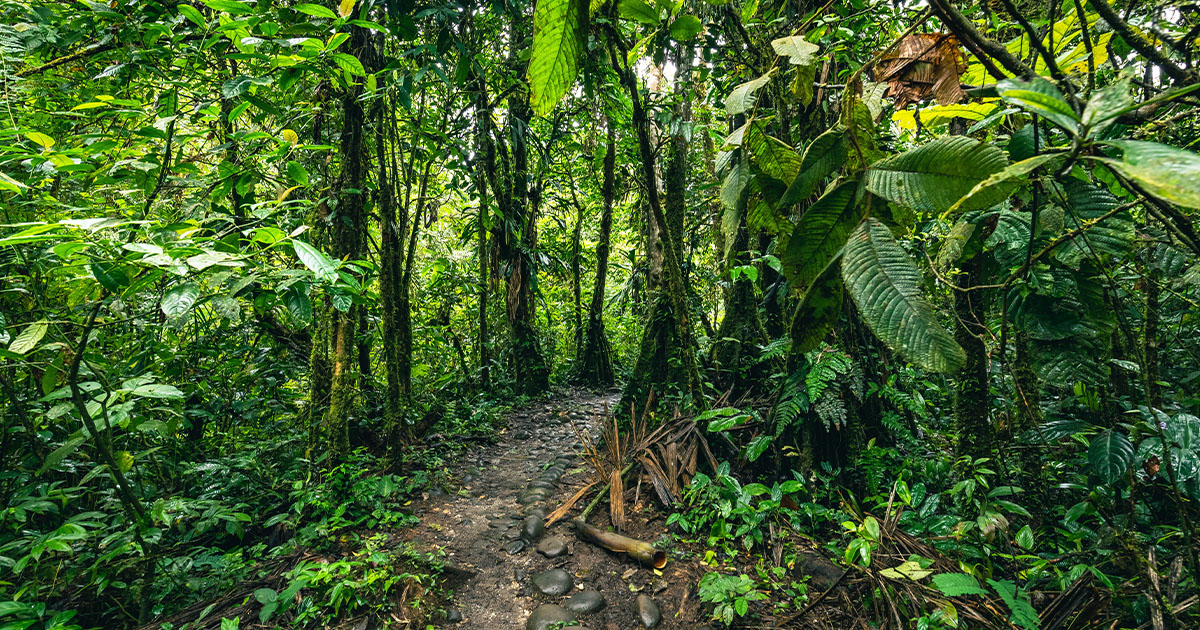
Travelers often return to a favorite destination expecting everything to feel familiar, only to discover dramatic changes. Some cities have become cleaner, safer, and easier to explore, while others struggle with overtourism, rising prices, or disappearing local character. These destinations have transformed so much during the past decade that many returning American visitors barely recognize them.
 maziarz / Shutterstock.com; Factinate
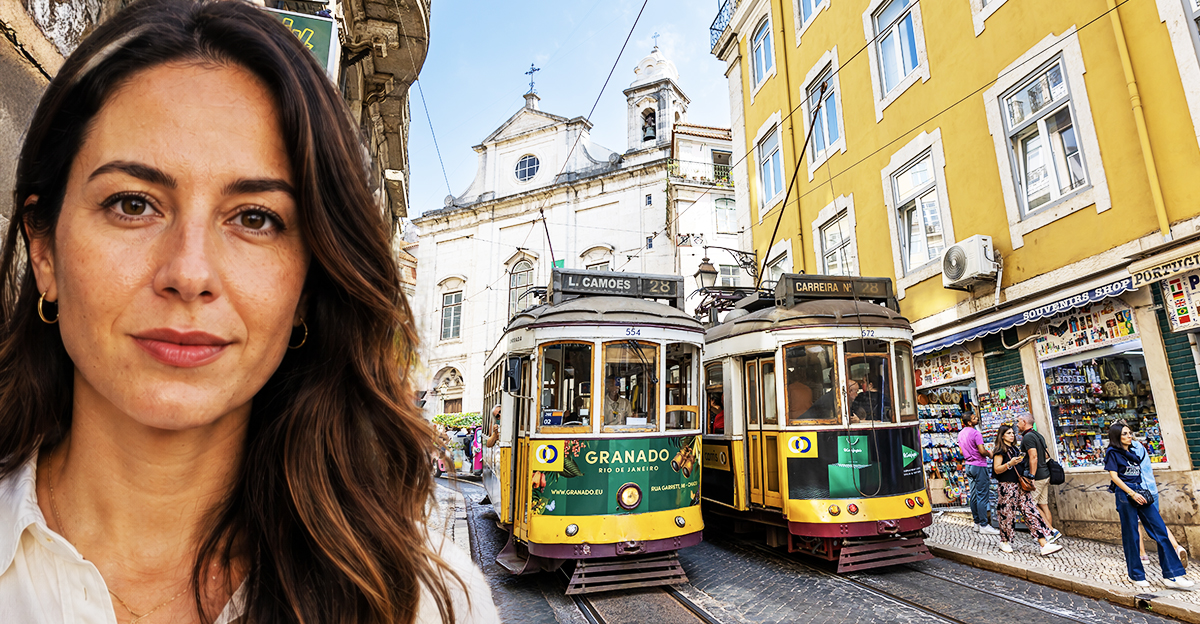
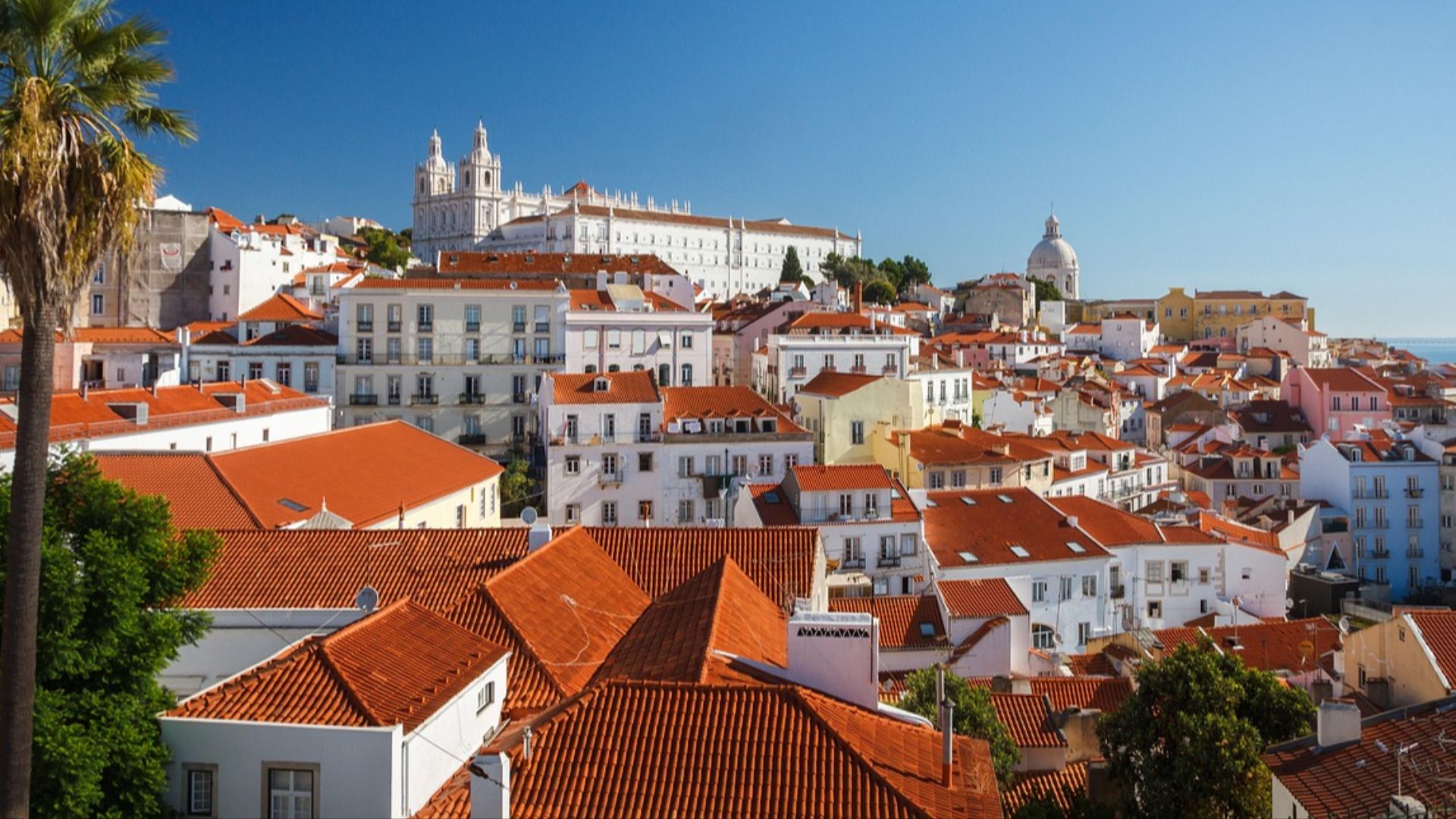
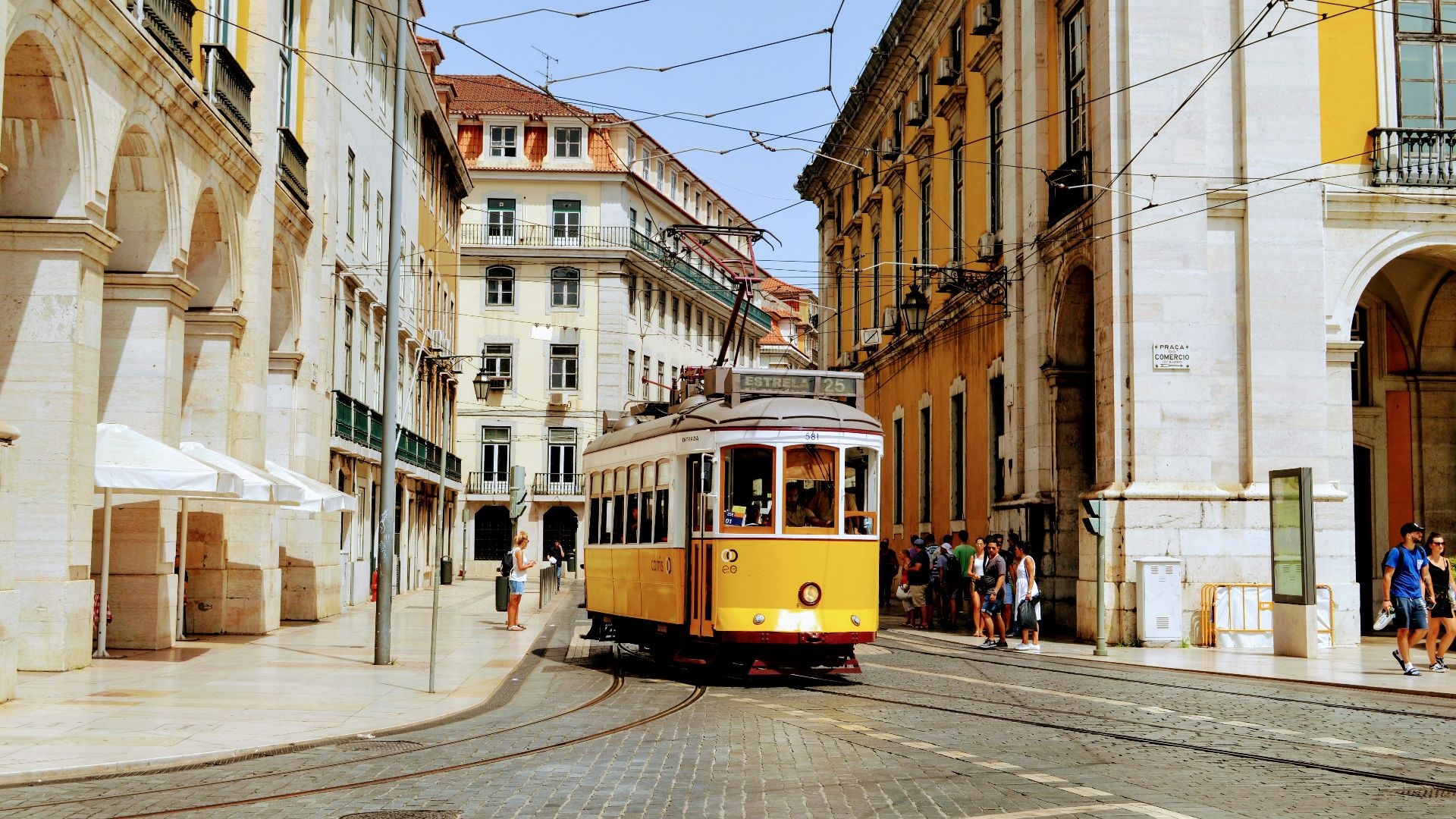
Lisbon, Portugal
Lisbon has undergone one of Europe's most dramatic transformations. Once considered an affordable hidden gem, the Portuguese capital now attracts millions of visitors each year. Restored neighborhoods, trendy cafés, luxury hotels, and remote workers have revitalized the city while also driving housing costs and altering the character of historic districts.
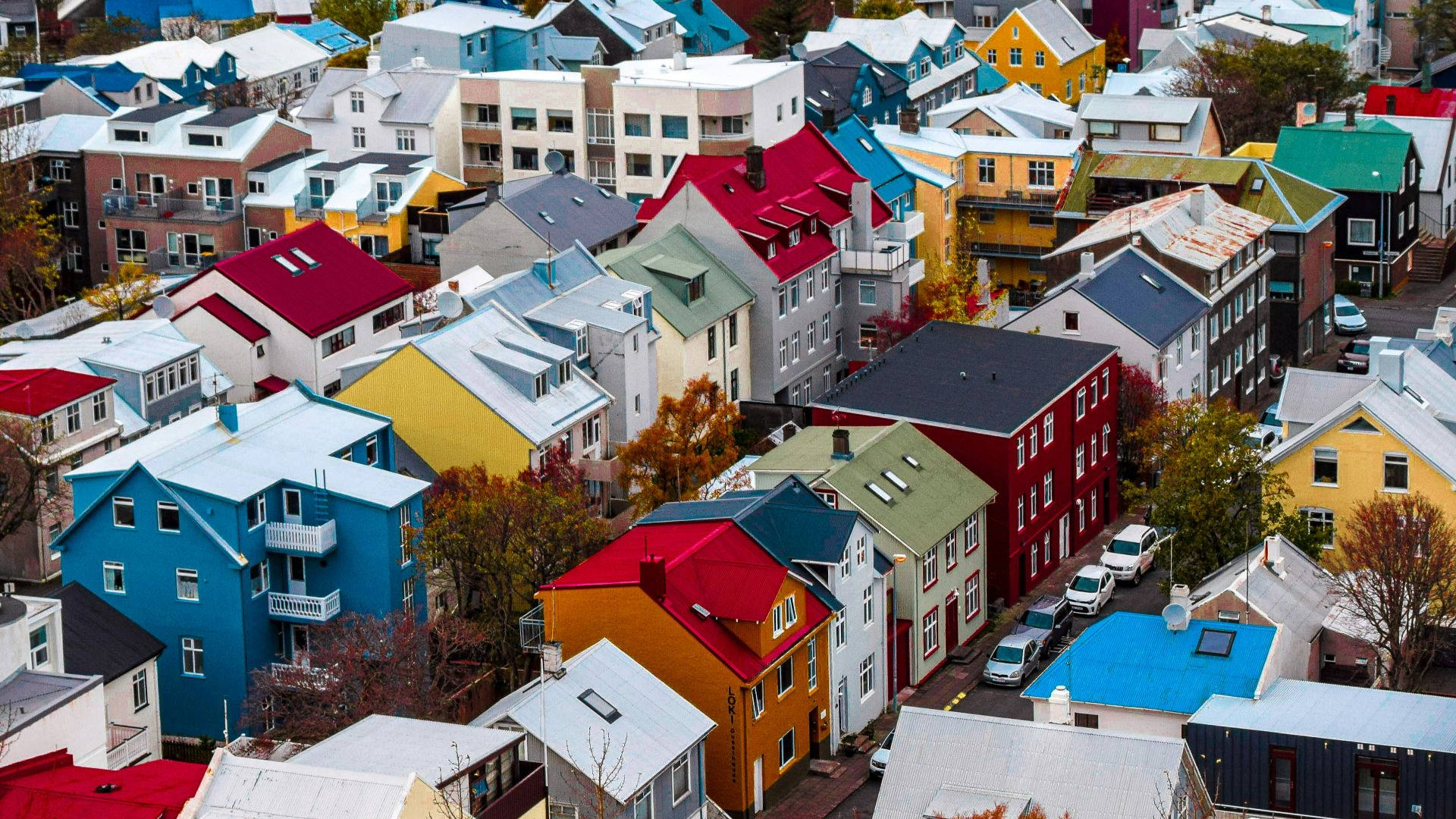
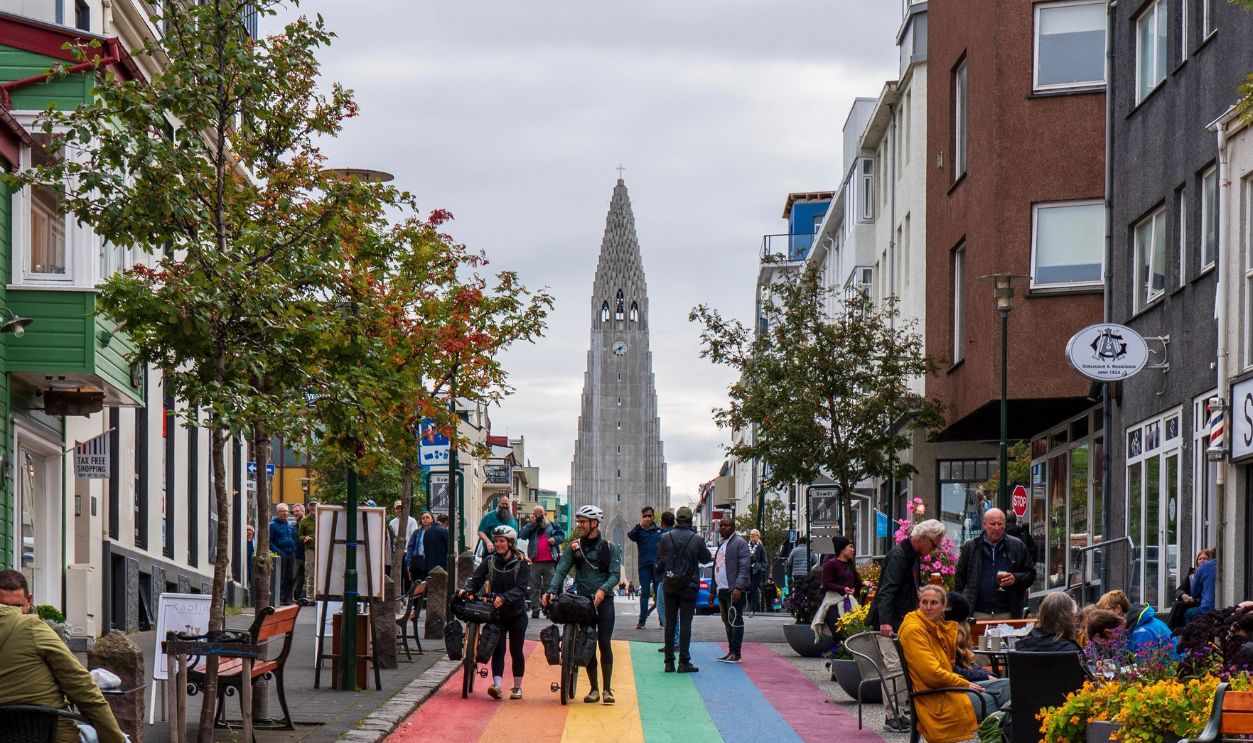
Reykjavík, Iceland
Iceland's tourism boom fundamentally changed Reykjavík. International arrivals multiplied after the country's volcanic landscapes gained worldwide attention through social media and film productions. Visitors now find expanded hotels, restaurants, and tour companies, although locals continue debating whether rapid tourism growth has outpaced the city's traditional pace of life.
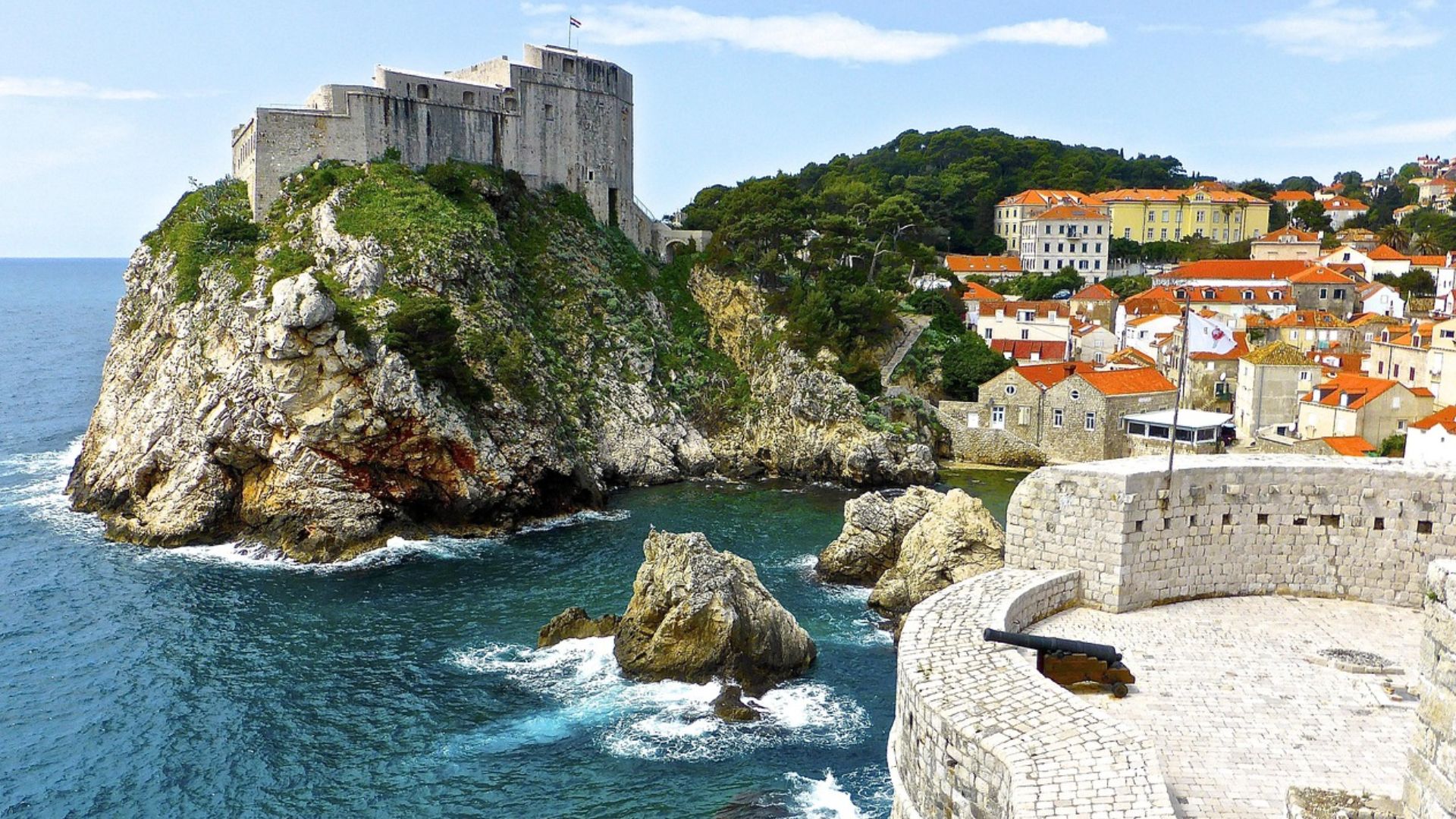
Dubrovnik, Croatia
Dubrovnik became a global tourism sensation after serving as a filming location for Game of Thrones. Cruise ships now deliver thousands of daily visitors during peak season, prompting city officials to limit crowds. Restoration projects have preserved the Old Town, but many residents say everyday life has become increasingly difficult.
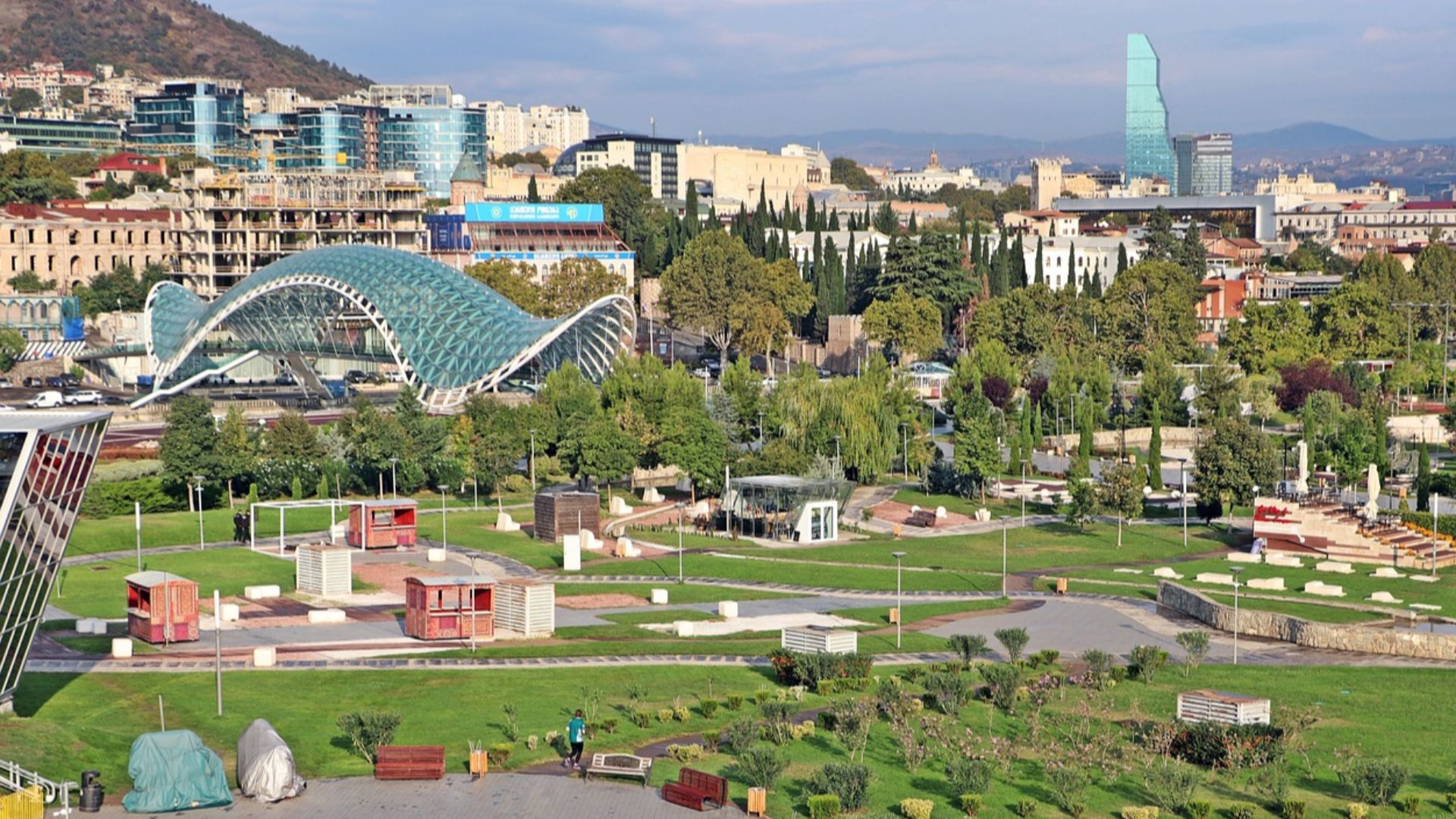
Tbilisi, Georgia
Tbilisi has quietly emerged as one of Europe's fastest-growing travel destinations. Historic neighborhoods have been restored, boutique hotels have multiplied, and the city's food and wine scene now attracts international attention. Despite modernization, much of Tbilisi's distinctive architecture and relaxed atmosphere remain remarkably intact.
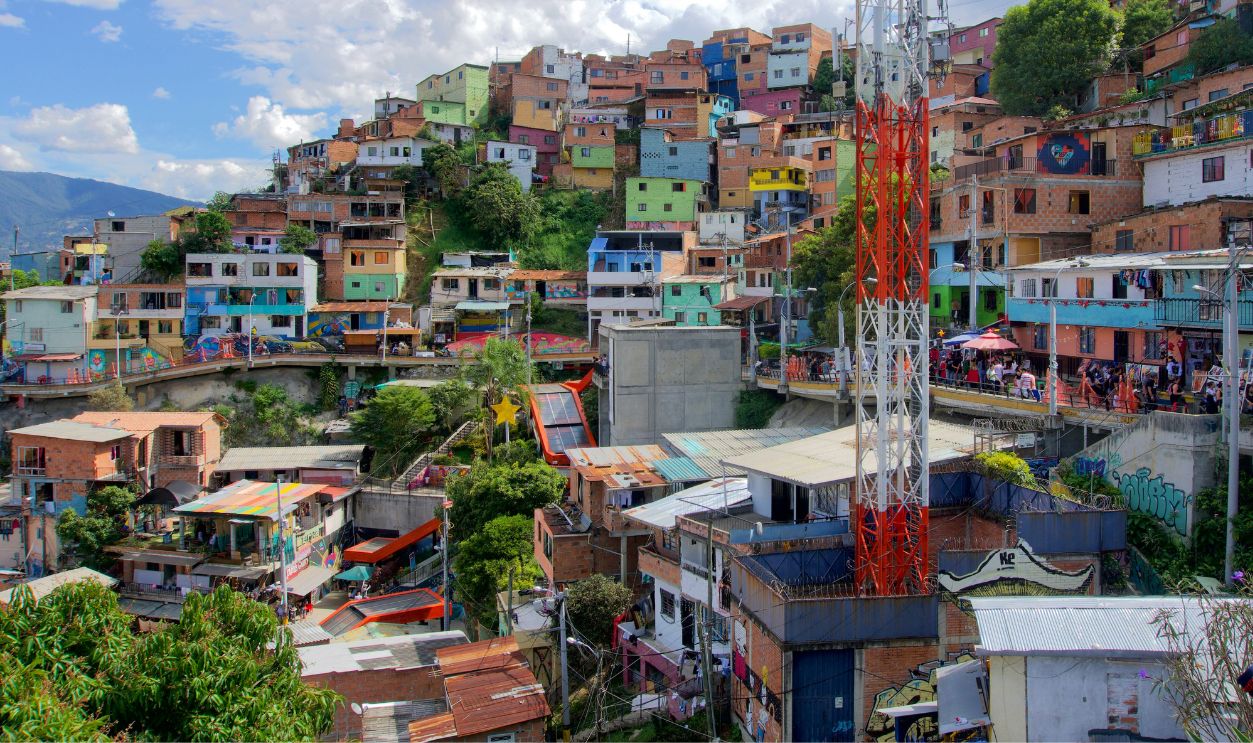
Medellín, Colombia
Medellín has undergone one of the world's most remarkable urban transformations. Once known primarily for crime, it is now recognized for innovative public transportation, revitalized public spaces, thriving cultural districts, and digital nomads. Tourism has flourished, although rapid popularity has also increased housing costs in some neighborhoods.
Tirana, Albania
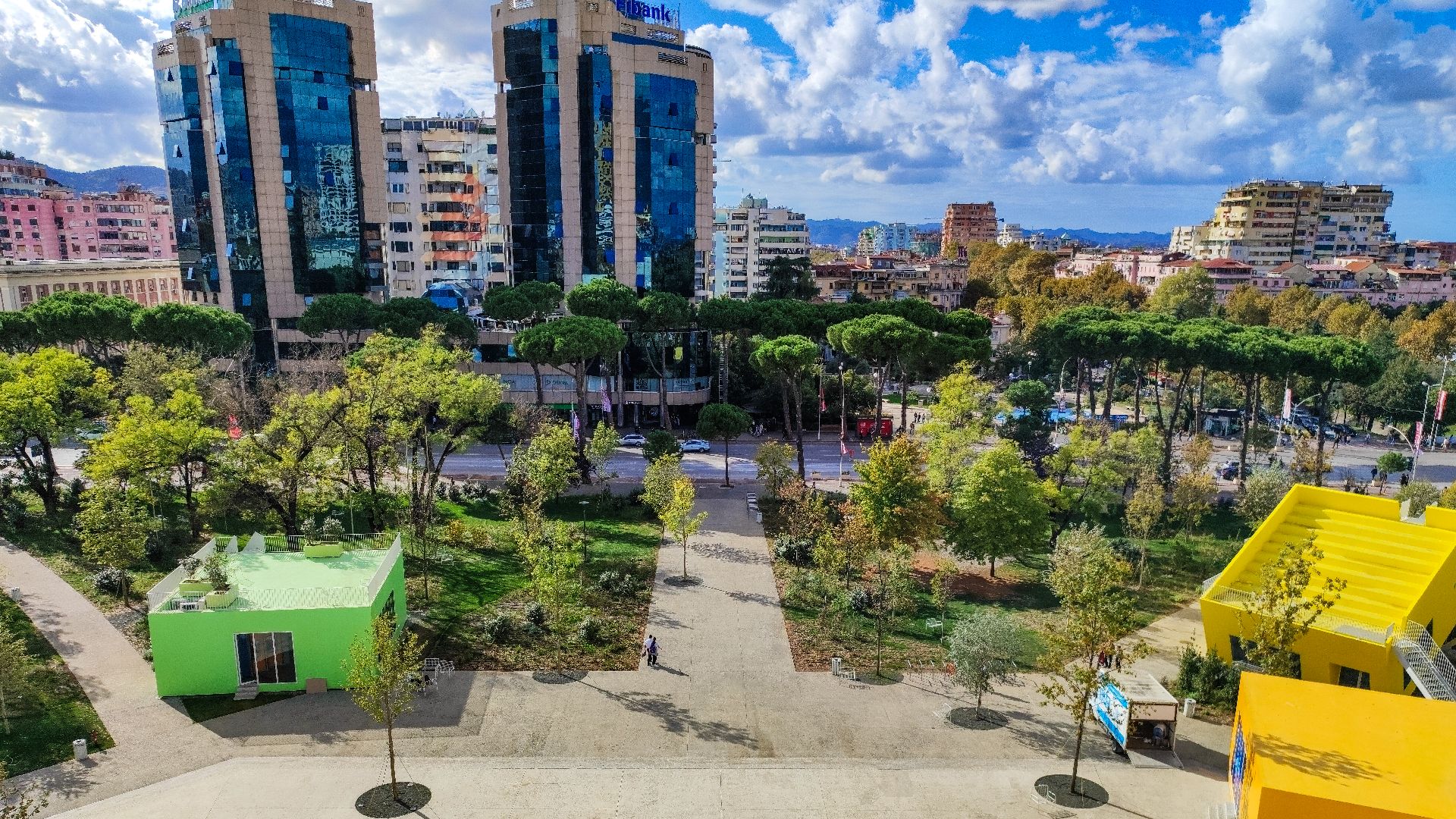
Not long ago, Tirana attracted relatively few international tourists. Today, colorful public spaces, lively cafés, renovated squares, and improving infrastructure have helped place Albania's capital on many European travel itineraries. Visitors often express surprise at how vibrant and modern the city has become within just a decade.
Havana, Cuba
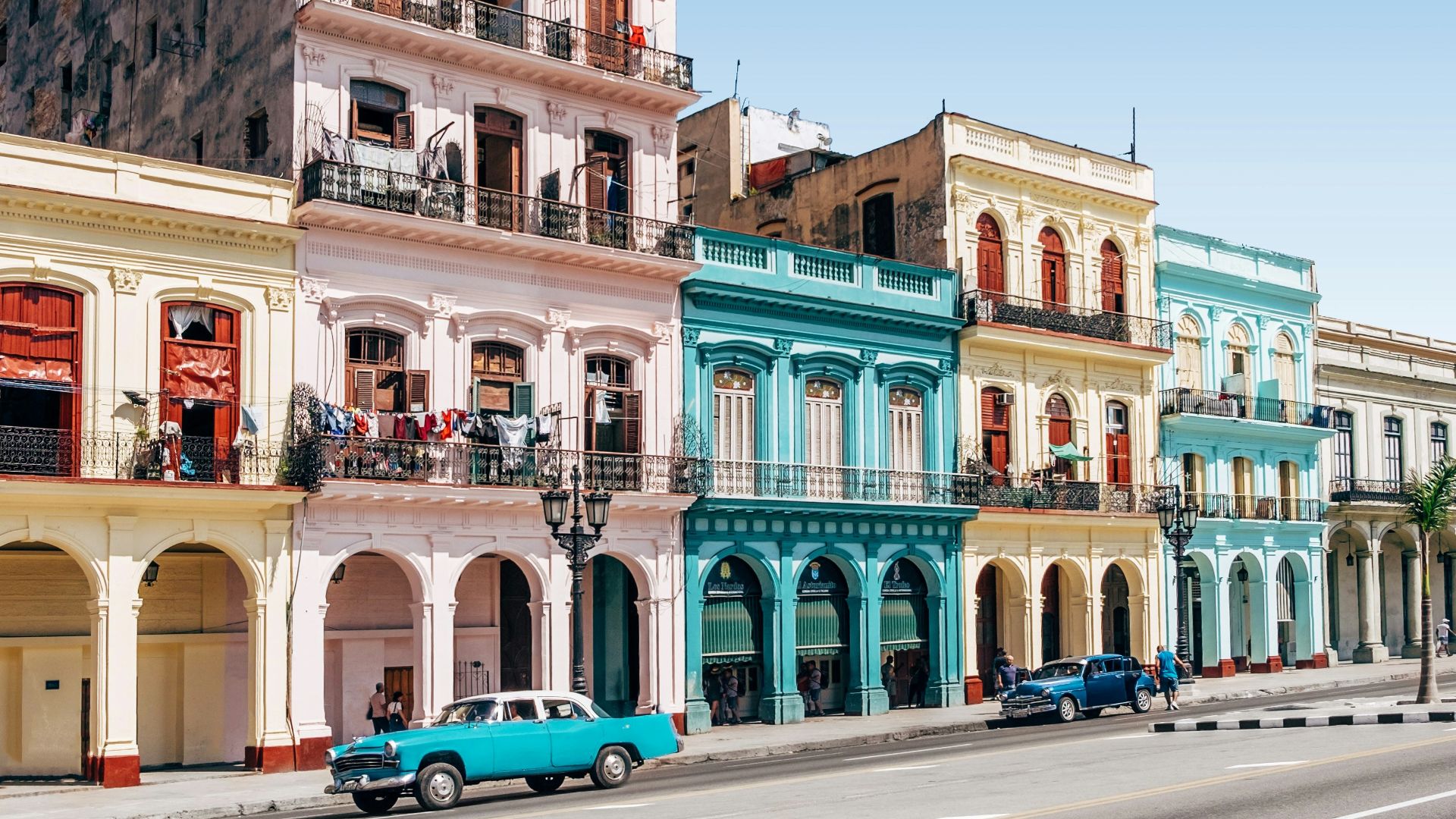
Havana experienced rapid tourism growth following the temporary easing of travel restrictions between Cuba and the United States. Boutique accommodations and private restaurants expanded quickly. Although changing political circumstances later slowed momentum, many neighborhoods still reflect significant tourism-driven investment compared with a decade ago.
Kyoto, Japan
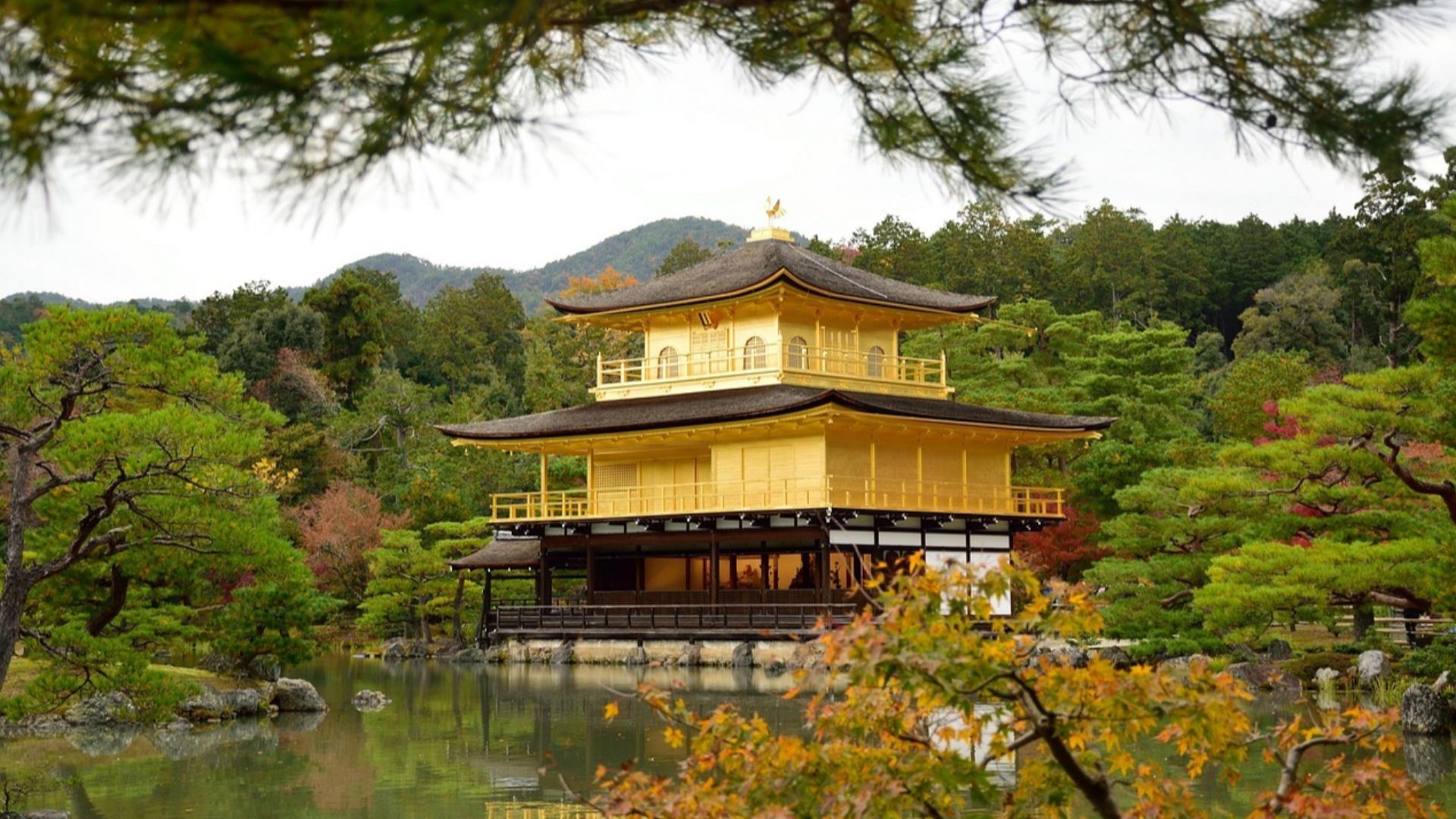
Kyoto's ancient temples remain unchanged, but the visitor experience certainly has not. International tourism surged before the pandemic and quickly rebounded afterward, creating crowded streets, packed buses, and growing concerns about respectful behavior. Officials have introduced new measures to balance tourism with preserving local quality of life.
Venice, Italy
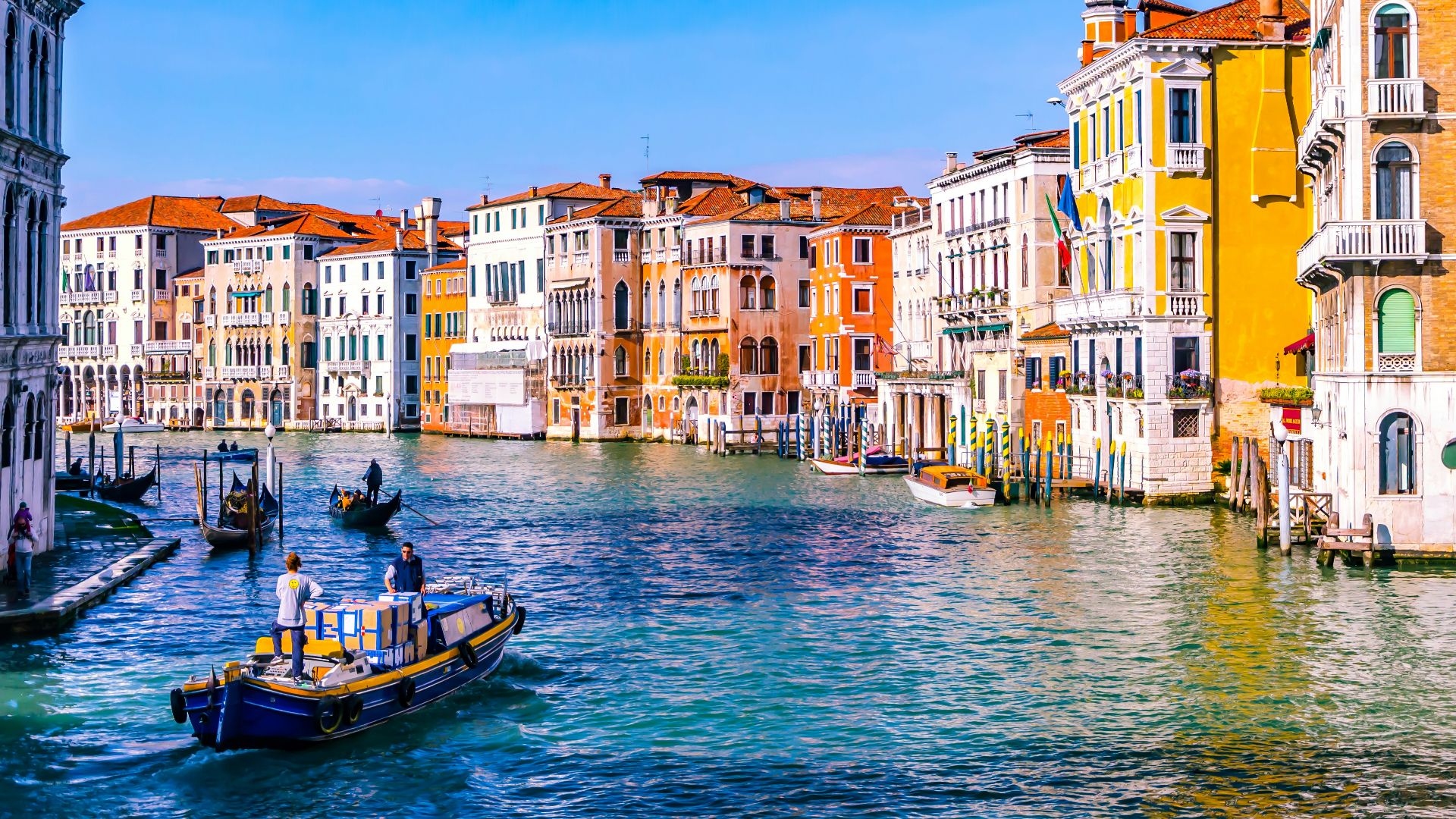
Venice continues wrestling with challenges created by overwhelming visitor numbers. Day-trippers and cruise passengers transformed many neighborhoods, leading city officials to introduce entrance fees, cruise restrictions, and visitor management initiatives. Returning travelers often notice both improved regulation and ongoing concerns about preserving authentic Venetian life.
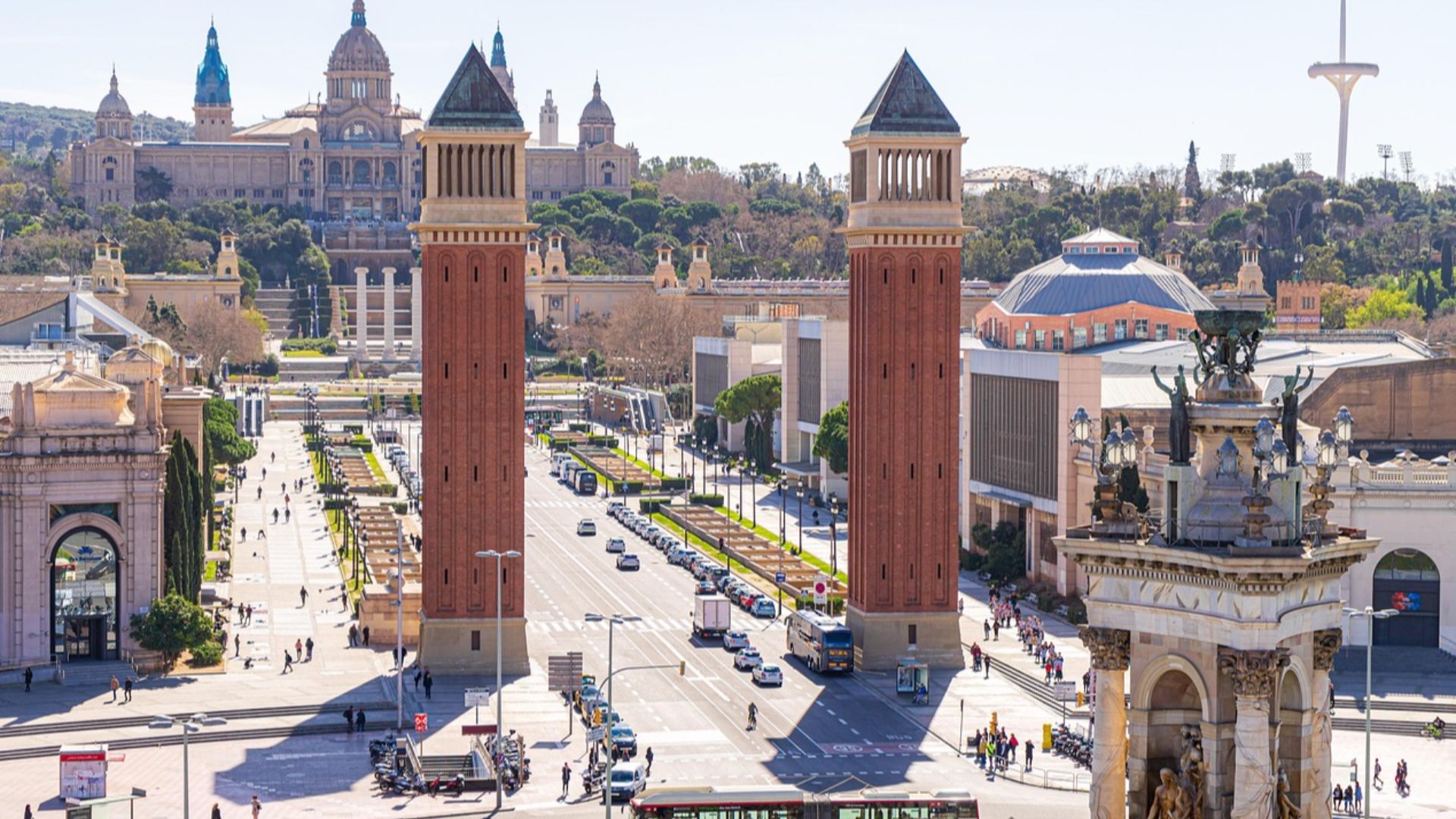
Barcelona, Spain
Barcelona has become one of Europe's leading examples of tourism's double-edged nature. New hotels, restaurants, and cultural attractions continue attracting millions, but residents increasingly voice frustration over housing costs and overcrowding. The city has responded with tighter vacation rental regulations and efforts to promote more sustainable tourism.
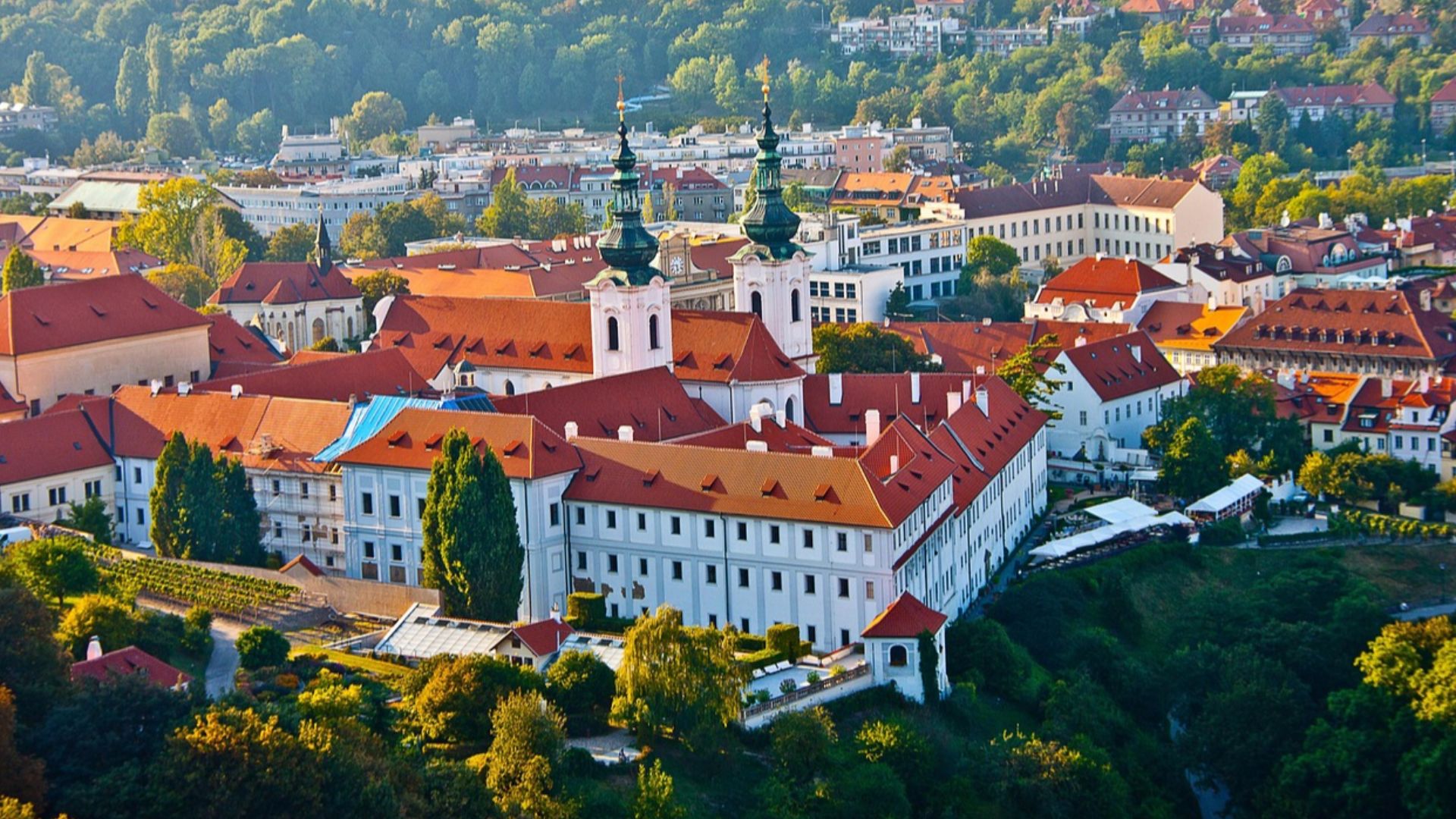
Prague, Czech Republic
Prague's beautifully preserved historic center remains breathtaking, but its tourism landscape has evolved considerably. International chain hotels, luxury shopping, and growing visitor numbers have reshaped portions of the city center. Meanwhile, local officials continue encouraging visitors to explore neighborhoods beyond the famous Old Town.
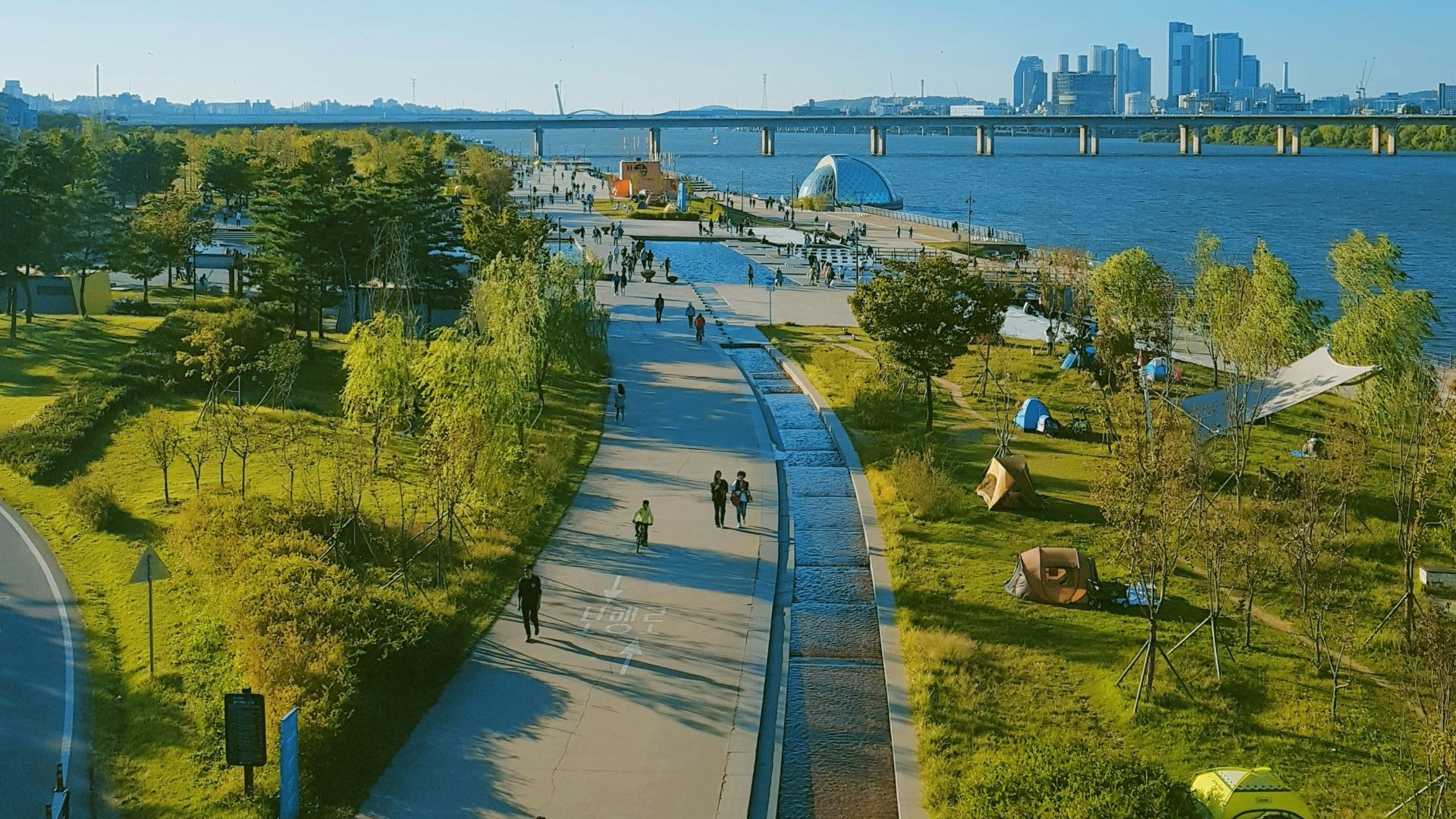
Seoul, South Korea
Seoul's transformation reflects both technological innovation and global cultural influence. The worldwide popularity of Korean entertainment has encouraged more international visitors, while new shopping districts, revitalized riverfront areas, and expanded public transportation have made the city even more accessible than it was a decade ago.
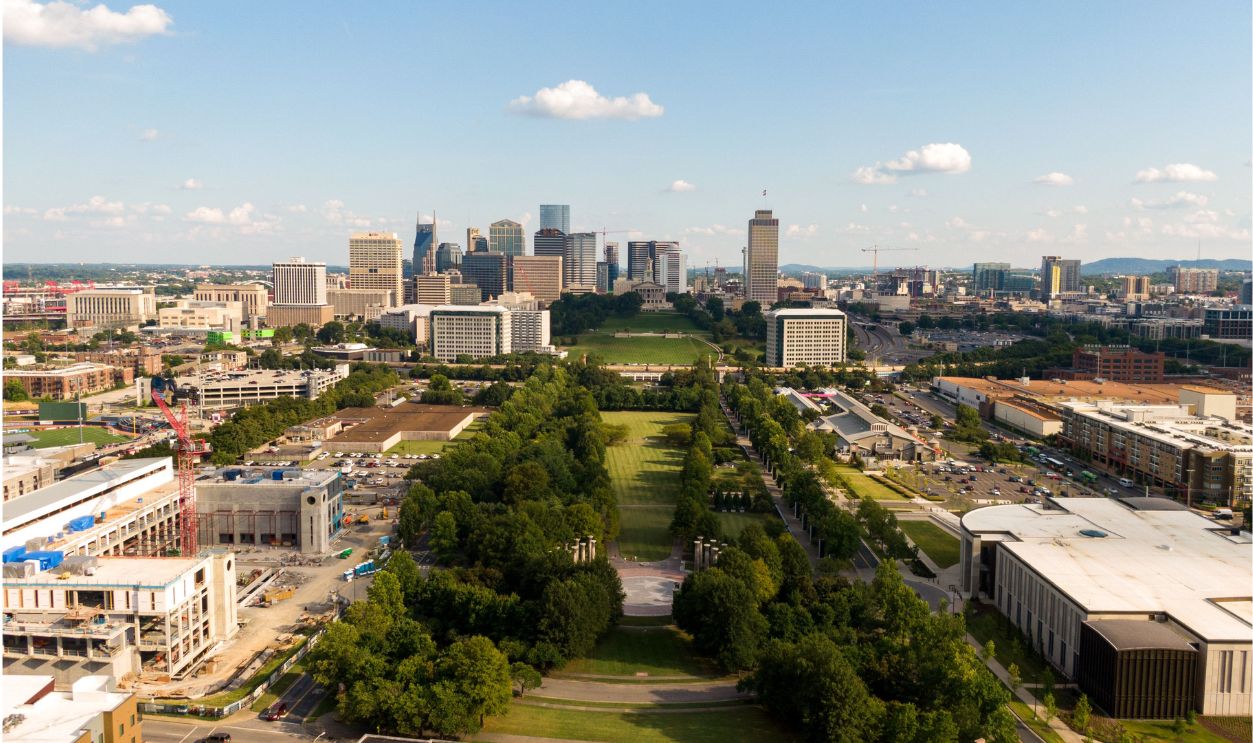
Nashville, United States
Nashville has evolved from a country music destination into one of America's hottest tourism cities. New hotels, rooftop bars, live entertainment venues, and luxury developments have transformed downtown. Many returning visitors are astonished by the skyline itself, although some longtime residents miss the city's quieter personality.
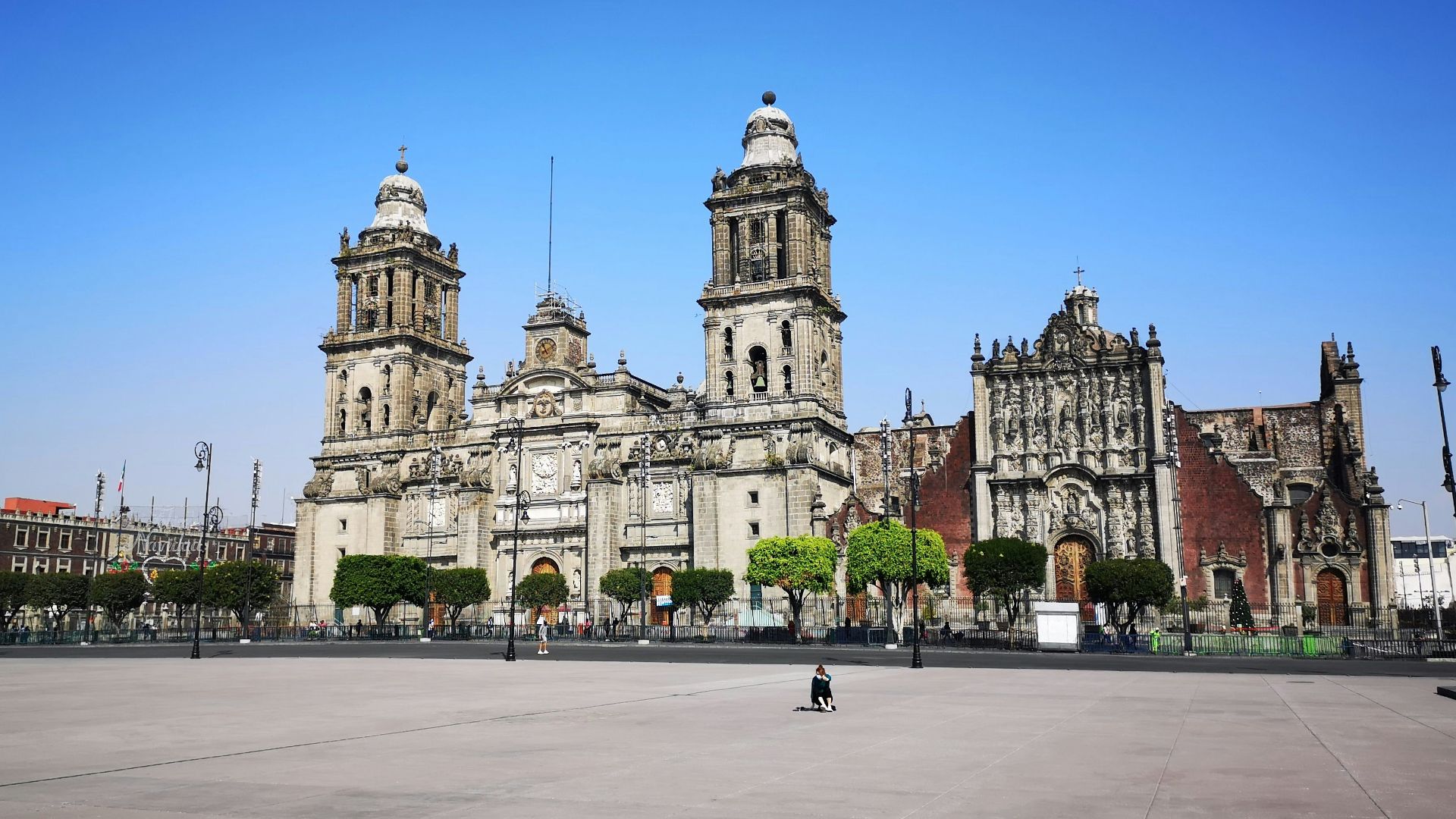
Mexico City, Mexico
Mexico City has become one of North America's most exciting urban destinations. World-class restaurants, renovated parks, expanded cycling infrastructure, and flourishing cultural neighborhoods have attracted increasing numbers of international visitors. At the same time, rising popularity has sparked ongoing conversations about affordability and the effects of gentrification.
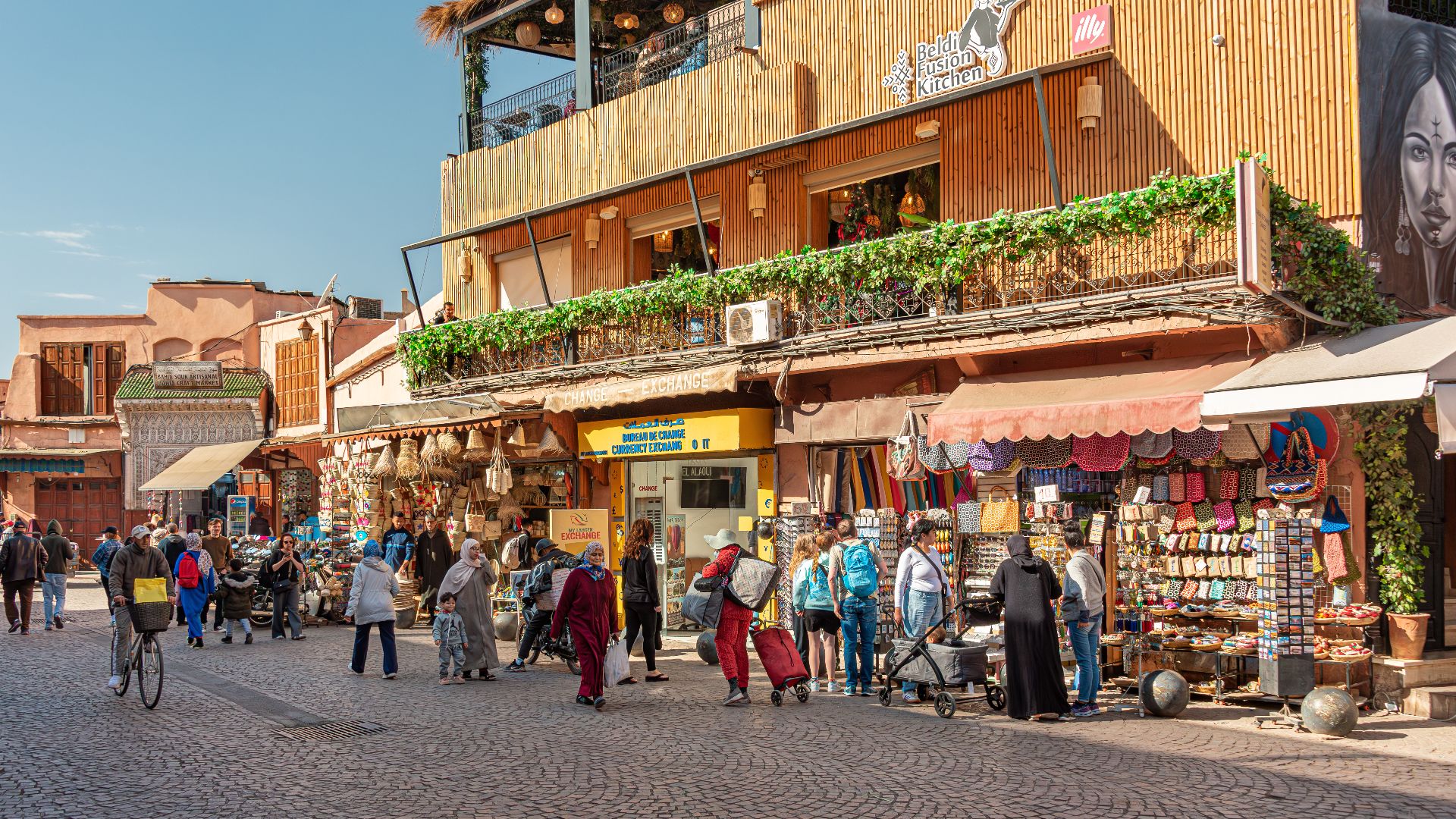
Marrakech, Morocco
Marrakech has welcomed growing numbers of international visitors while carefully preserving its historic character. Elegant riads, luxury boutique hotels, and vibrant food experiences have flourished throughout the medina. Although tourism has boosted the local economy, many residents have watched traditional neighborhoods become increasingly focused on visitors.
 Jorge Franganillo, Wikimedia Commons
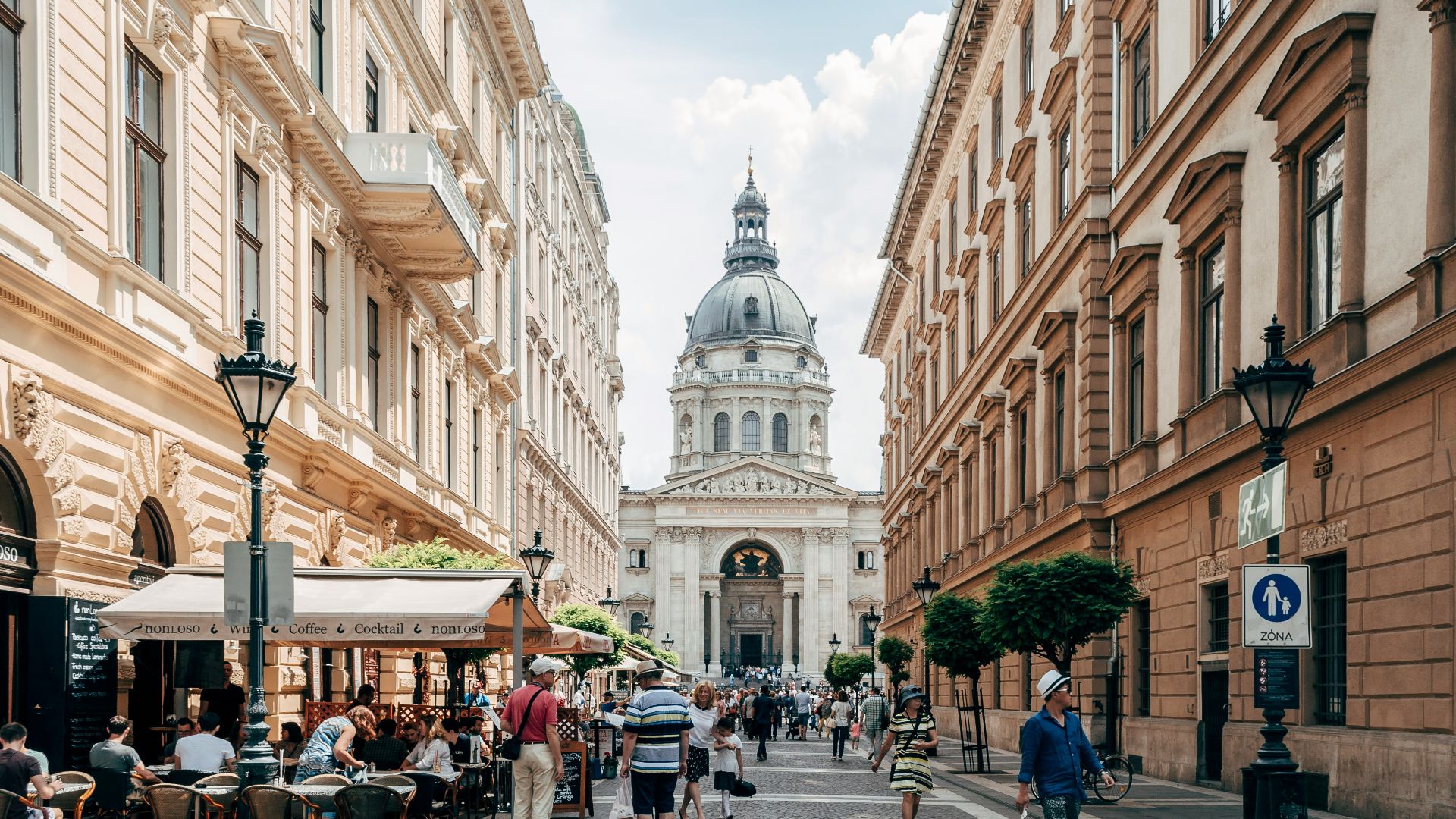
Budapest, Hungary
Budapest has transformed into one of Europe's most fashionable city-break destinations. Restored historic buildings, thriving café culture, spectacular riverfront improvements, and famous thermal baths attract millions each year. Returning travelers often notice how dramatically nightlife, hospitality, and tourism infrastructure have expanded during the past decade.
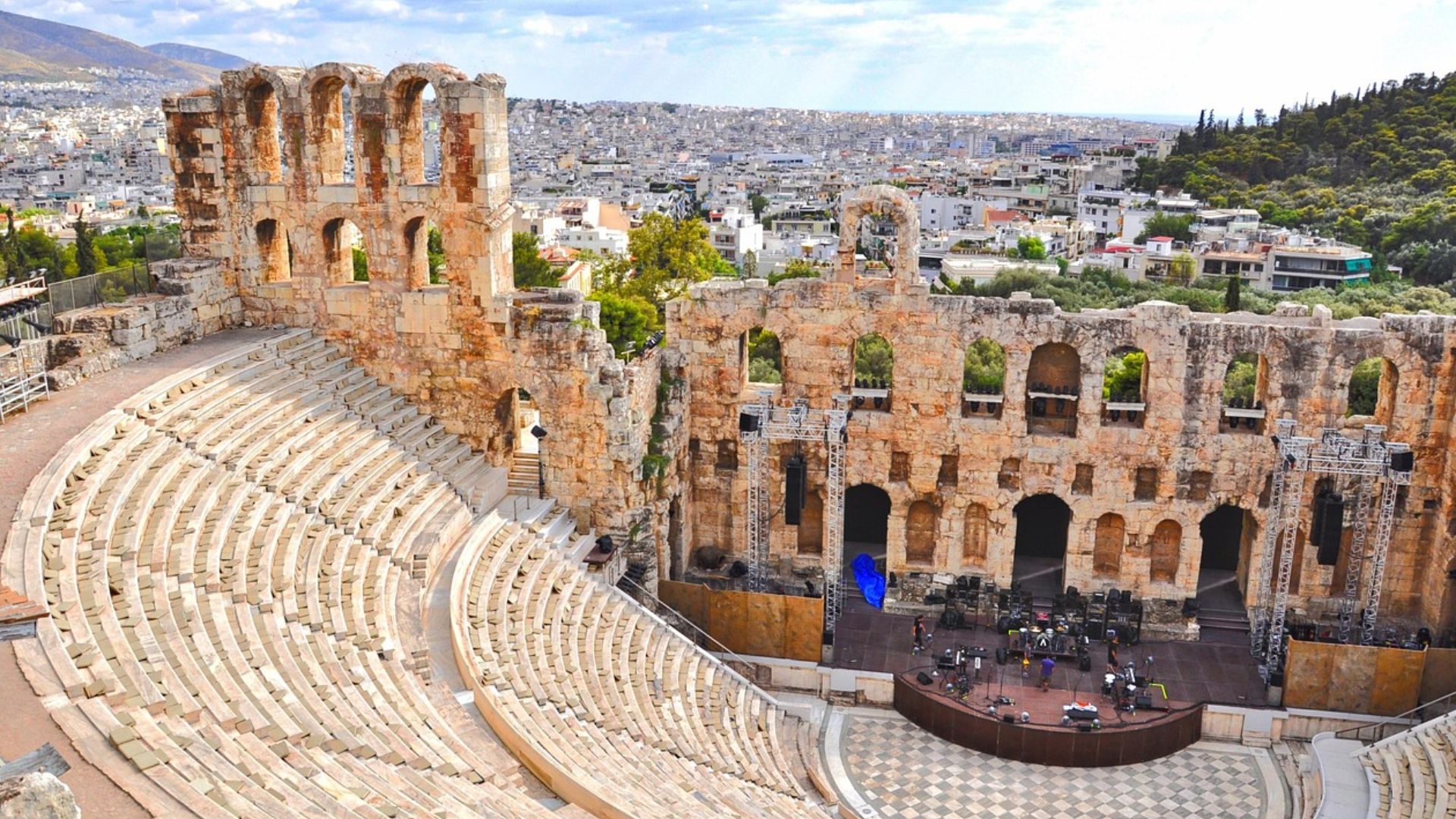
Athens, Greece
Following years of economic hardship, Athens has experienced a tourism renaissance. Historic districts have welcomed boutique hotels, rooftop restaurants, and creative businesses while major landmarks continue drawing visitors. Although the city feels more vibrant than it once did, growing tourism has also increased pressure on housing and local services.
Valletta, Malta
Malta's compact capital has undergone an impressive revival. Restoration projects, new museums, expanded pedestrian areas, and carefully preserved historic buildings have enhanced the visitor experience. Recognition as a European Capital of Culture further accelerated investment, helping Valletta emerge as one of the Mediterranean's most appealing small capitals.
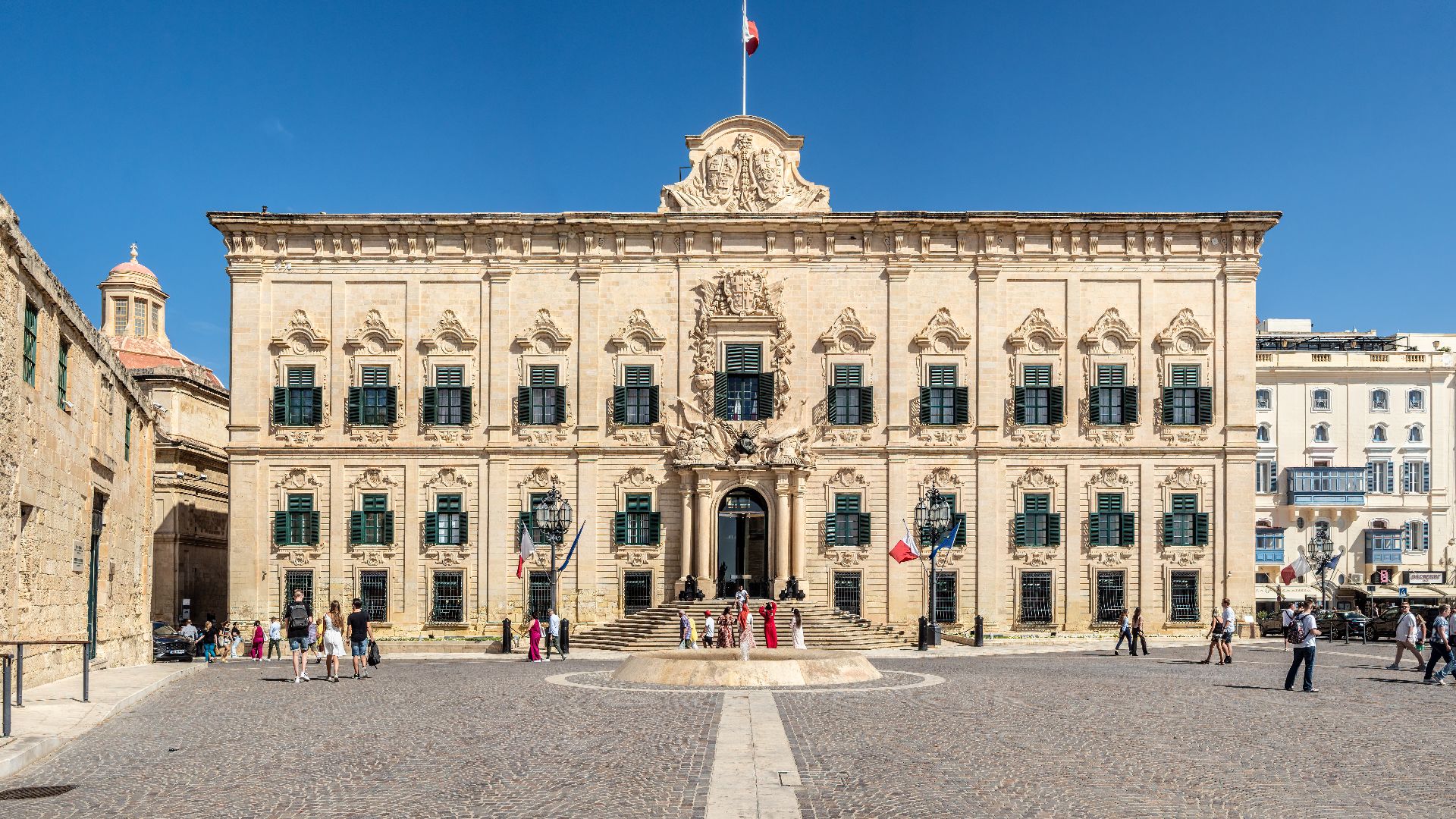 Rhododendrites, Wikimedia Commons
Belfast, Northern Ireland
Belfast has successfully reinvented itself as an international tourism destination. The opening of Titanic Belfast, expanding cultural festivals, vibrant restaurants, and renewed waterfront development have transformed public perceptions. Visitors returning after many years often find a city that feels dramatically more welcoming and optimistic.
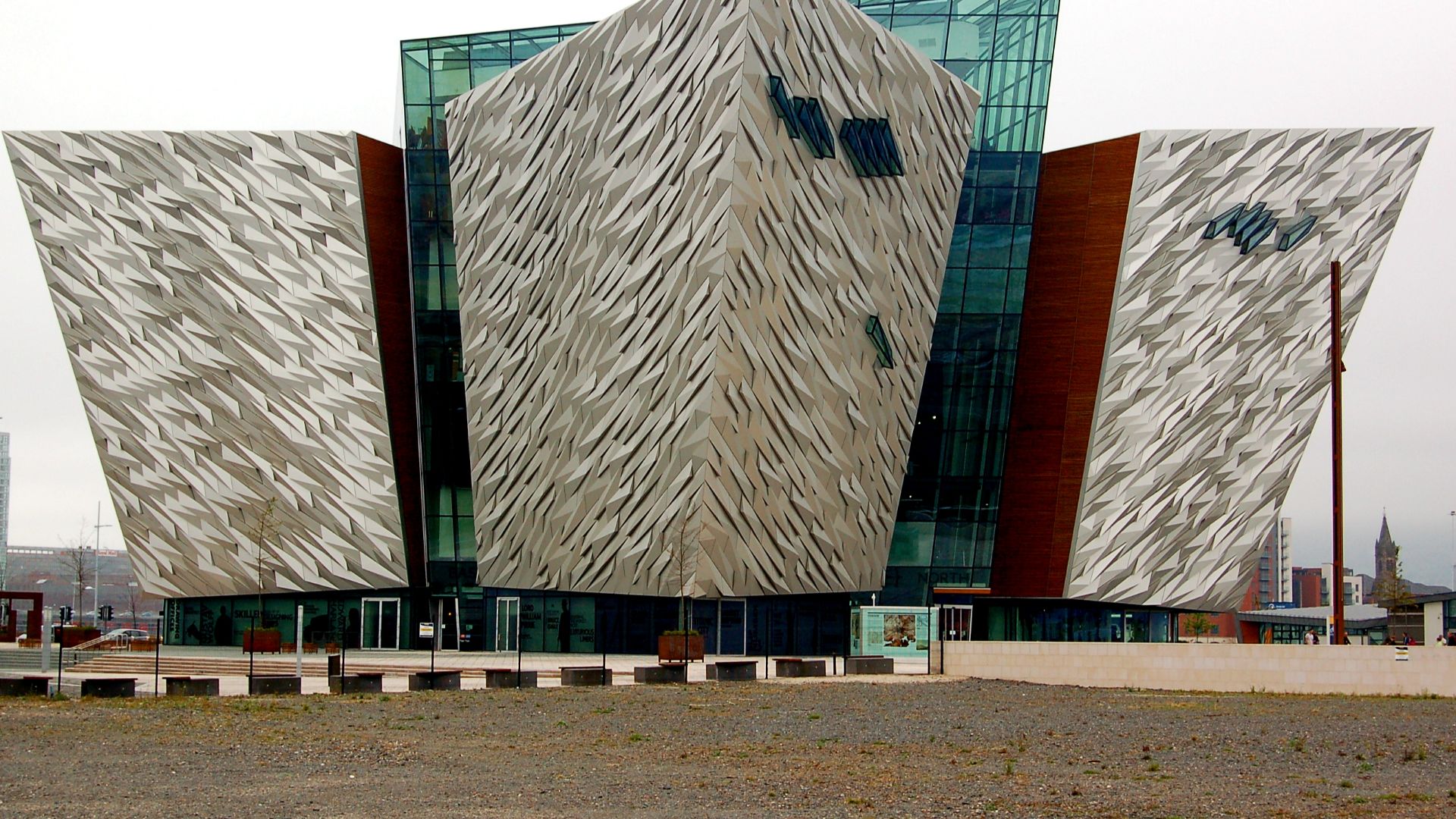 Joseph Mischyshyn , Wikimedia Commons
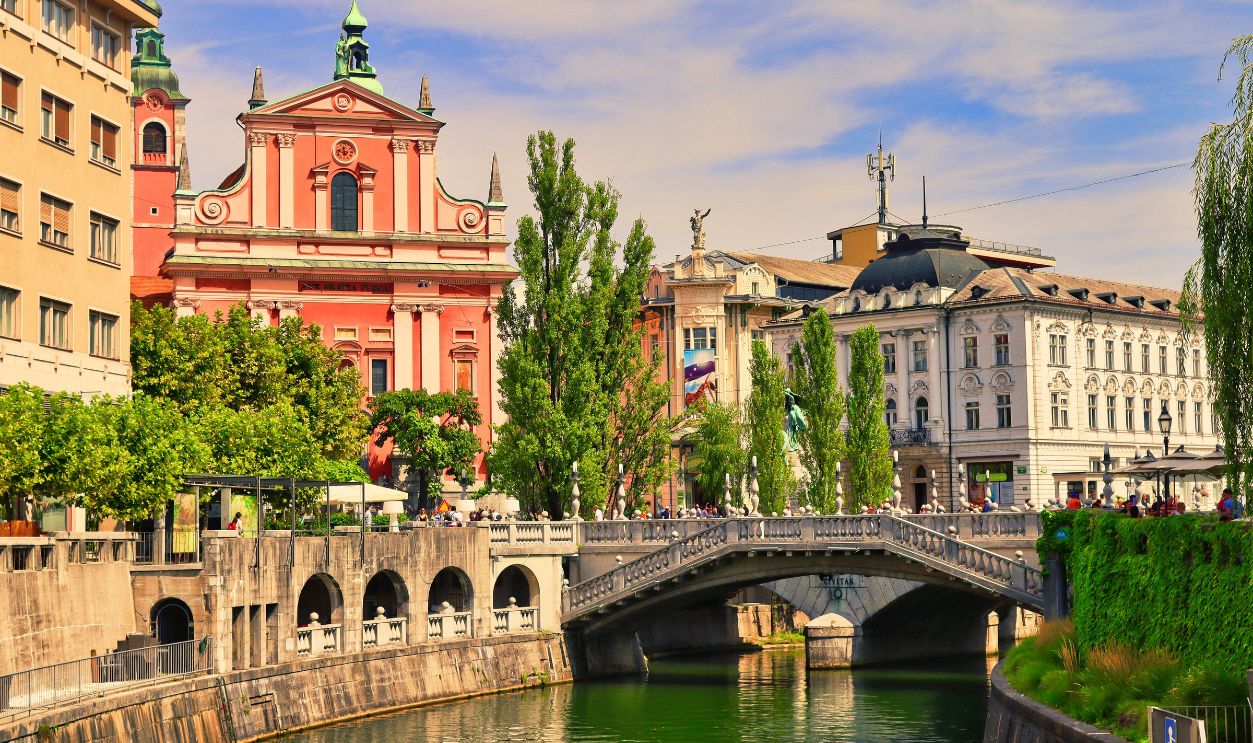
Ljubljana, Slovenia
Ljubljana has quietly become one of Europe's most admired small capitals. Expanded pedestrian zones, bicycle-friendly streets, riverfront cafés, and environmental initiatives have improved daily life for both residents and visitors. Many travelers praise the city's balance between modernization and preserving its relaxed historic atmosphere.
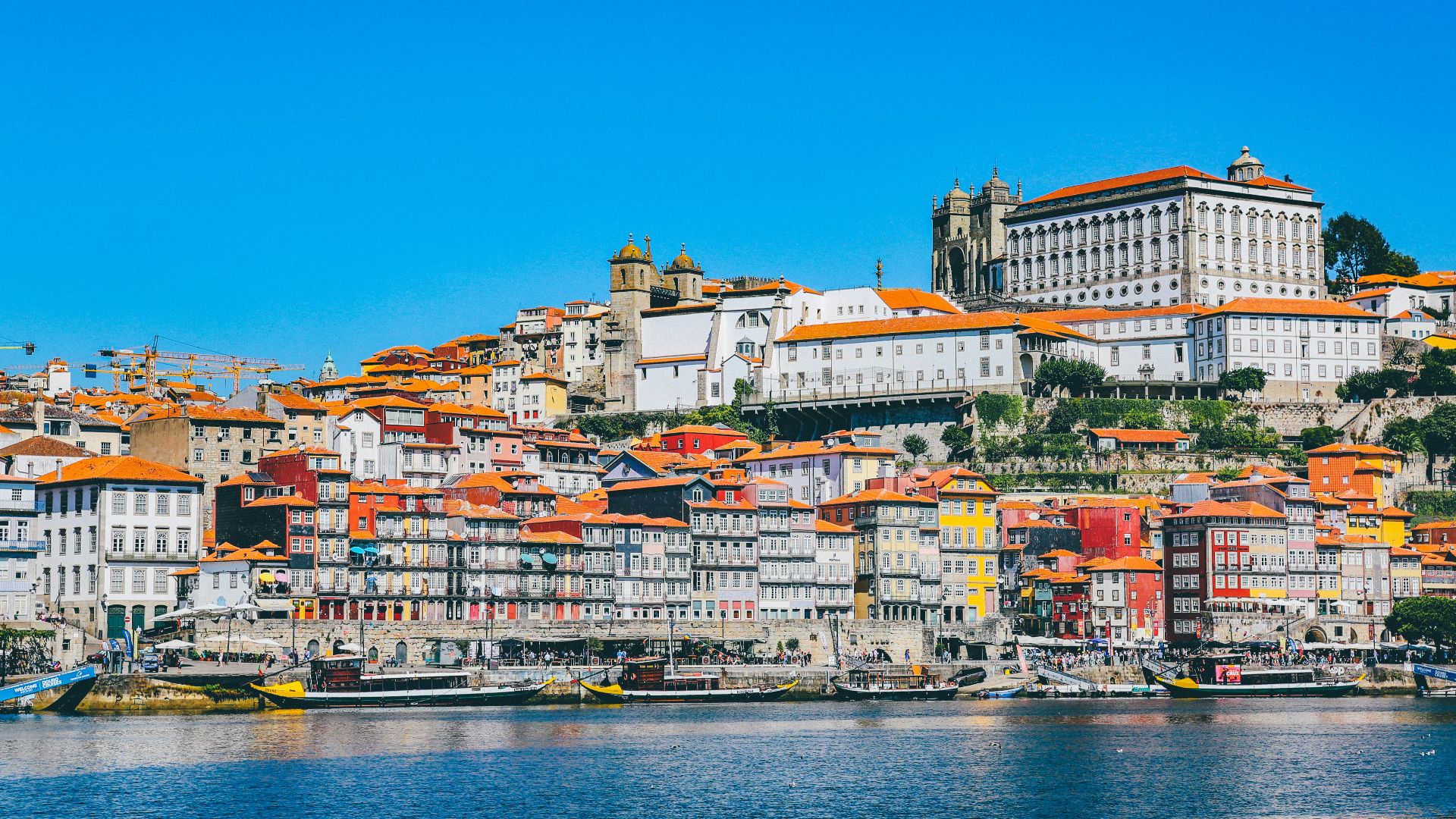
Porto, Portugal
Porto's riverside neighborhoods have experienced extraordinary renewal. Historic buildings now house boutique hotels, wine bars, and independent restaurants that attract visitors from around the world. Tourism has revitalized much of the city while also raising concerns about affordability and maintaining authentic local communities.
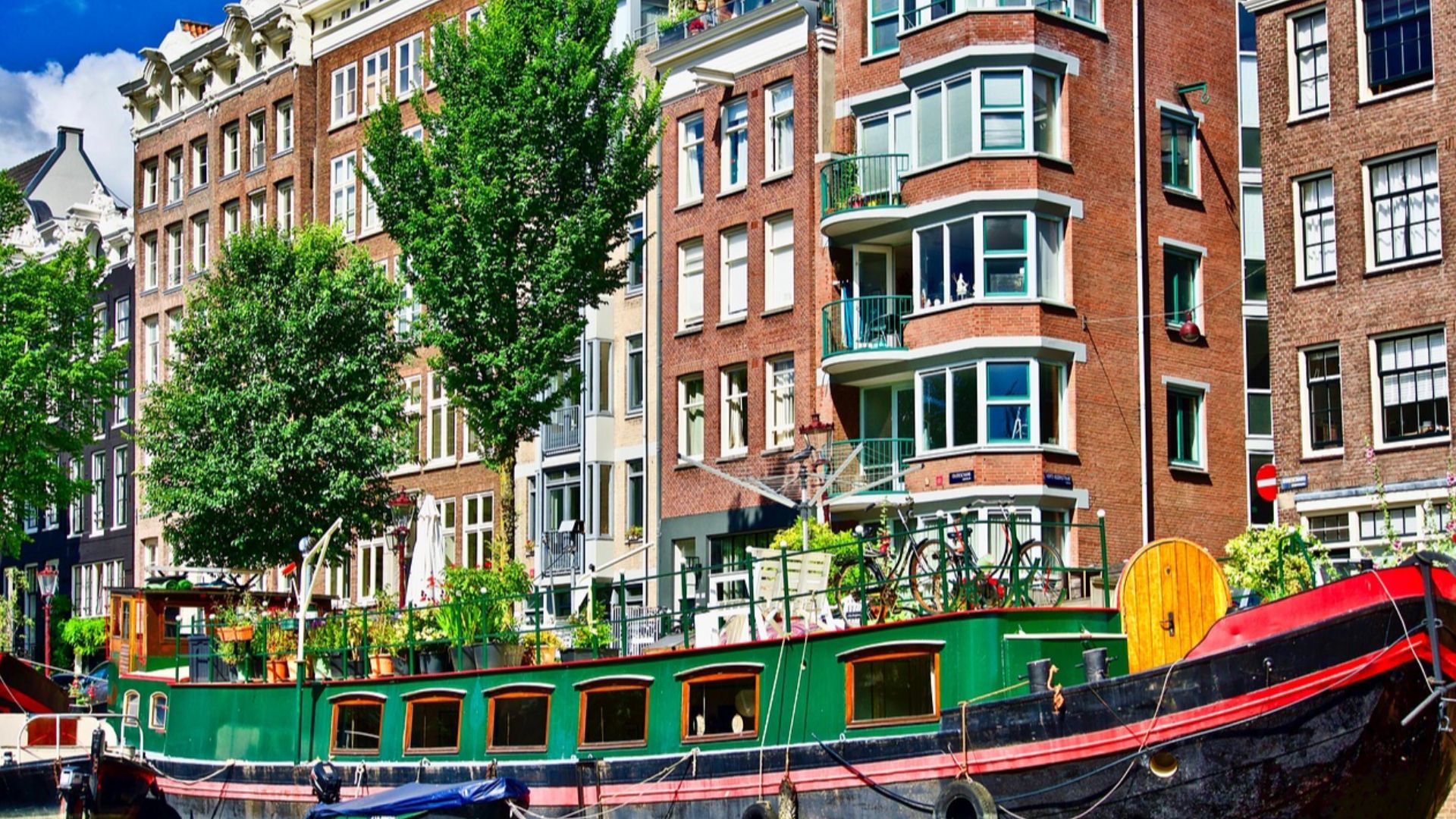
Amsterdam, Netherlands
Amsterdam remains one of Europe's most popular destinations, but city leaders have increasingly focused on managing tourism rather than encouraging additional growth. Restrictions on vacation rentals, efforts to discourage disruptive behavior, and campaigns promoting responsible travel have significantly changed how visitors experience the Dutch capital.
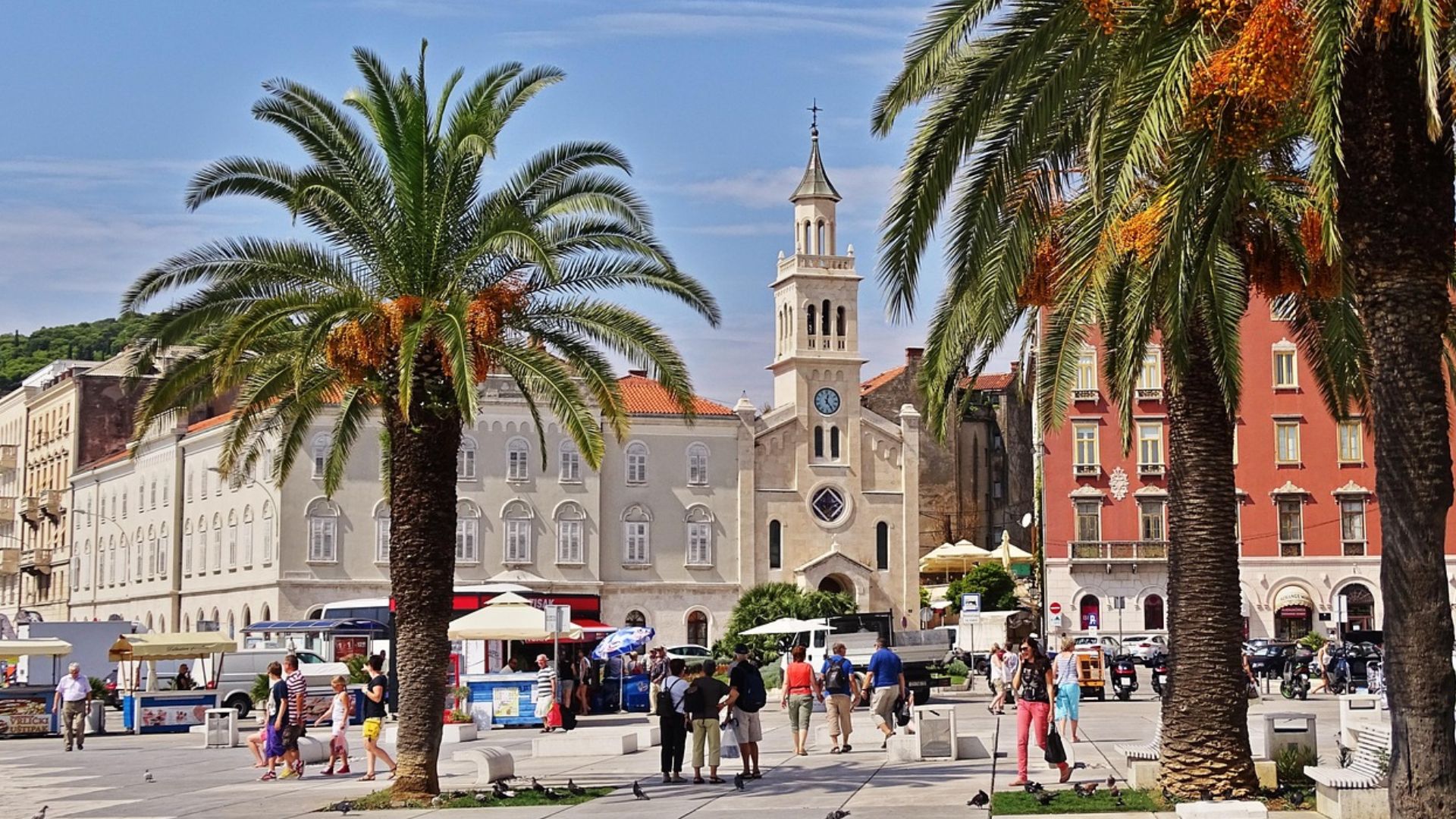
Split, Croatia
Split has evolved from a popular Adriatic port into an international tourism hotspot. Visitors flock to Diocletian's Palace, nearby islands, and waterfront cafés, while television exposure and expanding cruise schedules have accelerated growth. Many returning travelers notice busier streets and a much larger hospitality industry.
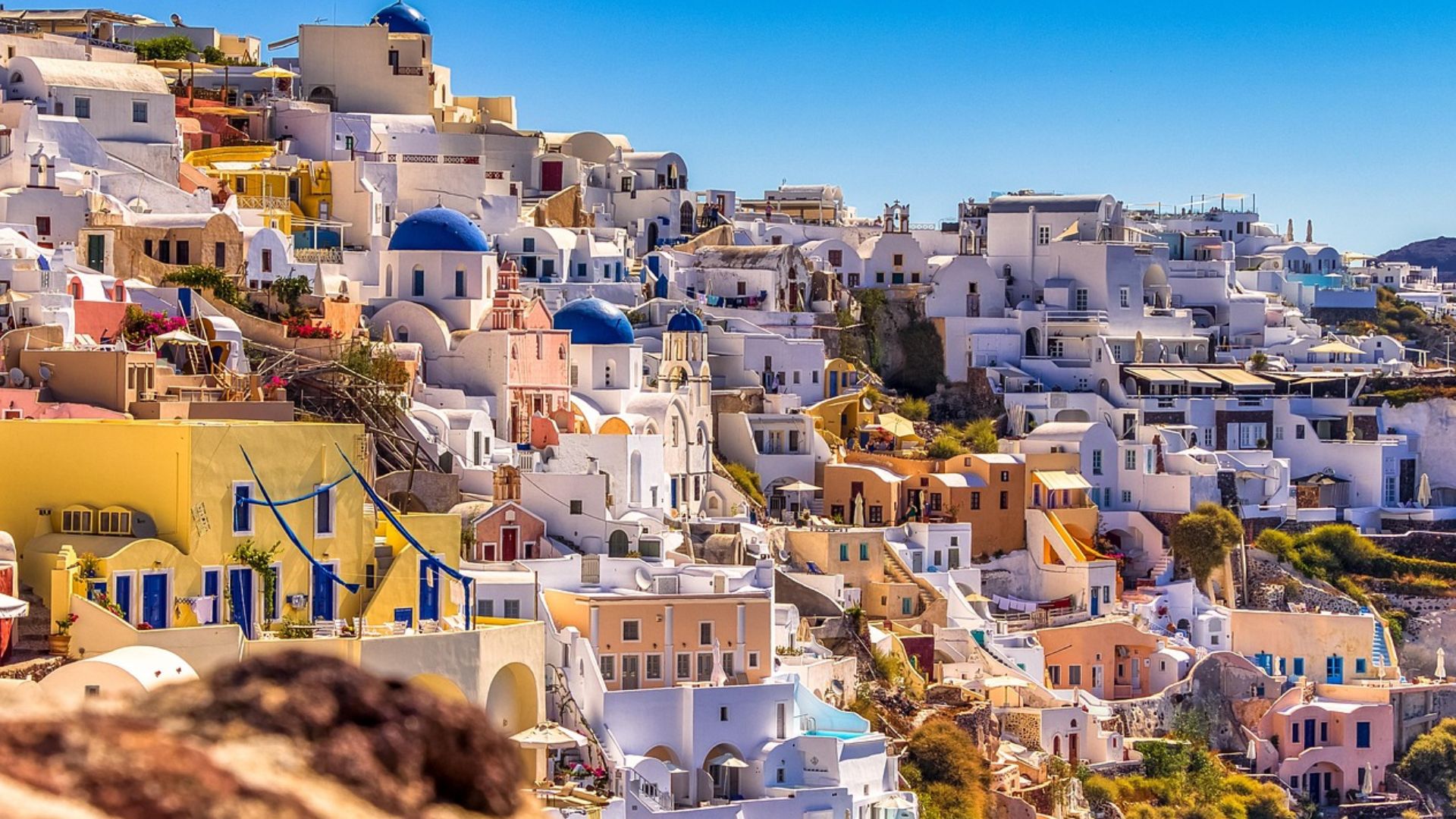
Santorini, Greece
Santorini's breathtaking views remain as spectacular as ever, but tourism has changed nearly every aspect of daily life. Luxury accommodations, destination weddings, cruise tourism, and social media photography have reshaped the island's economy while creating new challenges involving congestion, infrastructure, and housing affordability.
What Changes First
As destinations become more popular, accommodations, restaurants, and transportation usually improve first. These investments often make travel easier and more comfortable. However, they can also replace longtime local businesses, making once distinctive neighborhoods feel increasingly similar to tourist districts found around the world.
Finding The Balance
Every successful tourist destination eventually faces the same challenge. Communities want the jobs and investment that tourism creates while preserving the culture, history, and everyday life that attracted visitors in the first place. Cities that strike this balance are often the ones travelers continue recommending for generations.
 Susanne Jutzeler, suju-foto, Pexels
You May Also Like:
Cities Everyone Was Visiting In The 70s—Now No One Born After 2000 Even Knows Where They Are
The Most Walkable Cities In America In 2026, According To Data
American travelers ranked the friendliest cities in Europe. Which one are you visiting this year?