The Map Test You Might Fail
These cities weren’t just popular in the 70s, they were everywhere. Celebrities went there, tourists packed them, and travel ads couldn’t stop talking about them. Today, they still exist, but most people born in the 21st century aren’t exactly booking trips there. And let’s be honest—most probably couldn’t even point to them on a map.

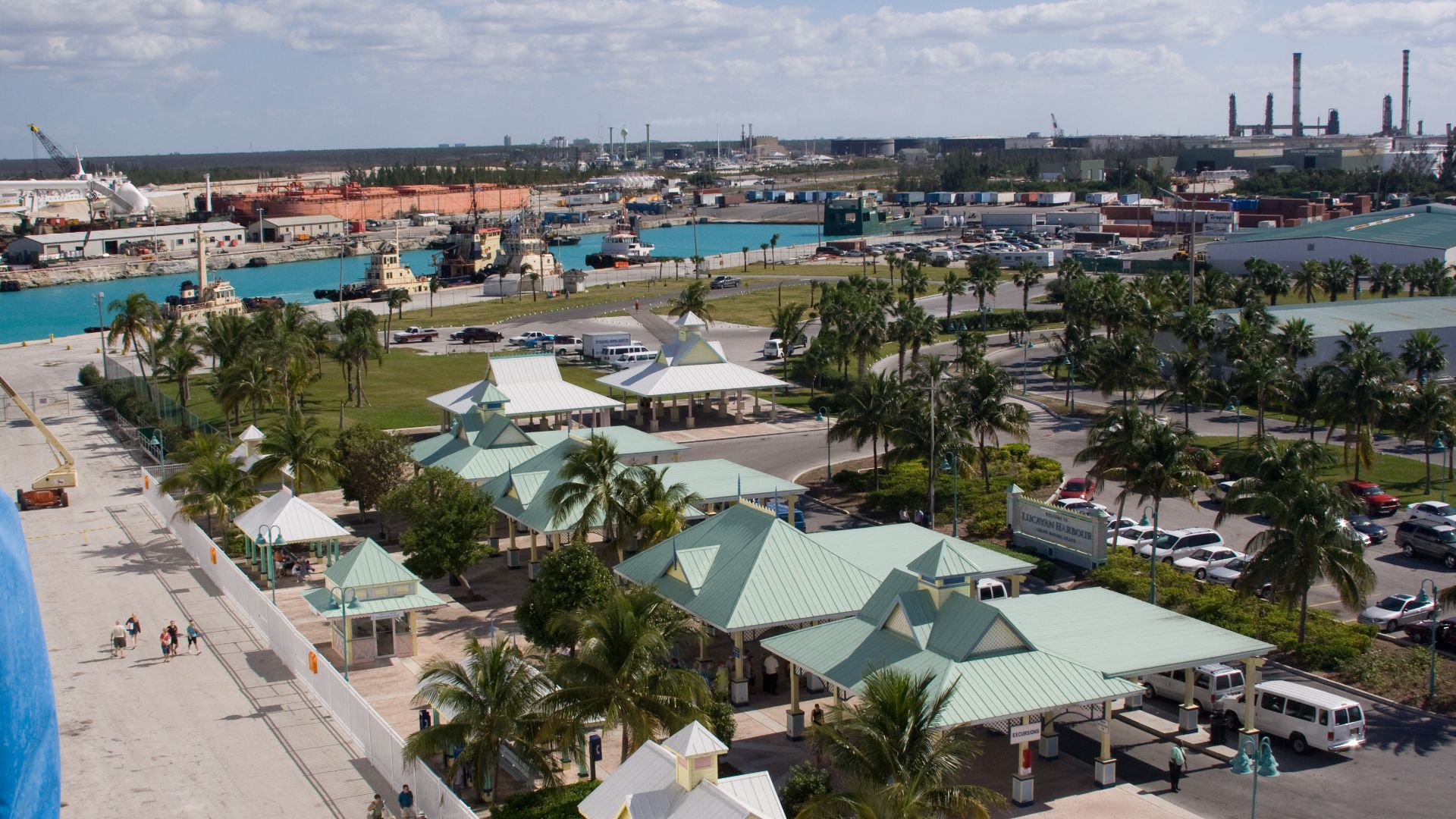
Freeport, Bahamas
Freeport was heavily marketed as a modern, resort-style paradise in the 70s. For a time, it worked—tourists flocked in. But over the years, it lost momentum and visibility, becoming far less recognizable than newer Caribbean hotspots.
Acapulco, Mexico
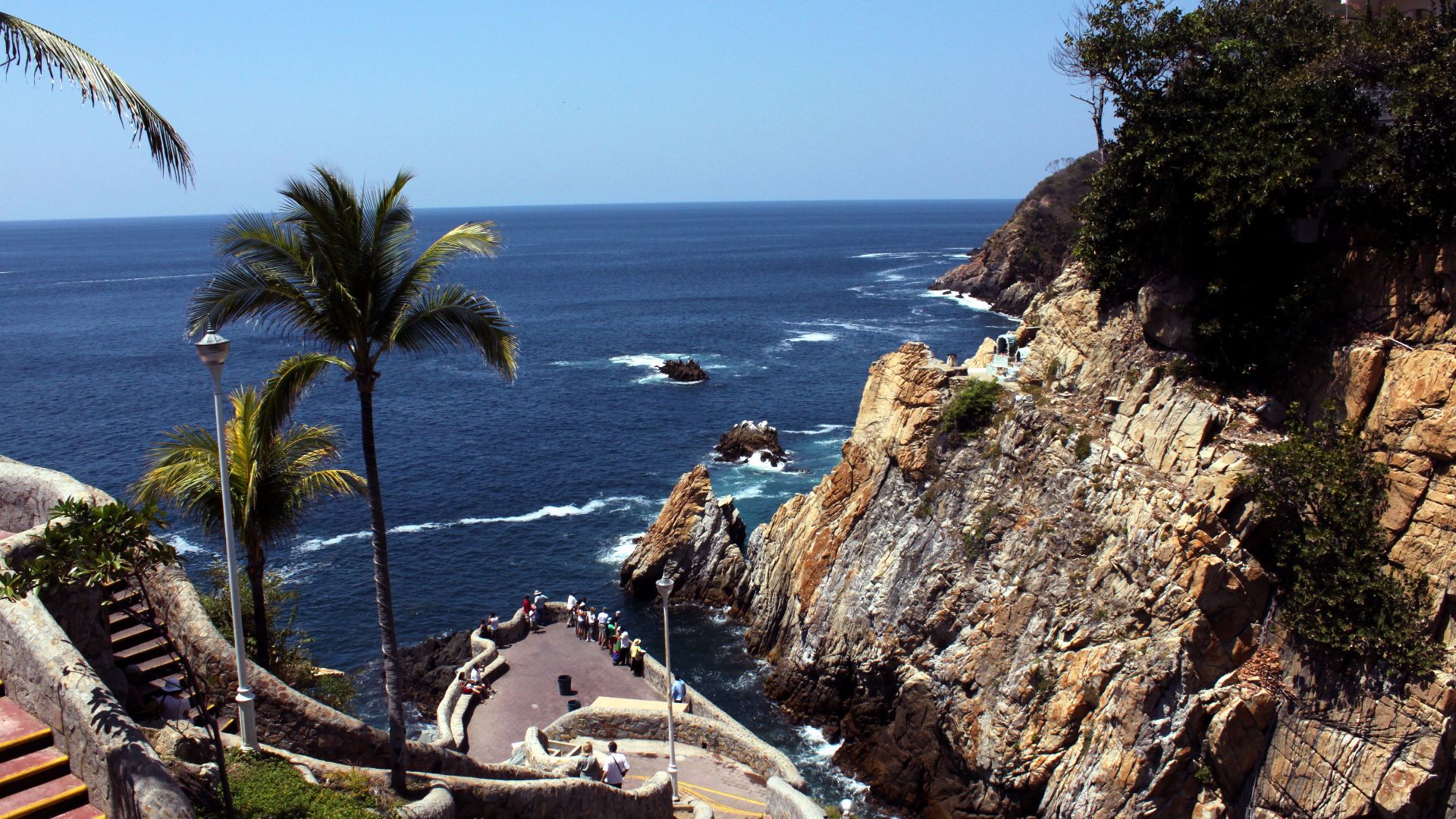
In the 70s, Acapulco was the beach destination for Hollywood stars and wealthy tourists. Cliff divers, luxury resorts, and nonstop nightlife made it iconic. Today, safety concerns and newer destinations have pushed it out of the spotlight for younger travelers.
 Prayitno from Los Angeles, USA, Wikimedia Commons
Beirut, Lebanon
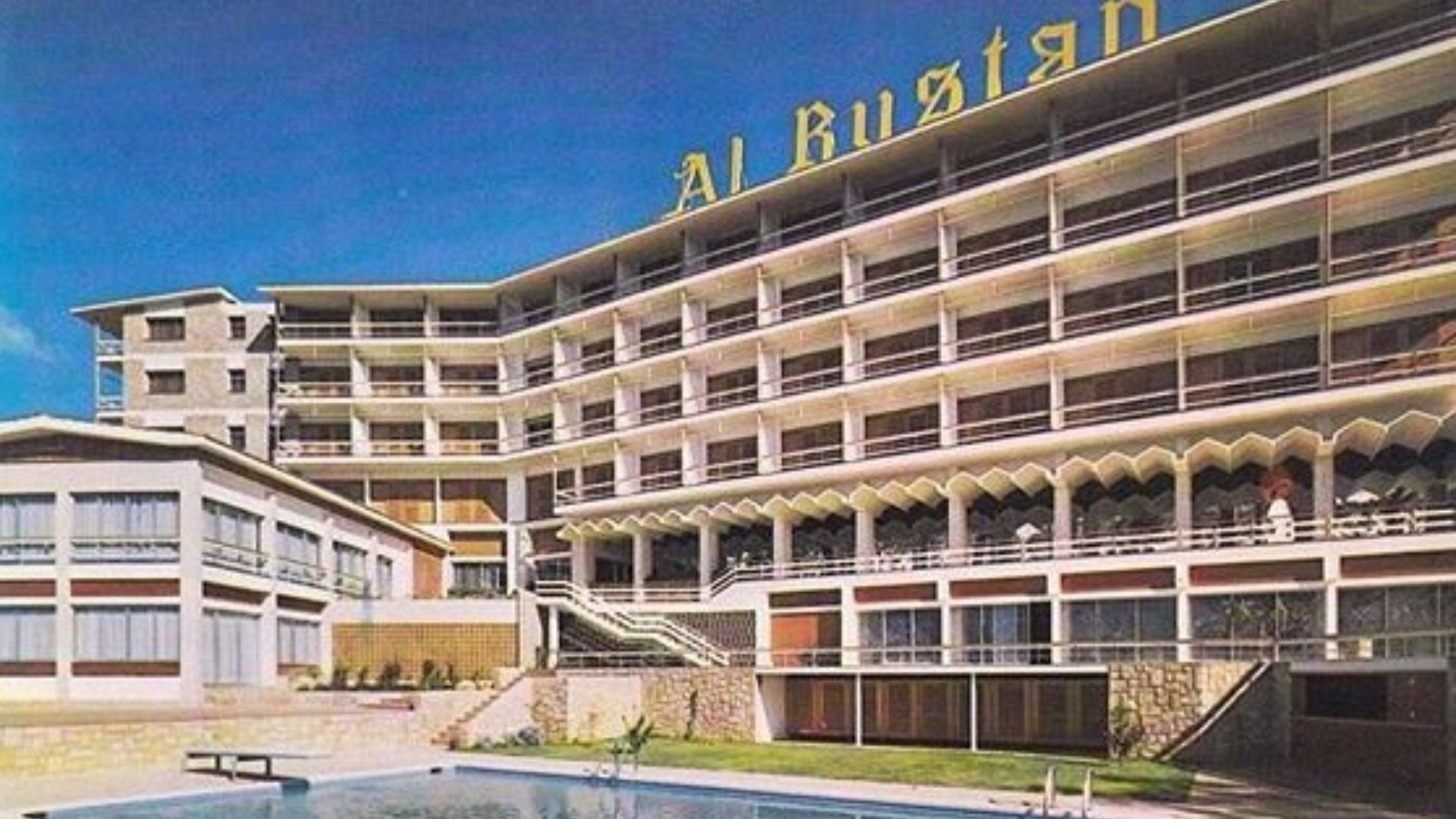
Once called the Paris of the Middle East, Beirut was a glamorous hub of fashion, nightlife, and culture in the early 70s. The Lebanese Civil War changed everything. While the city still exists and thrives in parts, its former global image has faded significantly.
 Unknown authorUnknown author, Wikimedia Commons
Monte Carlo, Monaco
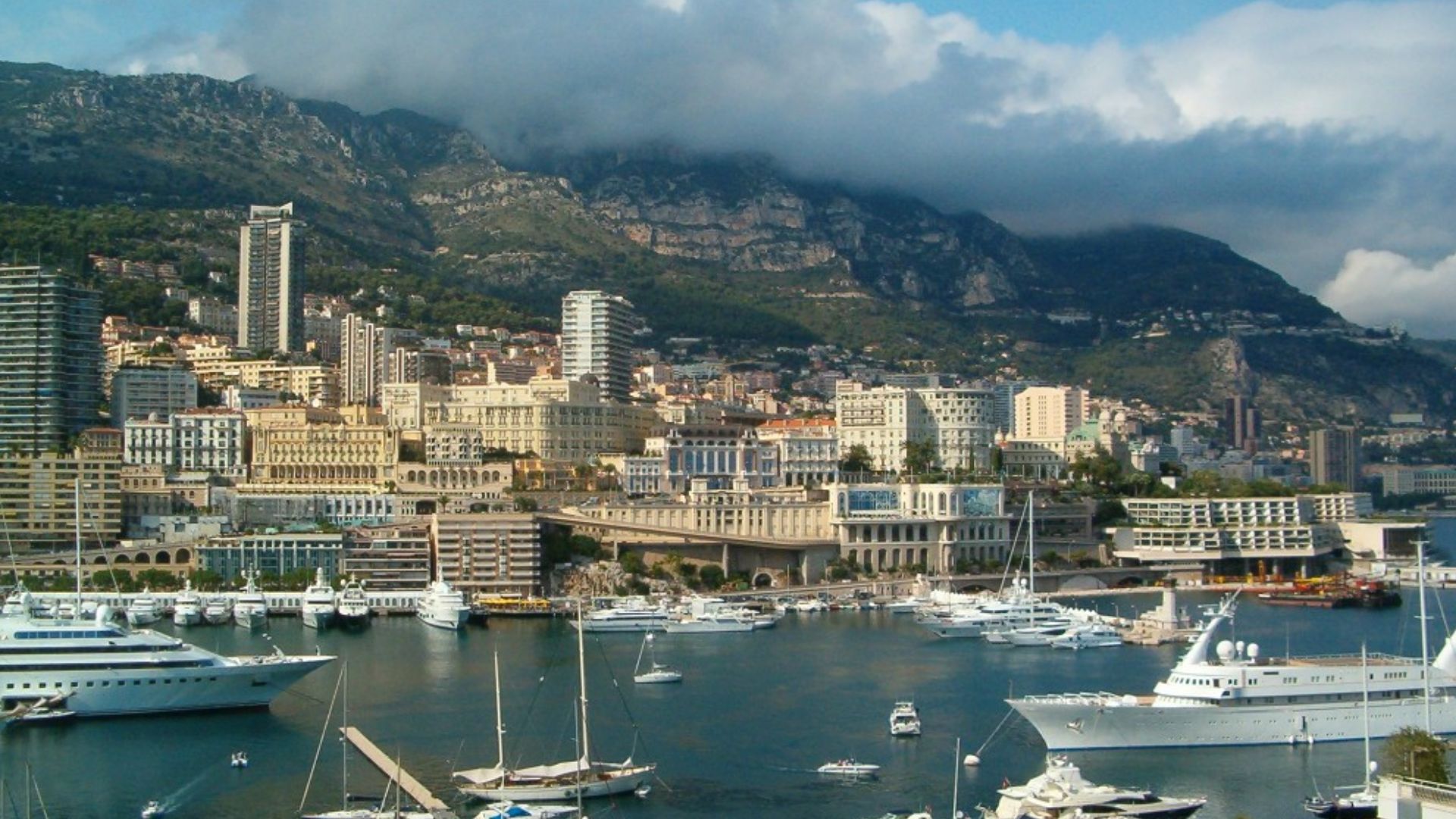
Monte Carlo was synonymous with wealth, casinos, and Formula 1 glamour. It attracted celebrities and royalty throughout the 70s. While still famous, it’s less culturally dominant today, and many younger people know Monaco exists, but couldn’t point to Monte Carlo on a map.
Varna, Bulgaria
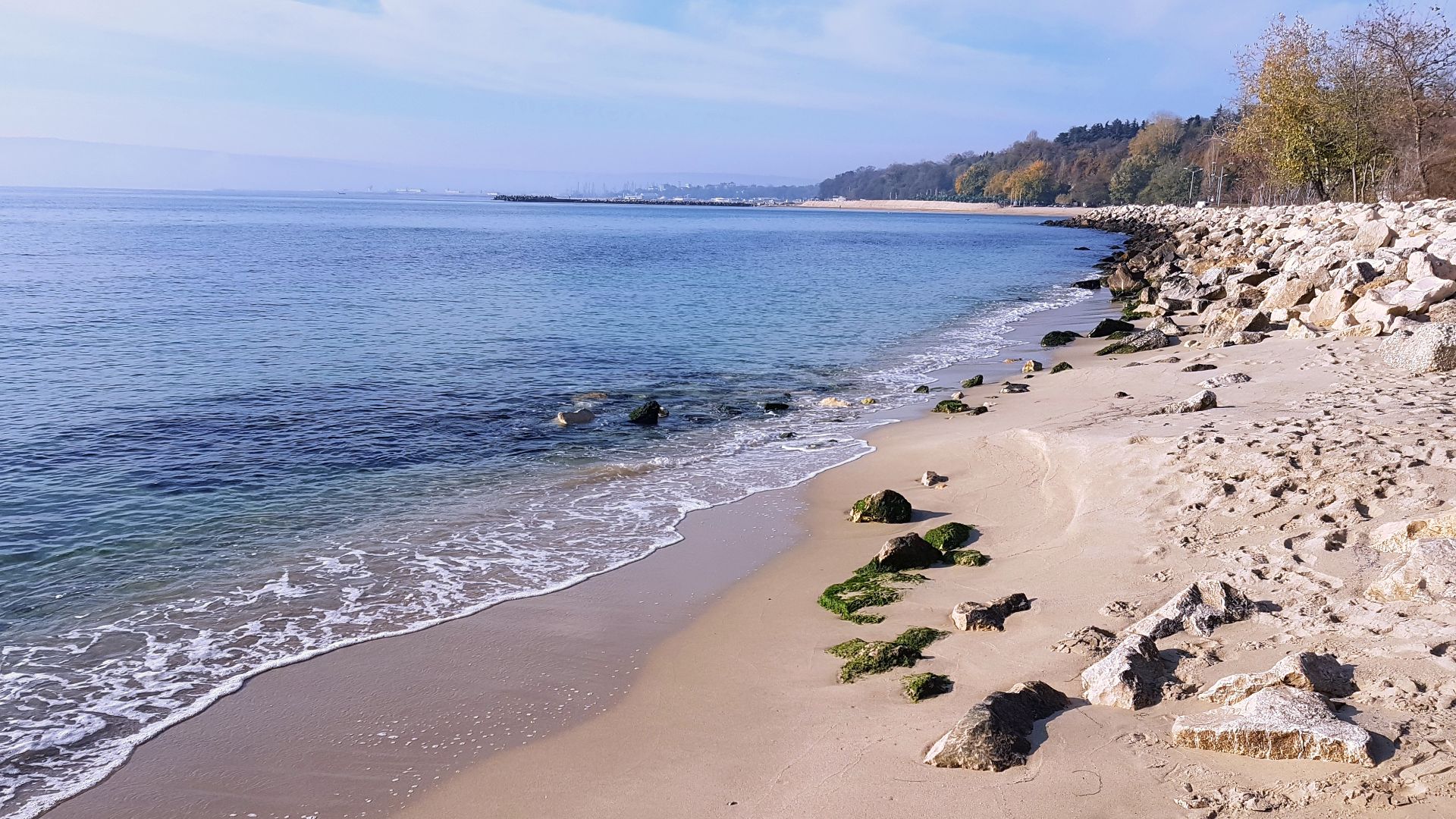
Varna was one of the most popular beach destinations along the Black Sea during the 70s, especially for European travelers. It was heavily promoted and widely visited—but today, most younger people outside Europe wouldn’t know where to find it.
Saigon (Ho Chi Minh City), Vietnam
During and after the Vietnam War, Saigon was one of the most talked-about cities in the world. After being renamed Ho Chi Minh City, its identity shifted. Many younger people recognize the modern name, but don’t always realize it’s the same place.
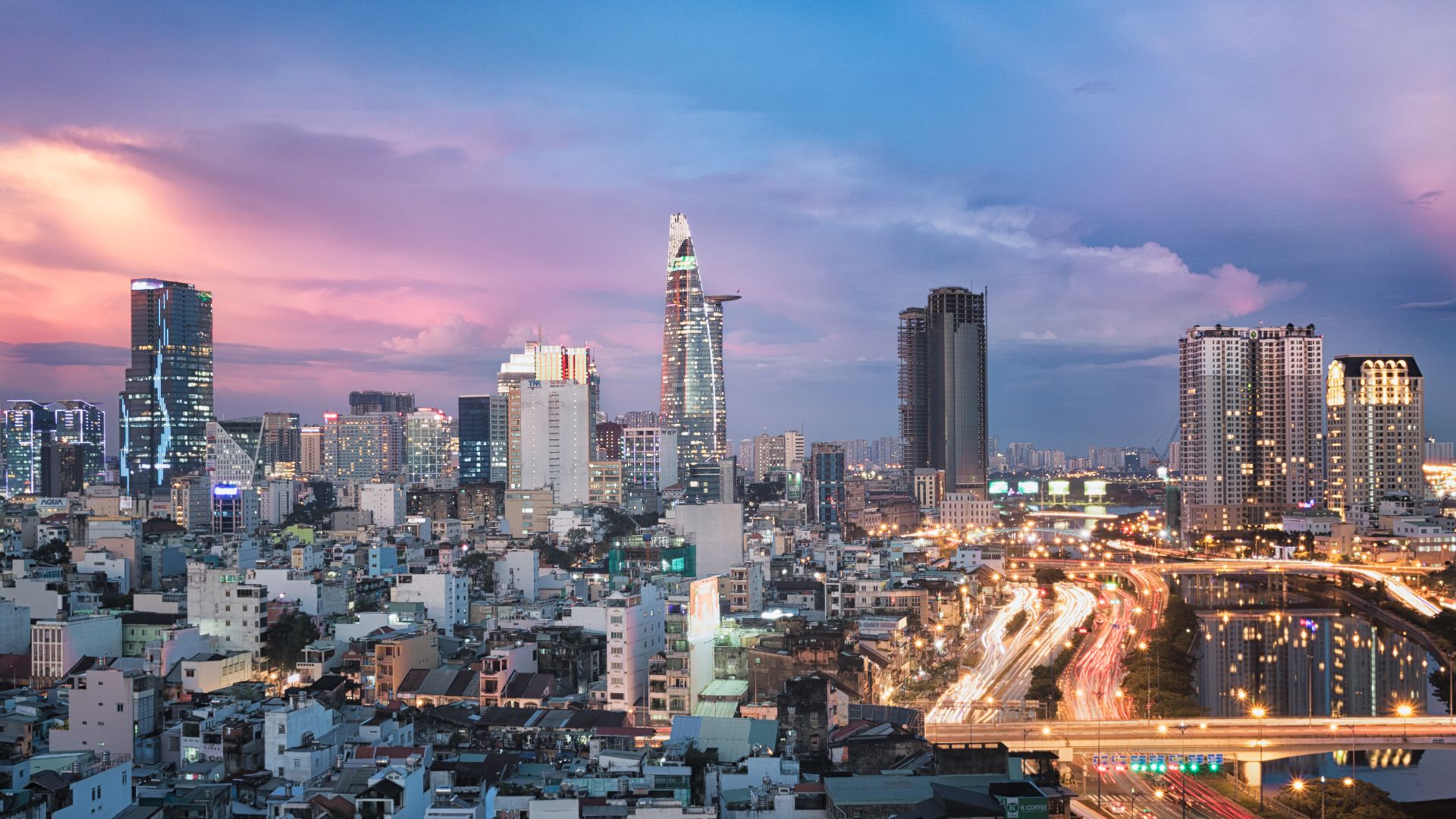 News NH from HCM, Vietnam, Wikimedia Commons
Atlantic City, New Jersey
Before Las Vegas dominated everything, Atlantic City was a major East Coast getaway. Boardwalk culture, entertainment, and casinos drew crowds. It still exists, but its reputation has declined, and it’s no longer a must-visit destination for younger travelers—except maybe the ones who grew up playing a lot of Monopoly.
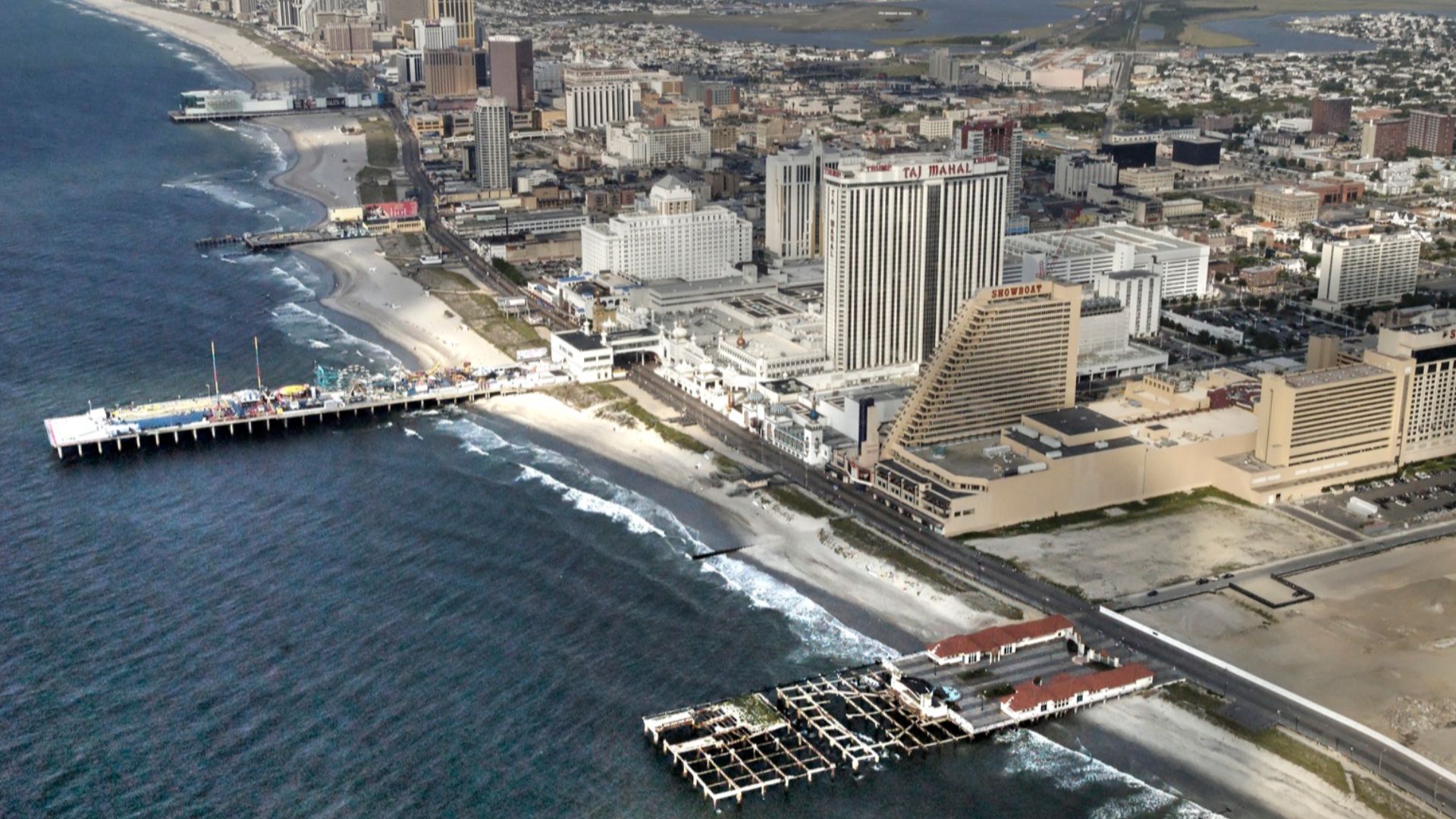 Bob Jagendorf from Manalapan, NJ, USA, Wikimedia Commons
Tehran, Iran
In the 70s, Tehran was rapidly modernizing and attracting international visitors. It was seen as a rising global city. After the 1979 revolution, tourism dropped sharply, and its global image changed, making it far less recognizable to younger audiences today, at least in the way it once was.
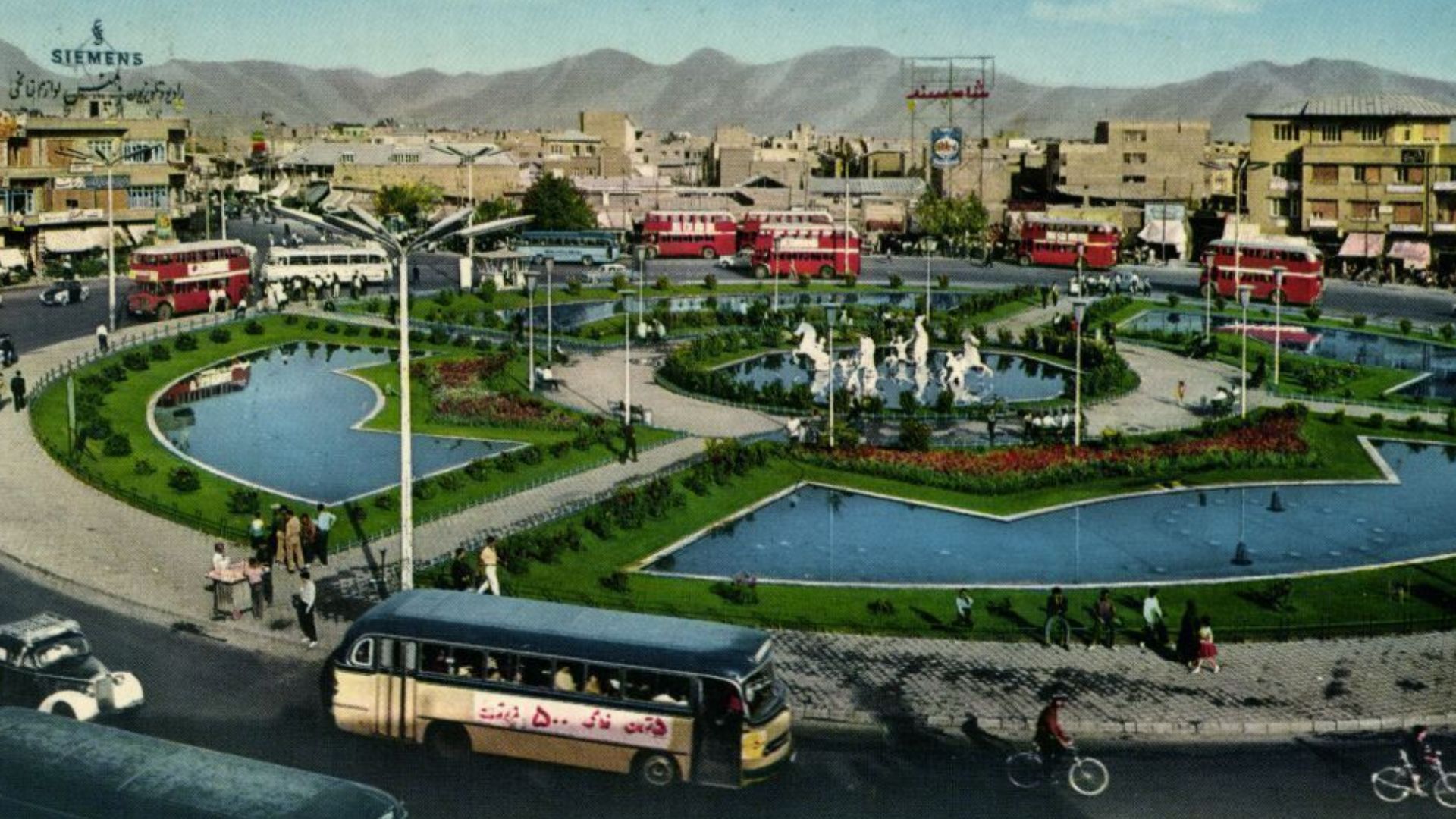 Unknown postcard publisher in Tehran, Wikimedia Commons
Split, Yugoslavia (now Croatia)
Split was a major Adriatic destination when Yugoslavia welcomed Western tourists in the 70s. Today, Croatia is popular—but many younger travelers don’t recognize Split specifically or its earlier tourism boom.
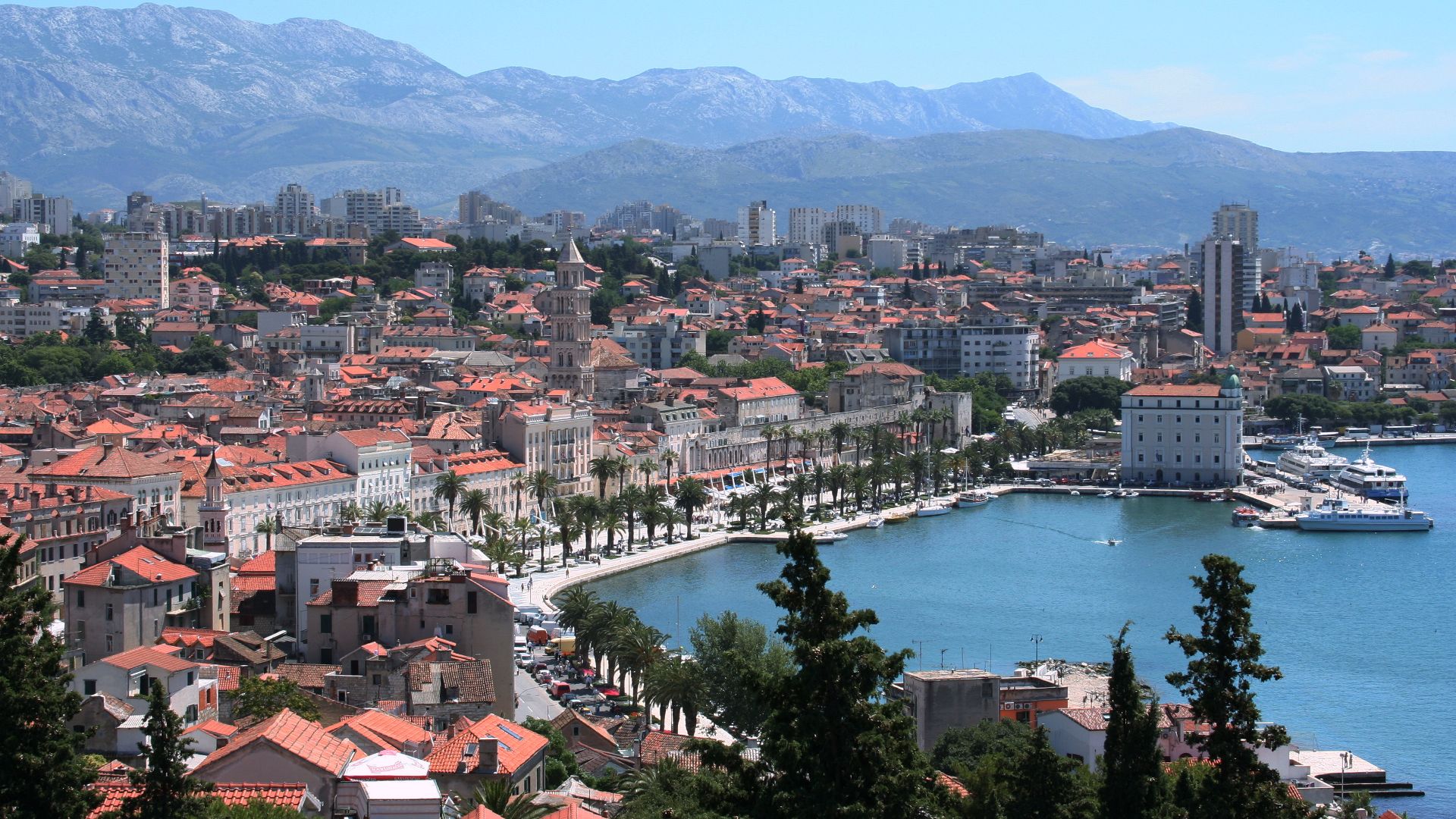 Tatyana Peshkova, Wikimedia Commons
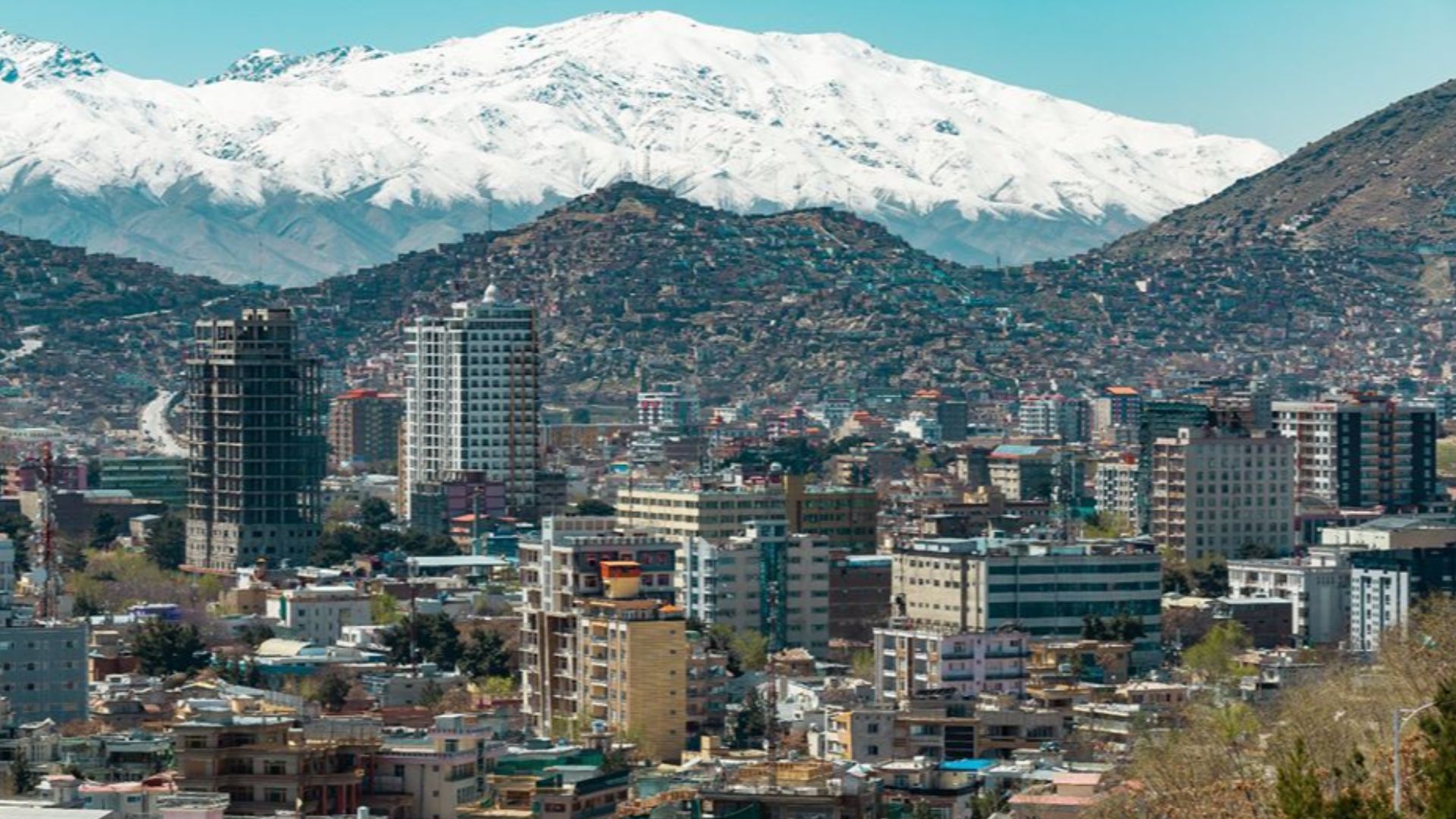
Kabul, Afghanistan
Kabul was once part of the overland hippie trail, drawing adventurous Western travelers in the 60s and 70s. Political instability and decades of conflict ended that era. Today, it’s rarely thought of as a travel destination at all.
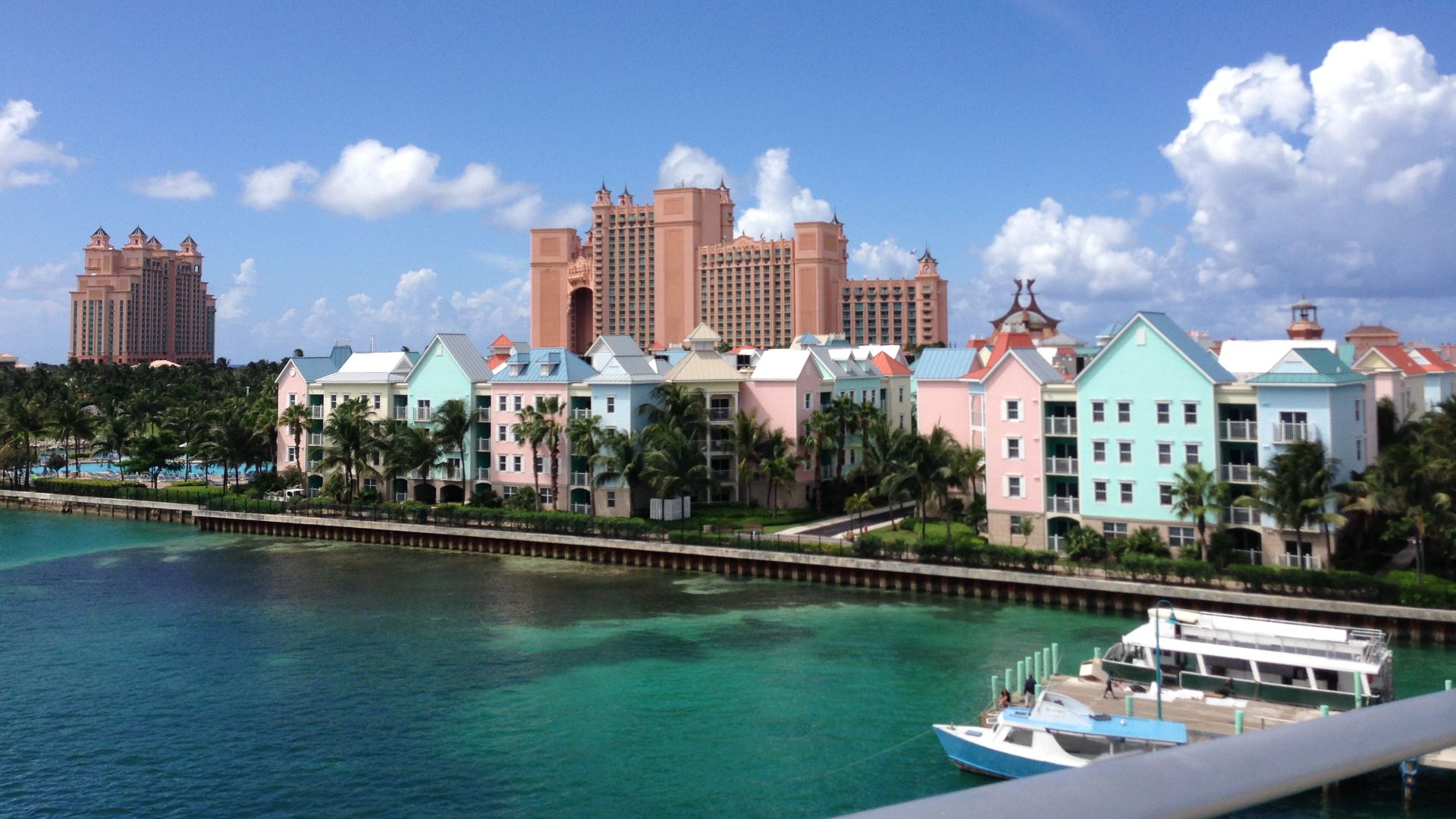
Nassau, Bahamas
Nassau was one of the most accessible tropical escapes for North American travelers in the 70s. Cruise ships and resorts made it a staple vacation spot. Today, it competes with countless Caribbean destinations, and doesn’t dominate the vacation conversation like it once did.
 Der-wuppertaler, Wikimedia Commons
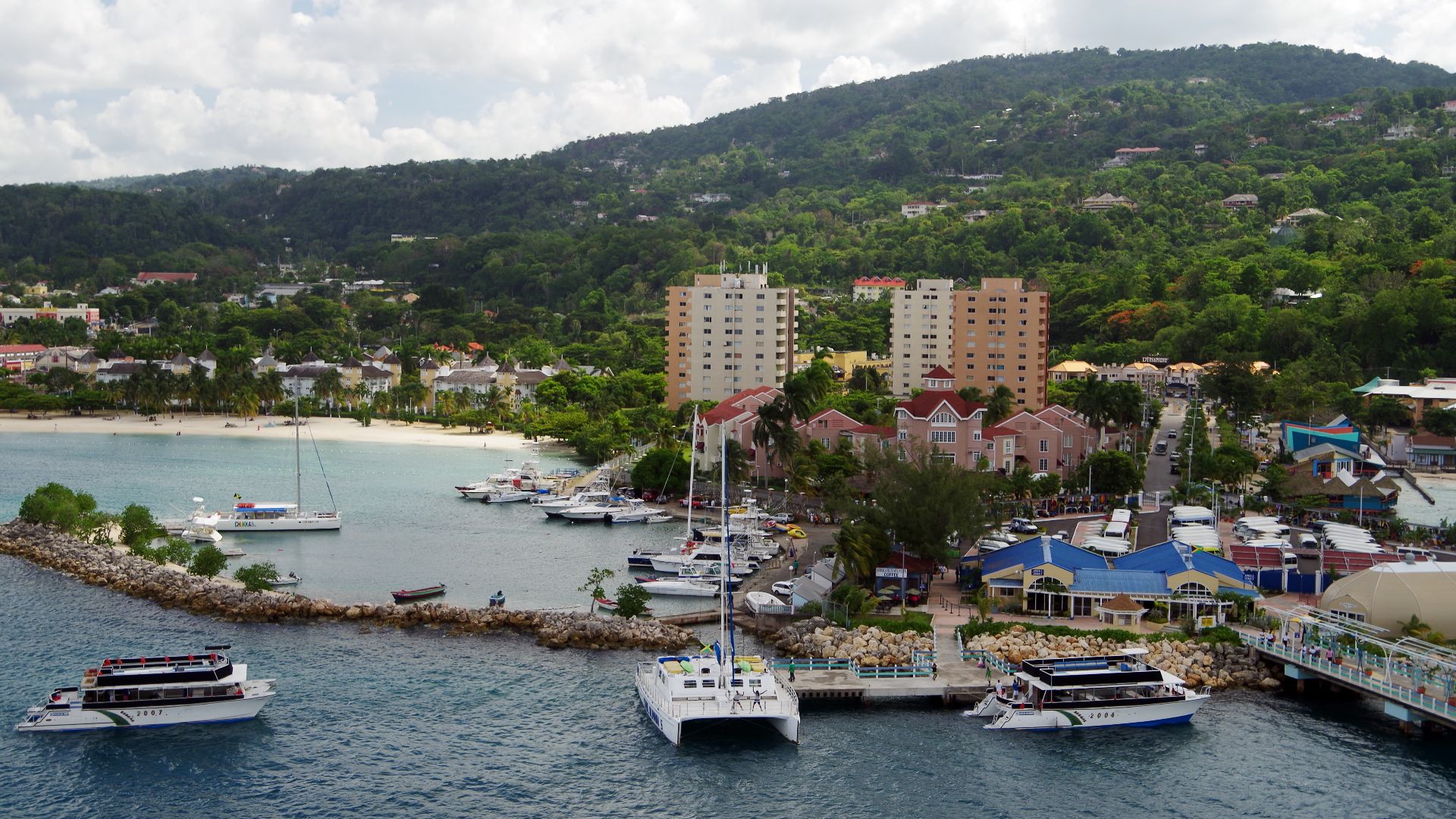
Ocho Rios, Jamaica
Ocho Rios was a major cruise and resort destination during the 70s tourism boom. It offered waterfalls, beaches, and easy access for travelers. While still active, it’s not as widely talked about today compared to other global vacation destinations.
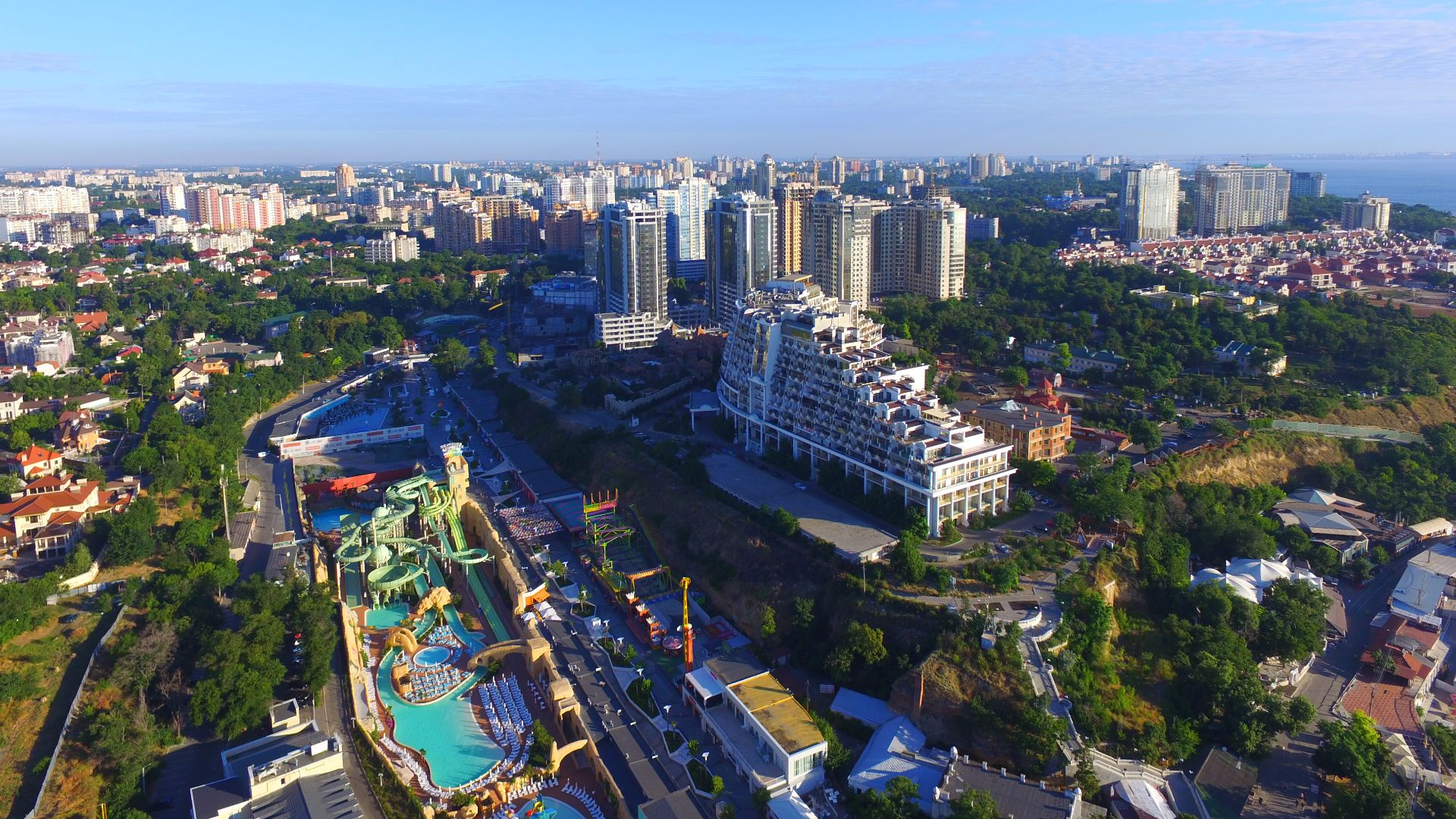
Odessa, USSR (now Ukraine)
Odessa was a glamorous Black Sea destination known for culture, beaches, and nightlife. It drew visitors from across the Soviet world and beyond. Today, it’s far less familiar to younger global audiences.
St. Tropez, France
St. Tropez was the definition of European glamour in the 70s, thanks in part to film stars and fashion icons. While still upscale, it’s less of a global obsession today—and not quite the automatic name it once was.
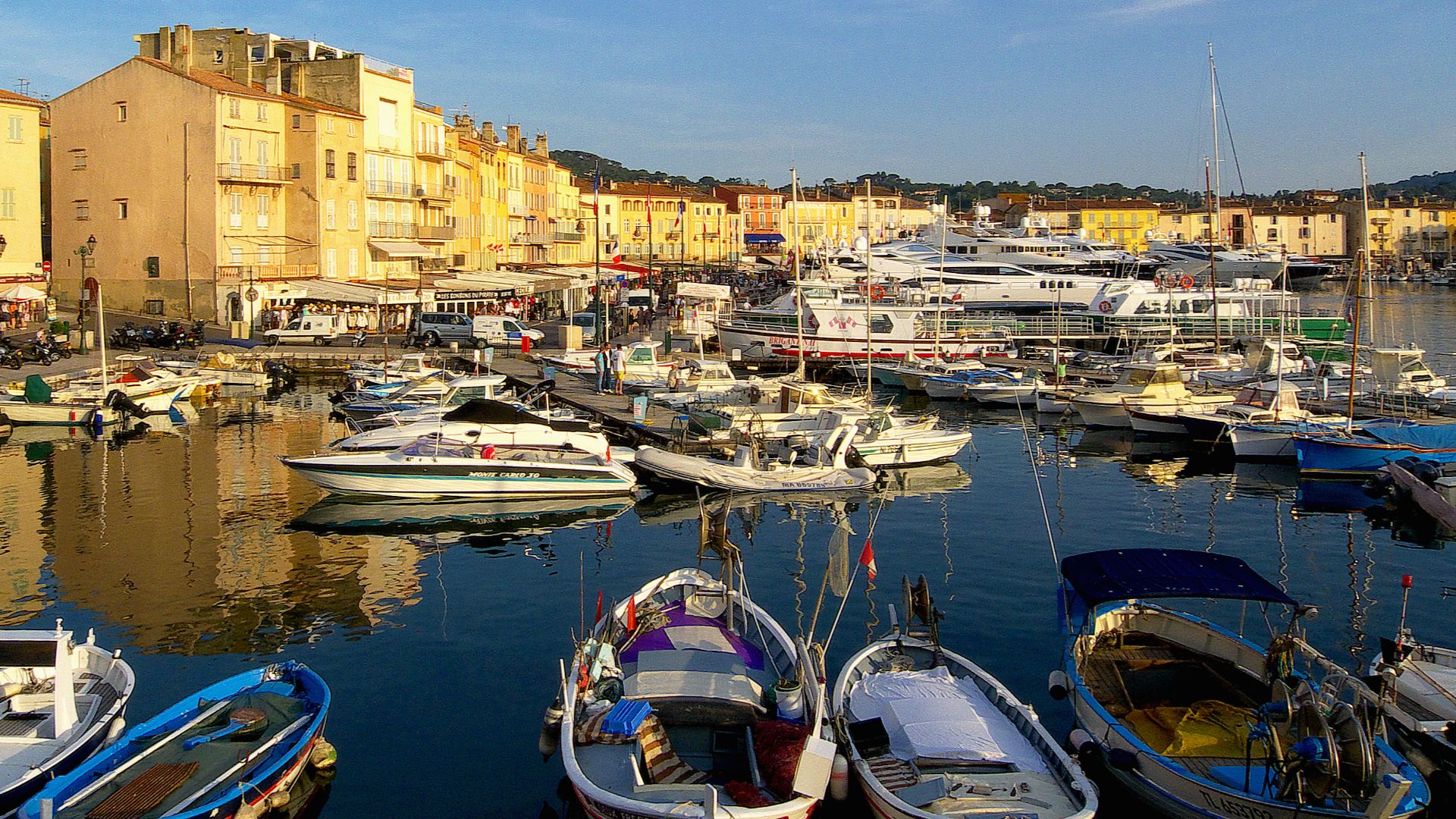 Myosotismail, Wikimedia Commons
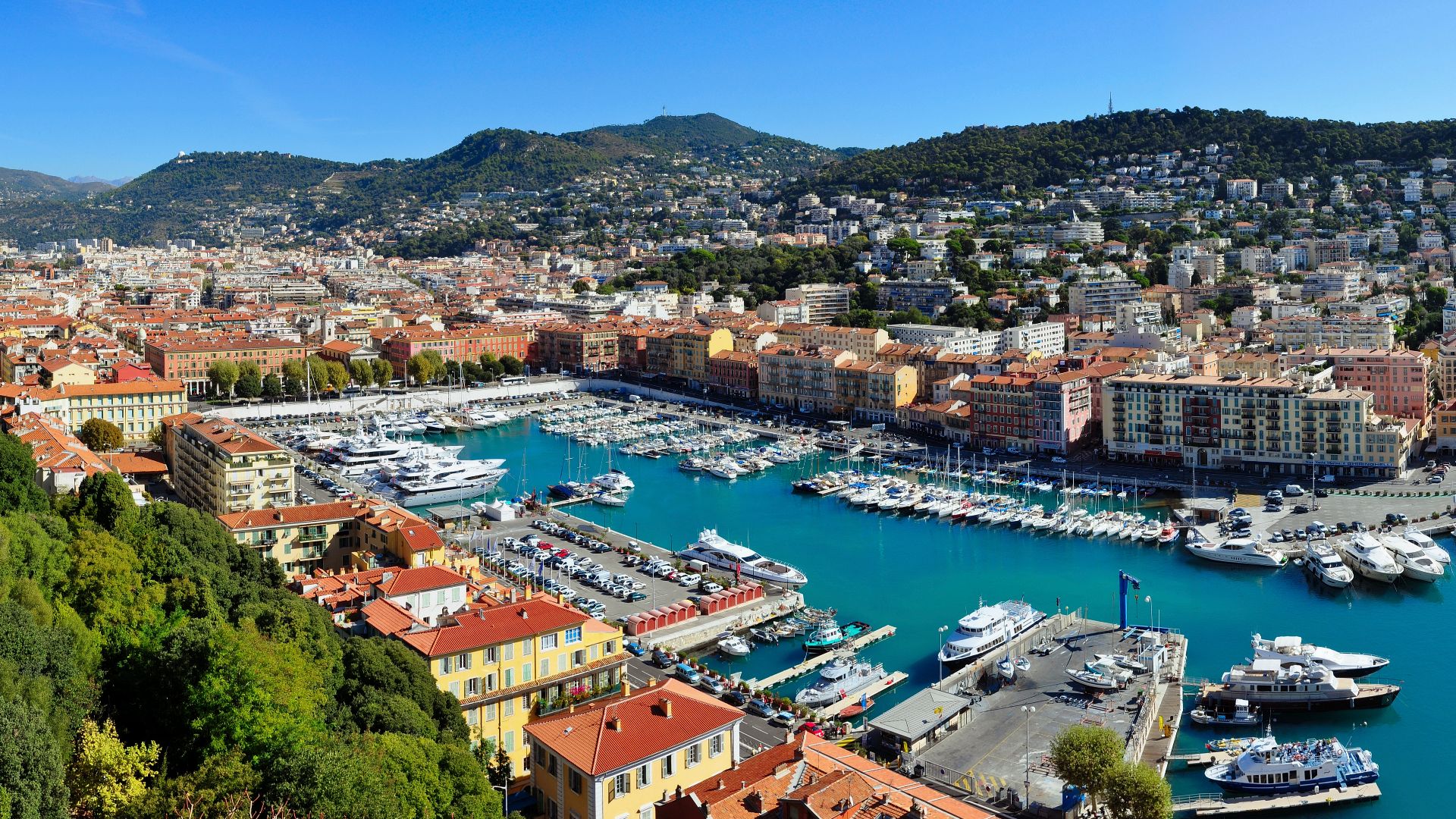
Nice, France
Nice was a cornerstone of Riviera tourism, attracting visitors with its beaches, architecture, and Mediterranean charm. It’s still beautiful and active—but it doesn’t carry the same cultural weight or buzz it once did during the jet-set era.
Casablanca, Morocco
Casablanca had a romantic, cinematic reputation that drew tourists throughout the 70s. While it remains an important city, it’s often overshadowed by other Moroccan destinations today—making it more famous in movies than in modern travel plans.
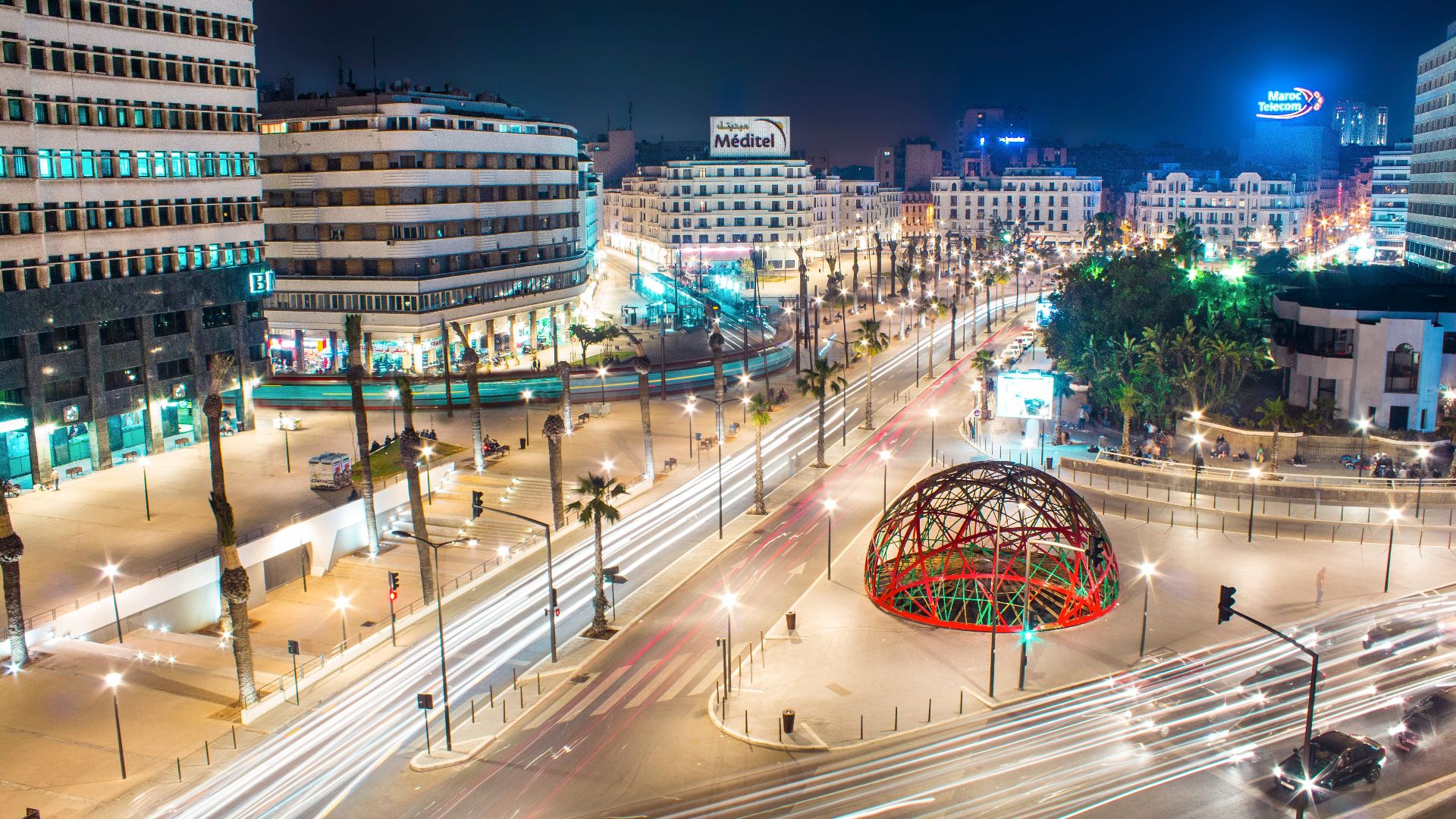 Achalhikarim, Wikimedia Commons
Cairo, Egypt
Cairo has always been historically significant, but in the 70s it was a major tourism magnet tied to global fascination with ancient Egypt. Today, tourism still exists, but it’s less often at the top of younger travelers’ bucket lists.
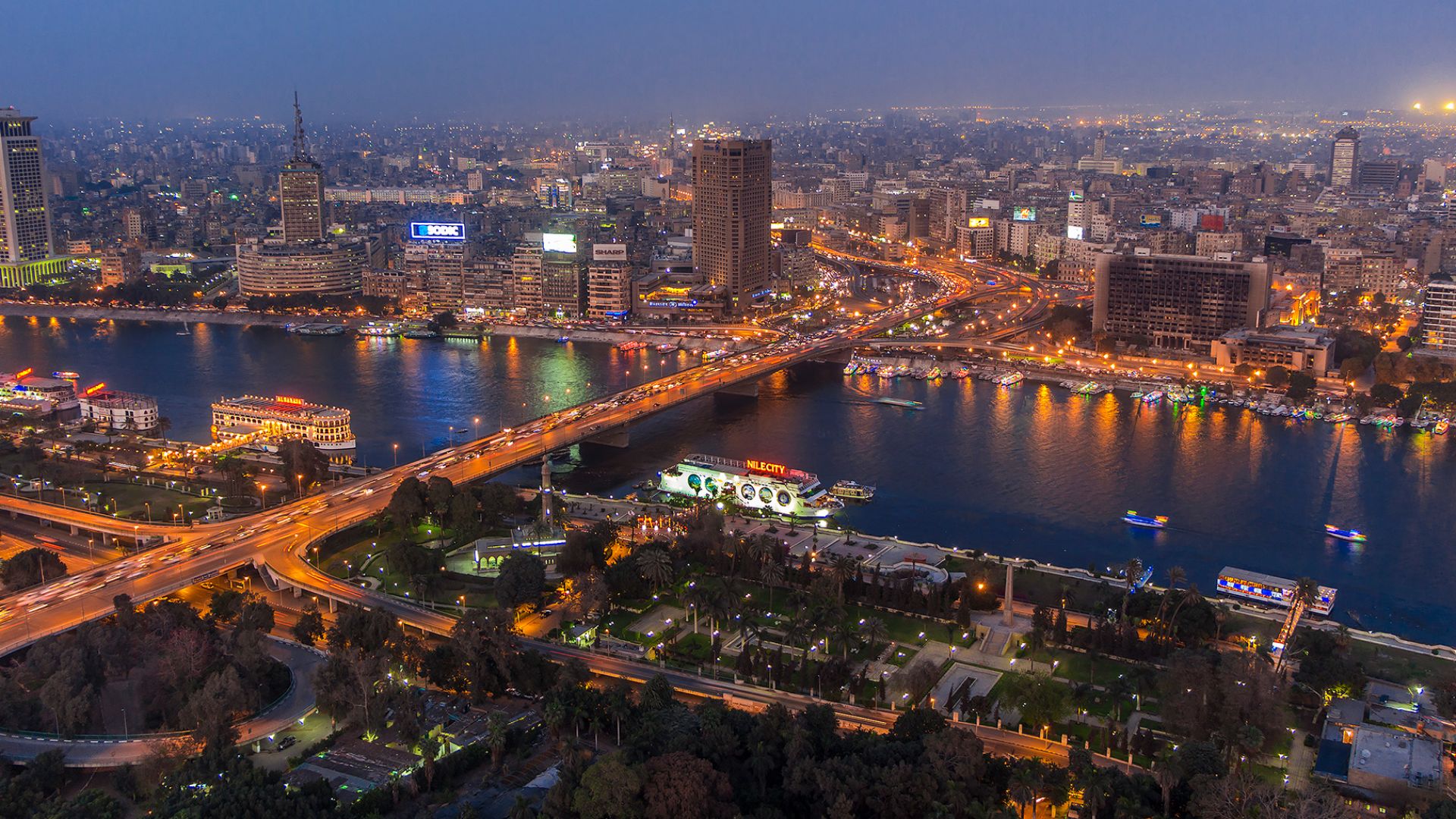 Wael El Sisi, Wikimedia Commons
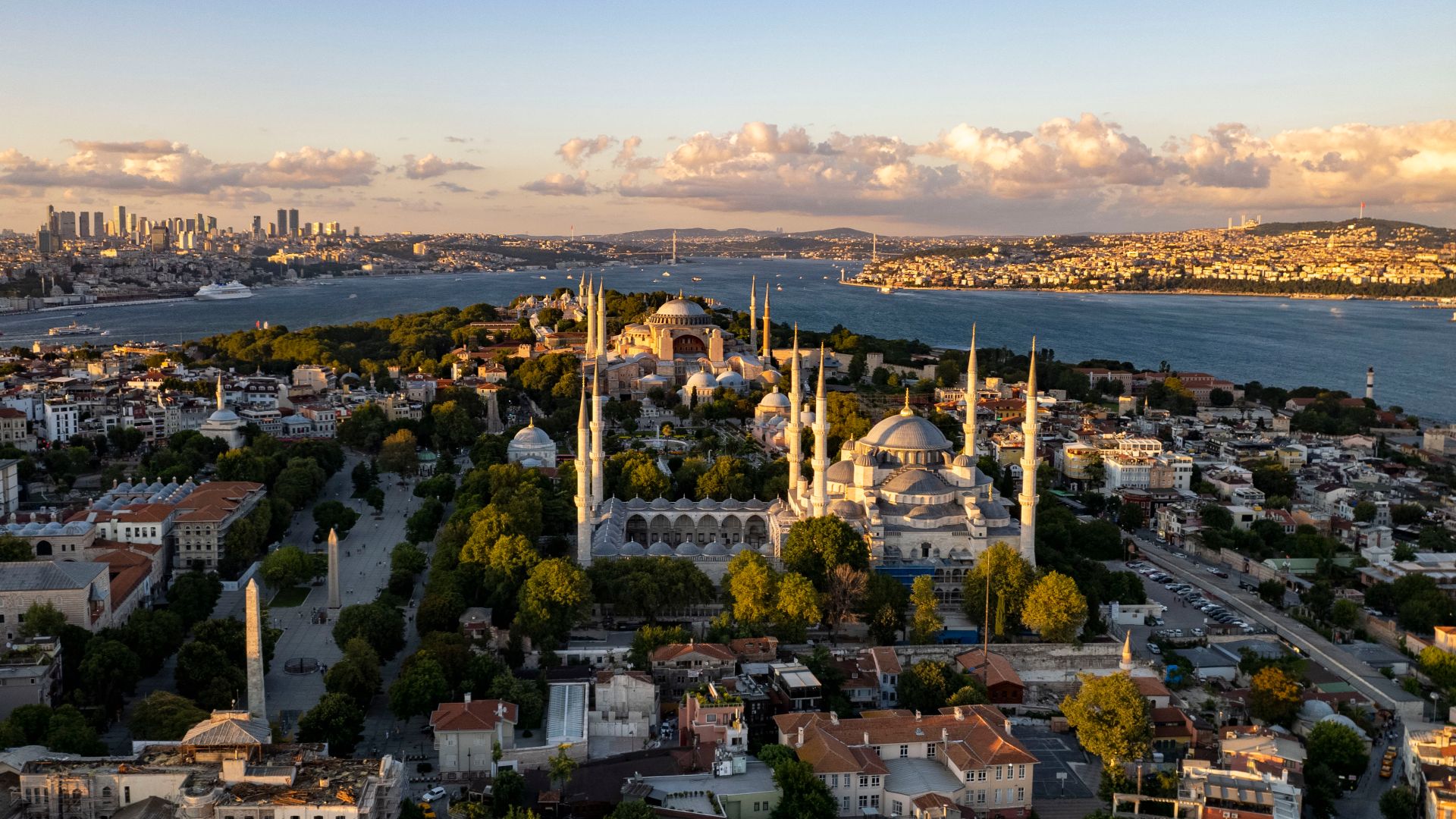
Istanbul, Turkey
Istanbul has always been culturally rich and geographically unique. In the 70s, it was a key stop for travelers moving between Europe and Asia. While still important, it doesn’t dominate travel conversations the same way it once did, and isn’t always top-of-mind for younger travelers.
Port-au-Prince, Haiti
In the 60s and 70s, Haiti attracted tourists with its culture and Caribbean appeal. Political instability over the years changed that. Today, it’s rarely thought of as a travel destination.
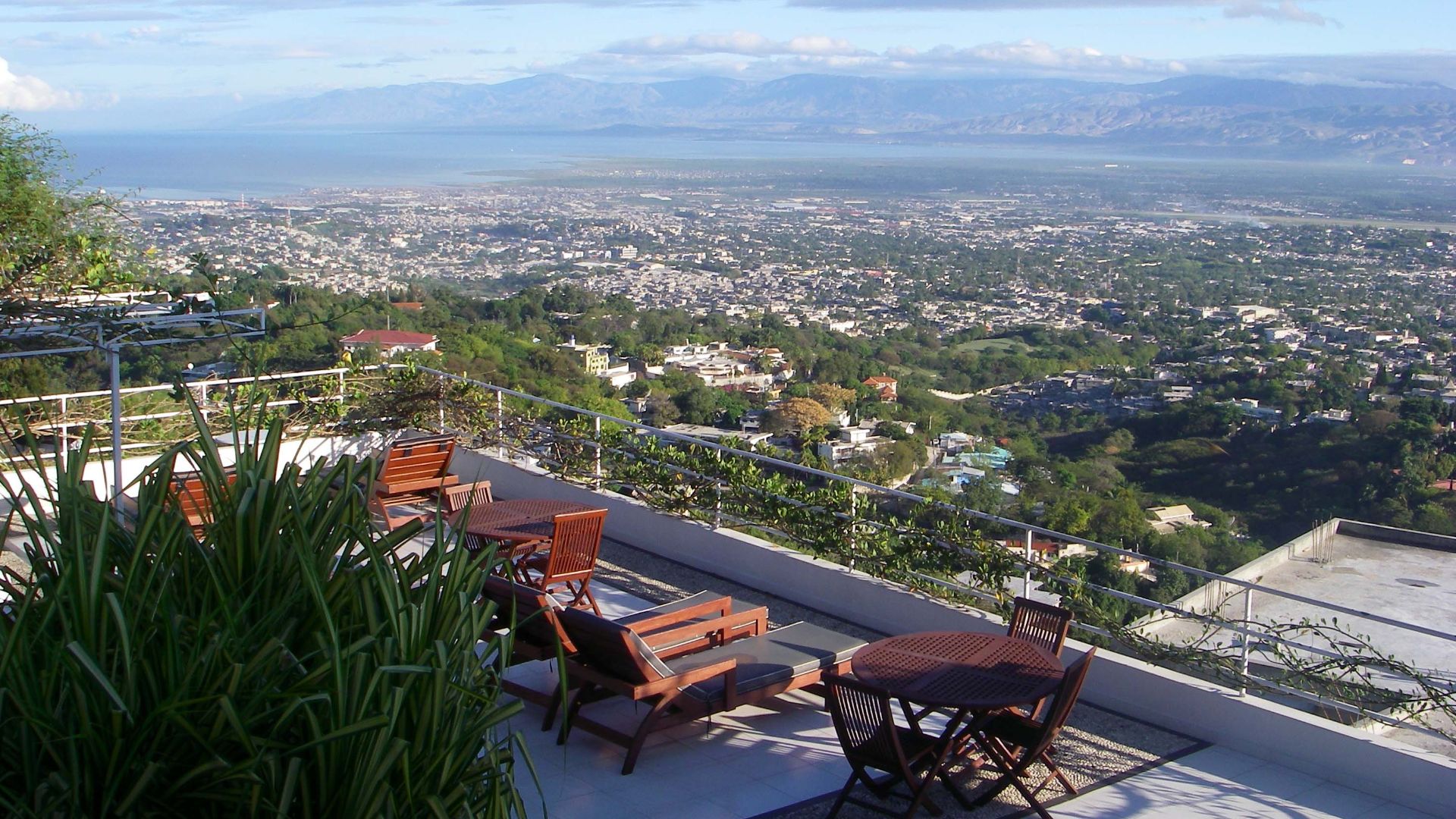 Elena Heredero, Wikimedia Commons
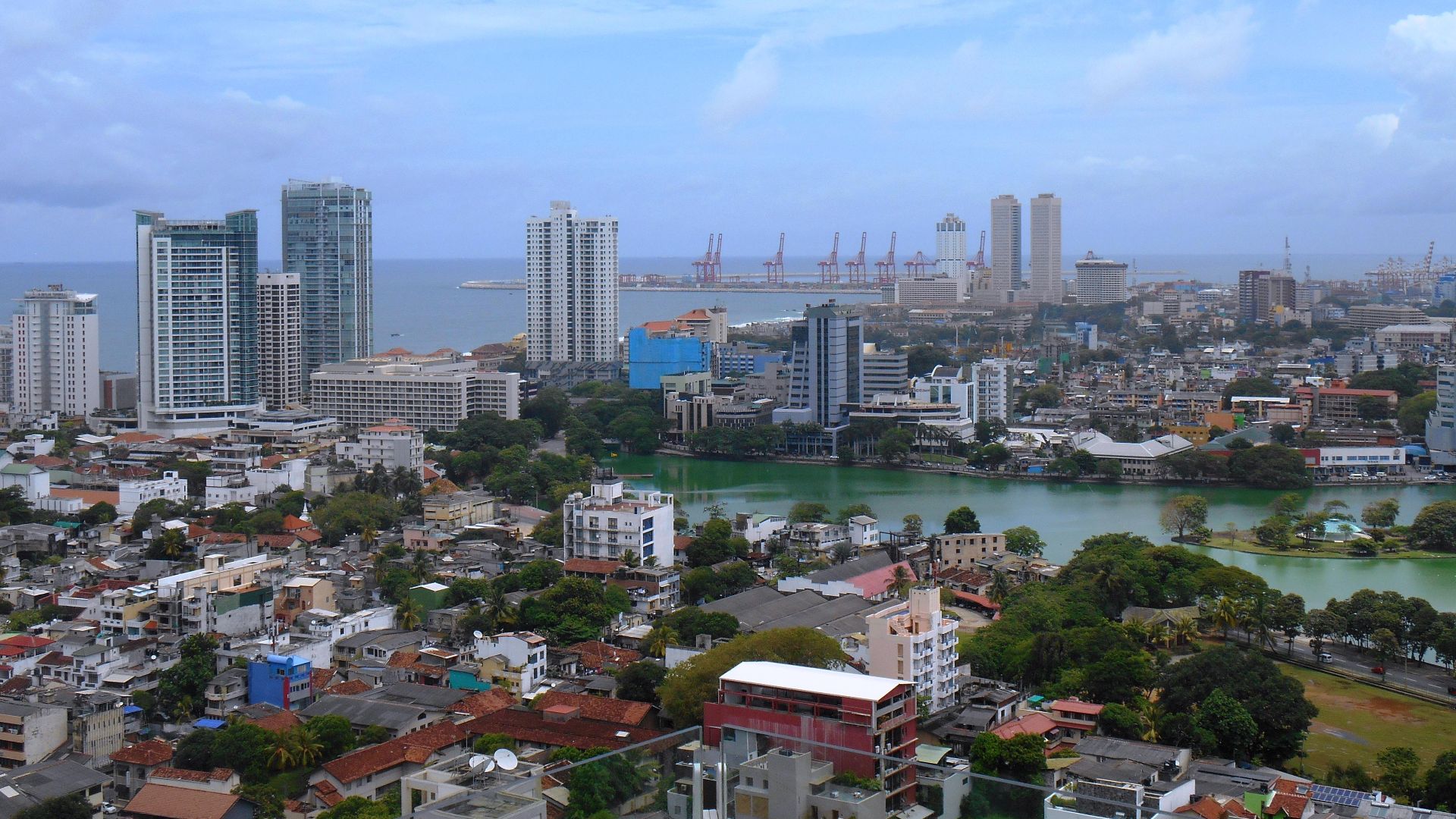
Colombo, Sri Lanka
Colombo was once a key stop for international travelers moving through South Asia. Tourism slowed during decades of conflict. Even now, many younger people struggle to place Sri Lanka’s capital on a map.
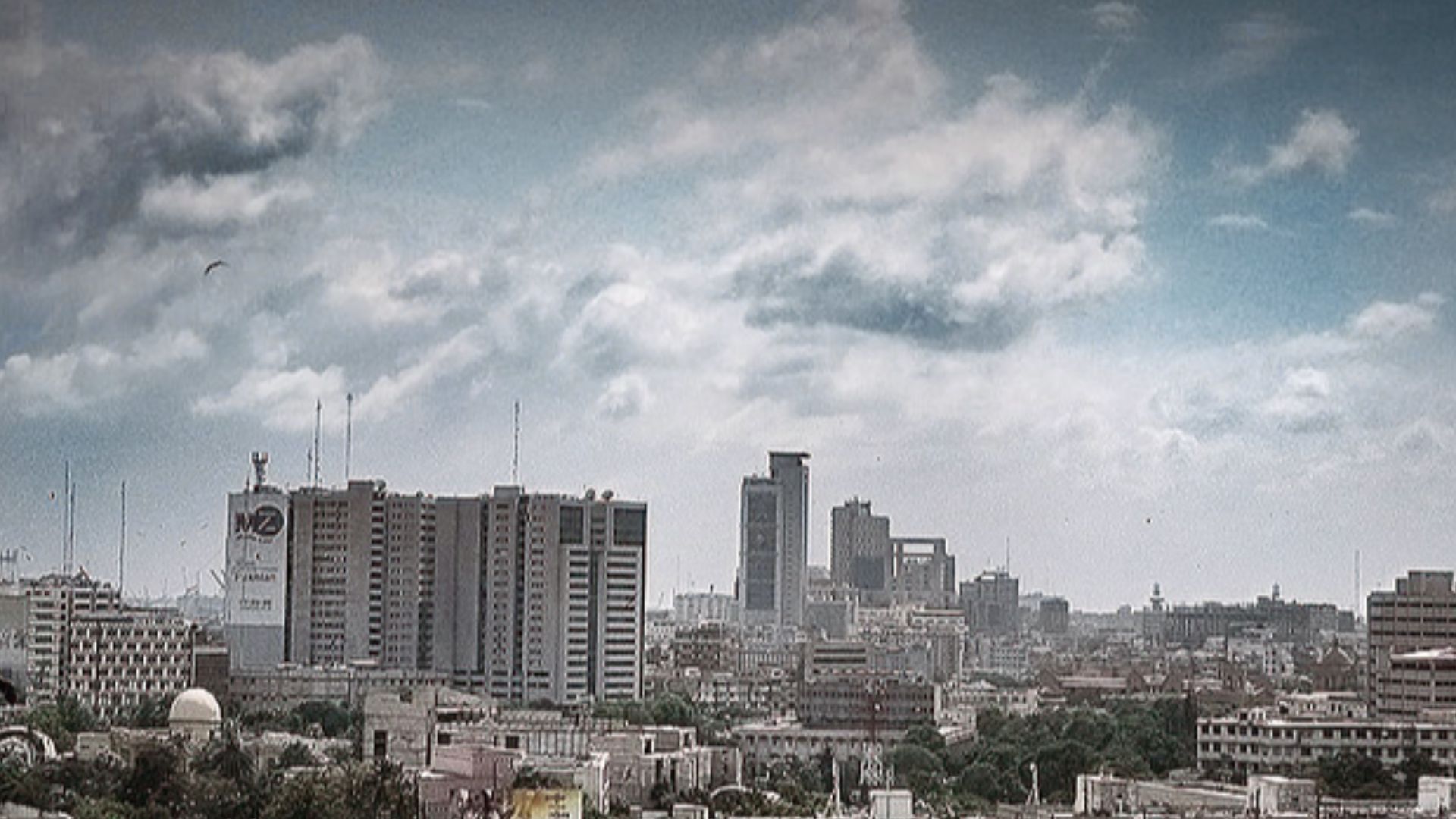
Karachi, Pakistan
In the 60s and 70s, Karachi was a bustling, modernizing city with international appeal. Over time, its global image shifted, and it’s no longer seen as a tourism hotspot or widely recognized destination.
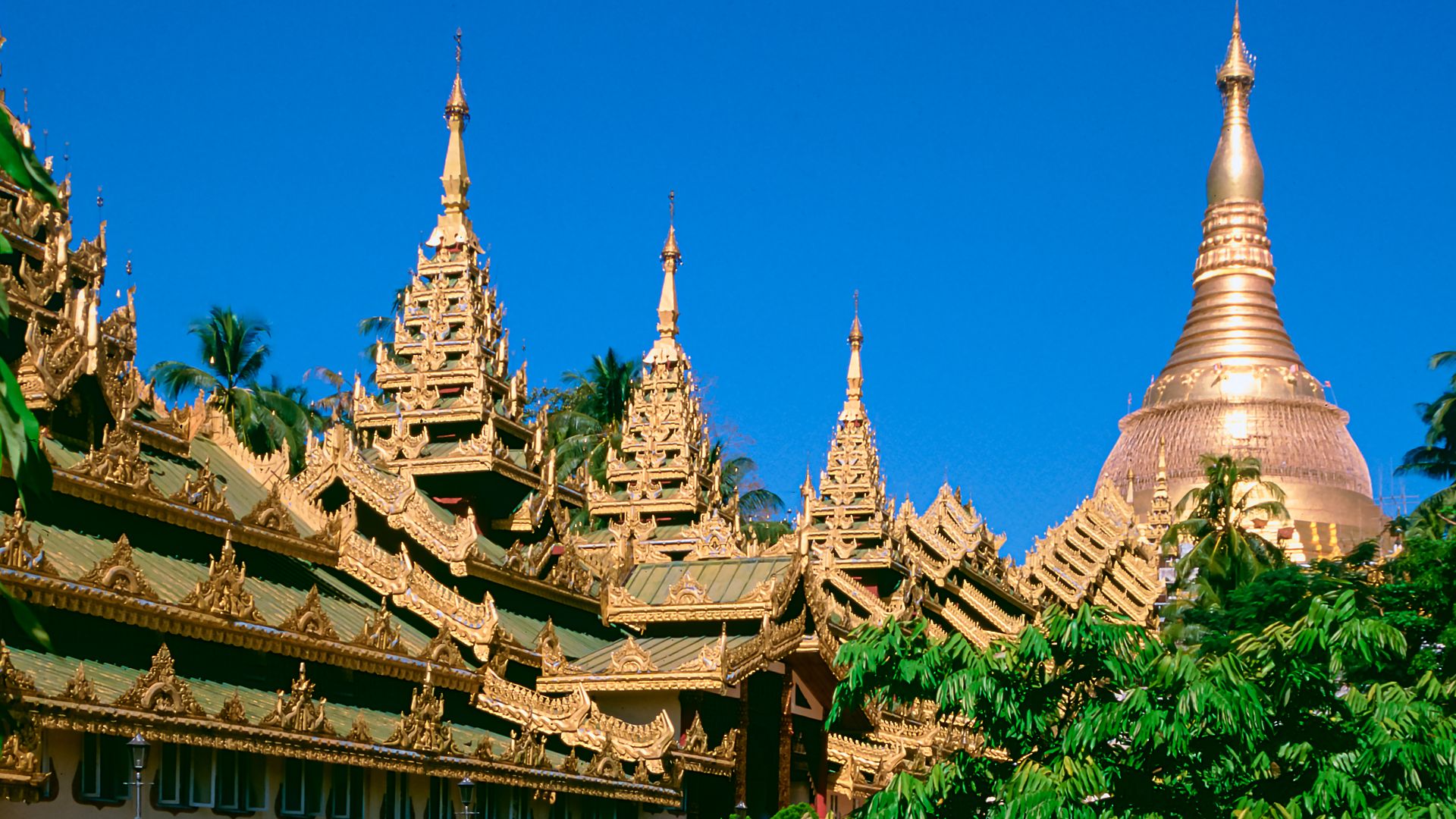
Rangoon (Yangon), Burma (Myanmar)
Rangoon was once a well-known Southeast Asian city during the 70s. Years of political isolation reduced its global visibility. Even the name change adds confusion, making it harder for younger people to recognize.
 Stefan Fussan, Wikimedia Commons
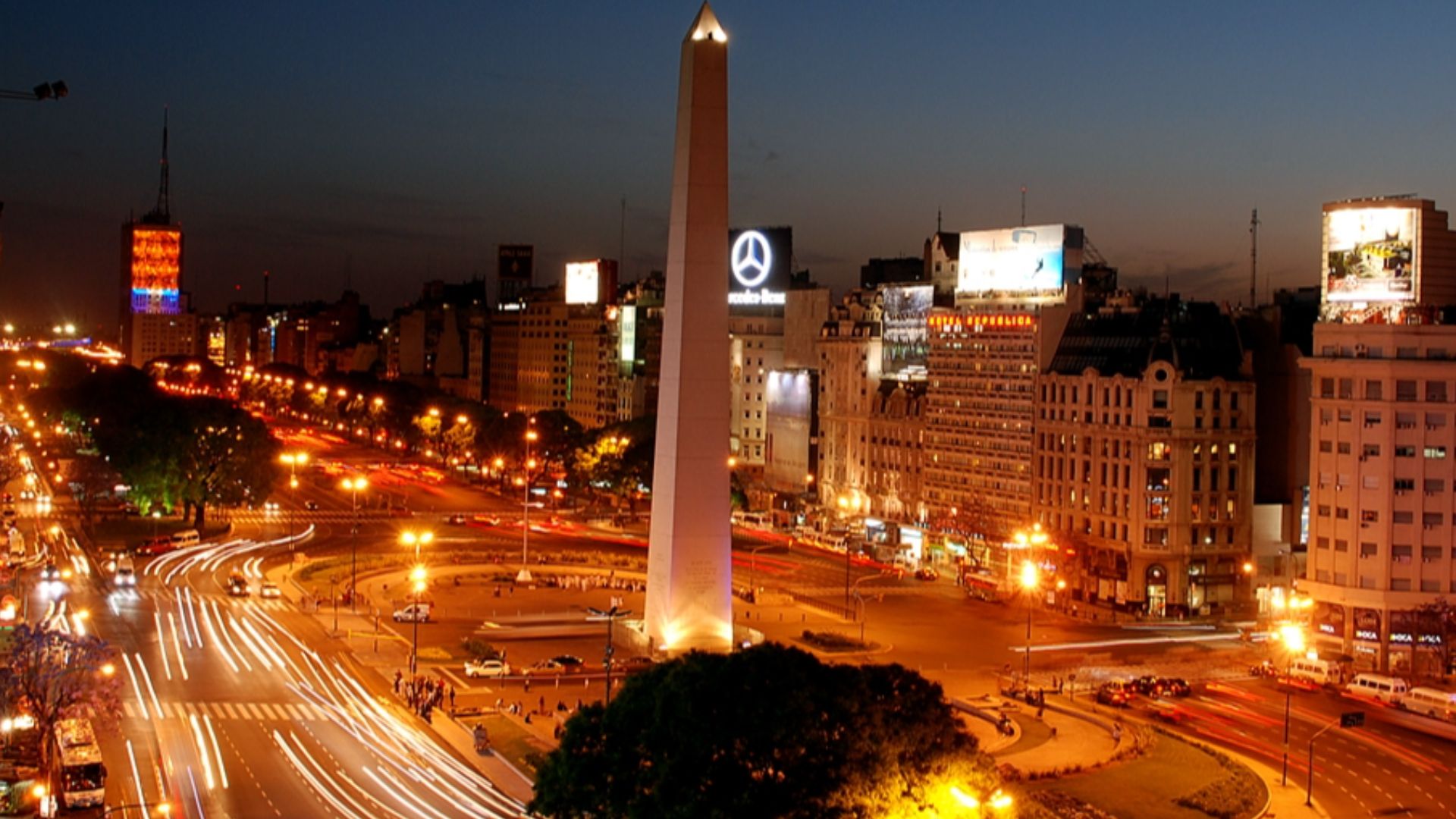
Buenos Aires, Argentina
Buenos Aires was once one of the most European-feeling cities outside Europe, attracting tourists for its culture, architecture, and nightlife. While still vibrant, it’s less frequently discussed among younger travelers planning trips today.
 Nestor Galina, Wikimedia Commons
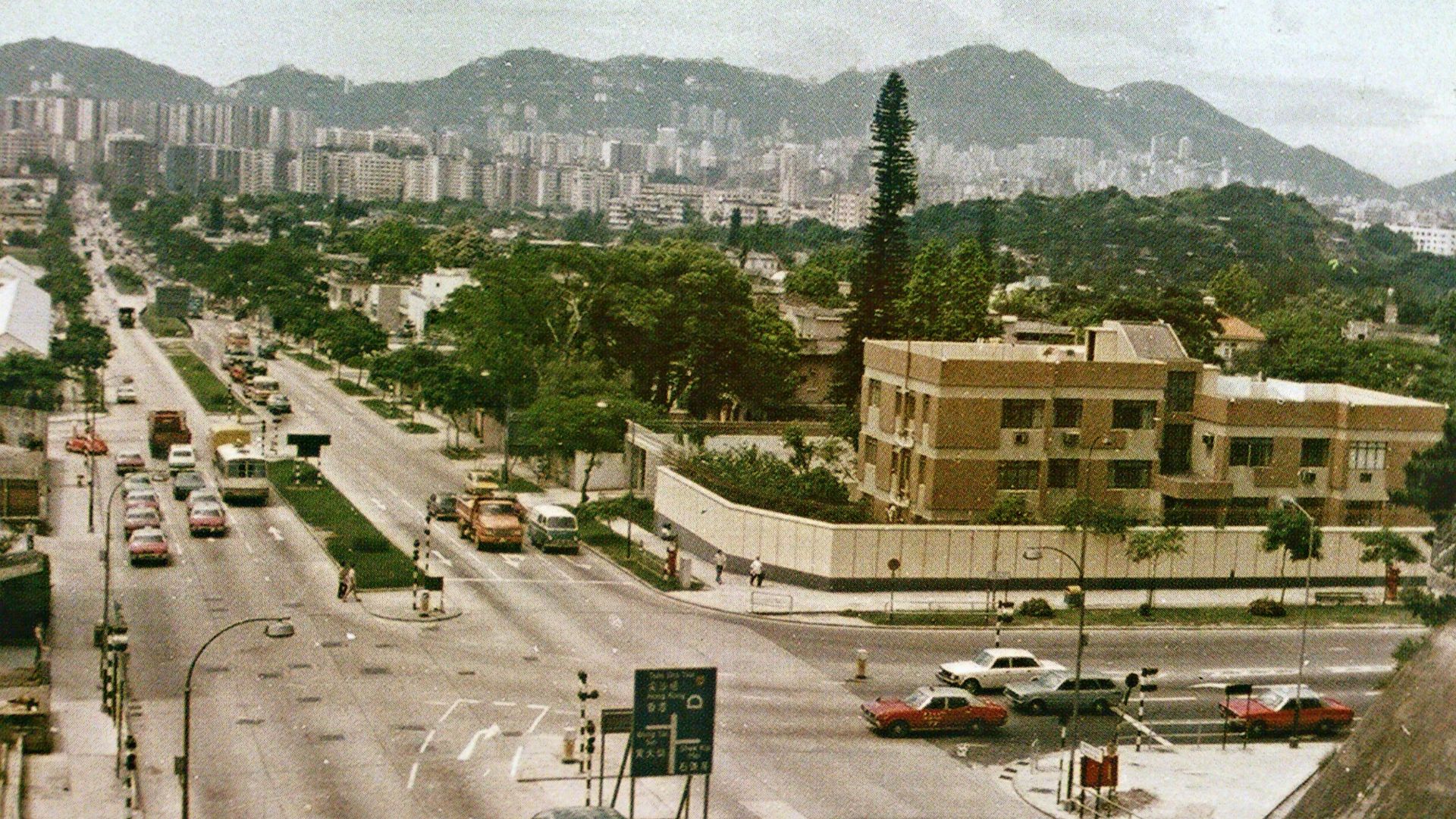
Hong Kong
Hong Kong was booming in the 70s, gaining global attention as a financial and cultural hub. While still globally important, shifting narratives and changing travel trends have altered how younger generations see it—and how often it comes up as a destination.
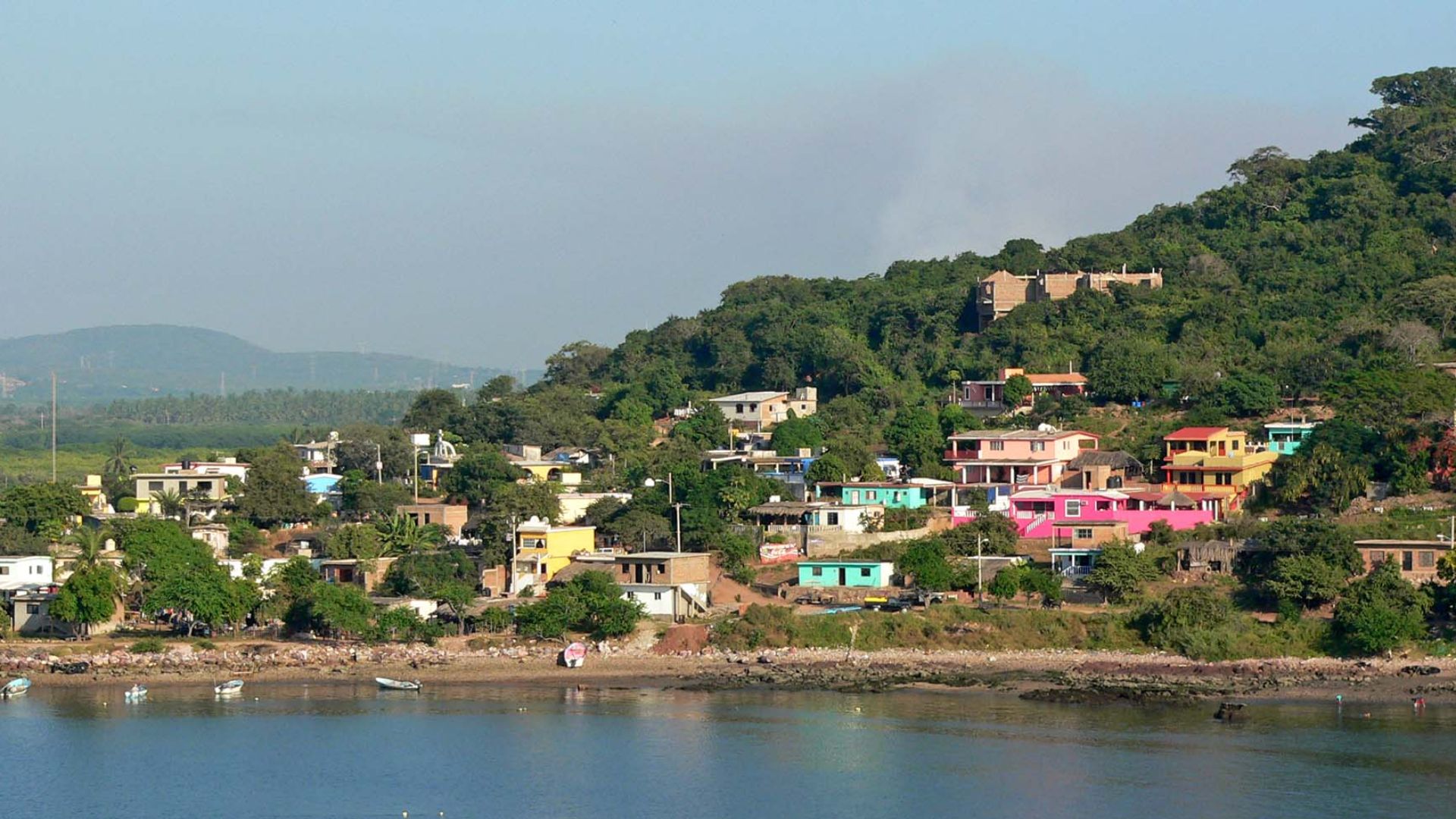
Mazatlán, Mexico
Mazatlán was a major coastal destination before other Mexican resort cities rose to dominance. It offered beaches, resorts, and easy access for North American travelers. Over time, it was overshadowed by newer, more heavily marketed destinations.
You Might Also Like:
Ranking The Smartest Countries In The World—According To Data