We Went Back Every Summer
Back in the 70s, these were the places boomers couldn’t wait to visit. Some families went back every single summer. Now, good luck booking that same vacation. What happened to the getaways we thought we’d always love? How many did your family visit—and would you still go back?
Atlantic City, New Jersey
Atlantic City offered the beach, the Boardwalk, and, beginning in 1978, legal casino gambling. But competition eventually took a substantial bite out of its casino business. In-person casino revenue reached about $2.89 billion in 2025, compared with $5.22 billion in 2006. That old gambling getaway isn’t the powerhouse it became.
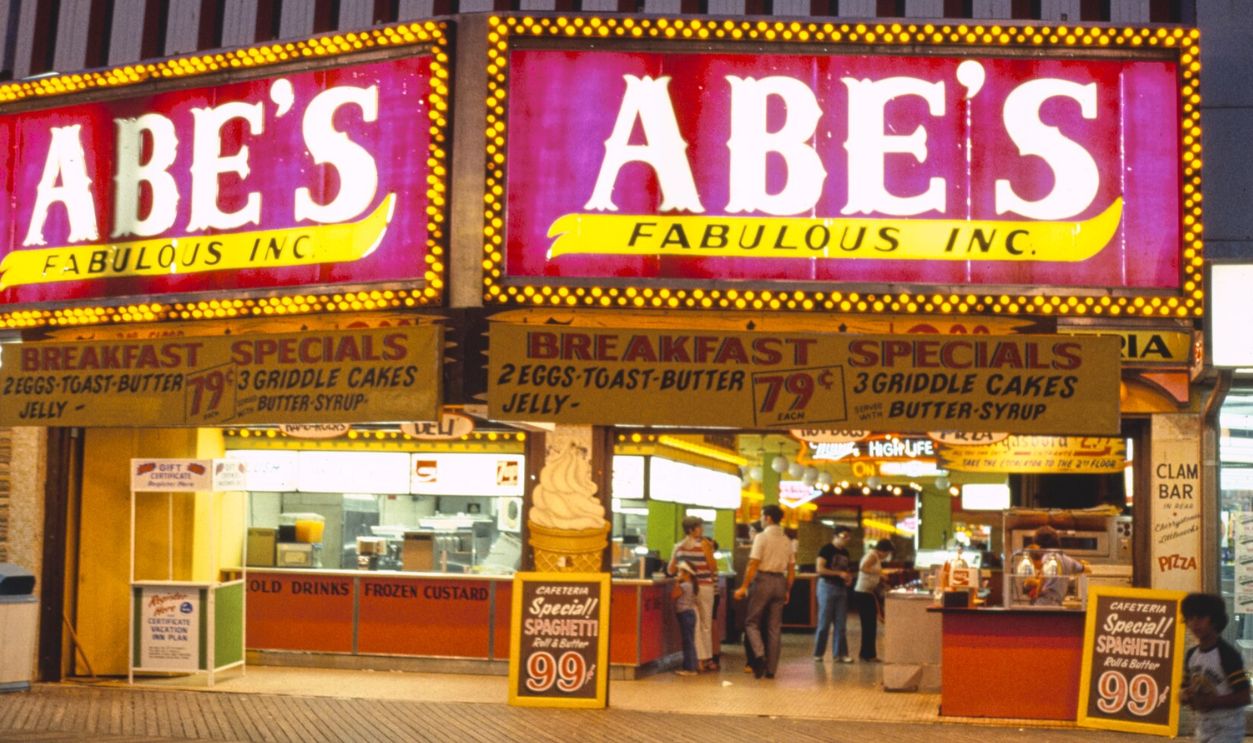 John Margolies, Wikimedia Commons
Liberty, New York
For families visiting the Catskills, nearby Grossinger’s offered the whole vacation in one place: meals, swimming, sports, and entertainment. It was still operating through the 70s, but changing travel habits weakened the old resort business. Grossinger’s closed in 1986. You can revisit the area, but you can’t check into that childhood vacation.
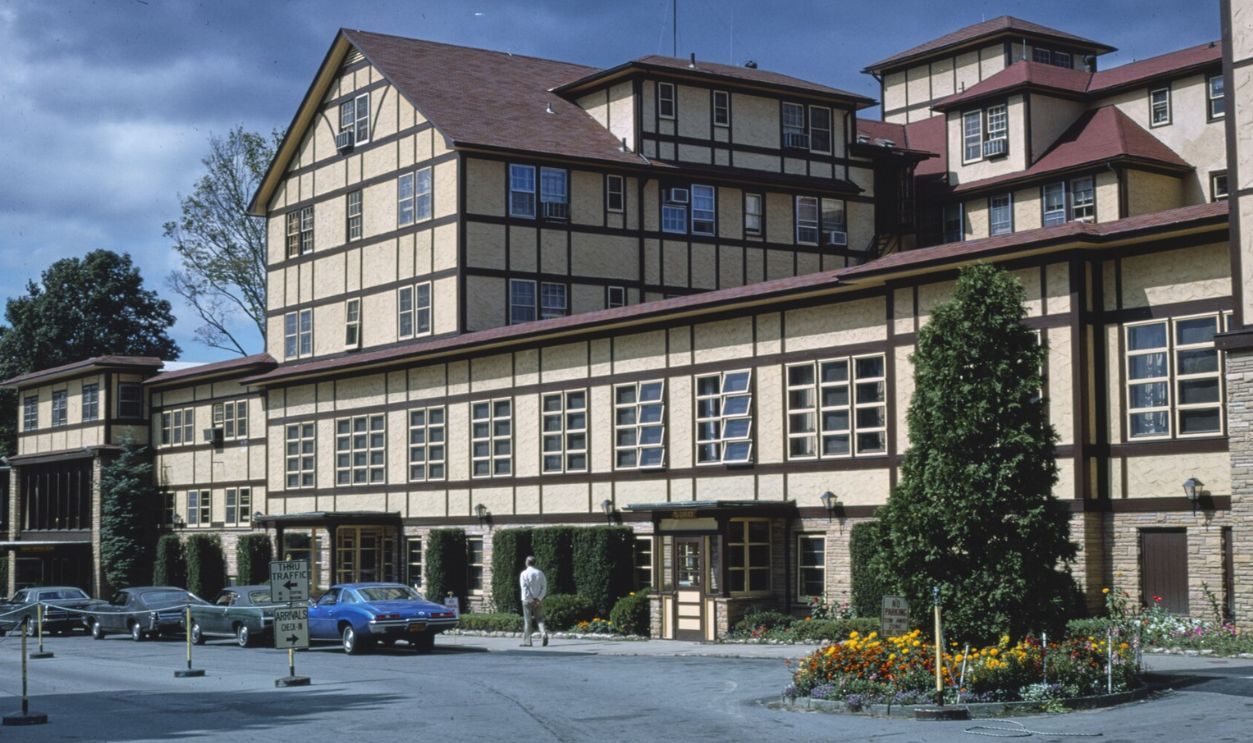 John Margolies, Wikimedia Commons
Maggie Valley, North Carolina
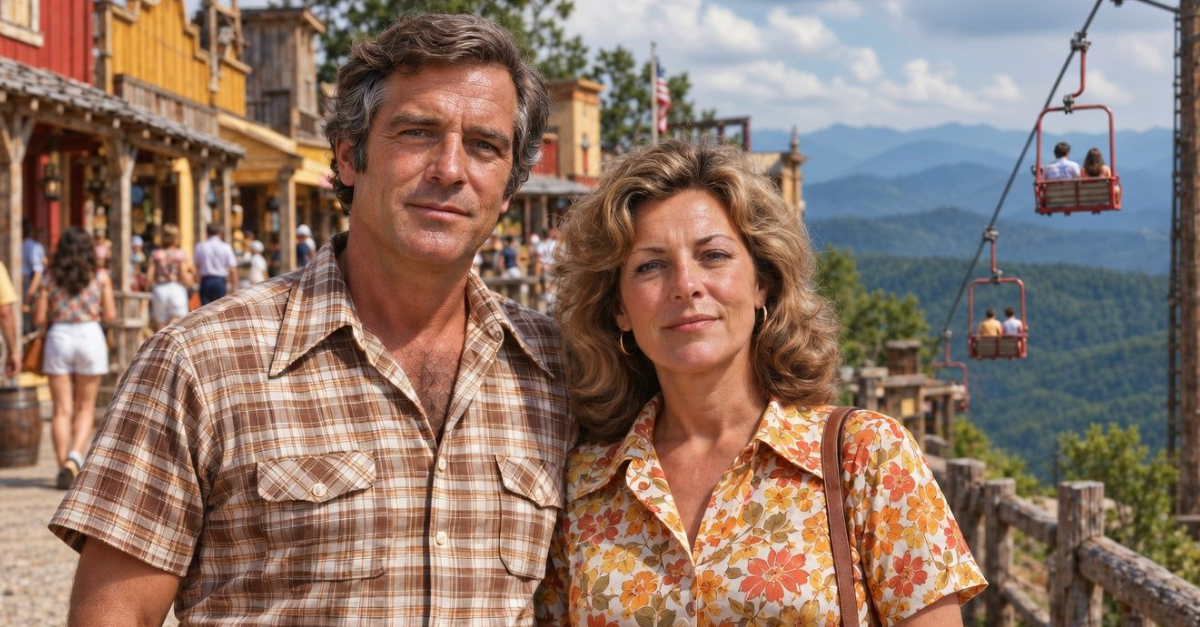
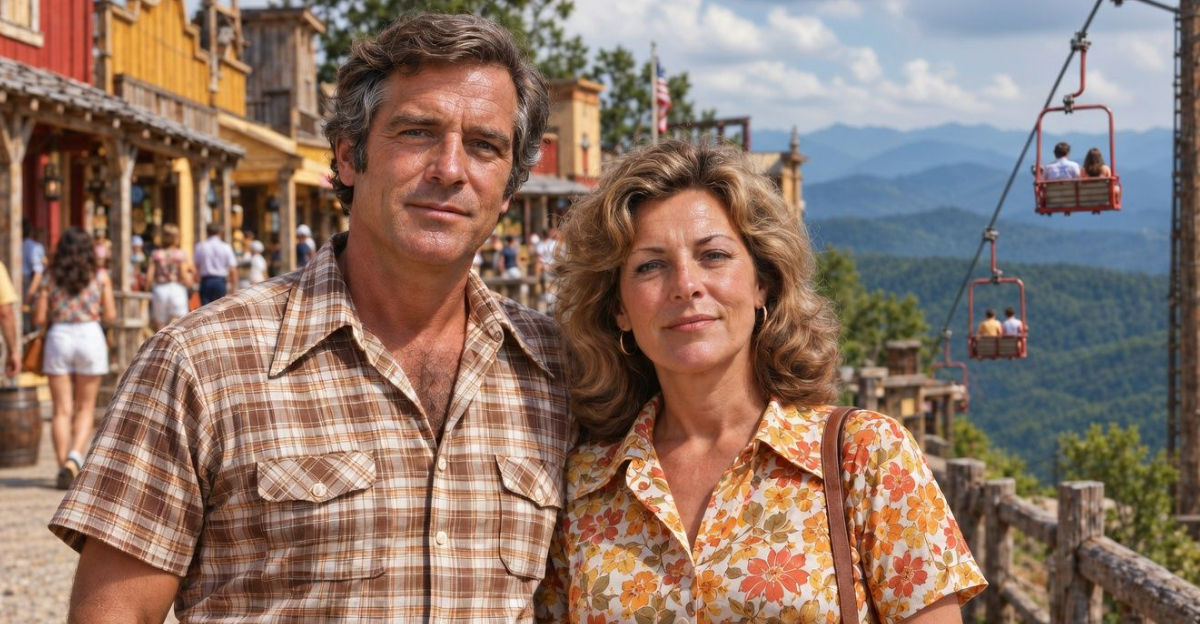
Ghost Town in the Sky brought an Old West vacation to a North Carolina mountaintop. Its early 70s crowds reportedly exceeded 400,000 visitors annually. But declining attendance and maintenance problems eventually led to closures and unsuccessful revivals. The ghost town became rather more convincing than anyone originally intended.
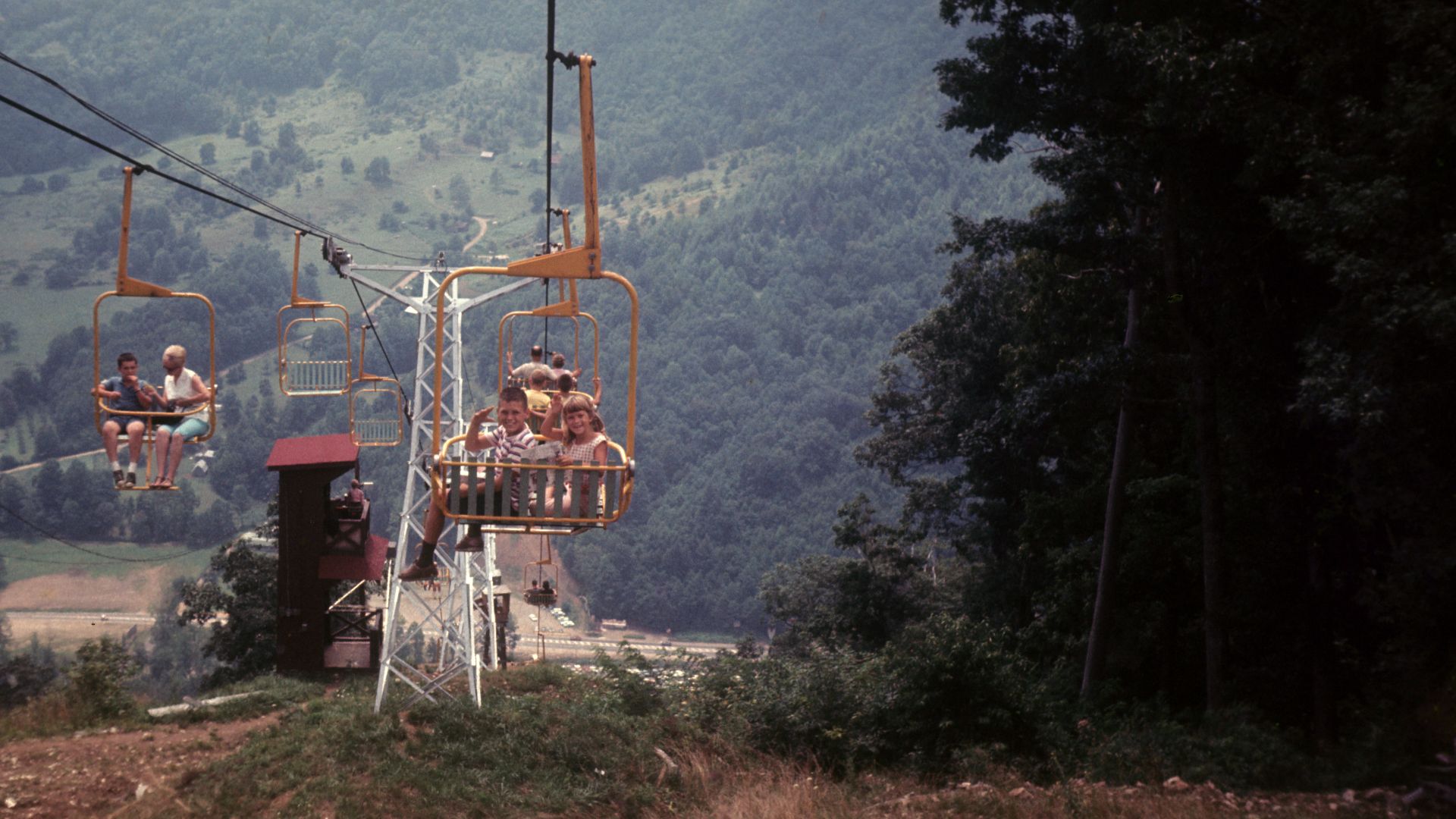 Tupelo the typo fixer, Wikimedia Commons
Reno, Nevada
Reno expanded its casino scene throughout the 70s, with the Eldorado opening in 1973. Later, California’s tribal casinos gave many customers somewhere closer to play, and older Reno properties closed. The city is developing new attractions, but its traditional casino-vacation business has suffered a long decline.
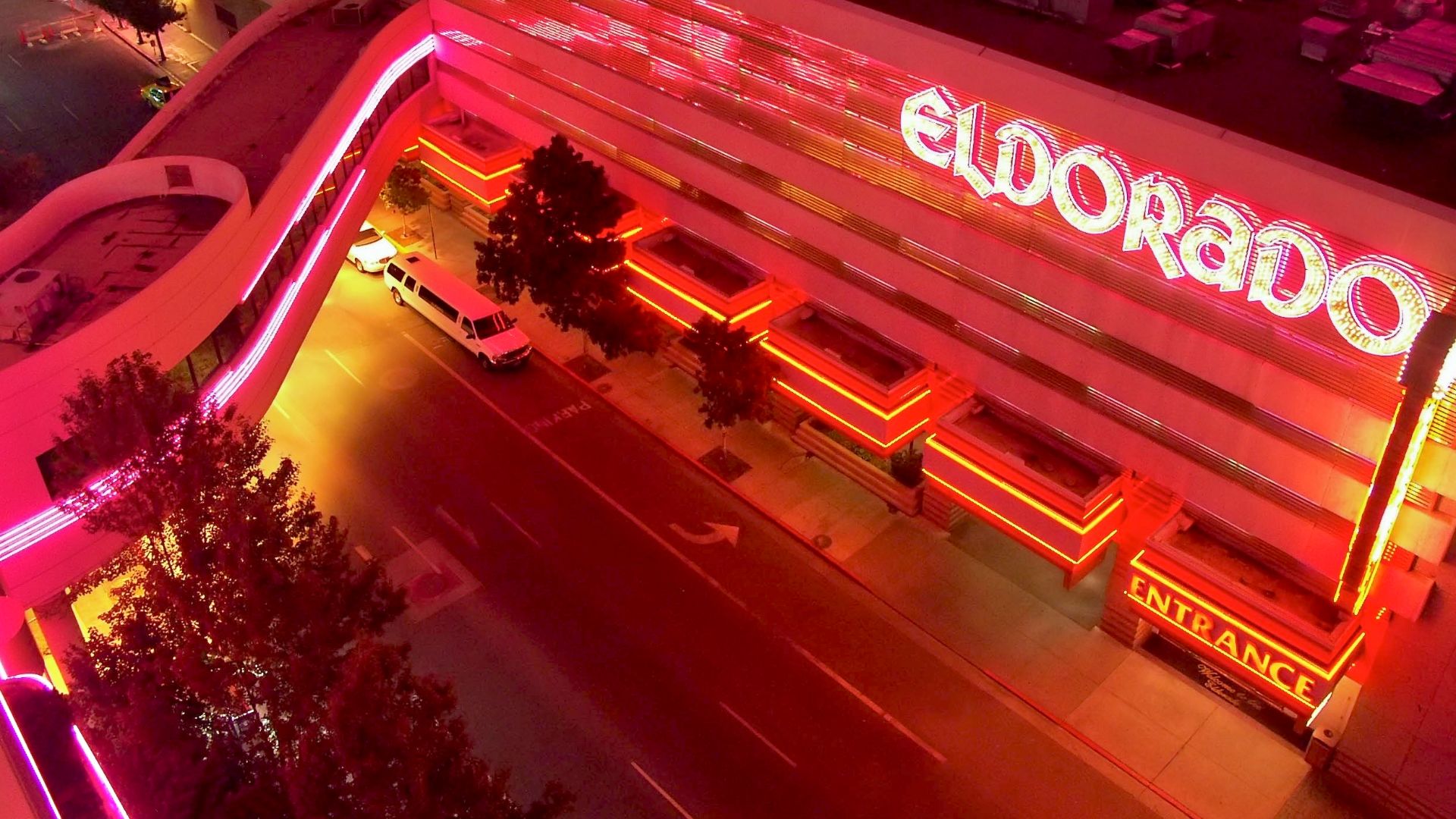 Tobias Haase from Hanover, Germany, Wikimedia Commons
Kiamesha Lake, New York
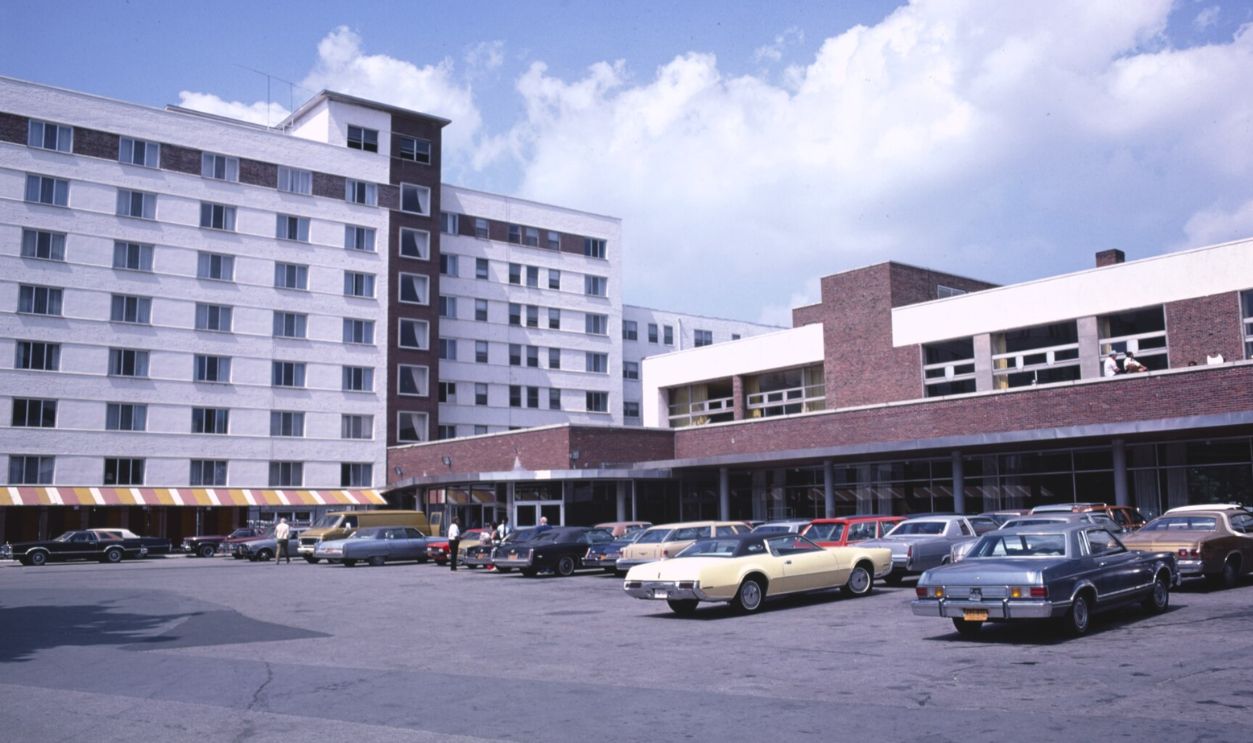
The Concord made Kiamesha Lake a major name in Catskills vacations, with golf, lavish entertainment, and an enormous dining room. The region’s largest Borscht Belt hotel closed in 1998. Nearby Breezy Corners, whose nightclub hosted Fleetwood Mac and Jethro Tull during its heyday, followed in 2008. Those were some pretty impressive vacation evenings.
 John Margolies, Wikimedia Commons
Ocala, Florida
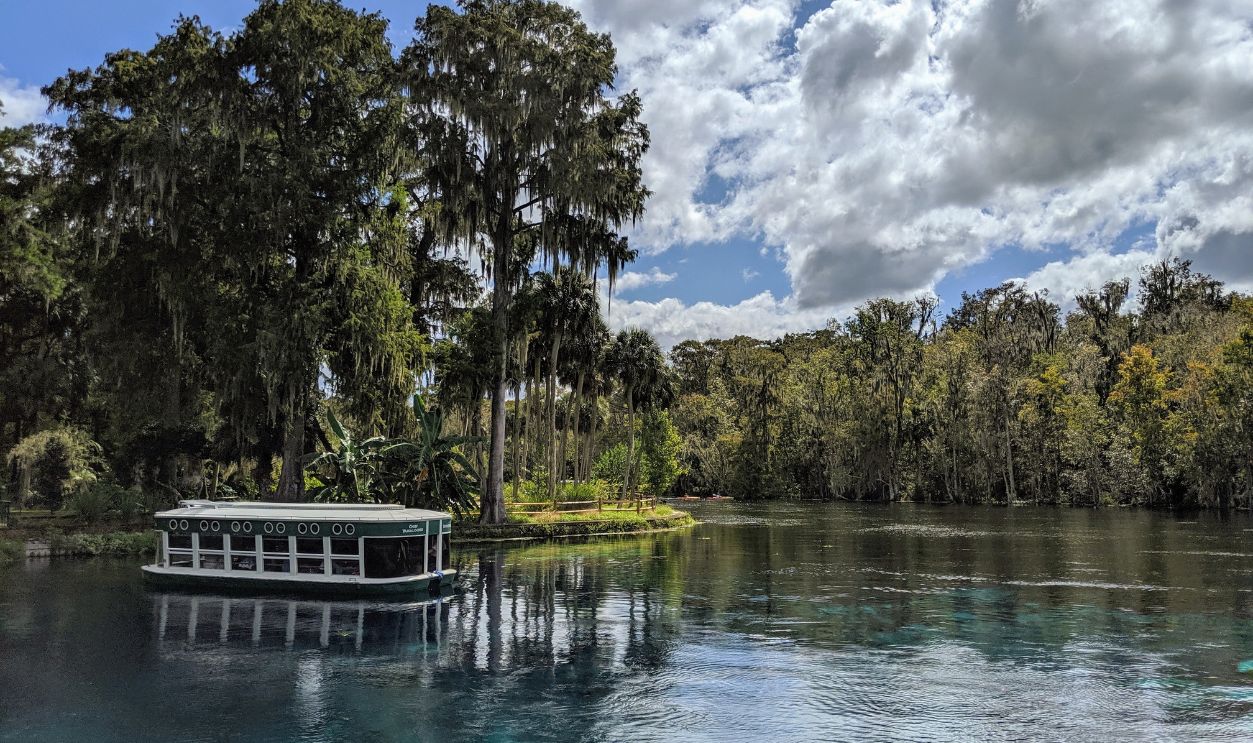
Nearby Silver Springs helped make the Ocala area a familiar Florida vacation stop. Glass-bottom boats and a collection of attractions supplied the entertainment. But its own history documents declining attendance beginning in the 70s as Orlando’s theme parks expanded. The boats survived. Much of the old commercial attraction around them did not.
Niagara Falls, New York
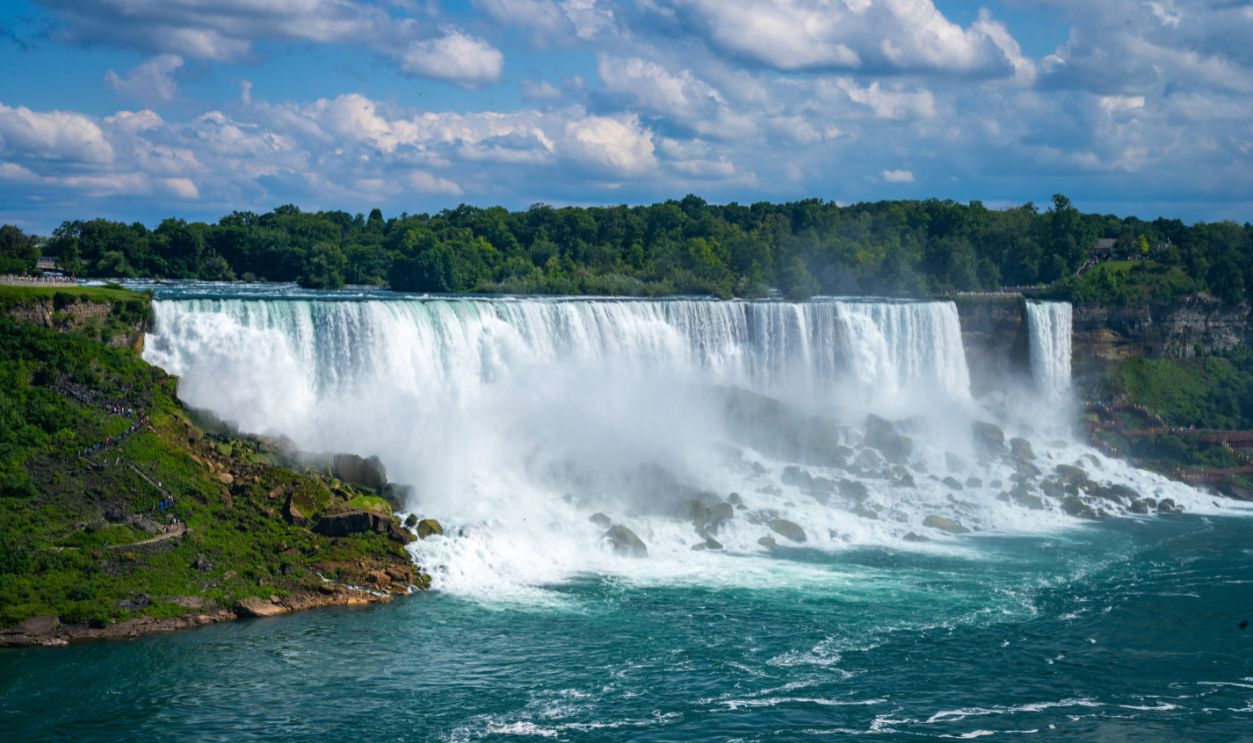
Niagara Falls was practically a honeymoon institution, and boomers inherited that reputation when they started marrying. But competition from other destinations weakened its honeymoon business, while the American city struggled through economic decline. The falls remain spectacular. What faded was the idea that this was the obvious place to spend your honeymoon.
 Jonathan Manjeot, Shutterstock
Monticello, New York
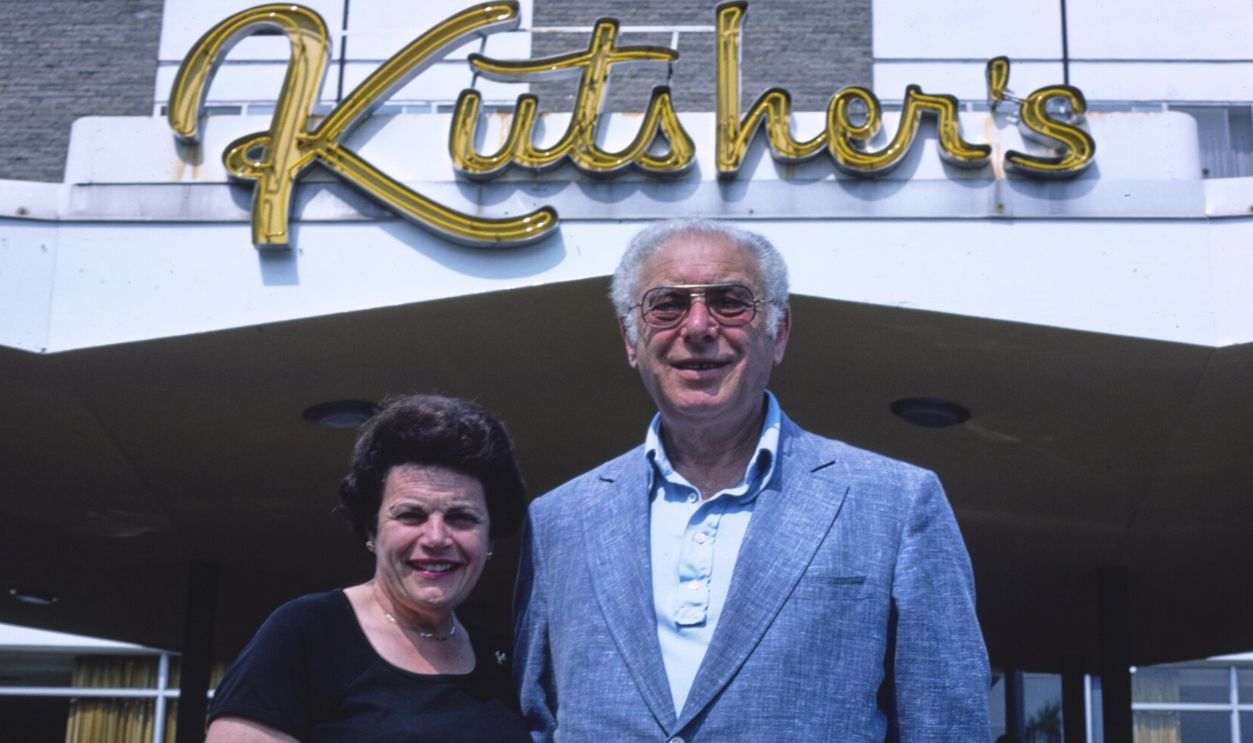
Monticello was a gateway to the Catskills resort world, including nearby Kutsher’s, where families could settle in for meals, sports, and entertainment. As the Borscht Belt declined, that network of vacation destinations unraveled. Kutsher’s finally closed in 2013. New businesses have arrived, but the old family-resort circuit is largely gone.
 John Margolies, Wikimedia Commons
Mount Pocono, Pennsylvania
The Mount Pocono area offered the sort of resort vacation people booked for the entire package: accommodation, meals, activities, and evening entertainment. Nearby Mount Airy Lodge became one of its famous names. Financial problems and falling bookings eventually caught up with it, and the old lodge closed in 2001. Its casino successor offers a different getaway.
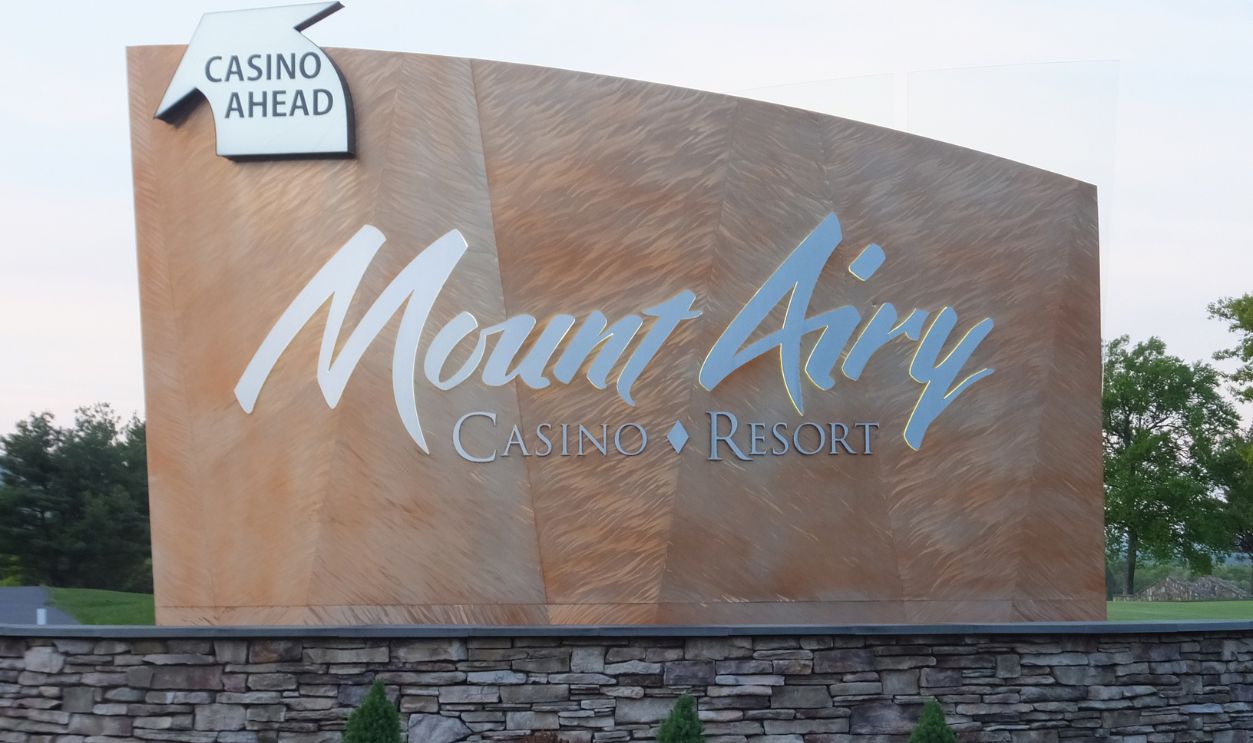 Ritu Manoj Jethani, Shutterstock
Salton City, California
Salton City was part of a desert-lake vacation dream built around boating, fishing, and waterfront recreation. But flooding in the 70s damaged shoreline developments, and worsening environmental conditions undermined the region’s resort business. Much of that vacation infrastructure was abandoned. This wasn’t simply a destination going out of fashion. The lake itself changed.
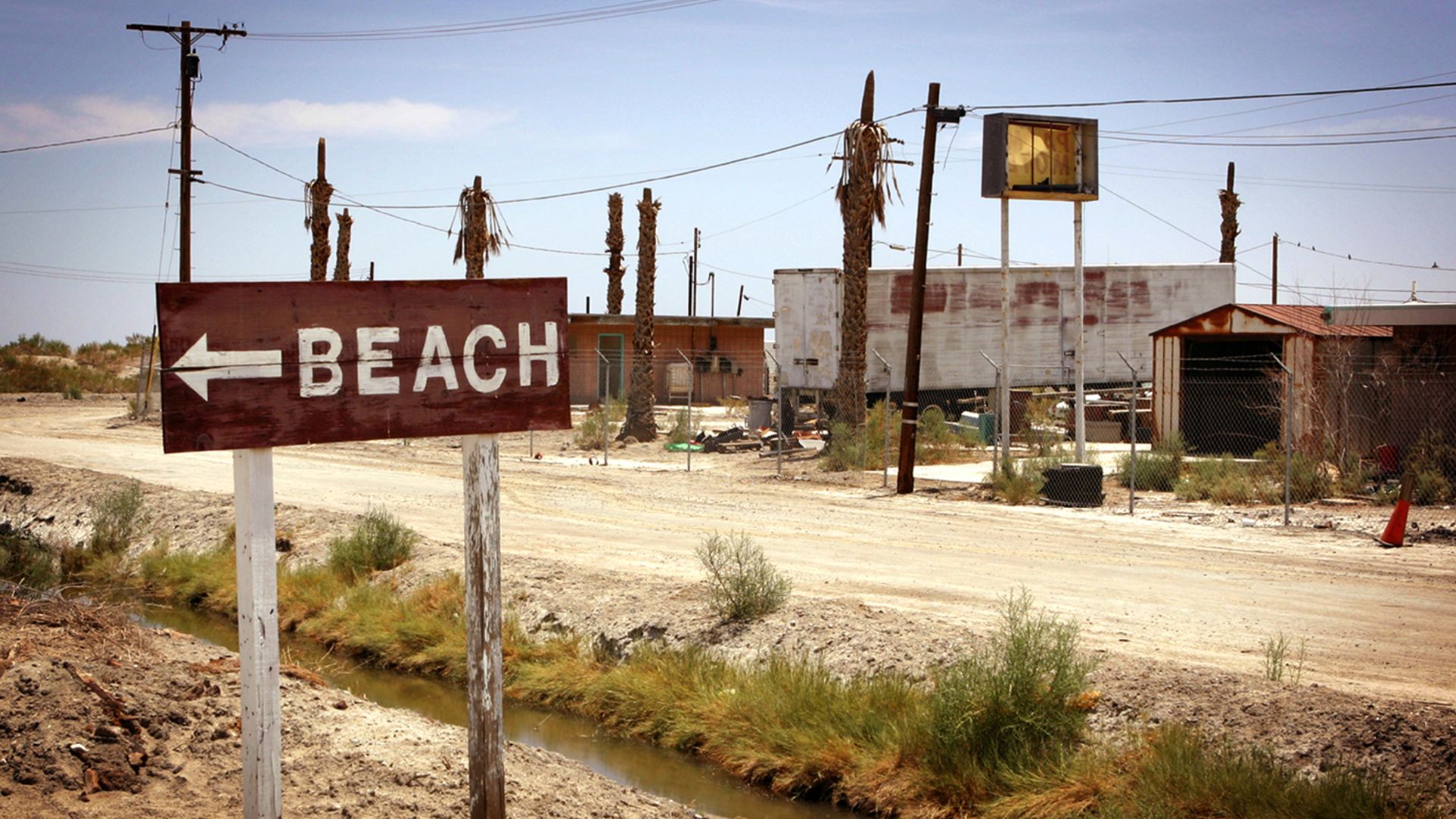 Jeremy Engleman, Wikimedia Commons
South Fallsburg, New York
South Fallsburg’s resorts offered enough activities to keep the whole family occupied, with pools, skating, golf, and evening shows. The Pines was one of its familiar names before closing in 1998 amid financial problems. Other local hotels became schools, camps, or housing. The buildings sometimes found another purpose. The old vacations didn’t.
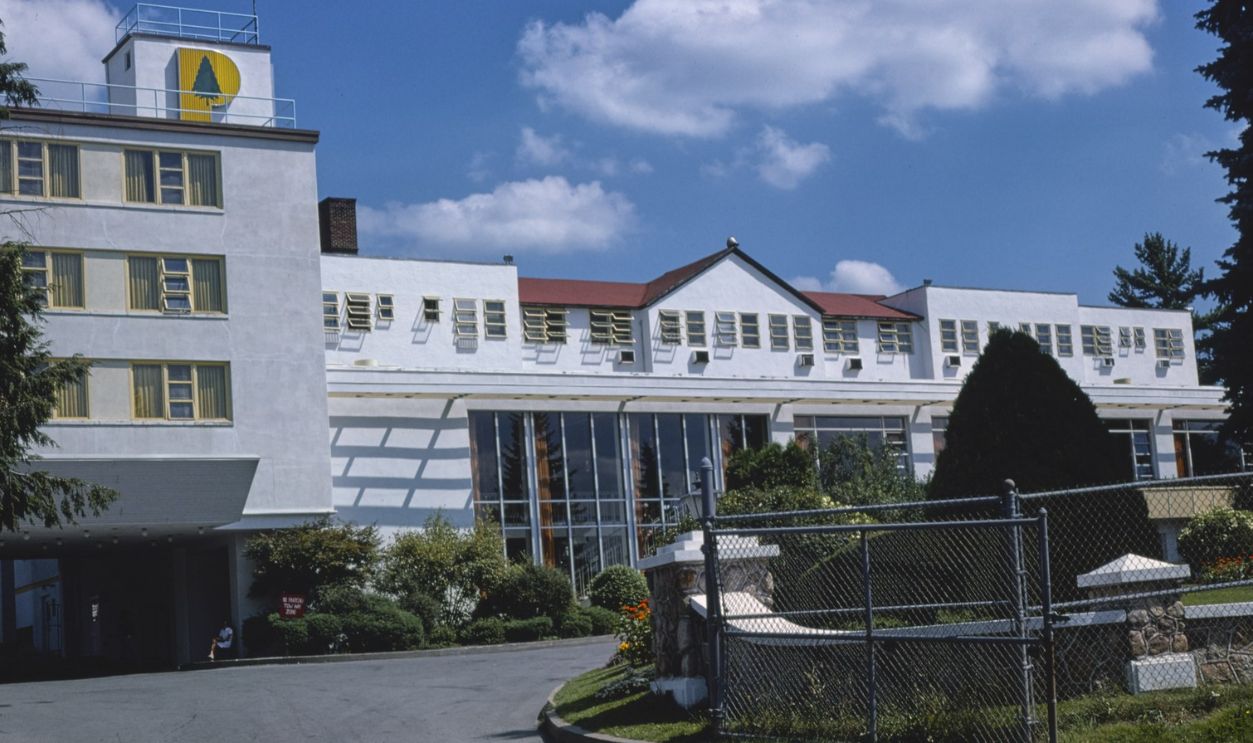 John Margolies, Wikimedia Commons
Hot Springs, Arkansas
Hot Springs carried its famous bathing-resort identity into the 70s, although the business was already shrinking. Modern medicine reduced demand for thermal-water treatments, and several bathhouses closed during the decade. The city has since found new uses for historic buildings, but the vacation industry built around “taking the waters” never regained its old role.
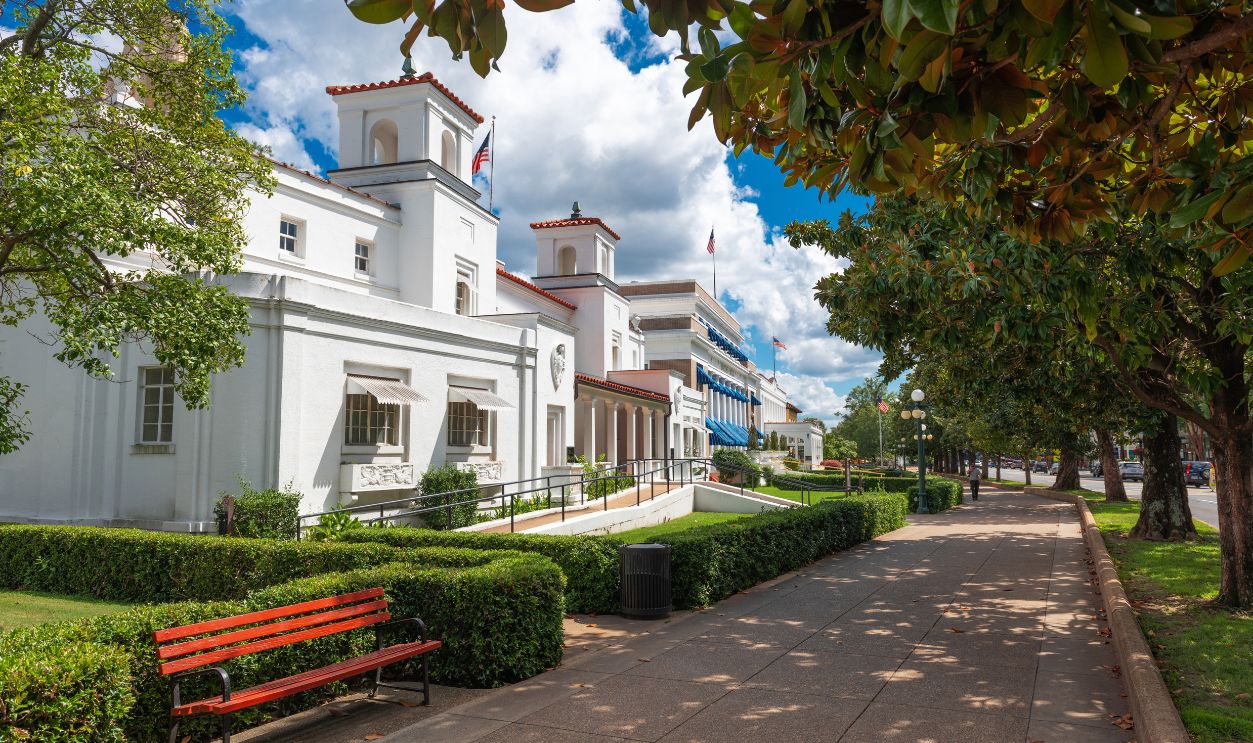
Laughlin, Nevada
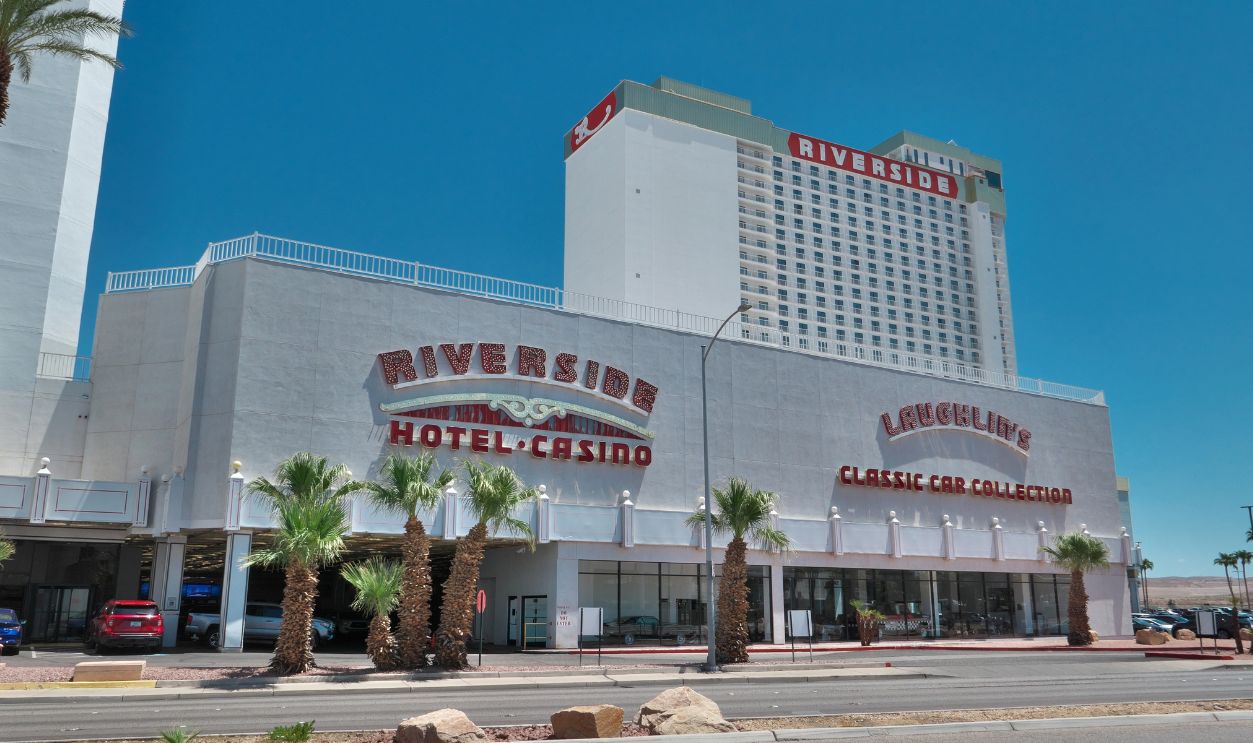
Laughlin was still developing in the 70s after Don Laughlin opened his Riverside resort in 1966. Its biggest boom came later, but so did a substantial decline. Annual visitation reached roughly 4.8 million in 1994. In 2025, despite recent improvement, it attracted about 1.4 million. That’s a lot fewer people checking in.
 Christophe KLEBERT, Shutterstock
Ellenville, New York
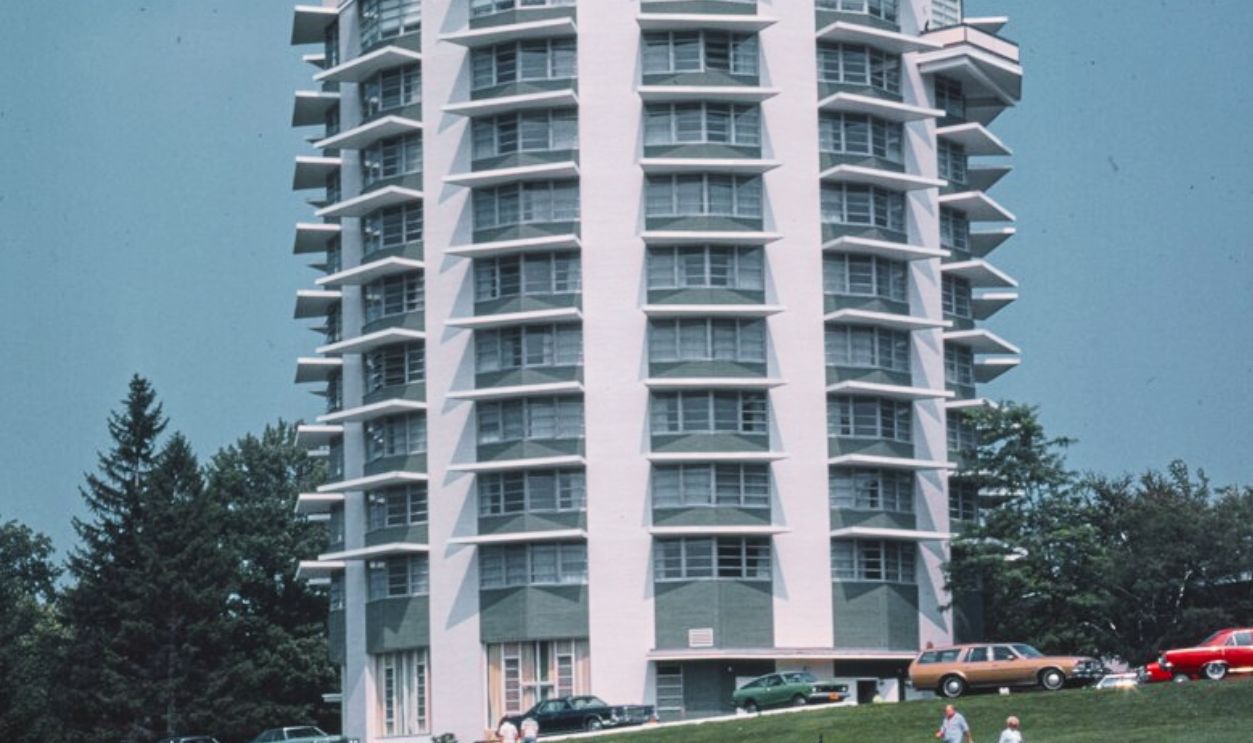
Near Ellenville, the Nevele offered the kind of resort where families could swim, skate, play golf, watch entertainment, and barely leave the property. Its heyday included the 60s and 70s. After years of decline, it closed in 2009. Redevelopment efforts followed, but the vacation destination generations remembered never simply reopened for another summer.
 John Margolies, Wikimedia Commons
You Might Also Like:
The Most Bizarre Tourist Trap In Every U.S. State—Which Ones Would You Actually Visit?