You Won’t Find Them Anywhere Else
You could travel the entire world looking for these. But unless you eventually reach the United States, you’re going home empty-handed.
Some are famous. Others are so strange that even most Americans have no idea they exist.
 Ronincmc, Wikkicommons & Factinate
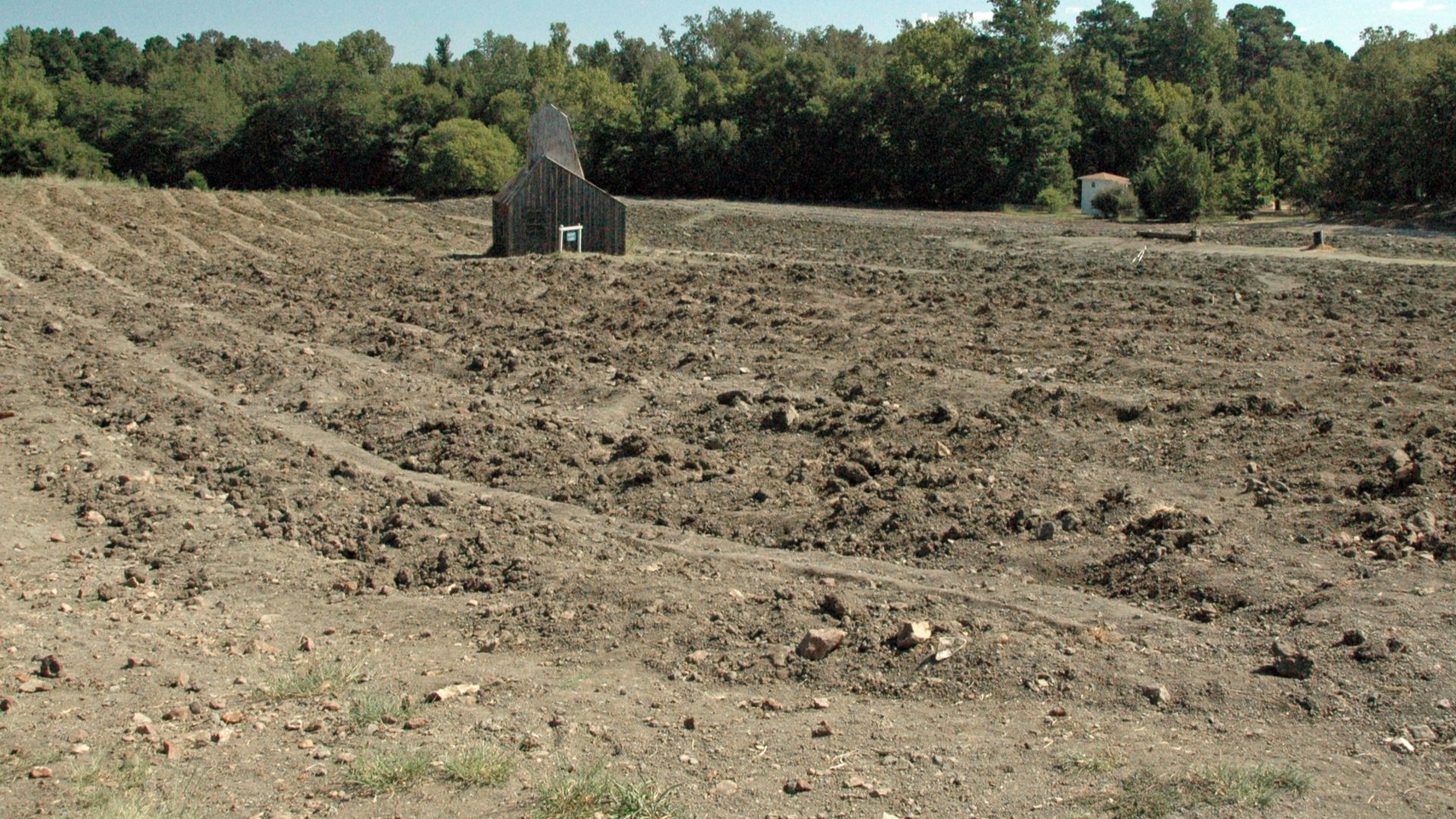
A Park Where You Can Keep The Diamonds
Arkansas’s Crater of Diamonds State Park is the only place in the world where the public can search for real diamonds in their original volcanic source and keep whatever they find. More than 37,000 diamonds have been discovered since the site became a state park.
 James St. John, Wikimedia Commons
The Last Blockbuster On Earth
Thousands of Blockbuster stores once operated around the world. Today, only one remains. Located in Bend, Oregon, it still rents movies, sells merchandise and attracts visitors eager to experience something that was once completely ordinary. Somehow, returning a DVD has become a tourist attraction.
 Chris Light, Wikimedia Commons
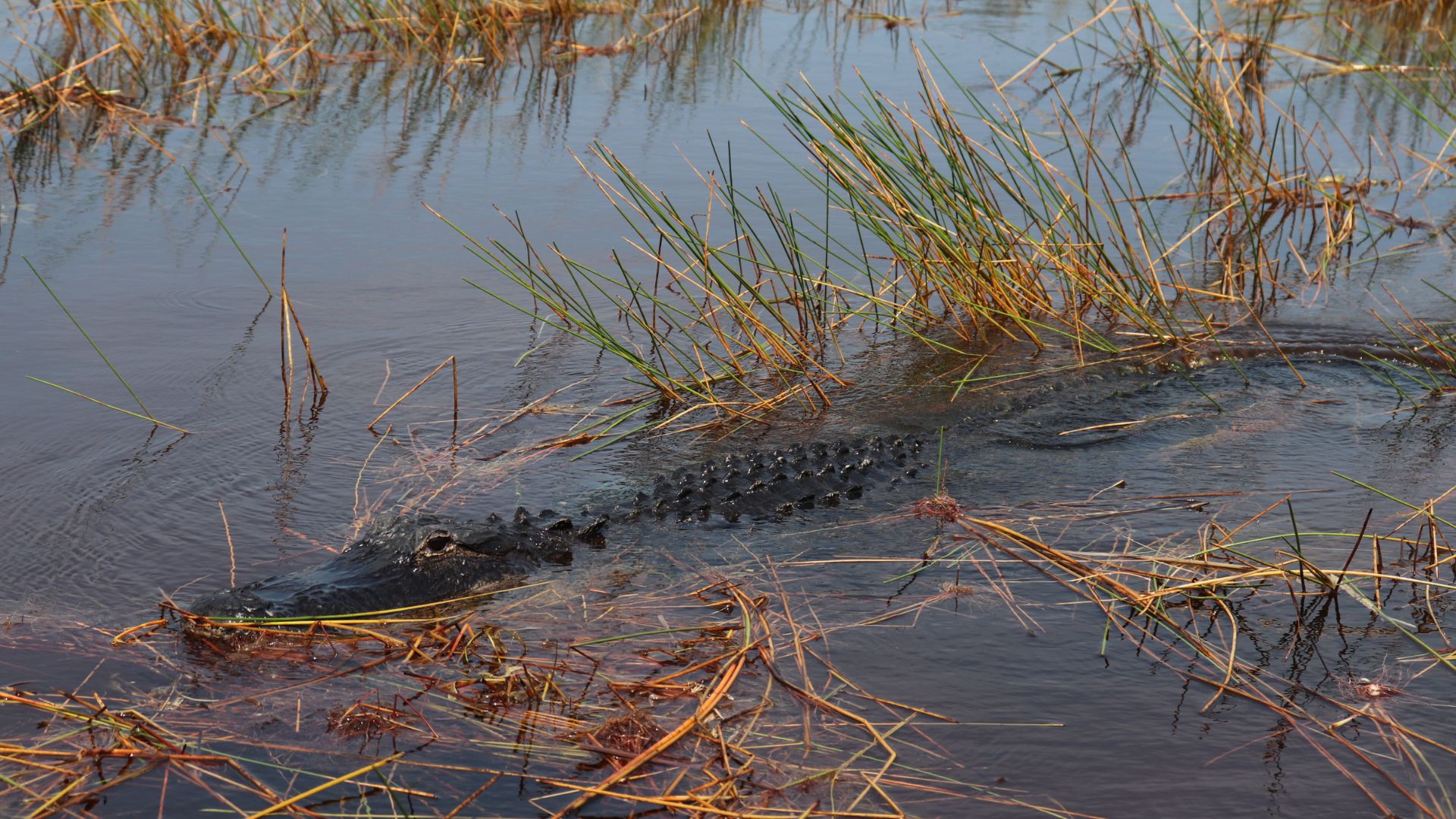
Wild Alligators And Crocodiles Living Together
American alligators and American crocodiles share the same wild habitat in only one place: South Florida. Their ranges overlap around the Everglades and nearby coastal areas. Alligators prefer freshwater, while crocodiles favor saltier water, but this corner of America accommodates both enormous reptiles.
The Largest Known Fungus
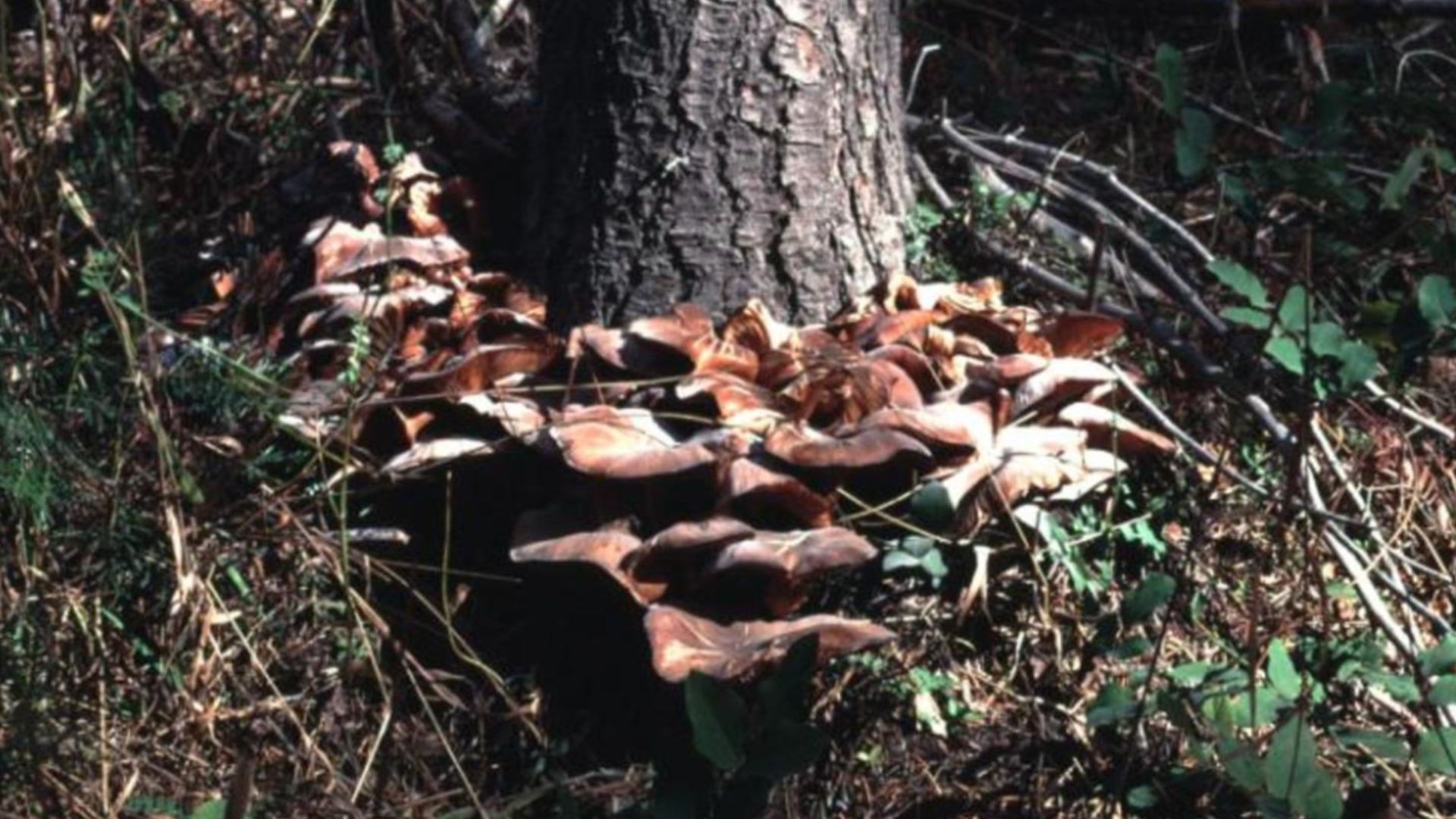
Beneath Oregon’s Malheur National Forest lives an enormous honey fungus covering roughly 2,385 acres. Most of it remains hidden underground, connecting through vast networks of fungal tissue. Scientists consider it the largest known fungus on Earth, and it may have been growing for thousands of years.
 Craig L. Schmitt, Michael L. Tatum, Wikimedia Commons
A Mail Boat With Its Own ZIP Code
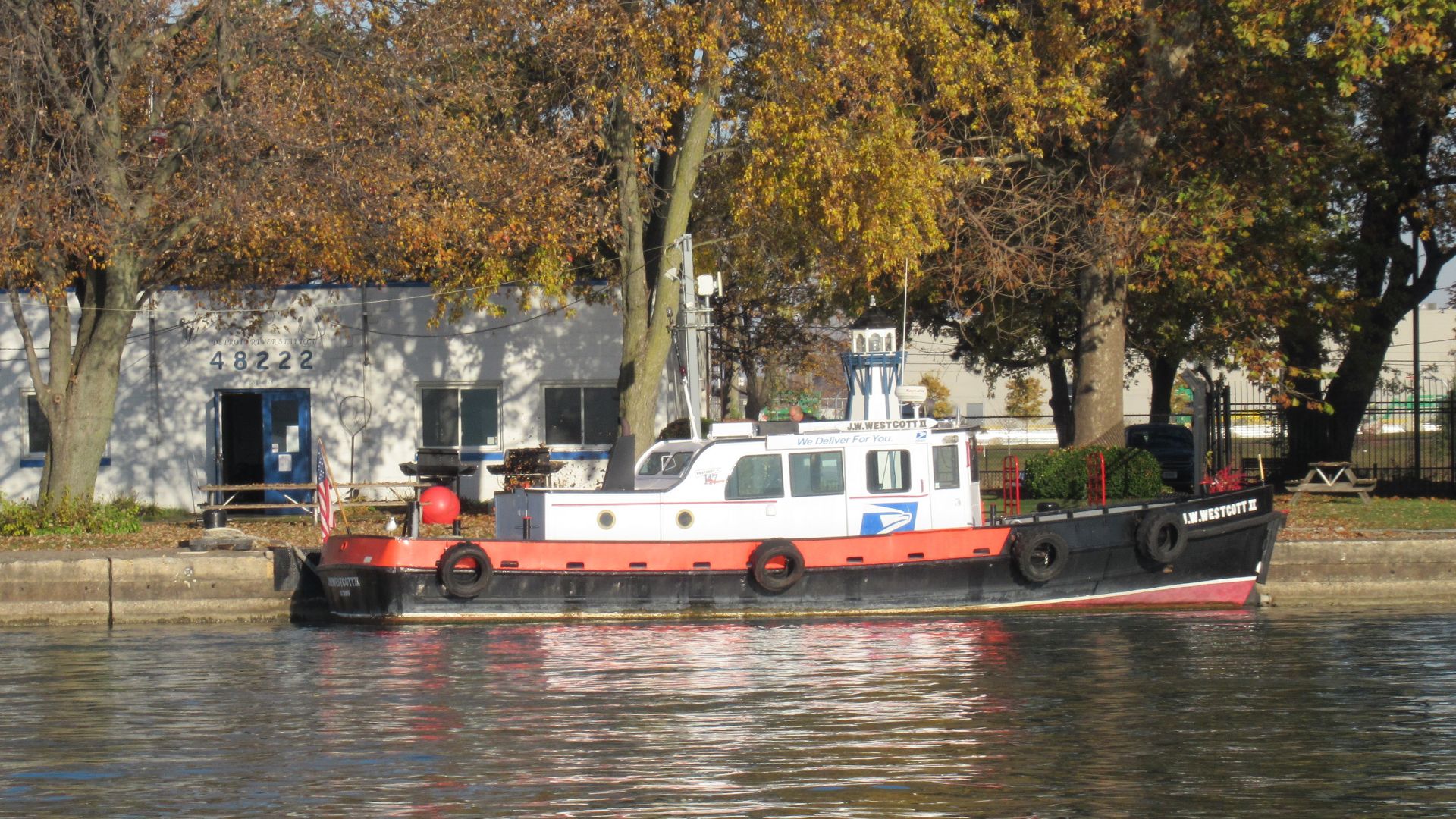
Detroit’s J.W. Westcott II delivers mail directly to ships traveling along the Detroit River. The 45-foot boat even has its own floating ZIP code: 48222. It is America’s only floating postal ZIP code and a service you will not find operating anywhere else in the world.
 Notorious4life (talk) (Uploads), Wikimedia Commons
The World’s Only Ventriloquism Museum
Vent Haven Museum in Fort Mitchell, Kentucky, is the world’s only museum devoted entirely to ventriloquism. Its collection contains more than 1,100 figures, along with photographs, scripts and memorabilia. Some of those unsettlingly cheerful wooden faces are more than a century old.
 5chw4r7z from Cincinnati, Wikimedia Commons
Twenty-Six Species Found Nowhere Else
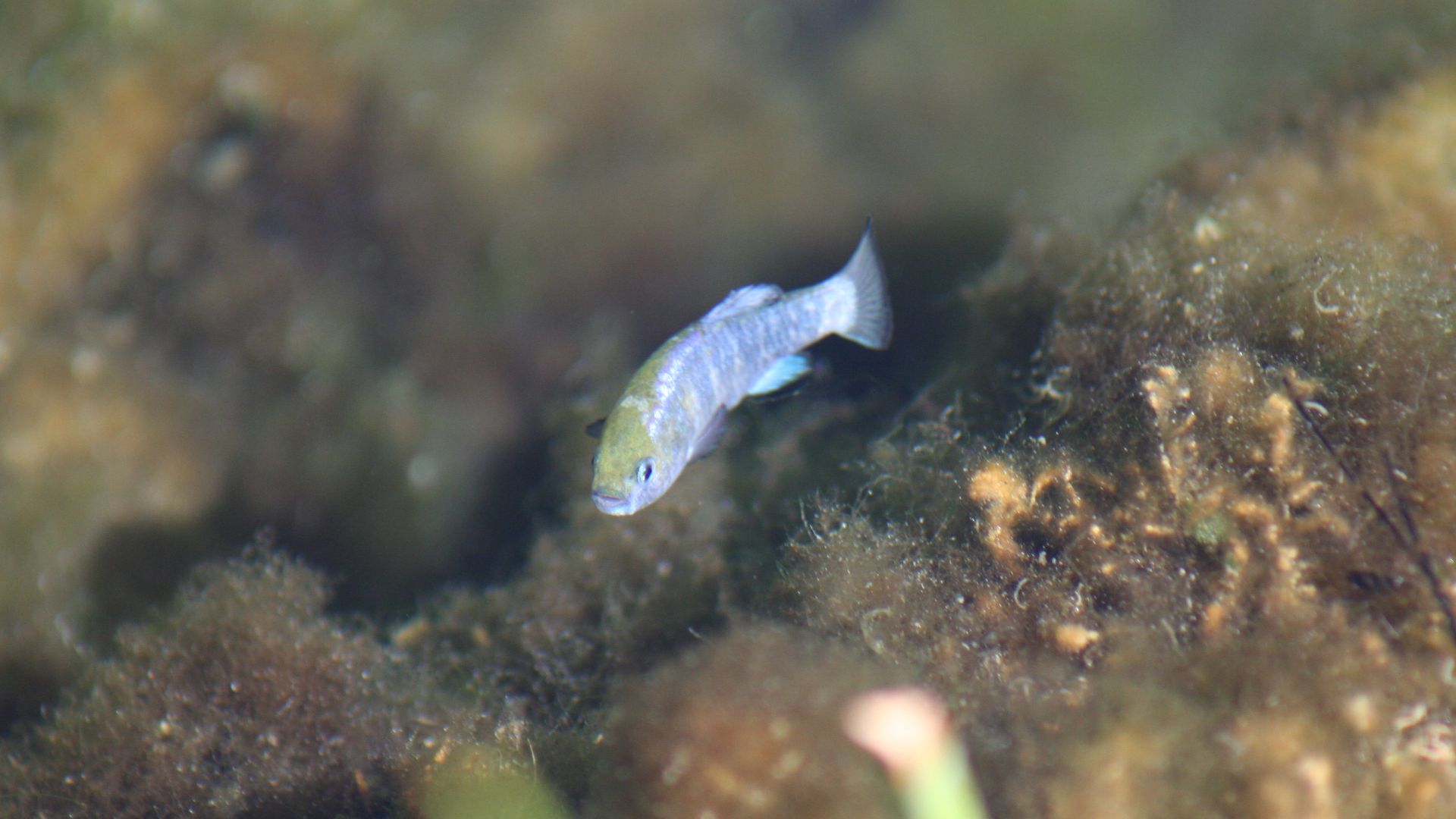
Nevada’s Ash Meadows National Wildlife Refuge covers less than 24,000 acres, yet it contains 26 species found nowhere else on Earth. Its isolated desert springs created tiny biological islands where unusual fish, plants, snails and insects evolved completely separately from their closest relatives.
 U.S. Fish and Wildlife Service Headquarters, Wikimedia Commons
The World’s Only Corn Palace
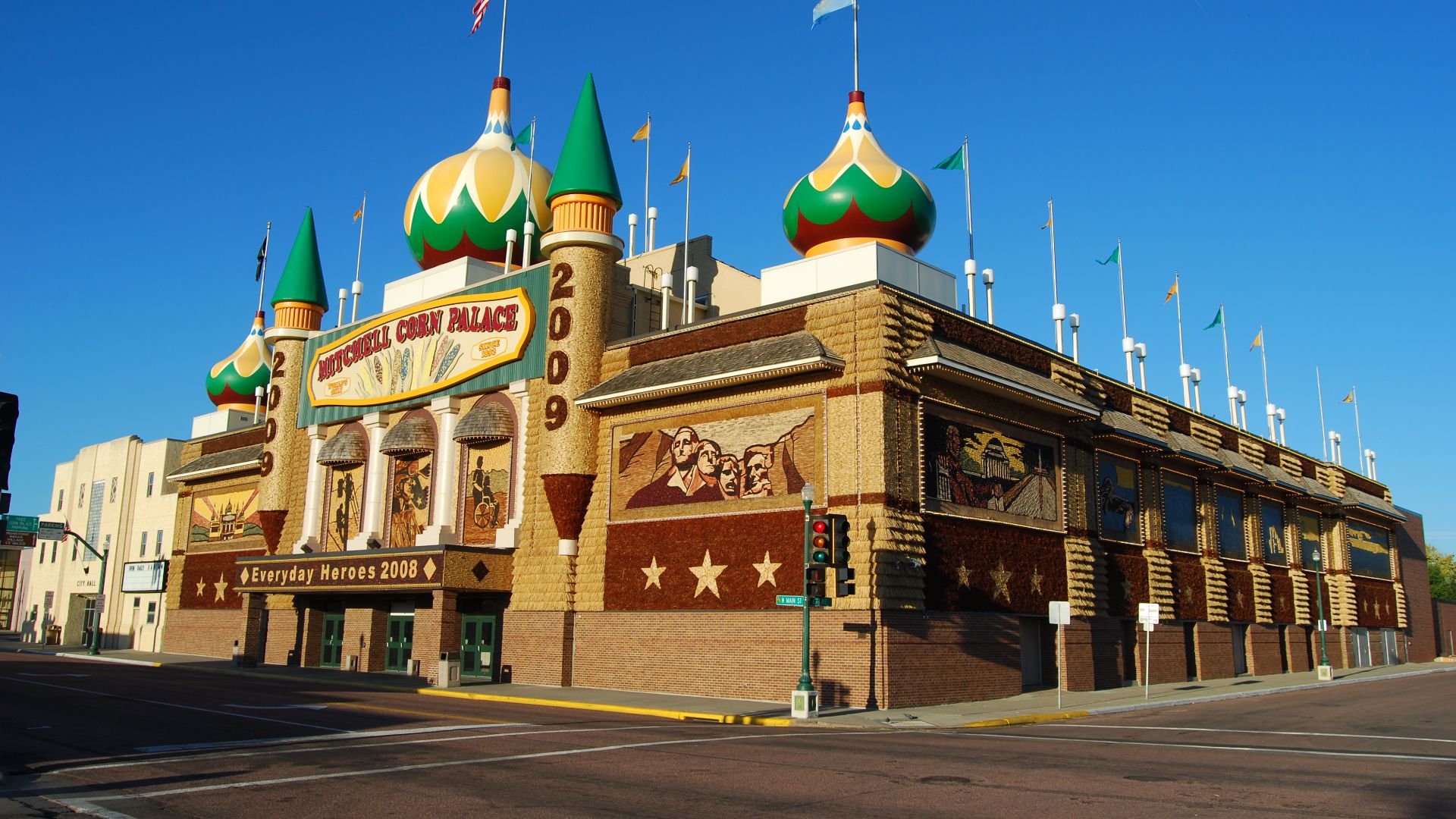
Mitchell, South Dakota, is home to the world’s only Corn Palace. Every year, its exterior is redecorated with elaborate murals made from naturally colored corn, grains and grasses. It is part community arena, part enormous agricultural artwork and one of America’s strangest annual makeovers.
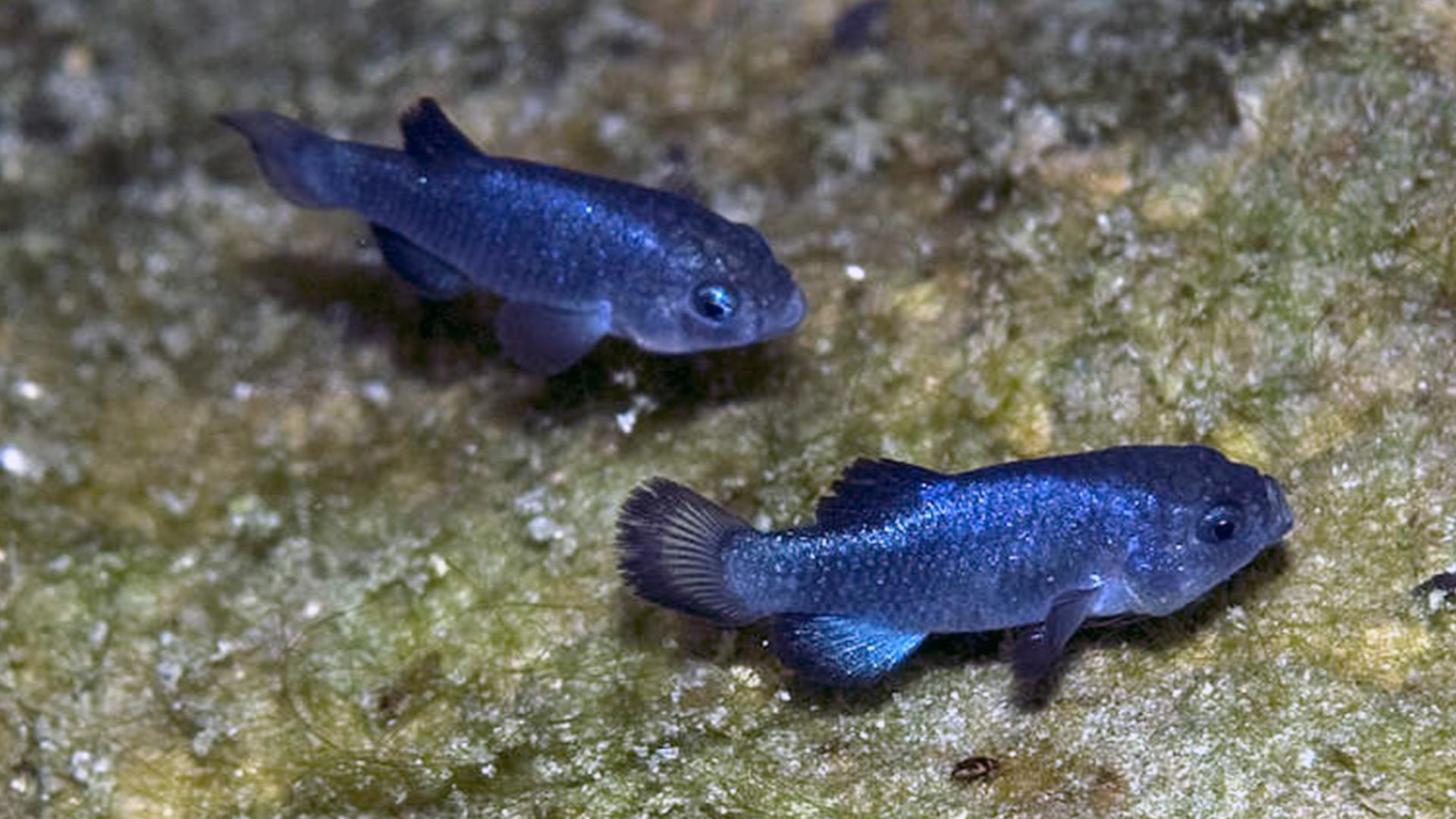
A Fish Living In One Tiny Pool
The Devils Hole pupfish naturally exists in just one geothermal pool in Nevada’s portion of Death Valley National Park. The water remains around 92 degrees, and the entire wild population occupies an astonishingly small habitat. During some counts, fewer than 100 fish have remained.
 Olin Feuerbacher / USFWS, Wikimedia Commons
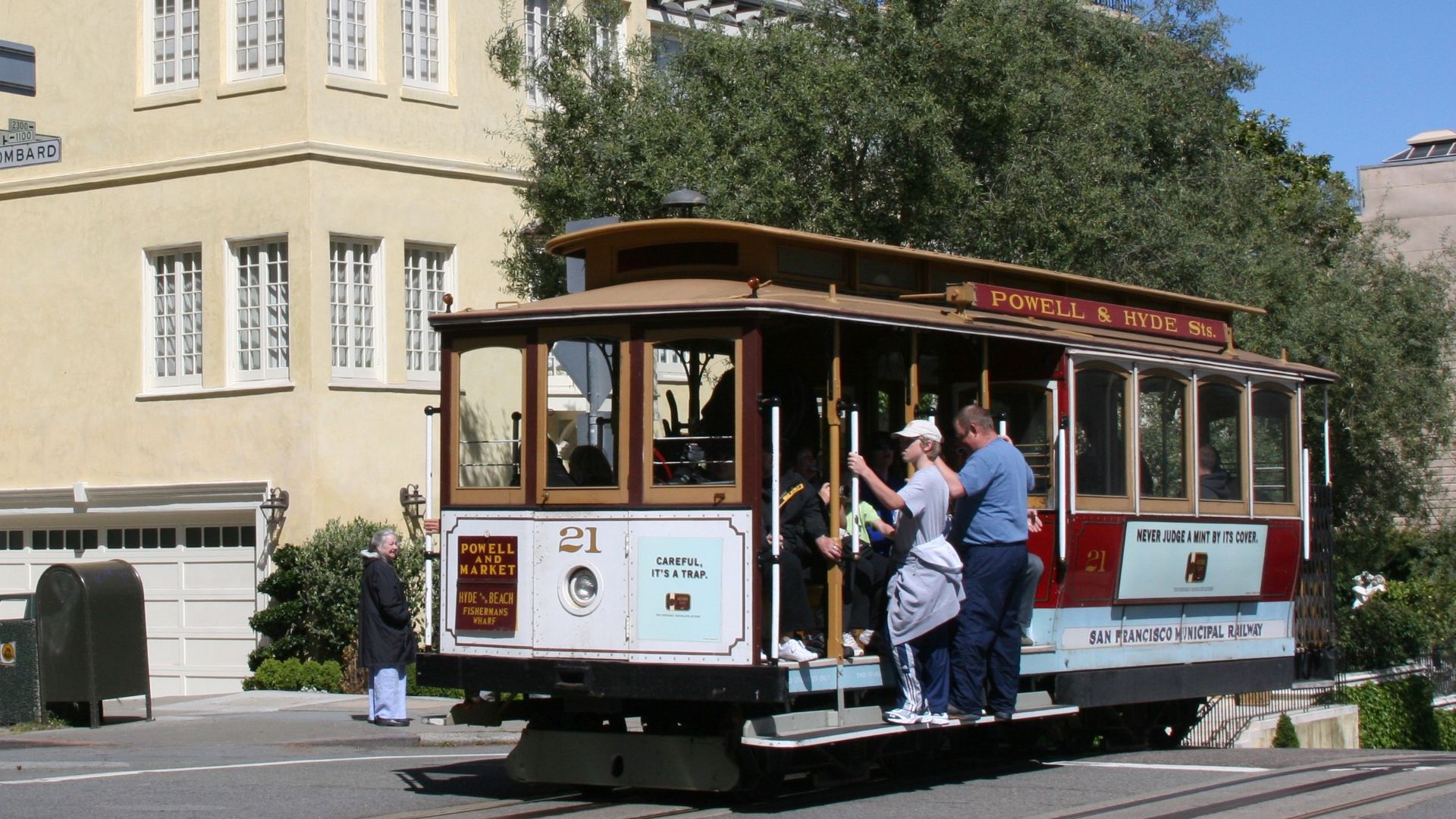
The Last Manually Operated Street Cable Cars
San Francisco operates the world’s last manually controlled street cable-car system. The cars do not power themselves. Instead, operators use large levers to grip and release constantly moving underground cables. Plenty of cities once had similar systems, but San Francisco is the only one that kept its running.
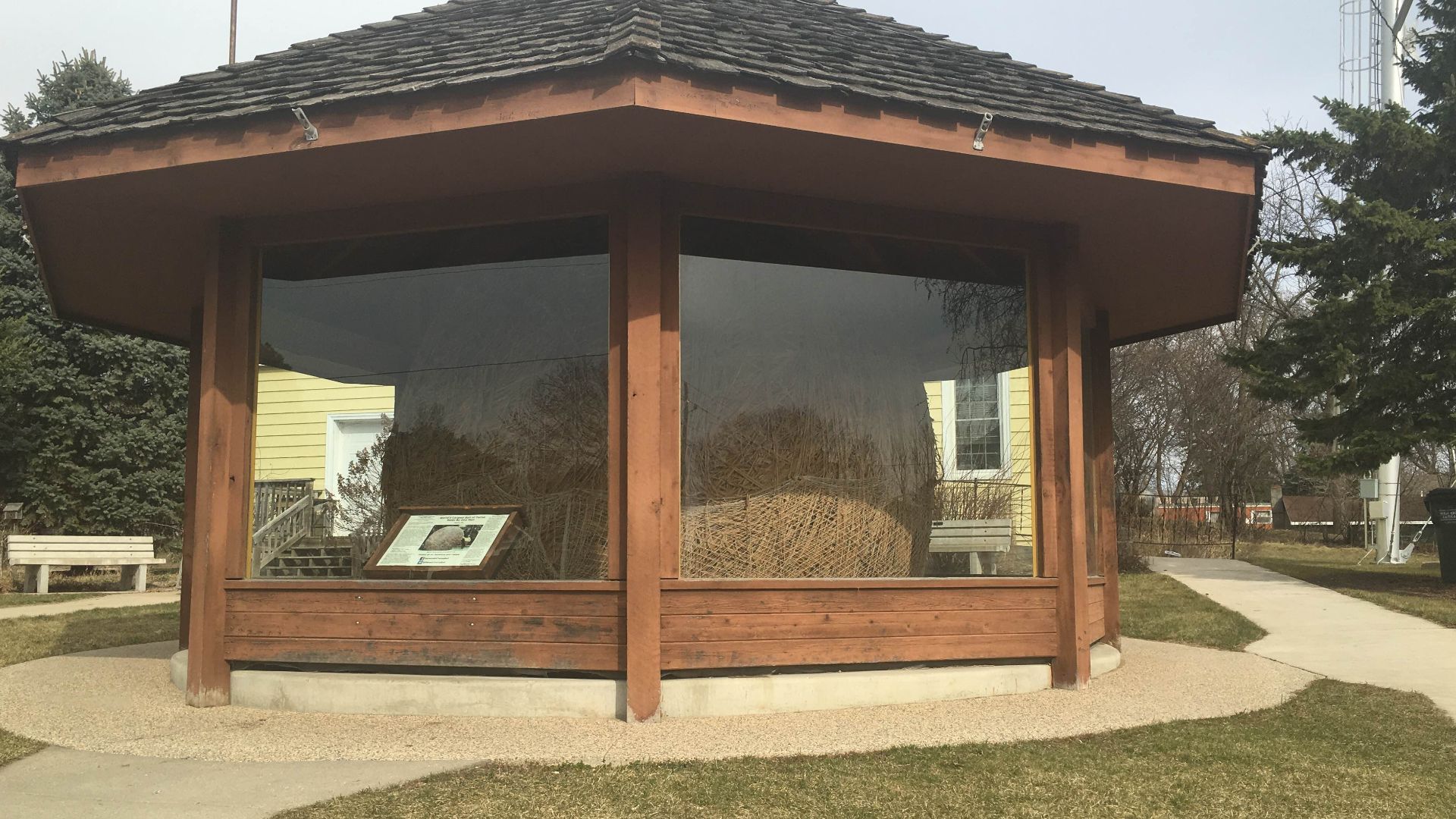
The Largest Twine Ball Made By One Person
Francis A. Johnson spent 29 years winding twine into an enormous ball in Darwin, Minnesota. Weighing nearly nine tons, it holds the record as the largest twine ball created by one person. Apparently, once Johnson started wrapping, stopping simply was not part of the plan.
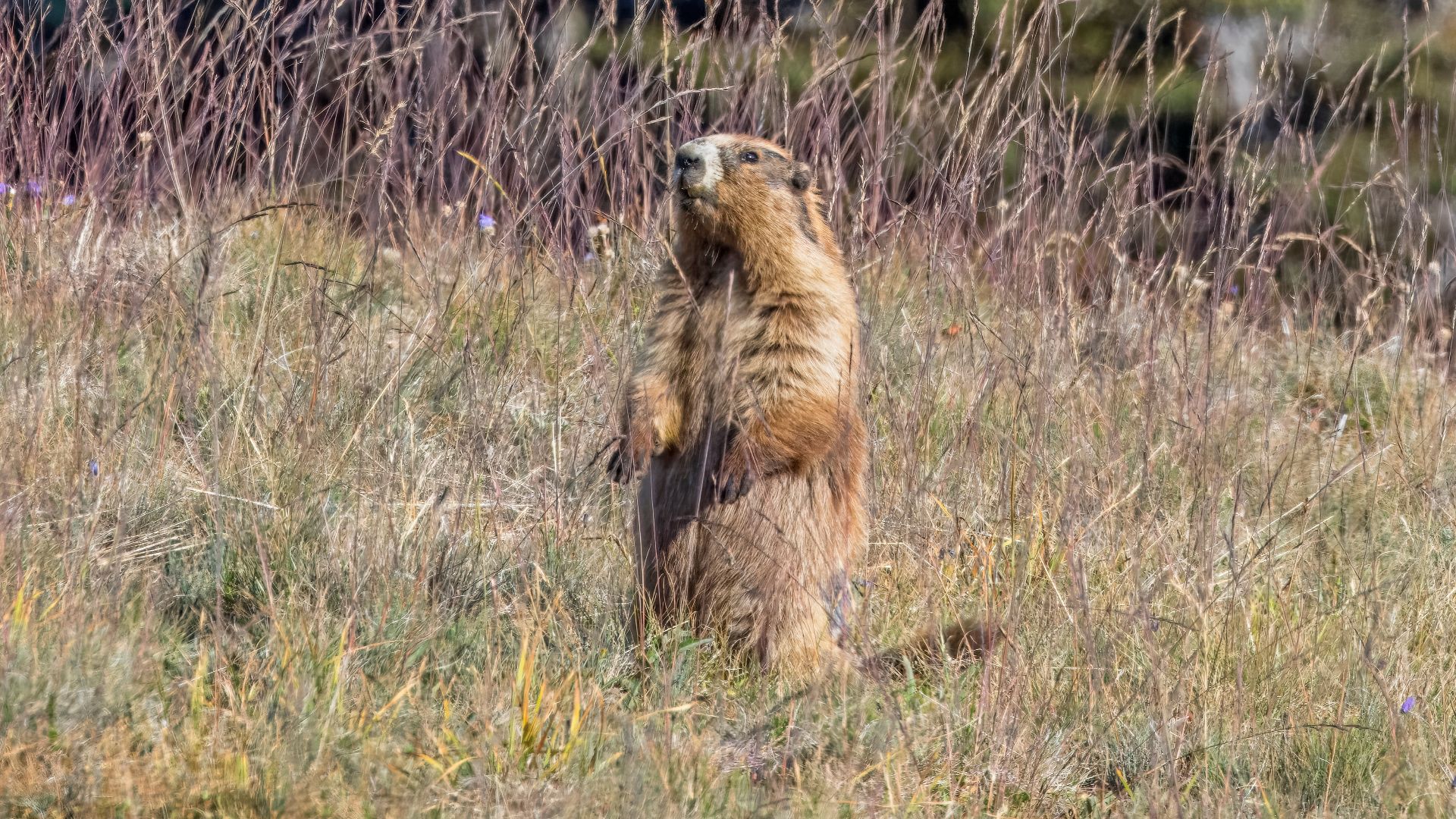
The Olympic Marmot
Olympic marmots live naturally in only one place on Earth: Washington’s Olympic Peninsula. These large, social ground squirrels inhabit mountain meadows and communicate using whistles, trills and other calls. Even Americans living nearby may never see one unless they venture high into Olympic National Park.
 Charles J. Sharp, Wikimedia Commons
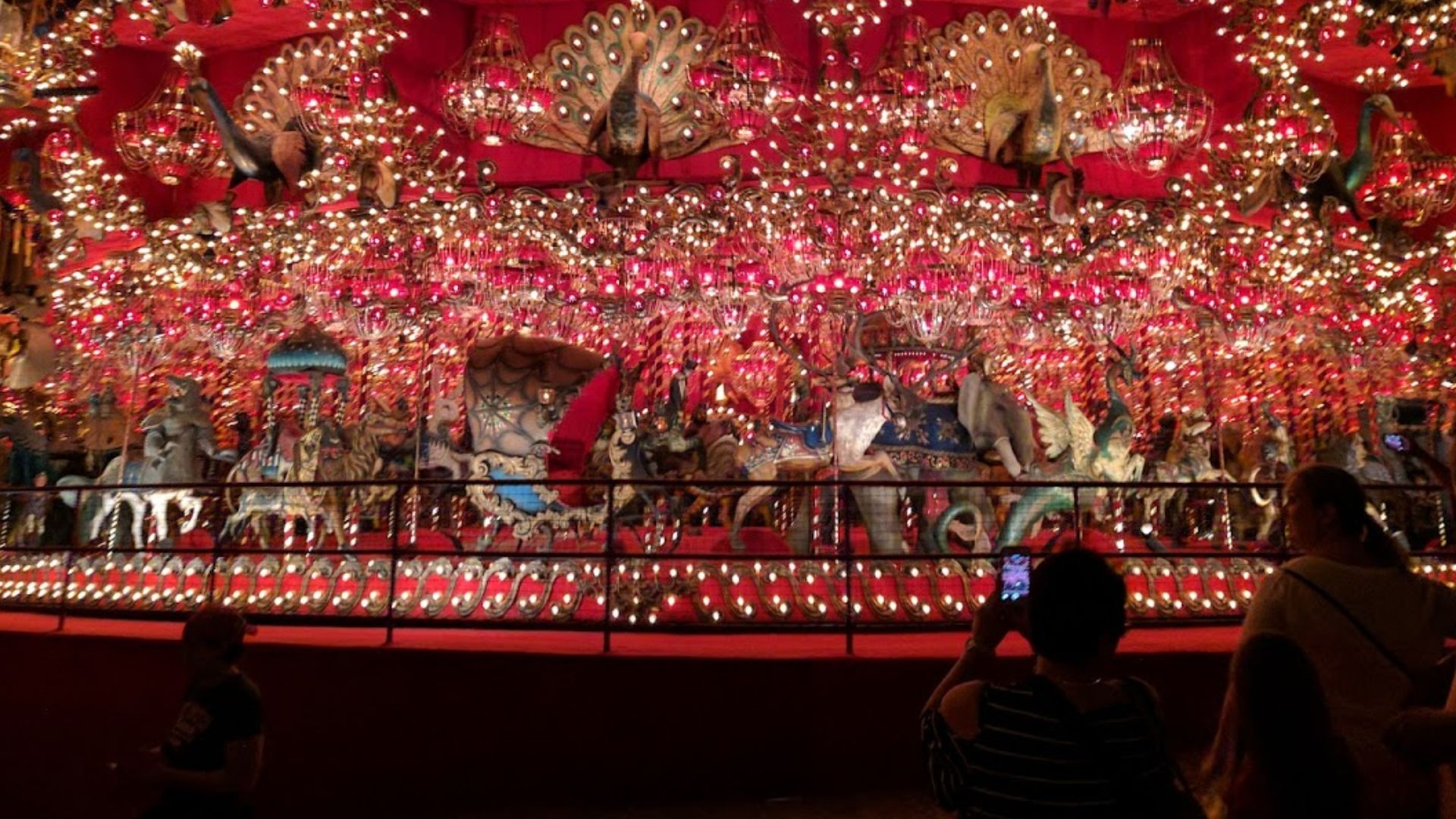
A Carousel With 269 Creatures
The House on the Rock in Wisconsin contains a one-of-a-kind indoor carousel featuring 269 handcrafted animals, 20,000 lights and 182 chandeliers. It does not travel anywhere or operate like an ordinary fairground ride. It simply spins beneath an explosion of color inside an already wonderfully strange attraction.
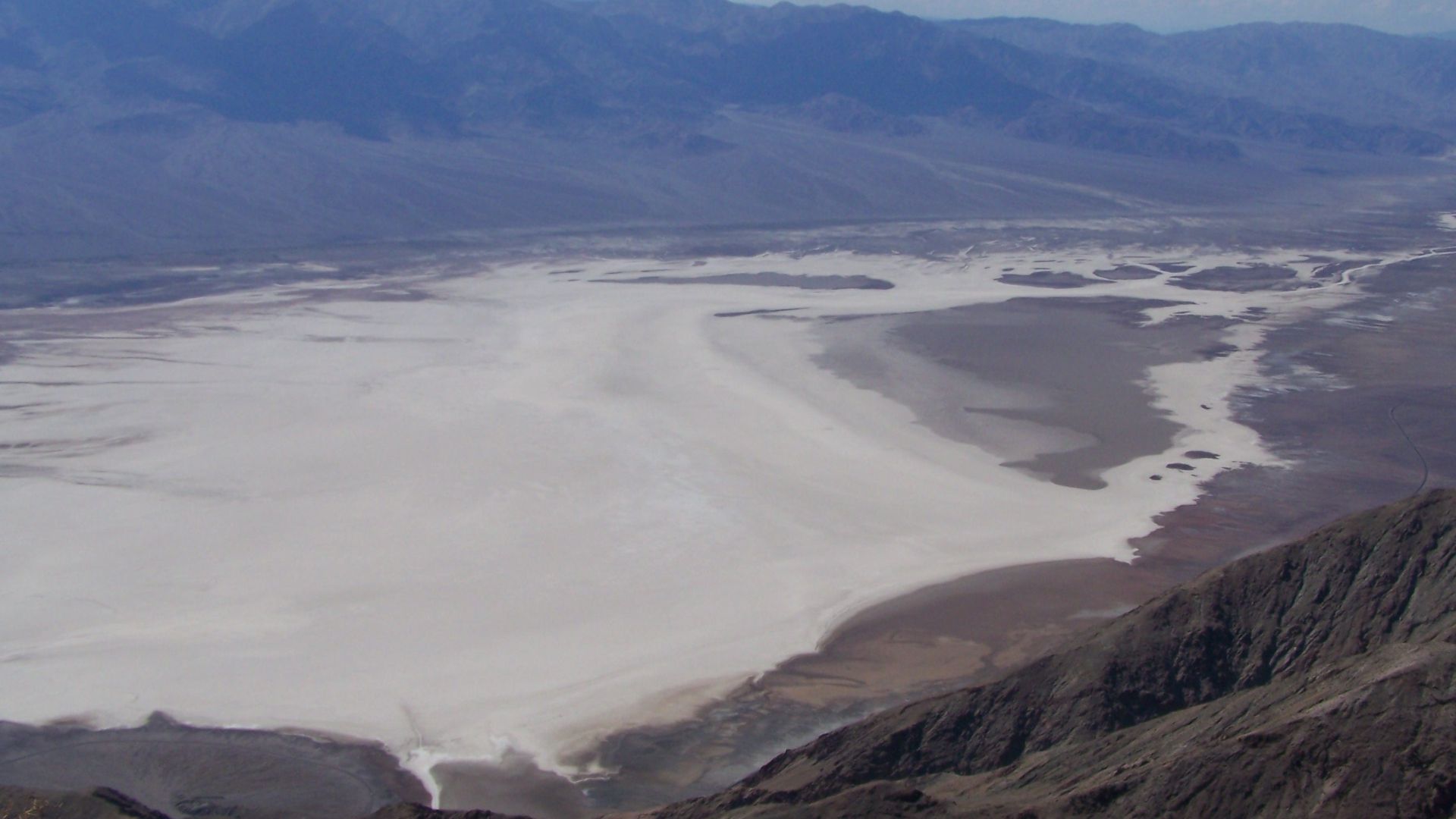
The Badwater Snail
A tiny spring-fed pool beside Death Valley’s Badwater Basin supports an animal found nowhere else. The Badwater snail survives in warm, salty water surrounded by one of North America’s harshest landscapes. Its entire natural range is confined to this small and extremely vulnerable desert habitat.
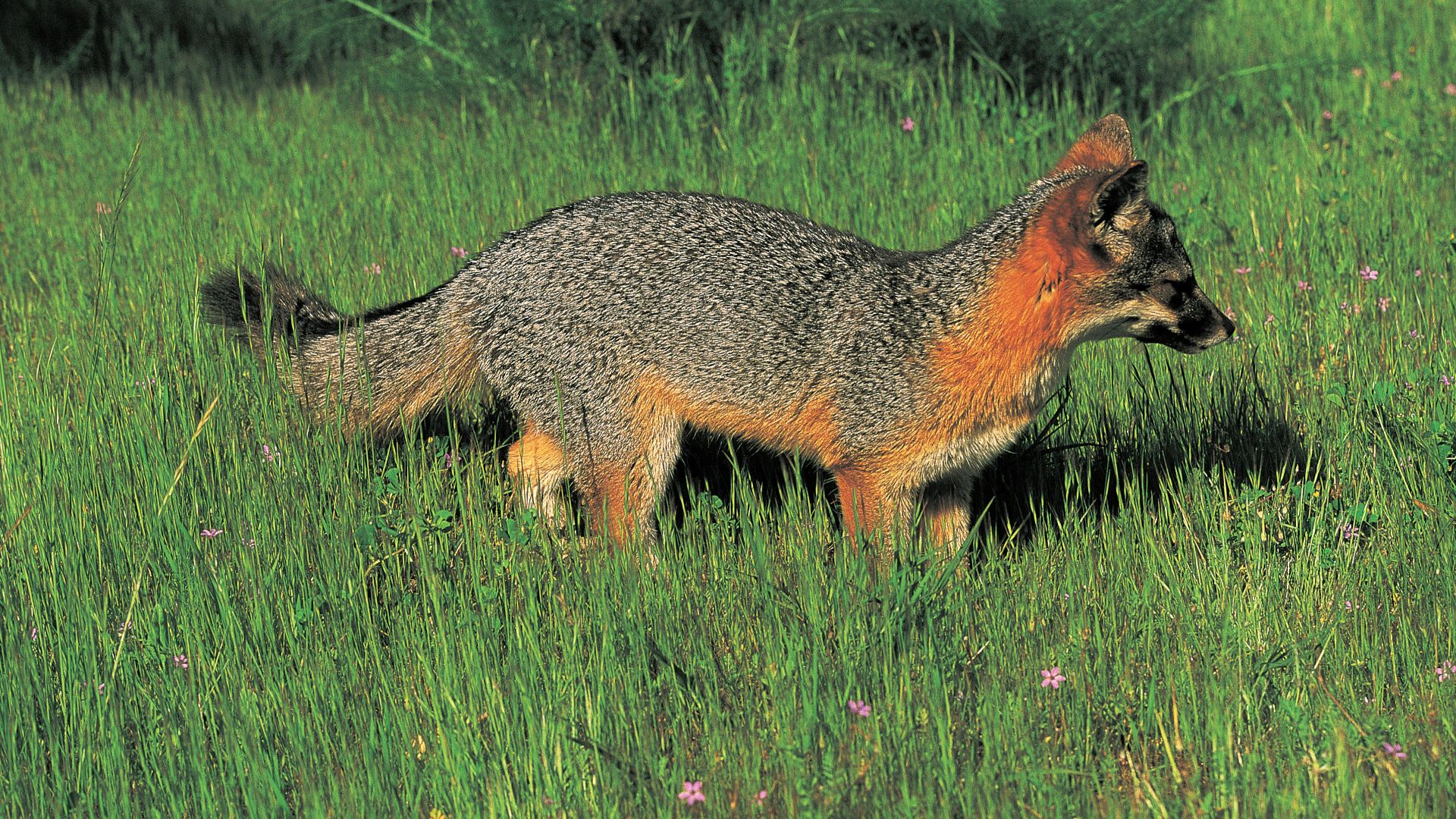
Six Different Island Foxes
Island foxes naturally live only on six of California’s eight Channel Islands. Each island population developed into its own distinct subspecies after thousands of years of separation. Roughly the size of a house cat, these unusually small foxes are among the tiniest members of the canine family.
 Pacific Southwest Region USFWS from Sacramento, US, Wikimedia Commons
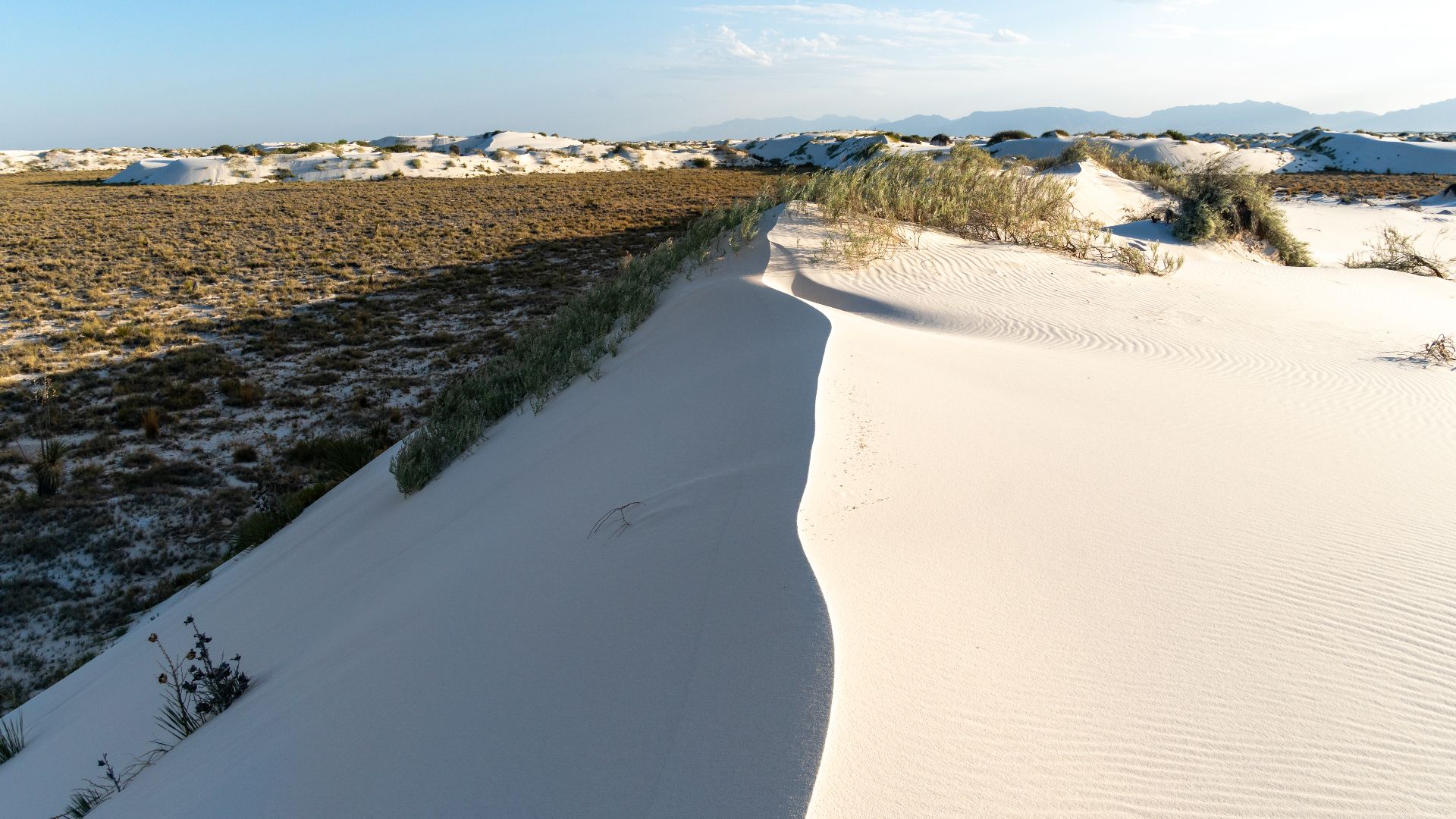
The World’s Largest Gypsum Dunefield
New Mexico’s White Sands National Park protects approximately 275 square miles of brilliant gypsum dunes, the largest field of its kind anywhere on Earth. Unlike ordinary sand, the pale gypsum remains relatively cool underfoot. The constantly shifting landscape looks more like snow than a desert.
 dconvertini, Wikimedia Commons
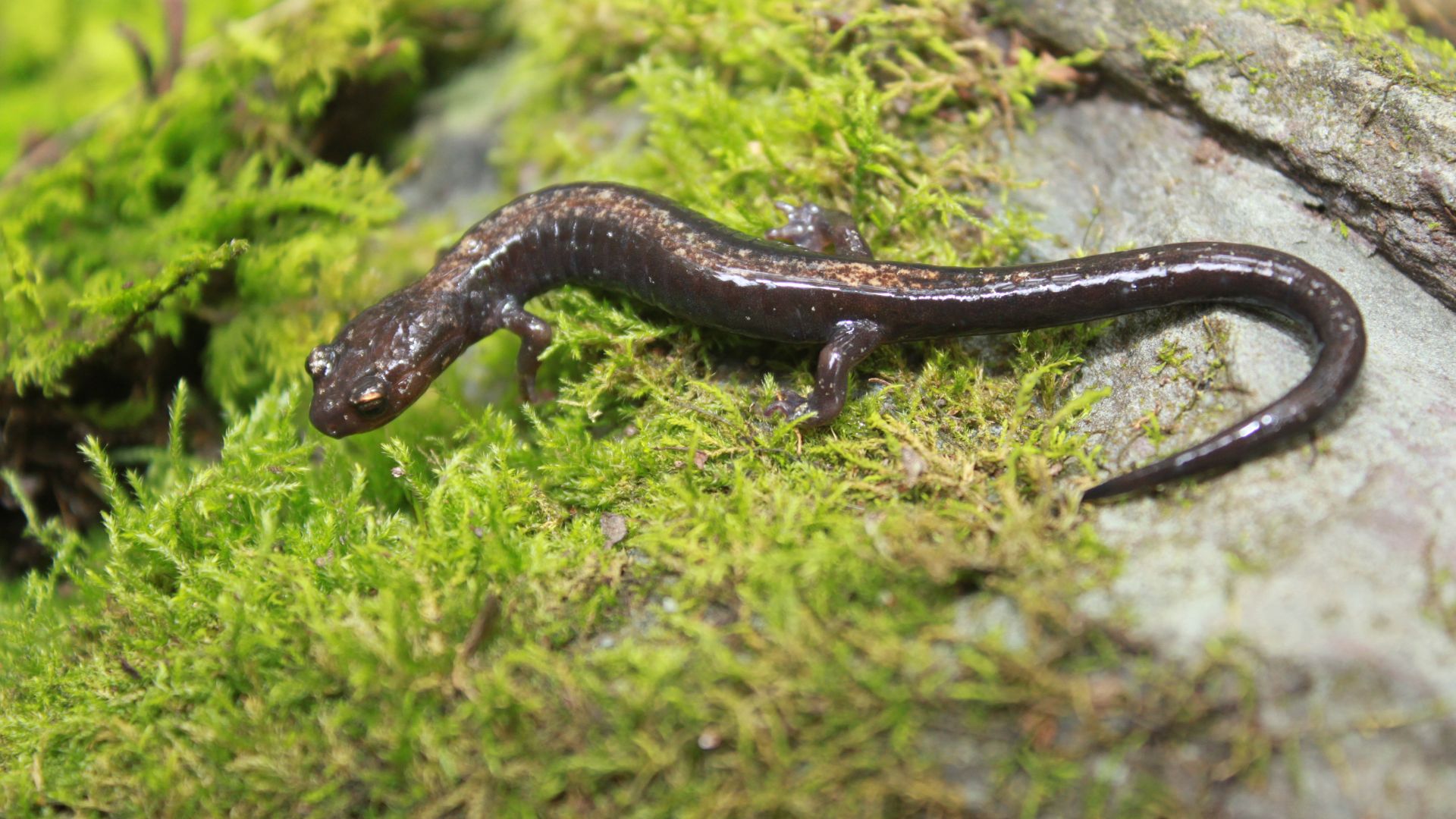
The Shenandoah Salamander
The Shenandoah salamander lives only within Virginia’s Shenandoah National Park, mainly on a few cool, rocky mountaintops. Its total habitat is extraordinarily small, and changing temperatures threaten to shrink it further. This little woodland amphibian has managed to make an entire species out of one narrow corner of America.
 Brian Gratwicke, Wikimedia Commons
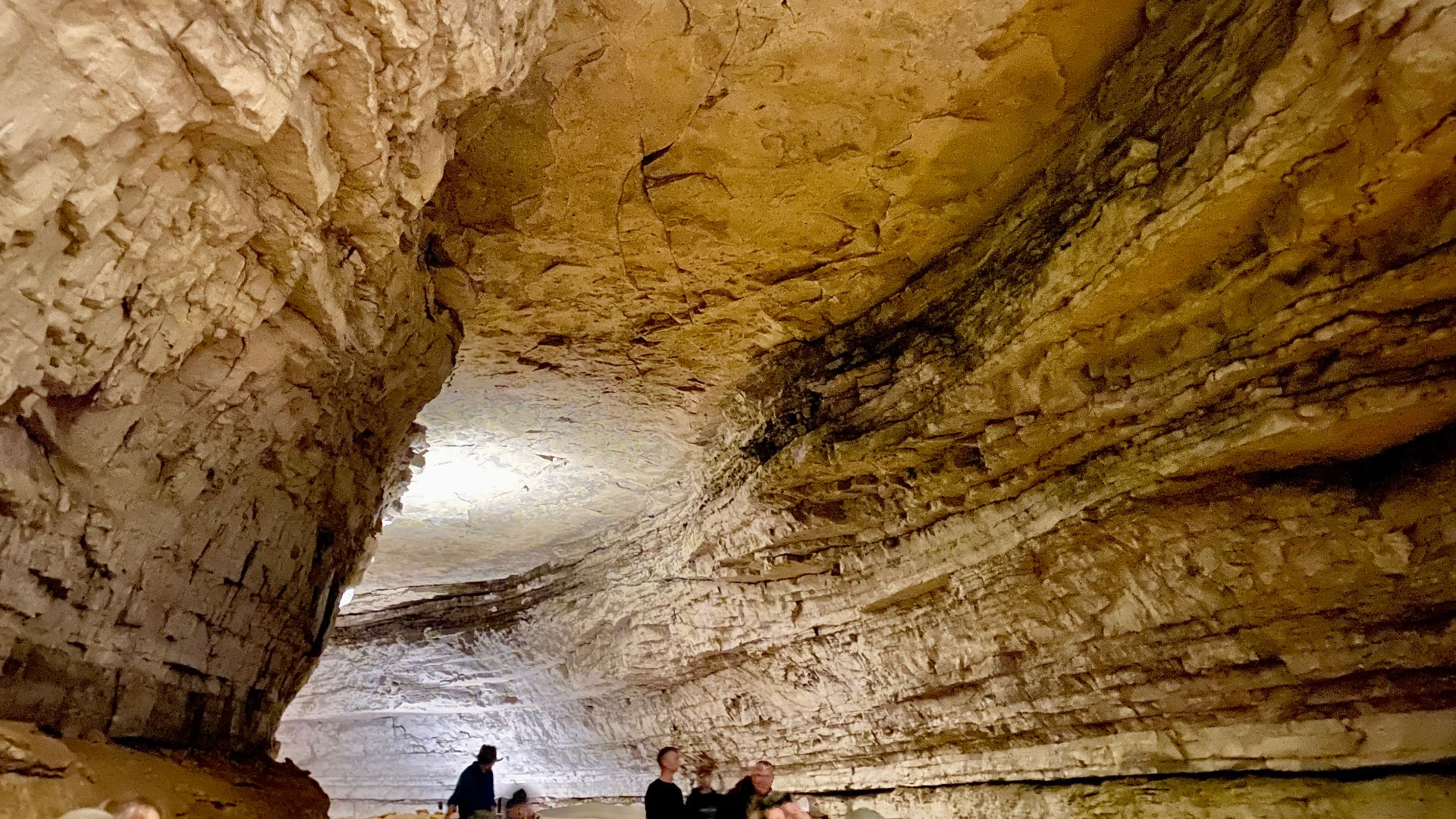
The World’s Longest Known Cave
Kentucky’s Mammoth Cave is the longest known cave system on Earth. Explorers have mapped approximately 426 miles of connected passages, and they continue discovering more. That figure represents only the surveyed portion, meaning a considerable amount of the system could still be waiting in complete darkness.
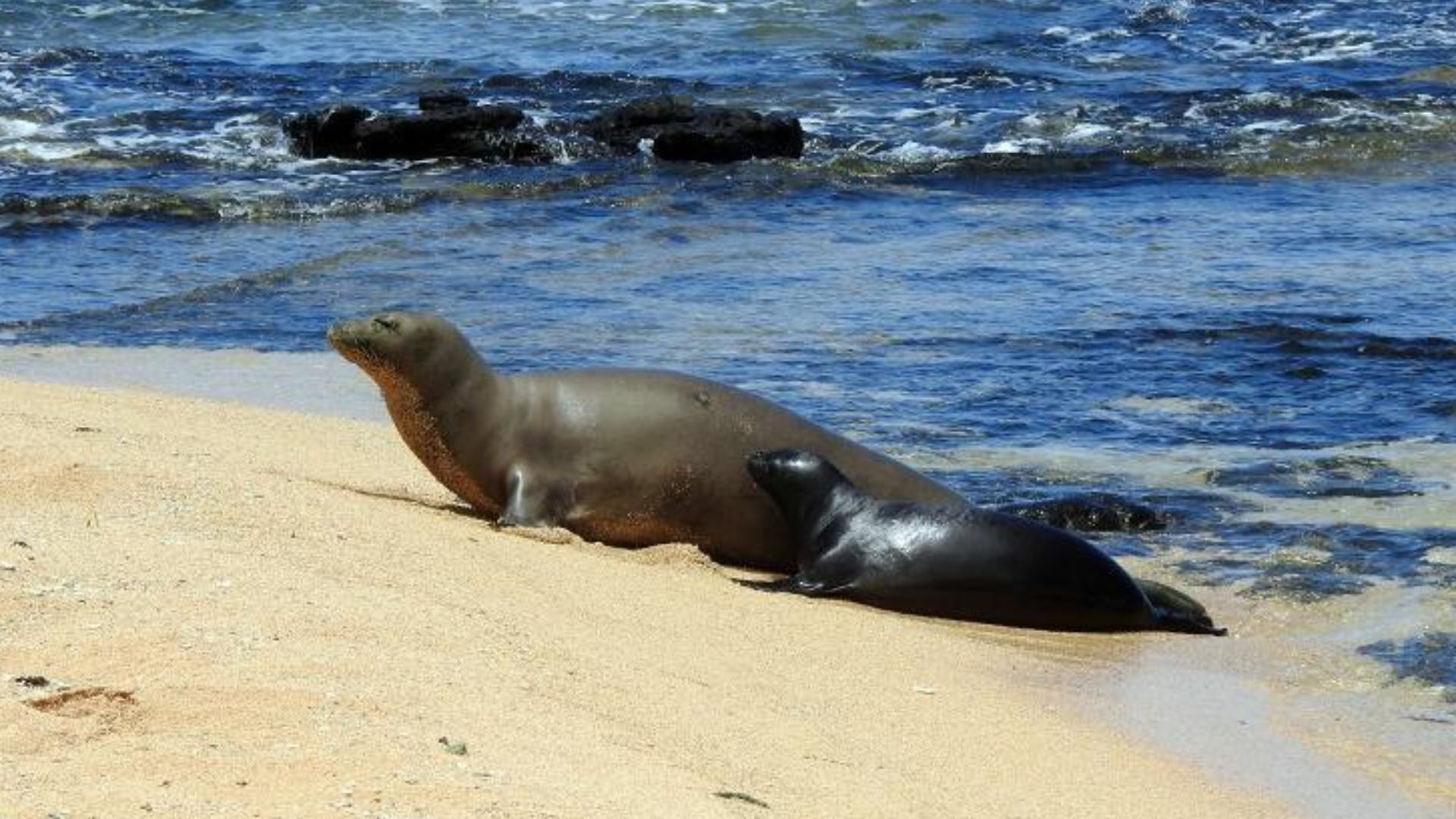
Hawaiian Monk Seals
Hawaiian monk seals are endemic to the Hawaiian archipelago, meaning they naturally exist nowhere else. Most live around the remote Northwestern Hawaiian Islands, although they increasingly appear near the main islands. They are one of only two monk seal species remaining anywhere in the world.
 NOAA Fisheries PIFSC, Wikimedia Commons
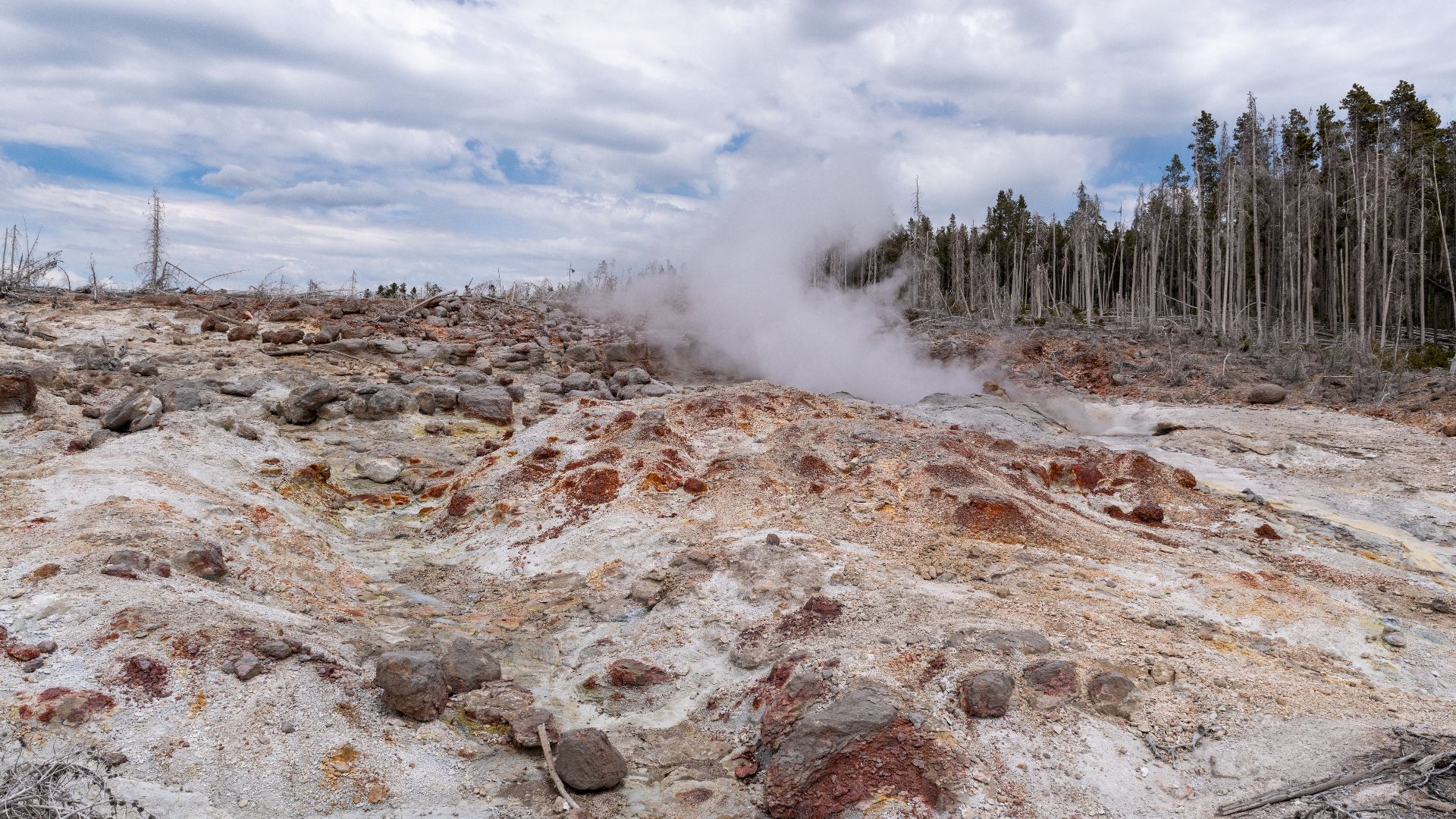
More Than Half The World’s Geysers
Yellowstone National Park contains more than 500 active geysers, representing over half of all the geysers on Earth. The park also has Steamboat Geyser, the tallest active geyser known. Other countries have impressive geothermal areas, but nowhere else has a concentration remotely like Yellowstone’s.
 Hansueli Krapf, Wikimedia Commons
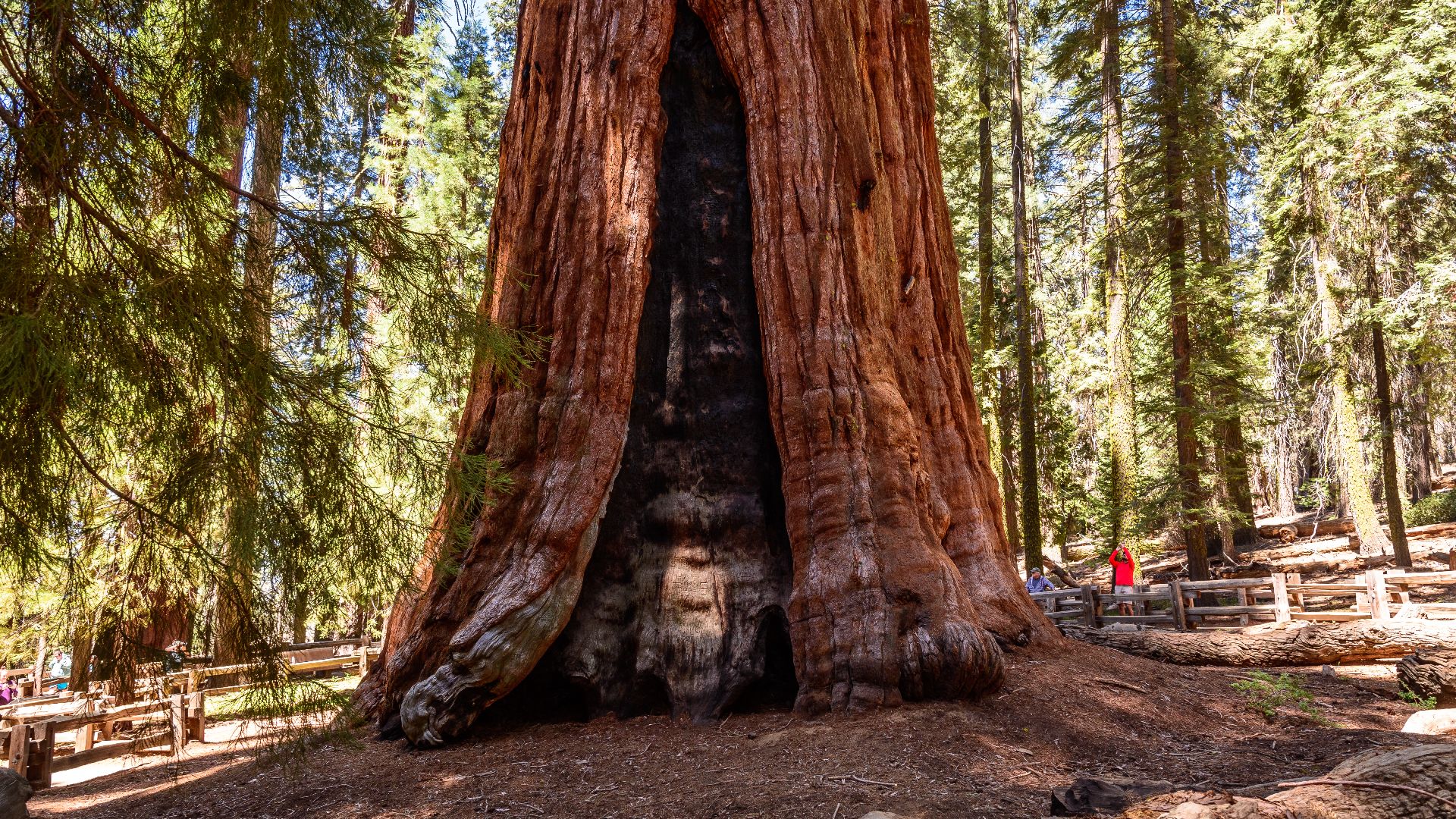
The Largest Tree By Volume
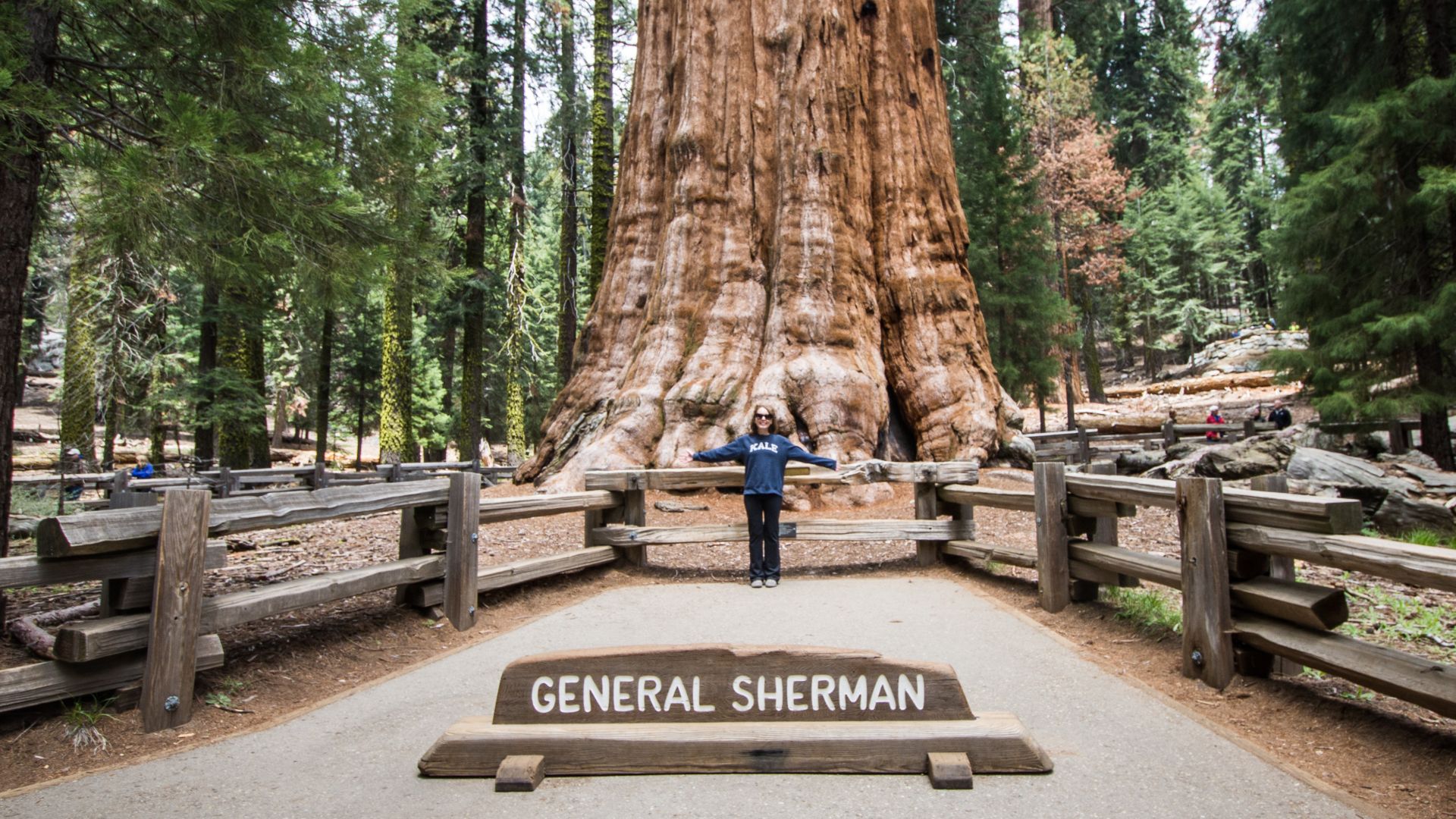
General Sherman, a giant sequoia in California’s Sequoia National Park, is the largest known living single-stem tree by volume. Its trunk contains approximately 52,500 cubic feet of wood and weighs an estimated 1,400 tons. It is not the tallest tree, but it is certainly the biggest.
 Domenico Convertini from Zurich, Schweiz, Wikimedia Commons
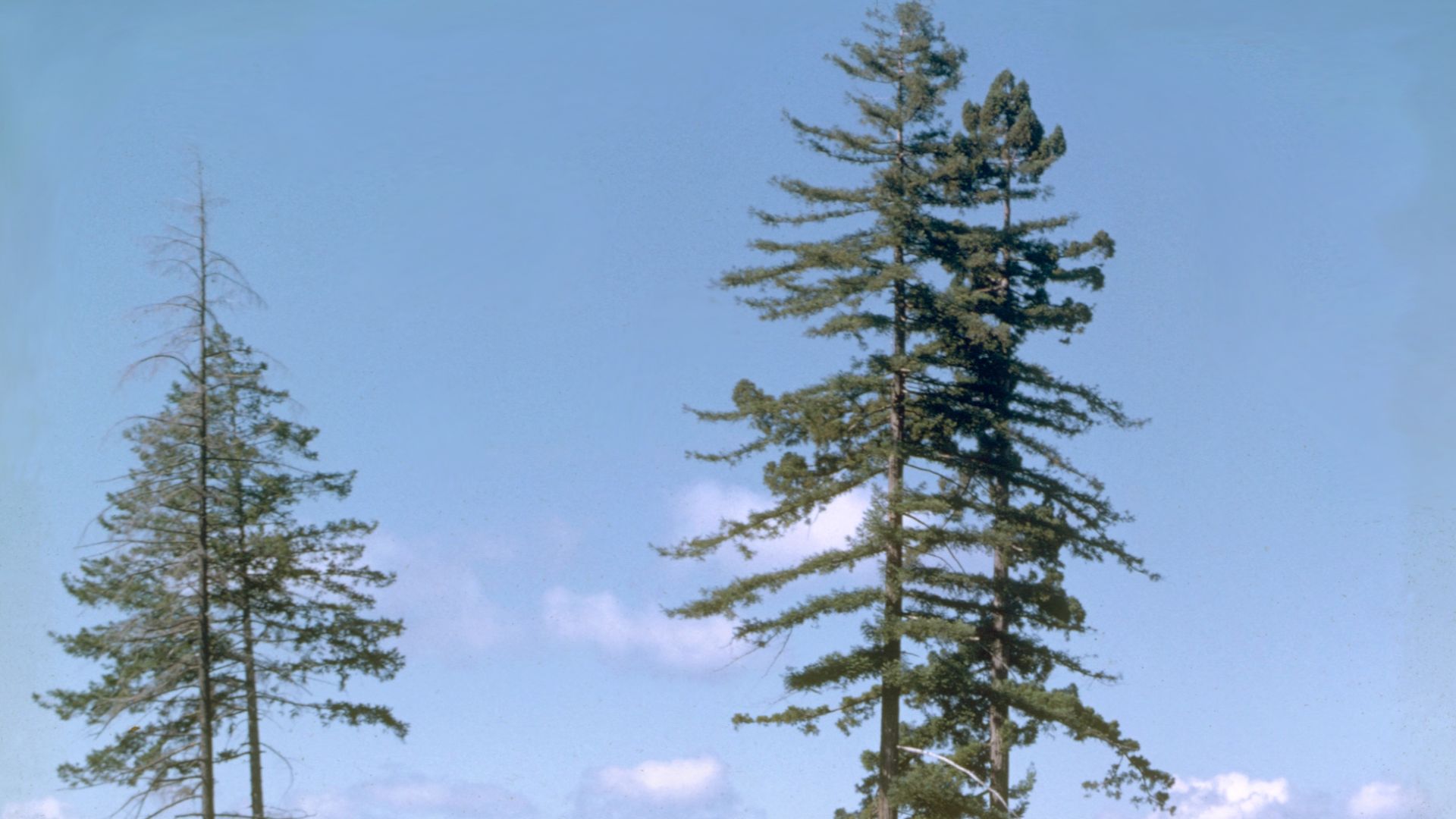
The Tallest Known Living Tree
Hidden inside California’s Redwood National Park stands Hyperion, the tallest known living tree on Earth. The coast redwood reaches roughly 380 feet into the air. Its precise location is not publicized, and the surrounding area is closed because visitors were damaging the delicate forest floor.
 National Park Service Digital Image Archives, Wikimedia Commons
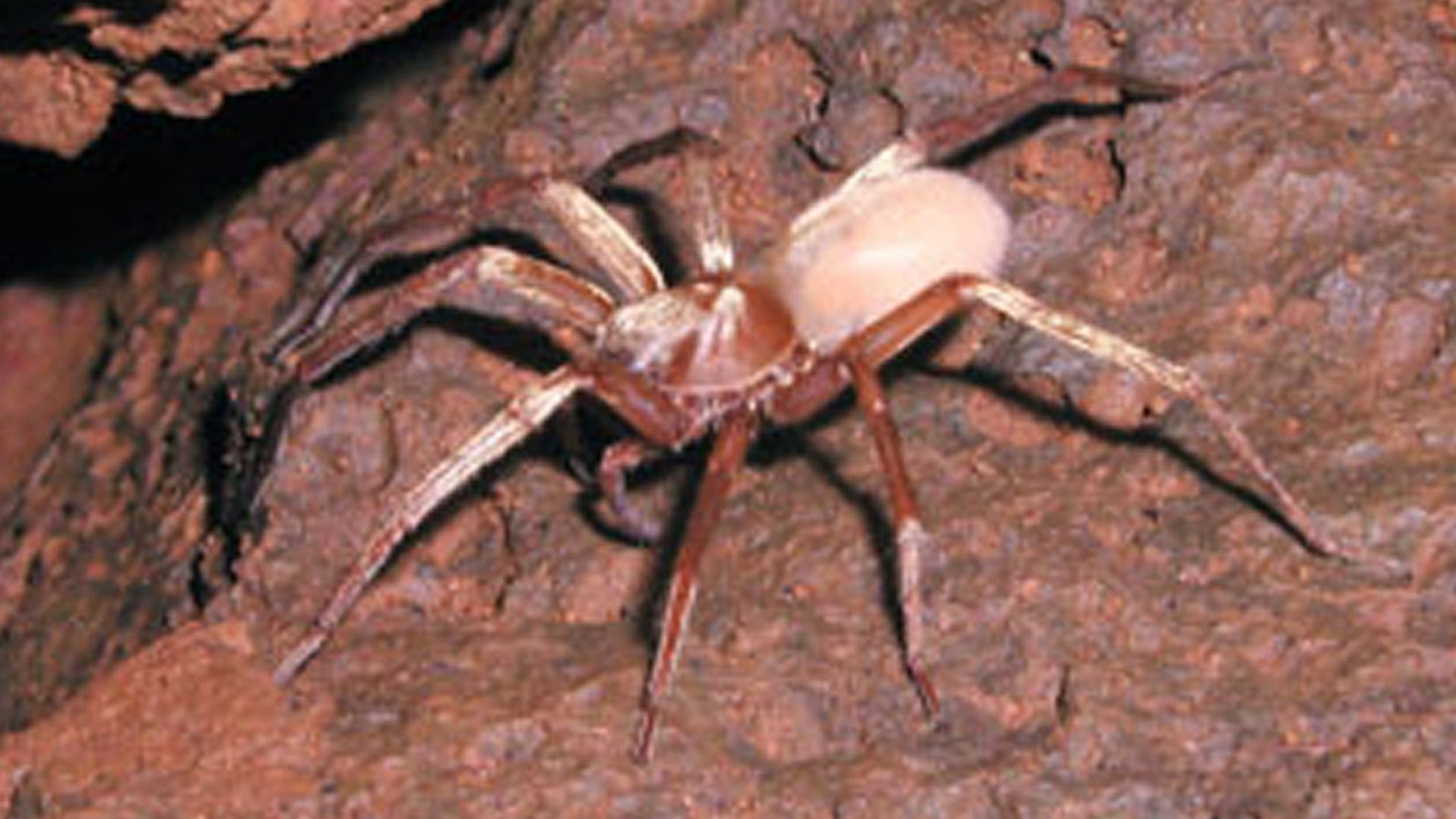
The Only Completely Eyeless Wolf Spider
The Kauaʻi cave wolf spider lives in a tiny network of caves on the Hawaiian island of Kauaʻi. It has no eyes whatsoever and is the only completely eyeless wolf spider known to science. Its entire natural habitat occupies just a small corner of one American island.
 Gordon Smith, Wikimedia Commons
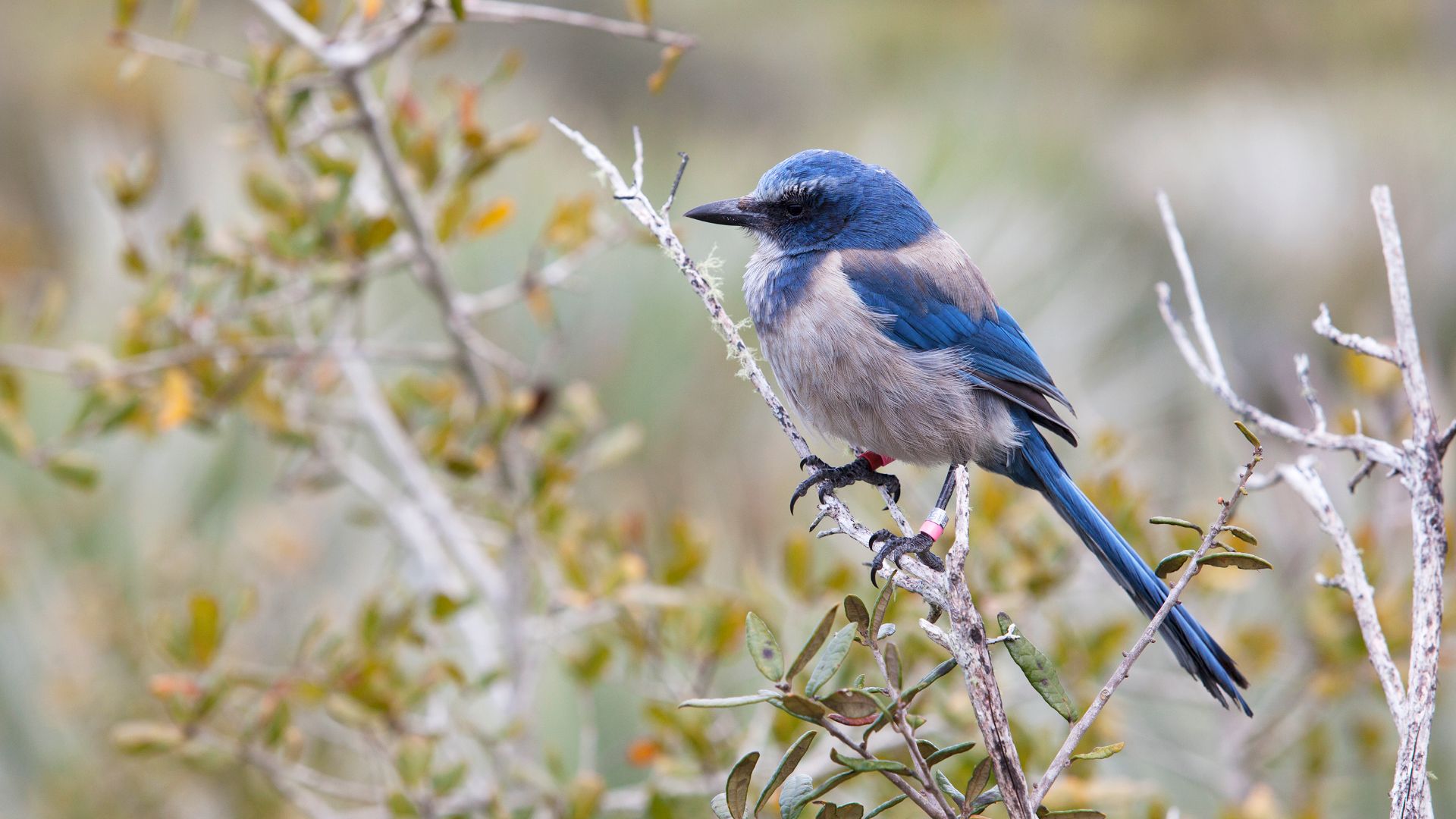
Florida’s Only Endemic Bird
The Florida scrub-jay is Florida’s only endemic bird species, meaning it naturally lives nowhere else. It also has an unusually close family structure. Young birds frequently remain with their parents, helping defend territory and raise later chicks instead of immediately leaving to begin families of their own.
 Ben Smegelsky, Wikimedia Commons
The Greatest Concentration Of Natural Arches
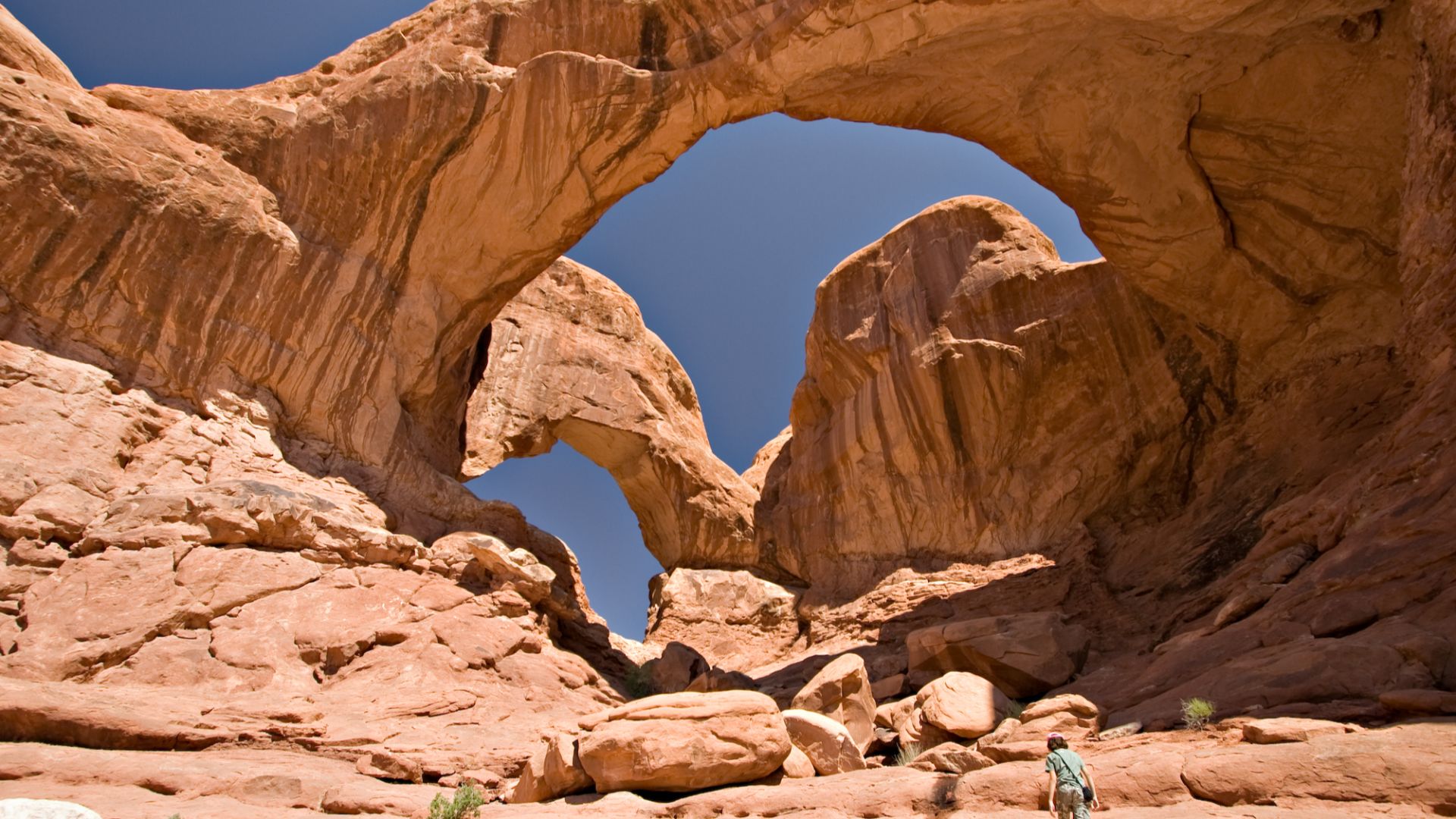
Utah’s Arches National Park contains more than 2,000 documented natural stone arches, the densest known concentration anywhere in the world. They range from modest openings to enormous formations stretching hundreds of feet. Wind and rain continue reshaping them, so the collection is never completely permanent.
 Luca Galuzzi (Lucag), Wikimedia Commons
The Only Leonardo Painting In The Americas
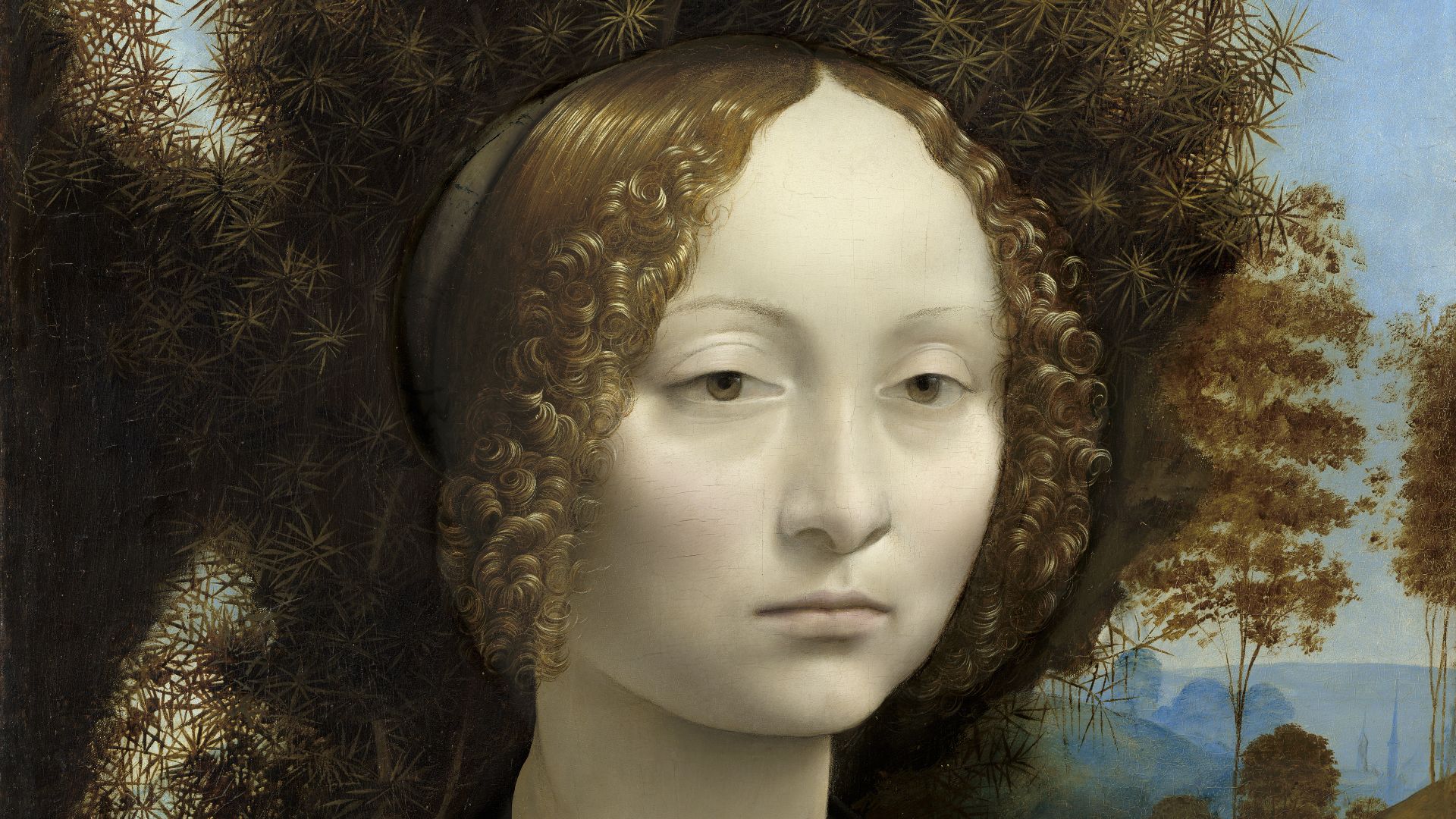
The National Gallery of Art in Washington, D.C., owns Ginevra de’ Benci, the only publicly displayed Leonardo da Vinci painting anywhere in the Americas. The gallery purchased it in 1967 for a reported $5 million, then the highest price ever paid for a painting.
 Leonardo da Vinci, Wikimedia Commons
Still Completely Unique
Some of these exist because a species evolved in one impossibly small habitat. Others survived because Americans preserved something the rest of the world abandoned. And a few exist because someone spent 29 years building a ball of twine. Either way, there is nowhere else to find them.
 m01229 from USA, Wikimedia Commons
You Might Also Like:
The Most Peaceful Countries In The World—Ranked According To Data
The Most Disliked American Foods, According To The Locals Who Actually Eat Them