Florida Has Company
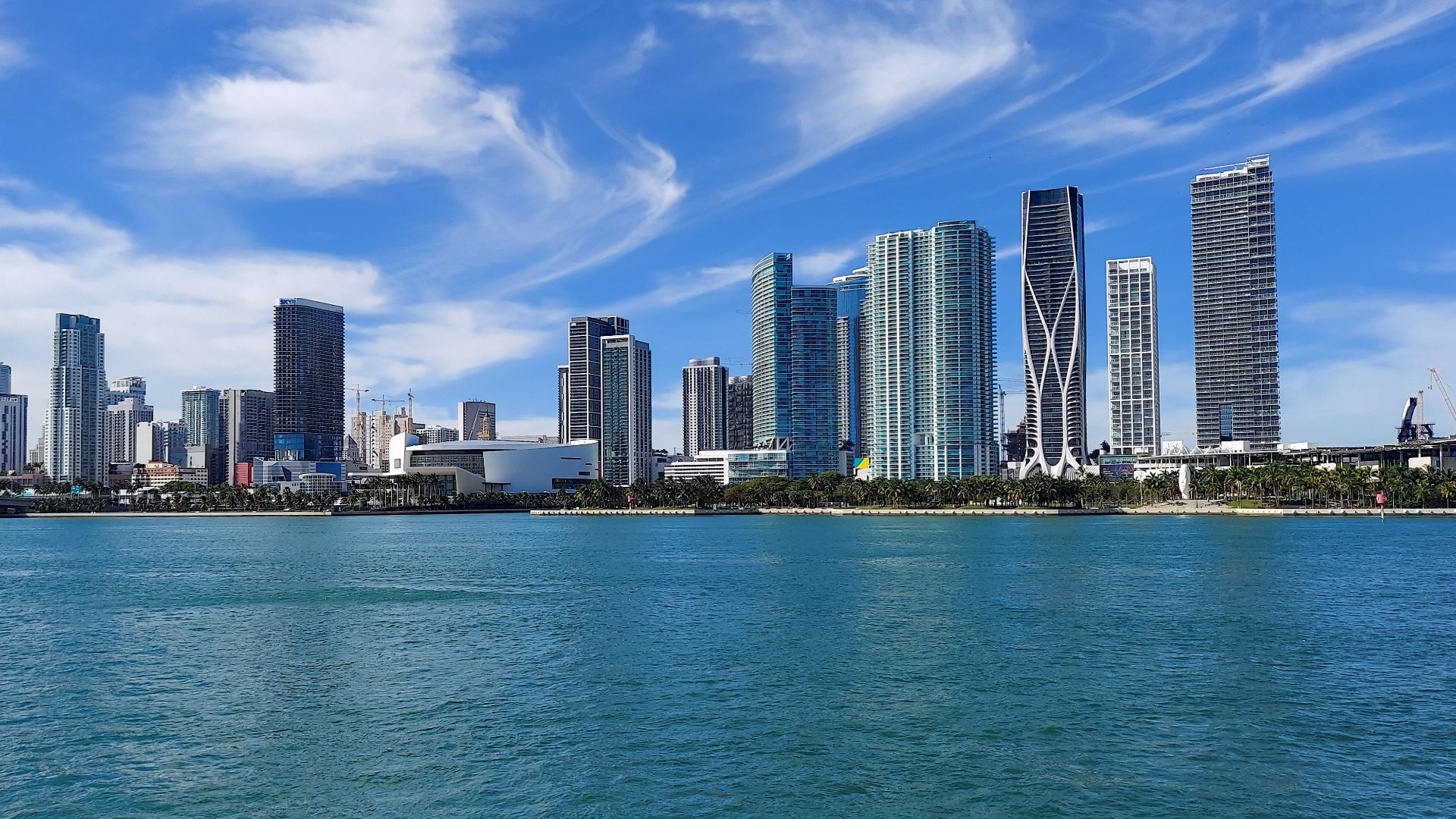
For generations, Canadian snowbirds have treated Florida as winter headquarters. But rising costs, a weaker Canadian dollar, insurance pressures, and changing travel habits are making some longtime visitors reconsider the automatic trip south. For Canadians who still want a U.S. winter, plenty of alternatives are waiting.
The Florida Equation Has Changed
Florida certainly hasn’t lost its sunshine or beaches. What has changed is the price of enjoying them. Housing, insurance, condo fees, and everyday expenses have squeezed some seasonal residents, encouraging snowbirds to rent, shorten stays, or look at less expensive destinations elsewhere.
Arizona Is The Big Rival
If any state can challenge Florida for snowbird attention, it’s Arizona. Canadian winter visitors have been coming here for decades, drawn by dry weather, dramatic desert landscapes, golf, hiking, and established seasonal communities. Phoenix, Scottsdale, Tucson, and surrounding towns offer plenty of choices.
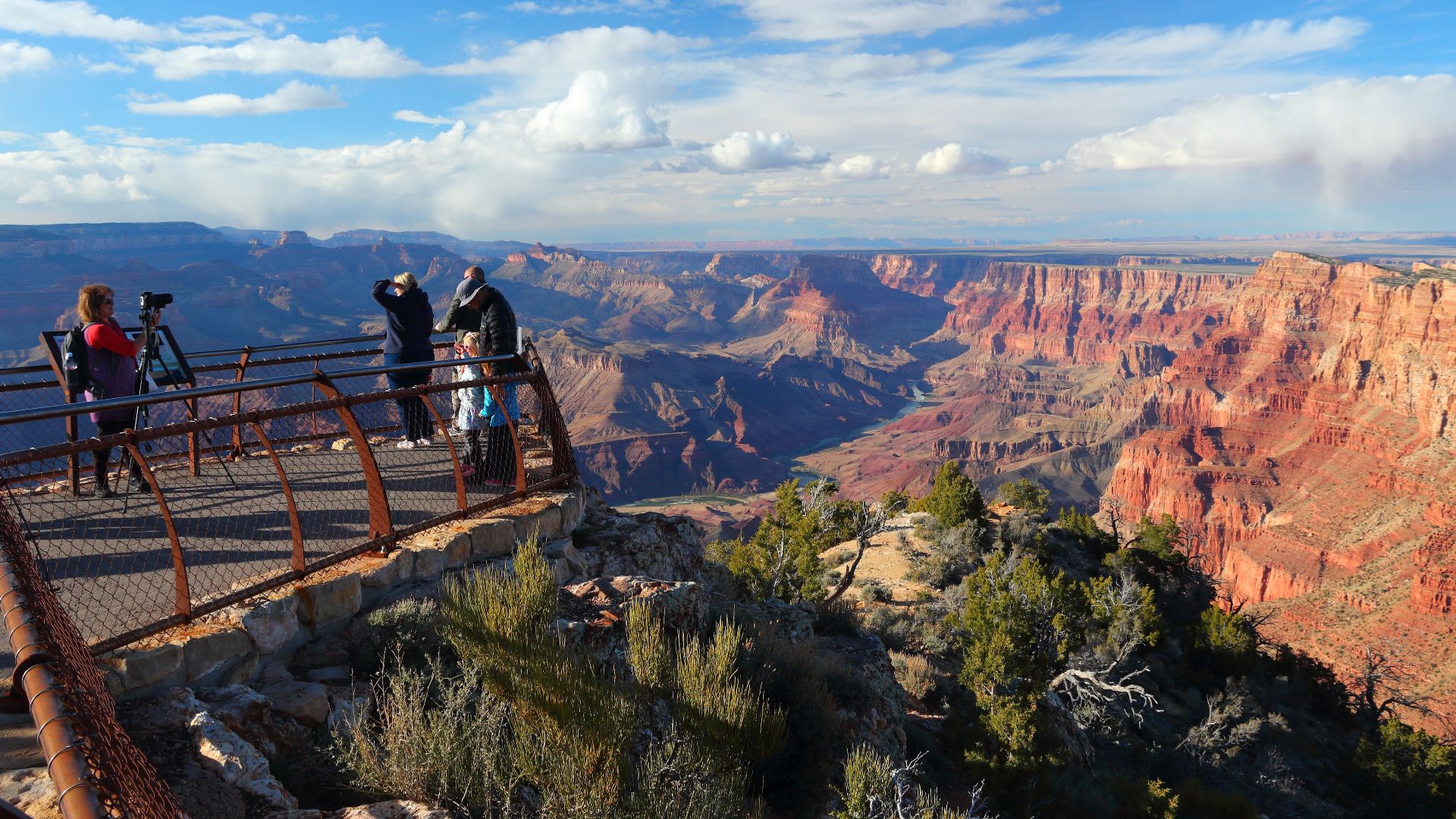 Marek Slusarczyk (Tupungato) Photo portfolio, Wikimedia Commons
Phoenix Brings The Full Package
The sprawling Phoenix area works especially well for snowbirds who don’t want to slow down too much. There are restaurants, shopping centres, golf courses, sporting events, hiking trails, and endless suburban communities. Scottsdale adds a polished resort feel without requiring visitors to live beside an ocean.

Tucson Keeps Things Relaxed
Head south from Phoenix and the atmosphere becomes noticeably calmer. Tucson has mountain views, desert trails, great Mexican food, and a slower rhythm that suits visitors planning to stay for several months. It feels less like a giant resort and more like somewhere you could actually settle in.
 unknown; cleaned up, rotated and levels adjustment by Howcheng., Wikimedia Commons
Why Western Canadians Like It
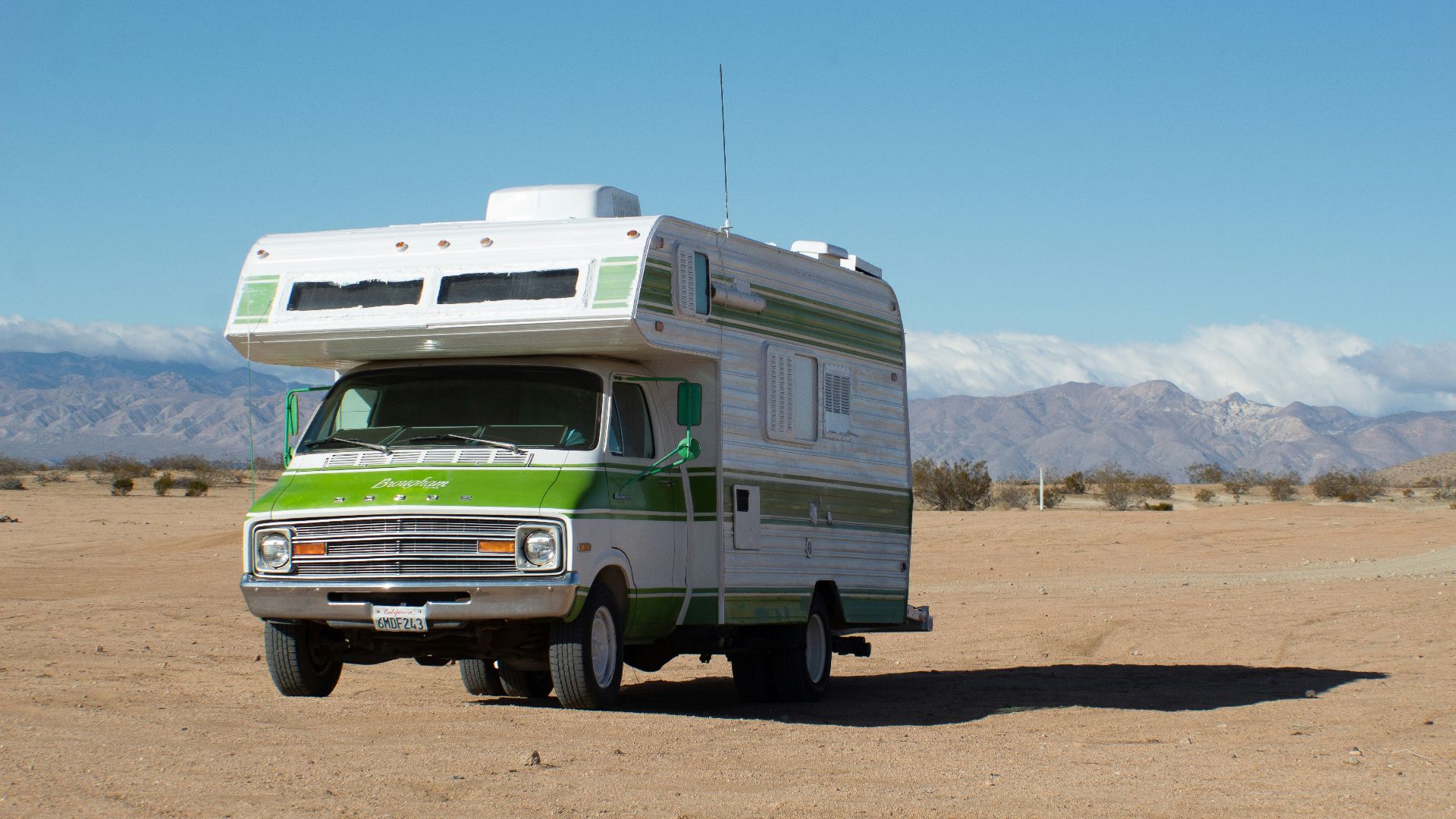
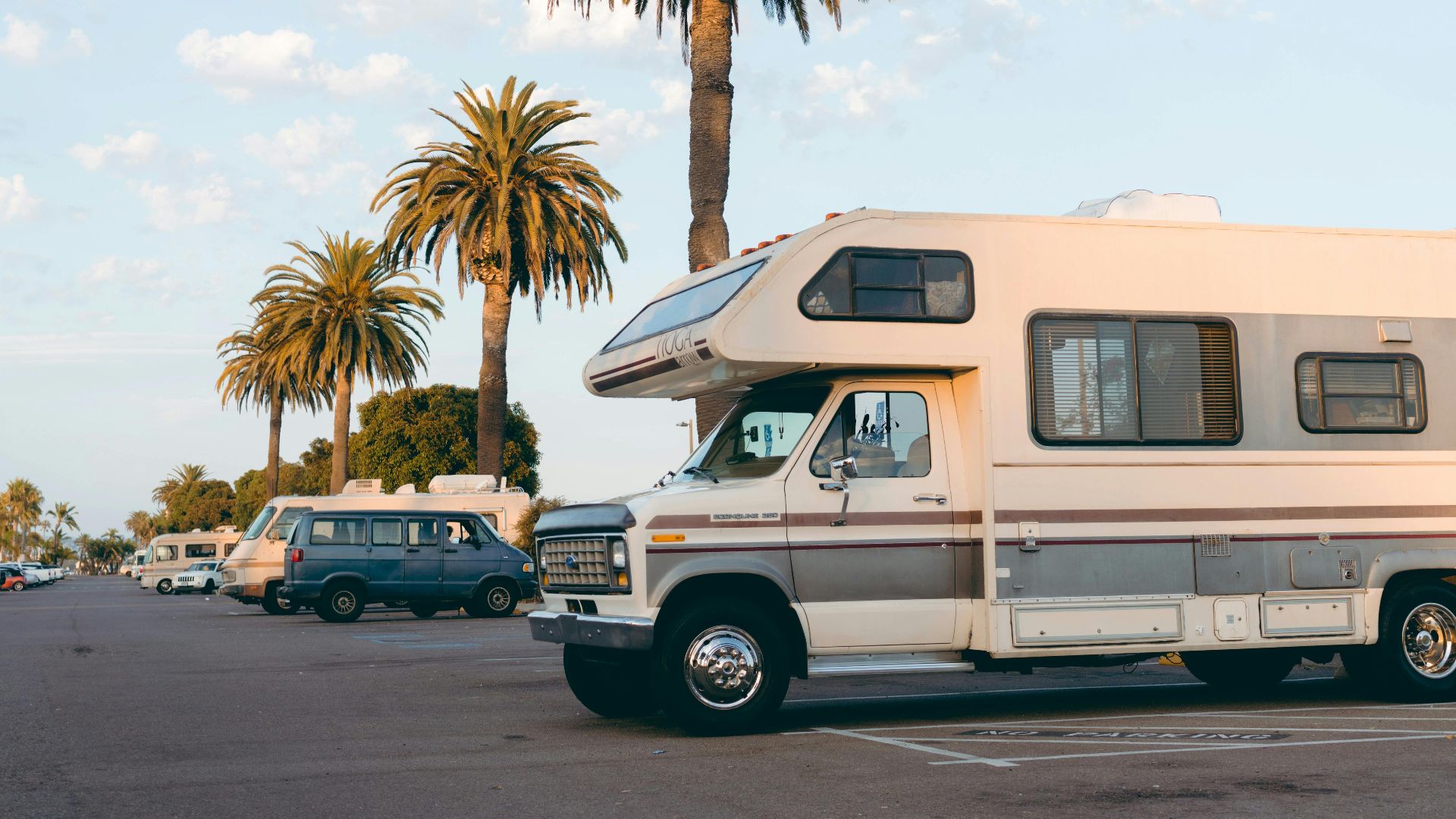
For snowbirds coming from British Columbia, Alberta, Saskatchewan, or Manitoba, Arizona can feel like a natural alternative to crossing the continent for Florida. Driving is practical for many RV travellers, and Arizona has an enormous selection of resorts and seasonal communities designed around long winter stays.
Texas Is Built For Long Stays
Texas doesn’t usually sell itself with Florida-style glamour. Instead, it offers space, warmth, affordability, and a remarkably established snowbird culture. Seasonal visitors are even commonly called “Winter Texans.” Southern Texas has long attracted Canadians looking for an easygoing winter that doesn’t require Miami prices.
 Jason Villanueva, Wikimedia Commons
South Padre Island Feels Tropical
Snowbirds who still want sand and water should look at South Padre Island. Sitting near the southern tip of Texas, it has miles of beaches and a laid-back Gulf Coast atmosphere. Winter visitors can fish, walk the beach, watch wildlife, or simply master the art of doing very little.

The Rio Grande Valley Stretches Dollars
Brownsville, Harlingen, McAllen, and the surrounding Rio Grande Valley have become longtime snowbird bases for a simple reason: visitors can settle in comfortably. RV parks and seasonal rentals are widespread, while the region combines warm winter weather with restaurants, shopping, golf, and easy day trips.
San Antonio Adds City Energy
Not every snowbird dreams of six months beside a swimming pool. San Antonio offers history, restaurants, museums, neighbourhoods, and the famous River Walk, while still delivering a relatively mild winter. It’s a good compromise for Canadians who want warm weather without giving up big-city entertainment.
 The original uploader was Kkinder at English Wikipedia., Wikimedia Commons
Myrtle Beach Makes A Strong Case
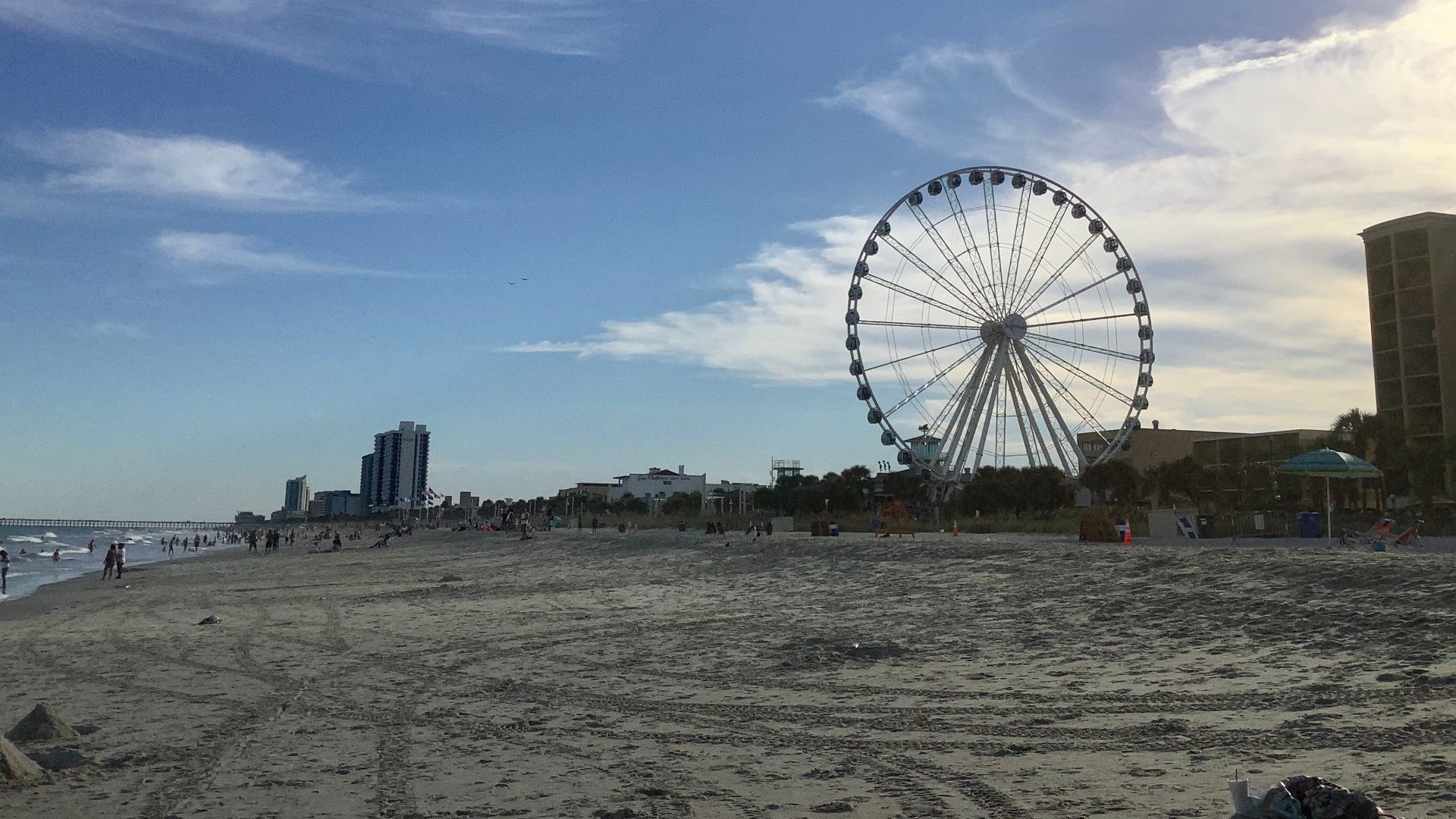
South Carolina might surprise Canadians who assume snowbird season begins somewhere much farther south. Myrtle Beach has developed a genuine Canadian winter following, helped by its long coastline, abundant golf, seasonal accommodation, restaurants, and relatively mild weather. Snowbird Advisor calls it a popular Canadian getaway.
 Myrtle Beach, South Carolina - [4K] Drone Tour, Infinite Destinations
Winter Is Quieter On The Grand Strand
The best part of Myrtle Beach in winter may be what disappears: peak-season crowds. The famous Grand Strand becomes considerably more relaxed, leaving visitors more room for beach walks, restaurants, shopping, and coastal drives. You’ll probably need a sweater sometimes, but you won’t be shovelling the driveway.
Golfers Get Plenty To Do
Golf is practically a second language around Myrtle Beach. The region has dozens of courses, making it especially appealing to active retirees who would rather spend January chasing a little white ball than staring at white snow. Add walking trails and parks, and staying busy becomes easy.

Can-Am Days Keep Canadians Visible
Myrtle Beach isn’t merely hoping Canadians show up—it actively welcomes them. The area’s long-running Can-Am Days celebrates Canadian-American visitors each March with special activities and events. That established connection makes South Carolina feel less experimental for first-time snowbirds considering somewhere beyond Florida.

Nevada Offers Dry Winter Sun
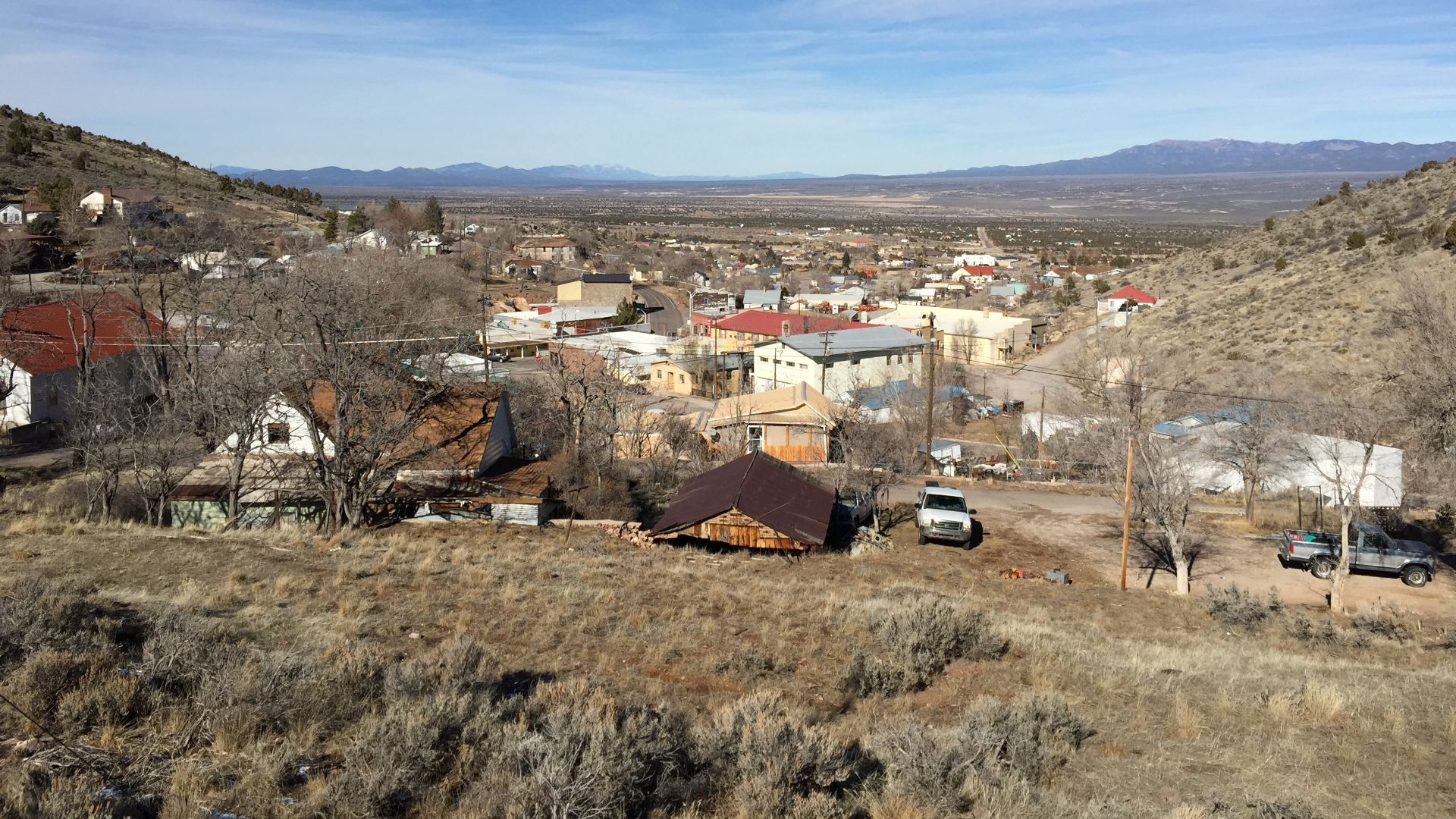
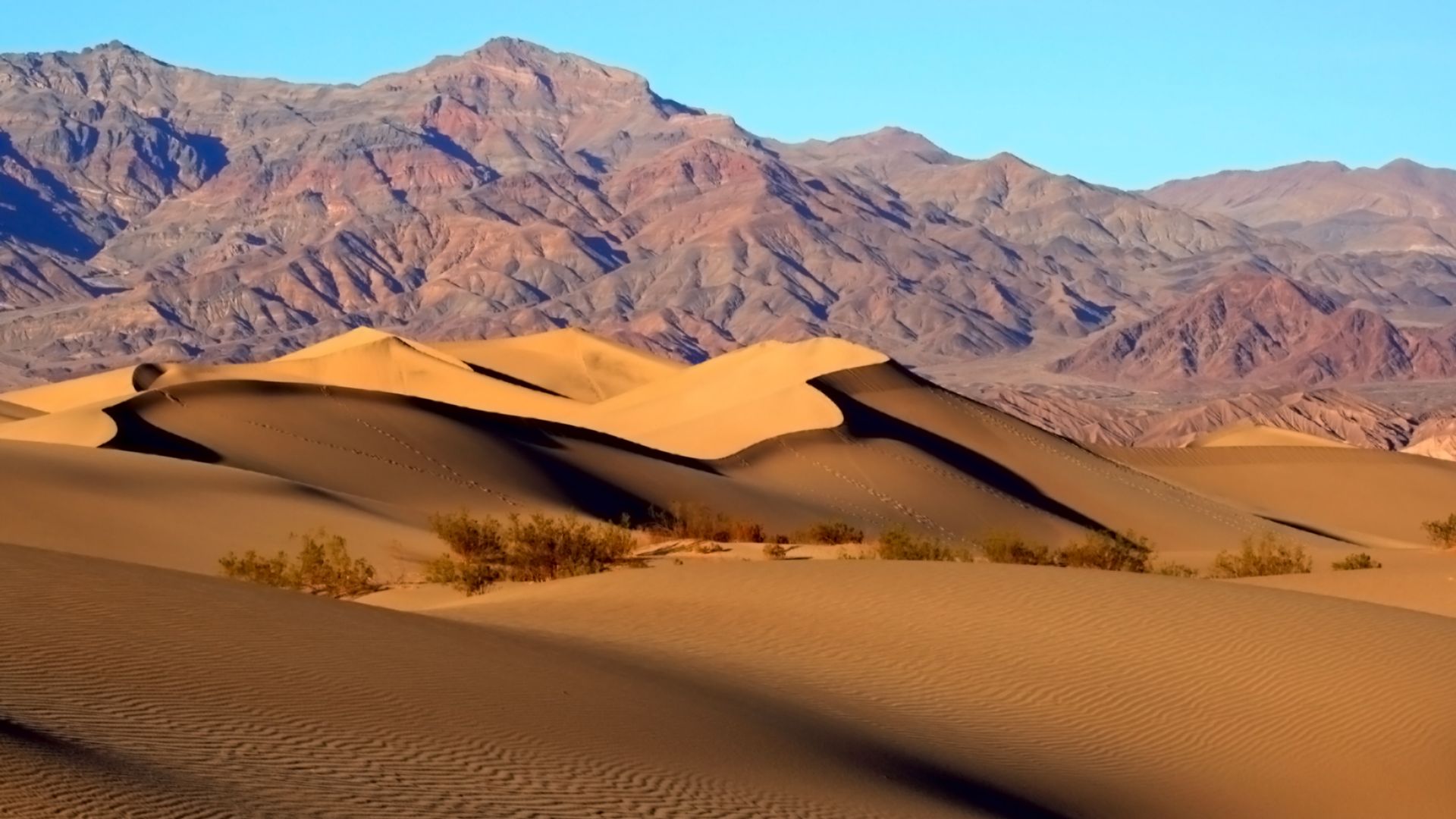
Nevada is another option for people who love Arizona’s desert climate but want something different. Las Vegas gets the headlines, yet snowbirds also consider Henderson, Mesquite, Laughlin, and Boulder City. Rentals, RV communities, golf, and wide-open scenery give the state plenty of seasonal appeal.
Las Vegas Is More Than Casinos
You can live around Las Vegas for months without spending every afternoon at a blackjack table. The surrounding area offers hiking, golf, restaurants, entertainment, shopping, and dramatic desert drives. Henderson, in particular, gives visitors access to Vegas attractions while providing a more residential home base.
 Color~commonswiki, Wikimedia Commons
Mesquite And Laughlin Slow The Pace
For snowbirds who find Las Vegas exhausting, Nevada has smaller alternatives. Mesquite attracts golfers and RV travellers, while Laughlin offers resorts and recreation along the Colorado River. Both deliver the dry western landscape Canadians seek, without requiring them to live under the neon lights of the Strip.
 Brocken Inaglory, Wikimedia Commons
California Still Has Serious Pull
California remains one of the traditional U.S. snowbird states, especially for western Canadians. The big advantage is variety: deserts, beaches, mountains, cities, golf communities, and RV resorts are all available. The challenge is deciding which version of the California winter fits your budget.
 Sharon Hahn Darlin, Wikimedia Commons
Palm Springs Delivers Desert Glamour
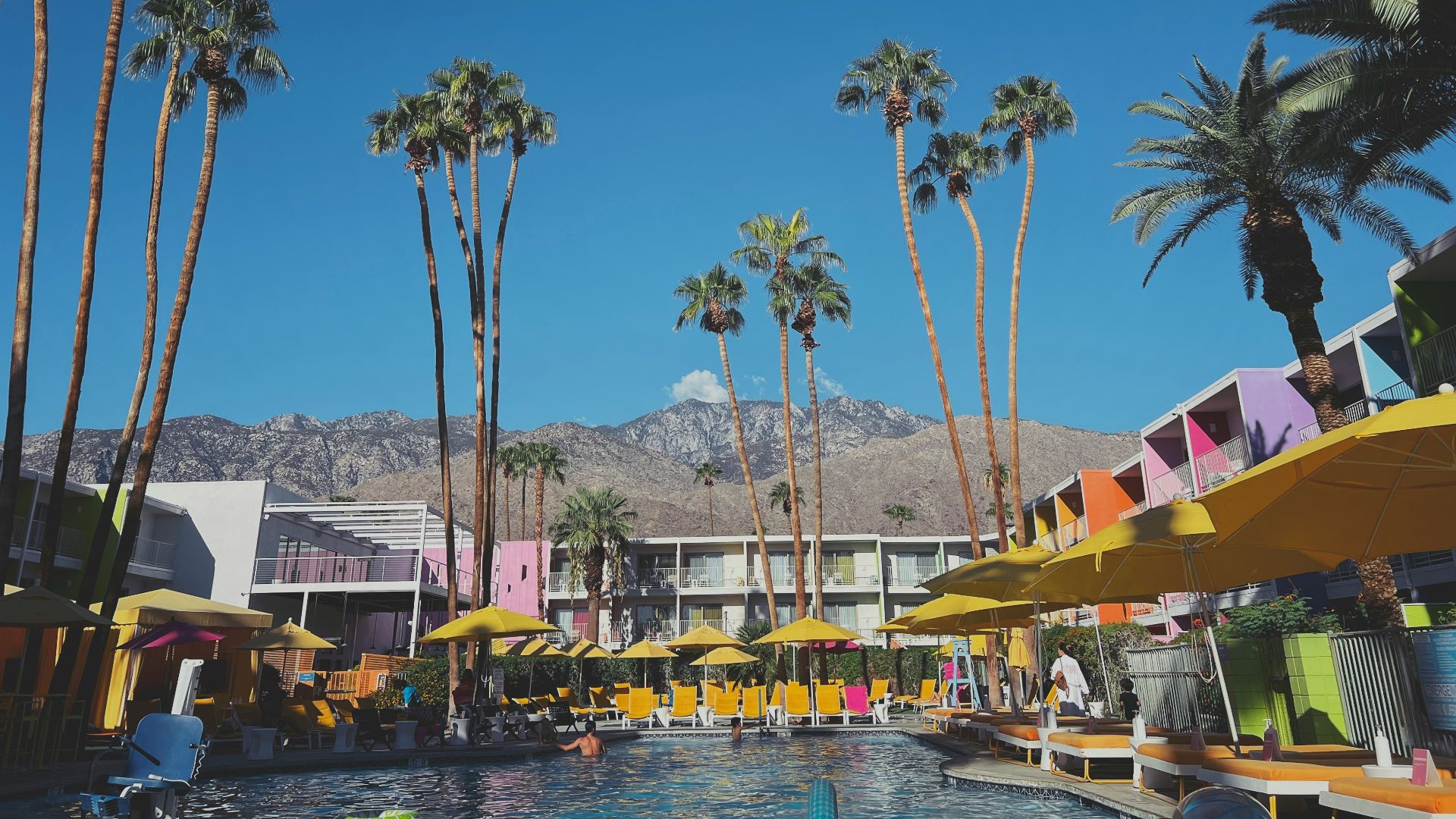
Palm Springs and the Coachella Valley offer one of America’s most recognizable winter lifestyles. Think palm trees, swimming pools, mountain views, mid-century architecture, golf, and patios filled in January. Nearby desert communities widen the accommodation choices while keeping the region’s outdoor attractions within easy reach.
The Trade-Off Is Price
California isn’t necessarily the bargain alternative to Florida. Popular coastal and desert destinations can be expensive, and prime winter rentals are competitive. Still, for Canadians on the West Coast, the shorter journey and familiar snowbird infrastructure may outweigh the higher price tag.

Alabama Is Florida's Quieter Neighbor
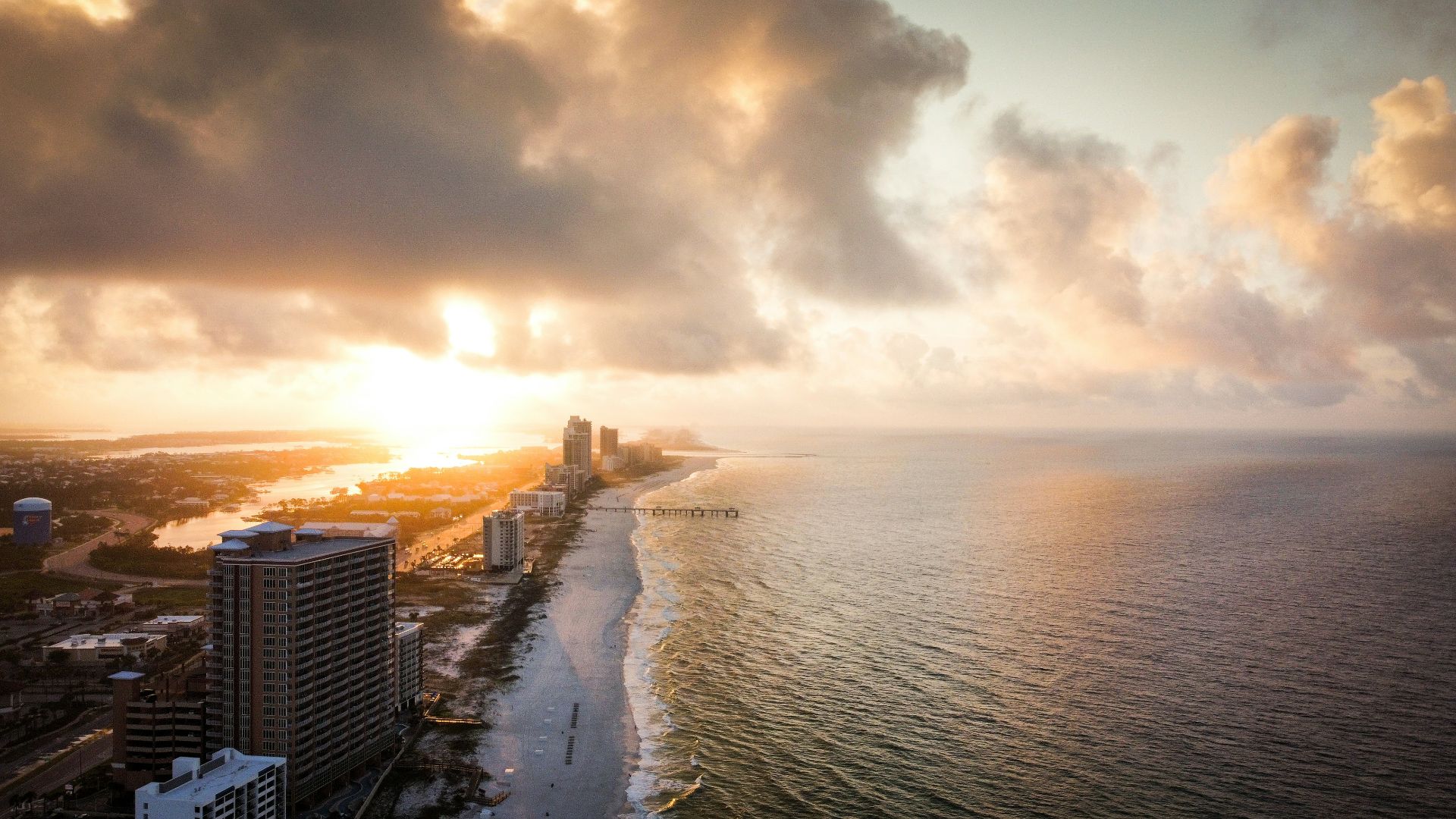
Drive west along the Gulf Coast and Florida eventually turns into Alabama—but the beaches don’t suddenly disappear. Alabama’s small slice of coastline gives snowbirds another option, particularly around Gulf Shores and Orange Beach, without placing them far from the familiar Florida Panhandle.

Gulf Shores Has Familiar Gulf Coast Appeal
Gulf Shores offers the ingredients many Florida regulars already love: pale beaches, seafood restaurants, golf, fishing, waterfront sunsets, and condo living. The difference is the atmosphere. It tends to feel smaller and quieter than Florida’s major resort centres, which is exactly the point for some winter visitors.
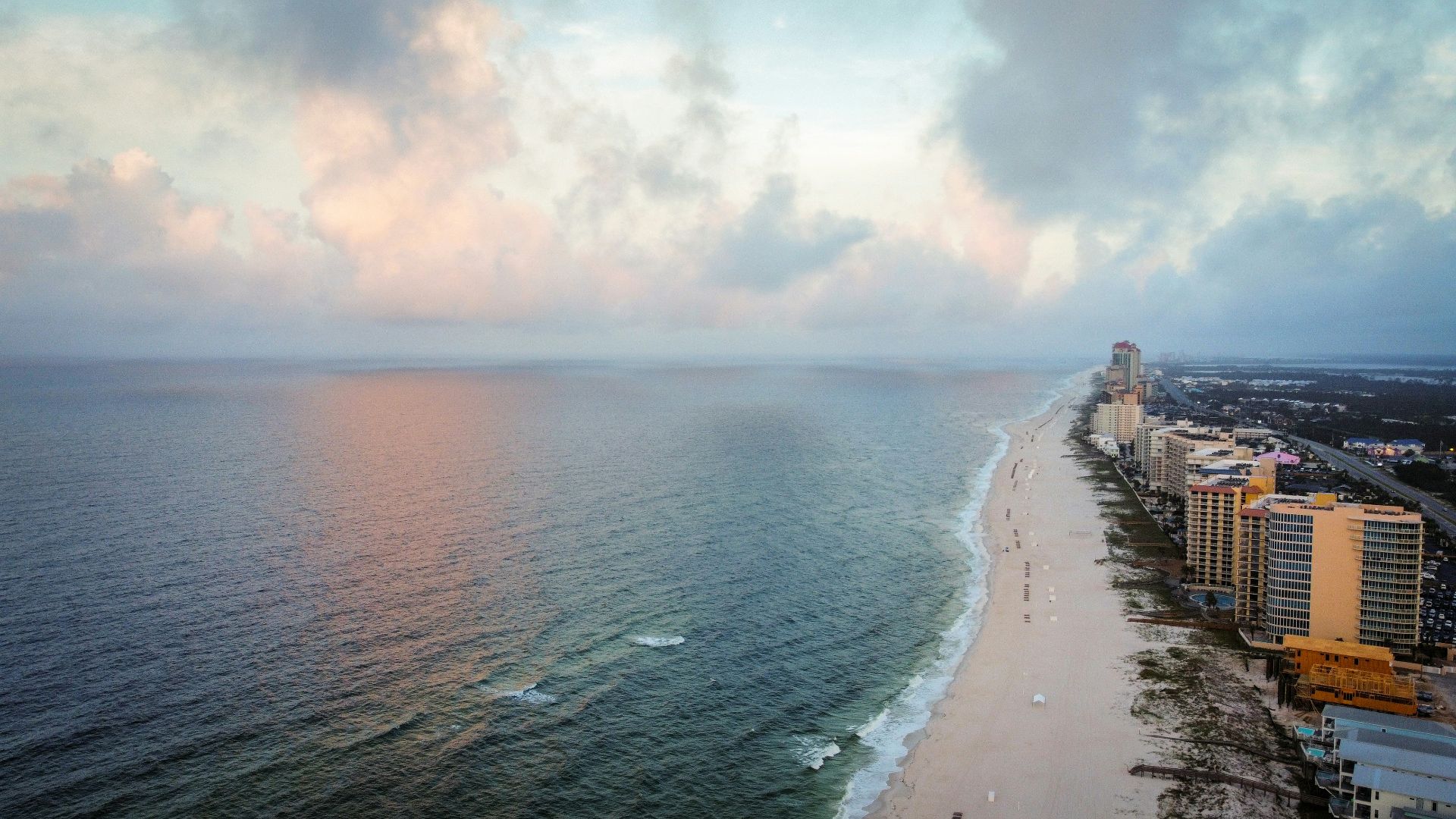
Value Is Part Of The Attraction
For snowbirds willing to accept cooler winter days than they might find around Miami or Fort Myers, Alabama can be an intriguing compromise. You still get Gulf Coast scenery and a seasonal community, but without choosing one of Florida’s famous—and increasingly expensive—snowbird markets.
New Mexico Is The Wild Card
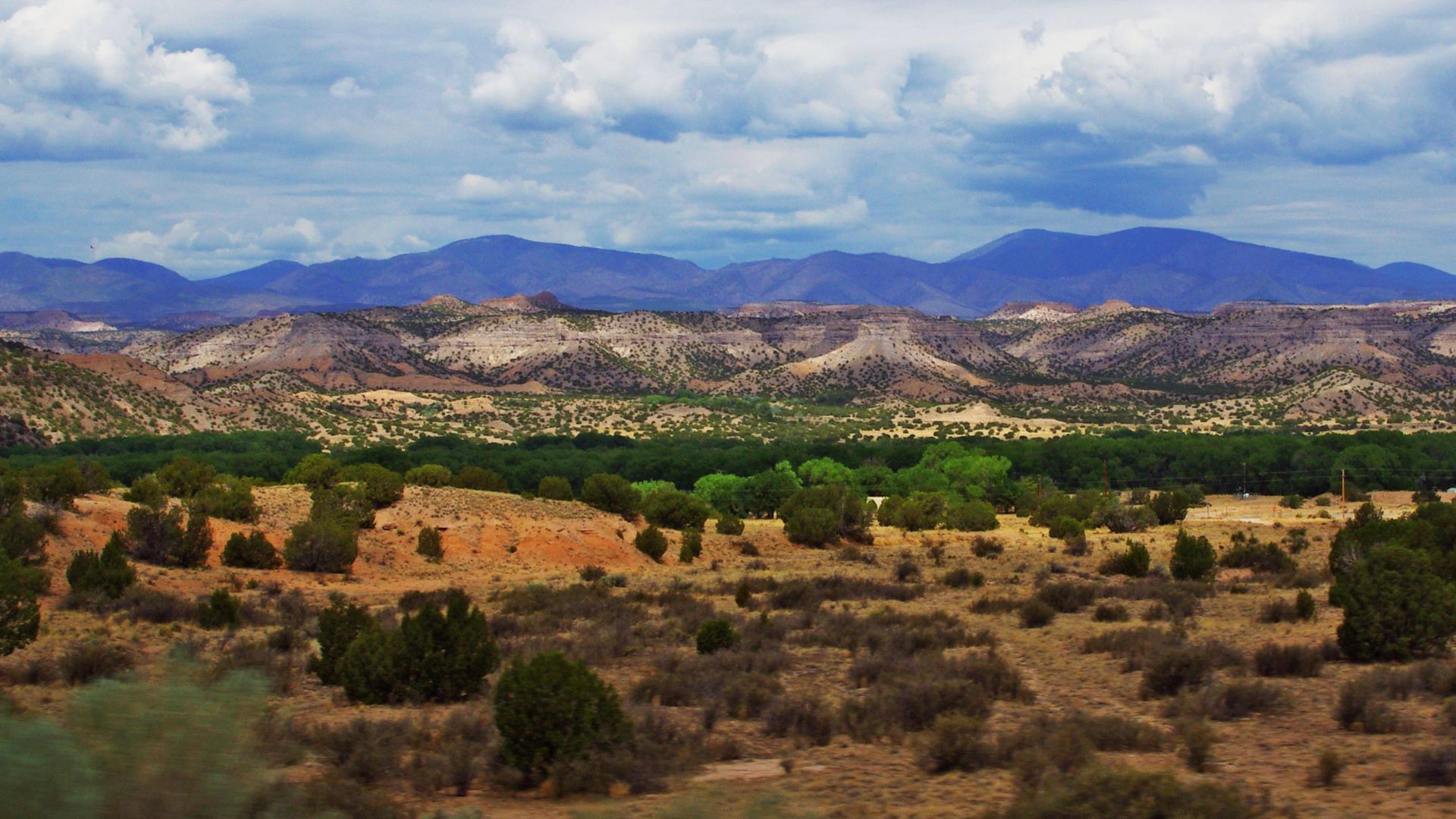
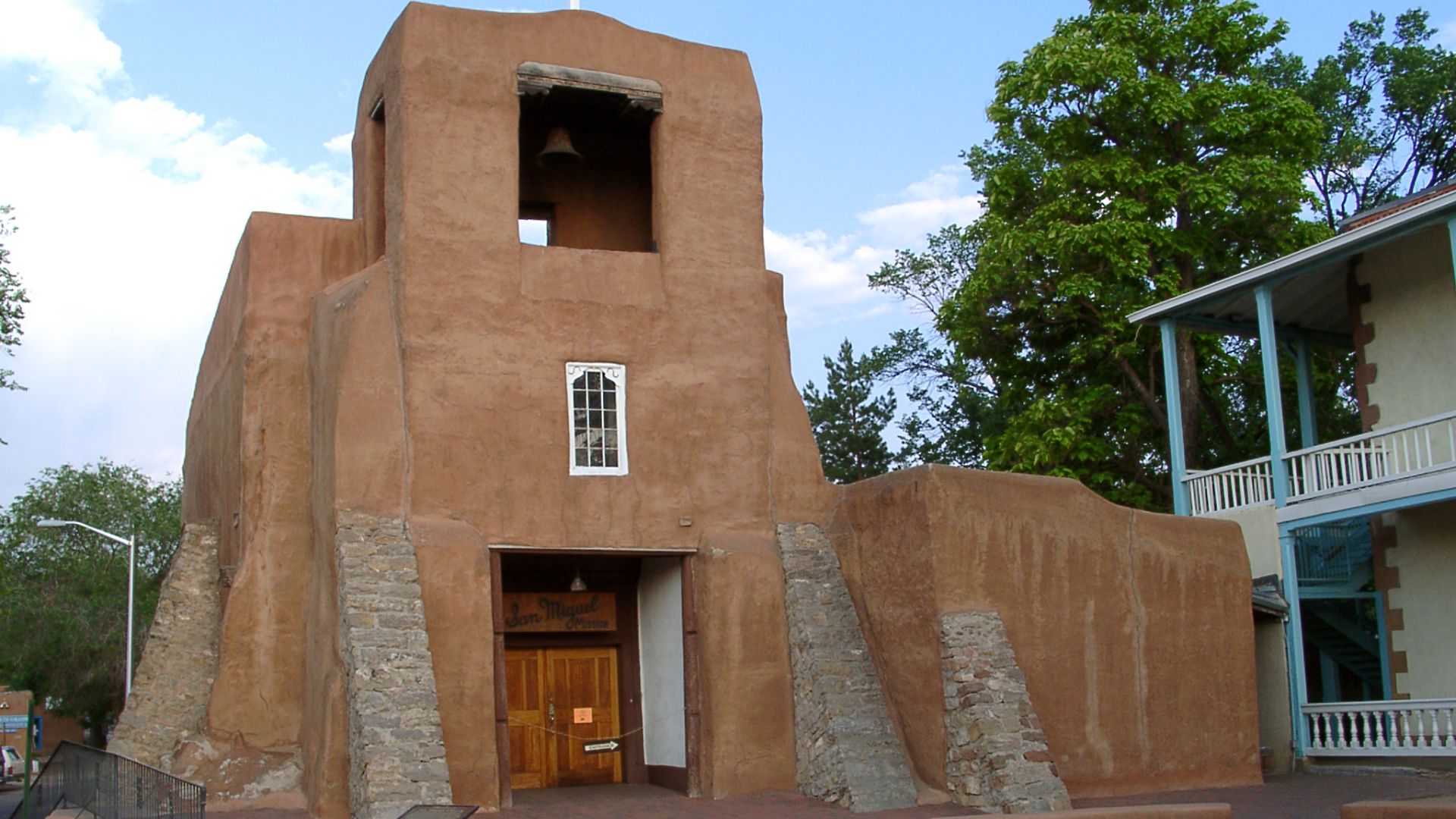
New Mexico won’t replace Florida for anyone whose winter requirements begin with “tropical beach.” But Canadians looking for sunshine, scenery, culture, and a dry climate are discovering another kind of escape. Snowbird communities can be found around Las Cruces, Albuquerque, and several smaller destinations.
 Thomas Shahan, Wikimedia Commons
Las Cruces Keeps Winter Manageable
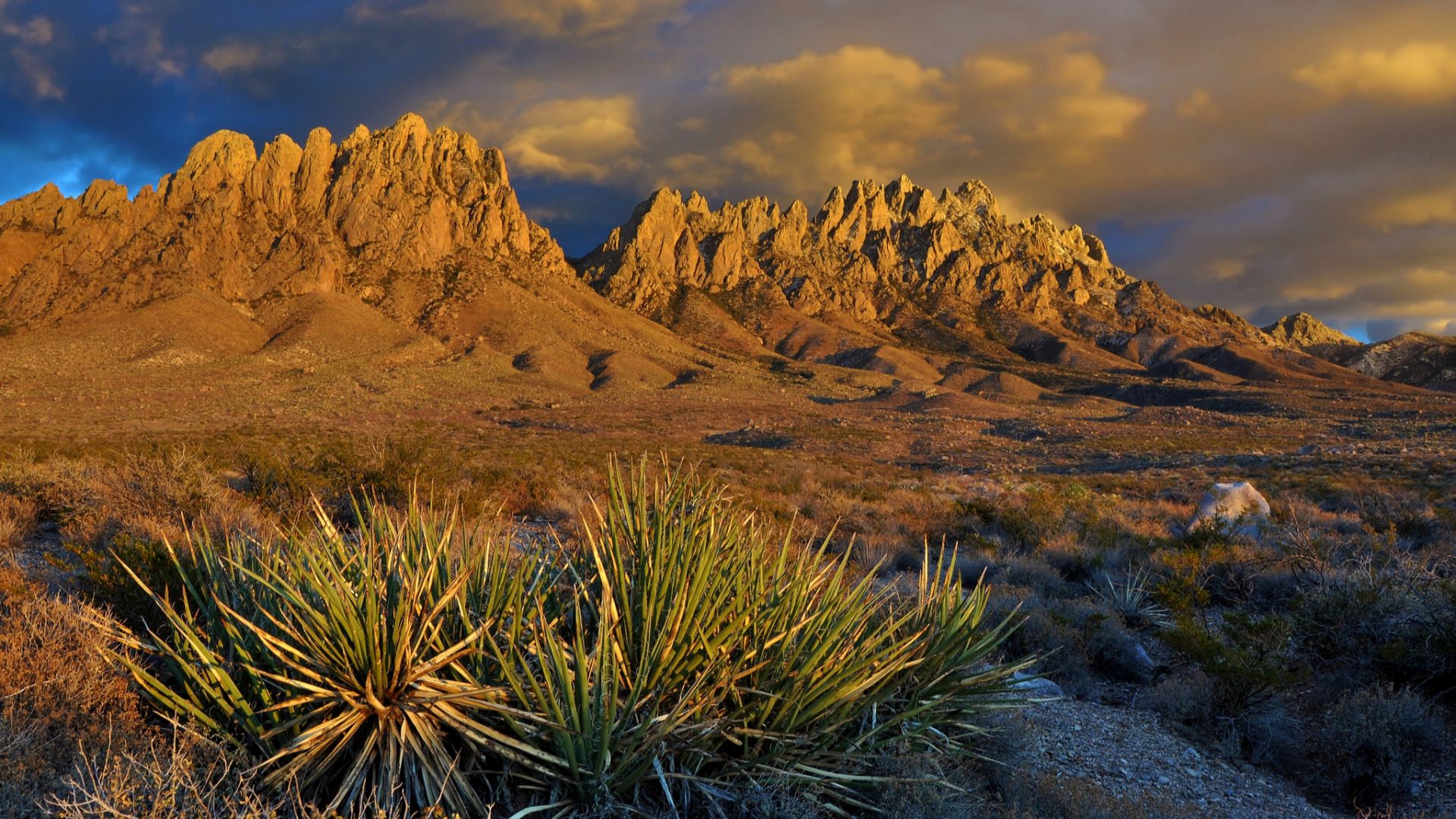
Southern New Mexico makes the strongest case for sun-seeking retirees. Las Cruces combines desert landscapes, mountain views, historic surroundings, and easy access to outdoor recreation. Nights can get chilly, but sunny winter afternoons can make Canadian January feel very far away indeed.
 Bureau of Land Management, Wikimedia Commons
Culture Makes The Stay Feel Different
New Mexico’s appeal goes beyond escaping snow. Spanish and Indigenous influences, distinctive architecture, southwestern food, art, and spectacular landscapes make a winter here feel like genuine travel rather than simply relocating to a warmer condo. For adventurous snowbirds, that difference can be refreshing.
Florida Is Still Florida—Just Not The Only Choice
Florida isn’t about to vanish from the Canadian snowbird map. But it no longer has the conversation entirely to itself. Arizona, Texas, South Carolina, Nevada, California, Alabama, and New Mexico all offer their own combinations of sunshine, community, scenery, and value—and sometimes a change is half the fun.

You May Also Like:
Things American Miss Most When They Travel In Canada
Monkeys and apes use either hand—so why are 90% of humans right-handed?