The Right Question
Pick up a coffee mug. Unlock your phone. Sign your name. Odds are, the same hand takes over every time without you giving it a thought. And for 90% of us, it is the right hand.
What shocks most people is that our closest primate relatives do not have that same strong hand preference. But scientists finally think they know what happened to us.
One Species Picked A Side
Across cultures, countries and centuries, approximately 90% of humans have favoured their right hand. No other primate species displays anything close to that overwhelming population-wide preference. Somewhere during human evolution, our ancestors did not simply develop favourite hands—they overwhelmingly began favouring the same one.
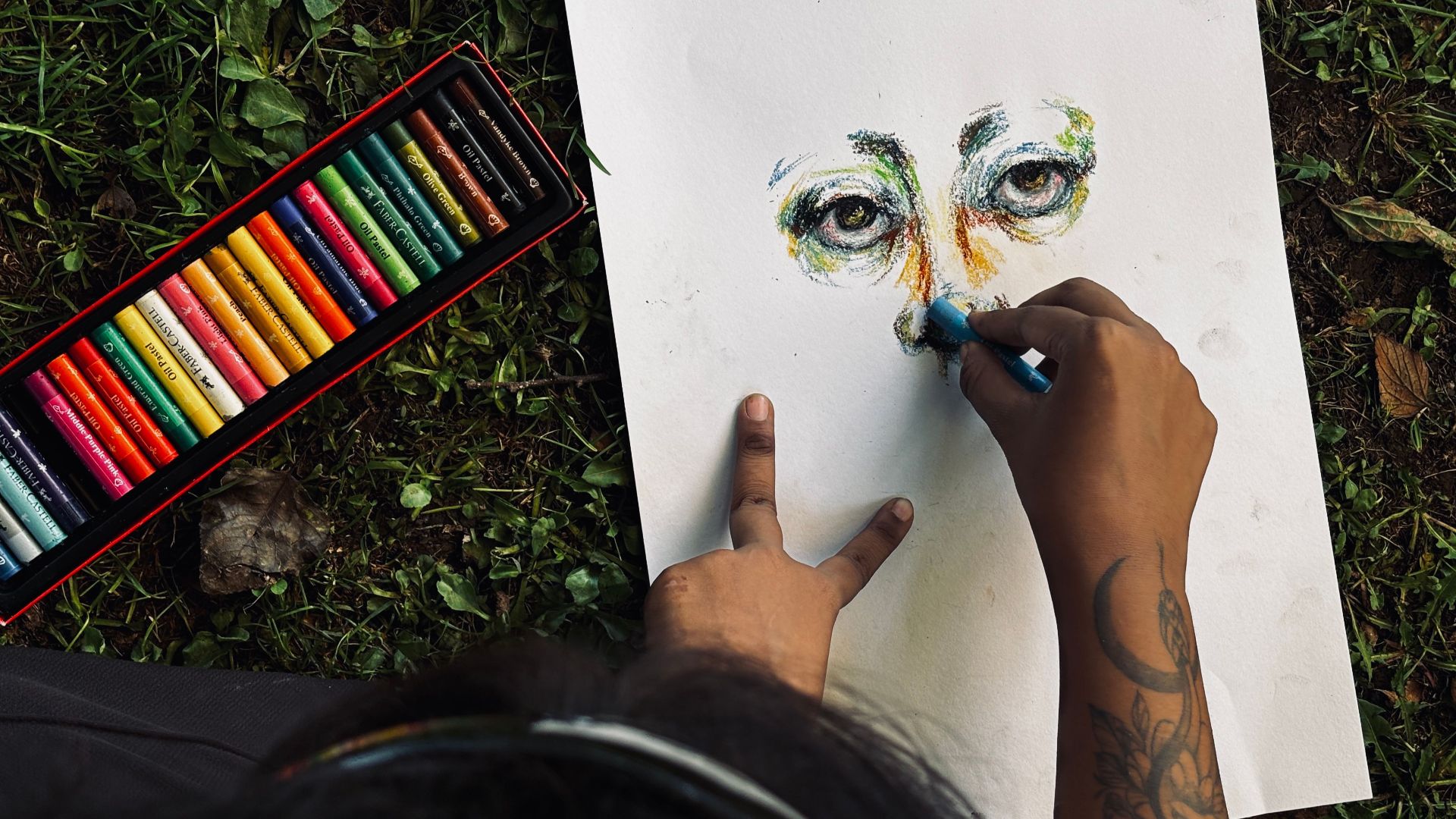
They Still Have Favourite Hands
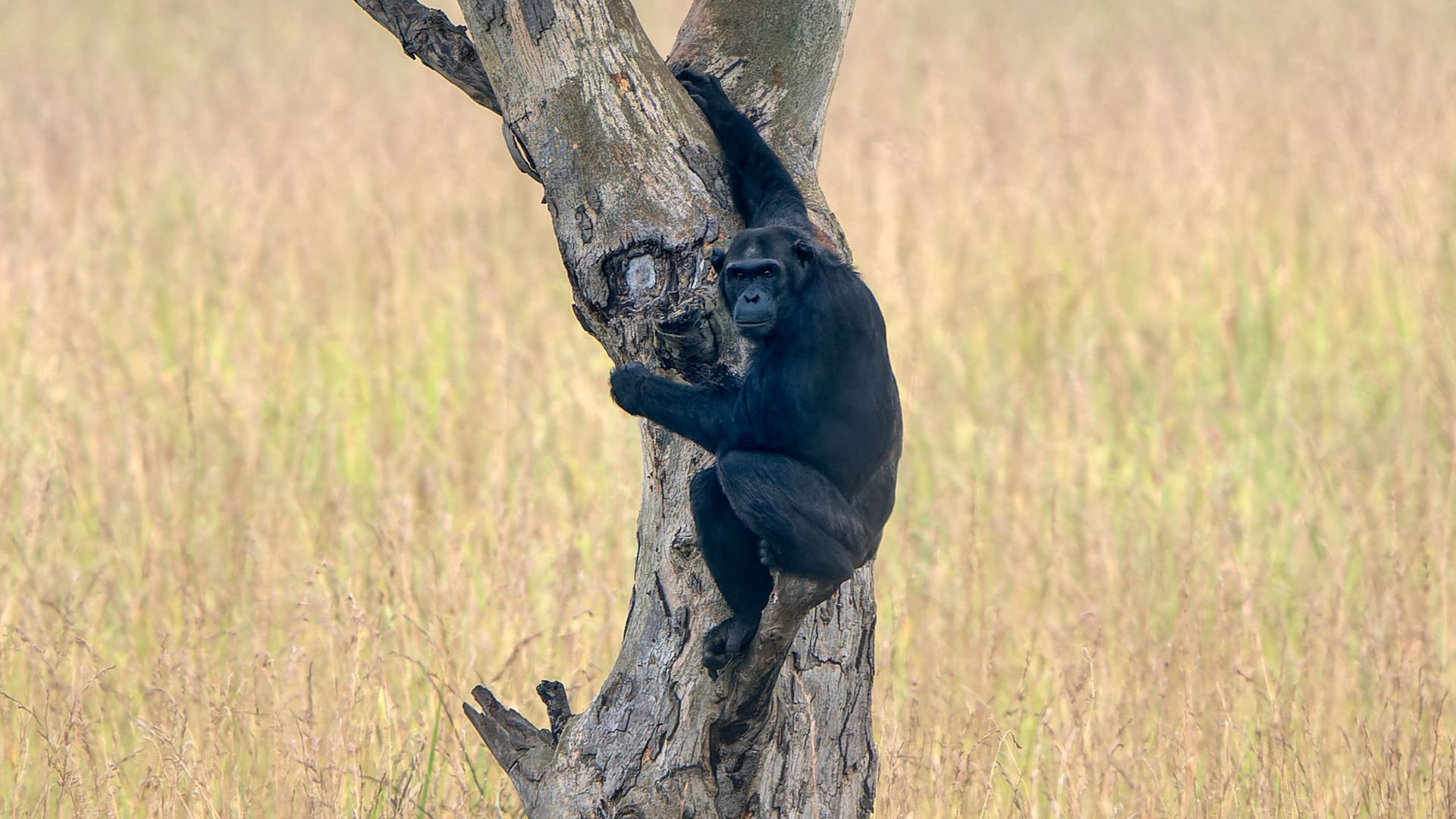
“Use either hand” does not mean every monkey and ape switches between hands equally. Individual animals can favour one side, and that preference may change depending on whether they are reaching, climbing, gesturing or using a tool. What they lack is humanity’s remarkably consistent species-wide preference for the right.
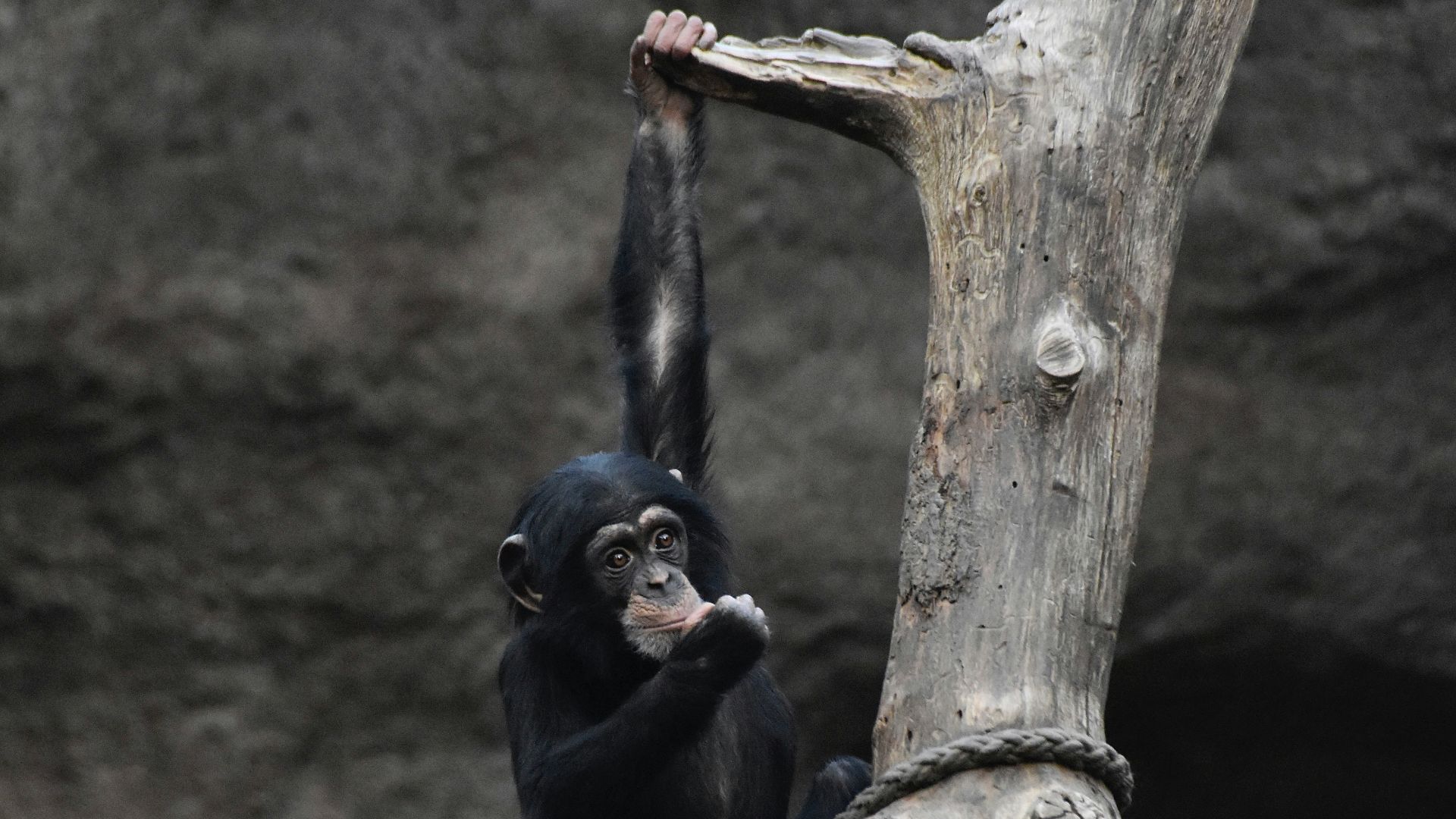
Even The Apes Cannot Match Us
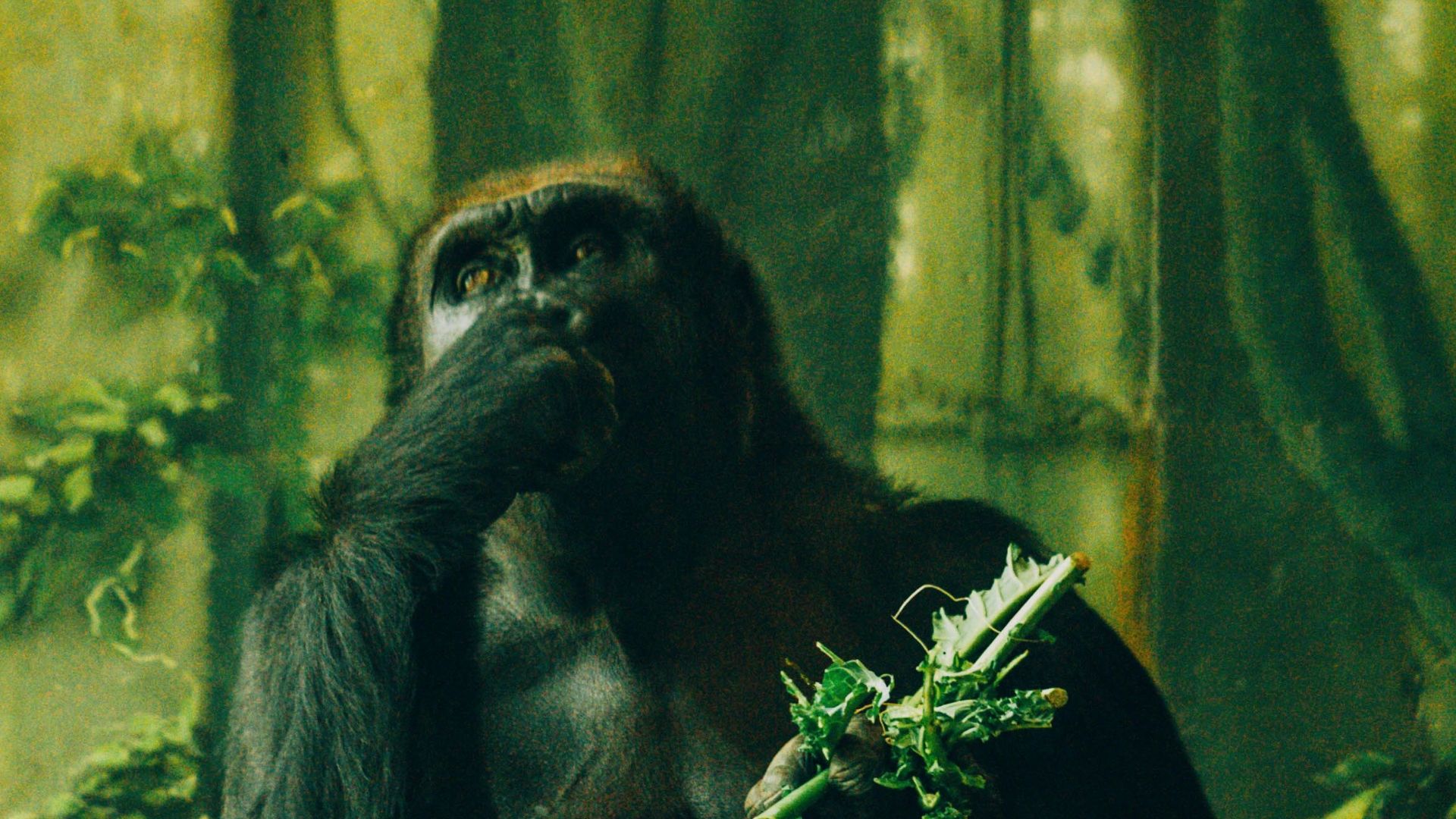
Chimpanzees, gorillas and several monkey species sometimes show mild rightward preferences. Orangutans and golden snub-nosed monkeys may lean left. However, those patterns are far weaker and less consistent than ours. Humans were the only species in the analysis with a statistically credible population-wide preference for the right.
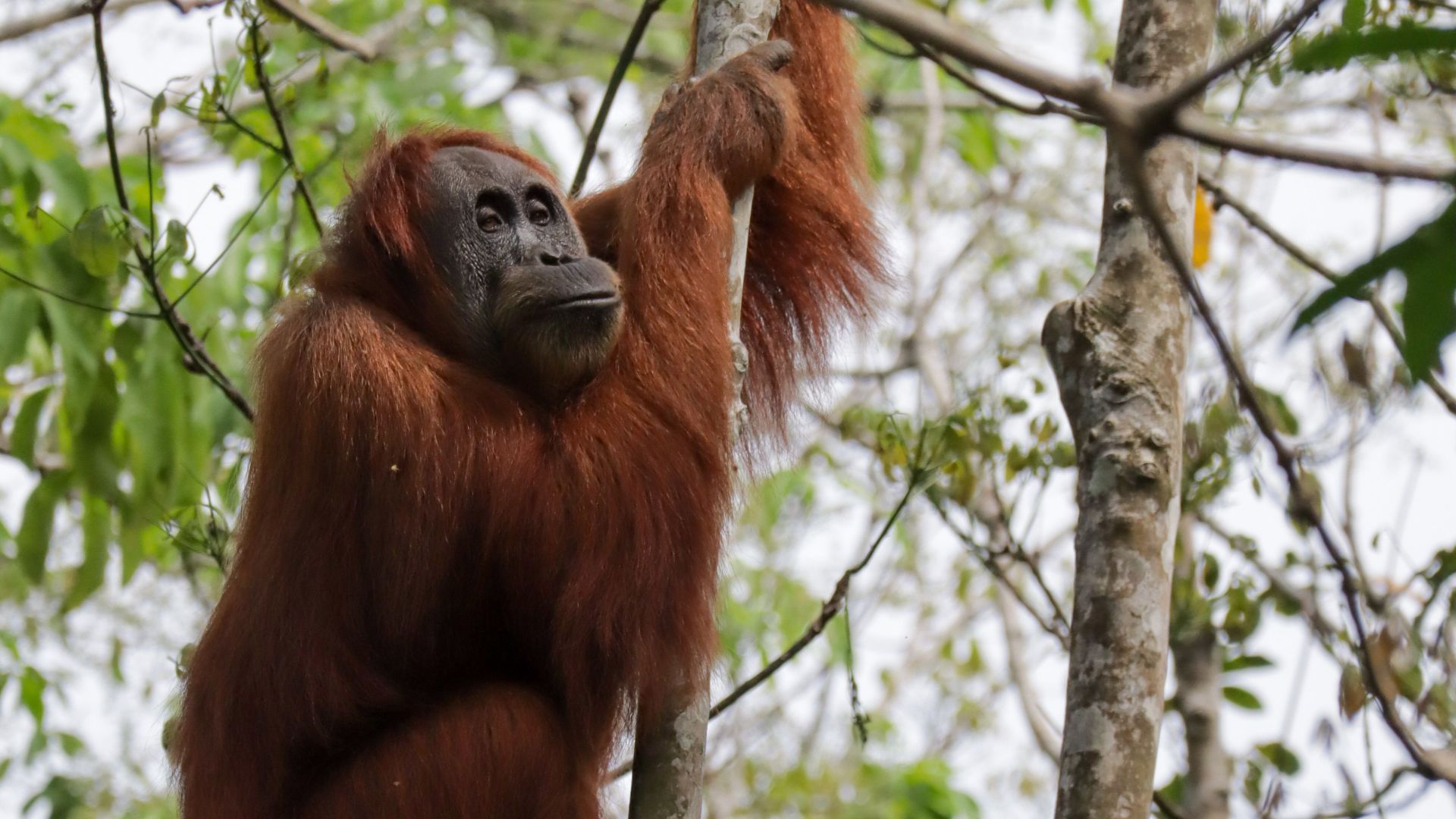
Humans Looked Like An Evolutionary Mistake
When researchers compared us with other primates, modern humans appeared completely outside the expected pattern. Based only on our evolutionary relatives, the models suggested humanity should show almost no overall preference between left and right. Instead, humans were sitting way off on their own.
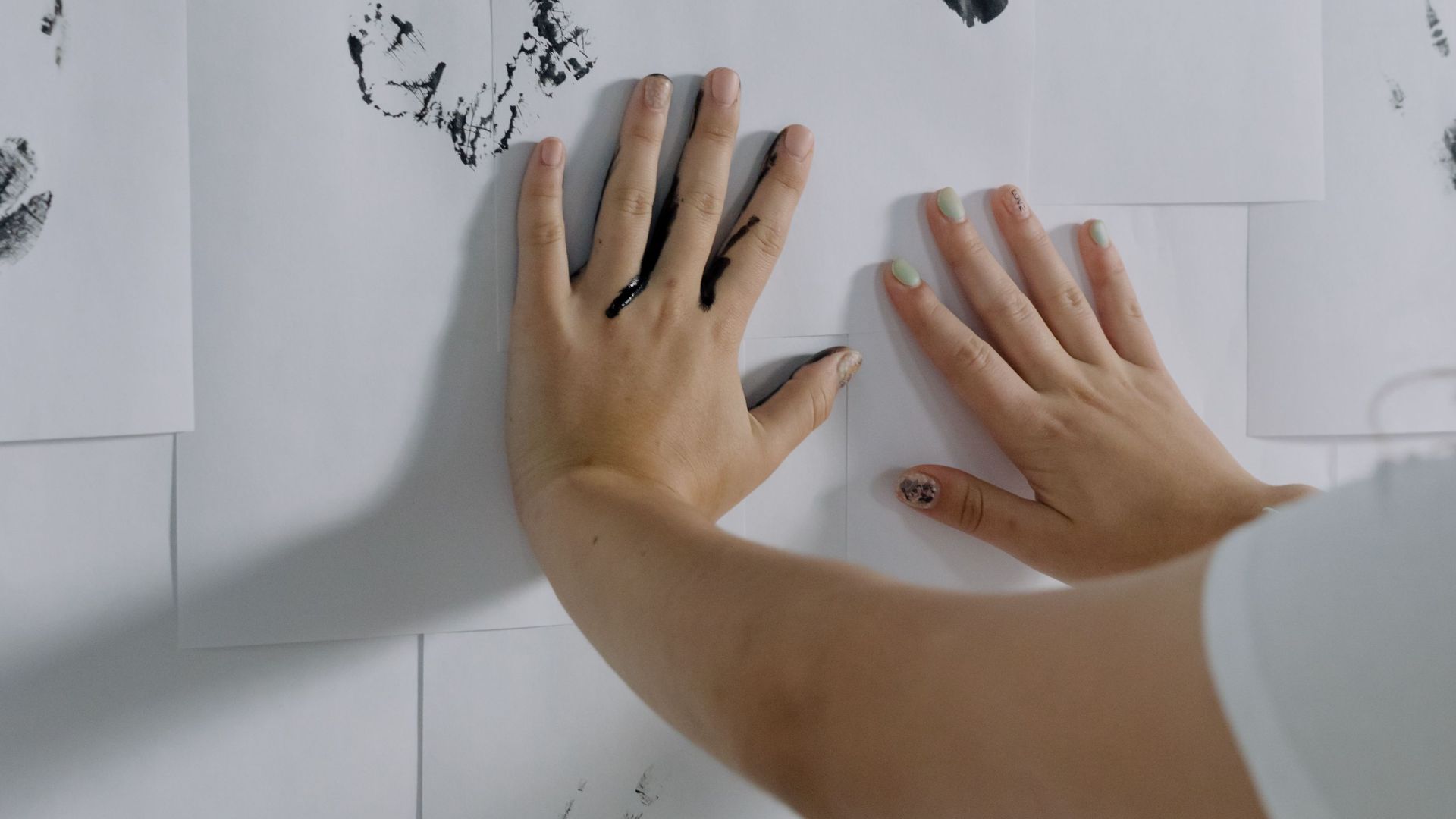
A Study Built Around 2,025 Primates
Researchers from the University of Oxford and the University of Reading assembled handedness data from 2,025 monkeys and apes representing 41 species. They then used statistical models that accounted for how closely those species were related rather than treating every animal as a completely separate case.
Right Or Left Was Only Half The Story
The researchers measured two different things. The first was direction—whether a population leaned right or left. The second was strength—whether individuals consistently relied on one hand, regardless of which hand it happened to be. Humans were unusually rightward and unusually consistent.
Scientists Had Plenty Of Suspects
Handedness has been blamed on almost everything that makes humans or primates different. The study tested possible connections with diet, habitat, body size, social organization, climbing, ground movement, brain size, tool use and the challenge of extracting food. Surely one of those would explain everything.
Tool Use Seemed Like The Obvious Answer
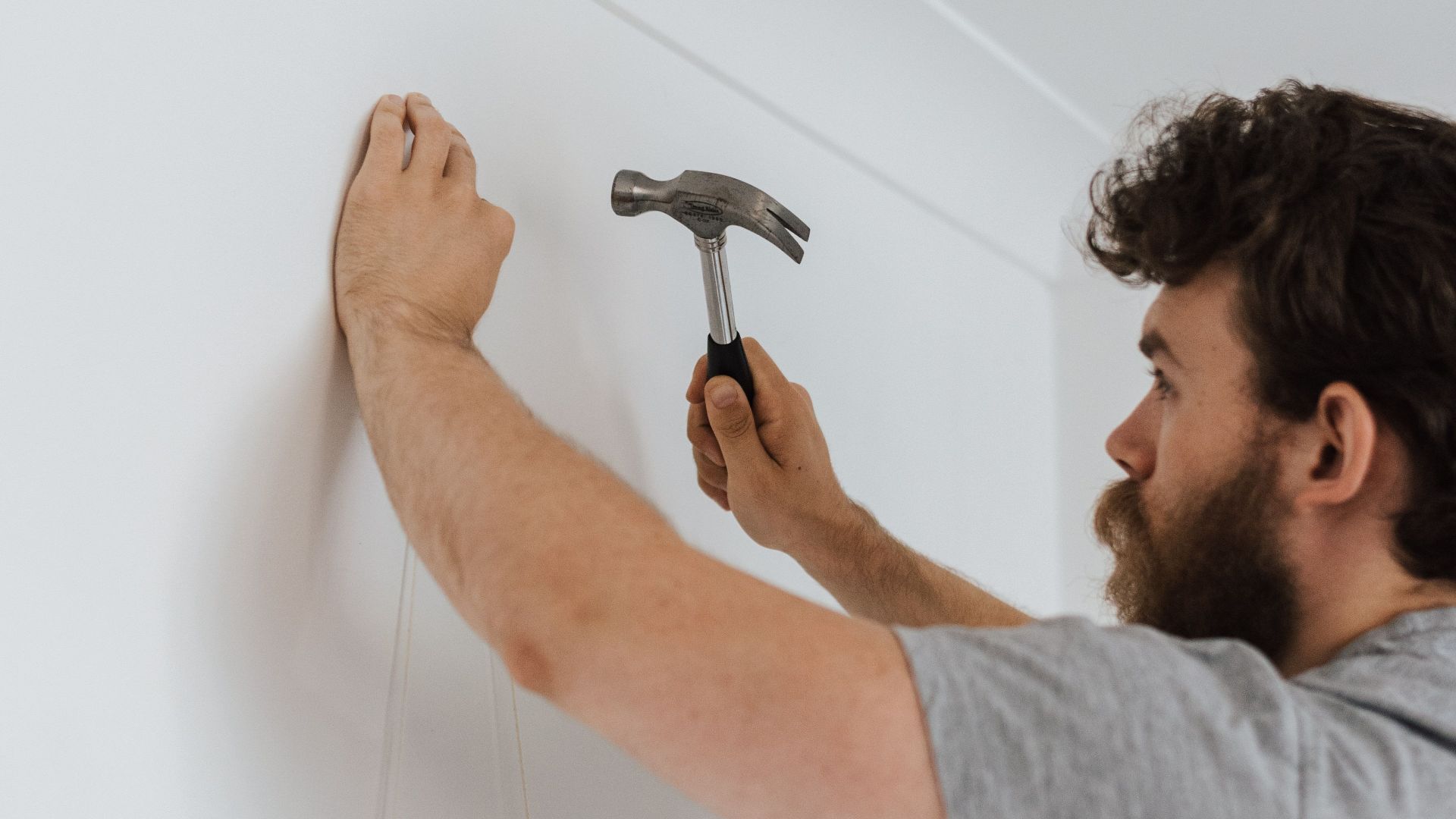
Humans became extraordinarily skilled toolmakers, so it makes sense that one hand might have become the designated hammering, cutting and throwing hand. Repeatedly performing complicated jobs with the same side could make movements faster, more precise and easier for others to copy. It was a beautifully simple explanation.
Except The Tools Did Not Solve It
Other primates also use tools, yet they never developed humanity’s overwhelming rightward preference. When researchers compared tool-using species with those that rarely used them, tool use alone could not explain why humans were so unusual. It may have reinforced handedness, but it was not enough to explain the pattern.
The First Real Clue Was In Our Legs
The strongest anatomical clue was the relative length of our arms and legs. Humans have unusually long legs compared with their arms—a hallmark of habitual bipedalism. Limb proportions were especially important for explaining the strength of human hand preference, while brain size was more closely associated with its direction.

Standing Up Changed Everything
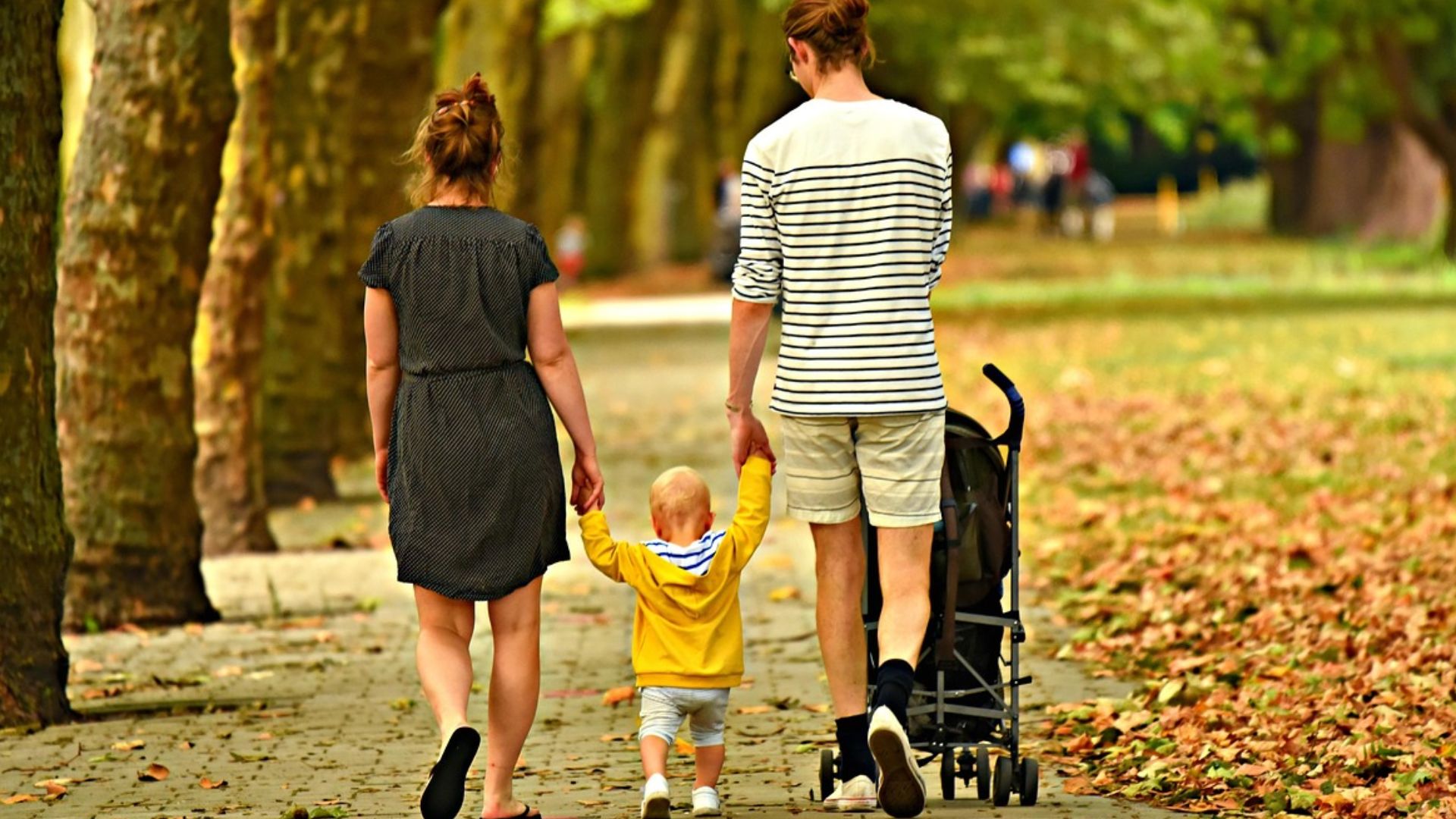
Most primates still use their arms extensively for climbing, balancing or moving through trees. As our ancestors became habitual bipeds, their hands were less constrained by locomotion, creating far more opportunities for tool use, gestures and delicate movements. The researchers propose that this made stronger manual specialization increasingly advantageous.
Our Hands Got New Jobs
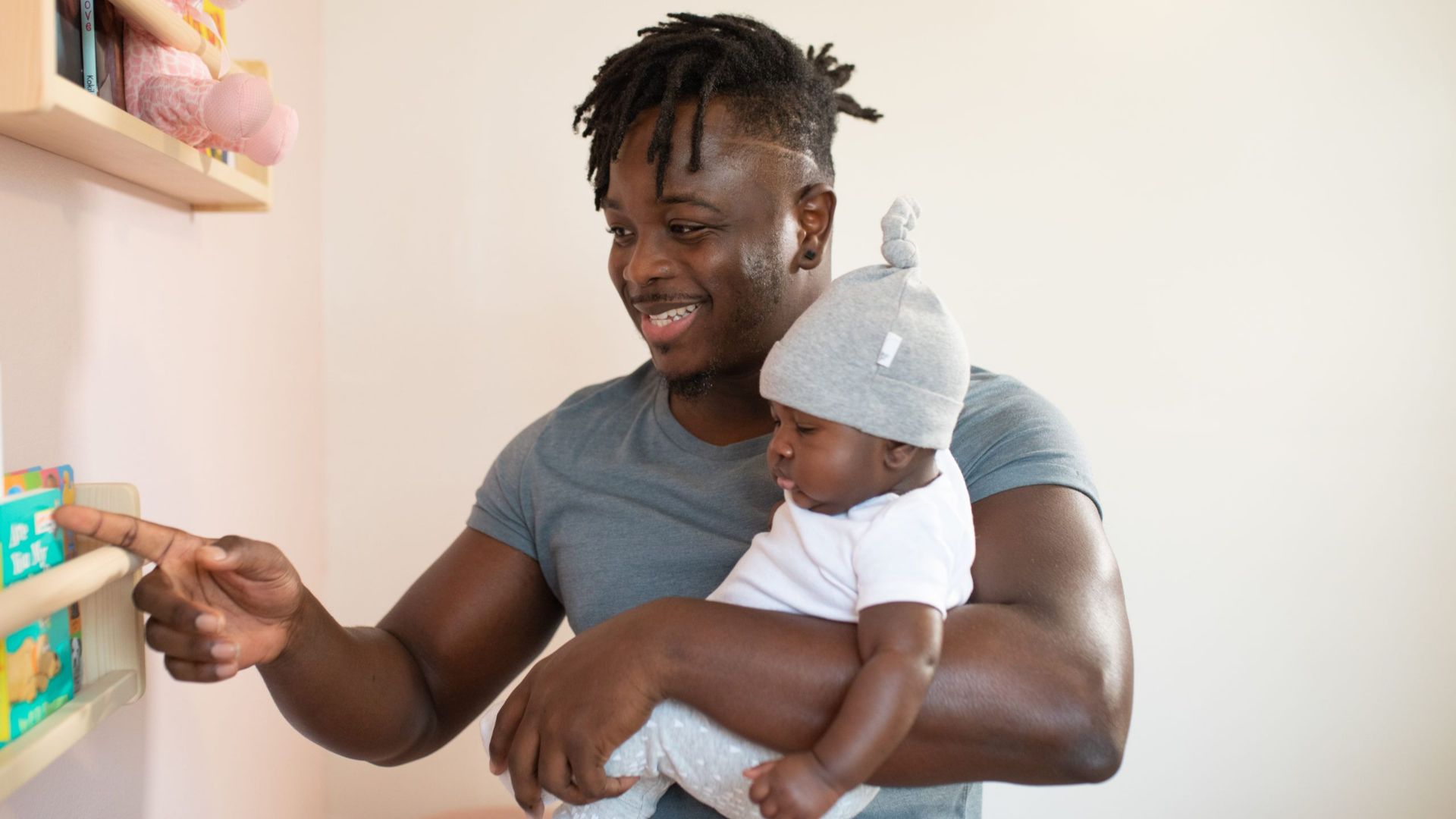
Freed hands could carry food, hold infants, shape objects and perform increasingly precise movements. Under those conditions, consistently assigning certain jobs to one side may have been more efficient than asking both hands to remain equally good at everything. Walking upright created the opportunity for much stronger hand specialization.
But Walking Upright Was Not Enough
Bipedalism helped explain why humans developed such strong individual preferences, but it did not explain the full rightward pattern. Brain size then emerged as another key predictor—and this time, the clue was inside the skull.

Then Our Brains Became Much Larger
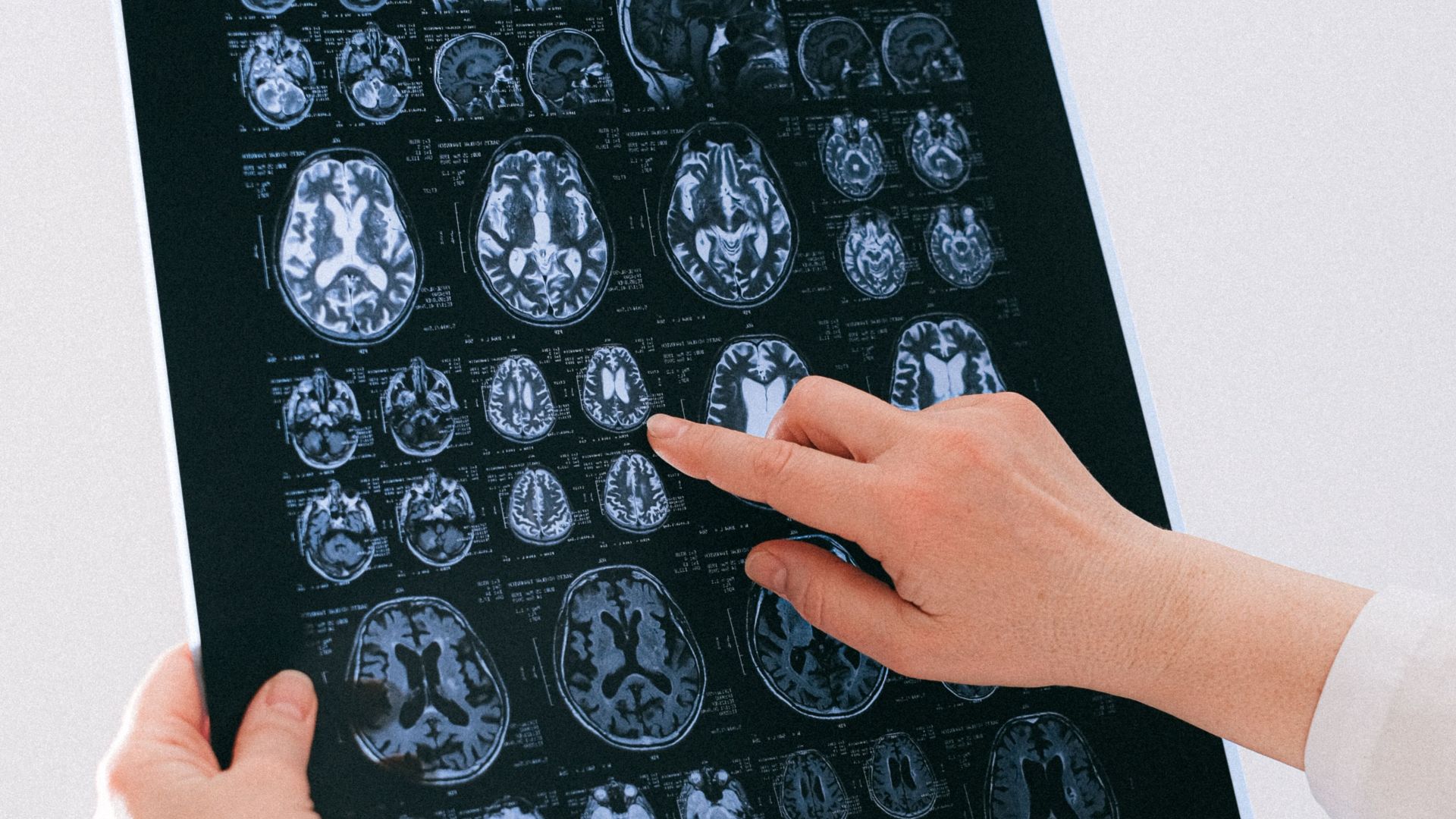
As human brains expanded and reorganized, they may have developed greater hemispheric specialization, making lateralized behaviours more efficient. In the models, brain size was especially associated with the direction of handedness. That helps explain the growing rightward bias, but it still does not identify exactly why right—not left—became dominant.
The Two Clues Worked Together
When brain size and limb proportions were included among the model’s key predictors, humans no longer looked like such an evolutionary outlier. For handedness direction, the model predicted a score of 0.74—remarkably close to the observed human score of 0.76. That is strong statistical support, although it is not direct proof of causation.

It May Have Happened In Two Stages
The study suggests habitual bipedalism came first, encouraging early hominins to develop stronger individual hand preferences. Brain expansion arrived later and appears to have pushed those preferences increasingly toward the right. First our ancestors became more strongly handed. Then more of them began favouring the same side.
The Model Rewound Human Evolution
Researchers could not watch extinct human relatives perform everyday tasks, but they could enter their estimated brain sizes and body proportions into the same model. That allowed them to predict how strongly several ancient species may have favoured their right hands—and the resulting progression was surprisingly orderly.
Our Earliest Ancestors Barely Leaned Right
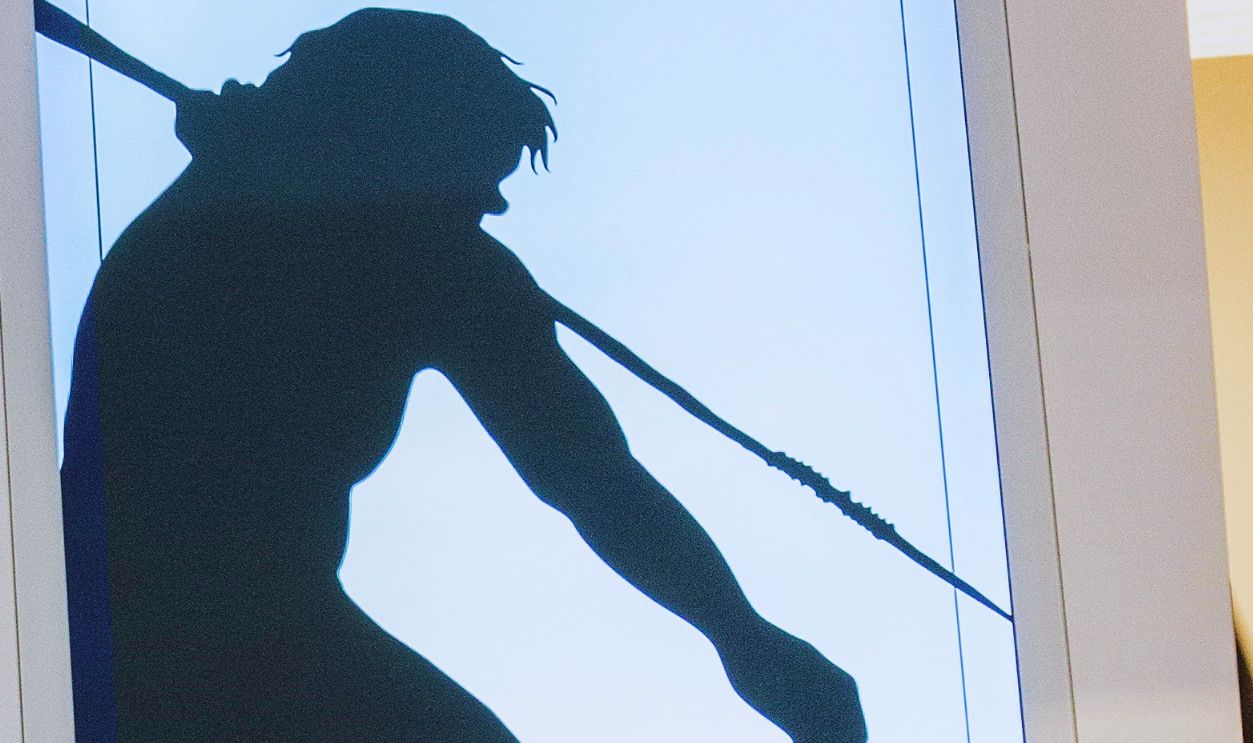
Ardipithecus ramidus, which lived more than four million years ago, received a predicted right-handedness score of only 0.16. Australopithecus afarensis—the species that includes the famous Lucy fossil—rose to 0.32. Both were predicted to lean right, but neither came remotely close to modern humanity.
 Raphael GAILLARDE, Getty Images
Then The Genus Homo Arrived
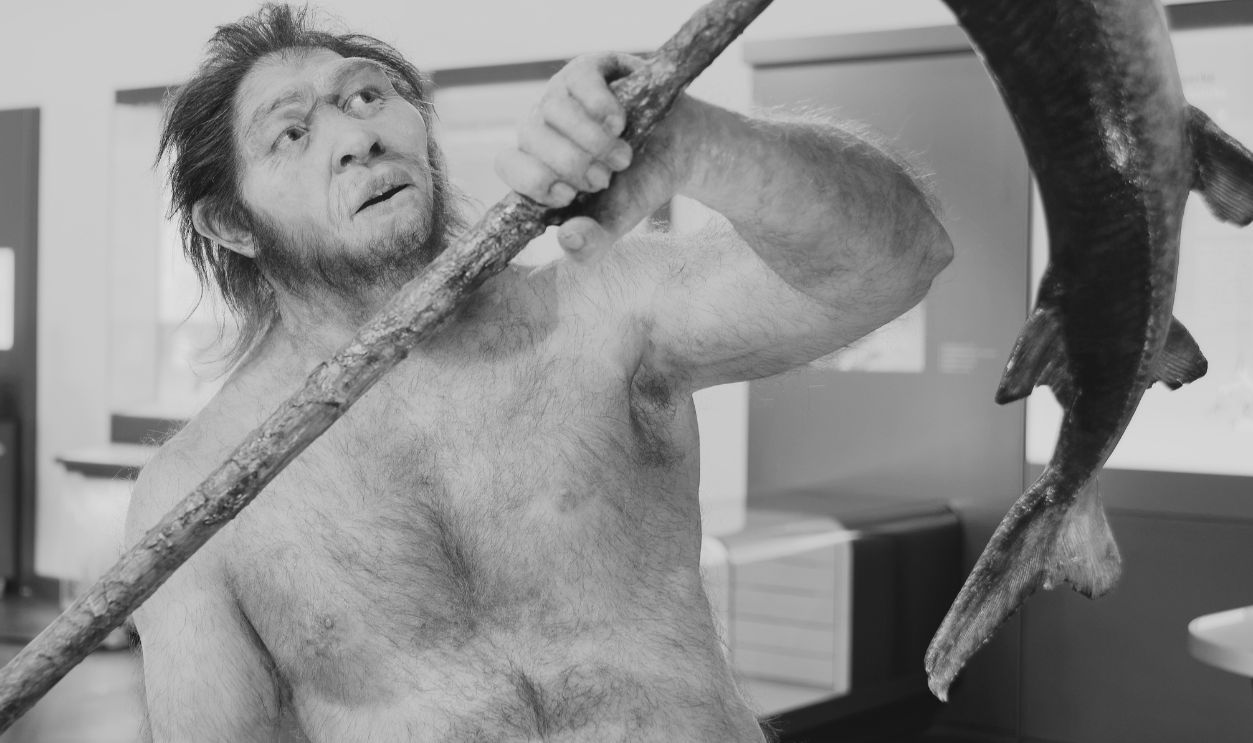
The predicted bias became much stronger with Homo ergaster at 0.50 and Homo erectus at 0.54. Neanderthals reached 0.64, moving considerably closer to the modern human score of 0.76. As brains grew and bodies became more adapted to upright walking, the model predicted increasingly strong right-handedness.
 Jakub Hałun, Wikimedia Commons
The “Hobbit” Broke The Pattern
Homo floresiensis, the small ancient human relative discovered in Indonesia, received a predicted score of only 0.28. Its comparatively small brain and body, which retained some adaptations associated with climbing, fit the researchers’ model surprisingly well. Even within the human family, different anatomy produced a weaker predicted preference.
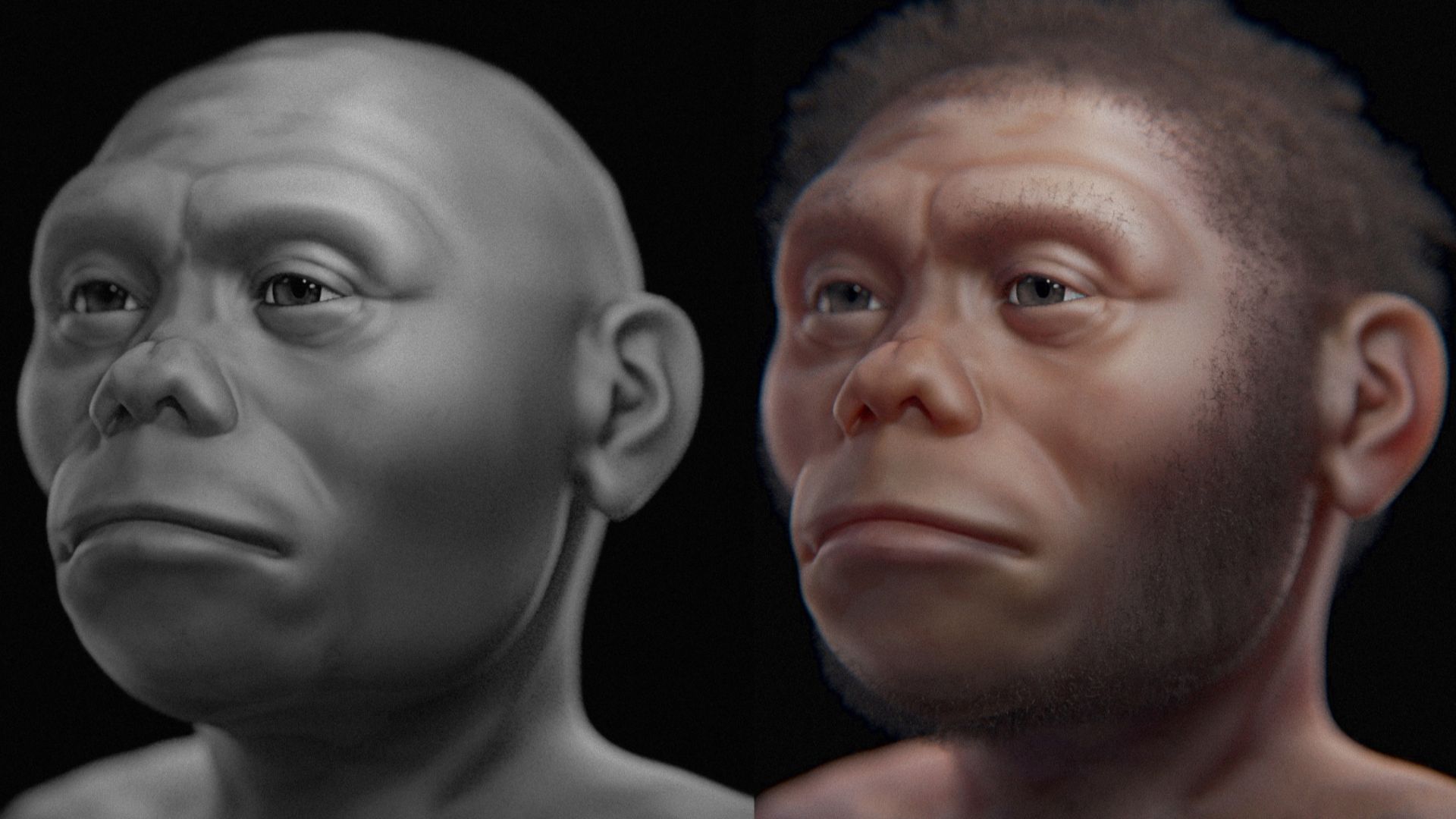 Cicero Moraes, Wikimedia Commons
Why The Right Side Won Is Still A Mystery
The study helps explain why humans became strongly one-handed and why that preference intensified during our evolution. However, it does not completely explain why the right hand became dominant instead of the left. Evolution may have created the conditions—but one final historical or biological nudge is still missing.
Culture May Have Locked It In
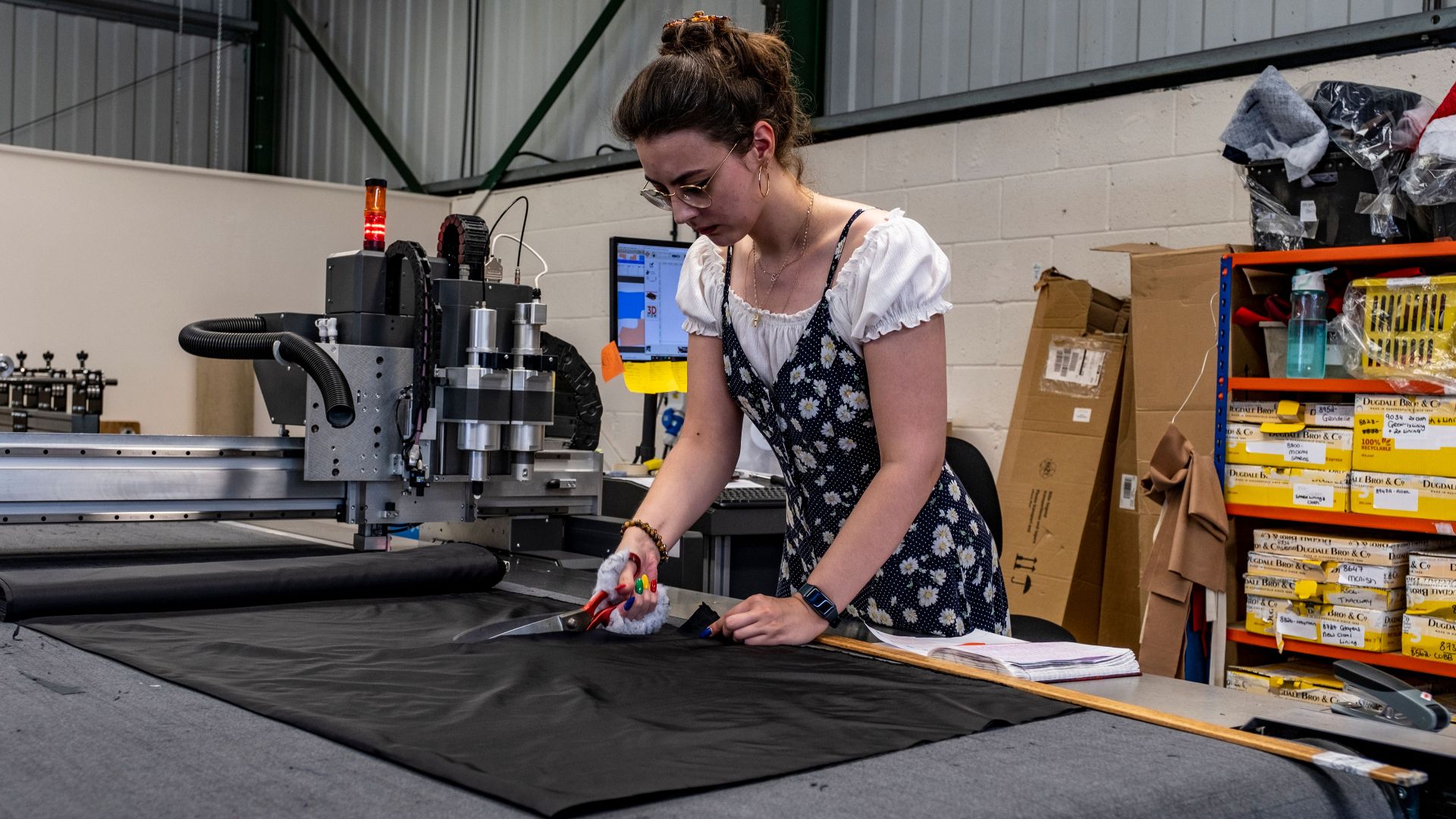
Researchers suggest cumulative culture may have amplified or stabilized the preference once it existed. Teaching, imitation and shared techniques could reinforce a common side across generations. However, the study did not directly test culture, and the authors stress that culture alone is unlikely to explain a right-hand bias found across human societies.
Left-Handers Never Disappeared
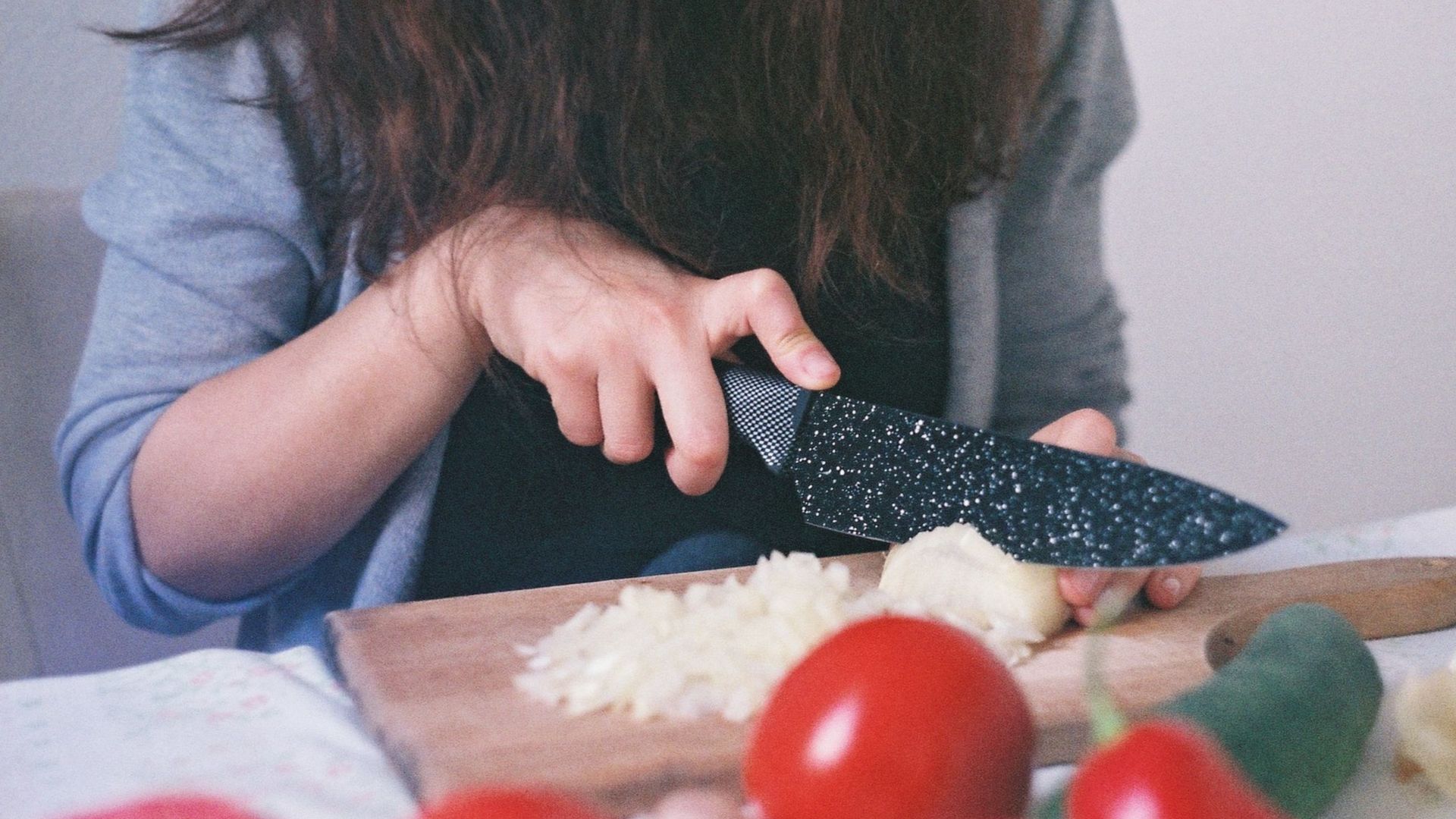
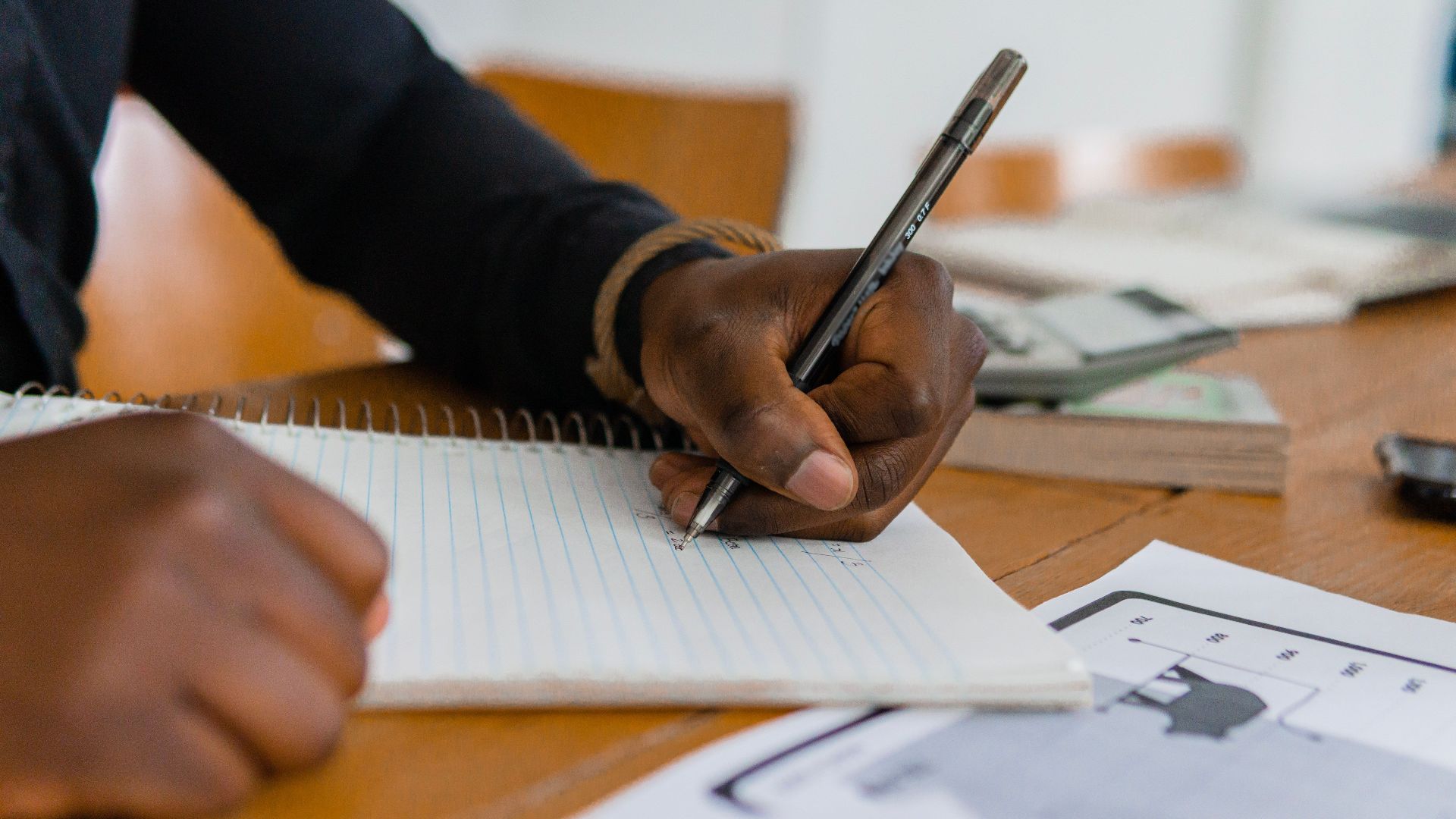
Approximately one person in ten still prefers the left hand, and researchers do not yet know why that minority persisted. Handedness is influenced by many genes along with development and environment—not one simple “right-handed gene.” Apparently, evolution strongly favoured a pattern without ever making it universal.
“Finally Know” Is Doing Some Work
The study is a comparative meta-analysis and evolutionary model—not a time machine. Its extinct-hominin handedness scores are predictions based on anatomy, brain size and evolutionary relationships, not direct observations. The findings make bipedalism and brain expansion leading explanations, but they do not close every part of the case.
The Answer Was Hiding In Plain Sight
Humans did not simply wake up one morning and decide the right hand was better. Habitual bipedalism may have helped us develop unusually strong hand preferences, while brain expansion pushed the population increasingly toward the right. Scientists may finally understand how the pattern developed—even if they still cannot explain why the right side ultimately won.
You Might Also Like: