

An Ancient Tool Emerges From The Mud
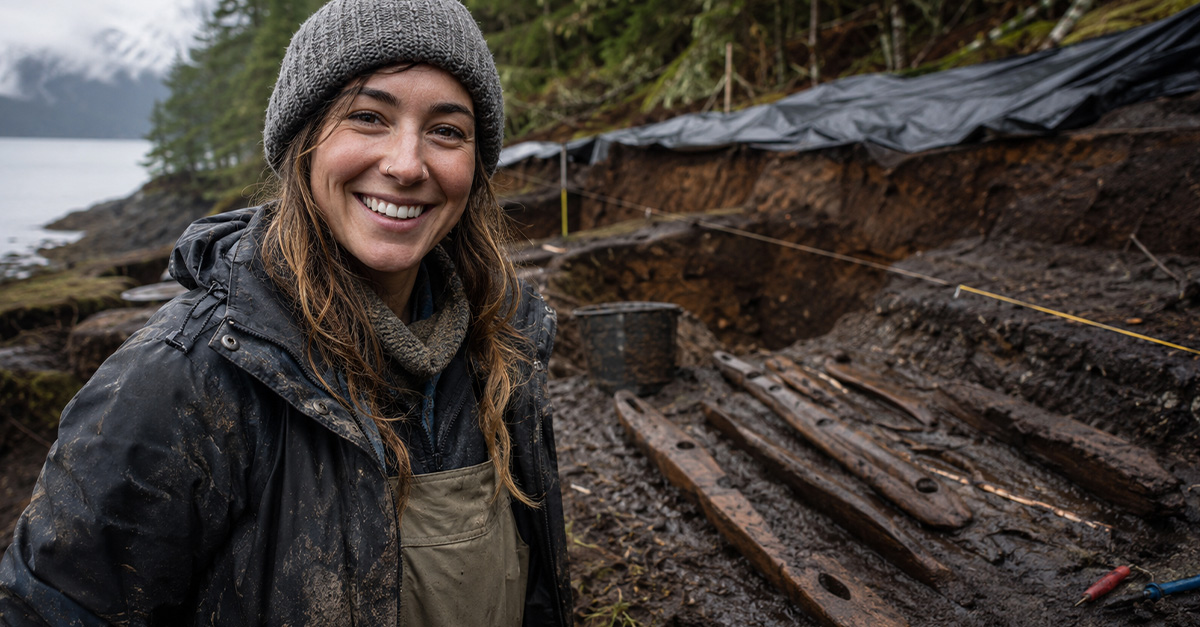
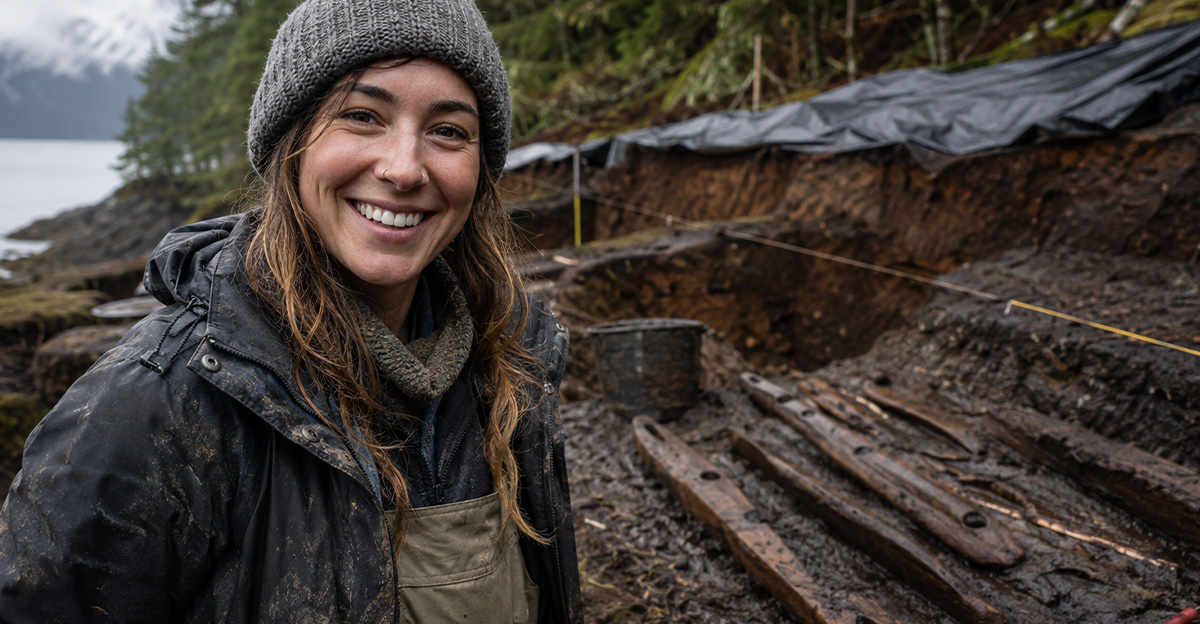
A construction project on Vancouver Island recently uncovered something far more exciting than another buried pipe. Archaeologists found remarkably well-preserved wooden wedges and cordage dating back roughly 3,800 years. The discovery offers a rare glimpse into the woodworking skills and everyday lives of Indigenous people in coastal British Columbia.
A Surprise Beneath A Sewer Project
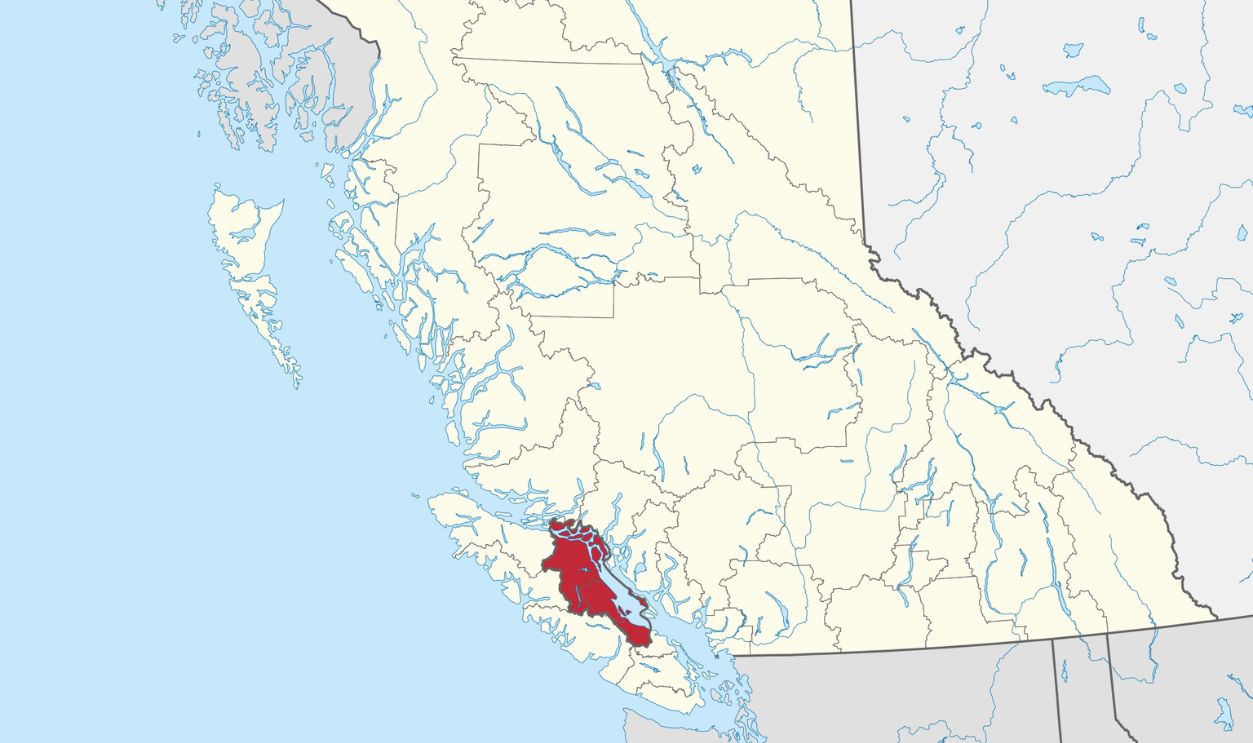
The artifacts appeared during work on the Comox Valley Regional District’s Sewer Conveyance Project near Courtenay. Because the route passed through K’ómoks territory and reserve lands, cultural heritage specialists were involved. Their careful monitoring turned an ordinary infrastructure project into an archaeological discovery stretching back nearly four millennia.
Discovered In K’ómoks Territory
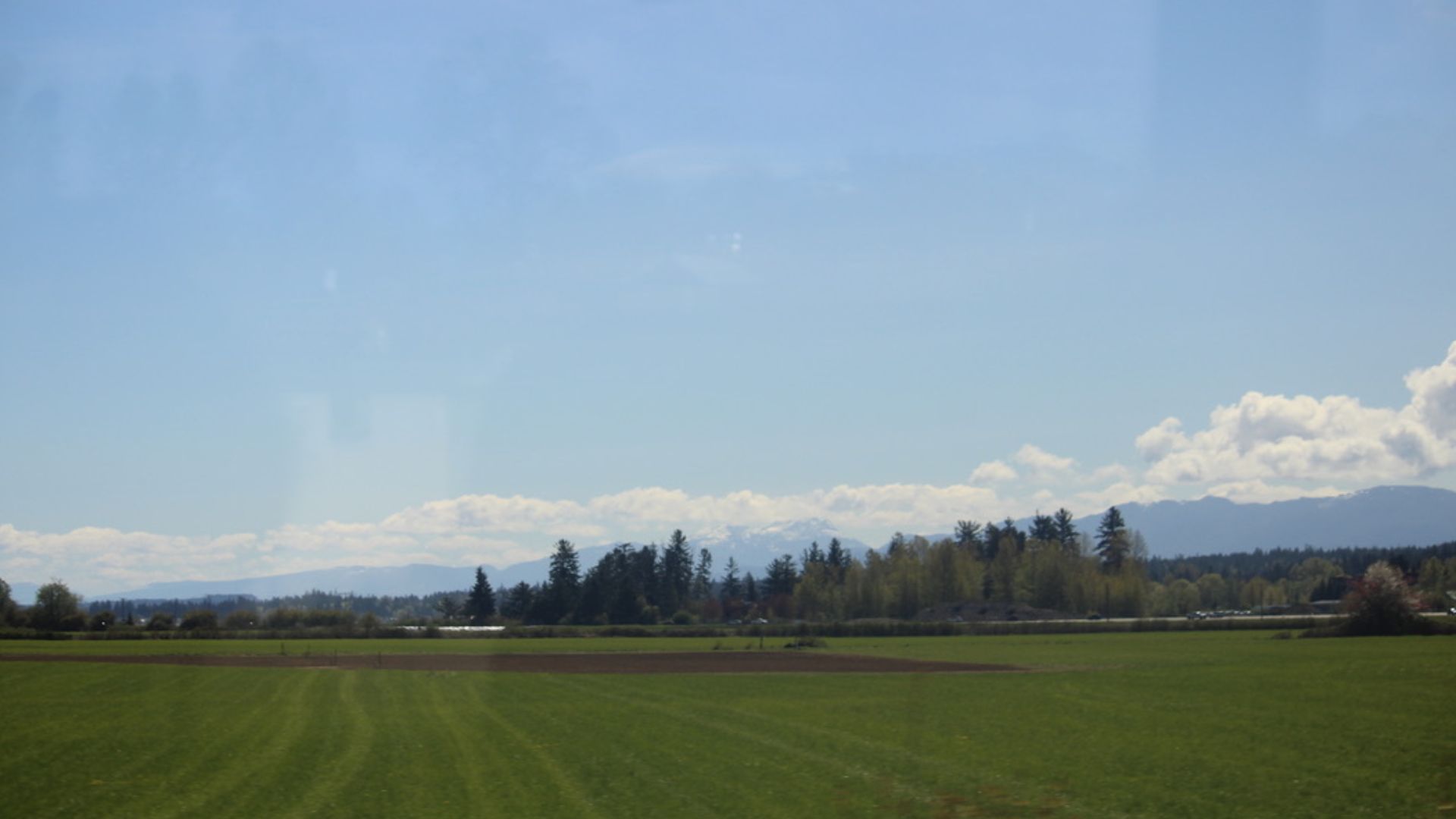
The site lies within the traditional territory of the K’ómoks First Nation, whose connection to the region continues today. That context matters. These objects are not simply curiosities from a mysterious vanished culture. They belong to a much longer Indigenous history that remains deeply connected to the surrounding lands and waters.
 awmcphee, CC0, Wikimedia Commons
The Tool Was A Wooden Wedge
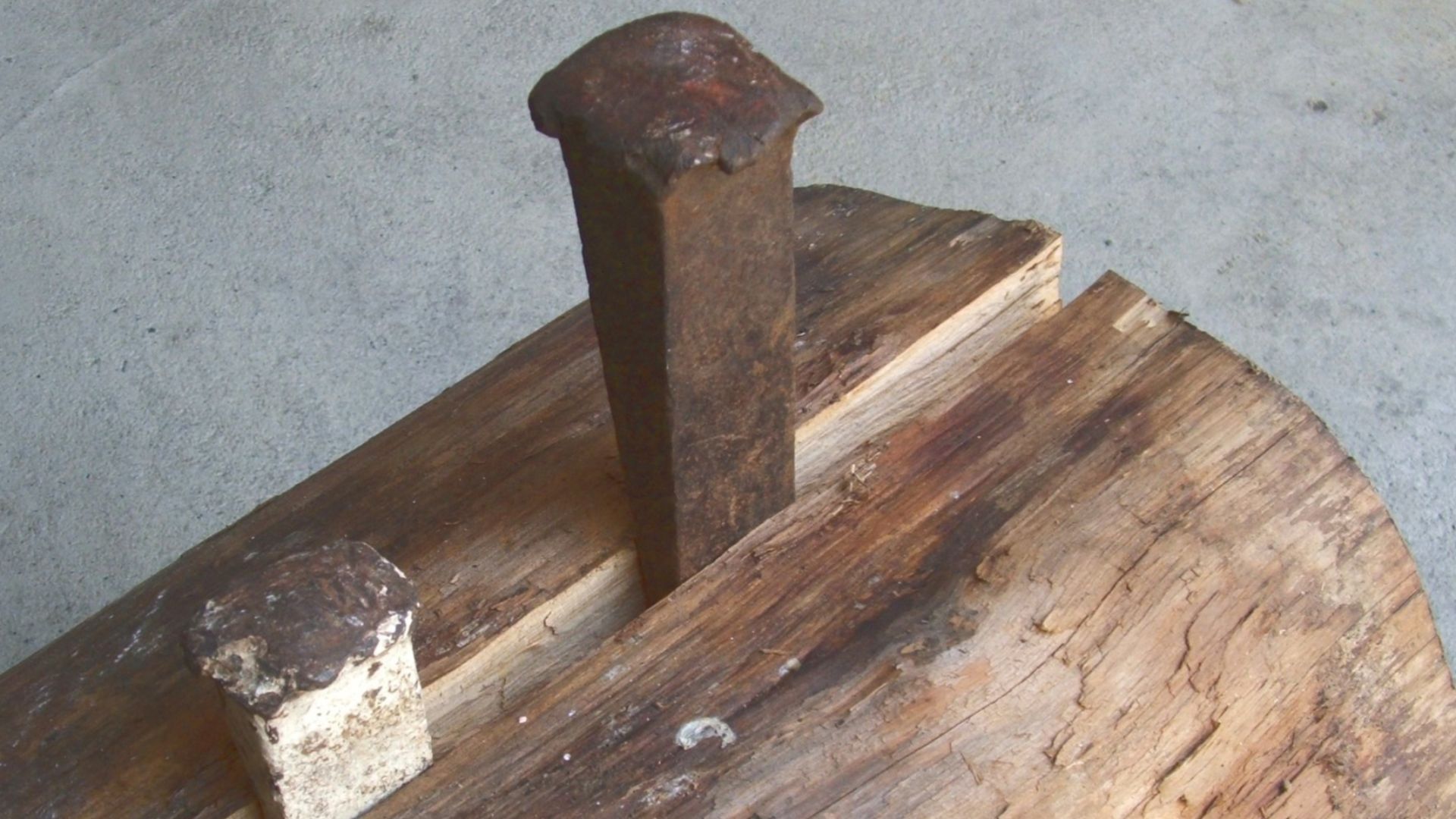
The headline-making objects were wooden wedges, practical tools designed to split large logs. A wedge could be driven into a crack until the wood separated along its grain. It sounds simple, but using one successfully demanded knowledge of tree species, wood behaviour, toolmaking and carefully controlled force.
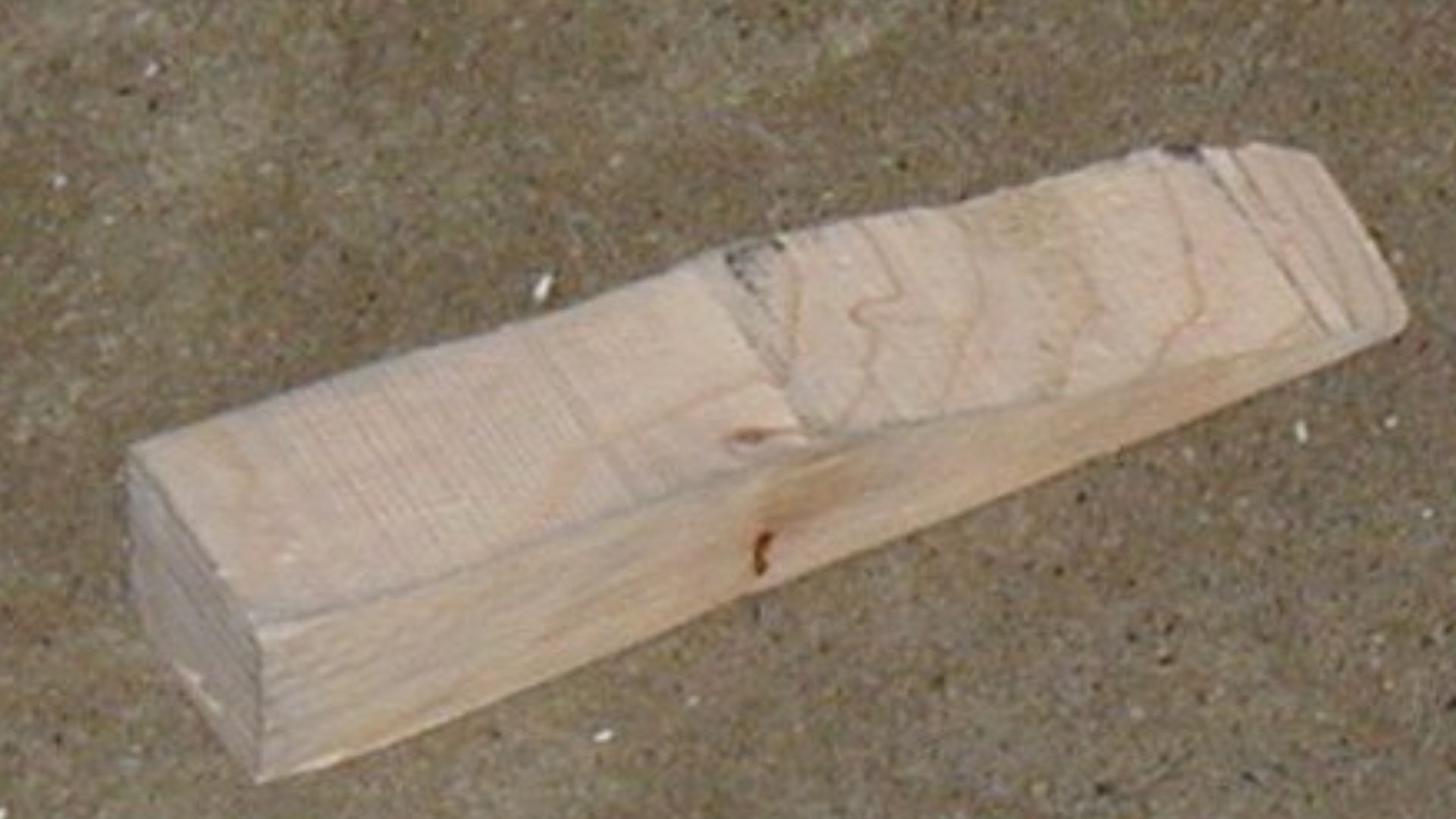 Strait at English Wikipedia, Wikimedia Commons
Ancient Builders Needed Good Tools
Split planks could be used to construct homes and create many other useful objects. Producing them without modern saws required planning and patience. The wedges show that coastal craftspeople had developed effective methods for turning enormous trees into manageable building materials long before metal tools reached the Pacific Northwest.
Choosing The Right Wood Mattered
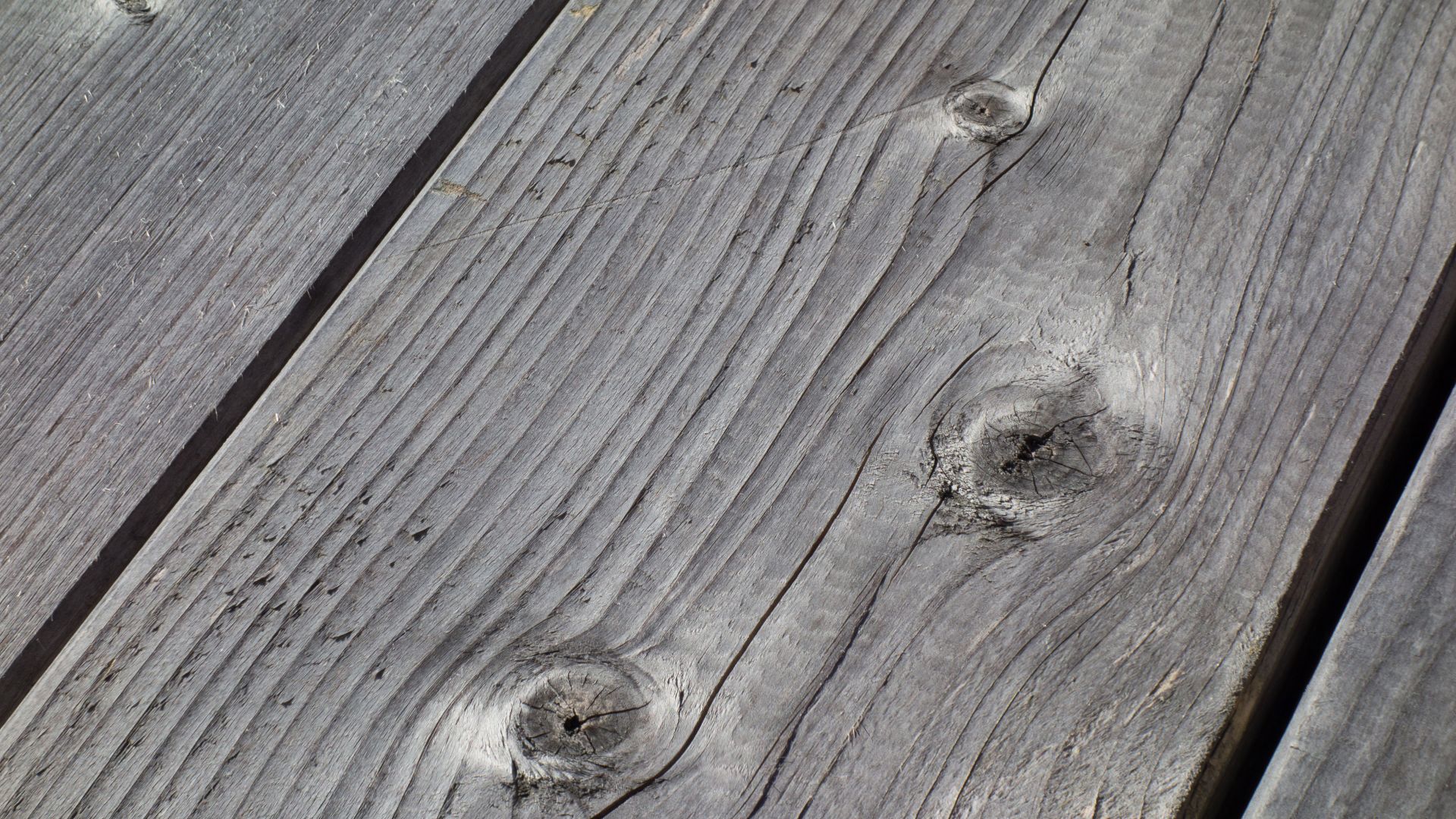
Traditional wedges were often fashioned from fine-grained woods such as yew, spruce, maple or crabapple. These woods offered the strength and durability needed to survive repeated impacts. Makers could also scorch the wood to harden it, transforming a carefully selected branch or block into a dependable working tool.
 Philipp Zinger / Das Ohr at de.wikipedia, Wikimedia Commons
Woodworking Was Skilled Engineering
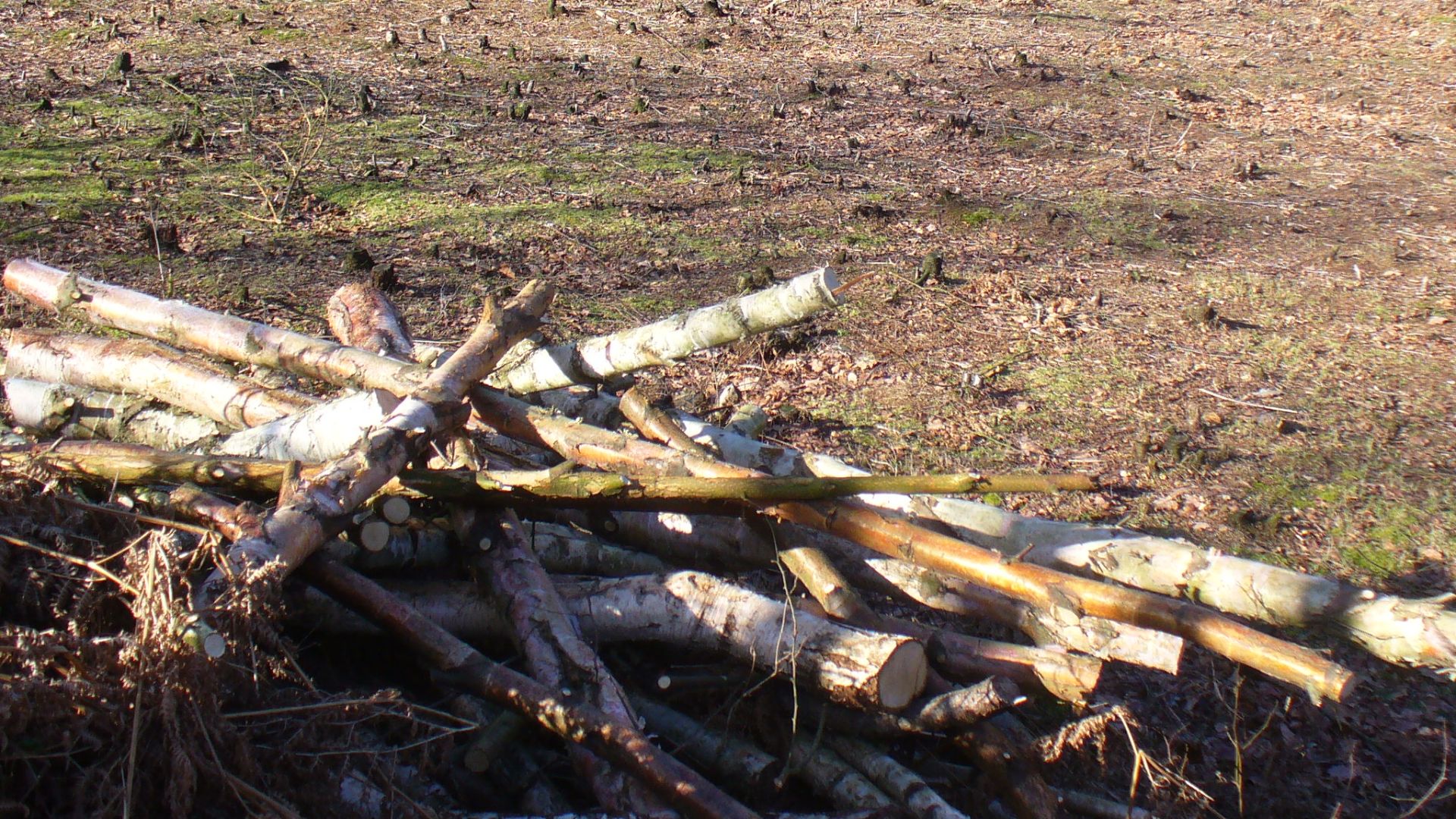
Splitting a log is not the same as randomly smashing it. Workers had to read the grain, position several wedges and apply force in the right sequence. One poor decision could ruin valuable timber. The ancient tool therefore represents technical knowledge passed down, tested and refined across generations.
 Colin Smith , Wikimedia Commons
The Site Preserved More Than Wood
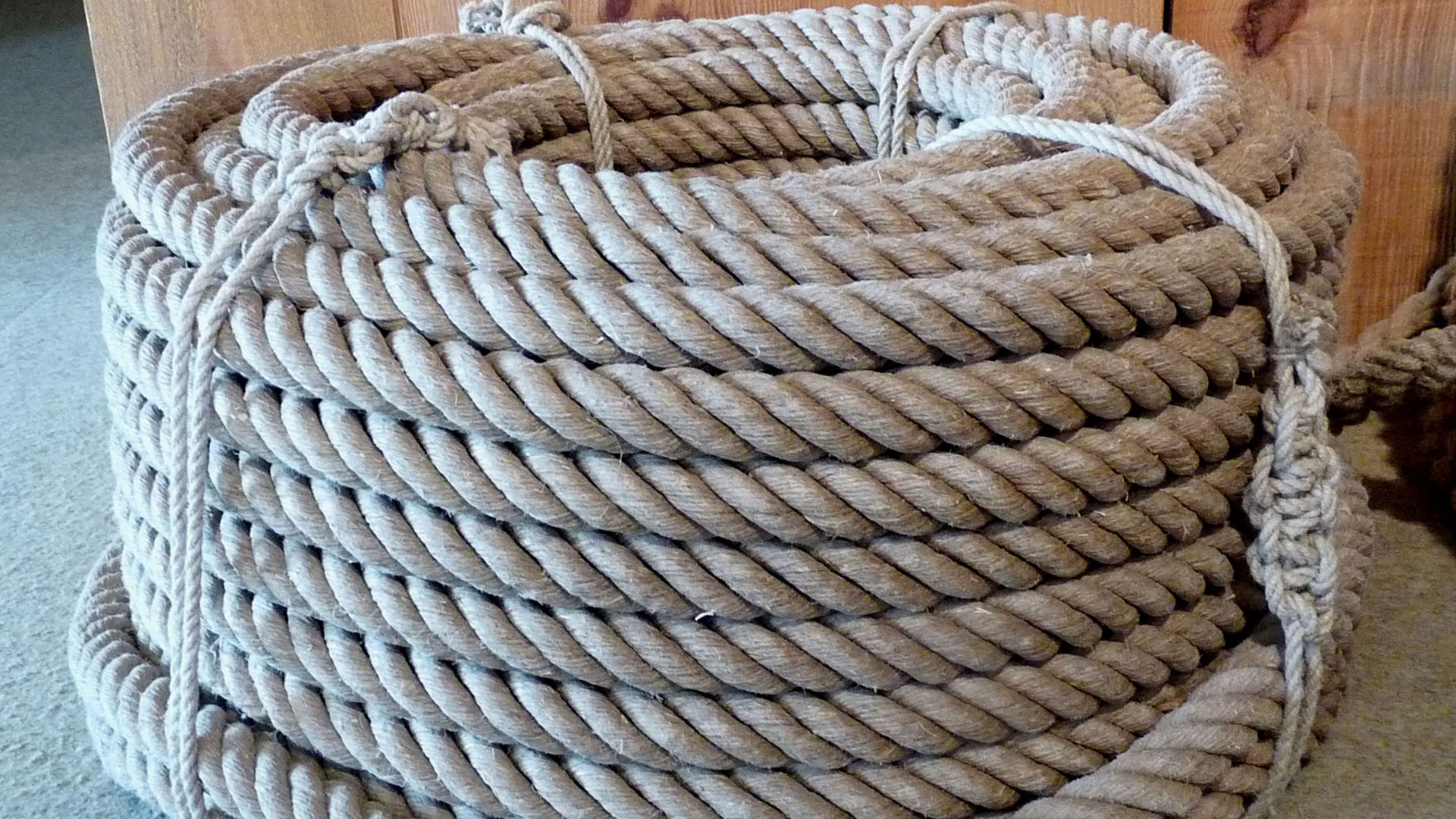
Archaeologists also recovered pieces of cordage made from plant and wood fibres. Rope was one of the quiet wonders of the ancient world. It could tie, carry, fasten, trap and repair. Yet because fibre normally decomposes quickly, its importance is often nearly invisible in the archaeological record.
Ancient Rope Had Countless Uses
Cordage may have supported fishing, hunting, basketry, carpentry, harvesting and clothing production. A short preserved piece cannot reveal its exact final purpose, but it proves that people were processing flexible plant materials with considerable skill. One small strand can point toward an entire network of everyday technologies.
 OSU Special Collections & Archives : Commons, Wikimedia Commons
This Was A Rare Wet Site
The discovery came from what archaeologists call a wet site. These waterlogged places can preserve organic materials that would usually disappear. While ordinary archaeological sites are dominated by stone, shell and other durable substances, wet sites may protect wood, rope, basketry and plant remains for thousands of years.
 UBC Library Digitization Centre, Wikimedia Commons
Water Became A Time Capsule
Constant moisture and low oxygen levels can slow the bacteria and microbes that normally break down organic matter. Instead of crumbling into the soil, wooden objects may survive in recognizable form. The muddy ground near Courtenay effectively sealed pieces of ancient life inside a natural archaeological time capsule.
 Iver Botten, Wikimedia Commons
Most Wooden History Has Vanished
Wood was likely everywhere in ancient coastal communities, but archaeology rarely reflects that reality. Buildings, paddles, handles, boxes and tools usually rot away. When only stone survives, the past can appear much stonier than it really was. This discovery helps restore some of that missing wooden world.
 Asahel Curtis, Wikimedia Commons
A Window Into Everyday Life
Golden treasures and dramatic tombs receive plenty of attention, but ordinary tools often tell more personal stories. A wooden wedge was held, struck and used by someone completing a practical task. It brings us closer to the routines, decisions and physical work that shaped life in the ancient Comox Valley.
 Masterhatch, Wikimedia Commons
The Coast Offered Rich Resources
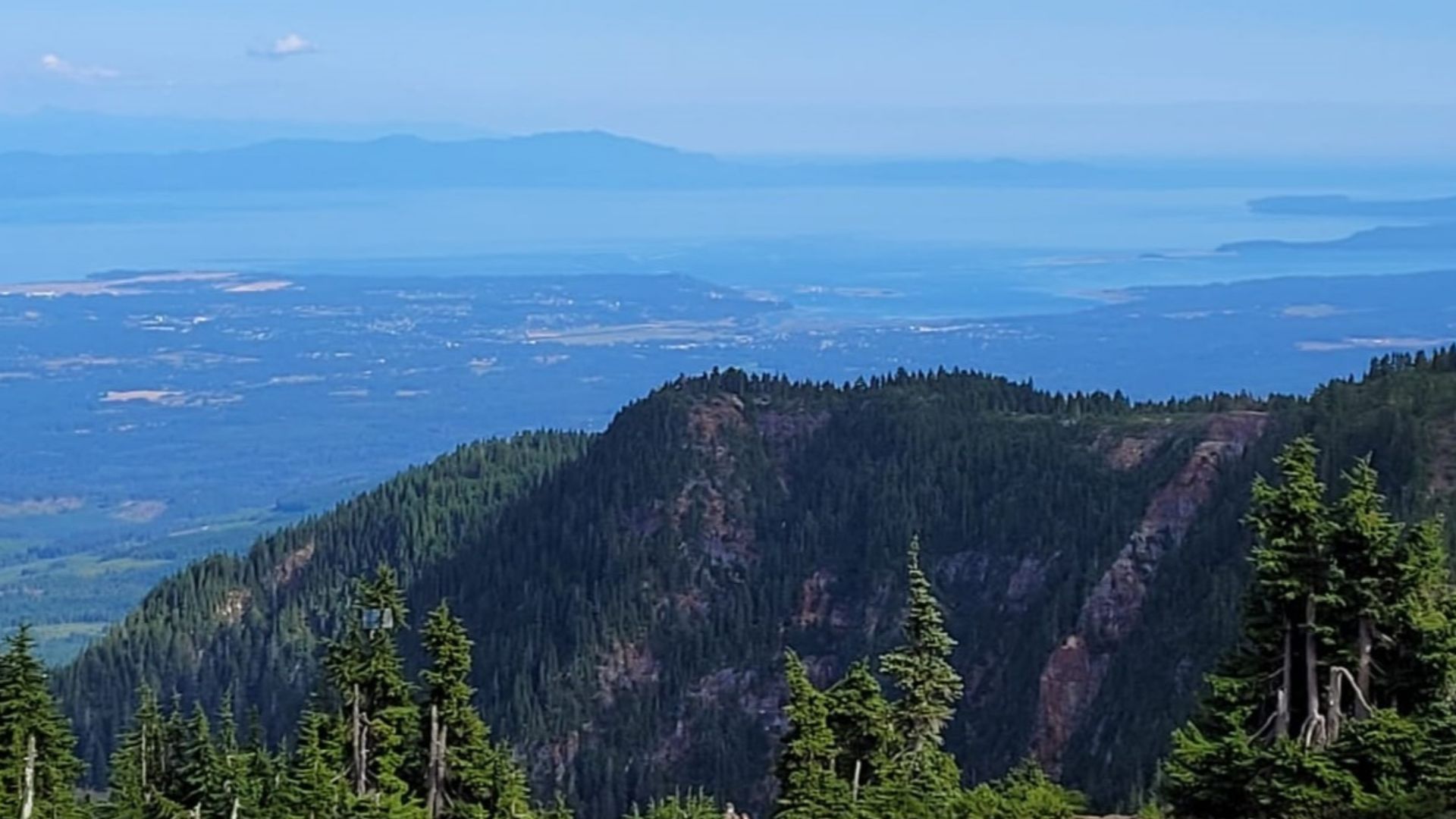
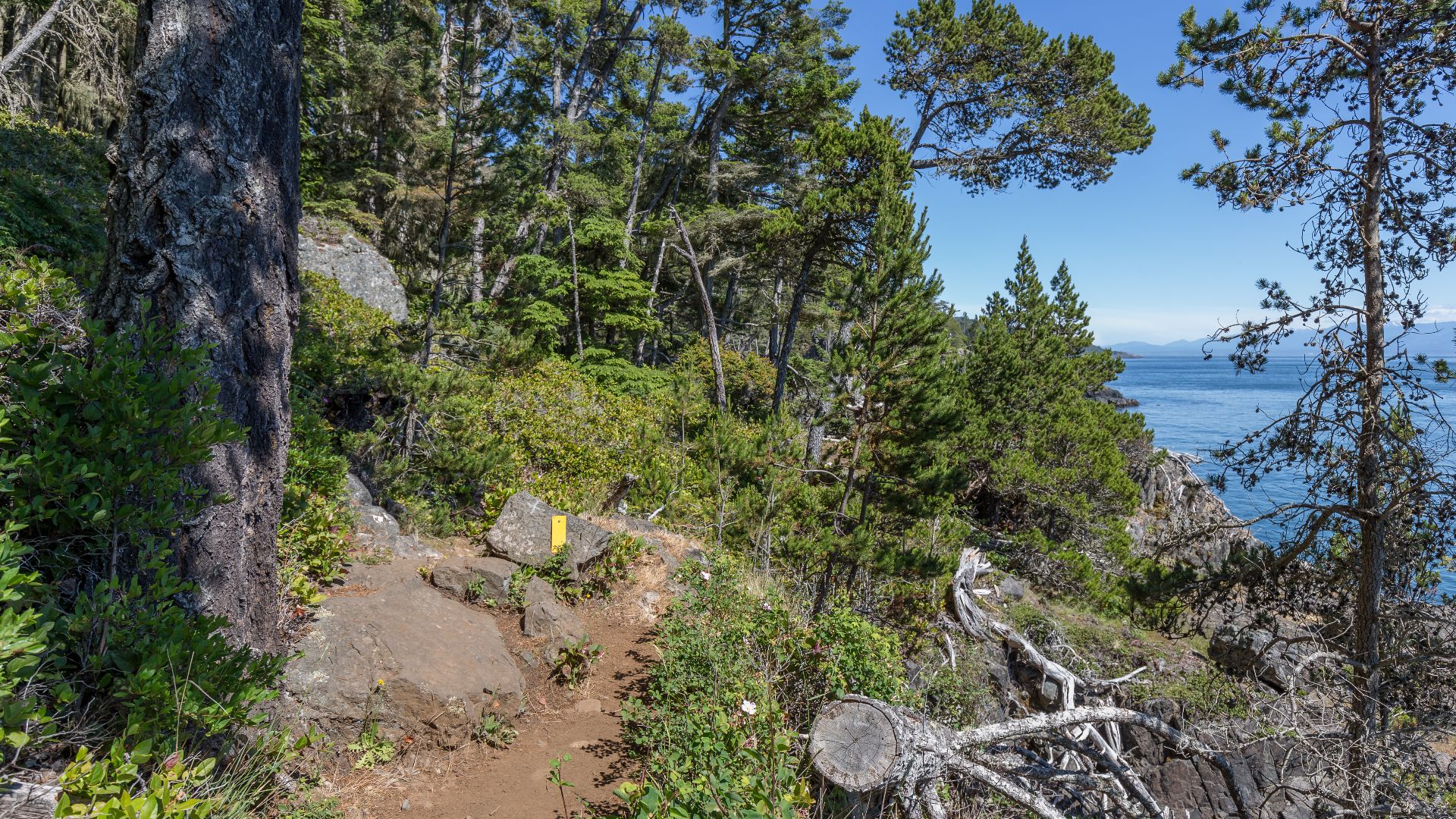
Coastal British Columbia provided forests, rivers, estuaries and abundant marine resources. Communities could fish, gather shellfish, harvest plants and work timber from nearby forests. Archaeological evidence across the province shows that First Peoples have lived in British Columbia for at least 14,000 years.
 Michal Klajban, Wikimedia Commons
Trees Were More Than Raw Materials
A tree could become shelter, transportation, storage, tools and art. Bark and fibres could be turned into cordage or woven goods, while trunks could supply planks and large carved objects. Woodworking was therefore not a minor craft. It sat at the centre of coastal life and technological achievement.

The Discovery Was Nearly Missed
The artifacts were found about 30 metres beyond the boundaries of a previously registered archaeological site. Had specialists relied only on the existing map, the materials might have been damaged or overlooked. Their discovery demonstrates why archaeological areas do not always fit neatly inside lines drawn during earlier surveys.
 CArson and Tahoe Lumber, Wikimedia Commons
Construction Can Reveal Hidden History
Roads, pipelines and building foundations frequently disturb ground that has remained sealed for centuries. That creates risk, but careful heritage planning can also produce important discoveries. In this case, collaboration during a modern sewer project allowed ancient cultural materials to be documented instead of unknowingly destroyed.
The Heritage System Worked
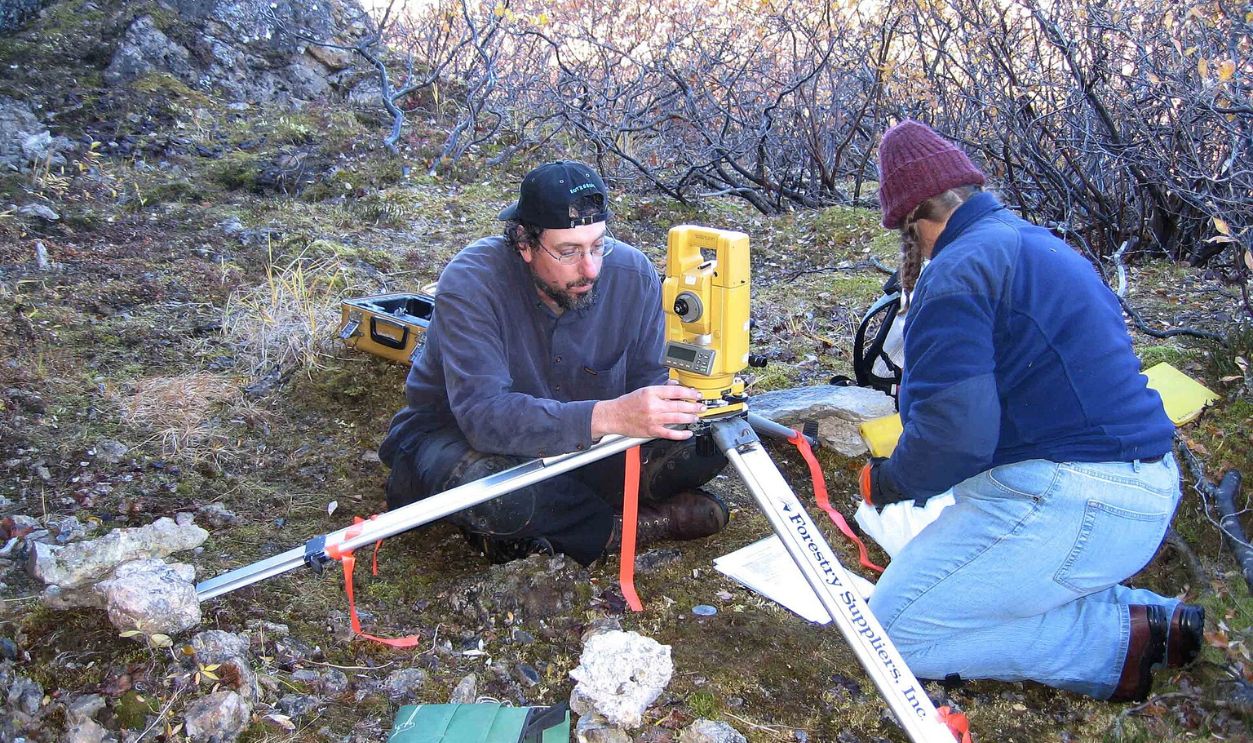
Representatives involved in the project said the discovery showed the value of archaeological permitting and monitoring. Development did not simply stop forever, nor did construction race ahead without concern. Specialists responded to the find, recovered fragile materials and gathered information that might otherwise have been lost beneath new infrastructure.
 Gonen sharon, Wikimedia Commons
Preservation Begins Immediately
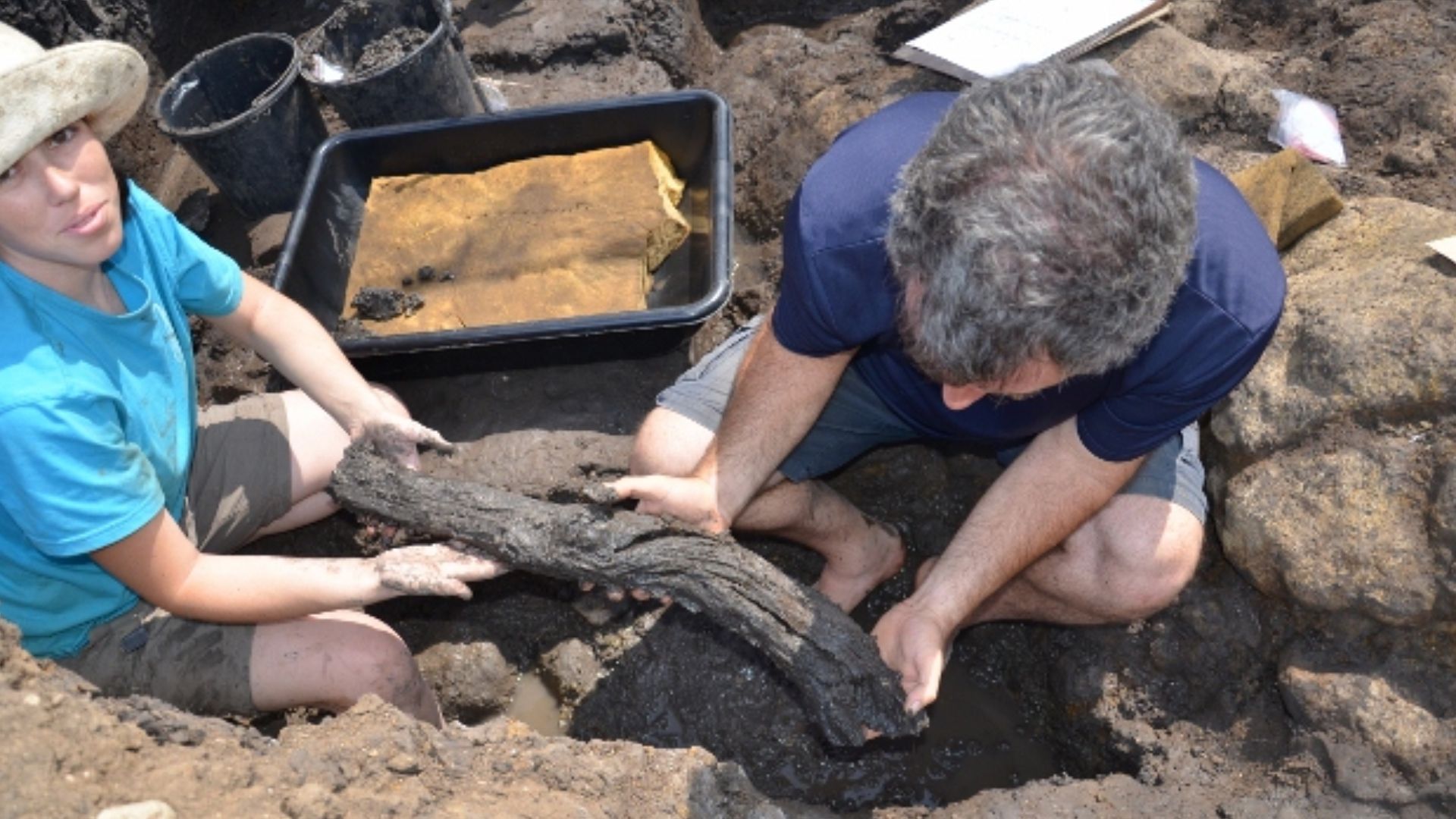
Ancient waterlogged wood can look sturdy while buried, then crack, shrink or warp once exposed to air. Archaeologists must keep it moist and control the drying process. Conservation can take considerable time because removing an artifact from its protective mud is only the beginning of saving it.
Dating Revealed Its Remarkable Age
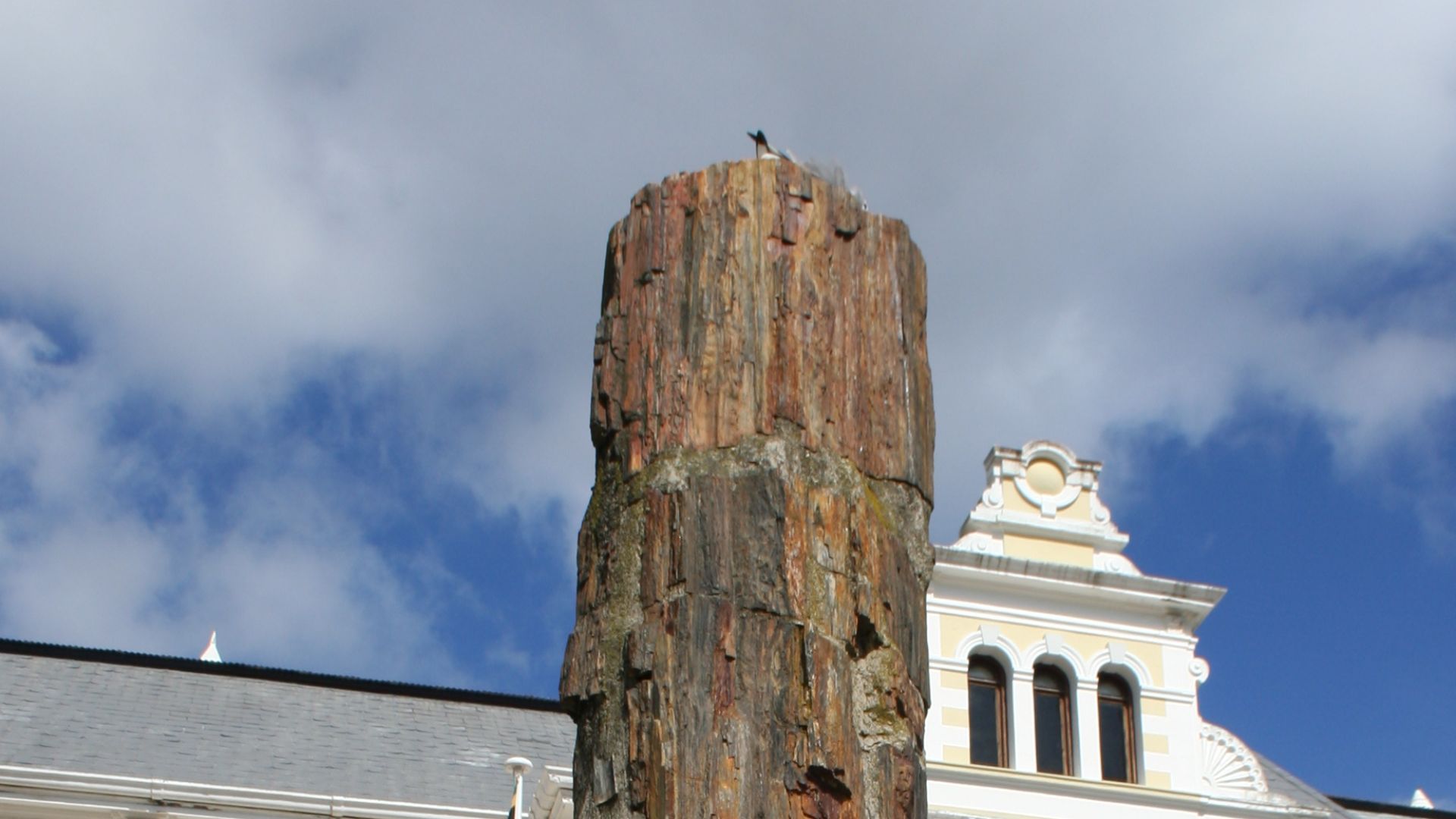
Researchers use radiocarbon dating to estimate the age of ancient organic materials. The results placed the site and its preserved objects at approximately 3,800 years old. That means the wedges were already ancient long before Europeans began charting the coast of what is now British Columbia.

Not Canada’s First Woodworking Evidence
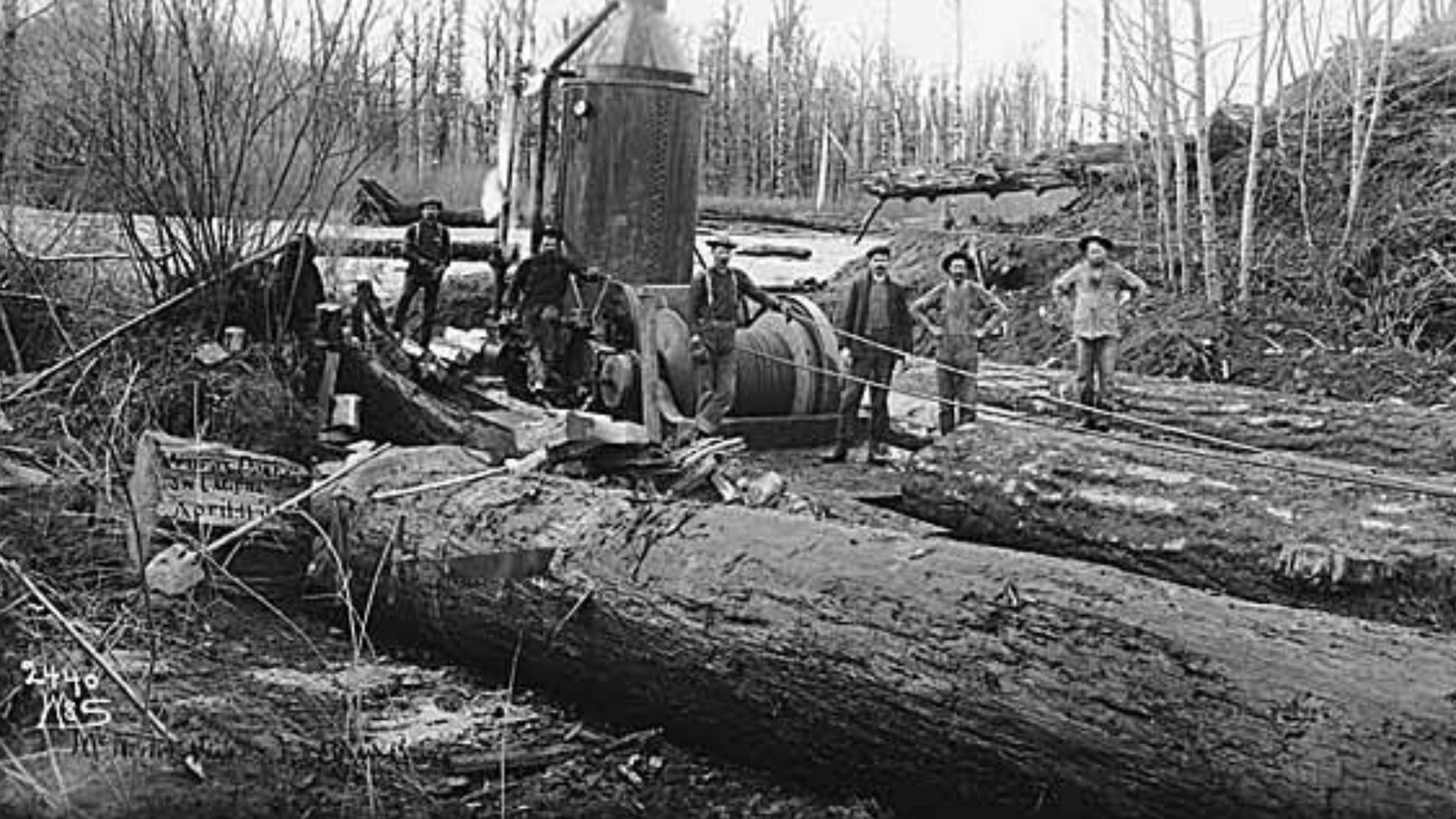
The find is extraordinary, but it should not be called Canada’s earliest evidence of woodworking. Bone and antler wedges from British Columbia indicate that Northwest Coast peoples were working wood between roughly 10,000 and 6,000 years ago. The Courtenay wedges are special because the wooden tools themselves survived.
 Webster & Stevens, Wikimedia Commons
Rare Does Not Mean Primitive
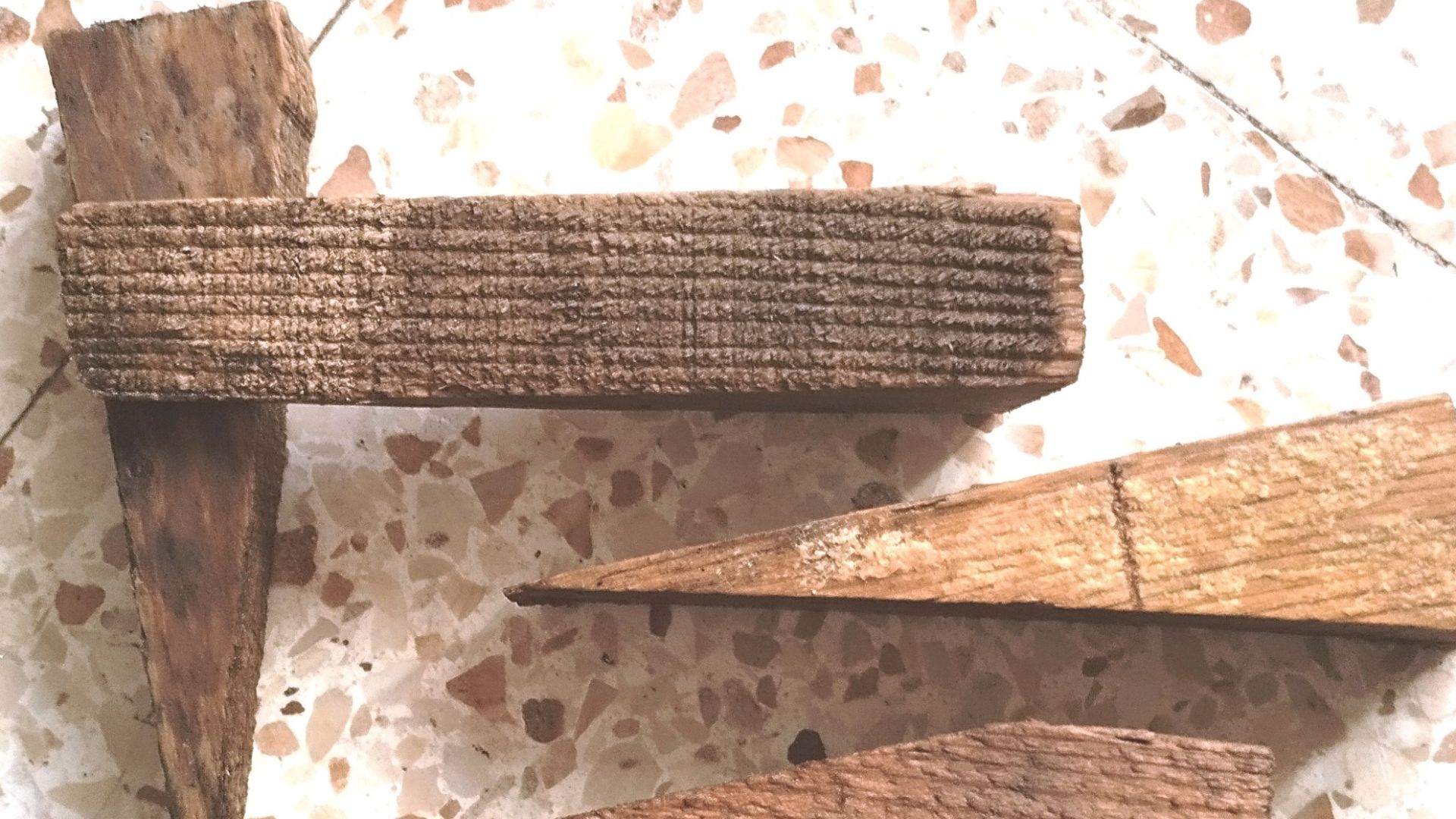
A wooden wedge may appear basic beside a steel saw, yet simplicity should not be confused with primitiveness. A well-designed wedge uses mechanical force efficiently and can help split huge logs. The tool reflects an intelligent response to local resources, along with generations of practical experimentation and teaching.
The Cordage Adds Another Layer
The combination of wedges and cordage makes the discovery especially revealing. Together, they suggest connected activities rather than an isolated lost object. Wood was being shaped, fibres were being processed and useful goods were being produced within a sophisticated technological tradition suited to the coastal environment.
 Luigi Chiesa, Wikimedia Commons
Archaeology Supports Living Histories
British Columbia contains more than 57,000 recorded archaeological sites, and the provincial government reports that about 90 percent are of First Nations origin. These places hold evidence of deep histories that First Nations communities have preserved through knowledge, culture, language and continued relationships with their territories.
 Breckenheimer, Wikimedia Commons
Travellers Should Treat Sites With Respect
Visitors may feel tempted to pick up an unusual object, explore an exposed deposit or share a site’s location online. Doing so can damage evidence and encourage looting. Anyone who encounters a possible artifact in British Columbia should leave it in place and report it through the proper provincial channels.
The Mud Still Holds Stories
Wet sites remain difficult to locate, and many may disappear through erosion, development or climate-related changes before they are recorded. The Courtenay discovery suggests that other fragile objects could still be waiting beneath British Columbia’s shorelines and estuaries, protected by the same wet conditions that make excavation so challenging.
![No known copyright restrictions. Please credit UBC Library as the image source. For more information, see digitalcollections.library.ubc.ca/cdm/about.
Creator: Unknown
Date Created: [between 1930 and 1939?]
Source: Original Format: University of Br](https://www.factinate.com/storage/app/media/splashtravels/2026/7/16/17841854878eb7b40f2a501a39519e5aa612e3520a2d97e48e.jpg) UBC Library Digitization Centre, Wikimedia Commons
UBC Library Digitization Centre, Wikimedia Commons
You May Also Like:





.jpg)